15 Steps to Style an Easy Bookshelf
9 min read

Bookshelf Ideas · 15 guides
Books are the heaviest thing most people ask a shelf to hold, and almost nobody weighs them first. A linear foot of hardbacks runs 20 to 25 pounds. A 36-inch shelf filled end to end carries 60 to 75 pounds — more than a toddler — which is exactly why so many bookcases bow in the middle inside a year.
These fifteen guides start from that number. Every idea gives a depth, a span, a clear height and a budget tier, and every one says whether it can go up without drilling.
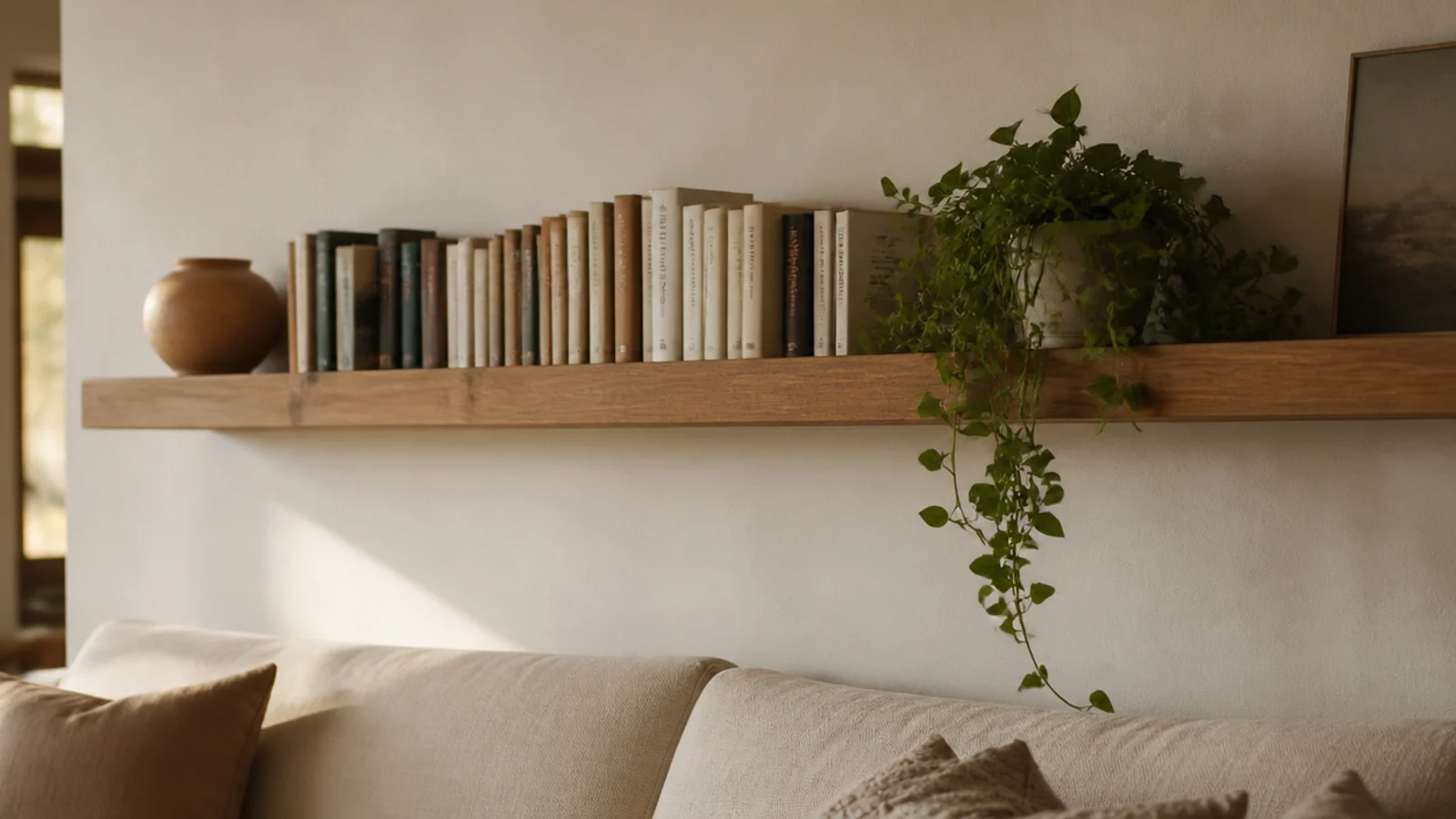
Span. Three-quarter-inch plywood or solid stock begins to sag past a 32-inch span under books. Three fixes work: shorten the span with a divider or a mid support, glue a solid front lip along the leading edge, or move up to one-inch stock. Anything longer than 32 inches without one of those will curve, and it never curves back.
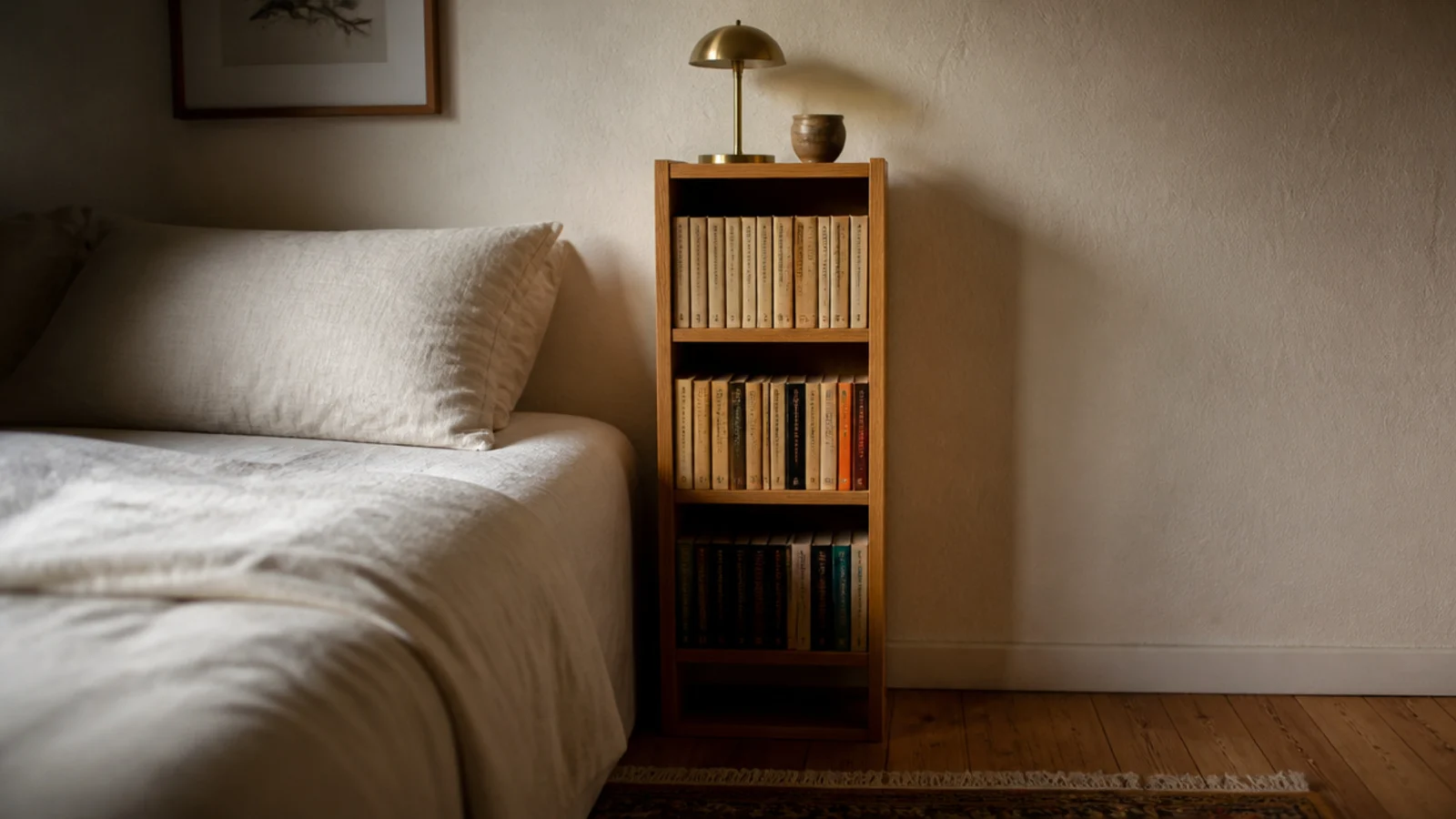
Depth. Eleven to twelve inches suits most hardbacks and art books. Nine to ten inches is plenty for paperbacks and reads far lighter in a narrow room. Past twelve inches you simply gain a second row of books you will never look at again.
Clear height. Leave 11 to 13 inches between shelves for hardbacks and 9 to 10 inches for paperbacks. Adjustable pin holes are worth the extra ten minutes at build time, because the books you own in five years are not the books you own today.
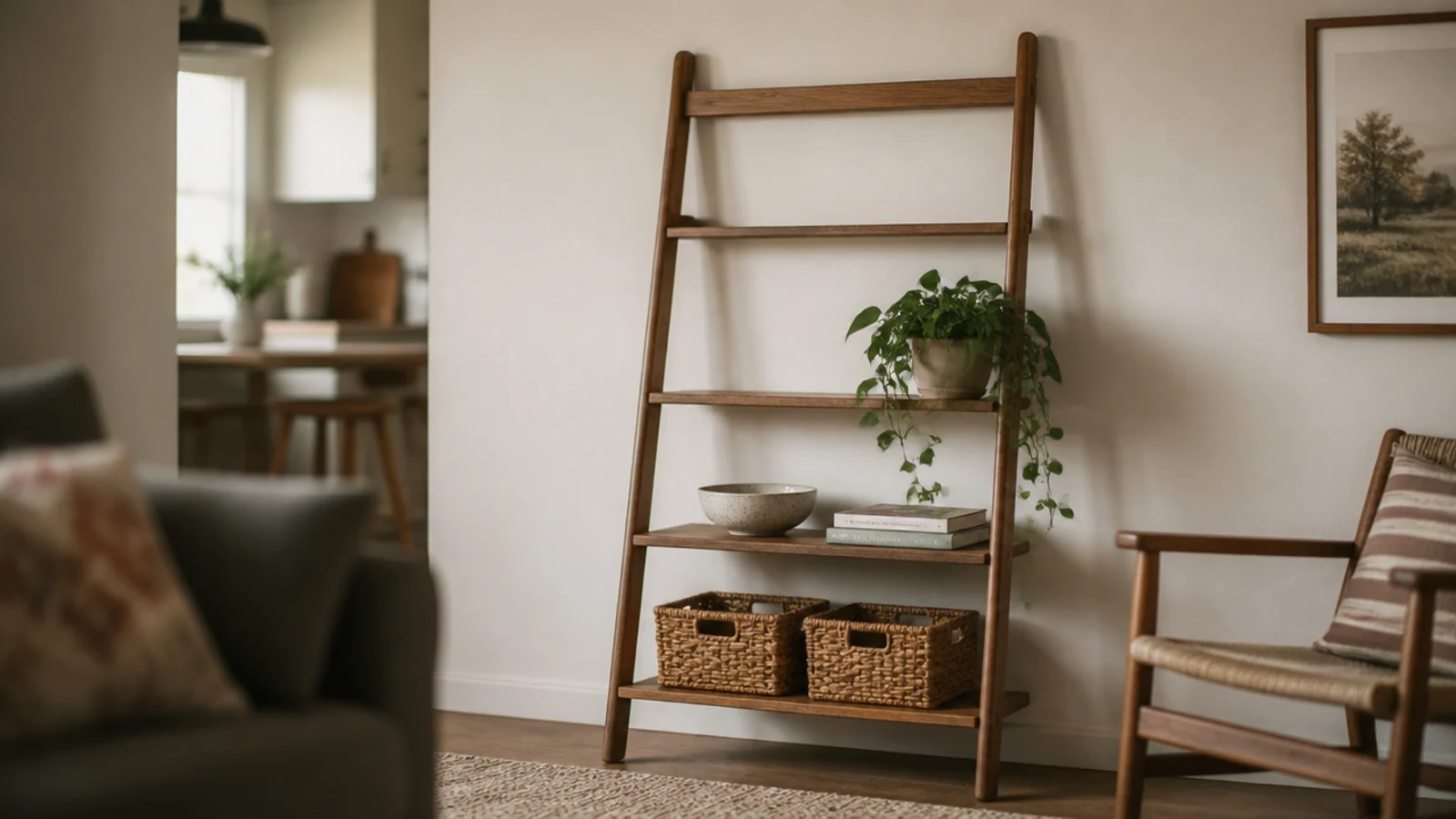
Anchoring. Every freestanding bookcase gets an anti-tip strap into a stud. No exceptions, ever, in any home with children in it. A loaded bookcase outweighs the person most likely to climb it, and the strap kit costs about $10.
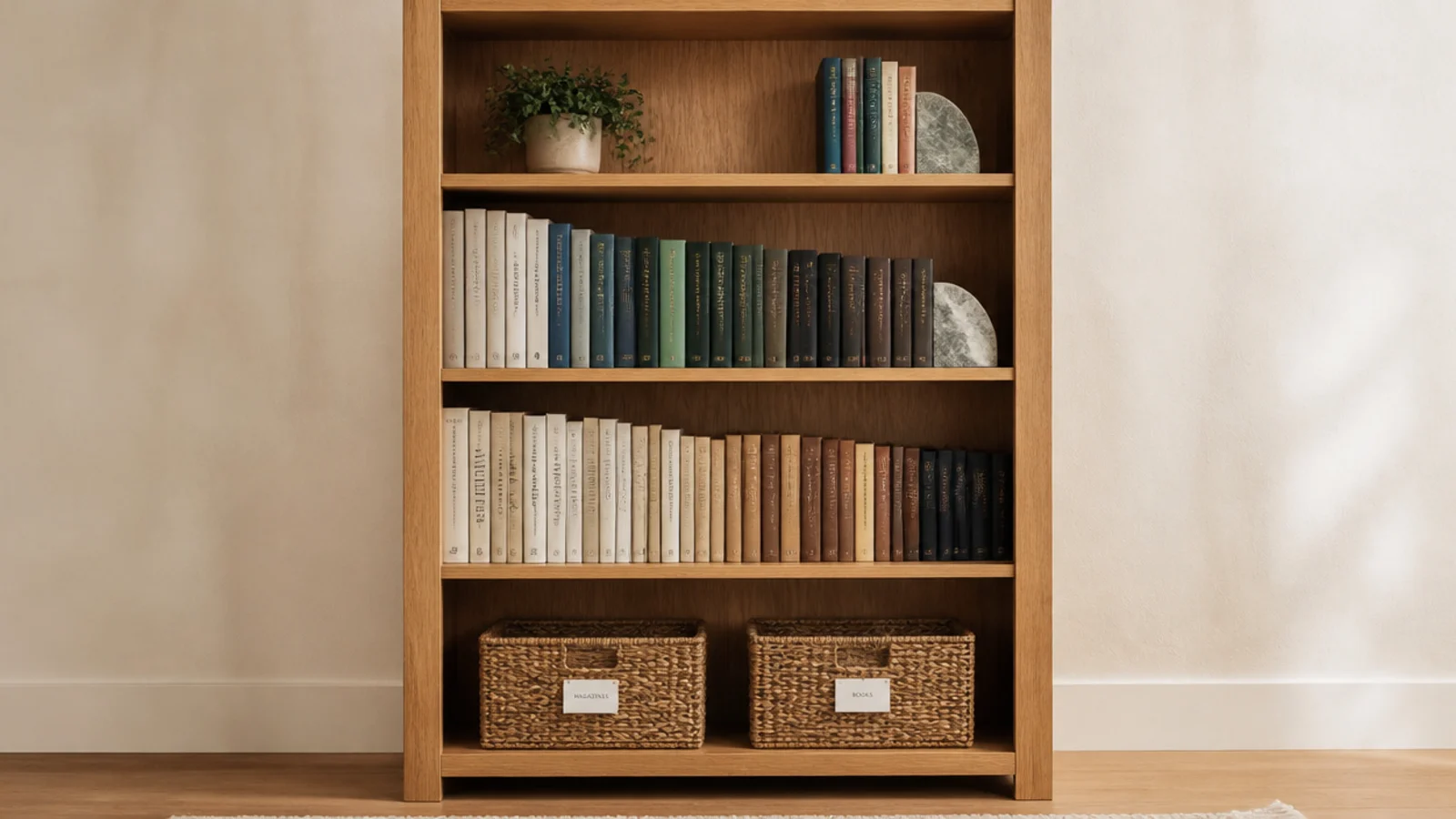
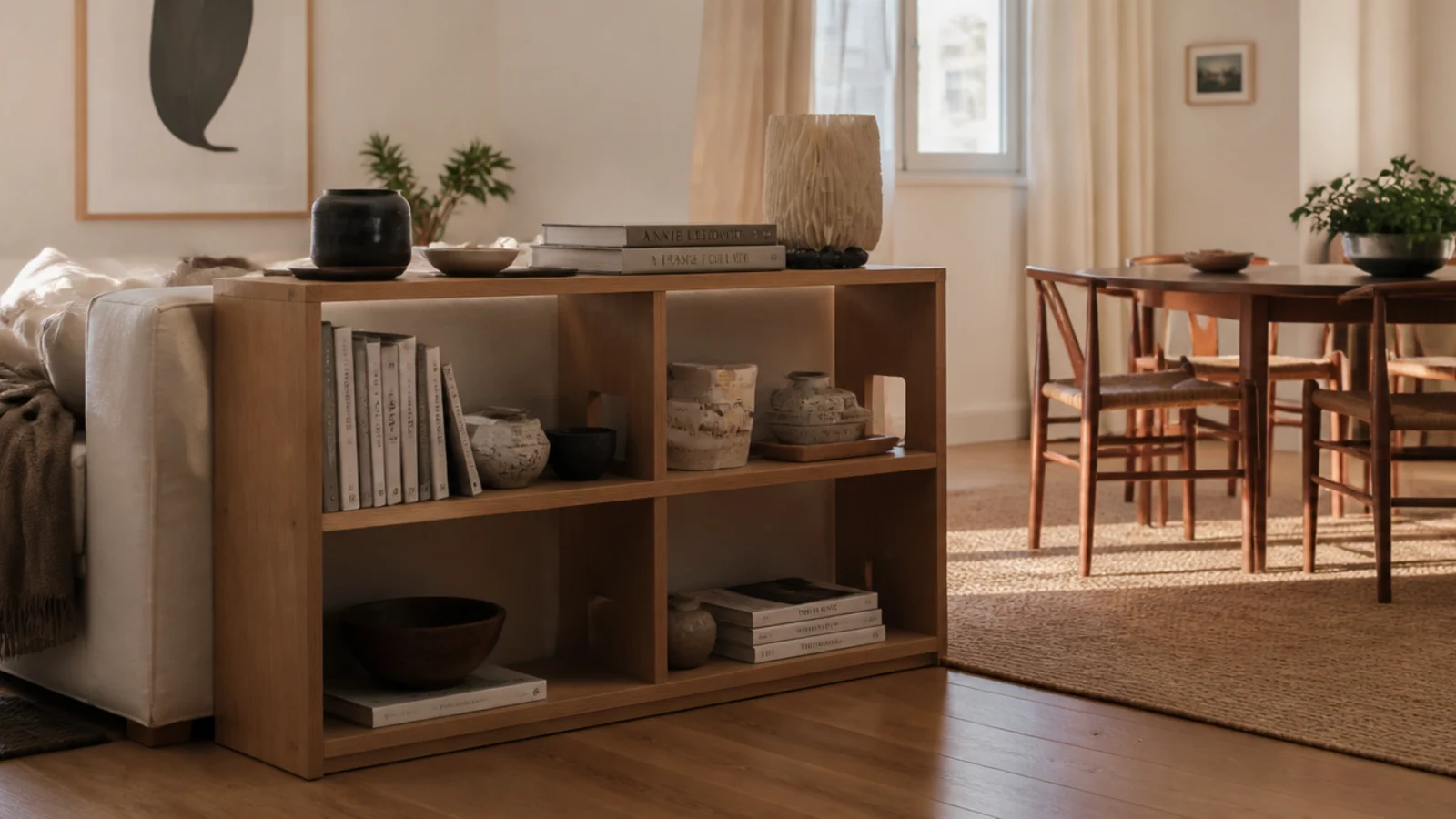
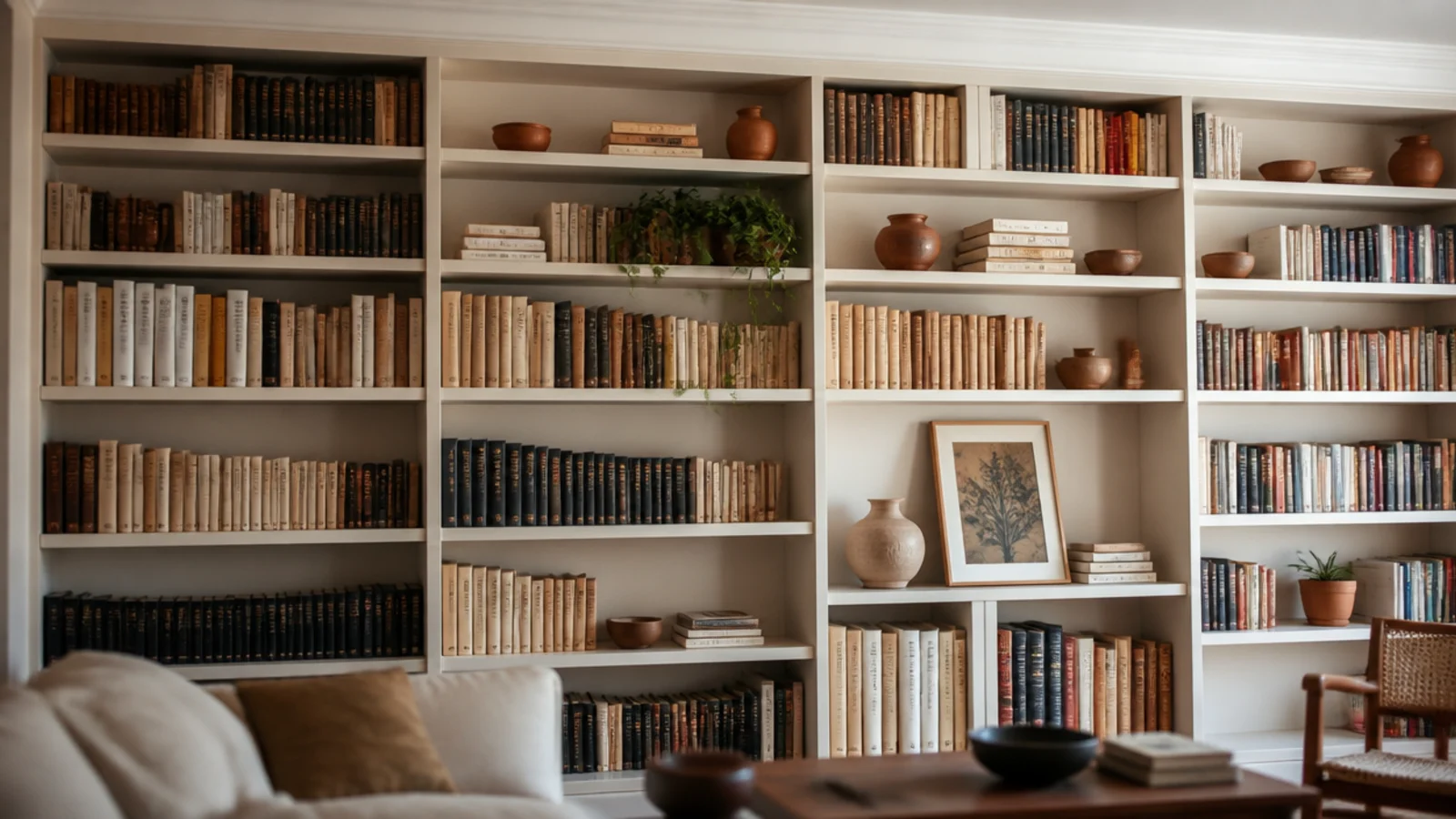
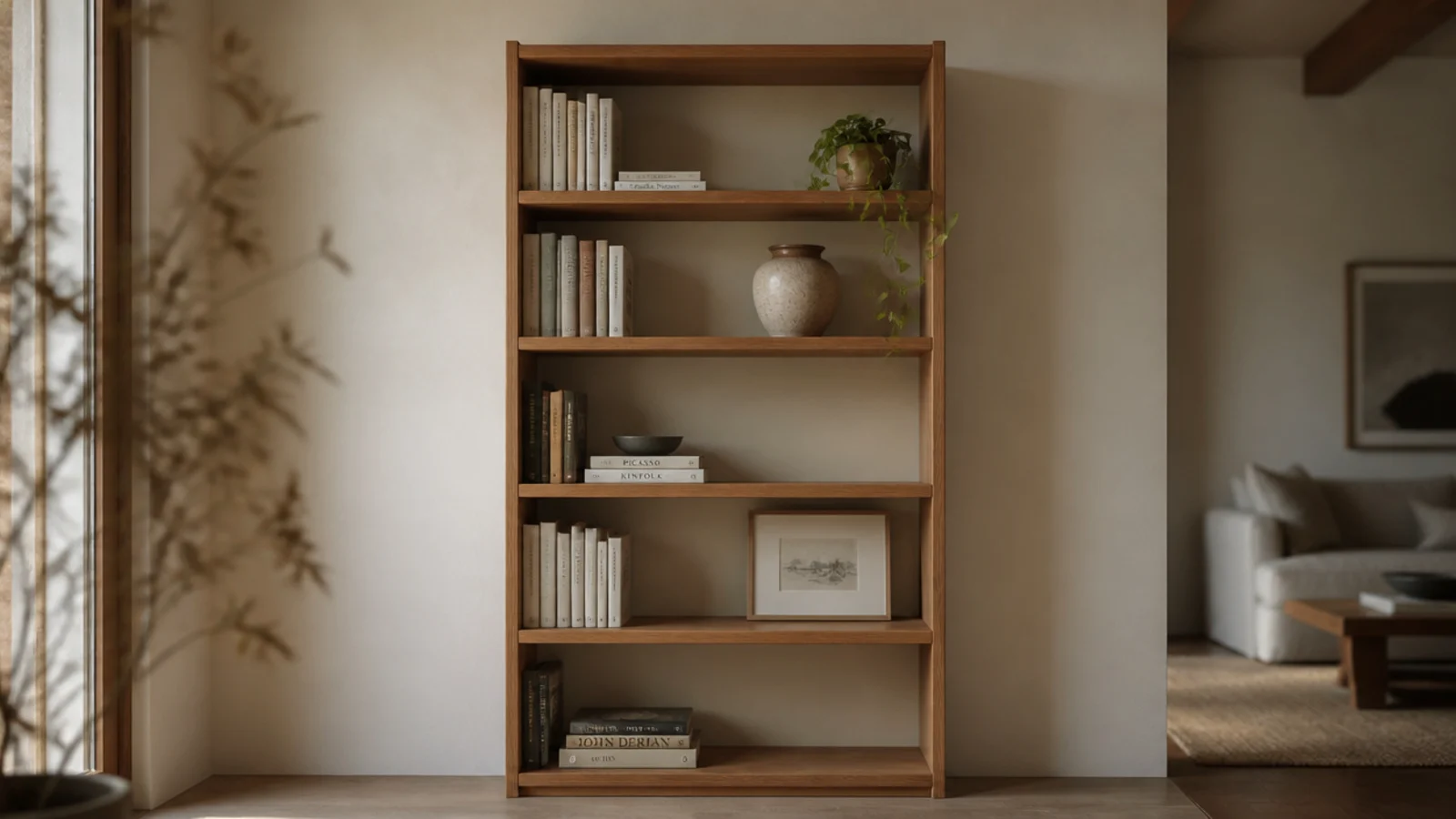
Group books by height rather than by color. Color-blocked shelves photograph well and read as busy in the room; a height-graded shelf looks calm from the doorway and costs nothing to do.
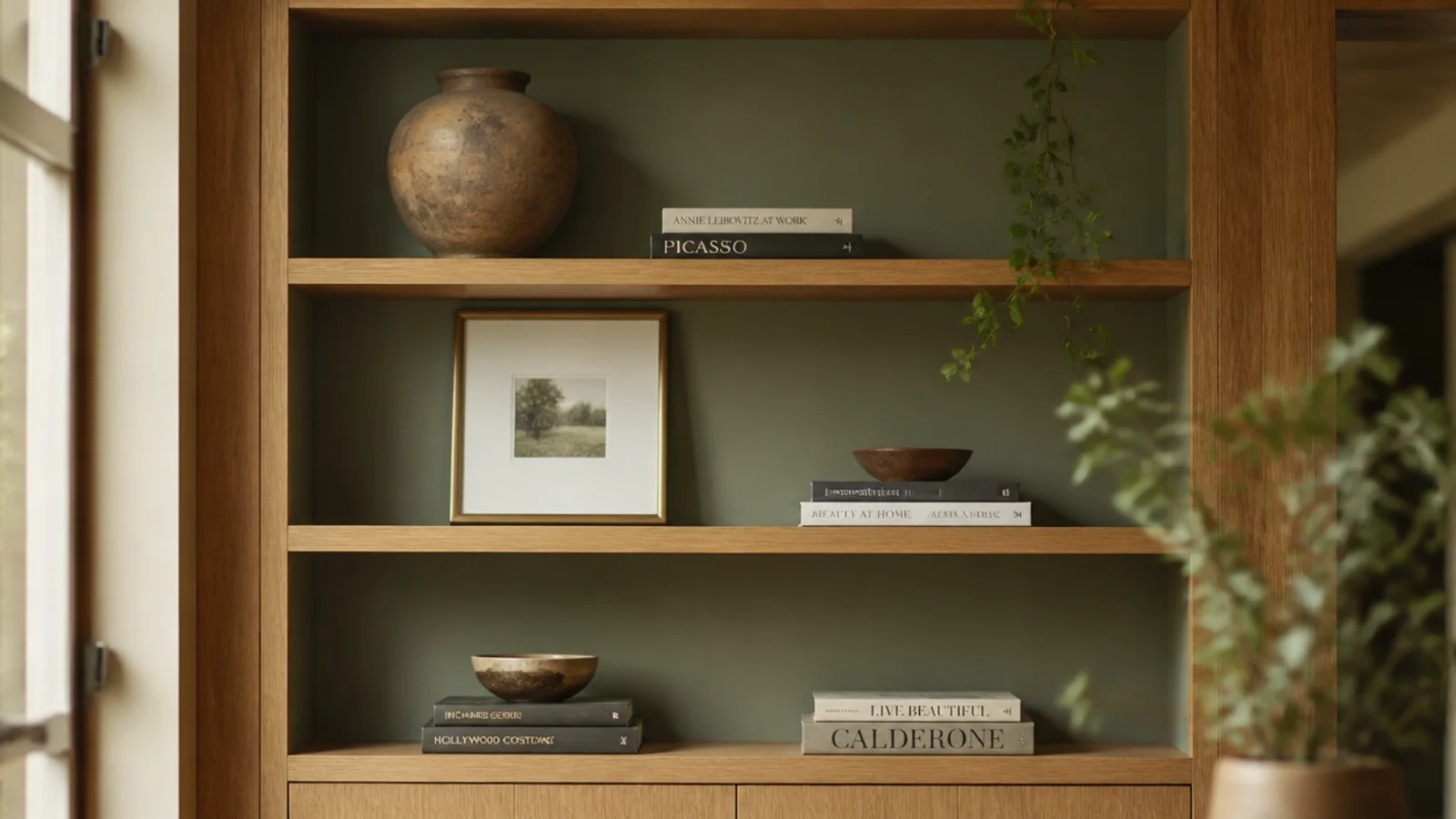
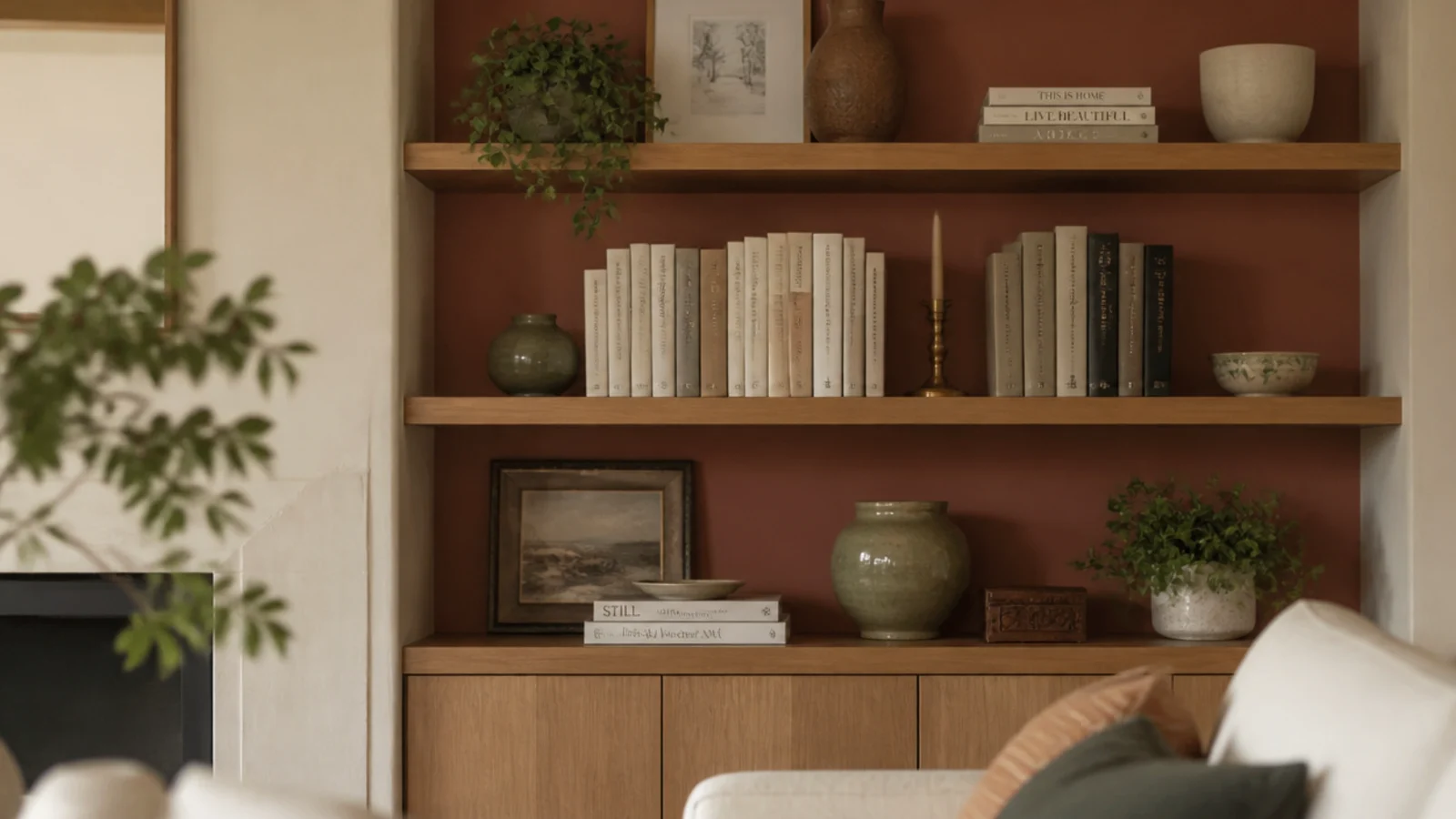
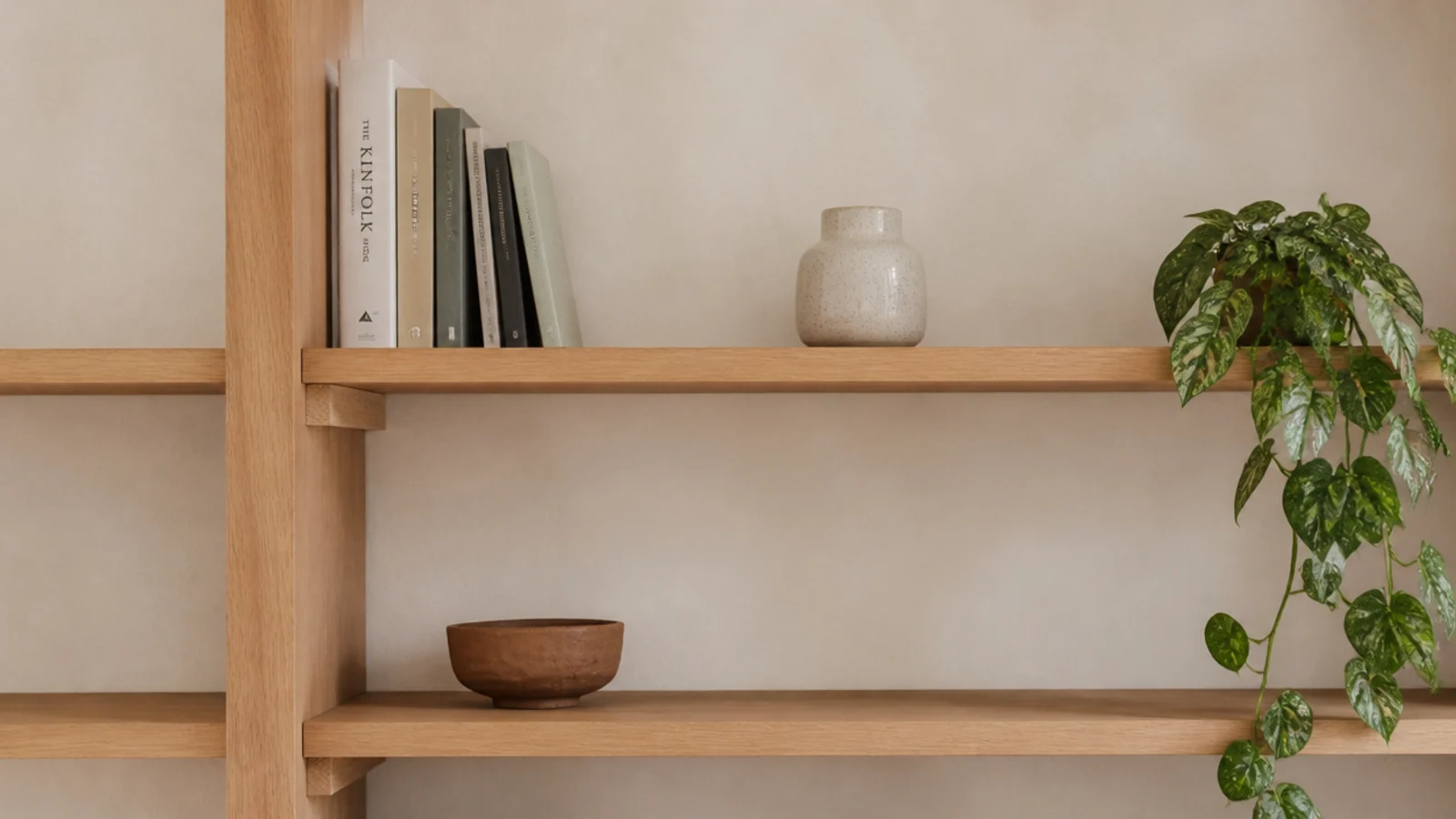
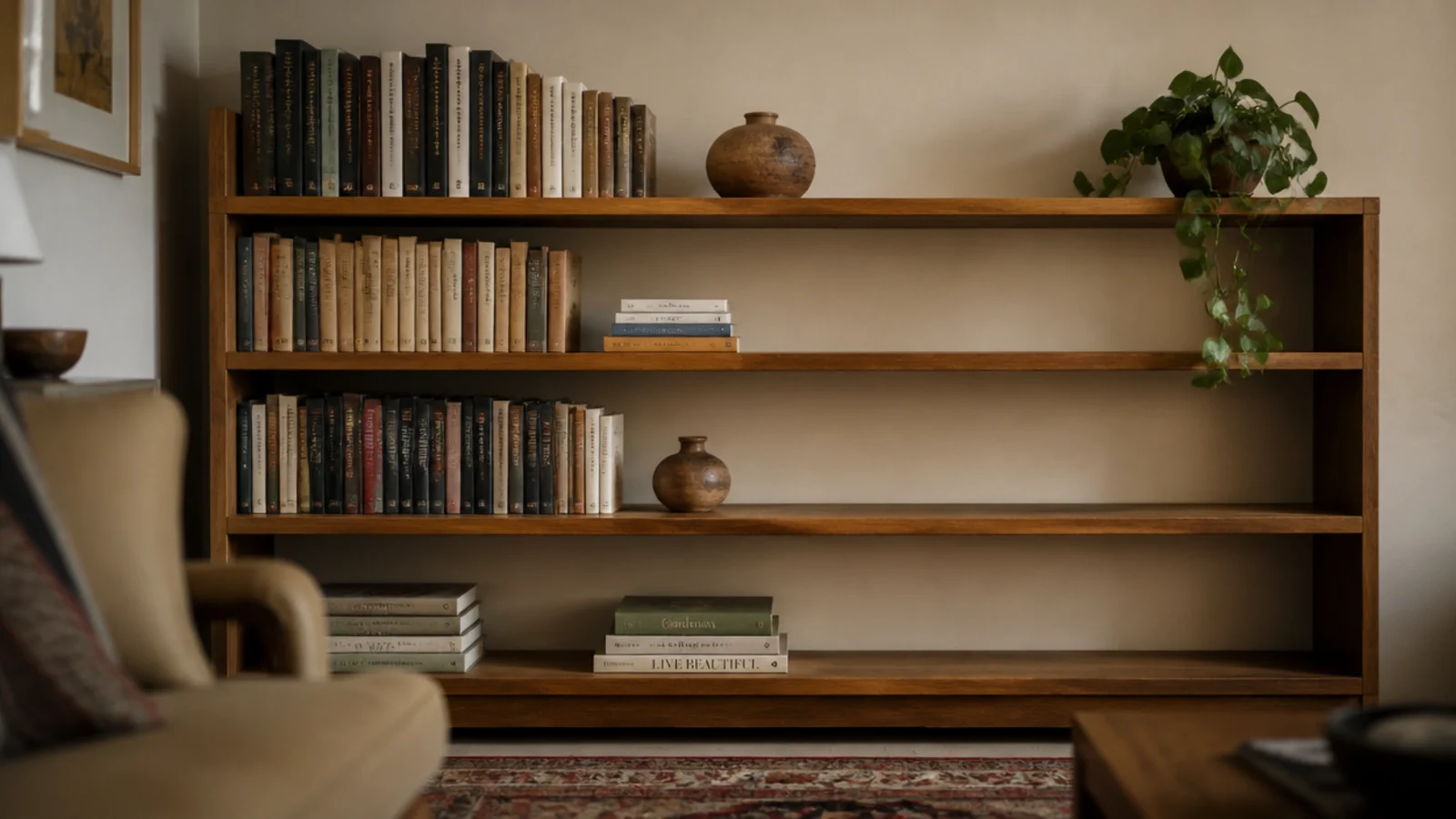
Keep roughly a third of every shelf empty. That gap is the thing that tells a visitor the books were chosen rather than stored, and it is free.
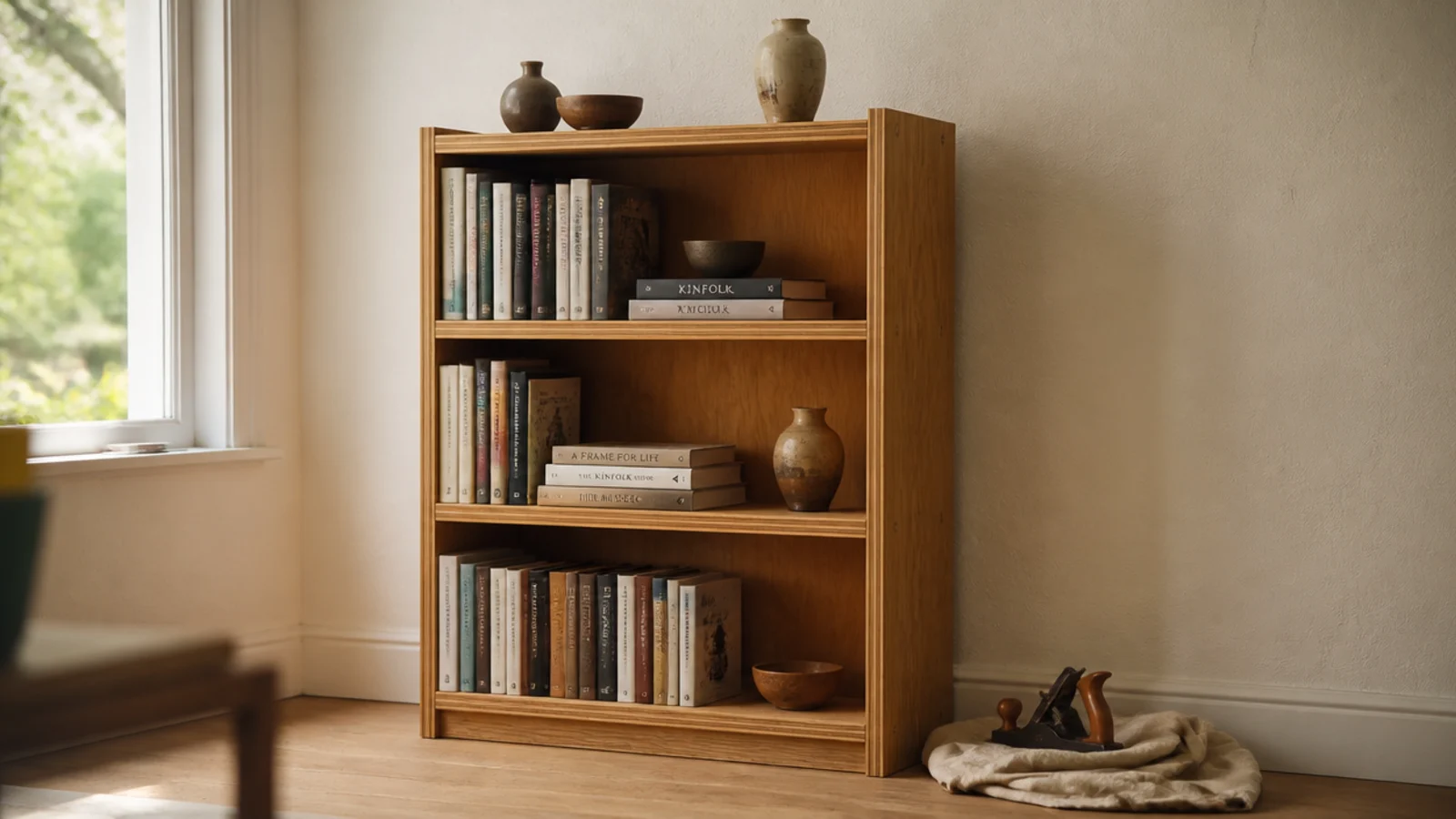
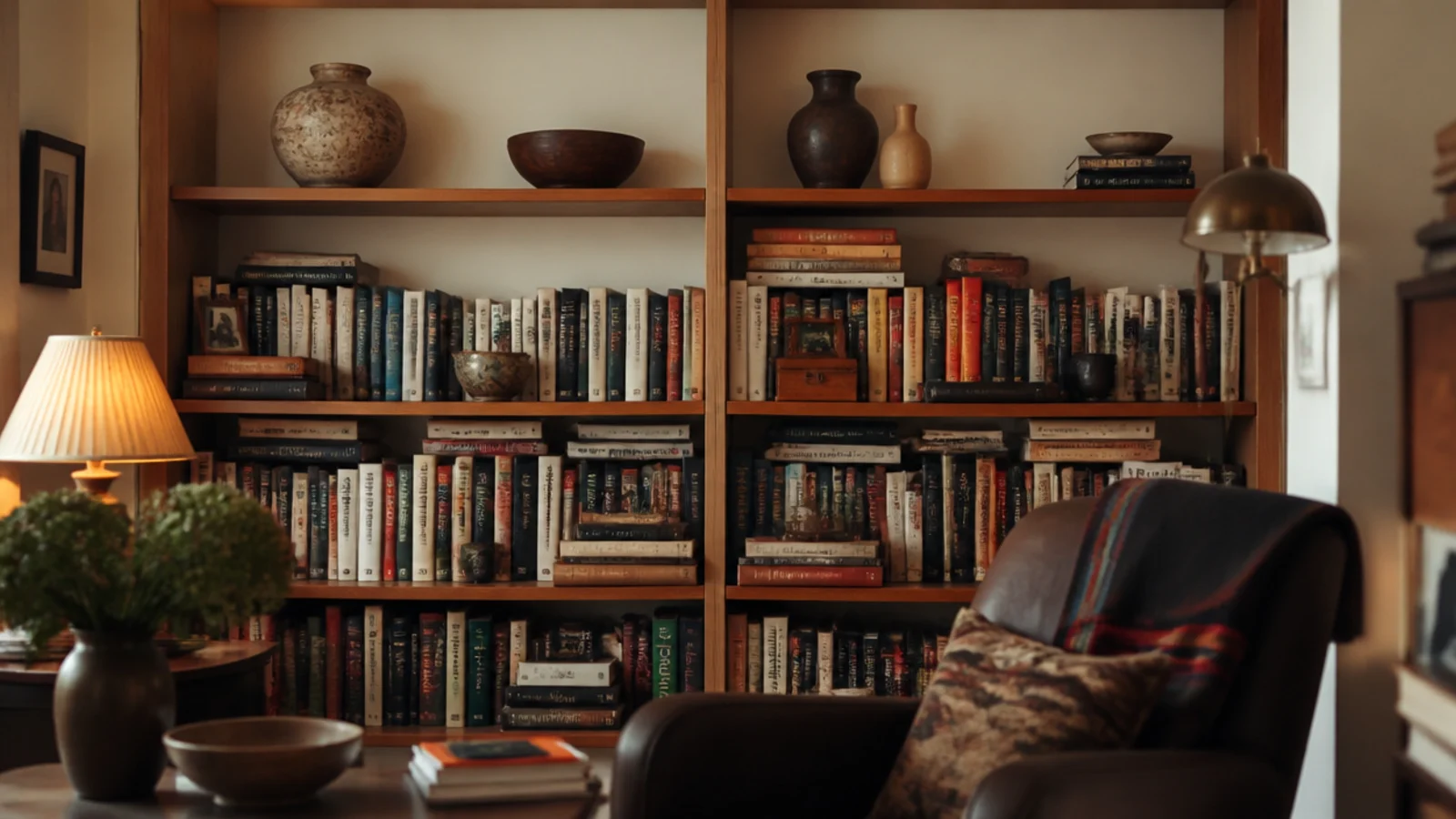
Vary horizontal stacks with vertical rows — about one flat stack for every two upright rows. The stacks double as plinths for a small object and break the rhythm before a wall of spines turns into visual noise.
Start with the styling guide, then work backward into organization once you know how much you actually want on display.
Start here
15 of 15 published
9 min read
9 min read
9 min read
8 min read
10 min read
10 min read
11 min read
11 min read
9 min read
9 min read
8 min read