Bookshelf Ideas · UGC
15 Bookshelf Mistakes I Made and Fixed

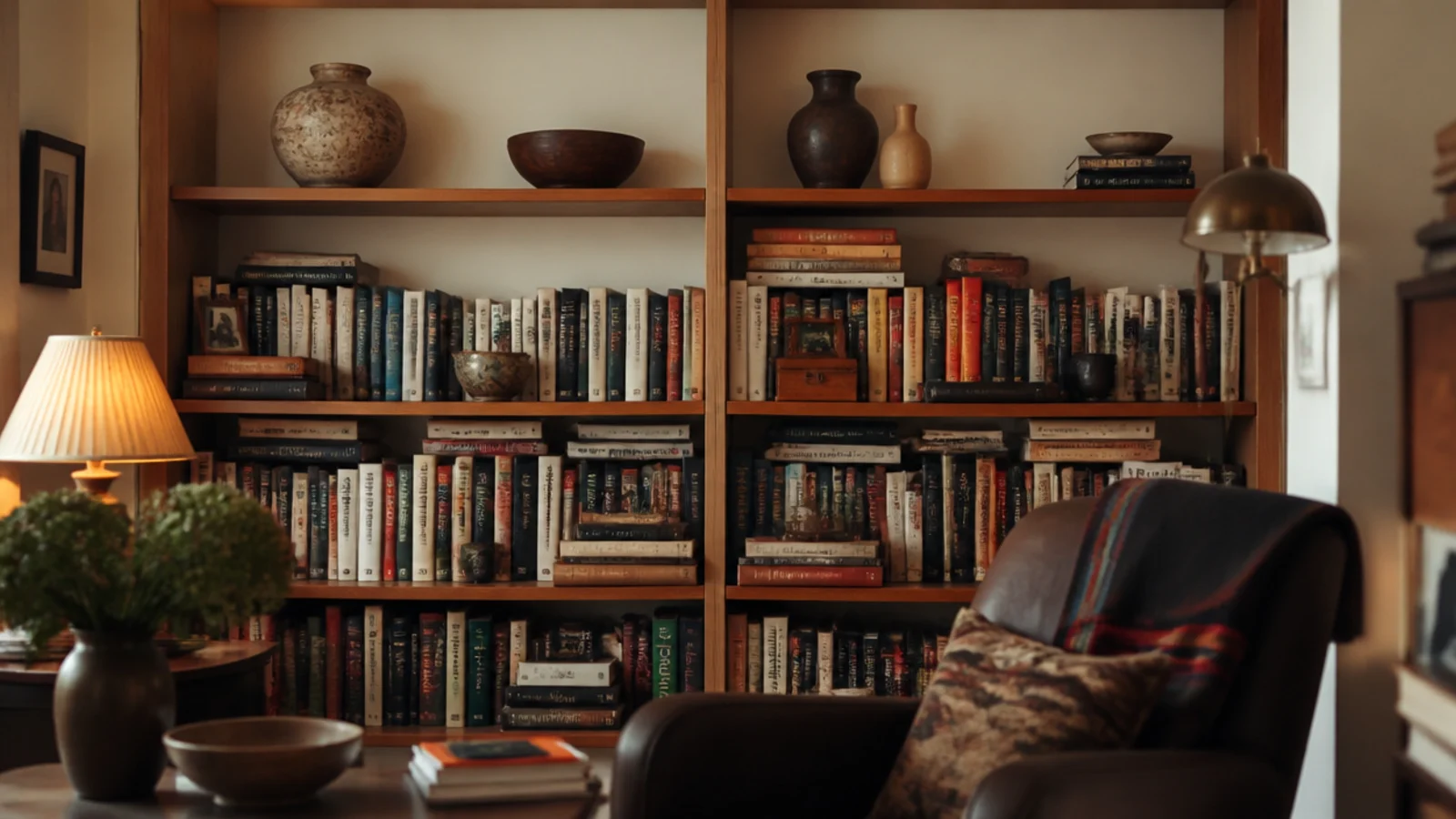
The bookshelf styling mistakes in this article are all mine, made across five rentals and two houses, and most of them twice. I am not writing this from any great height.
The first case I ever put up was a 36-inch board over a desk in a rental in my twenties. I loaded it with hardbacks, admired it for about six weeks, and then came home to find the board on the desk, the plugs still in the wall, and a mug in three pieces. I had used the plastic anchors that came in the box, because I assumed the people who made the shelf knew what would hold it up.
They did not. Since then I have got the depth wrong, the spacing wrong, the lighting wrong and the styling wrong, usually in that order. Here are fifteen of them, with what each one actually cost me and exactly what I did to fix it.
In this guide16 sections — tap to openHide
- 1.Mistake 1: I hung a thirty-six inch shelf on plastic plugs
- 2.Mistake 2: I spanned forty inches with three-quarter inch pine
- 3.Mistake 3: I bought eight-inch-deep shelves for hardbacks
- 4.Mistake 4: I set the clear height at nine inches
- 5.Mistake 5: I sorted every spine into a rainbow
- 6.Mistake 6: I filled every single inch
- 7.Mistake 7: I made every single row vertical
- 8.Mistake 8: I put the heaviest books on the top shelf
- 9.Mistake 9: I styled with tiny objects only
- 10.Mistake 10: I let the lamp cable hang down the wall
- 11.Mistake 11: I lit the whole case at four thousand kelvin
- 12.Mistake 12: I double-stacked the books
- 13.Mistake 13: I bought a veneered particle-board case
- 14.Mistake 14: I hung art on the same wall as the shelves
- 15.Mistake 15: I skipped the anti-tip strap
- 16.Bookshelf Styling Mistakes: What I'd Do Differently Now
Mistake 1: I hung a thirty-six inch shelf on plastic plugs
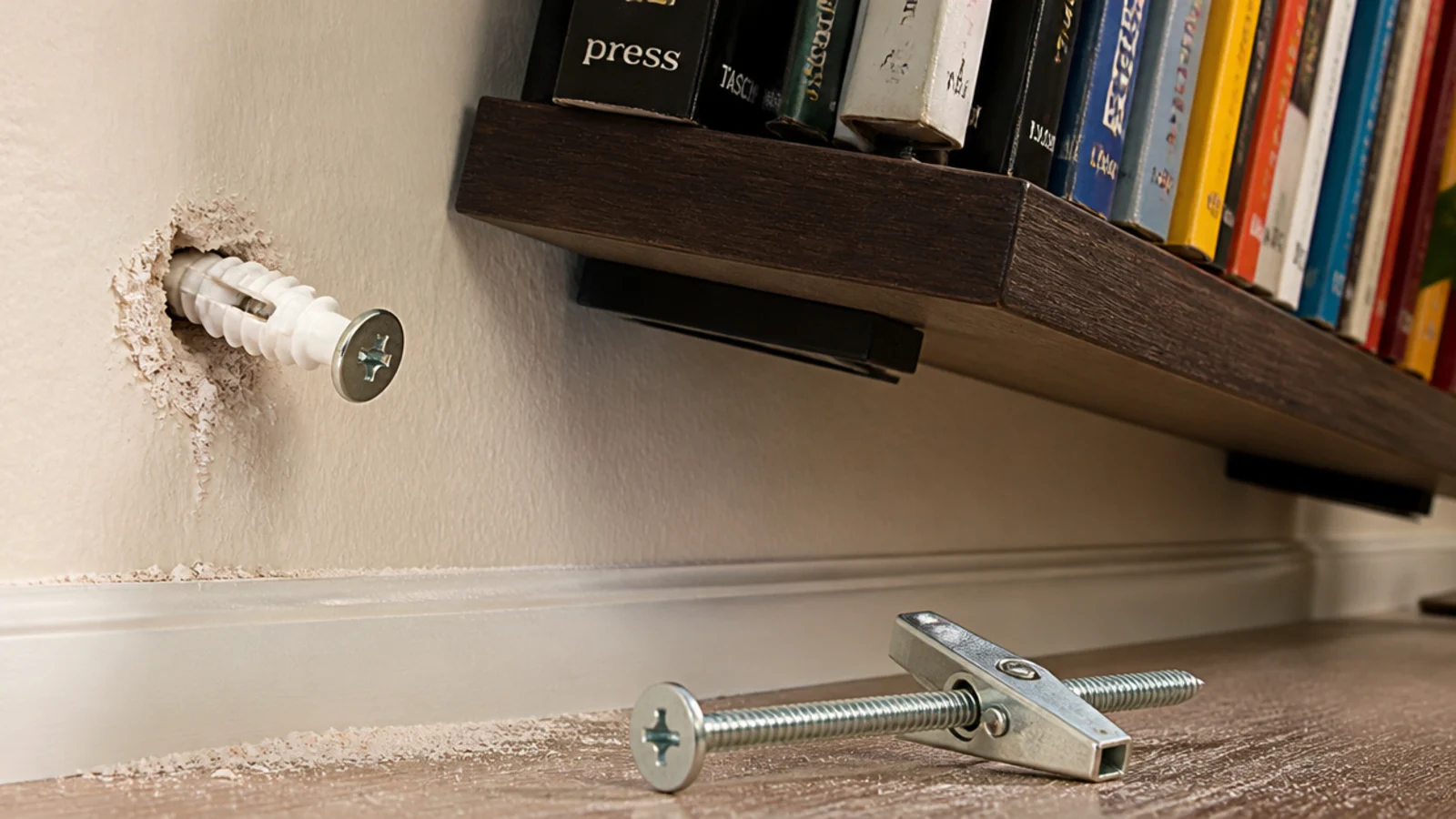
A linear foot of hardbacks weighs 20 to 25 pounds. That 36-inch shelf was carrying 60 to 75. The plugs in the box were rated at about 10.
They did not fail suddenly either — they crushed the drywall around themselves and crept out over weeks, which is why the shelf looked perfectly fine until the afternoon it did not.
The fix: toggle bolts, around a dollar each, carrying 25 to 35 pounds apiece in half-inch drywall. Better still, hit a stud with at least one fixing. I now throw the supplied plugs straight in the bin before I unpack anything else.
Mistake 2: I spanned forty inches with three-quarter inch pine
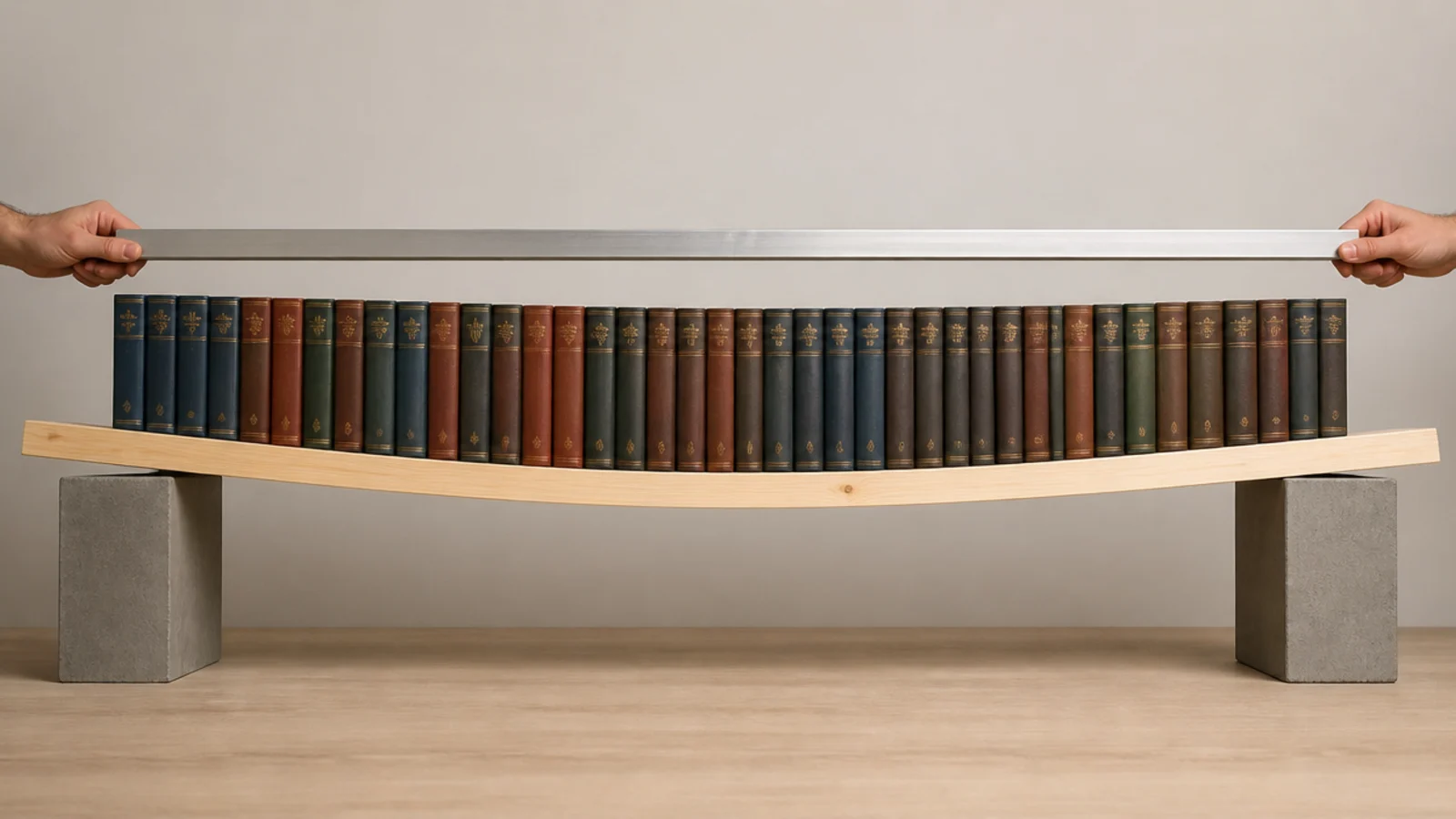
The board looked substantial in the shop. Loaded with hardbacks across a 40-inch gap, it developed a visible curve within two months, and a curved shelf is impossible to unsee.
Three-quarter-inch stock sags past about a 32-inch span. That number is not a guideline, it is roughly where the material gives up.
The fix: I glued and clamped a narrow strip under the front edge, which doubled the apparent thickness and stiffened the whole span. It cost a few dollars and an hour. On every shelf since, supports go in at 30 to 32 inches apart and the boards stay dead straight.
Mistake 3: I bought eight-inch-deep shelves for hardbacks
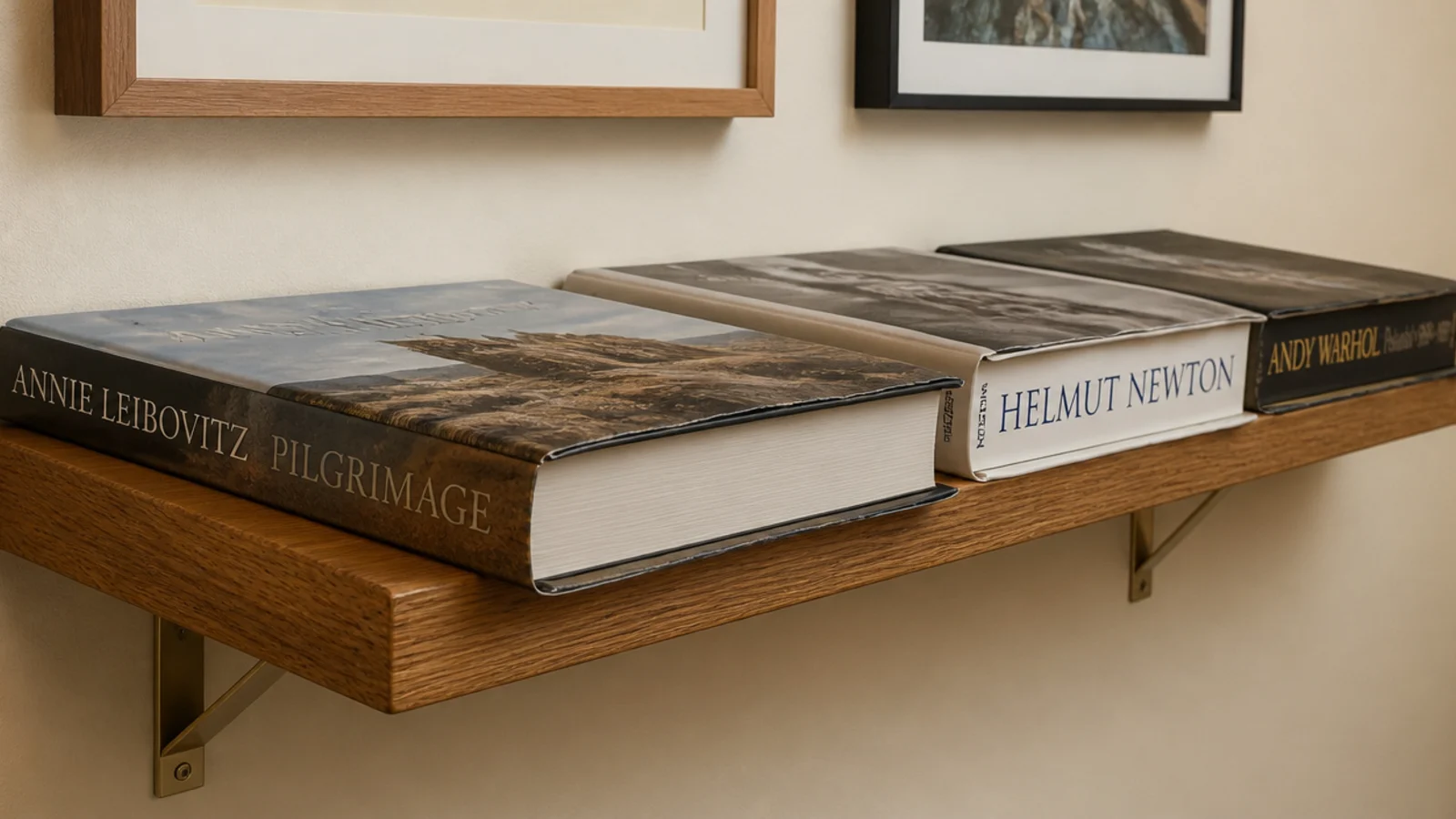
Eight inches is a fine depth for paperbacks and pottery. It is two to four inches short for hardbacks, which then hang over the front edge with their covers slowly curling.
I had bought a whole wall of them because they were on sale, and I looked at those overhanging covers every day for two years.
The fix: 11 to 12 inches deep for hardbacks, 9 to 10 for paperbacks. When I finally replaced them, I kept the shallow boards for the hallway, where paperbacks live perfectly well and the reduced depth is an active advantage.
Mistake 4: I set the clear height at nine inches
Nine-inch gaps looked neat on an empty case and gave me an extra shelf, which felt like a win. Then nothing I owned would stand up in them.
Every hardback ended up lying flat, plants got squashed against the board above, and the whole case turned into a filing system.
The fix: 11 to 13 inches of clear height between boards. That takes a standing hardback with a hand's width of air above it. It means fewer shelves, which turned out to be an improvement in itself.
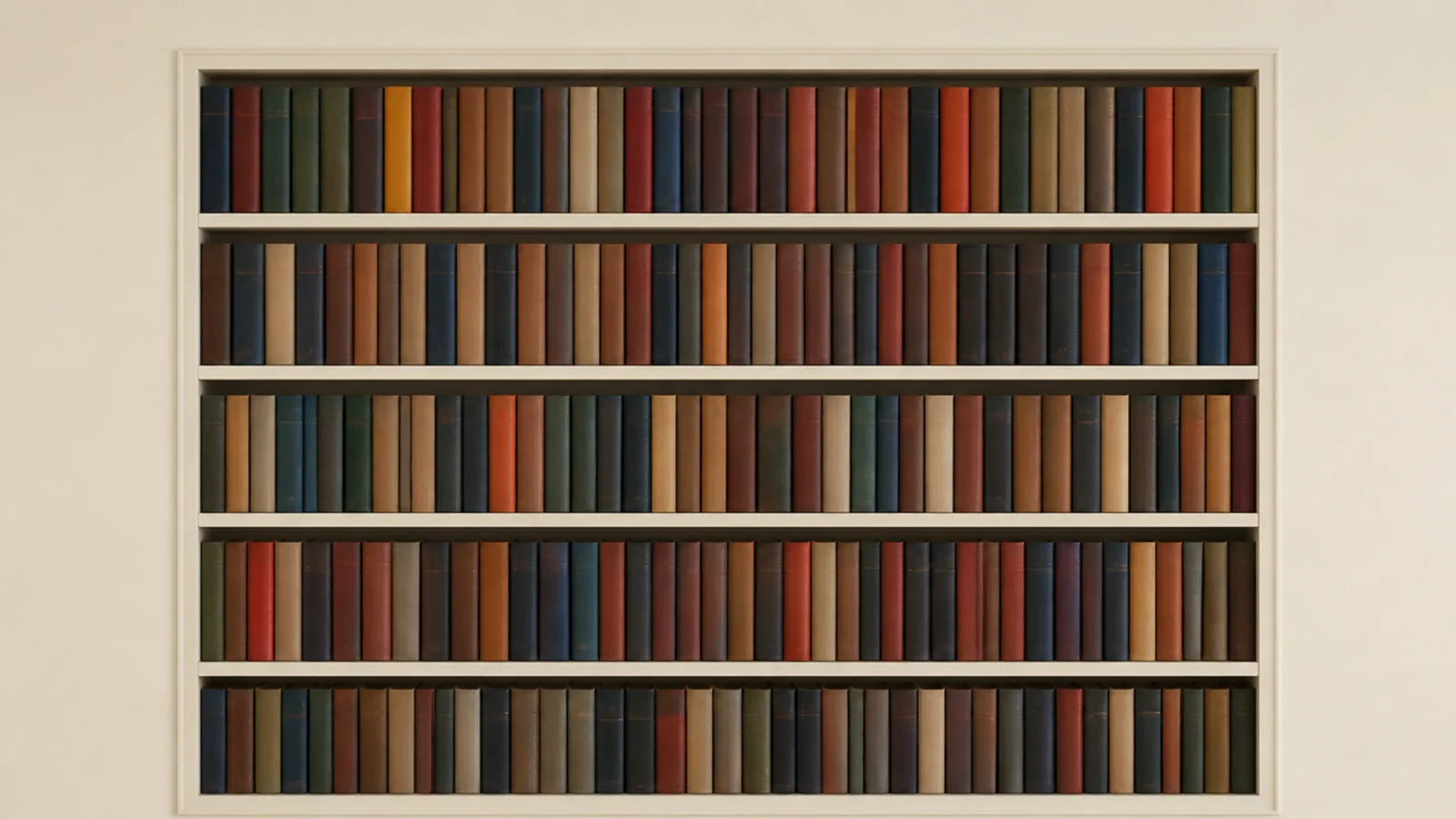
Mistake 5: I sorted every spine into a rainbow
I spent an entire Sunday on this. It photographed beautifully. Then I lived with it, and within a fortnight the whole wall had gone flat.
Color-sorting removes height variation, and height variation is what your eye uses to travel along a shelf. Without it you get an even band of noise that gives you nowhere to look.
The fix: group by height instead, and let color fall wherever it lands. Scattered spine color reads as a real collection. I go through the whole method in bookshelf styling ideas, but the short version is: heights first, always.

Mistake 6: I filled every single inch
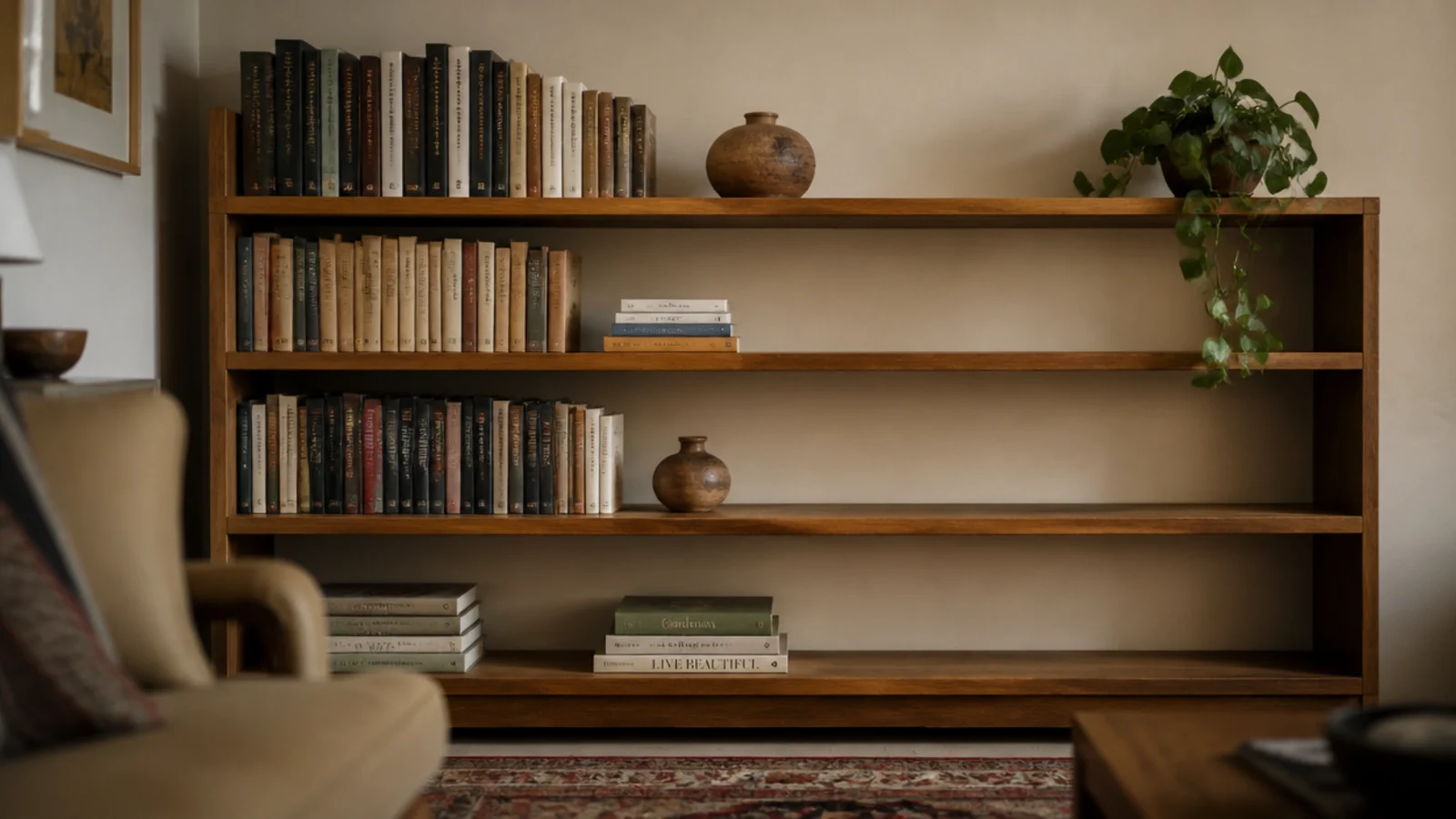
This was the worst-looking mistake and the easiest to reverse. I owned genuinely nice pieces and put every one of them out at once, so none of them registered.
A packed shelf gives your eye no rest, which means it stops looking at any individual thing on it.
The fix: leave roughly a third of every shelf empty and push each grouping to one side. I boxed two-thirds of the objects and now rotate them seasonally. Same case, same possessions, completely different room, and it cost nothing at all.

Mistake 7: I made every single row vertical
Five shelves of upright spines with nothing breaking them. I thought that was simply what a bookshelf was.
An unbroken palisade of vertical spines is genuinely tiring to look at, and it also wastes the flat top of a book stack, which is the most useful pedestal you already own.
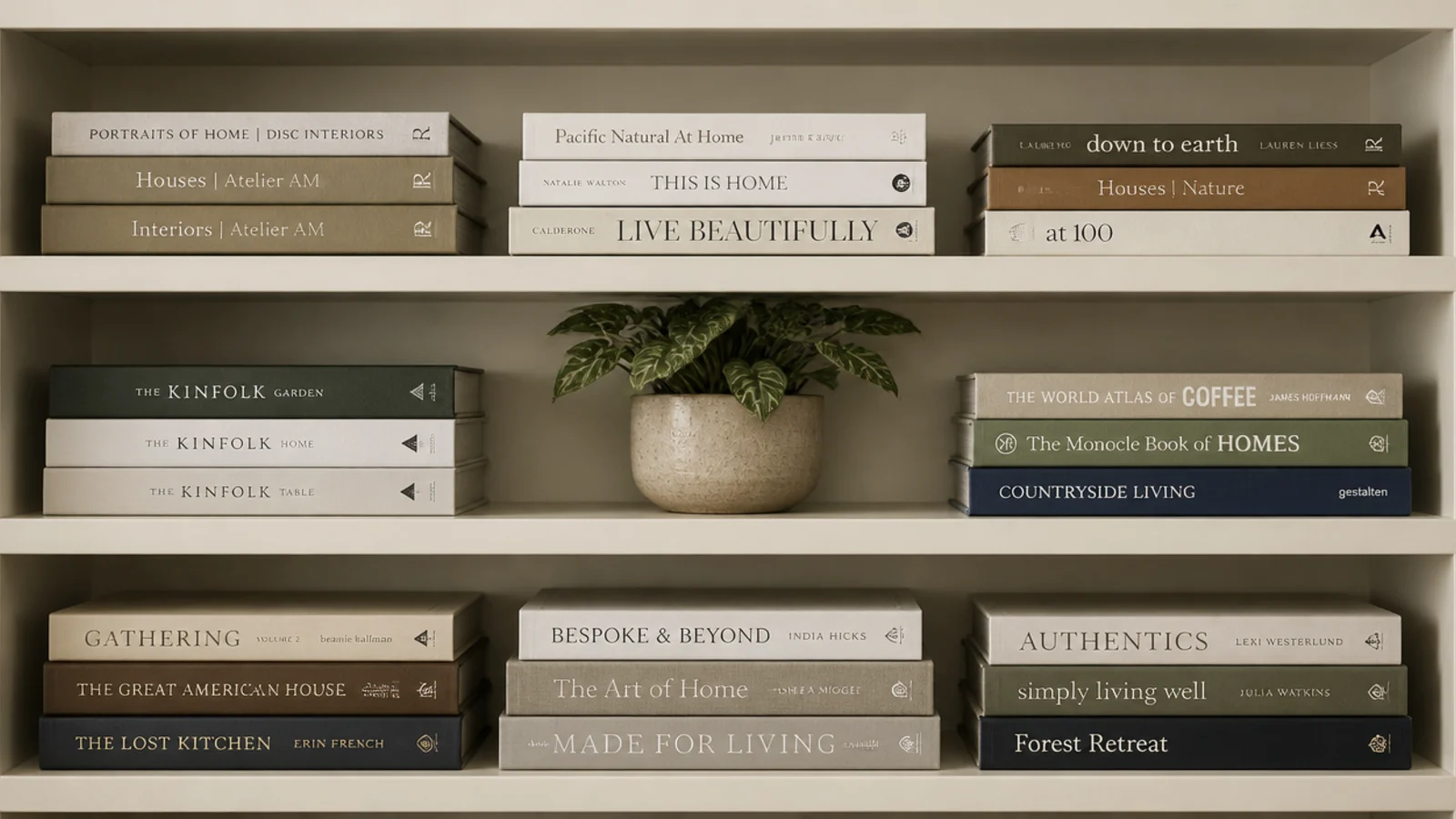
The fix: alternate horizontal stacks with vertical rows, roughly one flat stack for every two upright runs. Put a small bowl or a clay cup on top of each stack. It takes ten minutes per case and it is the change people notice first.
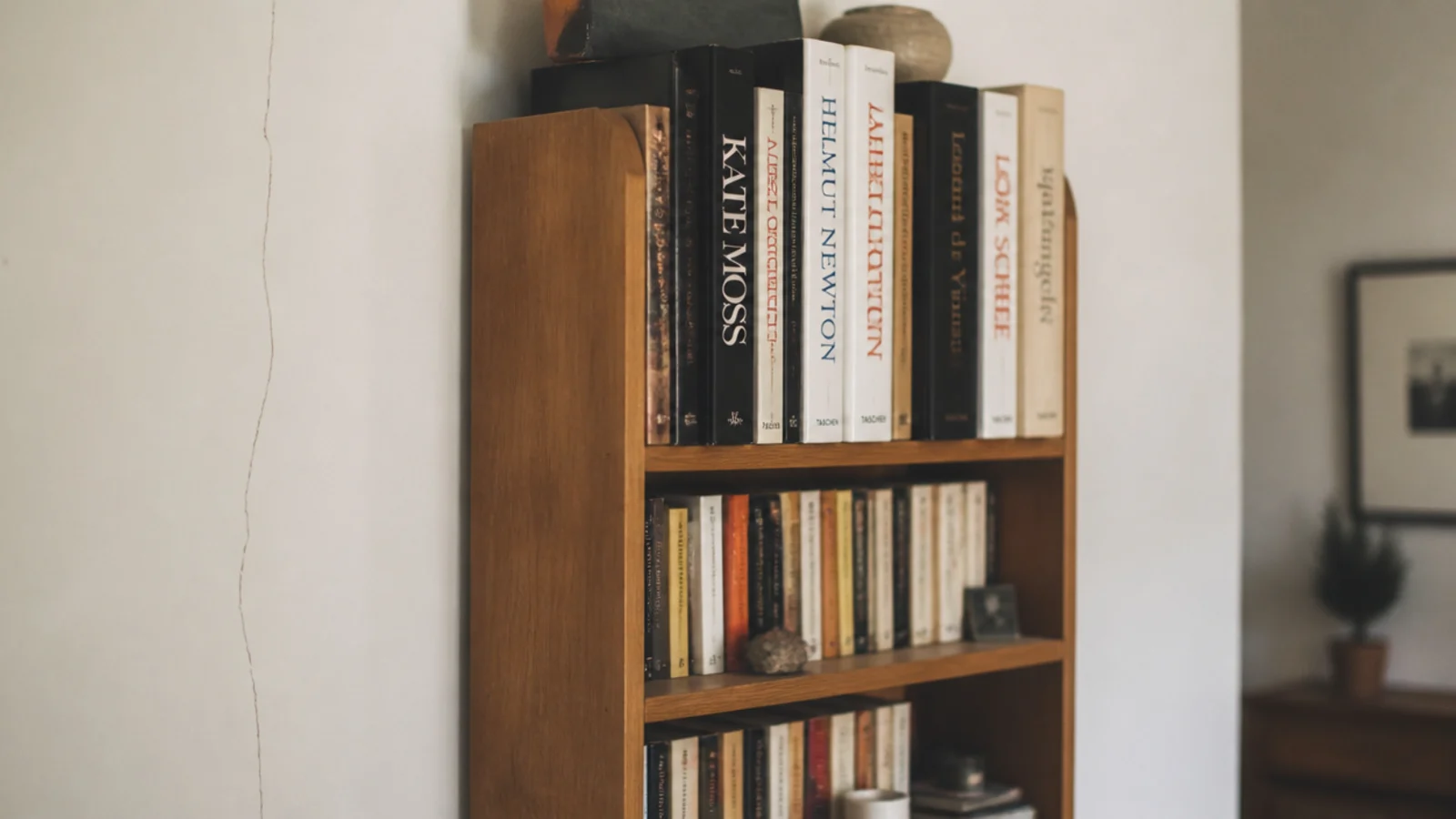
Mistake 8: I put the heaviest books on the top shelf
Oversized art books, up high, because they were beautiful and I wanted them where I could see them. Within a month there was a hairline crack in the paint beside the top fixing.
Weight high in any case puts a levering load on the upper anchors, and pulling loads are exactly what drywall fixings are worst at.
The fix: heaviest on the bottom, always, regardless of how good it looks in a photograph. Art books on the lowest board, paperbacks up top. The case stopped moving and I stopped listening for noises at night.
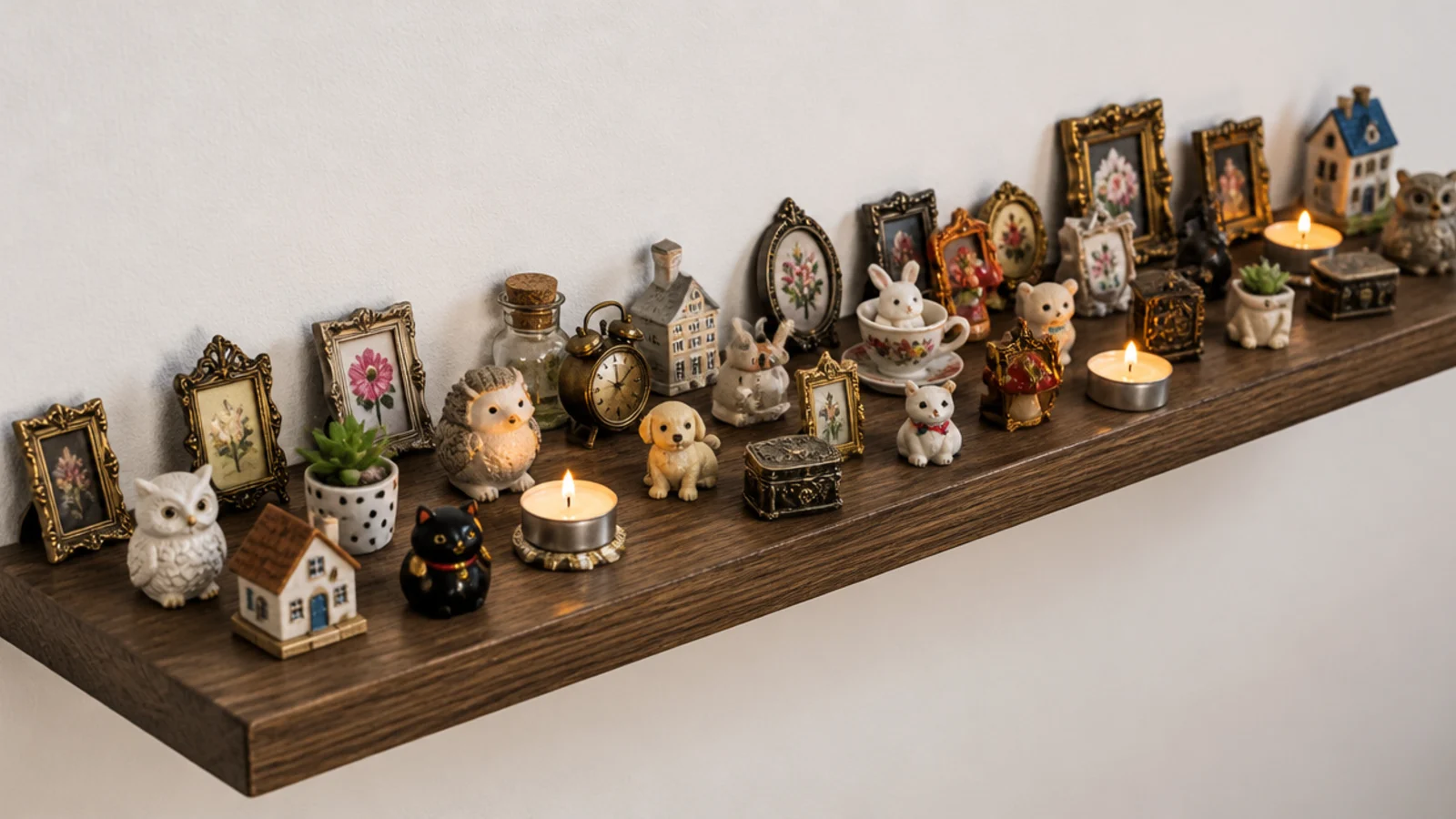
Mistake 9: I styled with tiny objects only
A shelf covered in small treasures — miniature frames, tea lights, three tiny vases, a pebble from a beach — reads as clutter no matter how much you love each item.
Books work because a row of them is one continuous mass. Take the books away and replace them with twelve small things and you get visual static.
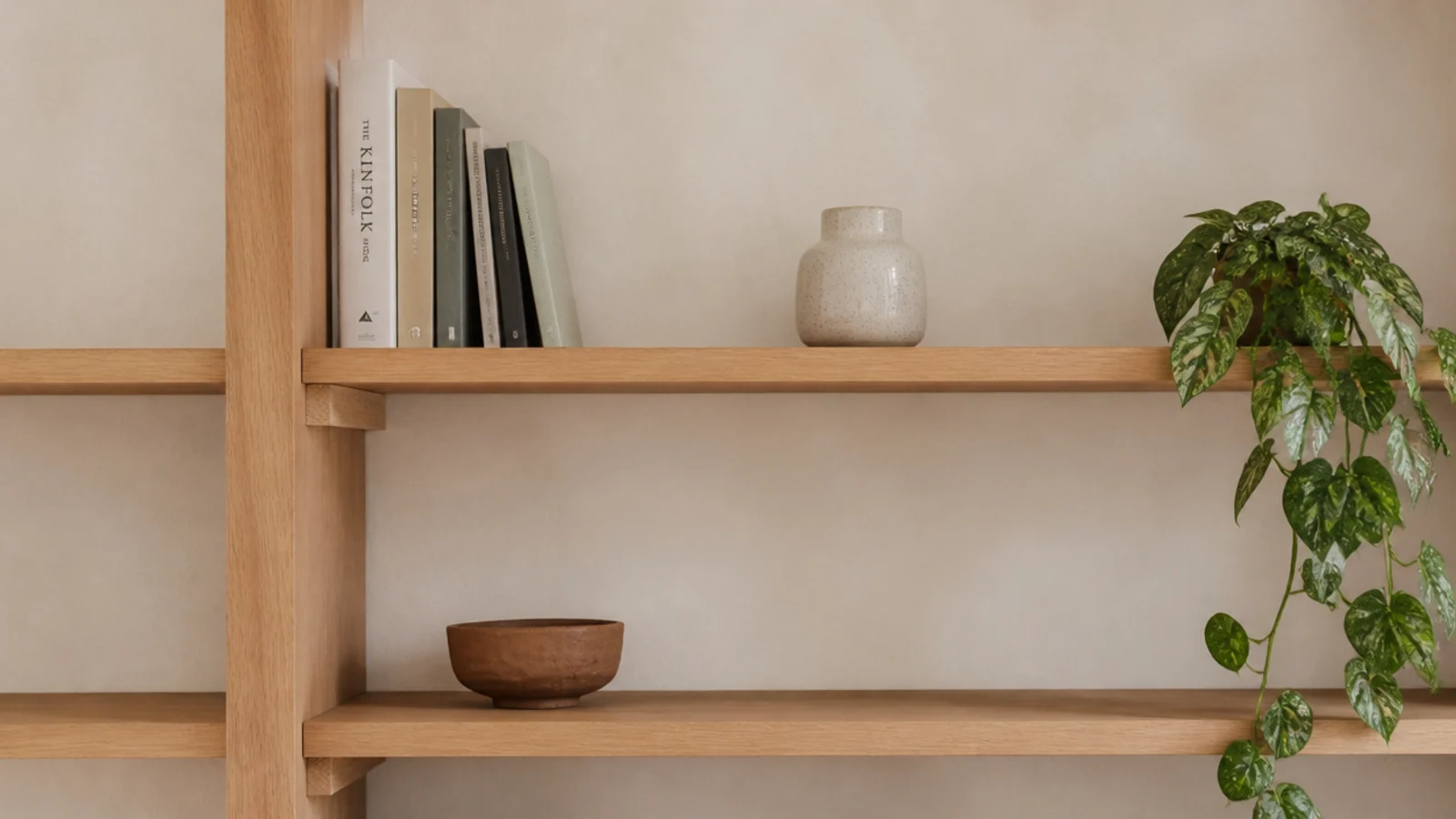
The fix: one large object per grouping, at least half the clear height. A 7-inch stoneware vessel in a 12-inch gap does the work of eight trinkets. The small things went into a shallow tray, where they read as one group instead of a scatter.
Mistake 10: I let the lamp cable hang down the wall
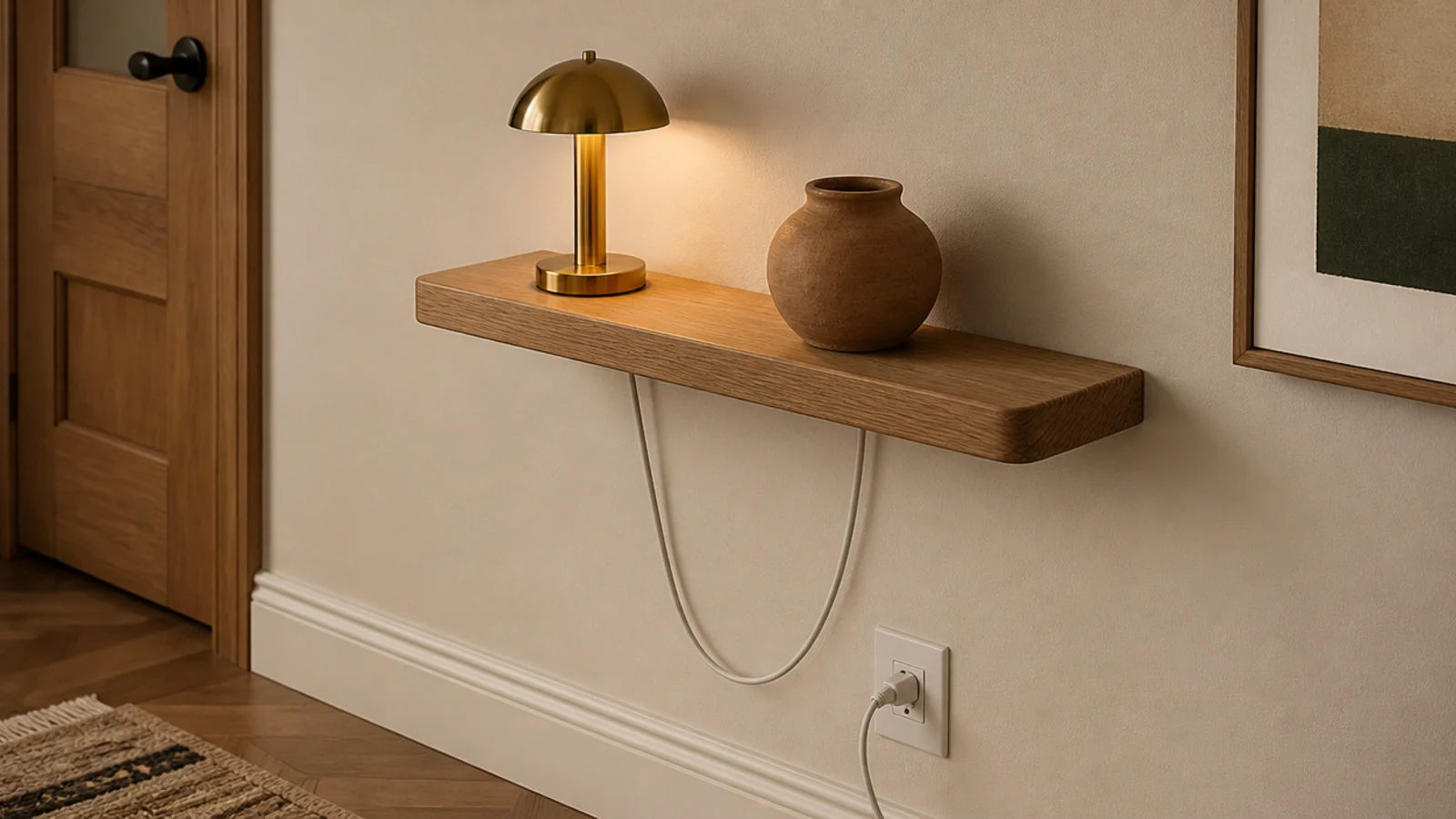
A carefully styled case with a small brass lamp on it, and a white cord looping down the cream wall to the outlet. Every good decision above was cancelled by that cord.
This is the detail almost everyone leaves until last and then never gets to.
The fix: an adhesive cable channel painted the wall color, run down a case upright where the eye already expects a vertical line. Eight dollars and ten minutes. It is the cheapest fix in this whole article and the one I recommend most often.
Mistake 11: I lit the whole case at four thousand kelvin
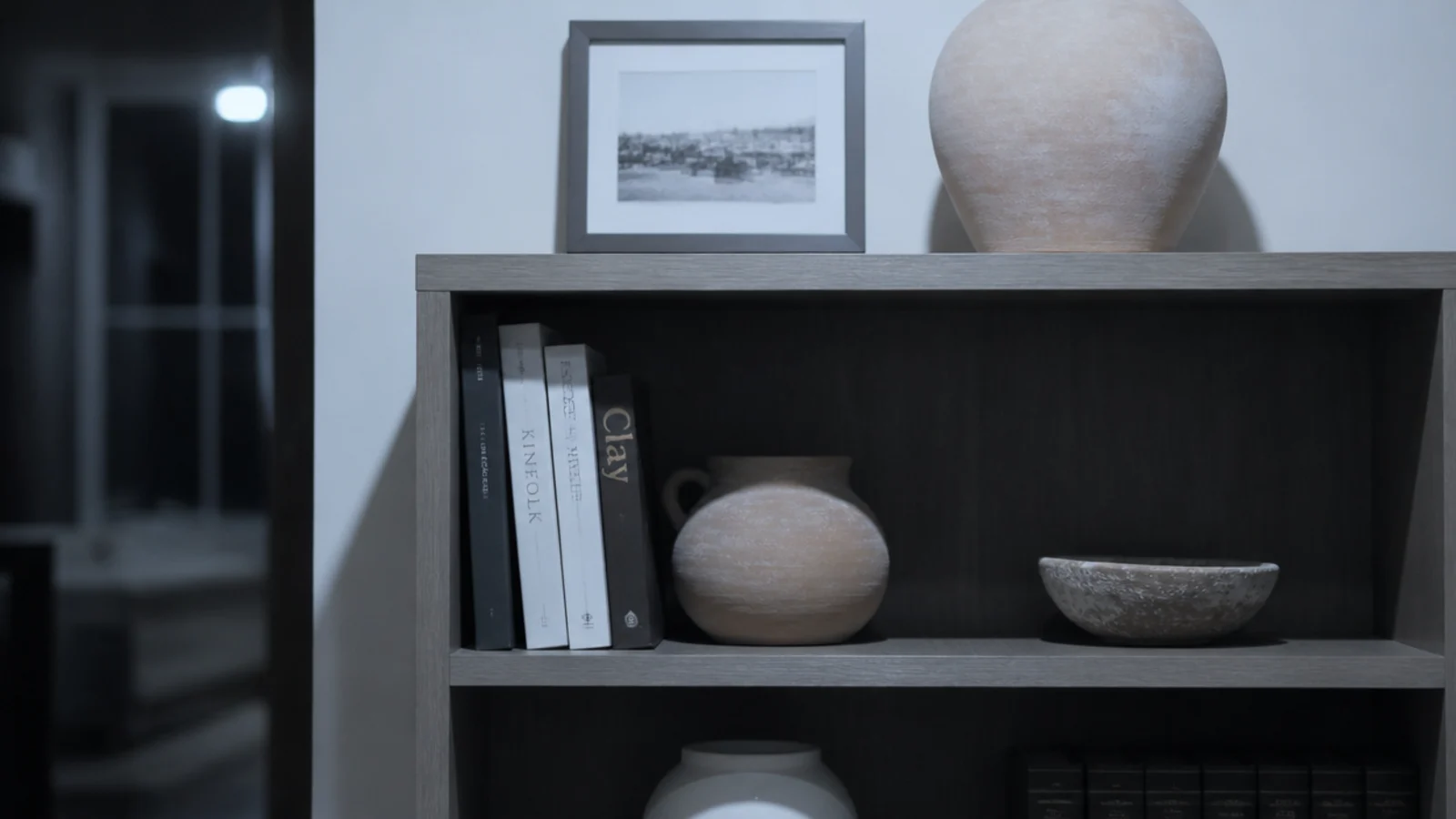
I had chosen oak boards, terracotta pots and linen boxes, and then lit all of it with a cool white bulb. The wood read gray, the clay looked dusty, and I genuinely considered replacing the pottery.
The pottery was fine. The light was wrong.
The fix: 2700K, everywhere. One bulb costs about four dollars and it brings warm materials back to life instantly. A small rechargeable puck light under a shelf runs $10 to $30 and does the same for a dark case in a north-facing room.
Mistake 12: I double-stacked the books
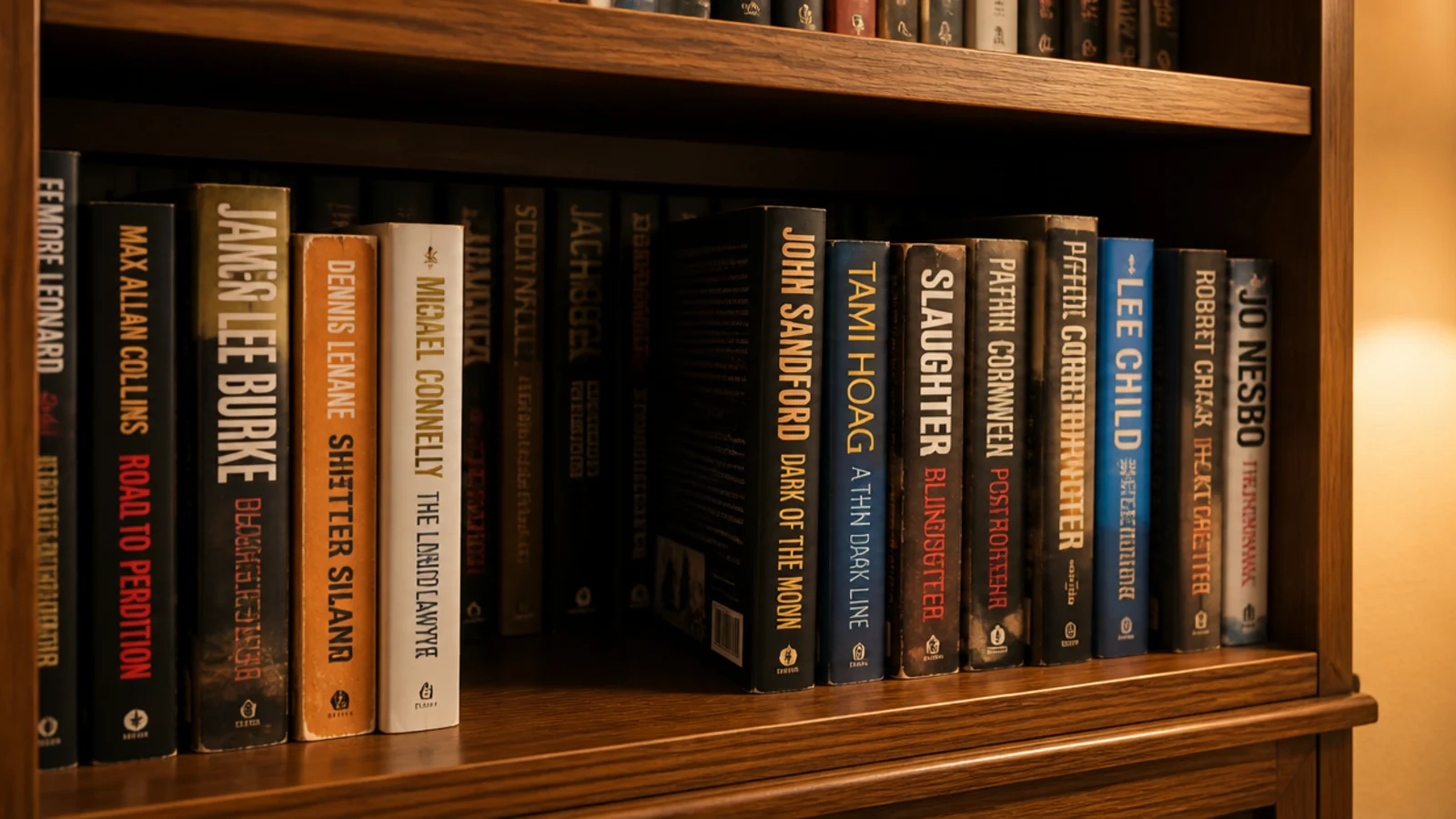
On 14-inch-deep shelves I put a hidden second row behind the first, which felt clever for about a week.
Then I could not find anything. A double-stacked case is storage, not a library, and books in the back row get forgotten permanently — I found a novel back there I had bought twice.
The fix: shallower shelves that physically prevent it. Nine to twelve inches, depending on what lives there. The overflow went into a labeled box in the cupboard and now rotates seasonally, which is exactly how bookshelf organization ideas suggests handling it.
Mistake 13: I bought a veneered particle-board case
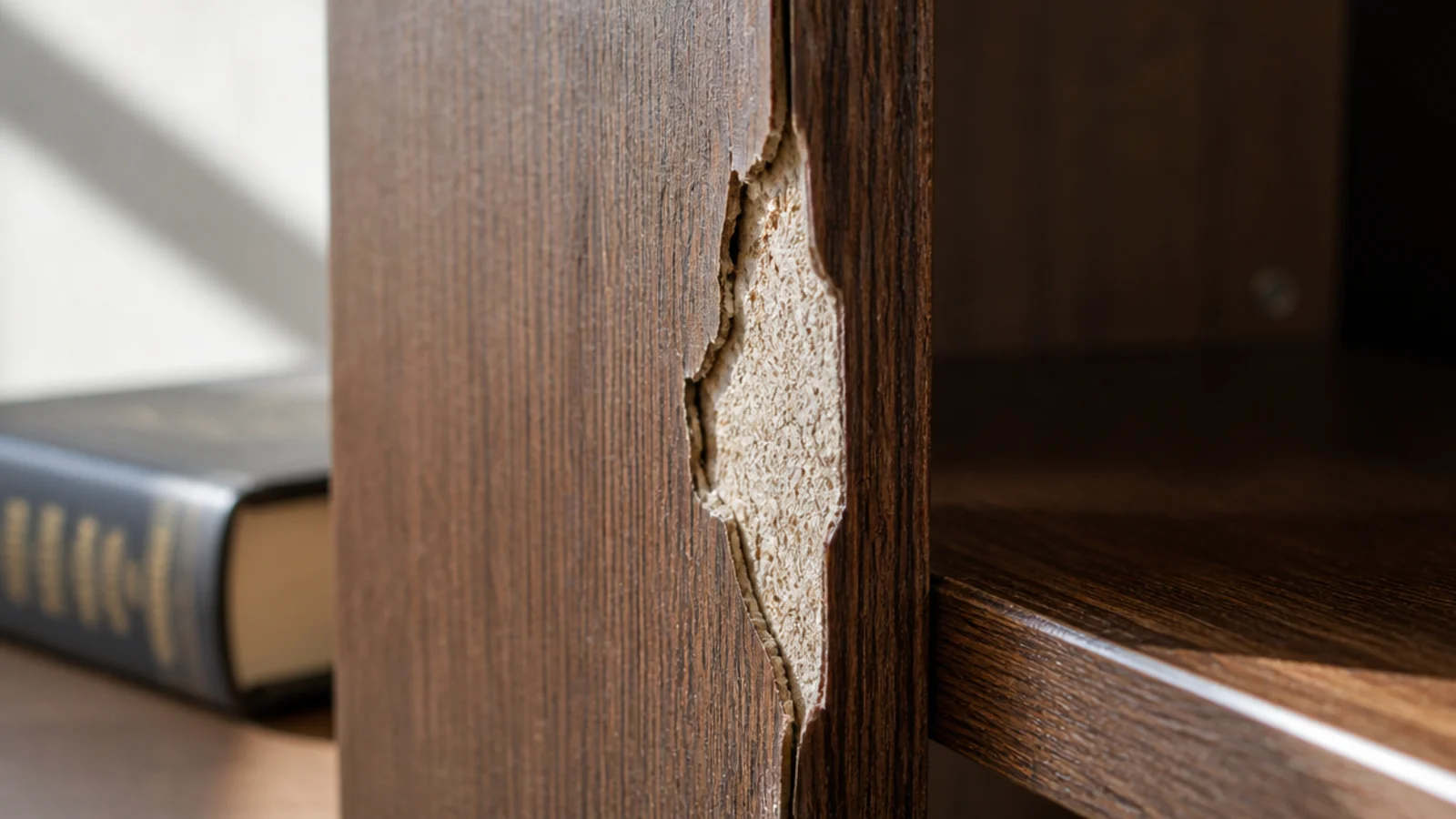
It photographed identically to solid wood on day one. Within a year the front edge of the upright had chipped where I brushed past it with a laundry basket.
Once you can see pale particle board under a wood-look edge, you cannot unsee it, and there is no invisible repair.
The fix: solid wood, or painted MDF, on anything whose edges you touch daily. Painted pine costs barely more than veneer and takes a knock without exposing anything embarrassing. A painted surface also ages honestly, which veneer never does.
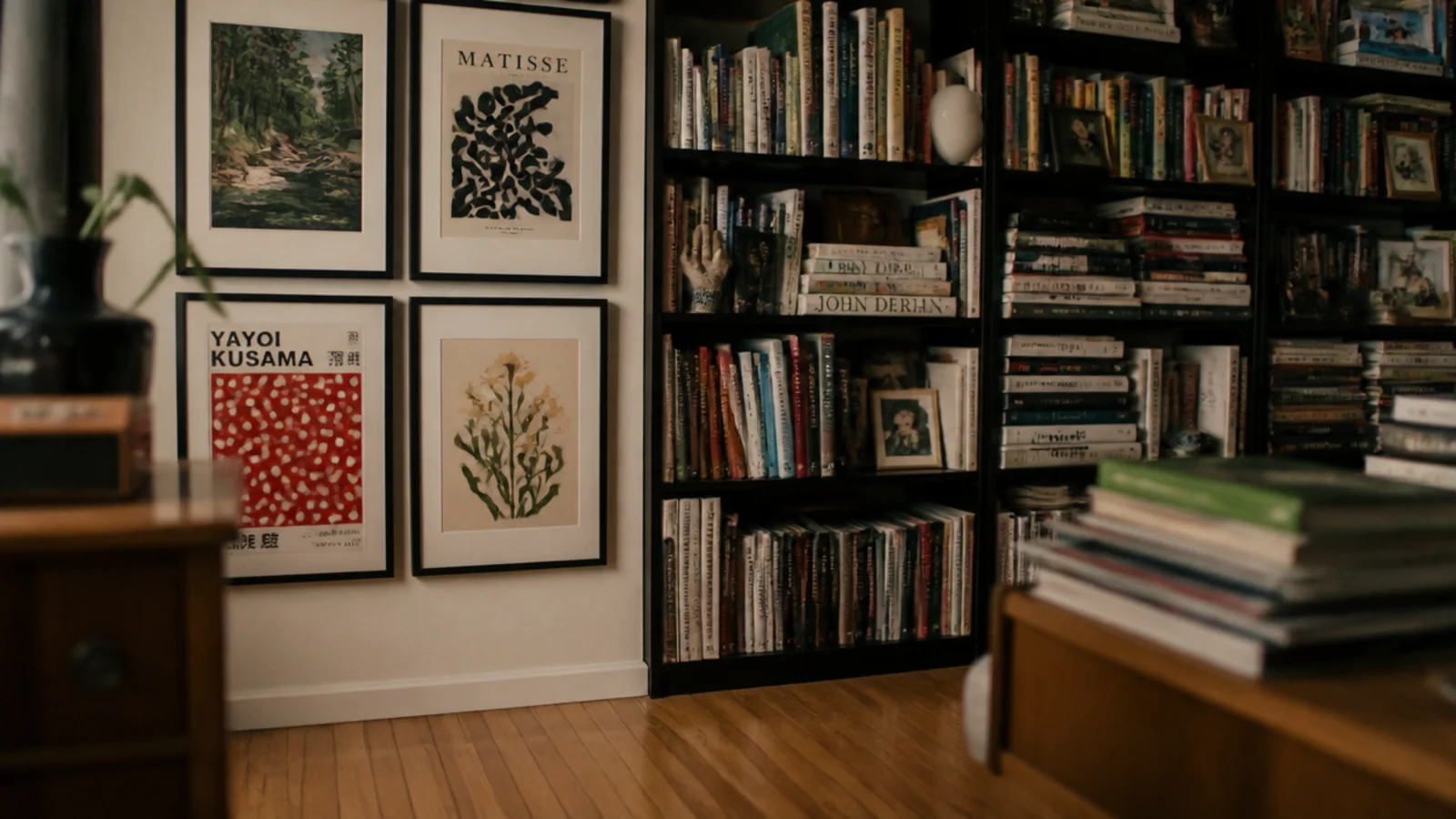
Mistake 14: I hung art on the same wall as the shelves
Four framed prints immediately beside a fully loaded case, with about three inches of bare plaster between them. Each was fine alone. Together they made the wall look like a noticeboard.
A loaded bookcase is already a busy object, and it does not need a second pattern next to it.
The fix: one focal point per wall. I moved the prints opposite and leaned a single large piece inside the case instead. The wall calmed down immediately and I did not lose a single frame.
Mistake 15: I skipped the anti-tip strap
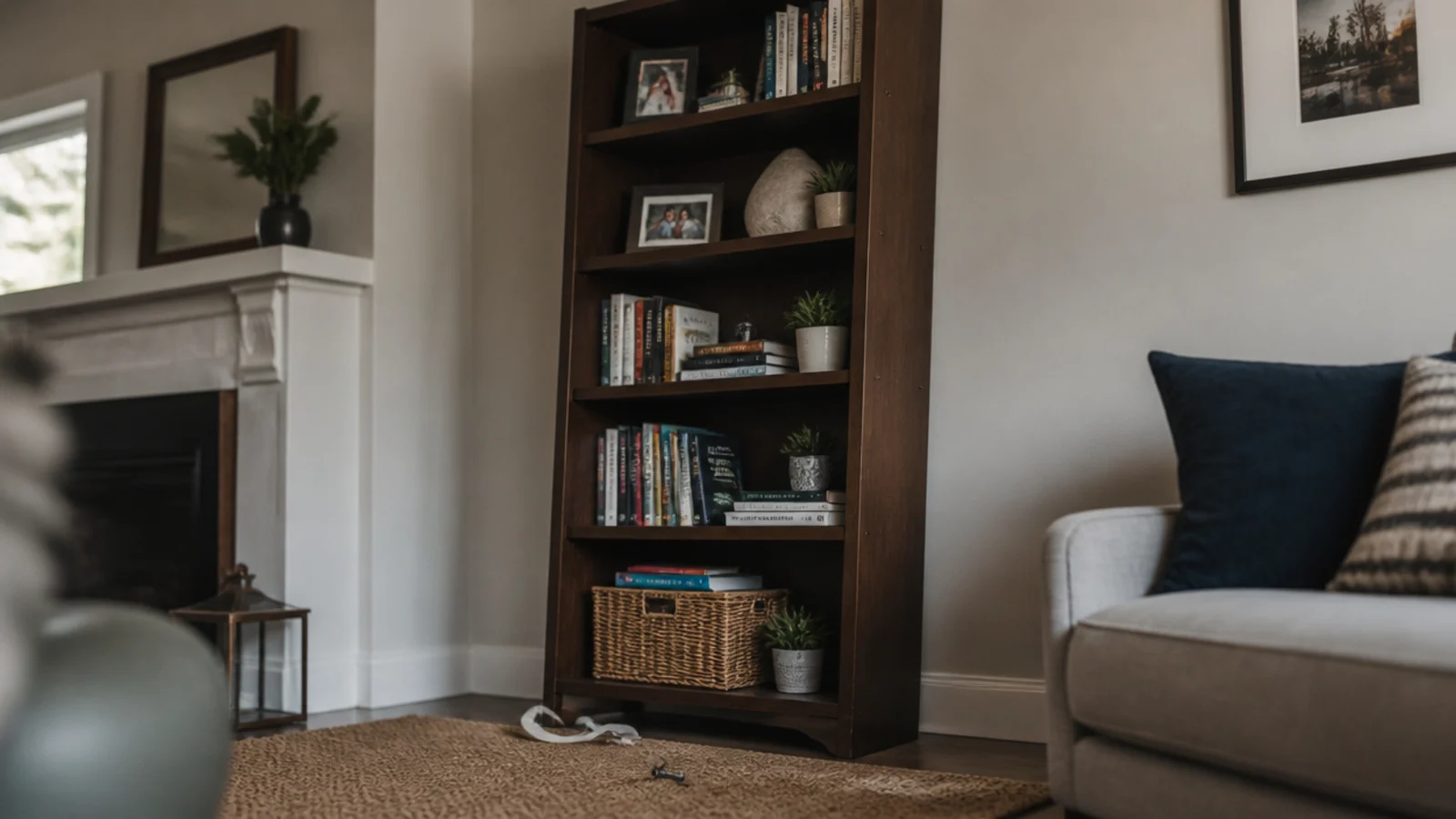
A tall freestanding case, no wall fixing, because we were renting and I was protecting the deposit. My eldest was two and pulled herself up on the second shelf. It leaned.
It did not come down. I have never moved faster, and I have never once forgotten a strap since.
The fix: one anti-tip strap and one small screw, on every freestanding bookcase, without exception in any home with children. The hole fills in thirty seconds with lightweight spackle on move-out day. There is no version of this where the hole is the bigger problem.
Bookshelf Styling Mistakes: What I'd Do Differently Now
If I could hand my younger self one page, it would be much shorter than this article, and almost all of it would be numbers.
I would buy the depth for the books I actually own — 11 to 12 inches for hardbacks, 9 to 10 for paperbacks — and set the clear height at 11 to 13 inches even though it means fewer shelves. I would keep every span at or under 32 inches. I would buy toggle bolts on the same trip as the shelf rather than on the emergency second trip, and I would put the strap on before the first book went up.
Then I would style with restraint I did not have at twenty-six: two-thirds full, grouped by height, one flat stack for every two upright rows, one large object per grouping, and a third of every board left empty.
The thing I genuinely regret is not the sagging pine or the chipped veneer. It is the years I spent believing a shelf that was not full was a shelf that was not finished. Almost every case I have fixed since was fixed by taking things off.
Frequently asked questions
Why is my bookshelf sagging in the middle?
Almost always the span. Three-quarter-inch stock bows past about 32 inches once books are on it, and a linear foot of hardbacks weighs 20 to 25 pounds. Either shorten the span with a mid support, glue a narrow strip under the front edge to stiffen it, or move the heaviest books to the shortest shelf.
Should I really stop arranging books by color?
For most rooms, yes. Color-sorting looks striking in a single photograph and reads flat in daily life, because it removes the height variation your eye uses to travel along a shelf. Group by height instead and let color land wherever it falls. You can still keep one small color-sorted stack as a deliberate accent.
How much weight can a wall-mounted bookshelf actually hold?
It depends entirely on the anchor. A bracket screwed into a stud carries 40 to 50 pounds comfortably. Toggle bolts in half-inch drywall carry 25 to 35 pounds each. The plastic plugs supplied in most shelf kits carry about 10 pounds, and a 36-inch shelf of hardbacks weighs 60 to 75, which is the whole problem.
How deep should bookshelves be so books do not hang over?
Eleven to twelve inches for hardbacks and nine to ten for paperbacks. Eight-inch shelves leave hardbacks overhanging the front edge, which looks untidy and makes the covers curl over time. Anything past twelve inches invites a hidden second row, so you gain storage and lose the ability to find anything.
What is the fastest way to fix a cluttered bookshelf?
Take everything off and put back two-thirds. Nudging an existing arrangement relocates the problem; starting from an empty board solves it. Group by height, alternate horizontal stacks with vertical rows, and leave roughly a third of each shelf empty. Twenty minutes per case, and it costs nothing at all.
If you only do one thing, empty a single shelf completely and rebuild it from nothing — heights first, a third left bare. That one board will tell you what the rest of the case needs. For the structural side, diy bookshelf ideas covers spans and supports properly, and if the case sits in a bedroom, headboard mistakes covers the errors I made on the wall beside it. Save the pin so the numbers are with you at the hardware store.
Want more like this? Browse all 15 bookshelf ideas guides — they all use the same measurements and budget tiers.

Pin it for later
Save this to your Bookshelf Ideas board
Pin it now so it is waiting for you when the tape measure comes out — and so the next person hunting for this idea can find it too.
Save this pinKeep going
More ideas worth saving while you have the tape measure out.