Bookshelf Ideas · Listicle
20 Genius Bookshelf Ideas for a Cozy Home

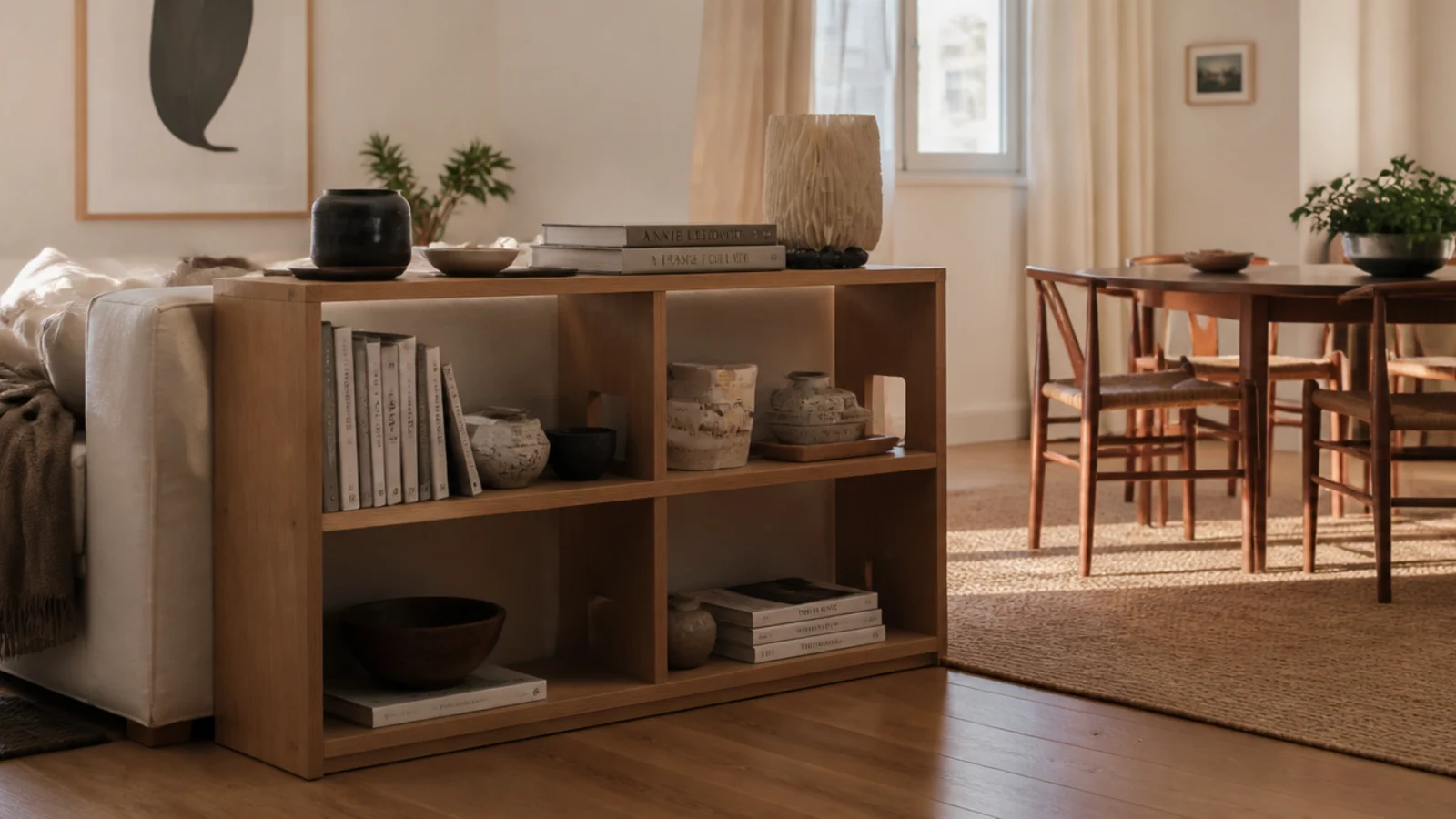
In a room under about 140 square feet, furniture that only does one job is a luxury you cannot afford. Every bookshelf for small spaces below earns its footprint twice — as a headboard, a bench, a divider, a nightstand or a window seat. Real depths, real clearances, and a renter note on the ones that need no drilling.
In this guide22 sections — tap to openHide
- 1.Why a bookshelf for small spaces has to work twice as hard
- 2.A bookcase that doubles as a headboard
- 3.A reading nook framed by two low bookcases
- 4.A bookcase used as a room divider
- 5.A window seat with book cubbies below
- 6.A tall bookcase as a nightstand
- 7.A console shelf behind the sofa
- 8.Fireplace alcove built-ins
- 9.A fold-down desk inside a bookcase
- 10.An entry bench with book cubbies
- 11.A run under the slope in an attic room
- 12.A bridge shelf that surrounds a doorway
- 13.Shelving in the under-stairs void
- 14.A banquette with books under the seat
- 15.A closet turned into a book nook
- 16.A shelf on the stair half-landing
- 17.A paperback ledge in the bathroom
- 18.A low run at the foot of the bed
- 19.A hallway ledge with a picture light
- 20.Shelving that wraps a corner window
- 21.A toy and book bench in a small nursery
- 22.Mistakes to Skip
Why a bookshelf for small spaces has to work twice as hard
Three constraints shape everything in a tight room, and they are worth setting before you shop.
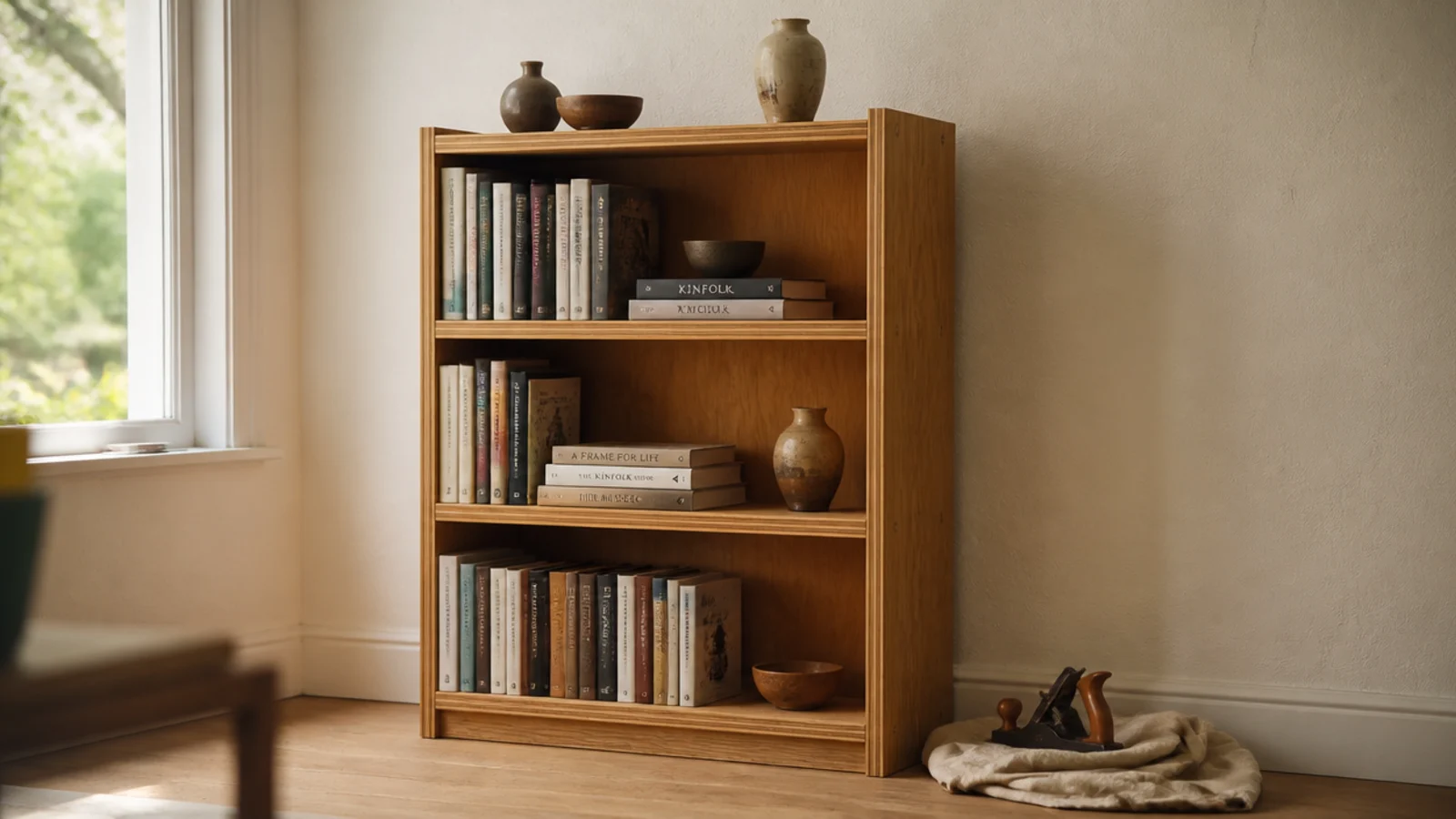
Depth costs floor. Nine to ten inches holds paperbacks; eleven to twelve is what hardbacks and art books need. Across a six-foot wall that two-inch difference is a whole square foot. Measure the walkway too — anything that leaves under 26 inches of clear passage gets knocked into daily.
Height is free. Going tall and narrow rather than wide and low gives you the same capacity for half the floor. One full-height unit reads as architecture; three mid-height units read as clutter. Stop about 12 inches below the ceiling.
Weight is the constraint nobody plans for. A linear foot of hardbacks is 20 to 25 pounds, so a 36-inch shelf holds 60 to 75. Three-quarter-inch stock sags past a 32-inch span under that load — shorten the bay, add a solid front lip, or go to 1-inch stock. And strap every freestanding unit to a stud with an anti-tip kit, without exception, in any home with children.
One styling note that matters more in small rooms than large ones: group books by height rather than color, keep about a third of every shelf empty, and vary horizontal stacks with vertical rows. Tight spaces register visual density harshly, and that gap is what buys back the calm.
Budget tiers below: $ is under $60, $$ is $60 to $200, and $$$ is $200 to $600 for fitted or built-in work.
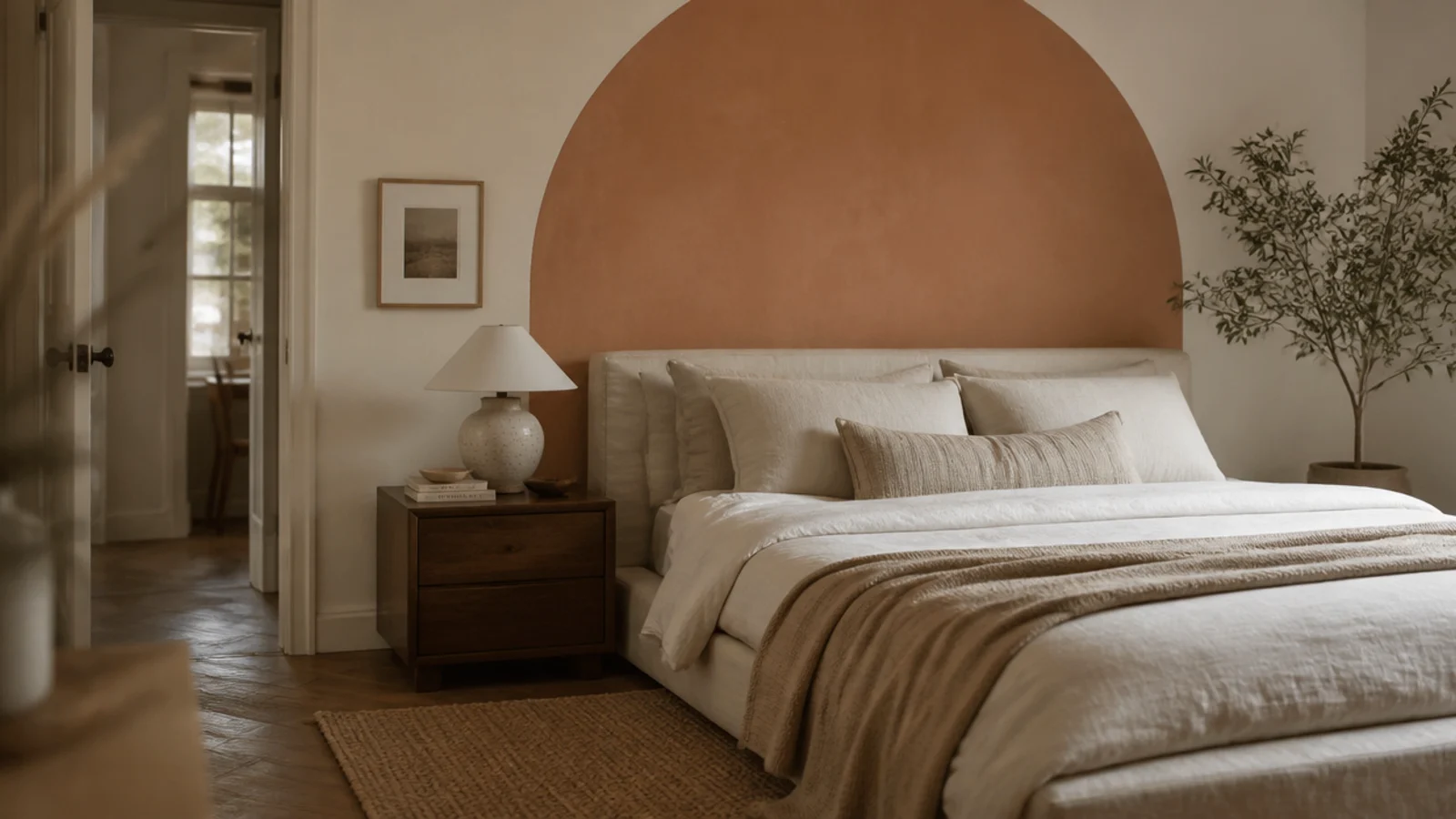
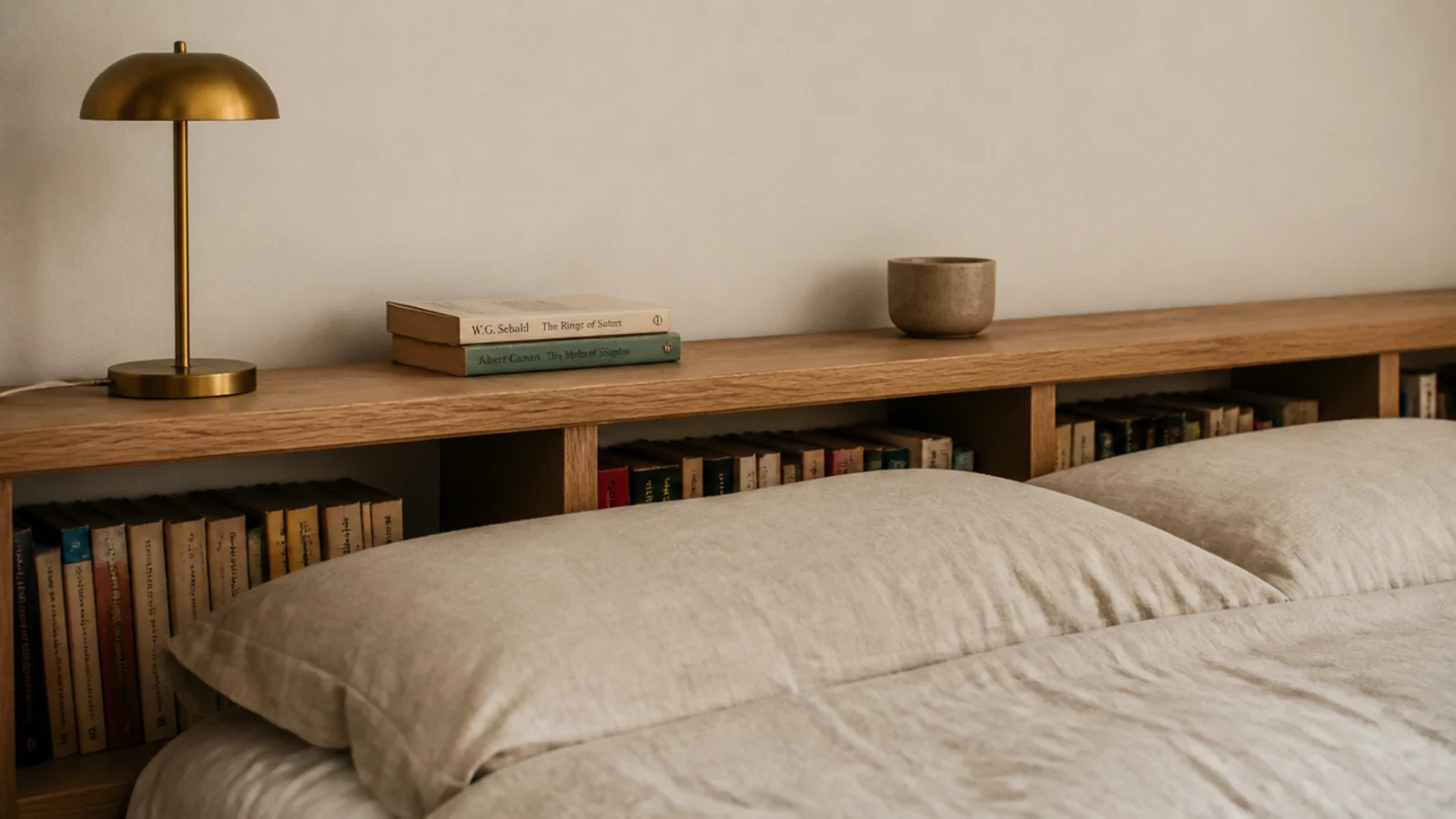
1. A bookcase that doubles as a headboard
A low unit 30 to 36 inches tall placed behind the bed becomes headboard, nightstand and book storage at once, on a footprint the bed already occupies.
Face the shelves outward into the room if the bed sits away from the wall, or inward for bedside access. Keep the top surface clear enough for a lamp and a glass. Fix it to the wall or to the bed frame so it cannot shift. $$
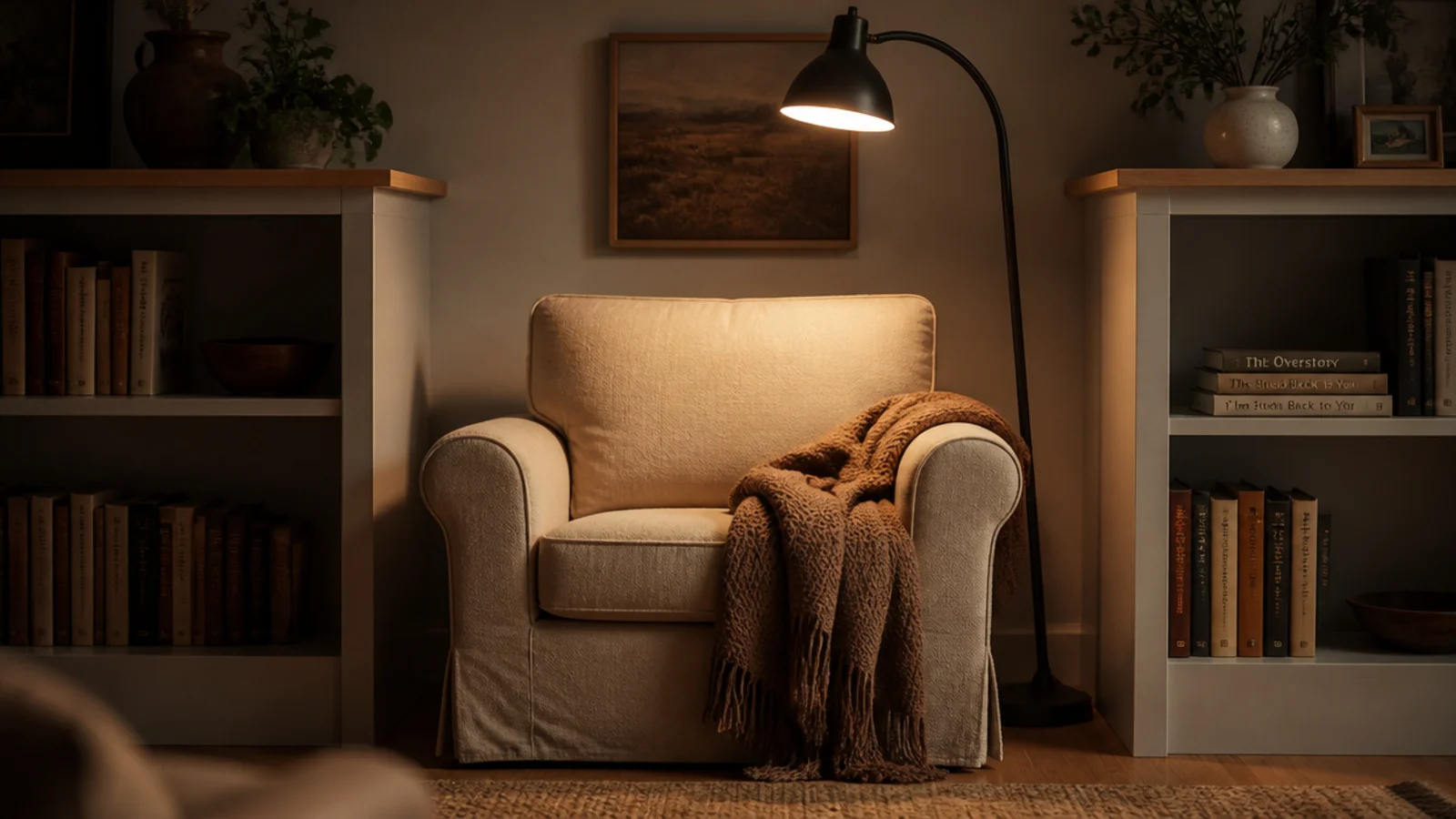
2. A reading nook framed by two low bookcases
Two half-height bookcases set at right angles around an armchair turn an ordinary corner into something that reads as built-in.
Thirty inches tall is the sweet spot — high enough to enclose the chair, low enough to hold a lamp and a mug. Secondhand units run $20 to $60 each and take paint well. Weight goes on the lower shelf. $$
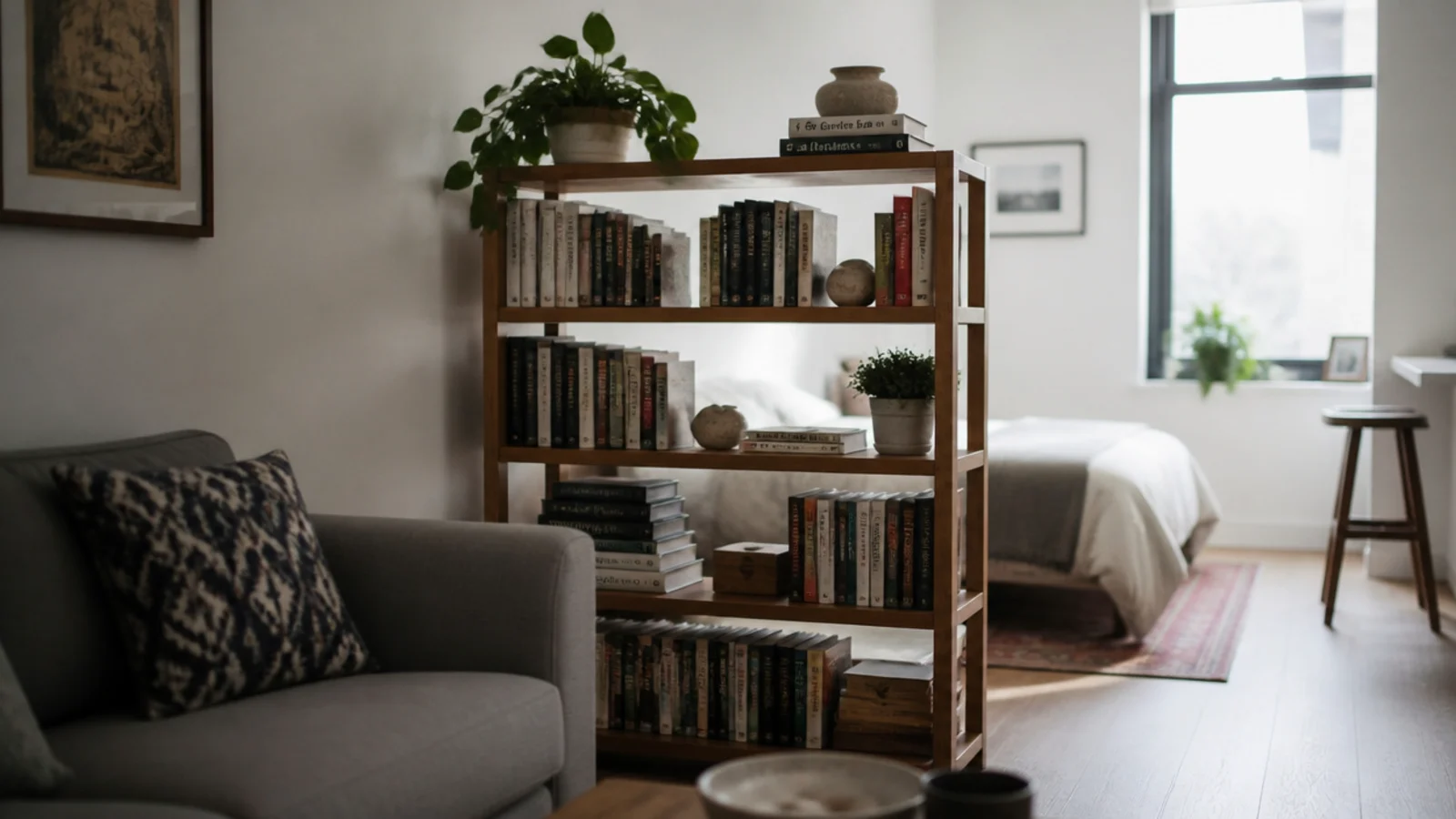
3. A bookcase used as a room divider
An open-backed unit standing perpendicular to a wall splits a studio into zones without building anything permanent.
Keep it under about 60 inches so sight lines survive and the far side of the room still gets light. A divider has no wall to strap to, so it needs floor brackets, a ceiling fixing, or a partner bracket into the wall it starts from. Heaviest books on the bottom two shelves, always. $$
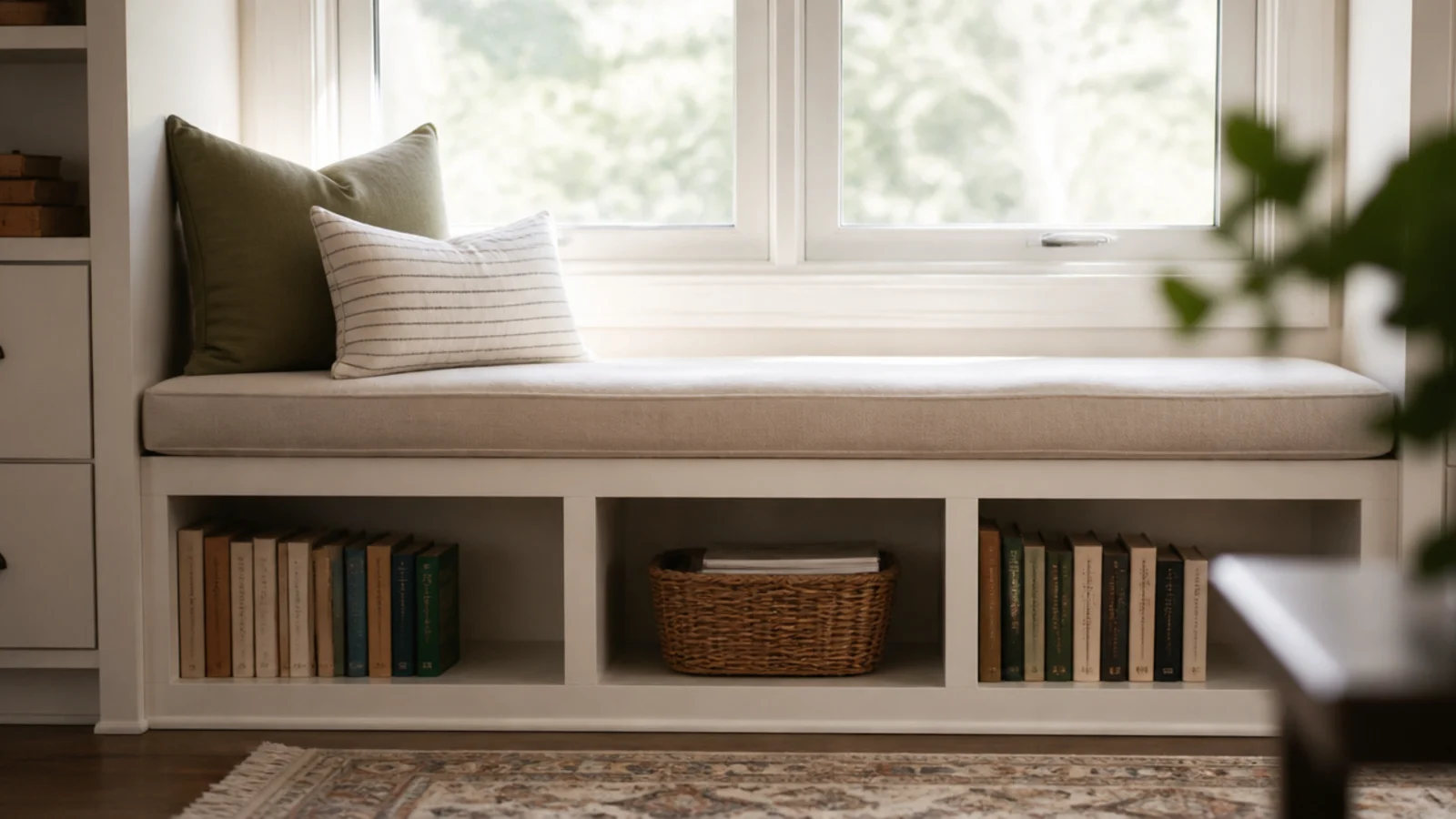
4. A window seat with book cubbies below
The base of a window seat is usually 15 to 18 inches tall, which is enough for a 12-inch cubby holding a full row of hardbacks.
Open cubbies beat hinged lids in practice — nobody lifts a cushioned lid to get a paperback. Cut the openings 12 inches wide so the spans never sag, and finish the inside faces before assembly. $$$
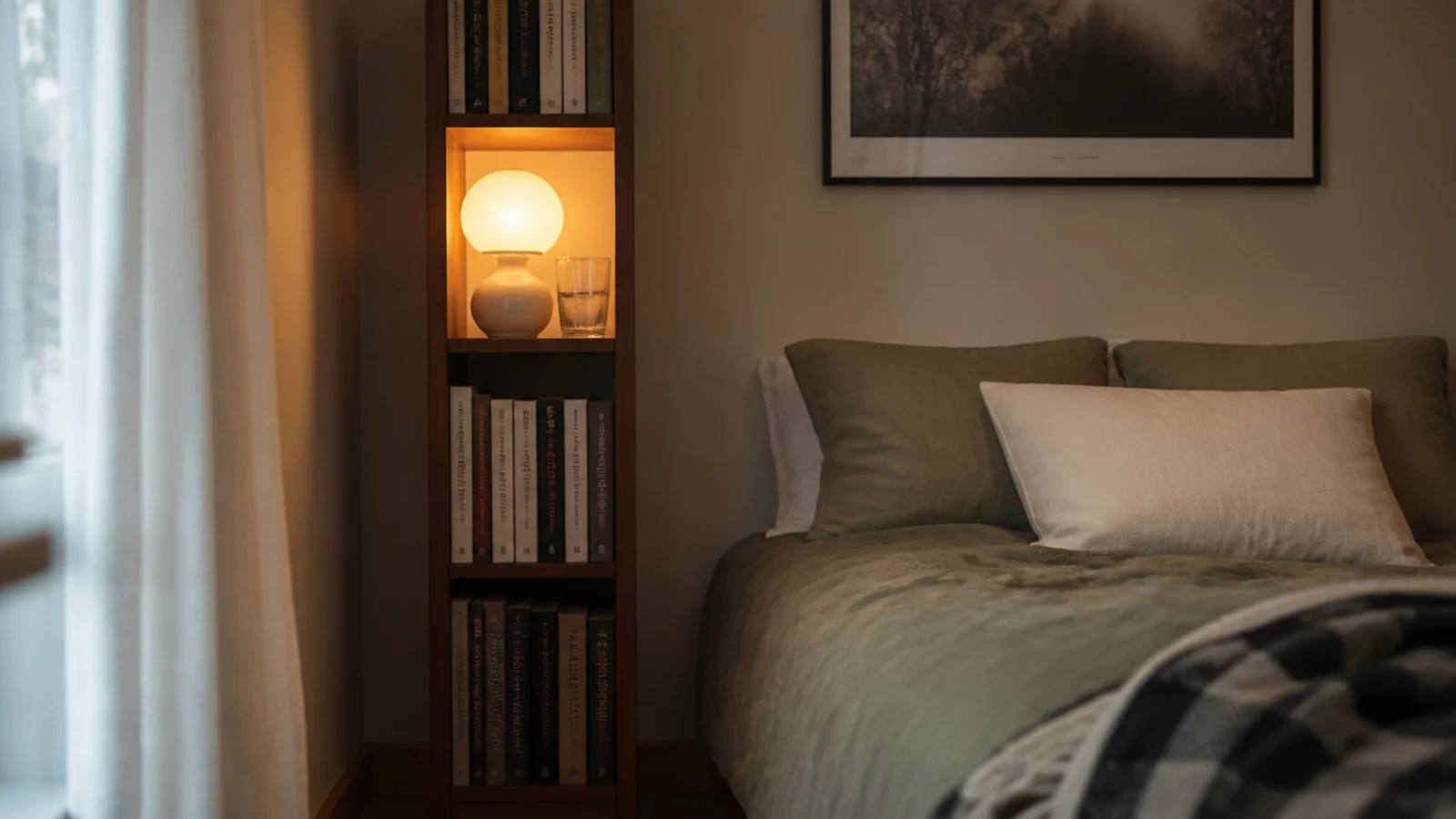
5. A tall bookcase as a nightstand
An 18-inch-wide bookcase takes the same floor as a nightstand and holds five times as much, with the shelf at mattress height doing the lamp-and-glass job.
Look for 11-inch depth so hardbacks fit, and keep the top of the unit below about 48 inches so it does not loom over the pillow. Strap it. In a small bedroom this single swap can free up an entire wall. $$
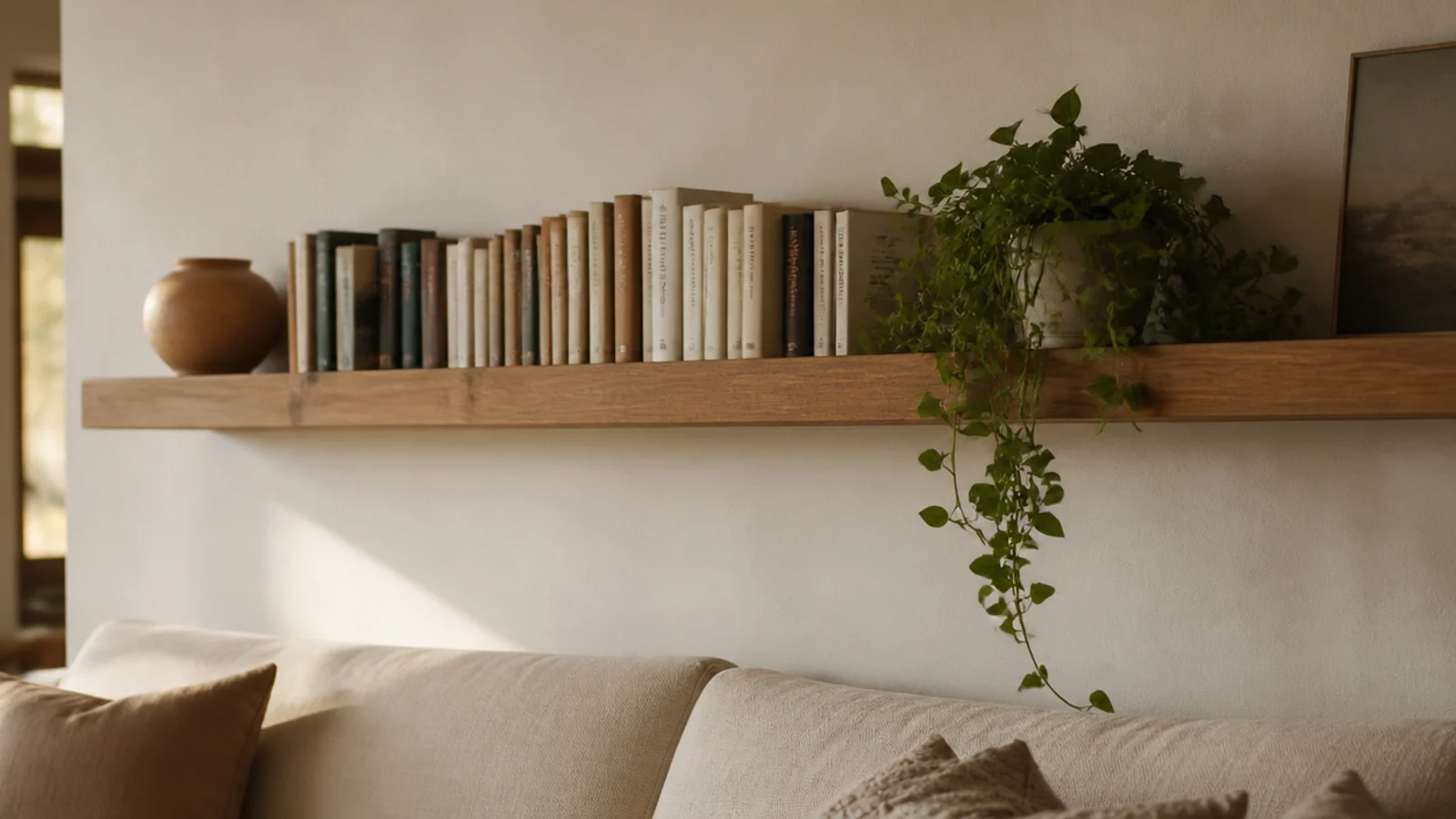
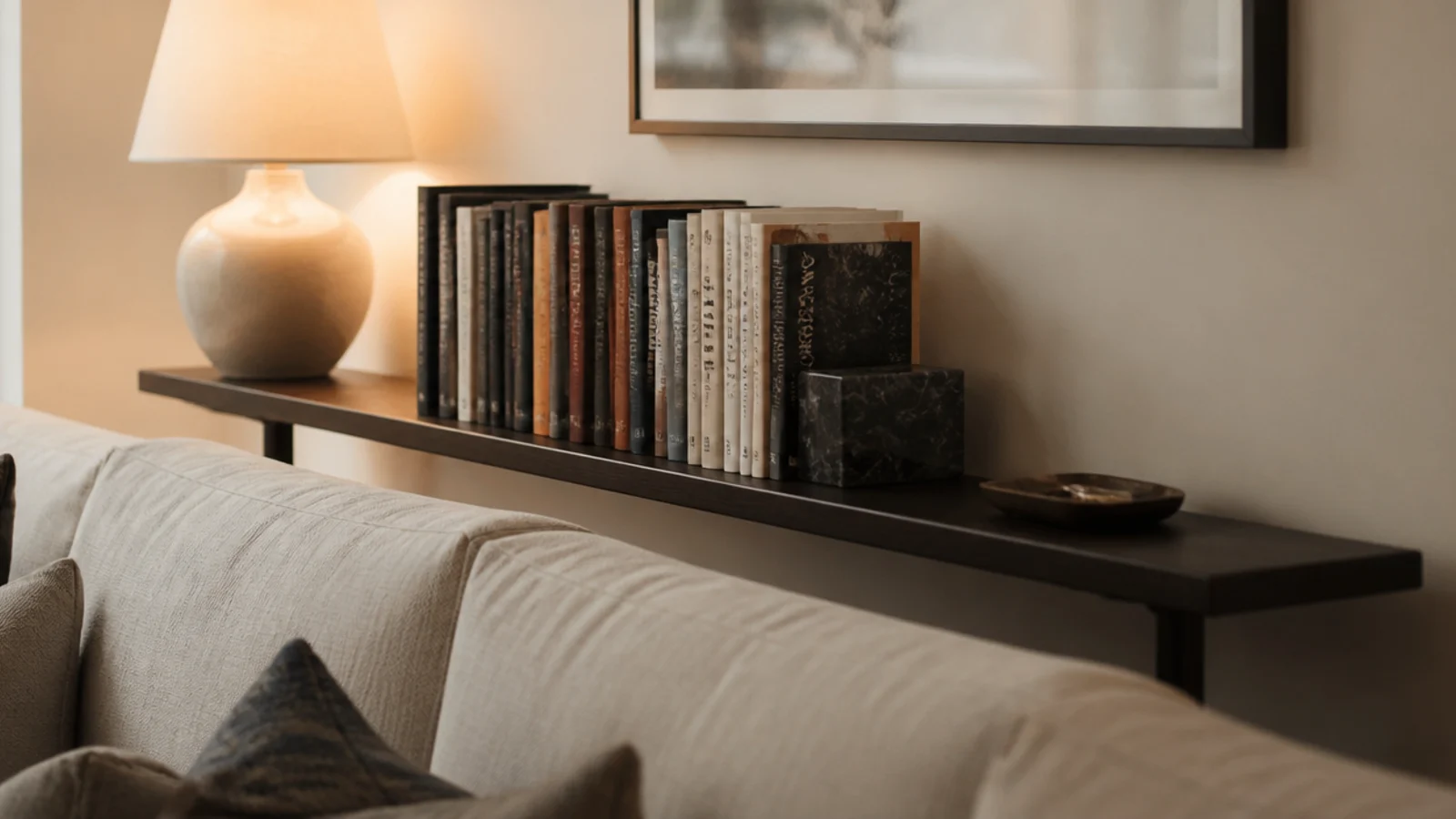
6. A console shelf behind the sofa
A shelf 10 inches deep running along the back of a floating sofa at 30 inches high holds books, a lamp and a tray, and reads as a console table for a fraction of the space.
Mount it to the wall if the sofa is against one, or build a slim freestanding version at the same height. Bracket every 24 to 32 inches into studs. $$
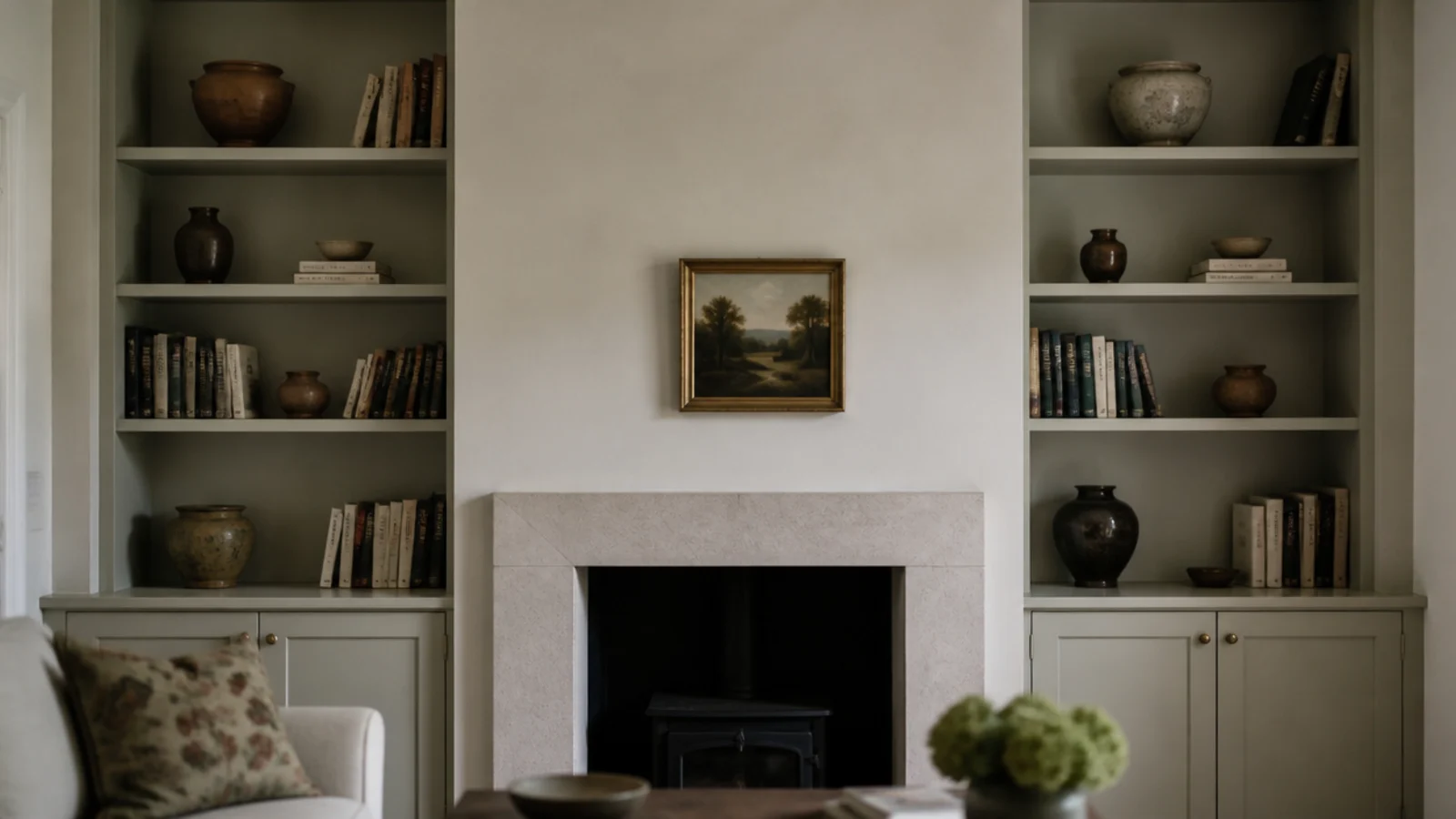
7. Fireplace alcove built-ins
Chimney alcoves are usually 28 to 34 inches wide and 10 to 14 inches deep, which is bookshelf geometry already sitting in your wall.
Rest shelves on cleats screwed to the side walls — no brackets, nothing visible, no sag while the span stays under 32 inches. Paint them the wall color and the whole room grows. Materials run $80 to $200 per alcove. $$$
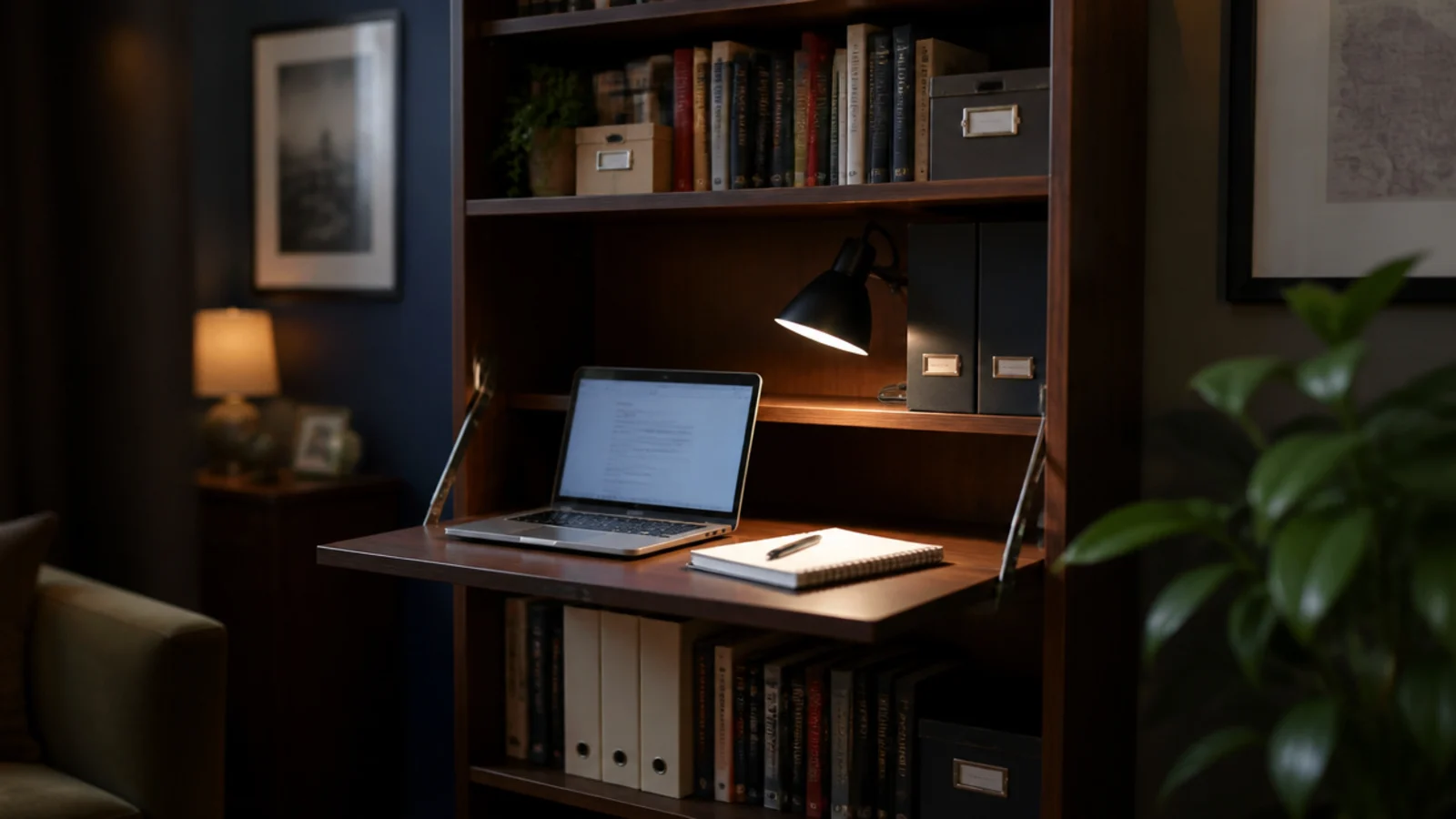
8. A fold-down desk inside a bookcase
A hinged 24-inch flap set into a bookcase at 29 inches gives you a real desk that disappears in a second.
Use a piano hinge and two folding shelf brackets rated for 50 pounds or more. Reserve the shelf directly above for box files and reference, and keep the flap area clear of anything you would have to move to use it. $$$
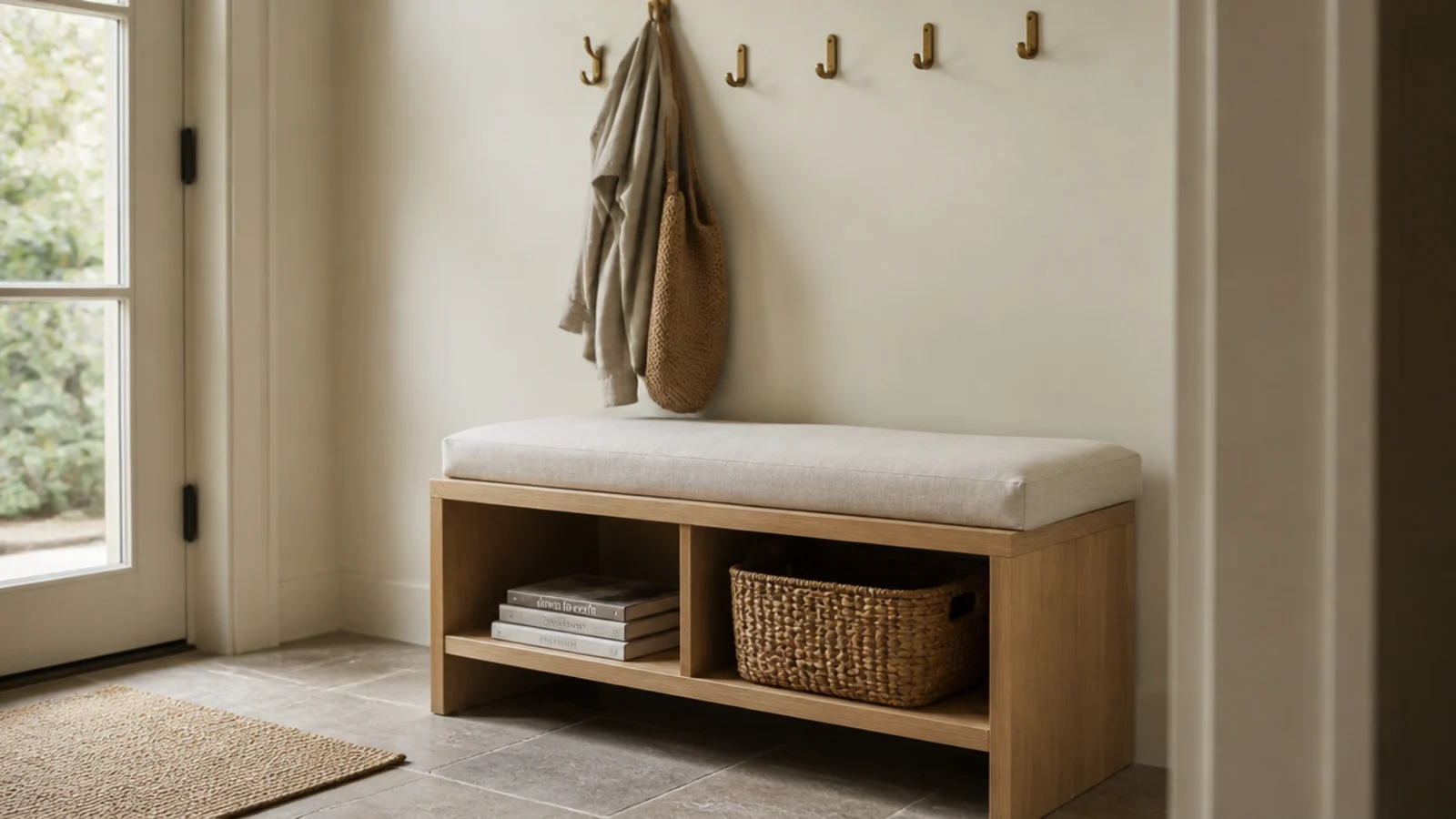
9. An entry bench with book cubbies
An entry bench is already earning its place, so adding two open cubbies underneath costs nothing but the shelf material.
Seat height of 17 to 18 inches leaves about 12 inches of cubby, enough for hardbacks standing upright. Keep one cubby for a basket — entryways generate more loose items than books. $$
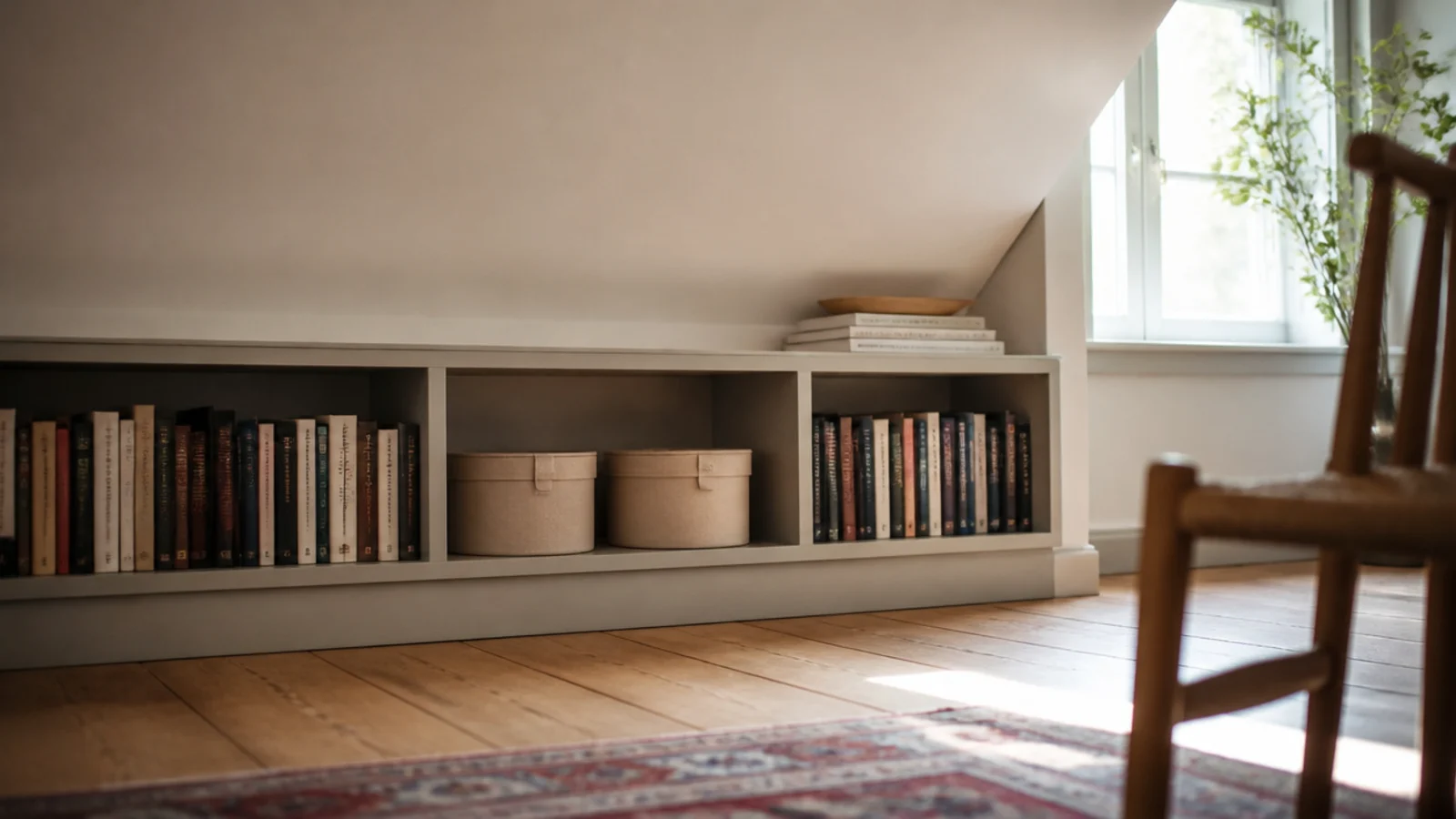
10. A run under the slope in an attic room
The triangle under a sloping ceiling is unusable for standing and perfect for a low shelf run at 30 to 36 inches tall.
Build to the slope rather than fighting it: a stepped top edge following the roof line looks intentional and gains you a foot of storage at the tall end. Depth of 10 inches is plenty here. $$$
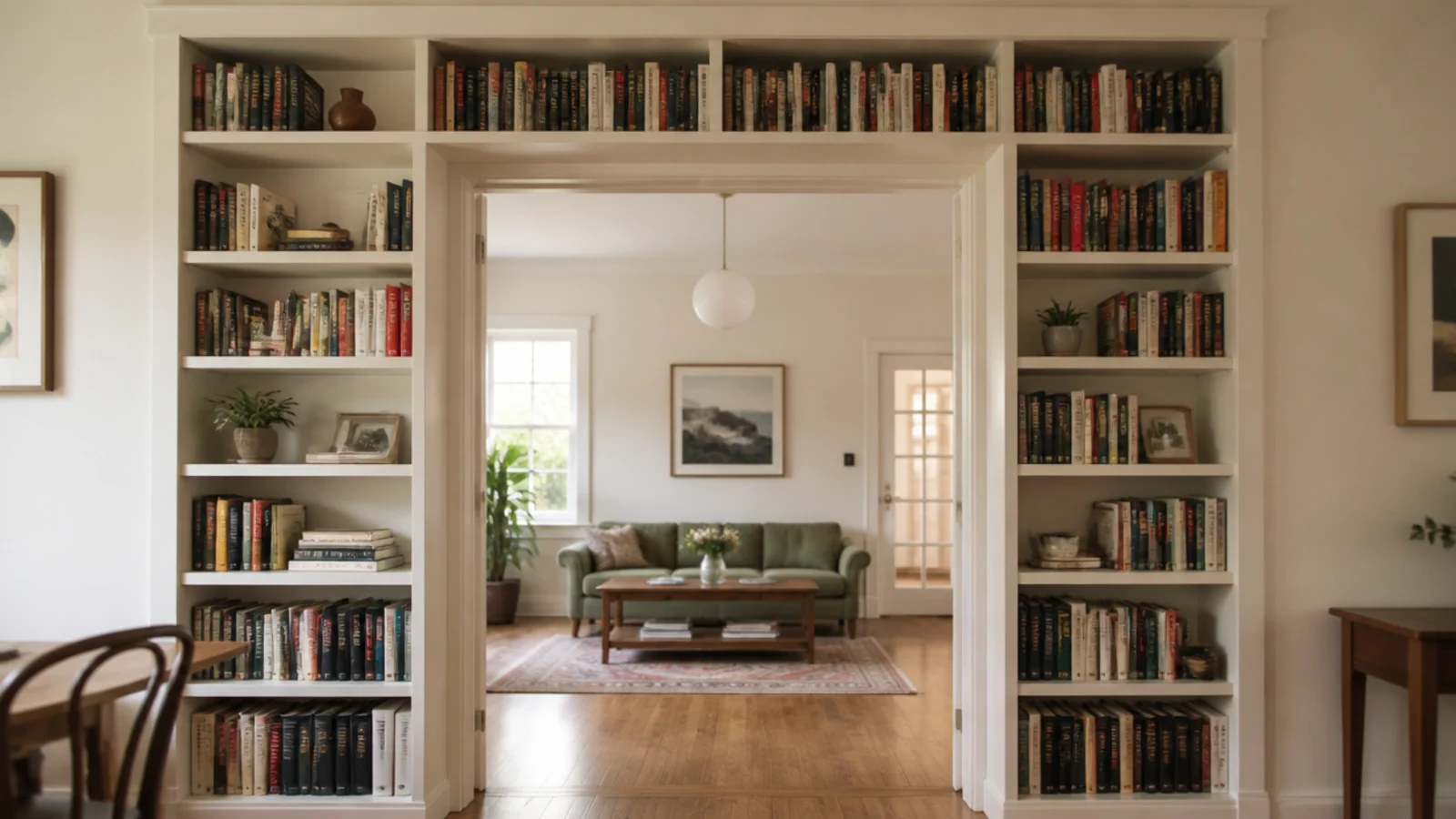
11. A bridge shelf that surrounds a doorway
Shelving up both sides of a door and bridging across the top adds roughly eight linear feet of storage to a wall that was otherwise unusable.
Keep the bridge section shallow, about 8 inches, so nothing looms over the doorway, and anchor into the header framing above the door. It is solid timber and takes a screw properly. $$$
12. Shelving in the under-stairs void
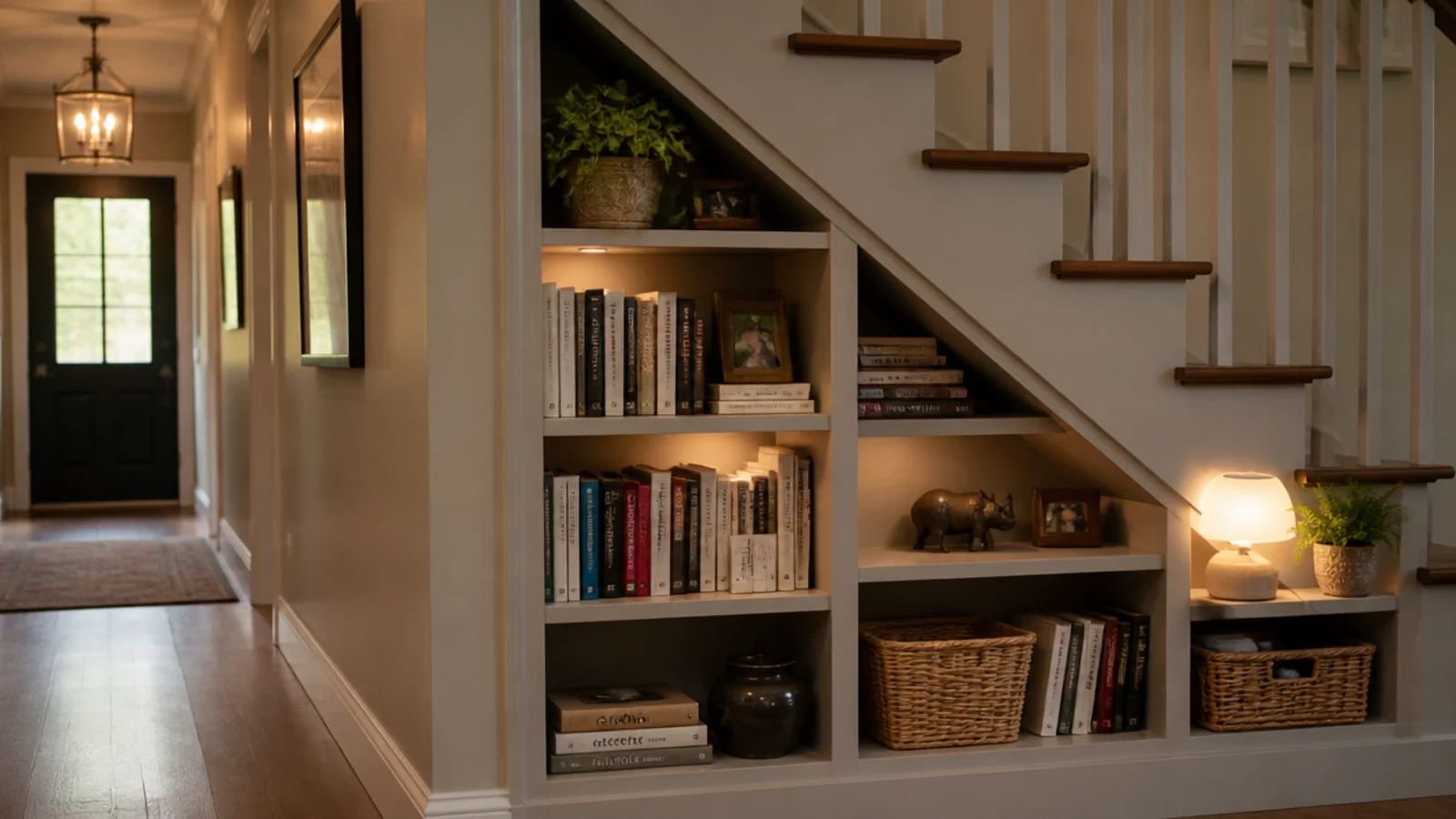
The space under a staircase is the most wasted cubic footage in almost every house, and stepped shelving follows the stair line naturally.
Build the tall end for hardbacks at 12 inches deep and let the shelves shorten as the ceiling drops. Add a small lamp — under-stair space has no natural light and reads as a cupboard without it. $$$
13. A banquette with books under the seat
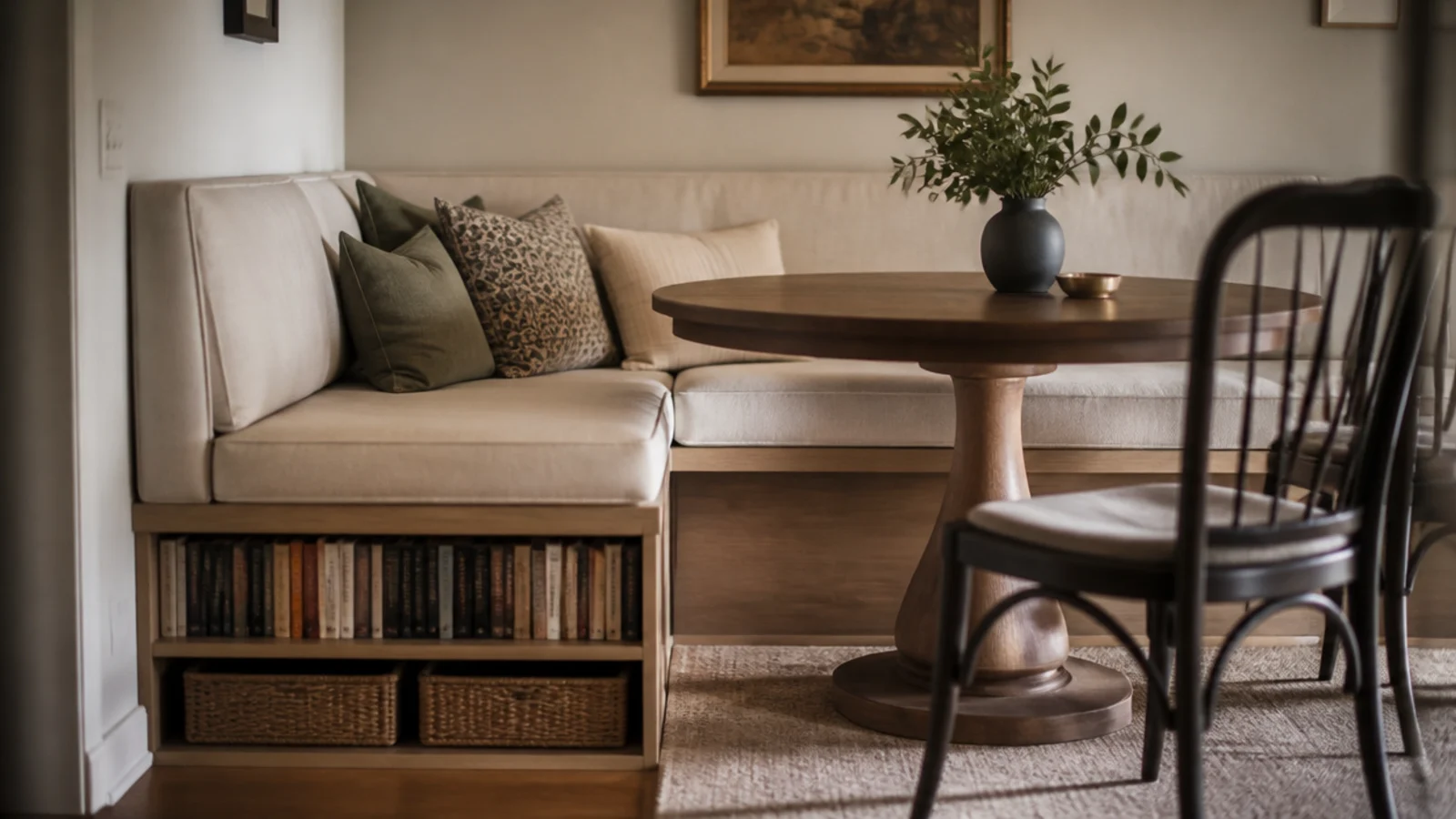
Dining banquettes are usually 18 inches tall and 20 inches deep, which leaves room for open book storage in the base without touching the seat.
Face the openings outward into the room rather than under the table, where nothing is reachable. Paperbacks suit this well — hardbacks make the base heavy to move if the banquette is not fixed. $$$
14. A closet turned into a book nook
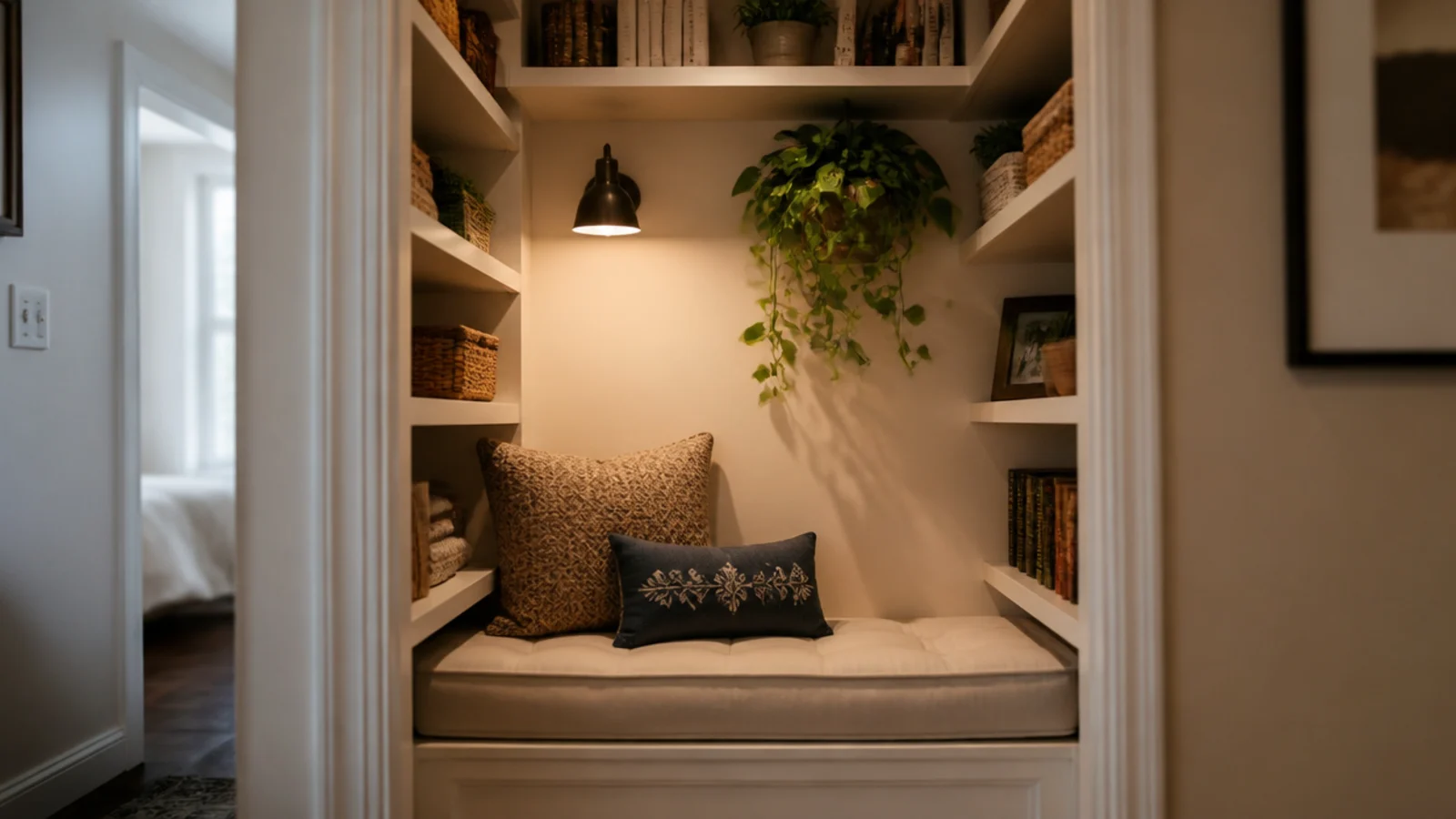
Take the doors off a shallow closet, line three sides with painted shelves, add a cushion at the base and one small wall lamp.
Most closets are 24 to 30 inches deep, which gives a genuine seat with 10-inch shelves above. This is the highest-impact conversion on the list and costs about $150 in materials. $$$
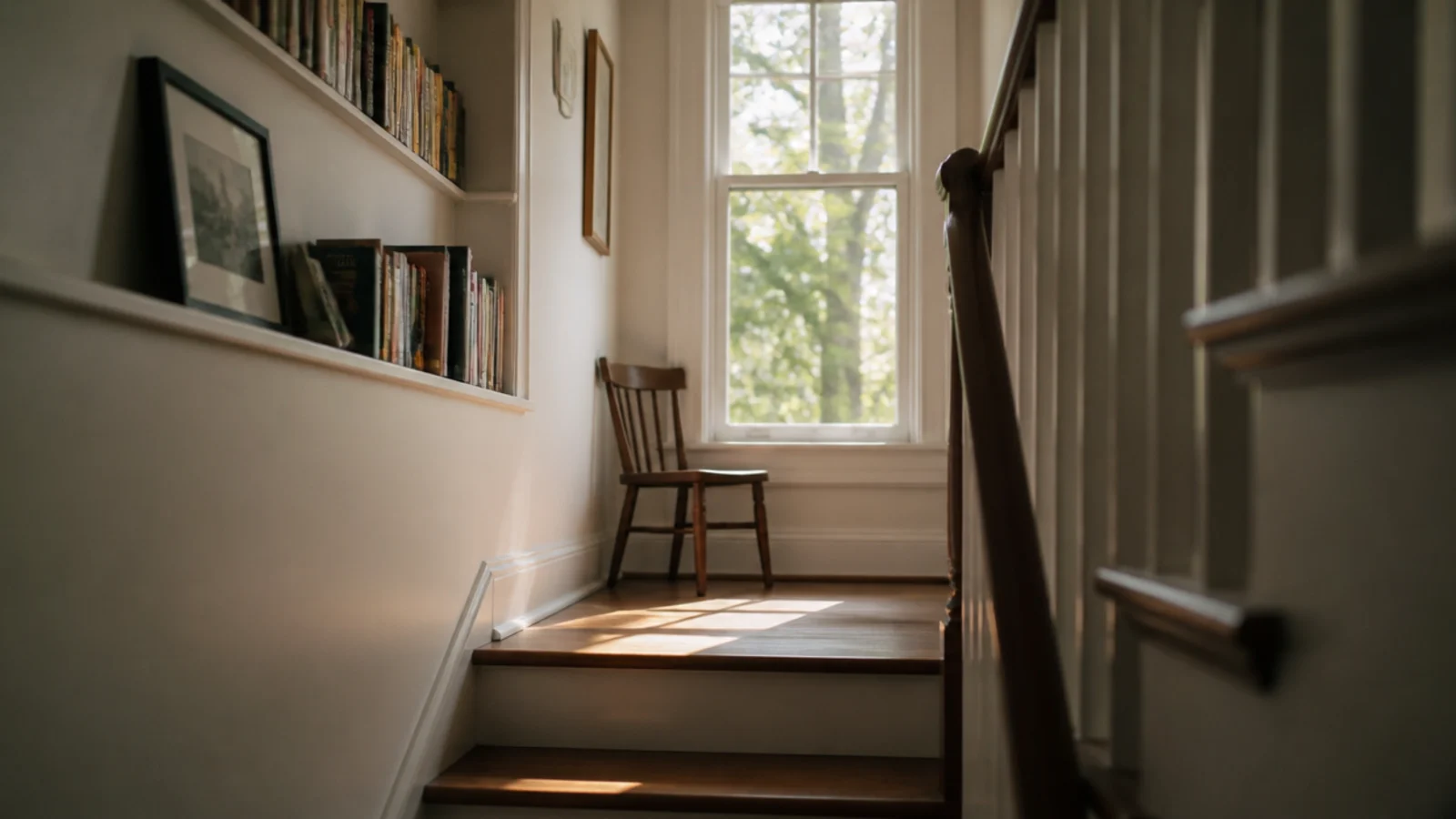
15. A shelf on the stair half-landing
The half-landing is a room nobody ever furnishes, and it usually has the best window in the house.
Shallow shelves at 8 inches keep the passage clear, and a slim chair below turns the whole thing into a stop rather than a corridor. Anchor into studs — landings take knocks. $$
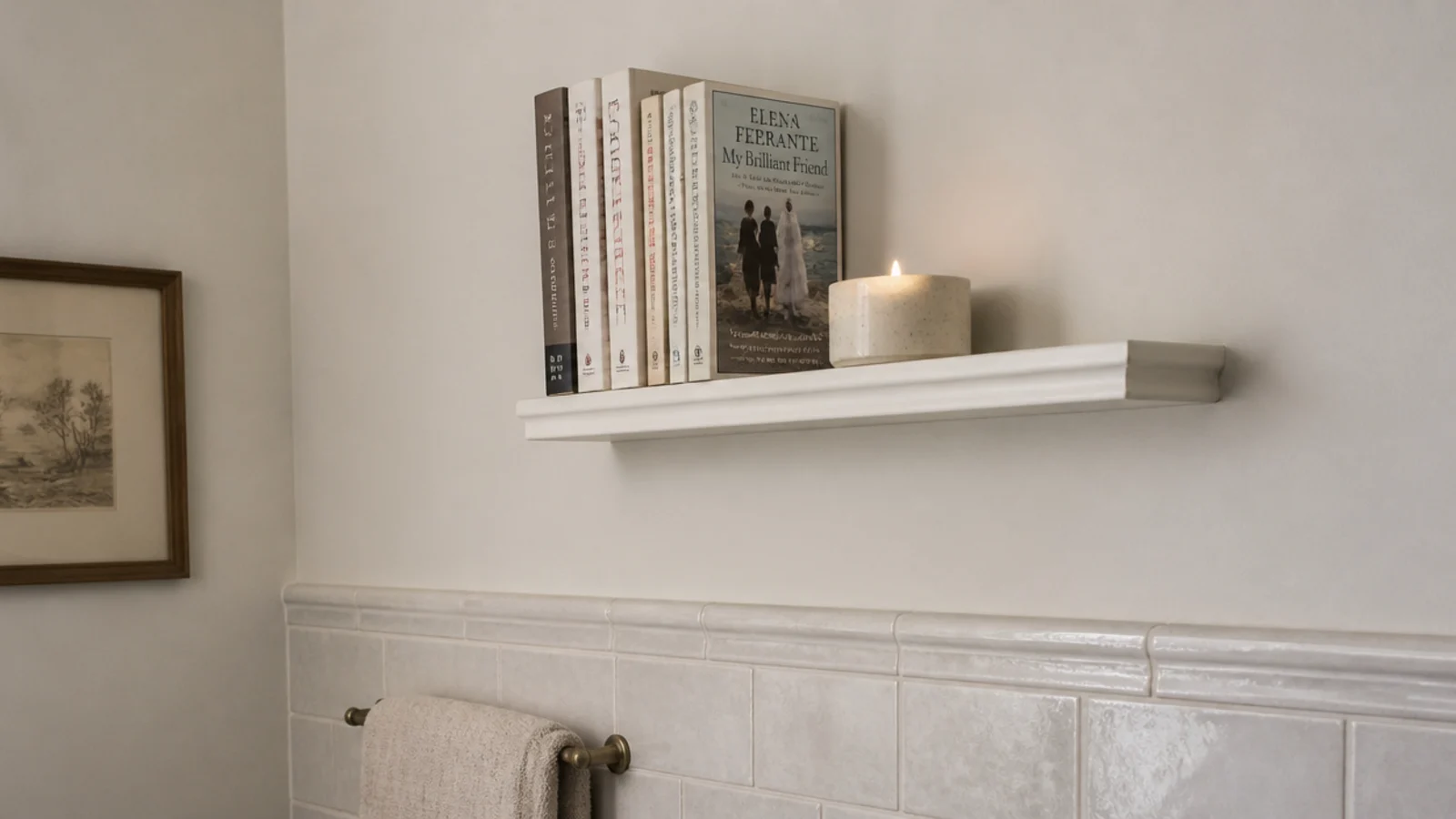
16. A paperback ledge in the bathroom
Mount a 4 to 5 inch ledge high on the wall, well away from the shower, and it holds a dozen paperbacks without absorbing steam.
Never hardbacks, never anything you would miss. Run the extractor fan and keep the ledge on the wall furthest from the shower head. Cost is about $15 for a ledge and two anchors. $
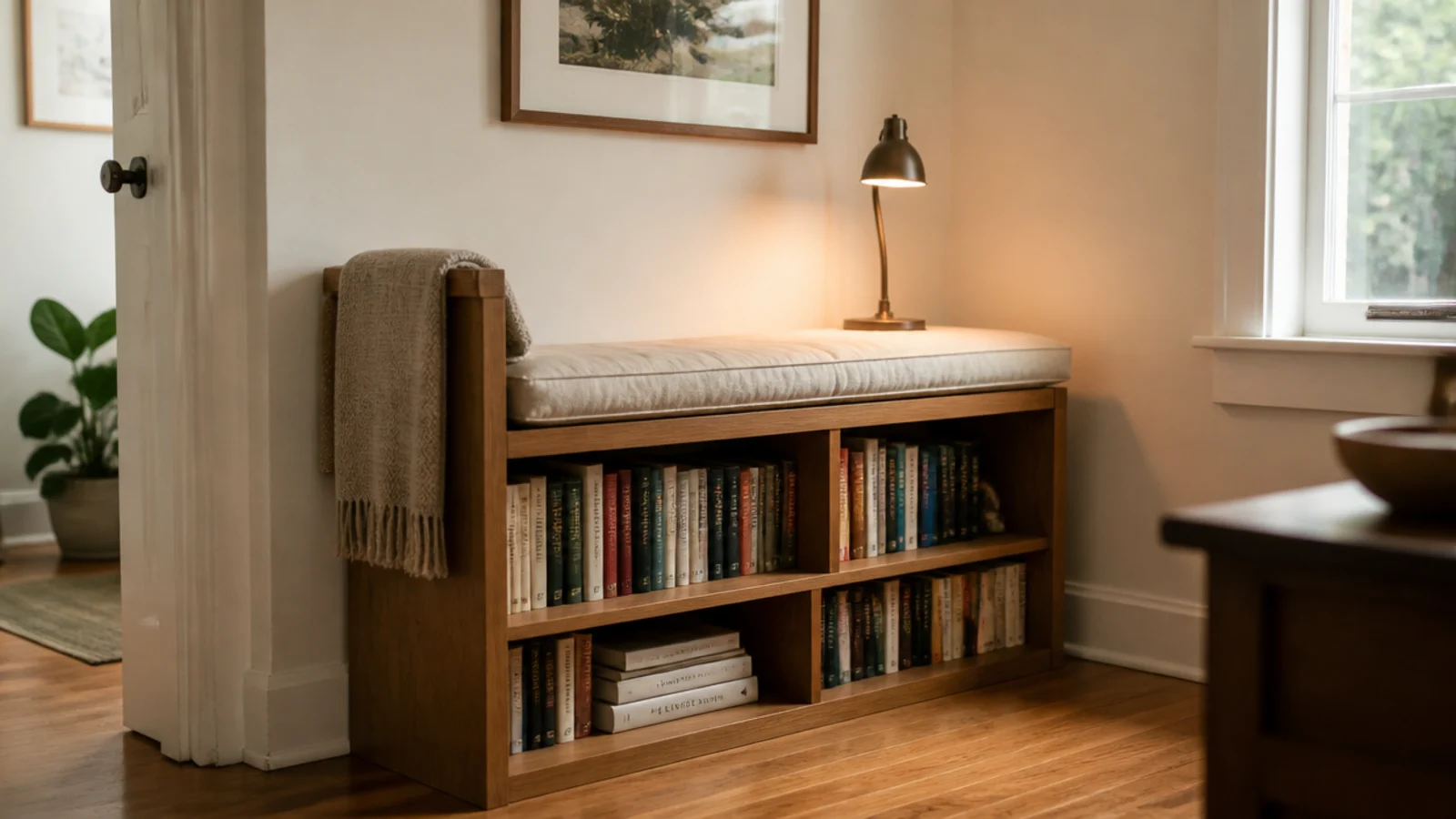
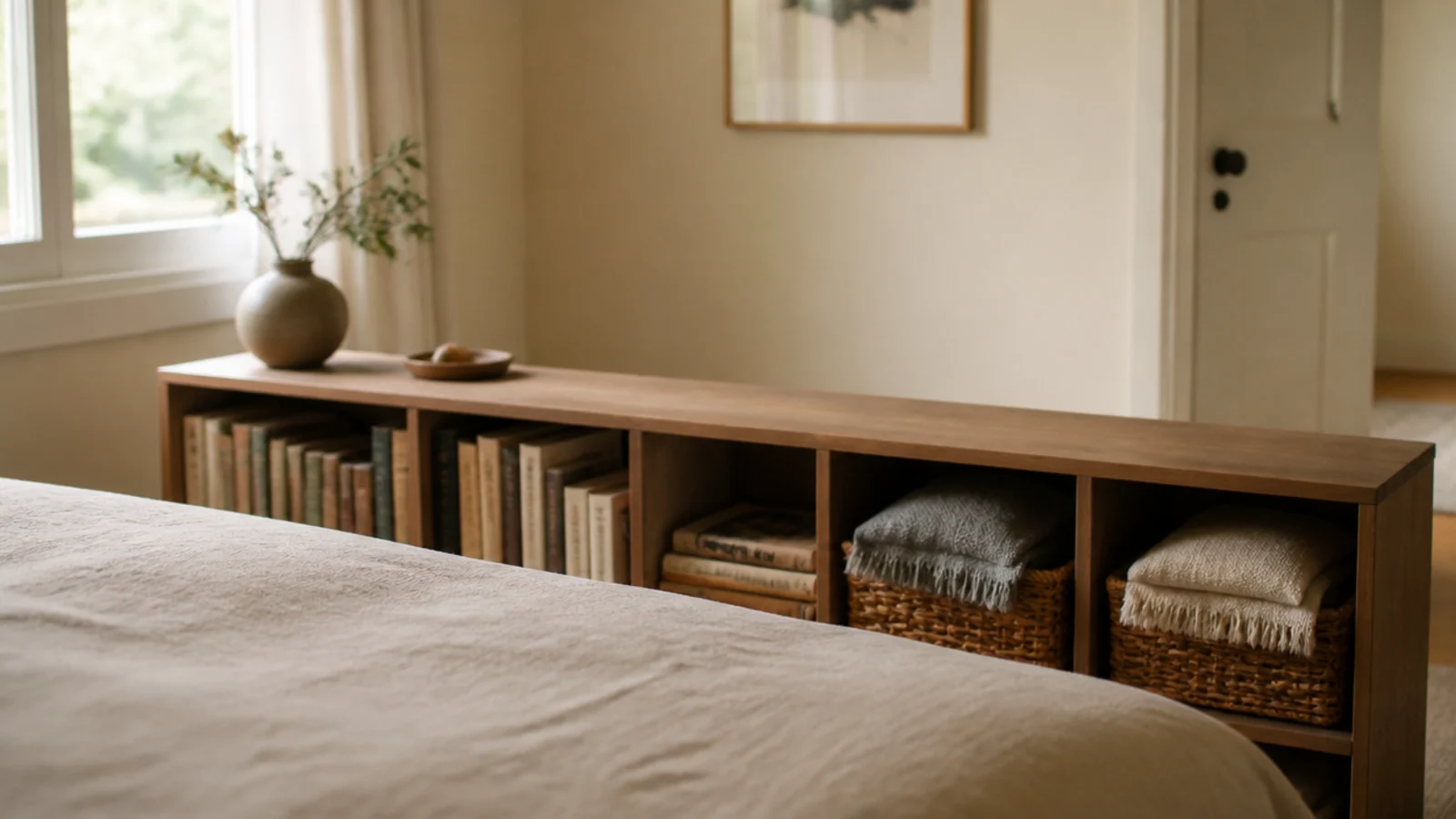
17. A low run at the foot of the bed
A knee-height run across the foot of the bed, about 20 inches tall and 10 deep, holds books and folded throws and doubles as somewhere to sit to put shoes on.
Leave 24 inches of walkway between the run and the bed. Below mattress height, it barely registers visually, which is exactly what a small bedroom needs. $$
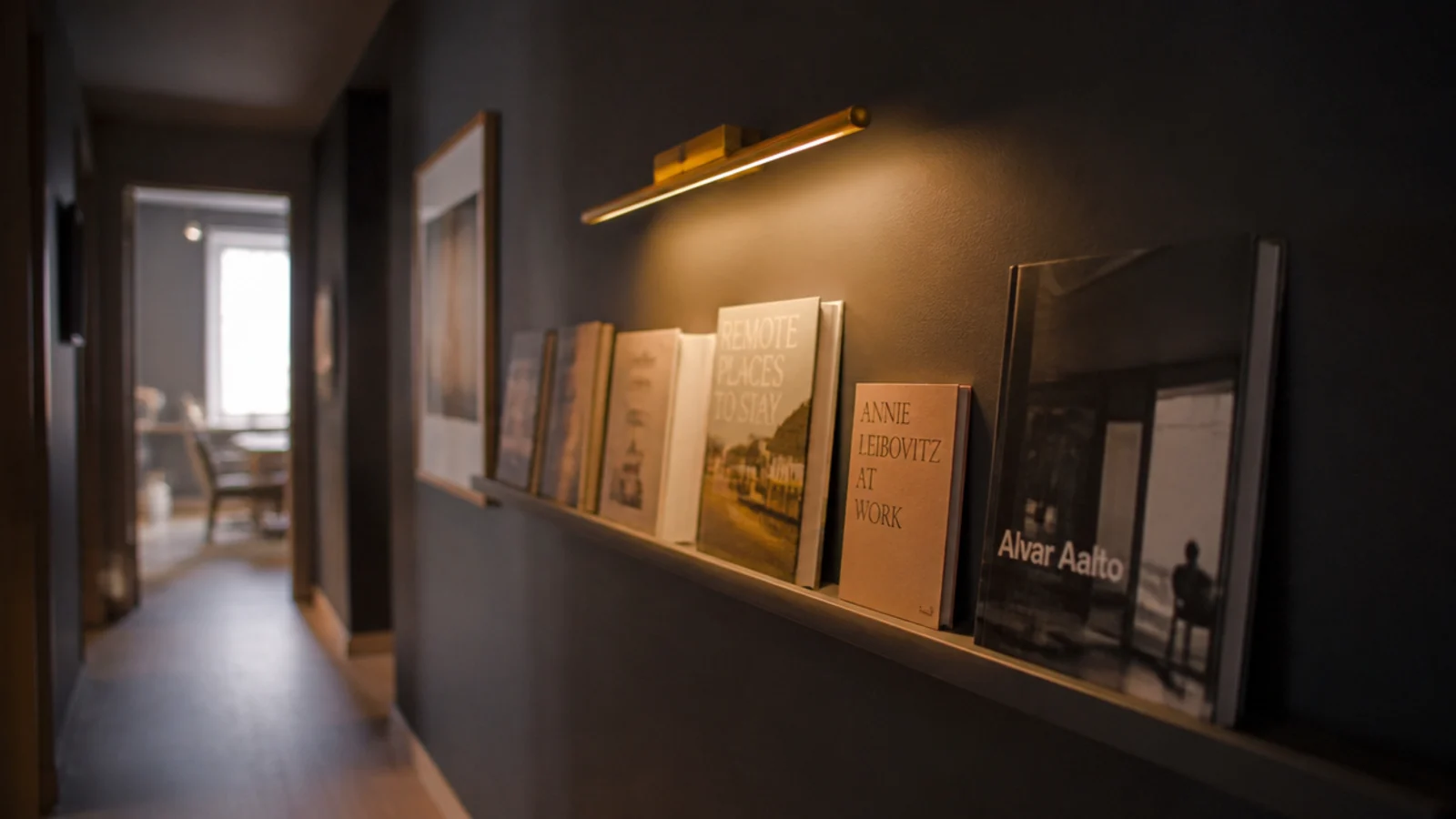
18. A hallway ledge with a picture light
A shallow ledge at chest height with a slim picture light above turns a corridor into somewhere you would stop and look.
Warm light at about 2700K, aimed down across the spines rather than out into the hall. Battery picture lights cost $20 to $35 and need no wiring, which makes this a renter-friendly upgrade. $$
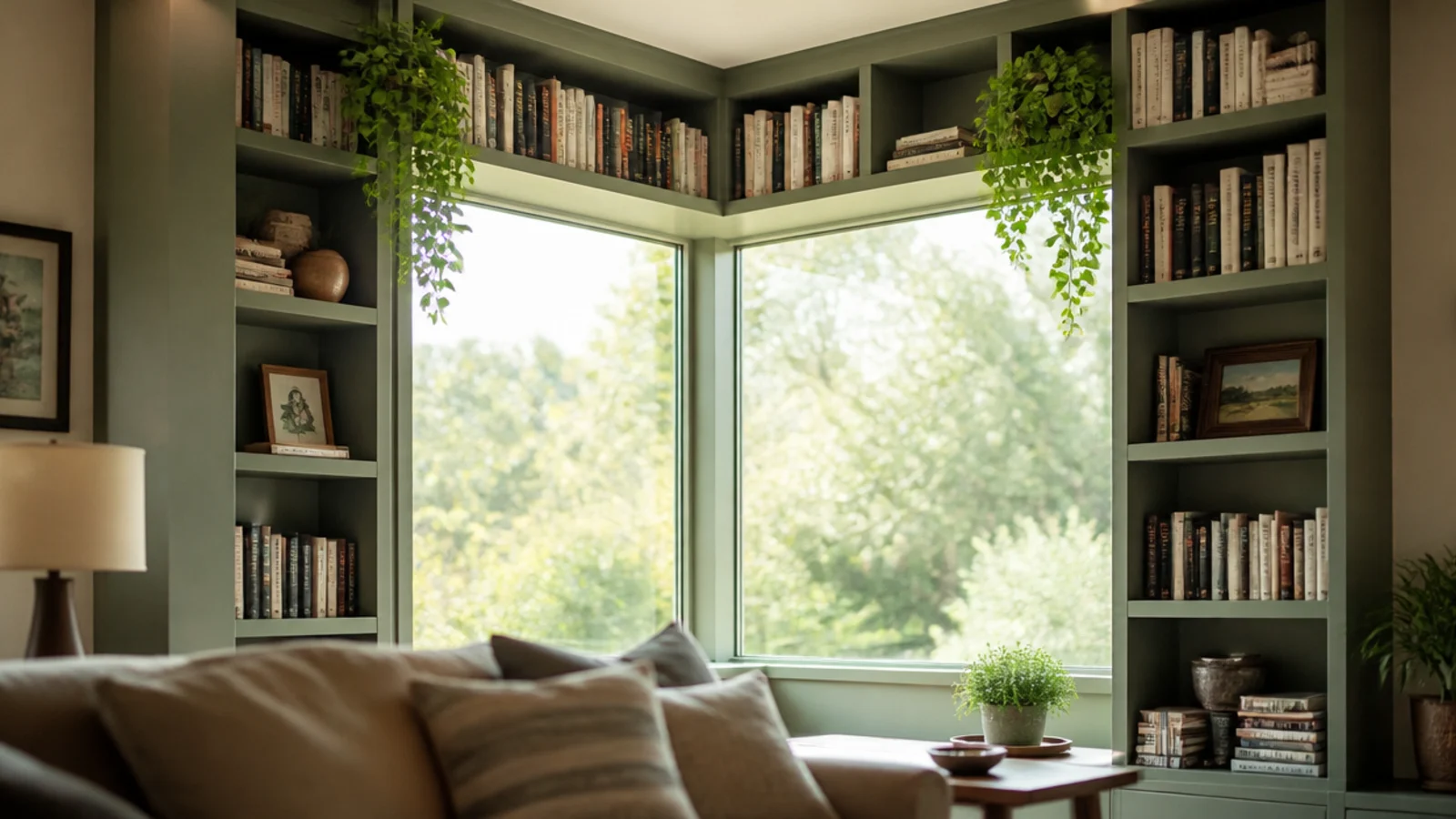
19. Shelving that wraps a corner window
Running shelves up both sides of a corner window and across the top keeps every square inch of glass clear while framing the view.
Keep the section above the window shallow at 6 to 8 inches so it does not cut the daylight. Anchor the vertical runs into studs and let the top piece span between them. $$$
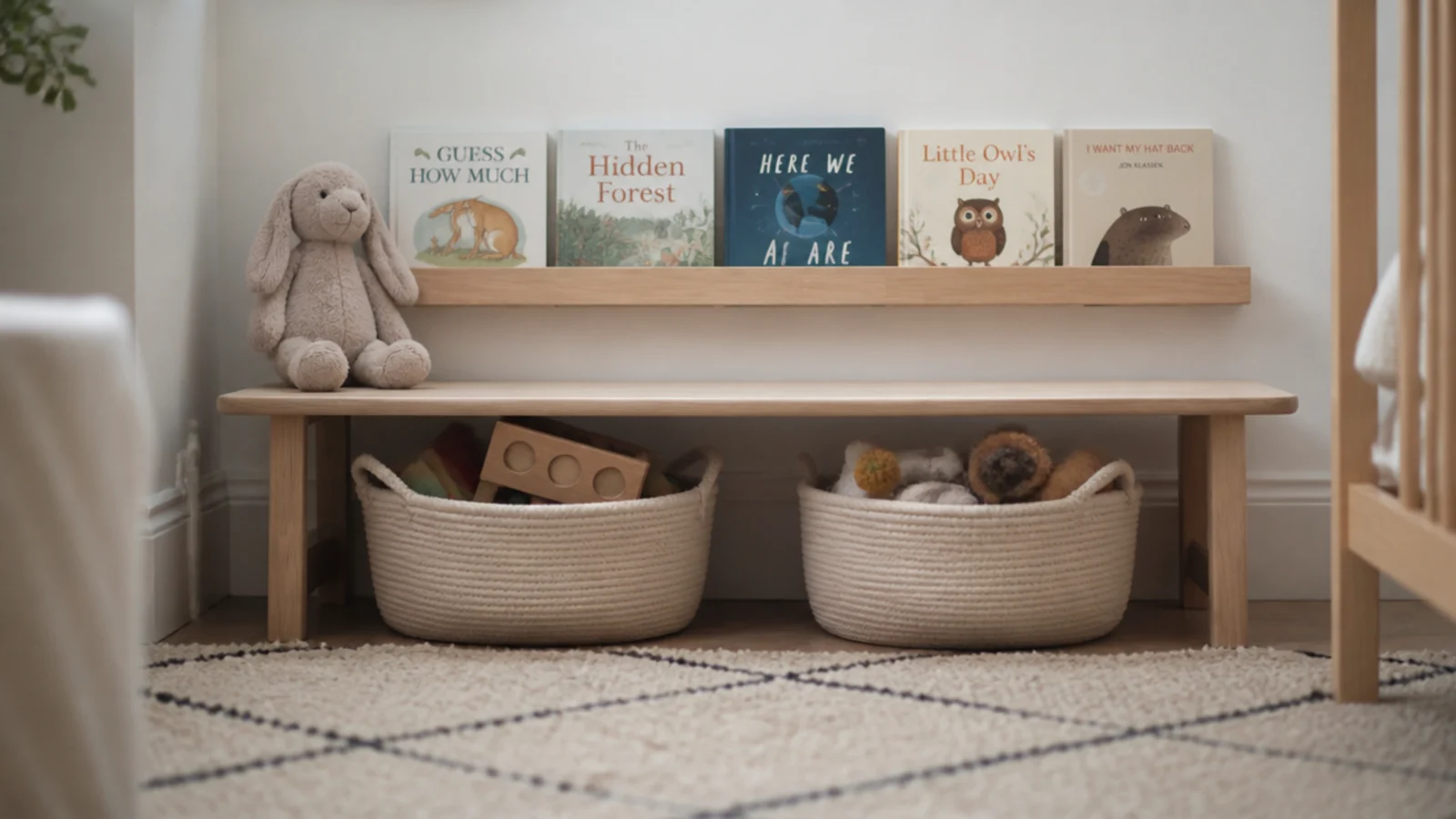
20. A toy and book bench in a small nursery
A bench 16 inches tall with a cover-out book rail above at 30 inches puts books at a height a small child can actually reach.
Cover-out is the only way children find a book. Anchor the rail into studs, because children pull down on these with their full weight, and keep the bench top clear so it stays a seat. $$
Mistakes to Skip
- Buying a wide low bookcase for a narrow room. It consumes the wall you needed for furniture and holds no more than a tall narrow tower would.
- Putting a deep shelf over a bed. Anything above a pillow should be a shallow ledge with a front lip, fixed into studs, or nothing at all.
- Treating a room divider as a freestanding sculpture. With no wall behind it, it needs a floor or ceiling fixing and its weight kept on the bottom shelves.
Frequently asked questions
Can a bookshelf work as a room divider?
Yes, if you treat it as furniture on both sides. Fit a finished back panel or use an open unit you can style from either direction, keep it under about 60 inches tall so sight lines survive, and anchor it — a divider has no wall behind it, so it needs floor brackets or a ceiling fixing. Load the heaviest books on the lowest two shelves.
How deep should shelves be in a tight room?
Nine to ten inches for paperbacks and eleven to twelve for hardbacks. That two-inch difference is one whole square foot of floor across a six-foot wall, which in a small bedroom is the gap between walking past the bed and turning sideways. Measure the walkway first and leave at least 26 inches of clear passage.
Is it safe to put a shelf above a bed?
Only if it is shallow, light and mechanically fixed into studs. Keep it to a 4 to 6 inch ledge holding paperbacks, mount it at least 24 inches above the mattress, and add a front lip so nothing can slide off. In earthquake country, or with young children, skip it entirely and use a headboard with built-in storage instead.
How do I make a small room feel cozy rather than crowded?
Use one tall element and keep everything else low. A single full-height bookcase reads as architecture, while three mid-height units read as clutter. Then leave about a third of each shelf empty, add one warm lamp at 2700K inside the unit, and let one soft thing — a plant, a throw — break the hard horizontal lines.
What furniture can double as book storage?
Window seats, entry benches, banquettes, headboards, nightstands, sofa-back consoles and stair landings all take book storage without adding a footprint. The rule is that the piece must already be earning its place in the room. Adding a bookcase to a small room costs floor; adding shelves to a bench you already own costs nothing.
Start by listing the furniture you already own that could carry books — the bench, the window sill, the sofa back — before you consider buying a single new unit. For standalone options with exact widths, see small bookshelf ideas, and for the sleeping room specifically, bedroom bookshelf ideas covers clearances in detail. Idea one pairs neatly with the storage-led options in headboard alternatives. Save the pin before your next measure-up.
Want more like this? Browse all 15 bookshelf ideas guides — they all use the same measurements and budget tiers.
Pin it for later
Save this to your Bookshelf Ideas board
Pin it now so it is waiting for you when the tape measure comes out — and so the next person hunting for this idea can find it too.
Save this pinKeep going
More ideas worth saving while you have the tape measure out.