Wall Clock · Listicle
20 Wall Clock Luxury Looks Without The Price Tag

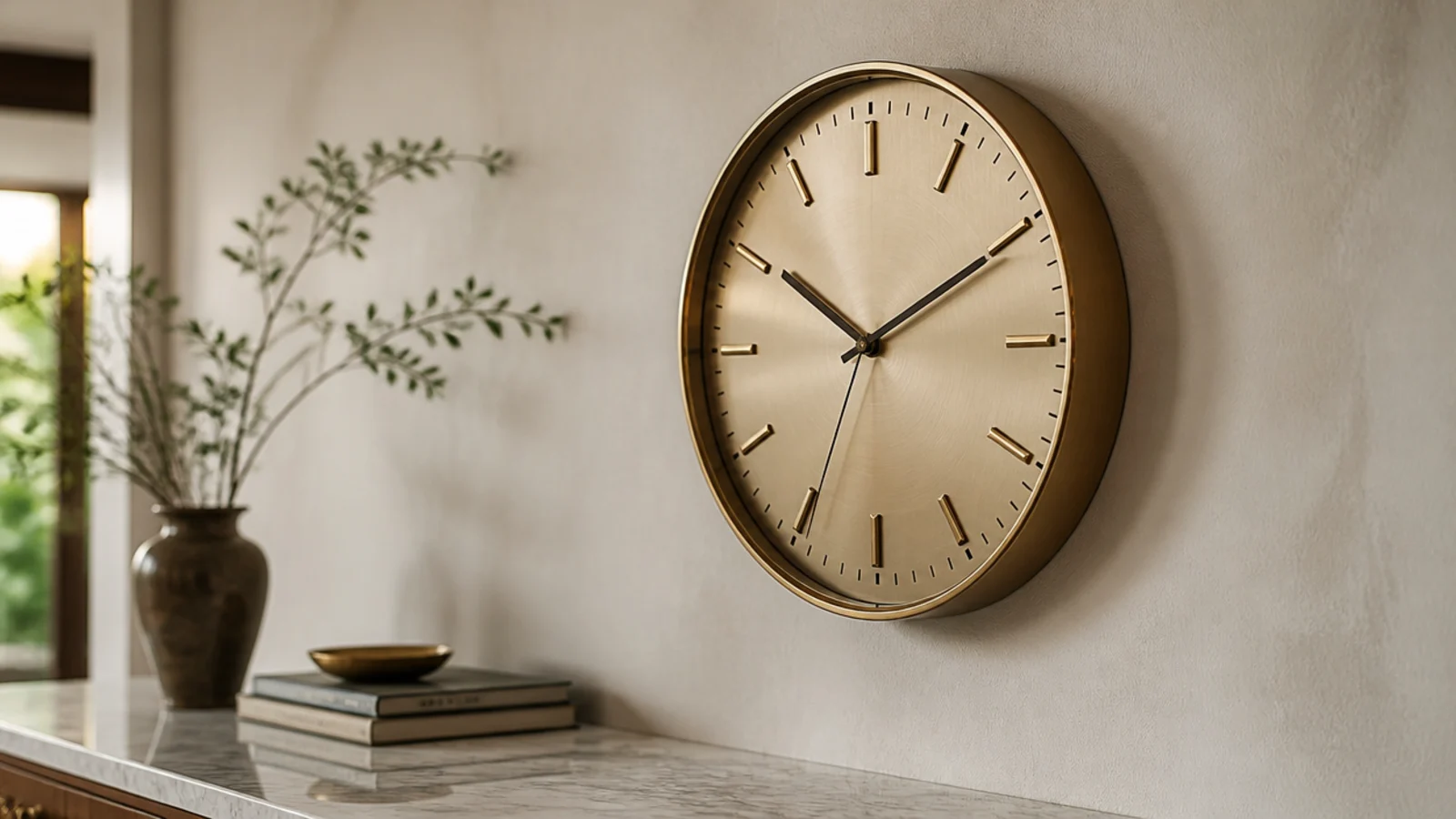
Cost is not what makes a clock look costly. Almost every wall clock luxury cue comes down to five details you can check with a fingertip in a shop: how far the case stands off the wall, whether the markers are applied or printed, what the hands are made of, whether the movement housing bulges out of the back, and how the dial reads from twenty feet. Four of those five are available under a hundred dollars. Here are twenty details that signal money, and what each one genuinely costs.
In this guide22 sections — tap to openHide
- 1.What wall clock luxury actually signals on a wall
- 2.A case that stands two inches proud
- 3.A machined metal hand set
- 4.Dial contrast that reads at twenty feet
- 5.Solid brass rather than brass plating
- 6.Honed stone instead of printed marble
- 7.A recessed movement, not a bulge
- 8.A mitred solid timber rim
- 9.Domed glass, and when it costs you
- 10.Applied markers with real shadows
- 11.A silent sweep movement
- 12.Go one size up from what feels safe
- 13.One clock on a generous empty wall
- 14.Repeat one metal already in the room
- 15.Matte over gloss, every time
- 16.A fine stepped bezel
- 17.Engraved or hand-painted numerals
- 18.Weight you can feel in the hand
- 19.Backlight the rim after dark
- 20.A dead-level two-point hang
- 21.Take everything else off that wall
- 22.Mistakes to Skip
What wall clock luxury actually signals on a wall
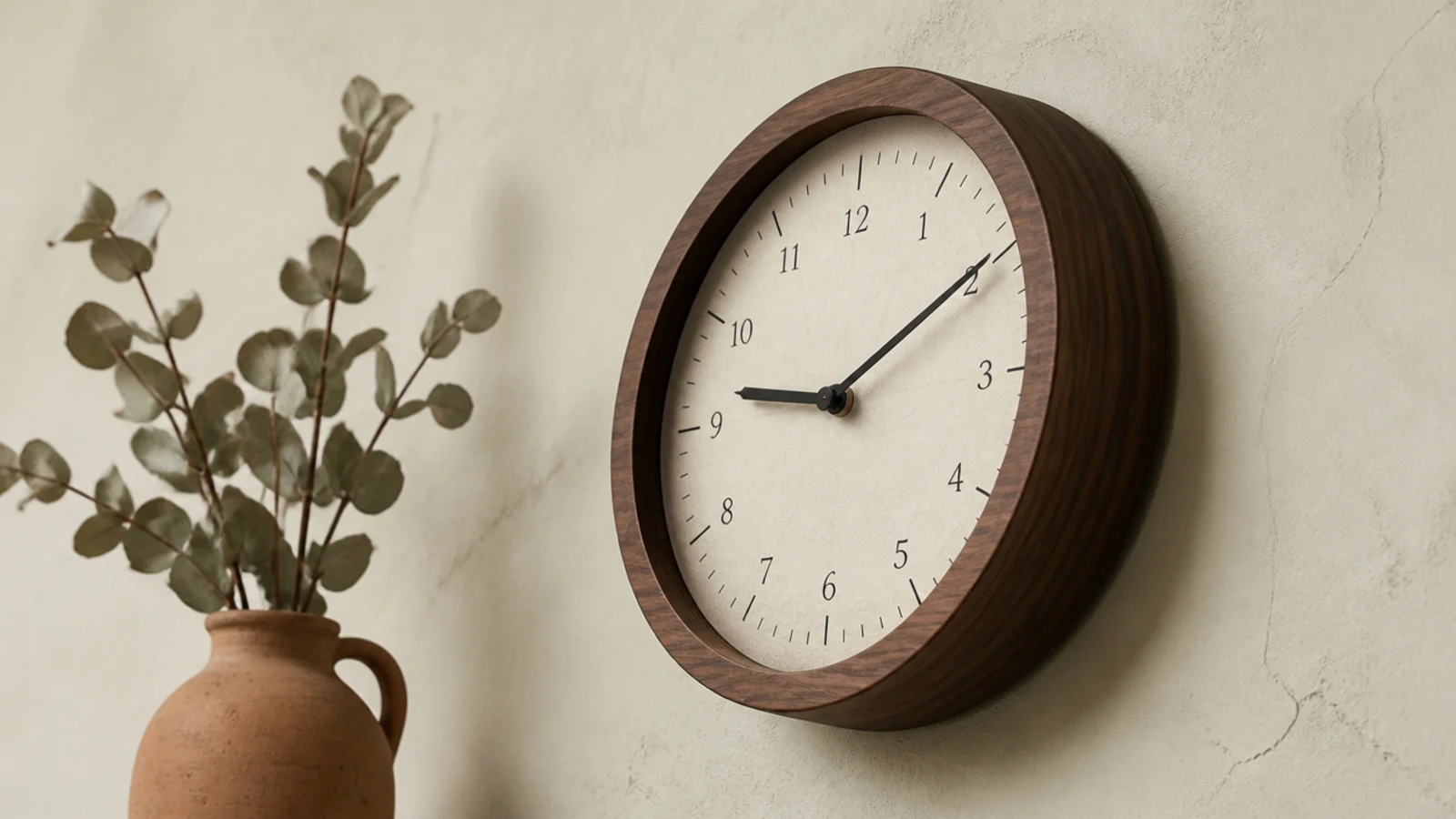
Depth first. A case standing 2 to 3 inches proud throws a real shadow under its rim, and that shadow is what separates an object from a printed disc. Flat clocks under half an inch deep always read as cheap in flat afternoon light no matter what they are made of.
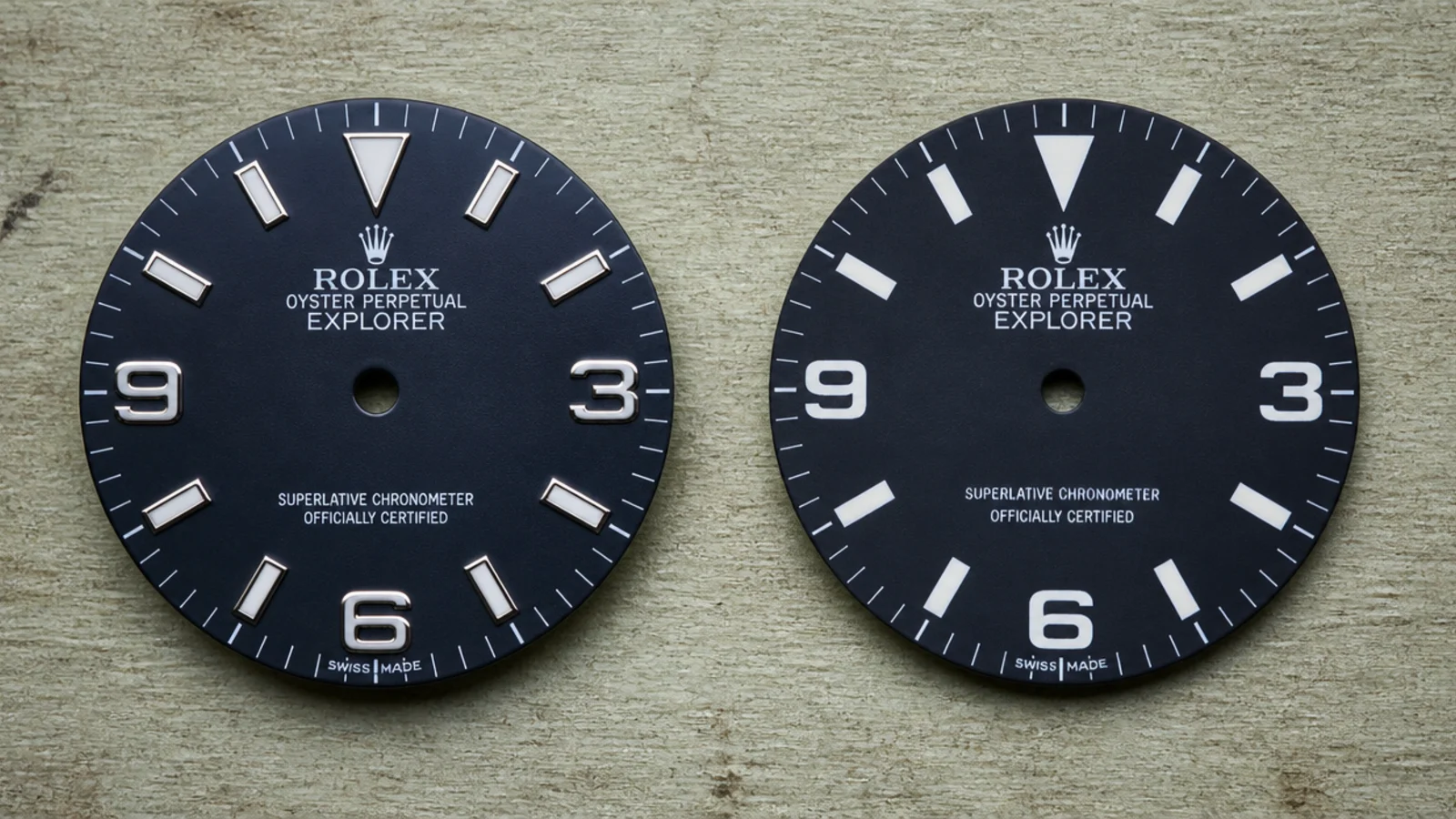
Then the markers. Applied markers are separate pieces fixed to the dial — they catch light and cast twelve small shadows. Printed markers are flat in every light. Run a fingertip across the dial and you know within a second which one you are holding.
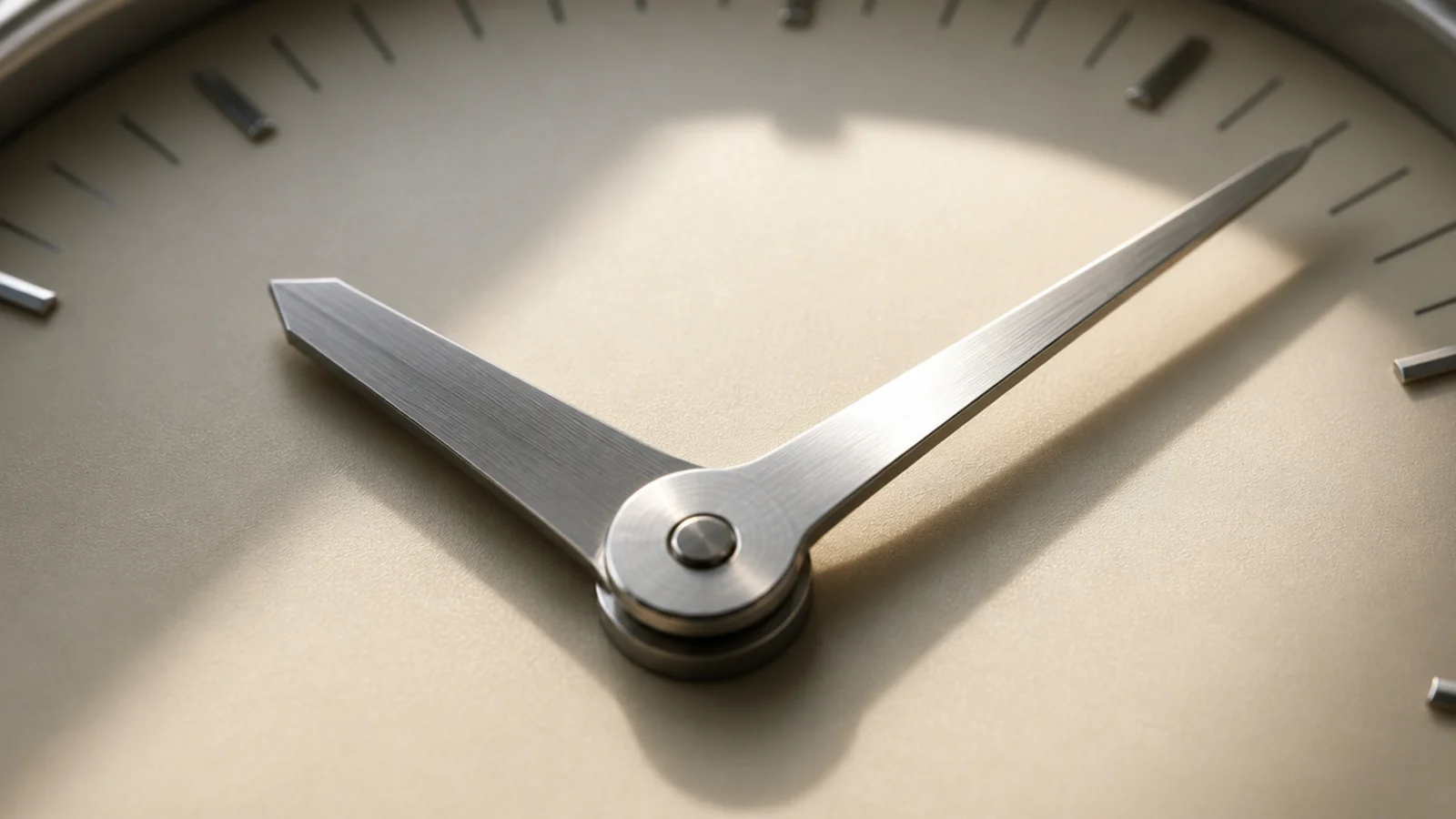
Then the hands. Most clocks ship with stamped plastic or thin pressed steel, and a machined metal hand set costs $6 to $12. It is the cheapest upgrade available and it changes the character of the face more than repainting the dial does.
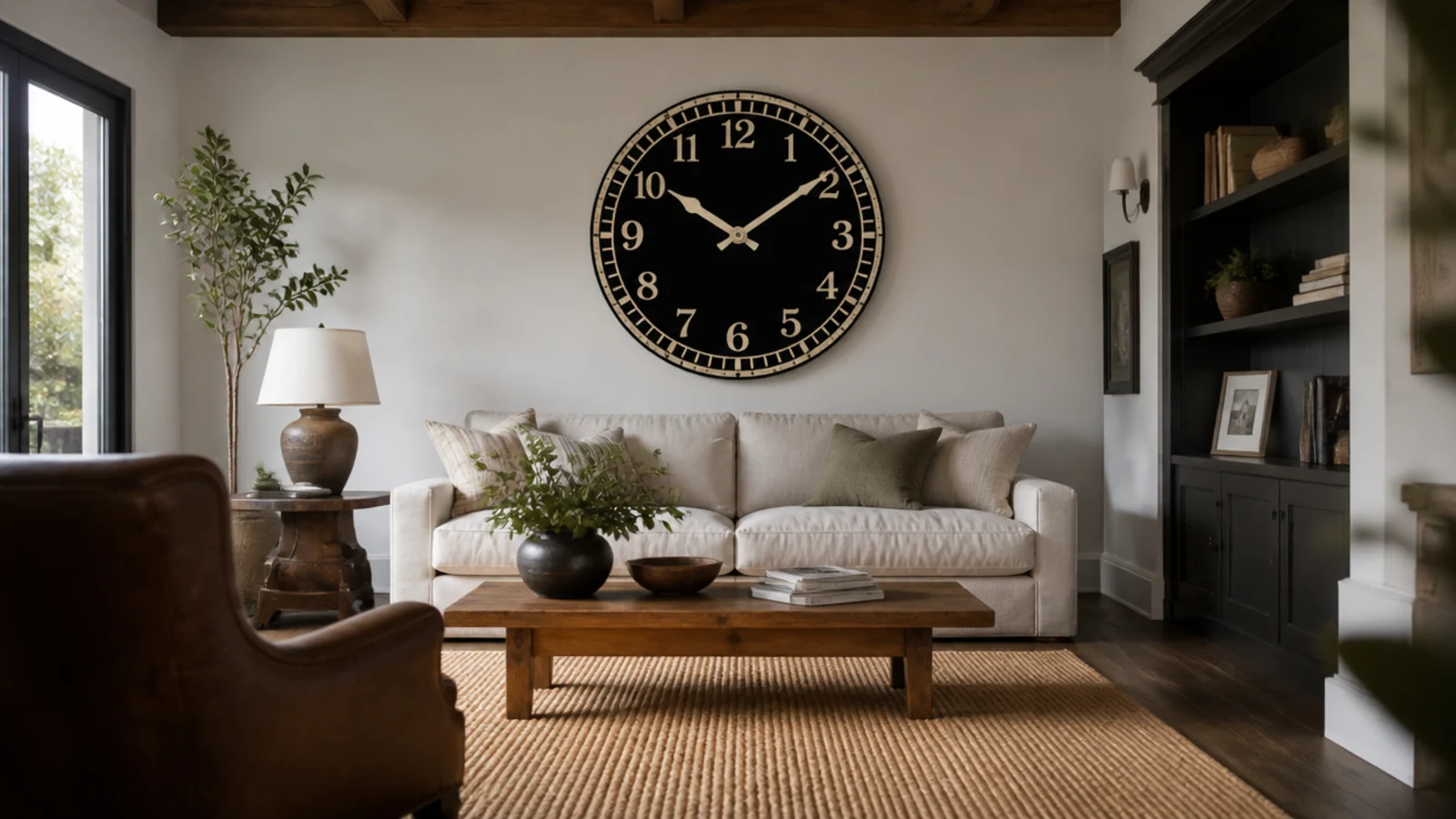
Contrast is the functional one. If the dial cannot be read at 20 feet, none of the rest counts, and the room quietly reverts to checking phones. Bone on black, black on bone, or dark hands on warm cream all work; dark on dark does not.
Finally, weight and fixing. Stone, cast metal and solid timber faces run 10 to 25 pounds at 24 inches and up. That is a number eight screw two inches long into a stud, not the plastic plug in the box, and above a sofa or a bed there is no other acceptable answer. Budget $60 to $200 for most of these details together, and $200 to $600 if you want them in one bought piece. The budget style guide covers doing it for less.
1. A case that stands two inches proud
Depth beats diameter for looking expensive. At 2 inches off the wall, the rim casts a hard shadow line that changes through the day; at half an inch it never does. It also hides the movement housing, which on a shallow clock is the bulge you notice from the side. Look for a case where the depth is structural rather than a plastic collar glued behind a flat face.
2. A machined metal hand set
Stamped plastic hands have a slightly soft edge and a visible moulding line. Machined or laser-cut metal hands have a crisp edge that catches light along its length. A set runs $6 to $12 and takes ten minutes to fit, and it is the single highest-return change you can make to a clock you already own.
3. Dial contrast that reads at twenty feet
Legibility is the only function a clock has, and a beautiful unreadable one becomes wall art you resent. Test at the distance you will actually use — usually 10 to 15 feet in a living room. Numerals want to be at least a fifth of the dial diameter, and hands need to sit three tones clear of the face behind them.
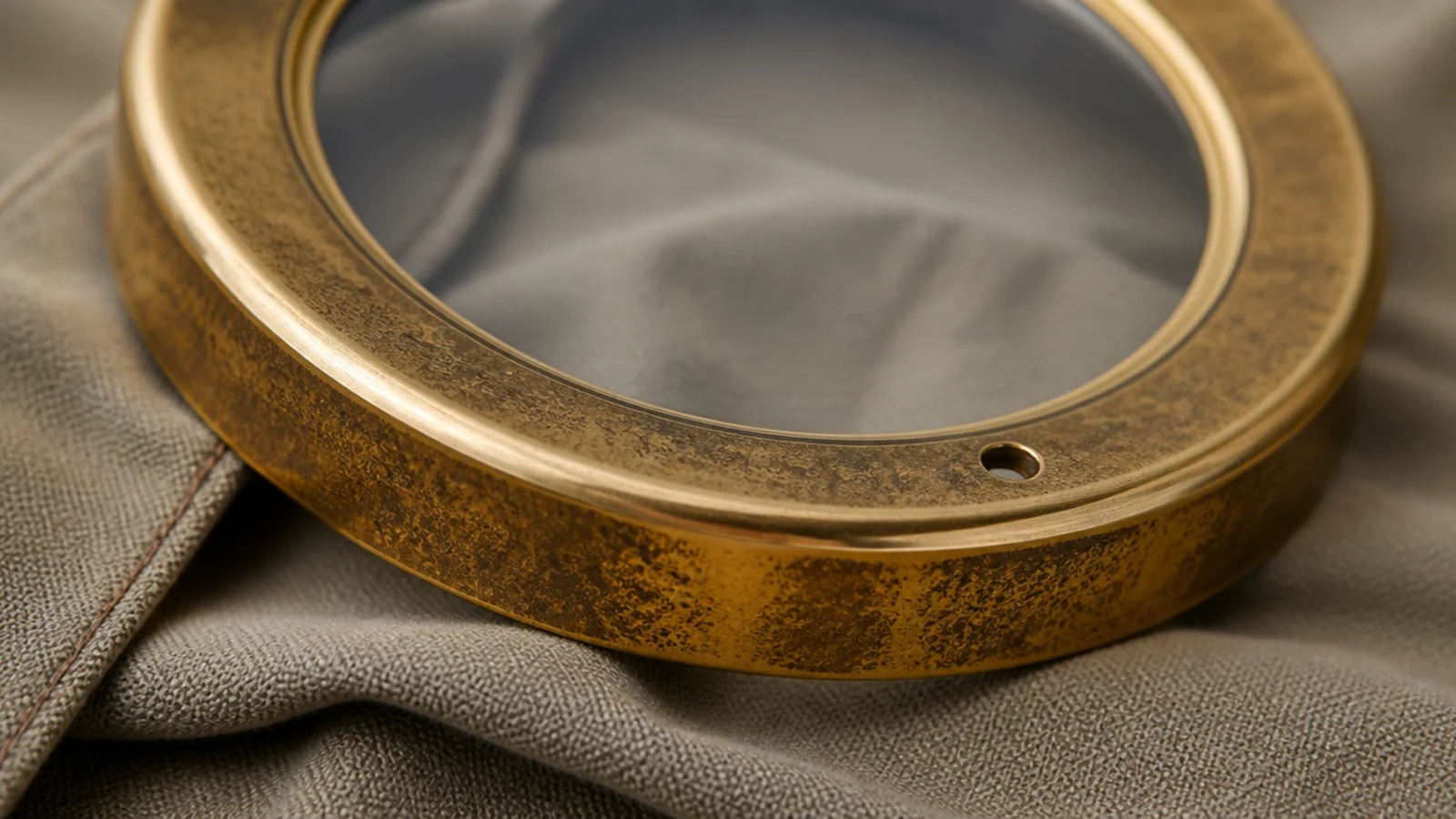
4. Solid brass rather than brass plating
Plating wears through at the rim and the high points within a few years and there is no repair. Solid brass simply changes colour, which most people prefer anyway. Solid costs two to three times more and weighs noticeably more, so the easiest test in a shop is to pick it up. Expect $120 to $350 for a solid brass rim at 16 to 20 inches.
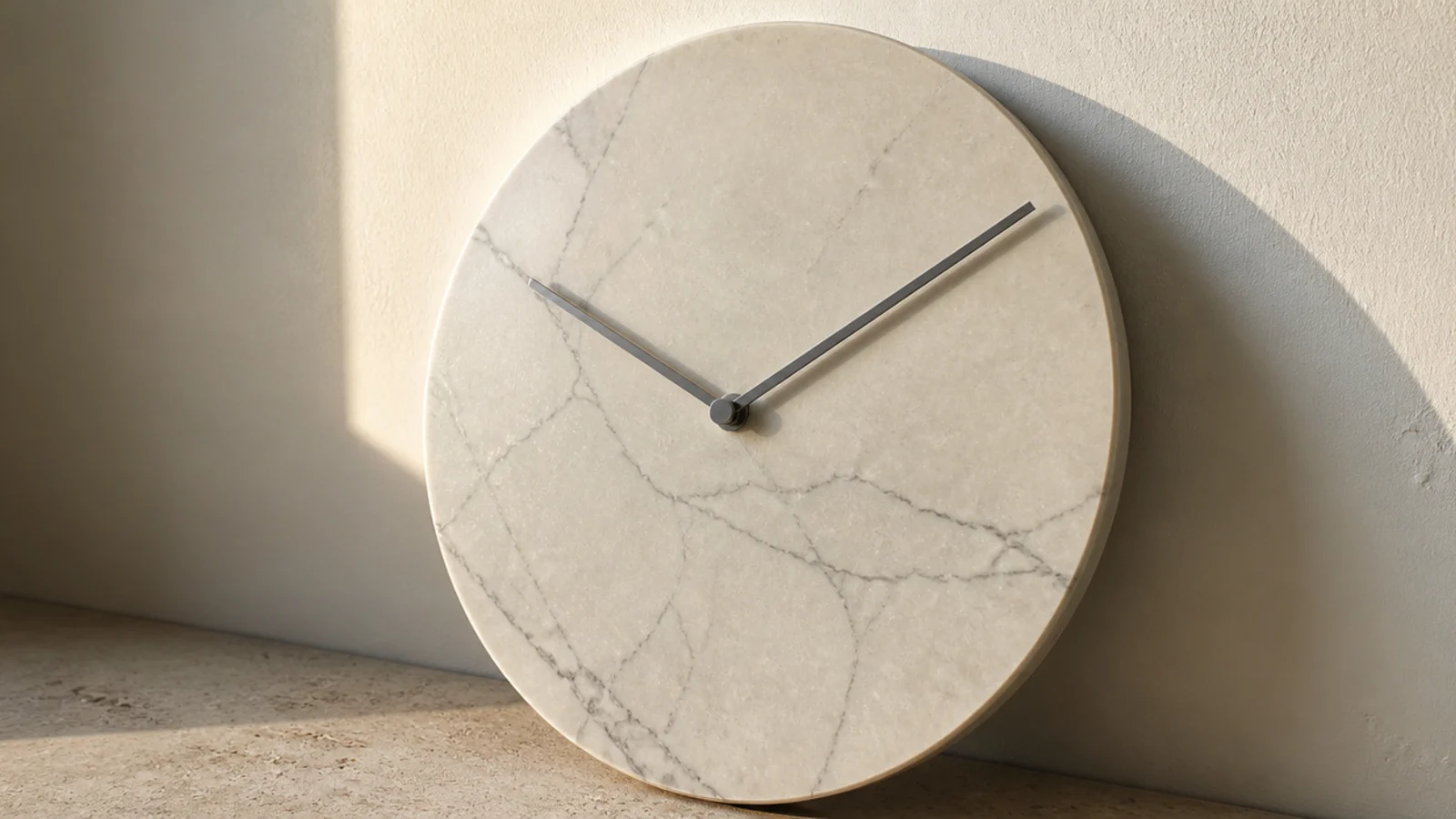
5. Honed stone instead of printed marble
Printed marble passes at 8 feet and fails at 2. Real honed stone has irregular veining that never repeats, slightly uneven light absorption, and cool weight. It also runs 10 to 18 pounds at 14 inches, so it needs framing behind it. Around $150 to $400, and honed reads more expensive than polished because it does not mirror the room back at you.
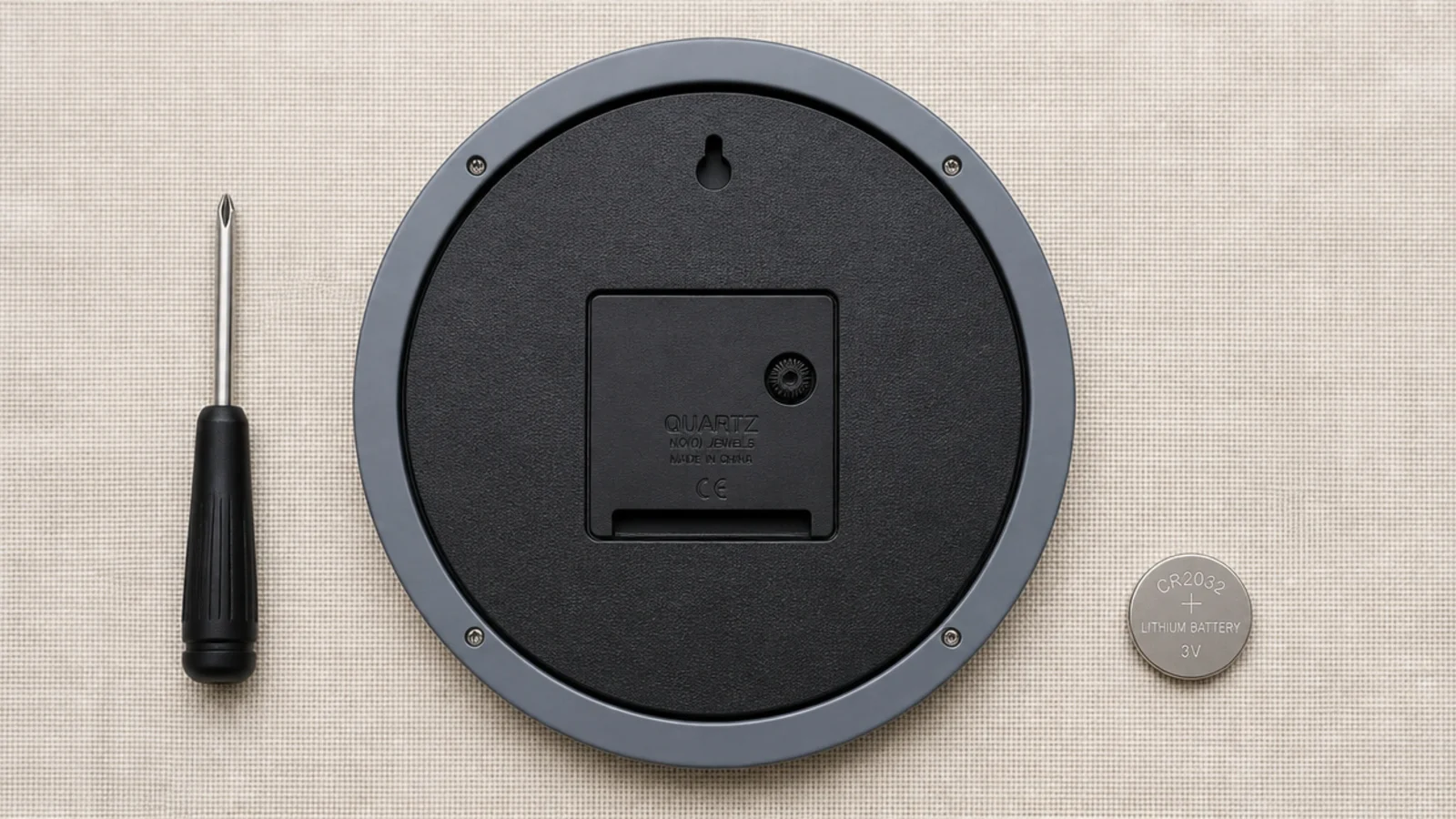
6. A recessed movement, not a bulge
Turn the clock over in the shop. A properly designed case recesses the movement fully into the back so the clock sits flat against the wall; a cheap one has a plastic box standing an inch proud, which tilts the whole face forward by a degree or two. That tilt is visible from the side and it is why some clocks always look slightly wrong.
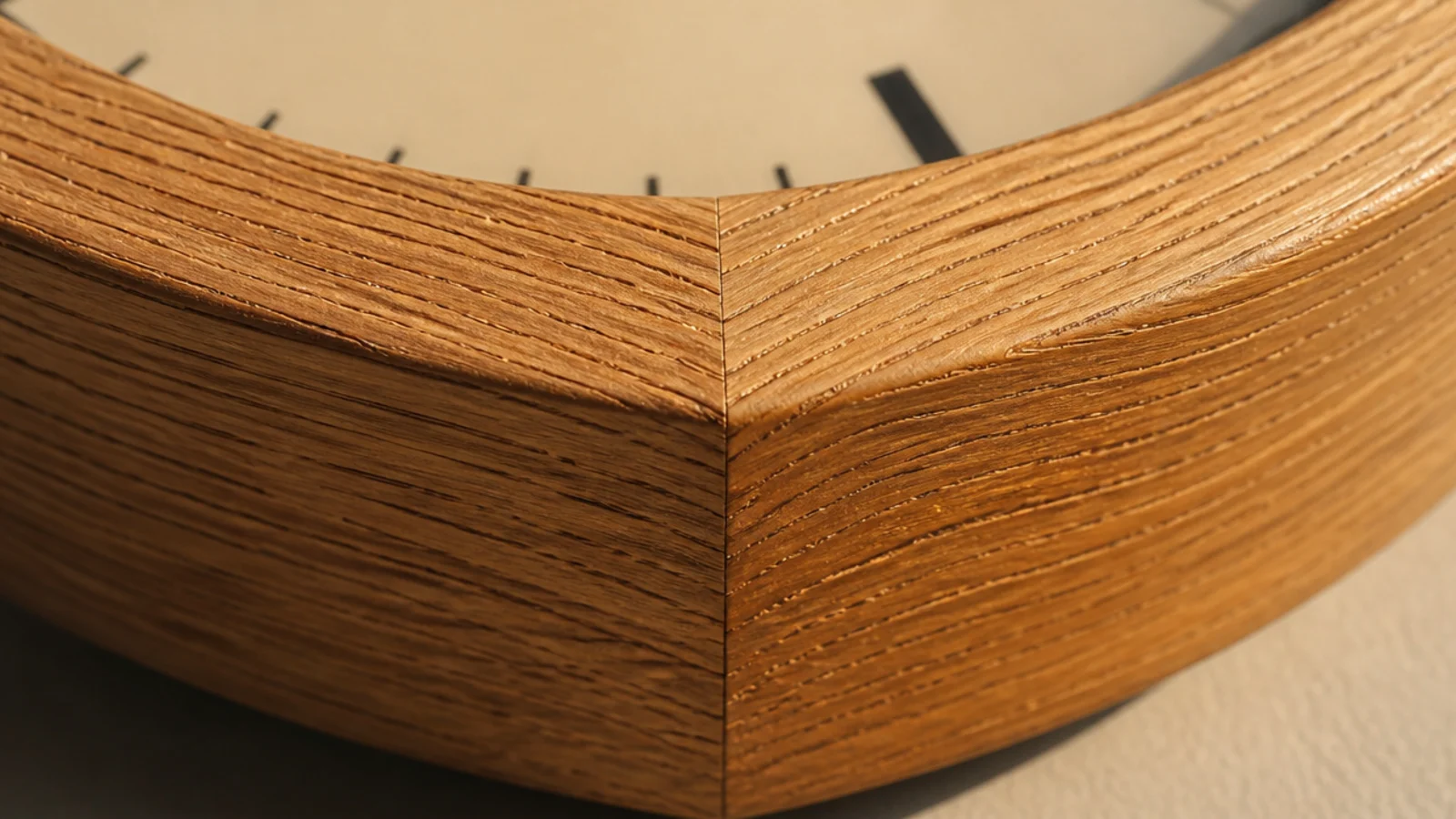
7. A mitred solid timber rim
On a good timber rim the grain runs continuously around the mitre joint, because the segments were cut in sequence from one board. On a cheap one the grain jumps at every corner. It costs the maker time rather than material, which is exactly the kind of detail that reads as craft. Expect $90 to $250 in solid oak or walnut.
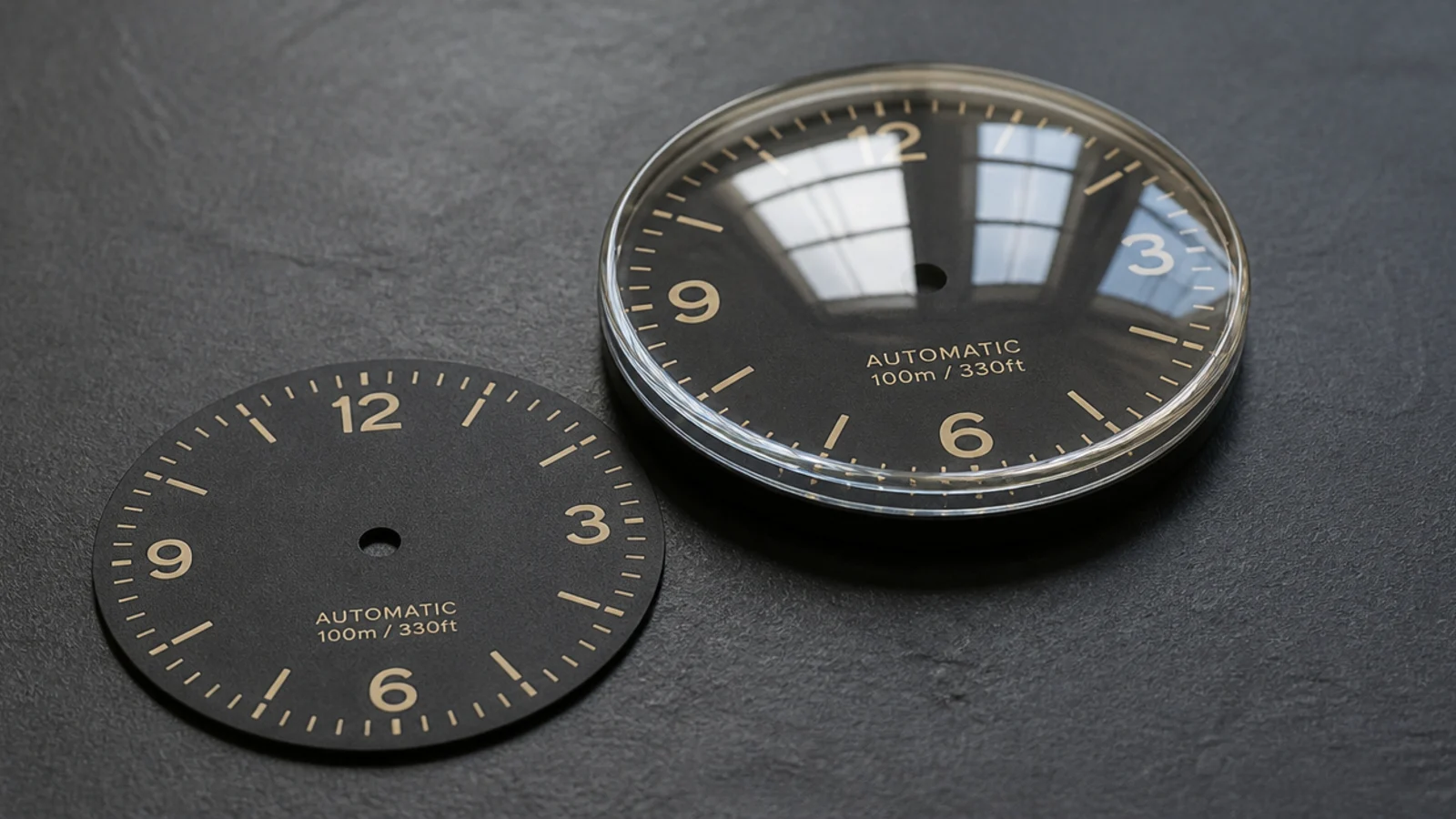
8. Domed glass, and when it costs you
Convex glass looks expensive and gathers every lamp in the room into a bright arc across the numerals. My rule is glass where the clock faces away from windows and lamps, matte acrylic anywhere it sits opposite a light source. Glass also adds 1 to 3 pounds at 24 inches, which can push you from an anchor into a stud fixing.
9. Applied markers with real shadows
Twelve raised markers give you twelve tiny shadows that shift through the day, and the eye reads that as depth long before it consciously registers why. Applied markers add $20 to $60 to the price of a comparable printed dial. It is the detail most worth paying for after the hands.

10. A silent sweep movement
Nothing undermines an expensive-looking clock faster than an audible step tick at 25 to 30 decibels in a quiet room. A continuous-sweep movement costs $12 to $18 against $8 to $12, runs 8 to 12 months on a cell rather than 12 to 18, and removes the one detail that makes a good clock feel cheap after dark.
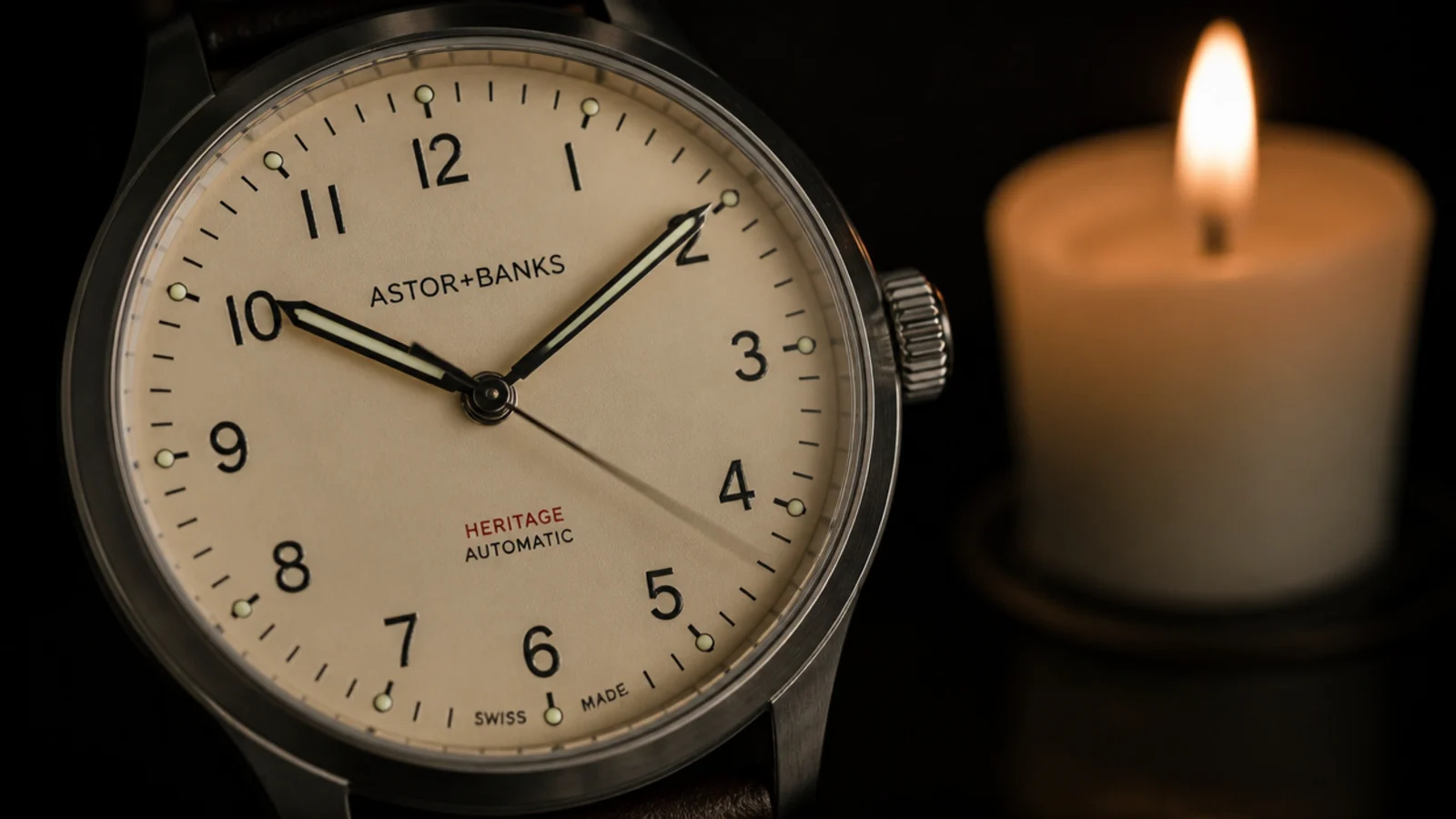
11. Go one size up from what feels safe
Undersizing is the most common and most expensive mistake here, because no finish rescues a face that is too small. Take about a third of the width of the furniture below: 24 to 30 inches over an 84-inch sofa, 18 to 22 over a 60-inch console, 30 to 36 on a bare wall. Template it in newspaper first — a 30-inch circle always looks smaller on a wall than in your hands.
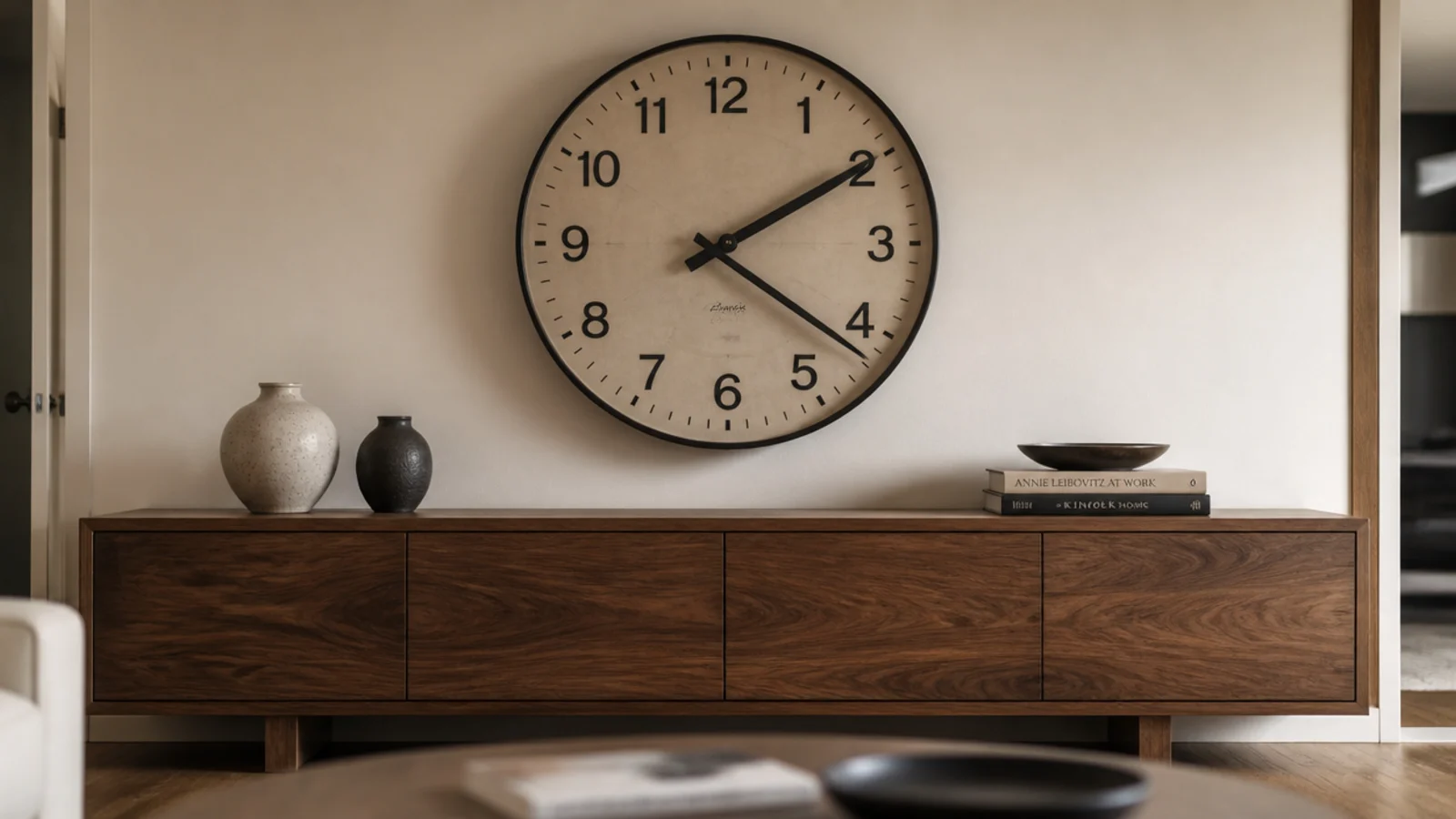
12. One clock on a generous empty wall
Empty wall is the most expensive material in any room, and giving a clock plenty of it is free. One face with 3 feet of bare plaster either side reads as a considered decision. The same clock surrounded by frames and shelves reads as one more object that happened to be available.
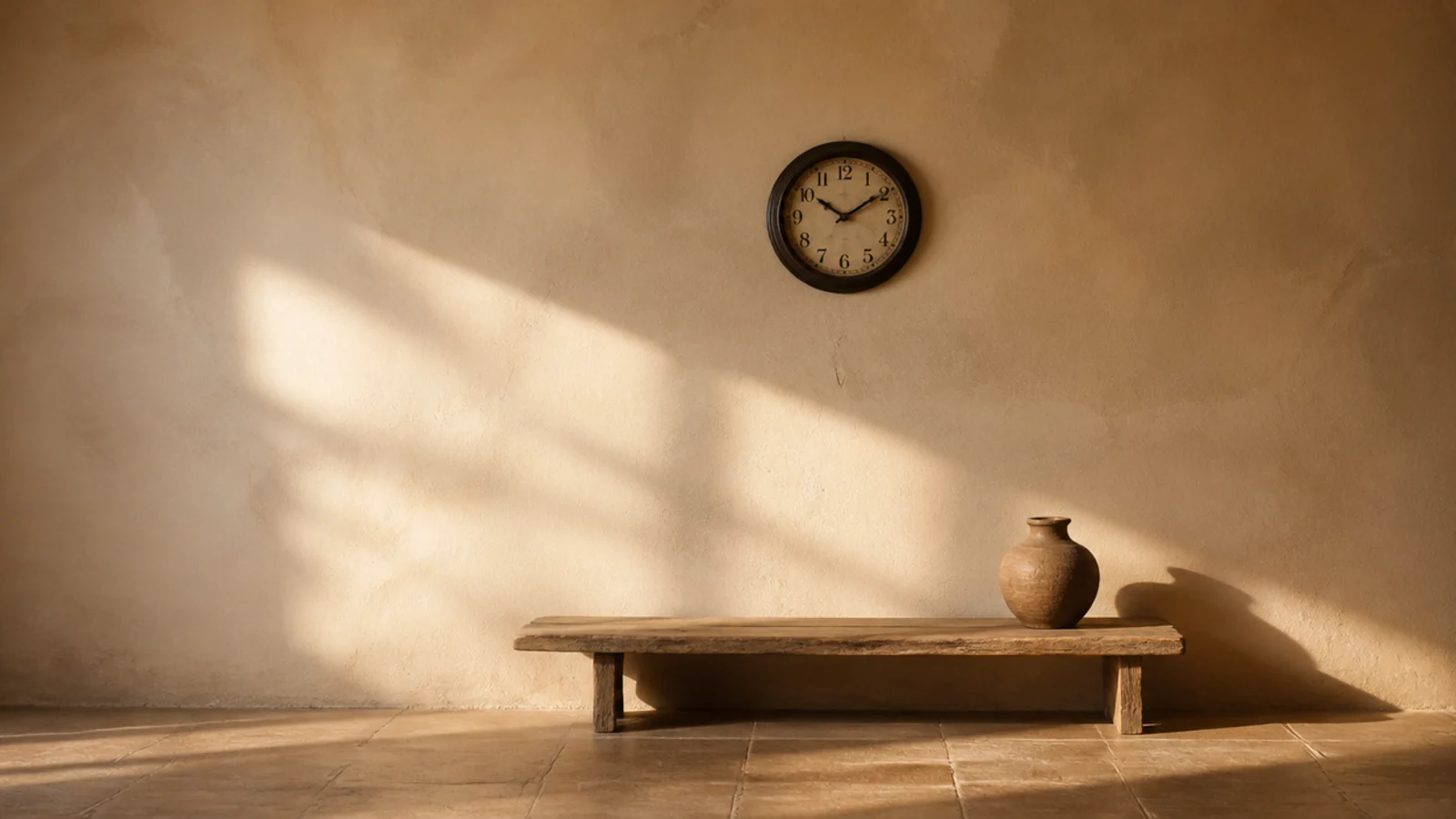
13. Repeat one metal already in the room
A brass hand set beside brass cabinet pulls ties a wall into a scheme in a way that matching timber tones never quite does. Choose the metal from something already fitted rather than introducing a new one, and hold the room to two metals total. There is more on reflective finishes in the mirror wall decor ideas.
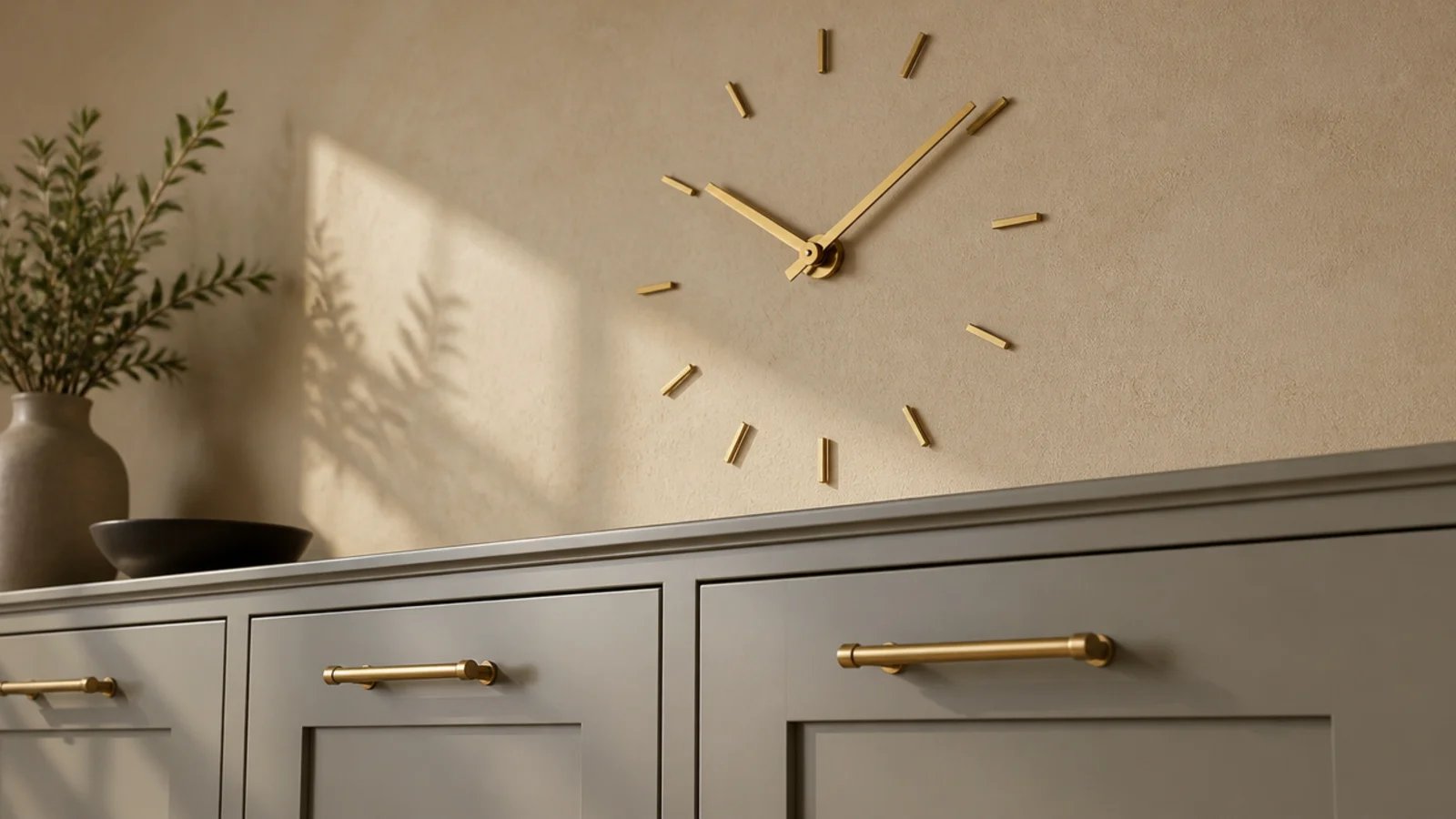
14. Matte over gloss, every time
Gloss finds every light source in a room and turns the rim into a highlight rather than a shape. Matte and satin finishes hold their outline in any light, which is why almost every genuinely expensive clock you can name is matte. It is also more forgiving of dust and fingerprints, which gloss black shows within a day.
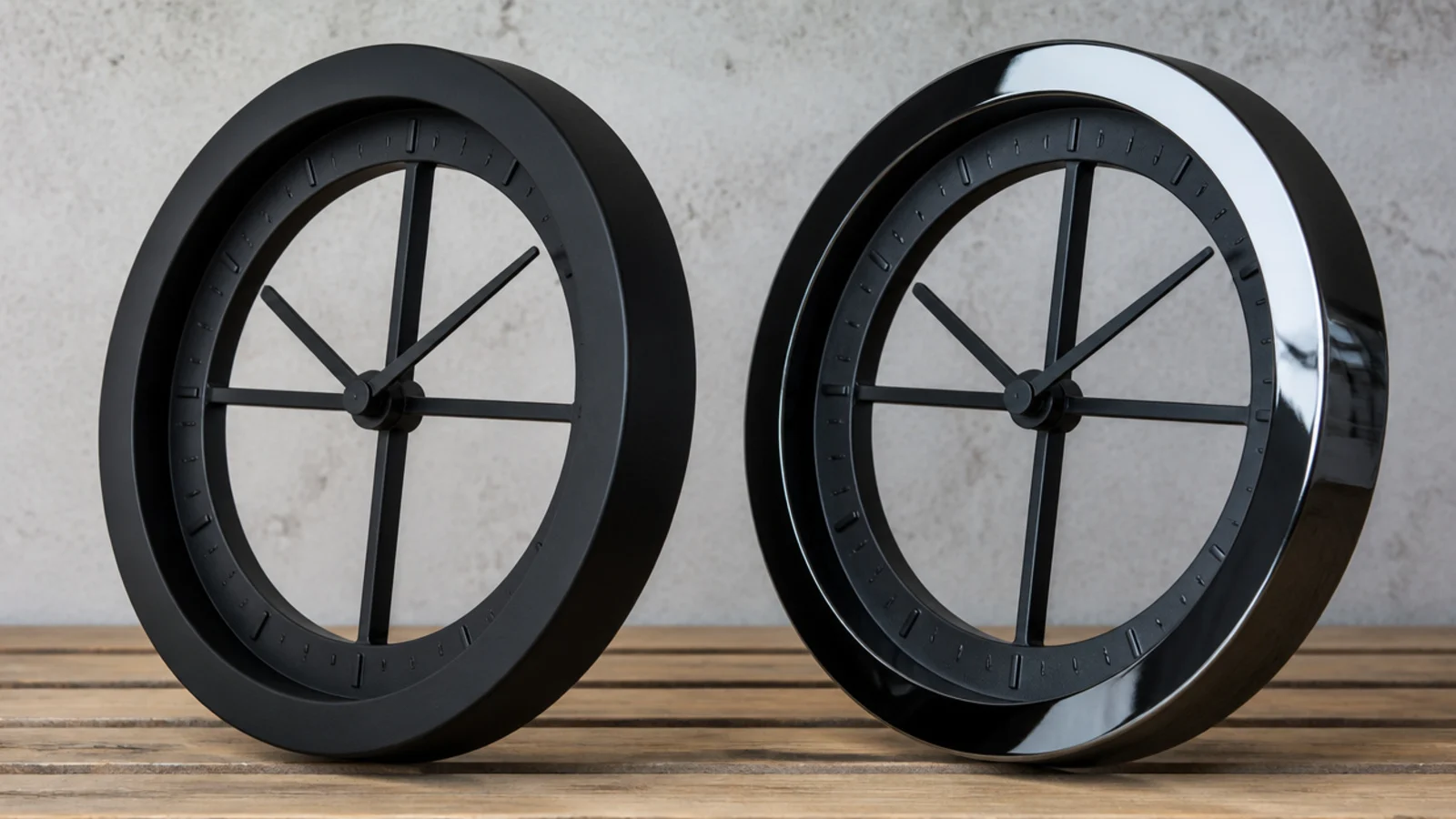
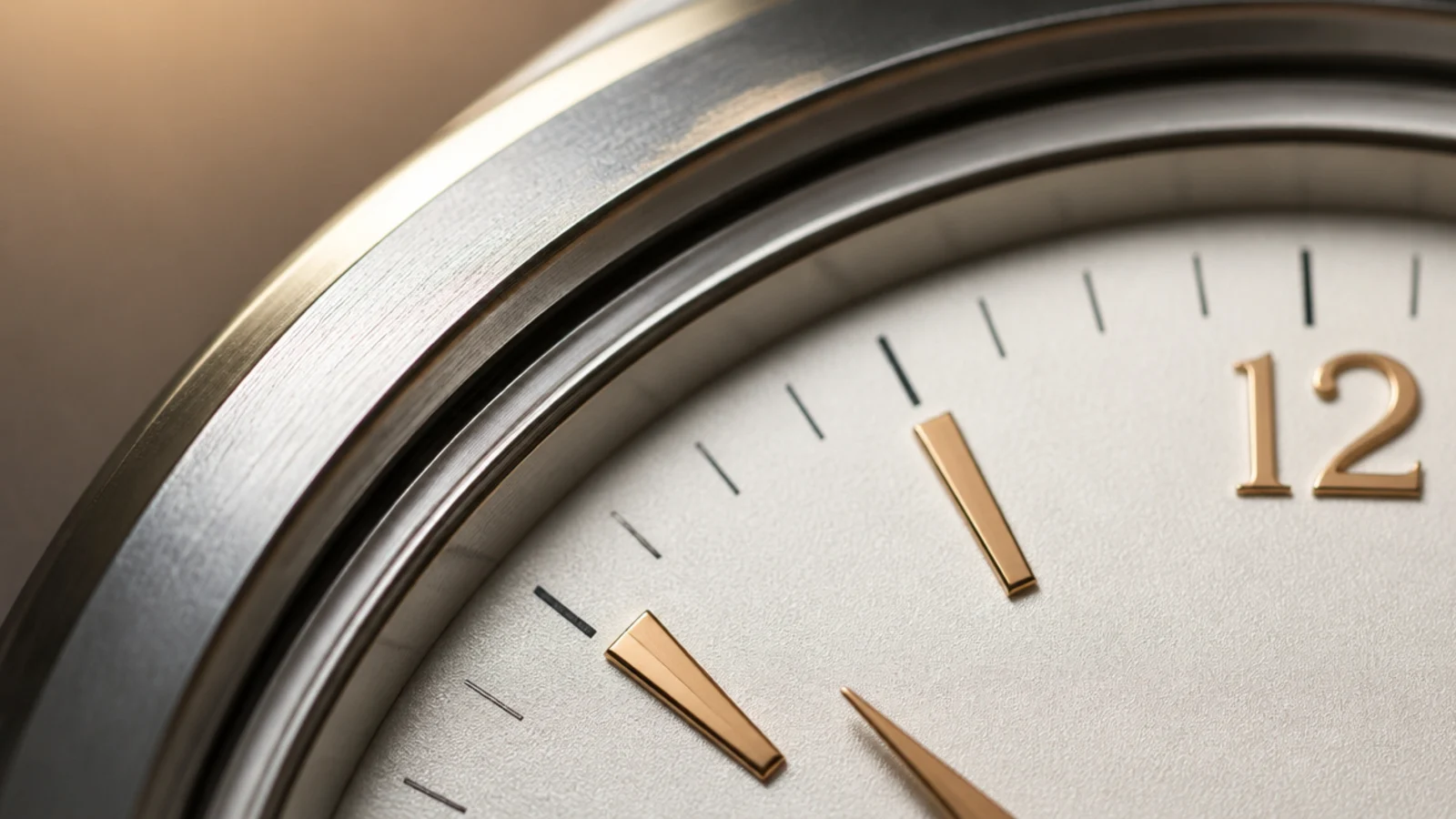
15. A fine stepped bezel
A bezel with two or three shallow steps creates concentric shadow lines around the dial. It is a classic deco device and it costs almost nothing in material — only in tooling. Look for steps of a few millimetres each rather than one thick chamfer, which reads as bulk rather than refinement.
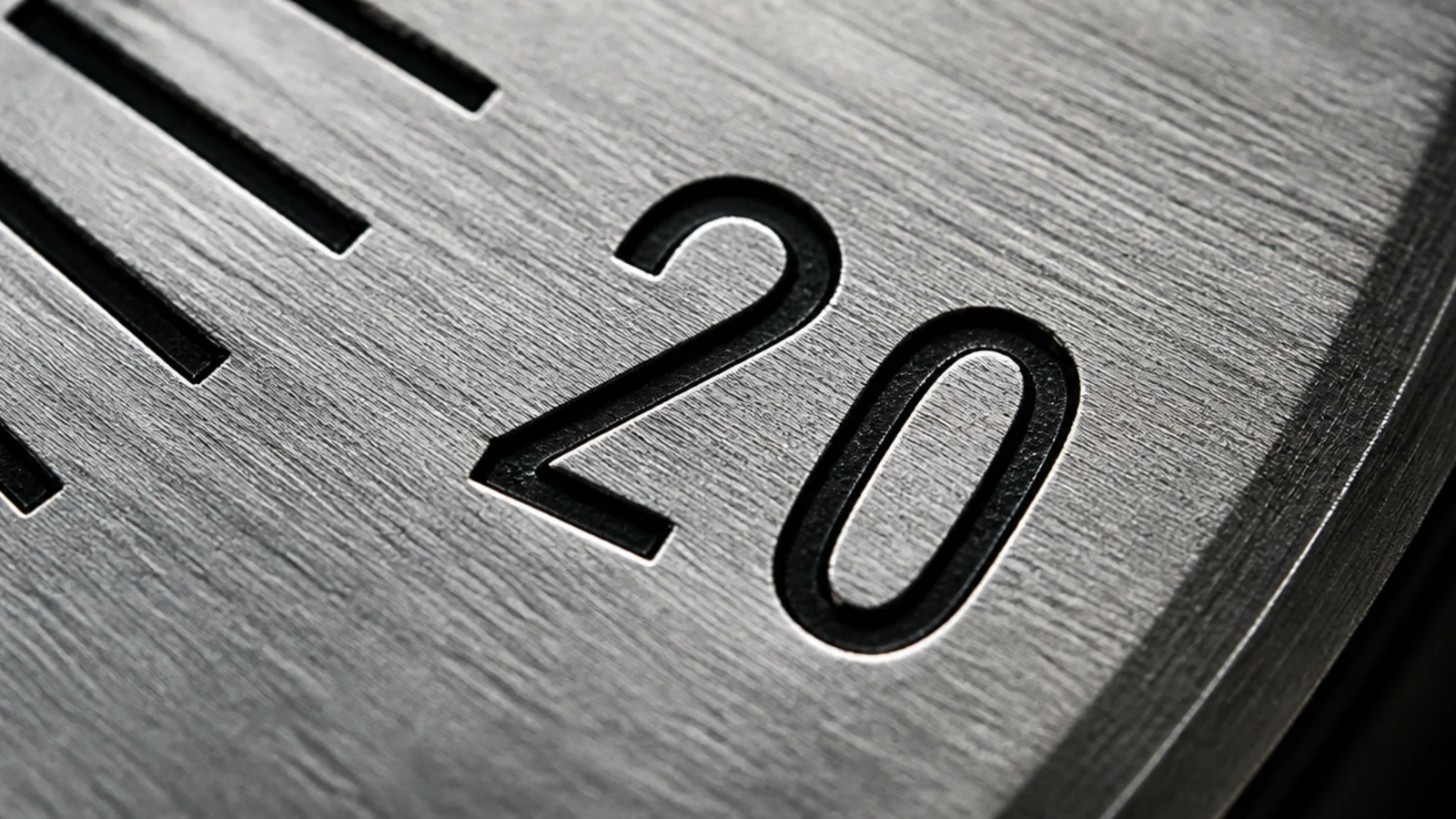
16. Engraved or hand-painted numerals
Engraved numerals cut into metal and filled with paint hold their edge for decades and catch light in the groove. Printed numerals sit on the surface and eventually scuff. Hand-painted numerals on an enamel or timber dial have tiny irregularities that mass printing does not, and those irregularities are the point.
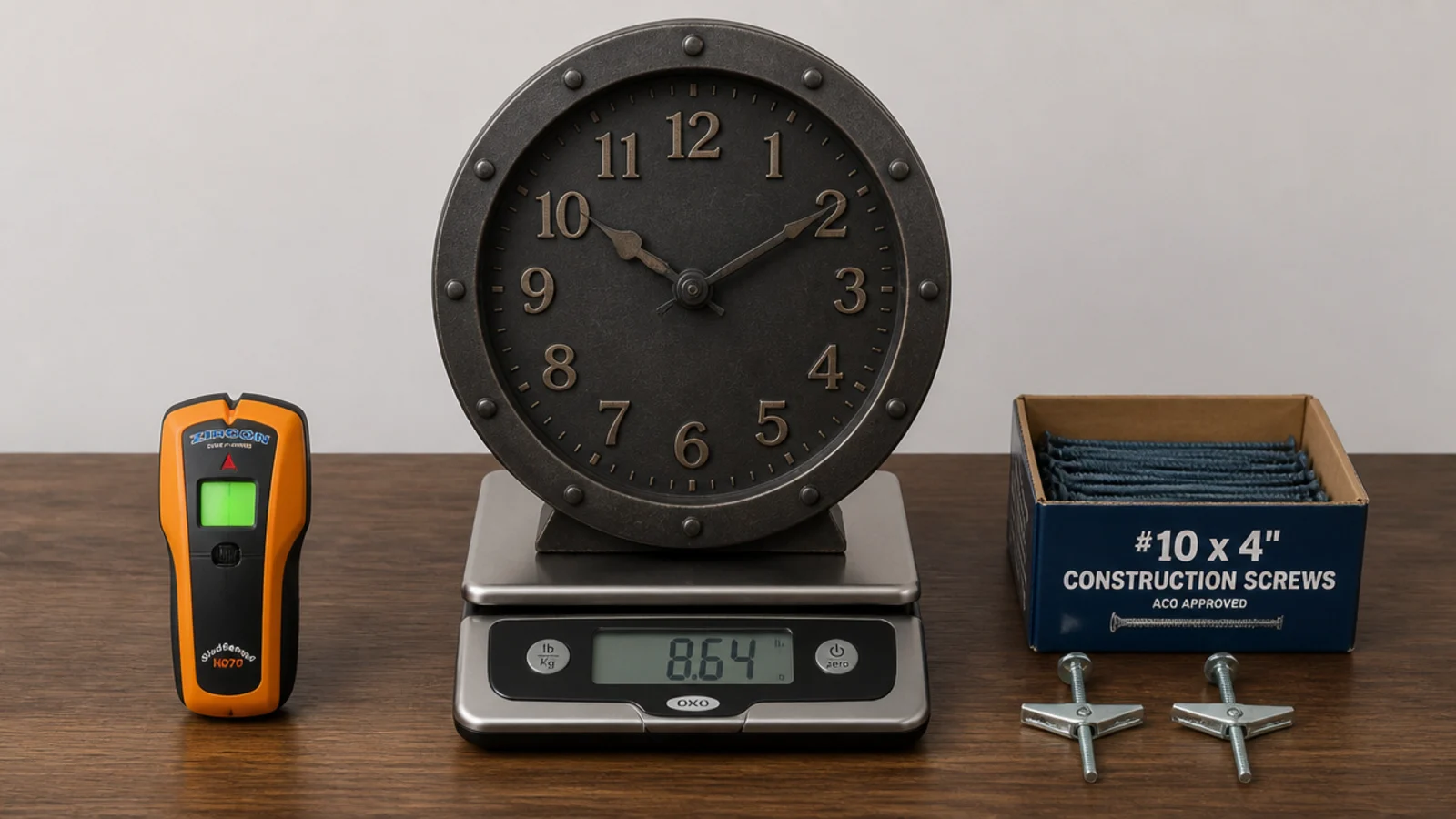
17. Weight you can feel in the hand
Mass is the one quality no print or finish fakes. A 16-inch clock that weighs 9 pounds feels different in the hand from an identical-looking one at 3 pounds, and everyone notices when they lift it. It also changes the install: over 8 pounds, and always above a sofa or bed, that clock goes on a screw into framing rather than a wall plug.
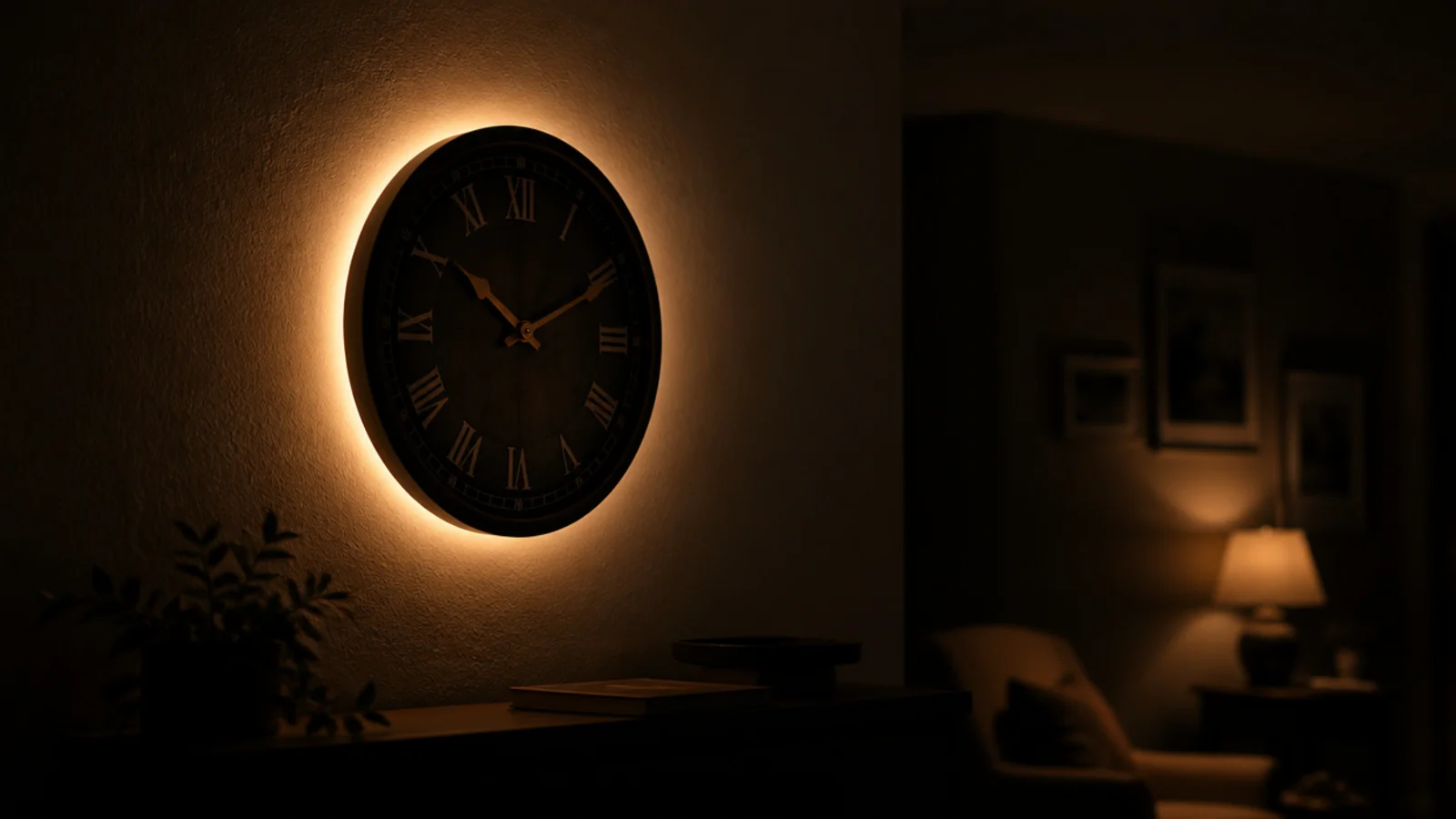
18. Backlight the rim after dark
A warm low-output LED strip behind a deep case throws a halo onto the plaster and makes the dial appear to float. It is the same trick used behind mirrors and joinery, and it costs $20 to $40 with a plug transformer. Run the cable behind the case rather than down the wall. The ceiling light guide covers matching the colour temperature.
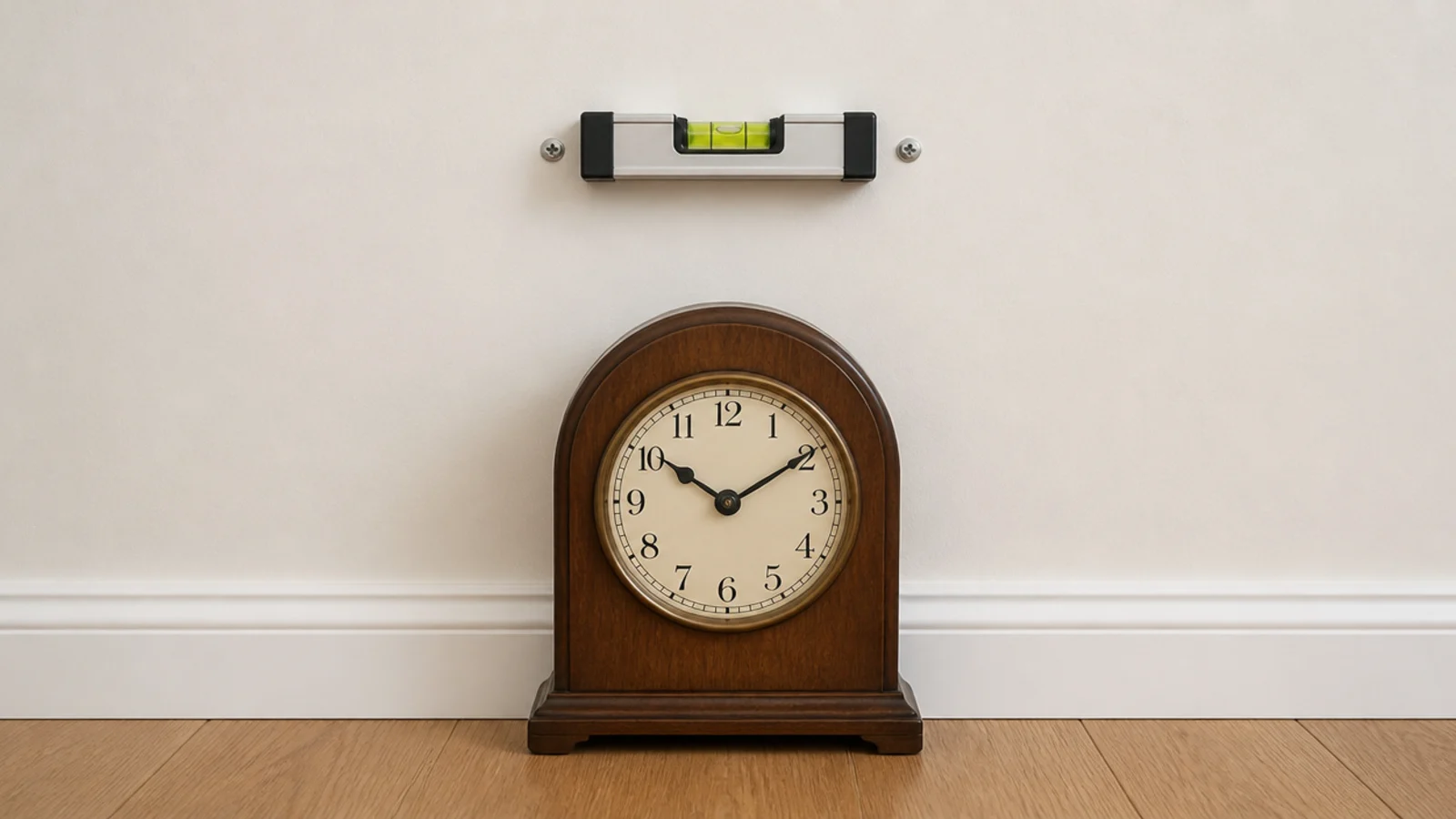
19. A dead-level two-point hang
A clock a degree off level undoes every other detail on this list, and single-point hangs drift within weeks. Two screws 3 to 4 inches apart, levelled before the case goes on, hold it square permanently. If the back offers one slot only, add a coin of museum putty behind the bottom rim.
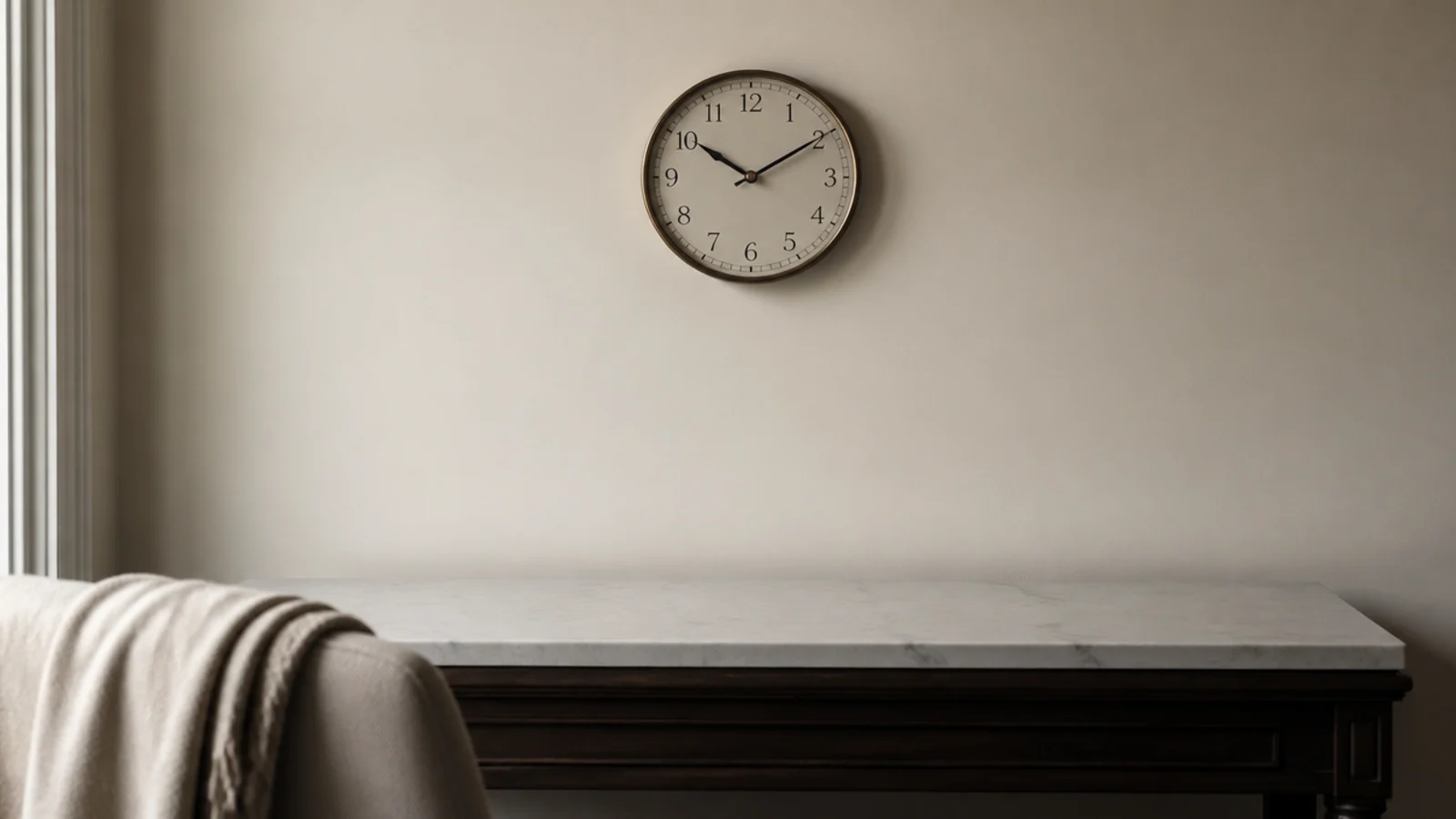
20. Take everything else off that wall
The final upgrade is a subtraction. Remove two things from the wall the clock is on and live with it for a week. Almost every expensive-looking room is doing less than you expect on the walls, and a large well-hung clock with nothing competing beside it is the clearest version of that idea I know. For the sizes that carry a wall alone, see the large clock comparison.
For the genuinely one-off pieces rather than the well-made mainstream ones, the unique design finds guide covers what is worth hunting down.
Mistakes to Skip
- Paying for a beautiful case with a step-tick movement inside it. The mechanism is what you live with, and the tick is what everyone hears at eleven at night in a quiet room.
- Choosing gloss because it looked rich in the product photograph. Studio lighting flatters gloss and a real room does not, and a glossy rim shows dust within a day of going up.
- Buying small to be safe. An undersized clock is the one fault no finish, material or fixing can correct afterwards, and it is the fault most people commit.
- Hanging a heavy stone or cast metal face on the supplied plug. Ten to twenty-five pounds above a sofa is a stud fixing, and the plug in the box is rated near ten pounds on the day it was made.
Frequently asked questions
What makes a wall clock look expensive?
Depth, contrast and hand quality, in that order. A case standing two inches proud of the wall throws its own shadow, a high-contrast dial stays legible from twenty feet, and a machined metal hand set costs about ten dollars and instantly outclasses the stamped plastic hands most clocks ship with.
Is solid brass worth the extra over plating?
Yes, because plating wears through at the rim and the edges within a few years and cannot be repaired, while solid brass simply changes colour. Solid costs two to three times more and weighs noticeably more, which is the easiest way to tell the two apart in a shop.
Do applied markers really make a difference?
From across a room, more than almost anything else. Applied markers are separate pieces fixed to the dial, so they catch light and cast small shadows. Printed markers stay flat in every light. Run a fingertip across the dial and you will feel which one you are holding.
Should an expensive-looking clock be bigger?
Usually one size up from what feels safe. Take about a third of the width of the furniture below, so 24 to 30 inches over an 84-inch sofa. Undersized clocks read as accessories, and no finish or material can rescue a face that is too small for its wall.
What fixing does a heavy statement clock need?
A number eight screw two inches long into a stud. Stone, cast metal and solid timber faces run 10 to 25 pounds at 24 inches and upward, and the plastic plug supplied in the box is rated near ten pounds when new. Above a sofa or a bed, framing is the only sensible answer.
Want more like this? Browse all 15 wall clock guides — they all use the same measurements and budget tiers.

Pin it for later
Save this to your Wall Clock board
Pin it now so it is waiting for you when the tape measure comes out — and so the next person hunting for this idea can find it too.
Save this pinKeep going
More ideas worth saving while you have the tape measure out.