TV Wall Decor · Listicle
20 Creative Wall Texture Design Ideas That Wow

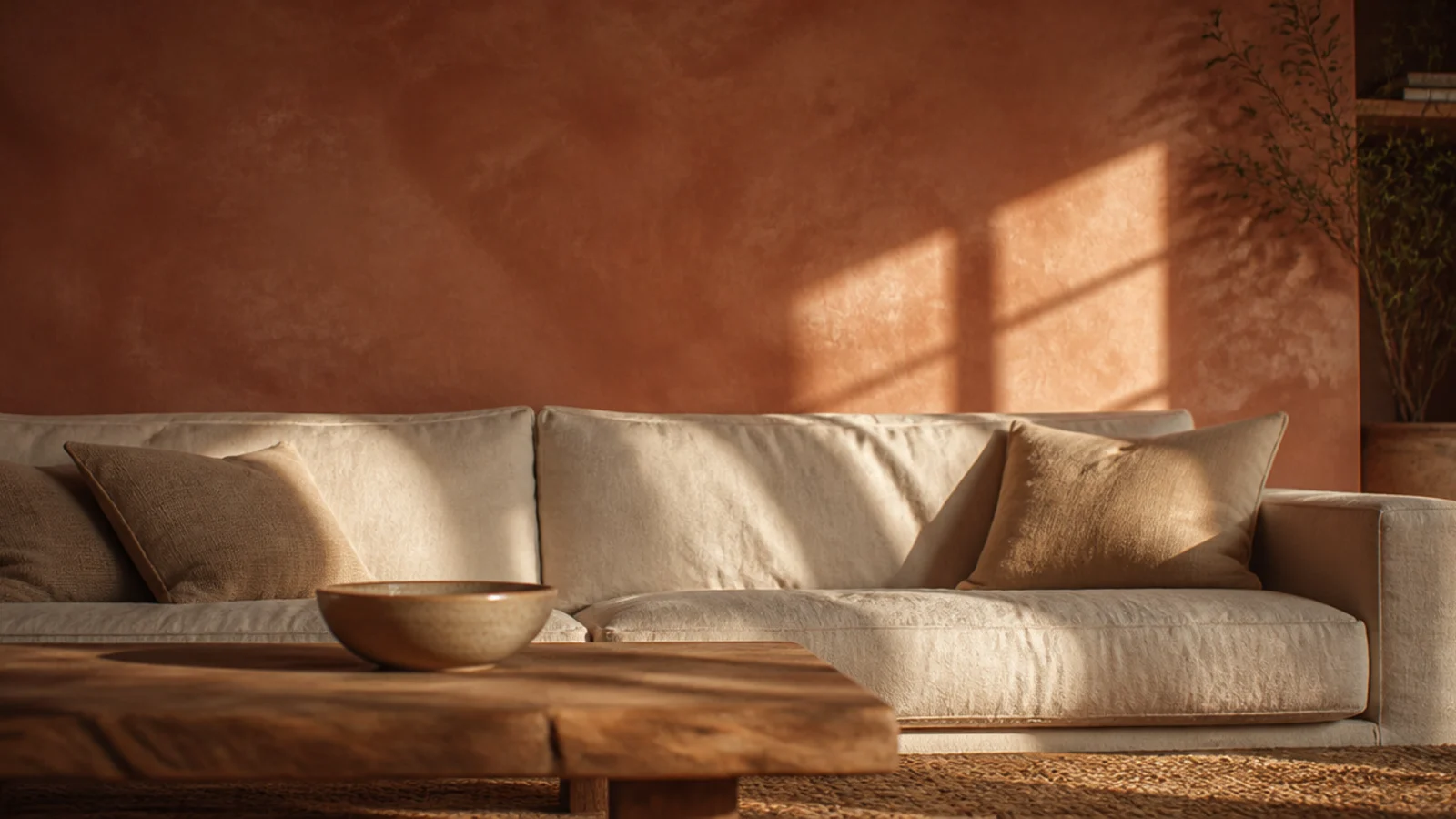
A flat painted wall gives light nothing to do. Every wall texture design below exists to change that — to give a surface a direction, a grain or a shadow that shifts through the day. Some are mineral finishes that need a primed substrate and a week to cure; others are paint or fabric and go up on a Saturday. What separates them practically is coverage, cure time and whether they come off again. Here are twenty, with the numbers that decide which one suits your wall and your tenancy.
In this guide22 sections — tap to openHide
- 1.What wall texture design demands from the surface
- 2.Limewash for cloudy mineral movement
- 3.Roman clay for a softer, tighter finish
- 4.Polished plaster for depth and sheen
- 5.Micro-cement for a seamless mineral surface
- 6.Textured masonry paint worked with a blade
- 7.Lime plaster floated to a sandy face
- 8.Tadelakt where water is involved
- 9.Sand-textured paint for a matt suede feel
- 10.Combed plaster for a directional pattern
- 11.Stipple with a long-pile roller
- 12.Knockdown texture for a subtle relief
- 13.Colour wash over a base coat
- 14.Cork for warmth you can pin into
- 15.Acoustic felt for texture that works
- 16.Fabric stretched across a full wall
- 17.Brick slips for a shallow masonry face
- 18.Split-face stone for hard shadow
- 19.Three-dimensional gypsum panels
- 20.Timber slats for texture made of shadow
- 21.Heavy embossed paper under paint
- 22.Mistakes to Skip
What wall texture design demands from the surface
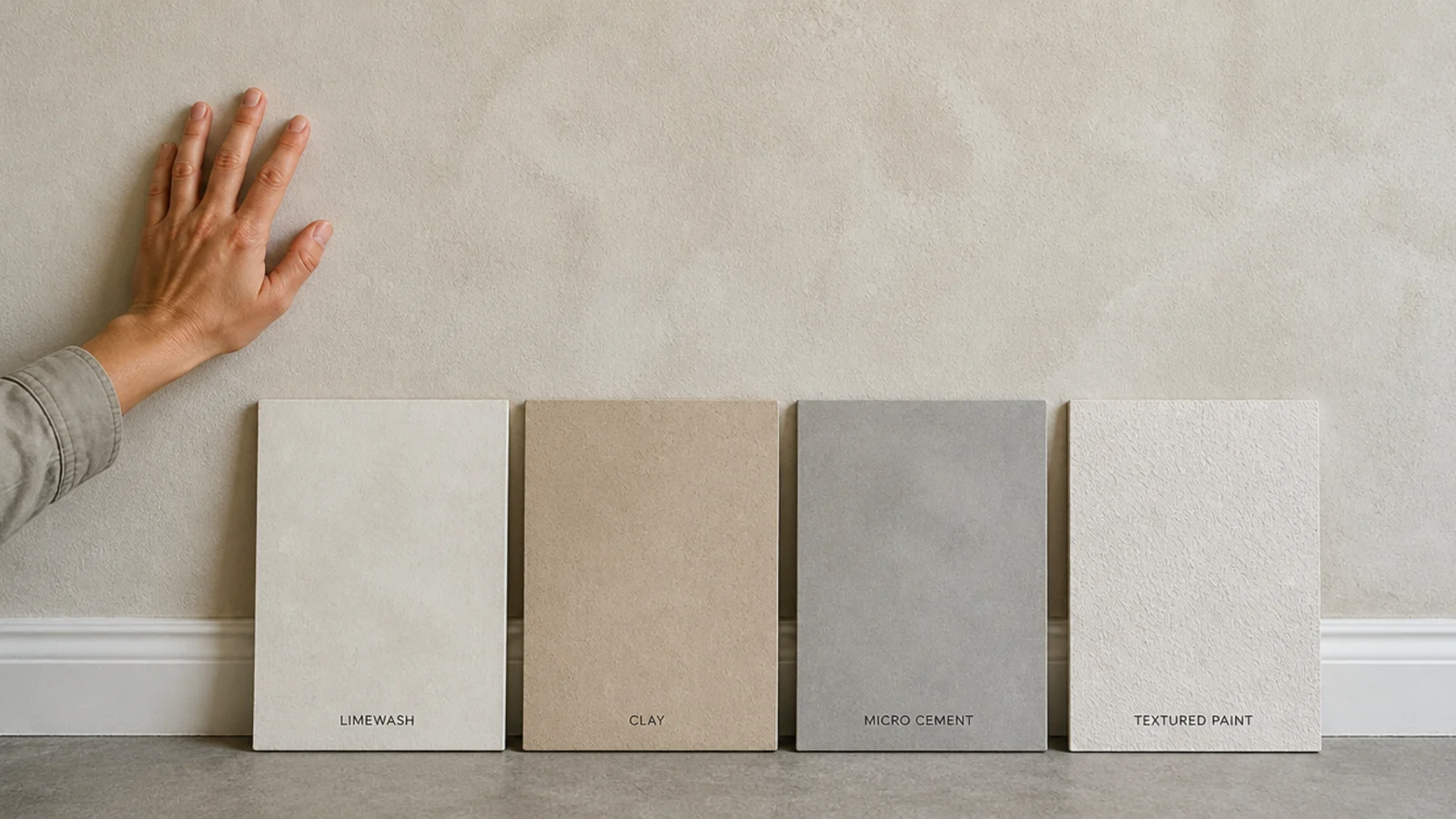
Flatness. Mineral finishes exaggerate what is underneath. Micro-cement and polished plaster need a sound, flat, crack-free substrate, and any hairline movement crack will telegraph through within a season. Limewash, clay paint and textured paint are far more forgiving and will happily sit over a patched wall.
Primer. Limewash and clay want a mineral or alkali-resistant primer for adhesion. Micro-cement wants its own system primer and often a fibreglass mesh over joints. Textured masonry paint goes straight over sound existing emulsion with nothing at all.
Coverage and coats. Limewash covers roughly 10 square metres per litre per coat and needs two coats. Clay plaster goes on at 1 to 2 millimetres. Micro-cement is two coats totalling around 2 millimetres plus sealer. A 3 by 2.5 metre feature wall is 7.5 square metres, which is the number to price against.
Chalking. Limewash and untreated clay can chalk slightly for the first weeks, which matters directly behind a sofa back or a bed. Keep them above furniture height or use a breathable matt sealer.
Cost bands. Textured paint runs 40 to 60 dollars a wall. Limewash 60 to 110 for a 5 litre tub. Micro-cement and polished plaster 90 to 200 a square metre applied. Felt and cork sit between at 25 to 90. Wall panel design ideas for renters covers the removable alternatives.
1. Limewash for cloudy mineral movement
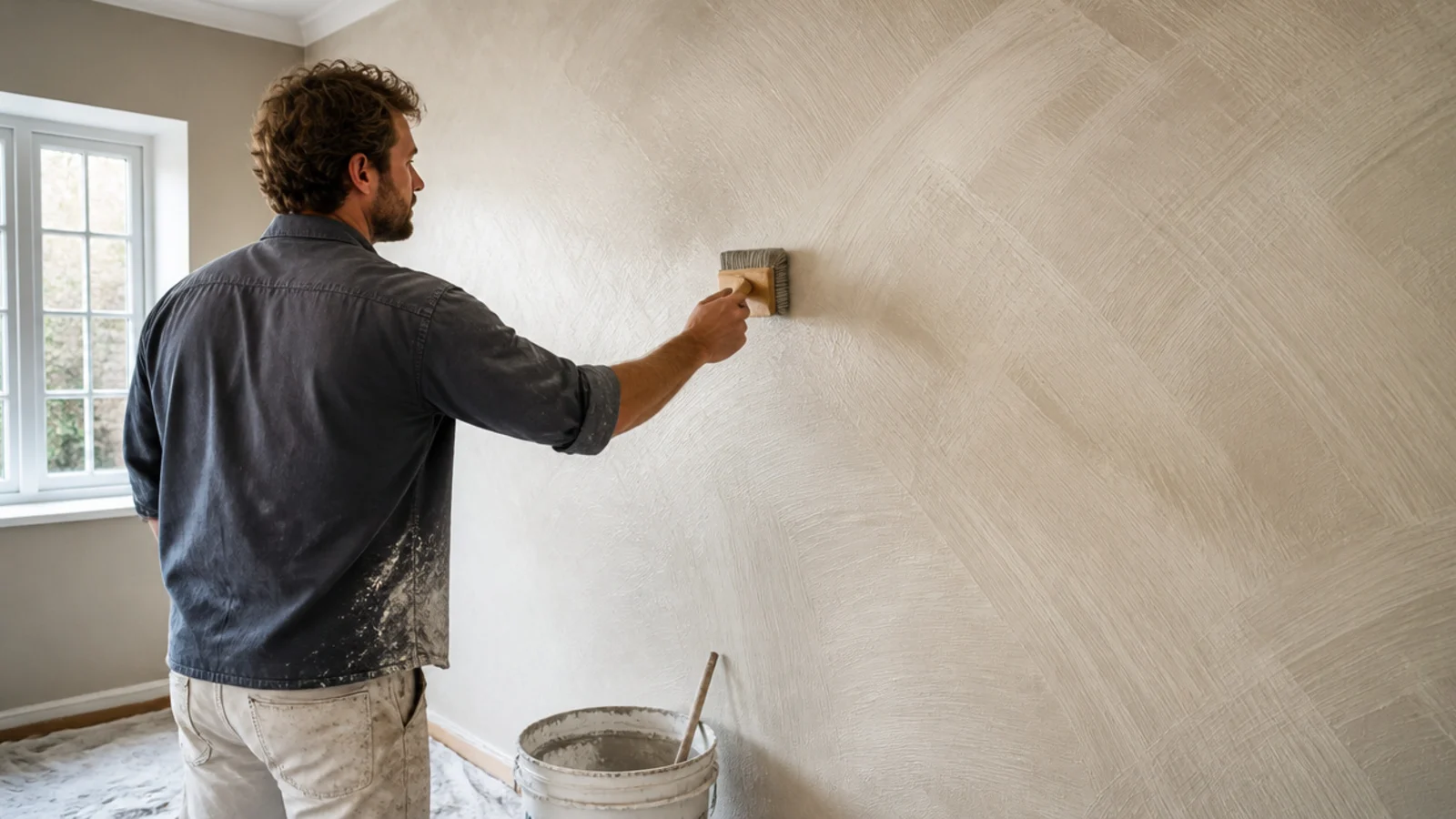
Two coats over a mineral primer, applied with a wide block brush in overlapping cross-hatched arcs. The movement comes from the stroke direction, so keep working while the edge is wet. It dries considerably paler than it goes on, which catches almost everyone out on the first coat. Work wall by wall rather than stopping halfway, because a dried edge picked up an hour later leaves a visible seam that no third coat will blend away.
2. Roman clay for a softer, tighter finish
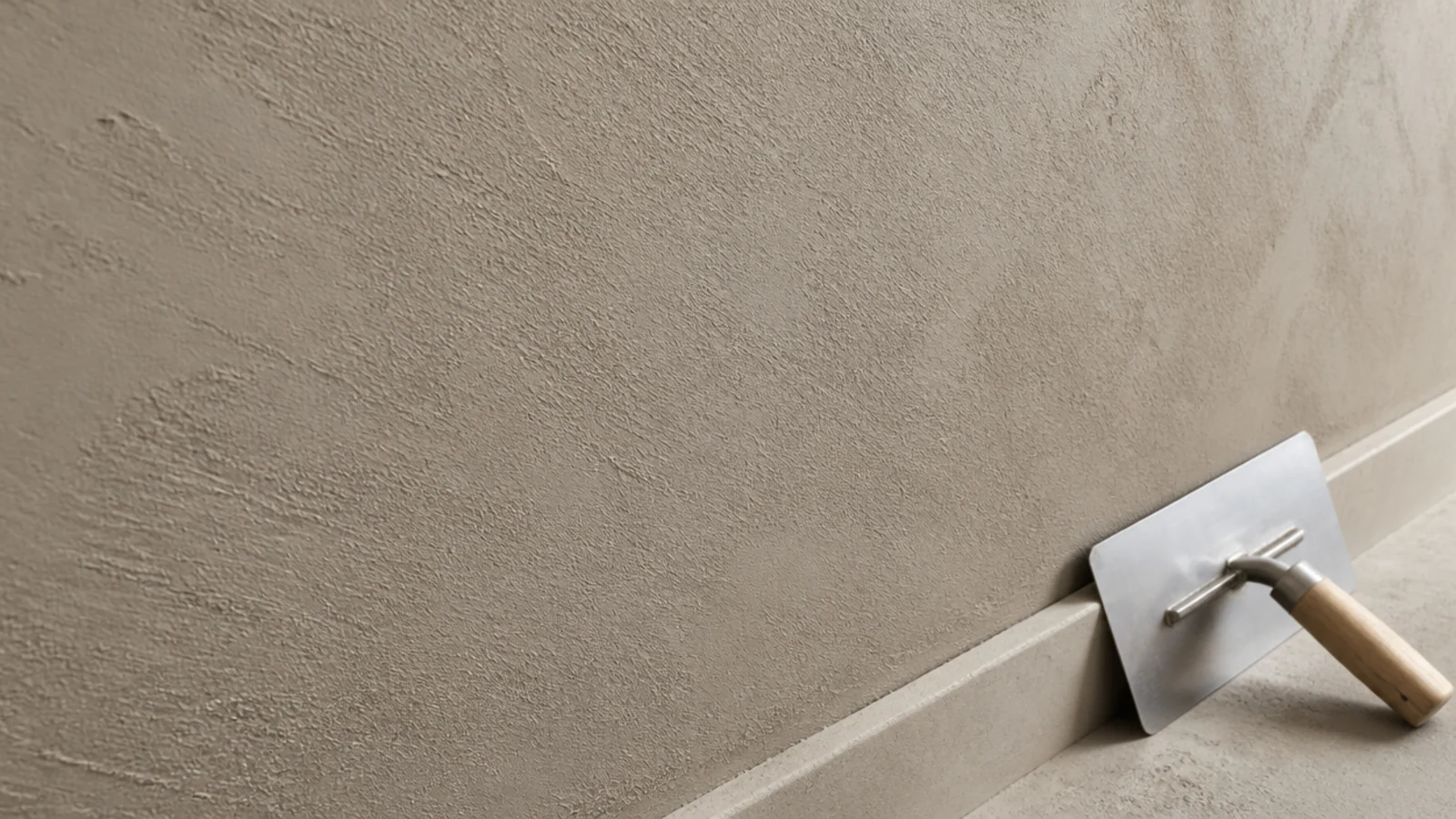
Clay plaster goes on at 1 to 2 millimetres with a stainless trowel and gives movement without the chalky bloom limewash can leave. It is more forgiving to apply than true plaster and repairs invisibly, which matters on a wall that will take knocks. Expect 90 to 160 dollars for enough to cover a feature wall.
3. Polished plaster for depth and sheen
Applied in two to three very thin coats and burnished with the trowel edge as it firms up. The burnishing is what creates the depth — an unburnished coat just looks like flat plaster. It is genuinely skilled work and the one finish here I would hire out rather than attempt.
4. Micro-cement for a seamless mineral surface
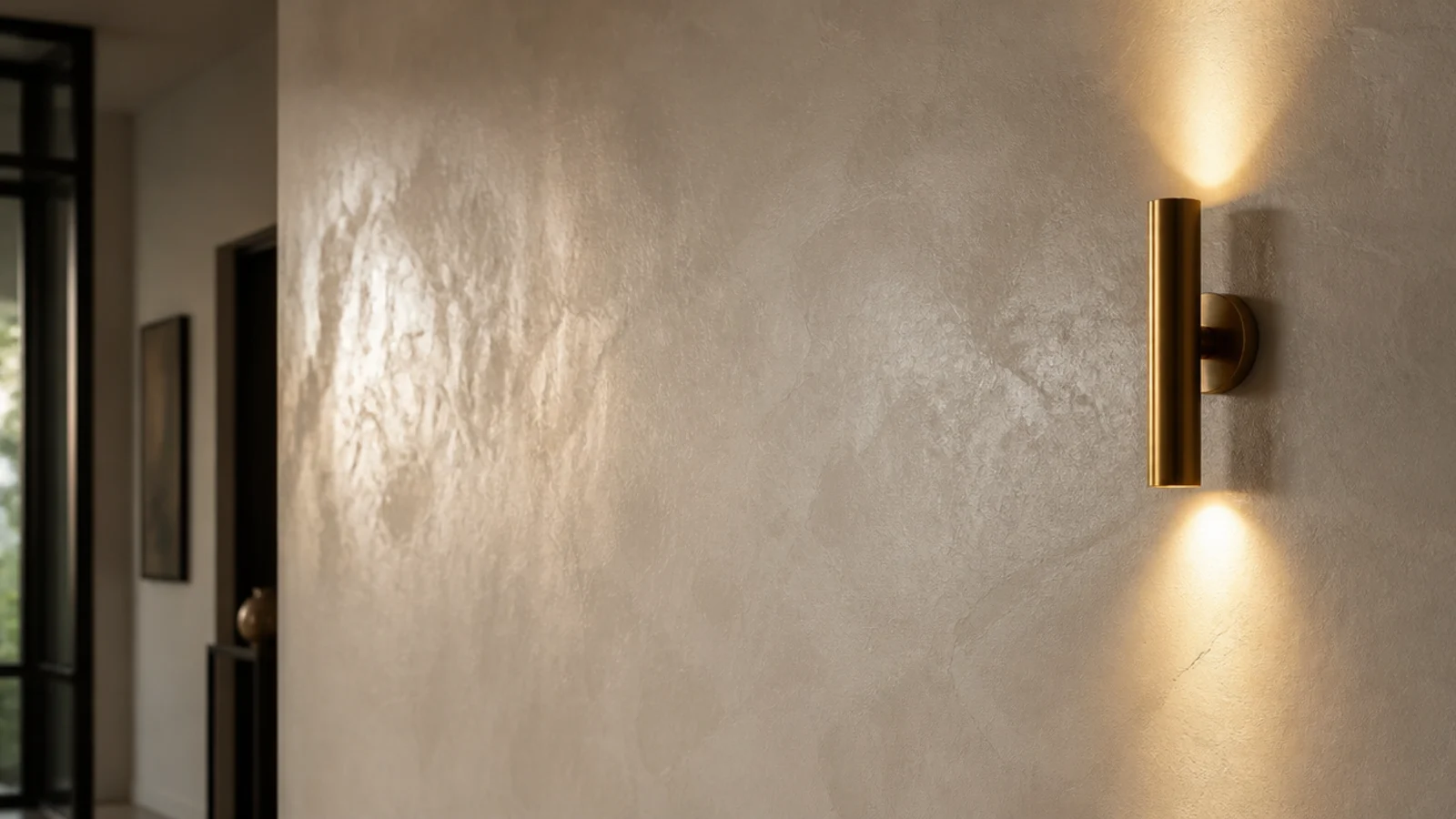
Two thin coats totalling around 2 millimetres, then a matt sealer, gives a continuous surface with no joints anywhere, including around internal corners. Full hardness takes about seven days. Applied cost runs 90 to 200 dollars a square metre and it is not a rental finish.
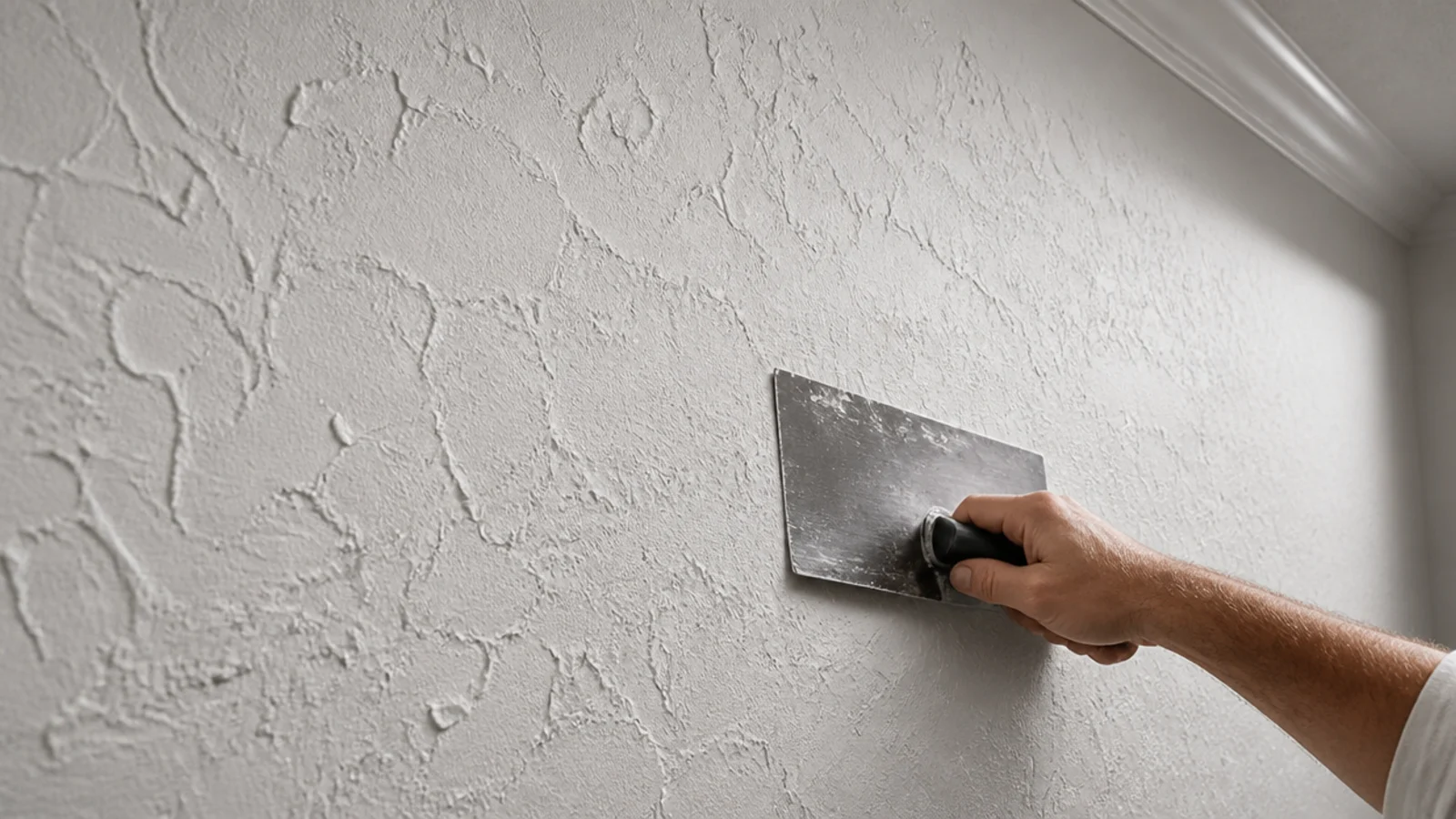
5. Textured masonry paint worked with a blade
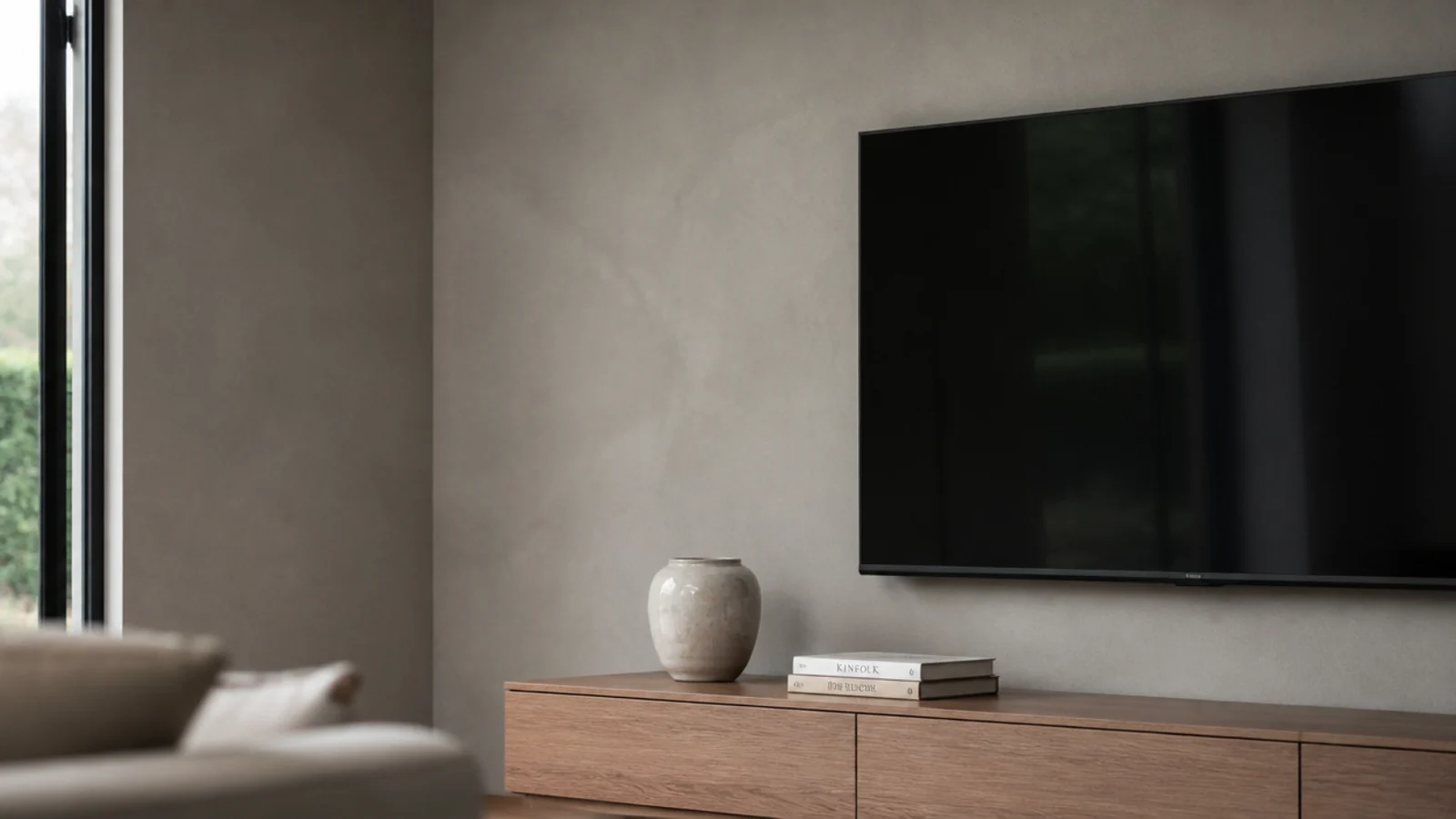
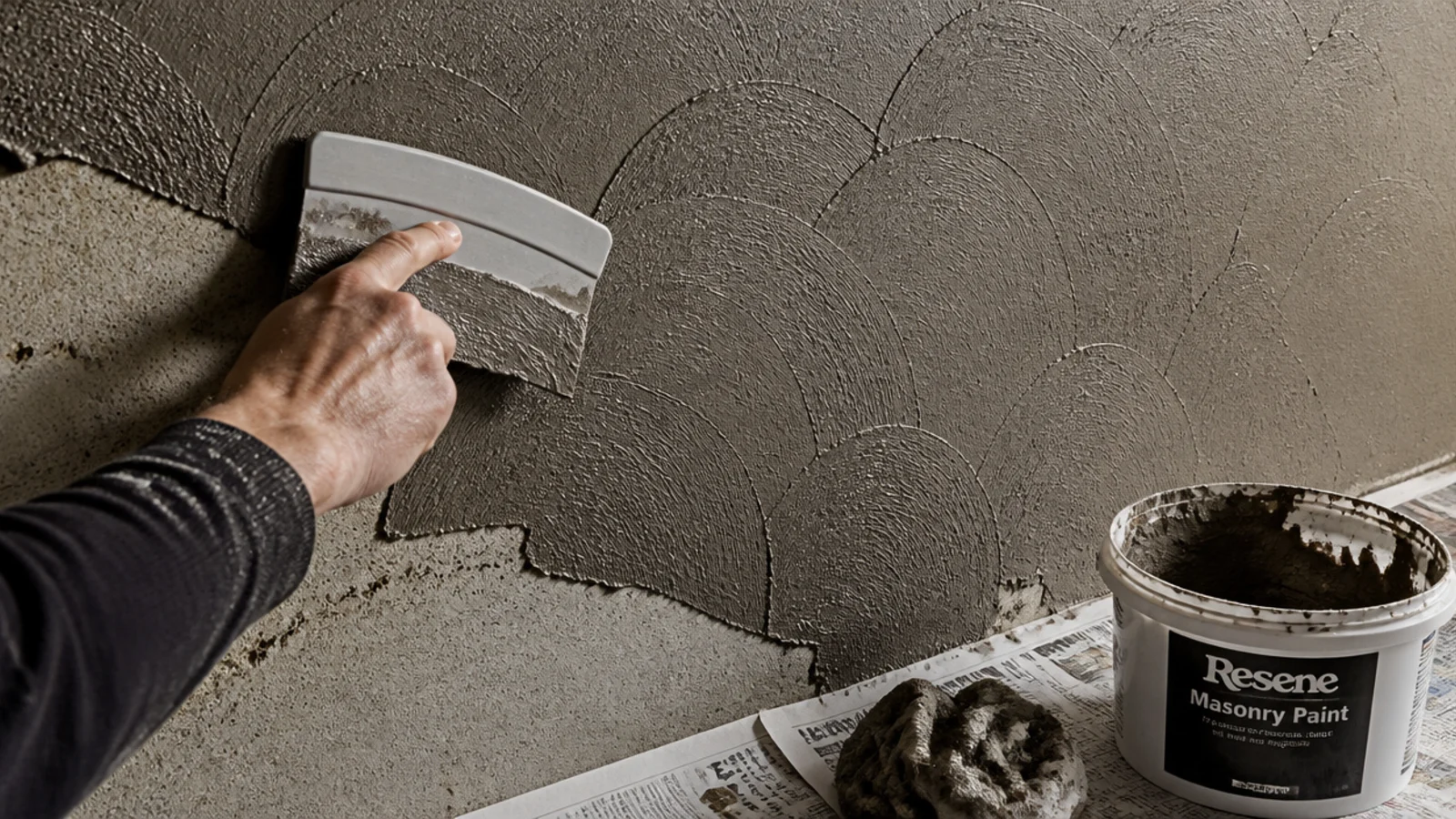
The cheapest convincing texture available. Thick masonry paint spread with a wide flexible blade in overlapping arcs catches light in a mineral way for about 40 to 60 dollars a wall. It will not take a wet cloth like micro-cement, so keep it away from doorways and chair backs.
6. Lime plaster floated to a sandy face
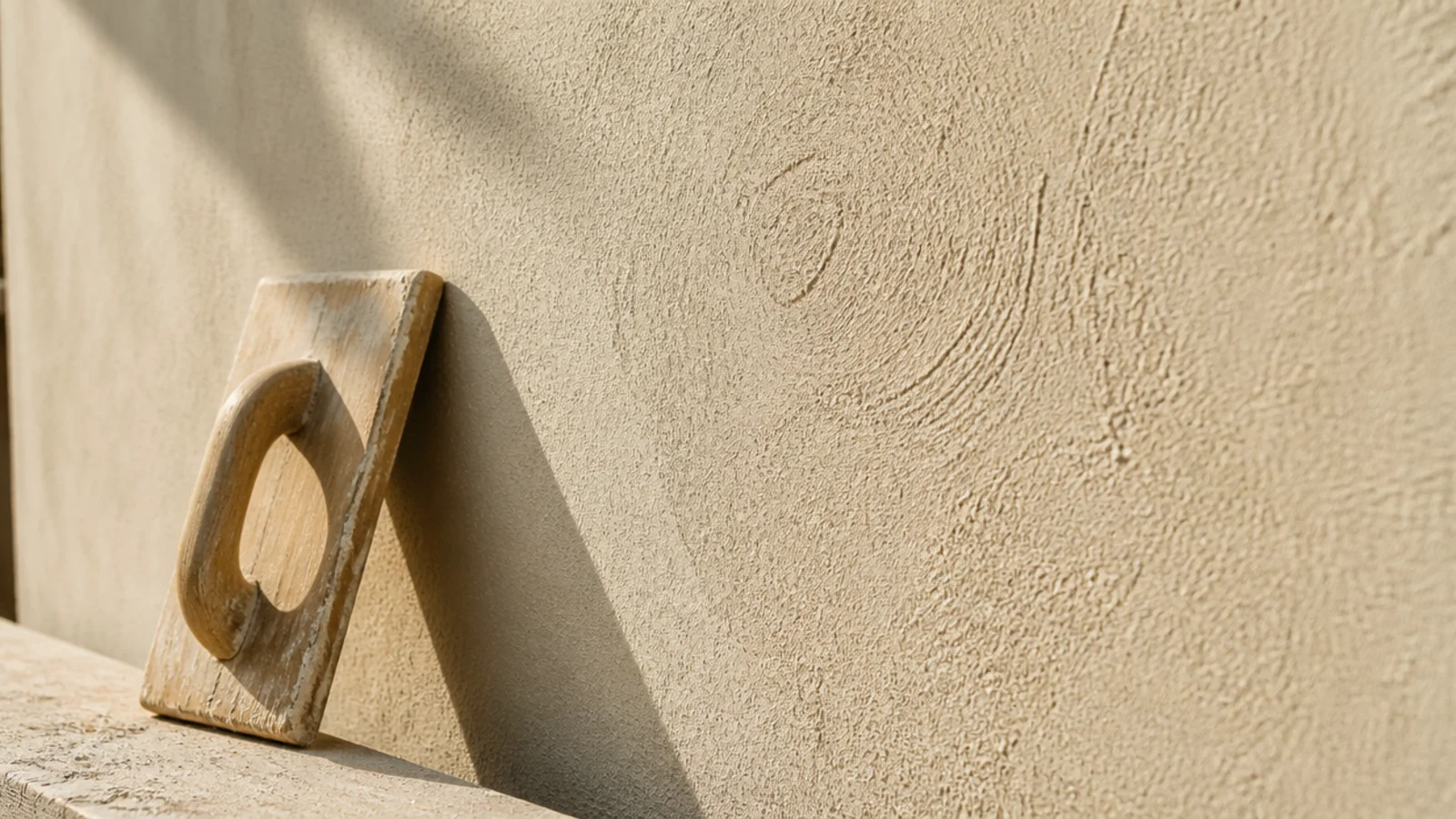
Finishing lime plaster with a wooden float rather than a steel trowel leaves an open sandy texture that reads as old rather than new. It is breathable, which suits a solid-wall house, and it takes limewash or clay paint straight over the top without a sealer.
7. Tadelakt where water is involved
Lime plaster burnished with a stone and sealed with olive oil soap, giving a waterproof surface that turns internal corners with no joint. It belongs in a bathroom or a shower rather than a living room, and it needs a specialist. Budget 150 to 300 dollars a square metre.
8. Sand-textured paint for a matt suede feel
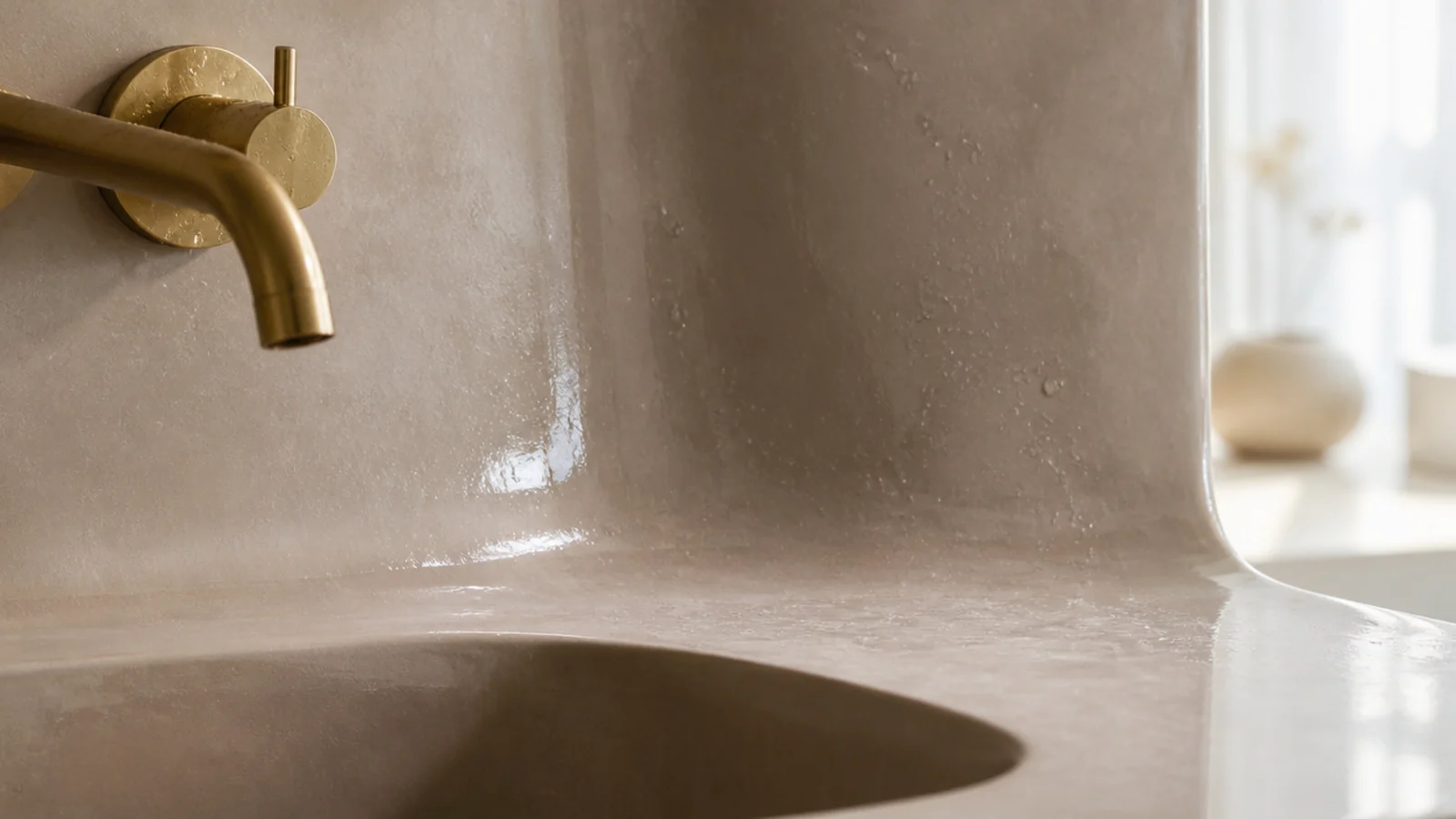
Fine aggregate suspended in emulsion kills every reflection, which is genuinely useful on a wall behind a screen. It rollers on like normal paint at around 8 to 10 square metres a litre. The trade is that it is difficult to clean and almost impossible to touch up invisibly.
9. Combed plaster for a directional pattern
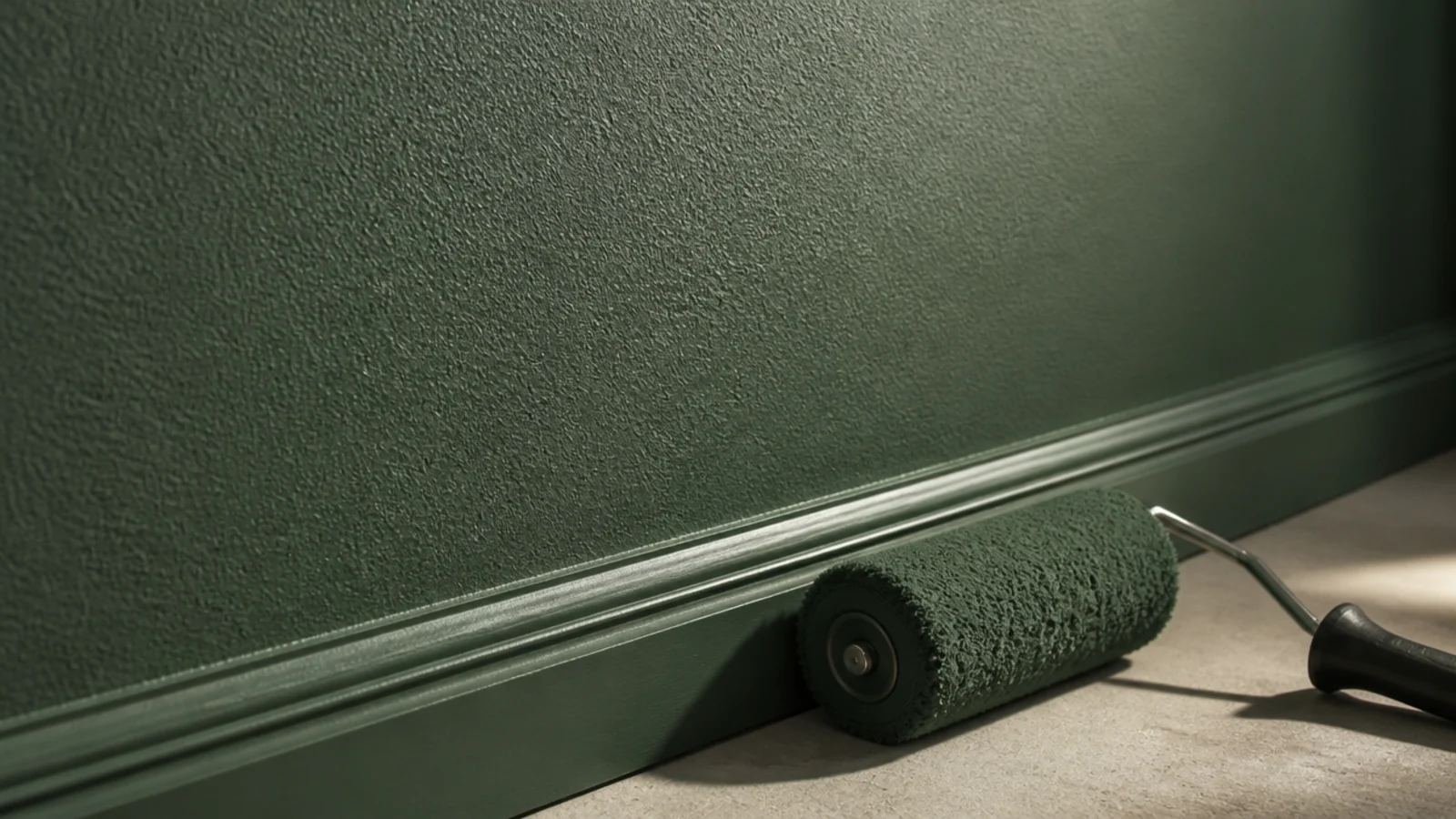
A notched comb drawn through wet plaster leaves regular parallel grooves at 3 to 6 millimetre spacing. It gives texture a direction, which suits a narrow wall where you want the eye to travel upward. Keep the comb angle constant or the rhythm falls apart visibly.
10. Stipple with a long-pile roller
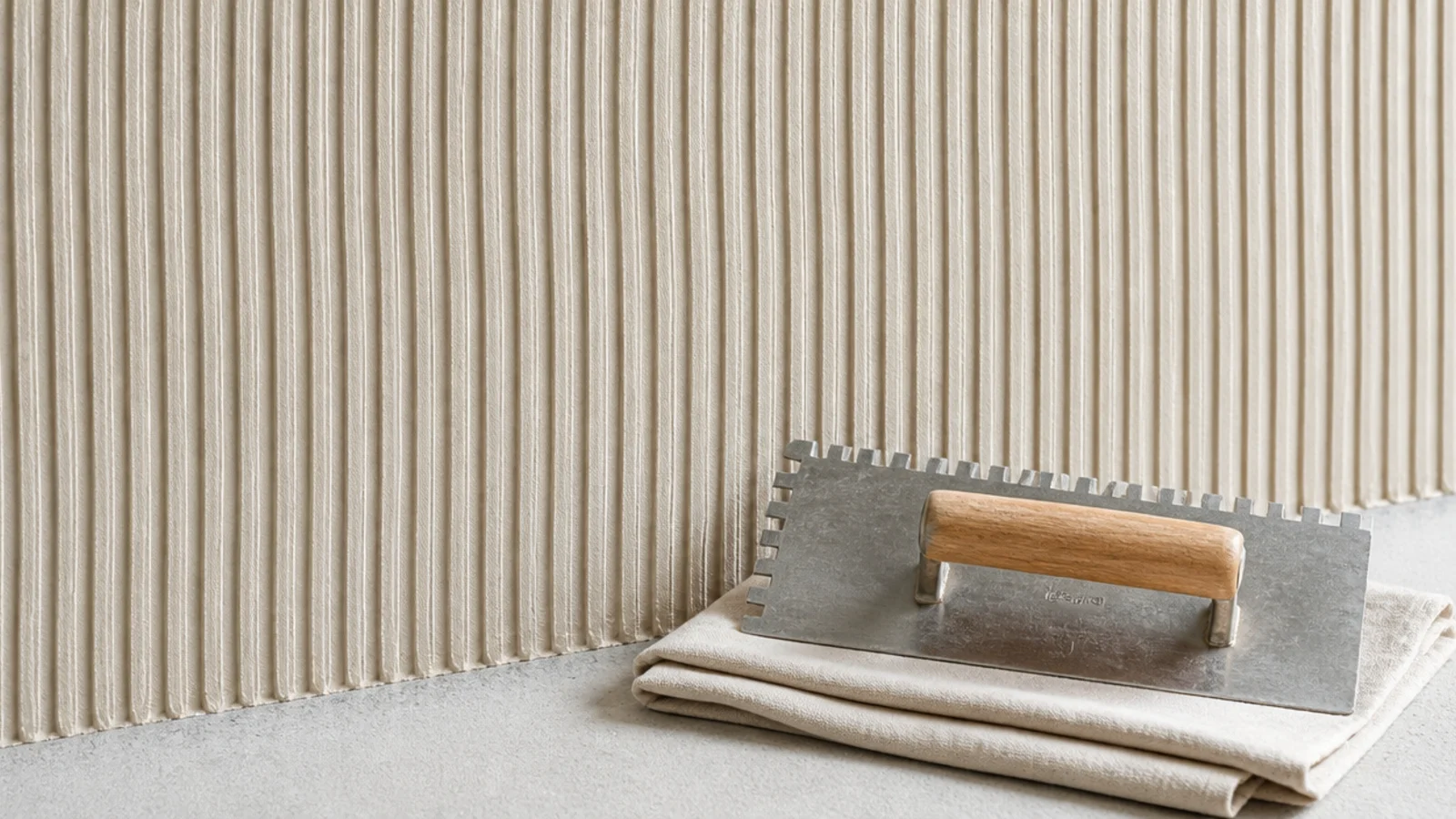
The simplest texture there is: a 20 to 25 millimetre pile roller in thick paint leaves a fine even stipple. Pile length sets the grain size, so buy two sleeves and test both on lining paper first. It costs the price of a roller sleeve over a normal paint job.
11. Knockdown texture for a subtle relief
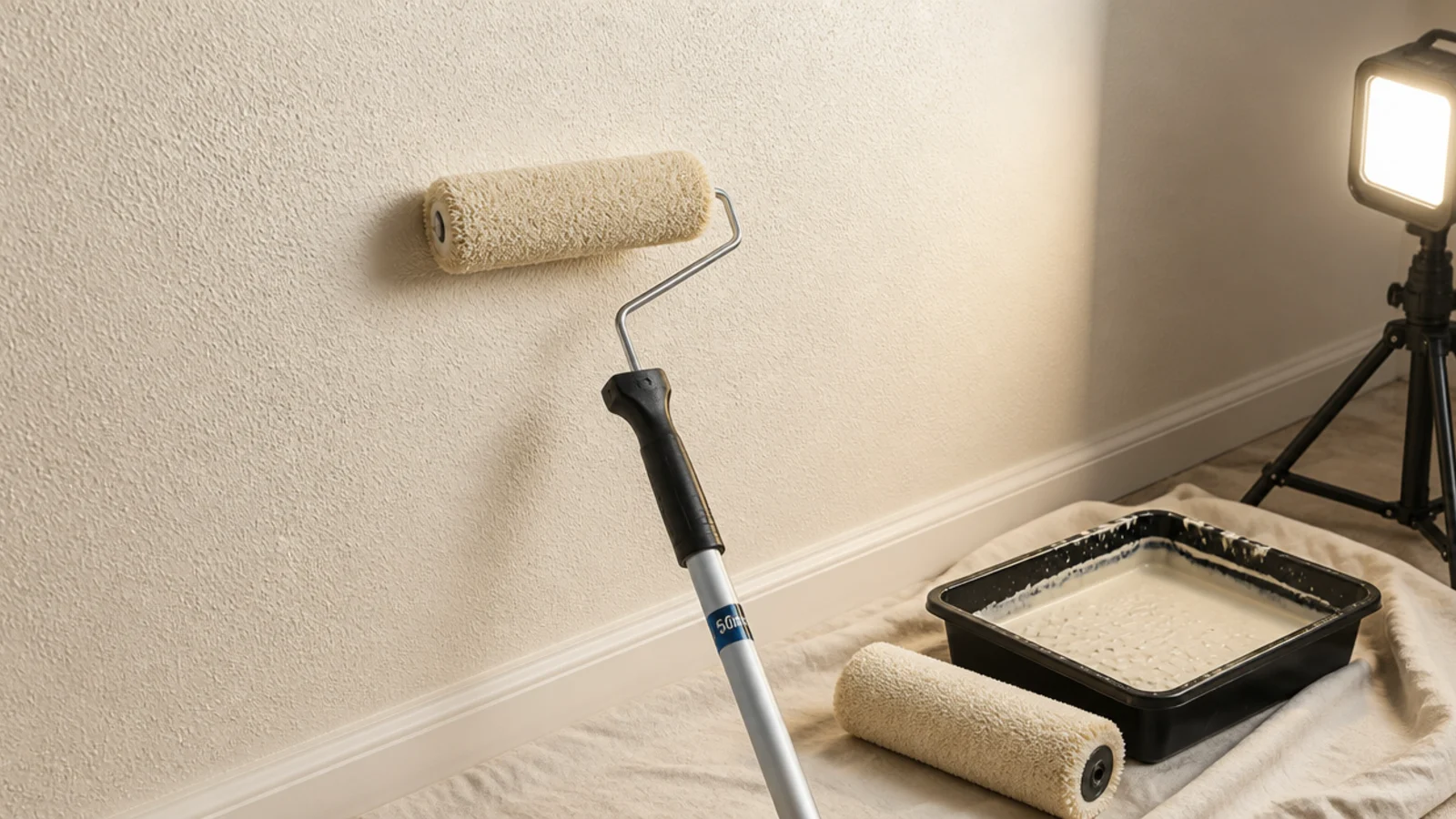
Spray or roll on a thick compound, let it firm for 10 to 15 minutes, then flatten the peaks with a wide knife. The timing is the whole skill — too early and it smears, too late and the peaks tear. Practise on a board before the wall. Keep the room above 10 degrees while it sets, since a cold wall stiffens the compound unevenly and the peaks tear rather than flatten.
12. Colour wash over a base coat
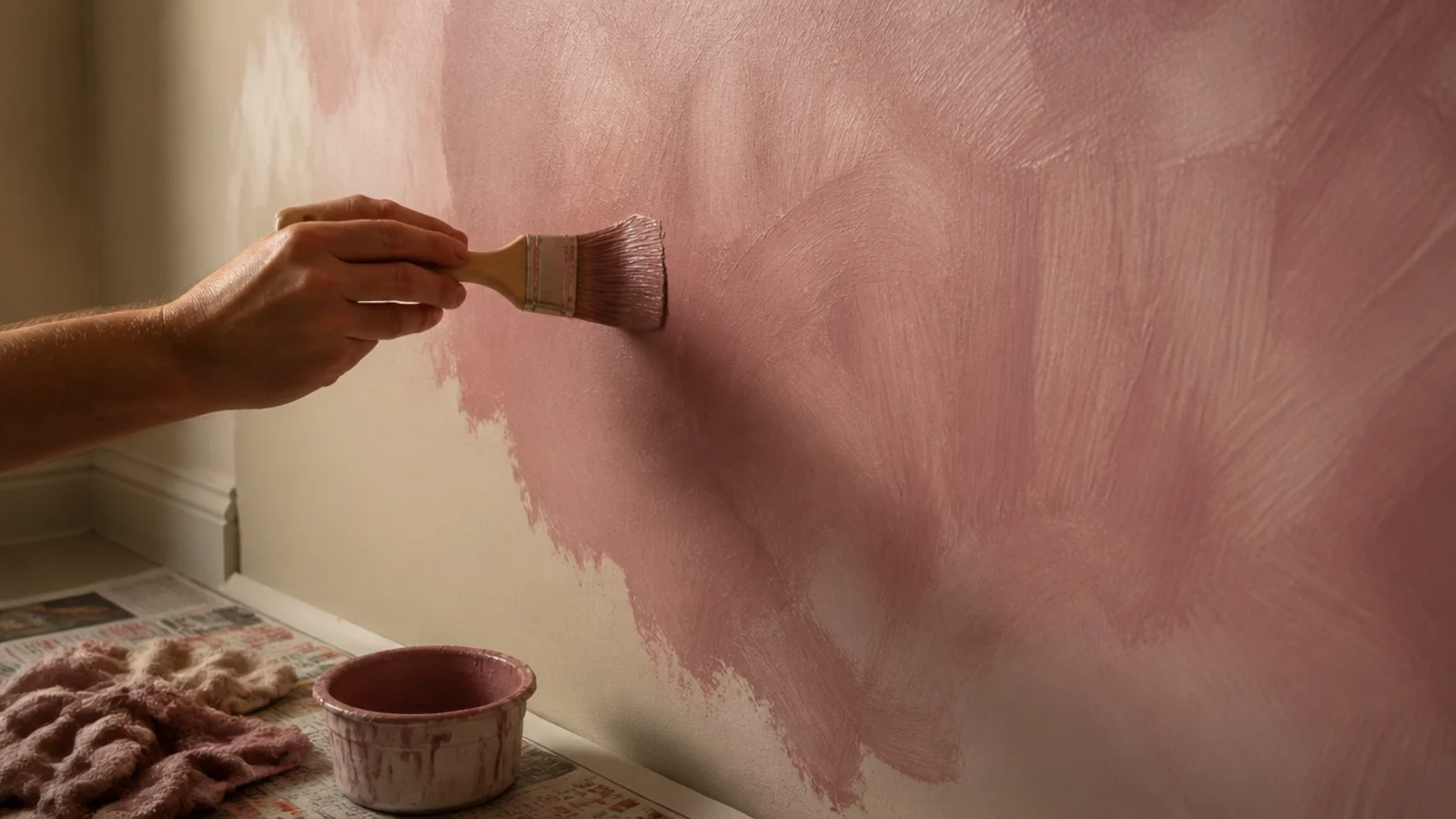
A thin translucent glaze brushed loosely over a paler base coat reads as depth rather than texture, and it costs a tester pot and a glaze medium. It suits a room with poor natural light, where actual relief would just look flat and grey most of the day.
13. Cork for warmth you can pin into
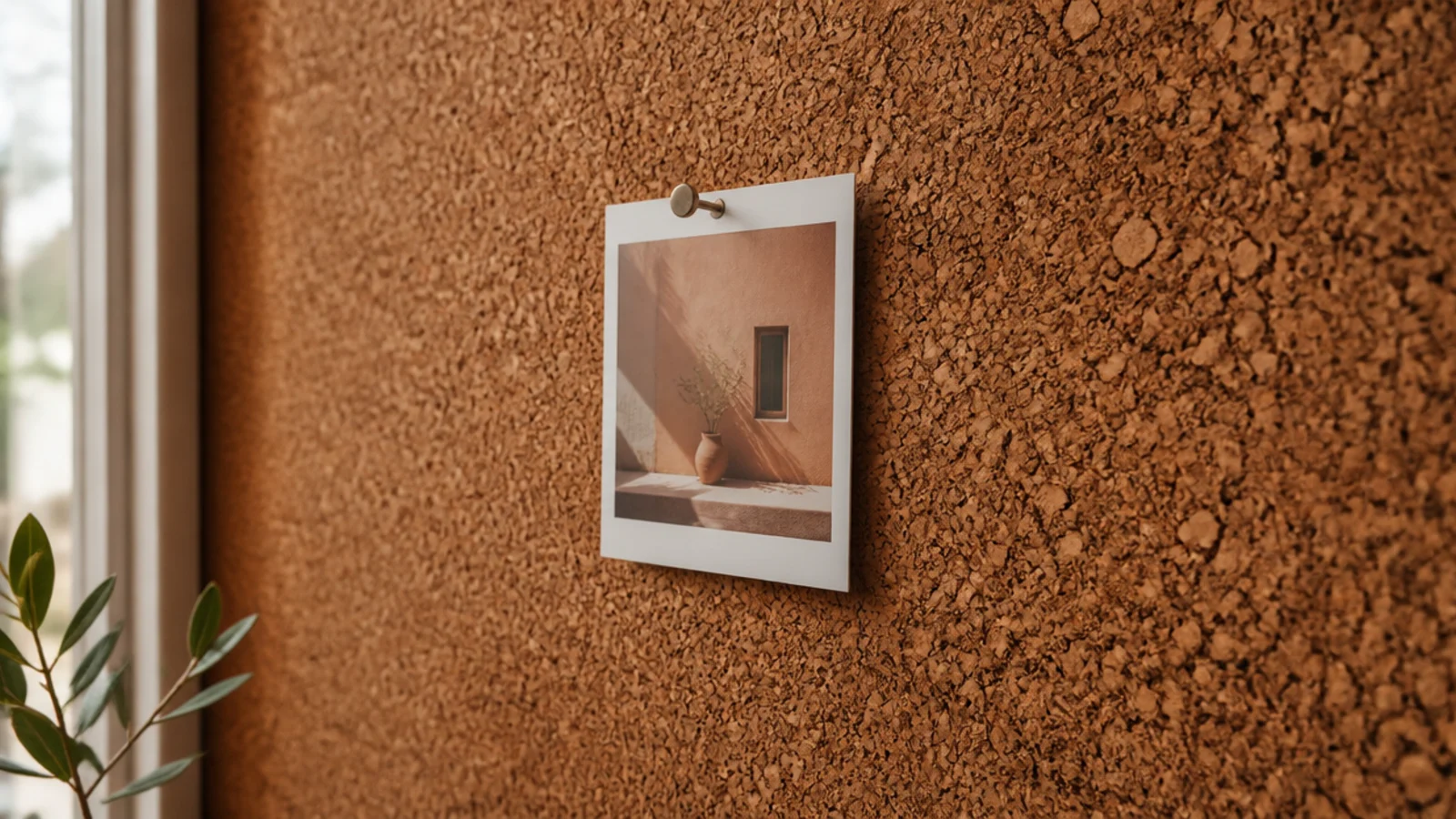
Cork tiles at 3 to 6 millimetres and 25 to 50 dollars a square metre go up on contact adhesive, take a pin without leaving a mark and quieten a room noticeably. Seal with a matt water-based finish near a radiator or in direct sun, where untreated cork lightens unevenly.
14. Acoustic felt for texture that works
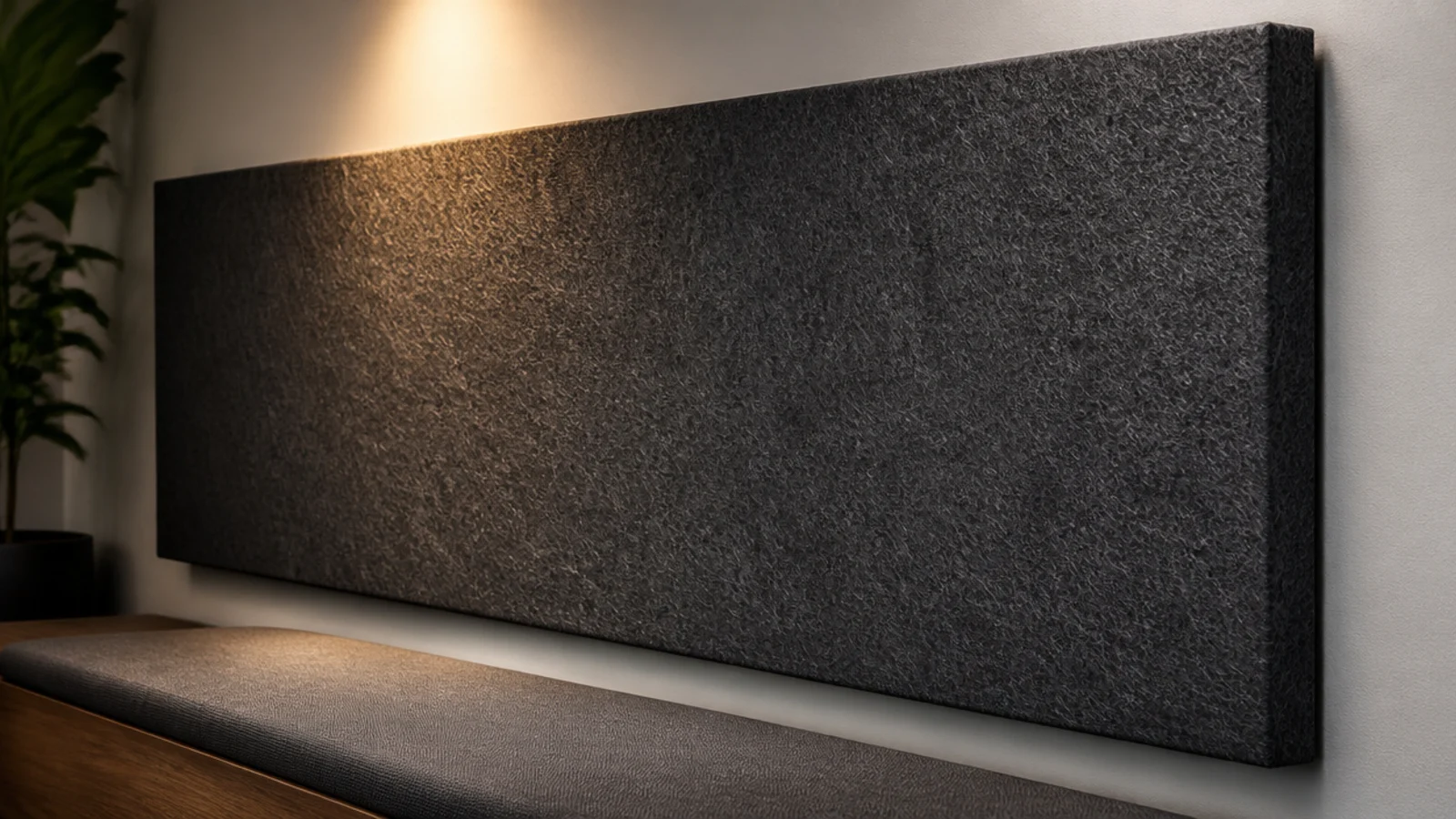
Nine to twelve millimetre felt is the only finish here that measurably changes how a room sounds, cutting the slap echo a hard plaster wall throws back. Expect 40 to 90 dollars a square metre. It suits a room with hard floors and little upholstery.
15. Fabric stretched across a full wall
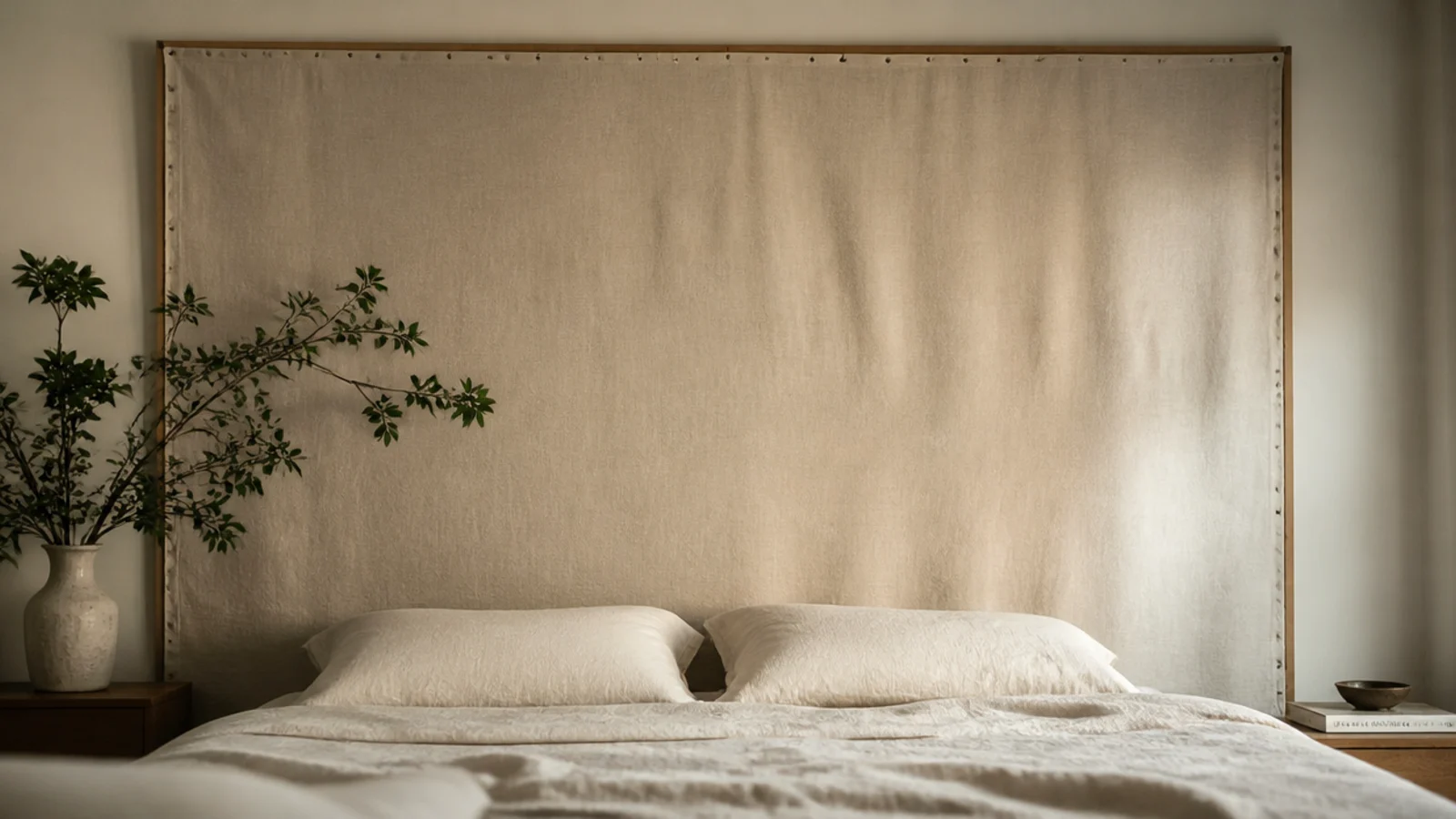
Linen or wool stretched over a slim batten frame hides a wall past repair, softens acoustics and comes down leaving a handful of pin holes. Allow 10 percent extra fabric for the wrap, and choose something with a visible weave — flat fabric on a wall just looks like a blind.
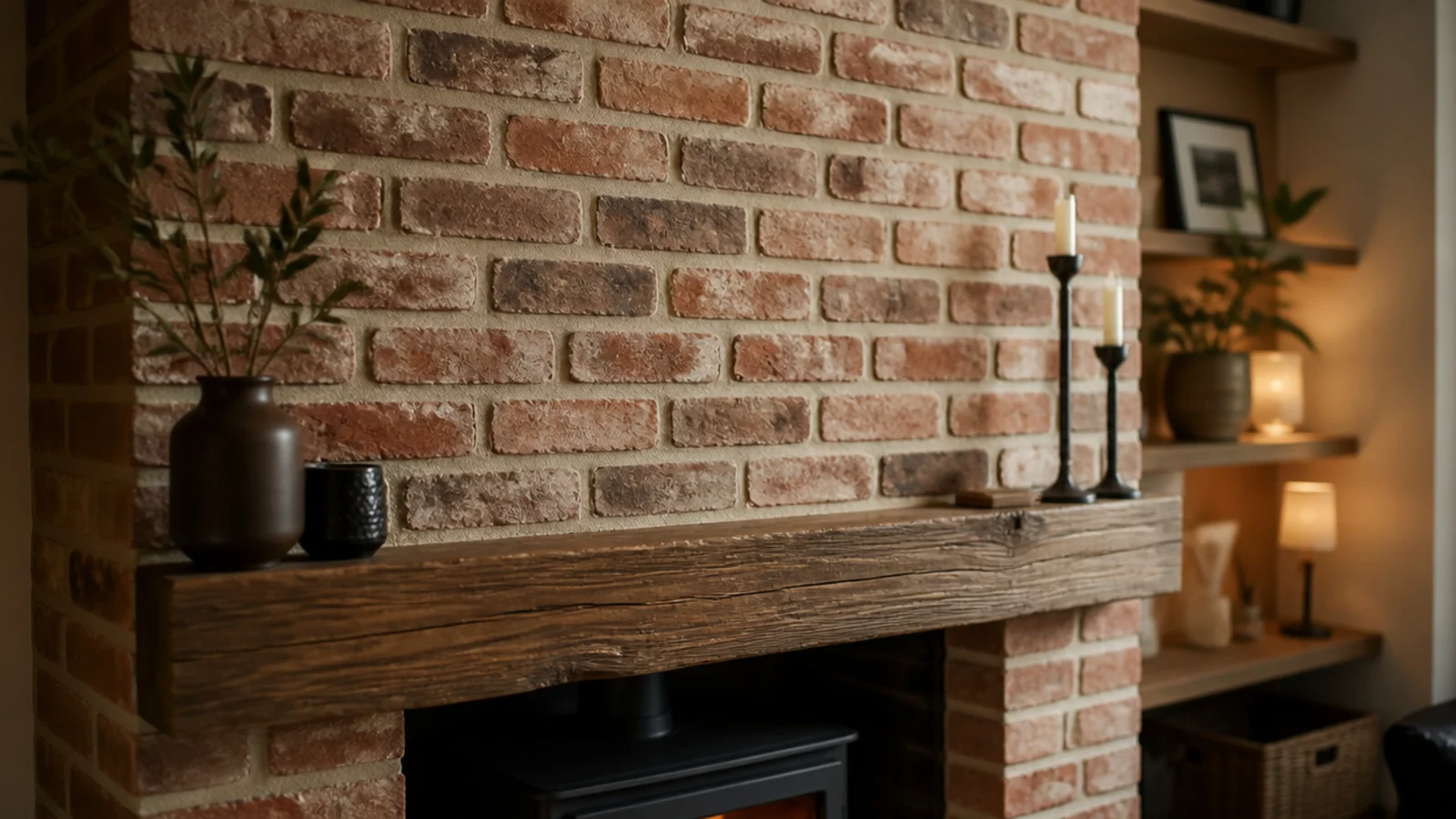
16. Brick slips for a shallow masonry face
Slips are 15 to 25 millimetres thick, so you get brick without losing a full course of depth. Point with lime mortar raked slightly back for a softer, older joint. Keep them to a chimney breast rather than a whole room, where the effect tips into a themed bar.
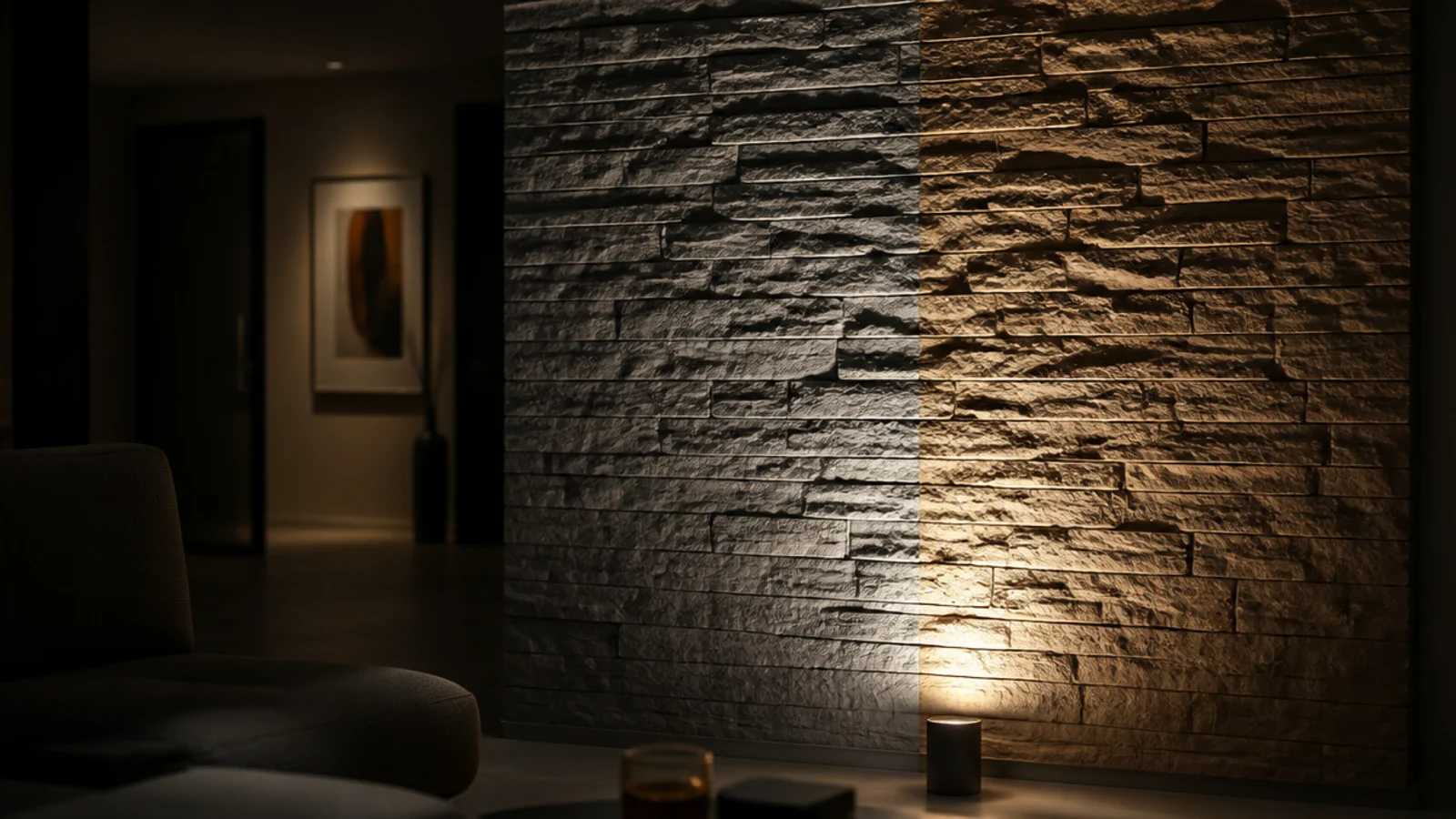
17. Split-face stone for hard shadow
Split-face cladding only works with strong side light, because the shadow is the whole effect. Lit flat from the front it reads as grey rubble. Plan an uplight or a wall washer 150 to 300 millimetres from the face before you commit to the material.
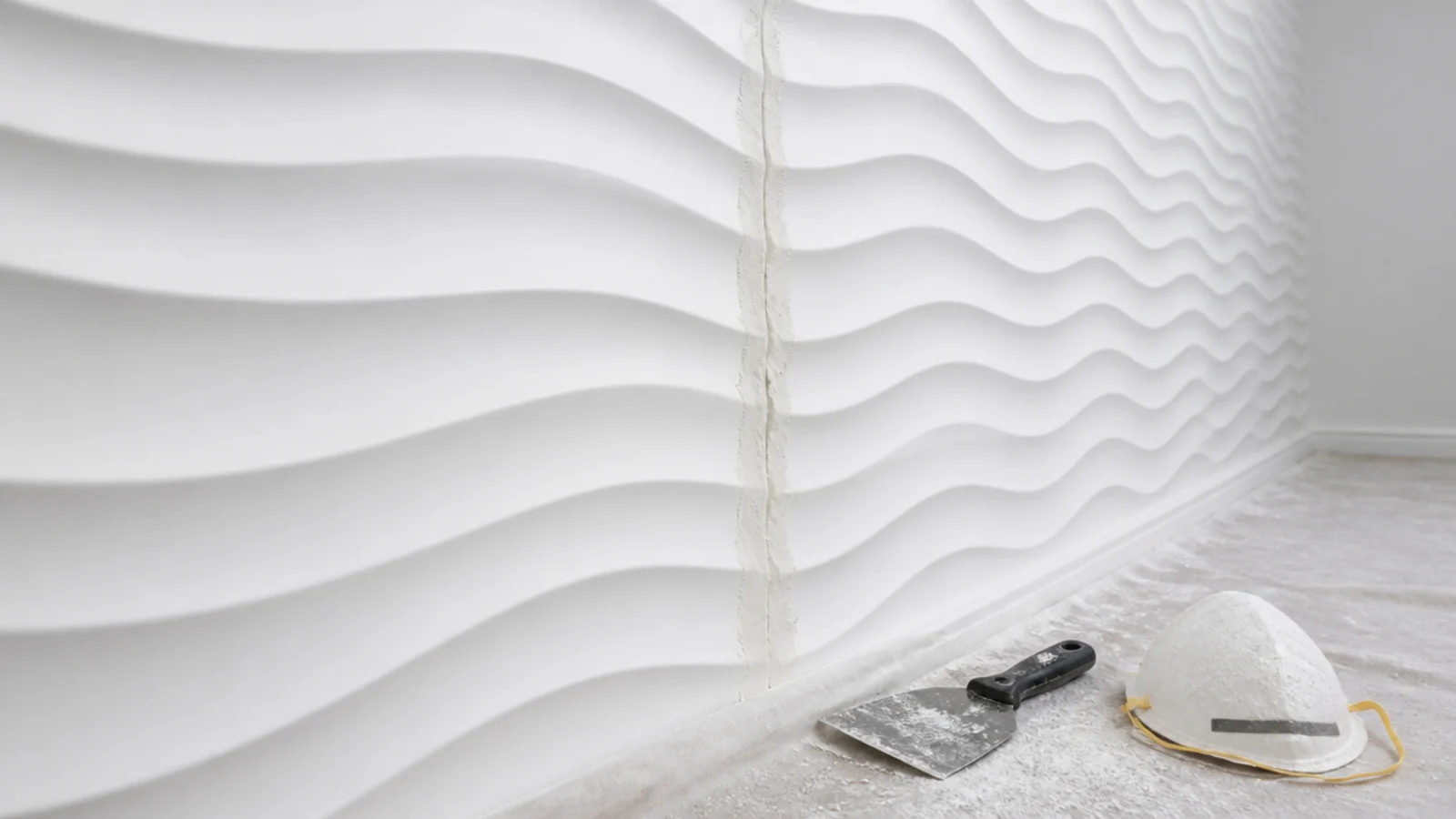
18. Three-dimensional gypsum panels
Moulded panels give a repeating relief for 30 to 70 dollars a square metre. The joints are what betray them, so fill and sand every seam before painting and use a single flat colour across the whole wall. Any sheen at all makes the panel edges visible.
19. Timber slats for texture made of shadow
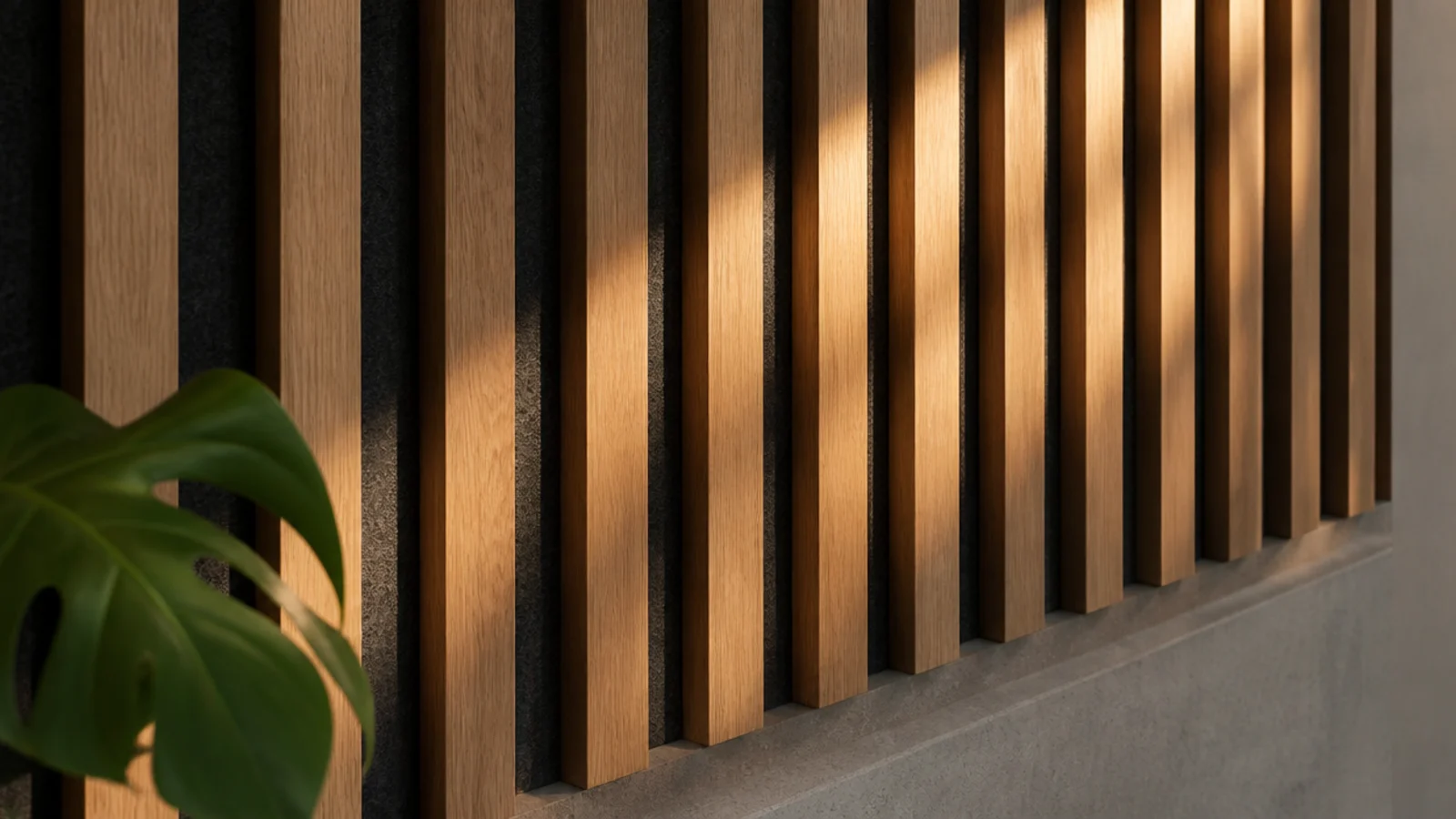
Slats at 20 to 30 millimetre gaps over a dark backing give texture that changes completely as the light moves, which no applied finish does. It is also the only option here that hides a cable run behind it. Wood wall design finishes compared puts costs against every timber version.
20. Heavy embossed paper under paint
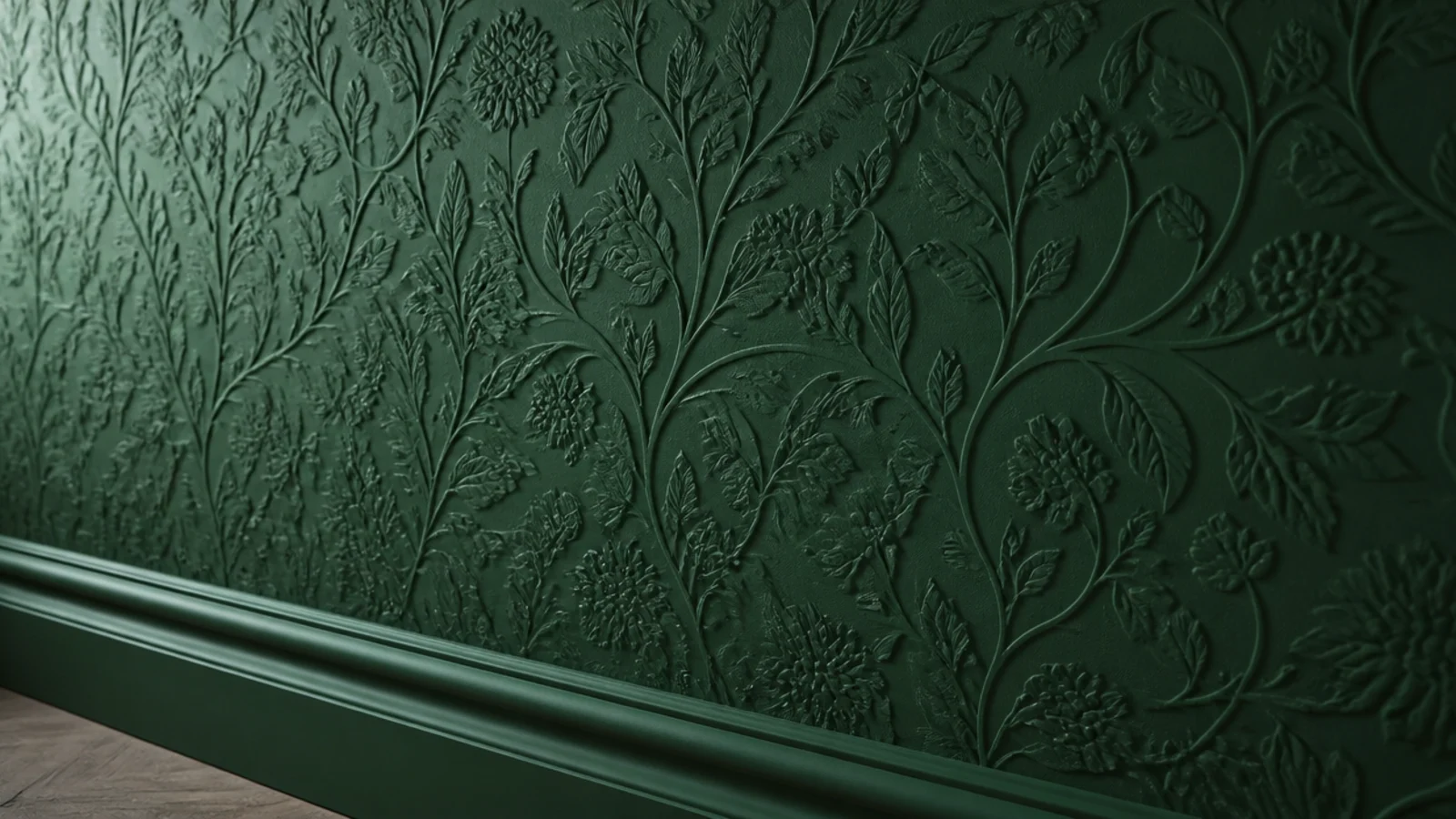
Embossed relief paper hung and then painted in one flat colour turns pattern into pure shadow. It is the most forgiving option on a wall with poor plaster, costs 20 to 40 dollars a roll, and comes off with steam. Use a matt paint or the relief reads as shiny lumps.
For the wall these usually go behind, 30 TV wall design looks covers the whole-wall treatments, and wall molding design ideas is the option for a room where texture would be too much. In a bedroom, bed back wall design ideas has the versions that work behind a headboard, and aesthetic candle decor is worth reading for how low warm light reads across a textured surface.
Mistakes to Skip
- Applying a mineral finish over a wall with movement cracks. Micro-cement and polished plaster telegraph every crack within a season, and the repair means taking the whole coat back.
- Judging limewash on the wet first coat. It dries several shades paler and only settles after the second coat, so nobody should decide the colour before day two.
- Lighting texture from directly in front. A central ceiling fitting flattens relief completely, and an expensive plaster finish ends up looking like ordinary matt paint.
- Putting an unsealed chalky finish behind a sofa. It transfers onto cushions and clothing for weeks, and pale upholstery shows every contact point.
Frequently asked questions
How much limewash do I need for one wall?
Limewash covers roughly 10 square metres per litre per coat and needs two coats over a mineral primer. A typical 3 by 2.5 metre feature wall is 7.5 square metres, so a 2.5 litre tub is comfortably enough with spare for touching up. Expect 60 to 110 dollars for a 5 litre tub.
Is micro-cement suitable for a living room wall?
Yes, and it is hard-wearing once cured. It goes on in two thin coats totalling around 2 millimetres over a sound, flat, crack-free substrate, then takes a matt sealer. Applied cost runs 90 to 200 dollars a square metre, and it needs about seven days before it reaches full hardness.
Will a textured wall finish rub off onto furniture?
Limewash and untreated clay plaster can chalk slightly for the first few weeks, which matters directly behind a sofa back or a bed. Either keep those finishes above furniture height, or apply a breathable matt sealer. Micro-cement, tadelakt and sealed plasters do not chalk at all.
Can renters add texture to a wall?
Yes. Limewash, clay paint and textured masonry paint all go straight over sound existing emulsion and come off with a normal repaint. Felt, cork and fabric panels hang on two hooks. Avoid micro-cement and true plaster in a rental, because removal means taking the surface back to substrate.
What is the cheapest way to texture a wall?
Thick textured masonry paint worked with a wide flexible blade, at roughly 40 to 60 dollars for a feature wall. It will not take a wet cloth the way micro-cement does, but it catches light in the same mineral way and it goes straight over existing paint with no primer coat.
Want more like this? Browse all 15 tv wall decor guides — they all use the same measurements and budget tiers.
Pin it for later
Save this to your TV Wall Decor board
Pin it now so it is waiting for you when the tape measure comes out — and so the next person hunting for this idea can find it too.
Save this pinKeep going
More ideas worth saving while you have the tape measure out.