TV Wall Decor · Listicle
20 Sofa Back Wall Design Ideas For Blank Walls

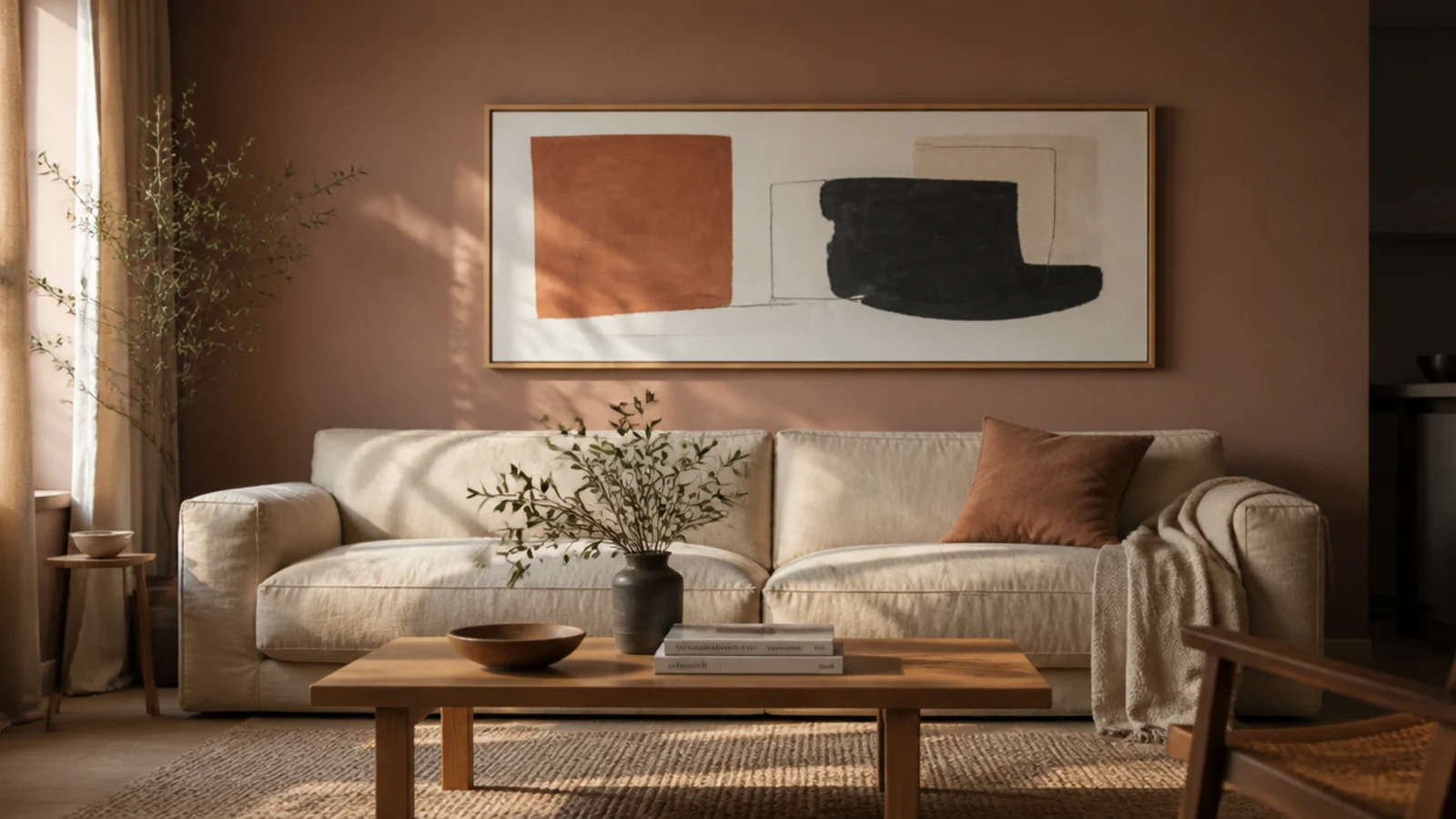
A blank wall behind a sofa is the most common unfinished surface in a living room, and it stays blank because nothing hung on it ever looks right. The reason is almost always proportion rather than taste. Sofa back wall design is governed by the furniture underneath: the width of the piece sets the width of everything above it, and the top of the cushions sets the height. Once those two numbers are fixed, the choice of art, panel, shelf or paint becomes easy. Here are twenty arrangements with the measurements that make each one land.
In this guide22 sections — tap to openHide
- 1.What sofa back wall design has to measure up to
- 2.Hang one wide piece at two-thirds the sofa width
- 3.Set the bottom edge eight inches above the back
- 4.Build a grid of matching frames
- 5.Fit a picture ledge instead of hanging
- 6.Panel the wall and hang nothing at all
- 7.Run slats the full width behind the seating
- 8.Split the paint just above the sofa back
- 9.Seal any chalky finish behind the cushions
- 10.Hang one large mirror to borrow the window
- 11.Fit swing-arm lights for actual reading
- 12.Run a shelf at head-clearance height
- 13.Float the sofa and add a console behind
- 14.Put a peg rail above a hallway-adjacent sofa
- 15.Hang a textile instead of a frame
- 16.Draw an arch above the seating
- 17.Line up a long horizontal set of small frames
- 18.Colour-drench the whole wall and return
- 19.Flank the sofa with bracketed plants
- 20.Treat a very wide wall as one move
- 21.Leave it blank and let the sofa be the object
- 22.Mistakes to Skip
What sofa back wall design has to measure up to
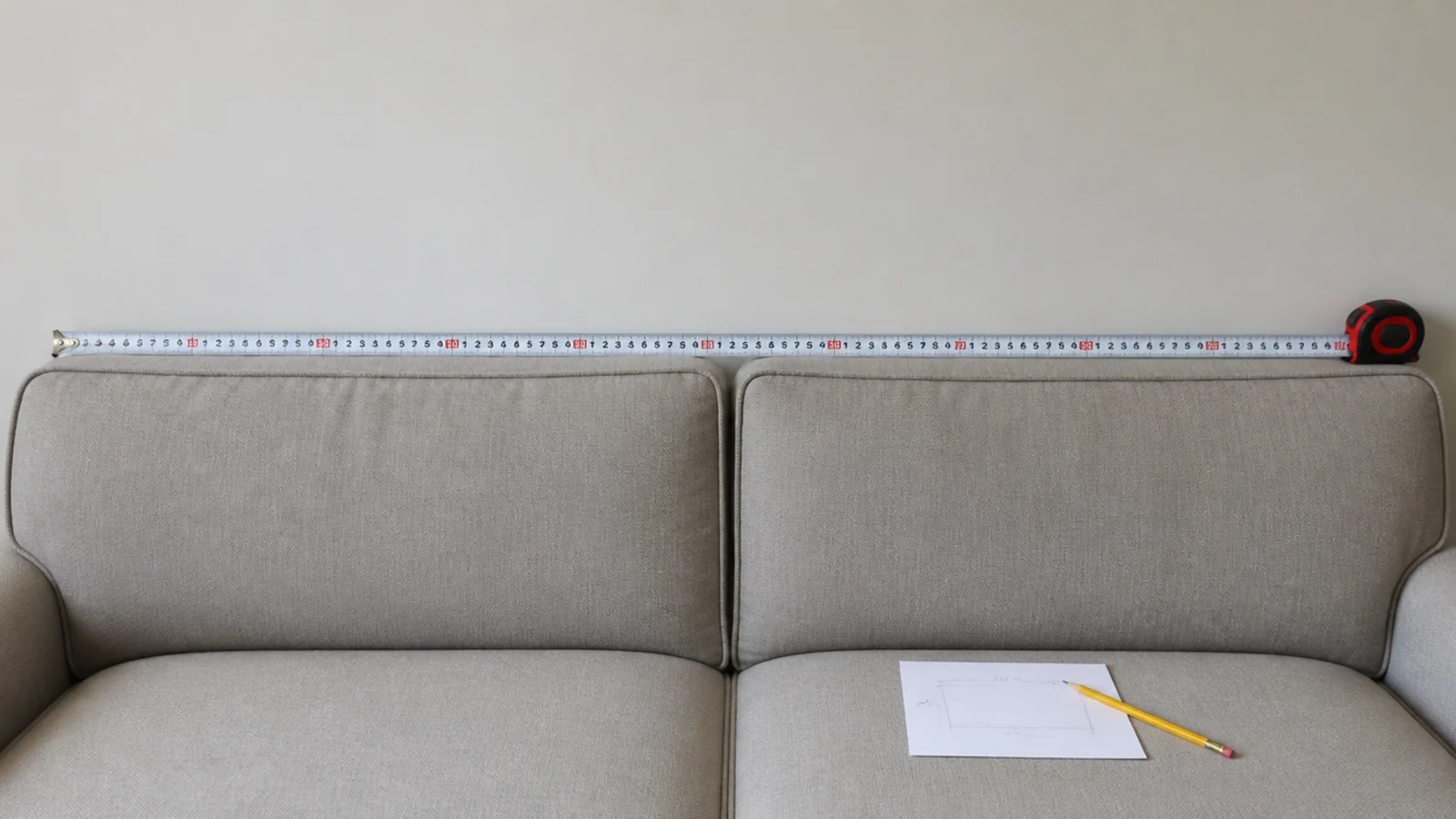
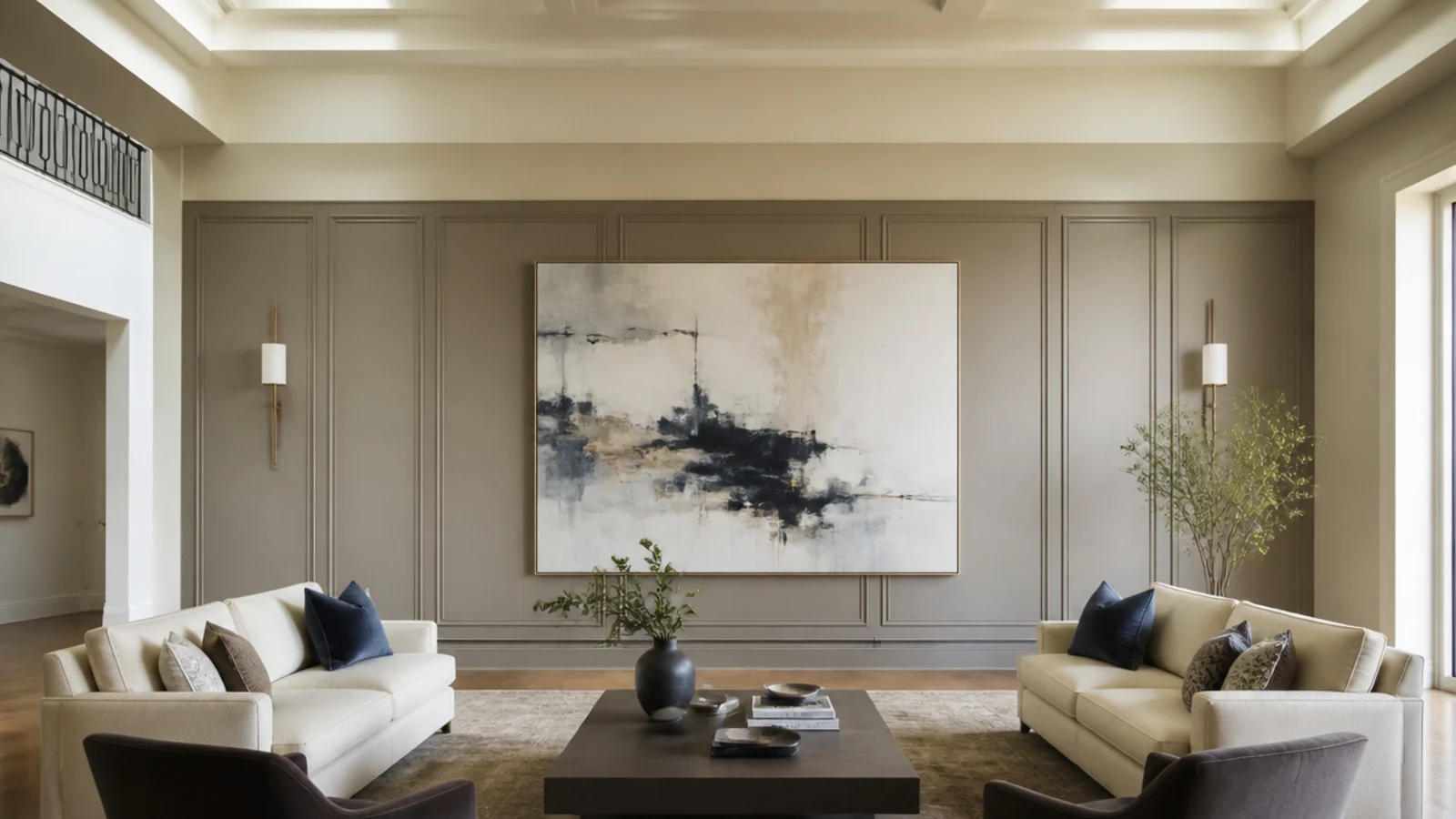
Width. Whatever goes above should span roughly two-thirds to three-quarters of the sofa width. An 84 inch sofa wants an arrangement of 56 to 63 inches. Below half the sofa width it looks stranded; wider than the sofa itself and the seating starts to look undersized.
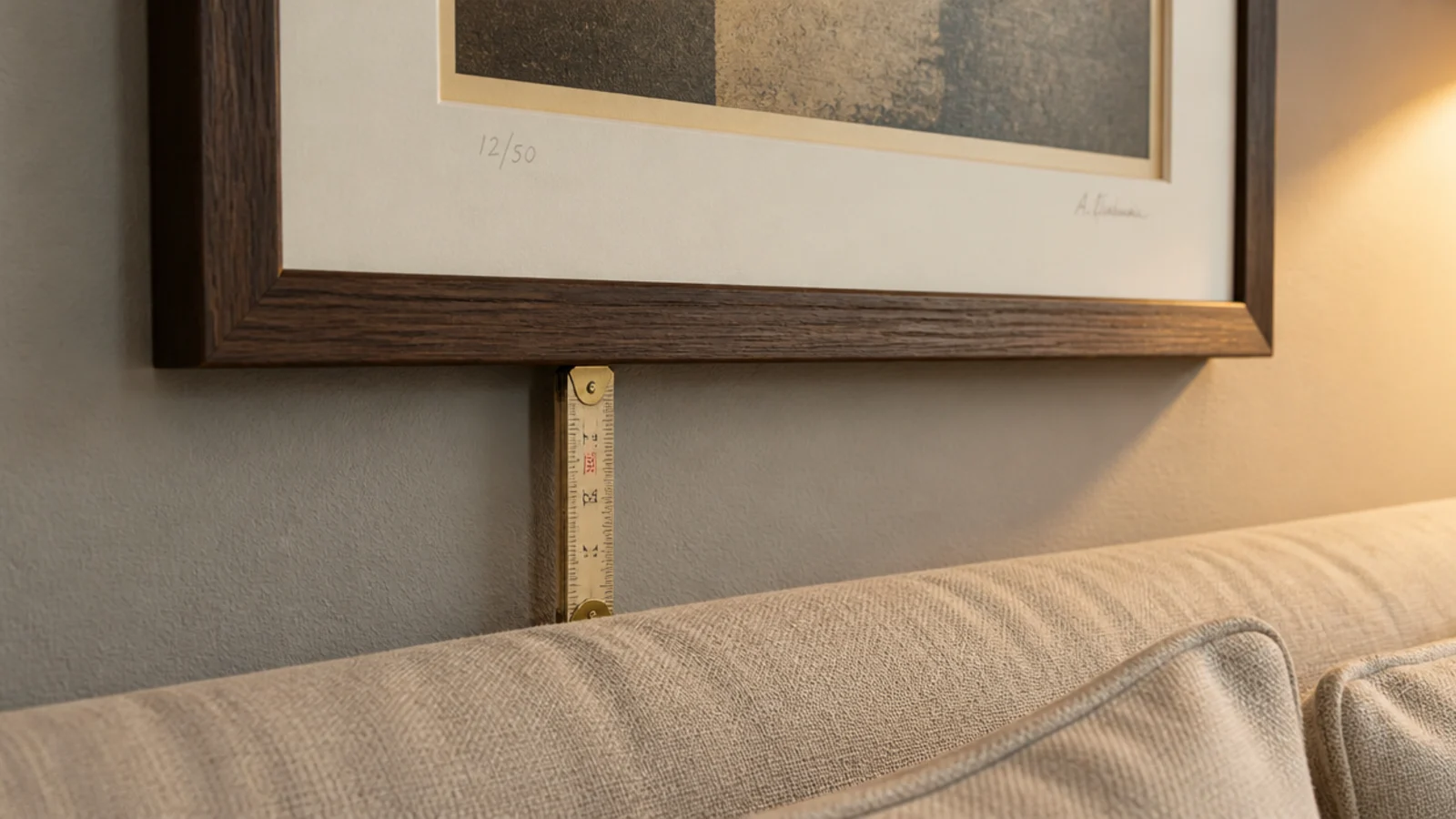
Height. The bottom edge of art sits 8 to 10 inches above the top of the sofa back. Forget the usual 57 inch gallery centre rule on this wall — the furniture sets the height. A typical sofa back is 30 to 34 inches, which puts most art centres between 48 and 56 inches anyway.
Clearance. Anything with a shelf or a ledge needs 10 to 12 inches of clear height above the cushions so nobody catches their head. Keep it shallow at 4 to 6 inches and fix into framing at 16 inch or 400 millimetre centres.
The gap behind. Pull the sofa 3 to 5 inches off the wall. It stops upholstery marking the paint, lets a lamp base or cable pass behind, and makes the room read as arranged rather than shoved to the edges.
Finishes. Anything chalky — limewash, untreated clay — needs sealing where a sofa back rubs it, or it transfers onto the upholstery. Wall texture design ideas covers which finishes chalk and which do not.
1. Hang one wide piece at two-thirds the sofa width
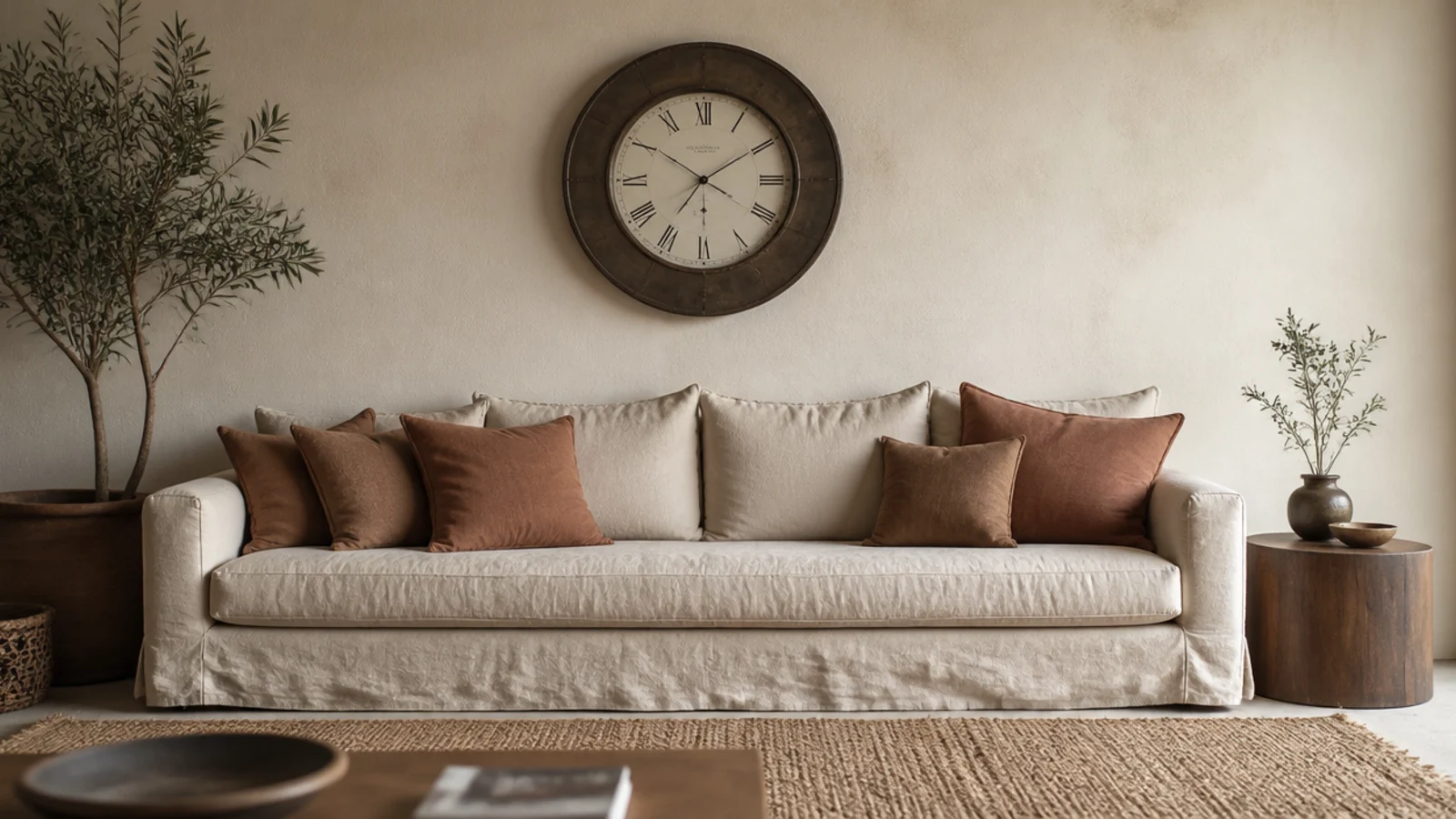
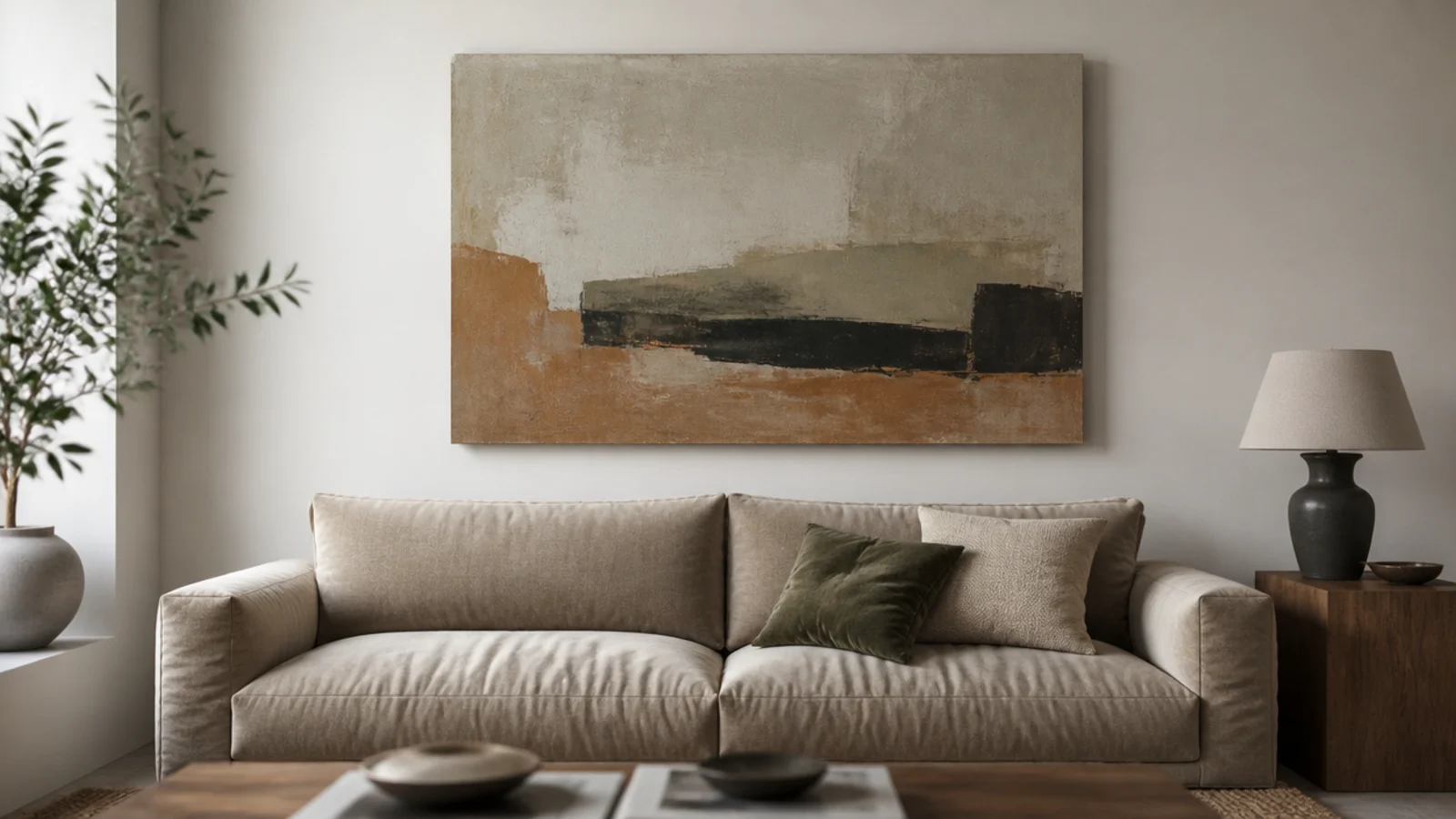
The single most reliable arrangement. One large canvas or framed print between 56 and 63 inches wide above an 84 inch sofa fills the wall without crowding it, and it needs one hook rather than nine. Large-format prints run 90 to 250 dollars framed. If the sofa sits under a window or against a chimney breast, centre the piece on the sofa rather than on the wall, because the eye reads the furniture line first.
2. Set the bottom edge eight inches above the back
Close enough to read as one composition with the sofa, high enough that nobody knocks it leaning back. Measure from the top of the cushions rather than the frame rail, since that is the line your eye actually reads. On a high-backed sofa at 36 inches or more, drop the gap to 6 inches so the arrangement does not drift toward the ceiling.
3. Build a grid of matching frames
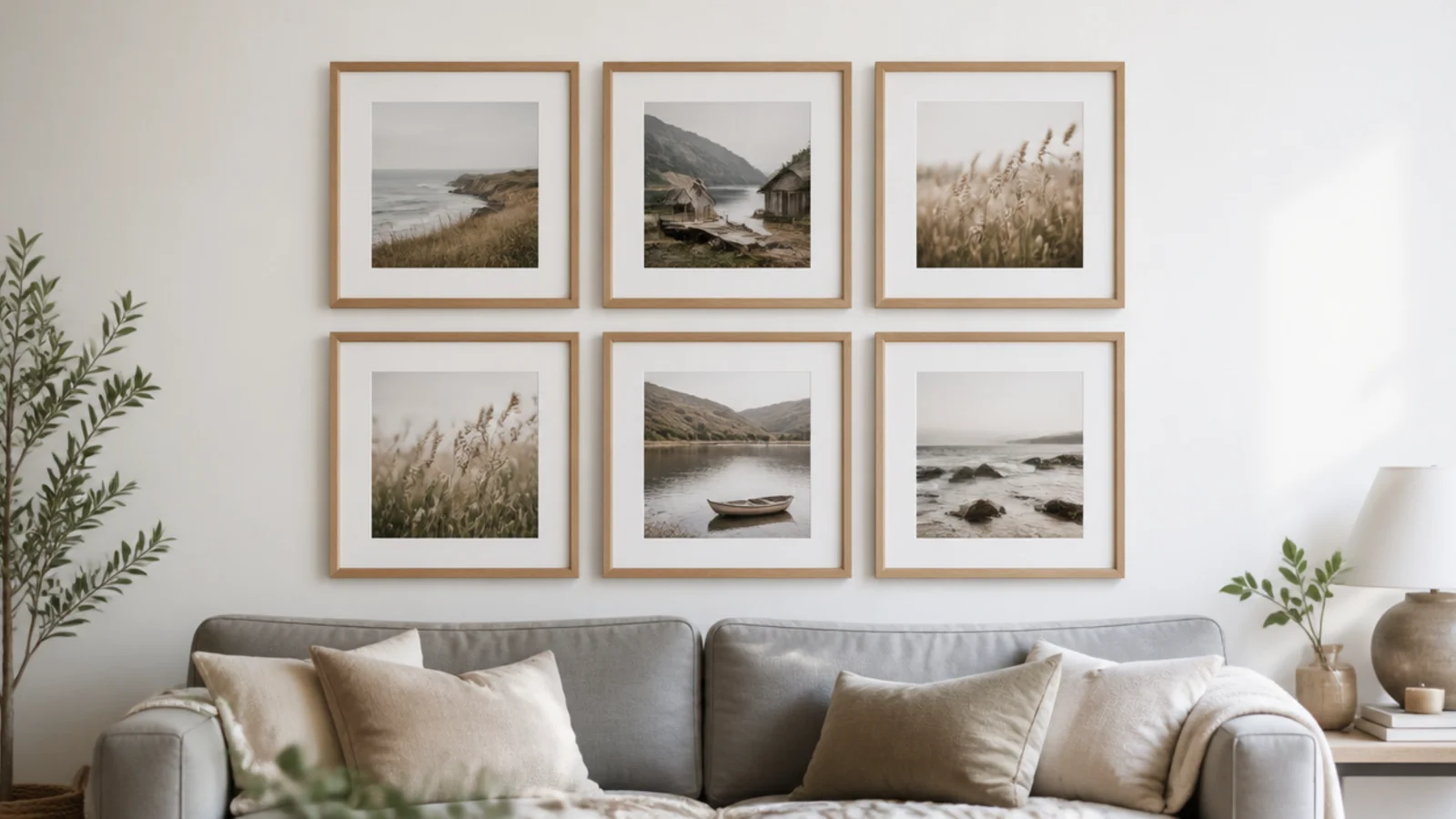
Six identical frames in two rows with equal 2 to 3 inch gaps read as one rectangle rather than six objects. Lay the grid out on the floor first and measure the overall block, then treat that block as a single piece for width and height. Hang the top row first and work down, because errors accumulate upward and a crooked top row is the one nobody stops noticing.
4. Fit a picture ledge instead of hanging
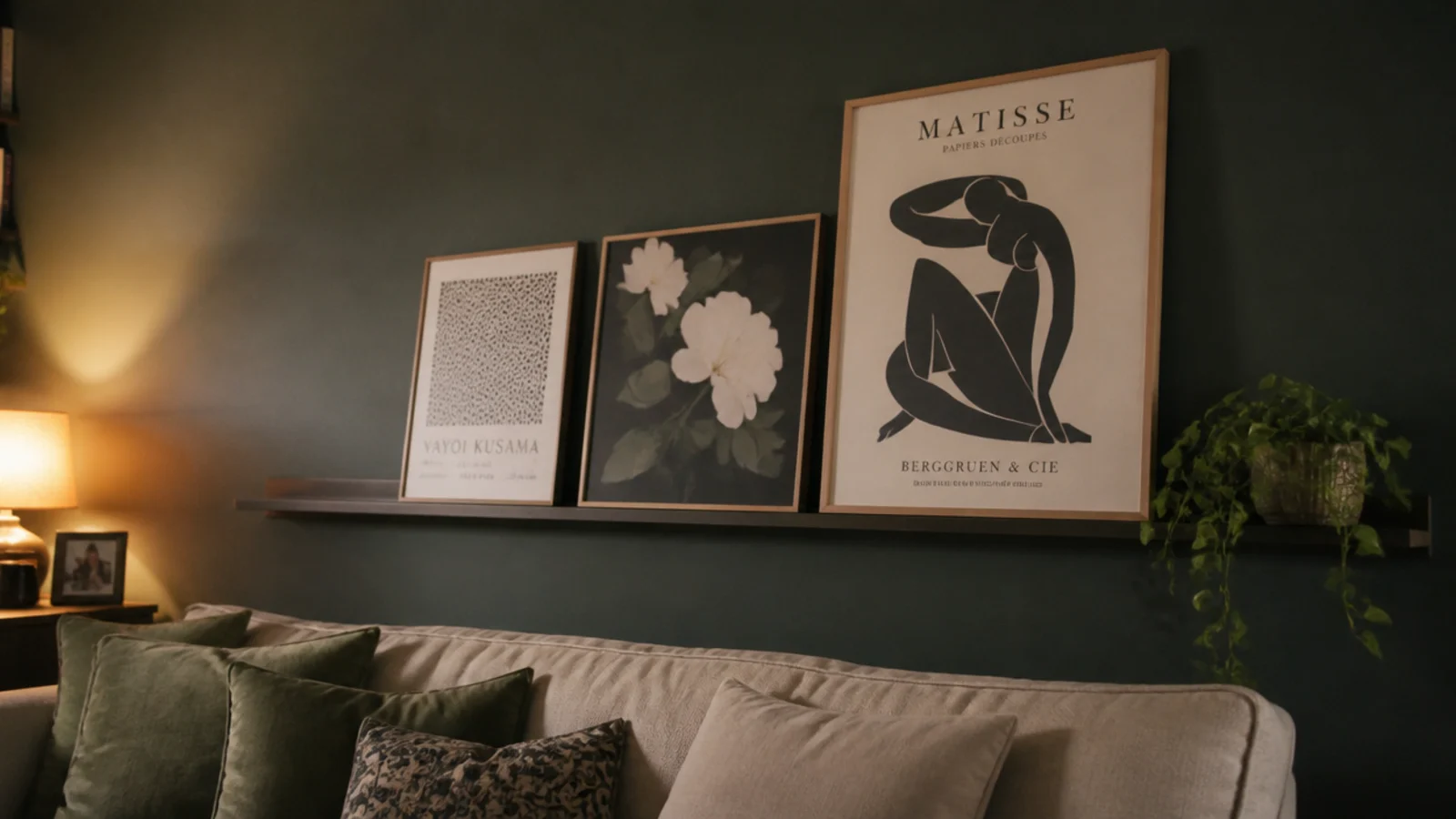
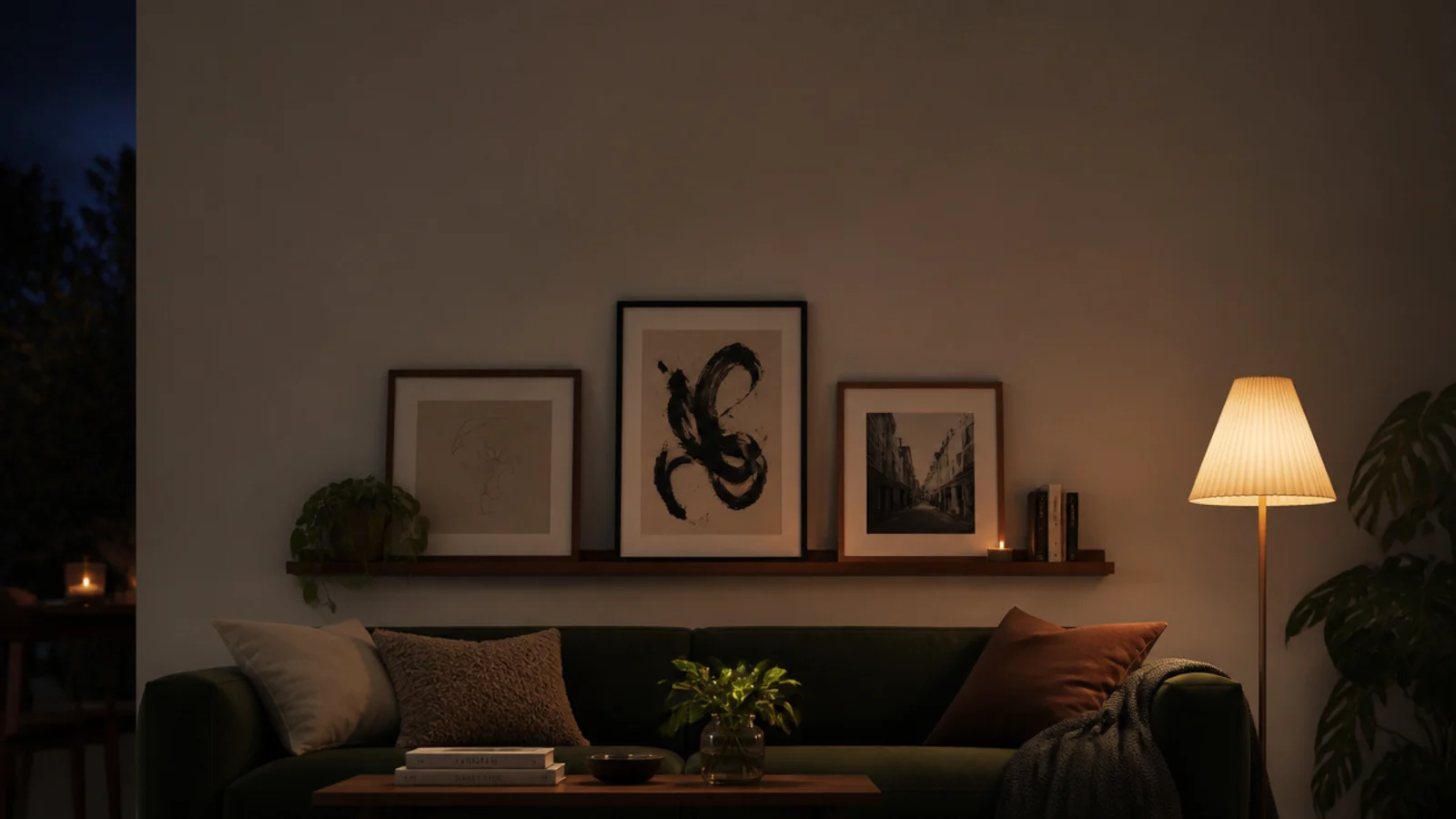
A ledge at 4 inches deep with a 6 millimetre front lip lets you restyle endlessly without new holes. Set it 12 inches above the sofa back, fix into framing, and lean pieces in three depths so the arrangement has some layering.
5. Panel the wall and hang nothing at all
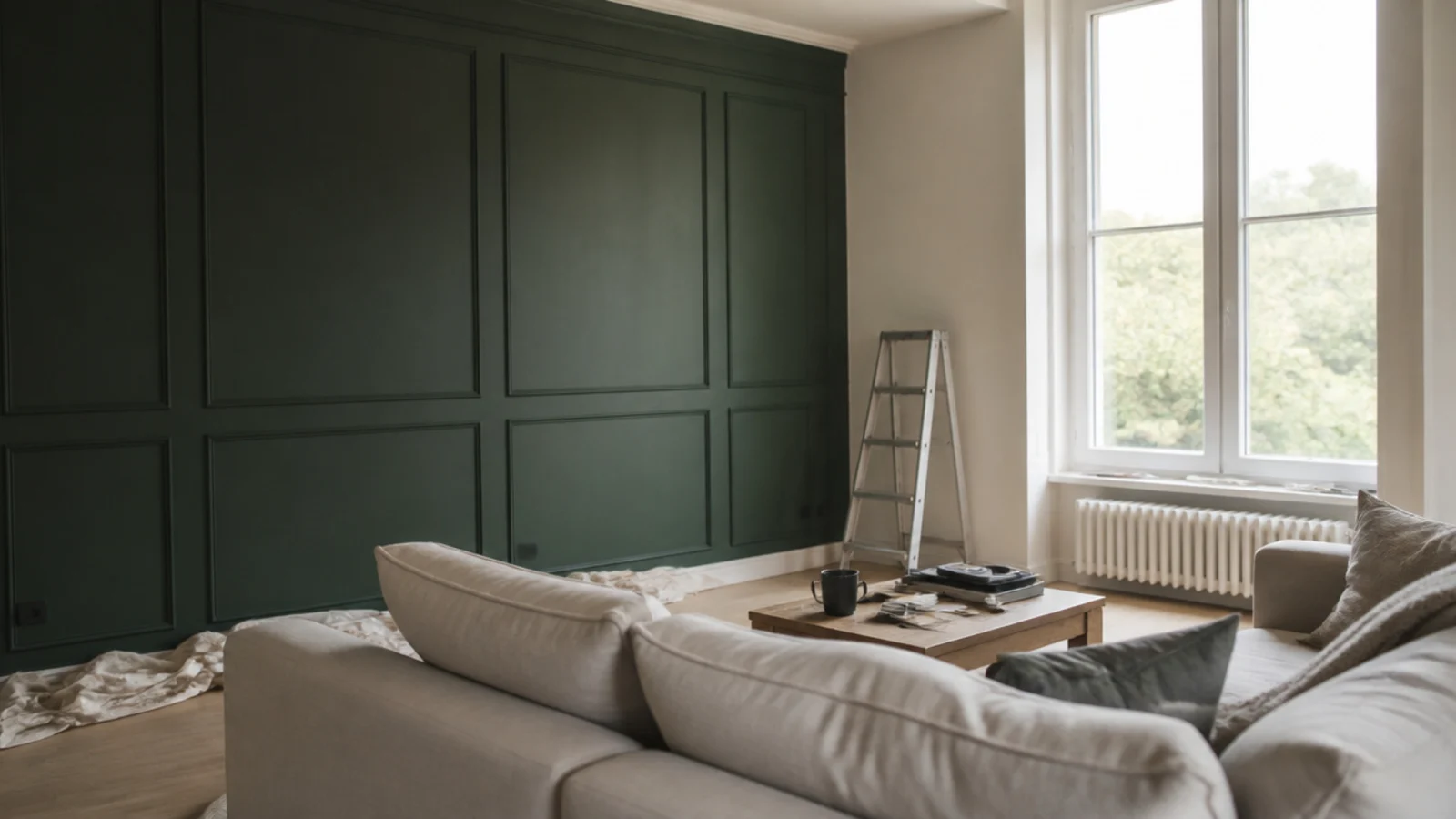
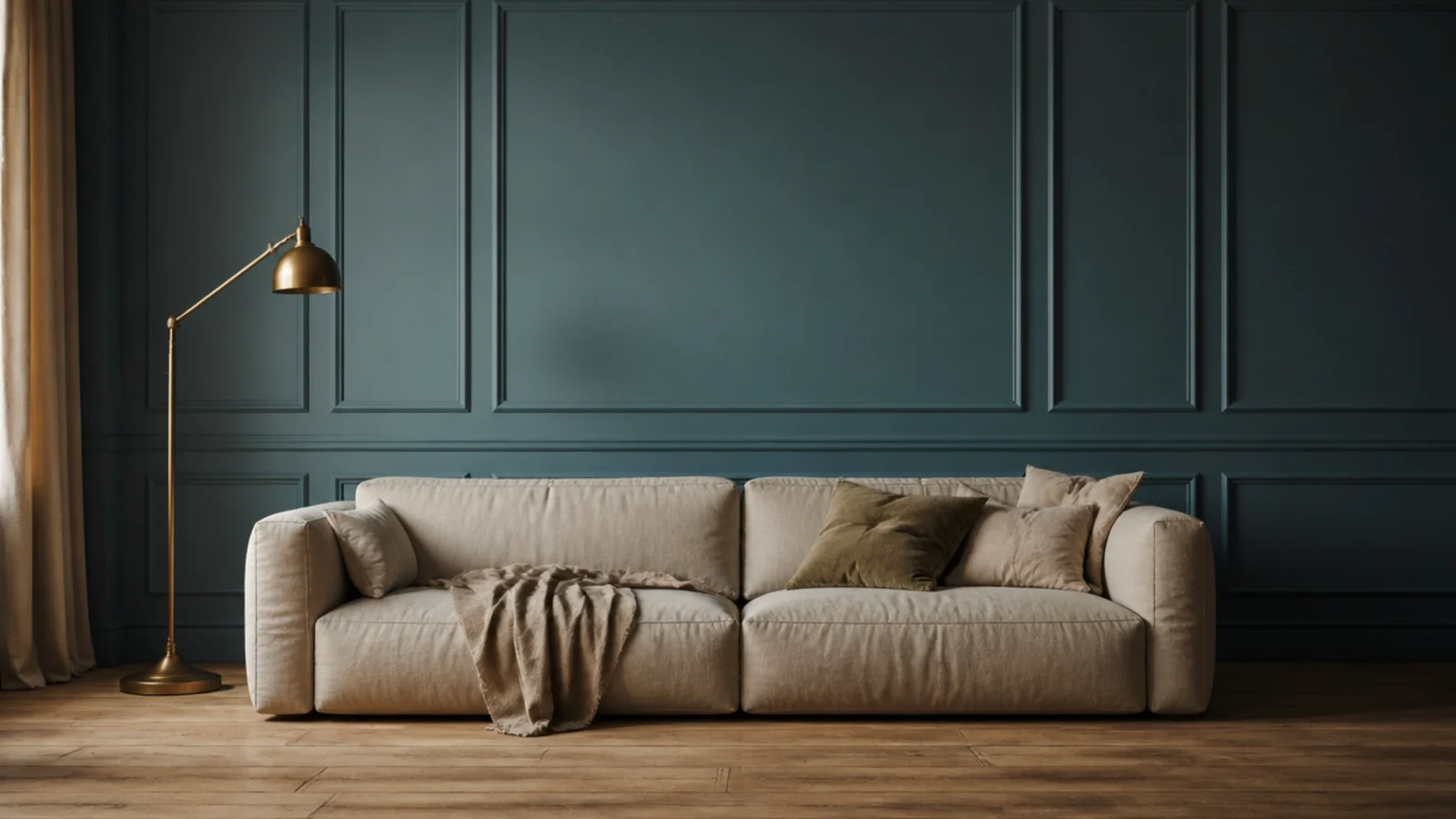
Panelling is itself the arrangement. Picture-frame boxes with 3 to 5 inch margins, painted the same colour as the wall in a matt finish, give the surface architecture without a single frame. It also solves a wall too damaged to hang anything on cleanly.
6. Run slats the full width behind the seating
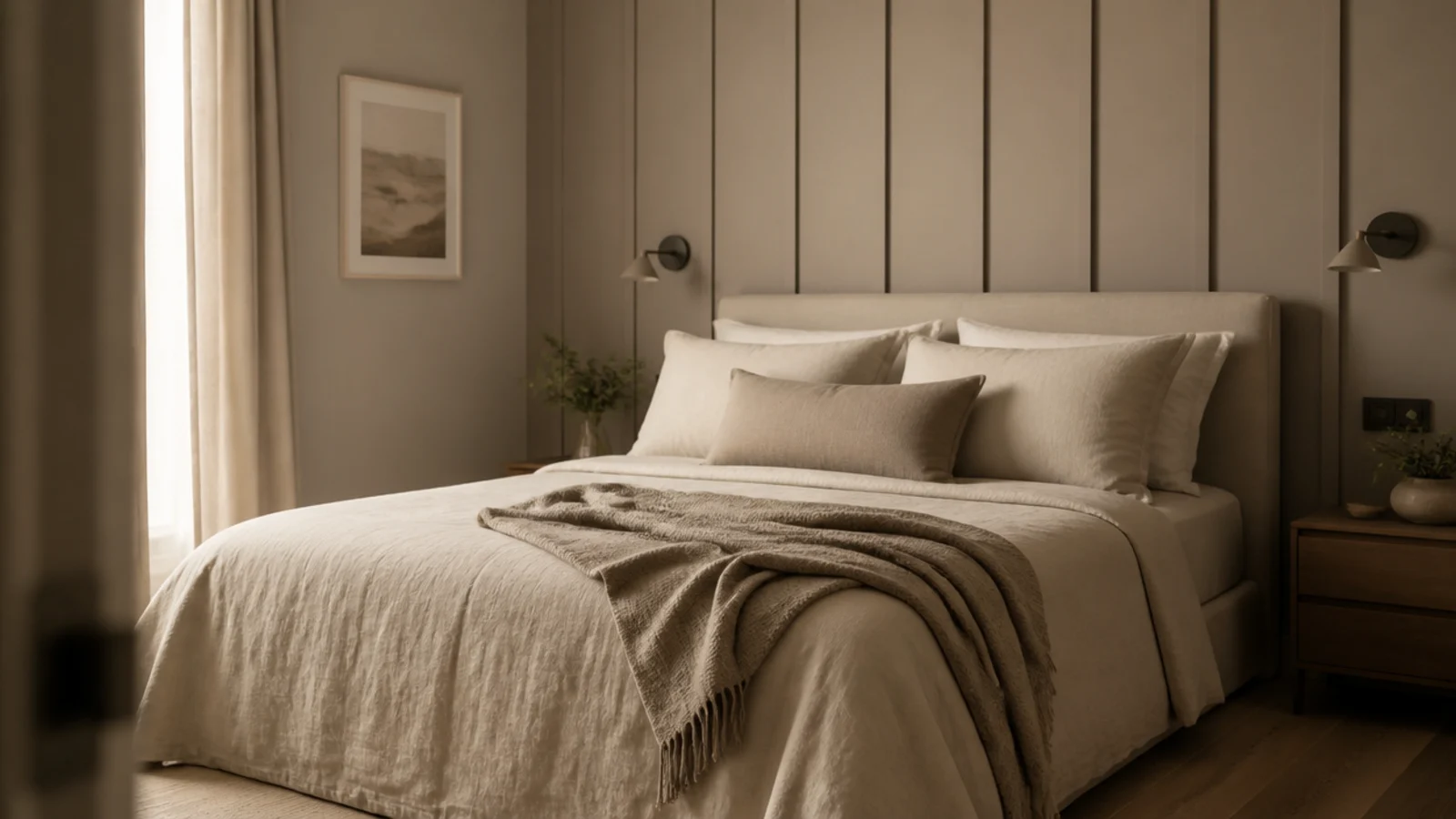
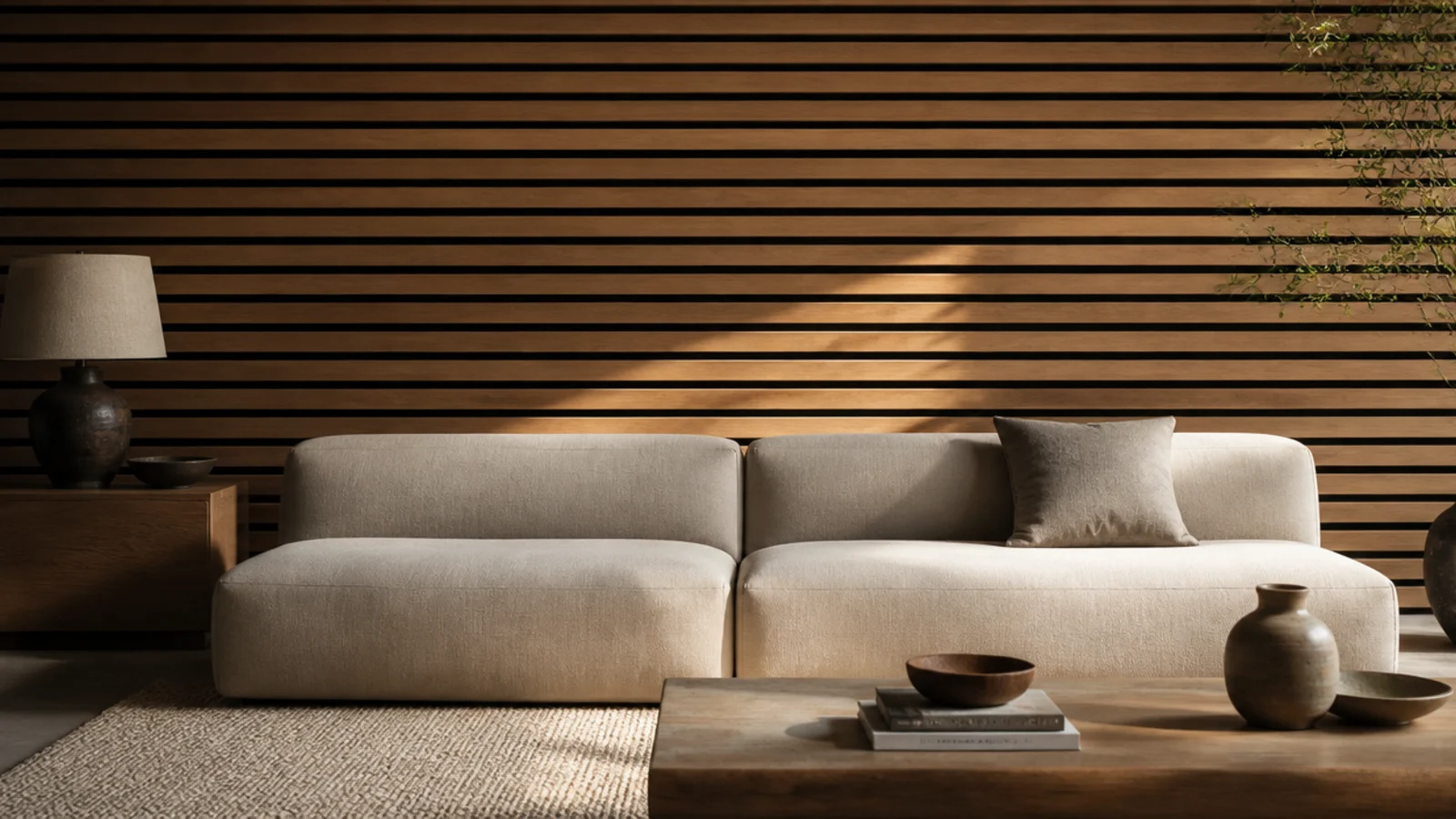
Horizontal slats at 20 to 30 millimetre gaps give a wide wall one continuous rhythm, which suits a room where the sofa is the only piece of furniture on that side. Fix into framing — felt-backed panels weigh around 12 kilograms each.
7. Split the paint just above the sofa back
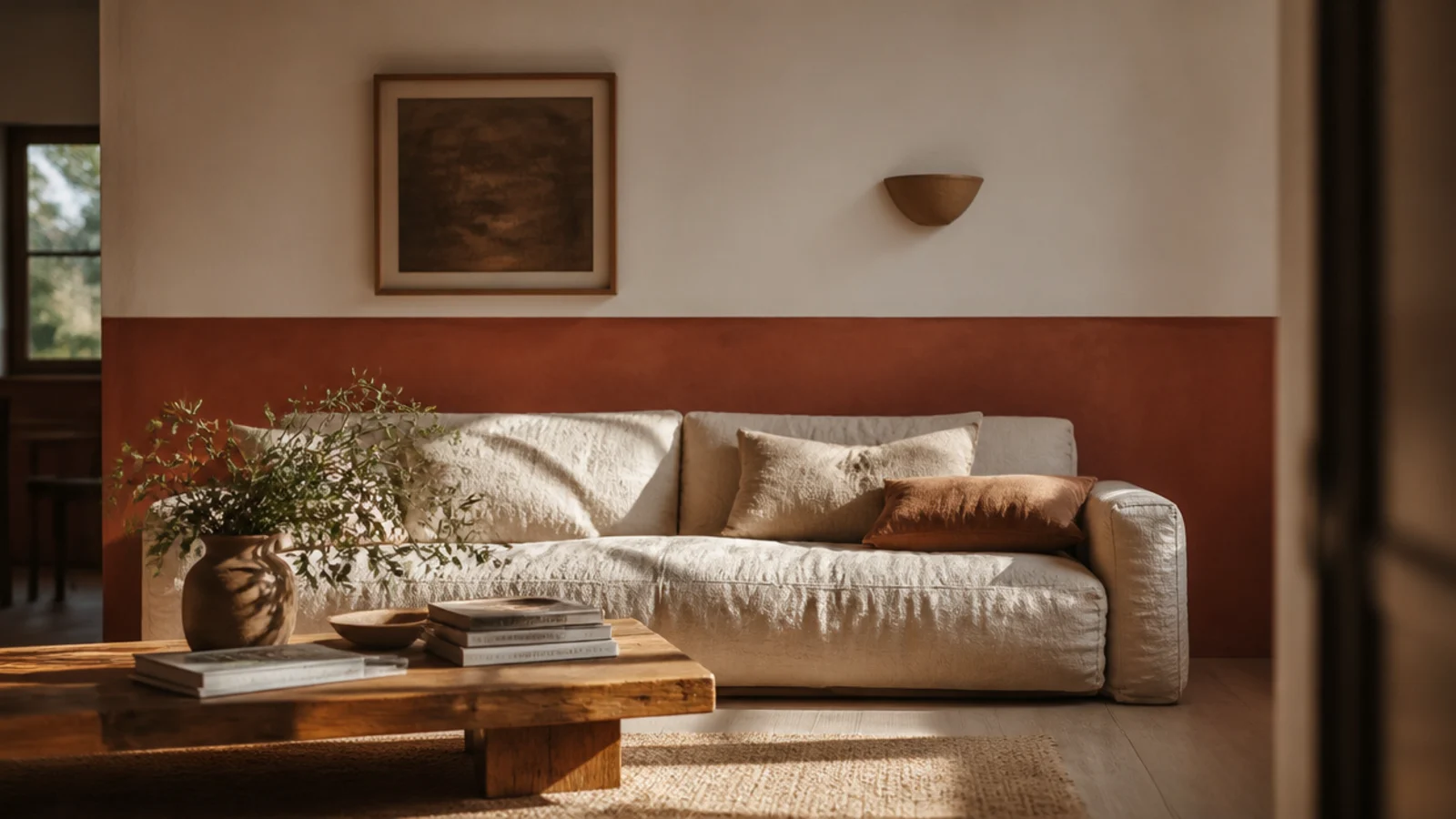
Put the break line 6 to 10 inches above the cushions rather than behind them, so the sofa reads as sitting in front of the darker band rather than hiding it. Both tones matt, and carry the line around any return wall at the same height.
8. Seal any chalky finish behind the cushions
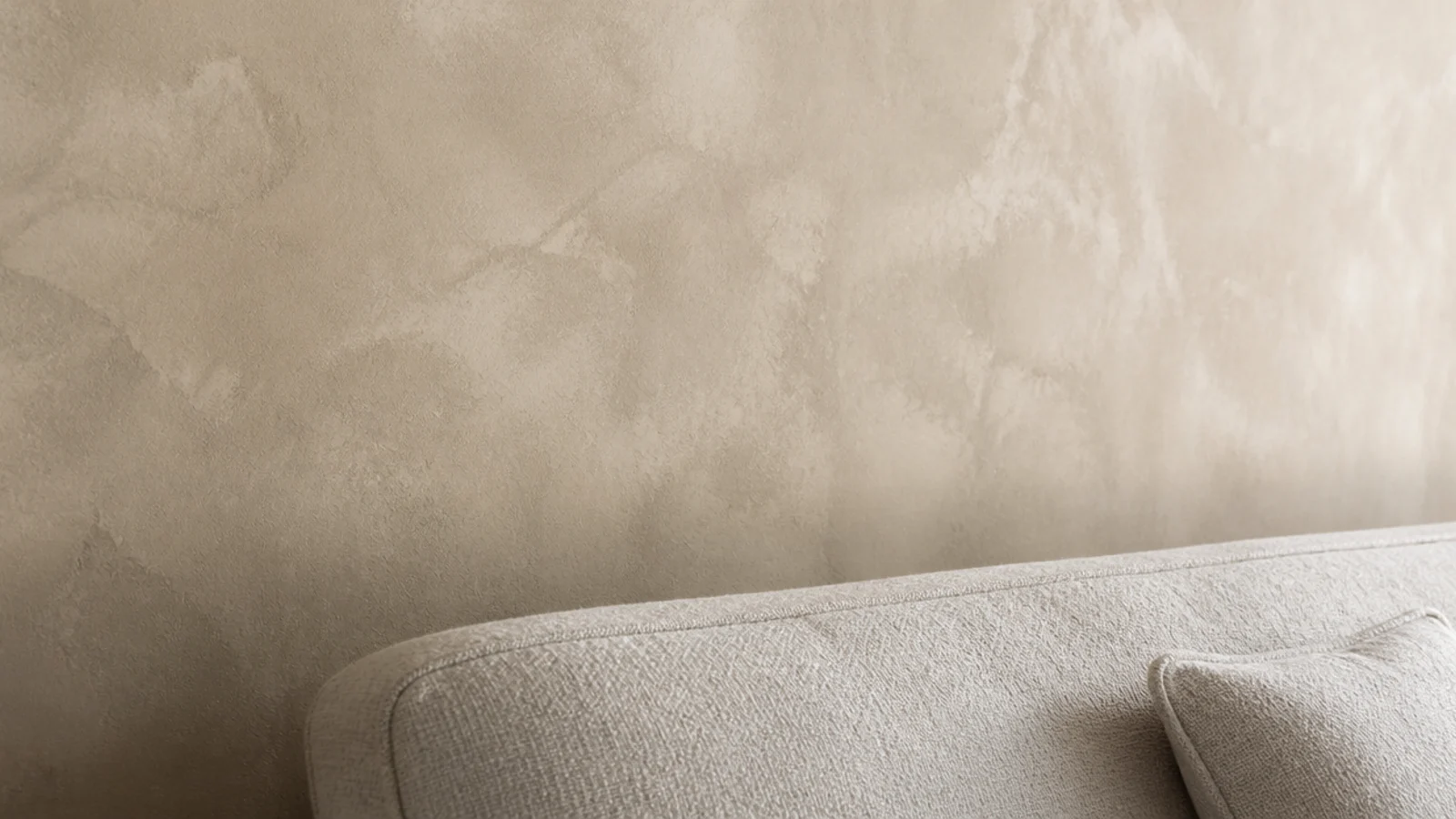
Limewash and untreated clay chalk for the first few weeks and transfer straight onto upholstery. A breathable matt sealer costs about 25 dollars and solves it entirely. Pale linen and bouclé show the marking within days, so do this before the sofa goes back.
9. Hang one large mirror to borrow the window
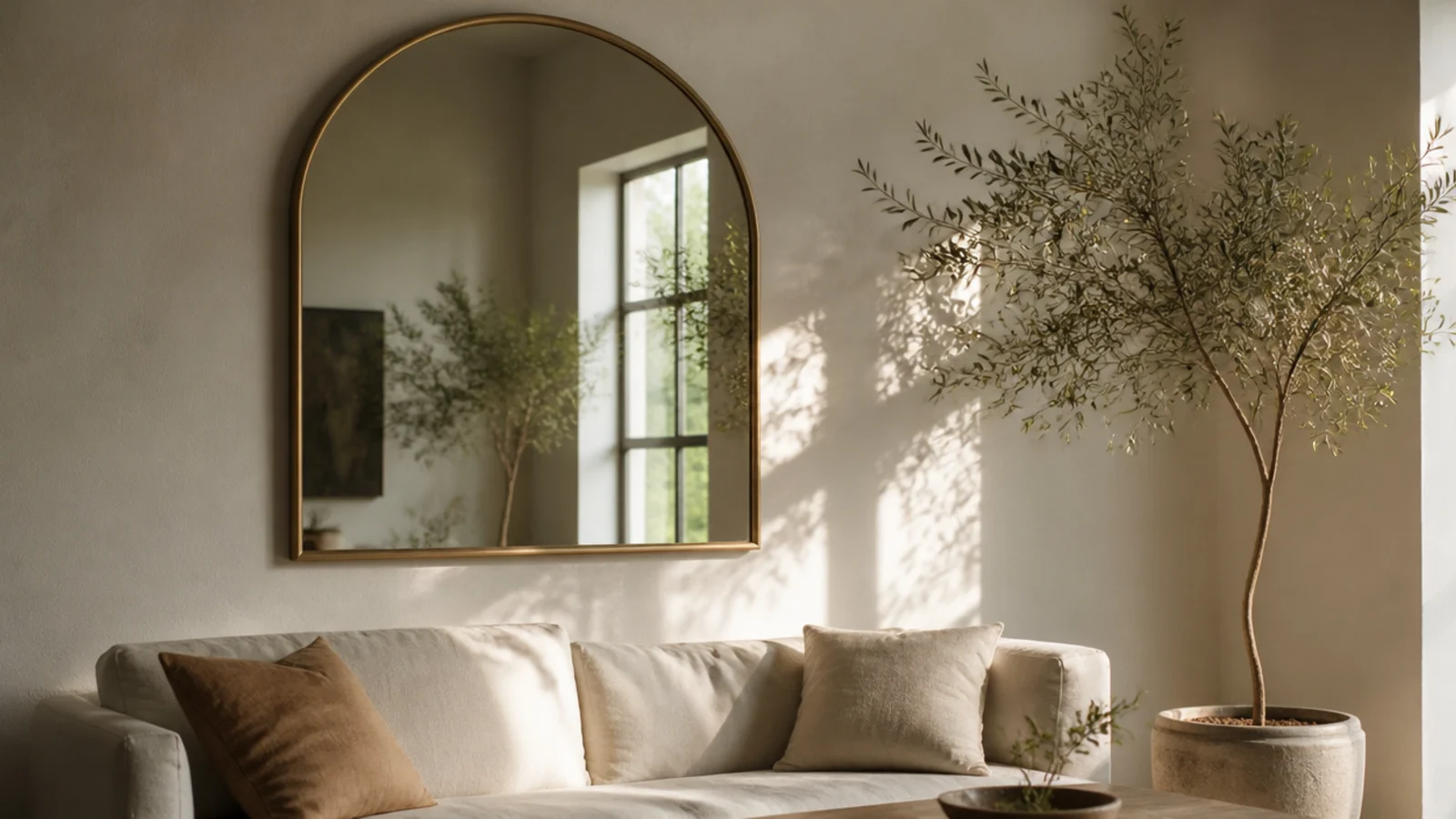
A mirror above a sofa, positioned to reflect a window rather than a blank wall, lifts the light level in a dim room measurably. Use mirror plates or a cleat into framing rather than adhesive pads, given that it hangs above where people sit.
10. Fit swing-arm lights for actual reading
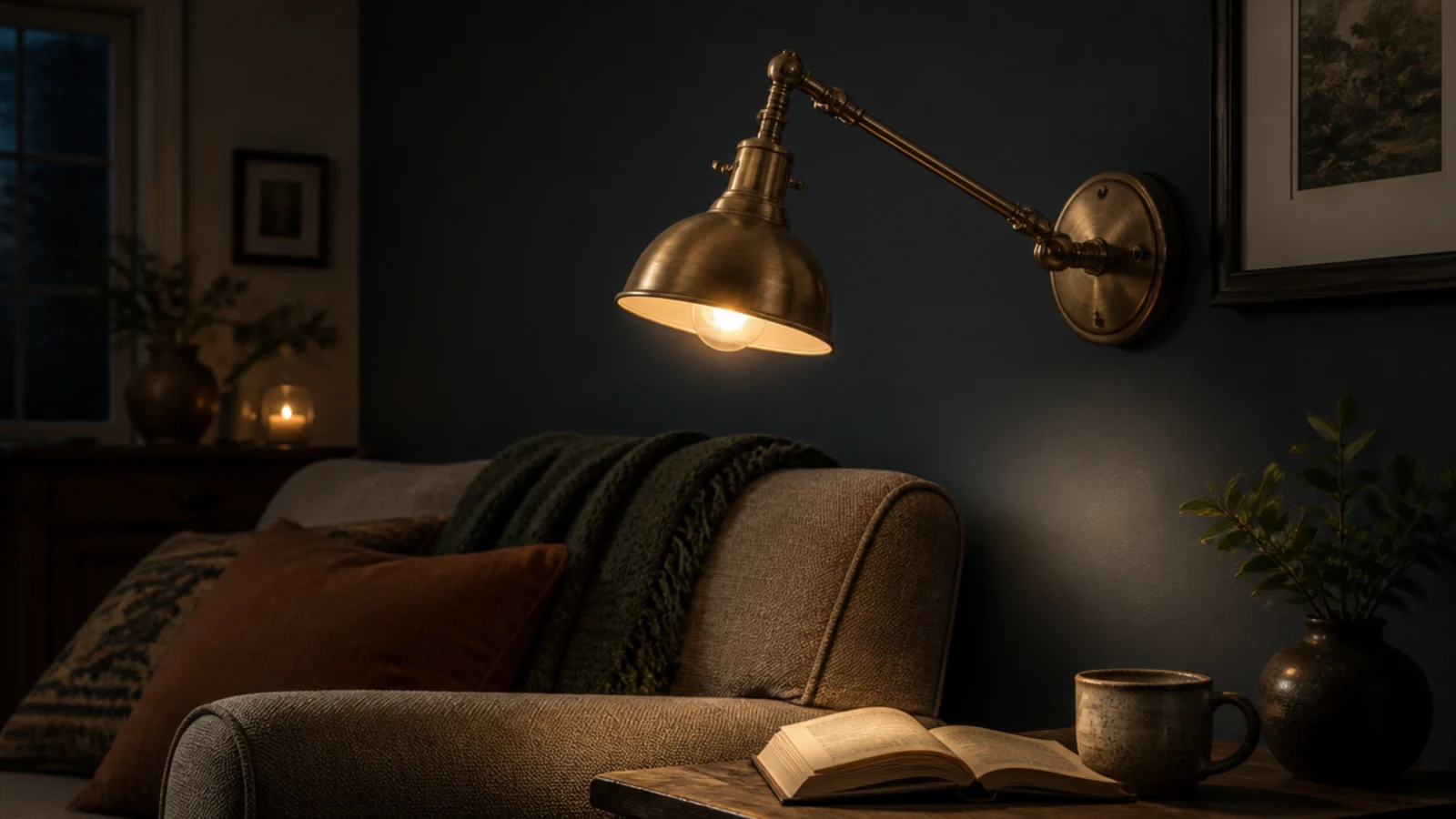
Two swing-arm sconces at each end of the sofa, roughly 48 to 54 inches from the floor, put 300 to 450 lumens on the page without lighting the whole room. Plug-in versions at 40 to 90 dollars mean no wiring and no electrician.
11. Run a shelf at head-clearance height
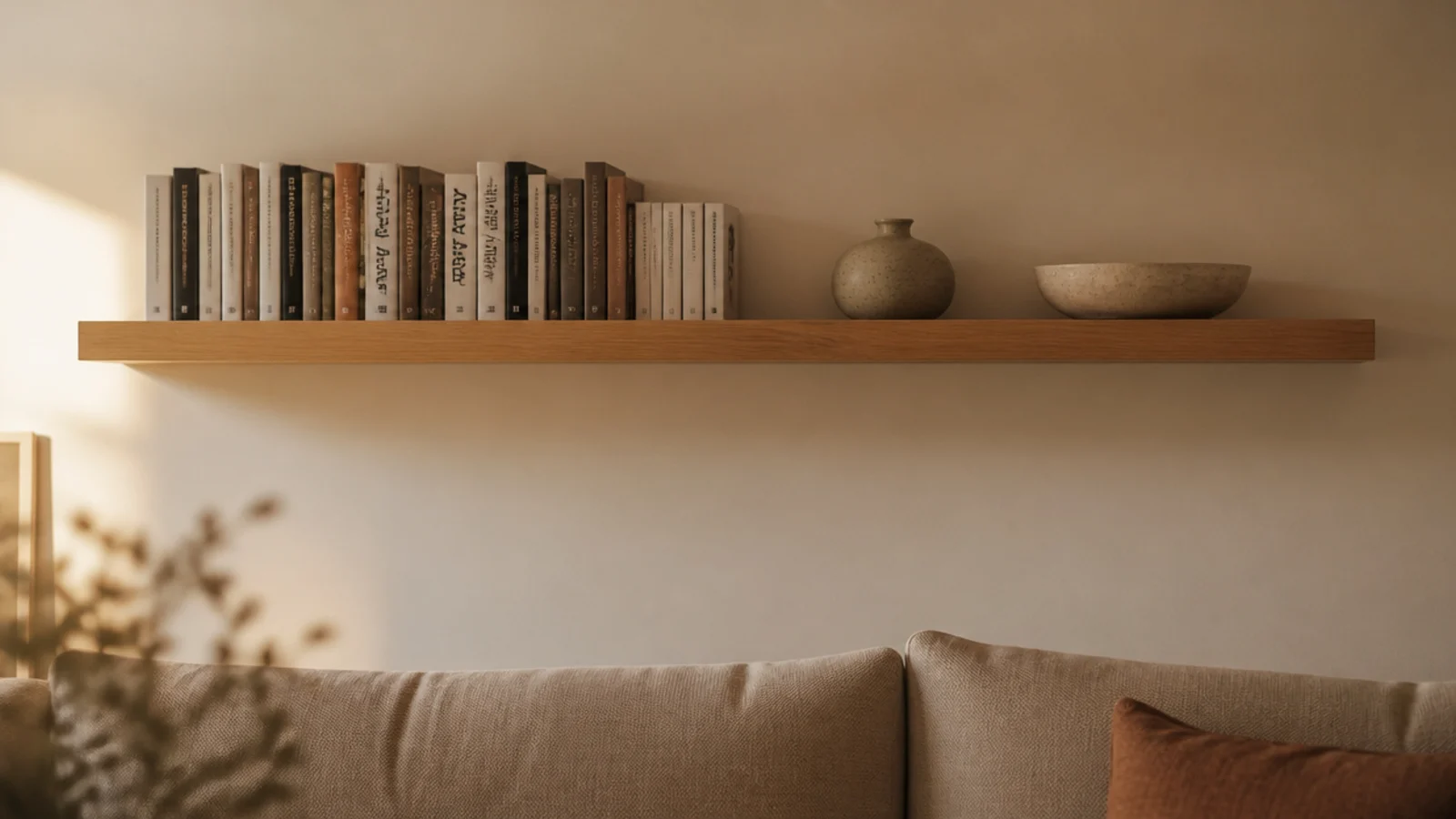
A single long shelf spanning the sofa width, set 12 inches above the back, gives display without cutting the wall into pieces. Use 18 millimetre stock or thicker so it does not dip past a 24 inch span, and support it at every stud.
12. Float the sofa and add a console behind
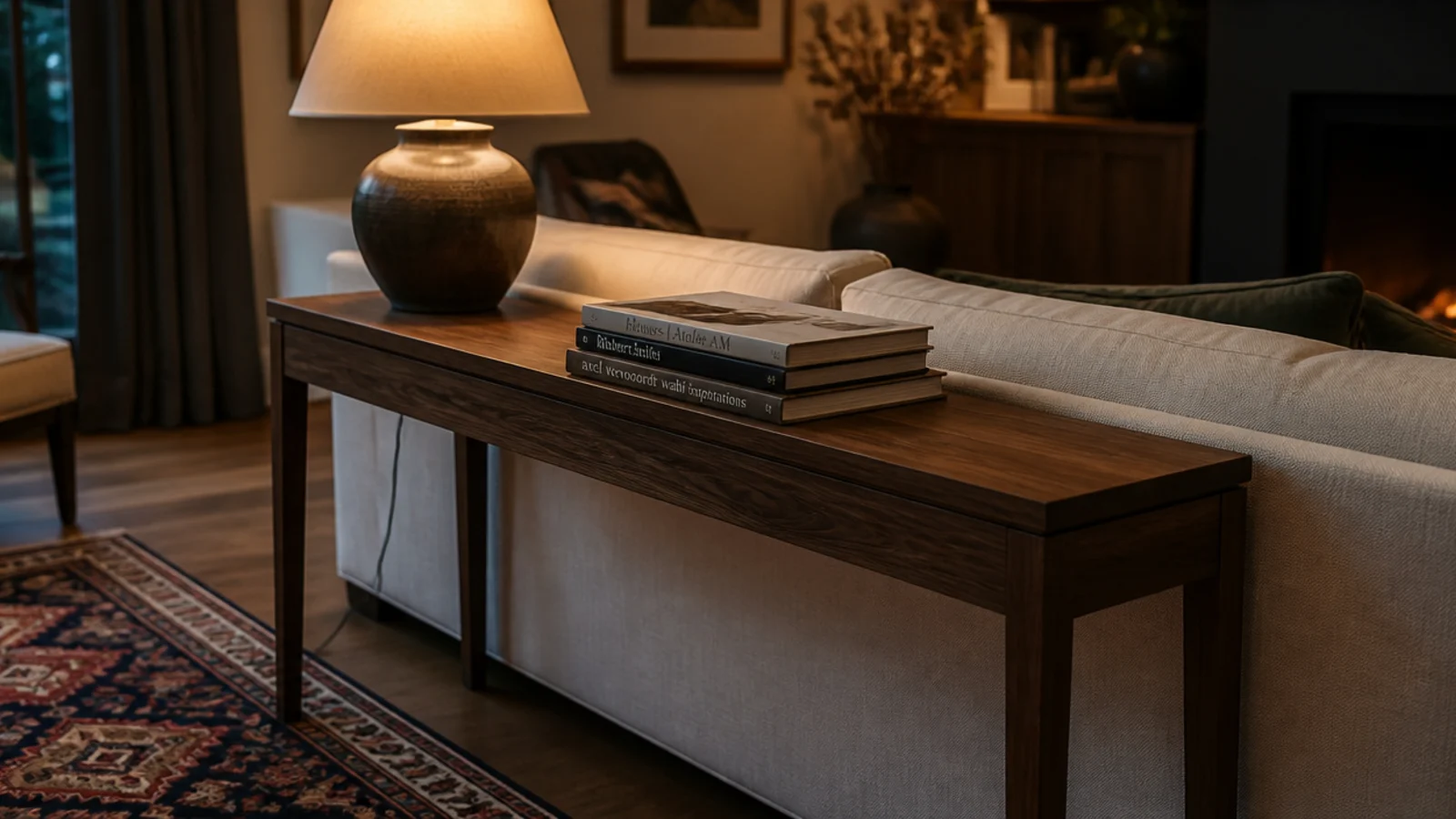
Pulling the sofa 14 to 18 inches off the wall makes room for a narrow console, which gives you a lamp position, a surface and somewhere for a plug. It works in rooms far smaller than people expect, and it stops the seating reading as pushed aside.
13. Put a peg rail above a hallway-adjacent sofa
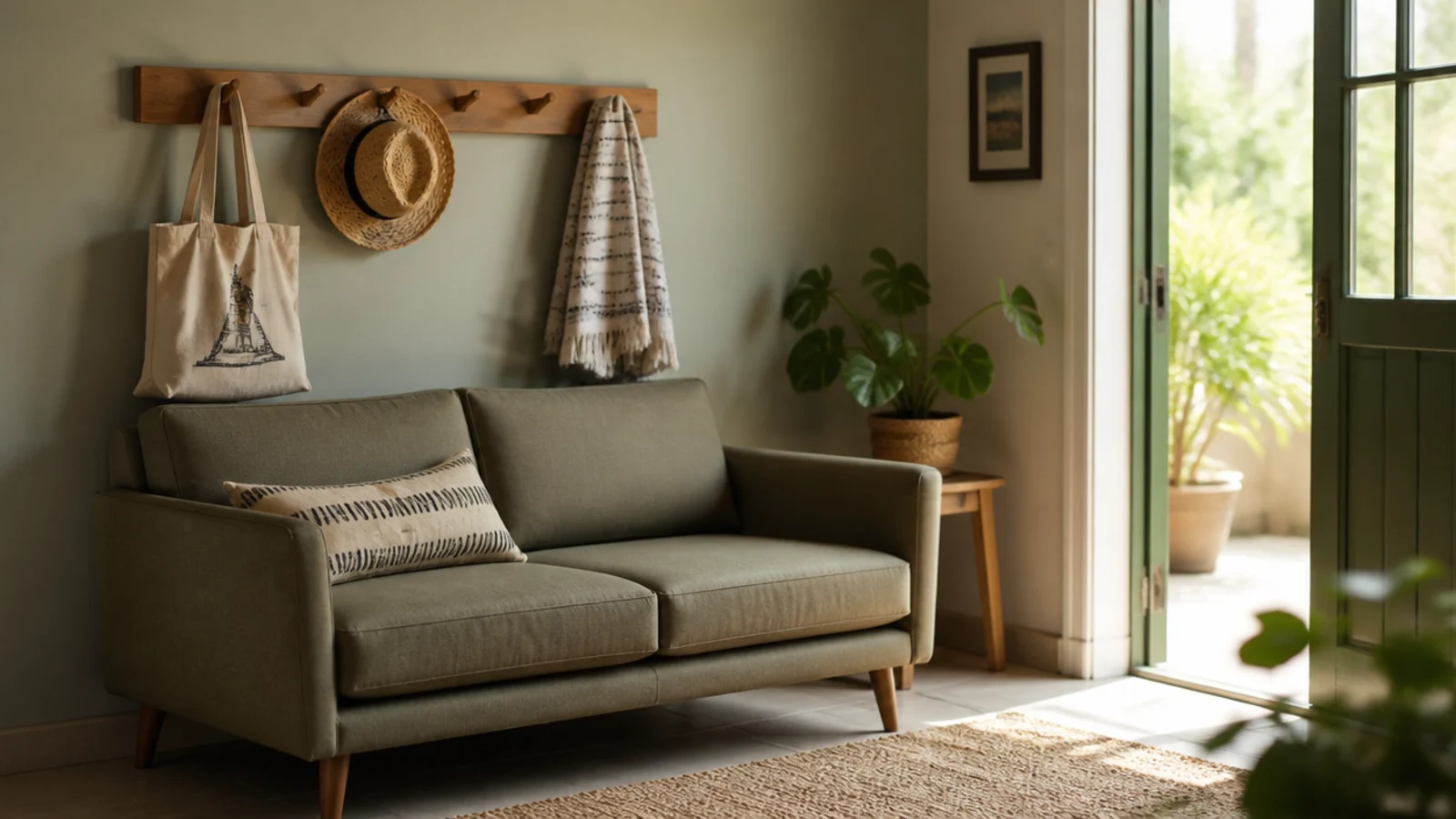
Where a sofa sits near a front door, a peg rail at 60 inches turns the wall into working storage for bags, hats and a throw. Fix the rail into framing — a loaded coat peg takes shock loads a plasterboard plug will not survive.
14. Hang a textile instead of a frame
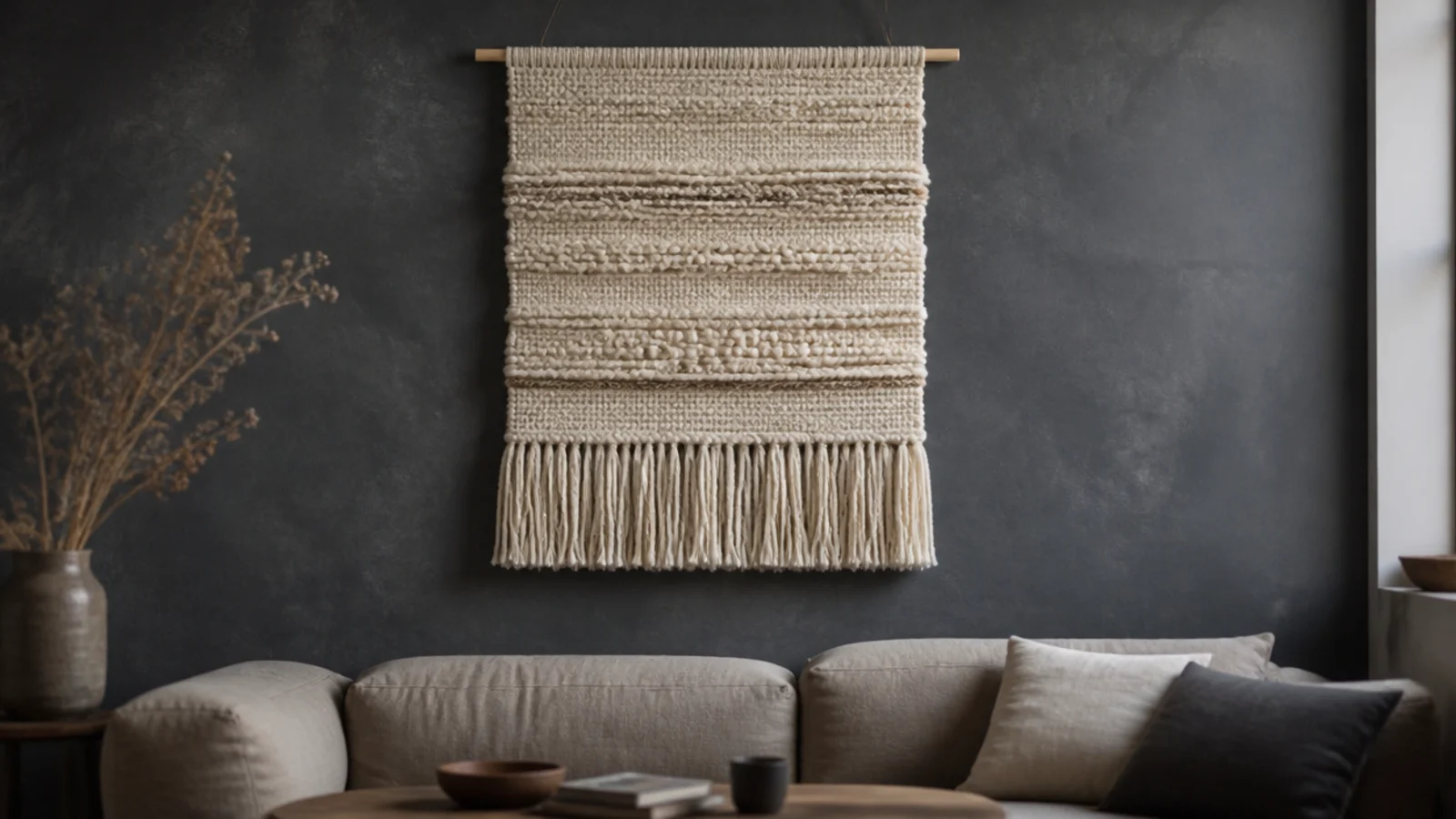
A woven hanging on a dowel softens both the look and the acoustics of a room with hard floors, and it weighs a fraction of framed glass. It also suits a wall where the plaster is too poor to take a fixing near the centre.
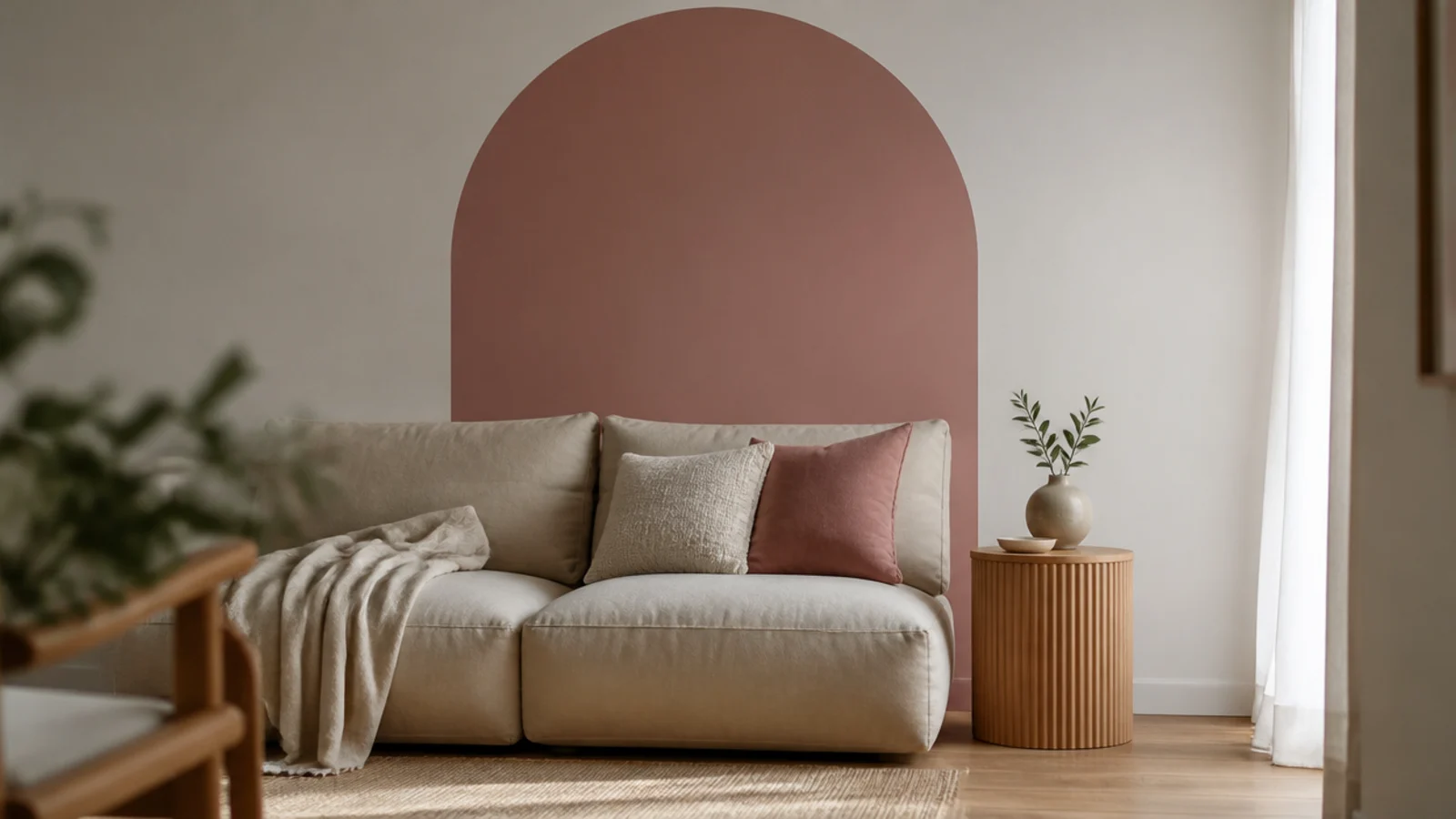
15. Draw an arch above the seating
An arch in paint or flexible moulding, springing above the sofa back and rising 20 to 30 inches, softens a rectangular room for the price of a tester pot. Centre it on the sofa rather than the wall, or it will read as slightly off from every seat.
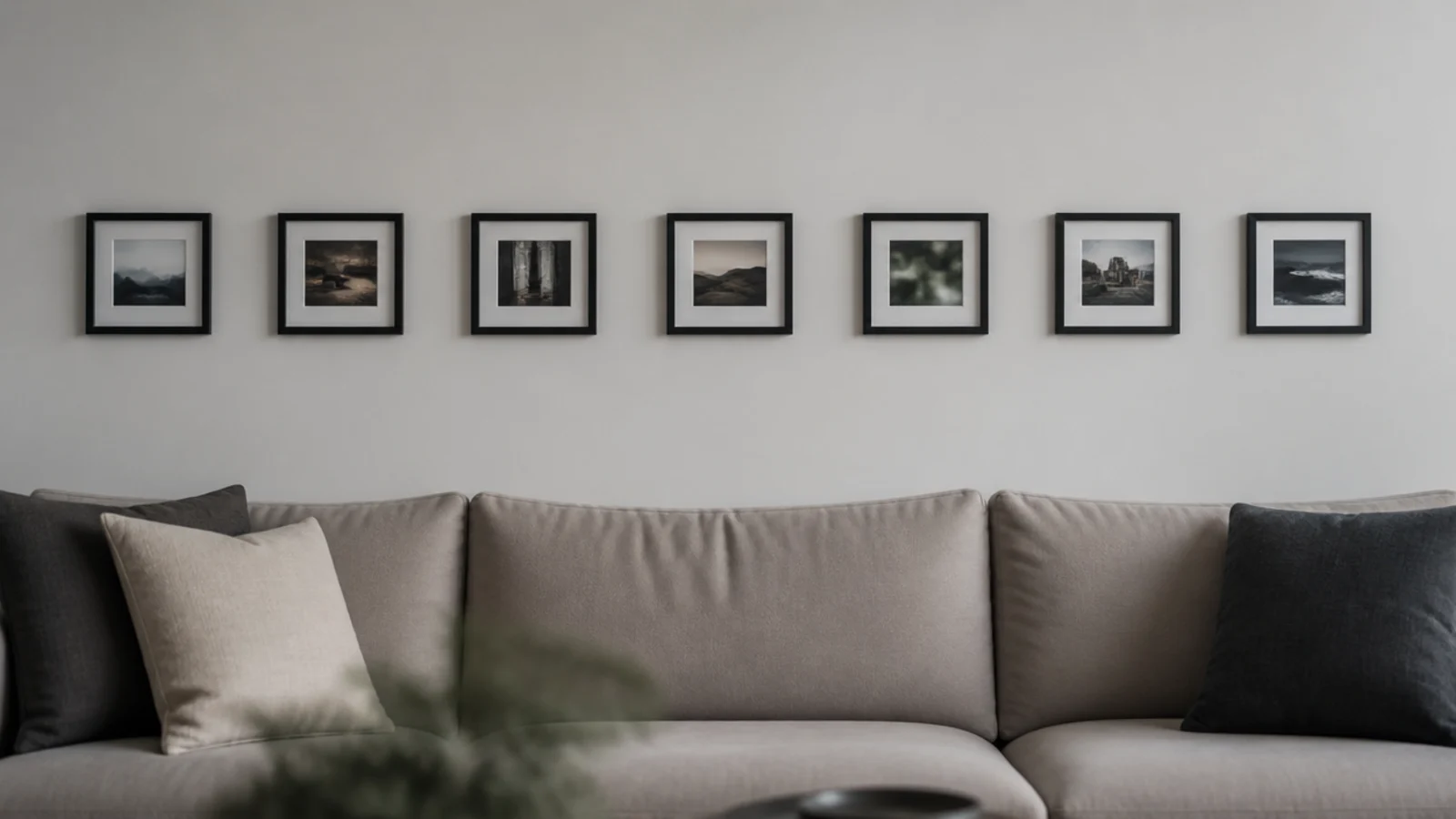
16. Line up a long horizontal set of small frames
Seven small frames along one shared centre line, with even 2 to 3 inch gaps, suits a long low wall where a single large piece would look heavy. The shared centre line is what holds it together — vary the frame sizes but never the alignment.
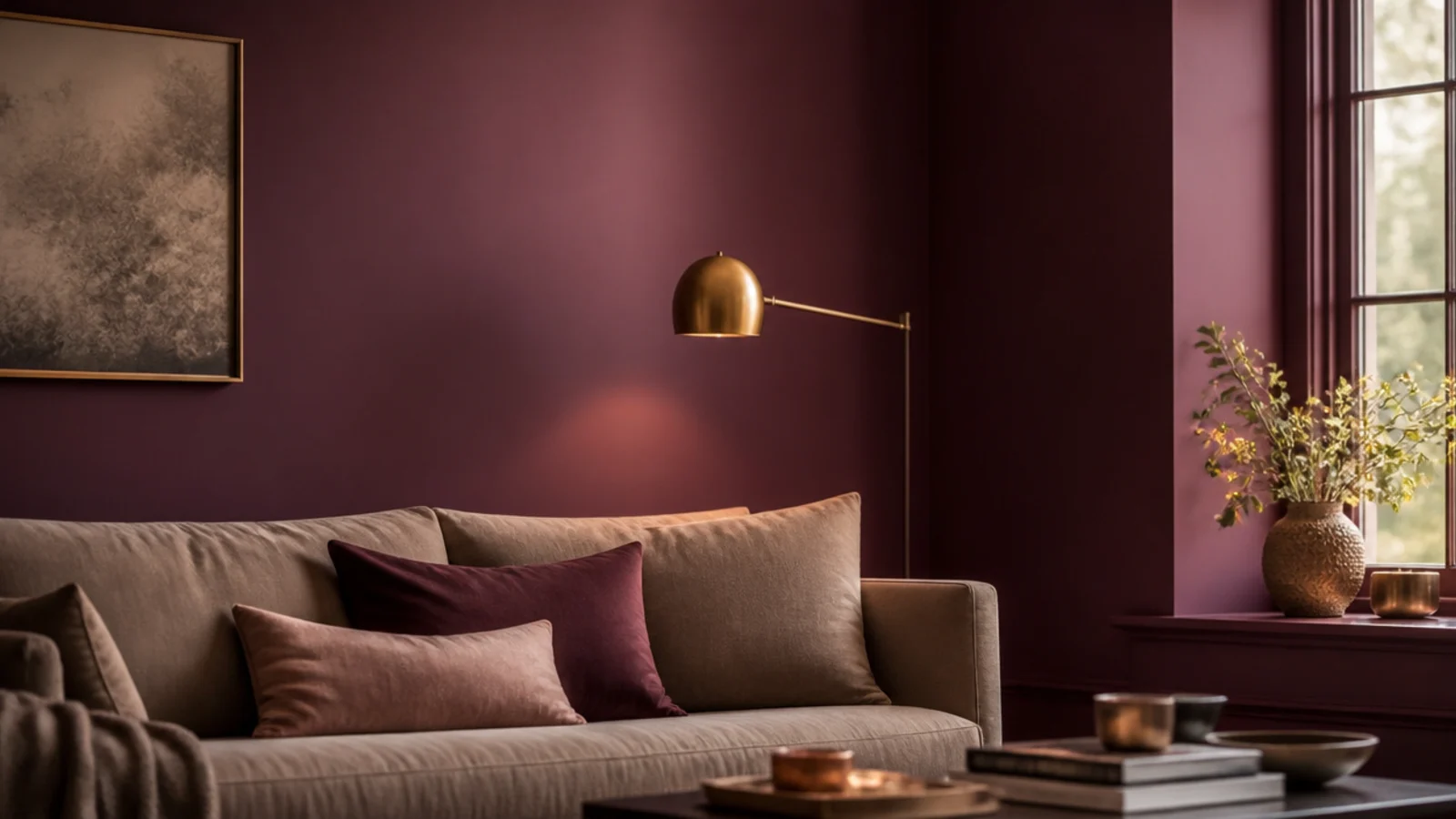
17. Colour-drench the whole wall and return
Carrying one deep colour across the sofa wall, around the return, and onto the skirting and reveals removes the edges that make a room feel boxy. Matt on walls, eggshell on woodwork, same colour. Three tins and a weekend.
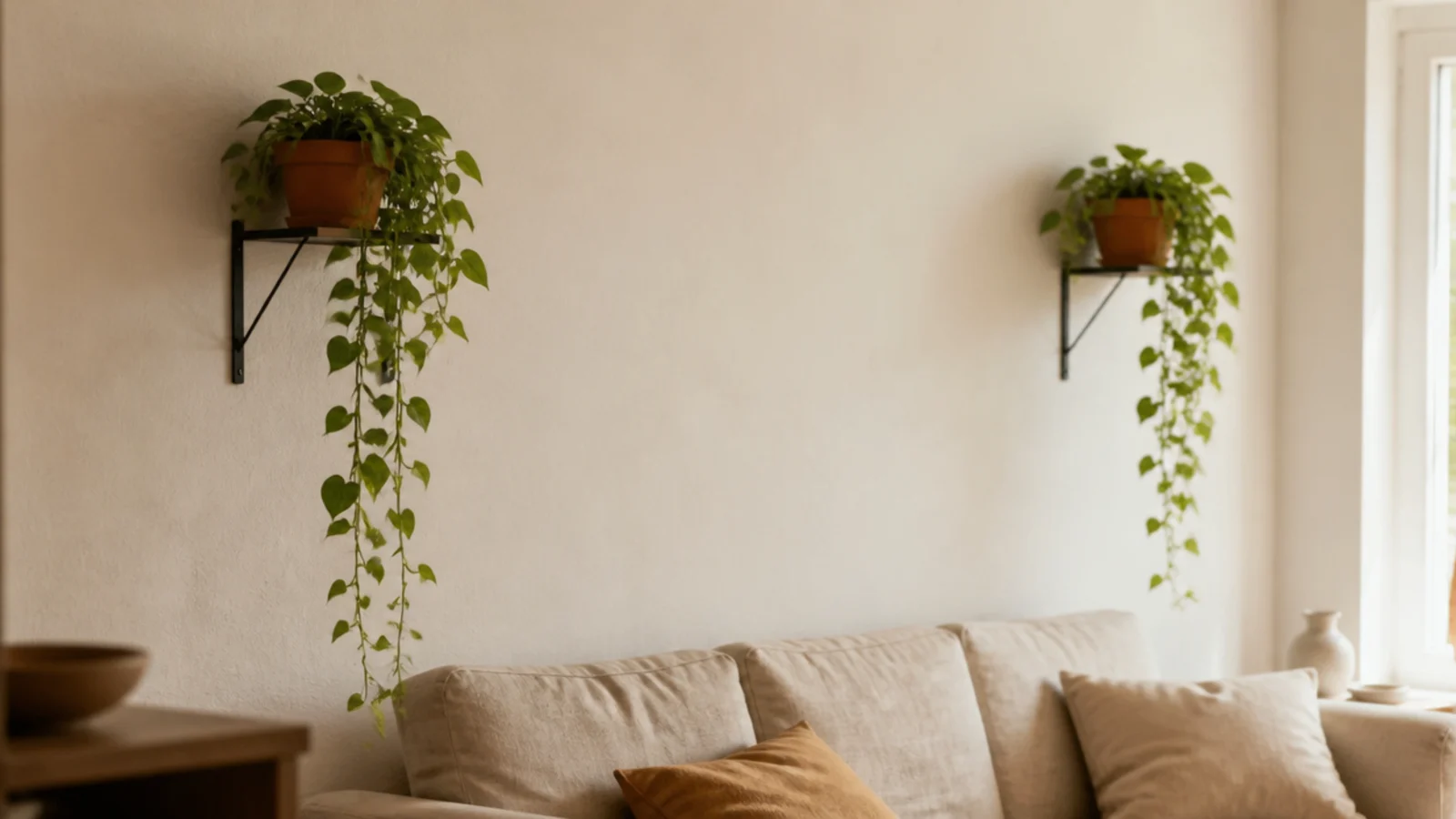
18. Flank the sofa with bracketed plants
Two wall brackets at 60 to 66 inches either side of the sofa, holding trailing plants, break a very flat wall with the one element that improves over time. Choose species that tolerate the light the wall actually gets, not the light you wish it had.
19. Treat a very wide wall as one move
On a wall over 4 metres, three small arrangements read as clutter. Either one wide gesture, or two zones aligned with the furniture below. Wall design ideas for a living room works through the whole-room version step by step.
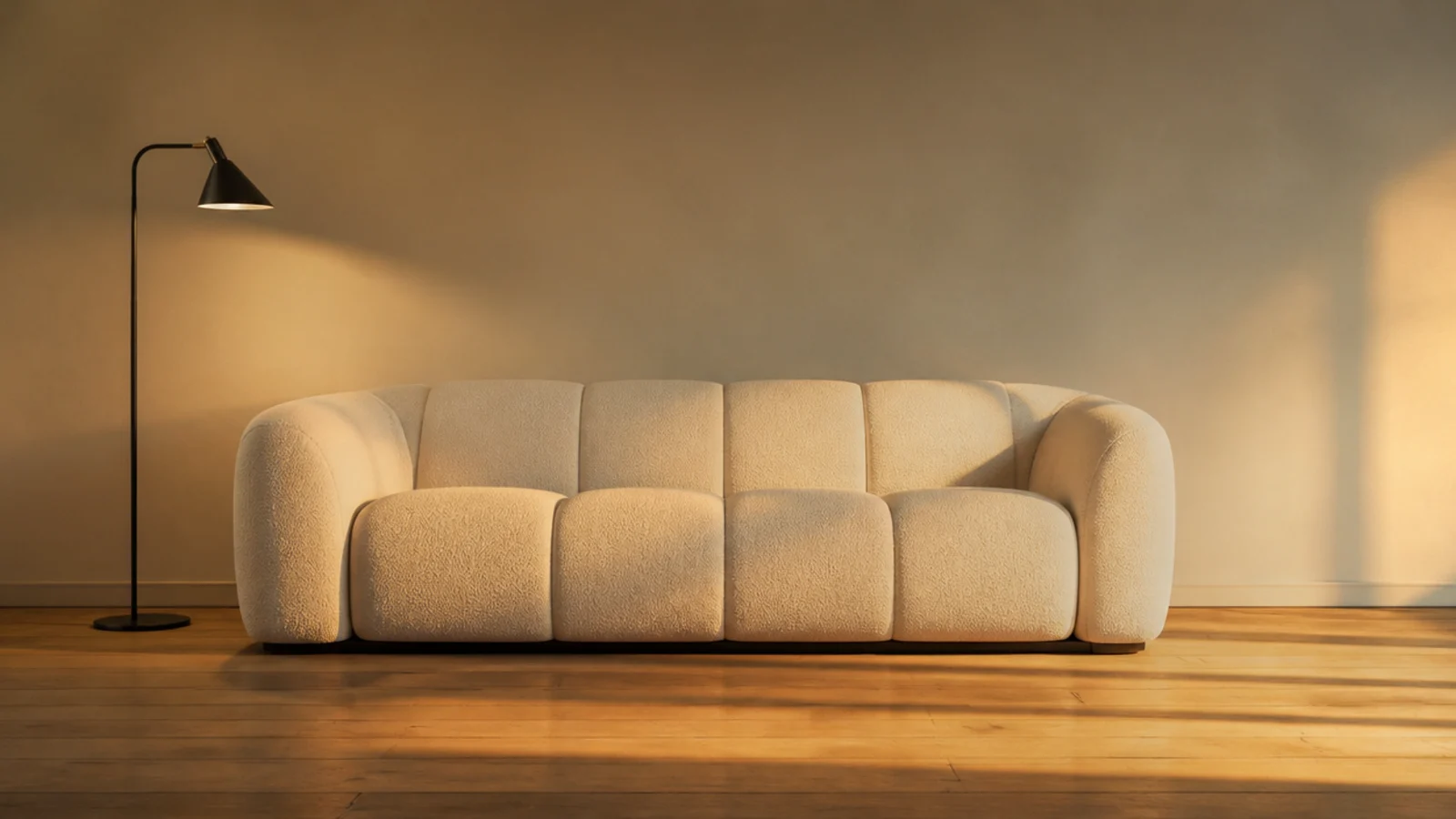
20. Leave it blank and let the sofa be the object
If the sofa is sculptural, a bare wall behind it is the correct answer. One empty surface gives everything else in the room somewhere to breathe, and it is the hardest arrangement to commit to because it looks unfinished for about a fortnight before it looks deliberate.
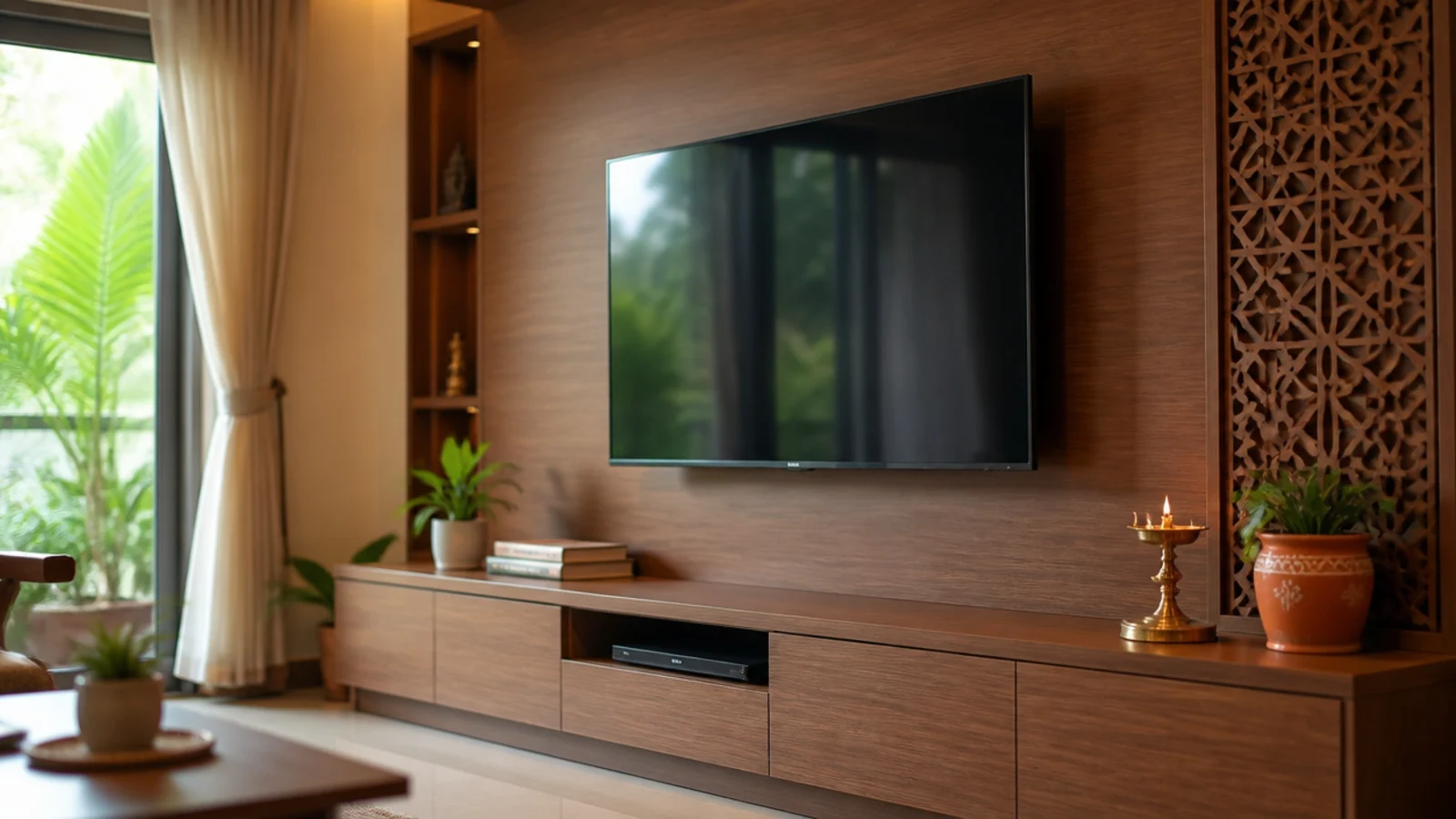
For the panelling and moulding versions above, wall panel design ideas for renters covers the adhesive-only builds and wall molding design ideas has the setting-out. If the same wall carries a screen, 25 TV wall decor ideas deals with the cable side, and bookshelf styling ideas is the guide for the shelf arrangements.
Mistakes to Skip
- Hanging art at 57 inches because that is the gallery rule. Above a sofa the furniture sets the height, and a piece hung to the room floats disconnected above the cushions.
- Choosing something too small for the wall and then adding more small things. Two undersized arrangements do not add up to one correctly sized one — they read as clutter.
- Fixing a shelf directly above head height with plasterboard plugs. Anything above seating goes into framing, because the failure happens with people sitting underneath it.
- Pushing the sofa hard against fresh paint. Three to five inches of gap stops the upholstery burnishing a shiny line across the wall at exactly cushion height.
Frequently asked questions
How wide should art be above a sofa?
Roughly two-thirds to three-quarters of the sofa width. An 84 inch sofa wants an arrangement between 56 and 63 inches wide. Anything narrower than half the sofa looks stranded, and a piece wider than the sofa itself makes the seating look undersized rather than making the art look generous.
How high should you hang art behind a sofa?
The bottom edge 8 to 10 inches above the top of the sofa back. That is close enough to read as one composition and high enough that nobody knocks it leaning back. Ignore the usual 57 inch gallery centre rule here — the furniture sets the height, not the room.
Can you put a shelf on the wall behind a sofa?
Yes, with at least 10 to 12 inches of clearance above the sofa back so nobody catches their head. Keep the shelf shallow at 4 to 6 inches and fix into framing at 16 inch or 400 millimetre centres, since anything above seating needs to be genuinely secure.
Should a sofa sit flat against the wall?
Leave 3 to 5 inches of gap. It stops the upholstery marking the paint, lets a cable or a floor lamp base pass behind, and makes the room read as arranged rather than pushed to the edges. In a small room the visual gain is larger than the floor space it costs.
What if the wall behind the sofa is very wide?
Treat the wall in one move rather than several. A single large panel, one wide moulding box or a full-width paint change reads better than three small arrangements. Break a wall over 4 metres into two zones aligned with the furniture below, not into evenly spaced pieces.
Want more like this? Browse all 15 tv wall decor guides — they all use the same measurements and budget tiers.
Pin it for later
Save this to your TV Wall Decor board
Pin it now so it is waiting for you when the tape measure comes out — and so the next person hunting for this idea can find it too.
Save this pinKeep going
More ideas worth saving while you have the tape measure out.