Rugs In Living Room · How-To
15 Steps To Buy Vintage Rugs In Living Room Sizes

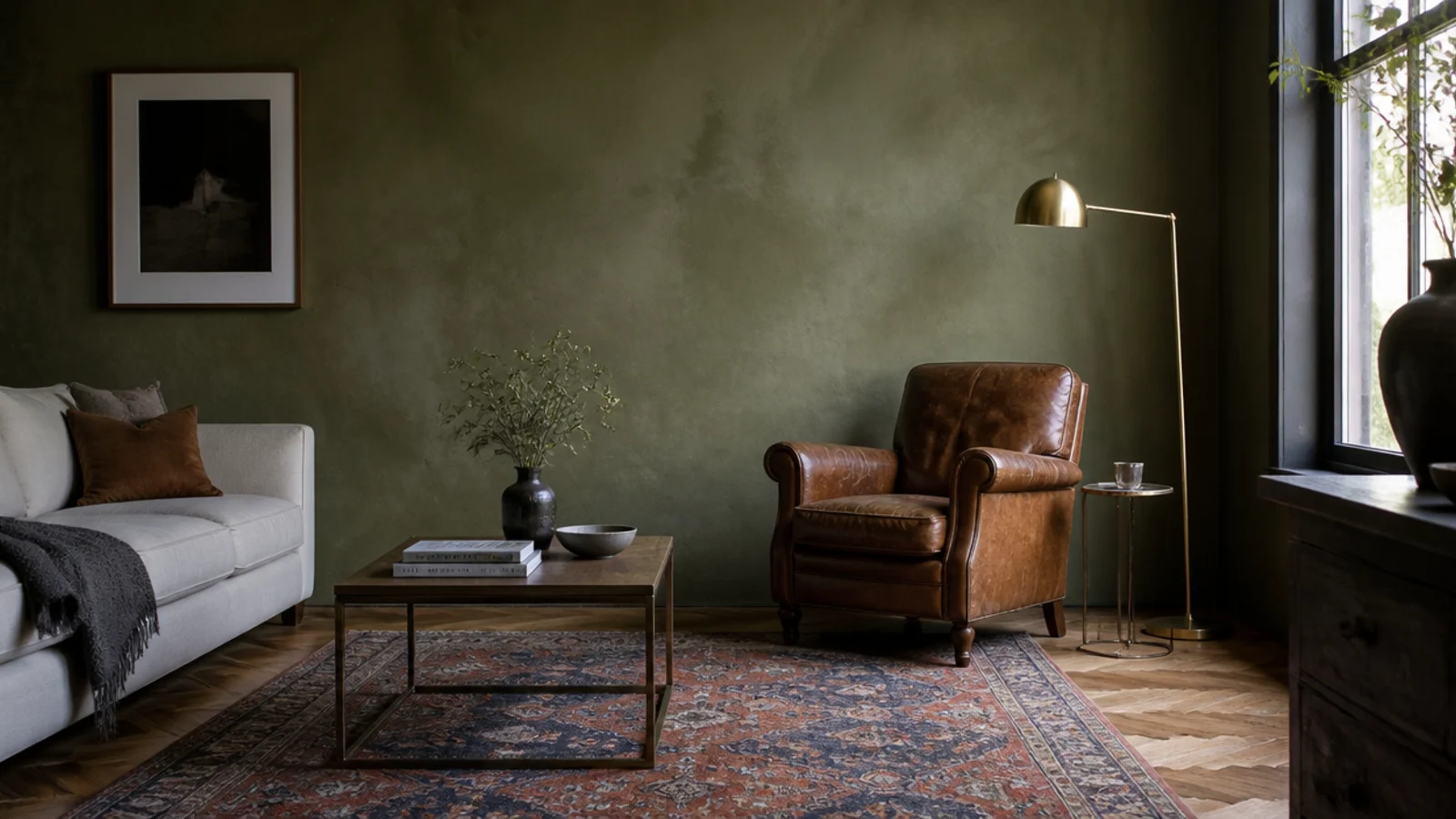
Vintage rugs in living room sizes are the best value on any floor and the easiest thing to buy badly. The faults that matter are all invisible from a photograph and most of them are invisible from the front. I have bought five old rugs, sold one on within a month after finding dry rot at home, and now run the same fifteen checks on every piece before any money changes hands. The order below is the order to do them in, from measuring your own room to laying the finished rug on a pad.
In this guide18 sections — tap to openHide
- 1.What You'll Need To Shop Vintage Rugs In Living Room Sizes
- 2.Step 1: Set a size range rather than a single size
- 3.Step 2: Fix a budget per square foot before you look
- 4.Step 3: Learn the four constructions you will meet
- 5.Step 4: Read the back before you look at the front
- 6.Step 5: Fold it pile out and listen for dry rot
- 7.Step 6: Look for moth grazing at the pile edges
- 8.Step 7: Find the repairs and the reweaves
- 9.Step 8: Test the dyes with a damp white cloth
- 10.Step 9: Read the pile depth and where it is worn
- 11.Step 10: Count knots only to understand the price
- 12.Step 11: Check the selvedge and both end finishes
- 13.Step 12: Look for sun fading across one half
- 14.Step 13: Negotiate using the faults you have found
- 15.Step 14: Book the wash before the rug comes home
- 16.Step 15: Lay it on a felt pad and set the rotation
- 17.Pro Styling Rules
- 18.Mistakes to Skip
What You'll Need To Shop Vintage Rugs In Living Room Sizes
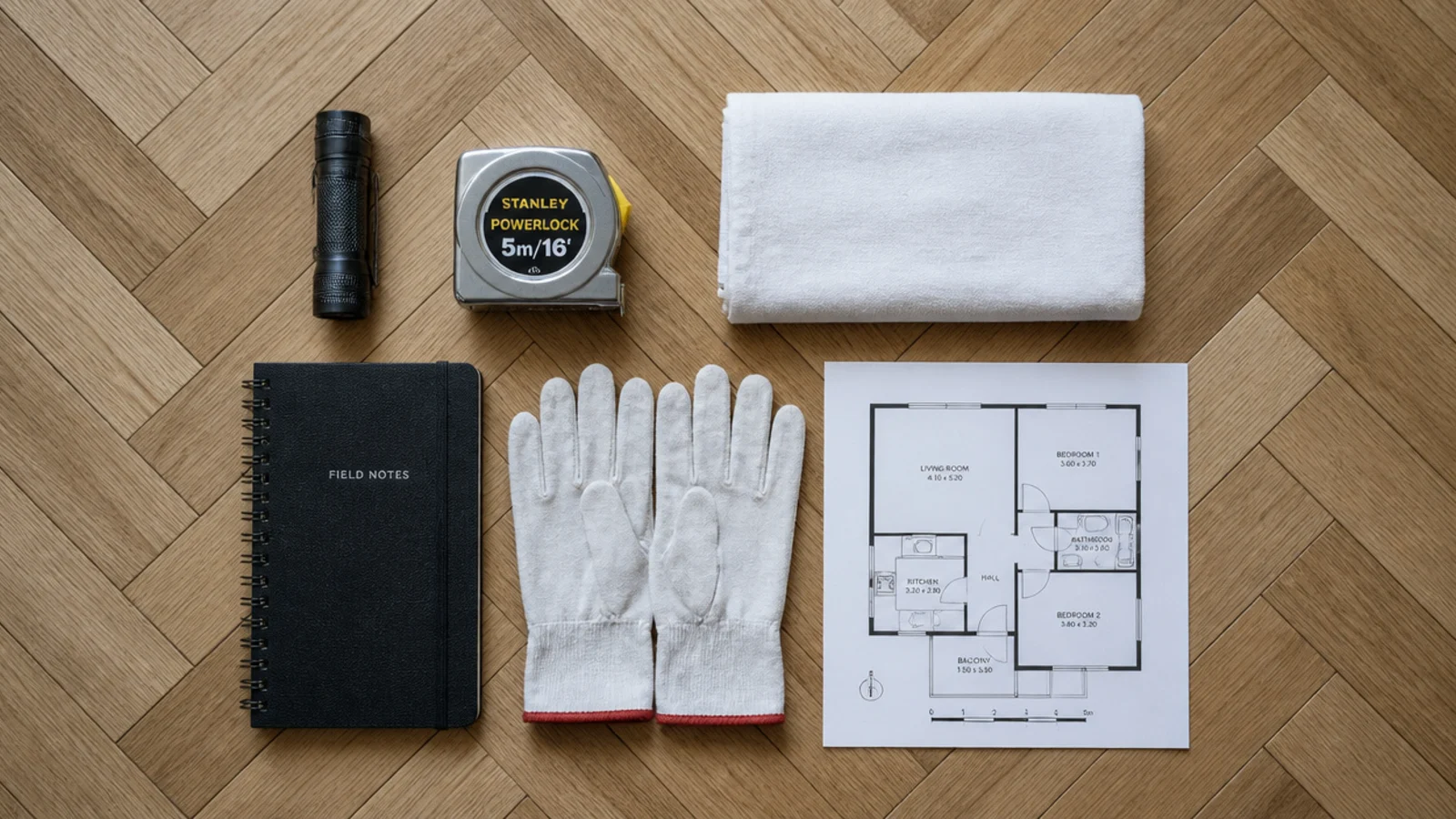
Everything here fits in a small canvas bag, and having it with you is the difference between a considered purchase and an optimistic one.
- A steel tape measure and a printed floor plan with your acceptable size range written on it.
- A small bright torch for reading the back of a rug in a dim shop or a market stall.
- A folded white cotton cloth and a small bottle of water for the dye test.
- A notebook, because you will be pricing three or four rugs against each other later.
- Cotton gloves if you are handling anything genuinely old and fragile.
- Your phone, for photographing the back, the edges and every fault you find.
- A budget written down as a price per square foot, not as a total.
Expect $400 to $1,500 for a low-pile or overdyed 6x9, and $2,000 upward for a clean full-pile 9x12. Add $3 to $6 a square foot for washing. For what to put underneath it afterwards, the layered rug looks guide covers base combinations.
Step 1: Set a size range rather than a single size
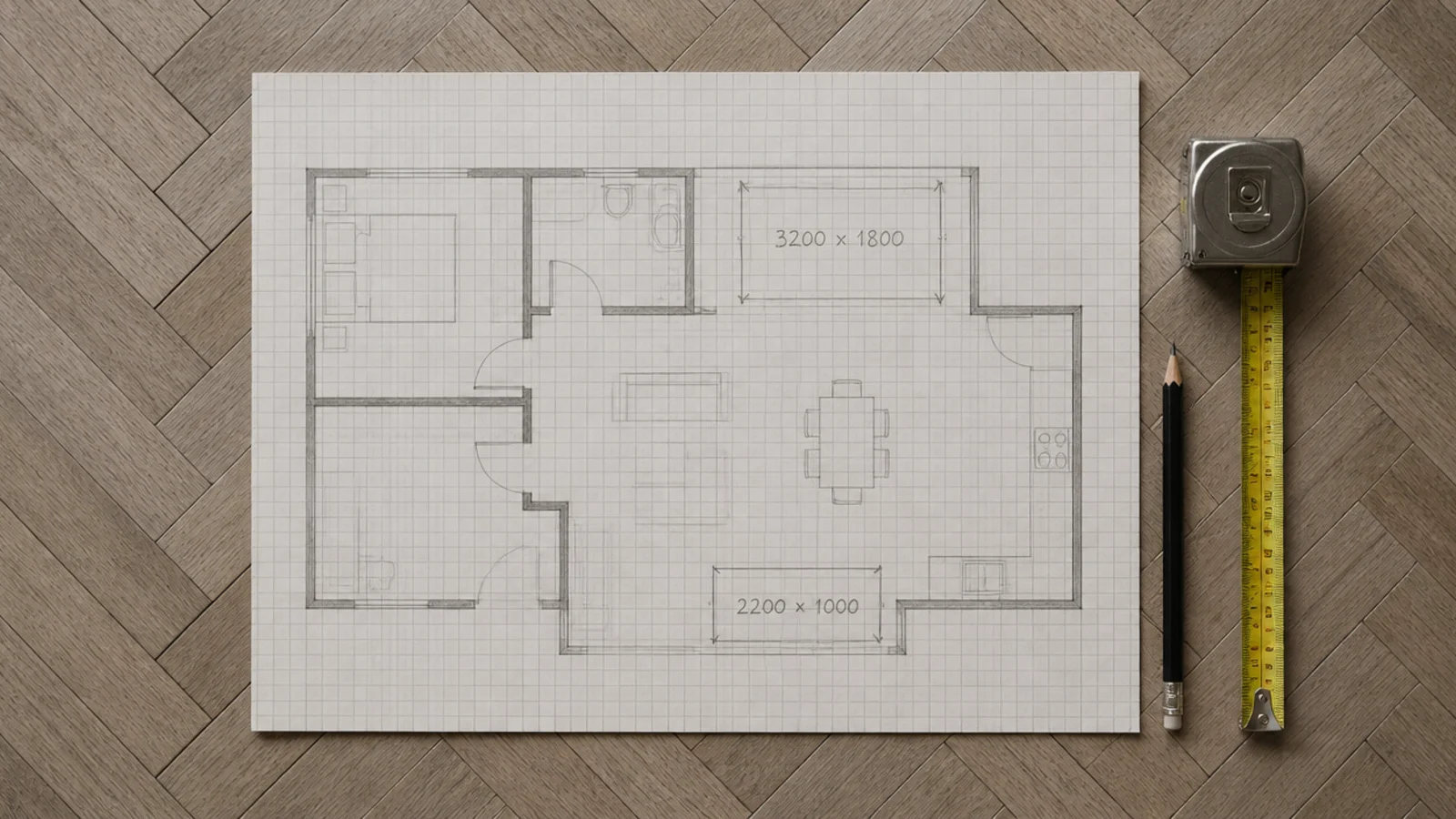
Old rugs were woven to whatever loom and room they were made for, so 8x10 and 9x12 barely exist in the vintage market. Measure your seating rectangle, add 6 to 8 inches on every side, then write down a range — say, anything from 7 feet by 9 feet 6 up to 9 by 12. Take the plan with you, because a rug that is 4 inches narrow is a different proposition from one that is a foot short.
Step 2: Fix a budget per square foot before you look
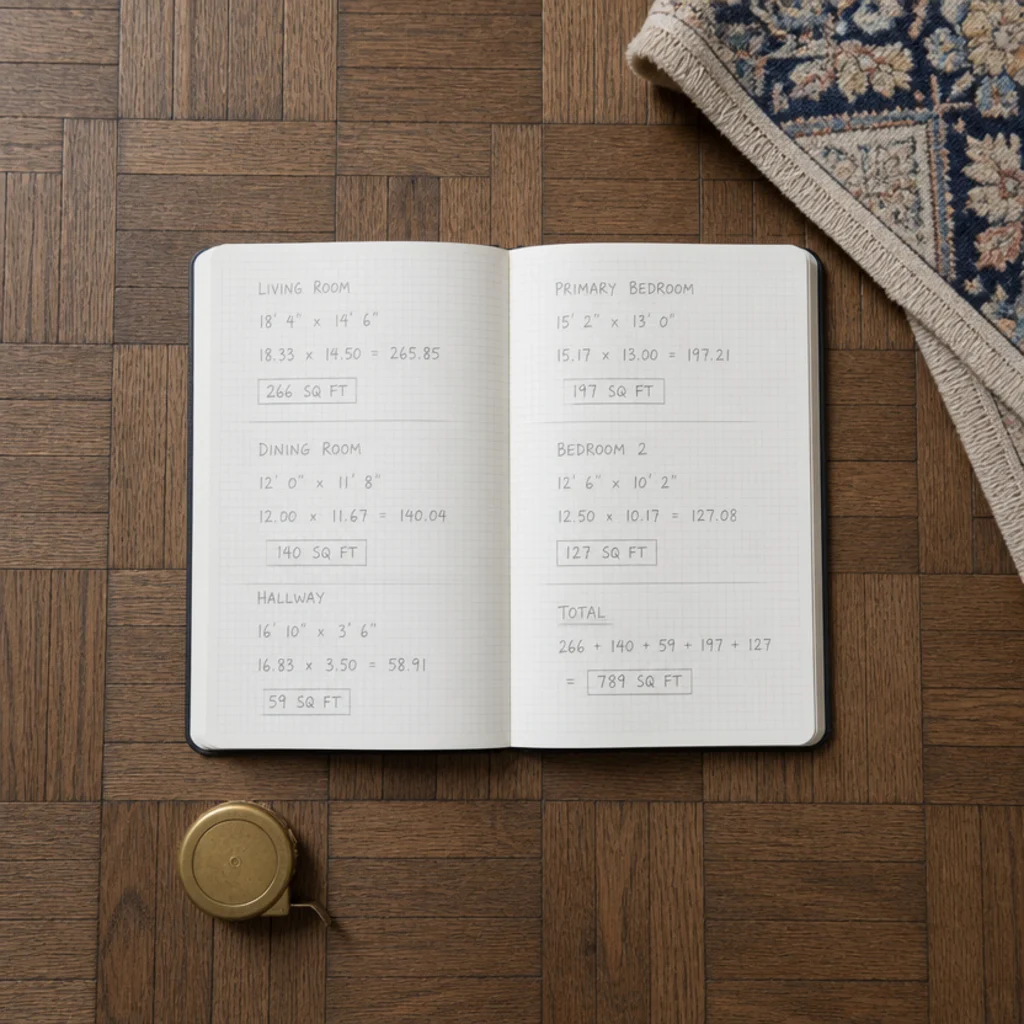
Total prices make two rugs impossible to compare. A $1,100 rug at 6x9 is 54 square feet, so $20.37 a foot. A $1,600 rug at 8x10 is $20 a foot for 26 more square feet. Written down, that comparison takes ten seconds and it stops the size creep that happens when everything in a shop is beautiful.
Step 3: Learn the four constructions you will meet
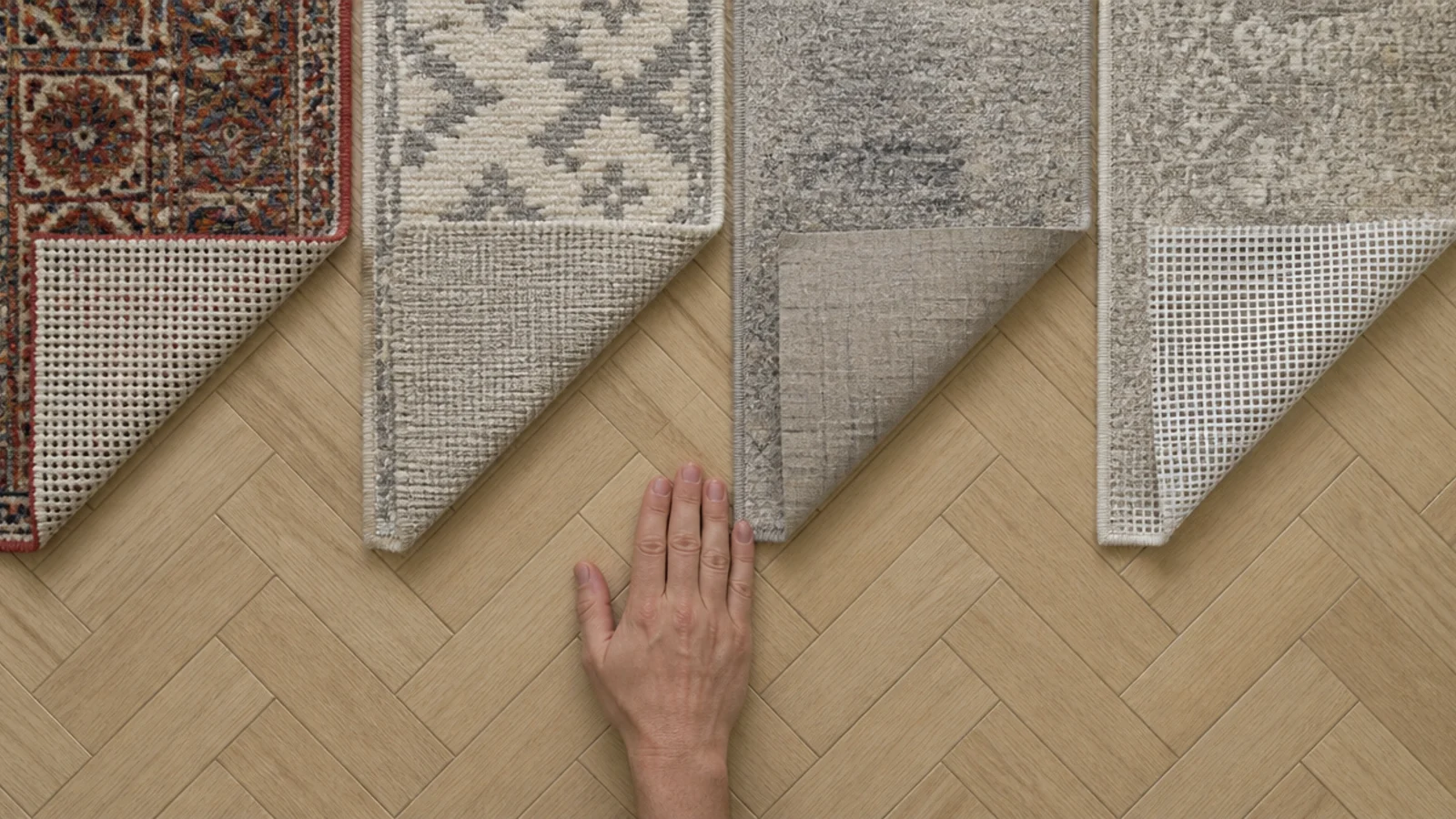
Hand-knotted has a visible knot grid on the reverse and no backing cloth. Flatweave and kilim have no pile at all and are the same on both faces. Hand-tufted has a glued scrim and a cotton backing cloth stitched over it. Machine-made shows a uniform mesh. Only the first two are worth paying vintage prices for, and the difference takes five seconds to establish.
Step 4: Read the back before you look at the front
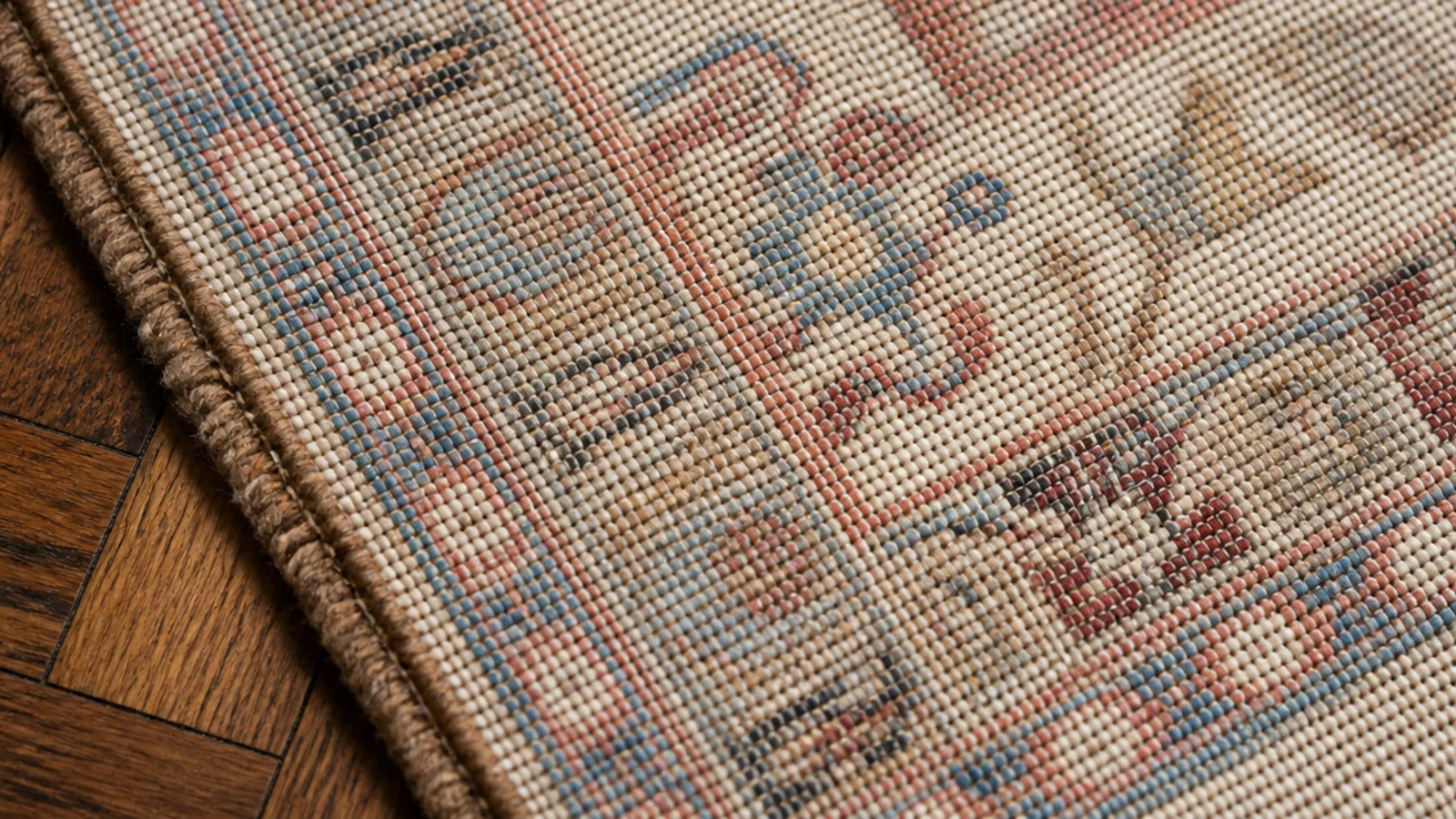
Turn a corner over and shine the torch on it. On a genuine hand-knotted rug the pattern is as legible from behind as from the front, drawn in individual knots across a cotton or wool foundation. Blurred pattern, a stitched cloth or a stiff pale coating all mean you are looking at something else entirely.
Step 5: Fold it pile out and listen for dry rot
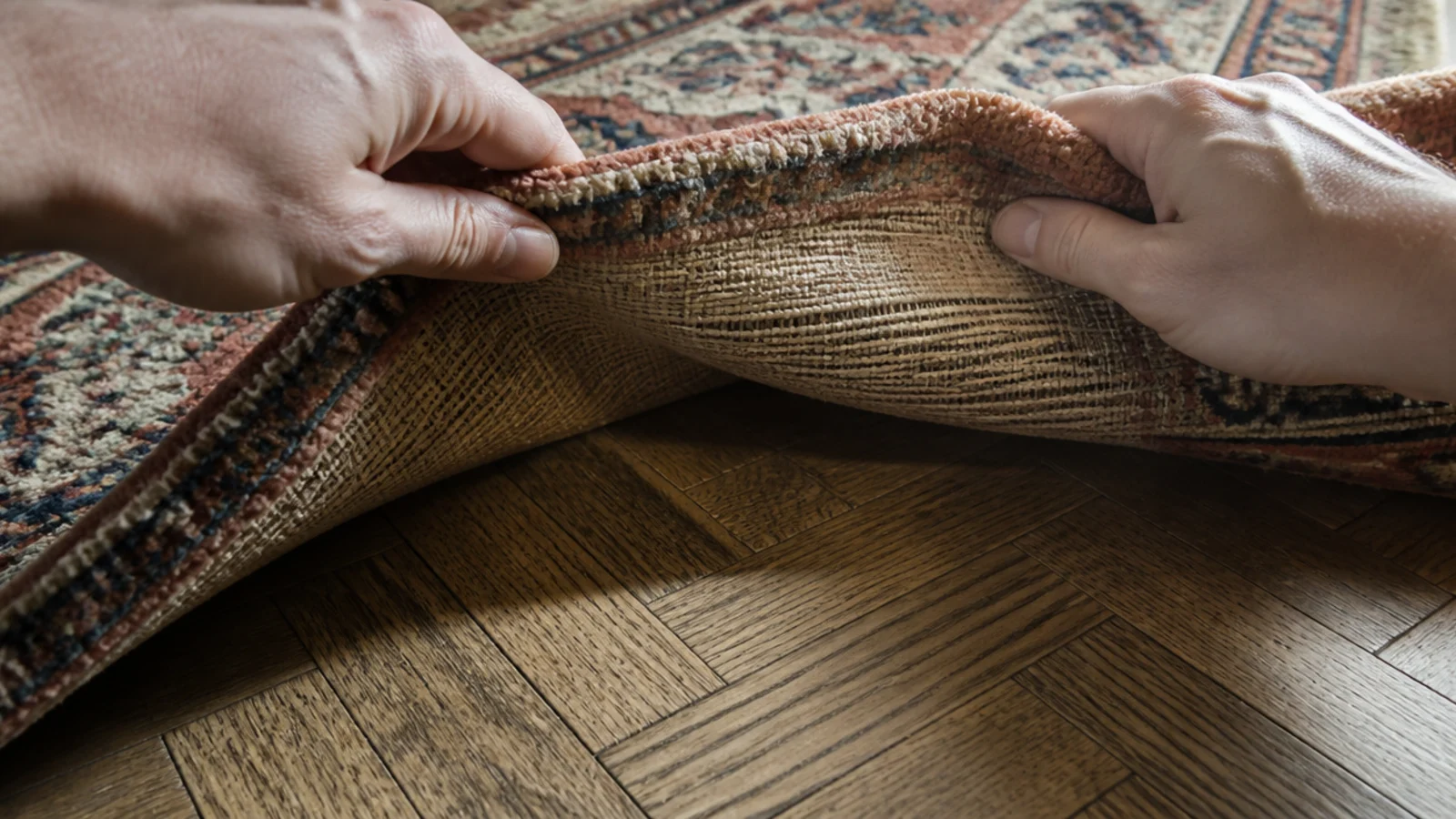
This is the check that matters most. Fold a section of the rug back on itself with the pile facing out and press the fold firmly, then do it along the other axis. Healthy foundation is silent and springs back. A dry crackling sound, or a pale chalky line left in the crease, means the structure has degraded — usually from damp or from urine that was never washed out — and no sensible repair exists.
Step 6: Look for moth grazing at the pile edges
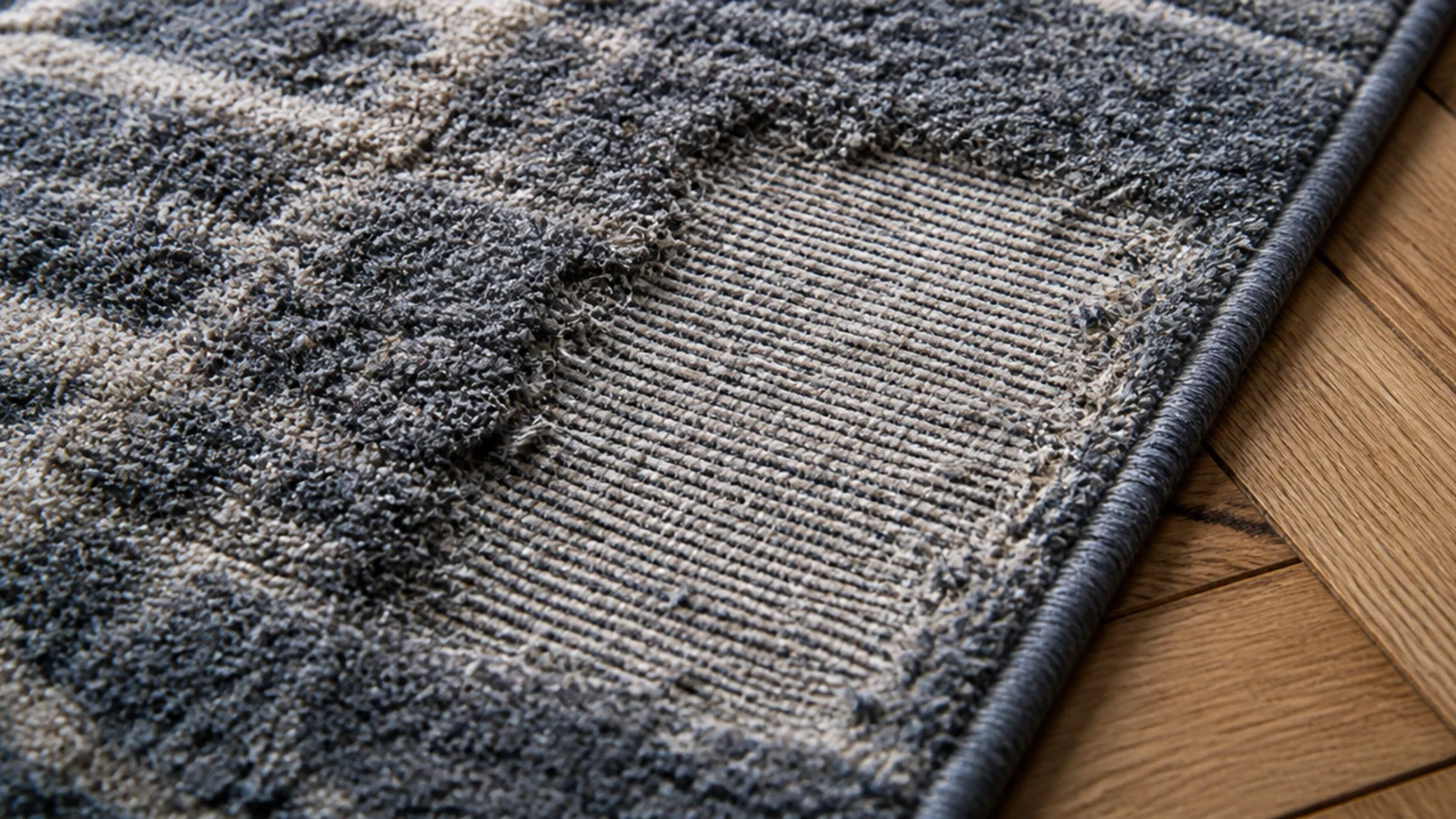
Moth larvae eat wool from the base up, and they prefer the parts of a rug nobody disturbs: under furniture, along the edges of the pile, and beneath a fold. Look for patches where the pile is suddenly short and the foundation shows through next to full-height wool. Run your palm across the surface; grazed areas feel like a shallow dip before you can see them.
Step 7: Find the repairs and the reweaves
Repairs are normal on an old rug and are not a reason to walk away. Undisclosed ones are. From the back, a reweave shows as fresher wool, slightly different knot tension or a patch of colour that does not quite match. Photograph every one you find, count them, and use the total in the conversation about price.
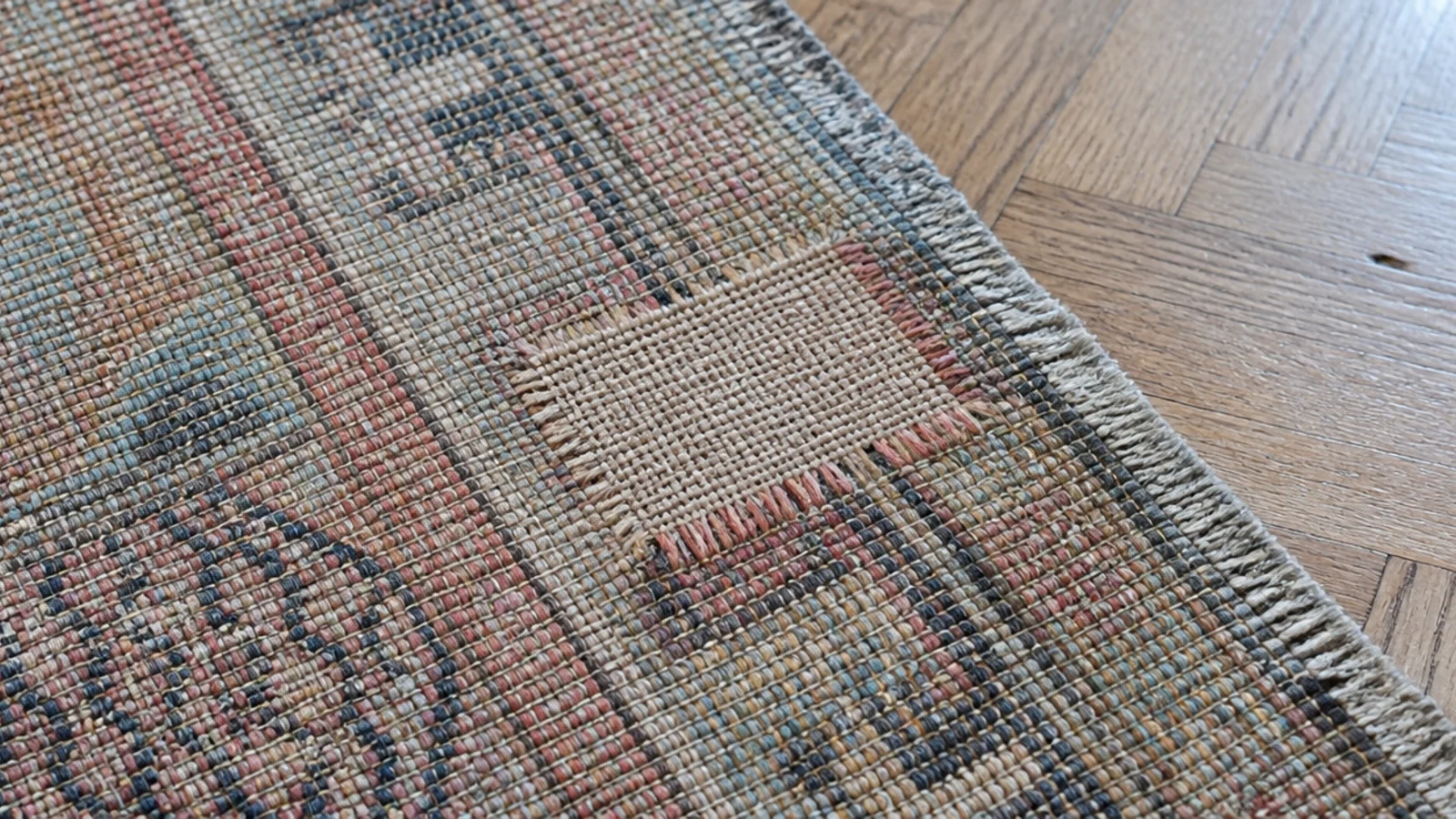
Step 8: Test the dyes with a damp white cloth
Dampen a corner of the white cloth and press it firmly onto the most saturated colour in an inconspicuous area for thirty seconds, then look at the cloth. Any colour transfer means the dyes are not fully stable, so the rug needs professional washing rather than anything wet at home, and spills will need blotting immediately for its whole life.
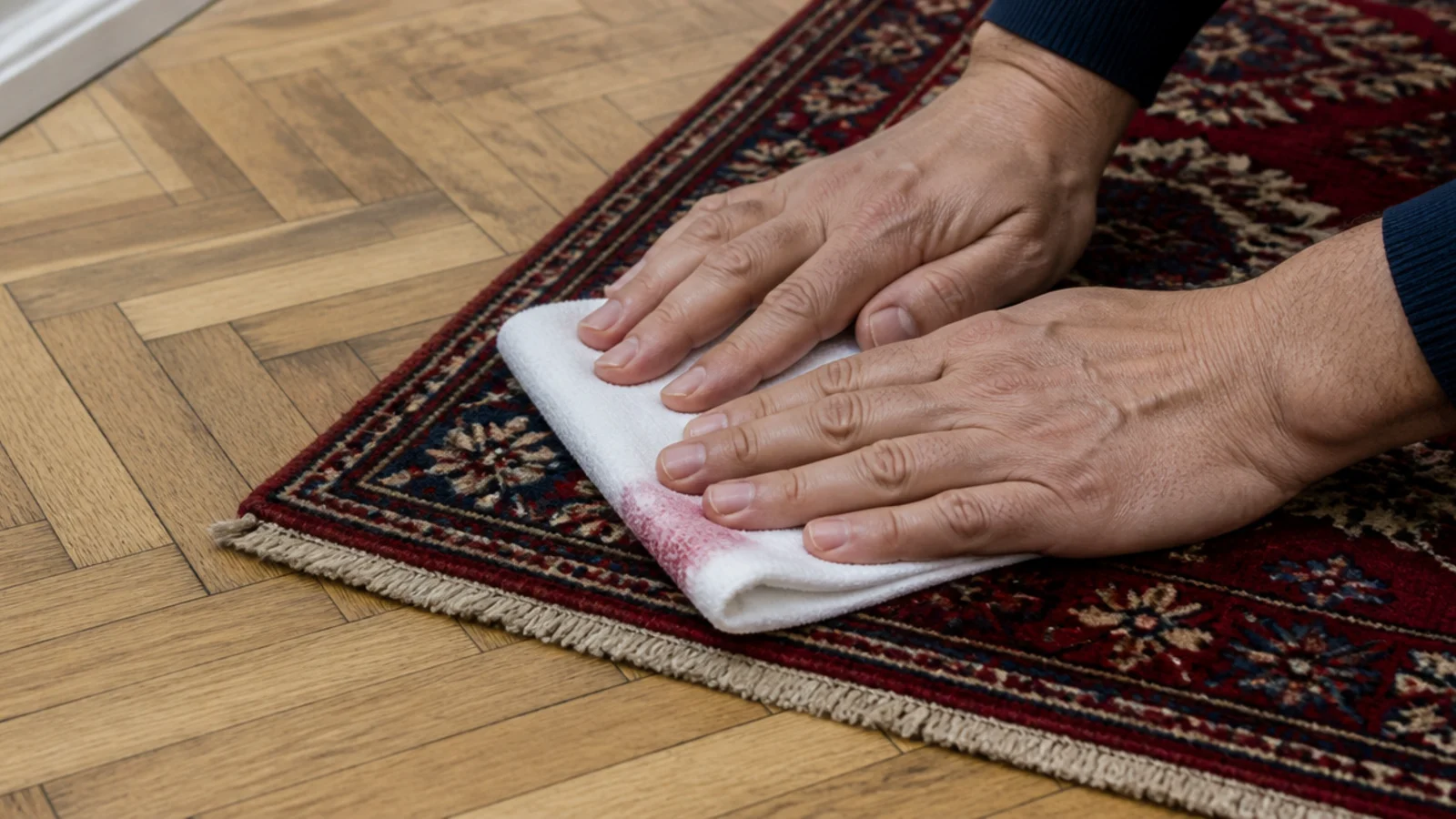
Step 9: Read the pile depth and where it is worn
Part the pile with your fingers and look at how much wool sits above the knot. Even overall wear is simply age and is exactly what makes a low-pile vintage rug so practical under furniture. Wear concentrated in one lane, or wear that has reached the foundation in patches, is damage and will spread.
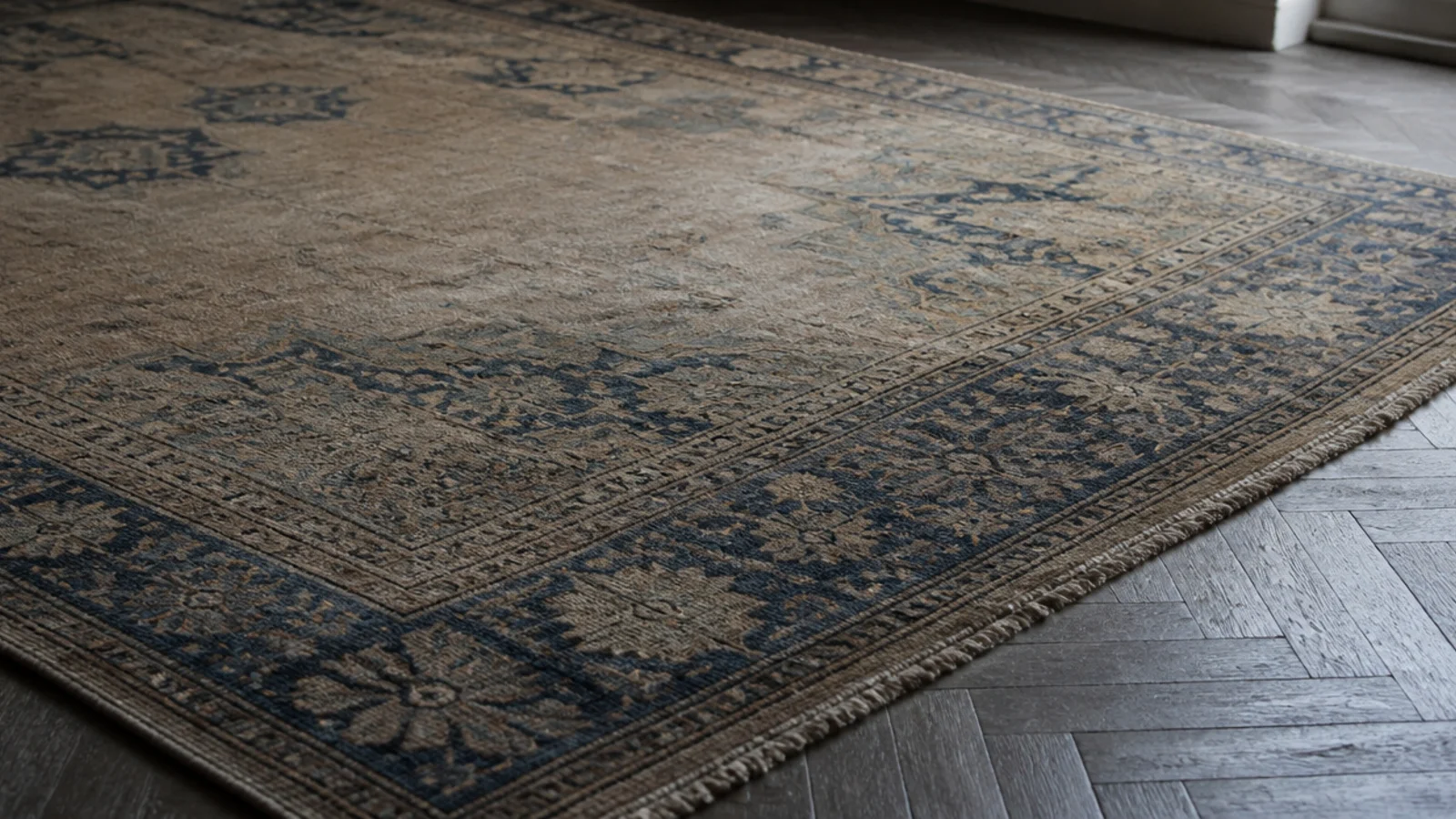
Step 10: Count knots only to understand the price
Lay a rule on the back and count the knots along one inch in each direction. Tribal and village weaving sits at 100 to 200 knots per square inch and outlasts most furniture. Fine city work runs above 250 and costs accordingly. The number tells you how finely the pattern is drawn, not how long the rug will survive your living room.
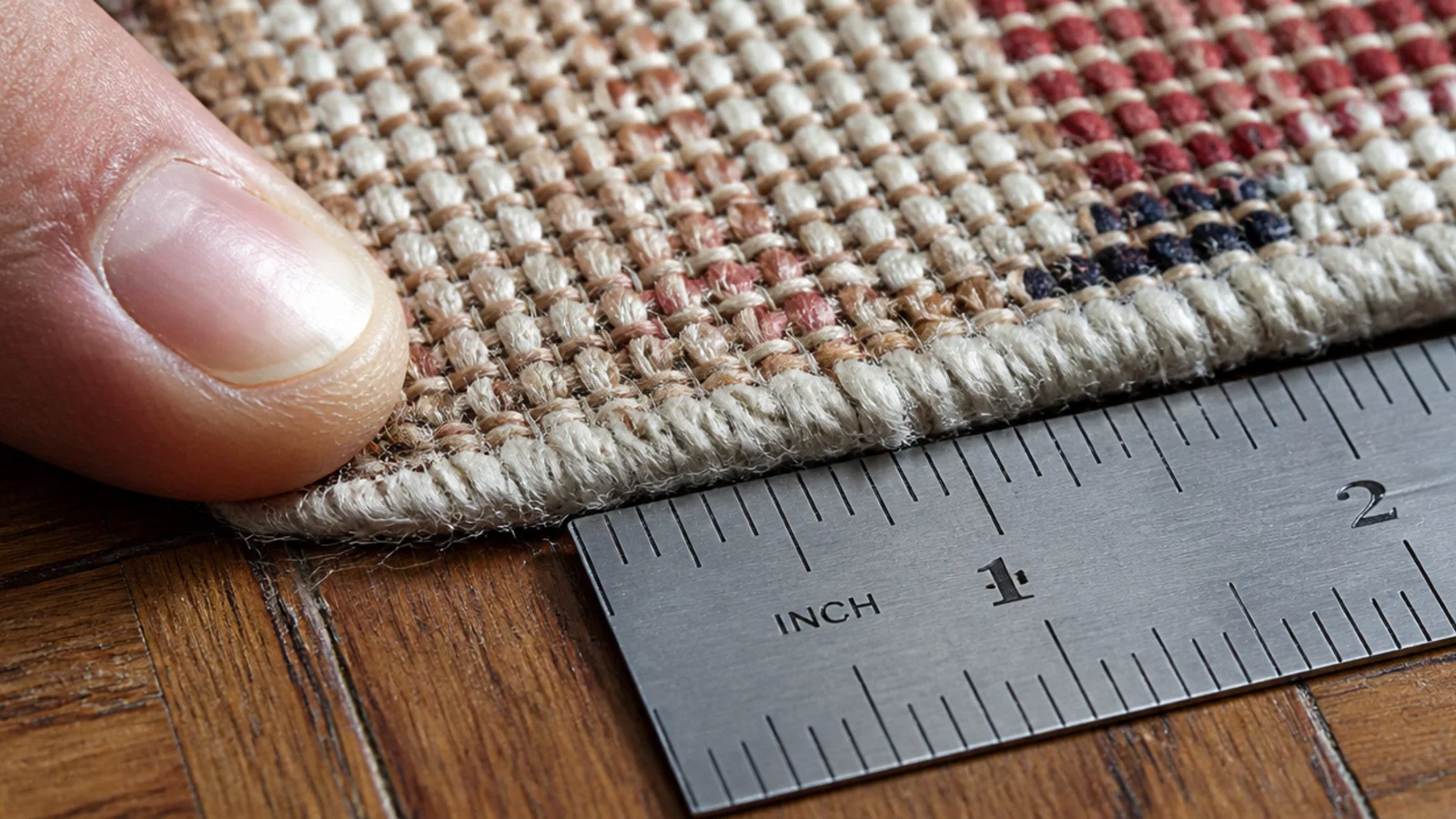
Step 11: Check the selvedge and both end finishes
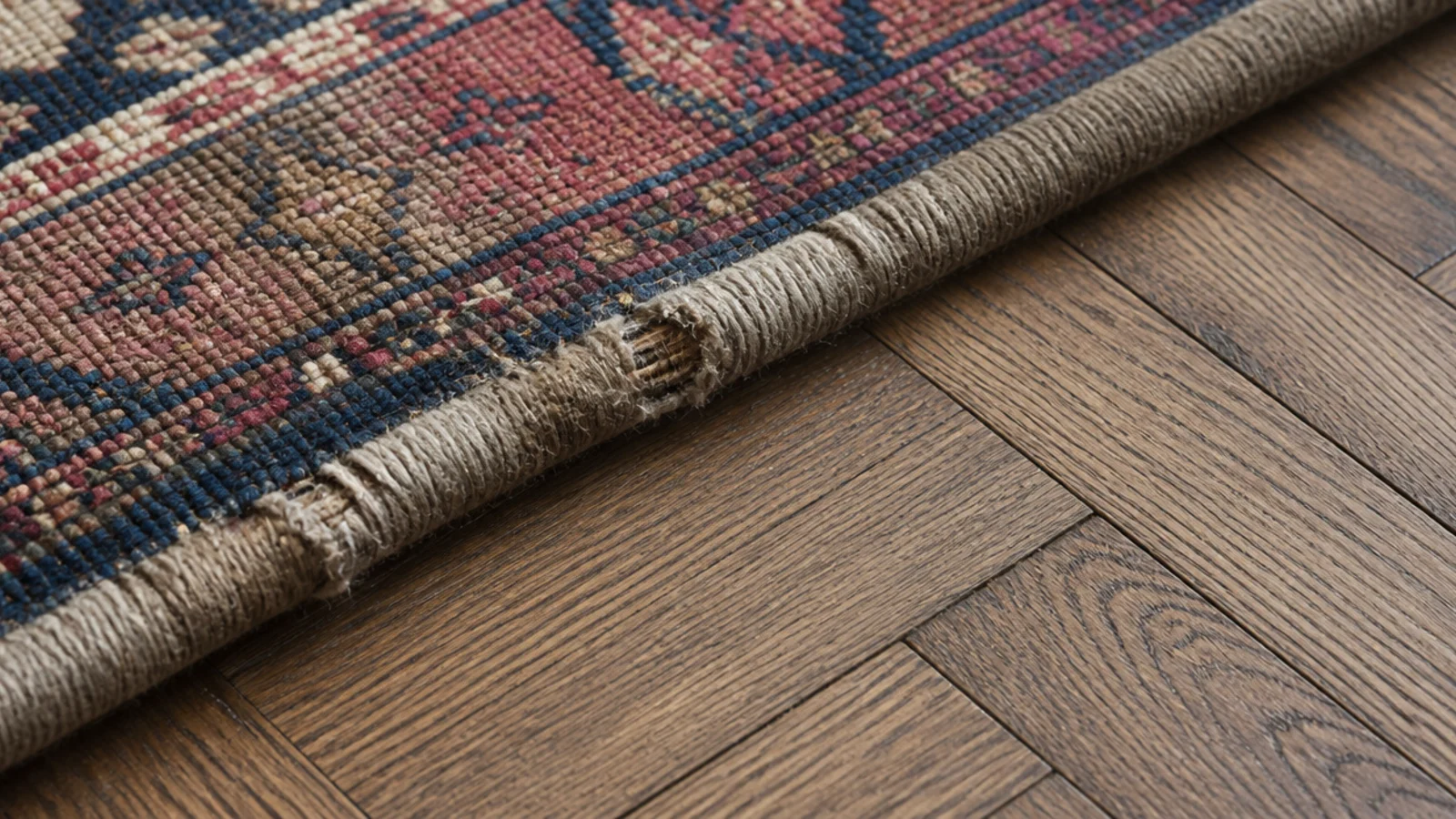
The selvedge is the wrapped wool along the long edges, and the fringe at each end is the warp of the rug itself. Both take wear first. Loose or missing selvedge wrapping costs roughly $8 to $15 a linear foot to restore, and a shortened fringe that has been oversewn is common. Neither is fatal; both are negotiable.
Step 12: Look for sun fading across one half
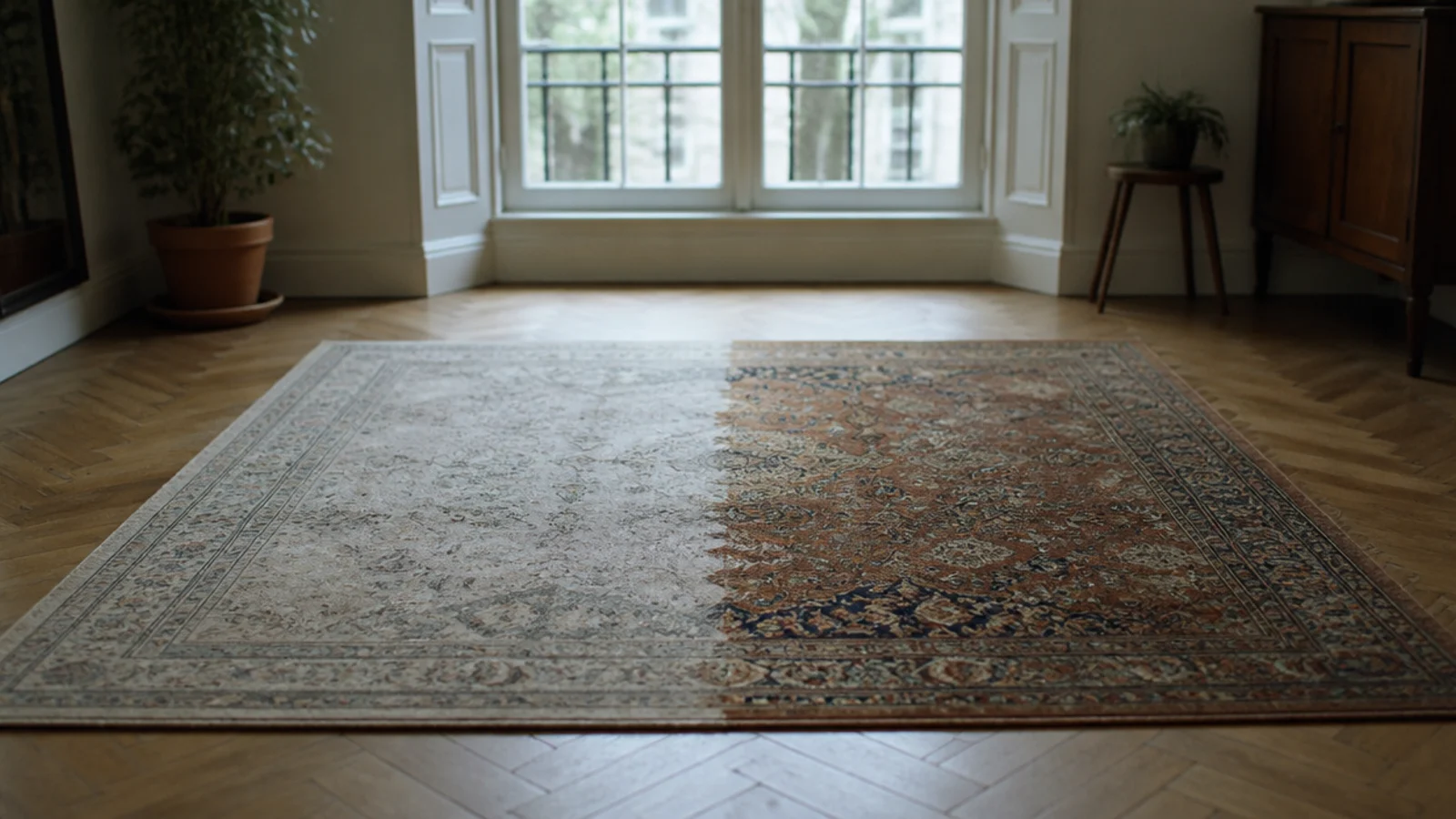
Spread the rug flat and look along it from one end. A rug that lived under a window will have one half noticeably paler with a soft transition across the middle. It is not damage and many people prefer the softer colour, but it is a genuine price reduction and it limits how you can orient the rug later.
Step 13: Negotiate using the faults you have found
Go through your notes out loud: two reweaves, moth grazing at one corner, worn selvedge on the long side, sun fading across half the field. Every named fault is a legitimate reason for a lower number, and sellers expect the conversation. Ask what the rug would cost washed and with the selvedge restored, because that is the real total.
Step 14: Book the wash before the rug comes home
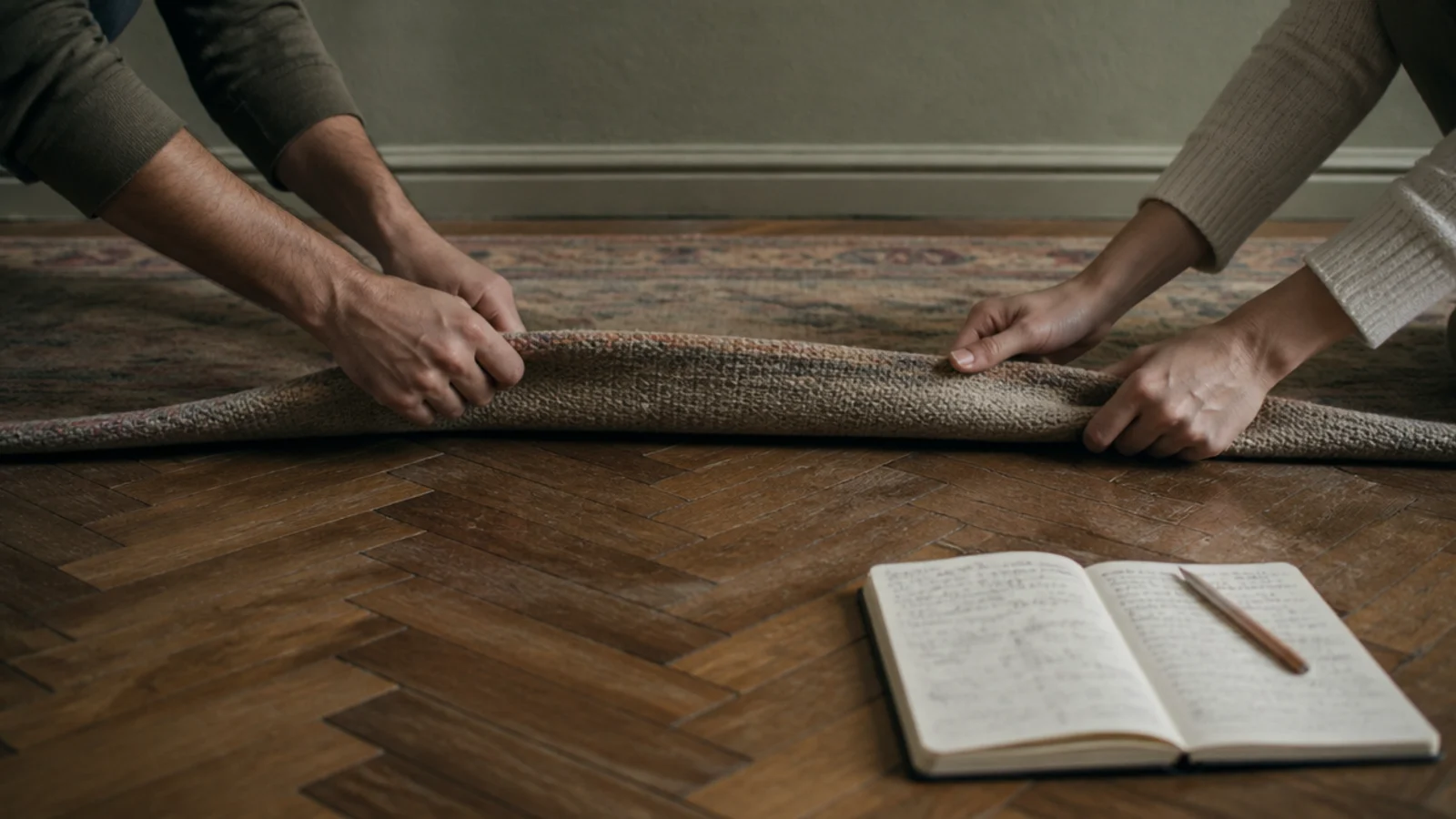
A full immersion wash at $3 to $6 a square foot removes the grit sitting at the base of the pile, which cuts wool fibres every time somebody walks across it, and it deals with anything the previous house left in the foundation, including moth eggs. Ask for a wash rather than a hot-water extraction, and have it done before the rug is delivered rather than after.
Step 15: Lay it on a felt pad and set the rotation
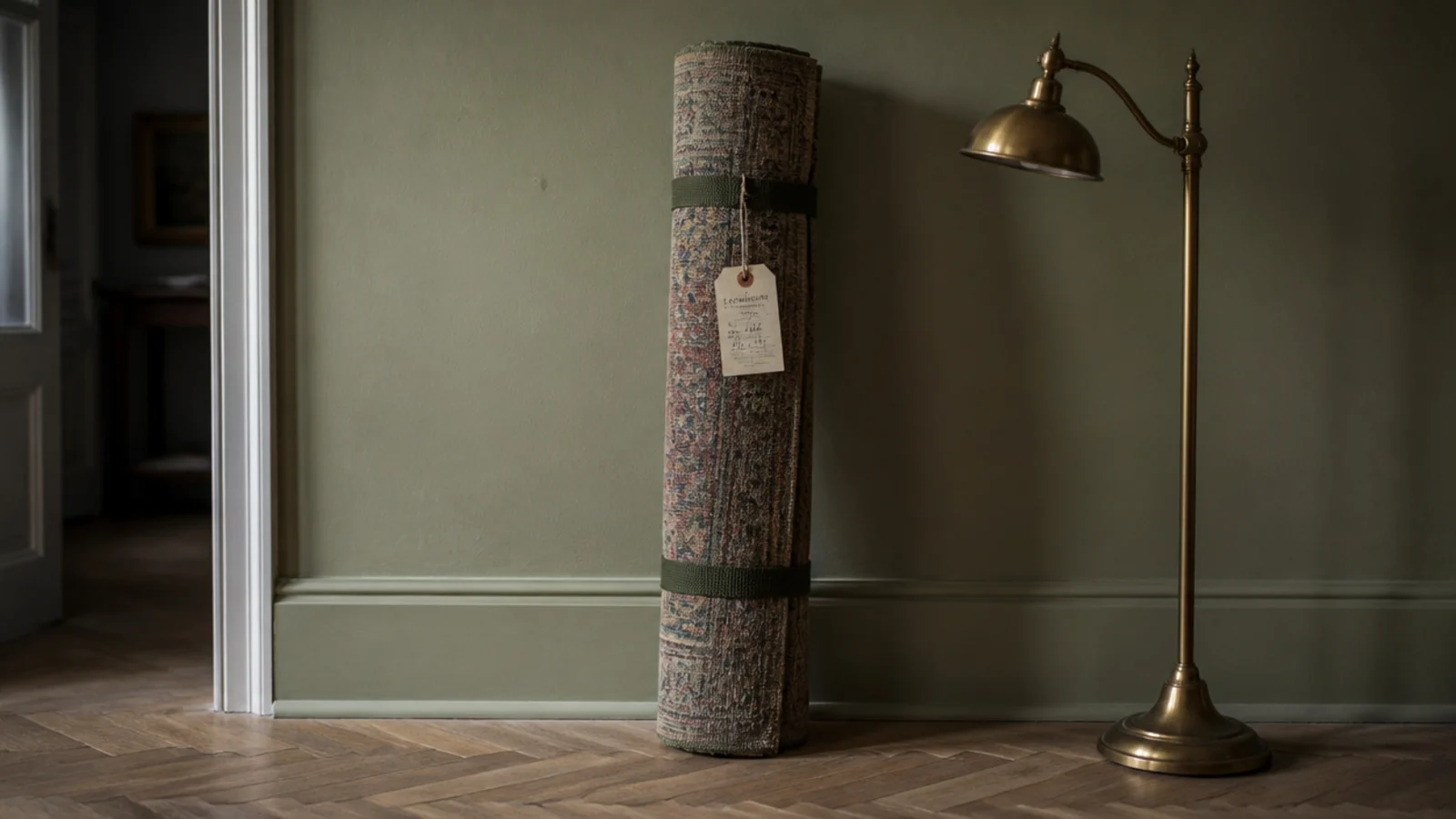
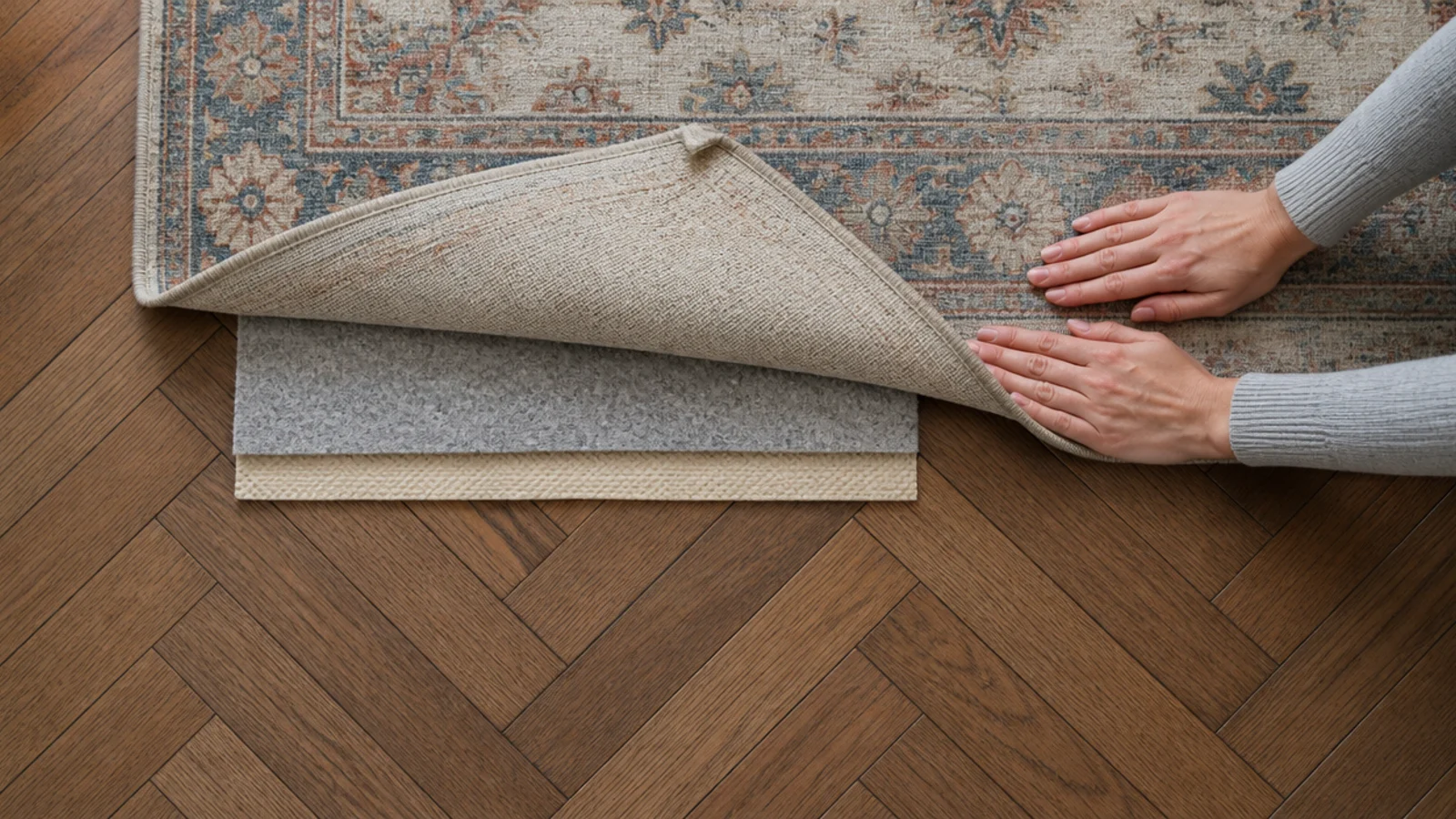
Put a quarter-inch felt and natural rubber pad underneath, cut 1 inch smaller than the rug on every side. Old wool on a bare hard floor slides, and a lifting corner on parquet is a genuine trip hazard as well as a way to tear a fragile edge. Then set a reminder to rotate it 180 degrees every six months so the traffic lane and the sun line move.
Pro Styling Rules
For old rugs in a more rustic setting, the farmhouse rug ideas cover the same wool in a different room. The wooden flooring texture guide explains what the boards underneath are doing, and the mirror wall decor ideas handle the light in a room with a dark old floor.
Mistakes to Skip
- Buying without the fold test. Dry rot is invisible from the front, unrepairable at any sensible price, and it is the single fault that turns a bargain into a loss.
- Treating knot count as a quality score. It describes fineness of drawing, and a 120 knot tribal rug in good wool will outlast a damaged 300 knot piece by decades.
- Bringing a secondhand rug straight into the house. Grit in the foundation cuts fibres from below, and moth eggs travel happily from one rug to the wool coat in the hall.
- Laying an old rug straight onto a hard floor. Without a felt pad it slides, the fragile selvedge catches and tears, and a curled corner on parquet is something people trip over.
Frequently asked questions
How can I tell if a vintage rug is hand-knotted?
Turn it over. On a hand-knotted rug the pattern is as clear on the back as the front and you can see individual knots forming a grid across a cotton or wool foundation. Machine-made rugs show a uniform mesh or a glued backing cloth, and the pattern on the reverse looks blurred or hidden entirely.
What is dry rot and how do I check for it?
Dry rot is degraded foundation, usually caused by damp or by pet urine that was never properly washed out. Fold the rug pile-side out along both axes and listen. A dry crackling sound, or a fold that leaves a pale crease line in the foundation, means the structure has gone and repair is rarely economic.
Is a higher knot count always better?
No. Knots per square inch describes how finely the pattern can be drawn, not how long the rug lasts. Tribal and village weaving at 100 to 200 KPSI outlives most furniture. Fine city work above 250 buys crisper detail and a higher price. Judge durability on wool quality and pile depth instead.
What should a vintage rug cost?
A low-pile or overdyed 6x9 typically runs $400 to $1,500, while a clean full-pile antique 9x12 starts around $2,000 and climbs steeply. Add $3 to $6 per square foot for a professional wash. Anything priced far below those bands usually has dry rot, heavy moth damage or extensive reweaving.
Do I need to wash a secondhand rug before using it?
Yes, before it comes into the house. A full immersion wash removes embedded grit that cuts fibres, and it deals with anything the previous owner left behind, including moth eggs in the foundation. Budget $3 to $6 per square foot and arrange it as part of the purchase rather than an afterthought.
Want more like this? Browse all 15 rugs in living room guides — they all use the same measurements and budget tiers.
Pin it for later
Save this to your Rugs In Living Room board
Pin it now so it is waiting for you when the tape measure comes out — and so the next person hunting for this idea can find it too.
Save this pinKeep going
More ideas worth saving while you have the tape measure out.