Rugs In Living Room · Listicle
20 Layered Rugs Living Room Looks That Feel Cozy

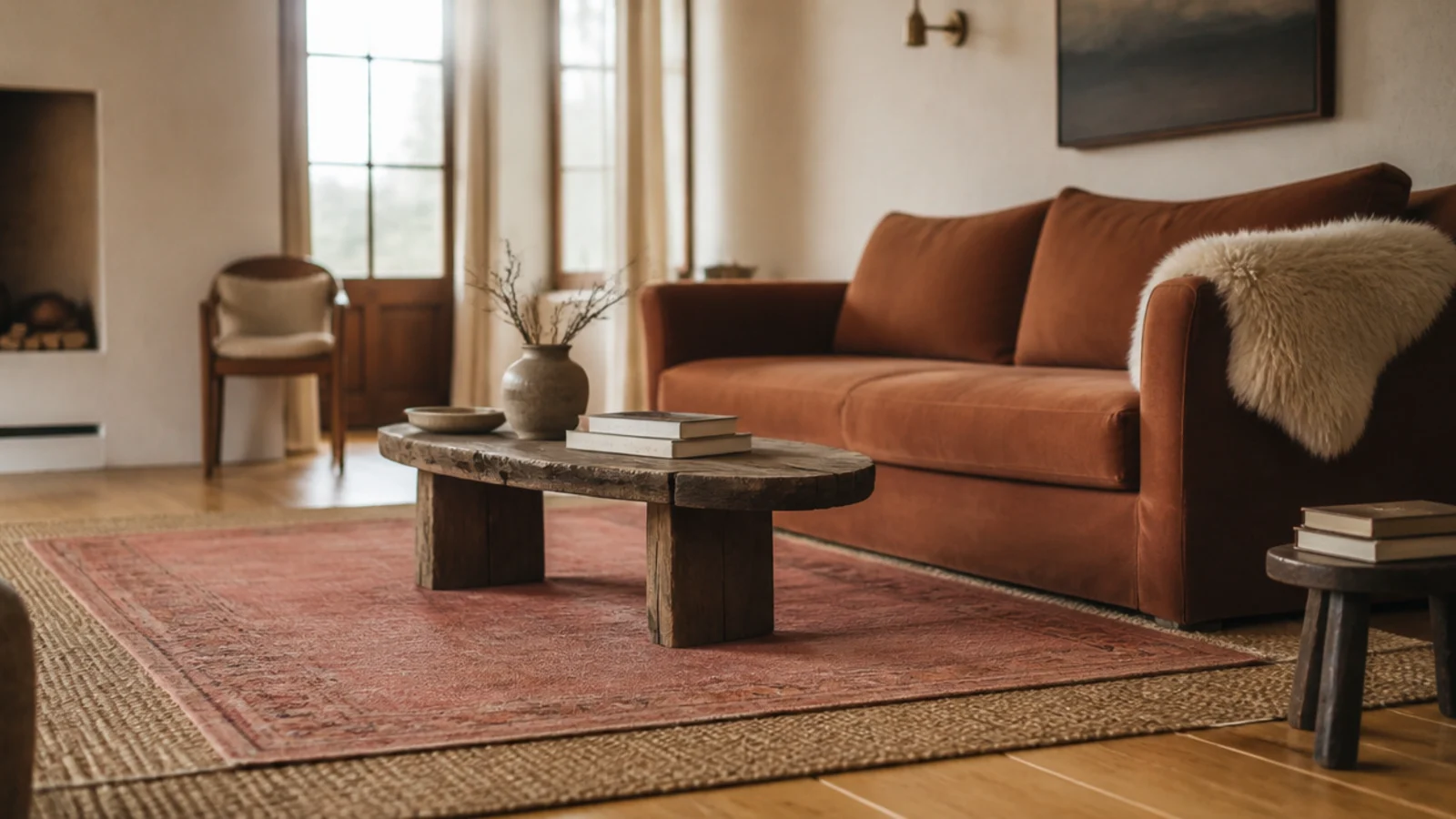
Layered rugs living room floors look effortless in photographs and go wrong in three predictable ways in real rooms: the reveal is uneven, the base is too thick, and nothing stops the top layer walking across the bottom one. I have built these stacks in two homes and pulled apart more than one that kept sliding. The pairings below are the ones that hold together visually and physically, with the reveal widths, pile differences and grip that make the difference. Twenty combinations, and the numbers behind each.
In this guide22 sections — tap to openHide
- 1.What layered rugs living room stacks need underneath
- 2.A flatweave base under a small vintage top
- 3.Jute base under a faded Persian
- 4.Sheepskin thrown over a low pile wool
- 5.A hide over a natural fibre base
- 6.Two flatweaves in one tone, two weaves
- 7.A sisal base with a bold kilim on top
- 8.Cream base, dark top for the strongest contrast
- 9.Dark base, light top for a bright island
- 10.Offset the top rug toward the sofa
- 11.A square top on a rectangular base
- 12.A round top on a rectangular base
- 13.A runner layered over a base in a walk-through
- 14.A Moroccan shag over a flatweave for winter
- 15.Swap the top rug and keep the base for summer
- 16.Layer to rescue a rug two sizes too small
- 17.Layer to cover a stain you cannot lift
- 18.Layer over wall-to-wall carpet in a rental
- 19.Keep the edges parallel, never diagonal
- 20.Hold the reveal at 12 to 18 inches all round
- 21.Keep a quarter inch of pile difference between layers
- 22.Mistakes to Skip
What layered rugs living room stacks need underneath
Three measurements decide whether a stack looks intentional. The first is the reveal — the band of base rug showing around the top one. Twelve to eighteen inches on every side is the range that reads as a decision. Under about 8 inches it looks like the top rug slipped; over 24 and the base becomes the main event.
The second is the base thickness. Keep it around 1/8 inch — a flatweave, a jute or a sisal. A thin base keeps the whole build low enough that a door with the usual 1/2 to 3/4 inch of clearance still swings over it, and low enough that the edge is a slope rather than a step.
The third is the pile difference. The top rug should be at least a quarter inch thicker than the base. That visible step is exactly what tells the eye this was arranged rather than dropped.
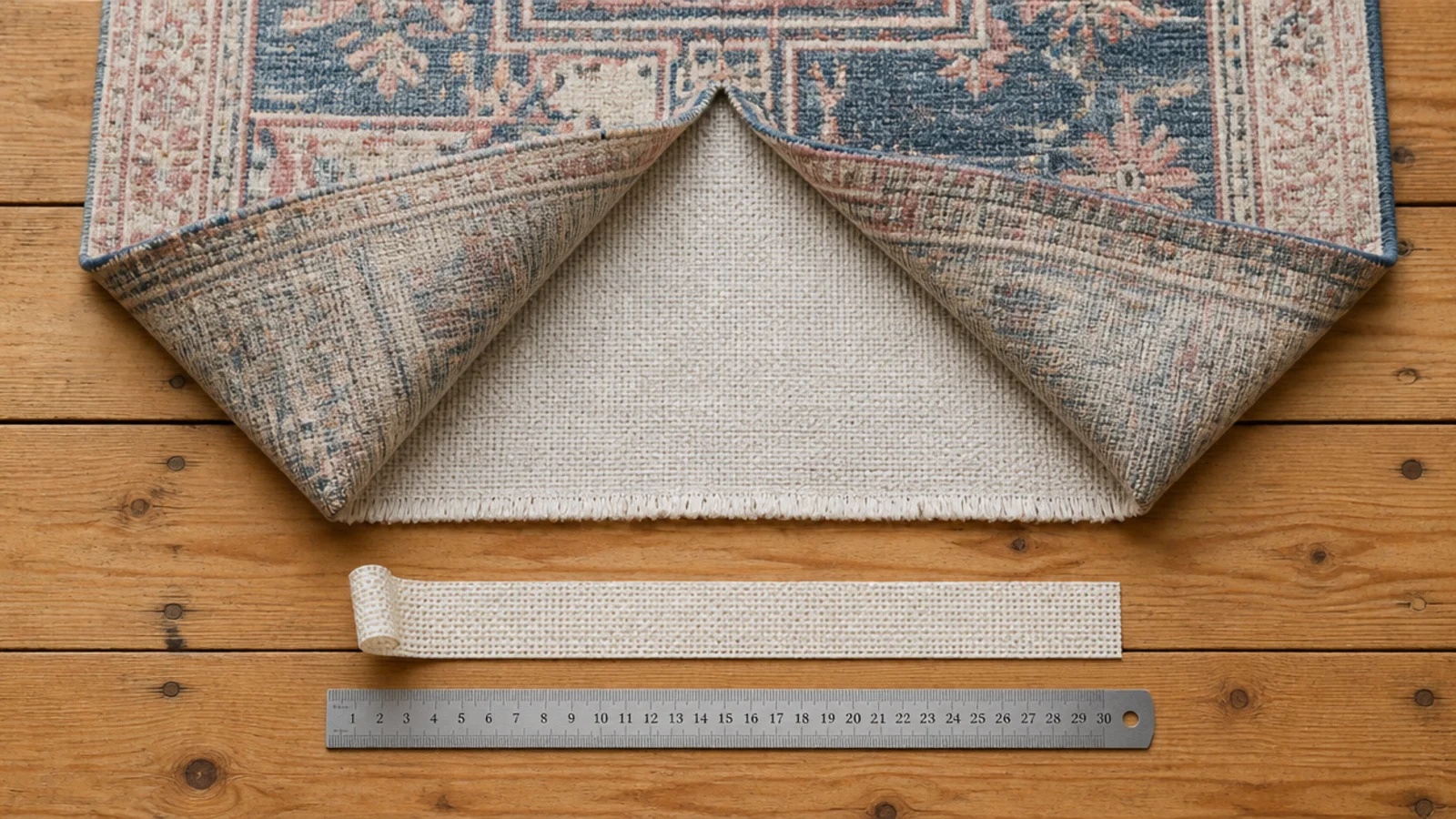
Then stop it moving. A felt and natural rubber pad goes under the base; rug-to-rug grip tape or a thin non-slip mesh goes between the two layers. A stack that shifts on a hard floor is a real trip hazard, and it is always the top rug's corners that catch a foot first.
If you want the build in order rather than the finished looks, the step-by-step layering guide walks through it. For the old wool that usually ends up on top, see the vintage rug buying steps.
1. A flatweave base under a small vintage top
The most forgiving combination there is. A plain ecru or oatmeal flatweave at 9x12 gives you the correct room proportion, and a 4x6 or 5x8 piece of old wool on top puts the good weaving exactly where feet and eyes land. The base is doing the sizing job; the top is doing the character job.
2. Jute base under a faded Persian
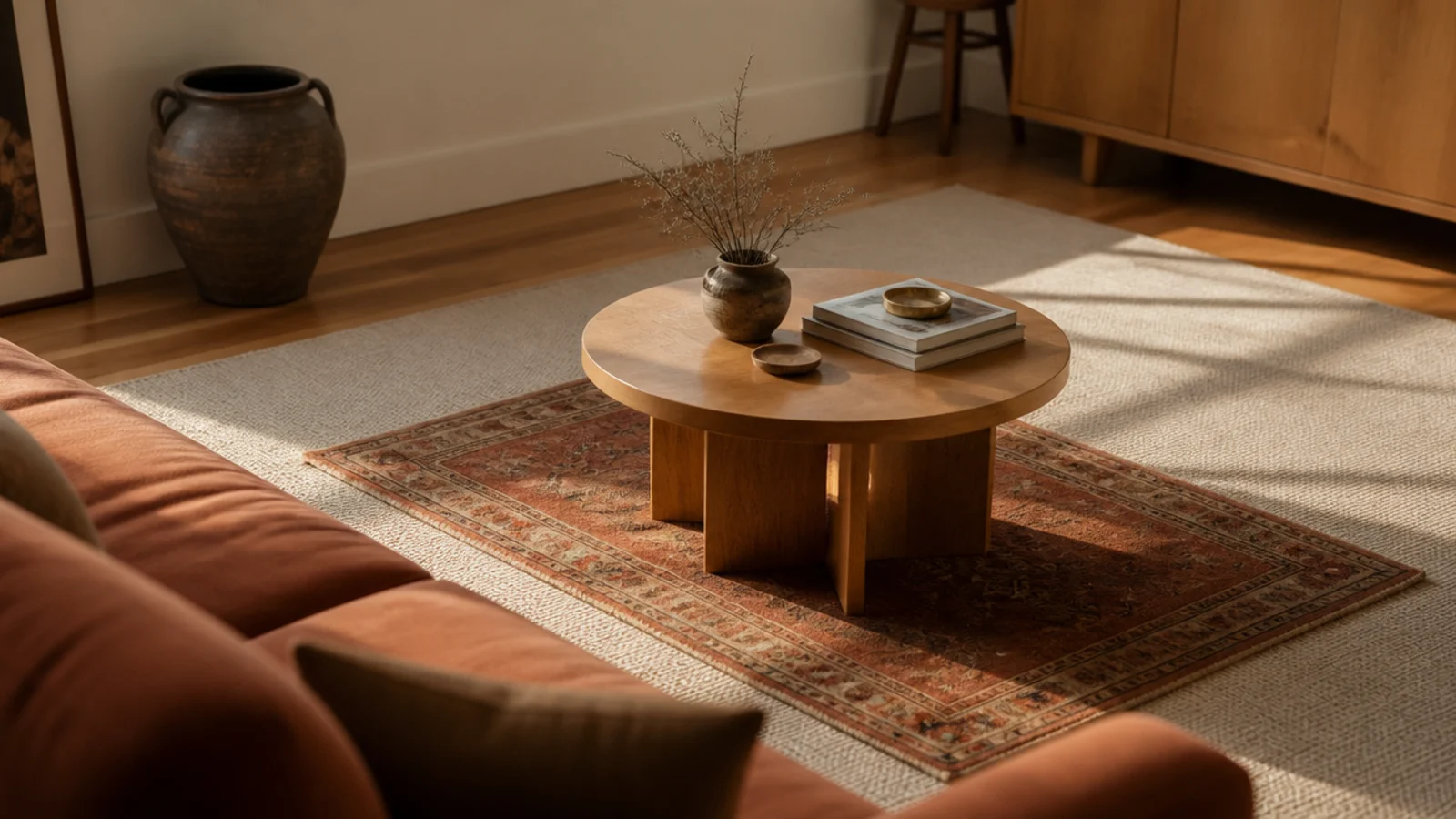
Jute's coarse braid against fine hand-knotted wool is a texture contrast that photographs beautifully and works better in person. Keep the jute strictly out of the drinks zone, because water leaves a permanent brown ring on it. An 8x10 jute base runs $200 to $450, which makes this a surprisingly affordable way to place a small good rug.
3. Sheepskin thrown over a low pile wool
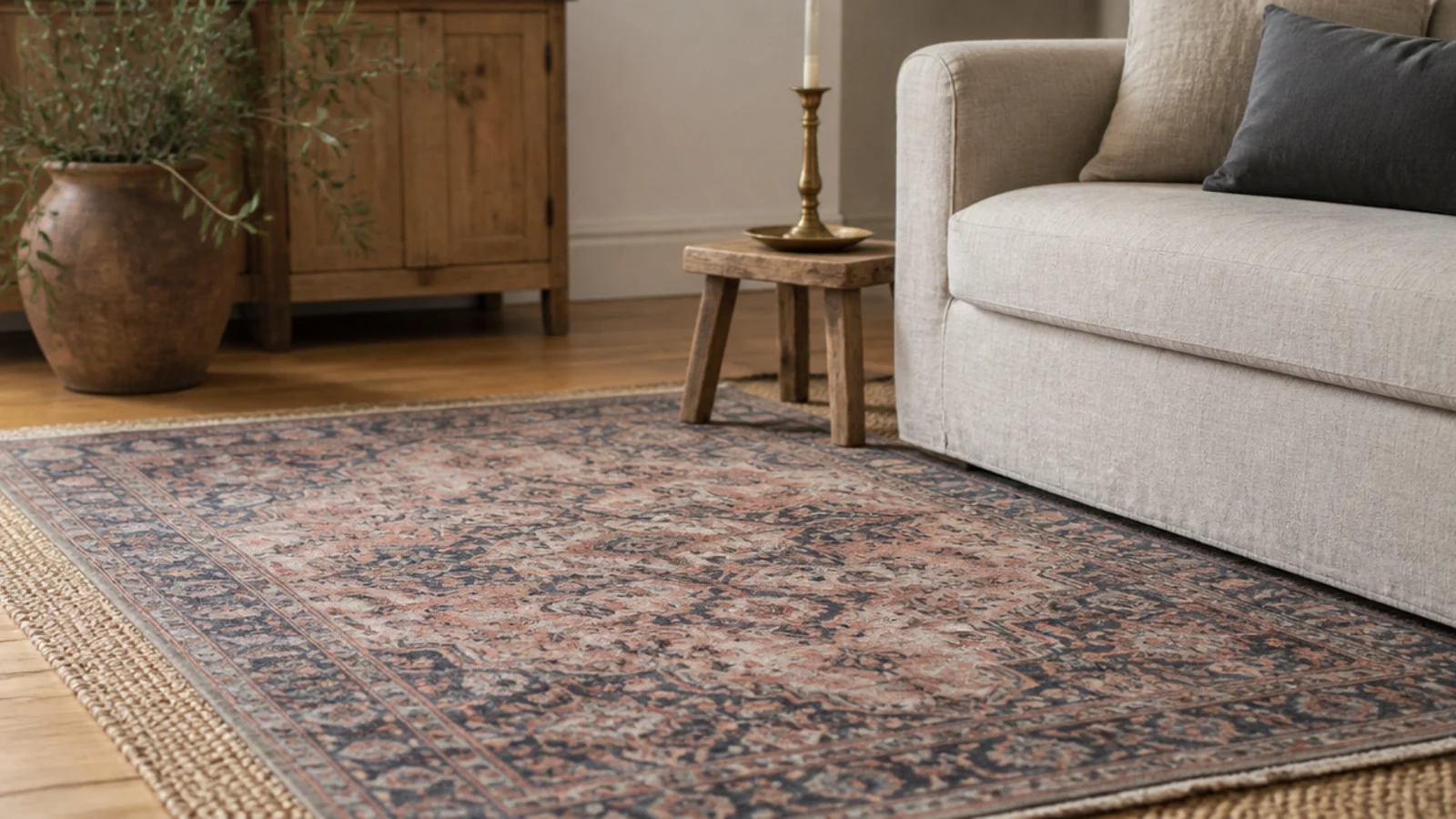
Not a full layer, and the easiest one to try. A single sheepskin costs $30 to $90 and adds a patch of genuine softness at the end of a sofa or in front of a chair. Wash it cold on a wool cycle twice a year and keep it off a route people walk, because a loose fleece on a hard edge slides.
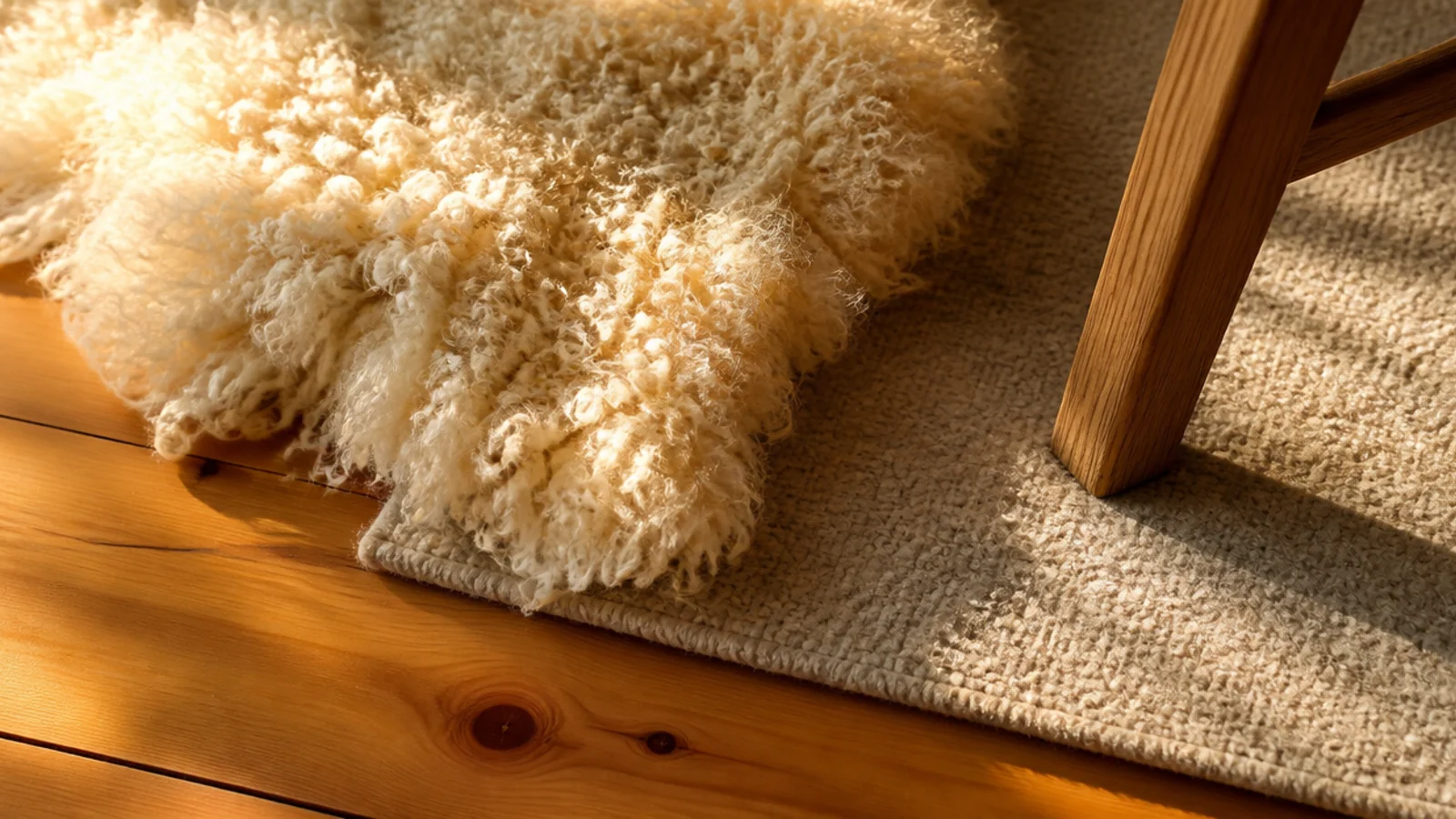
4. A hide over a natural fibre base
A hide has no straight edges, which is why it works over a rigid woven grid — the irregular outline stops the stack looking like two rectangles. Lay it slightly off square rather than aligned. Hides shed lightly for the first few months and need suction-only vacuuming, never a rotating brush.
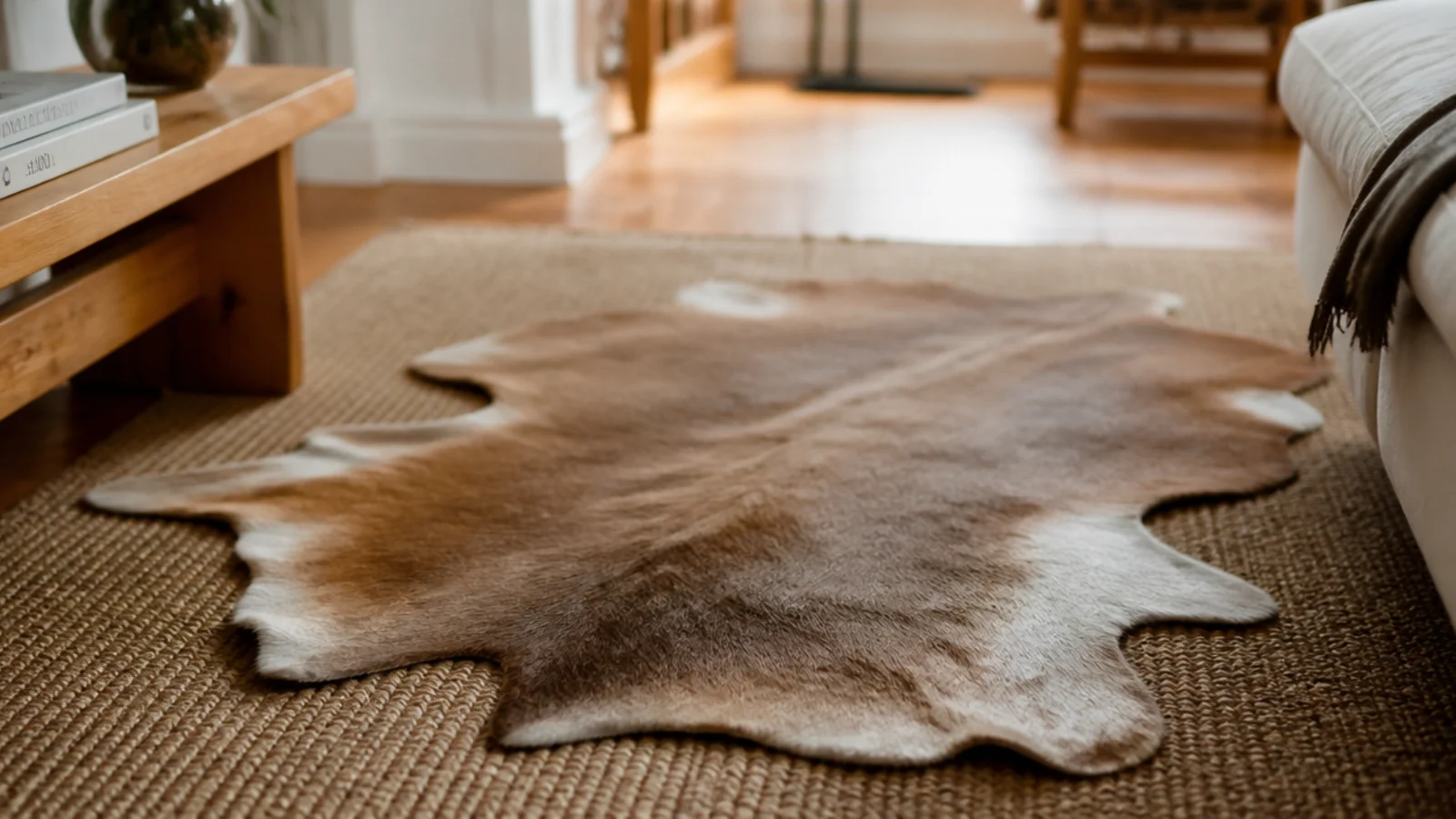
5. Two flatweaves in one tone, two weaves
The quietest layering there is: an ecru herringbone base under an ecru basket weave, or a fine kilim over a chunky flatweave. The colour stays flat and the structure does everything. It suits a room that already has pattern in the curtains or the art, and the total stack stays under a quarter inch.
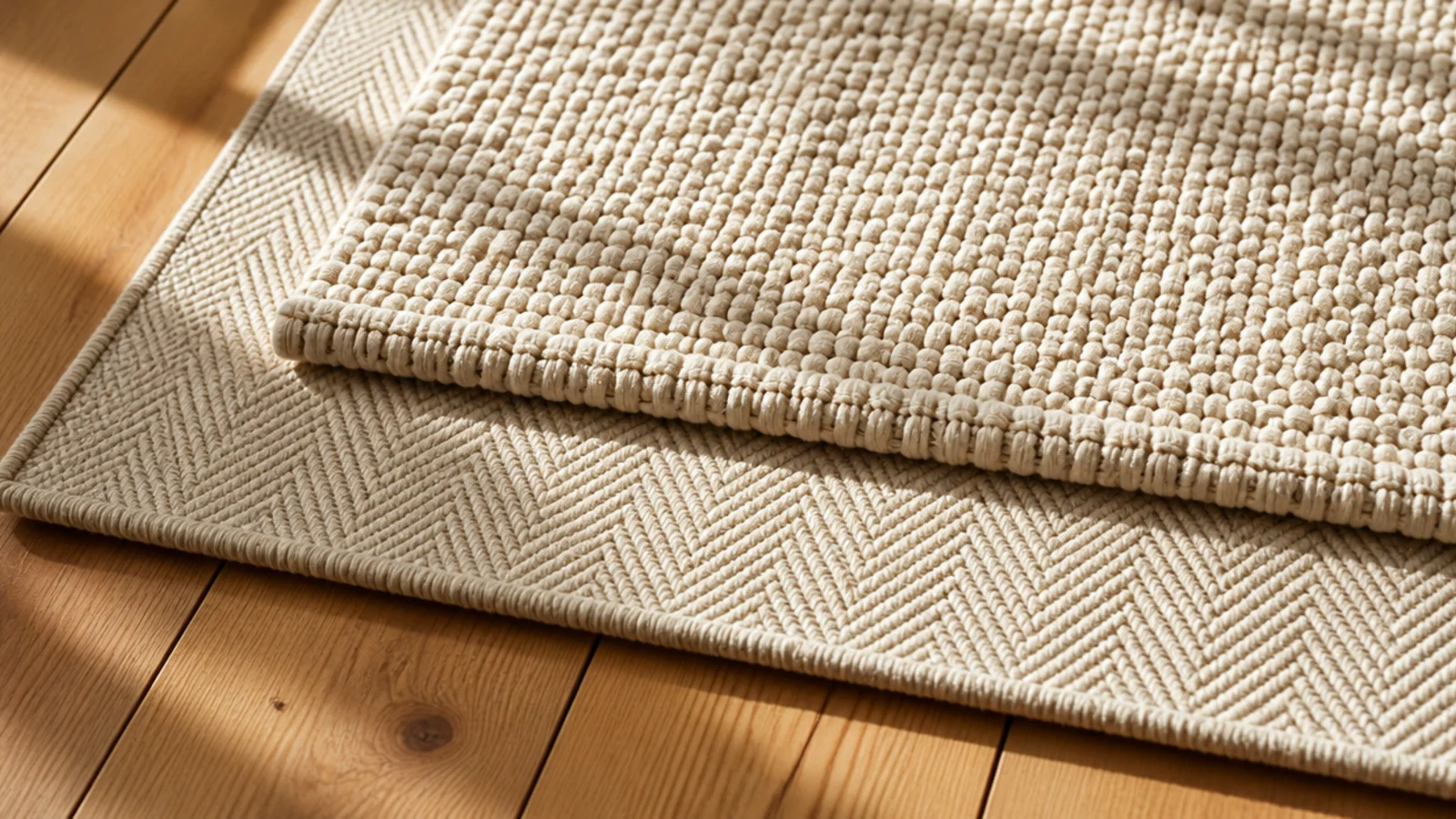
6. A sisal base with a bold kilim on top
Flat on flat is the safest stack in a house with doors that clear only half an inch. Sisal is tougher and more abrasive than jute, which suits a walking route, and a bold kilim on top takes all the attention. Sisal is also the worst of the naturals with spills, so keep it clear of the coffee table.
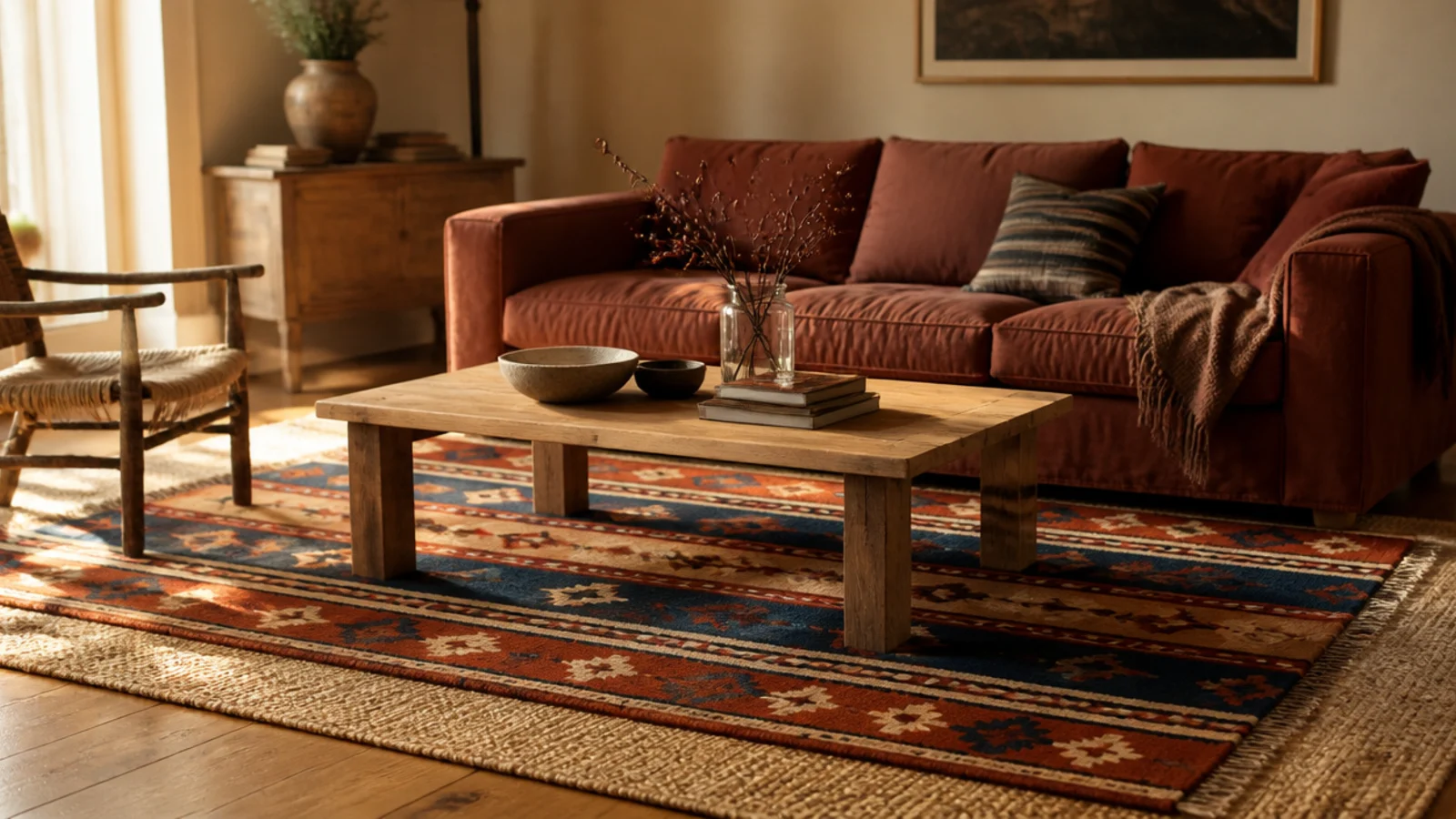
7. Cream base, dark top for the strongest contrast
A pale base around a dark top rug behaves like a mount around a picture: it isolates the seating group and makes the top rug read as a deliberate object. Keep the reveal tight and equal at 12 inches, because a wide pale border around a dark centre starts to look like a target rather than a floor.
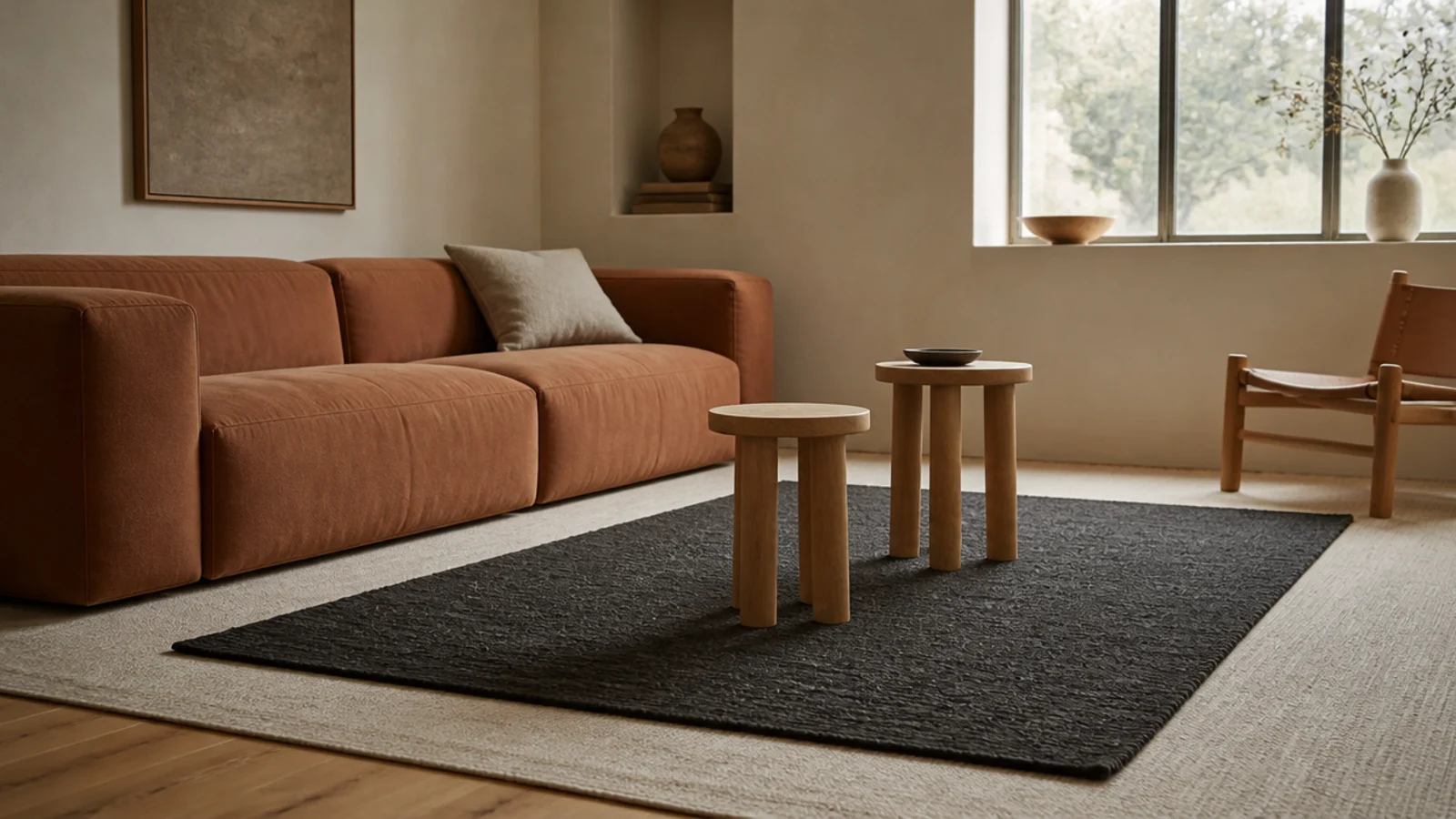
8. Dark base, light top for a bright island
Reverse it in a dim room. A charcoal flatweave base under a pale undyed wool makes the top rug glow, which is genuinely useful in a north-facing corner or under a low ceiling. The dark base also hides the traffic marks that a pale rug would show if it ran all the way to the walls.
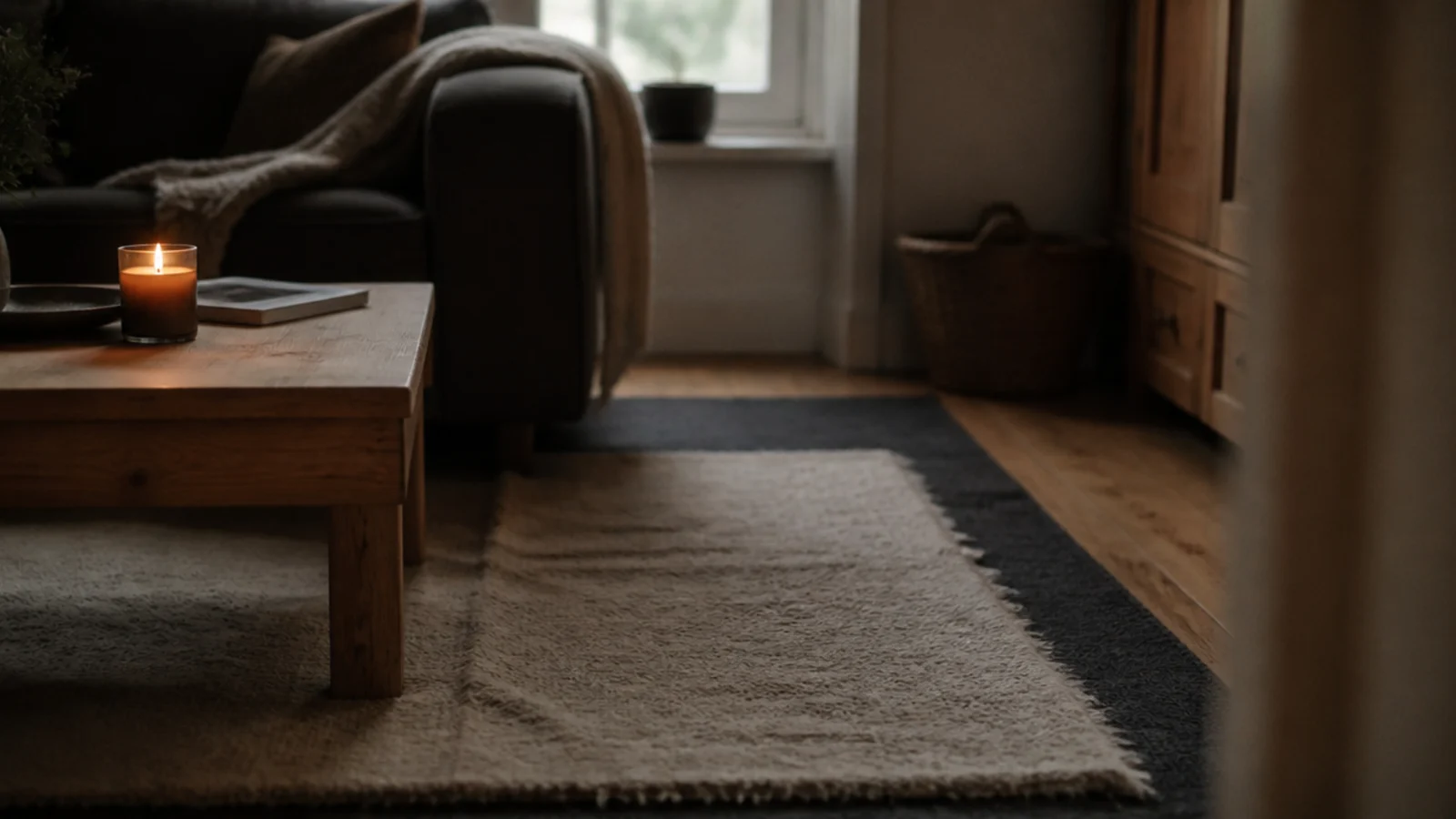
9. Offset the top rug toward the sofa
Perfectly centred is not always right. If the sofa sits against a wall, shifting the top rug 6 to 10 inches forward puts more pile where feet actually land and leaves the wider reveal behind. Keep the offset on one axis only — moved forward and sideways at once just reads as badly placed.
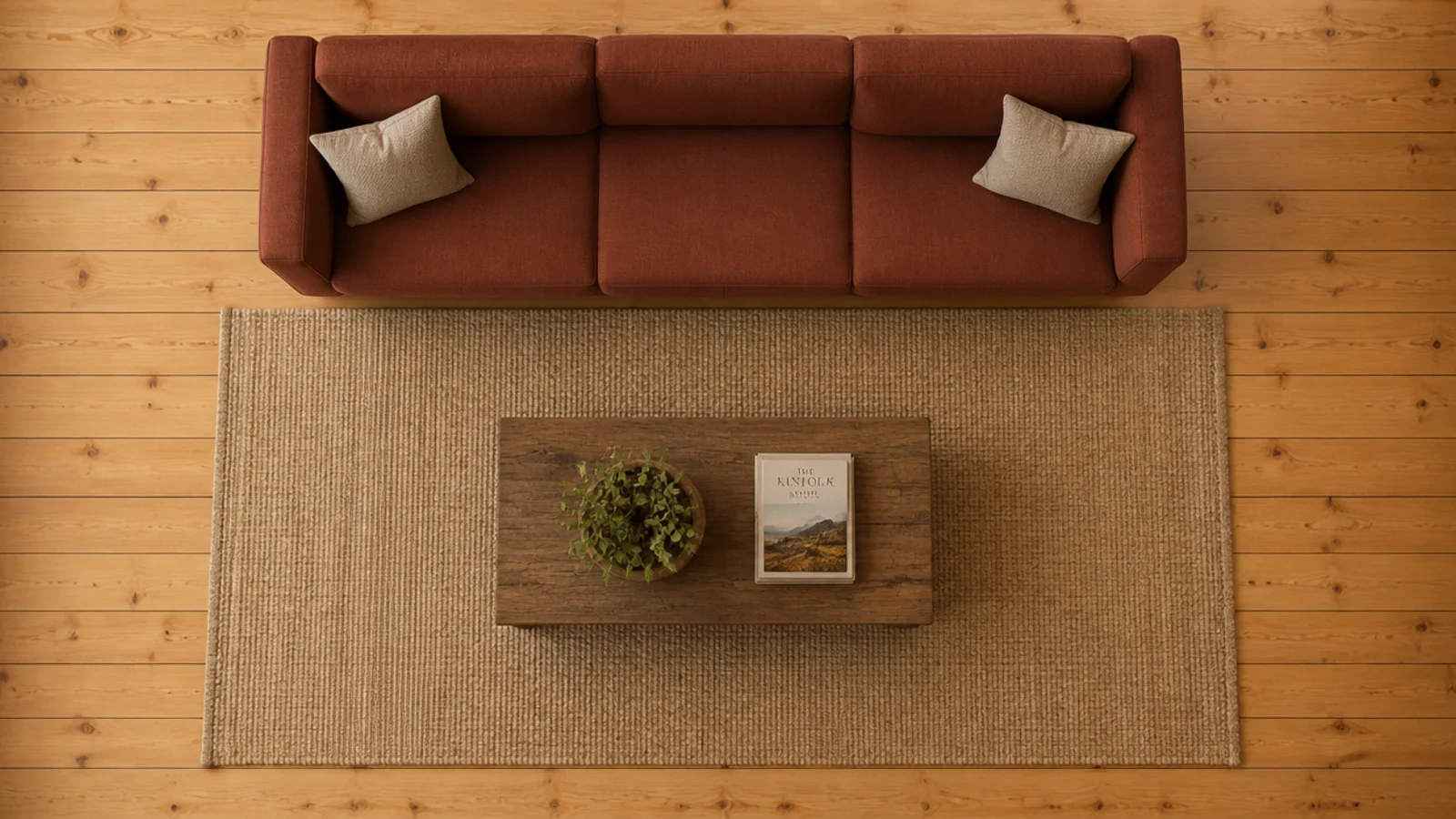
10. A square top on a rectangular base
A square rug centred on a longer rectangle gives you a strong centre and two generous bands at either end, which suits a long narrow room. Line up the centre points rather than the edges, and check the two end reveals match — an inch of difference is visible from the doorway.
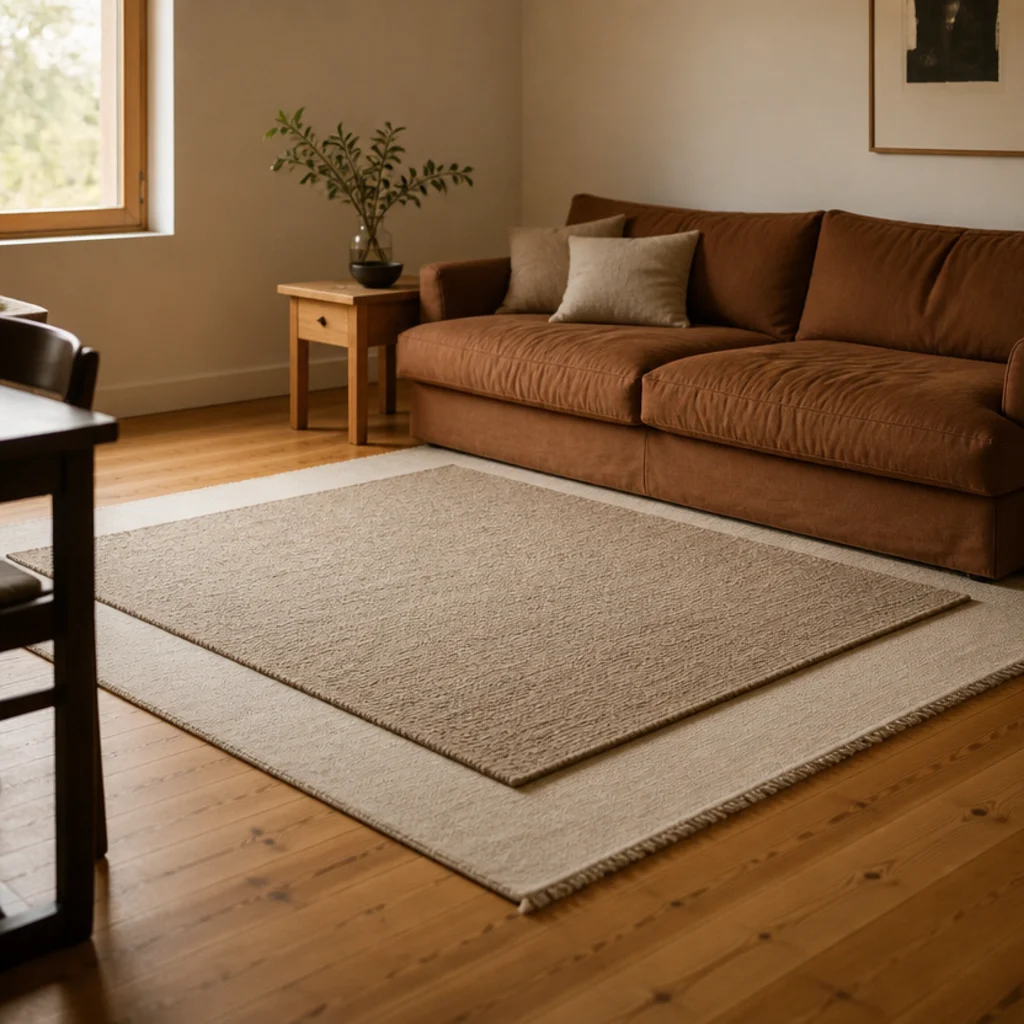
11. A round top on a rectangular base
A 6-foot round on a 9x12 base works when something else in the room is curved: a bay window, a round table, a curved chair. Without that, the circle floats. Round rugs also need the reveal measured at four points rather than four sides, so check the north, south, east and west gaps individually.
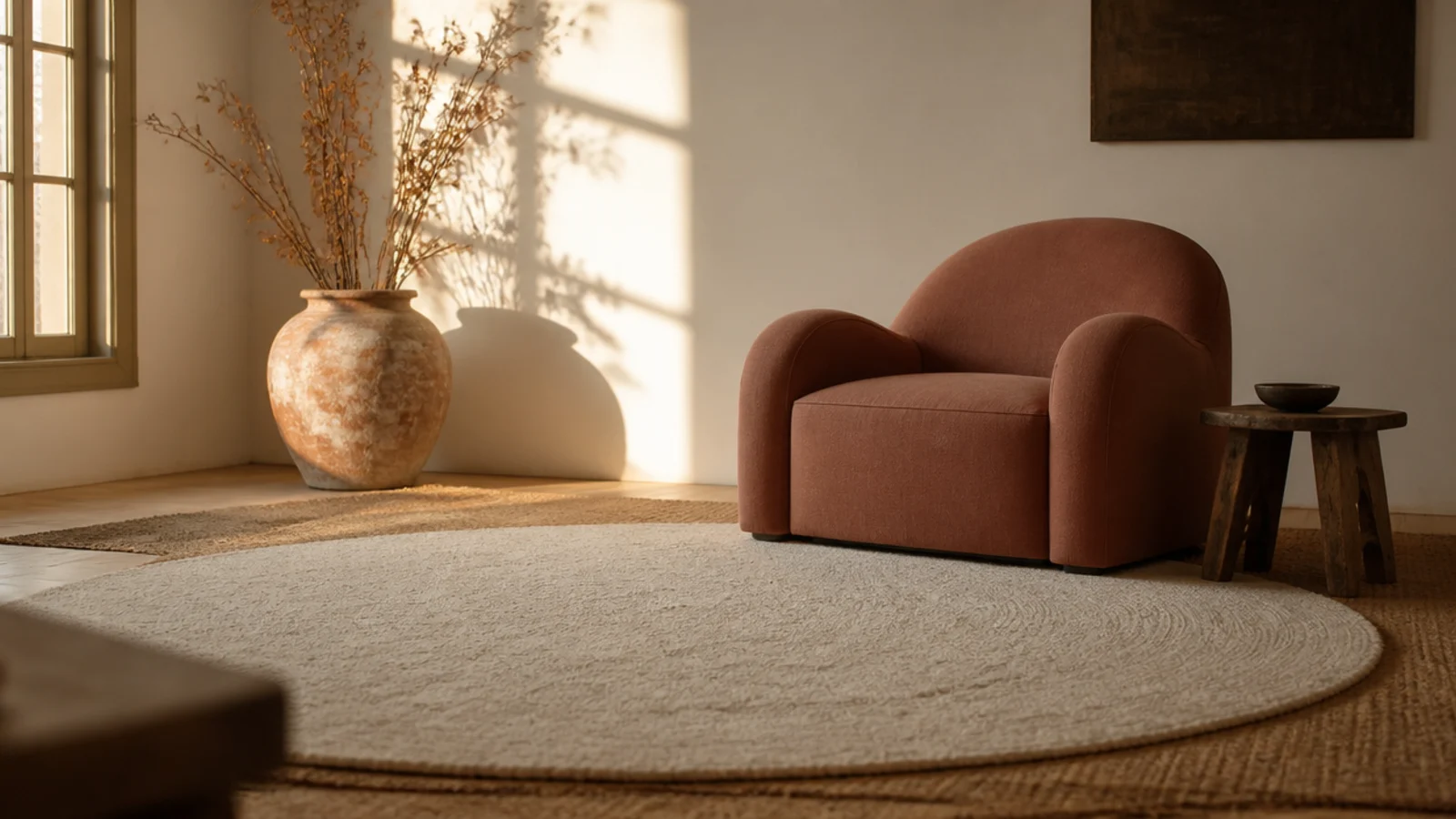
12. A runner layered over a base in a walk-through
If people cross the room to reach another door, a 2.5x8 runner laid over a large base takes the wear on a strip you can replace for $80 rather than on a rug you cannot. Grip-tape it to the base along its full length so it cannot ruck up underfoot.
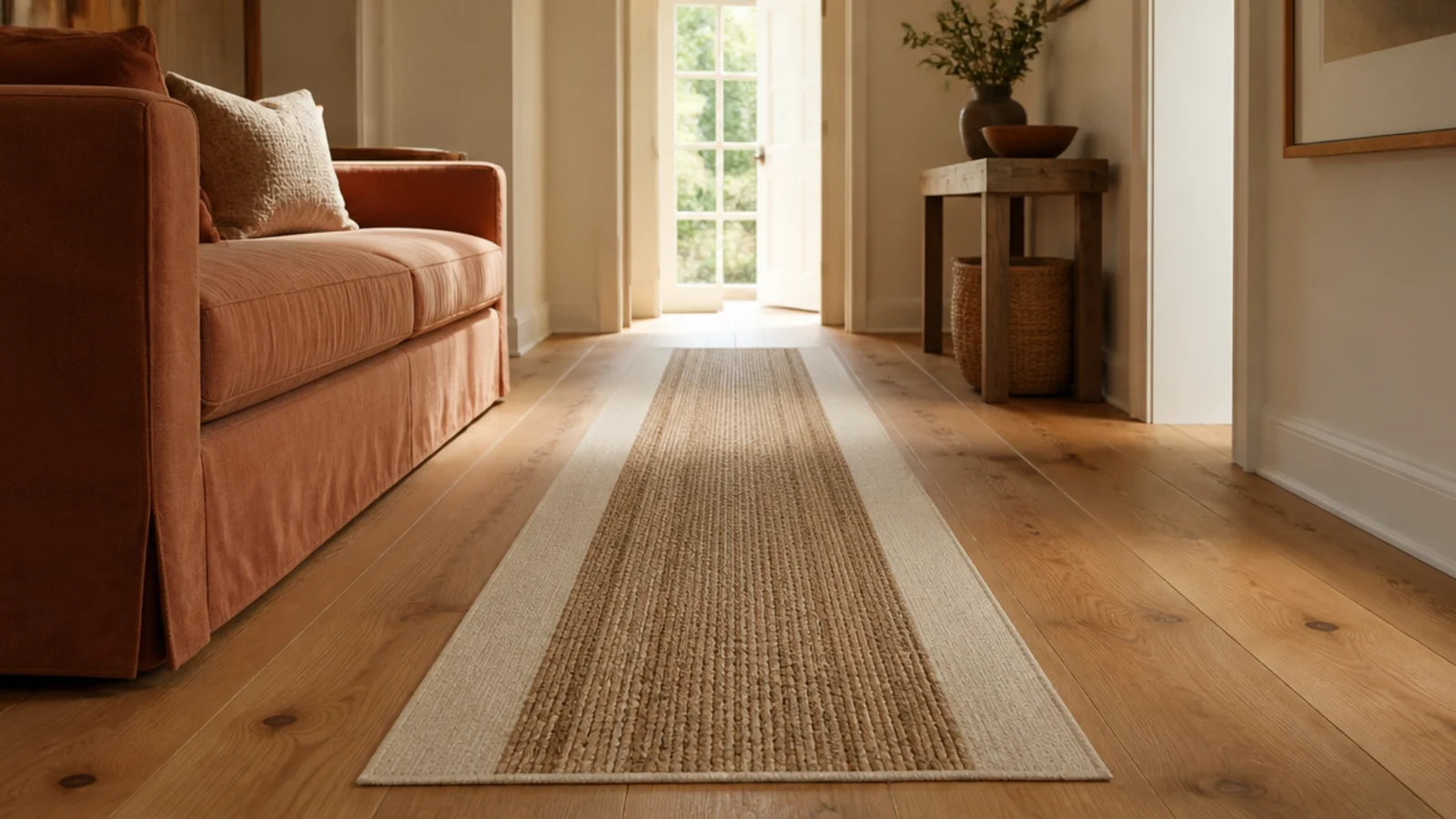
13. A Moroccan shag over a flatweave for winter
A thick wool shag at half an inch to an inch of pile over a thin flatweave is the warmest stack on this list, and the softest to sit on the floor with. Check the door clearance before you commit — shag plus base plus pad frequently exceeds the three-quarter inch most interior doors leave.
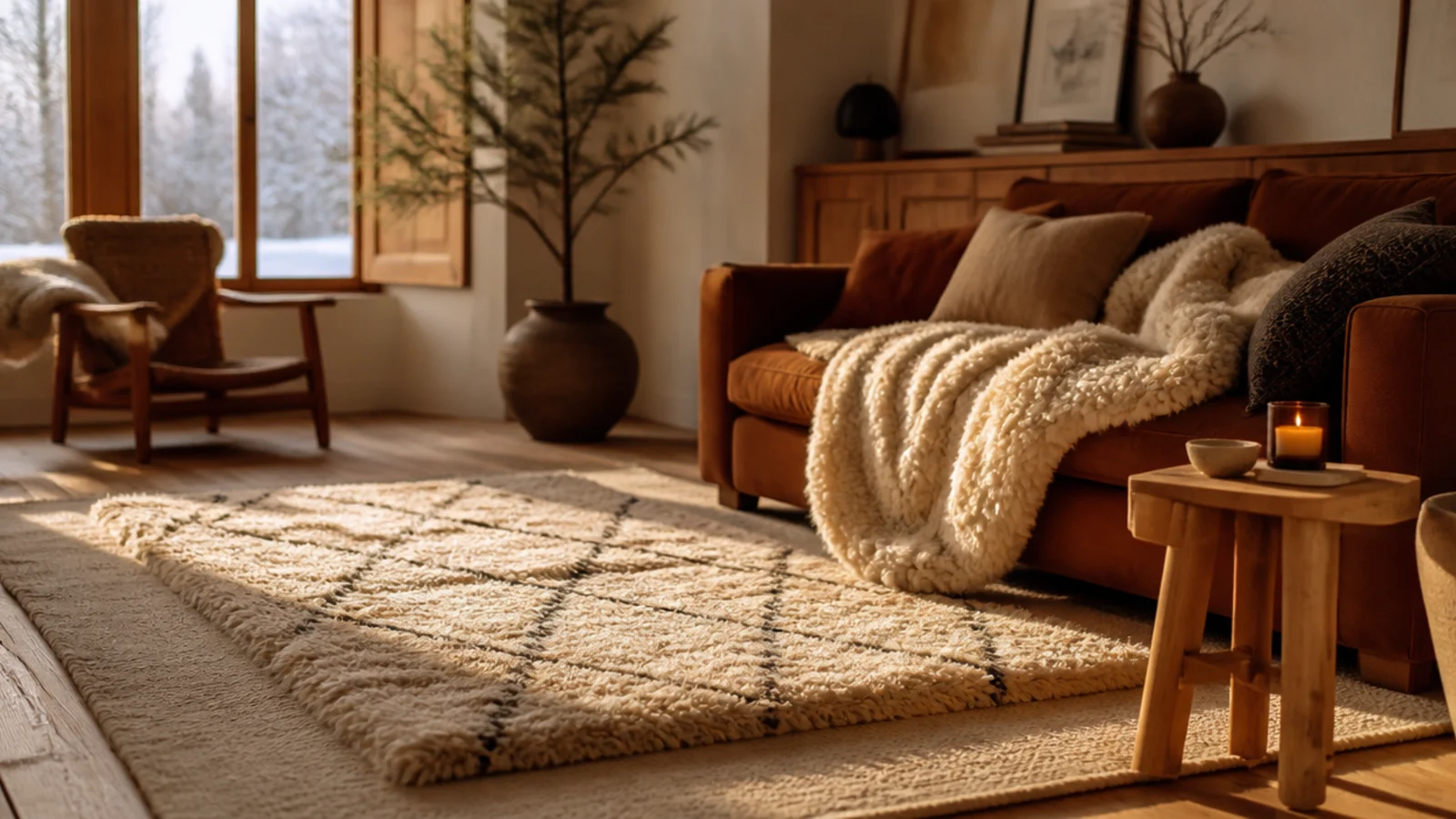
14. Swap the top rug and keep the base for summer
The practical argument for layering. Keep one large jute or flatweave base down all year and change only the top: wool in winter, a thin cotton flatweave in summer. You store one rug instead of two, and the room changes noticeably for the cost of the smaller piece.
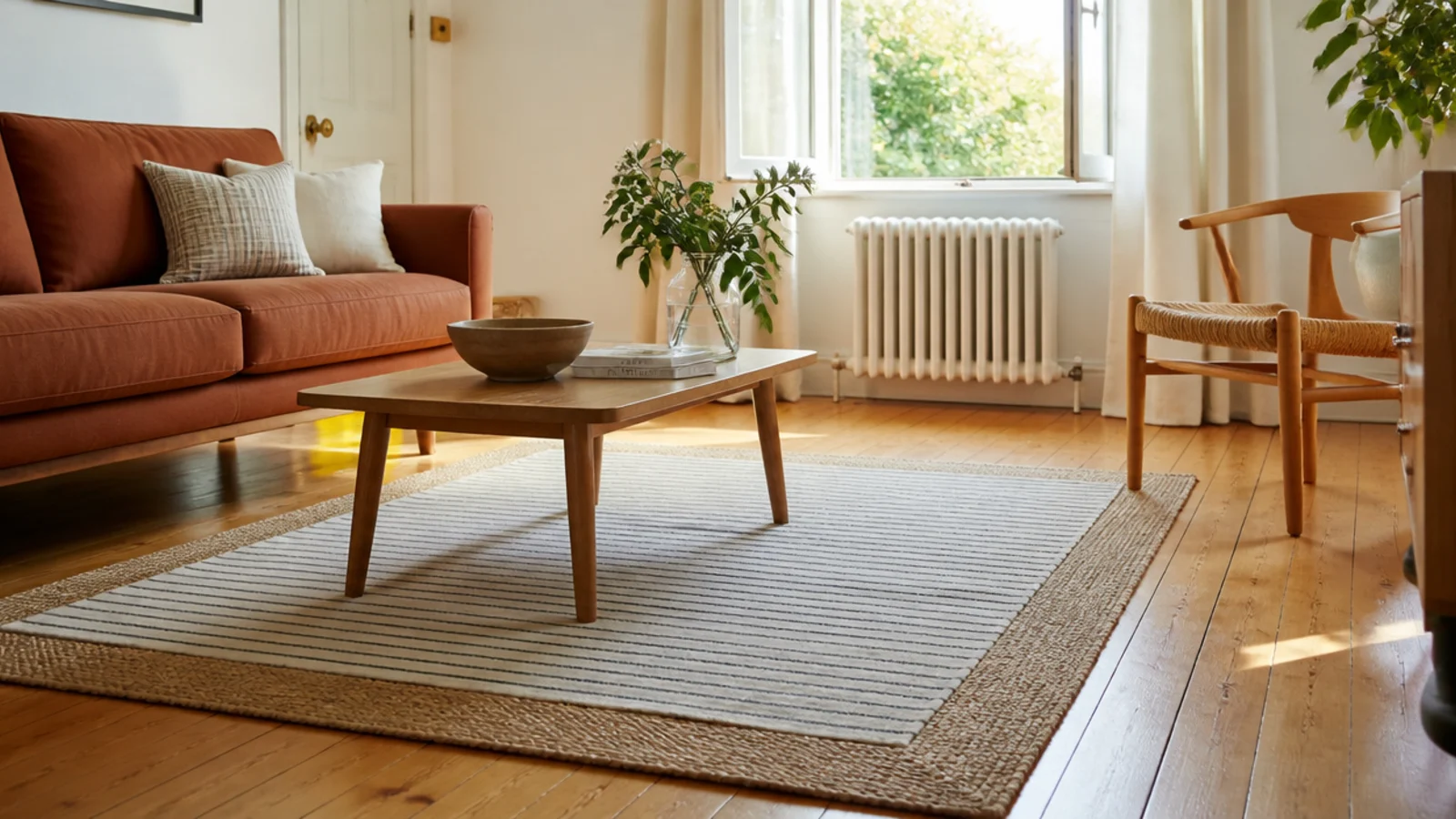
15. Layer to rescue a rug two sizes too small
If you already own a 5x8 in a room that needed a 9x12, do not replace it — put a large plain base underneath. The base gives the room the proportion it was missing, reaching 6 to 8 inches past every furniture leg, while the rug you like keeps its place in the middle.
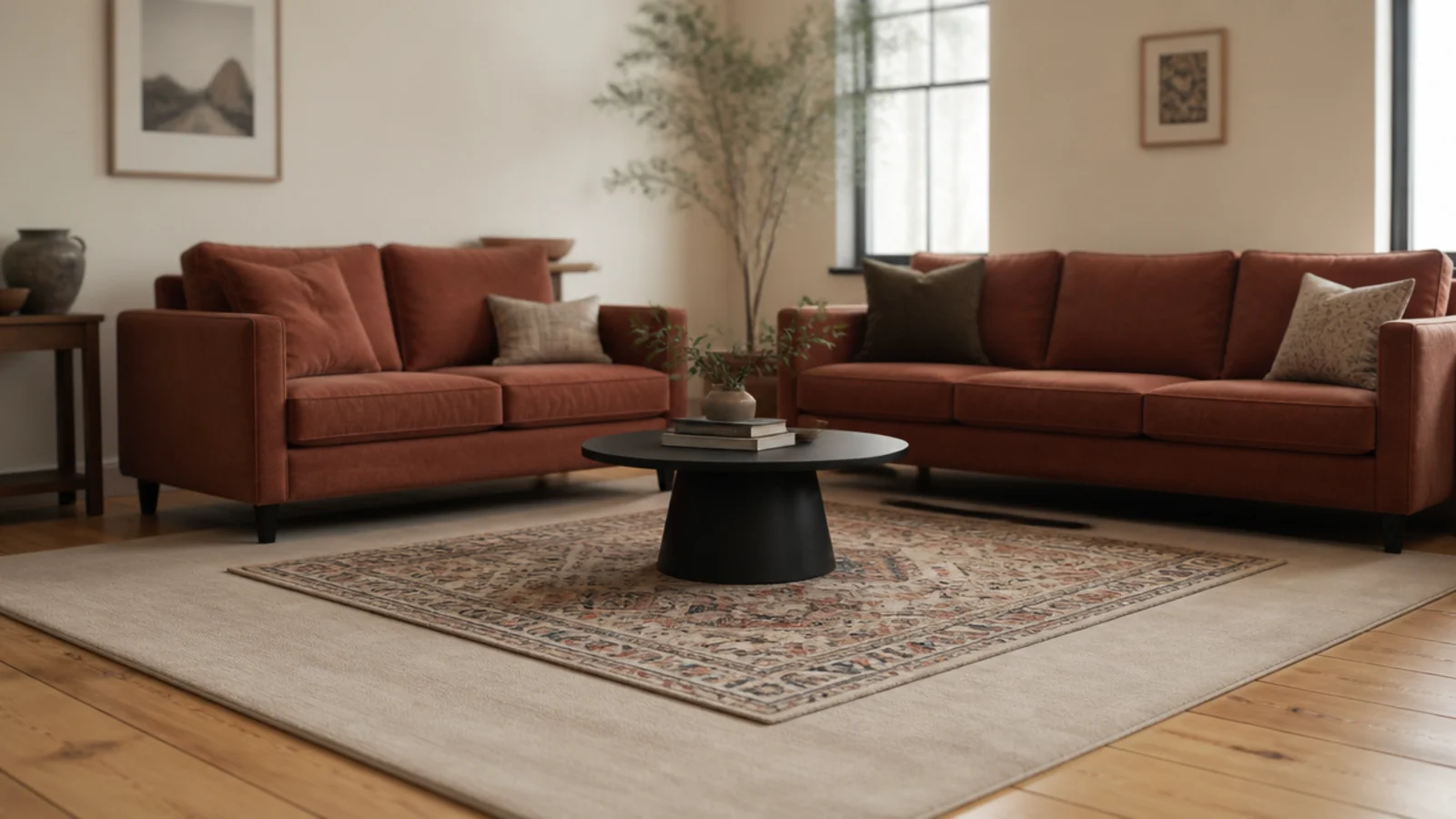
16. Layer to cover a stain you cannot lift
A permanent mark on an otherwise good rug is a reason to layer rather than to replace. Position the top rug so the damage sits well inside its footprint rather than near an edge, and check it stays covered when the top rug shifts an inch, because it always shifts an inch.
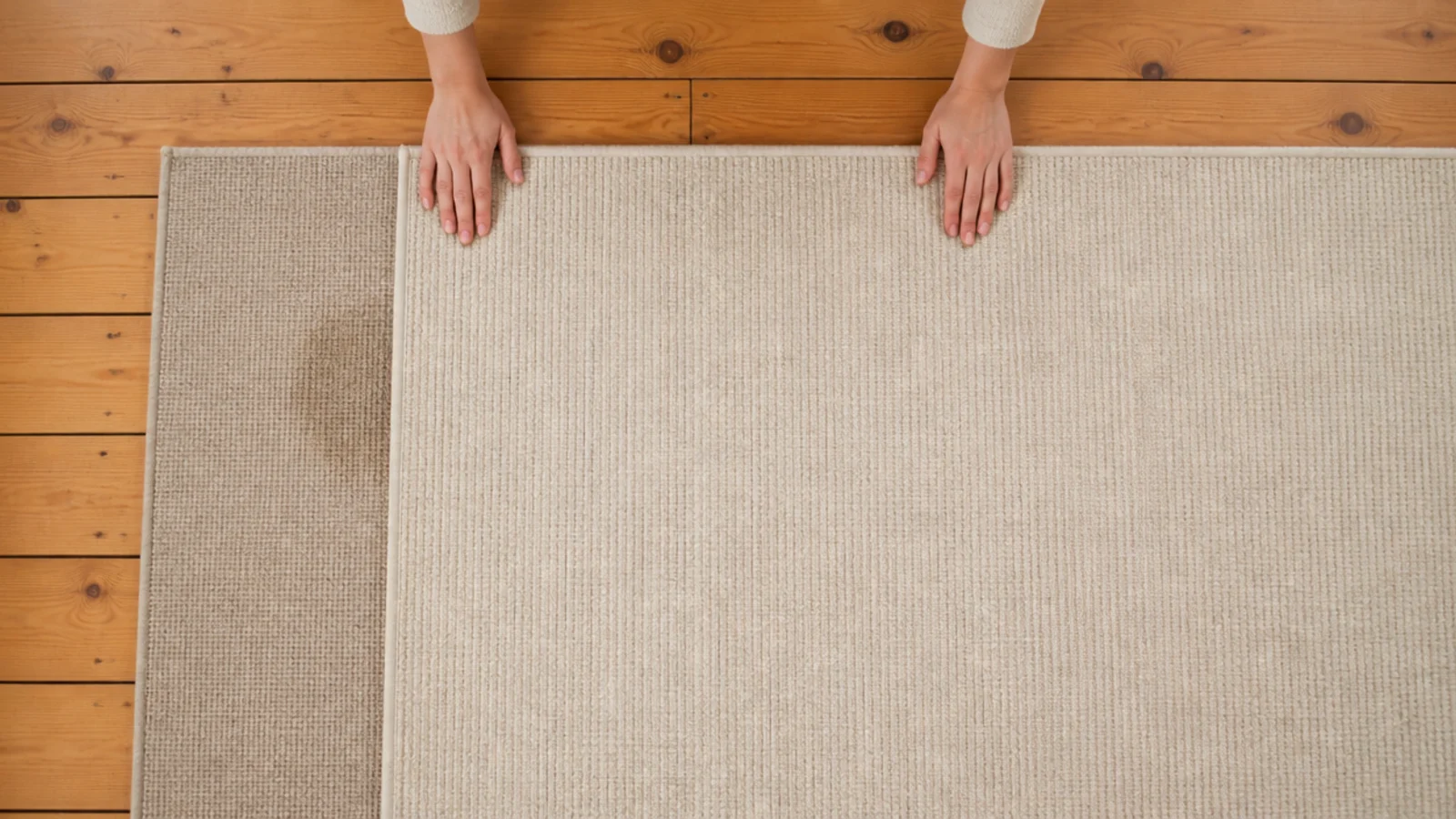
17. Layer over wall-to-wall carpet in a rental
The standard fix for carpet you did not choose. Skip the rubber pad, since rubber can mark some carpet backings, and use a thin needle-punch felt underlay instead. Choose a low pile top rug so the build stays firm rather than spongy, and check your lease about adhesives before using any tape.
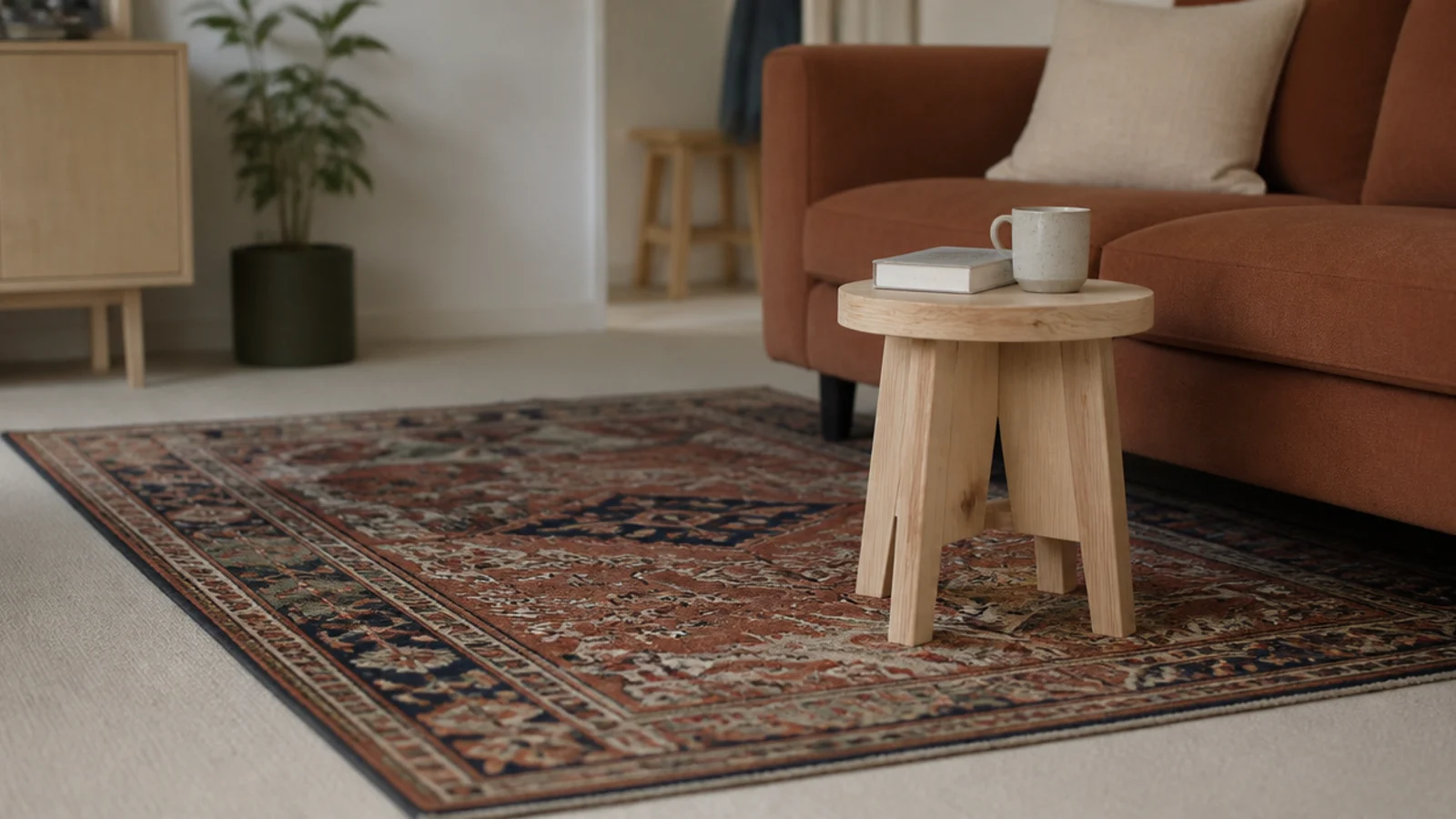
18. Keep the edges parallel, never diagonal
An angled top rug looks casual in a photograph and looks dropped in a room you live in. Run the edges parallel and align the long axis of both rugs with the sofa back rather than the wall. If you want the arrangement to feel loose, do it with the offset instead.
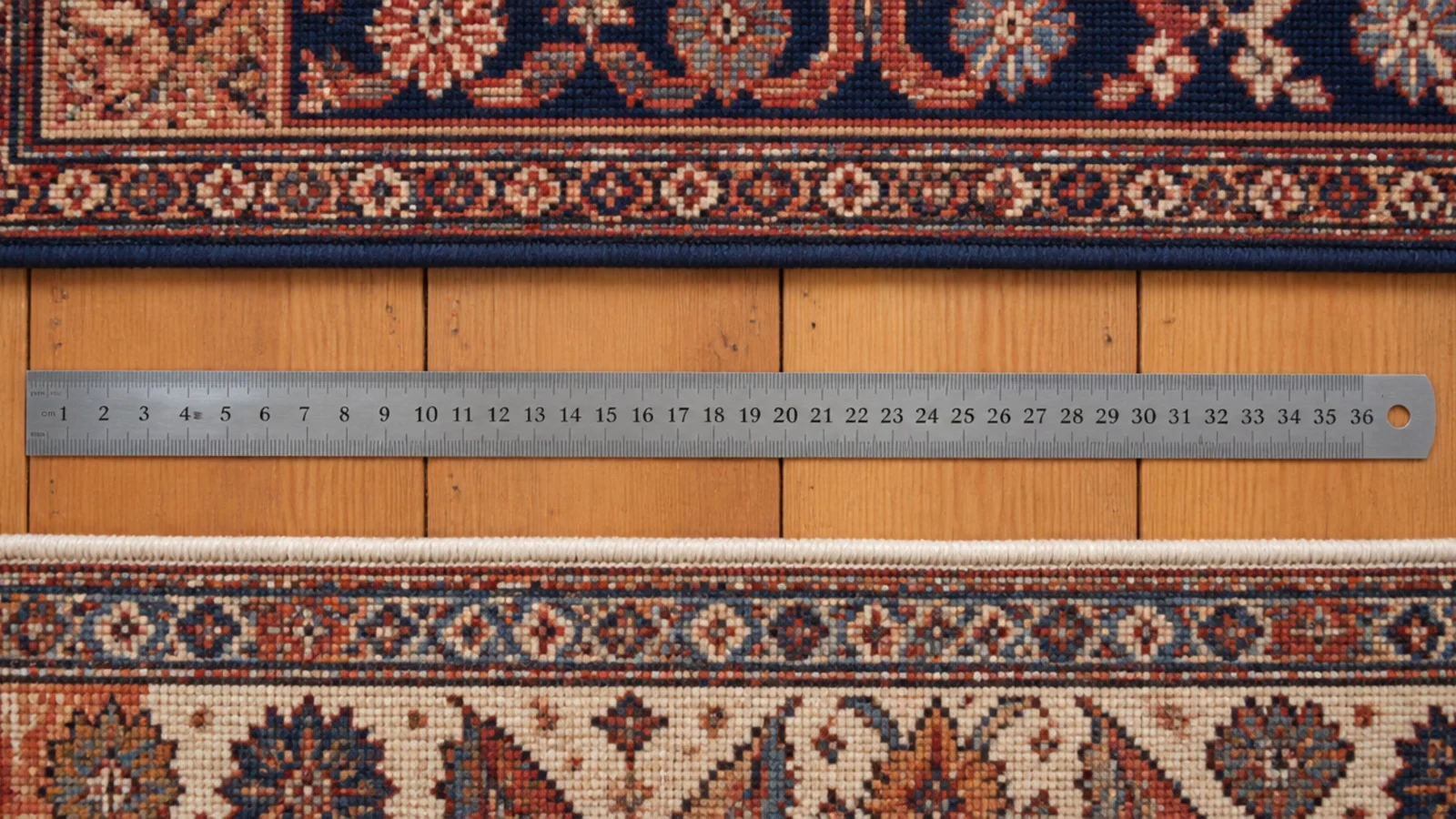
19. Hold the reveal at 12 to 18 inches all round
Measure all four sides with a tape before you put the furniture back. A reveal that is 14 inches at the front and 9 at the back is the single most common reason a layered floor looks slightly wrong without anyone being able to say why. Equal beats generous every time.
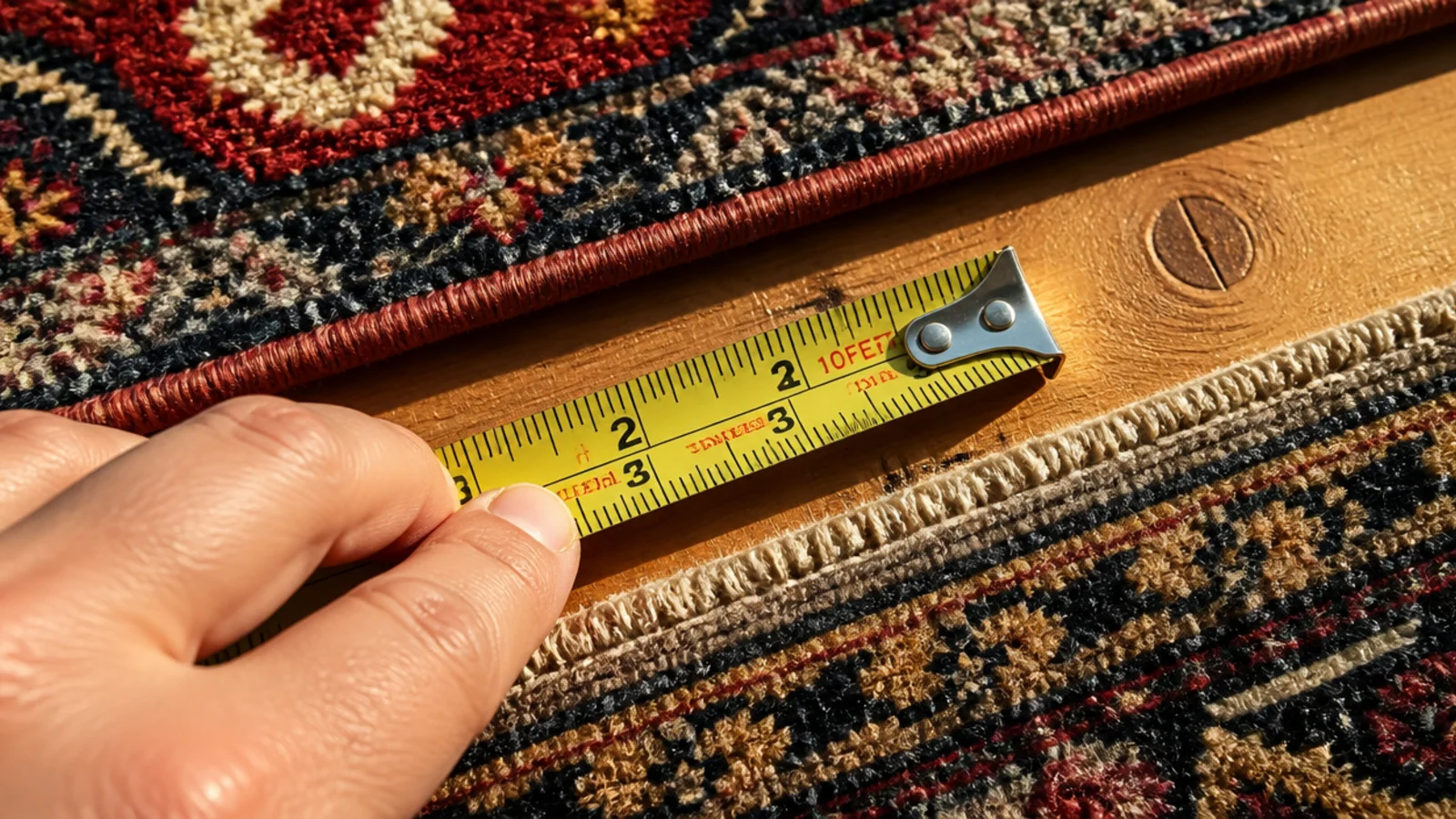
20. Keep a quarter inch of pile difference between layers
If the two rugs are the same thickness, the stack reads as one confusing rug rather than two deliberate ones. A quarter inch of height difference gives a visible shadow line at the top rug's edge. That shadow is what makes the whole arrangement look considered rather than temporary.
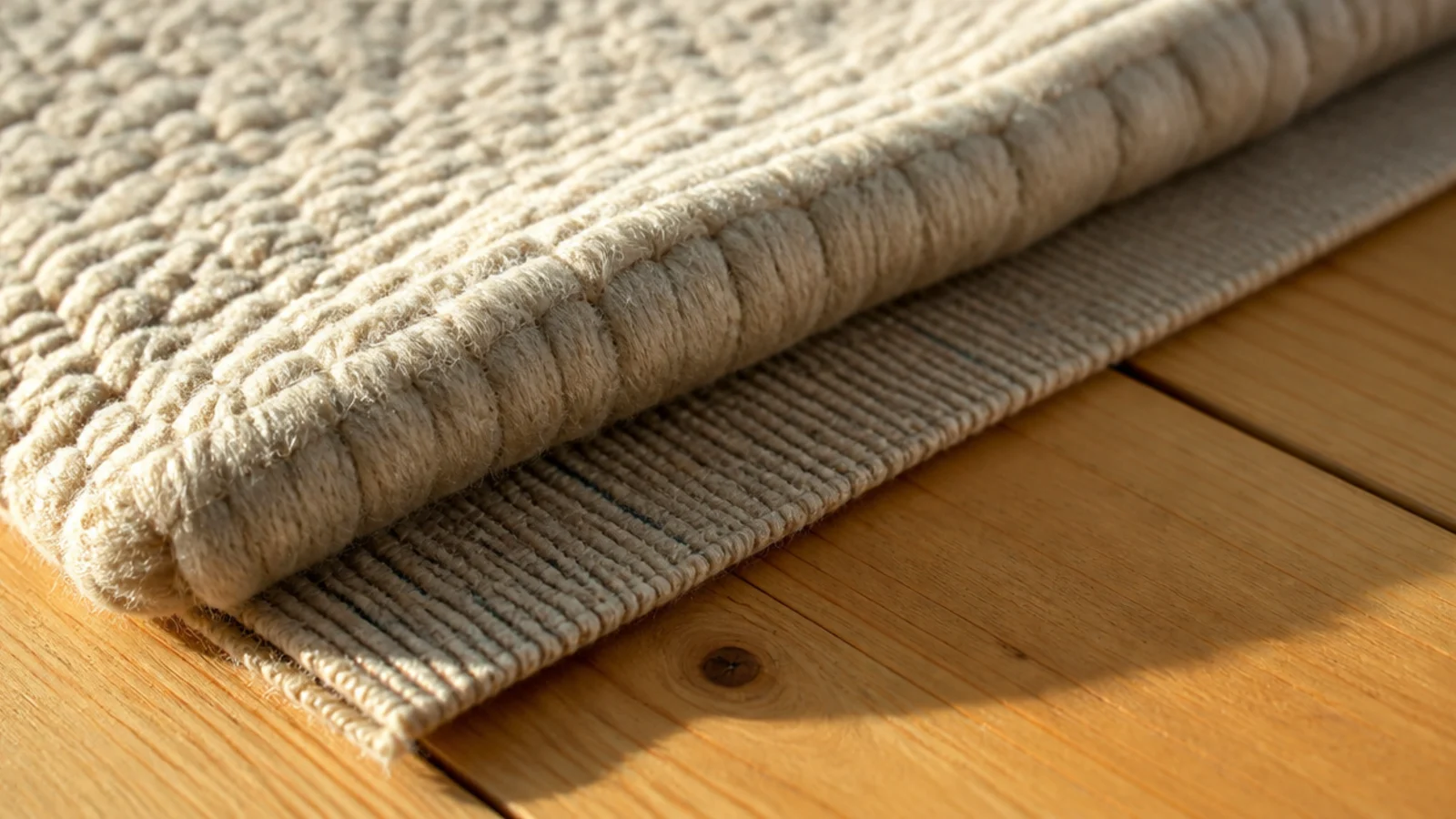
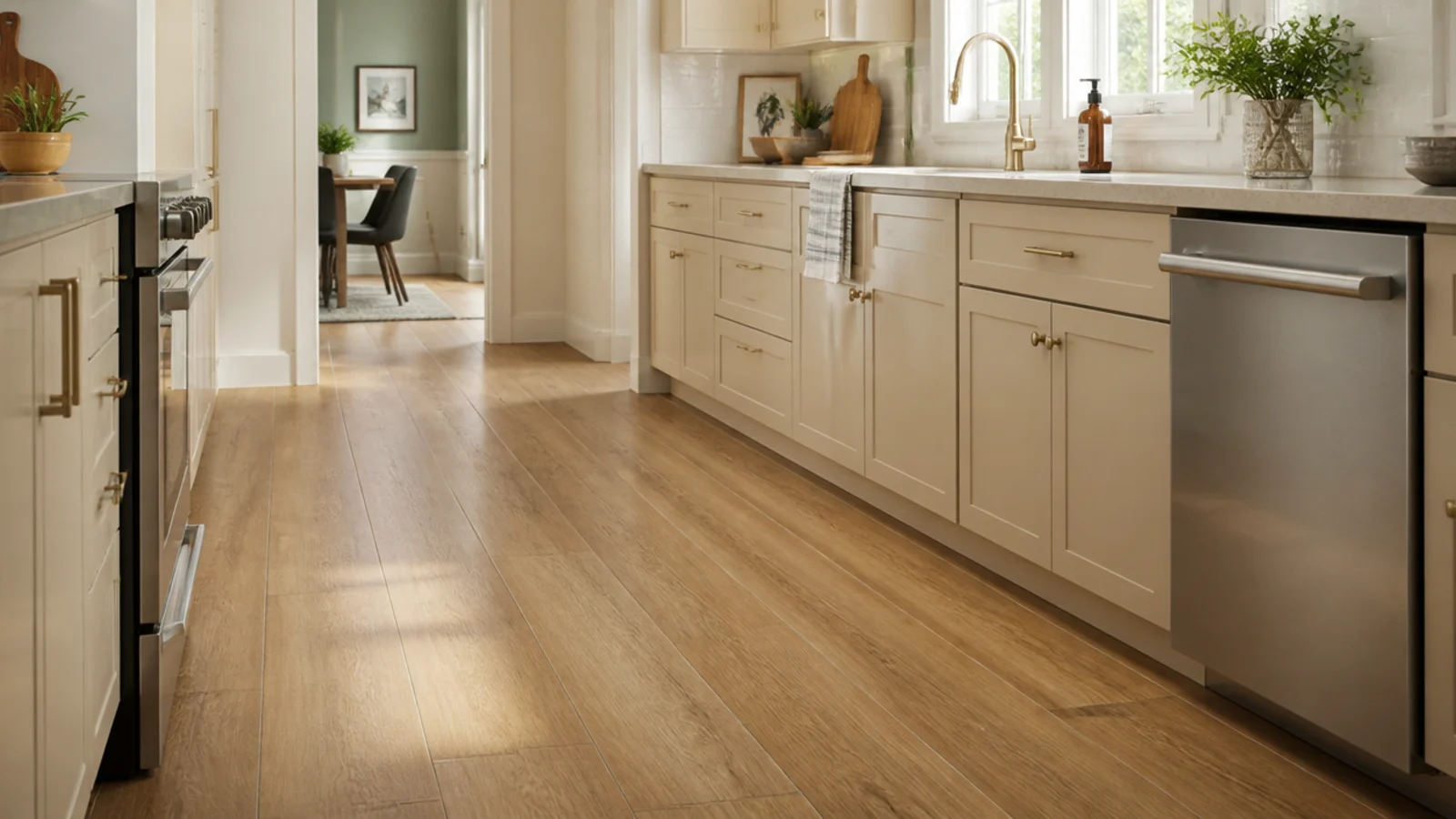
For the boards showing around the edge of all this, the wooden flooring texture guide covers grain and finish, and if you are building the evening version of this room, the candle decor ideas handle the light that makes a layered floor look its best.
Mistakes to Skip
- Using two thick rugs together. The stack becomes a step at every edge, the door stops clearing it, and the whole thing rolls underfoot instead of lying flat.
- Skipping the grip between the layers. The top rug walks a few inches a week until its corners are lifting, and a lifted corner on a hard floor is what people trip on.
- Choosing two patterns at the same scale. They compete rather than layer, and the floor ends up reading as visual noise no matter how good either rug is on its own.
- Letting the reveal go uneven. Nobody consciously notices 14 inches on one side and 9 on the other, and everybody registers that the room looks slightly unresolved.
Frequently asked questions
How much of the bottom rug should show?
Between 12 and 18 inches on every side is the range that reads as deliberate. Less than about 8 inches looks like the top rug slipped, and more than 24 inches makes the base look like the real rug with something dropped on it. Keep the reveal equal on all four sides.
What should the bottom rug be made of?
A flatweave, jute or sisal at roughly an eighth of an inch thick. A thin base keeps the total stack height low enough that a door still swings over it and nobody catches a toe. A thick base under a thick top creates a step at the edge, which is exactly what you want to avoid.
Will a layered rug slide around?
It will unless you stop it. Put a felt and natural rubber pad under the base rug, then use rug-to-rug grip tape or a thin non-slip mesh between the two layers. A stack that shifts underfoot on a hard floor is a genuine trip hazard, and the corners of the top rug are what catch first.
Do the two rugs need to match?
No, and matching usually flattens the effect. What they need is a shared undertone and a clear difference in scale or texture. A plain base under a patterned top works almost always. Two patterns of similar scale fight each other and make the floor look busy rather than layered.
Can I layer rugs over wall-to-wall carpet?
Yes, and it is the standard fix in a rental with carpet you dislike. Skip the rubber pad, because rubber can mark some carpet backings, and use a thin needle-punch felt underlay instead. Choose a top rug with a low pile so the whole build stays stable underfoot rather than spongy.
Want more like this? Browse all 15 rugs in living room guides — they all use the same measurements and budget tiers.
Pin it for later
Save this to your Rugs In Living Room board
Pin it now so it is waiting for you when the tape measure comes out — and so the next person hunting for this idea can find it too.
Save this pinKeep going
More ideas worth saving while you have the tape measure out.