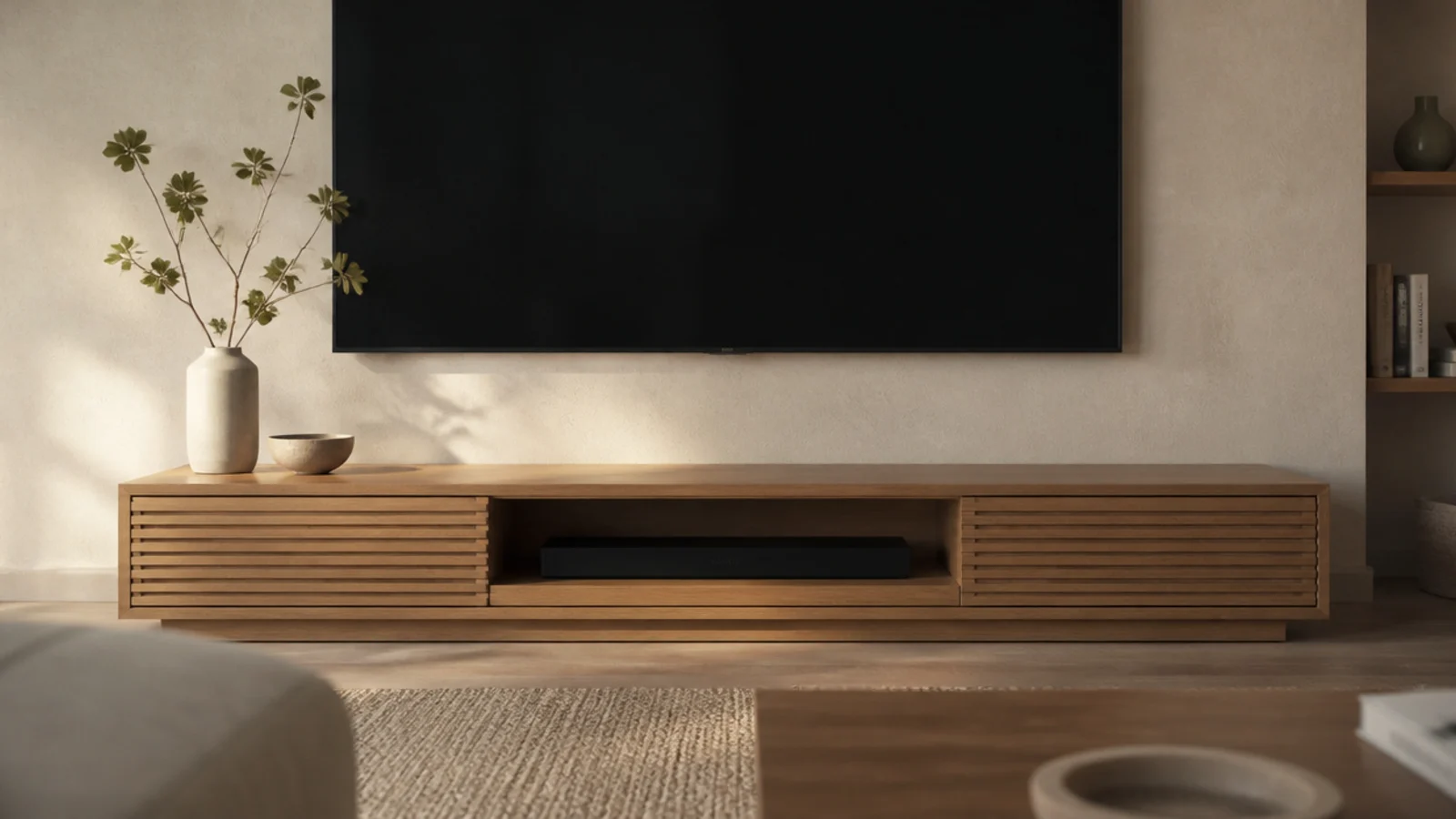
Center Table Living Room · Listicle
30 Center Table Living Room Modern Picks That Last

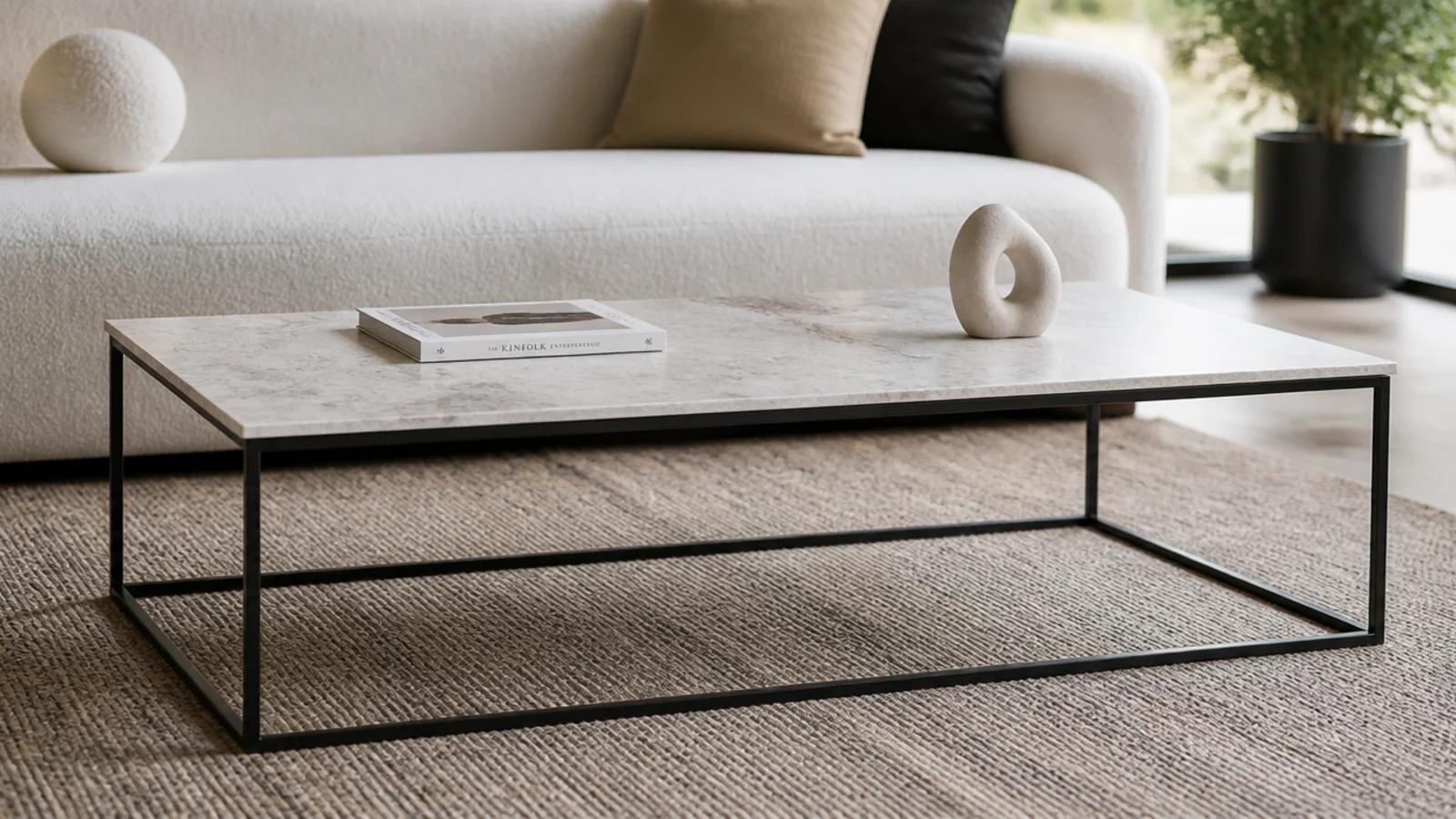
Furniture that lasts is not a style question, it is a construction question. I have watched two identical-looking tables sit side by side in a rented flat, and the one that survived four years of feet, wine and a house move was the one with a welded frame and a solid edge. Everything about a center table living room modern buy comes down to what you can check in the showroom in under a minute. Here are thirty picks and the details that separate them.
In this guide32 sections — tap to openHide
- 1.What center table living room modern buyers should check first
- 2.Solid timber tops you can identify by the edge
- 3.Sintered stone that never needs sealing
- 4.Welded frames rather than bolted ones
- 5.Powder coat, not sprayed paint
- 6.Half-inch tempered glass, polished all round
- 7.Real edge banding you cannot pick off
- 8.Tapered legs that keep the floor visible
- 9.A fluted drum in solid timber
- 10.A sled base that will not sink into a rug
- 11.A single pedestal column for tight rooms
- 12.A nesting trio in powder-coated steel
- 13.A cast concrete top with a breathable sealer
- 14.Terrazzo for rooms where things get spilled
- 15.Solid surface with invisible joints
- 16.A leather-wrapped top for a quiet surface
- 17.Cork where noise and knocks are constant
- 18.Bent plywood for curves without joints
- 19.A cantilever form that frees the floor
- 20.Modular cubes you can reconfigure
- 21.A lift-top on gas struts, not spring hinges
- 22.Ball-bearing drawer runners with a stated rating
- 23.A cable pass-through where the sofa charges
- 24.Adjustable glides for an old uneven floor
- 25.A lower shelf sized for actual magazines
- 26.Matte black metal with warm timber
- 27.Softened corners on every hard material
- 28.Fourteen to sixteen inches for a low sofa
- 29.A sixty-inch top for a deep sectional
- 30.Neutral on top, colour in the base
- 31.Buy something whose top can be replaced
- 32.Mistakes to Skip
What center table living room modern buyers should check first
Turn the piece over, or at least tip it. Weight tells you most of it: a solid timber top runs around 2.5 pounds per square foot per inch of thickness, so a 48 by 24 inch solid oak top at 1 inch lands near 20 pounds before the base. Particleboard feels dense but dead, and it thuds rather than rings when tapped.
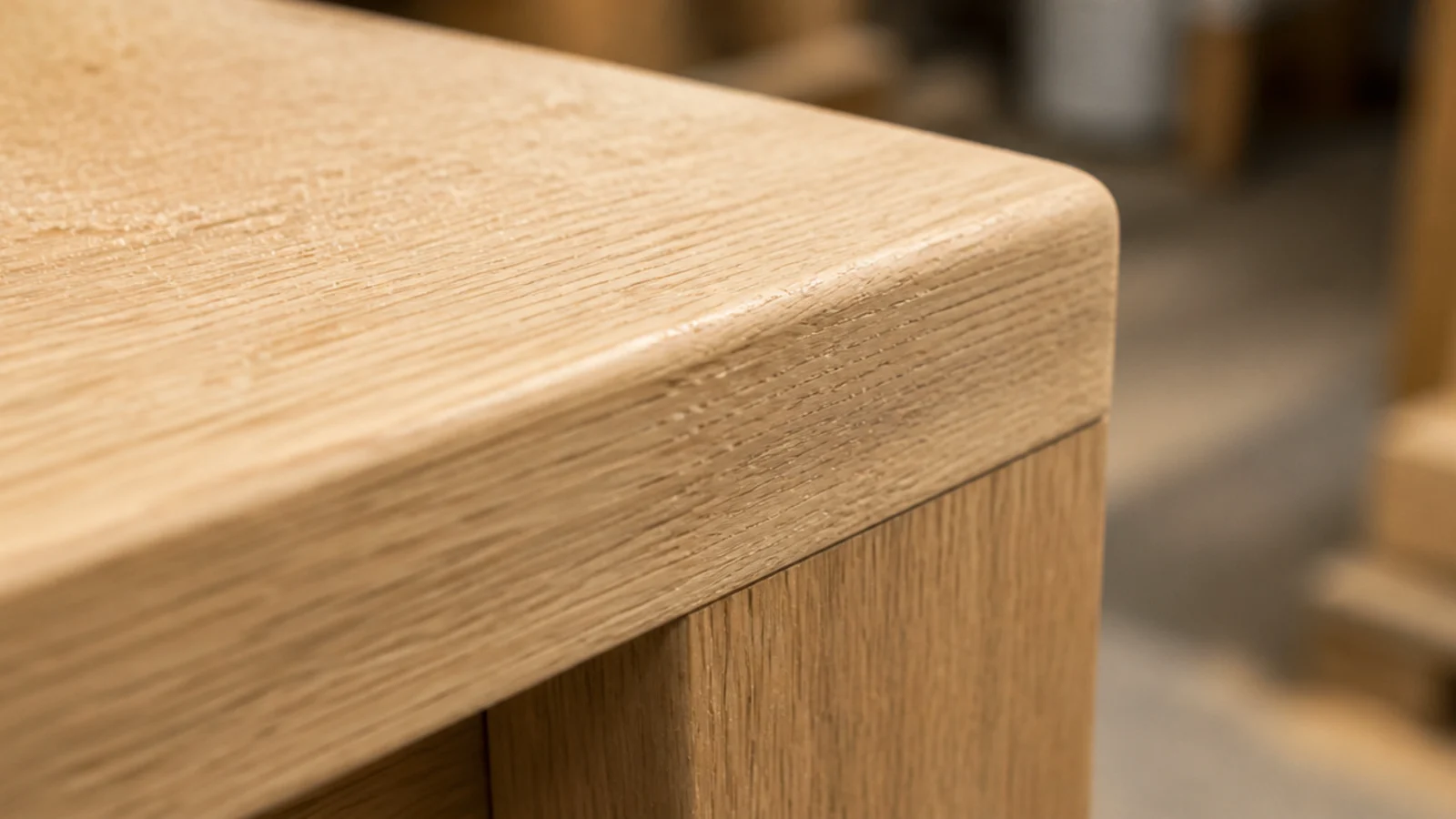
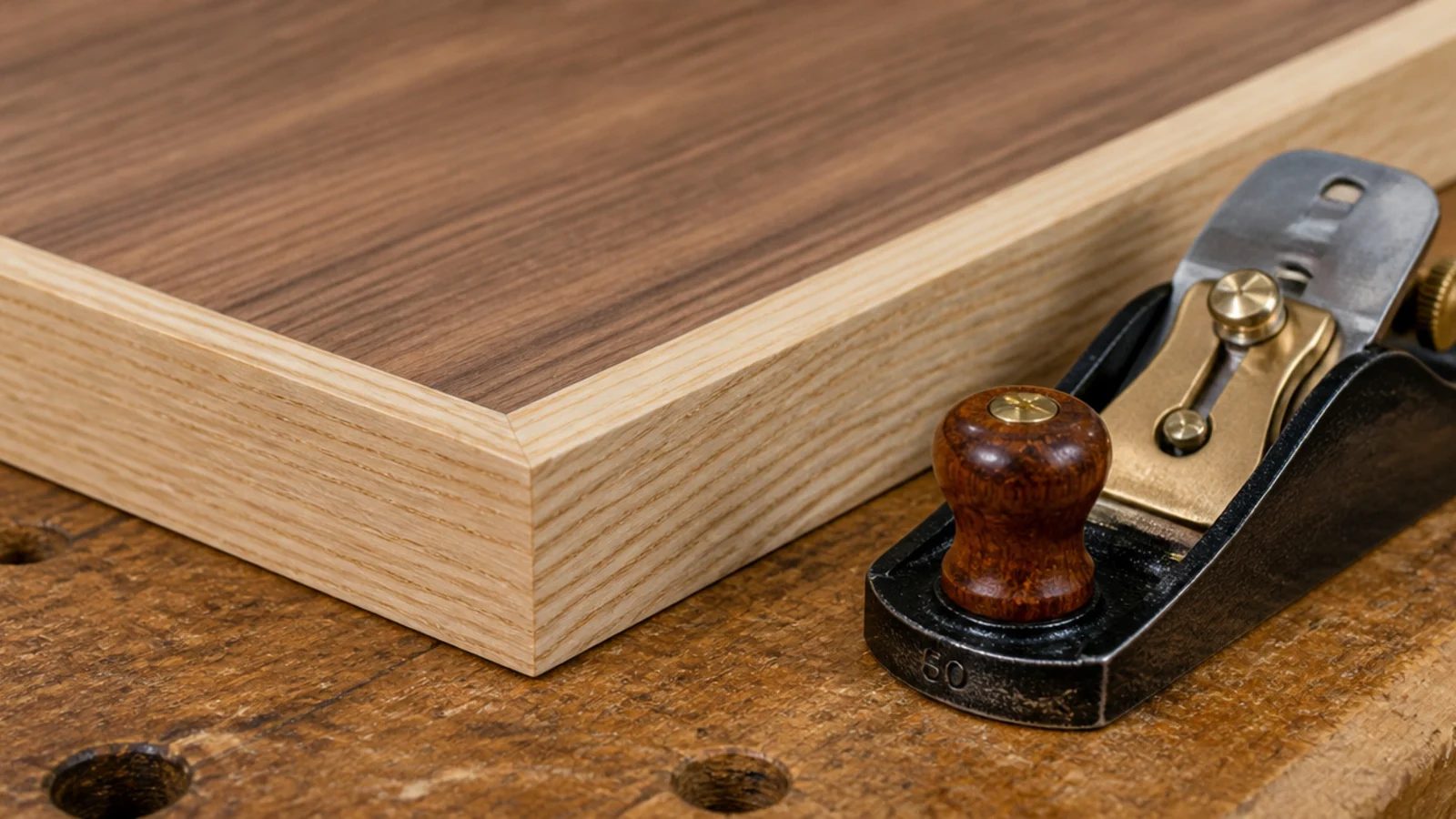
Then look at the edge. Solid timber carries its face grain around the corner and down the side. Veneered board has a separate lipping, and the cheap version is a printed paper strip you can lift with a fingernail. A 2mm solid timber lipping is fine and will outlive the room; anything thinner will chip at the corners within a year.
Then check the joints. Welded and ground steel cannot loosen. Bolted frames are acceptable when the bolts thread into welded nuts, but need a hex key twice a year. On timber, mortise and tenon or a well-fitted dowel joint beats a knock-down cam fitting, and cam fittings are what you find in almost everything under $150.
Sizing does not change with style. Keep the top within one to two inches of the compressed sofa seat, which on a low modern sofa can be as little as 15 inches. Length around two-thirds of the sofa, and 16 to 18 inches of clear gap between the sofa front and the table edge. The main sizing guide works through those numbers with a tape measure.
1. Solid timber tops you can identify by the edge
Face grain that wraps the corner means solid stock. Expect $250 to $600 for a solid oak or ash top of usable size, and expect it to be refinishable — a solid top sands back three or four times over its life. Veneer gets one careful sanding, if that.
2. Sintered stone that never needs sealing
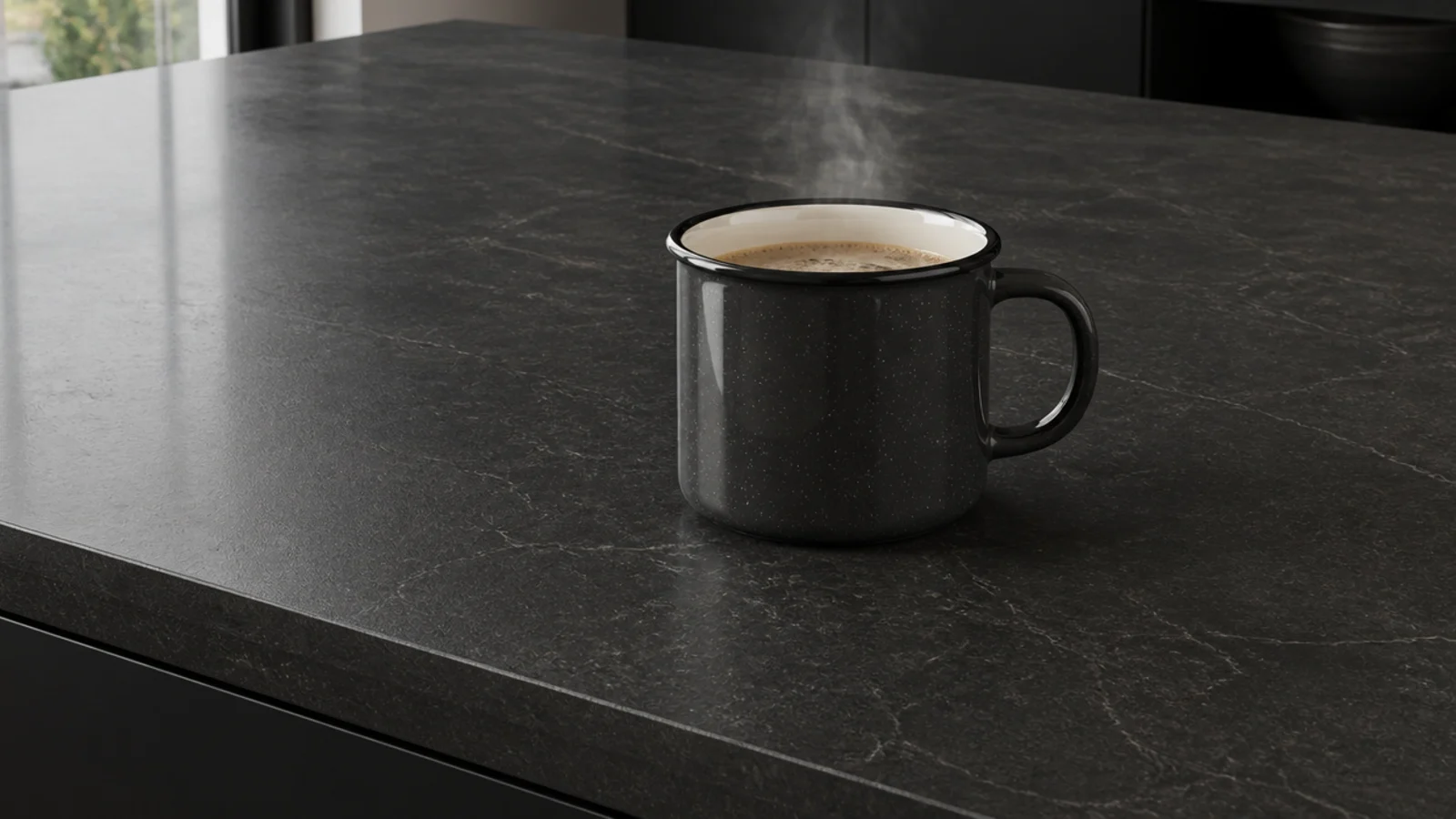
Fired at over 1,000 degrees into a fully vitrified slab, sintered stone takes no sealer, resists wine and oil completely, and shrugs off a hot mug. Tops run 6 to 12mm and are usually bonded to a substrate. The weakness is a hard knock on a corner, which chips.
3. Welded frames rather than bolted ones
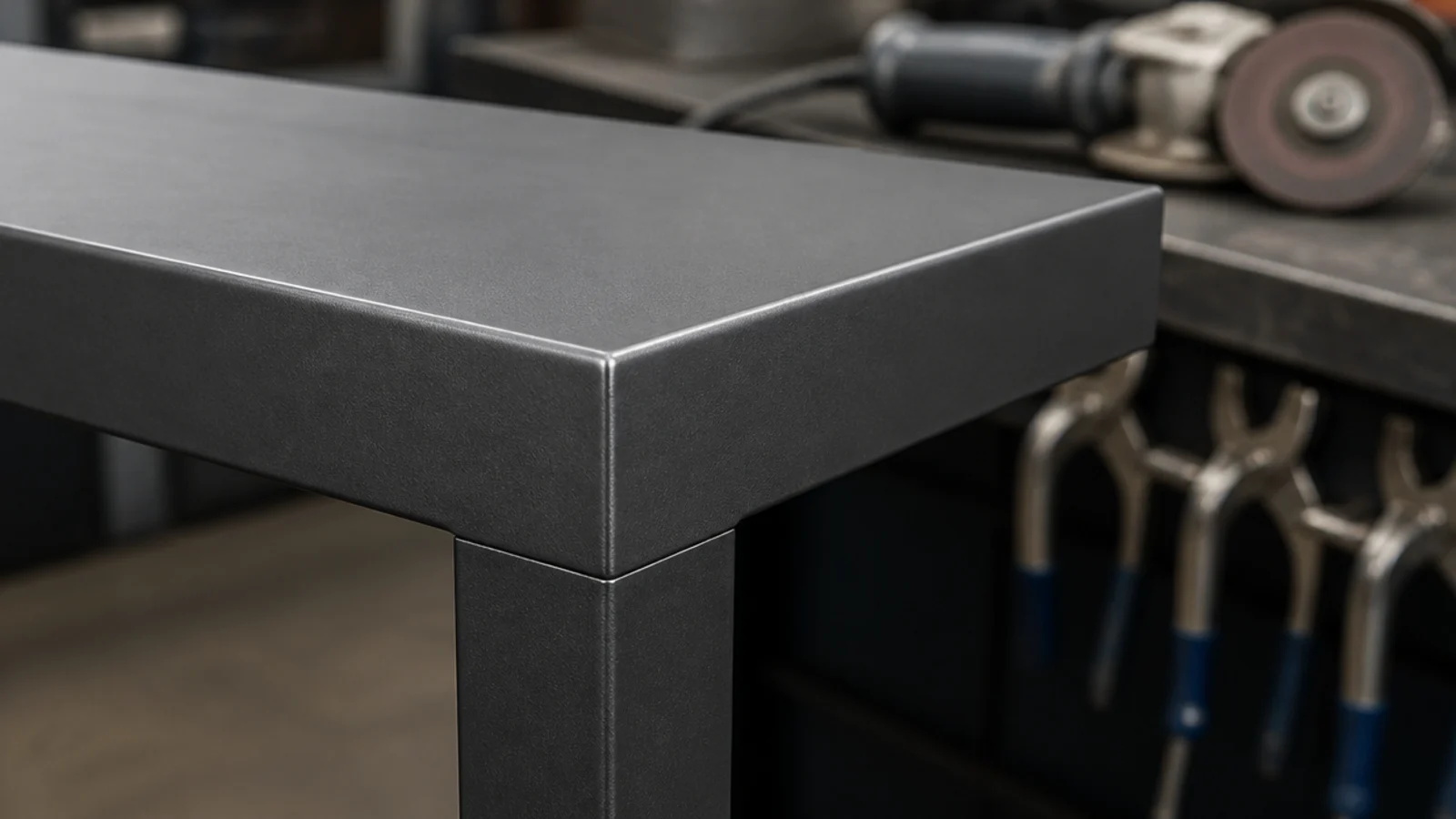
A welded and ground corner has nothing to work loose. Look for consistent bead width and a corner that has been dressed flat before coating. Bolted frames wobble eventually, and the wobble starts as a faint click when somebody puts their feet up.
4. Powder coat, not sprayed paint
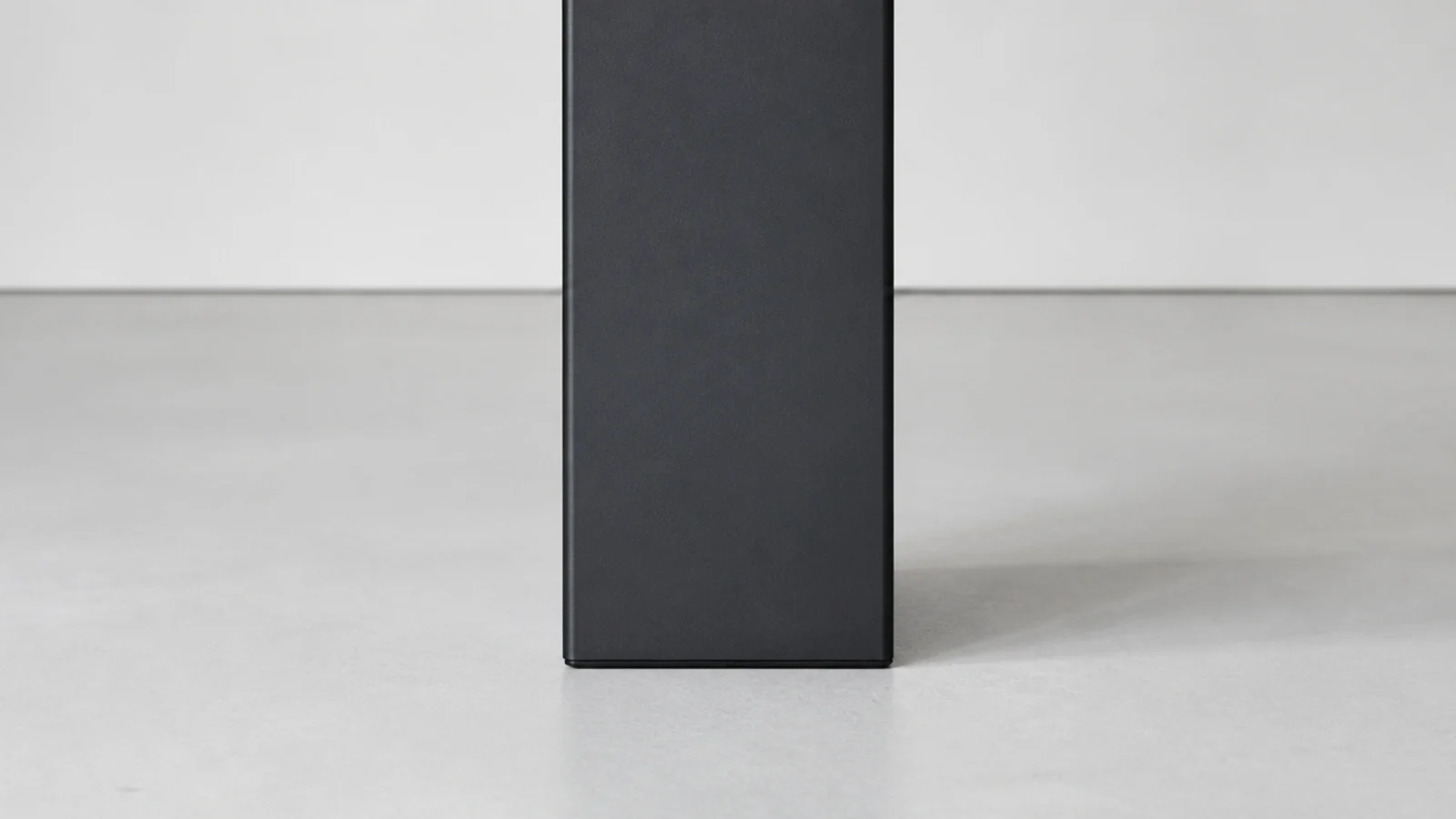
Powder is electrostatically applied and baked, giving a film several times thicker than aerosol paint. Check the underside of a leg for even coverage and no thin edges. Sprayed finishes chip at the feet within a season of vacuuming, and touch-up never matches.
5. Half-inch tempered glass, polished all round
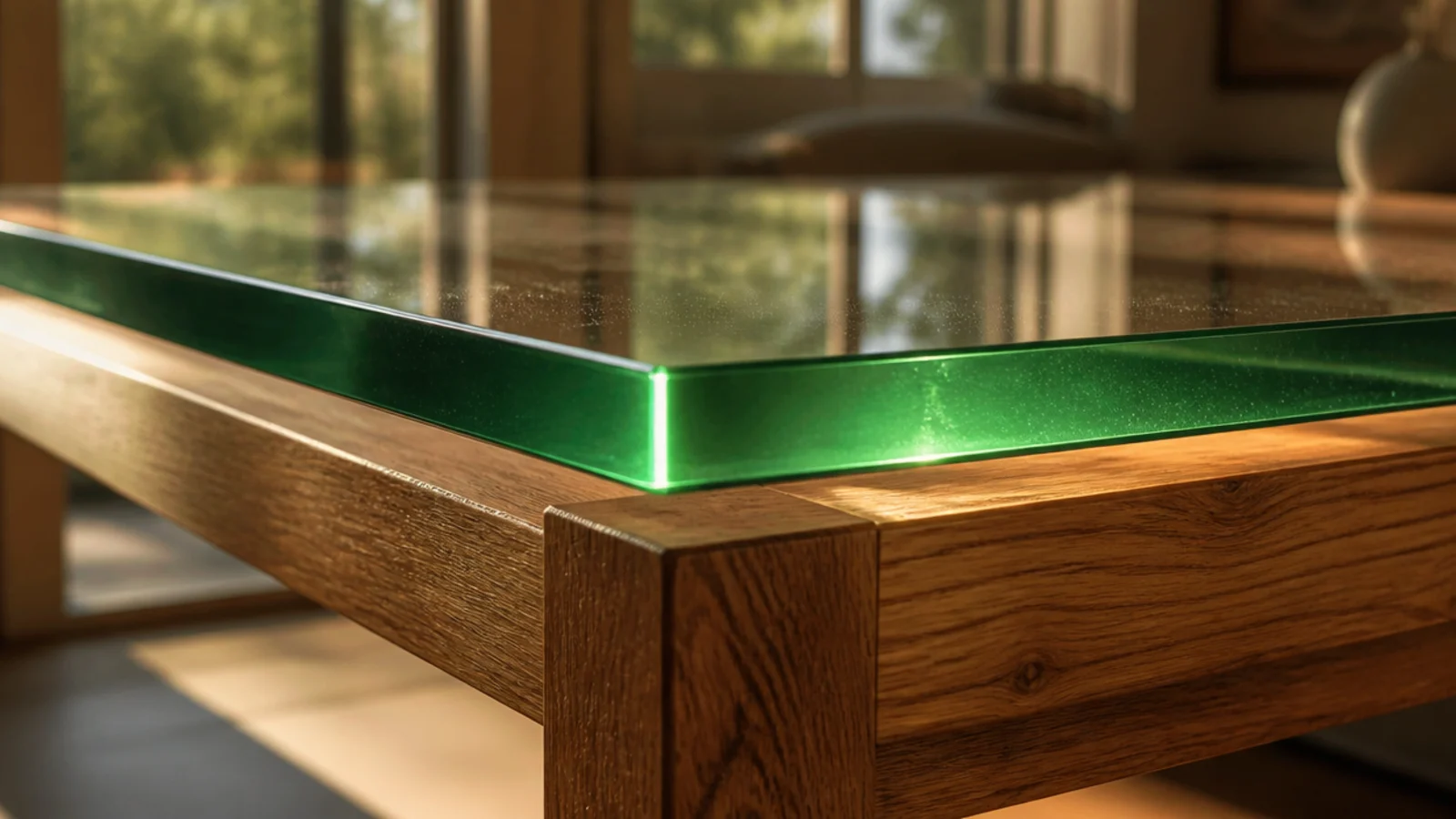
Half an inch is the working thickness for a top over 40 inches; three-eighths suits smaller. Tempered is not optional — it breaks into blunt pieces rather than shards. Check for the small etched safety stamp in a corner, and insist on a flat polished edge.
6. Real edge banding you cannot pick off
Run a thumbnail along the edge. Paper banding lifts, 2mm solid timber lipping does not. This one detail predicts how a veneered table will look at three years better than the brand on the label or the price on the ticket.
7. Tapered legs that keep the floor visible
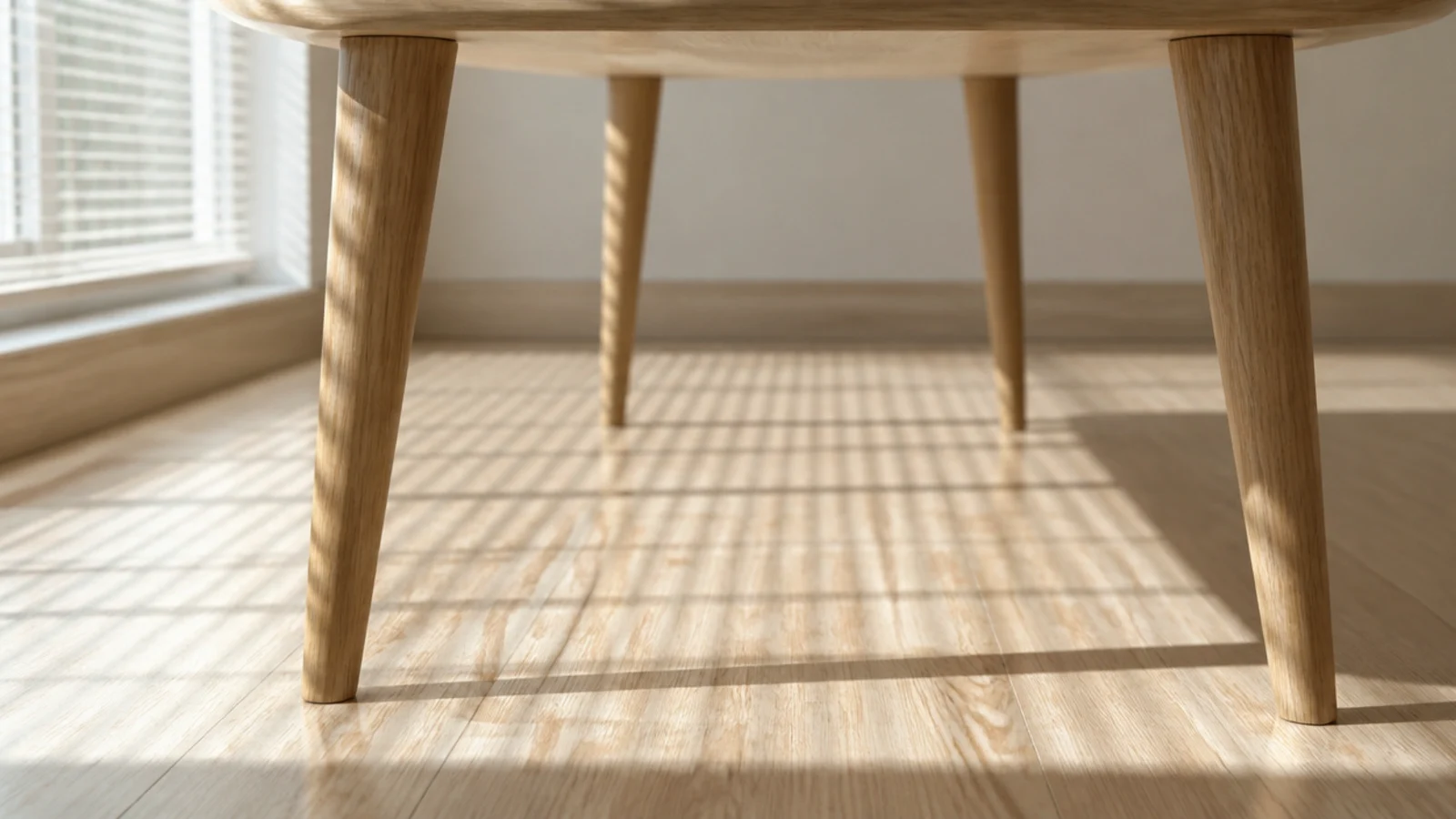
Legs tapering from about 1.5 inches at the top to 0.75 at the floor read light while keeping strength where the joint is. In a room under about 12 by 14 feet, visible floor is what stops the seating group feeling packed.
8. A fluted drum in solid timber
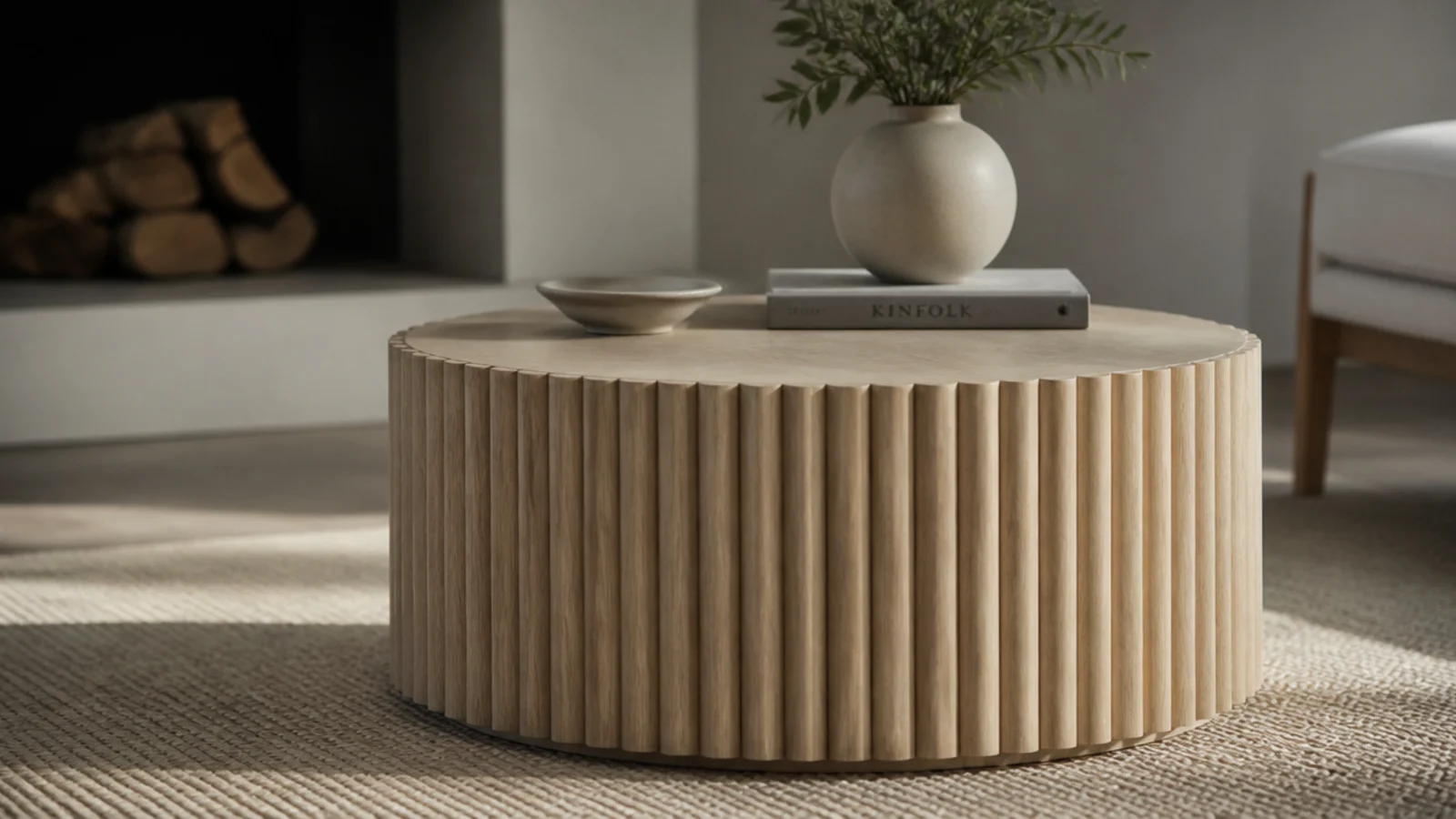
Fluting turns a plain cylinder into something that changes through the day as light moves across the grooves. Solid timber drums are heavy — 60 to 90 pounds for a 32-inch — which is exactly why they never shift when someone leans on them.
9. A sled base that will not sink into a rug
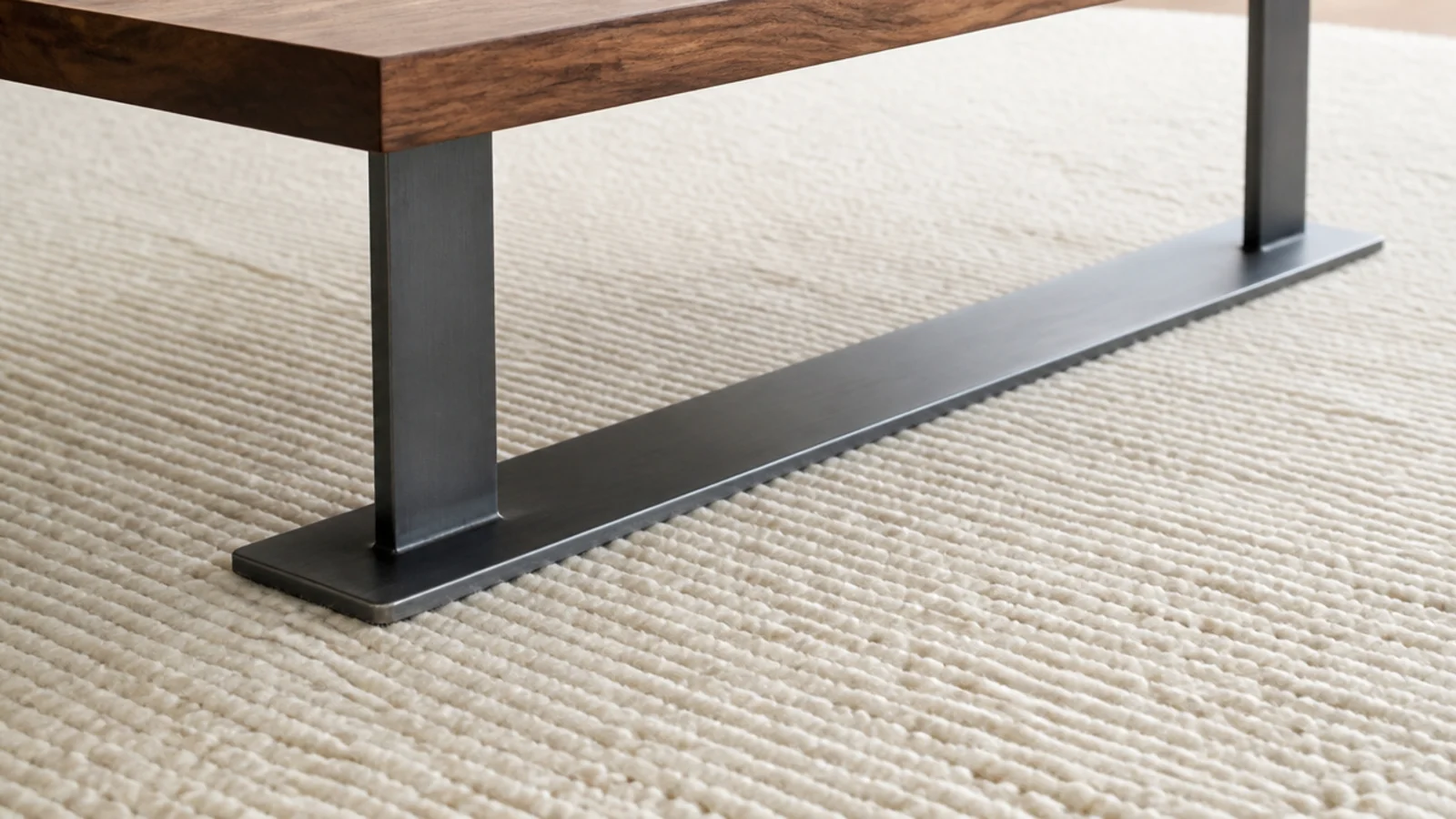
Four point legs press into a high-pile rug unevenly and the table rocks. Flat sled runners spread that load across several inches, which keeps a glass level. It is the single best base type for a room with a thick wool or shag rug.
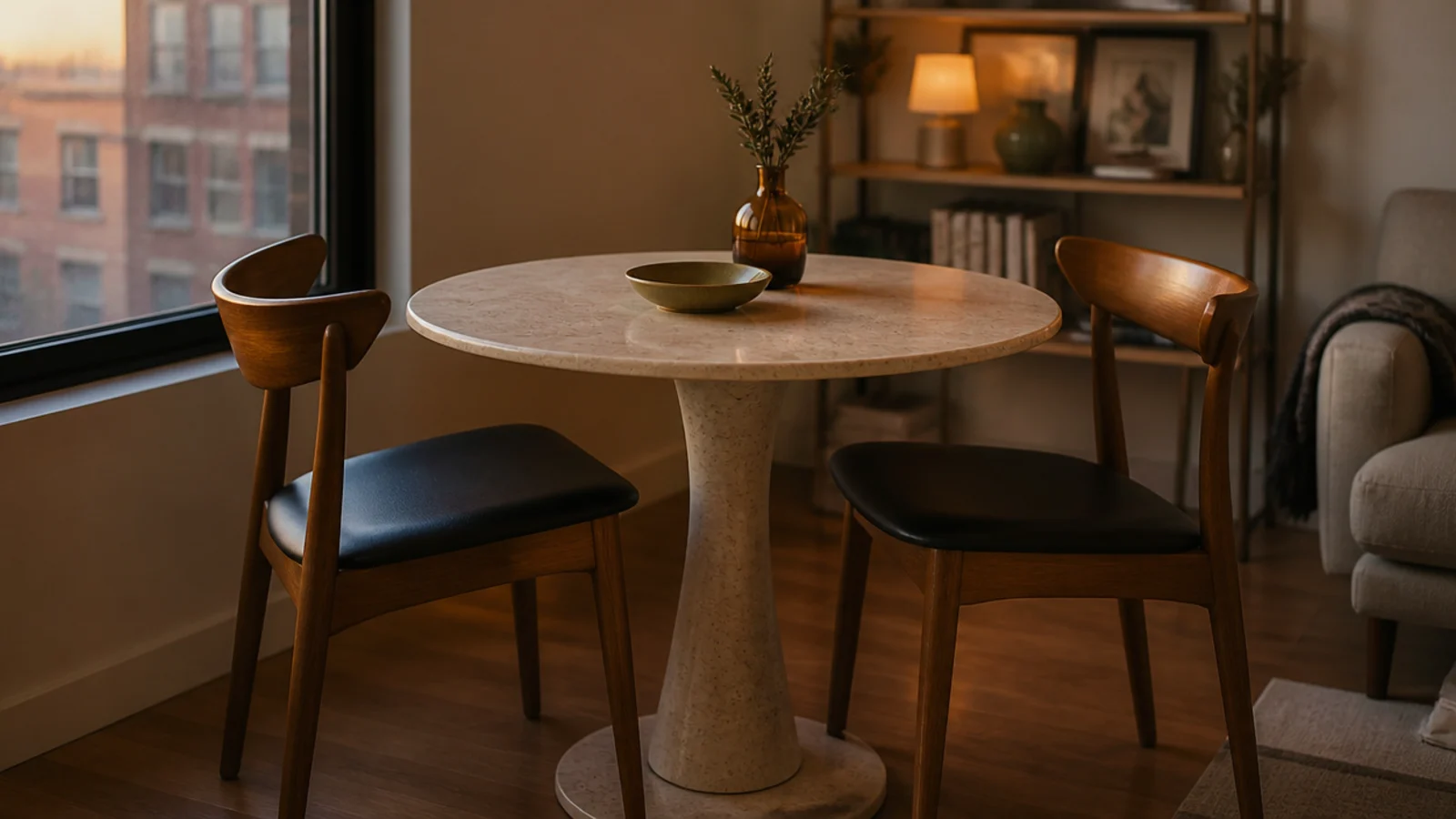
10. A single pedestal column for tight rooms
One central foot means one thing to walk around instead of four, and it lets chairs pull closer. Check the foot is at least half the diameter of the top, or a weighted top will tip when somebody leans on the edge.
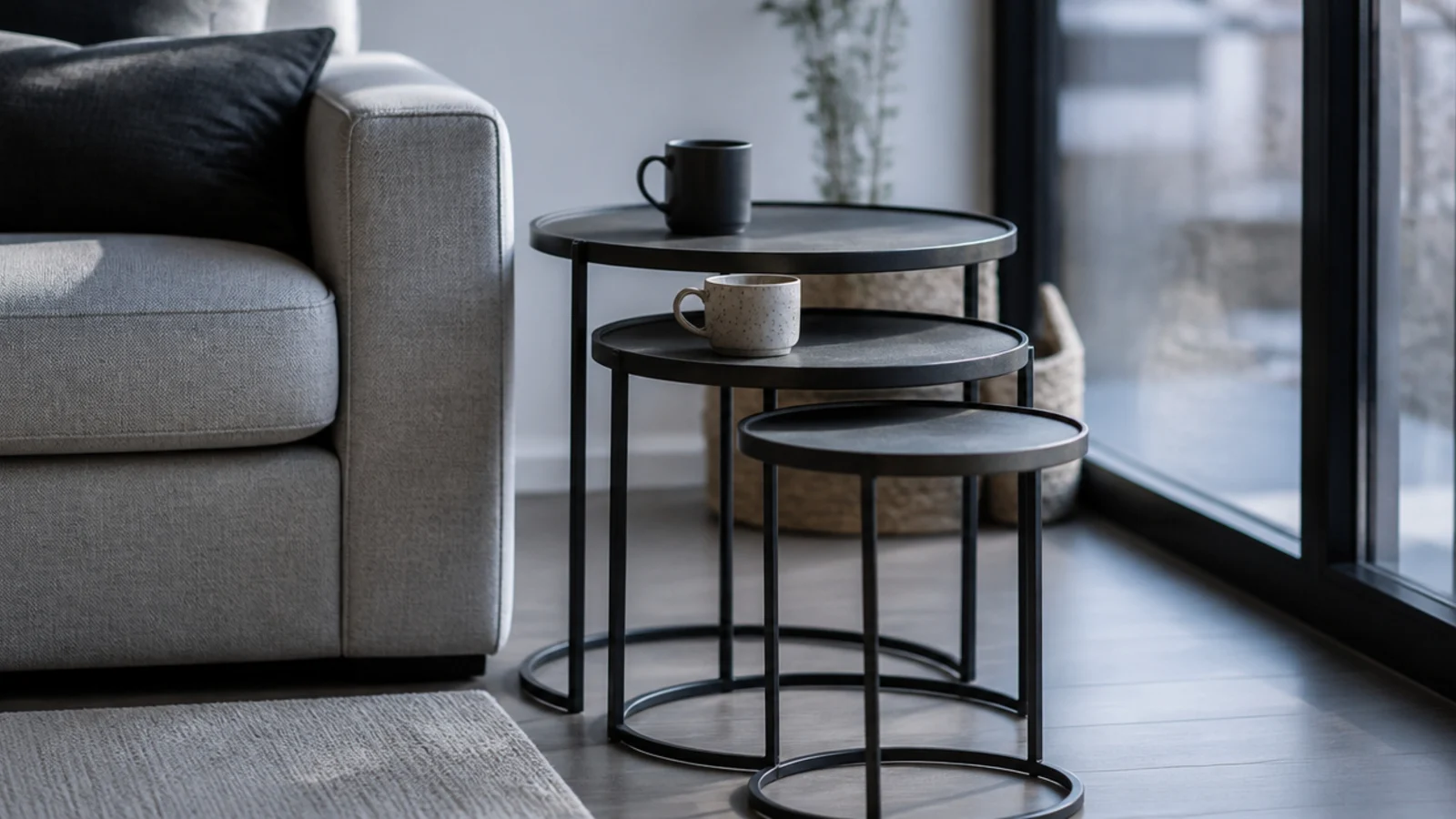
11. A nesting trio in powder-coated steel
Three tables that live inside one footprint and come out when the room fills. Look for a 3 to 4 inch height step between them so the smallest still works beside a chair. Steel versions stack tightly because the frames are thin.
12. A cast concrete top with a breathable sealer
Cast tops run 1.5 to 2 inches thick and around 18 pounds per square foot, so they need a base built for it. Use a penetrating sealer rather than a film — film sealers scratch white and cannot be spot-repaired.

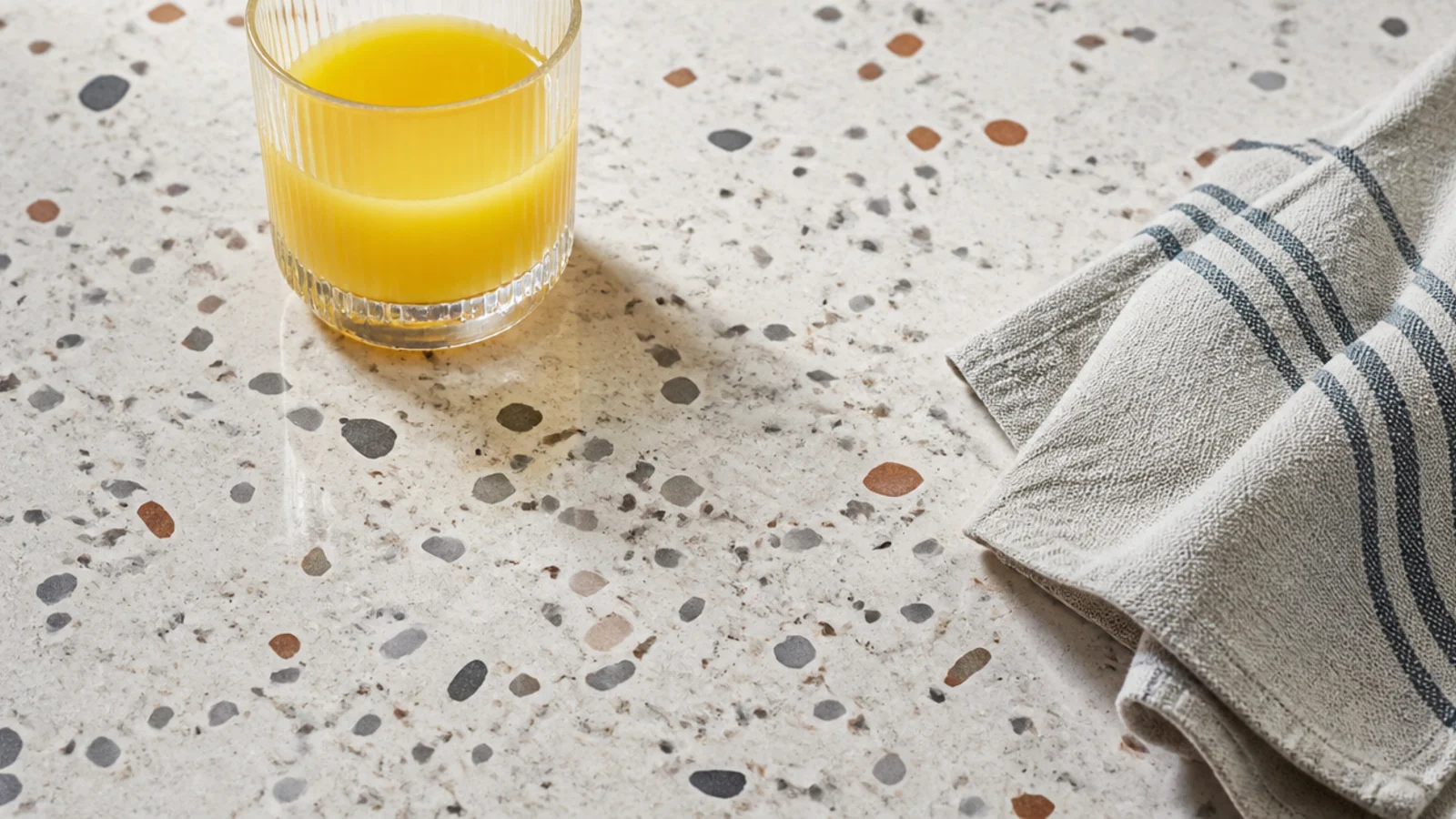
13. Terrazzo for rooms where things get spilled
Aggregate chips break up the surface visually, so crumbs, rings and small chips vanish into the pattern. Modern terrazzo comes in cement and resin versions; resin is lighter and less porous, cement is heavier and takes a sealer every year or two.
14. Solid surface with invisible joints
Acrylic solid surface can be seamed and sanded so no joint shows, and scratches buff out with a scotch pad. It dents under a dropped weight, which stone would not, but it is the only hard surface you can genuinely repair at home.
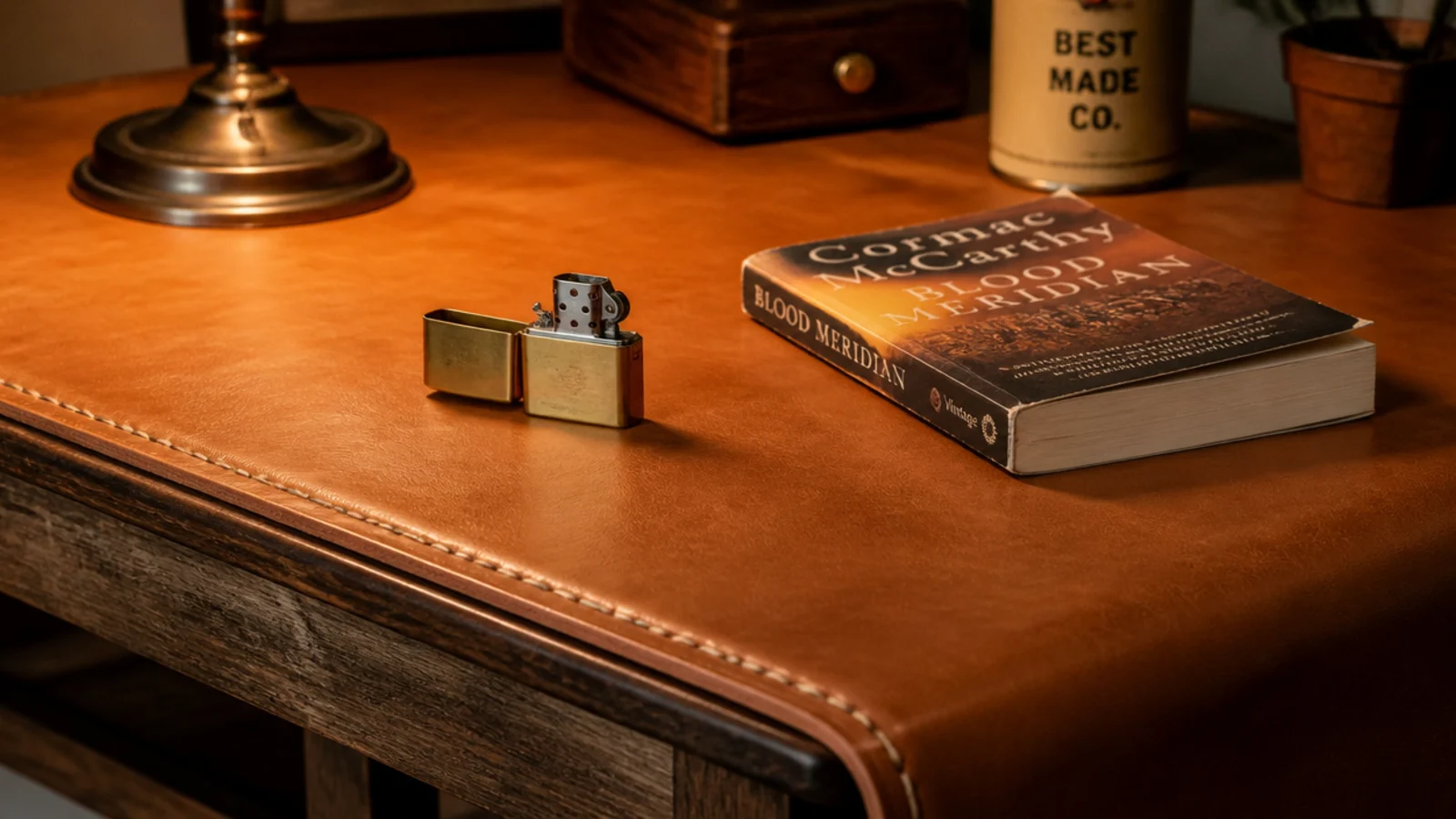
15. A leather-wrapped top for a quiet surface
Leather absorbs the clatter of keys and glasses and grows better with marks. Choose vegetable-tanned hide around 3 to 4mm and expect to condition it twice a year. Avoid it entirely in a household where drinks get knocked over regularly.
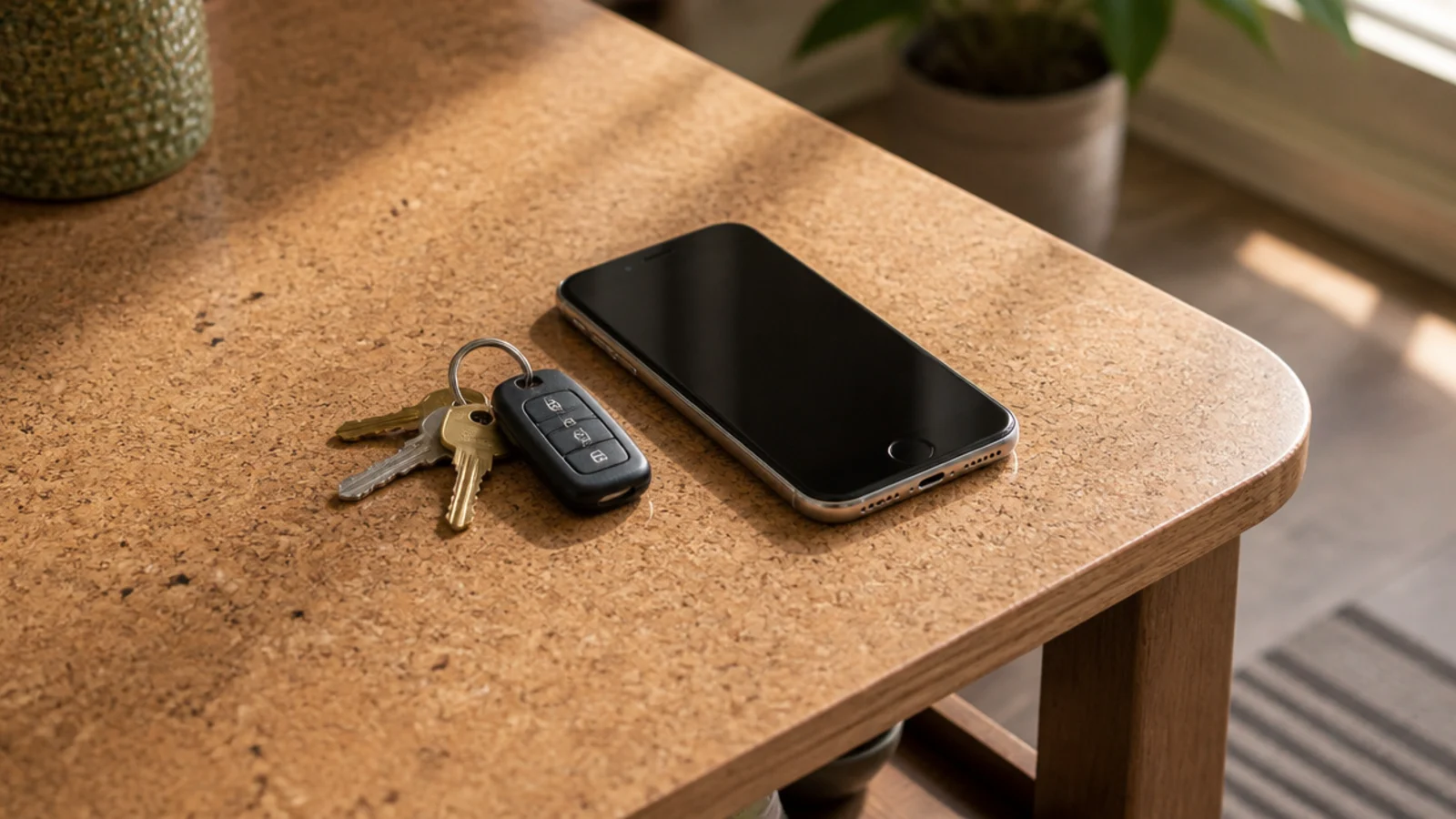
16. Cork where noise and knocks are constant
Cork is soft, warm, silent and forgiving of dropped things, which makes it a genuinely good family surface. It marks, but the marks read as texture. Seal it with a water-based finish and expect to refresh that every couple of years.
17. Bent plywood for curves without joints
Laminated plywood gives you a continuous curve with no weak joint at the bend, and the layered edge is a detail in itself. Look for at least nine plies with no visible voids along the cut edge.

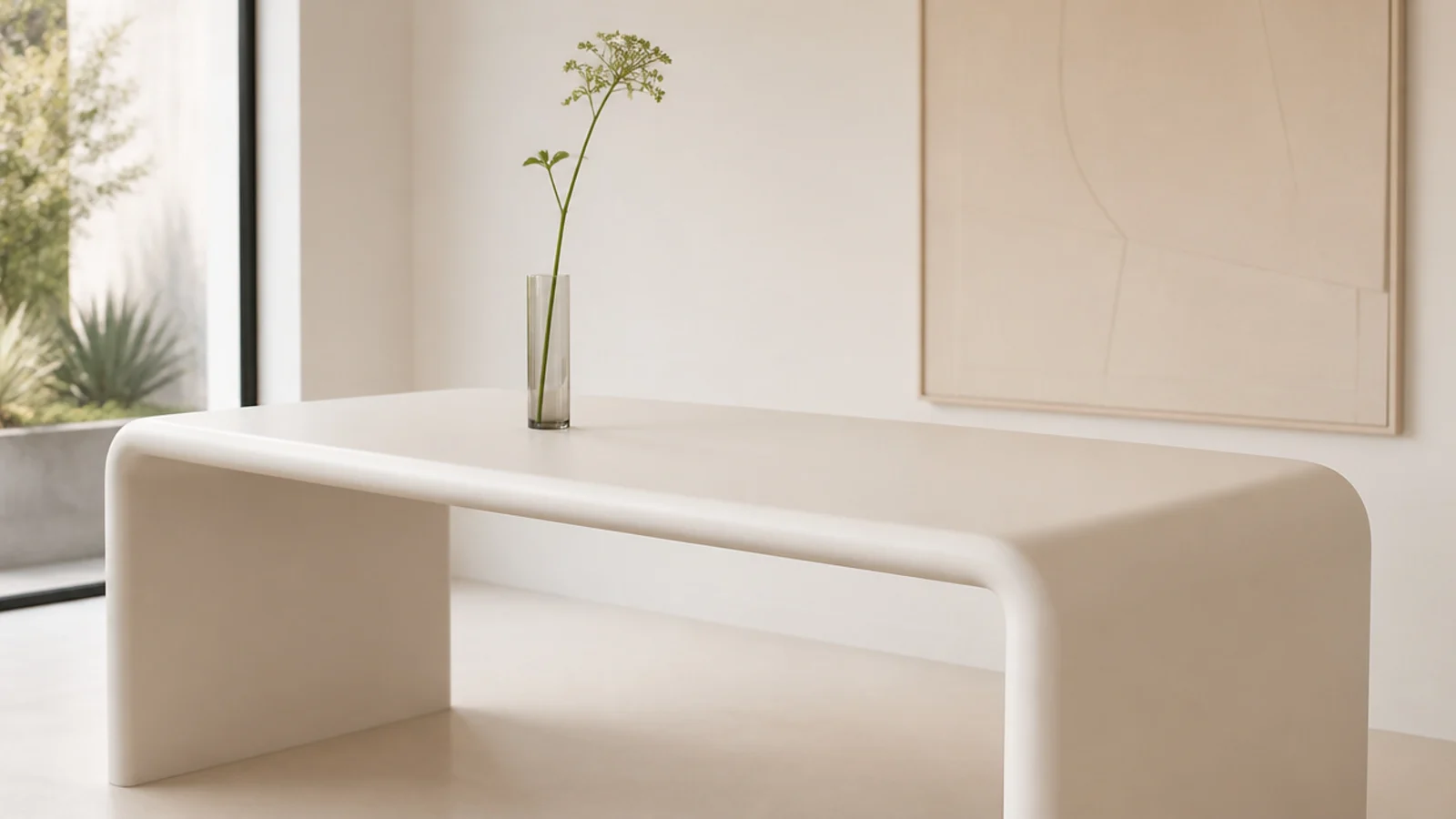
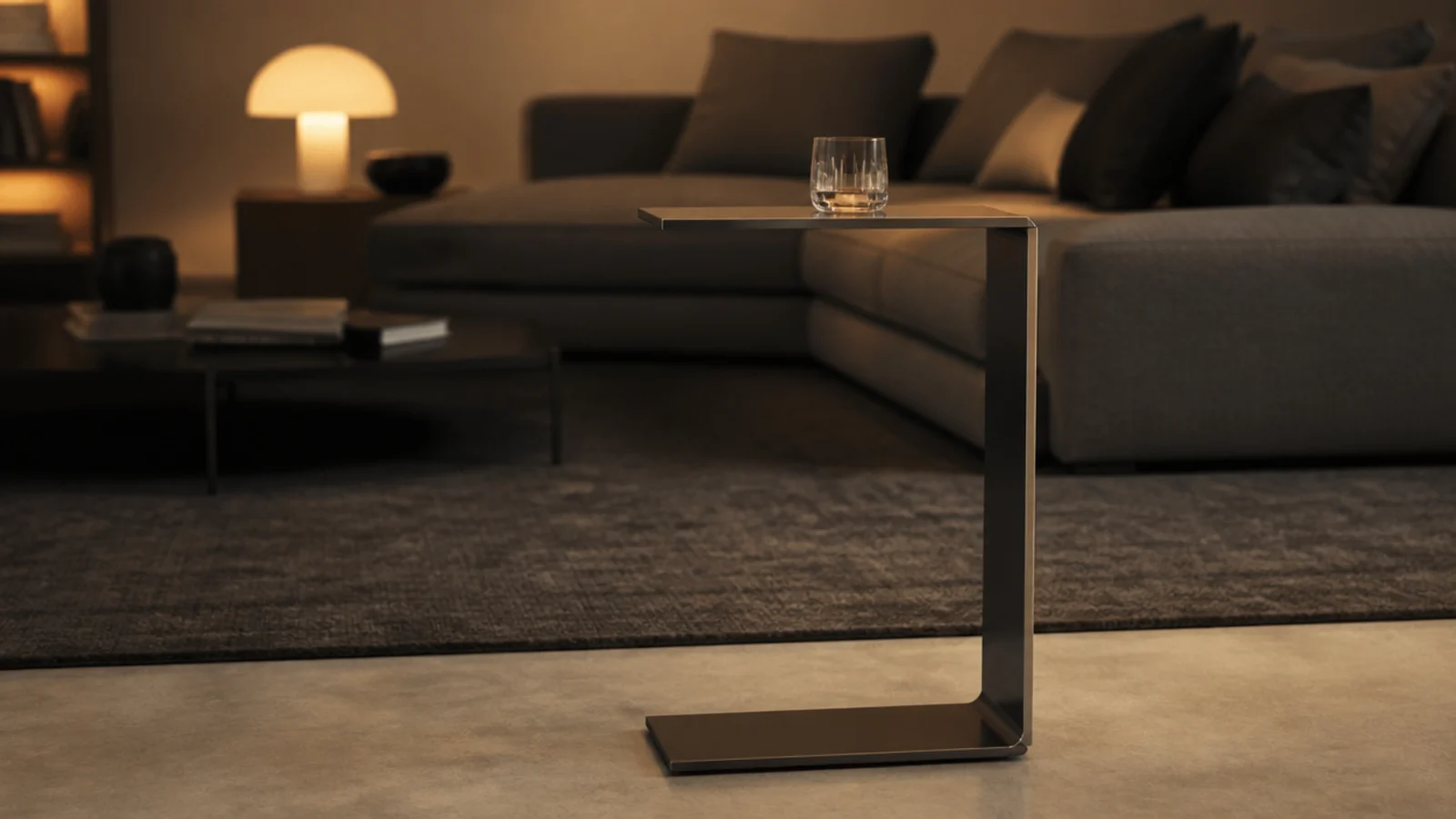
18. A cantilever form that frees the floor
A top carried from one side leaves half the floor clear for a vacuum or a toddler. Check the counterweight — a cantilever with a light base tips when someone sits on the projecting end, which someone eventually will.
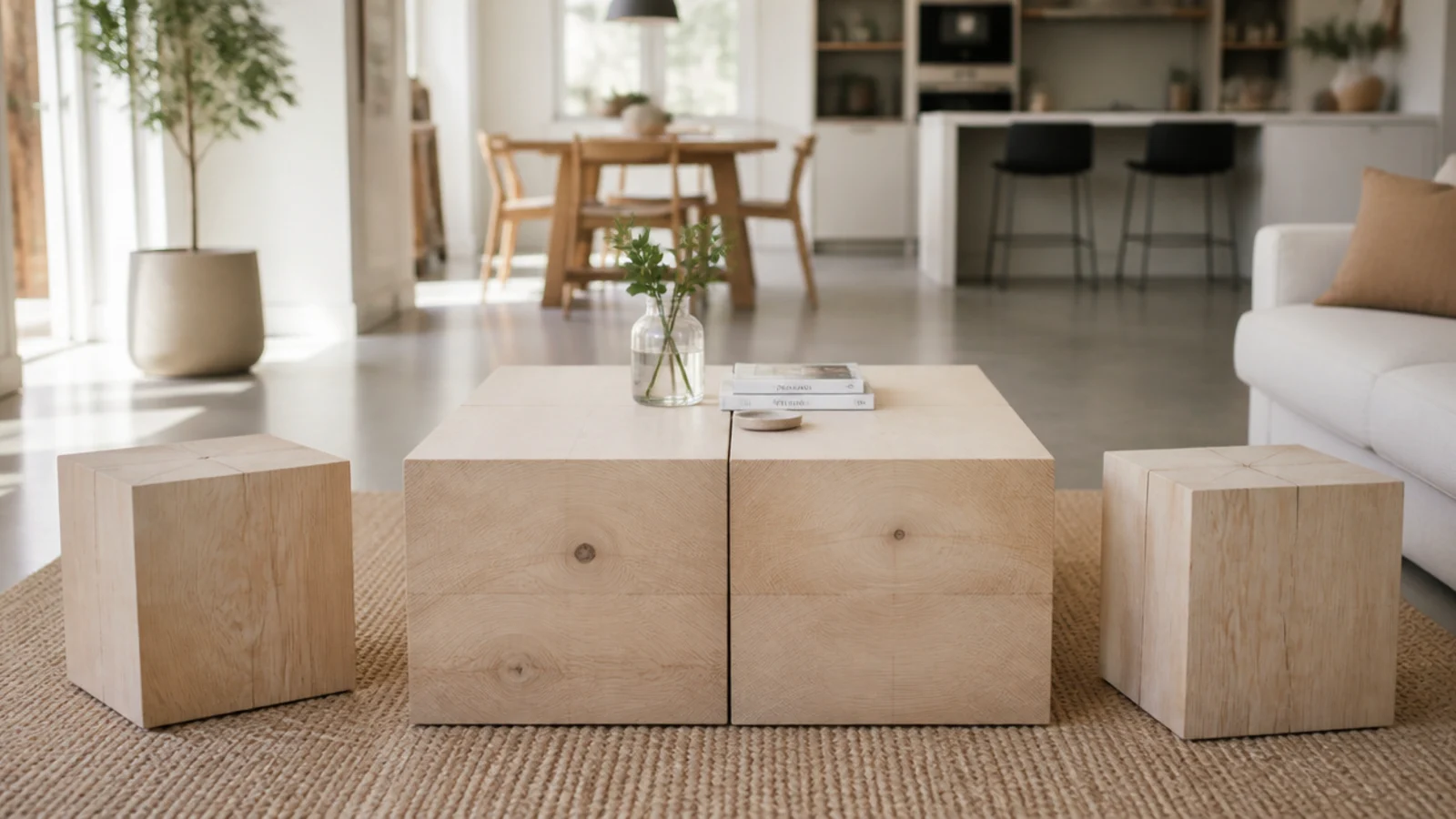
19. Modular cubes you can reconfigure
Four matching 18-inch cubes make a 36-inch square, two long tables, or extra seating when eight people are in the room. It is the most adaptable option for a flat where the furniture arrangement changes more than once a year.
20. A lift-top on gas struts, not spring hinges
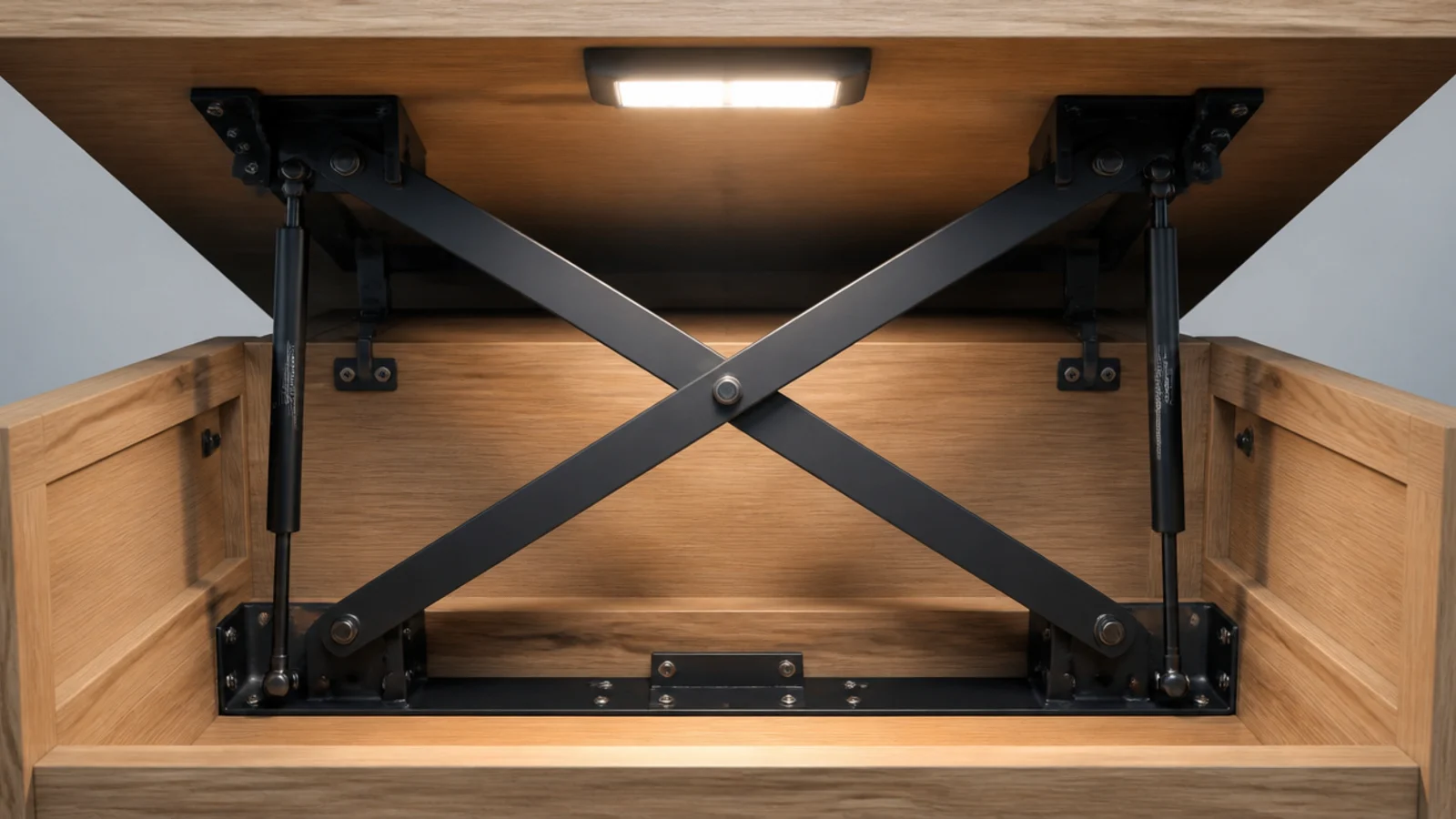
Gas struts lift smoothly and hold position; spring mechanisms slam and eventually fail. Ask for the rating on the raised surface, usually 30 to 50 pounds, and open and close it a dozen times in the shop before buying.
21. Ball-bearing drawer runners with a stated rating
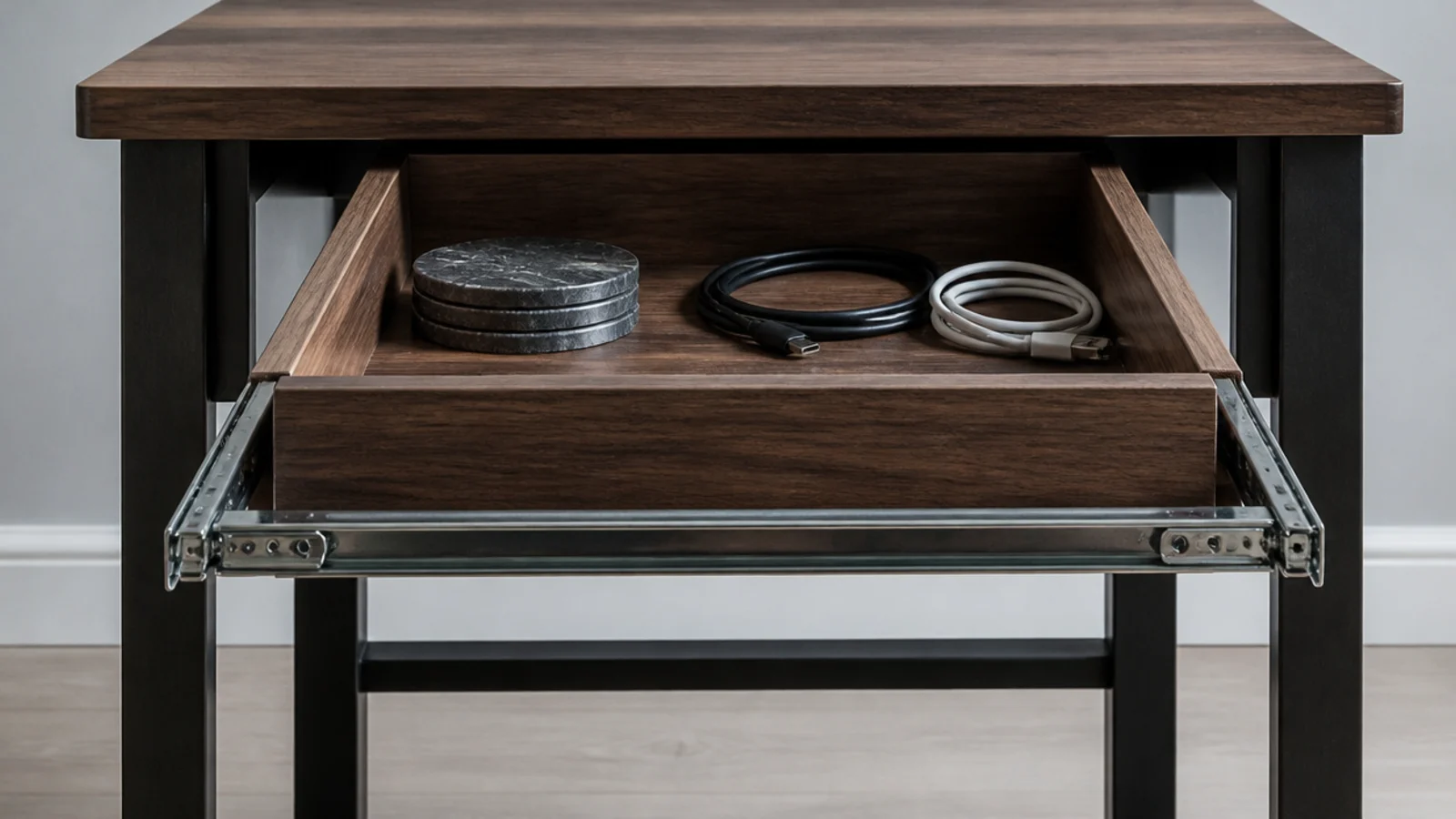
Full-extension ball-bearing runners rated 35 to 45 pounds per pair let you reach the back of the drawer and take real weight. Plastic side channels carry no rating, sag under a few pounds, and cannot be swapped out later.
22. A cable pass-through where the sofa charges
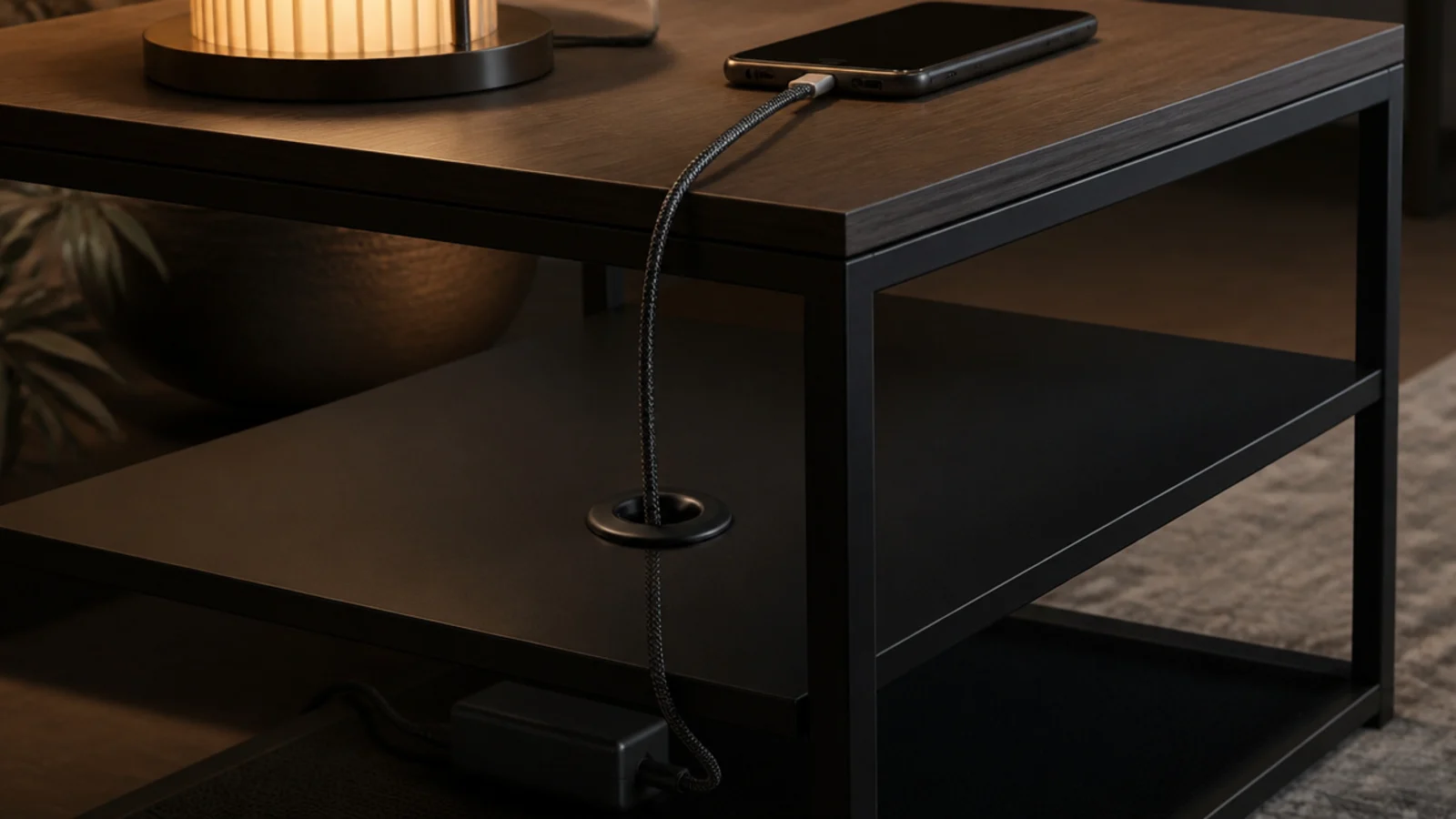
A single half-inch grommet through a lower shelf lets the plug block live underneath and the cable arrive where the phone does. It removes the most visible clutter in most living rooms for about $5 in parts.
23. Adjustable glides for an old uneven floor
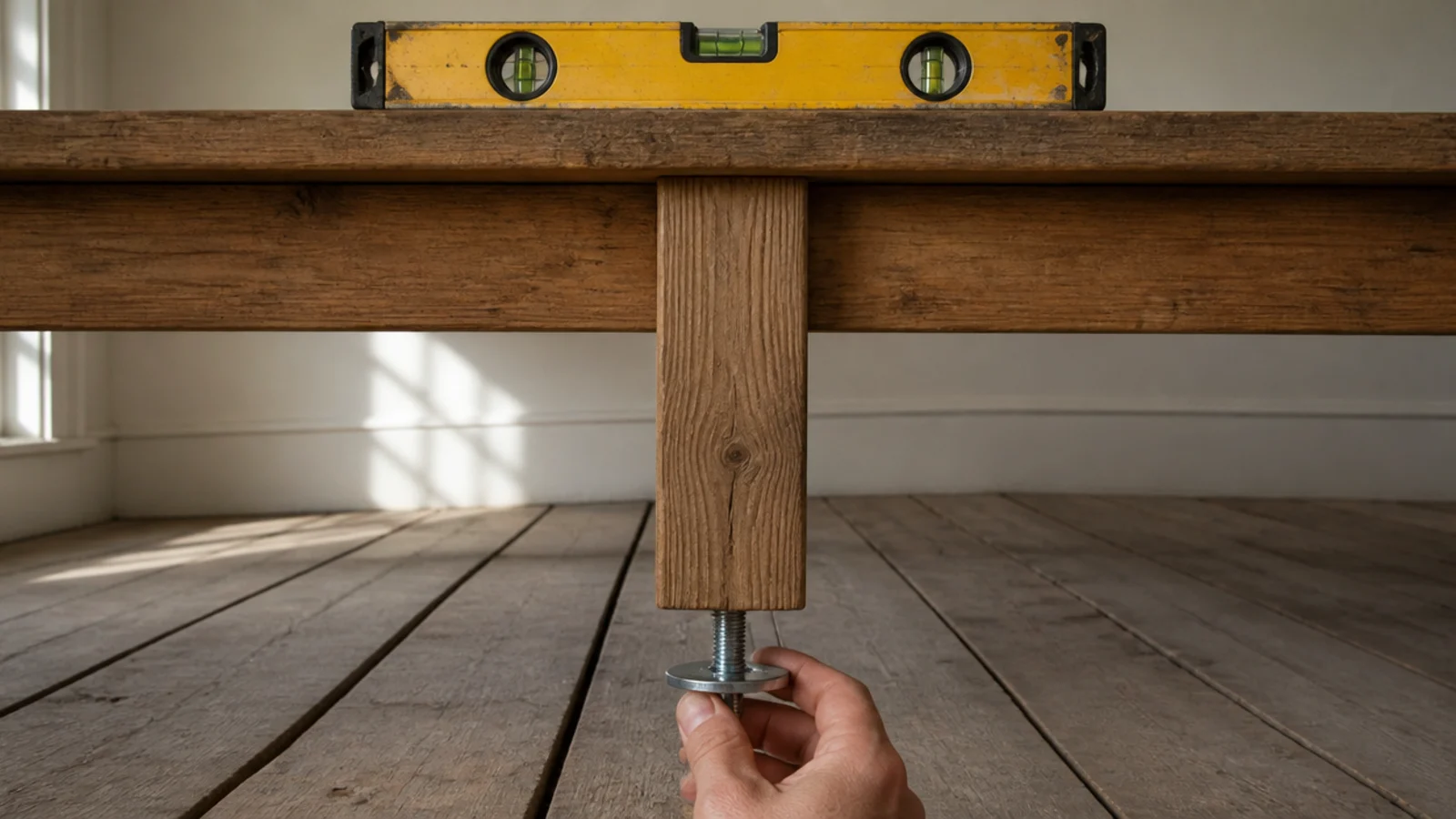
Threaded glides give you 10 to 15mm of adjustment, which covers almost any period floor. A rocking table is nearly always the floor rather than the furniture, and a quarter turn on one glide fixes it permanently.
24. A lower shelf sized for actual magazines
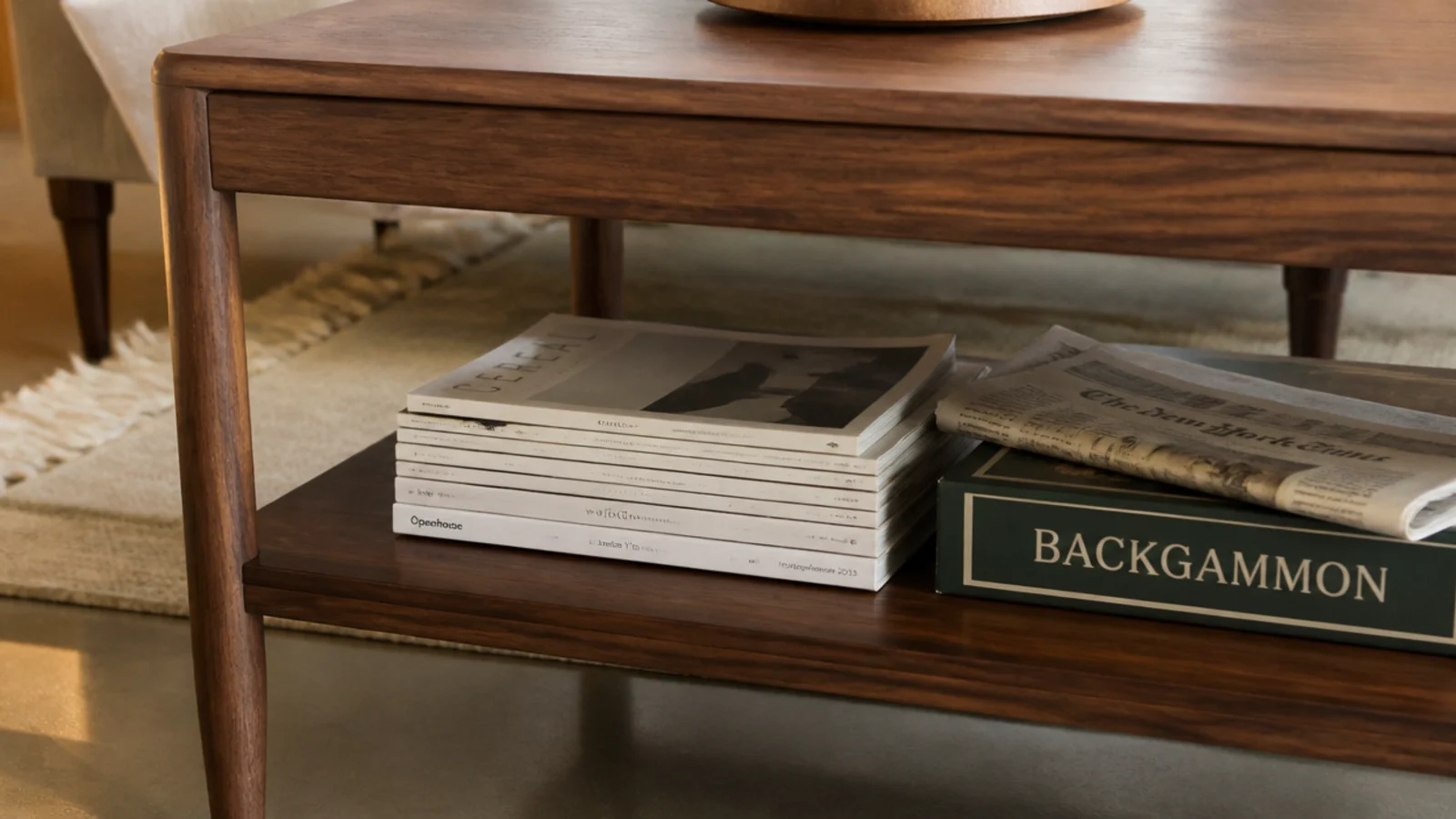
If the shelf is under 10 inches deep it holds nothing real. Twelve to fourteen inches takes magazines, a games box and a folded throw, which is what actually accumulates in a living room over a winter.
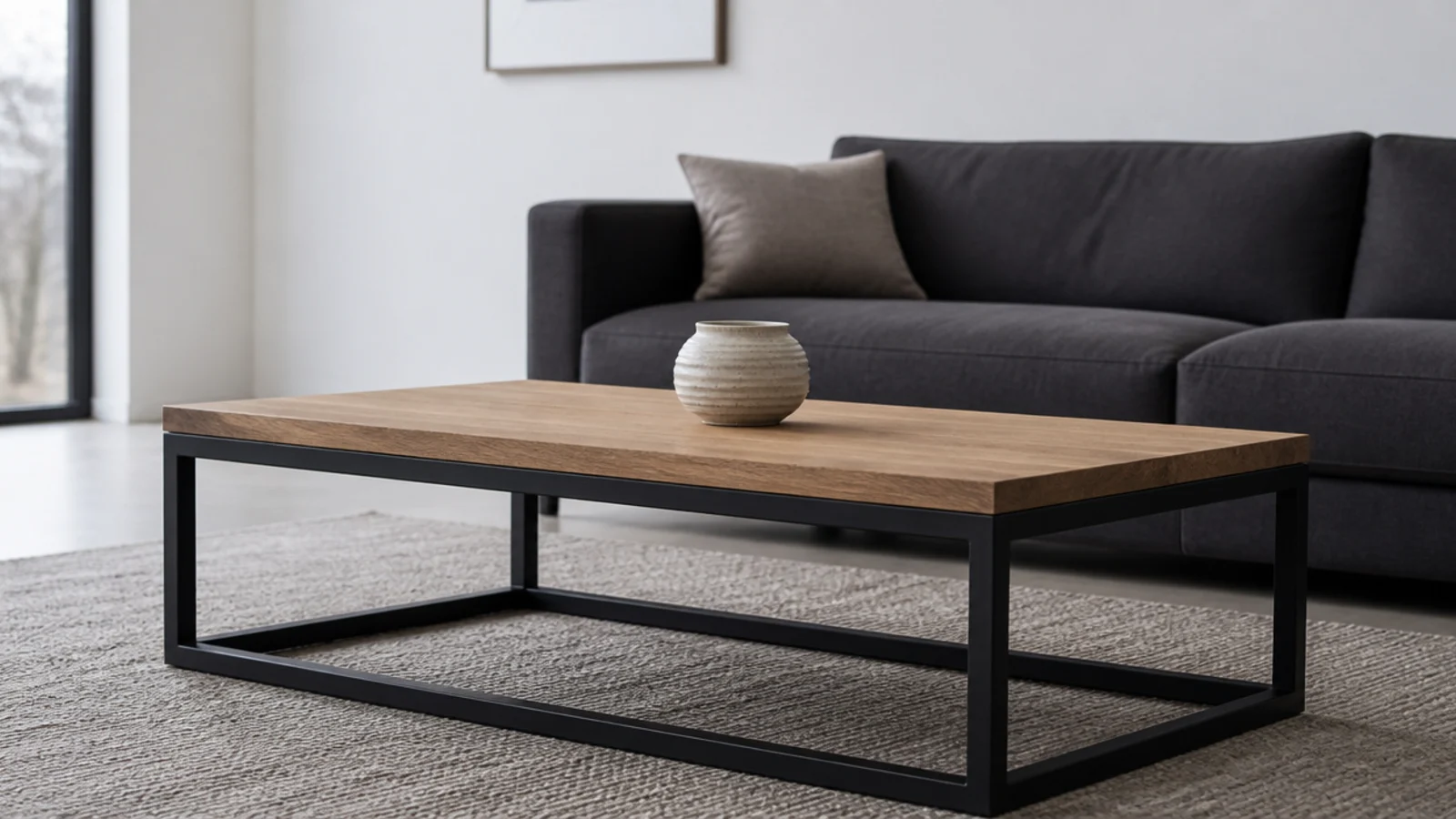
25. Matte black metal with warm timber
The most durable pairing in modern furniture, because both components age gracefully and neither dates faster than the other. Keep it to those two materials — the moment a third finish arrives, the piece starts looking of its year.
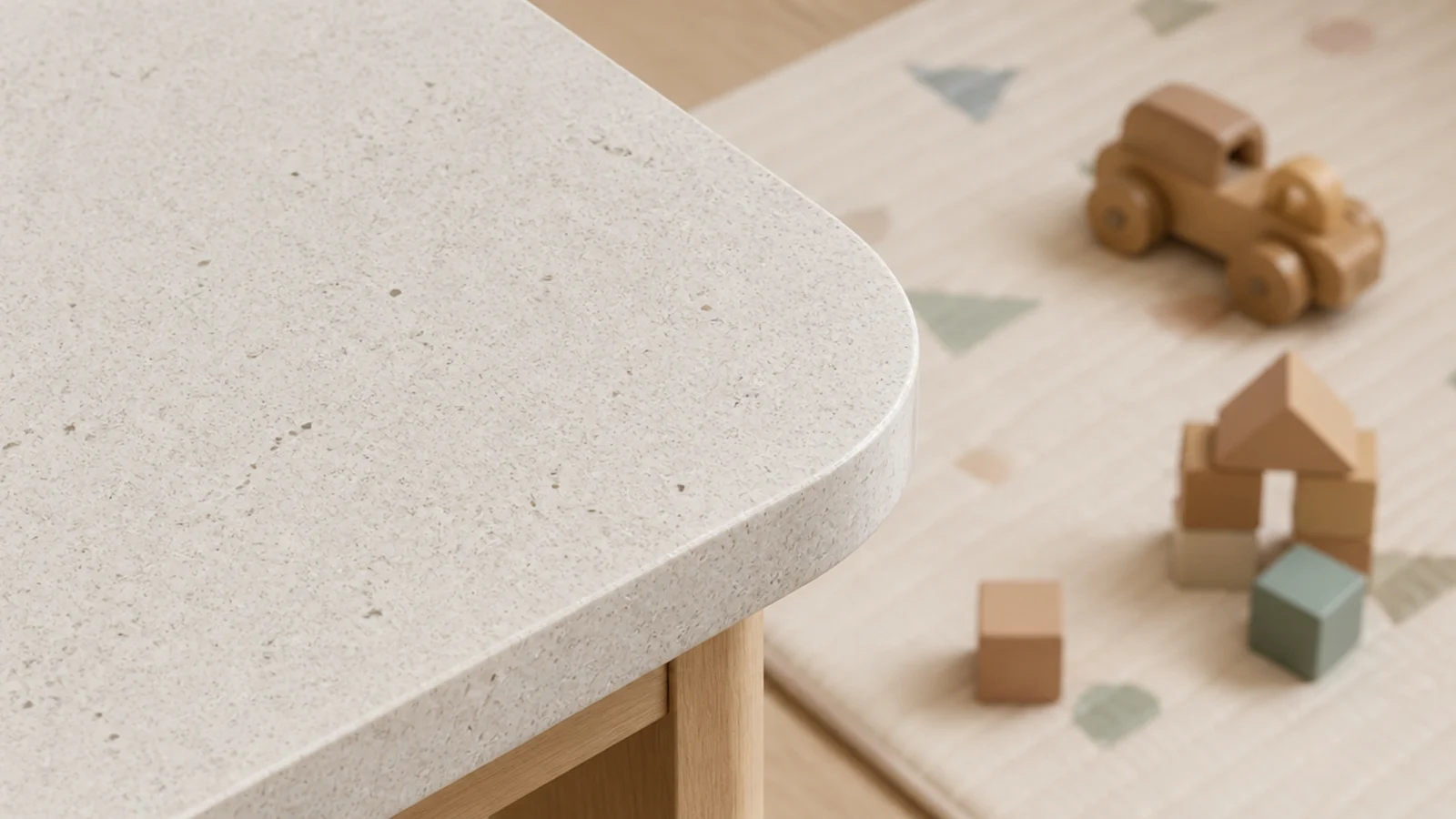
26. Softened corners on every hard material
Ask for an eased or small radius edge on stone and glass. A sharp arris chips the first time a vacuum hits it, and in a room with a toddler it is the single detail worth paying a fabricator to change.
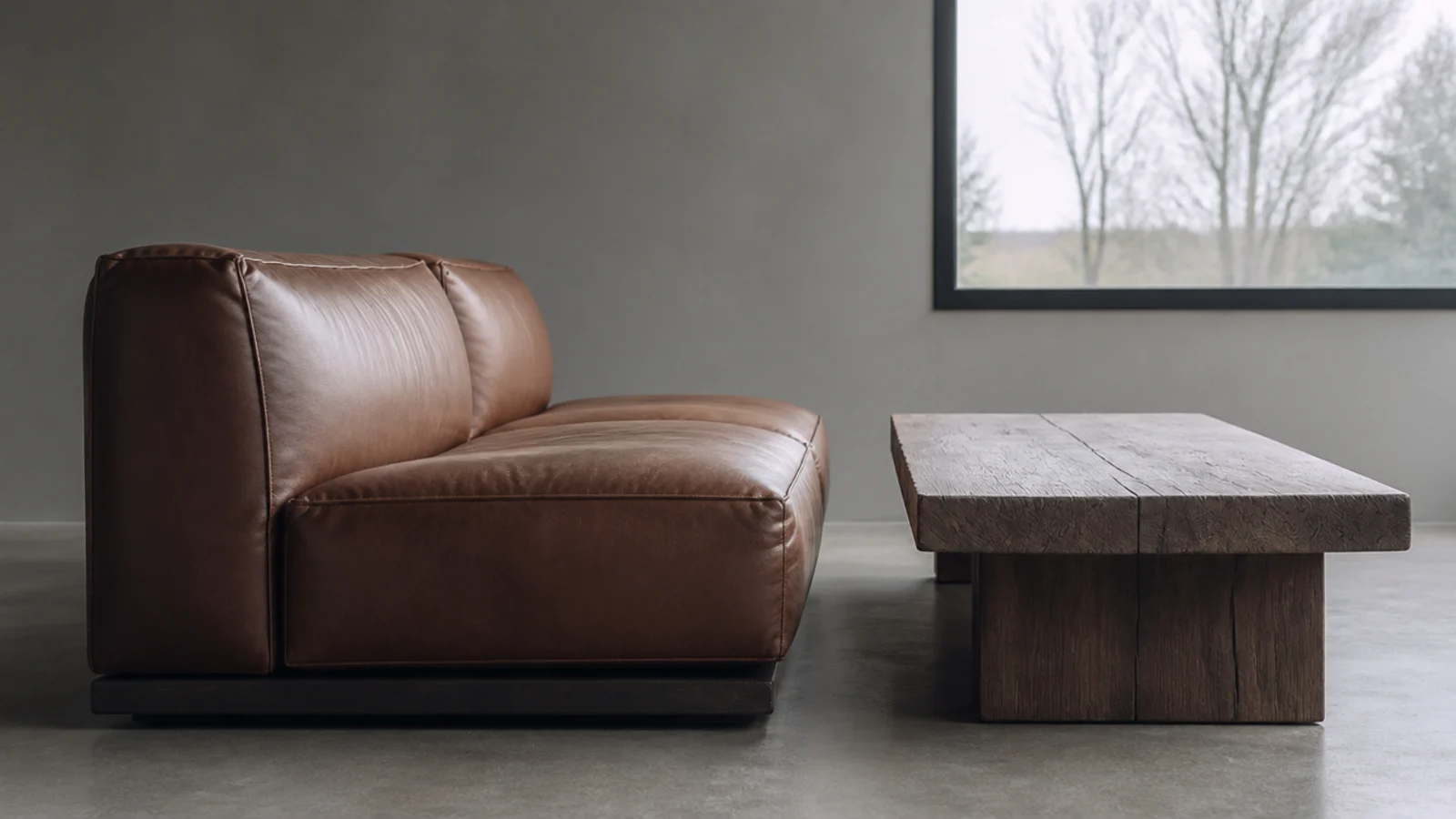
27. Fourteen to sixteen inches for a low sofa
Low-slung modern sofas sit at 15 to 16 inches, not 18. Buying a standard-height table beside one looks wrong in a way people struggle to name. Measure the compressed cushion and buy within two inches of it.
28. A sixty-inch top for a deep sectional
A big sectional swallows a normal table. On a sectional with arms 100 inches or more apart, a 54 to 60 inch top keeps every seat within reach and stops the middle of the room reading empty.

29. Neutral on top, colour in the base
Colour on a surface fights with everything set on it. Colour in the base sits below eye level and reads as a considered accent. It is also the part you can repaint in an afternoon when you tire of it.
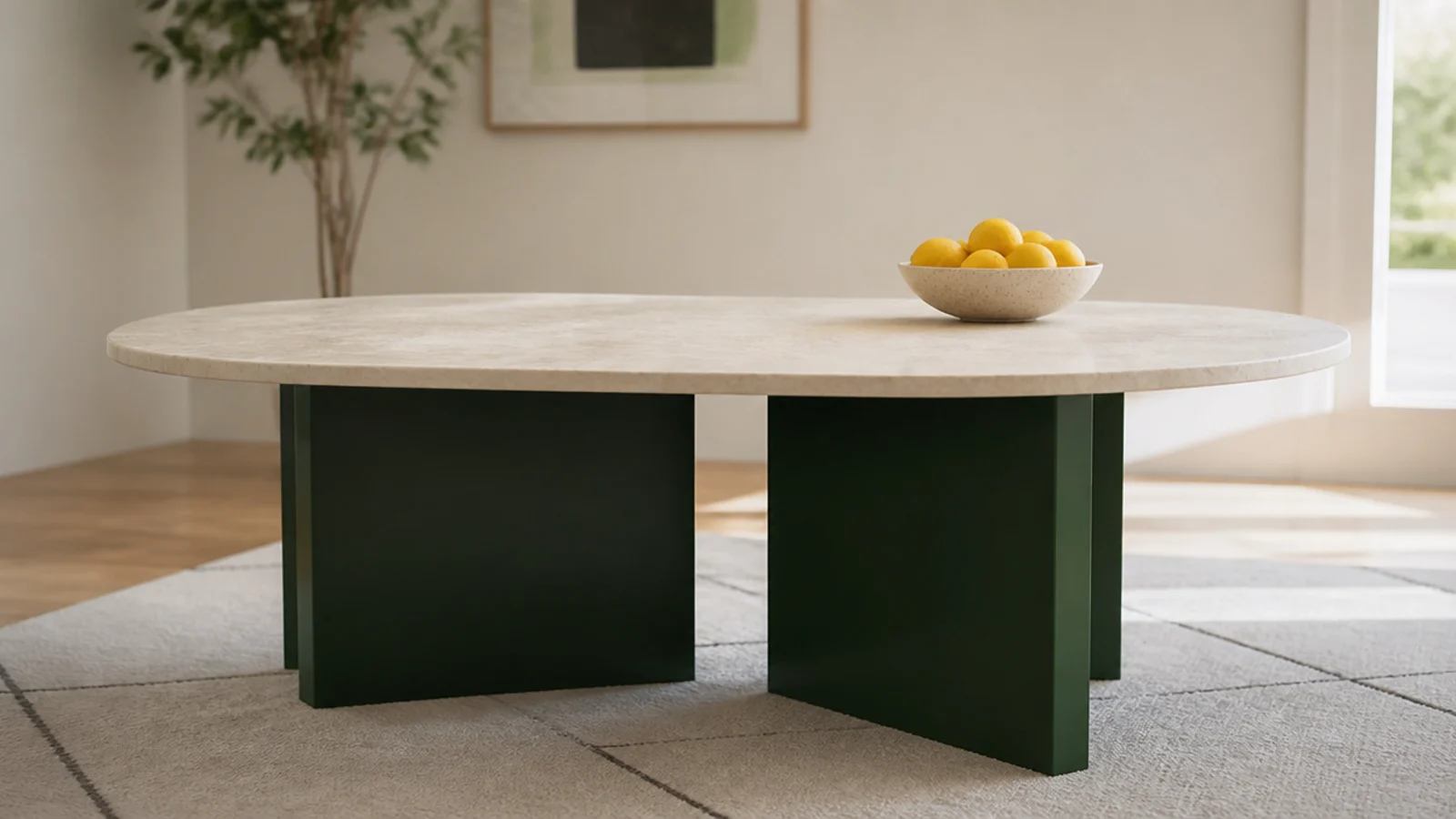
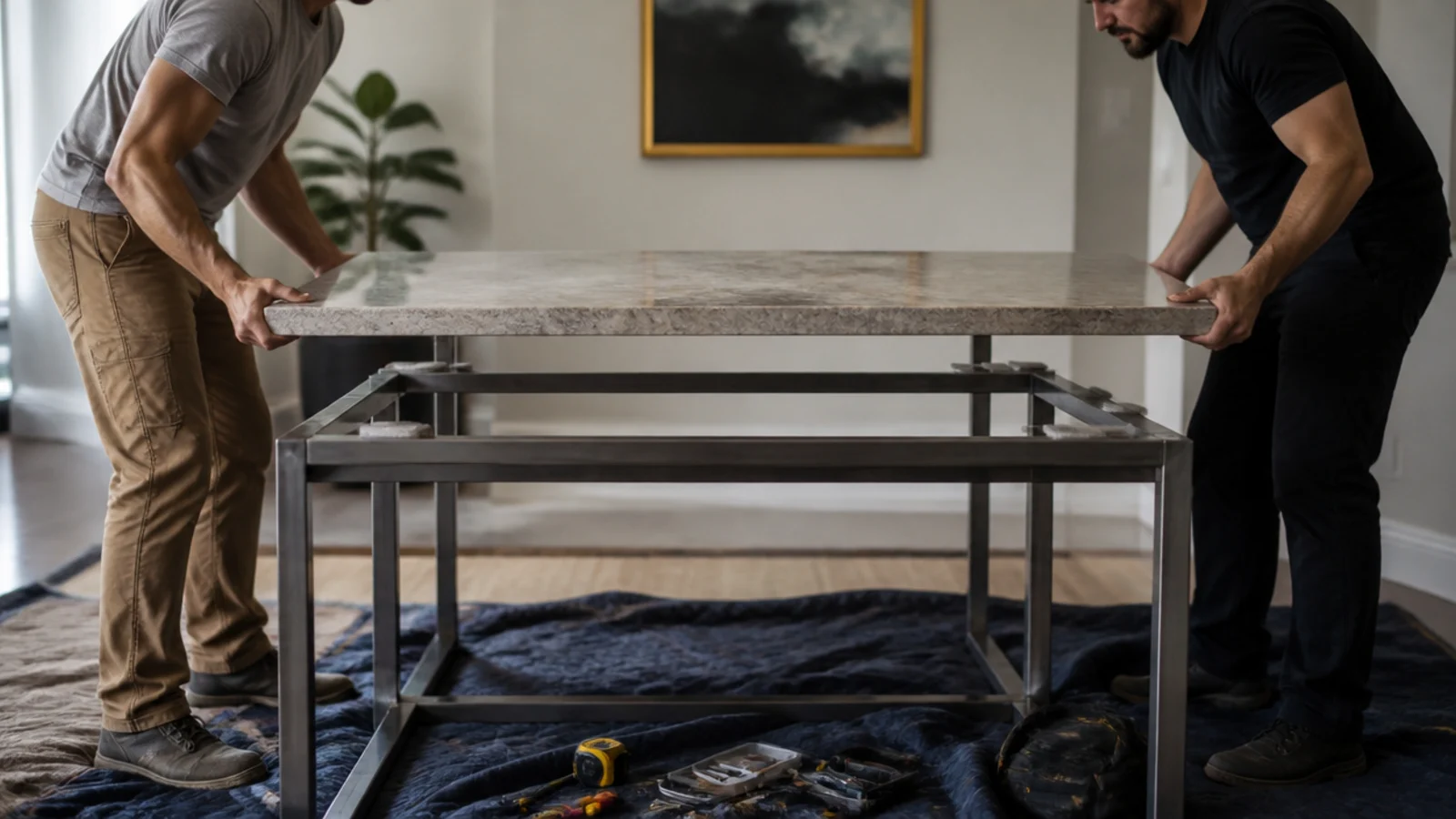
30. Buy something whose top can be replaced
A frame with a removable top is the most future-proof purchase on this list. A glass top now, stone in five years, and the same base underneath. The glass table guide covers what to specify when you make that swap.
For a warmer version of the same construction rules, the wooden modern styling guide walks through a build step by step, and the simple table guide strips it back further. If the wall behind the seating is next, modern TV cabinets covers the same joinery questions, and floating shelf ideas has the bracket load ratings.
Mistakes to Skip
- Judging a table by the finish rather than the frame. A beautiful surface on a cam-fitted particleboard carcass is a two-year purchase, and no amount of care changes that.
- Buying standard height beside a low modern sofa. A 45cm table next to a 38cm seat looks tall in every photograph you will ever take of the room, and it cannot be cut down.
- Accepting untempered glass because the price is better. It breaks into long shards rather than blunt pebbles, and a low table is exactly the height a child falls onto.
- Ignoring the drawer runners because the drawer was empty in the shop. Loaded with a games box and a laptop charger, an unrated plastic channel drops within months and cannot be replaced.
Frequently asked questions
How do I tell solid wood from veneered board on a table?
Look at the edge and the end grain. On solid timber the grain on the top face wraps around and continues down the edge; on veneered board the edge is a separate strip with different figure. Weight is the second tell, since particleboard is dense but dead-feeling and never rings when tapped.
Is sintered stone better than marble for a center table?
For a family room, yes. Sintered stone is fired at very high temperature into a non-porous slab, so it will not stain from wine or oil and needs no sealing at all. It resists heat and scratching far better than marble, but a hard corner knock can still chip it.
What height suits a modern low-slung sofa?
Measure the compressed seat cushion, then stay within two inches of it. Low modern sofas often sit at 15 to 16 inches rather than the usual 17 to 19, which means a 14 to 16 inch table rather than a standard 18. A standard table beside a low sofa looks oddly tall.
Are welded frames really better than bolted ones?
A welded frame cannot loosen, which is the failure mode that finishes most metal tables. Bolted frames can be fine if the fasteners thread into welded nuts or threaded inserts rather than sheet metal, but they need checking with a hex key roughly twice a year.
What drawer runner rating should a center table have?
Look for full-extension ball-bearing runners rated at thirty-five to forty-five pounds per pair. Cheap tables use a plastic side channel with no rating at all, which drops the drawer once the contents pass a few kilos and cannot be replaced without rebuilding the carcass.
Want more like this? Browse all 15 center table living room guides — they all use the same measurements and budget tiers.

Pin it for later
Save this to your Center Table Living Room board
Pin it now so it is waiting for you when the tape measure comes out — and so the next person hunting for this idea can find it too.
Save this pinKeep going
More ideas worth saving while you have the tape measure out.