TV Unit Decor · Listicle
20 TV Unit Decor Modern TV Cabinets Worth Buying

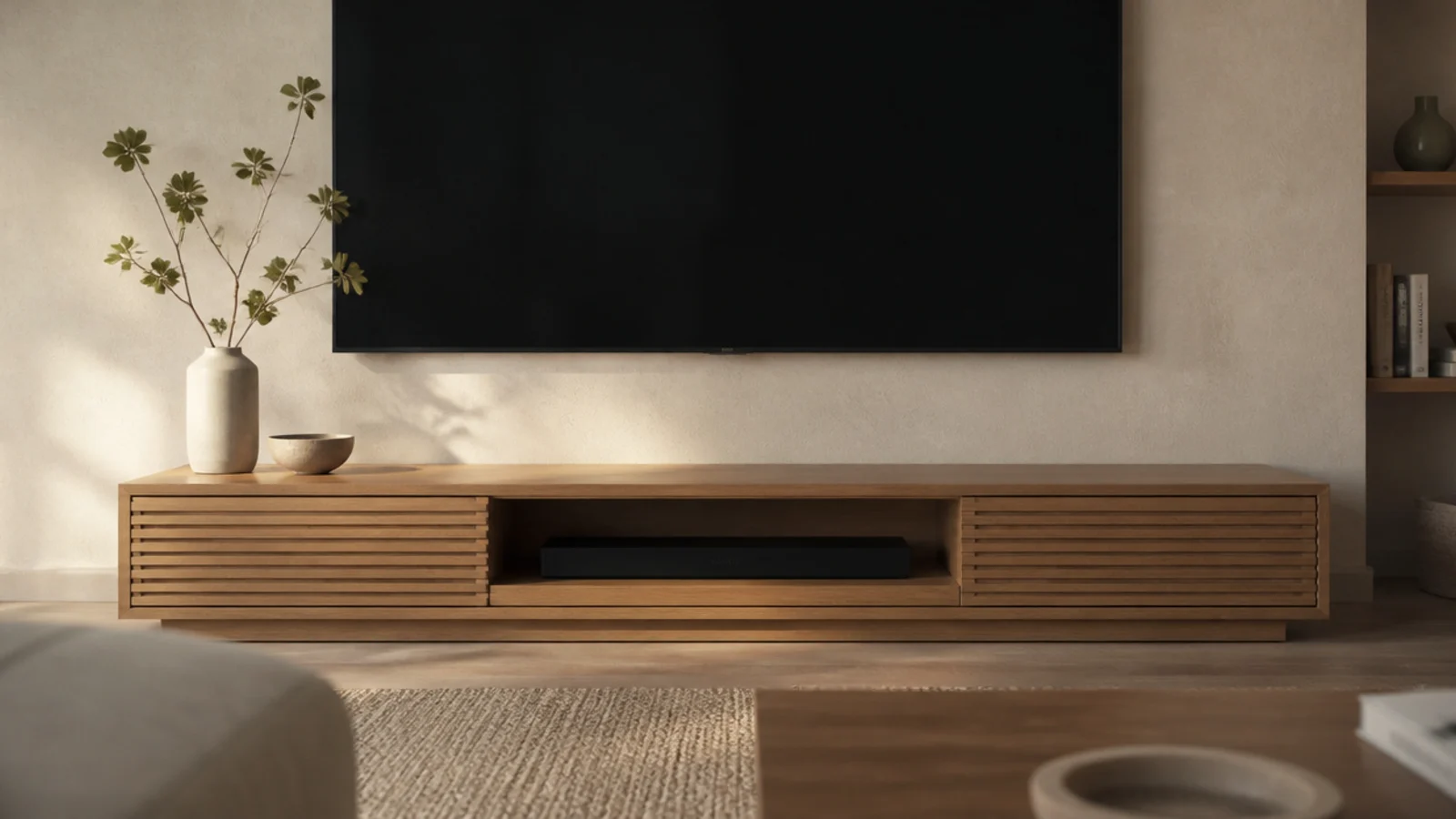
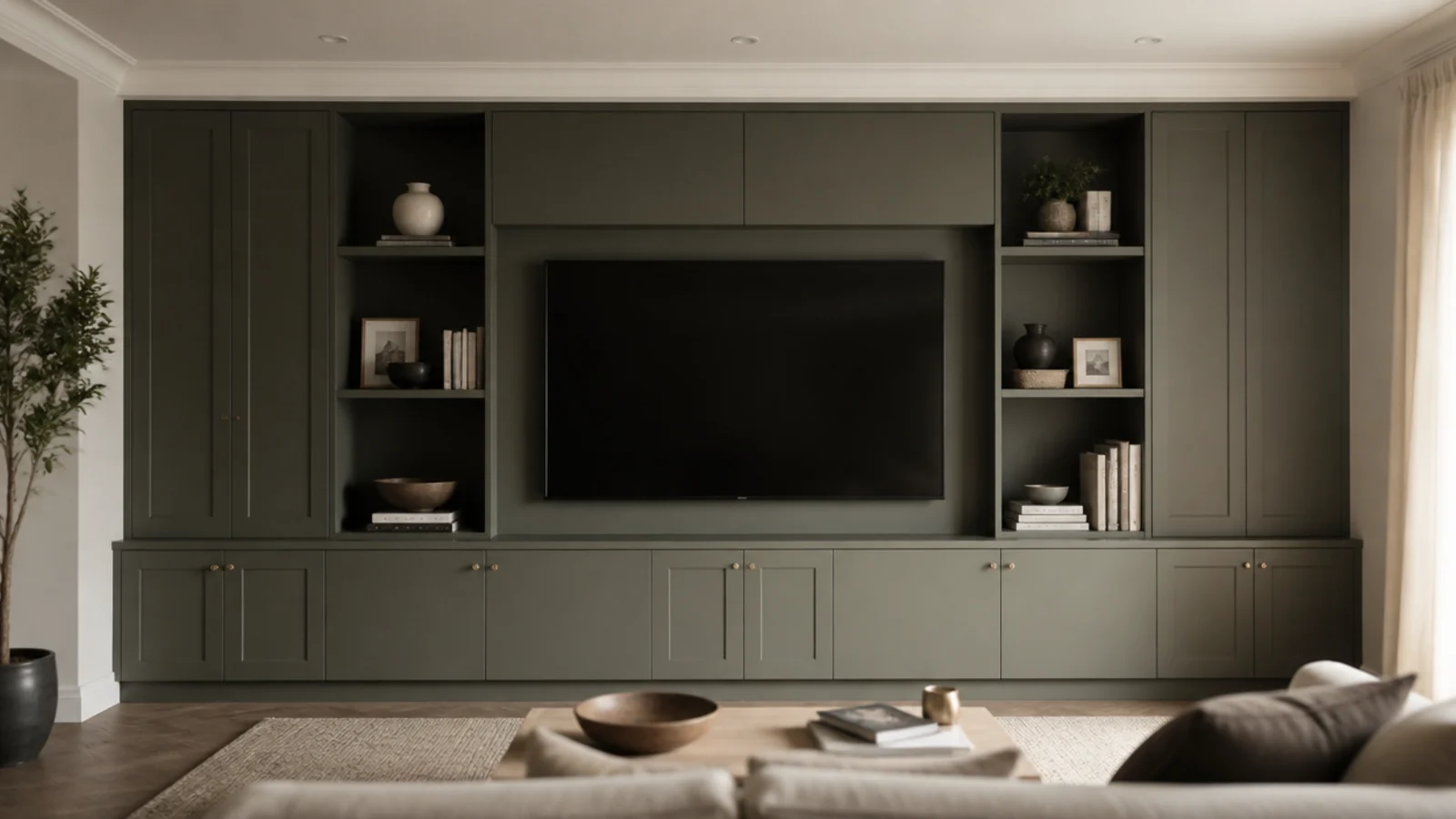
Showrooms sell media cabinets on the front and almost nothing else. The parts that decide whether one survives five years are all out of sight: carcass thickness, internal depth, whether the back panel has any openings at all, and what the top is genuinely rated to carry. TV unit decor modern TV cabinets are judged here on construction rather than styling, because the styling can be fixed in an afternoon and a 12 mm carcass cannot. Below are twenty types worth the money, described by build rather than badge.
In this guide22 sections — tap to openHide
- 1.What TV unit decor modern TV cabinets must get right
- 2.The low solid oak sideboard at twenty inches tall
- 3.The seventy-two-inch two-door with a centre gear bay
- 4.The wall-hung four-drawer in matte lacquer
- 5.The slatted-front cabinet in solid ash
- 6.The cane-front cabinet on a plywood carcass
- 7.The corner cabinet with an angled back
- 8.The twelve-inch shallow console for a tight room
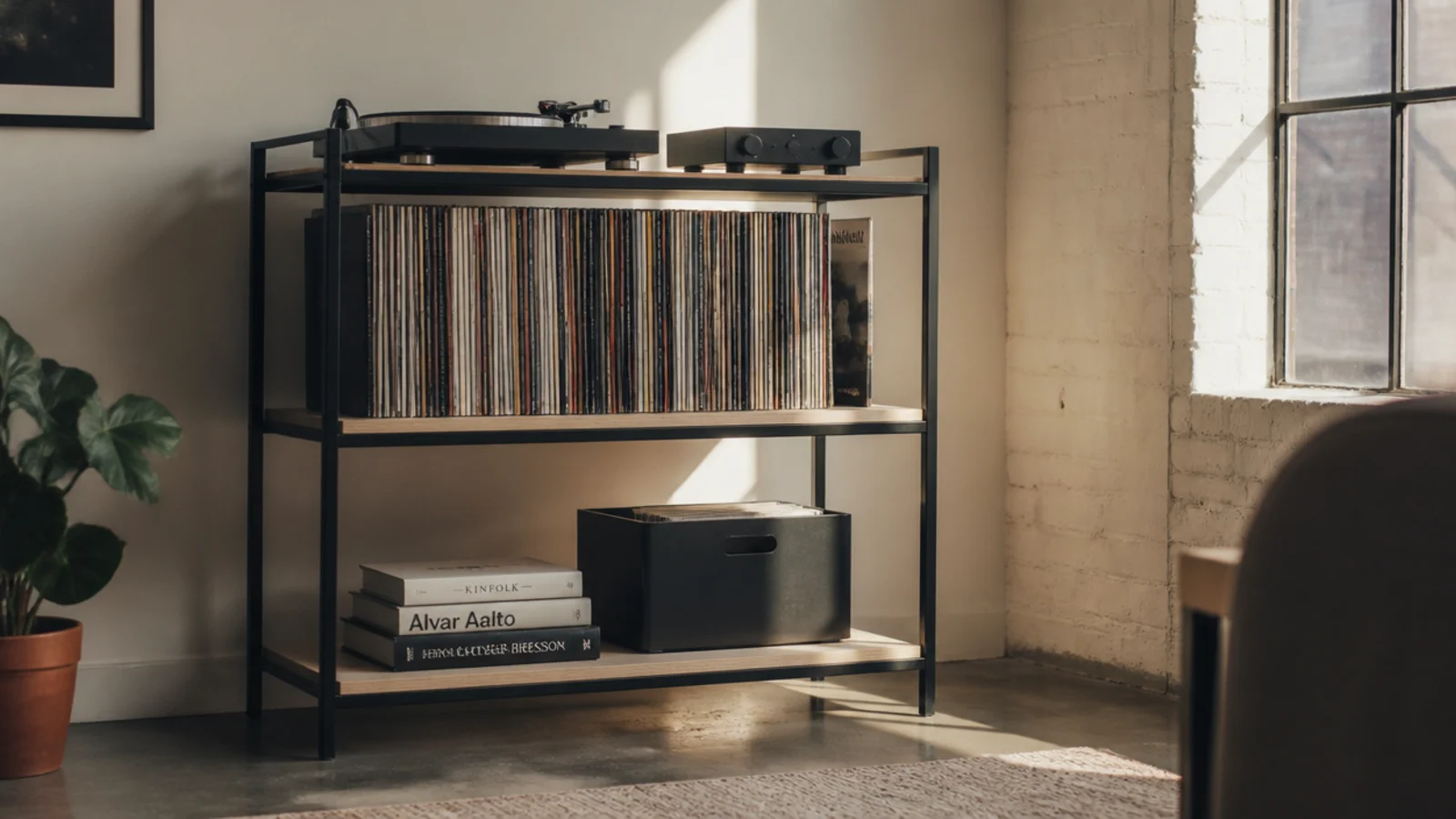
- 9.The steel-frame open unit with plywood shelves
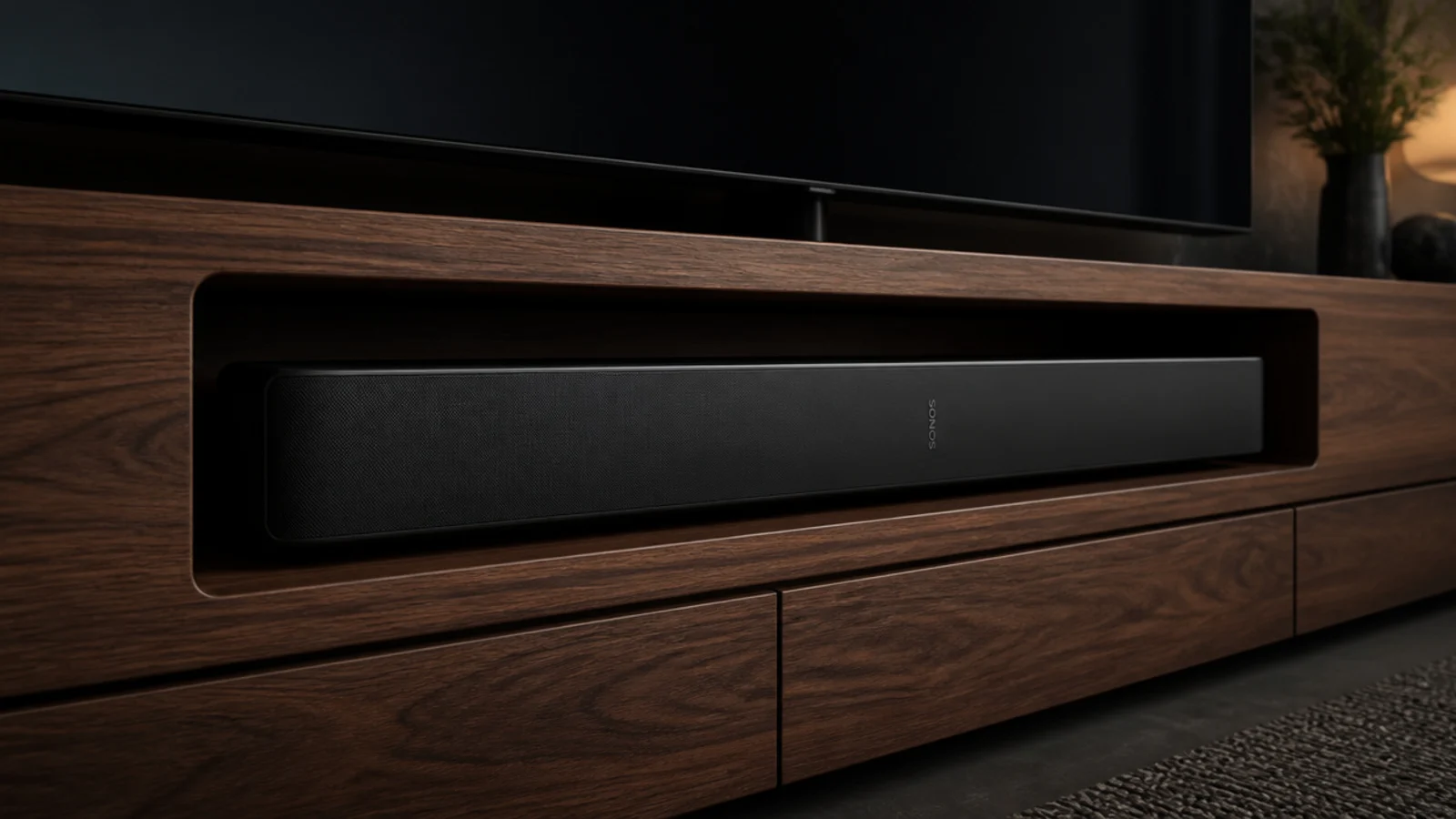
- 10.The two-tier unit with a dedicated soundbar slot
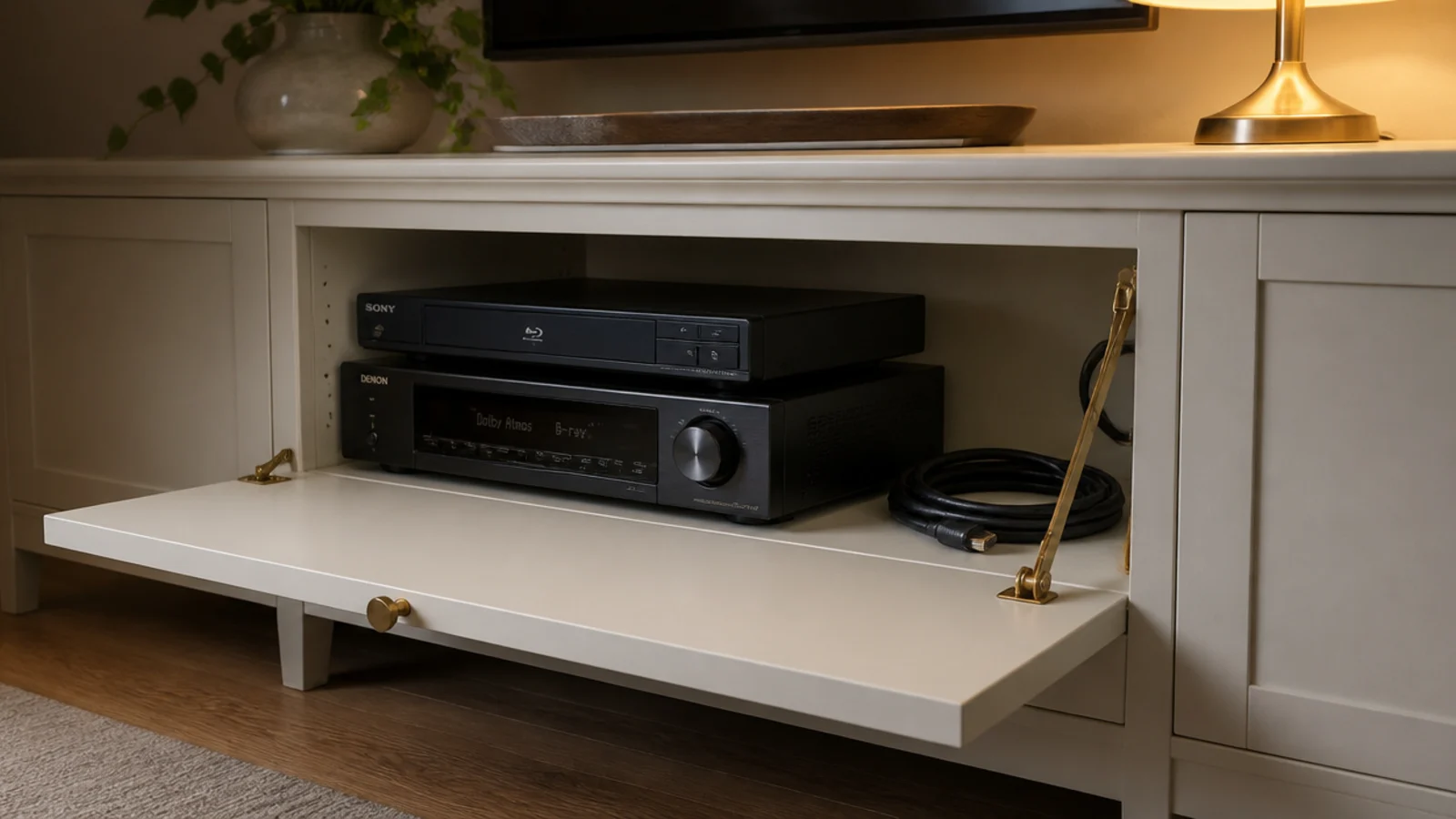
- 11.The cabinet with a fold-down flap door
- 12.The modular box system you can add to
- 13.The stone-topped cabinet on a slim steel base
- 14.The lift-top cabinet that hides the screen
- 15.The cabinet with a genuinely vented back panel
- 16.The ninety-inch run for a seventy-five-inch screen
- 17.The reeded glass door cabinet
- 18.The cabinet with adjustable shelves on system pins
- 19.The solid-wood cabinet rated past two hundred pounds
- 20.The cabinet with pre-cut cable ports and a rear kick
- 21.The flat-pack you upgrade with better hardware
- 22.Mistakes to Skip
What TV unit decor modern TV cabinets must get right
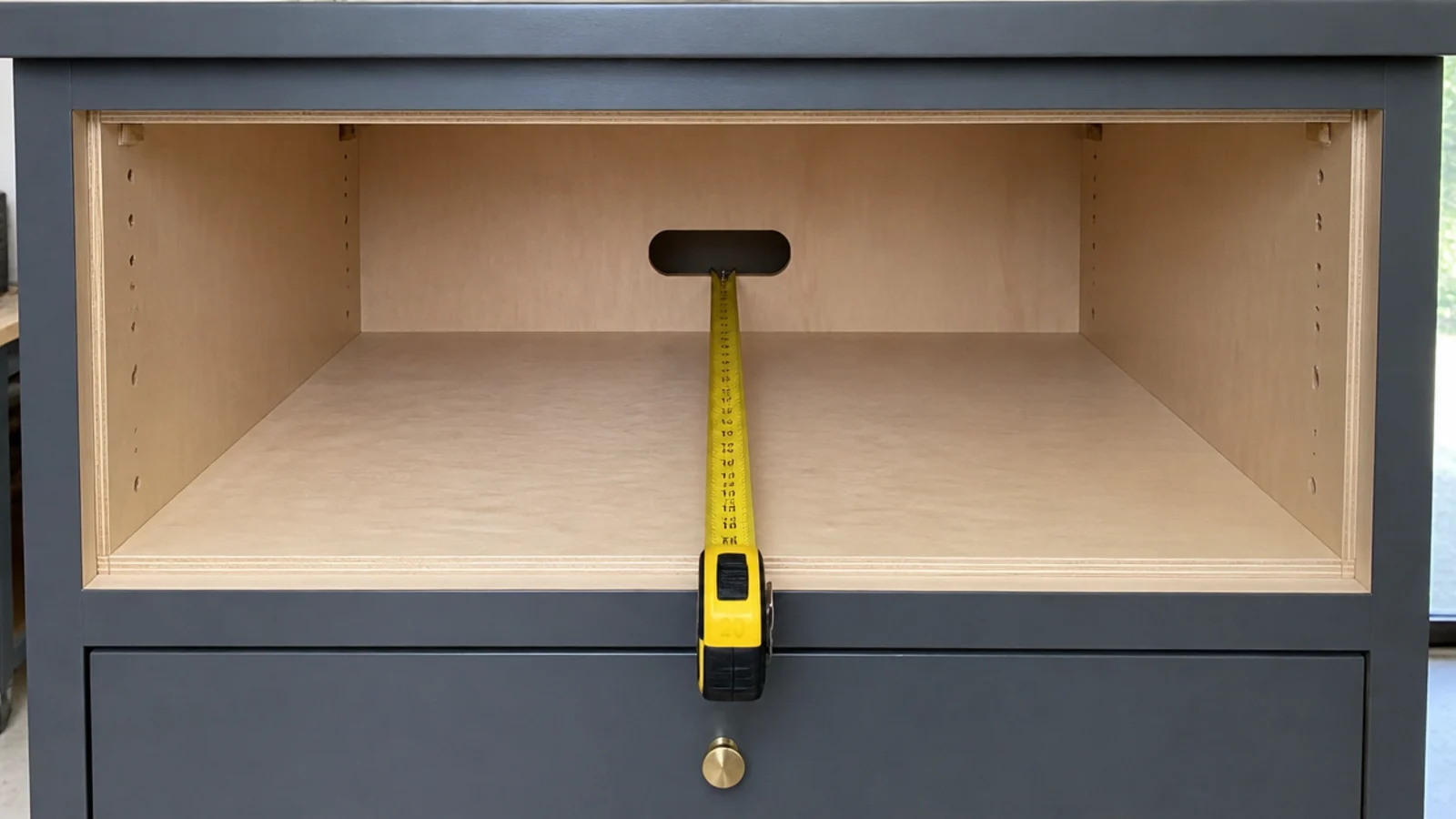
Three numbers rule out most of the market before you look at colour. Internal depth first: a receiver chassis runs 13 to 17 inches and needs 3 to 4 inches behind it for stiff cable, so anything holding one wants a 20 inch bay. Streaming boxes and a slim console are happy at 15 to 18.
Carcass thickness second. Eighteen millimetre board holds a hinge screw through several removals and stays flat across a 60 inch span; 12 mm board sags under gear and strips at the first re-fit. Look at the exposed edge in the shop, not the spec sheet.
Top load third. Particleboard units are typically rated 100 to 150 pounds across the whole top, solid timber and 18 mm ply 200 to 250. A 75 inch television weighs 65 to 90 pounds, so what matters is putting that weight over a side panel or a divider rather than mid-span. Prices run $150 to $400 flat-pack, $500 to $1,400 solid timber, $1,800 upward made to measure. For proportion against the wall itself, the TV wall design guide is the companion piece.
1. The low solid oak sideboard at twenty inches tall
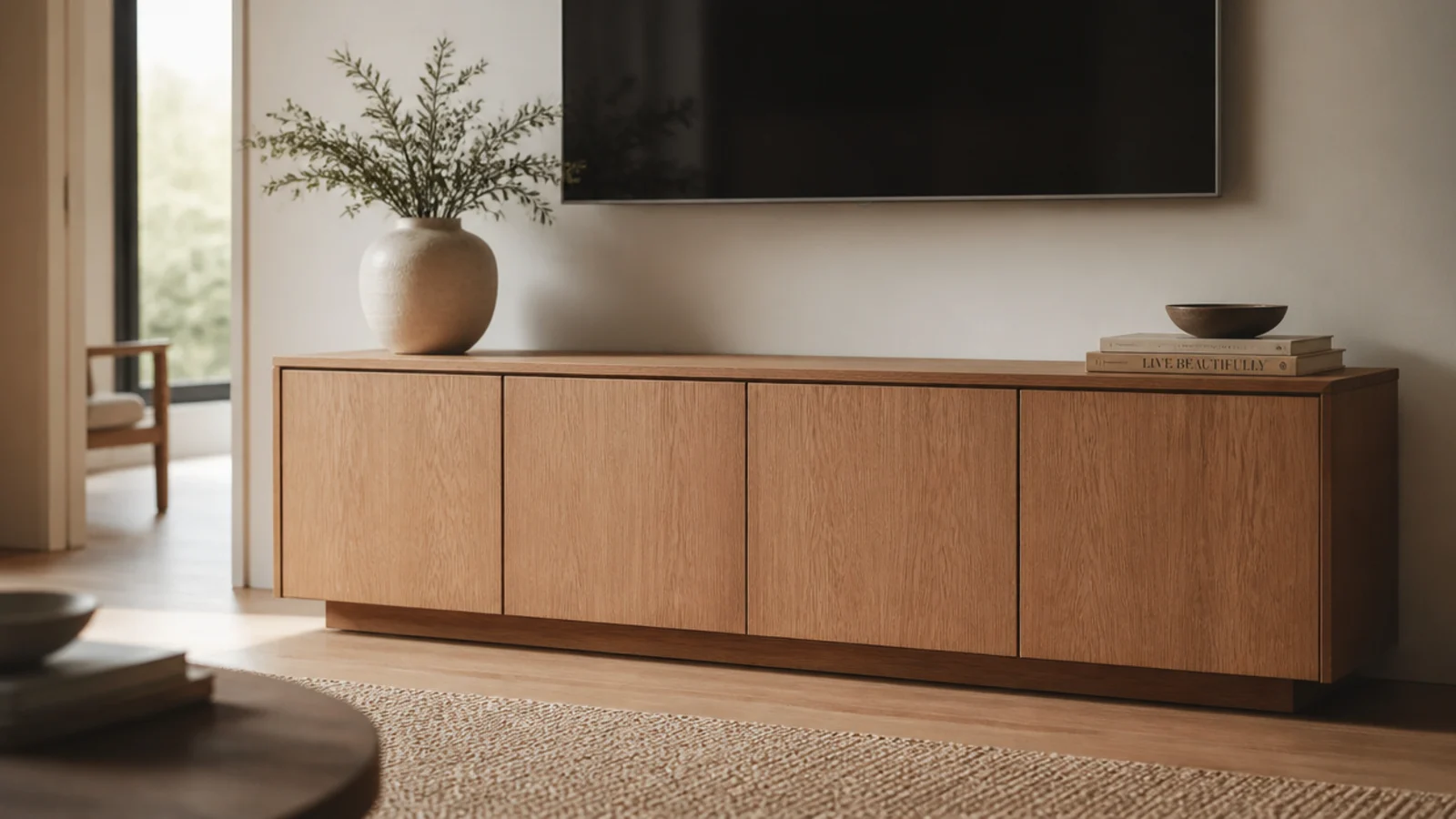
The most reliable purchase on this list. At 20 inches tall it puts the centre of a 55 inch panel at roughly 41 inches, which is seated eye level on a normal sofa. Solid stock means the top will not bow under a heavy screen, and the finish can be sanded back in ten years rather than replaced. Expect $700 to $1,500 for a 60 inch run.
2. The seventy-two-inch two-door with a centre gear bay
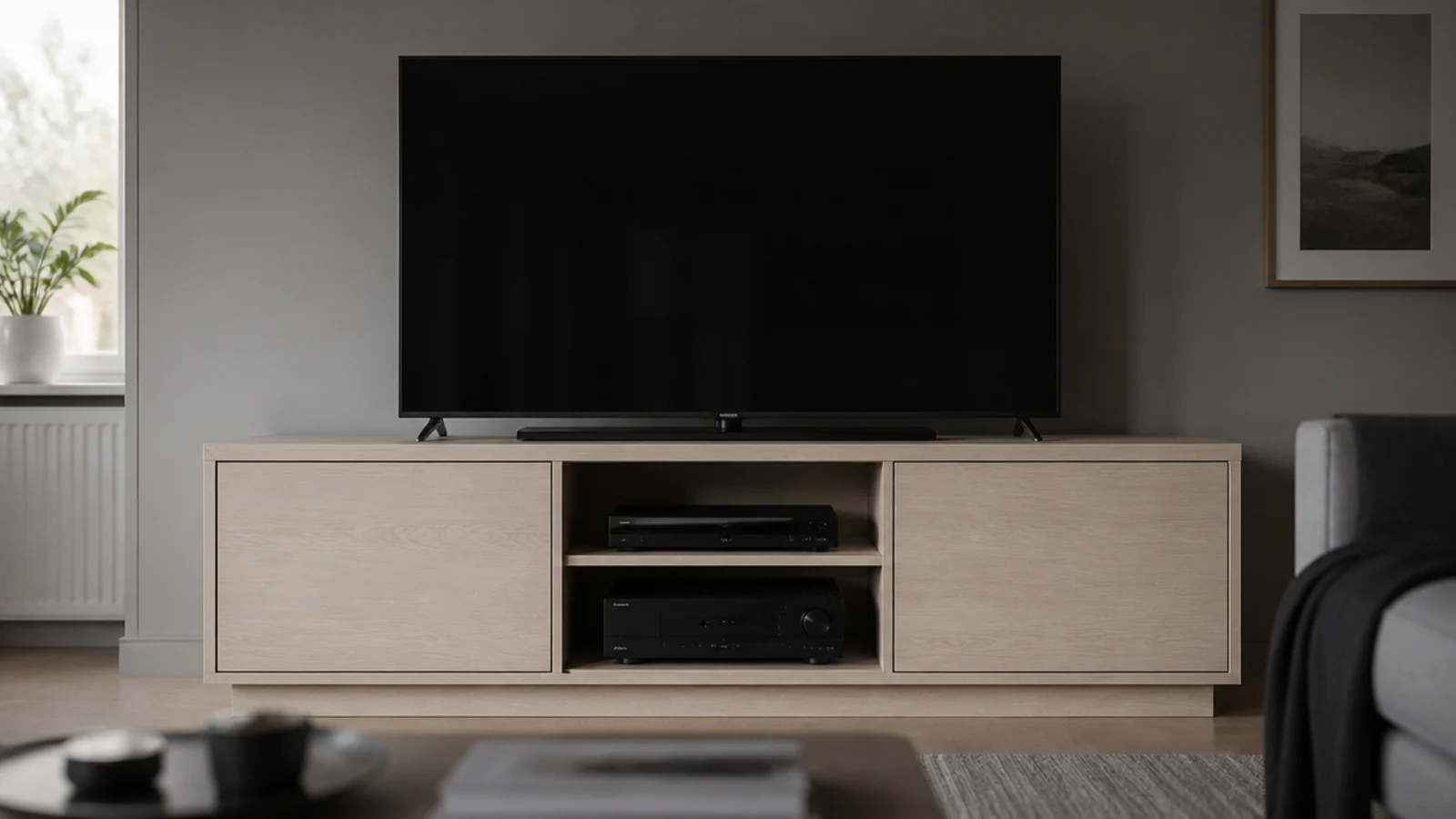
The layout that solves the most problems at once: closed storage either side for the things that photograph badly, and an open central bay where the boxes get airflow and the remotes get line of sight. Check the centre bay is at least 8 inches of clear height, because a receiver plus its heat needs more room than a streaming stick.
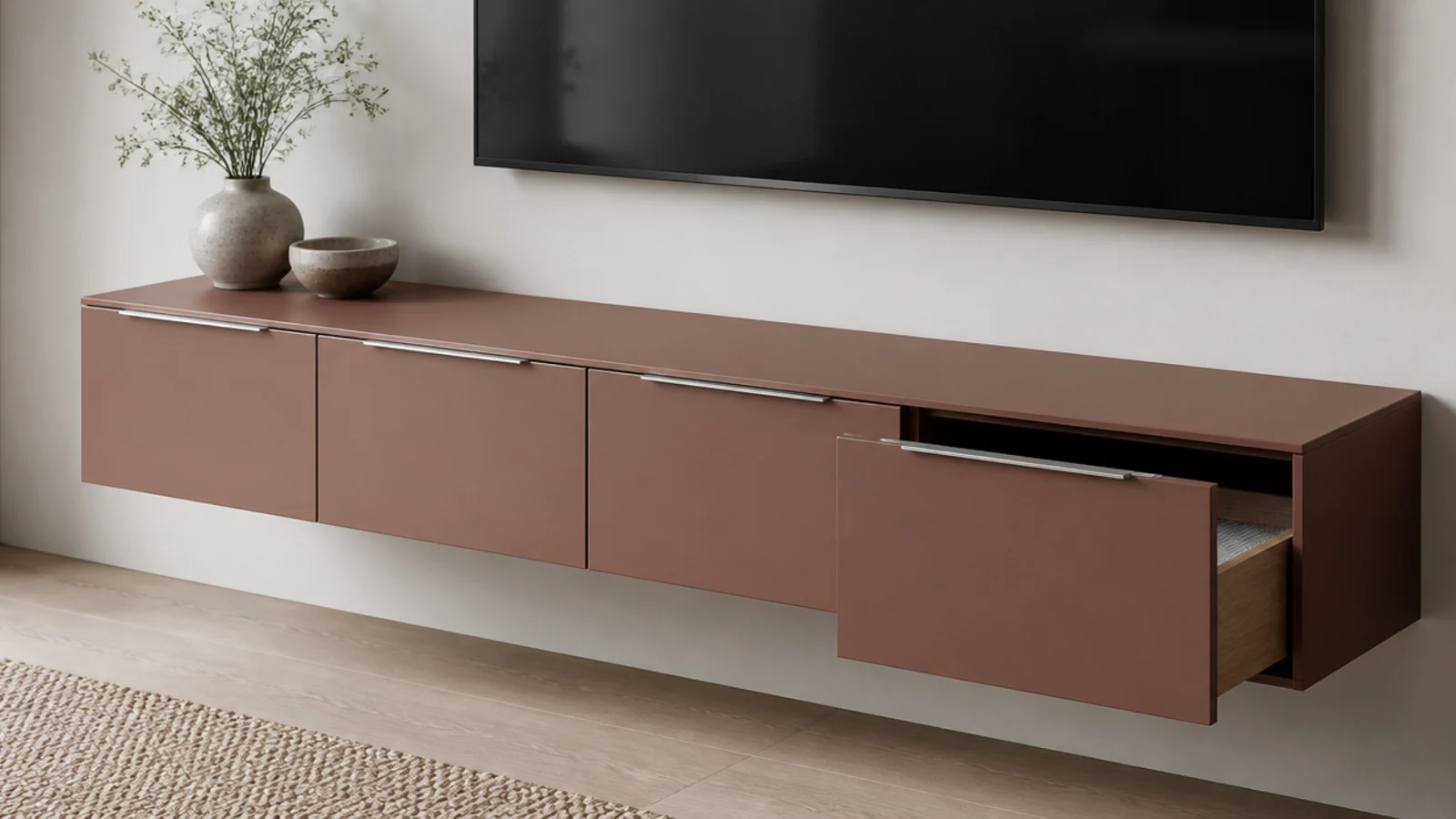
3. The wall-hung four-drawer in matte lacquer
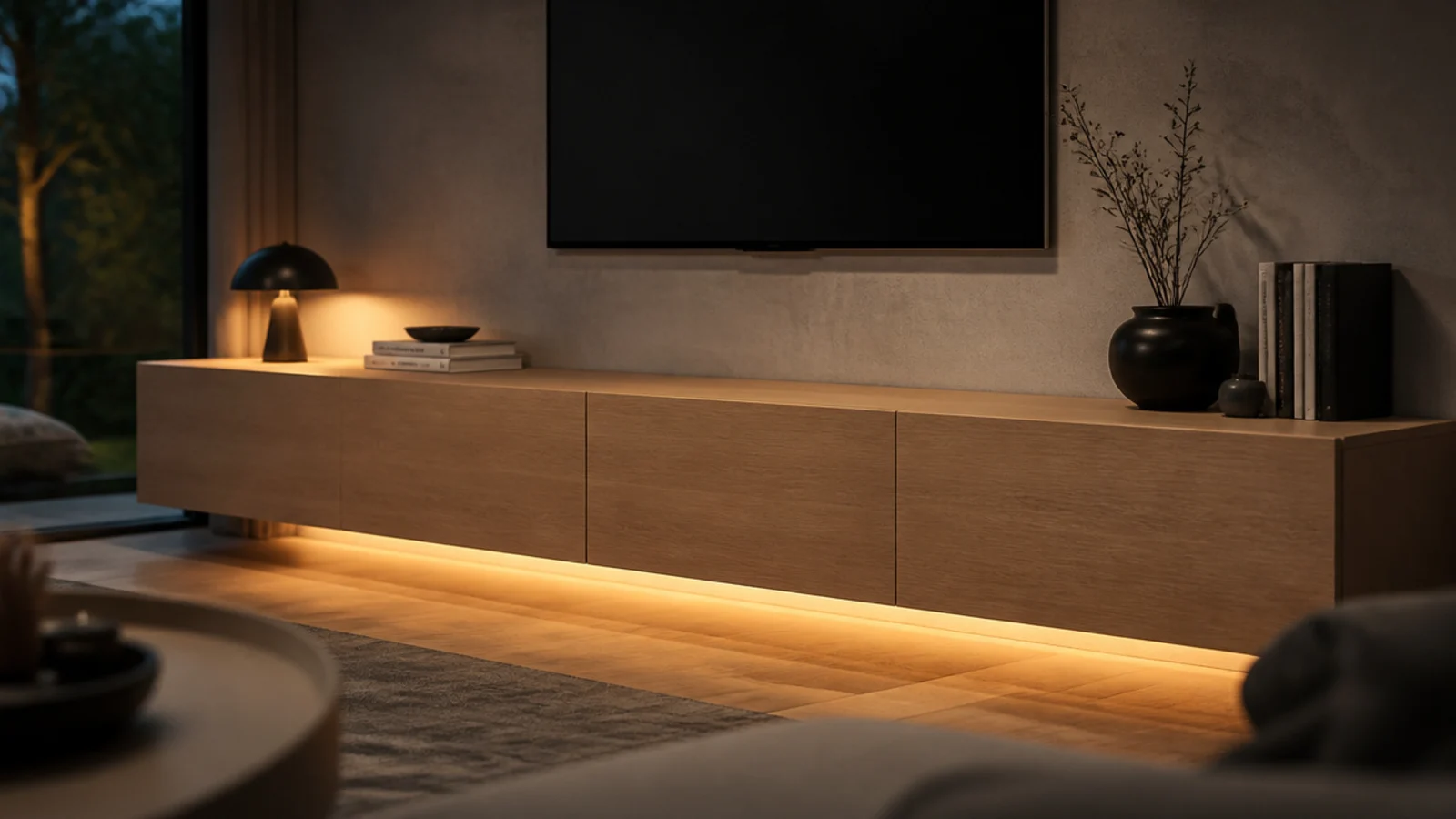
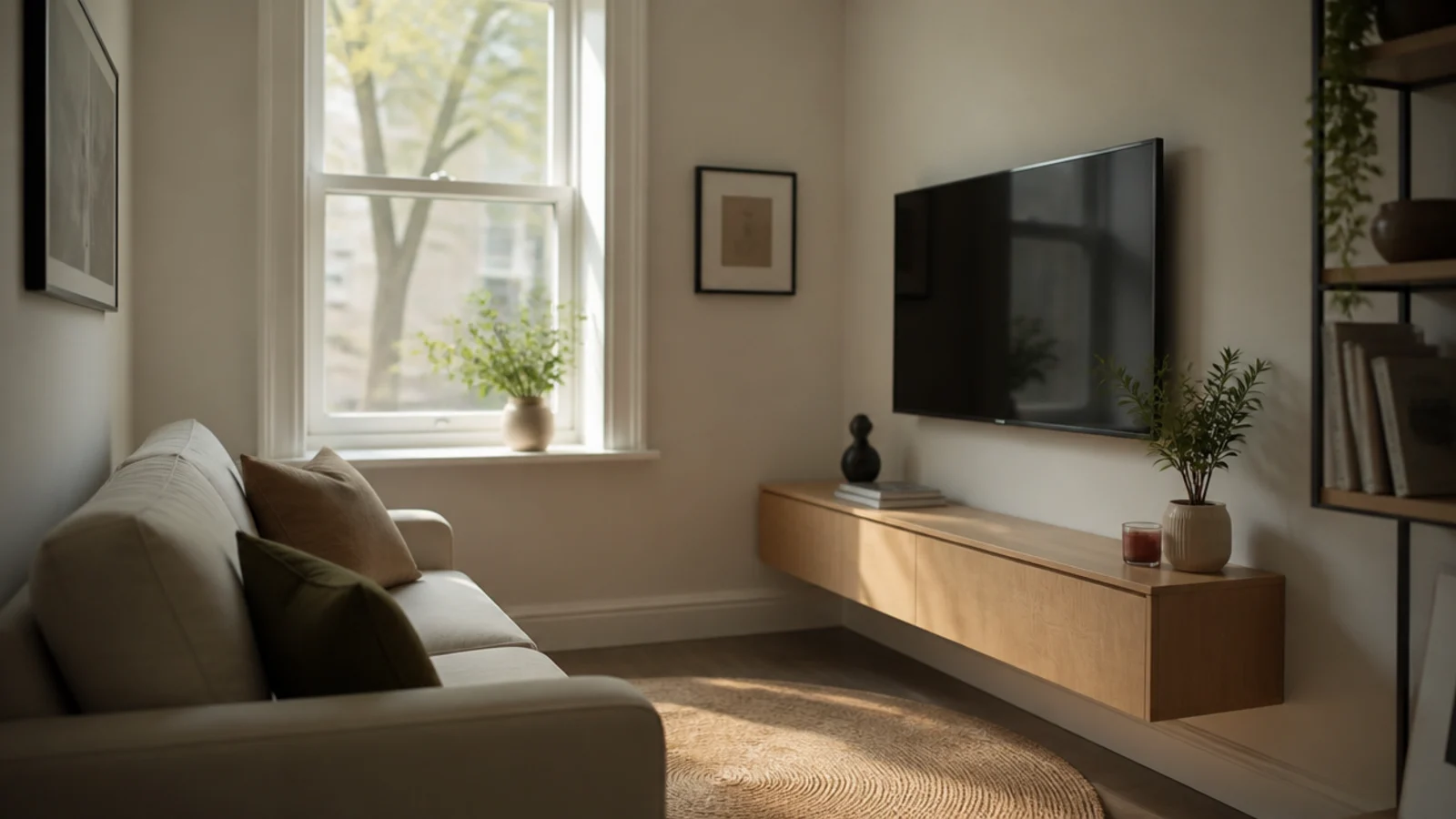
Shallow drawers beat deep ones for media storage because everything stays in a single visible layer. Look for 6 inch internal depth and undermount soft-close runners rated around 45 pounds. Wall-hung means you must reach studs at 16 inch centres — a loaded four-drawer unit with a stone top passes 150 pounds quickly, which is well past what drywall anchors should carry.
4. The slatted-front cabinet in solid ash
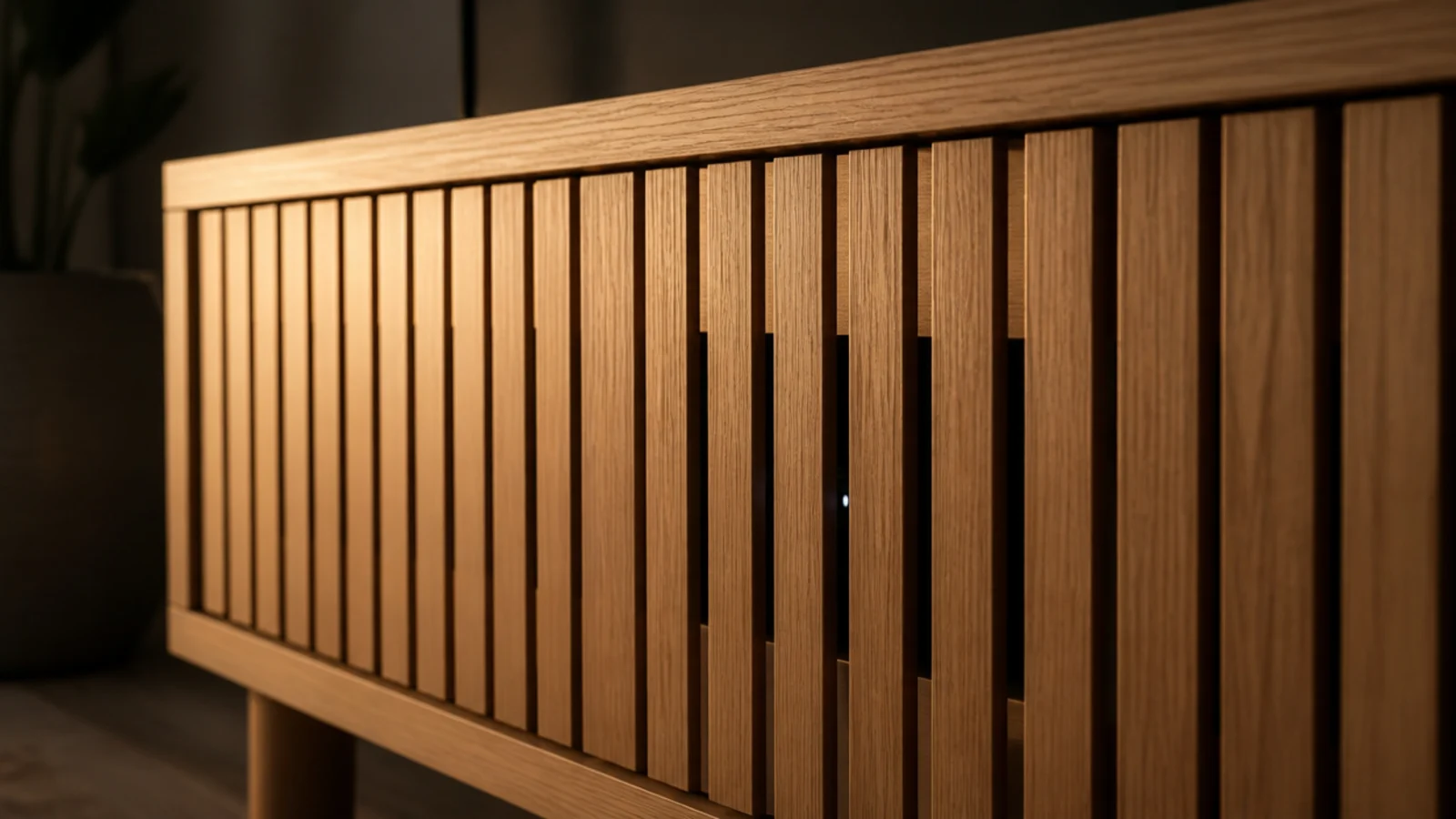
Slats at roughly 20 mm with 10 mm gaps give about a third open area, which is enough passive ventilation for a console and a streaming box behind a closed door. Solid ash keeps the slats straight; veneered MDF slats warp within a season above a warm device. Infrared passes through the gaps, so the remote still works.
5. The cane-front cabinet on a plywood carcass
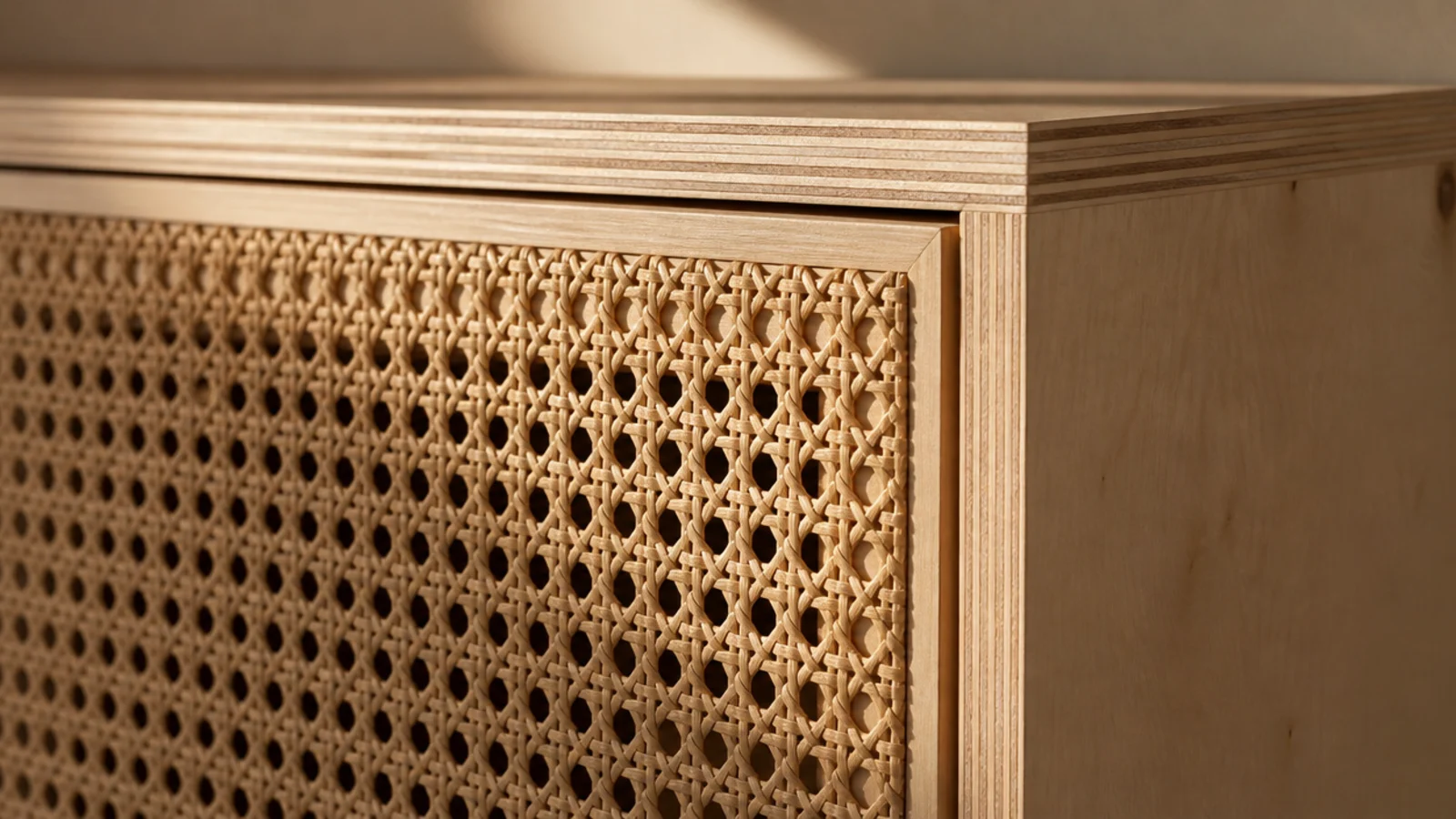
Cane webbing breathes better than any door material short of open shelving, and a ply carcass with visible laminations reads honest rather than cheap. Check the webbing is stretched in a rebated frame rather than stapled to the back of a panel, and keep it away from direct sun, which dries the weave and eventually splits it.
6. The corner cabinet with an angled back
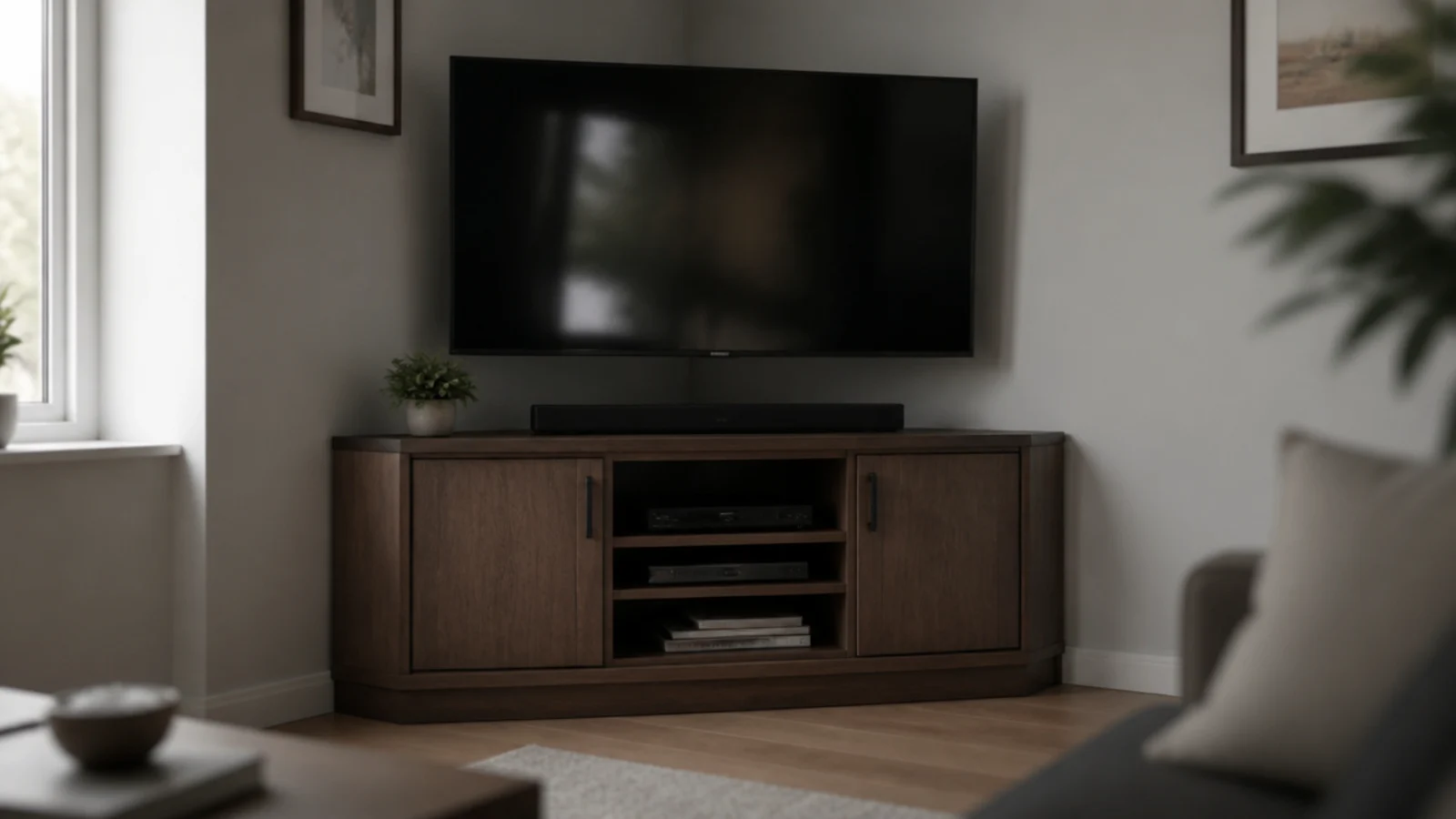
A chamfered rear profile lets a cabinet sit tight into a corner without the wasted triangle a square-backed unit leaves. It suits rooms where the seating faces a corner rather than a wall. Measure the diagonal across the corner before buying, and confirm the screen can still angle out without fouling either wall.
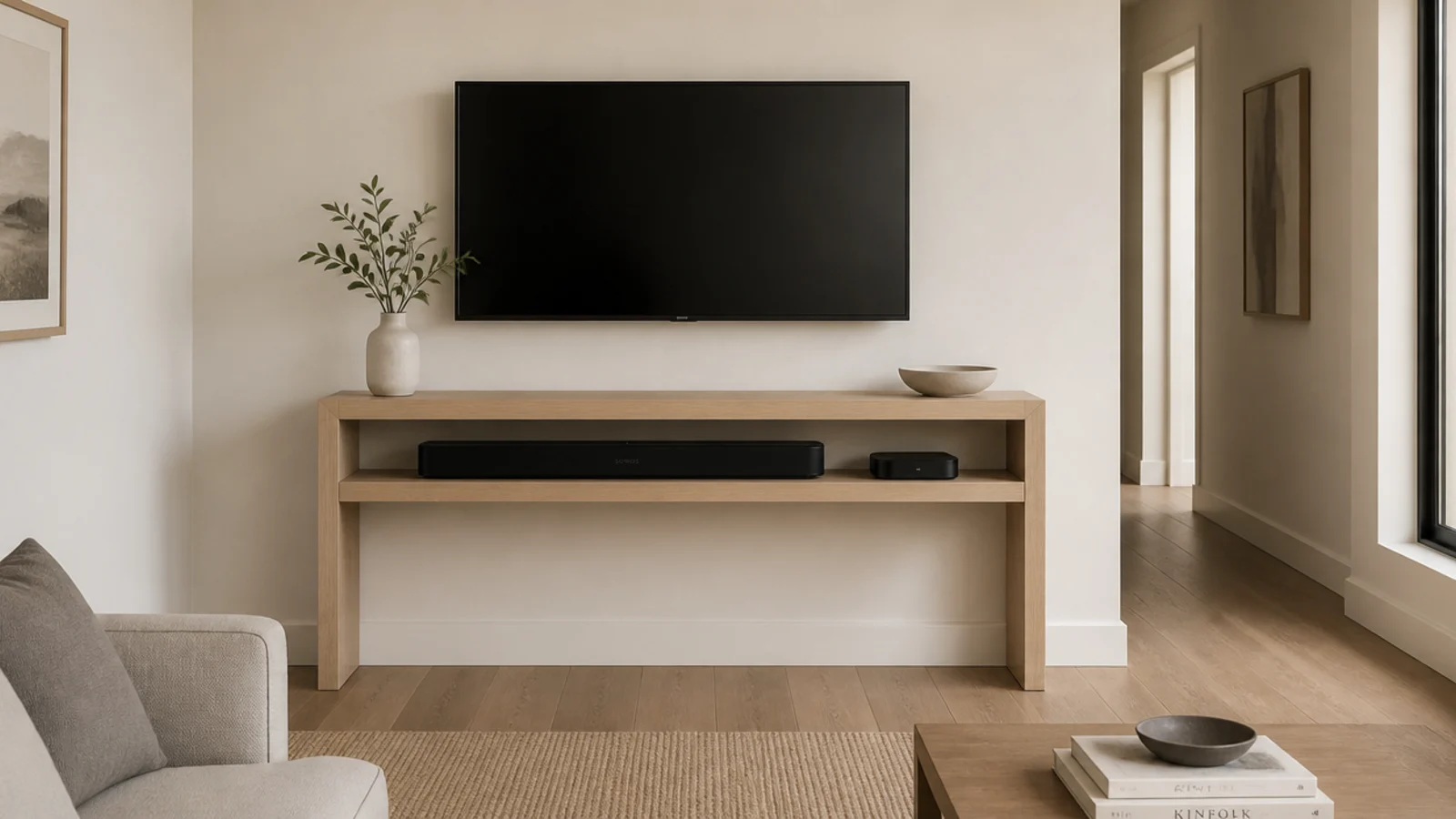
7. The twelve-inch shallow console for a tight room
Where the walkway matters more than the storage. Twelve inches of depth still carries a soundbar and two slim boxes while leaving a proper route past. Keep 30 inches of clear floor between the console front and anything opposite if people cross the room there. Anything under 12 inches deep should be fixed to the wall.
8. The steel-frame open unit with plywood shelves
A powder-coated steel frame with 18 mm ply shelves gives real capacity with a slim visual footprint, and there is nothing to trap heat. Check the shelf span: 18 mm ply runs 30 to 32 inches under 30 pounds without visible deflection, so a 48 inch shelf needs a centre support or it will dip.
9. The two-tier unit with a dedicated soundbar slot
A purpose-cut slot keeps the bar within a couple of inches of the screen's bottom edge and stops it competing for shelf space. Check the slot is at least an inch taller than the bar and open at the back, because a soundbar recessed more than 2 inches into a closed niche loses its top end and starts to sound boxed in.
10. The cabinet with a fold-down flap door
A flap that drops to horizontal turns into a working surface and gives full access to everything behind, which suits a bay holding a games console people actually use. Check the stay arm carries the door weight without slamming and that the open flap does not block the walkway by more than 14 inches.
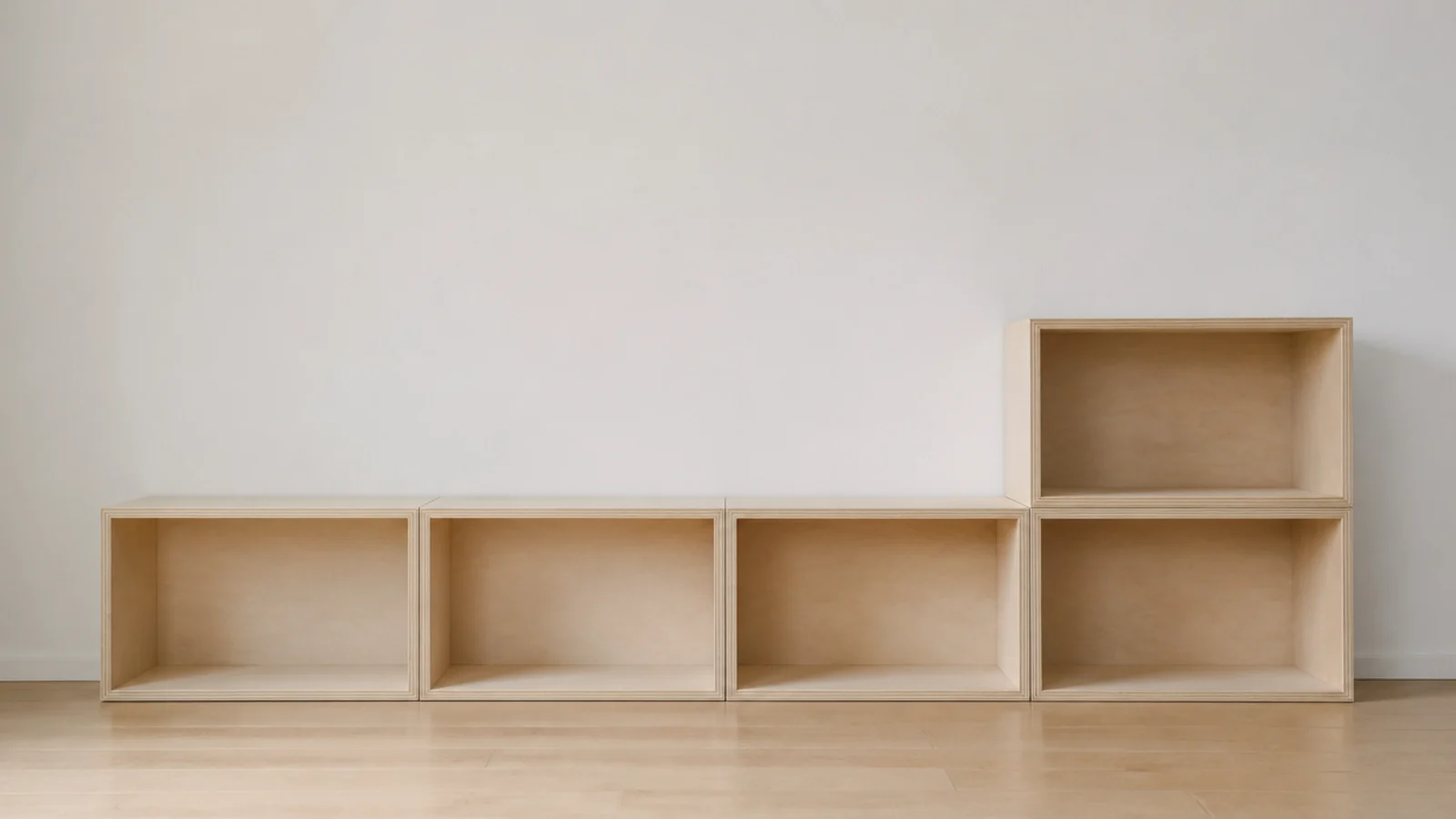
11. The modular box system you can add to
Buying three boxes now and two later is the honest answer for a room that is still changing. Confirm the range has been in production for a few years, that the boxes align on a common grid, and that spare fronts are sold separately. The colour matching between production runs is the part that usually fails.
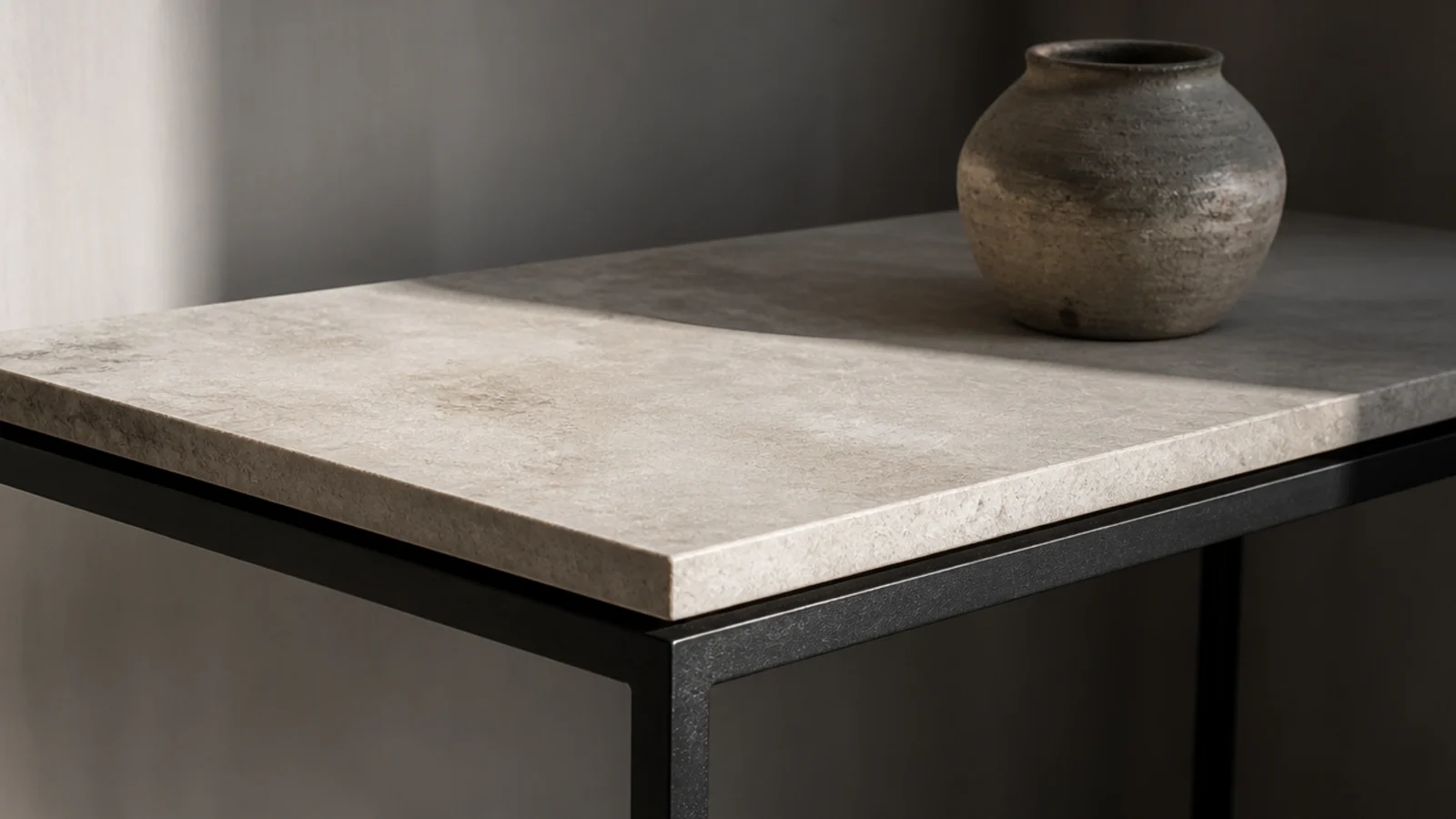
12. The stone-topped cabinet on a slim steel base
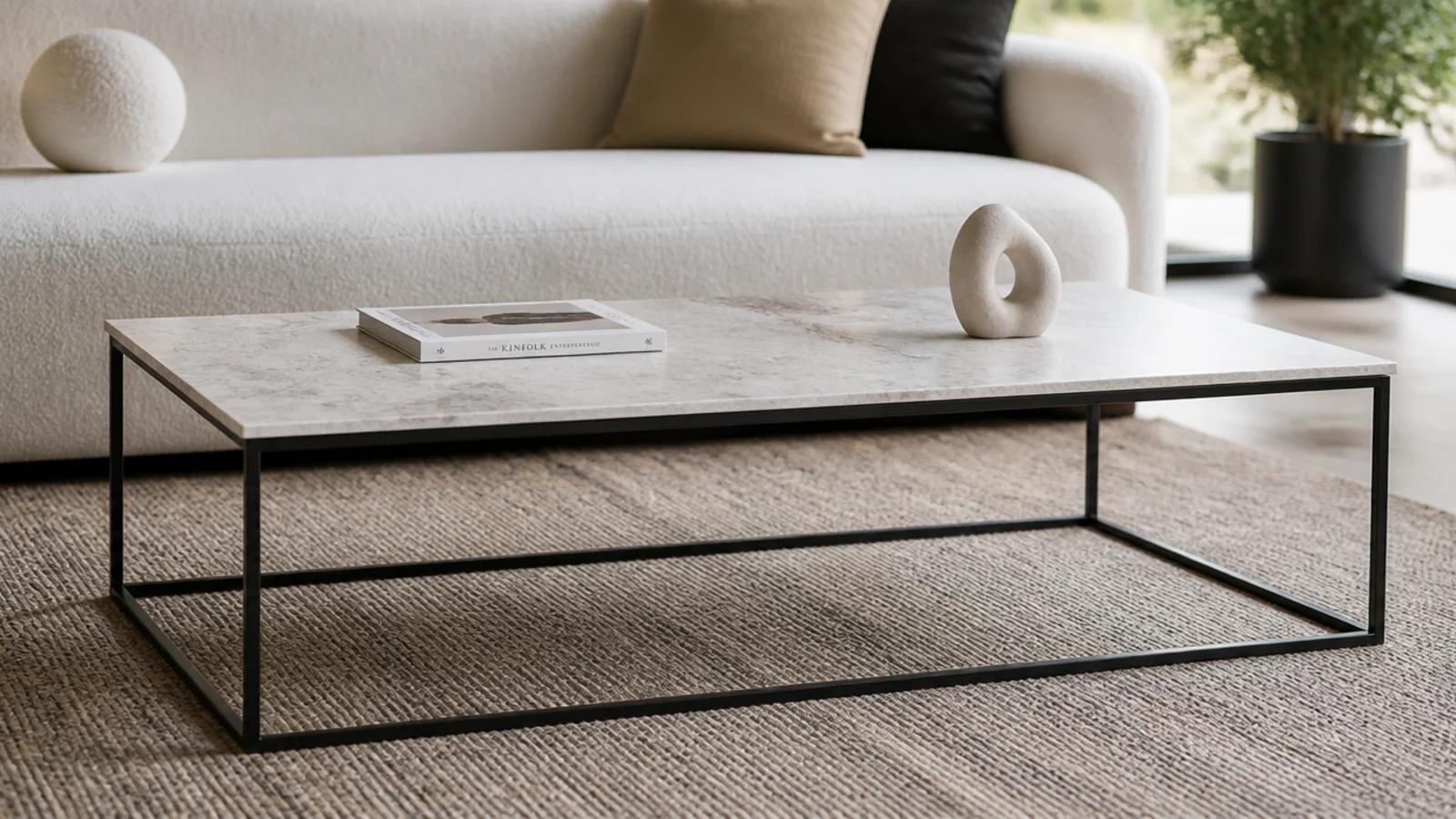
Twenty millimetre porcelain or sintered stone gives a heavy top that never rings from a wet glass, on a base thin enough to keep the piece visually light. Real marble is porous and wants sealing every year. Either way the assembled weight goes past 150 pounds, so it needs a level floor and a strap into a stud.
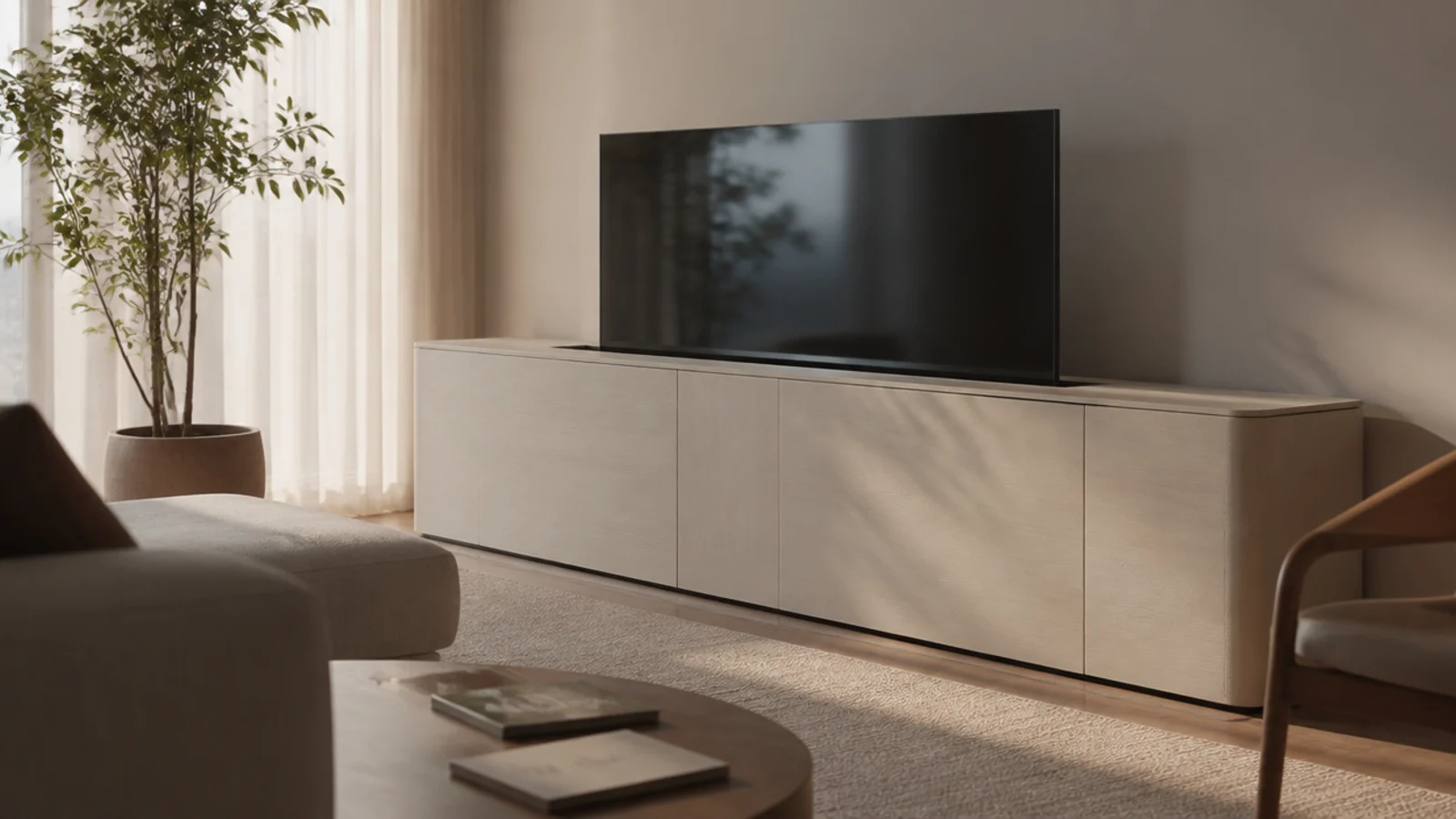
13. The lift-top cabinet that hides the screen
A motorised lift makes sense in a room that is not primarily for watching — a sitting room, a bedroom, a snug that doubles as a study. Mechanisms carry 60 to 120 pounds and add $400 to $1,200, and they need 4 to 6 inches of clearance behind the panel inside the carcass for the cable loop.
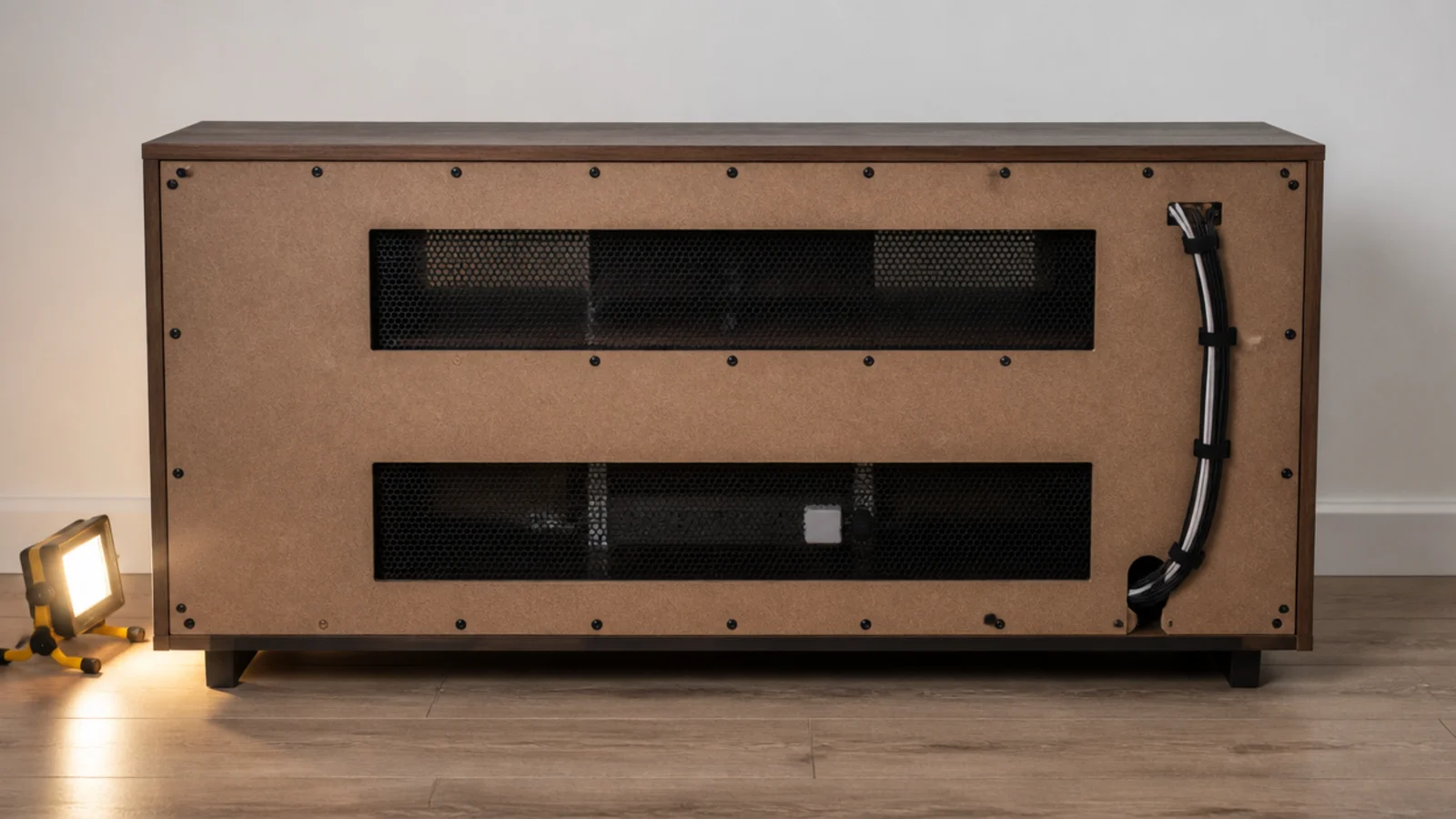
14. The cabinet with a genuinely vented back panel
Pull the sample away from the wall in the shop and look. Two large rectangular cutouts backed with mesh, plus a recessed plinth so air can enter low, is what allows a closed bay to hold anything warmer than a streaming stick. Above roughly 40 degrees Celsius inside a cabinet, gear starts throttling and eventually shuts down.
15. The ninety-inch run for a seventy-five-inch screen
A 75 inch panel is about 65 inches across, so the cabinet wants to be 78 inches minimum and reads far better at 90. Big screens make ordinary furniture look undersized, and the cheapest correction is length rather than height. Keep the top at 16 to 20 inches so the screen centre still lands near 42 inches.
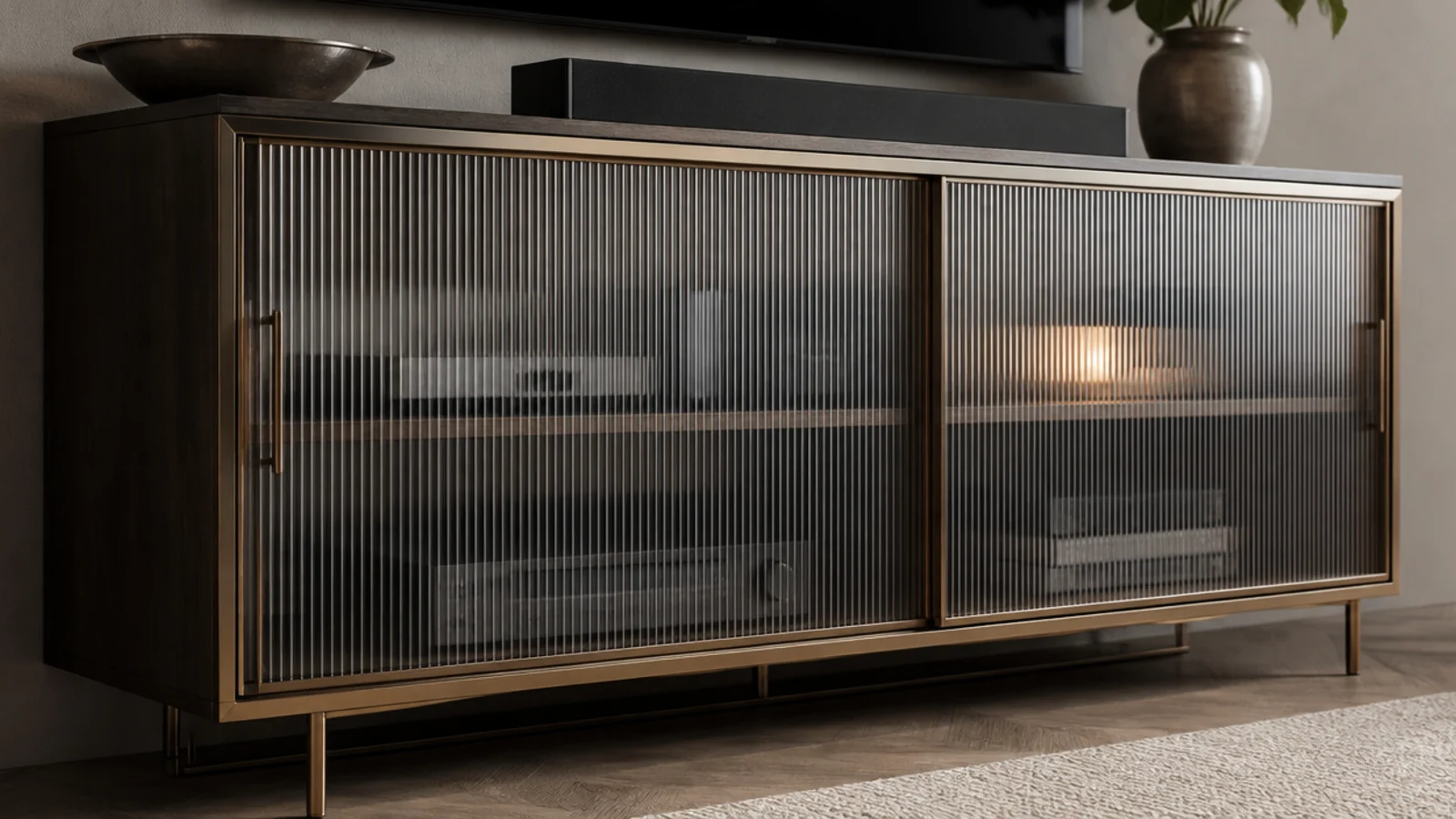
16. The reeded glass door cabinet
Reeded or fluted glass blurs what is behind it instead of displaying it, which is exactly right for a bay full of black boxes. It also passes infrared, so remotes keep working. Ask whether the glass is toughened, and expect a 20 to 30 per cent premium over a solid front of the same size.
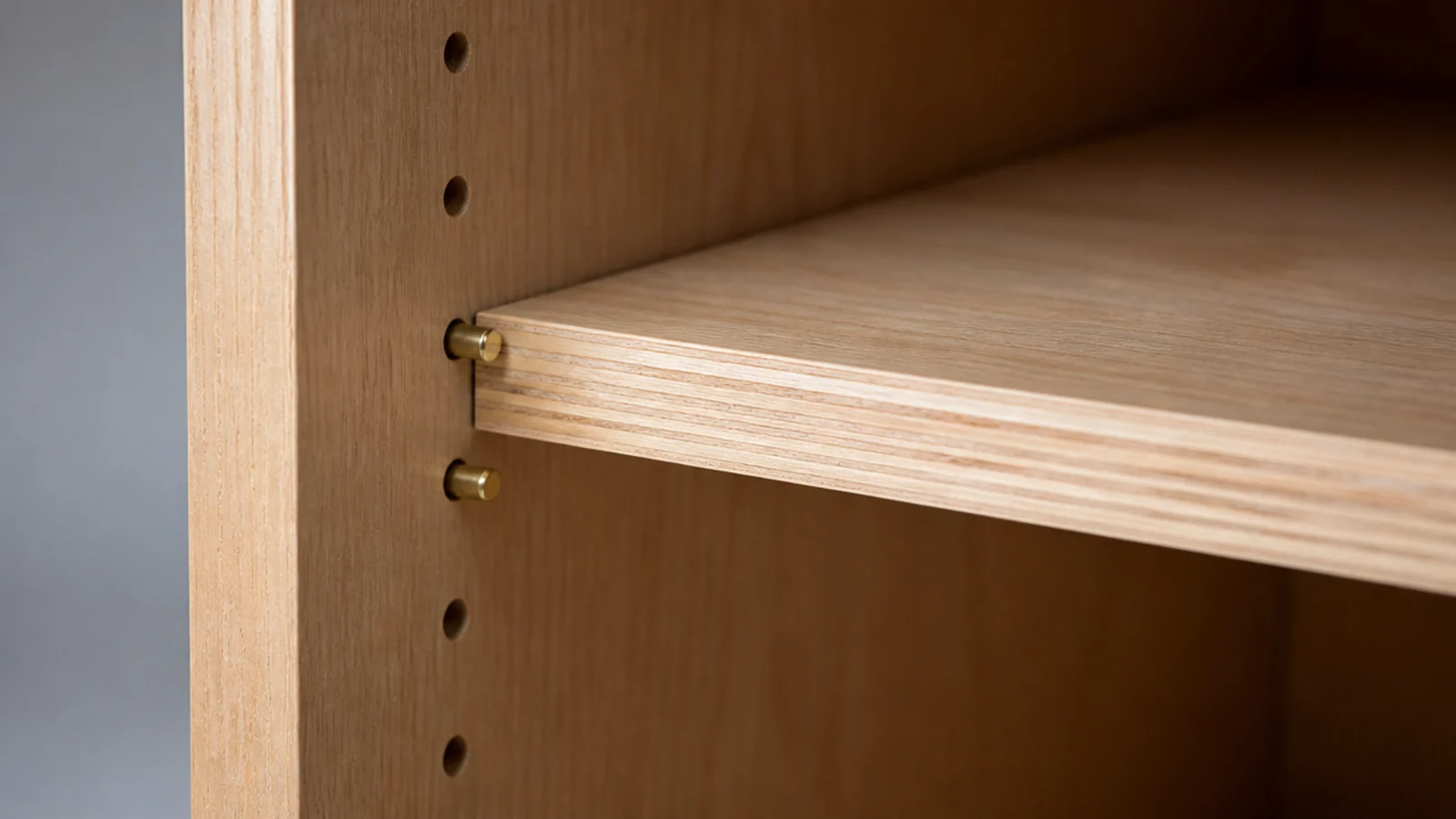
17. The cabinet with adjustable shelves on system pins
A vertical row of holes at 32 mm centres is a small detail that keeps a cabinet useful for a decade, because the next console will be a different height from this one. Fixed shelves are the single most common reason a perfectly good media unit gets replaced early.
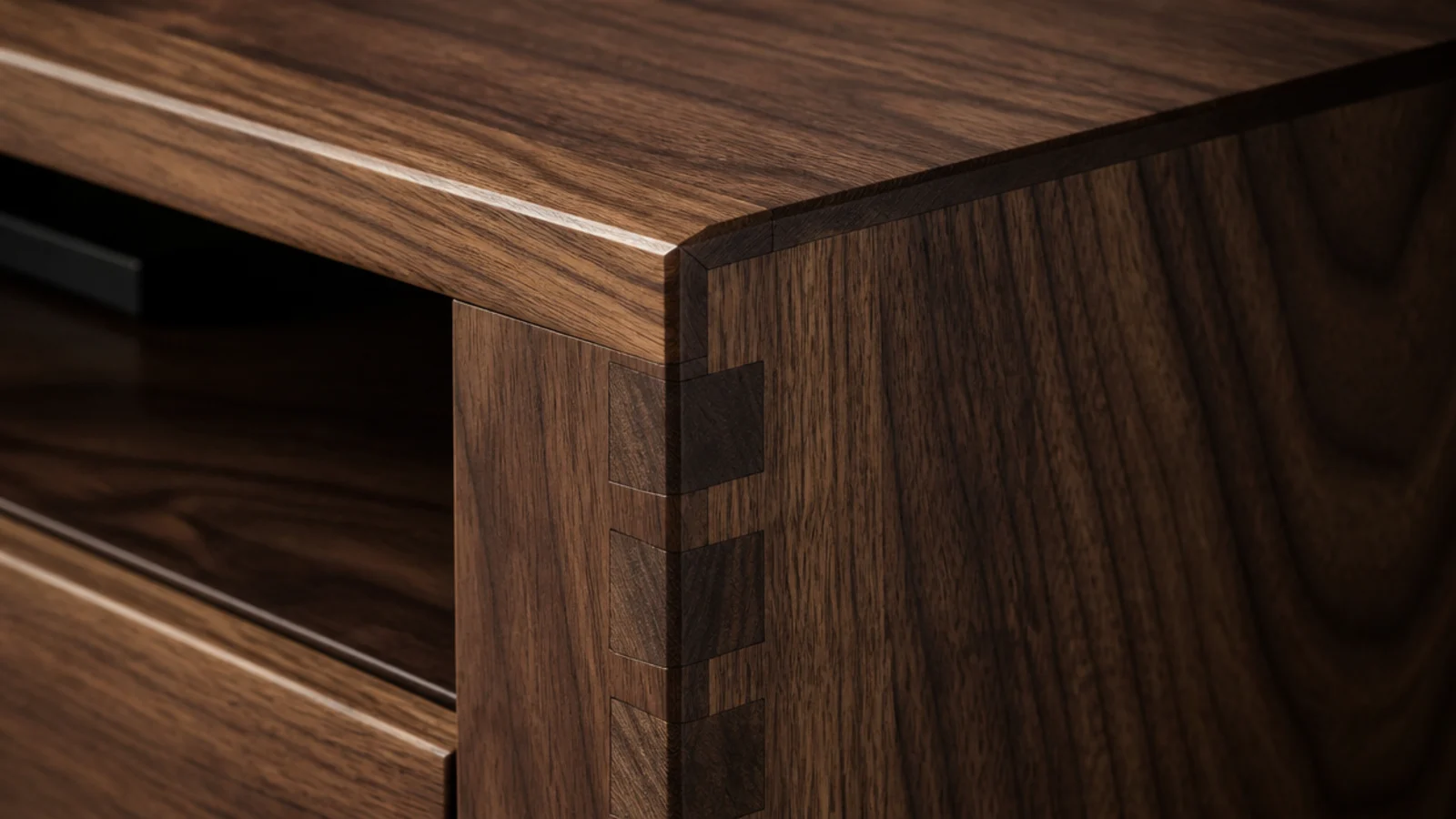
18. The solid-wood cabinet rated past two hundred pounds
If a very large screen is standing on the unit rather than hanging on the wall, the rating stops being theoretical. Solid timber carcasses with proper joinery reach 200 to 250 pounds across the top. Look at the corners: a dovetail or a housed joint is doing structural work that a cam lock is only pretending to.
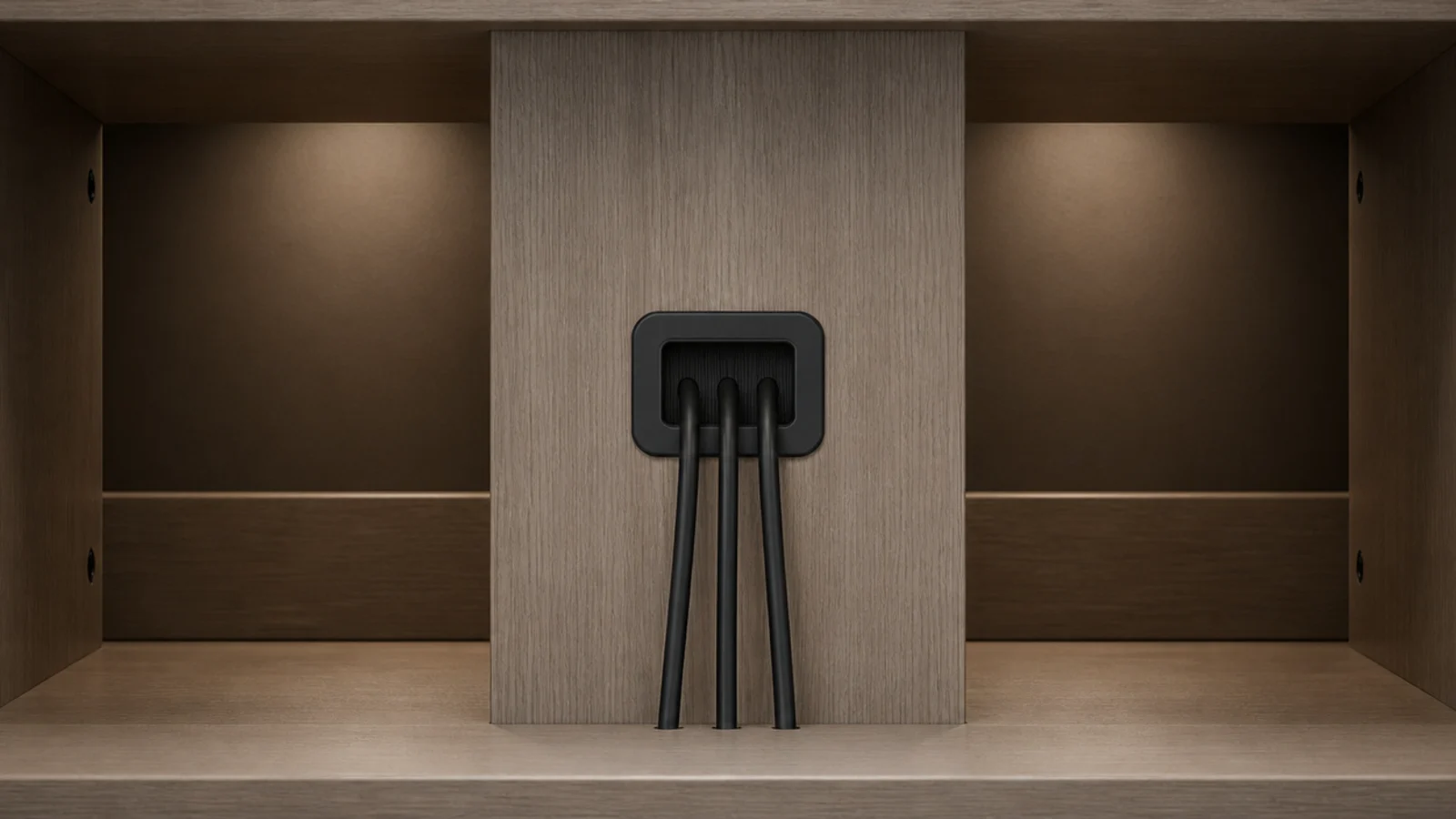
19. The cabinet with pre-cut cable ports and a rear kick
Factory-cut ports are cleaner than anything a hole saw achieves at home, and a recessed rear kick lets the cabinet sit close to the wall while cables still fall freely. Two ports of about 2 inches will pass six to eight HDMI leads, since standard HDMI is only 6 to 8 mm across.
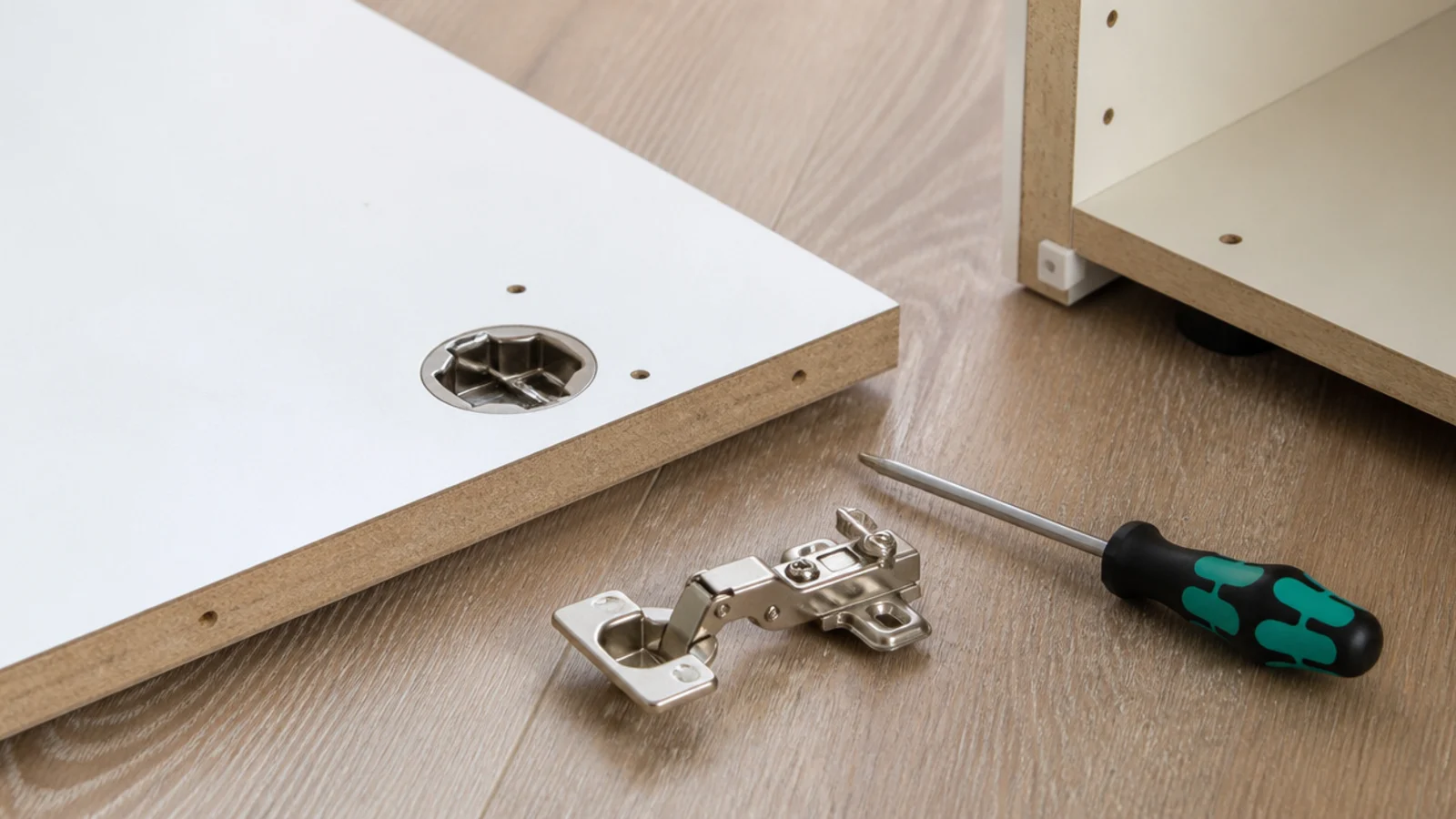
20. The flat-pack you upgrade with better hardware
The pragmatic pick. Buy the best carcass in your budget, then spend $40 to $80 on soft-close hinges, undermount runners and proper pulls. Hardware is where a cheap cabinet feels cheap, and swapping it is a screwdriver job. The budget ideas guide covers more upgrades of this kind.
Once the cabinet is home, the clutter-hiding ideas cover cable routing, grommets and vent cutting, and the modern media wall details go into shadow gaps and lighting. For the open bays either side of a run, floating shelf ideas has the load numbers.
Mistakes to Skip
- Buying on front finish alone. The door is the part you can change; the carcass and the depth are the parts you cannot.
- Ignoring a sealed back panel because the cabinet is beautiful. A closed bay with no openings will cook a receiver, and the failure shows up as a mid-film shutdown rather than a warning.
- Choosing fixed shelves. Devices change height every few years and a fixed shelf turns a good cabinet into a landfill decision.
- Standing an oversized television on a 100 pound rated top and centring it mid-span. Put the load over a divider or move the panel onto the wall.
- Assembling a flat-pack with the supplied cam locks only, then moving house twice. Add a few screws through the back panel into the shelf ends and the cabinet stays square.
Frequently asked questions
What internal depth does a media cabinet need?
Twenty inches if a receiver or a full-size console lives inside, because the chassis alone runs 13 to 17 inches and stiff HDMI needs another 3 to 4 inches behind it to turn without straining the port. Fifteen to 18 inches is enough for streaming boxes and a slim console.
How much weight can a TV cabinet top hold?
Most particleboard units are rated 100 to 150 pounds across the whole top, and solid timber or 18 mm ply carcasses typically reach 200 to 250. A 75 inch television weighs 65 to 90 pounds, so the rating matters less than where the load sits — always keep it centred over a side panel or a divider.
Is 18 mm carcass board worth paying more for?
Yes on anything over 60 inches wide. Twelve millimetre board sags visibly across a long span under gear, and it will not hold a hinge screw after two or three removals. Eighteen millimetre gives you a real fixing, a stiffer shelf and a cabinet that survives being moved house.
Do modern TV cabinets come with ventilation?
Rarely, and it is the most common omission. Look for a back panel with cutouts or a removable section, plus a recessed plinth so air can enter low. If there is none, cut 40 square inches of free vent area per closed bay yourself with a hole saw and fit mesh inserts.
Should I buy a cabinet wider than my television?
Always. Aim for the cabinet to be at least 12 inches wider than the screen in total, so 60 to 72 inches for a 55 inch panel that measures about 48 inches across. A unit narrower than the screen looks unbalanced from every seat in the room.
Want more like this? Browse all 15 tv unit decor guides — they all use the same measurements and budget tiers.
Pin it for later
Save this to your TV Unit Decor board
Pin it now so it is waiting for you when the tape measure comes out — and so the next person hunting for this idea can find it too.
Save this pinKeep going
More ideas worth saving while you have the tape measure out.