Center Table Living Room · Listicle
20 Glass Center Table Living Room Ideas That Shine

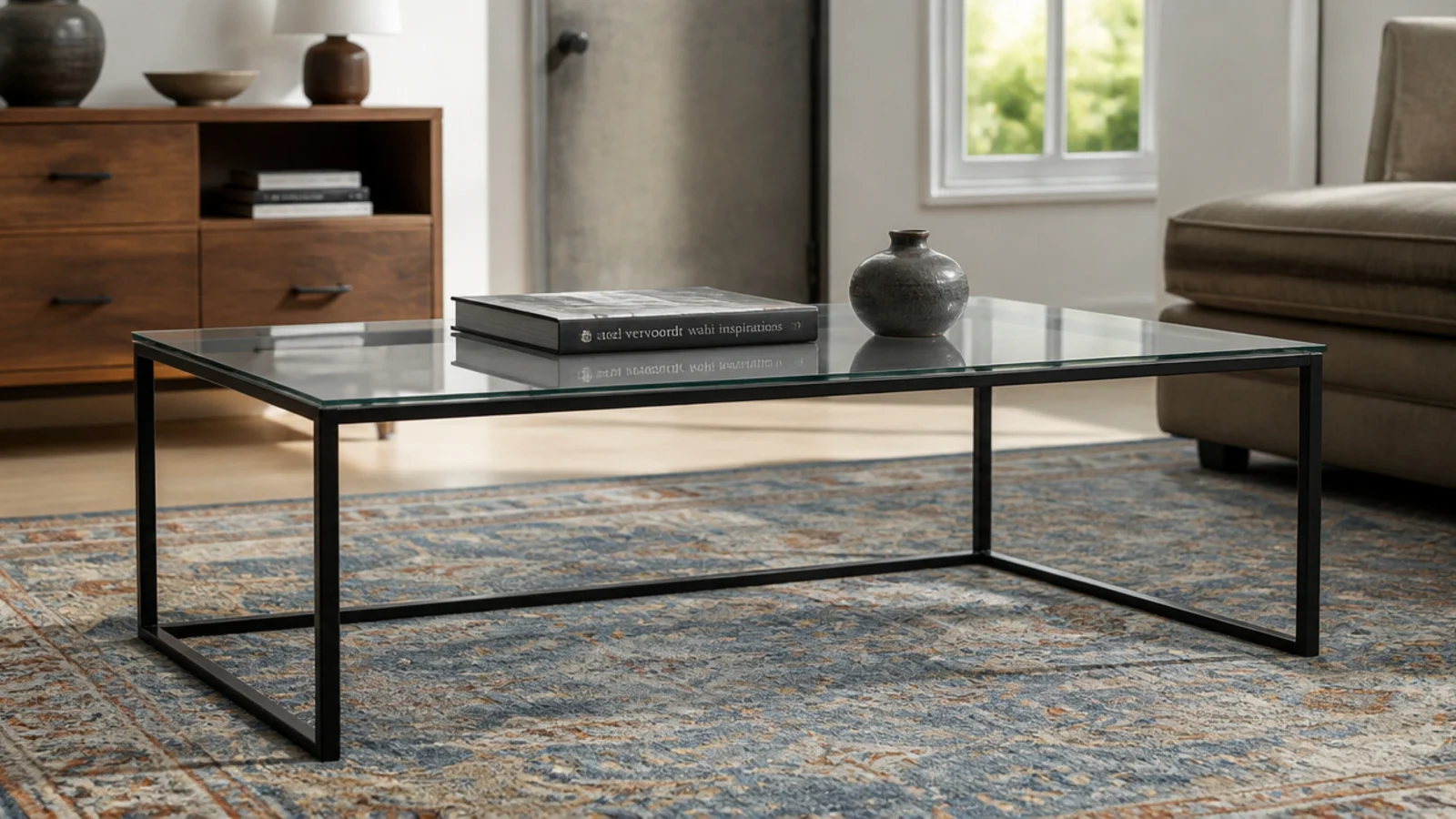
A clear top is the only surface that makes a small room measure the same and read larger, because the floor keeps going underneath it. That is the whole argument, and it is a good one. What nobody mentions is that glass is a specified product rather than a bought one: thickness, temper, edge and tint all change how it looks and how long it survives. Every glass center table living room idea below comes with the number you need to give the supplier.
In this guide22 sections — tap to openHide
- 1.What glass center table living room buyers should specify
- 2.Specify half-inch tempered over forty inches
- 3.Three-eighths is enough under thirty-six inches
- 4.Choose a flat polished edge
- 5.Pay for low-iron glass on a thick top
- 6.Smoked or bronze tint hides the fingerprints
- 7.Reeded glass over an untidy lower shelf
- 8.Glass over a sculptural stone base
- 9.Glass on a timber frame with setting blocks
- 10.A round glass top on three legs
- 11.A two-tier glass and timber table
- 12.Put the best rug you own underneath
- 13.Clear bumpers stop the top sliding
- 14.Clean it with two cloths, never one
- 15.Use an ammonia-free cleaner only
- 16.Coasters for condensation, not for heat
- 17.Ease the corners in a family room
- 18.Know what the top actually weighs
- 19.Order it cut rather than hunting a stock size
- 20.Template a replacement instead of guessing
- 21.Keep the styling light on a clear top
- 22.Mistakes to Skip
What glass center table living room buyers should specify
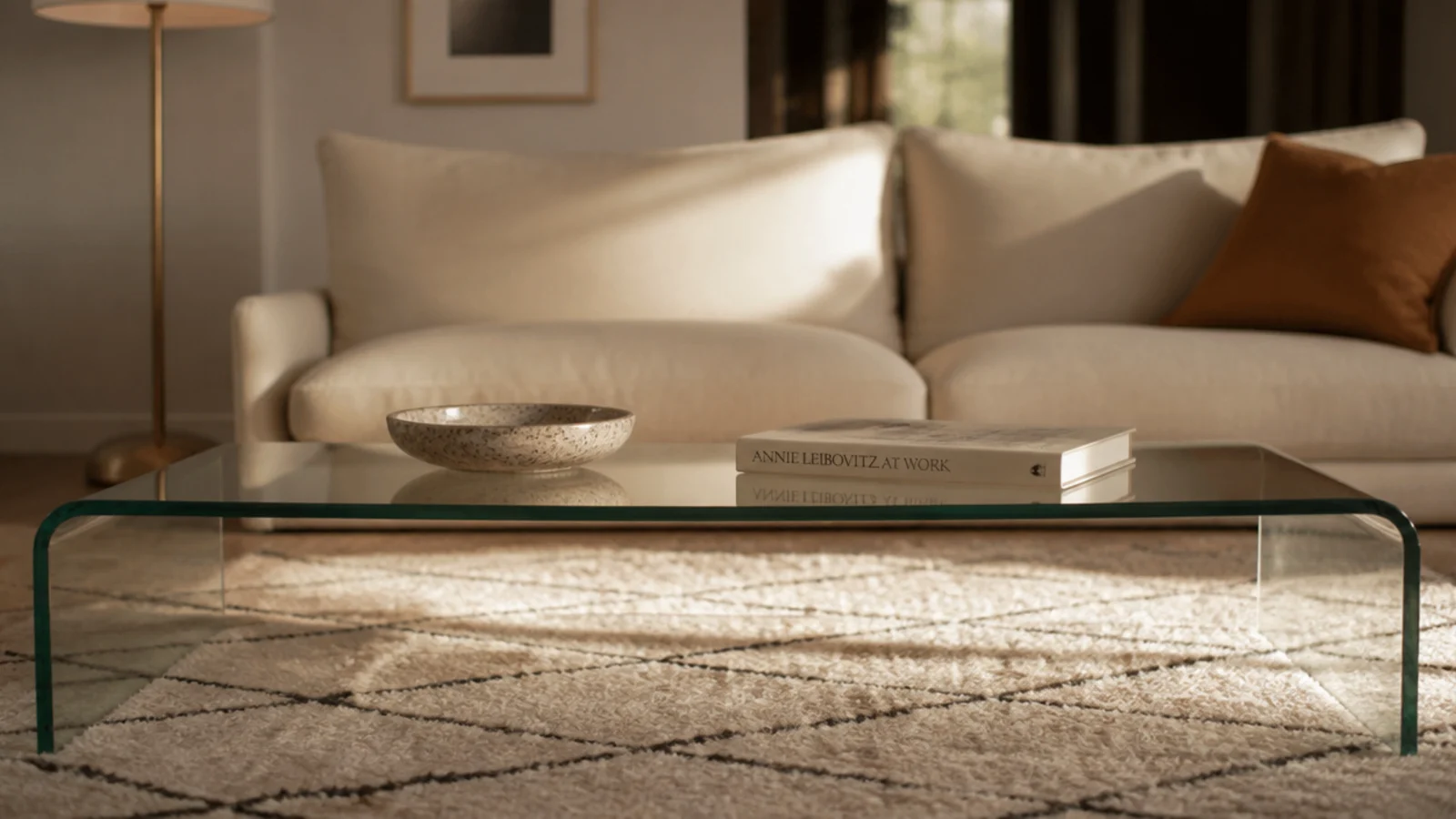
Four things, and they cost very little to get right at the point of order. Thickness first: half an inch on anything over 40 inches long, three-eighths below that. Thin glass flexes visibly under a stack of books and reads cheap at the edge, which is the part you actually see from across the room.
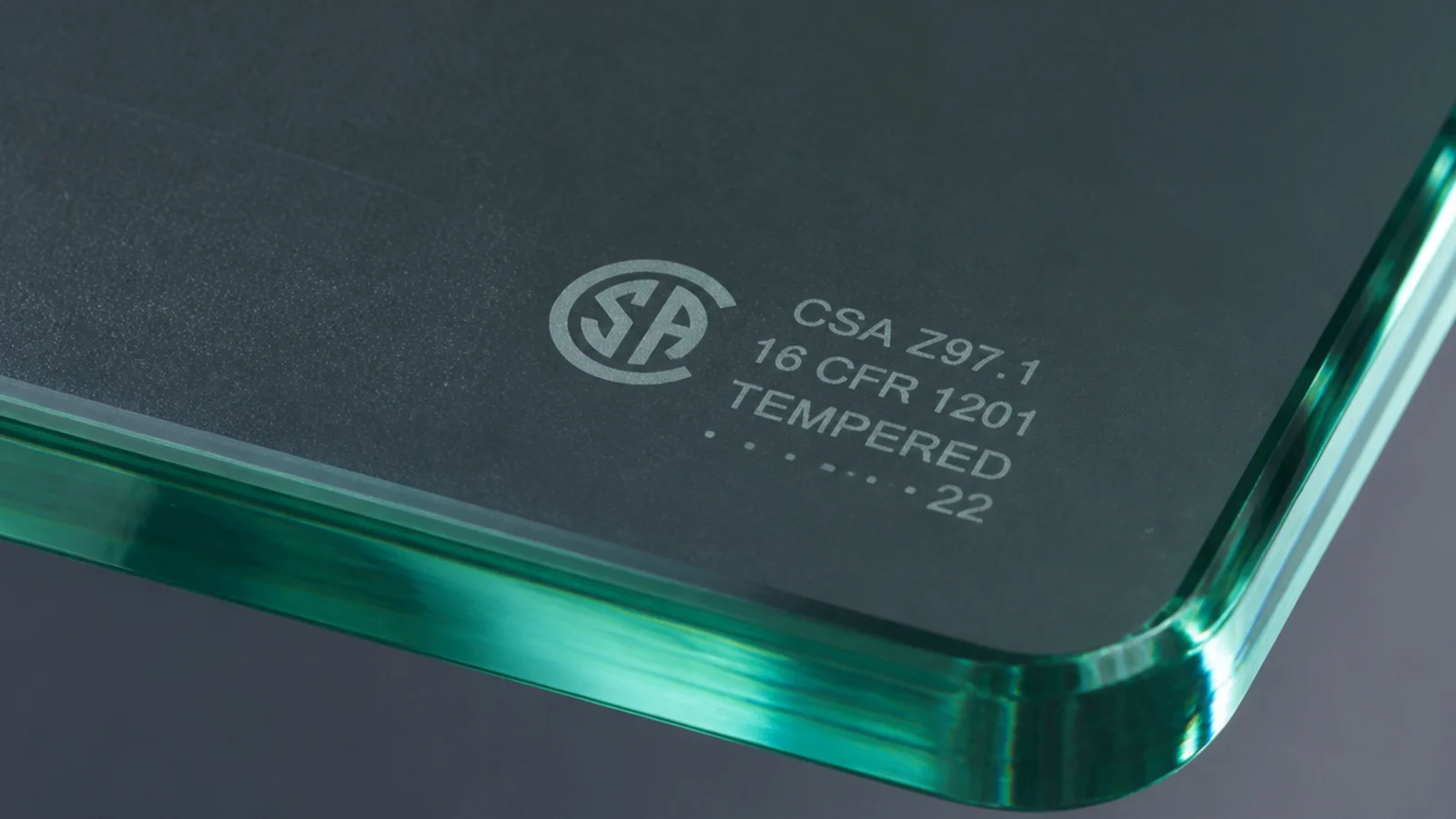
Temper second. Tempered glass is heat-treated so it breaks into blunt pebbles rather than long shards, and at coffee table height that difference matters more than anywhere else in the house — this is exactly the height a child falls onto. Look for a small etched stamp in one corner. No stamp, no sale.
Edge third. A flat polished edge suits a modern room and is the least expensive to keep clean. Pencil edges look softer, bevels look traditional, and a raw or seamed edge is a cut hazard that has no place on furniture. Budget about $15 a running foot for polishing.
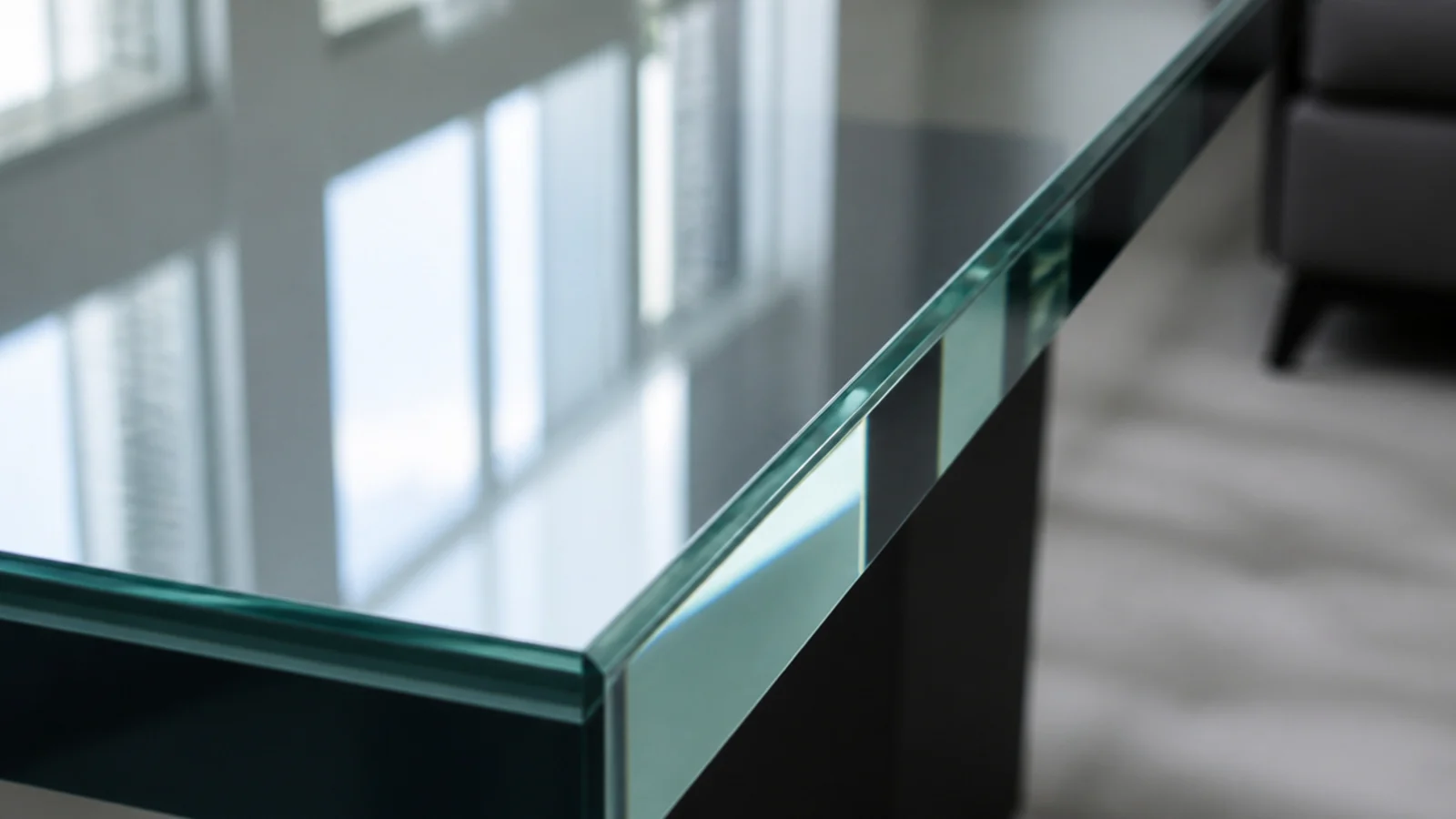
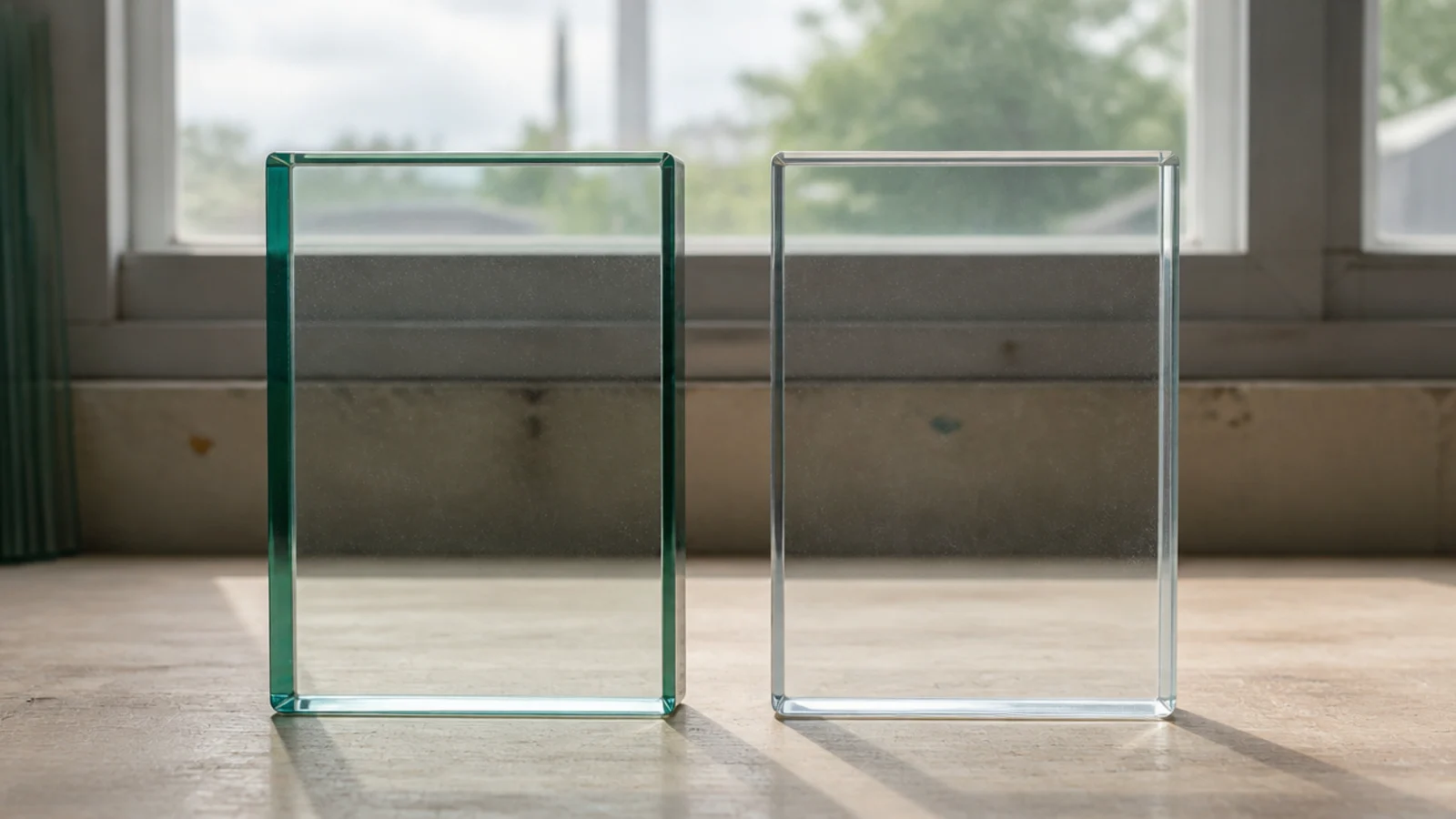
Finally clarity. Standard float glass carries a green cast that shows at the edge and gets stronger with thickness. Low-iron glass costs roughly 20 to 30 percent more and reads genuinely colourless, which is worth it on a half-inch top and pointless on a thin one. Reckon on $18 to $30 per square foot for tempered glass cut to size, plus edgework. Weight runs about 6.5 pounds per square foot at half an inch, so check the base first — the modern table guide covers frames rated to carry it.
1. Specify half-inch tempered over forty inches
Twelve millimetres is the working thickness for a full-size top. It stops flex, it stops the ringing sound when a mug lands, and the visible edge reads as a proper slab rather than a sheet. On a 48 by 26 inch table this puts you at roughly 56 pounds of glass, which is a genuine two-person lift and worth knowing before delivery day.
2. Three-eighths is enough under thirty-six inches
On a small round or a nesting table, 10mm is plenty and saves both money and weight. Below three-eighths, glass starts to feel like a shelf rather than a table top. Keep the tempering requirement regardless of size — thin glass breaking badly is worse, not better.
3. Choose a flat polished edge
A flat polished edge with a lightly eased arris is the cleanest option and the easiest to wipe. Bevels catch dust in the angle and date a modern piece; seamed or ground edges are a production shortcut and feel rough under a hand. Ask for polished on all four sides, not just the long ones.
4. Pay for low-iron glass on a thick top
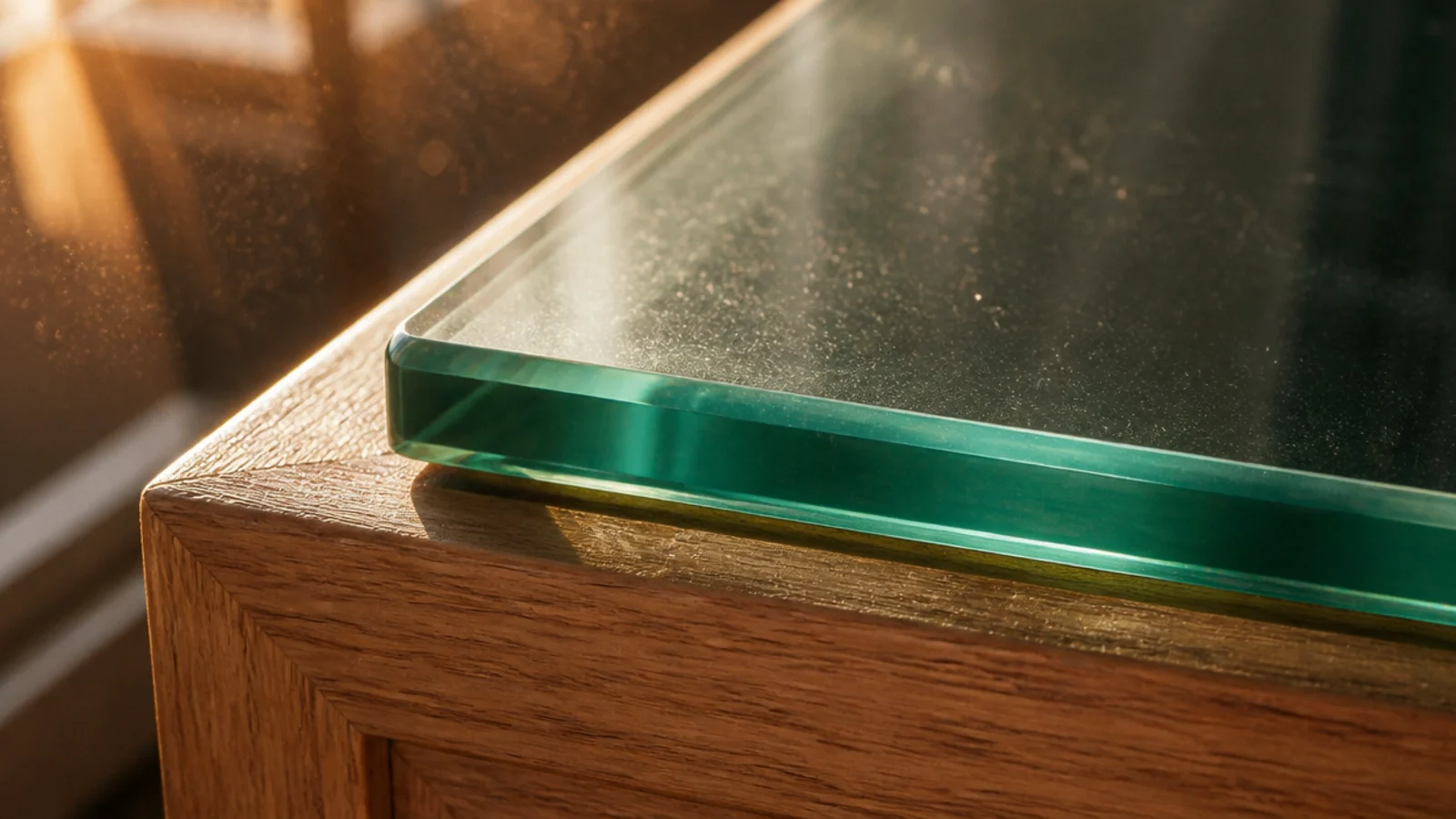
Standard float glass has a green tint from its iron content, and at half an inch it is obvious along every edge. Low-iron glass removes it almost entirely for around 20 to 30 percent more. On a thin top nobody would notice; on a thick one it is the difference between clear and pond-coloured.
5. Smoked or bronze tint hides the fingerprints
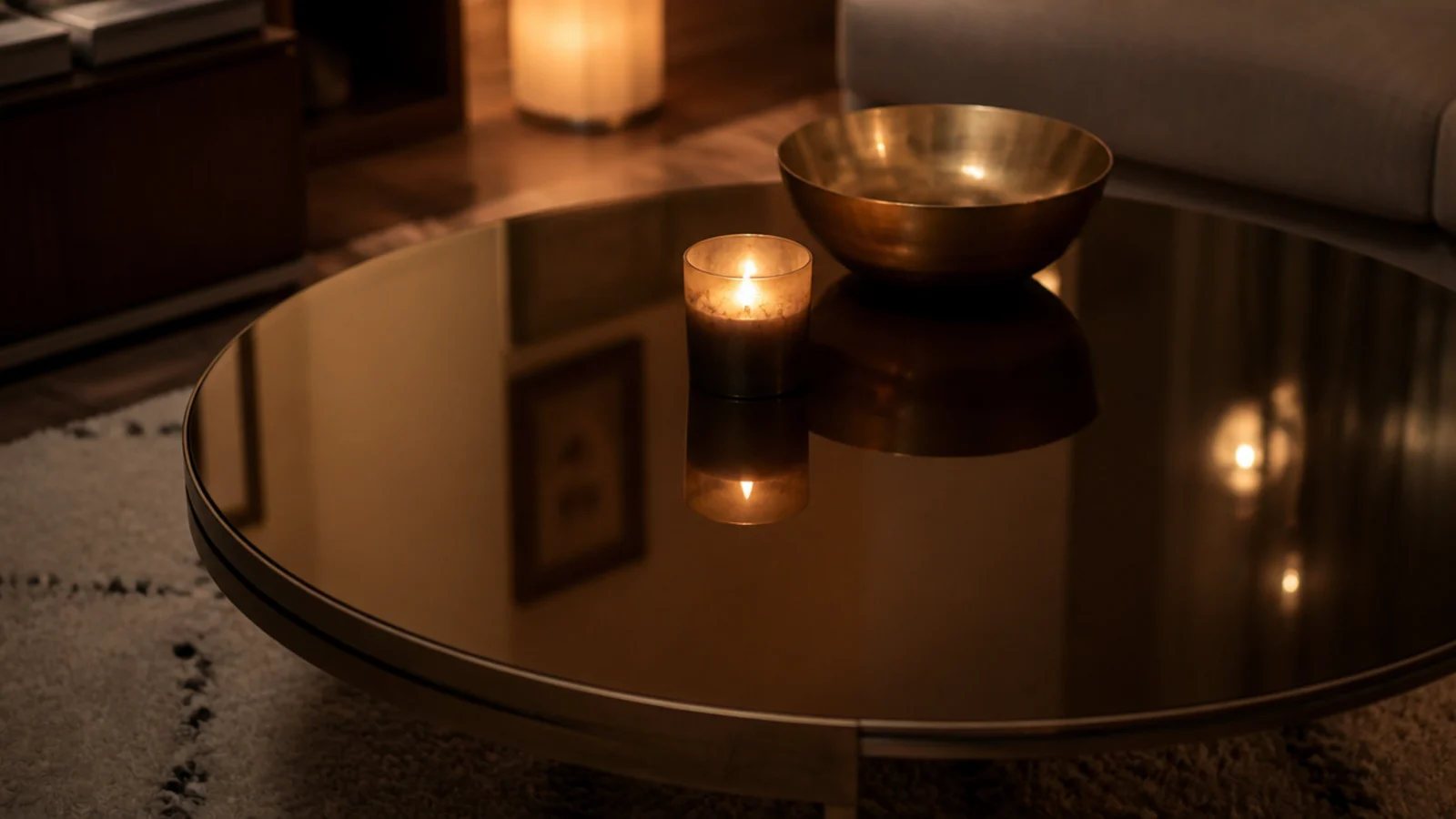
Tinted glass is the practical answer for a household that finds clear glass exhausting. Marks that shout on a clear top disappear into a bronze or smoke tone, and the warmer colour sits better against timber and brass. It also cuts the mirror effect that makes a clear top look busy under a ceiling light.
6. Reeded glass over an untidy lower shelf
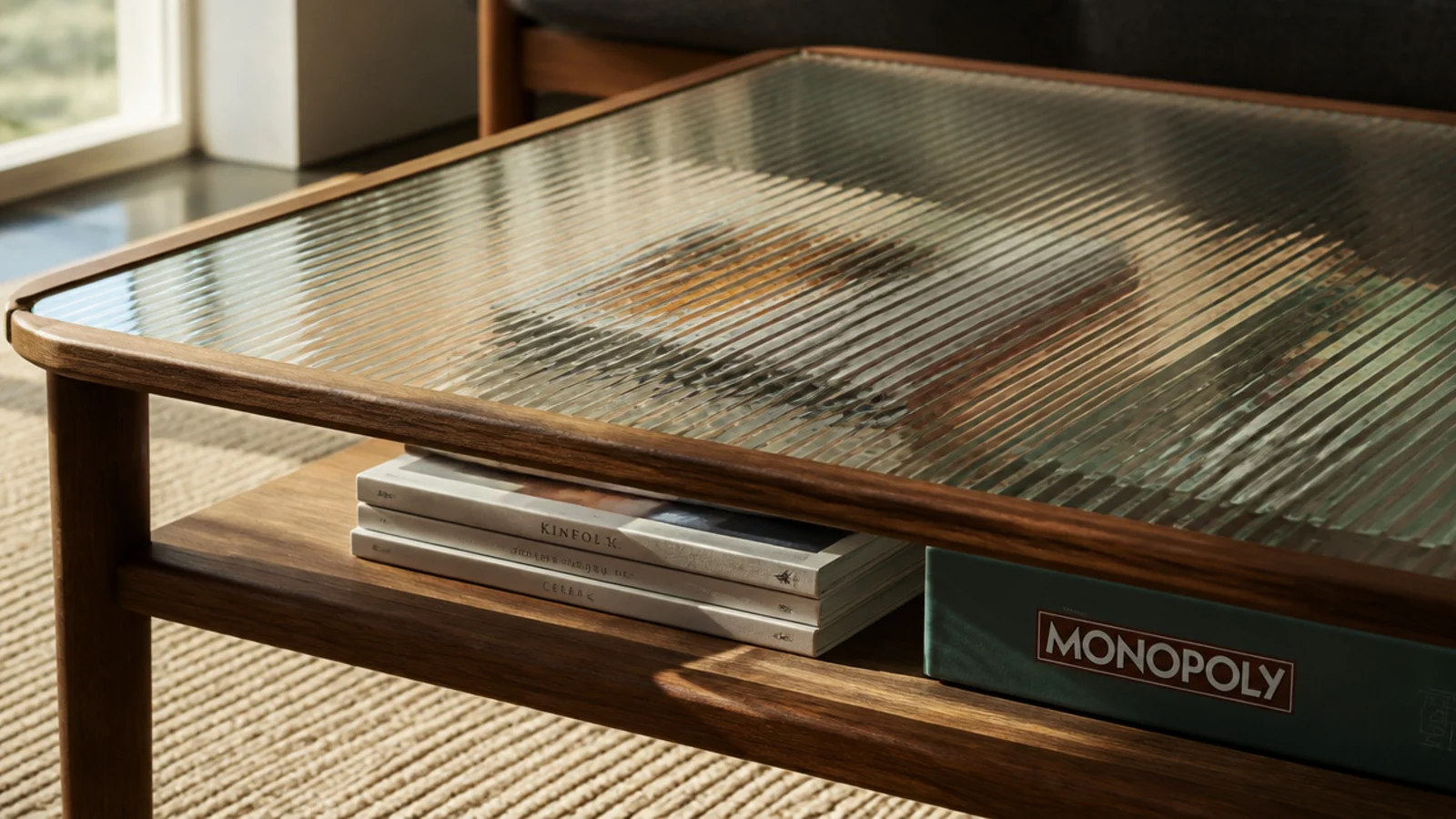
Vertical reeding blurs whatever is underneath, which turns a shelf of magazines and cables into texture rather than clutter. It is the only glass finish that gets better as the storage below gets messier, and it throws a striped light pattern across the room in the afternoon.
7. Glass over a sculptural stone base
Because the top disappears, the base becomes the entire object. A carved stone or cast plinth under clear glass reads as sculpture with a surface on it. Make sure the contact area is generous — a narrow point contact concentrates load, and glass fails at points rather than across areas.
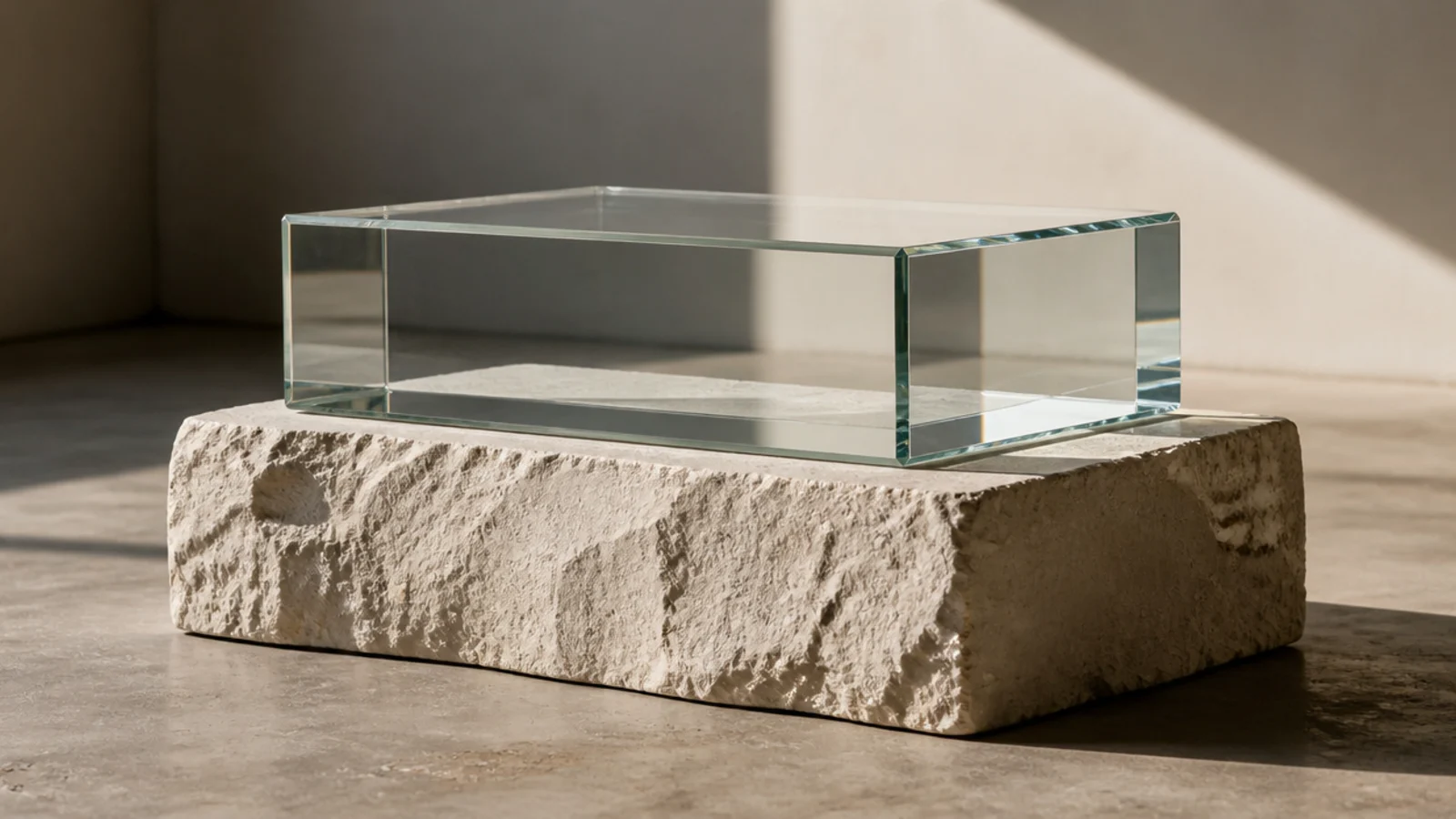
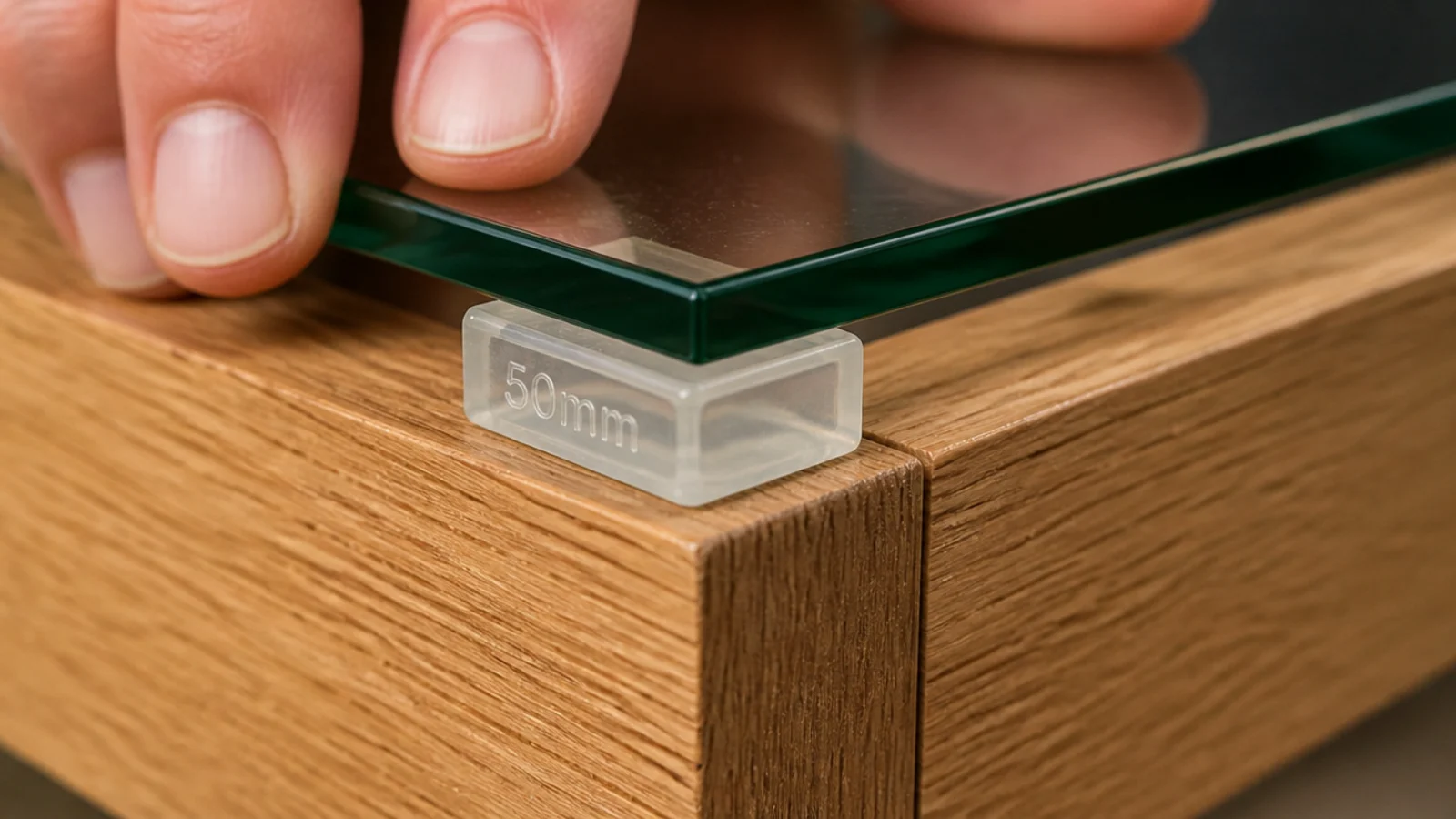
8. Glass on a timber frame with setting blocks
Glass should never rest directly on timber or metal. Small rubber or silicone setting blocks spread the load and stop the two surfaces grinding as the timber moves with humidity. Four blocks, one near each corner, and the top stops clicking when anybody leans on it.
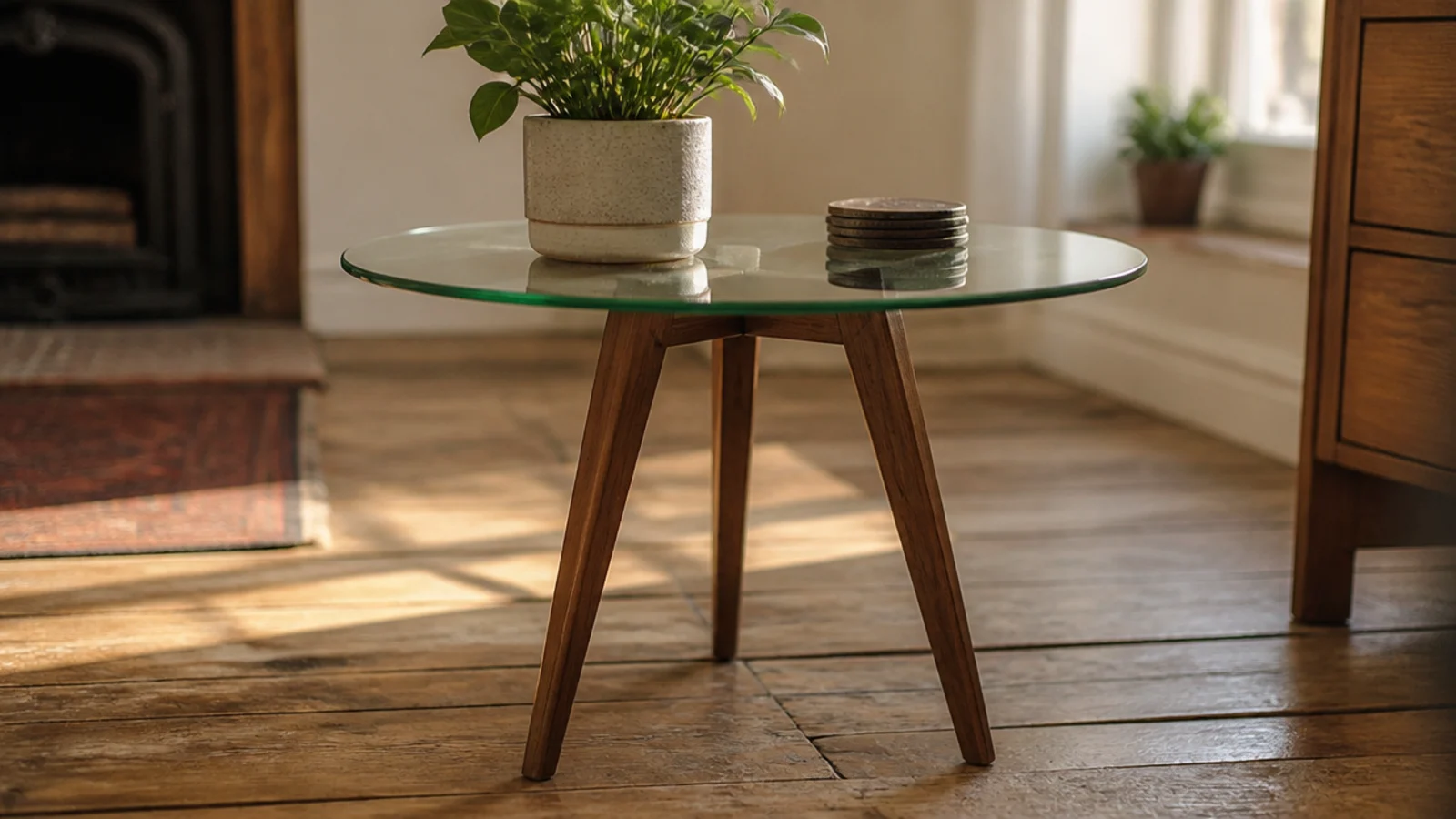
9. A round glass top on three legs
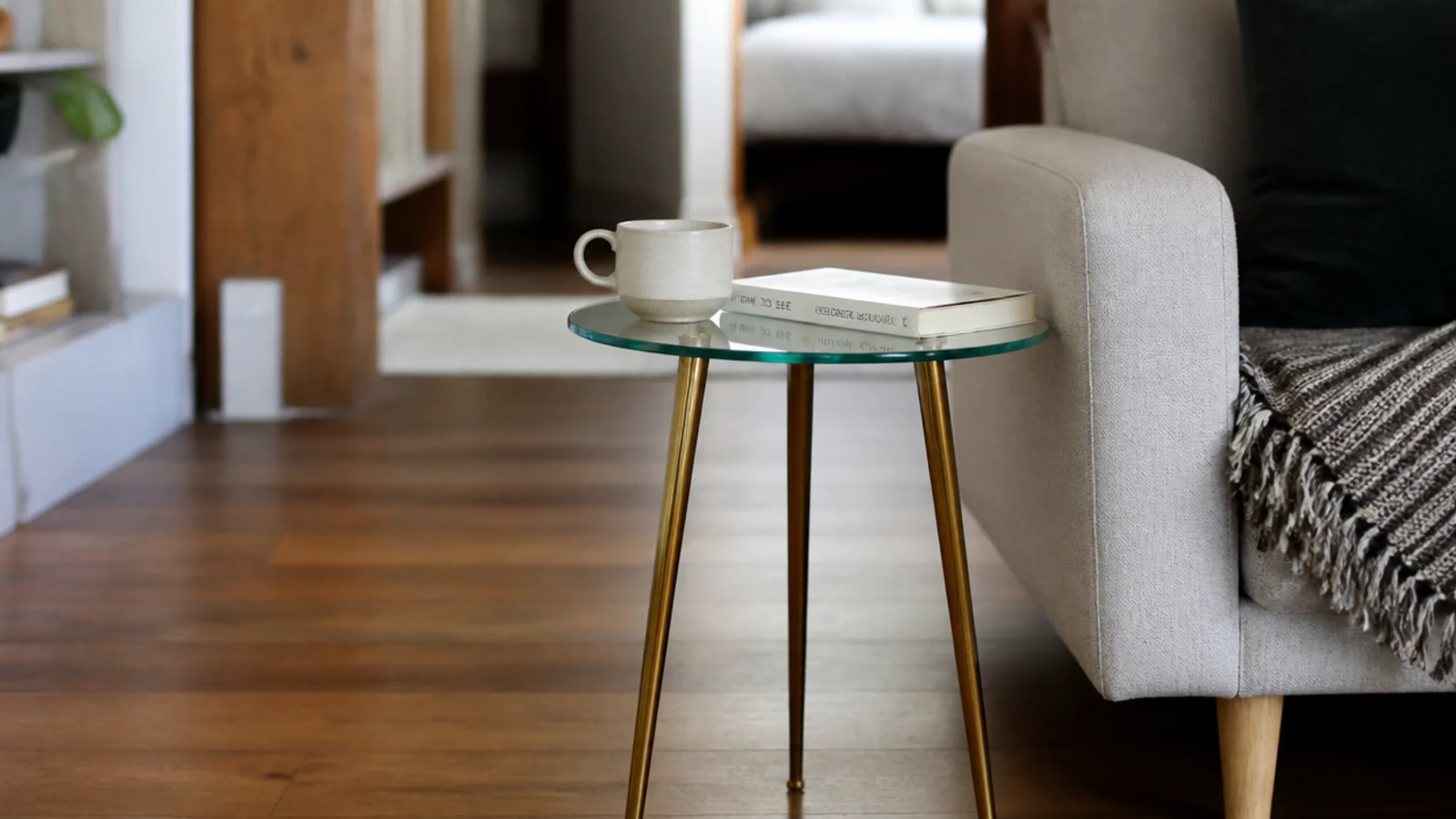
Three points always sit flat, which matters on an old floor where a fourth leg would rock. It also removes the wobble that makes people wedge card under a table for years. Keep the legs inboard of the rim so nobody catches a foot on them.
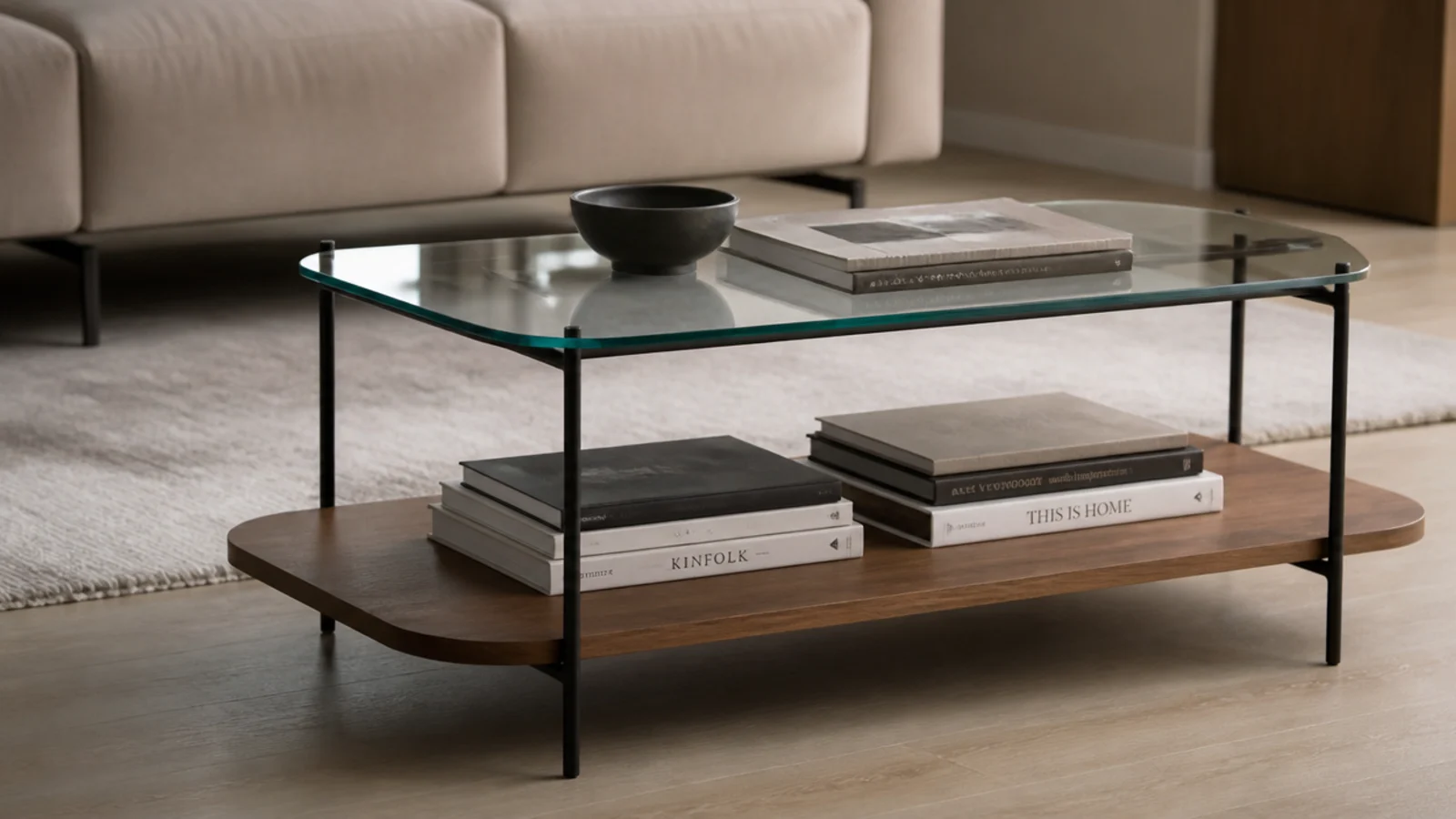
10. A two-tier glass and timber table
Clear on top, solid underneath. The glass keeps the room feeling open while the lower shelf takes the magazines and the games box that would otherwise sit on the surface and be visible from every angle. Twelve inches of shelf depth is the minimum worth having.
11. Put the best rug you own underneath
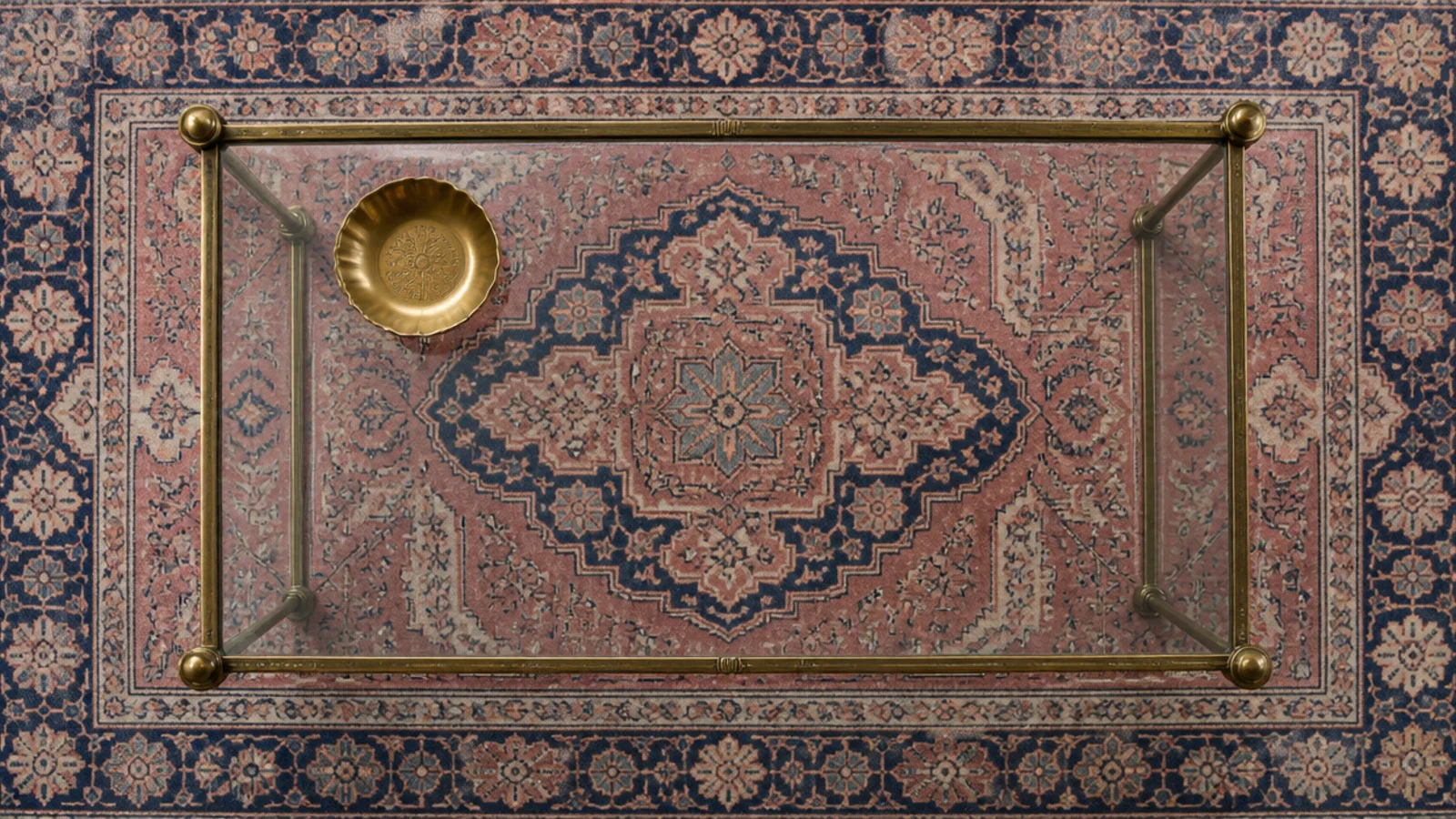
A clear top is the only table that improves whatever is beneath it. Centre a good rug under the glass and the pattern becomes the table's decoration, which means the surface itself needs almost nothing on it. The layered rug guide has combinations that read well from above.
12. Clear bumpers stop the top sliding
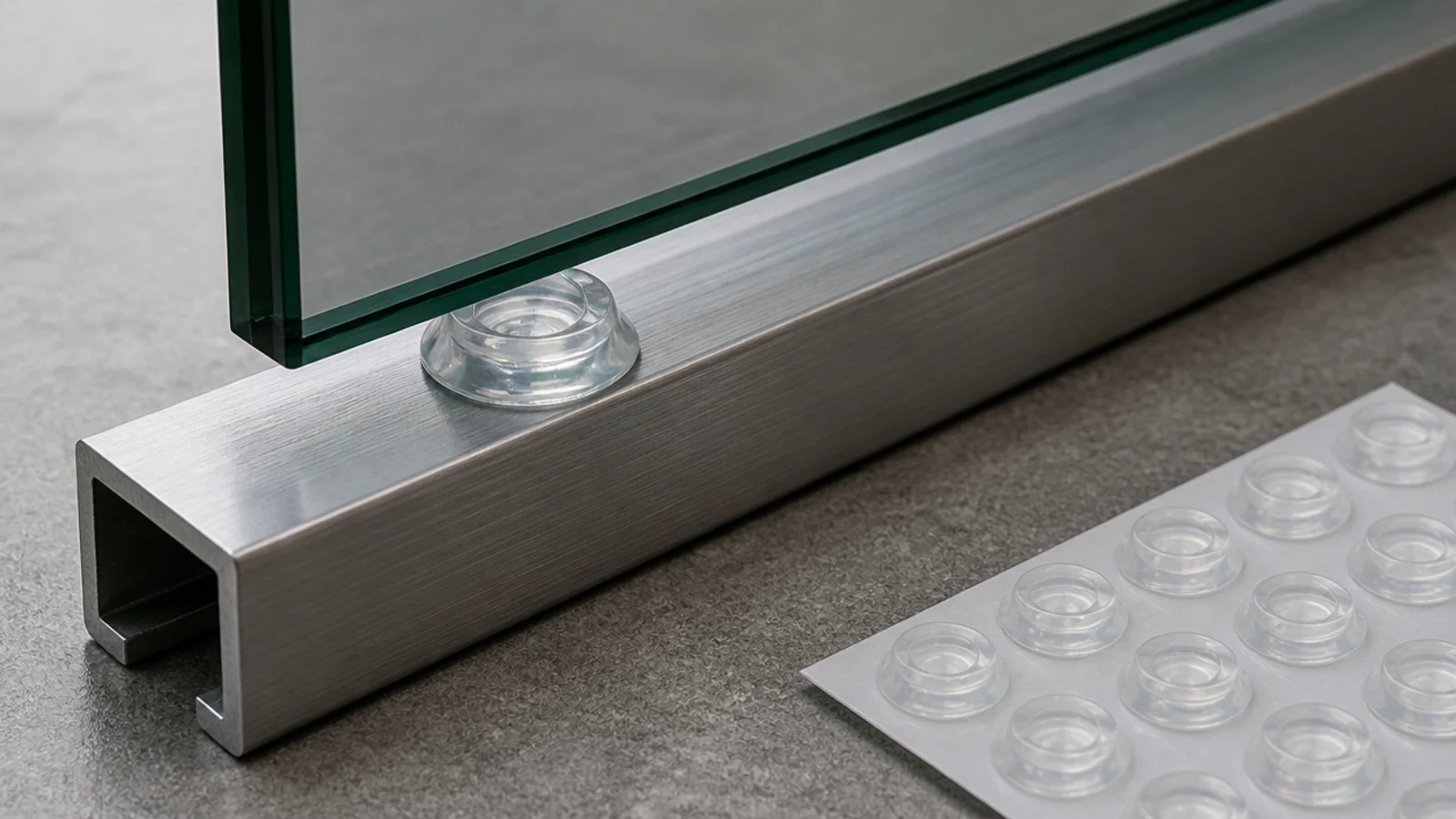
Four clear silicone dots between glass and frame cost about $5 and stop the top creeping sideways every time somebody pushes on it. They also lift the glass a fraction of a millimetre, which keeps water from sitting in the joint and staining a timber rail.
13. Clean it with two cloths, never one
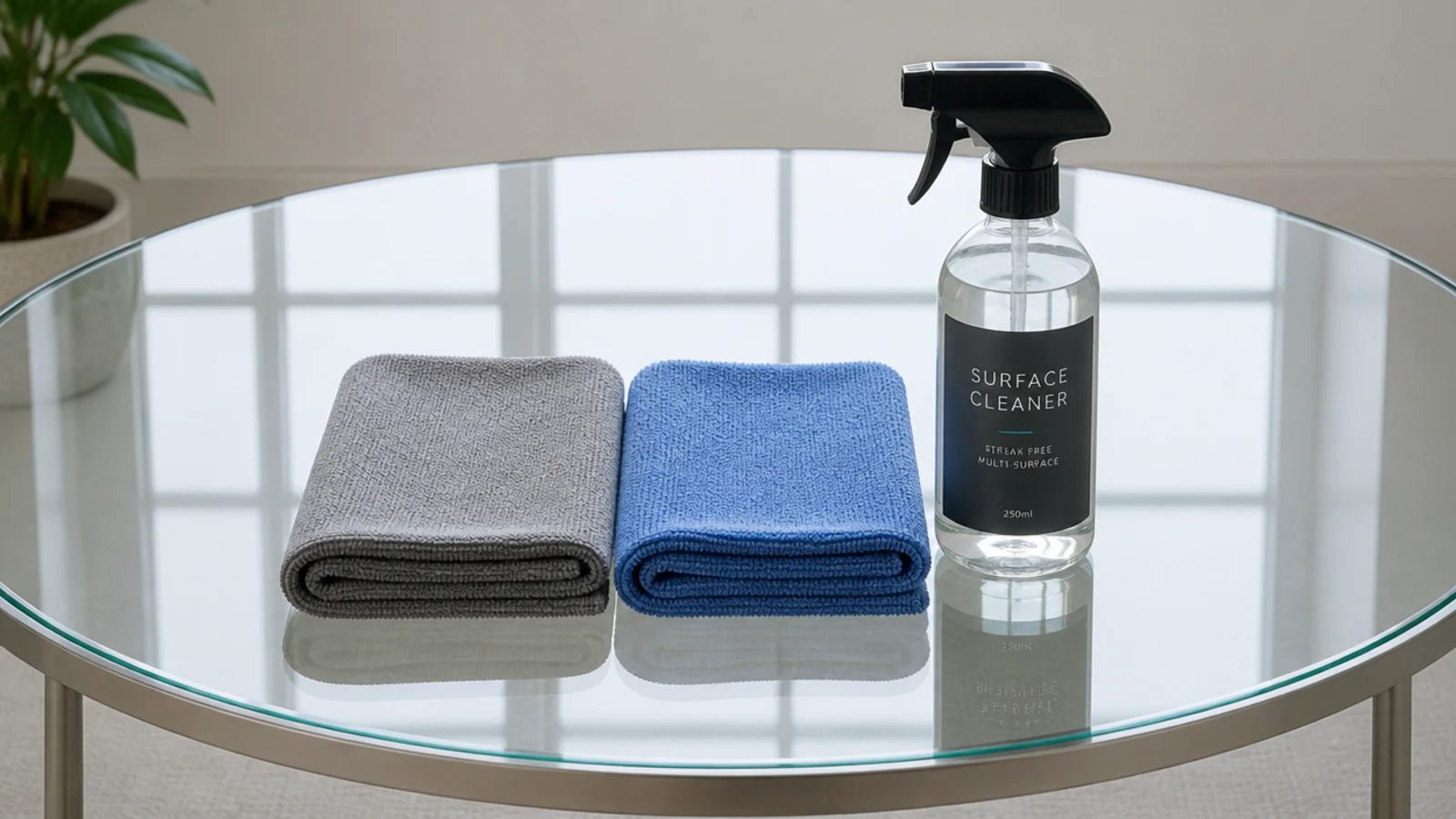
Spray the cleaner onto the cloth rather than onto the glass, wipe the surface, then buff immediately with a second dry microfibre. Streaks are cleaner drying in place, not a fault of the cloth. The whole job takes about ninety seconds and needs doing two or three times a week.
14. Use an ammonia-free cleaner only
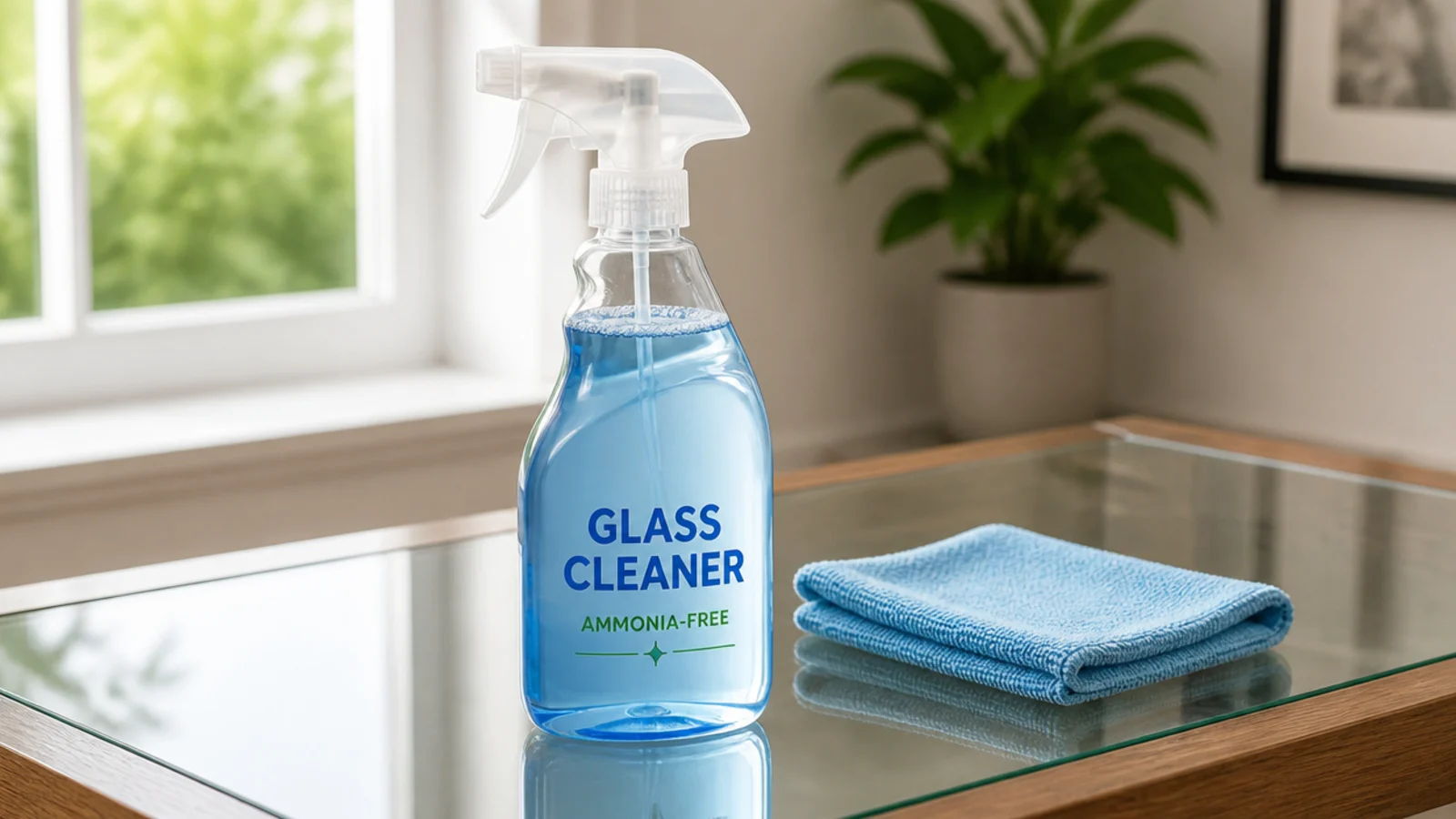
Ammonia attacks any coating on the glass and, more importantly, damages the finish on the timber frame beneath when it runs down the edge. An ammonia-free formula or a fifty-fifty mix of water and white vinegar does the same job with none of the collateral damage.
15. Coasters for condensation, not for heat
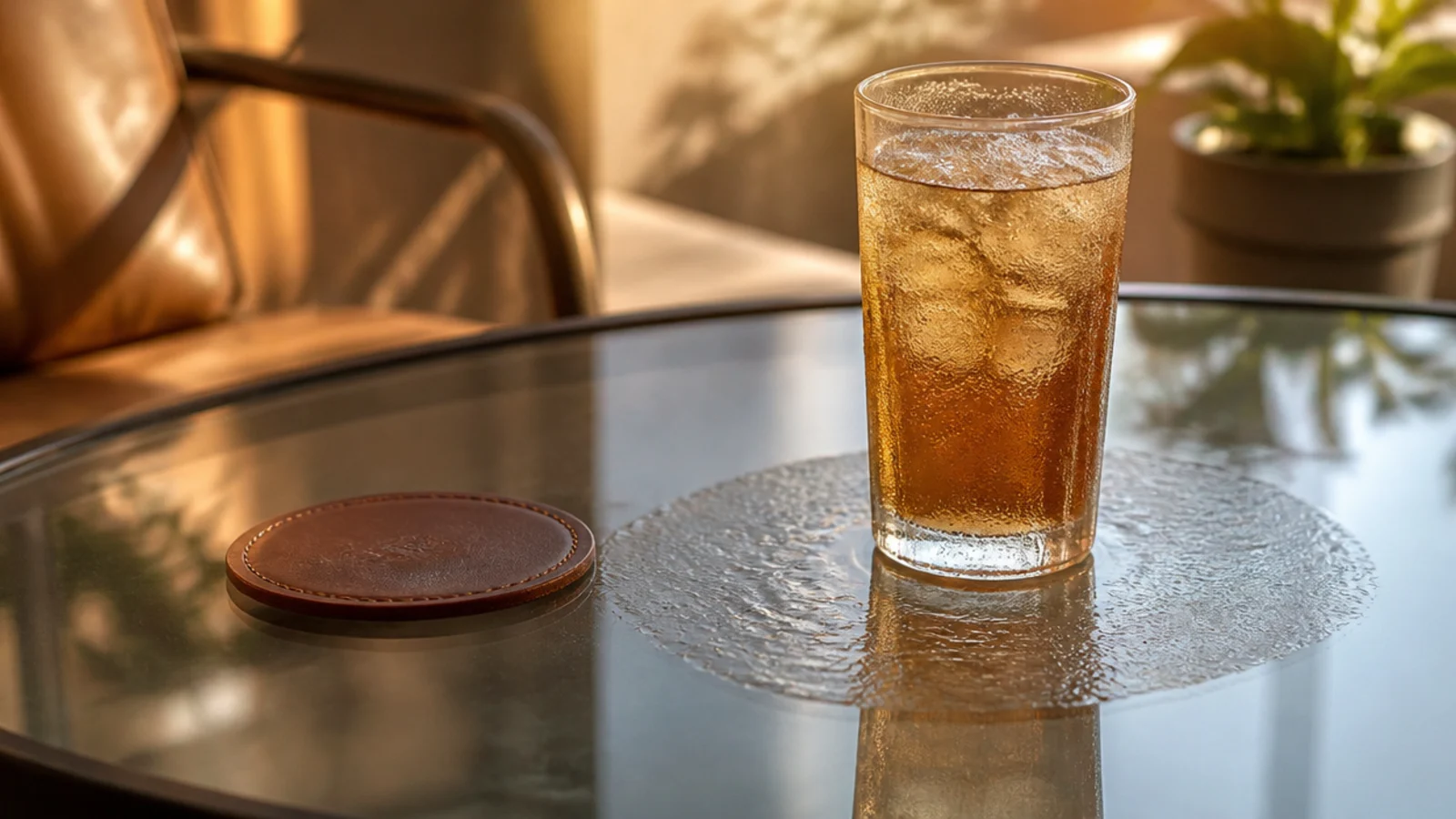
Tempered glass handles a hot mug perfectly well; what it cannot handle gracefully is a wide ring of condensation that spreads under a cold drink and drips off the edge onto a rug. Leather or cork at 4mm absorbs it. Leave the coasters out where hands are, not in a drawer.
16. Ease the corners in a family room
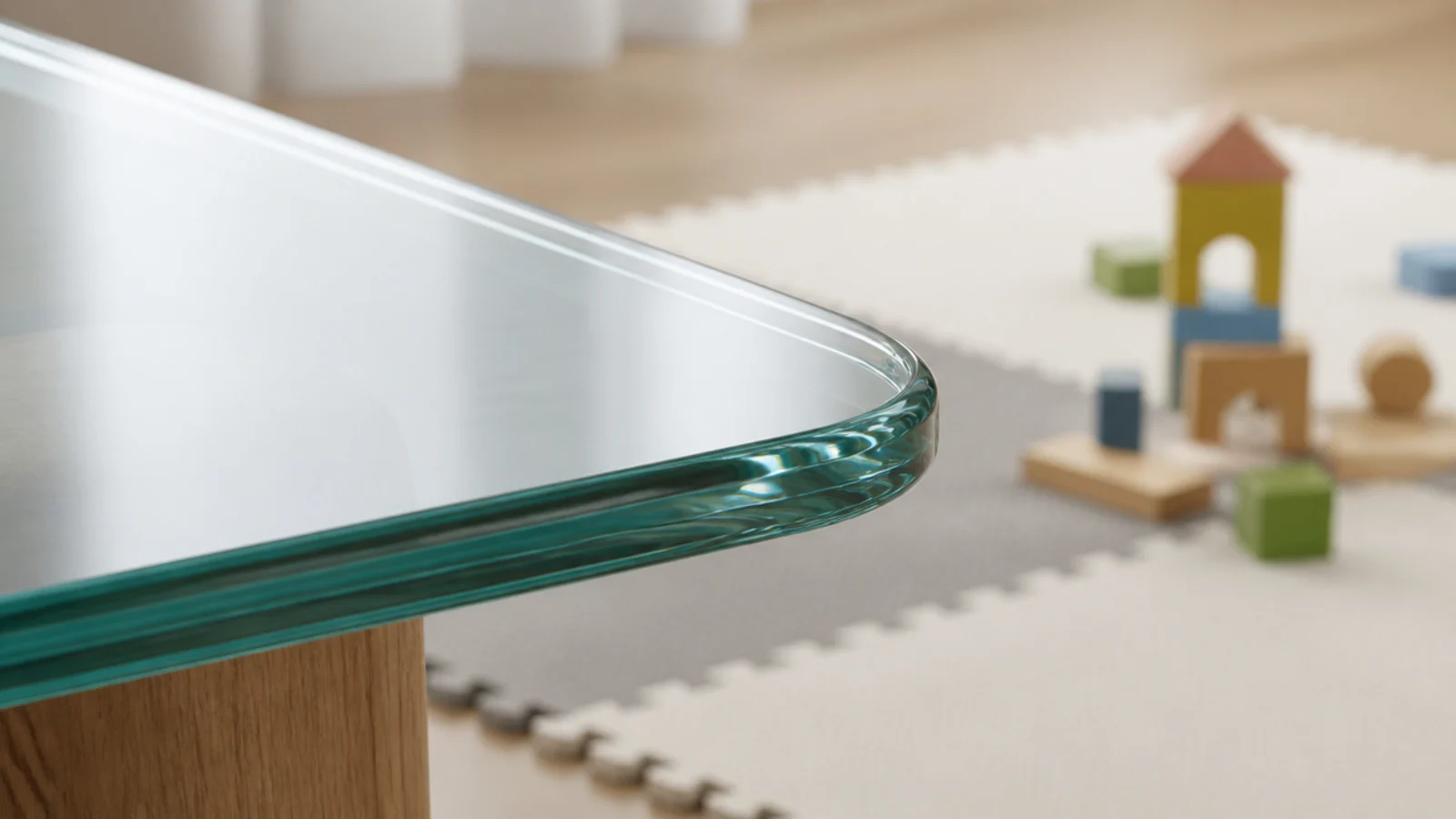
A fabricator will radius the corners for $30 to $60 at the point of order, and on a low glass table with a toddler in the house it is the best money on this list. Stick-on foam bumpers fall off within a fortnight and look worse every day they stay on.
17. Know what the top actually weighs
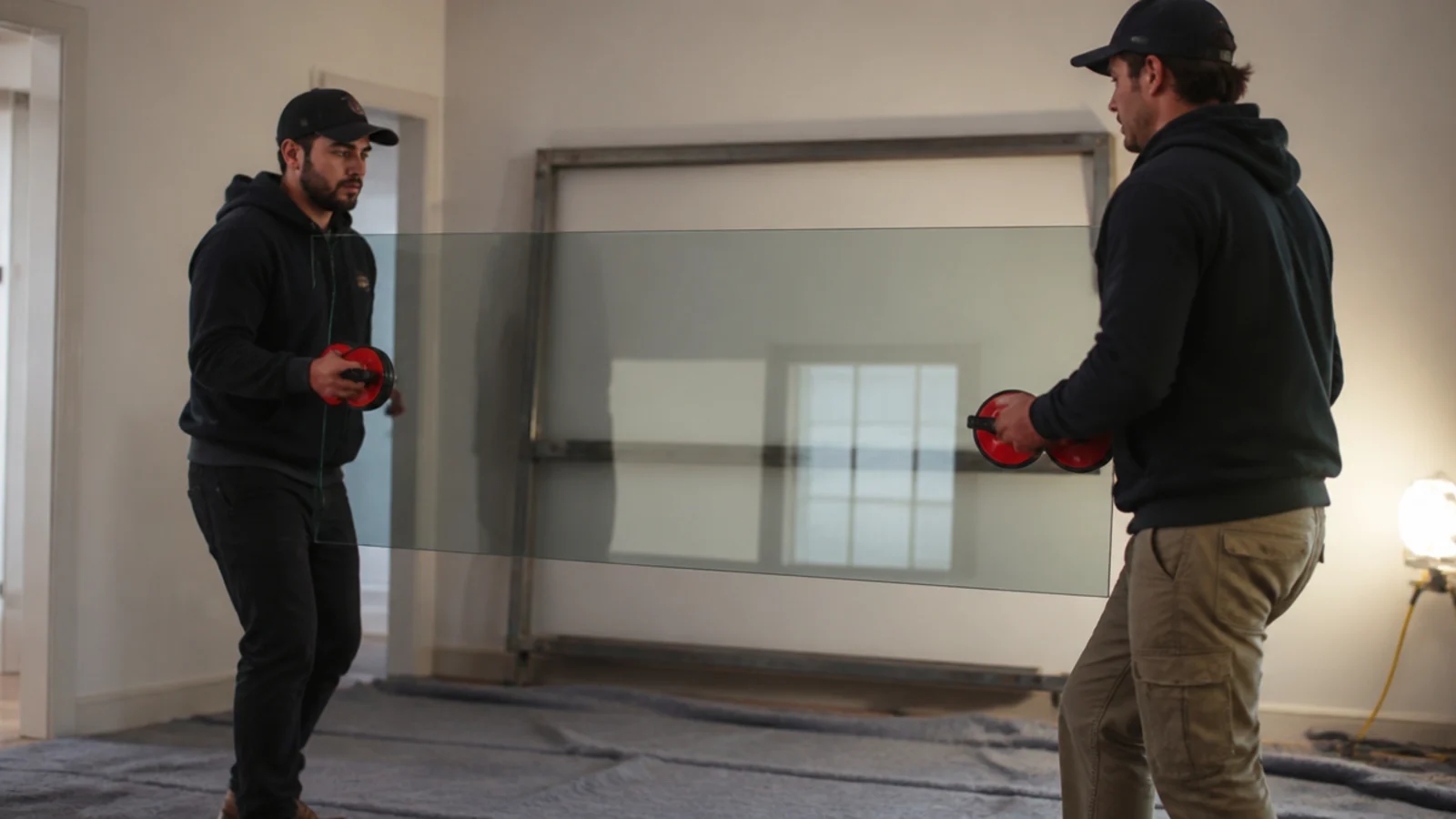
Half-inch glass runs about 6.5 pounds per square foot, so a 48 by 24 inch top is around 52 pounds and a 36-inch round about 46. Suction handles cost $25 and make it a safe two-person lift. Never carry a large top flat — carry it on edge.
18. Order it cut rather than hunting a stock size
A glazier will cut, temper and polish any size for roughly $18 to $30 per square foot plus edgework, which beats compromising on a stock top that nearly fits your base. It also lets you put a proper half-inch top on a frame that came with something thinner.
19. Template a replacement instead of guessing
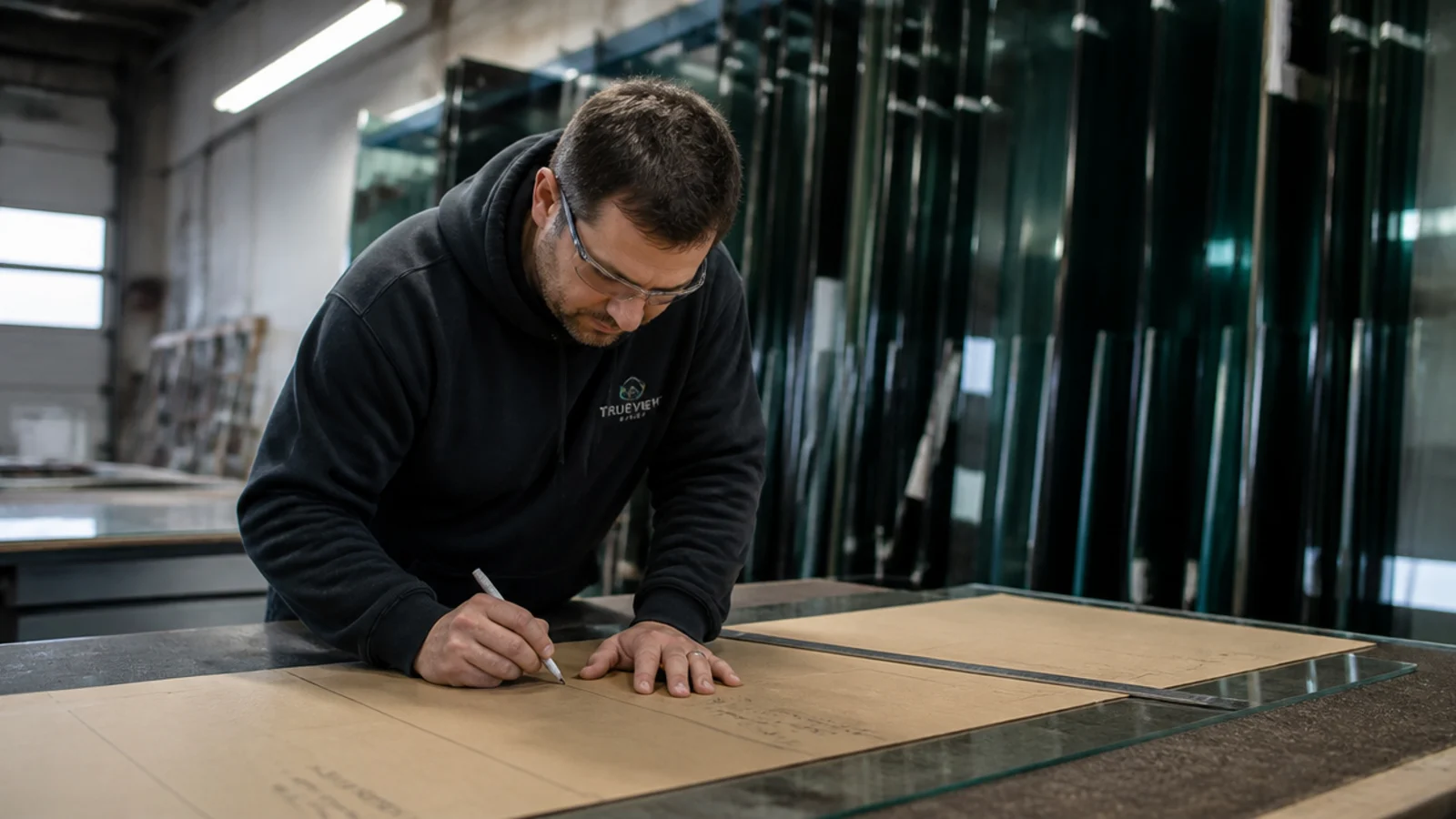
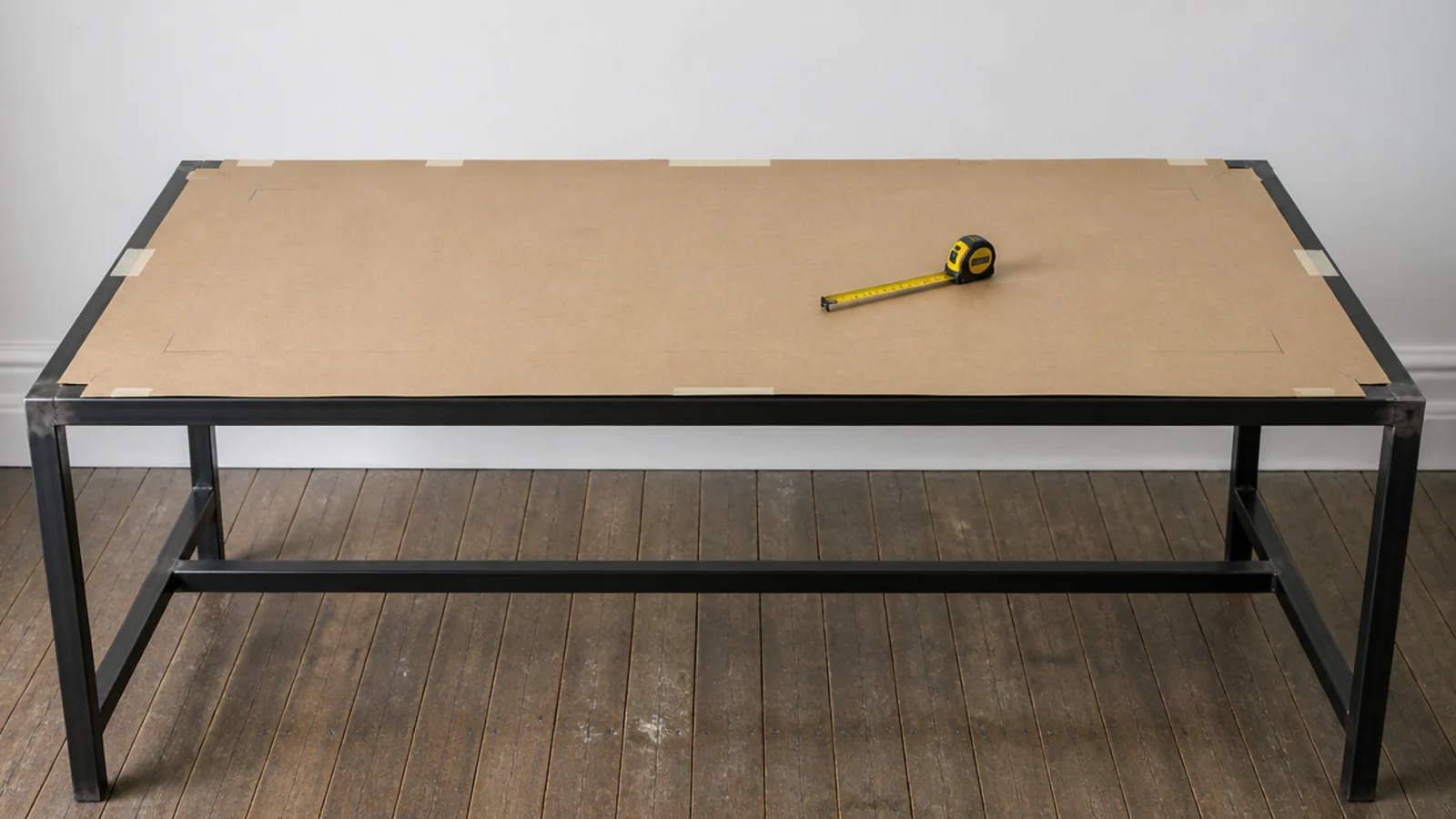
If you are replacing a broken top, tape brown paper over the frame and cut the exact shape rather than trusting the old dimensions. Frames distort, corners are rarely square, and a template costs nothing while a wrongly cut sheet of tempered glass cannot be trimmed afterwards.
20. Keep the styling light on a clear top
Everything on glass is visible from underneath as well as above, including the felt pads, the cable and the base of every object. Two or three pieces with clean bases is the limit before it reads as clutter. The round table guide covers arranging on a circle in particular.
For the sizing rules that apply whatever the material, the main center table guide covers heights and clearances. If reflective surfaces are becoming a theme in the room, mirror wall decor has the placement rules that stop two shiny things fighting each other.
Mistakes to Skip
- Buying untempered glass because it was cheaper. It breaks into long shards rather than blunt pebbles, and a coffee table is exactly the height a child falls onto during the years they fall most.
- Resting glass straight onto a timber or metal frame. Without setting blocks the two surfaces grind, the top clicks whenever anyone leans on it, and the frame finish wears through at four points.
- Cleaning with an ammonia spray. It damages coatings on the glass and strips the finish from the frame below wherever it runs down the edge, and the damage is not reversible.
- Ordering a replacement top from the old measurements. Frames go out of square over years, and tempered glass cannot be trimmed to fit once it leaves the works — template it instead.
Frequently asked questions
How thick should a glass center table top be?
Half an inch of tempered glass on any top over forty inches long, and three-eighths below that. Thinner sheets flex visibly under a stack of books and the edge looks mean from across the room. Thickness is also what stops the top ringing when something is set down hard.
How do I know a glass top is really tempered?
Look for a small etched or sandblasted stamp in one corner, usually giving a standard number and the maker. Tempered glass breaks into blunt pebbles rather than long shards, which matters enormously at coffee table height where a child can fall directly onto it.
How do you clean a glass table without streaks?
Two cloths. Spray an ammonia-free cleaner onto the first microfibre rather than onto the glass, wipe the surface, then buff immediately with a second dry microfibre before it can dry on its own. Streaks come from cleaner drying in place, not from the cloth itself.
Does a glass top scratch easily?
Glass is harder than most household objects, so it resists scratching better than timber or lacquer, but grit trapped under a ceramic base will score it if the object is dragged. Felt dots under everything on the surface prevent almost all of the damage that glass actually suffers.
How heavy is a glass table top?
About 6.5 pounds per square foot at half an inch thick, so a forty-eight by twenty-four inch top weighs roughly fifty-two pounds. That is a two-person lift, and it is worth checking the base is rated for it before ordering a thicker replacement than the original.
Want more like this? Browse all 15 center table living room guides — they all use the same measurements and budget tiers.

Pin it for later
Save this to your Center Table Living Room board
Pin it now so it is waiting for you when the tape measure comes out — and so the next person hunting for this idea can find it too.
Save this pinKeep going
More ideas worth saving while you have the tape measure out.