Rugs In Living Room · Listicle
25 Living Room Area Rugs Worth Every Dollar

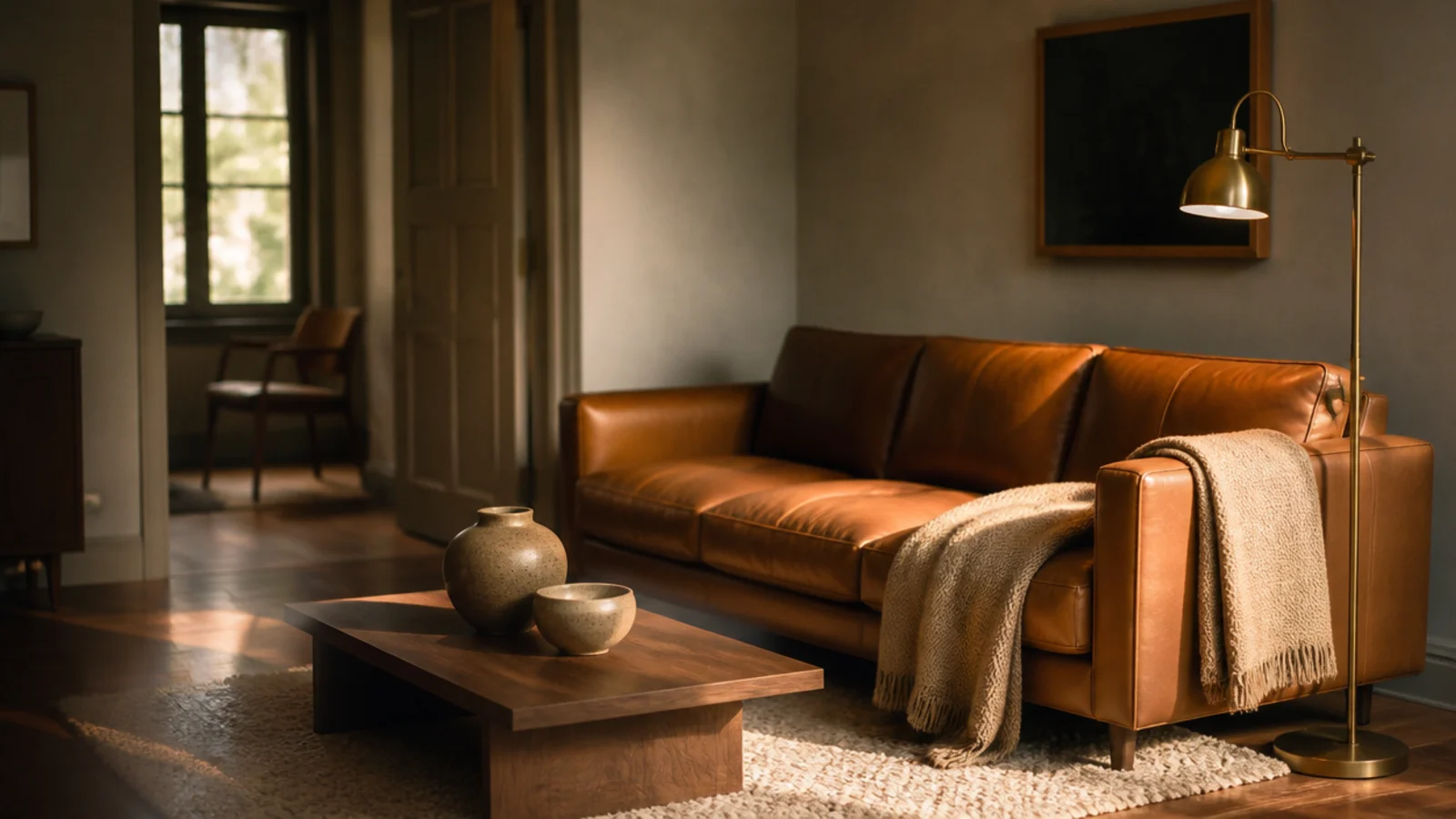
Living room area rugs are the one purchase where the sticker price tells you almost nothing. I have bought cheap and I have bought properly, and the only figure that predicted regret was cost per year of use. A $190 synthetic that lasted four years and a $1,300 wool still going after twelve are not remotely the same transaction. Below are twenty-five picks and habits that hold their value, with the construction details, face weights and fibre lifespans that decide which side of that line a rug lands on.
In this guide27 sections — tap to openHide
- 1.What living room area rugs cost per year of use
- 2.Price the rug by the year, not by the ticket
- 3.Hand-knotted wool for the room you sit in daily
- 4.Hand-tufted wool at half the price and half the life
- 5.Machine-woven wool blends as a first real rug
- 6.Ask for the face weight before the pattern
- 7.Knot count is fineness, not durability
- 8.Buy one 9x12 instead of two 5x8s
- 9.Spend the difference on size, not on pattern
- 10.Count the pad into the purchase price
- 11.Solution-dyed polypropylene where spills are certain
- 12.Leave viscose for rooms without drinks
- 13.Wool with twenty percent nylon for a walkway
- 14.Flatweave under doors and rolling chairs
- 15.Check the binding before you check the colour
- 16.Hand-tied fringe outlives sewn-on fringe
- 17.Buy the natural fibre for the room it will live in
- 18.A washable cotton flatweave for the puppy years
- 19.Overdyed vintage as the cheap route to hand-knotted
- 20.Read the return window before you click buy
- 21.Order a sample before committing to an 8x10
- 22.Rotate it twice a year and add years to it
- 23.Switch the beater bar off for loop and hand-knotted
- 24.Budget a professional wash every three to five years
- 25.Layer one good small rug over a large cheap one
- 26.Keep the paperwork on anything hand-knotted
- 27.Mistakes to Skip
What living room area rugs cost per year of use
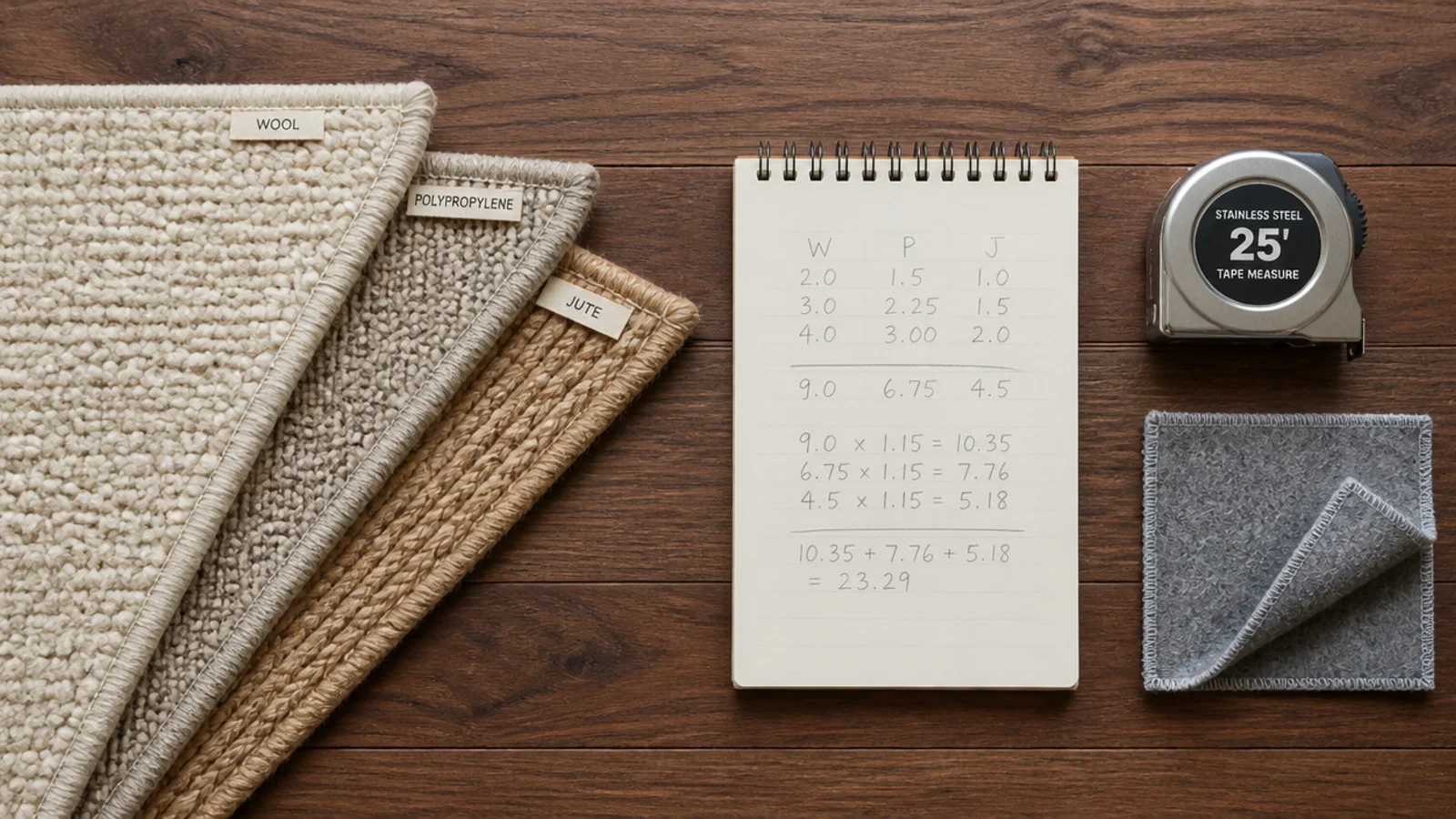
Take the price and divide it by the years you expect to keep it. A $200 polypropylene 8x10 lasting five years costs $40 a year. A $1,400 hand-knotted wool at the same size, lasting twenty and looking better each one, costs $70. Neither is wrong. But the cheap one gets thrown out four times in that span, and the disposal is part of the price nobody counts.
Then look at what is holding the rug together. Hand-knotted wool has no adhesive in it at all, so there is nothing inside to fail. Hand-tufted rugs are punched through a scrim and glued with latex, which dries out and crumbles at roughly eight to twelve years — that is the shedding and the fine grit you find underneath. Machine-woven wool blends sit sensibly between the two.
Ask for the face weight in ounces per square yard before you ask about the pattern. Forty is entry level and dents under a sofa leg. Fifty to sixty is dense enough to recover. And budget $40 to $120 for a quarter-inch felt and natural rubber pad in the same breath, because a rug that slides on a hard floor is a trip hazard, not a design choice.
If you are still deciding on dimensions, the large area rug sizing guide has the room measurements written out. For contemporary patterns that hold up, see the modern rug picks.
1. Price the rug by the year, not by the ticket
Write two numbers on your phone before you shop: the price, and the honest number of years you want this rug to last. A rental you leave in two years does not need wool. A room you have owned for a decade does. That single sum moves most people either much cheaper or much dearer than the rug they were about to buy, and it is the only calculation on this page that costs nothing.
2. Hand-knotted wool for the room you sit in daily
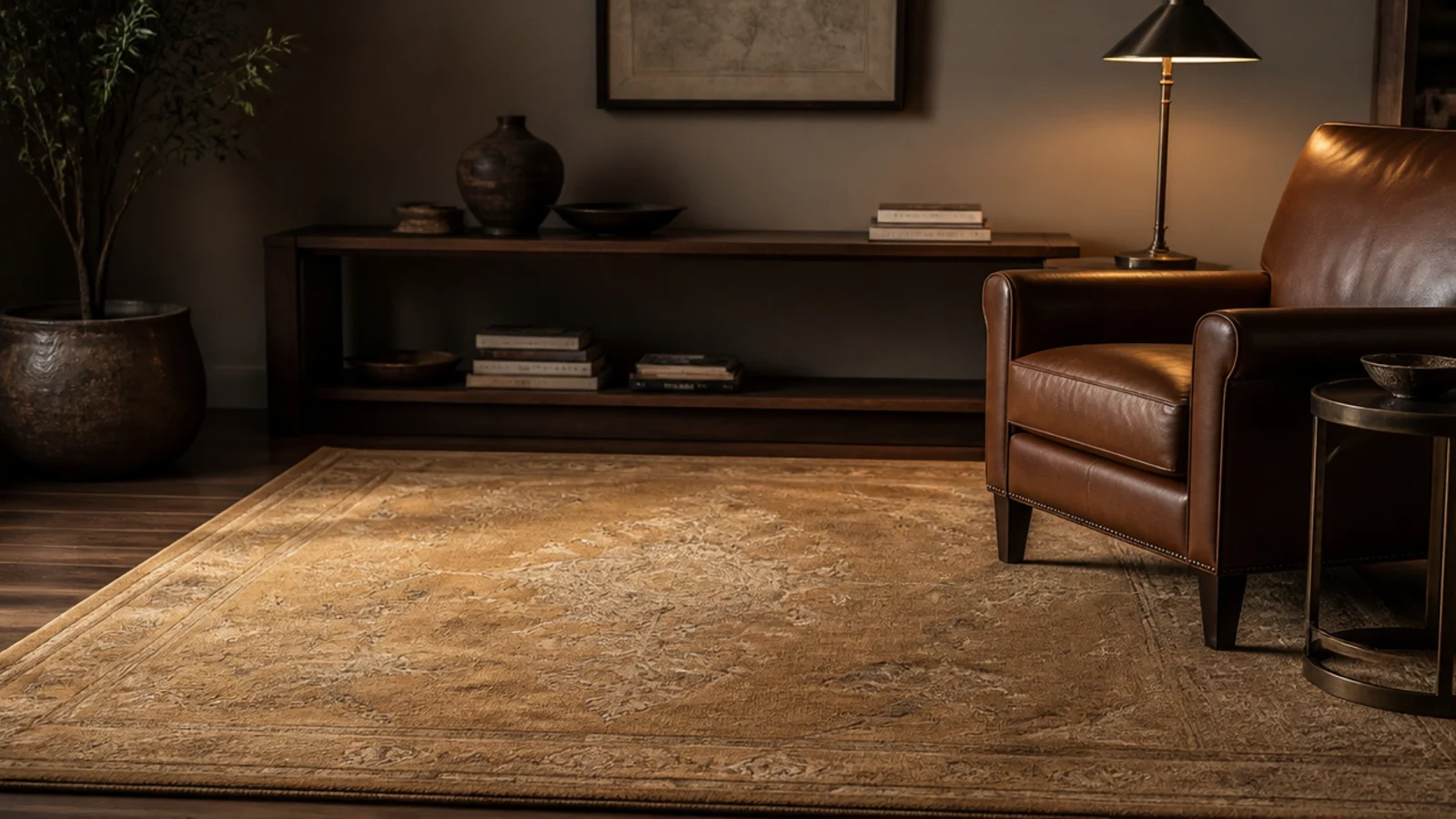
Every knot is tied by hand onto the warp, so the pile, the foundation and the structure are the same object. There is no glue and no backing cloth. A good one runs $1,000 to $2,500 for an 8x10 and lasts fifteen to twenty-five years in a normal living room, then usually sells on. In cost per year it is frequently the cheapest rug in the shop.
3. Hand-tufted wool at half the price and half the life
Tufted rugs are punched into a scrim with a handheld gun and locked with latex adhesive, then finished with a cotton backing cloth. They look close to hand-knotted on day one at $400 to $900 for an 8x10. The latex hardens and powders somewhere around year eight to twelve, and once that starts the rug sheds continuously. Good value, finite lifespan, worth knowing before you buy.
4. Machine-woven wool blends as a first real rug
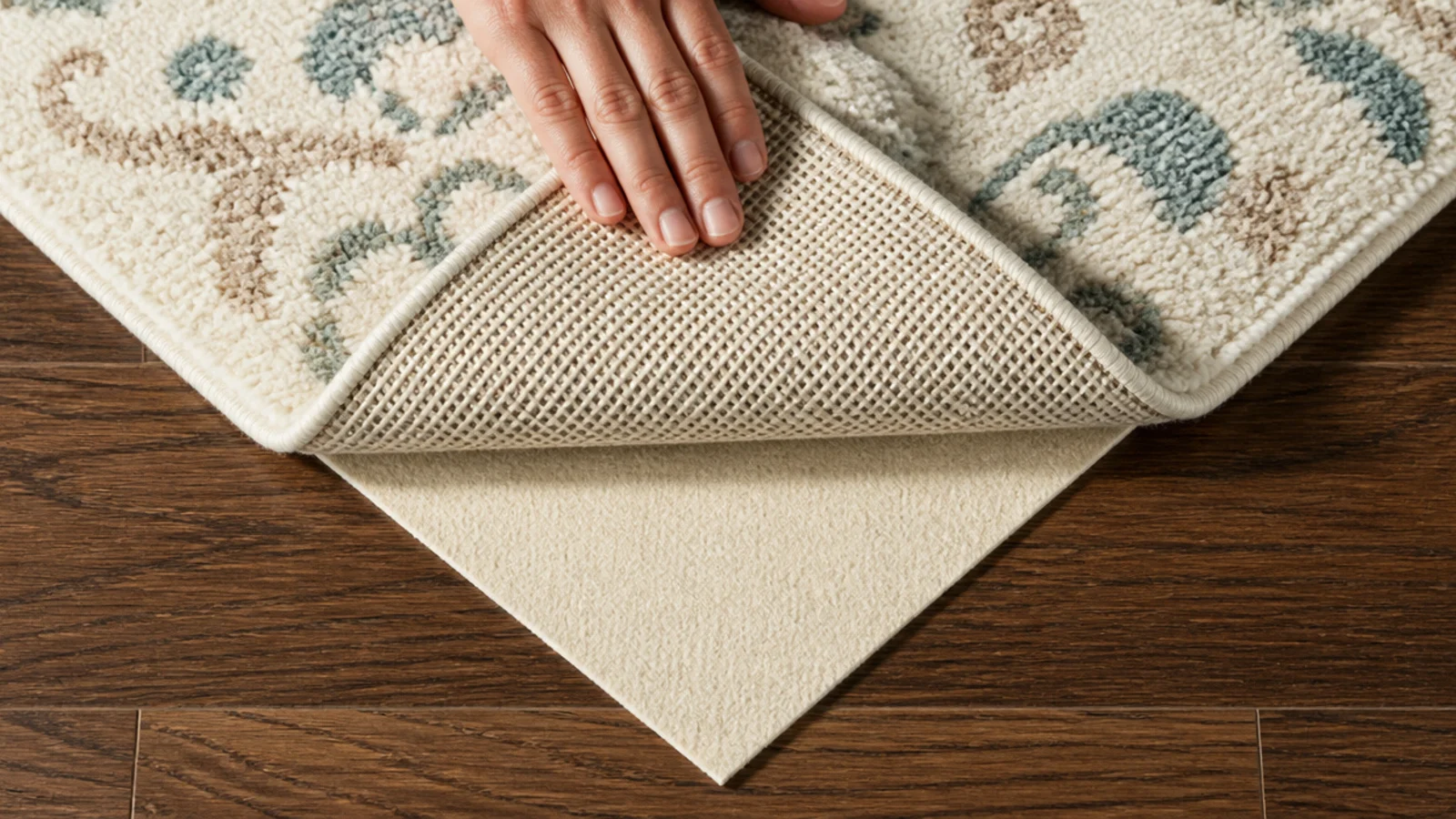
Power-loomed wool and wool-rich blends run $350 to $700 for an 8x10 and last eight to twelve years without any adhesive in the construction. They lack the depth of a hand-knotted field, but they take a spilled drink, a dog and a decade of feet. If this is the first rug you have actually chosen rather than inherited, start here.
5. Ask for the face weight before the pattern
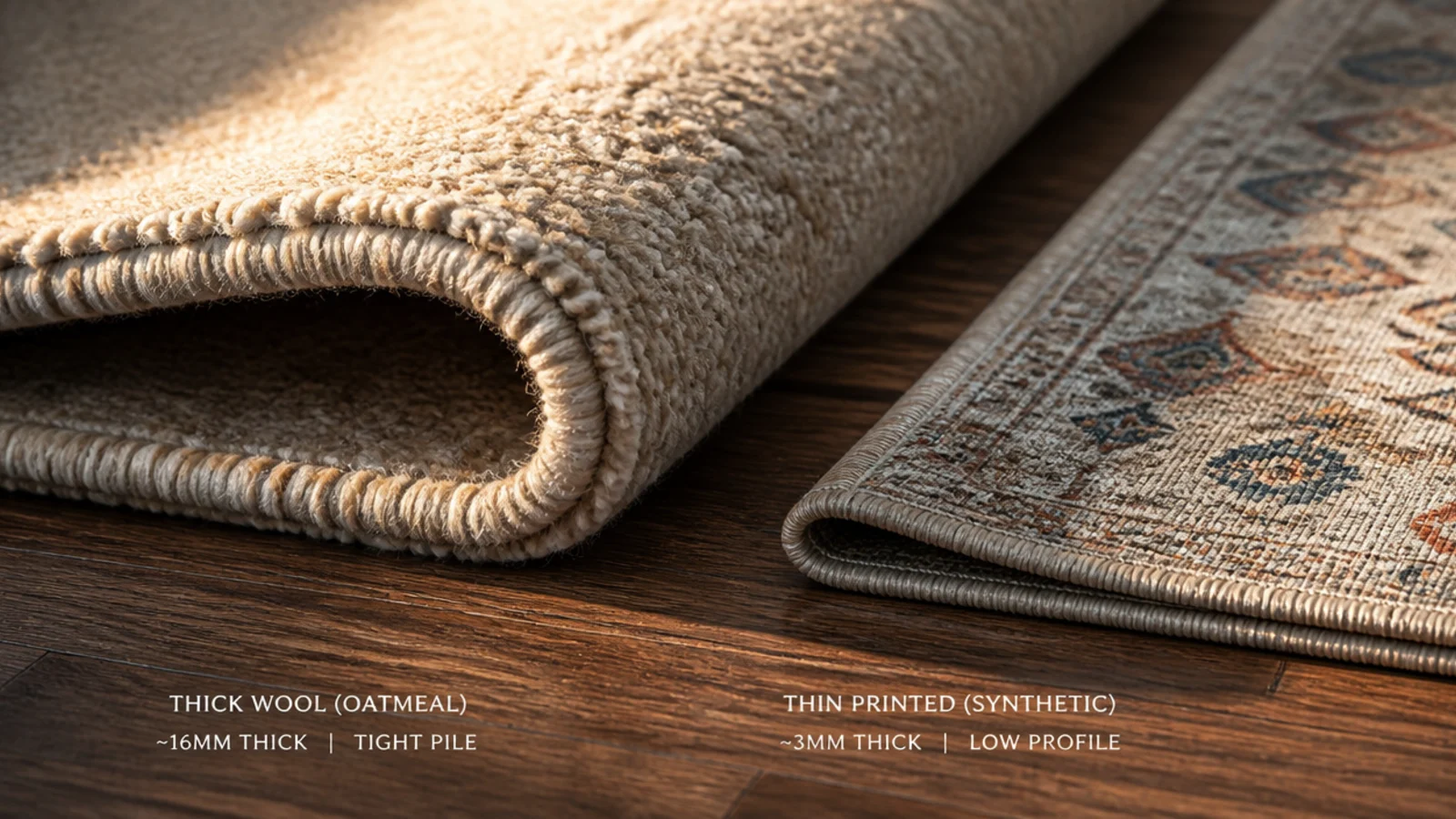
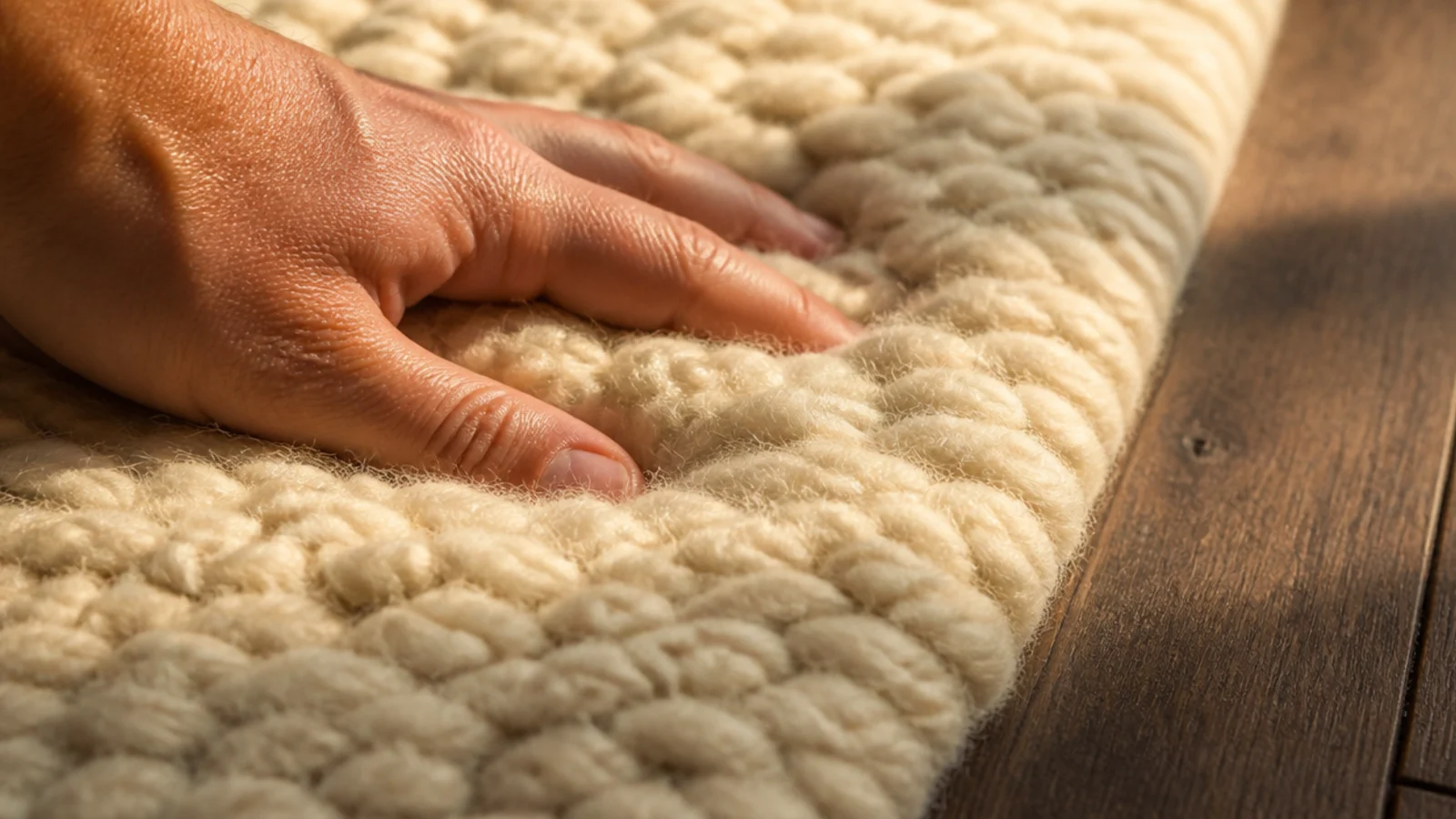
Face weight is the ounces of pile per square yard, and it is the single most useful number a seller can give you. Forty ounces flattens permanently under a sofa leg. Fifty to sixty springs back within a day of moving furniture. Press your hand into the pile in the shop and release it — dense wool closes over your fingers and lifts again, thin wool stays open.
6. Knot count is fineness, not durability
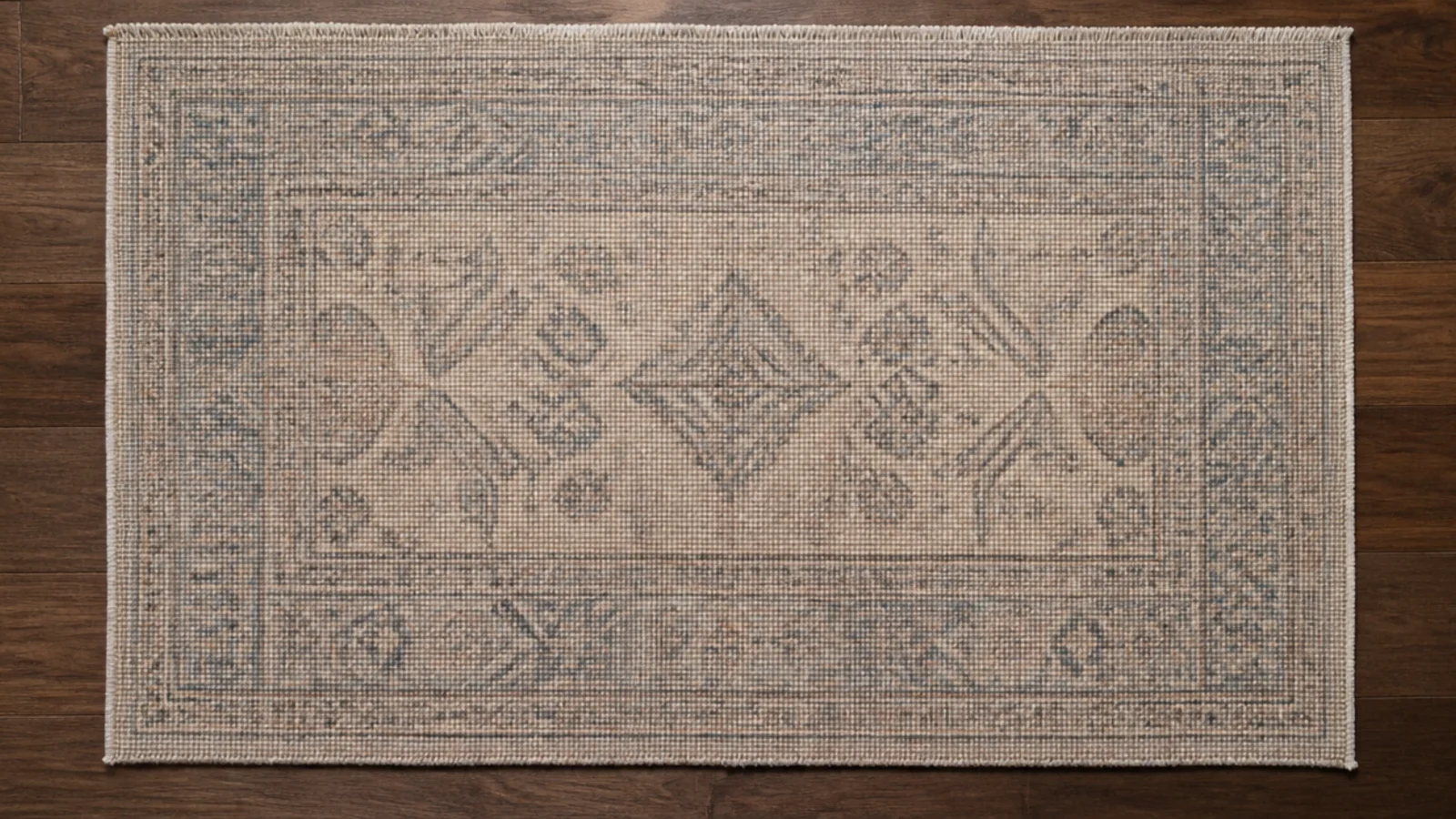
Knots per square inch describes how detailed the pattern can be, not how long the rug survives. Tribal and village weaving sits at 100 to 200 KPSI and outlasts most things in the house. Fine city work at 250 and above buys you crisper drawing and a higher price. Choose the count for the look you want, then judge durability on the wool quality instead.
7. Buy one 9x12 instead of two 5x8s
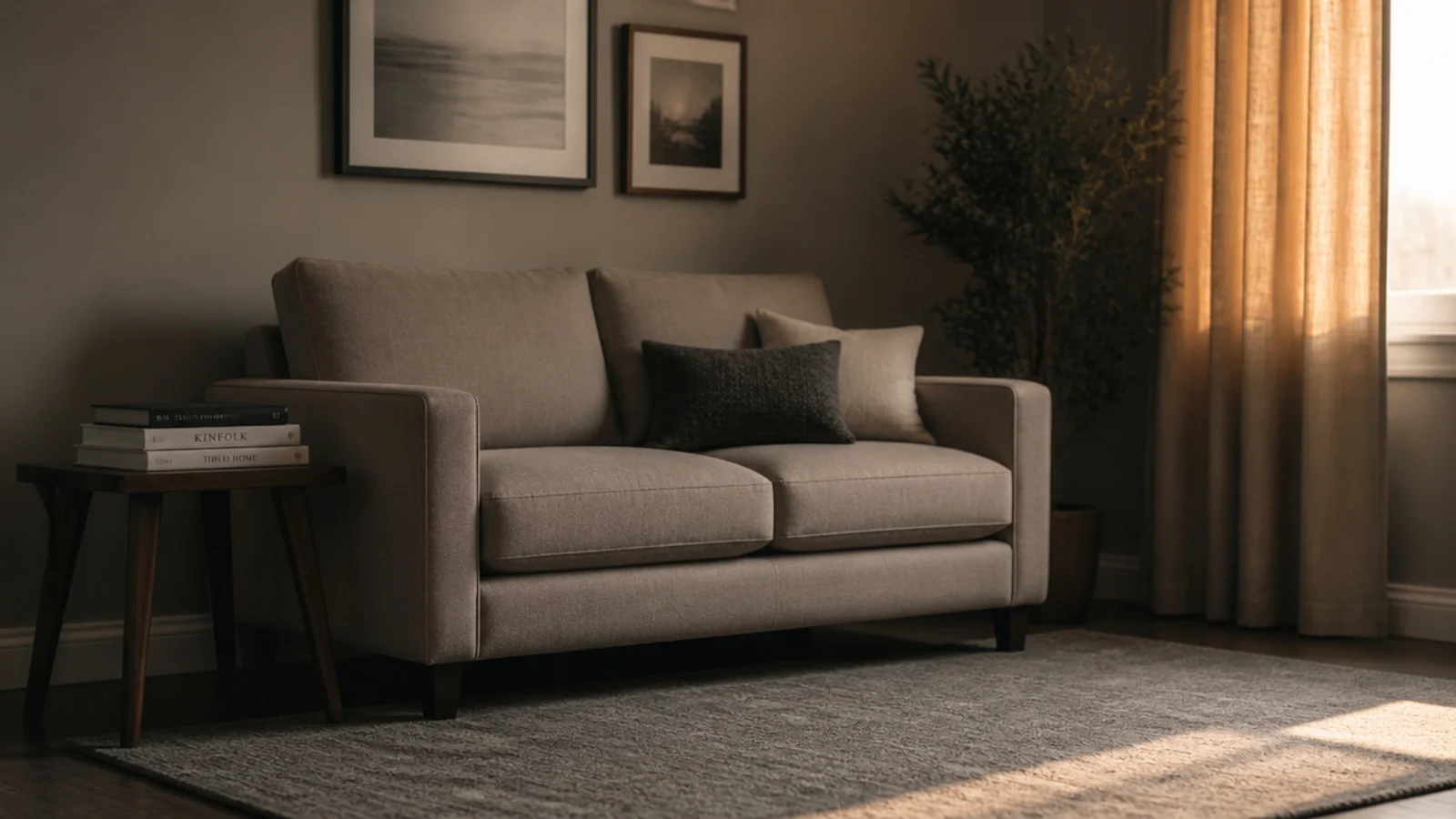
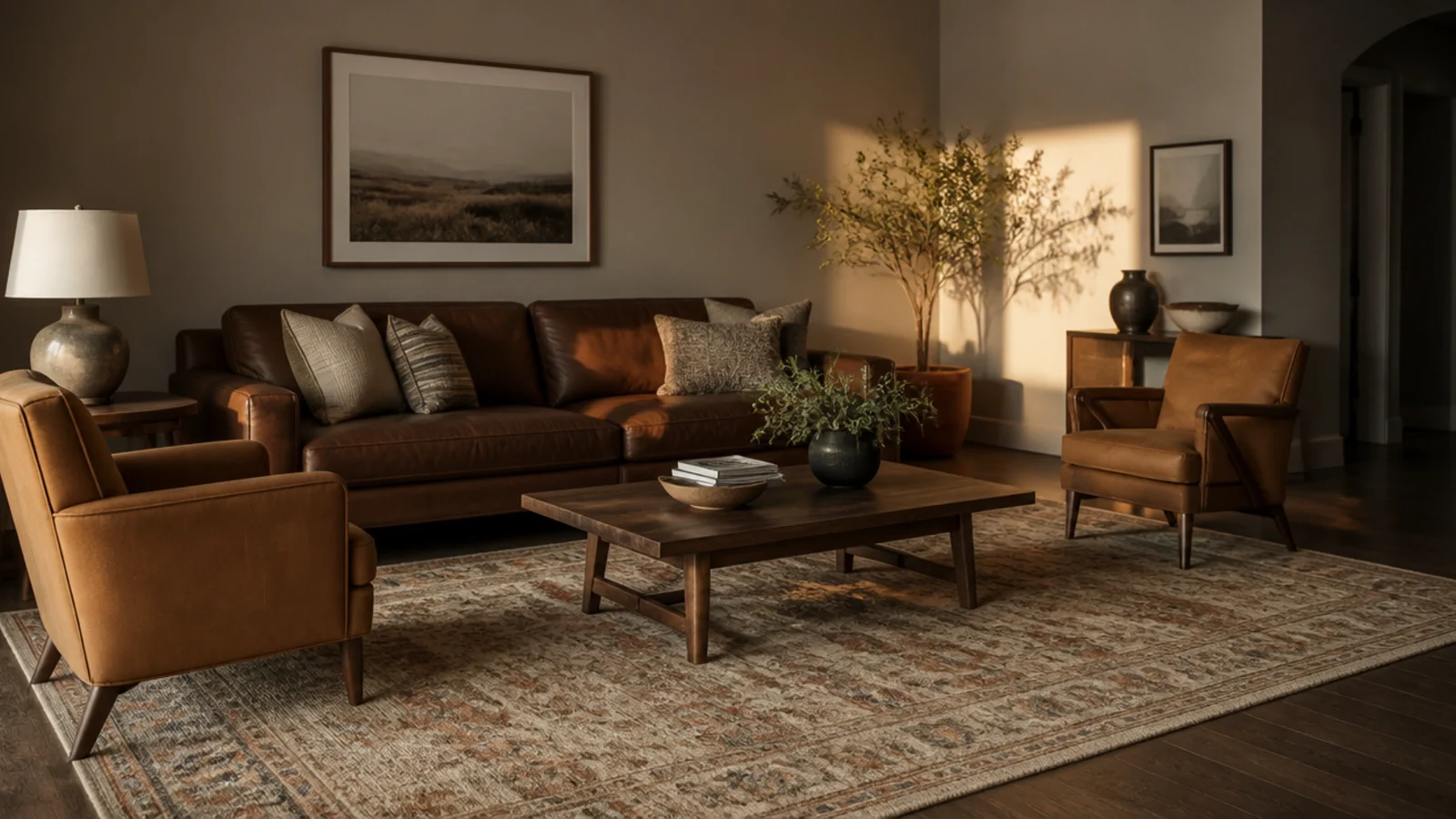
Two small rugs cost about what one large one does and always read as a compromise. A 9x12 is the smallest size that reliably takes all four legs of a sofa and two chairs, with 6 to 8 inches of rug still showing past every leg. It suits a room of roughly 14x16 feet and up. One field of colour makes a room look larger; two make it look divided.
8. Spend the difference on size, not on pattern
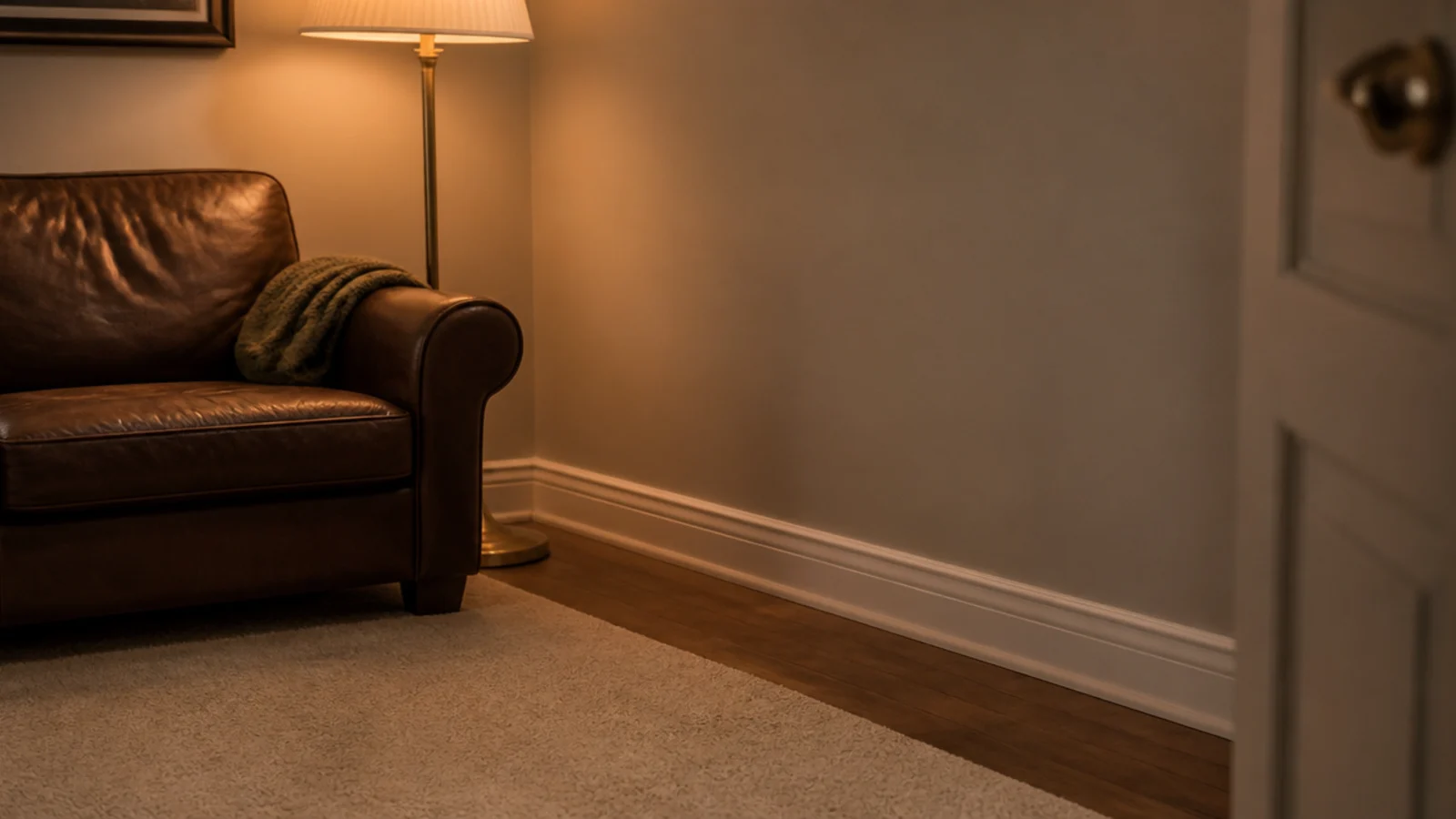
Given a fixed budget, a plain rug in the correct size beats a busier rug two sizes too small every time. Aim for 18 inches of bare floor between the rug edge and the wall, and never less than 8 inches in a small room. Pattern is what you notice for a month. Proportion is what you feel for years.
9. Count the pad into the purchase price
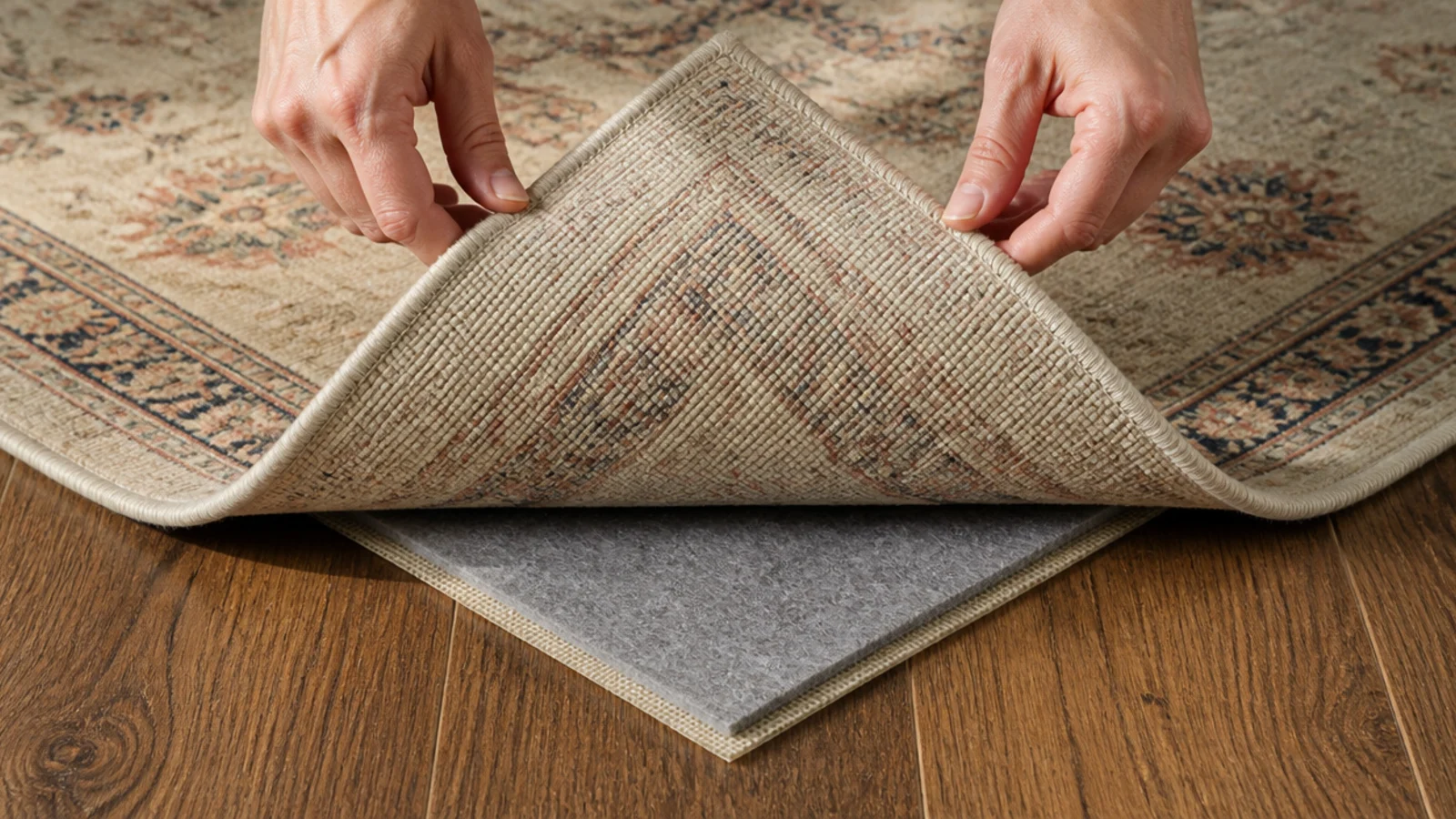
A quarter-inch felt and natural rubber pad costs $40 to $120 for an 8x10 and does three jobs: it grips, it cushions, and it absorbs the abrasion that grinds pile away from underneath. Cut it 1 inch smaller than the rug on each side so it never shows. Skipping it saves money once and shortens the rug's life permanently, quite apart from the sliding.
10. Solution-dyed polypropylene where spills are certain
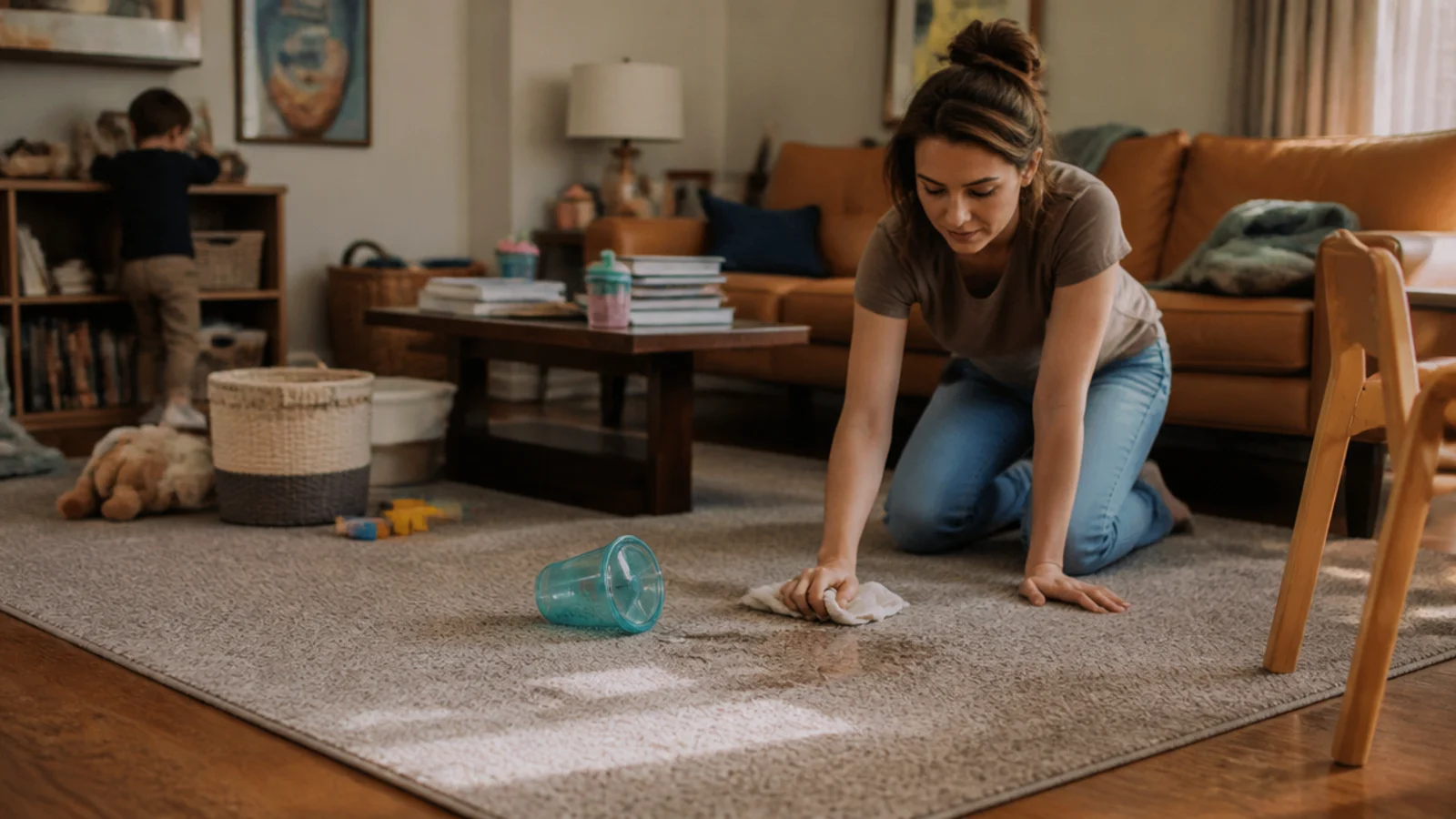
Solution-dyed means the colour is mixed into the fibre before it is extruded, so a diluted bleach solution cleans it without stripping the shade. An 8x10 runs $100 to $250 and gives five to ten honest years. It crushes under heavy furniture and can glaze where feet drag, but with a toddler, a dog and a south-facing window it is the sane answer.
11. Leave viscose for rooms without drinks
Viscose, rayon and anything sold as art silk have a beautiful sheen and a fatal flaw: plain water leaves a permanent yellow-brown mark that no cleaner reliably removes. In a bedroom with no glasses in it, fine. In the room where people put a mug on the floor, it is money set on fire. Check the fibre content label for blends hiding 30 percent viscose.
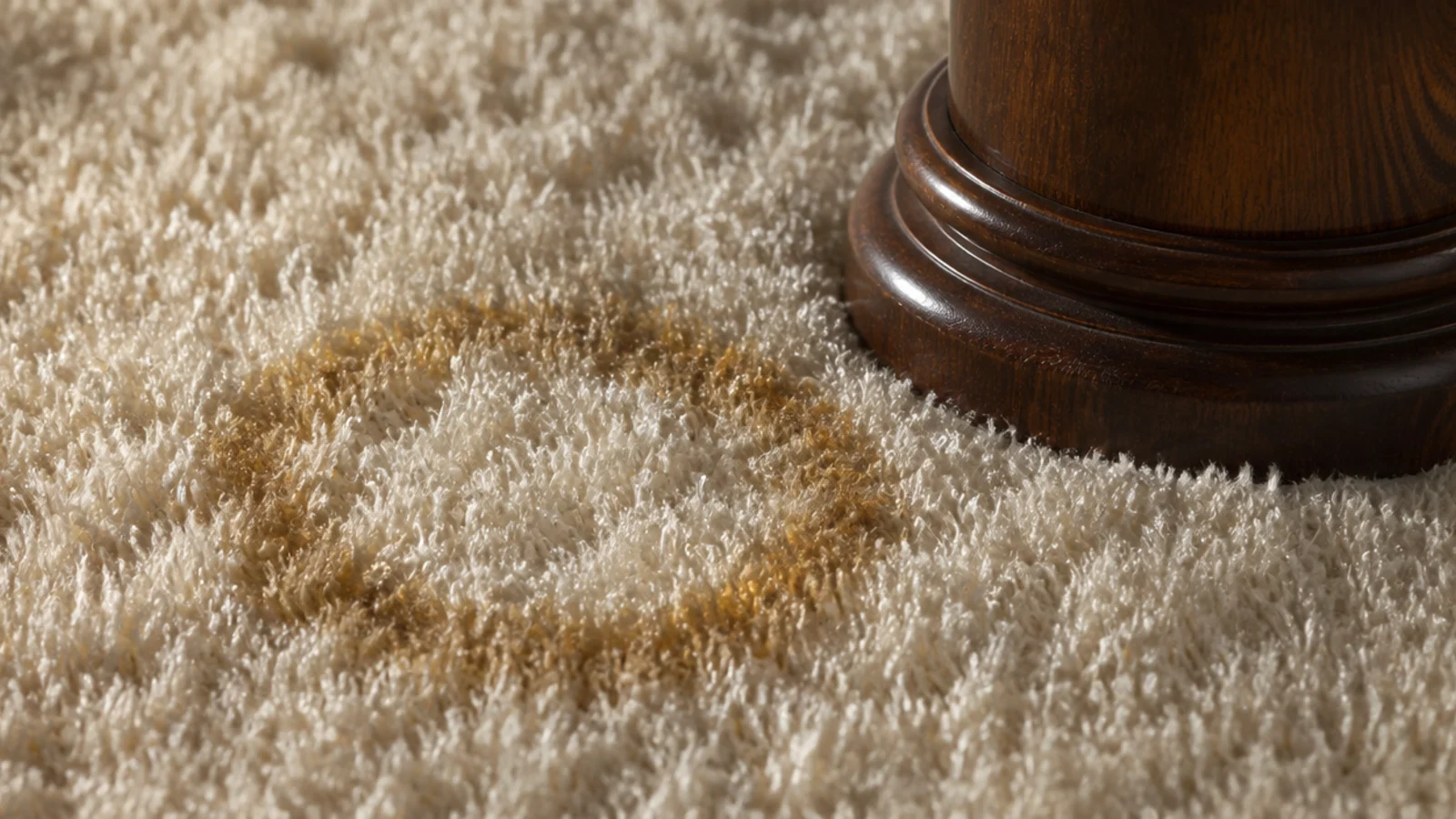
12. Wool with twenty percent nylon for a walkway
A wool-nylon blend at roughly 80/20 keeps the handle and colour depth of wool while the nylon resists the crushing that creates a visible traffic lane. It is the standard specification in hotel corridors for exactly that reason. Expect $400 to $900 for an 8x10, and expect it to look the same at year seven as it did at year two.
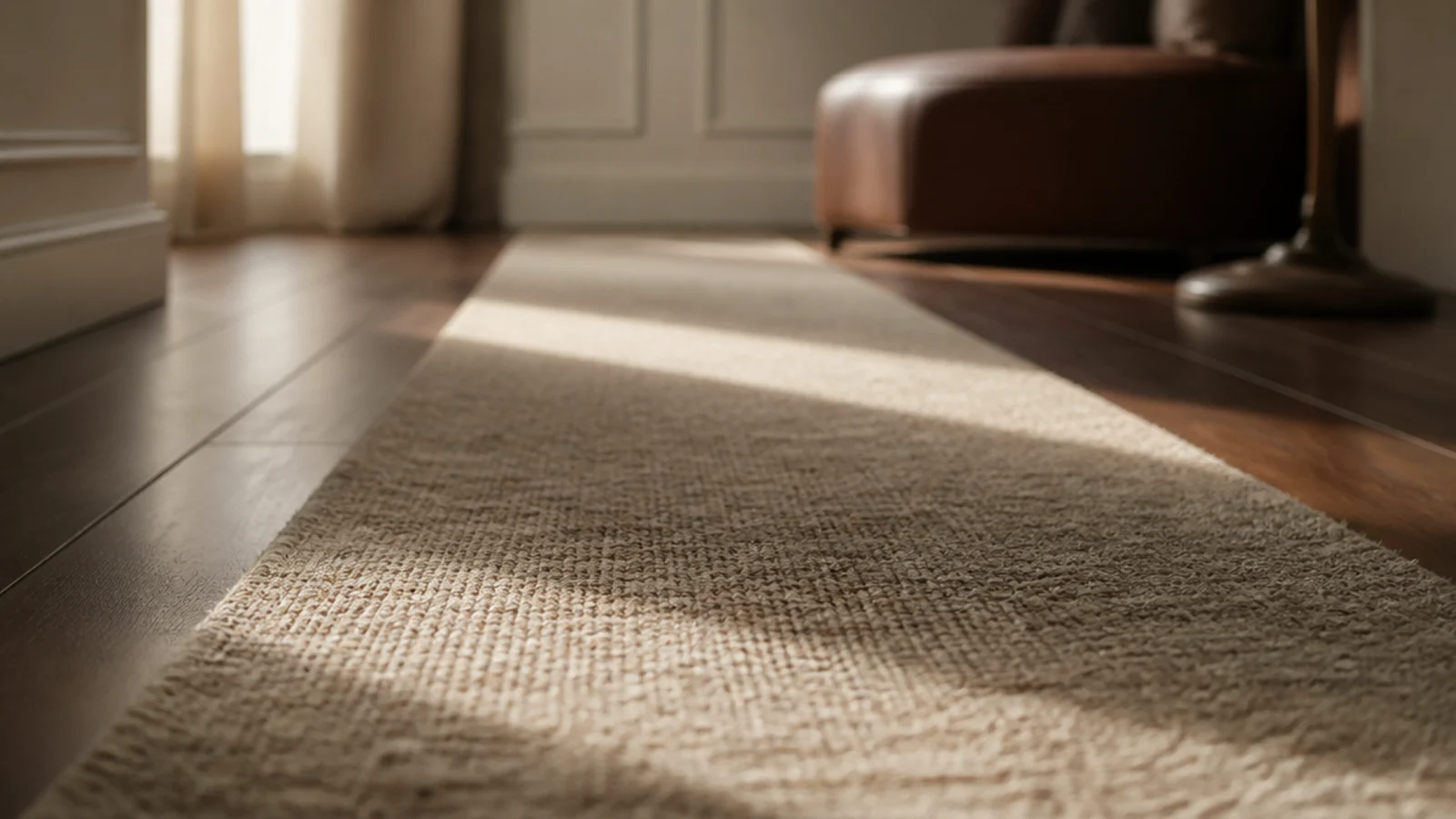
13. Flatweave under doors and rolling chairs
A flatweave has no pile to speak of — roughly 1/8 inch — so a door with the usual 1/2 to 3/4 inch of clearance still swings over it, and a desk chair rolls without digging in. It is also the only construction that layers cleanly underneath something else. Wool flatweaves run $250 to $600 for an 8x10 and reverse when one face tires.
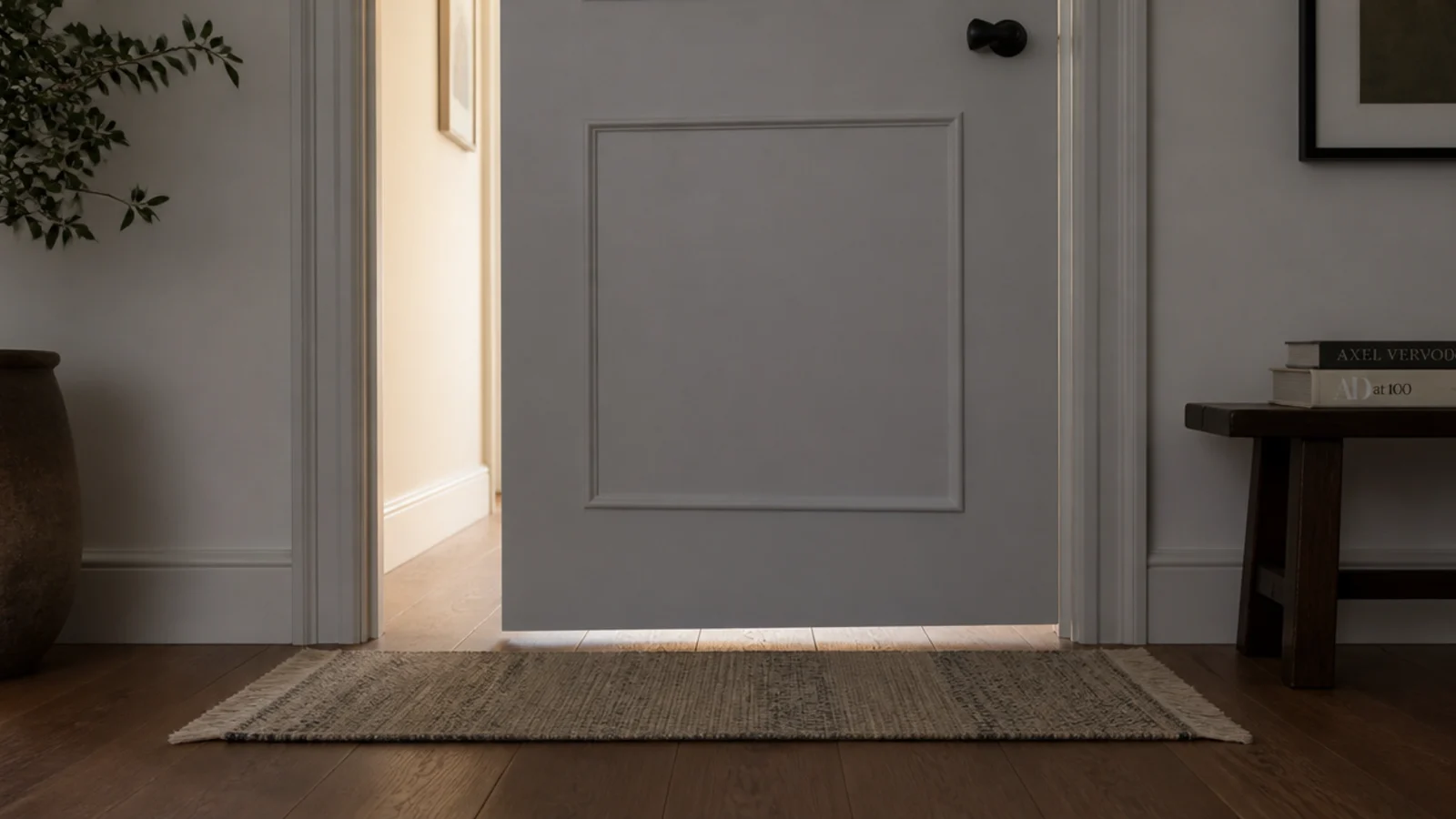
14. Check the binding before you check the colour
Edges fail before fields do. Run your thumb along the binding: dense serging with no gaps, or a bound tape stitched right through the foundation. Loose whipping unravels within a year and the repair costs $8 to $15 a linear foot. On a rug you intend to keep, this thirty-second check is worth more than any amount of pattern comparison.
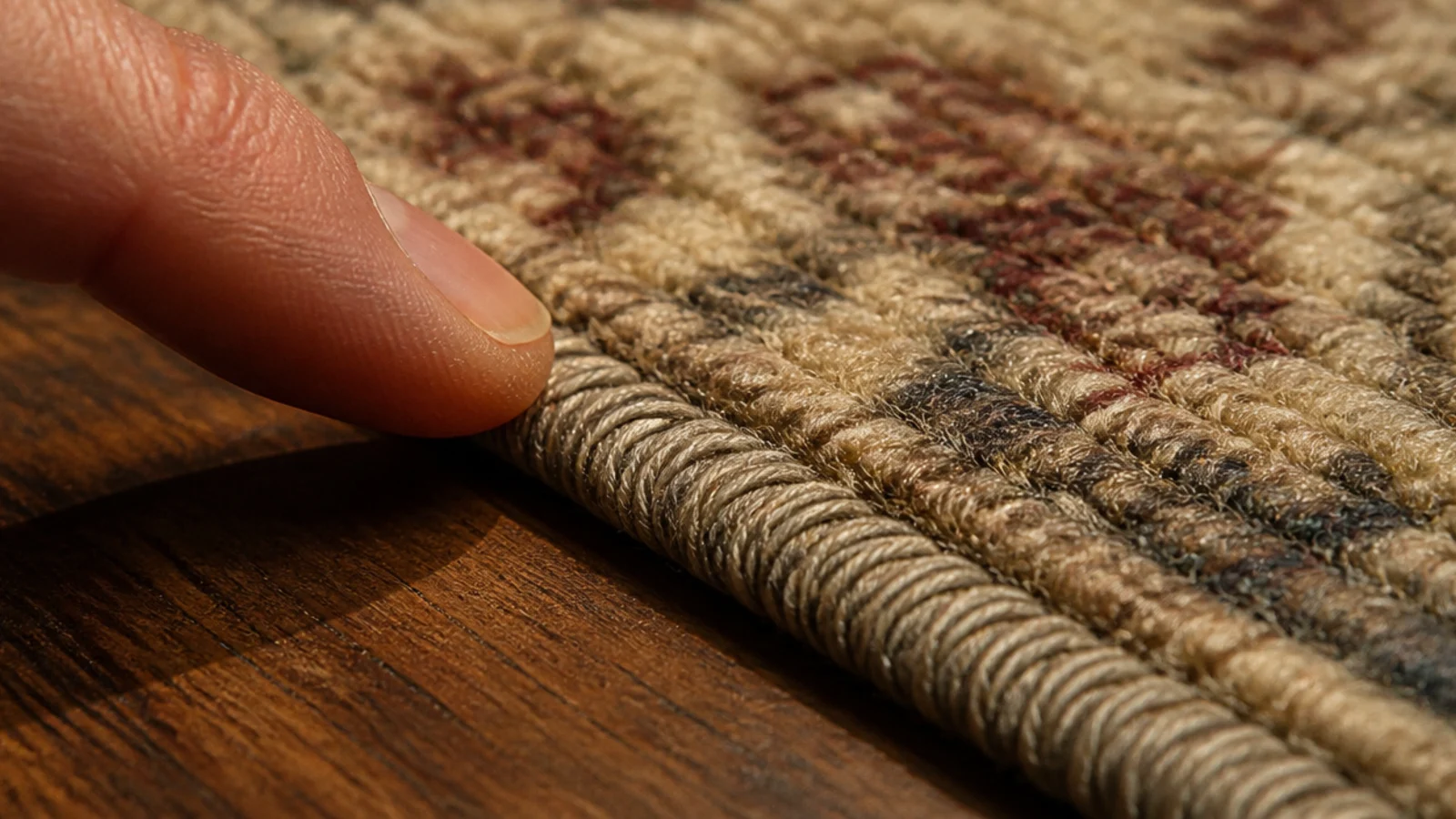
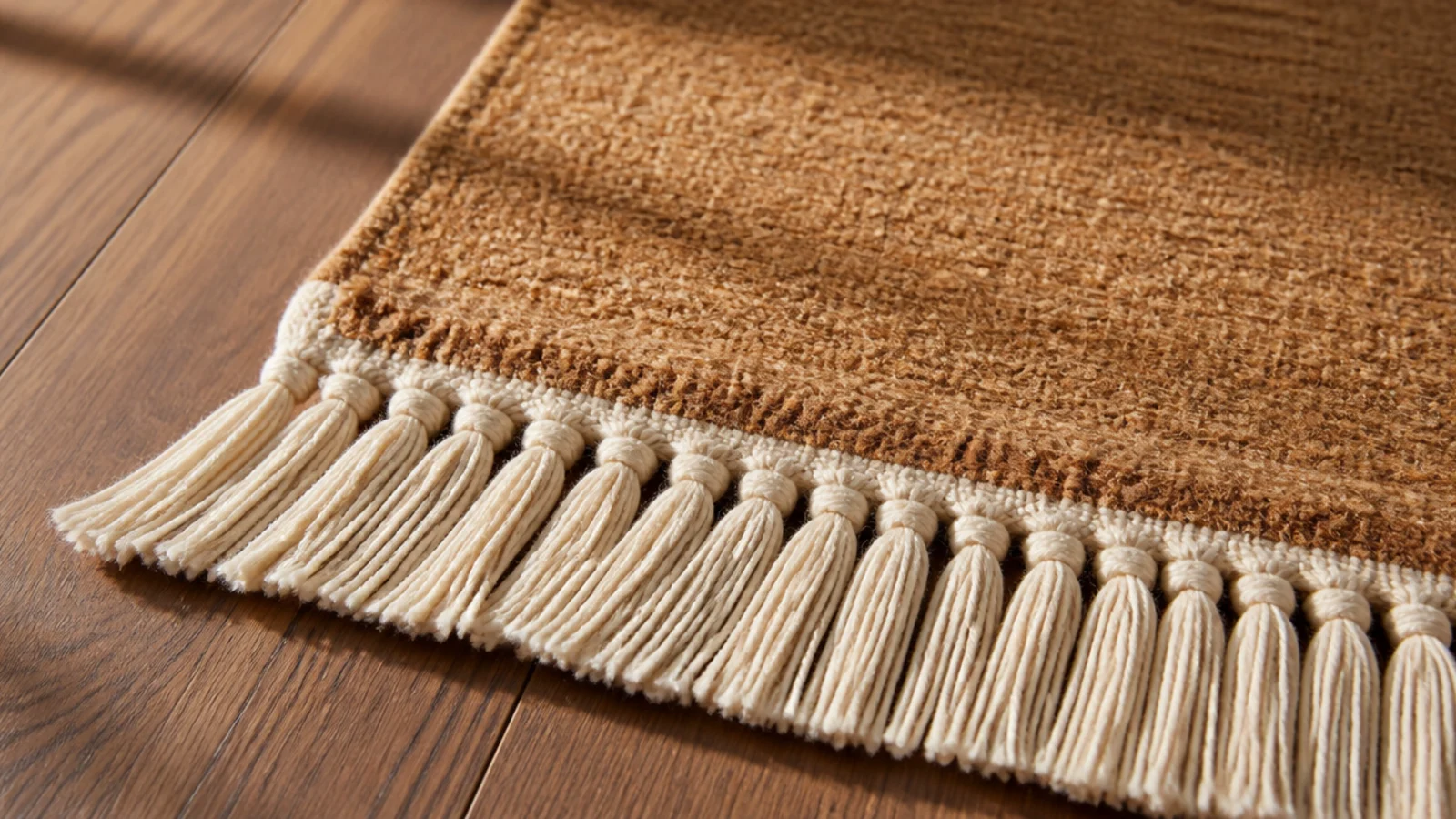
15. Hand-tied fringe outlives sewn-on fringe
Real fringe is the warp of the rug itself, tied off at the ends — it is structural. Sewn-on fringe is a decorative strip stitched to the edge and it detaches in the wash, taking a strip of foundation with it. Fold the end back and look. Genuine fringe grows out of the weave; applied fringe sits on a visible seam.
16. Buy the natural fibre for the room it will live in
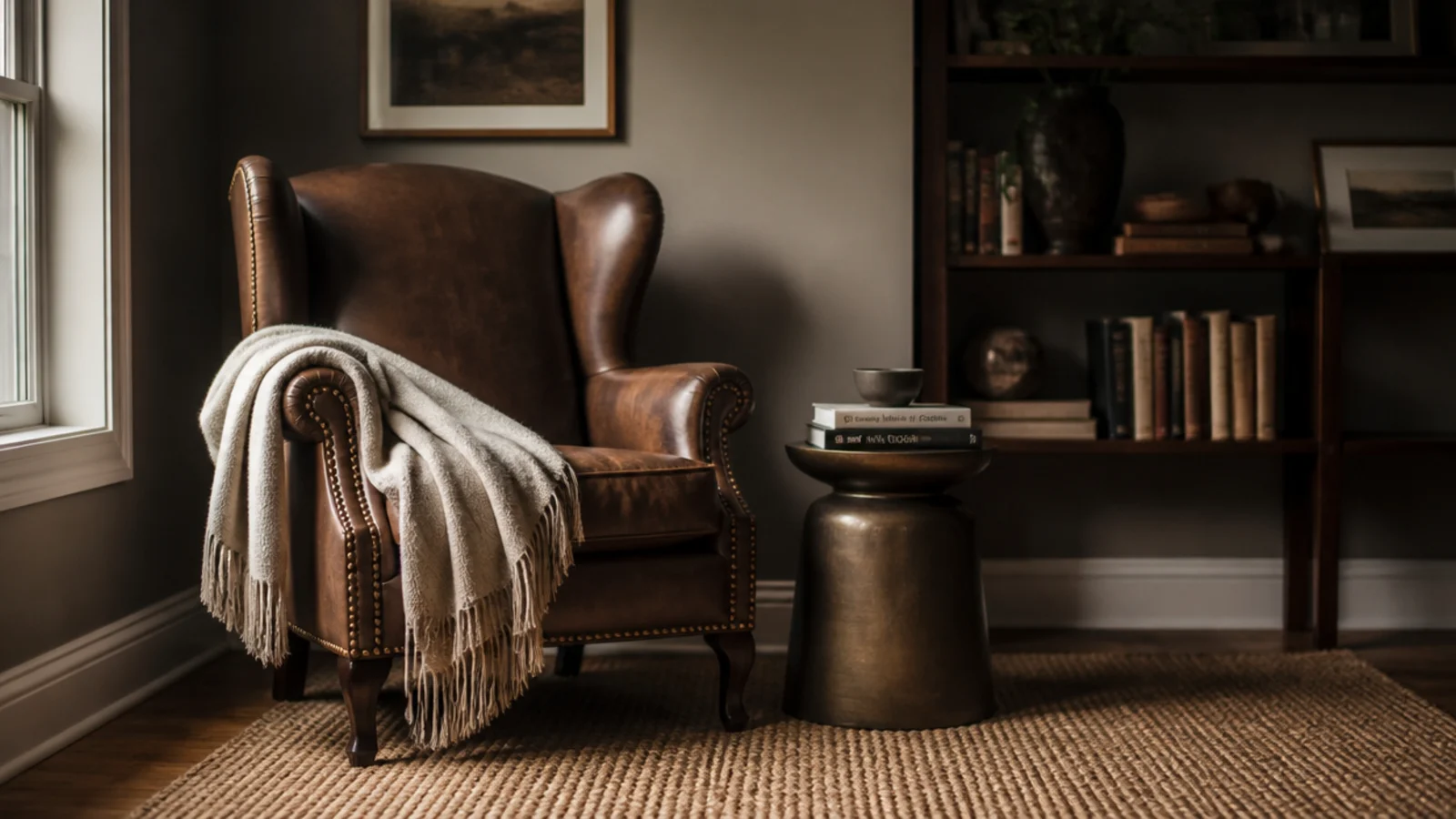
Jute is warm, soft-ish and runs $200 to $450 for an 8x10, but water stains it permanently and it sheds fibres for months. Sisal is harder, tougher and abrasive enough to be unpleasant under bare knees. Both belong in a reading corner or a low-traffic zone, and neither belongs where drinks and plant pots live.
17. A washable cotton flatweave for the puppy years
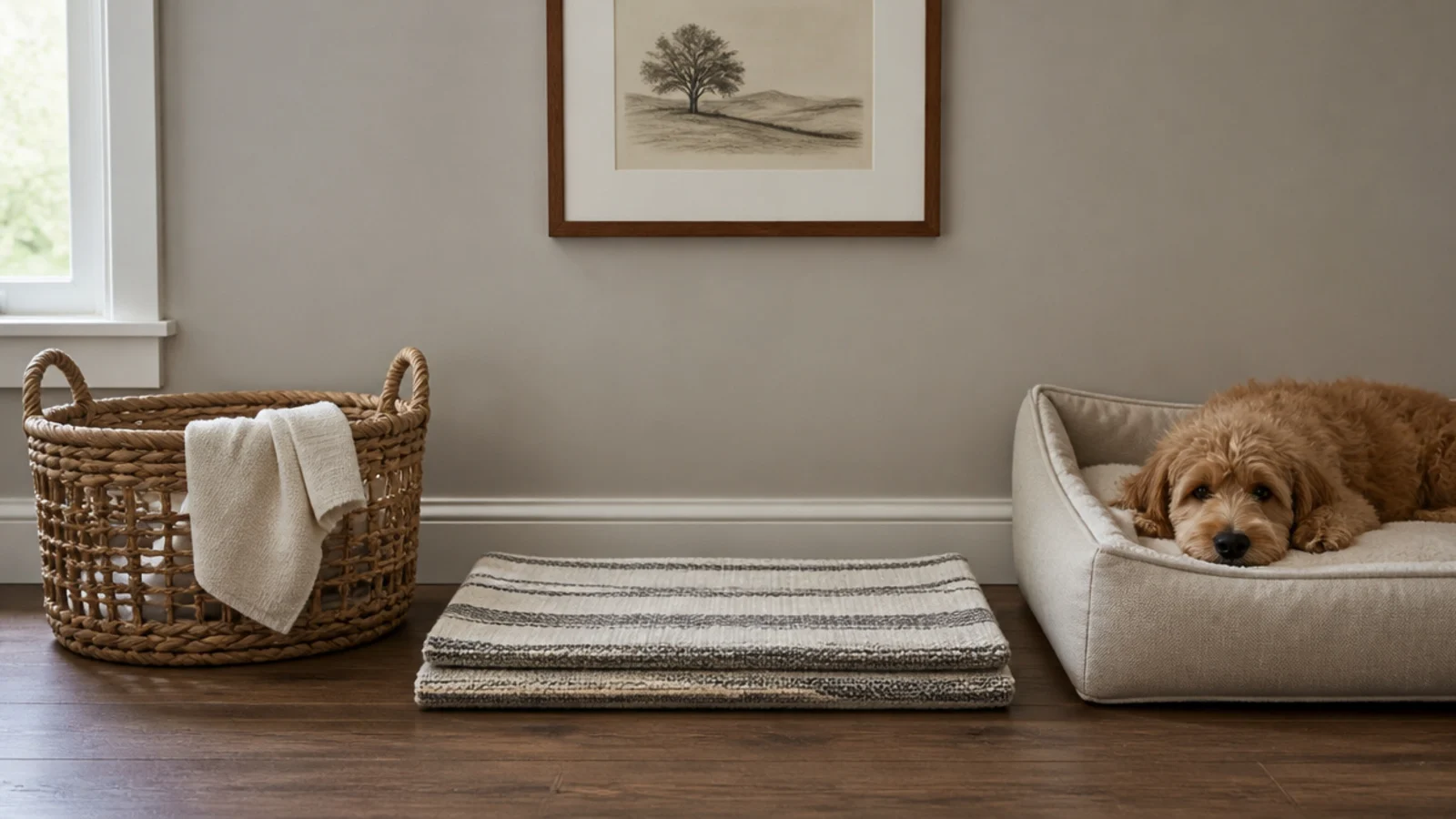
Cotton flatweaves up to about 5x7 fit a standard 3.5 cubic foot domestic washer. Cold water, gentle cycle, no fabric softener, air dry flat. They wrinkle, they need a pad underneath to stop them creeping, and they cost $80 to $200 — which makes them the right rug for the two years when something is being house-trained.
18. Overdyed vintage as the cheap route to hand-knotted
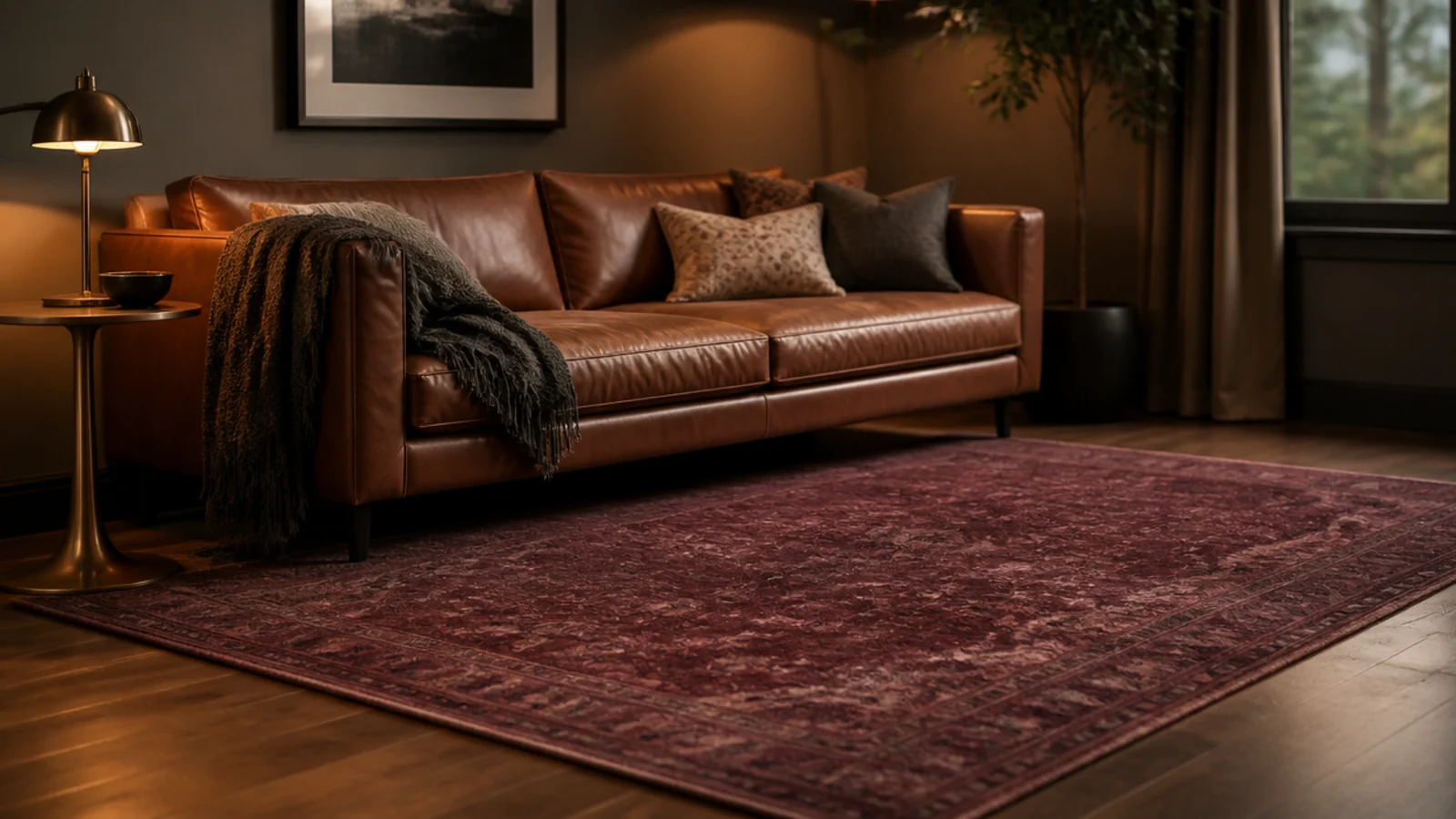
An old hand-knotted rug with a worn pile, stripped and redyed a single saturated colour, gives you real weaving at $400 to $1,500 for a 6x9. The pile is low because it is genuinely worn, which is exactly why it lives happily under furniture. Ask whether it was washed after dyeing; unwashed overdyes can crock colour onto light socks.
19. Read the return window before you click buy
Thirty days sounds generous until an 8x10 arrives folded and takes two weeks to relax. Ask who pays return freight — on a large rug that is $80 to $200 — and whether the window starts at delivery or at order. I have kept one rug I disliked purely because sending it back cost more than the difference.
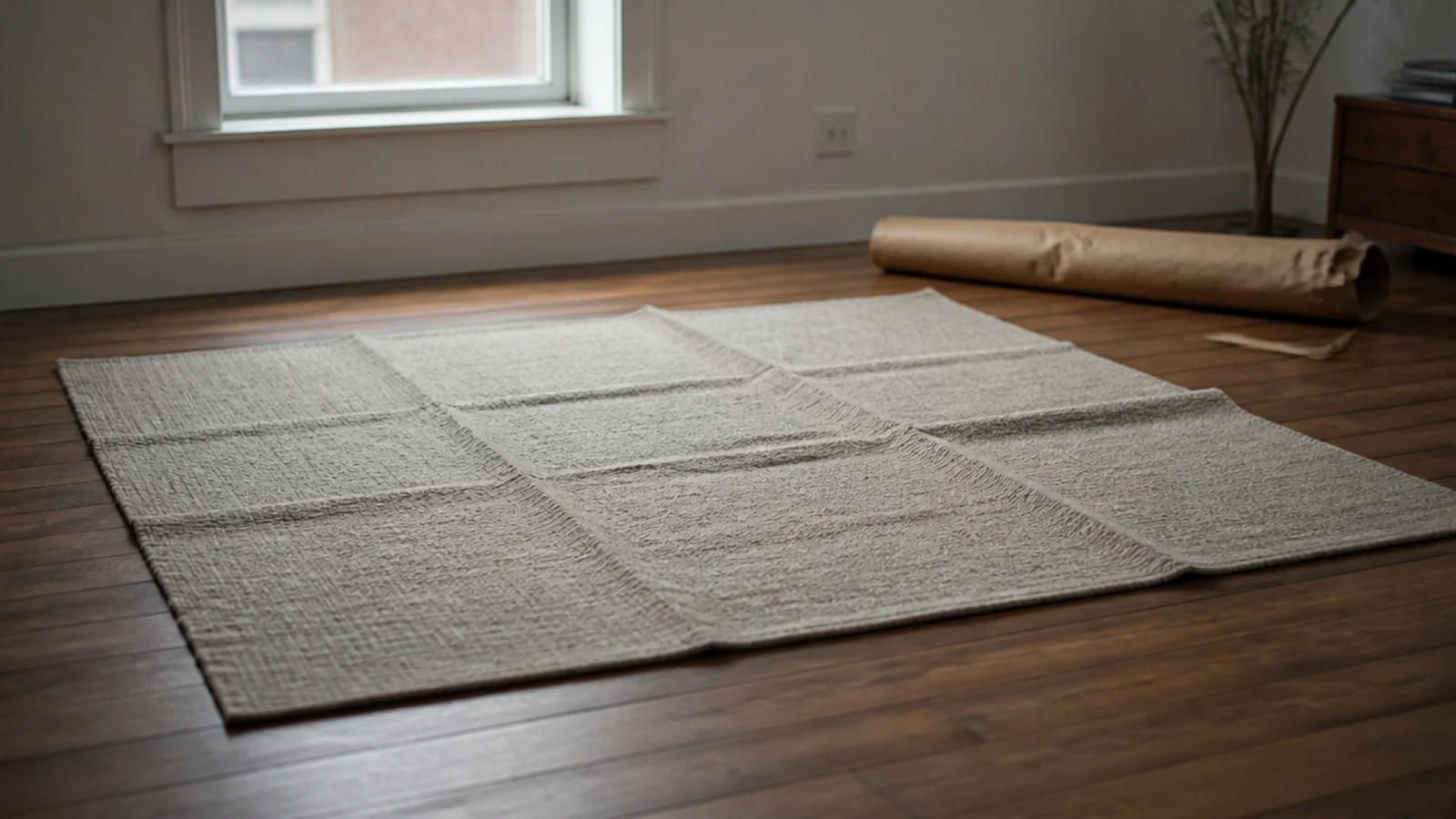
20. Order a sample before committing to an 8x10
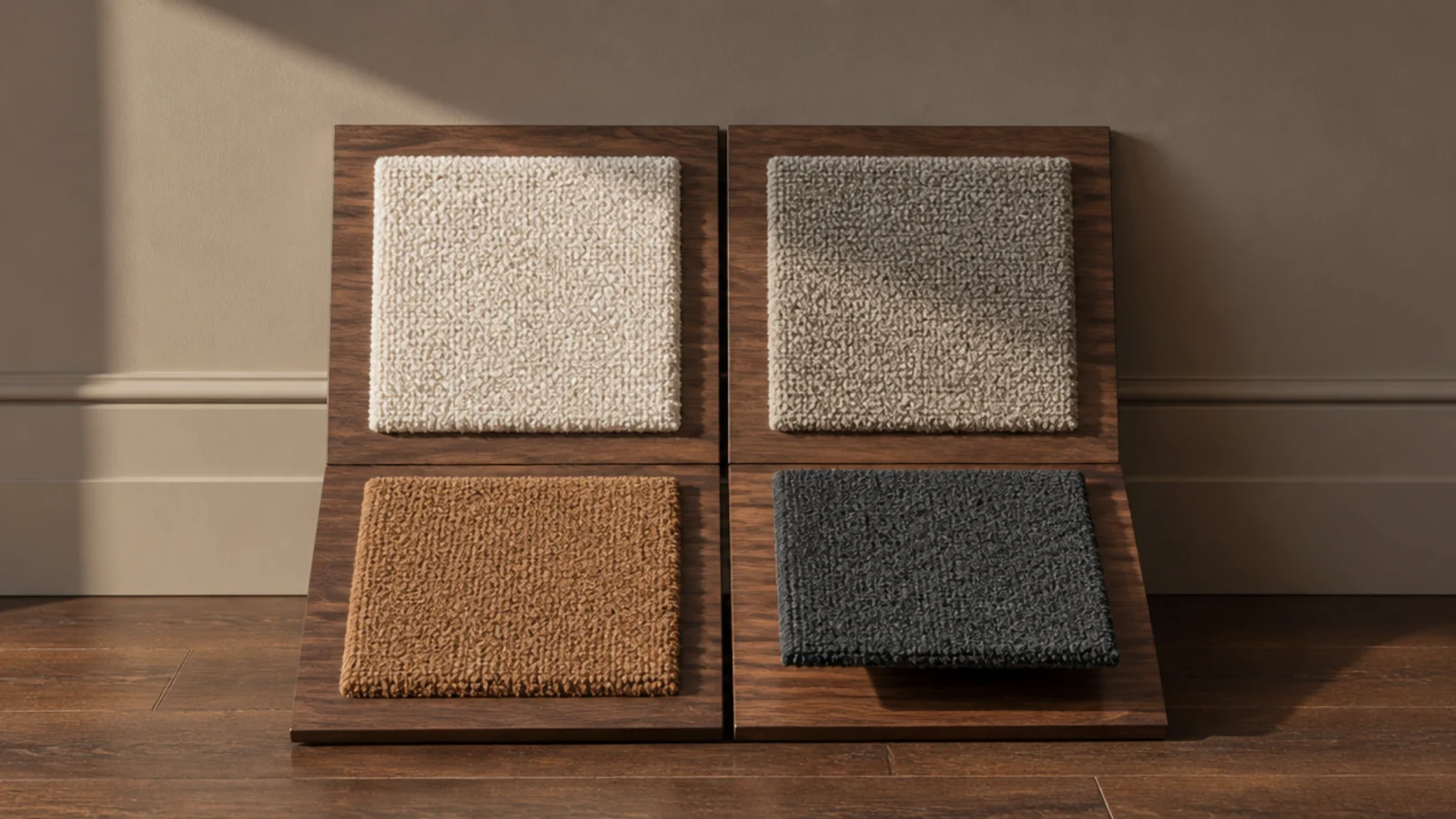
Most decent sellers post a 6 to 8 inch swatch for the price of postage. Put it on your own floor, in your own light, at eight in the morning and again at nine at night. Undertone is the thing photographs lie about most: a rug that reads warm greige online can turn distinctly pink against a yellow-toned board.
21. Rotate it twice a year and add years to it
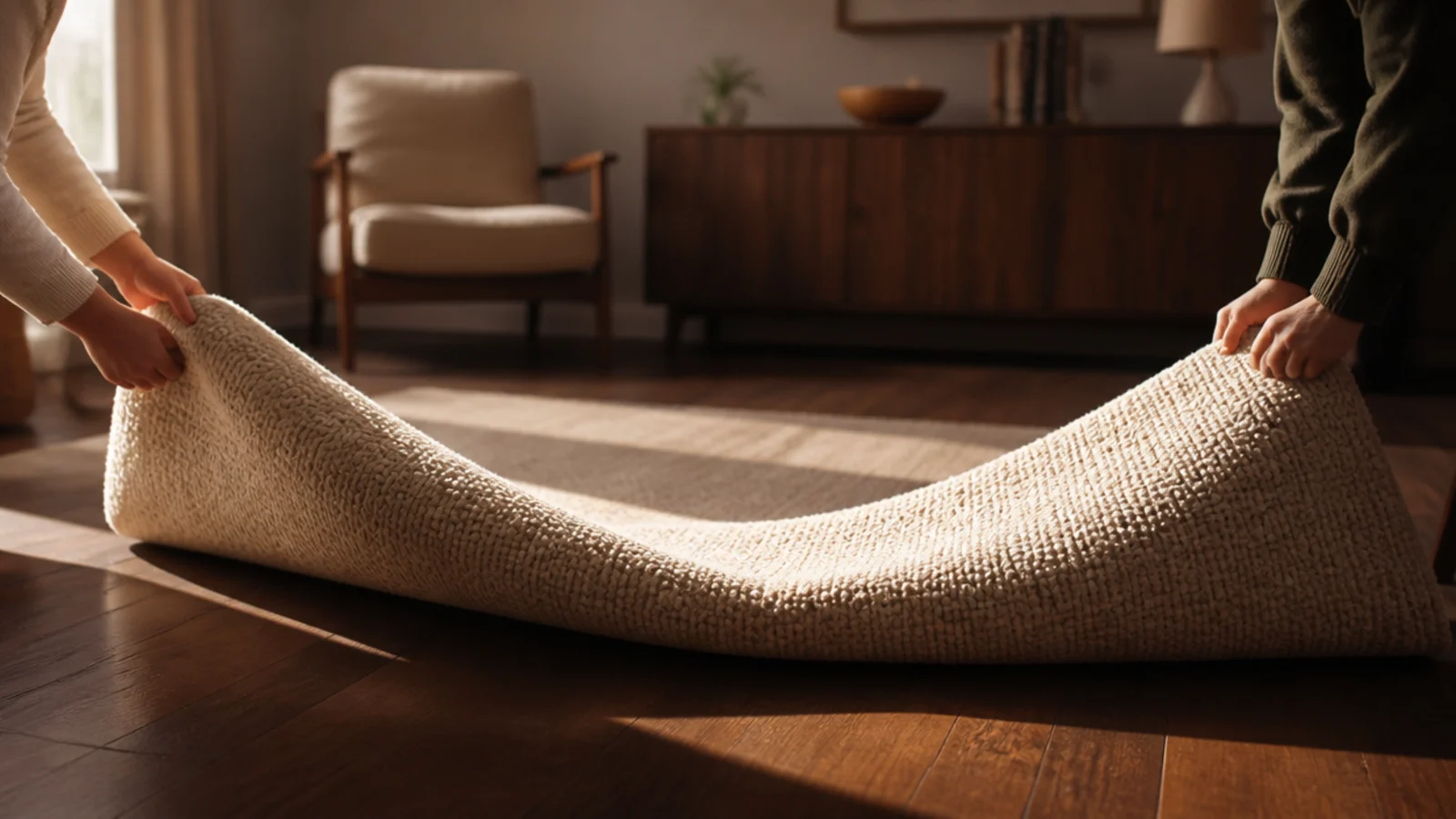
Half a turn every six months moves the traffic lane and the sun line onto fresh pile. It takes two people about four minutes. Rugs that never rotate develop a permanently crushed path and a faded half, and both faults are visible from the doorway. Put it in the calendar with the smoke alarm batteries.
22. Switch the beater bar off for loop and hand-knotted
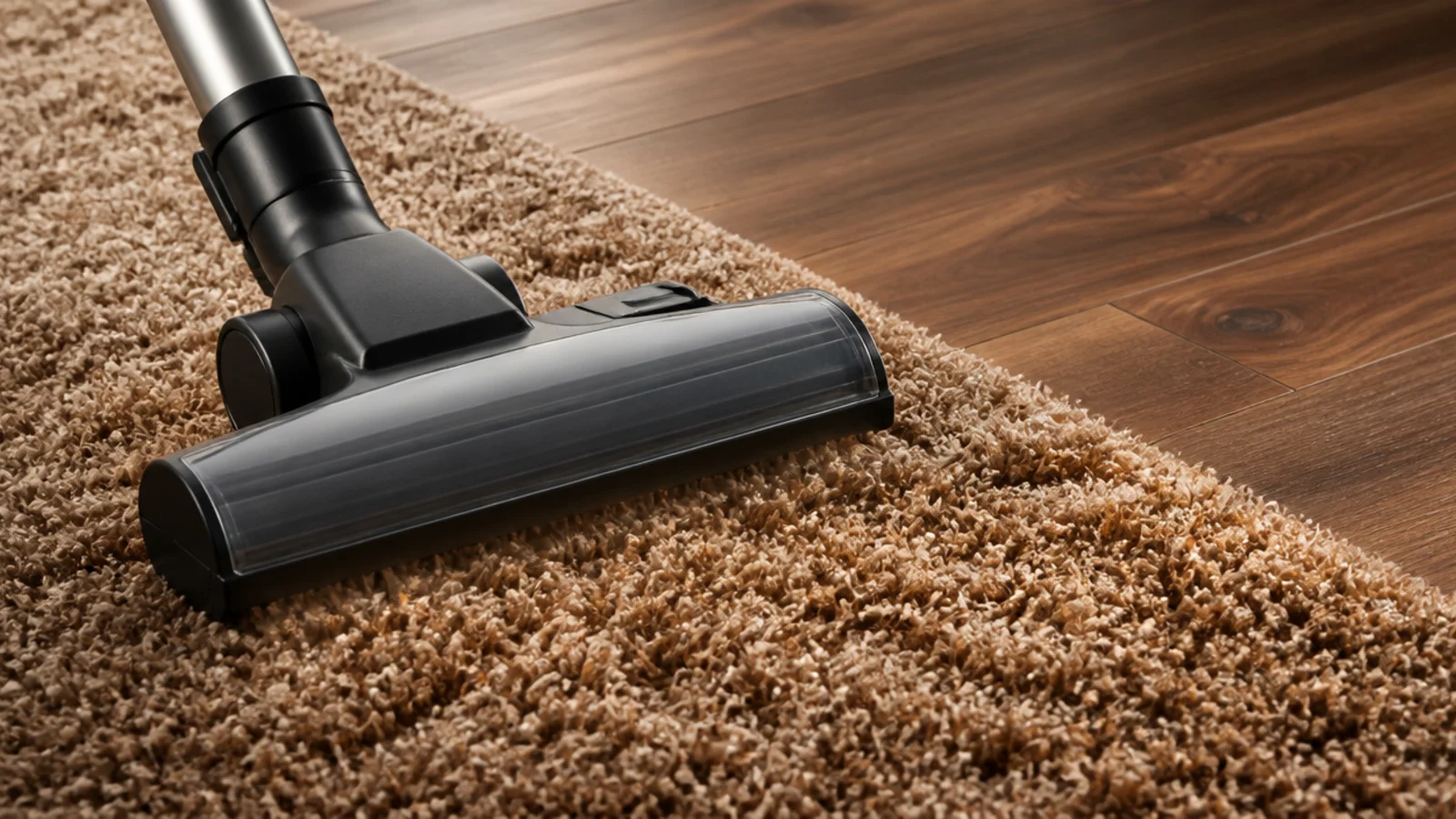
A rotating brush is designed to agitate cut pile in broadloom carpet. On a looped or hand-knotted rug it catches and pulls yarns, and on fringe it is destructive within minutes. Use suction only, run the head along the pile direction rather than across it, and vacuum the traffic lane twice a week and the whole field weekly.
23. Budget a professional wash every three to five years
A full immersion wash runs $3 to $6 per square foot, so $240 to $480 for an 8x10. It is not a cosmetic exercise: grit sitting at the base of the pile cuts wool fibres every time somebody walks across it, and that damage is permanent. Ask for a wash, not a hot-water extraction, on anything hand-knotted.
24. Layer one good small rug over a large cheap one
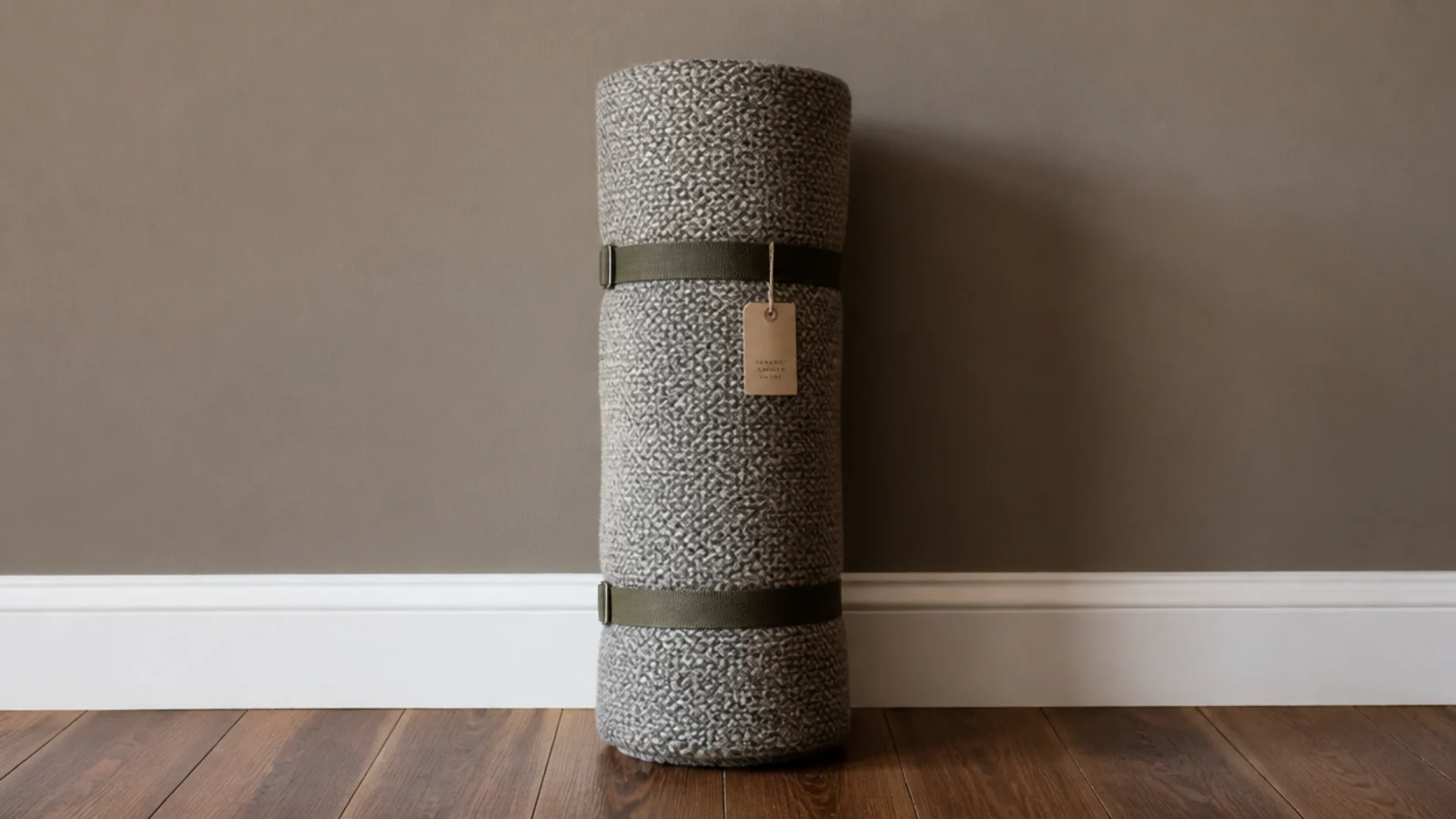
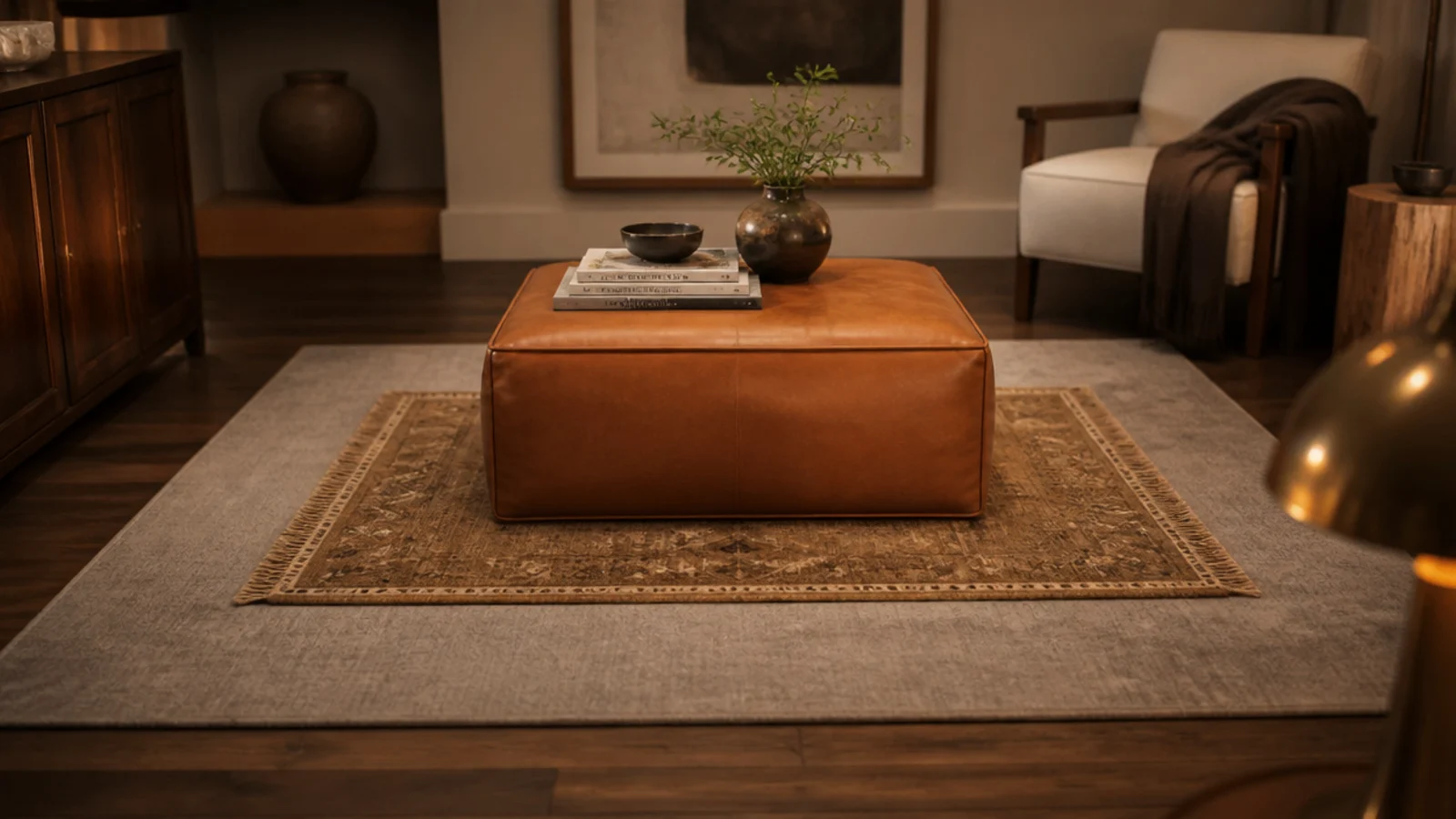
If the budget will not stretch to a hand-knotted 9x12, buy a plain flatweave base at the right size and a small piece of good weaving to sit centred on top. Leave 12 to 18 inches of base showing on every side. You get the correct proportion for the room and the quality where hands and eyes actually land.
25. Keep the paperwork on anything hand-knotted
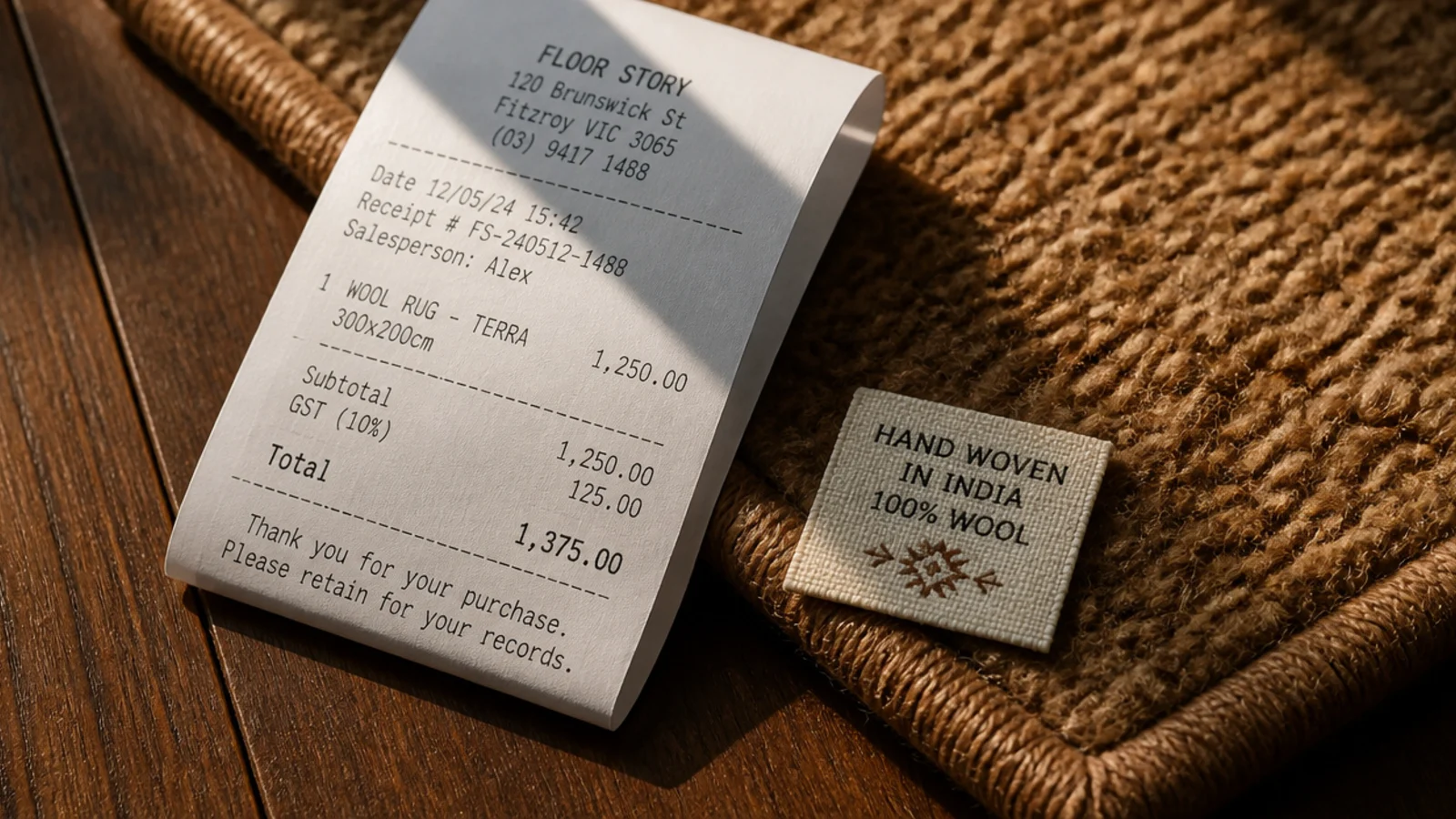
The receipt, the origin label and any washing record are what a second-hand buyer or an insurer pays attention to. Hand-knotted wool holds a genuine resale value, typically 30 to 60 percent of purchase after a decade, and provenance is most of that figure. Photograph the back and the label the day it arrives and keep the file with the deeds.
For the room-by-room dimensions behind all of this, the rug sizing fundamentals guide sets out which standard size suits which floor plan. If the rug is going down over boards you also care about, the living room center table guide covers what sits on it, and the bookshelf styling guide handles the walls around it.
Mistakes to Skip
- Buying the biggest pattern you can afford instead of the biggest size. Scale is what makes a room feel resolved, and no amount of detail rescues a rug that stops short of the furniture.
- Treating the pad as an accessory to add later. Without one the rug slides on a hard floor, the corners lift into a trip hazard, and the pile wears from the underside where you cannot see it.
- Judging wool by softness in the shop. The softest samples are often the lowest face weight, and they are the ones that flatten into a shiny lane by the second winter.
- Ignoring the fibre content on a blend. A rug listed as wool can legally carry 30 percent viscose, and that fraction is what fails the first time a glass goes over.
Frequently asked questions
How much should I spend on a living room rug?
Divide the price by the years you expect to keep it. A $200 polypropylene 8x10 lasting five years costs $40 a year. A $1,400 hand-knotted wool of the same size lasting twenty costs $70 a year and looks better every one of them. Both are defensible, but only one still exists in a decade.
Is hand-knotted really better than hand-tufted?
Structurally, yes. A hand-knotted rug is woven knot by knot onto its own foundation, so it has no glue and no backing cloth to fail. A hand-tufted rug is punched into a scrim and held with latex adhesive that dries out in eight to twelve years, at which point the rug sheds and delaminates.
What face weight should I look for in wool?
Forty ounces per square yard is entry level and will show furniture dents. Fifty to sixty ounces is dense enough that the pile springs back after a sofa leg is moved and stays upright in a walkway. Ask the seller for the figure; a shop that cannot tell you is selling on price alone.
Do I really need a rug pad?
Yes, on any hard floor. A rug without a pad slides underfoot and the corners curl, which is a genuine trip hazard rather than a styling preference. A quarter-inch felt and natural rubber pad also takes the grinding abrasion that would otherwise wear the pile from underneath. Budget $40 to $120 for an 8x10.
How often should a wool rug be professionally cleaned?
Every three to five years in a normal living room, at roughly $3 to $6 per square foot. Vacuum weekly in between and rotate the rug 180 degrees every six months. Skipping the wash does not just look worse; ground-in grit cuts wool fibres at the base and that damage never comes back.
Want more like this? Browse all 15 rugs in living room guides — they all use the same measurements and budget tiers.

Pin it for later
Save this to your Rugs In Living Room board
Pin it now so it is waiting for you when the tape measure comes out — and so the next person hunting for this idea can find it too.
Save this pinKeep going
More ideas worth saving while you have the tape measure out.