Rugs In Living Room · Listicle
20 Dark Rugs In Living Room Ideas That Hide Stains


Dark rugs in living room schemes get bought for one reason and judged on another. People choose charcoal to hide the coffee, the mud and the crumbs, which it does superbly, and then discover it shows pale lint, dust and every hair from a cream-coated dog. I have had a charcoal wool rug in a family room for six years and it has been the right decision and an ongoing negotiation with a vacuum. Twenty ideas below on getting the dark right, including the two rooms where it is the wrong answer entirely.
In this guide22 sections — tap to openHide
- 1.What dark rugs in living room schemes really hide
- 2.Charcoal instead of true black
- 3.Choose a heathered dark rather than a flat one
- 4.Low contrast pattern on a dark ground
- 5.Pile depth changes how dark a colour reads
- 6.What it hides, and what it starts showing
- 7.Pale pet hair and the fibre that shows it most
- 8.Solution-dyed dark synthetics for bleach cleaning
- 9.Dark wool and the first six months of shedding
- 10.Keep 18 inches of pale floor at the perimeter
- 11.Dark rug on a dark floor without one flat plane
- 12.Light the floor, not only the walls
- 13.A pale border to lift a dark field
- 14.Dark rug, pale sofa: the reliable pairing
- 15.Dark rugs in genuinely small rooms
- 16.Navy, forest and aubergine instead of grey
- 17.A dark flatweave where chairs roll and doors swing
- 18.Vacuuming a dark rug and what it reveals
- 19.Dark rugs in a sunny room and the fading line
- 20.A dark base with a lighter rug layered on top
- 21.When a dark rug is the wrong call
- 22.Mistakes to Skip
What dark rugs in living room schemes really hide
A dark field hides anything darker than itself and reveals anything paler. Mud, coffee, red wine, crumbs and the shadow of a traffic lane essentially disappear. Pale lint, dust, chalk, light pet hair and the fluff from a cream throw sit on the surface in plain view. Decide which of those describes your house before choosing the colour.
Then avoid true black. Black shows dust within a day of vacuuming, loses all its surface texture in low light, and photographs as a flat hole in the floor. A deep charcoal with a slight warm or cool cast reads just as graphic and stays looking clean. A heathered or flecked dark hides settled dust better still, because the variation breaks up what your eye would otherwise read as film.
Fibre decides cleanability. Solution-dyed polypropylene has its pigment locked into the fibre before extrusion, so diluted bleach lifts a stain without lifting the colour — an 8x10 runs $100 to $250. Wool at 50 to 60 ounce face weight is the choice for a room you sit in every evening, and it sheds dark fibre for the first three to six months, which is normal and stops.
Last, keep light floor around it. Eighteen inches of pale board at the perimeter is what stops a dark rug reading as one continuous dark plane, and it is the difference between a room that feels grounded and one that feels closed in. For the pale end of the same argument, the neutral rug setups cover the other side.
1. Charcoal instead of true black
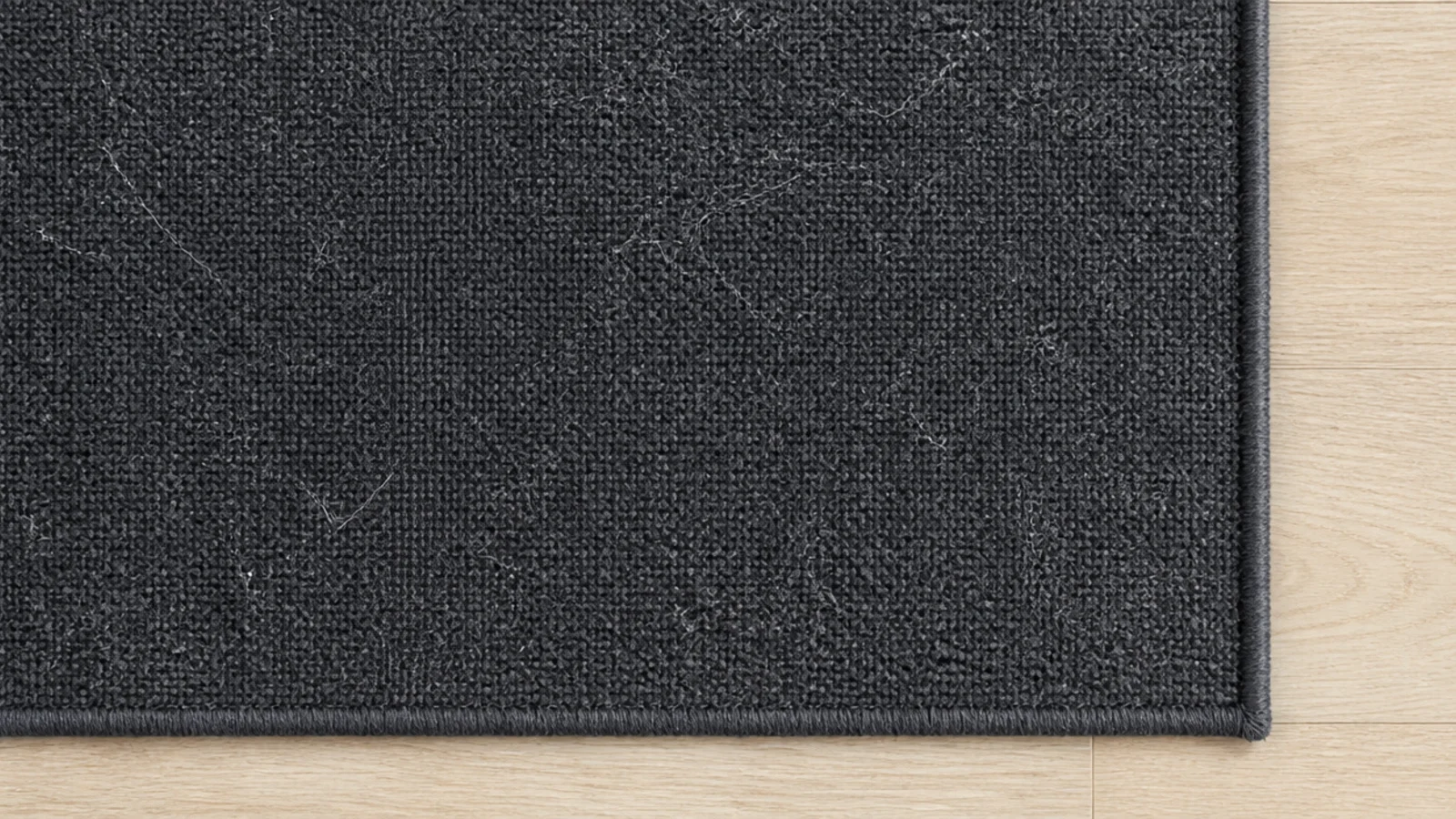
Charcoal gives you the visual weight of black with a fraction of the maintenance. Look for a shade with a discernible warm brown or cool blue cast rather than a pure neutral, because that faint bias is what keeps it from going flat under artificial light. It is also far kinder in photographs, where true black loses every trace of texture.

2. Choose a heathered dark rather than a flat one
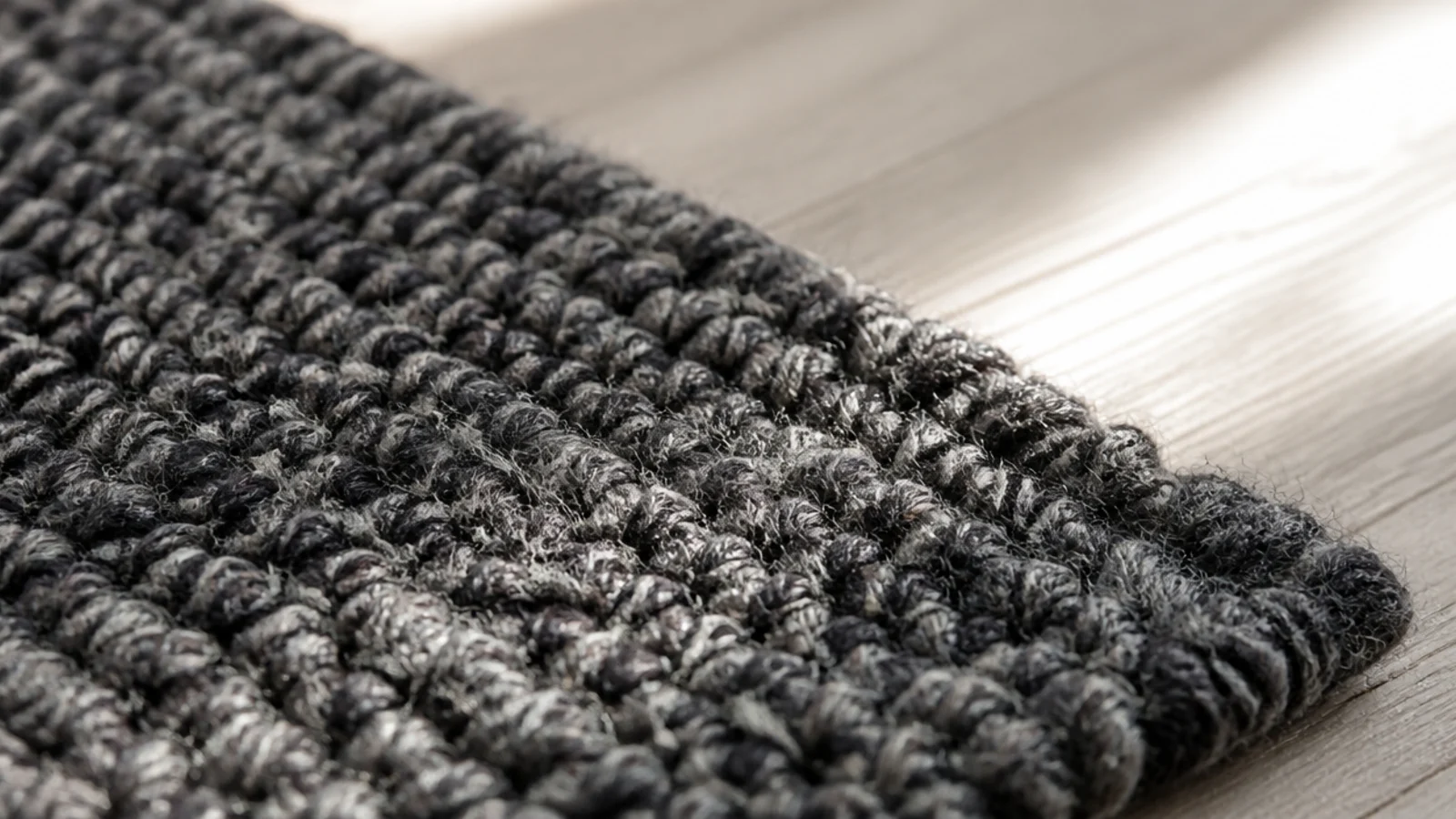
Heathered yarn twists two or three close dark tones together in every strand, so the surface already has micro-variation before any dust settles on it. Between a flat charcoal and a heathered one at the same price, the heathered version will look cleaner for longer in every room with feet in it.
3. Low contrast pattern on a dark ground
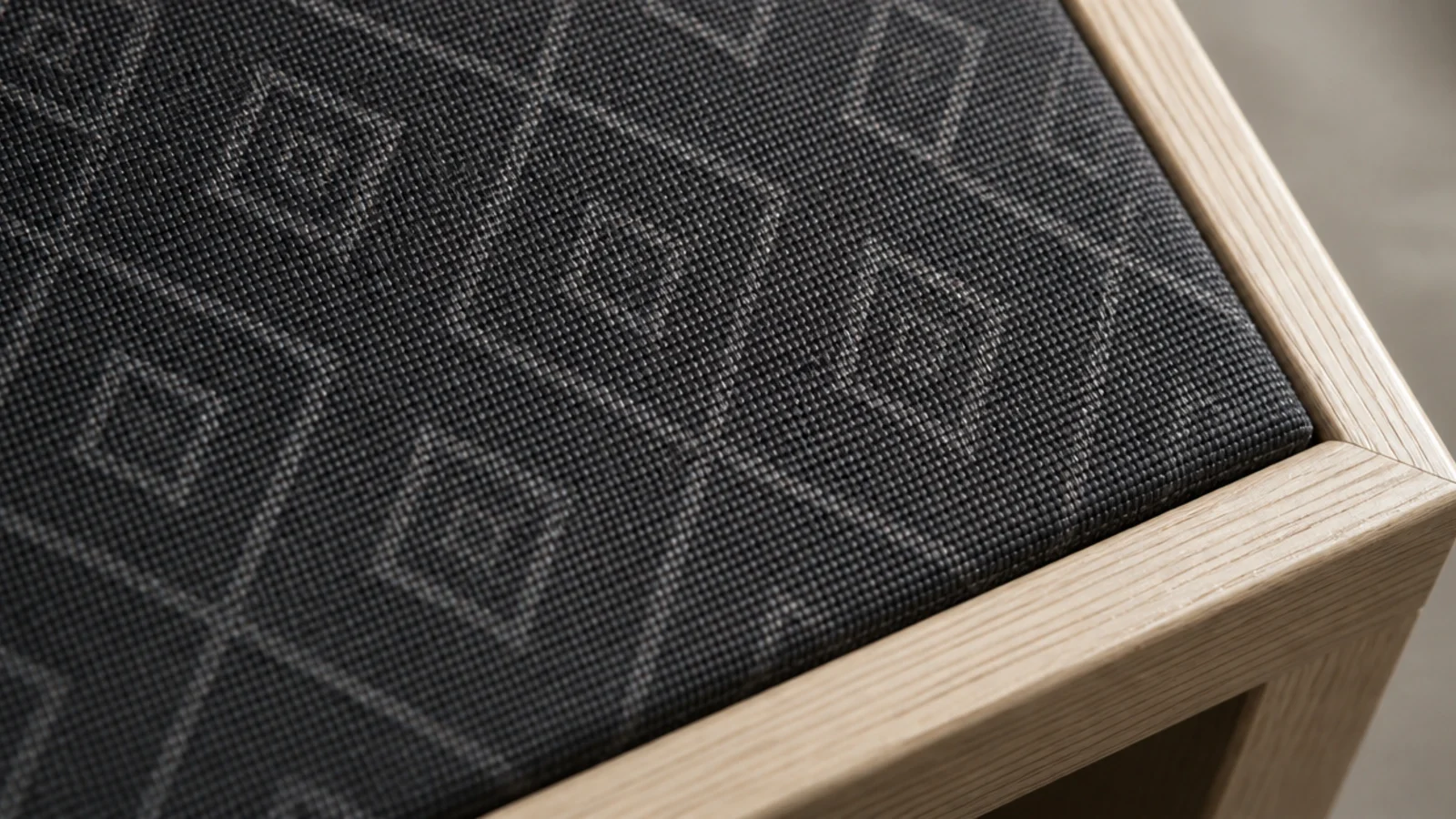
A pattern woven one shade lighter than the field reads as texture from standing height and does an enormous amount of hiding at floor level. It is the most practical decorative decision available in a dark rug, it costs nothing extra, and it keeps the floor from becoming a featureless rectangle.
4. Pile depth changes how dark a colour reads
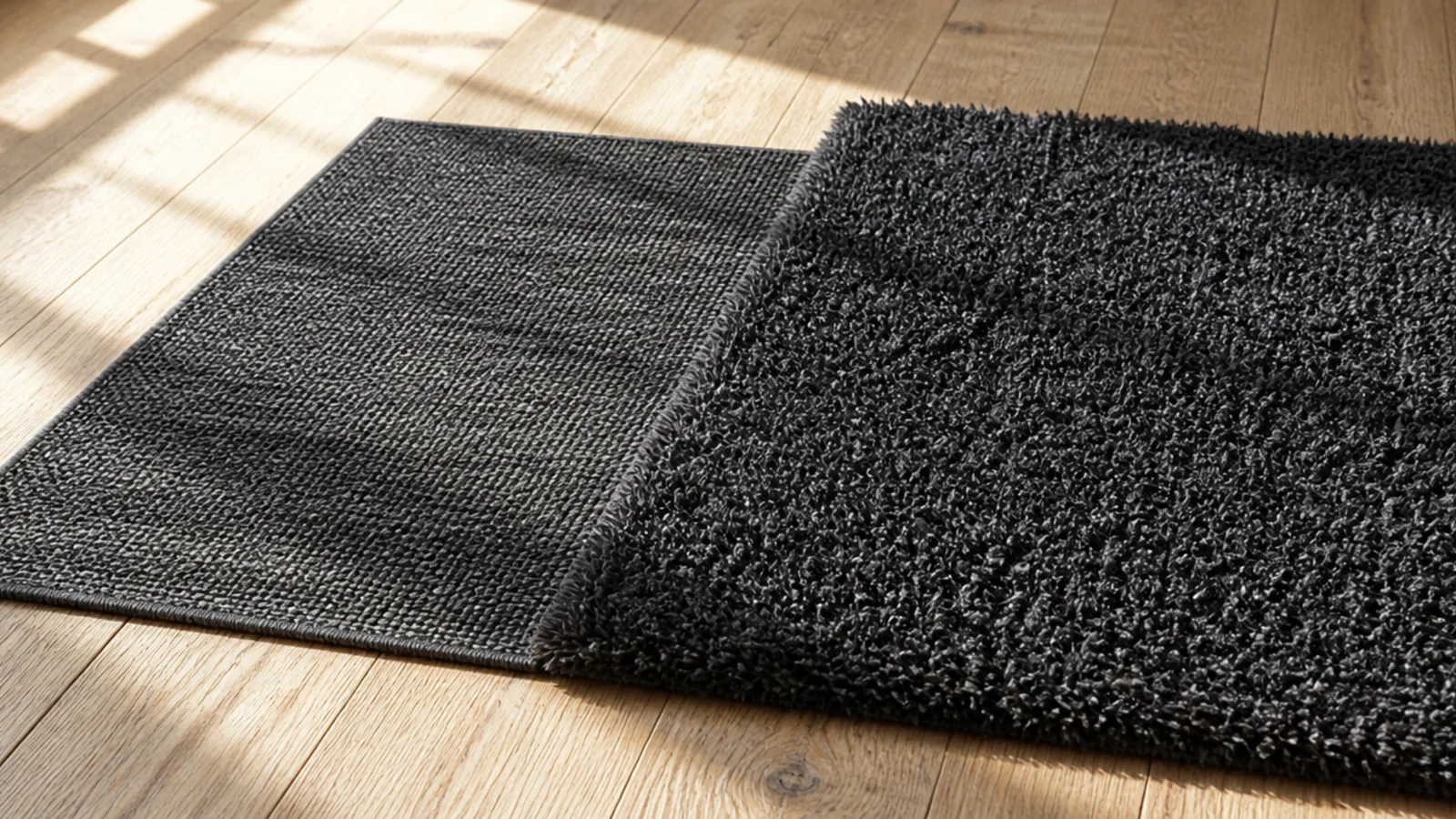
The same dye looks noticeably deeper in a half-inch shag than in a flatweave, because deep pile traps light between the fibres. If a swatch already feels slightly too dark in your hand, the deep pile version will read darker still. Order the swatch in the actual construction you intend to buy.
5. What it hides, and what it starts showing
Write the honest list before ordering. Dark hides mud, coffee, chocolate, red wine and traffic shadow. Dark shows dust, chalk, pale lint, light pet hair and the shed fibres from cream throws and knitwear. In most family rooms the first list is longer, which is exactly why dark rugs work there.
6. Pale pet hair and the fibre that shows it most
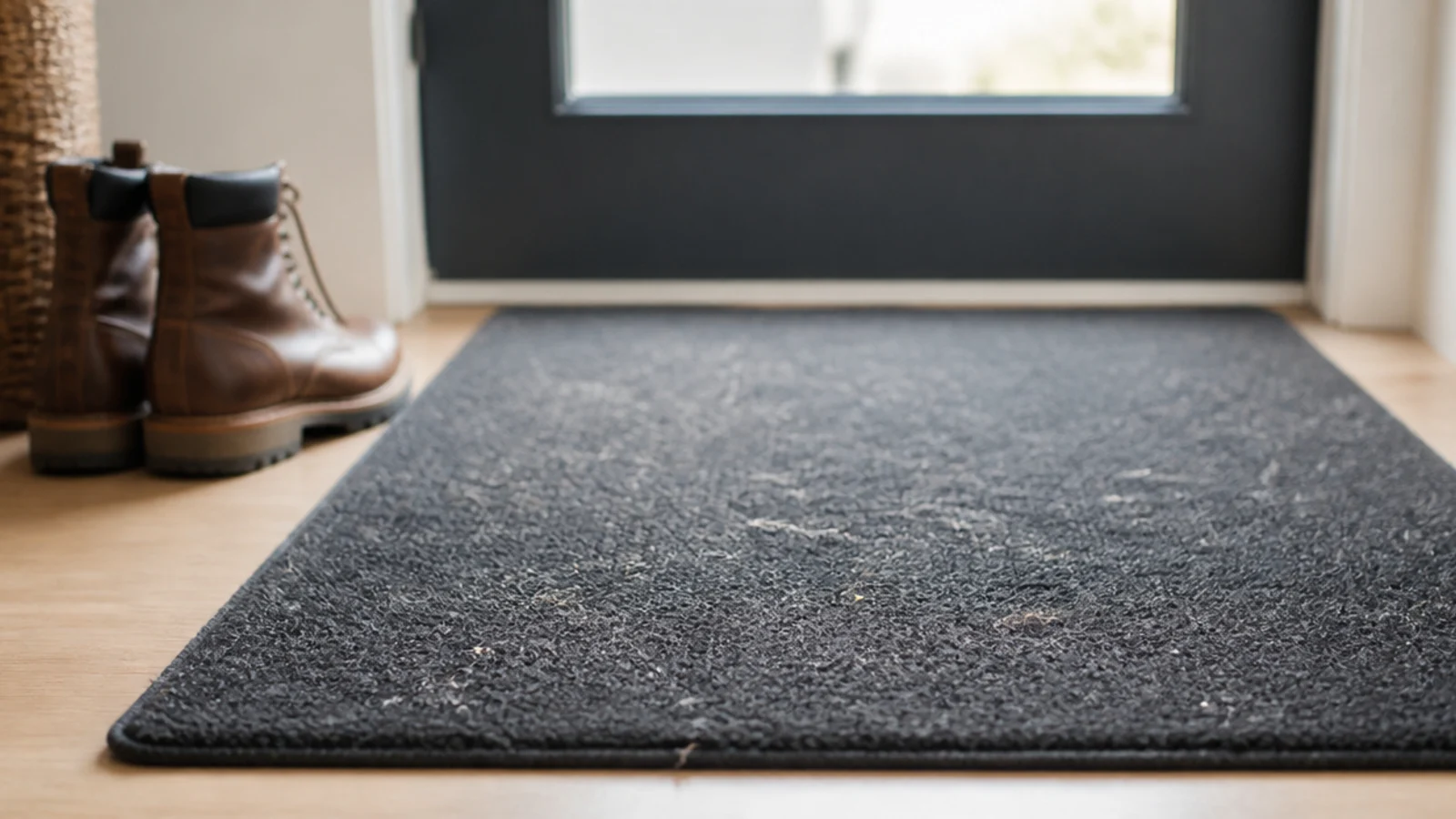
A cream or grey dog against a charcoal rug is the single strongest argument for a mid-tone instead. Low pile shows hair more than a textured loop does, because there is nothing for it to disappear into. If you love the dark and own a pale animal, choose a chunky loop and expect to vacuum three times a week.
7. Solution-dyed dark synthetics for bleach cleaning
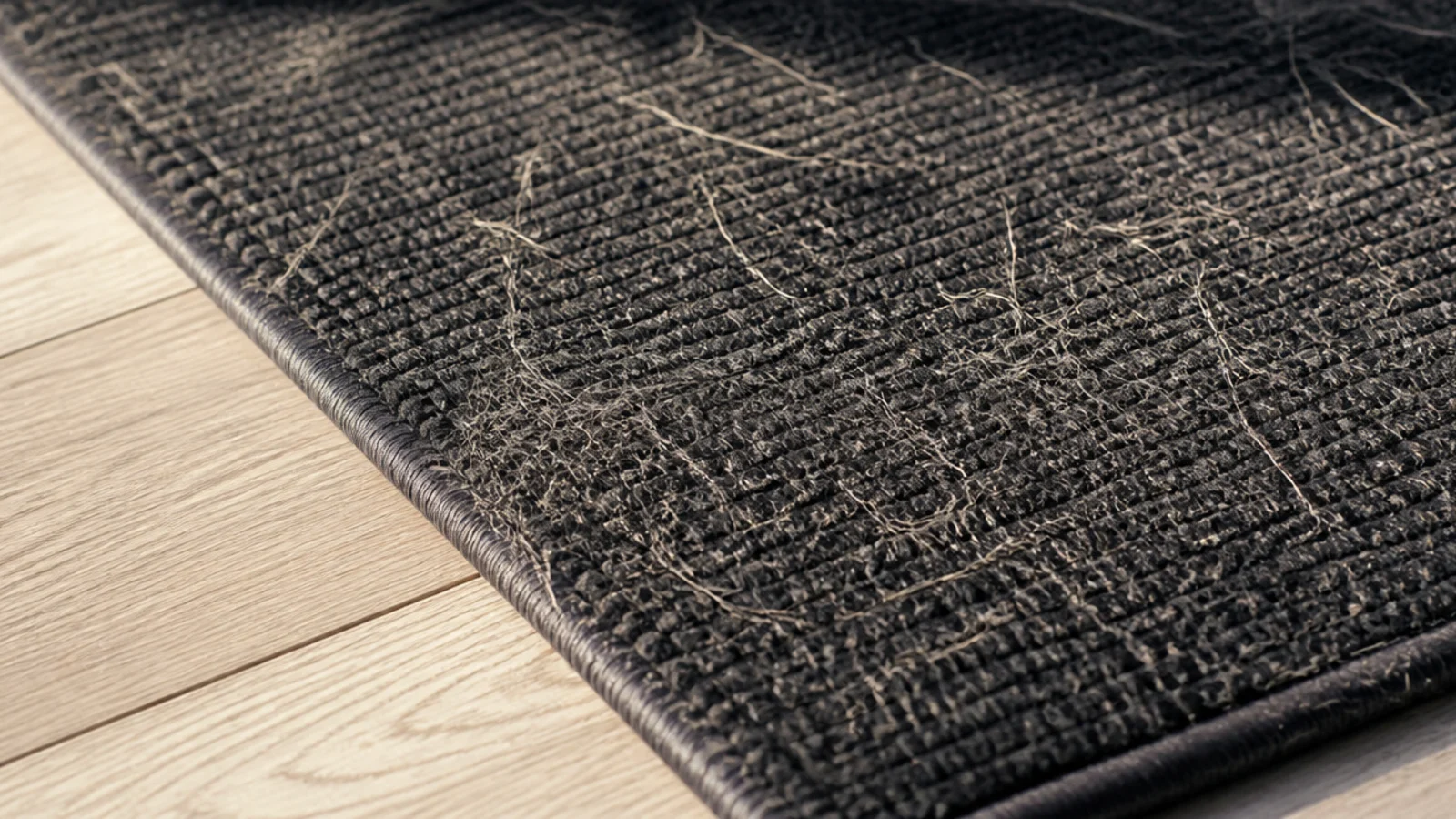
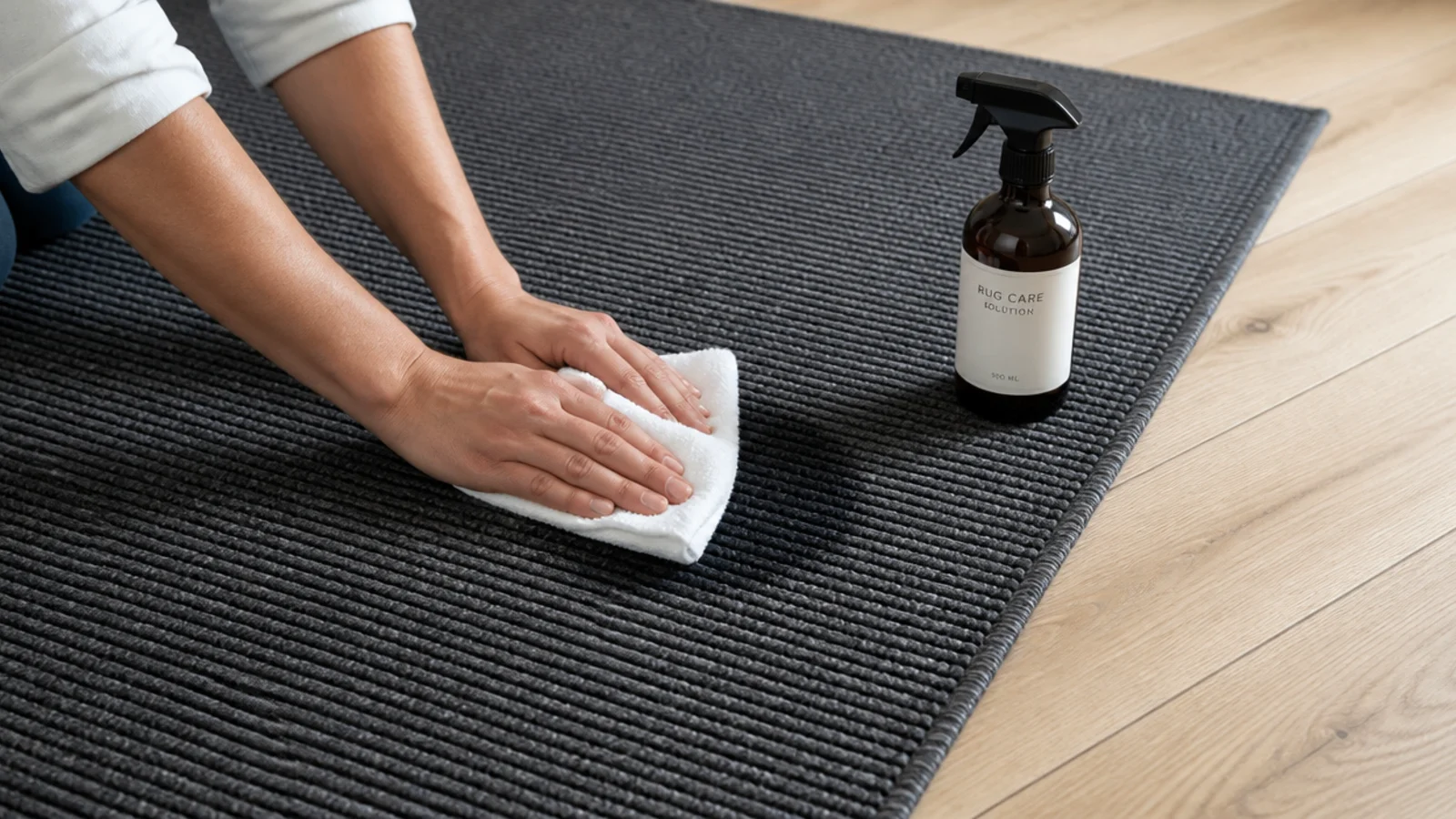
Ask specifically whether a dark synthetic is solution-dyed rather than piece-dyed. Solution-dyed means the pigment is in the polymer, so a diluted bleach solution takes out a stain without leaving a pale patch. On a dark rug that distinction is far more consequential than it is on a beige one.
8. Dark wool and the first six months of shedding
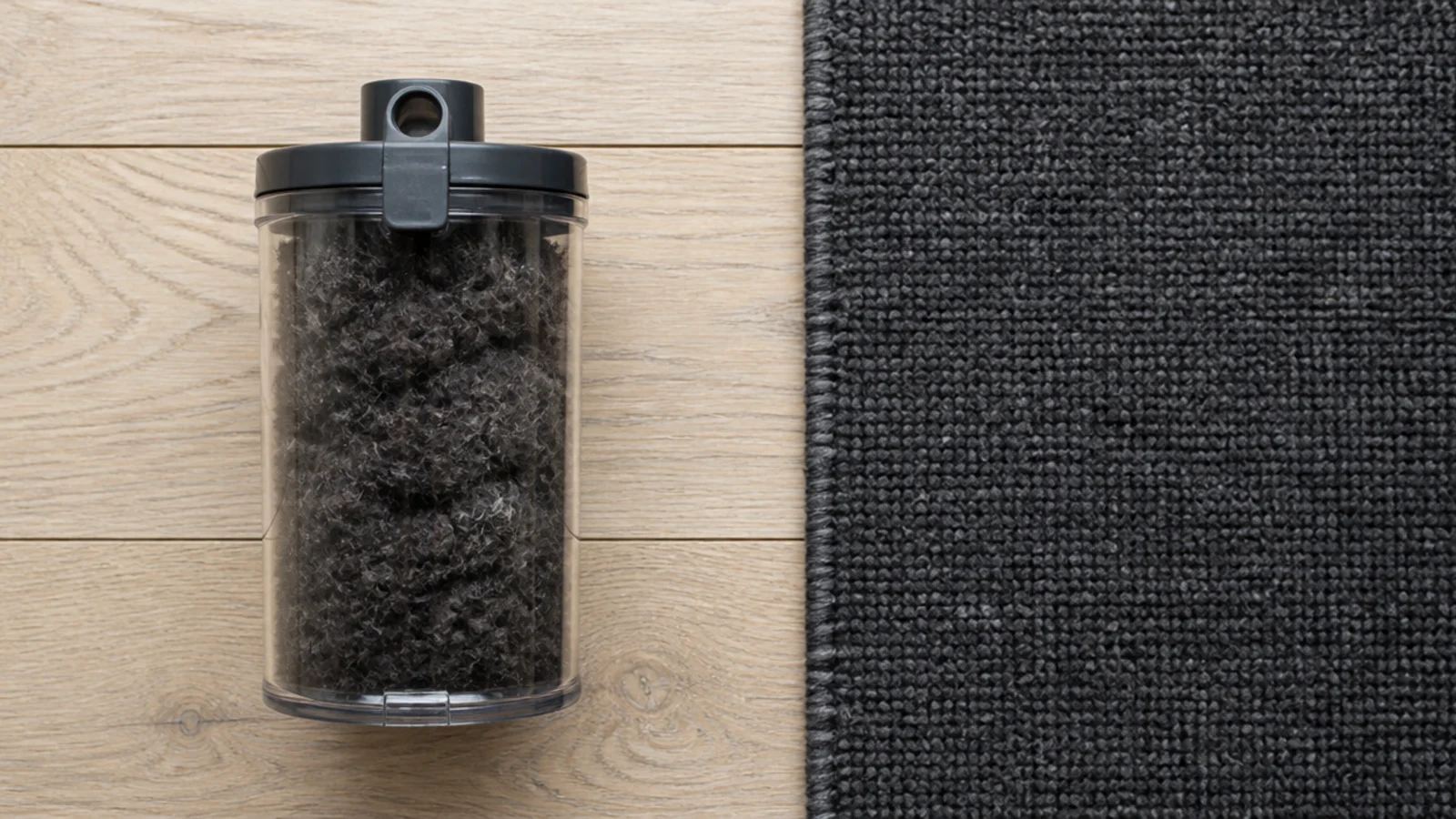
New wool sheds loose fibre from spinning and shearing for three to six months, and on a dark rug that fibre is highly visible on pale floors, socks and sofa cushions. Vacuum twice a week with the rotating brush off and it settles. Shedding still heavy after a year usually points to a failing latex backing.
9. Keep 18 inches of pale floor at the perimeter
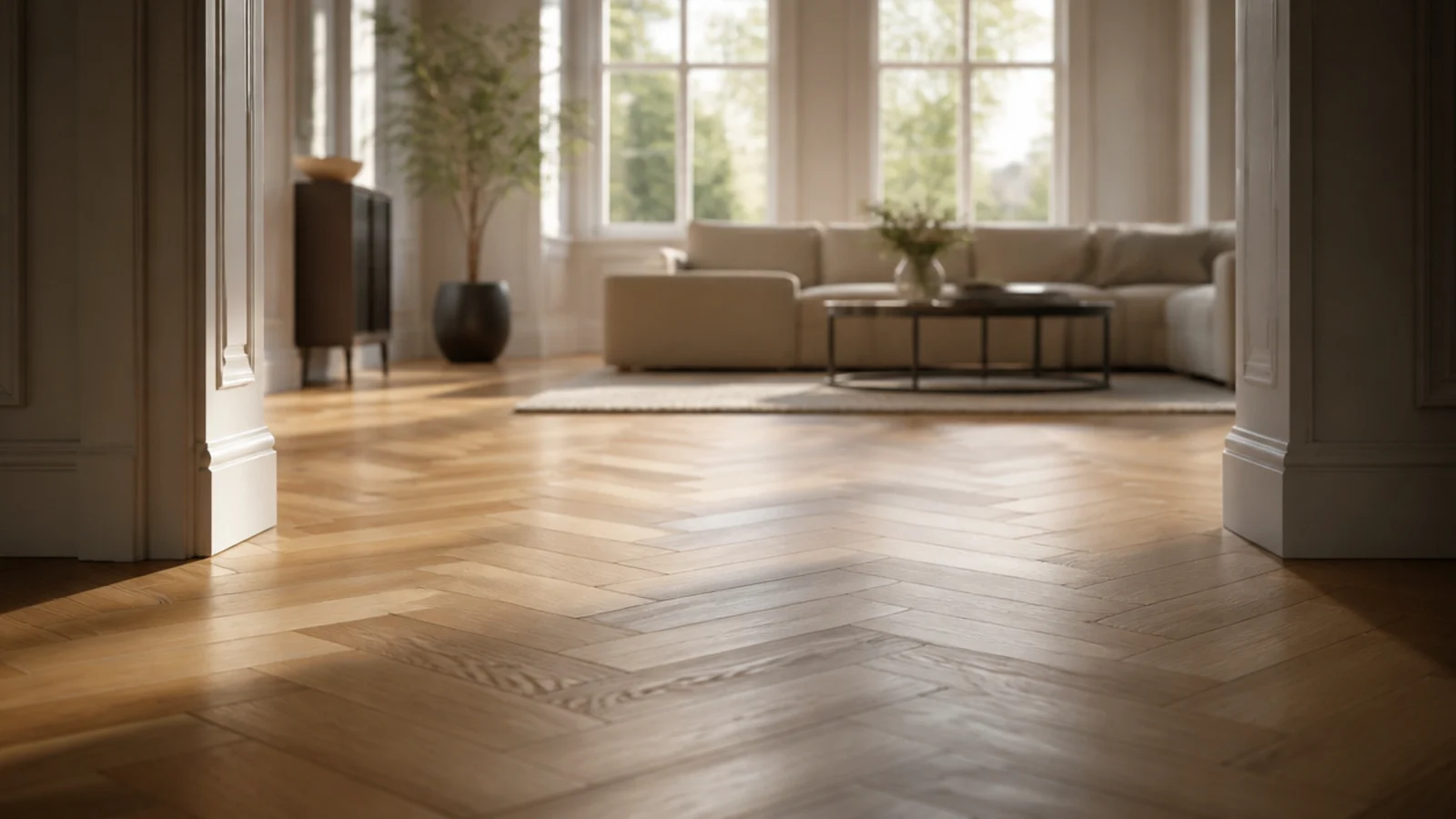
This is the rule that makes dark work in an ordinary room. The band of light floor frames the rug, gives the eye somewhere to rest, and keeps the dark rectangle reading as an object rather than as the whole floor. In a small room, 12 inches is workable; under 8 and the room starts to close in.
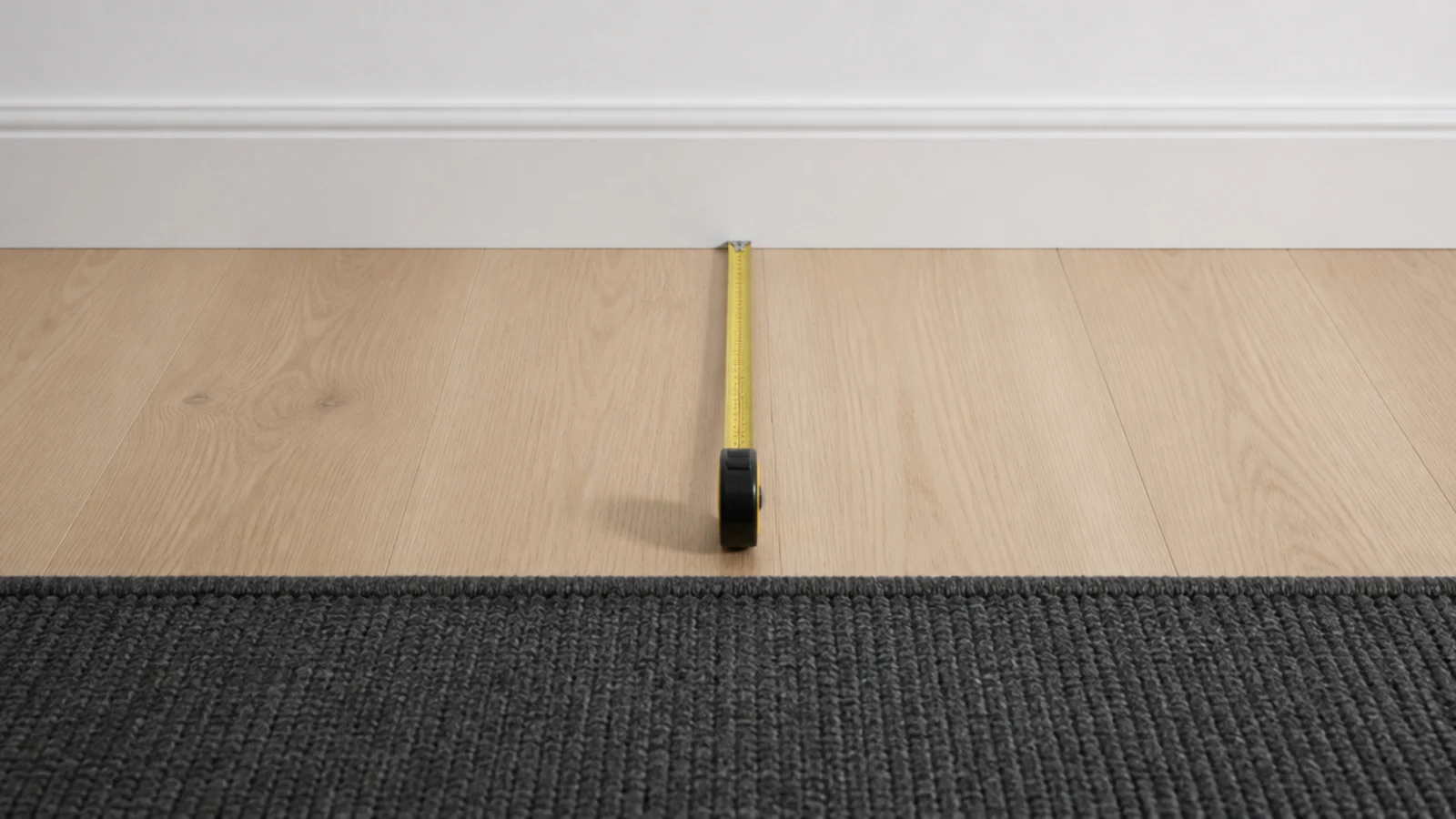
10. Dark rug on a dark floor without one flat plane
Dark on dark can look wonderful and needs a separator. Either widen the perimeter margin to 24 inches so the boards read as a distinct frame, or run a paler jute or flatweave base under the dark rug with 12 to 18 inches showing. Without something between them the two darks merge into a single heavy surface.
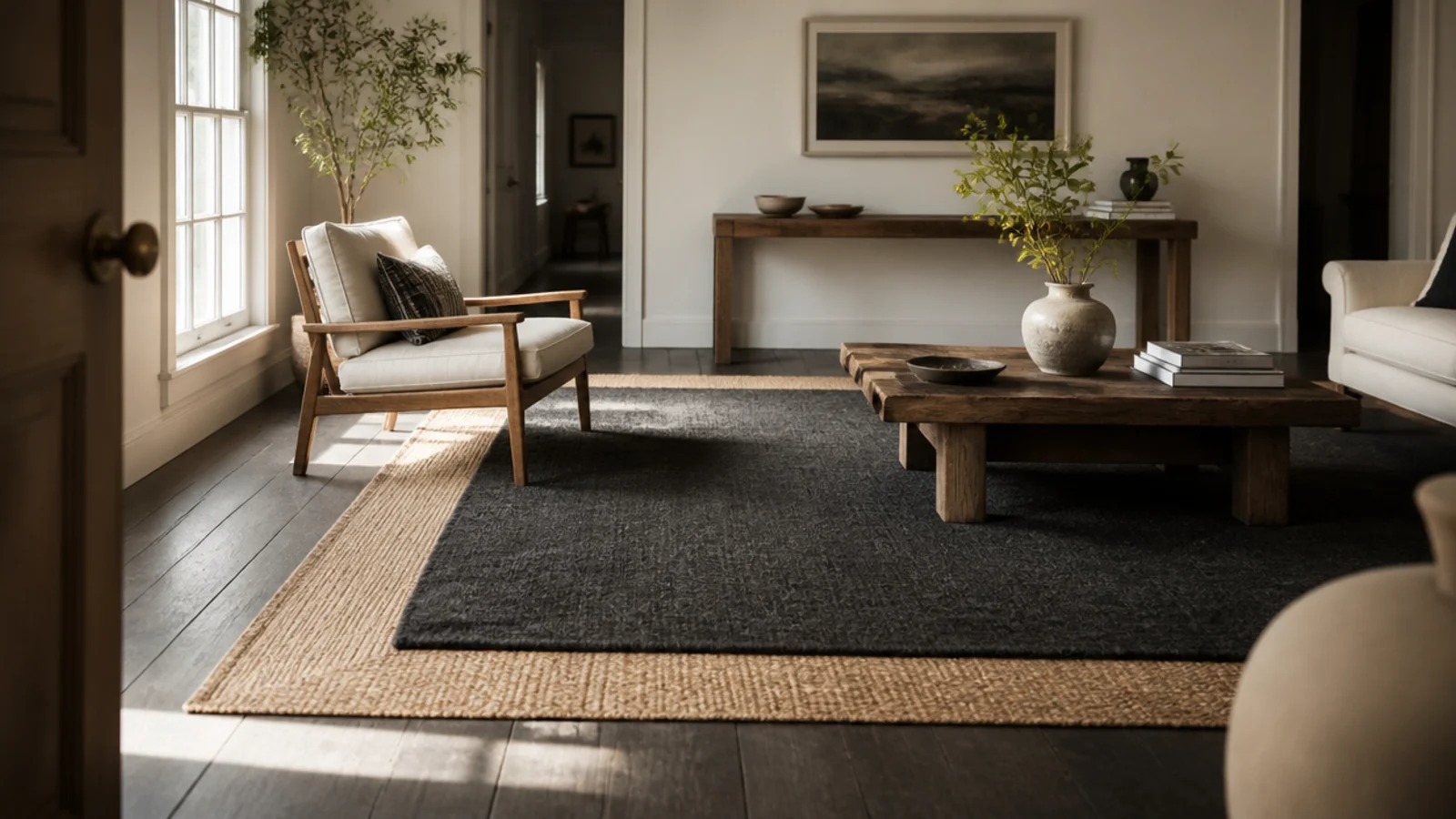
11. Light the floor, not only the walls
Most living room lighting points at walls and ceilings, which leaves a dark rug in shadow and makes the room feel bottom-heavy. A floor lamp angled down, or a table lamp low enough to throw light onto the pile, brings the rug's texture back. It costs nothing and changes the room after dark completely.
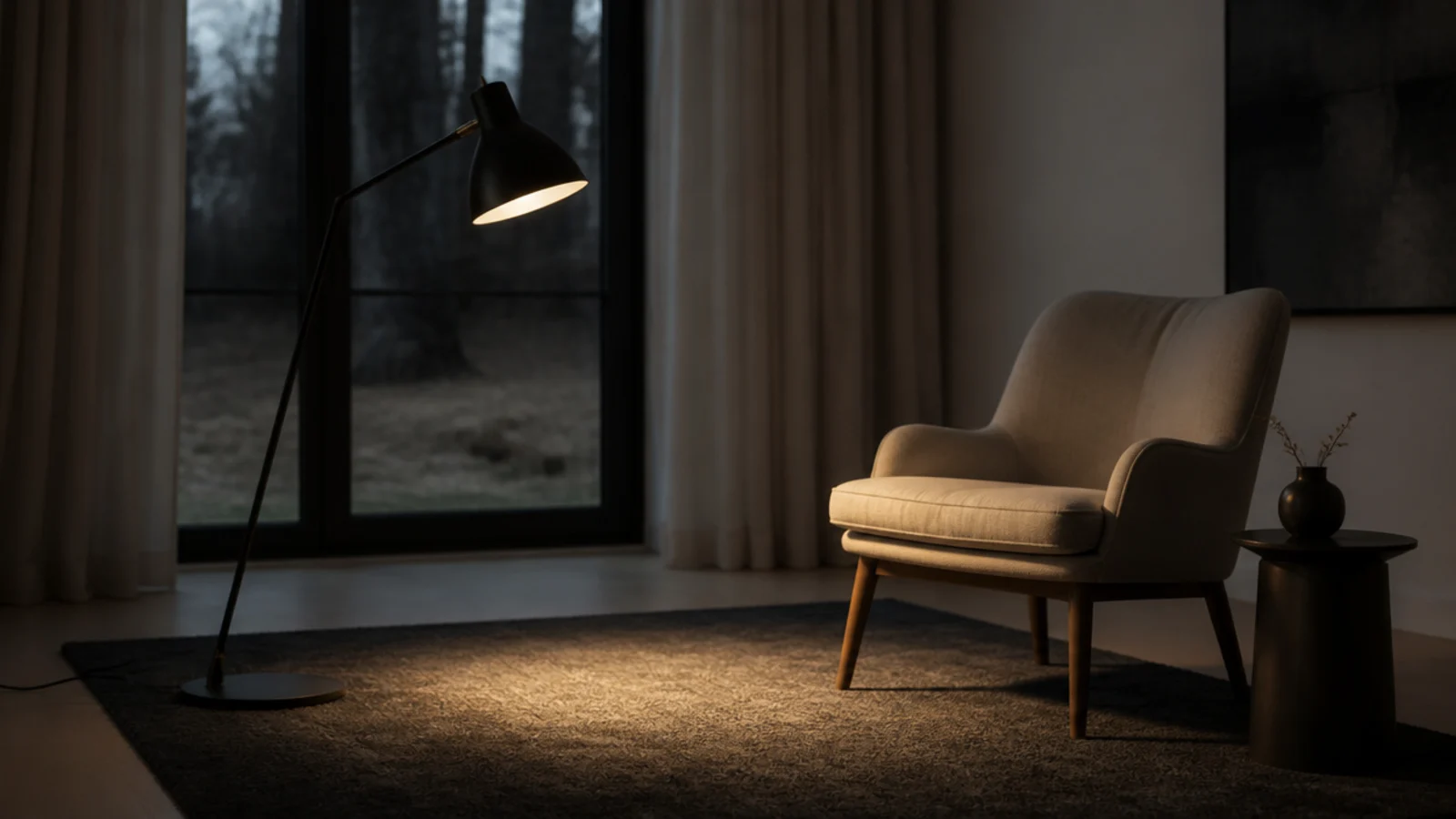
12. A pale border to lift a dark field
A narrow ivory or oatmeal border around a charcoal field does visually what the bare floor margin does architecturally: it stops the dark bleeding outward. Keep it slim, an inch or two on a large rug, and repeat that pale tone once elsewhere so the border reads as deliberate.
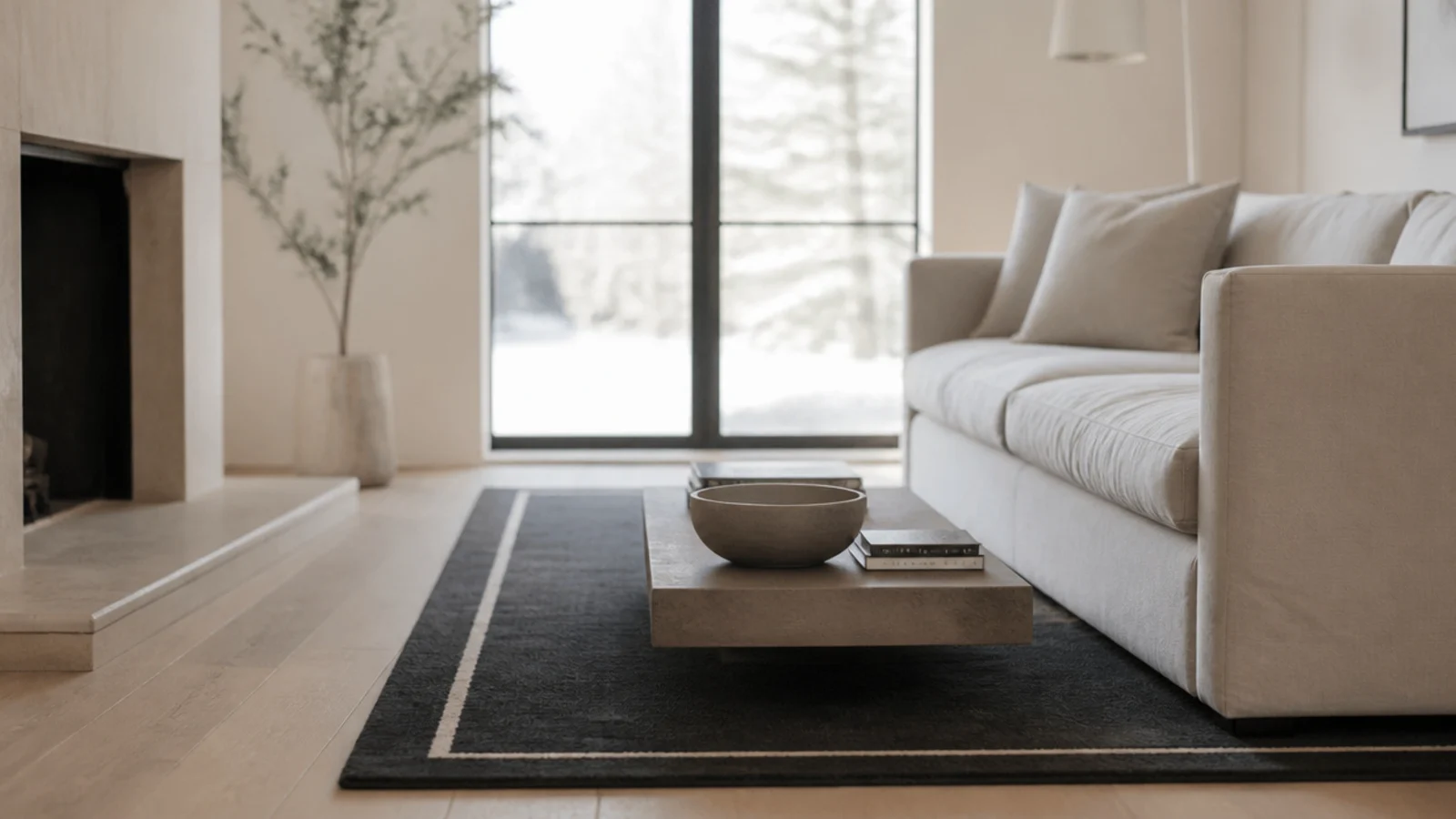
13. Dark rug, pale sofa: the reliable pairing
Weight low and lightness high is the arrangement that almost never fails. A pale linen or bouclé sofa with its front legs 6 to 8 inches onto a charcoal rug gives the room a clear tonal ladder. Reversing it — dark sofa, pale rug — is far harder to make work and shows every mark.
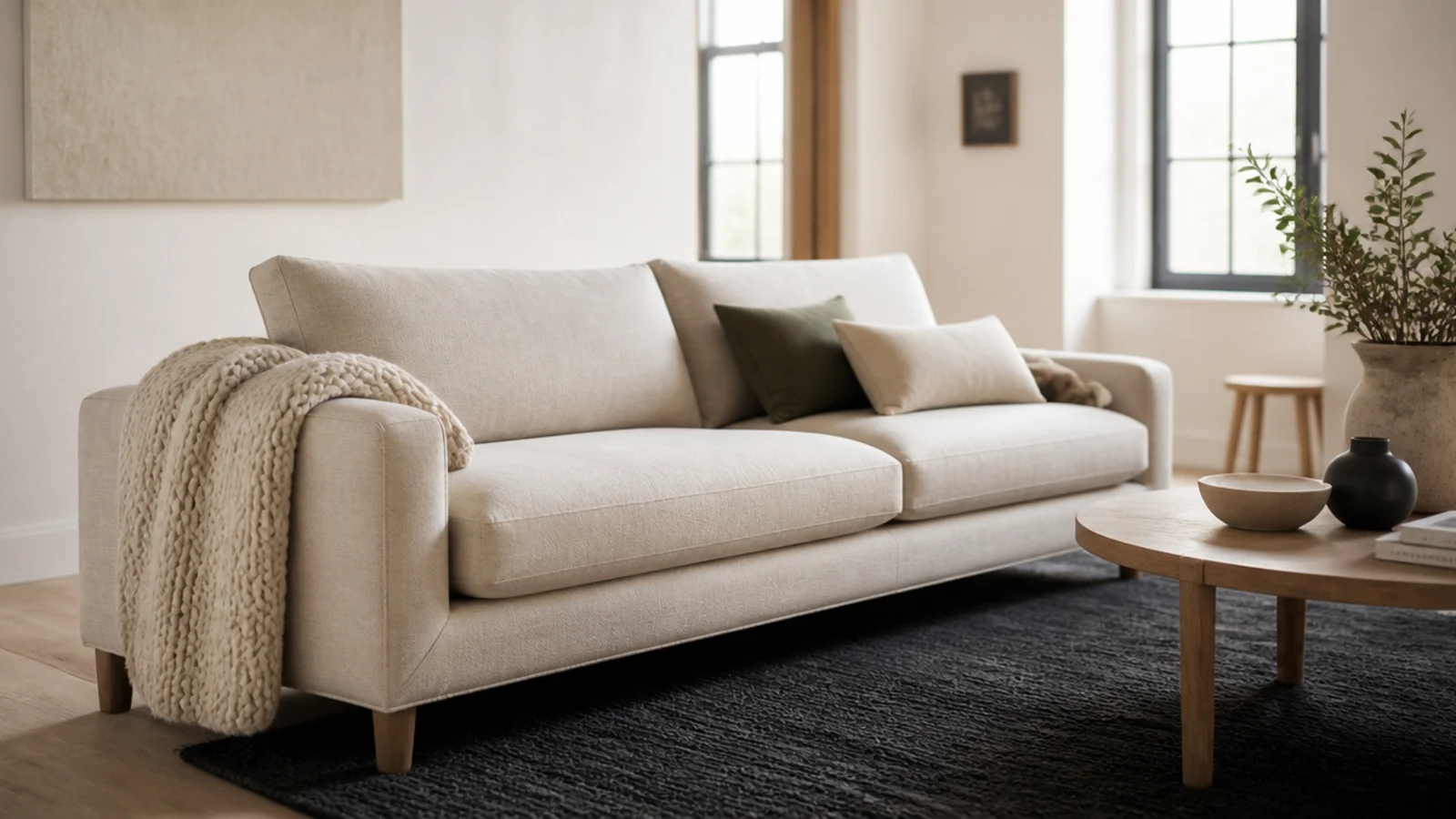
14. Dark rugs in genuinely small rooms
Colour does not shrink a room; coverage does. A charcoal 5x8 in an 11x13 room with 18 inches of pale floor all round looks grounded and intentional. The same colour taken wall to wall in that room feels like a box. Size down and keep the margins generous rather than avoiding dark altogether.
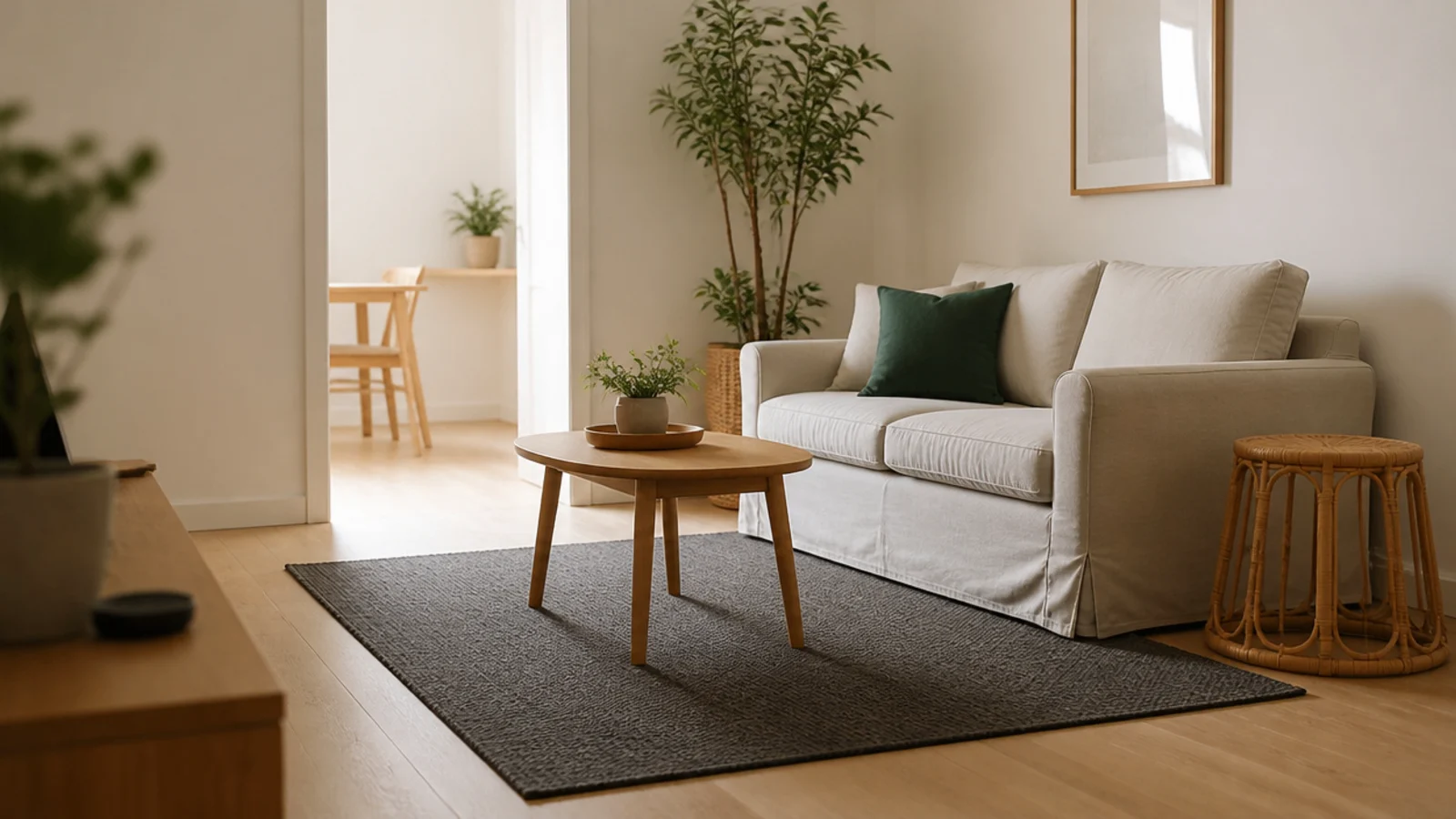
15. Navy, forest and aubergine instead of grey
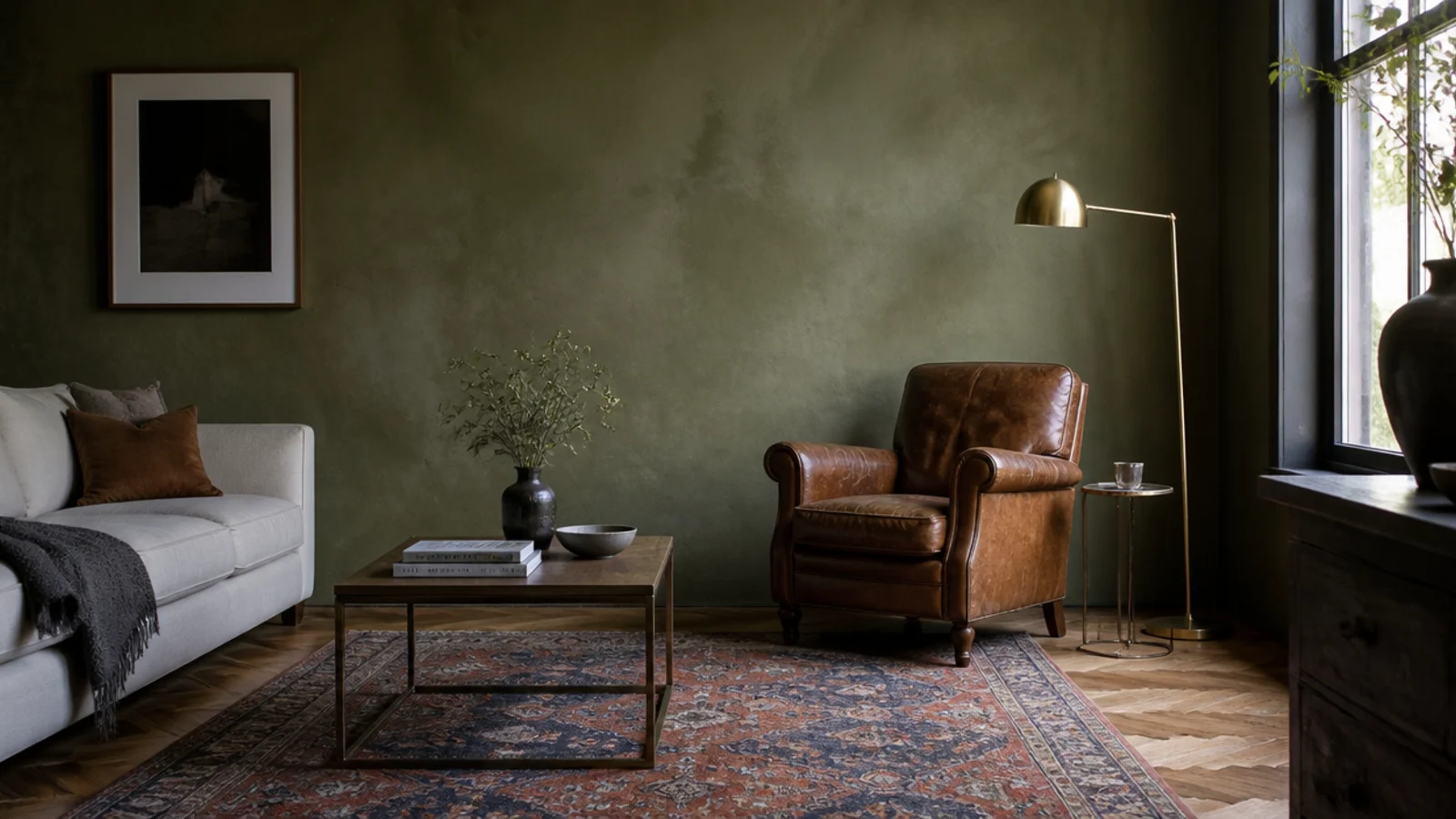
Deep navy sits beautifully against warm timber, forest green softens a room with a lot of hard materials, and aubergine works where charcoal would feel severe. All three hide the same everyday mess as charcoal and carry more character. Check the undertone against your floor before committing, as with any dark shade.
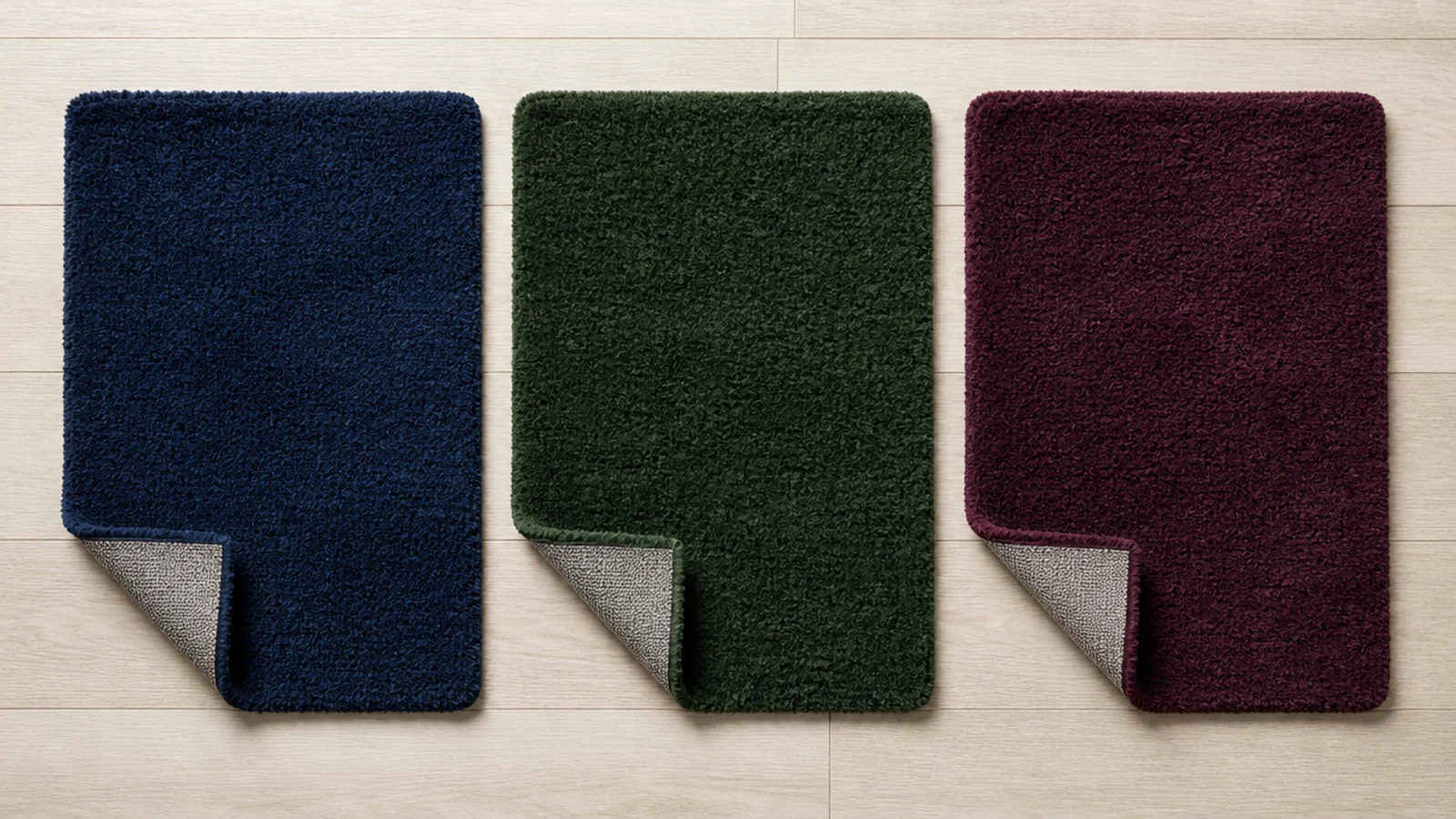
16. A dark flatweave where chairs roll and doors swing
At roughly 1/8 inch a dark flatweave clears the half to three-quarters of an inch most interior doors leave, takes a rolling chair without digging in, and layers cleanly under something else. Wool flatweaves run $250 to $600 for an 8x10 and reverse when one face begins to look tired.
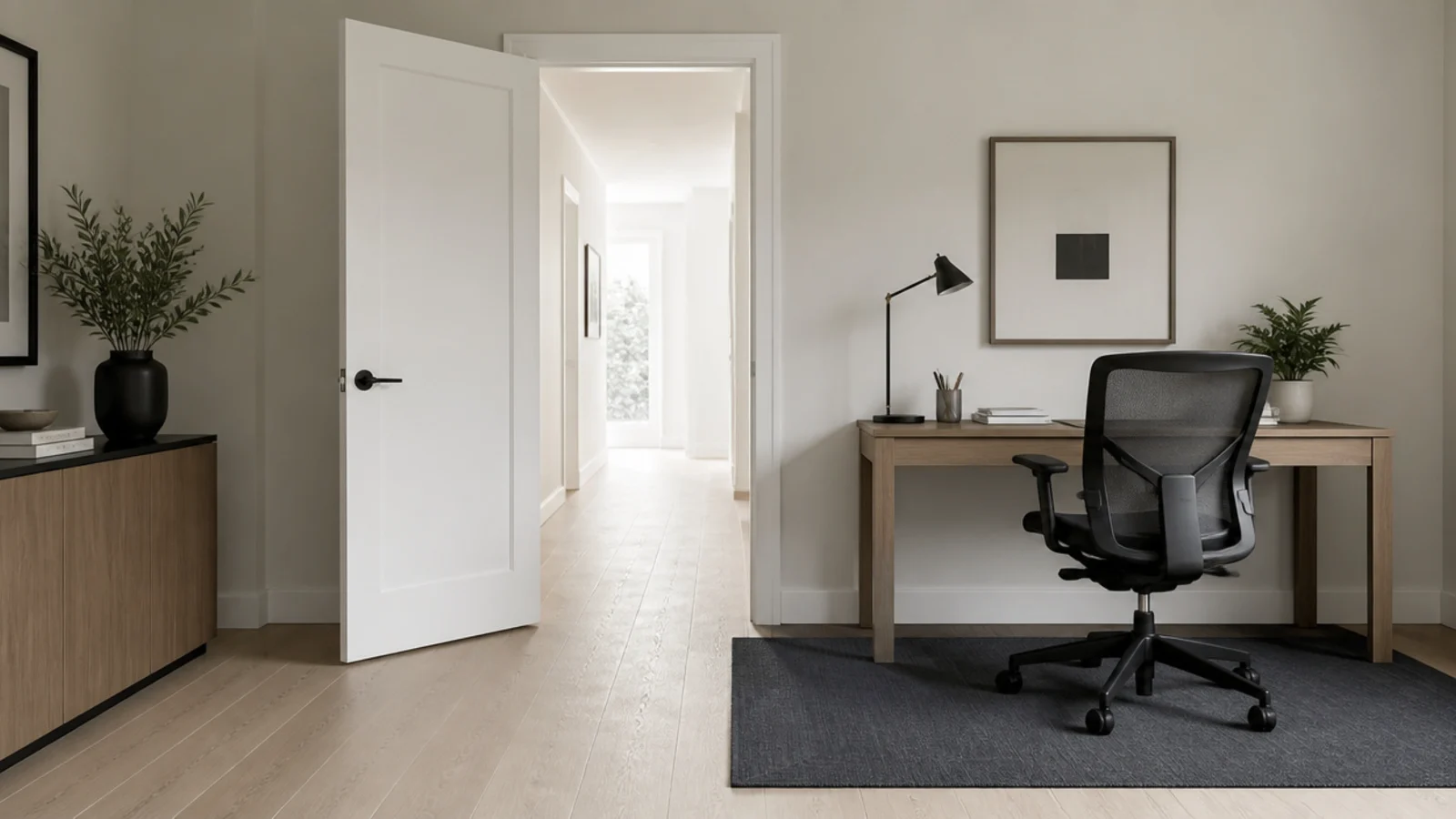
17. Vacuuming a dark rug and what it reveals
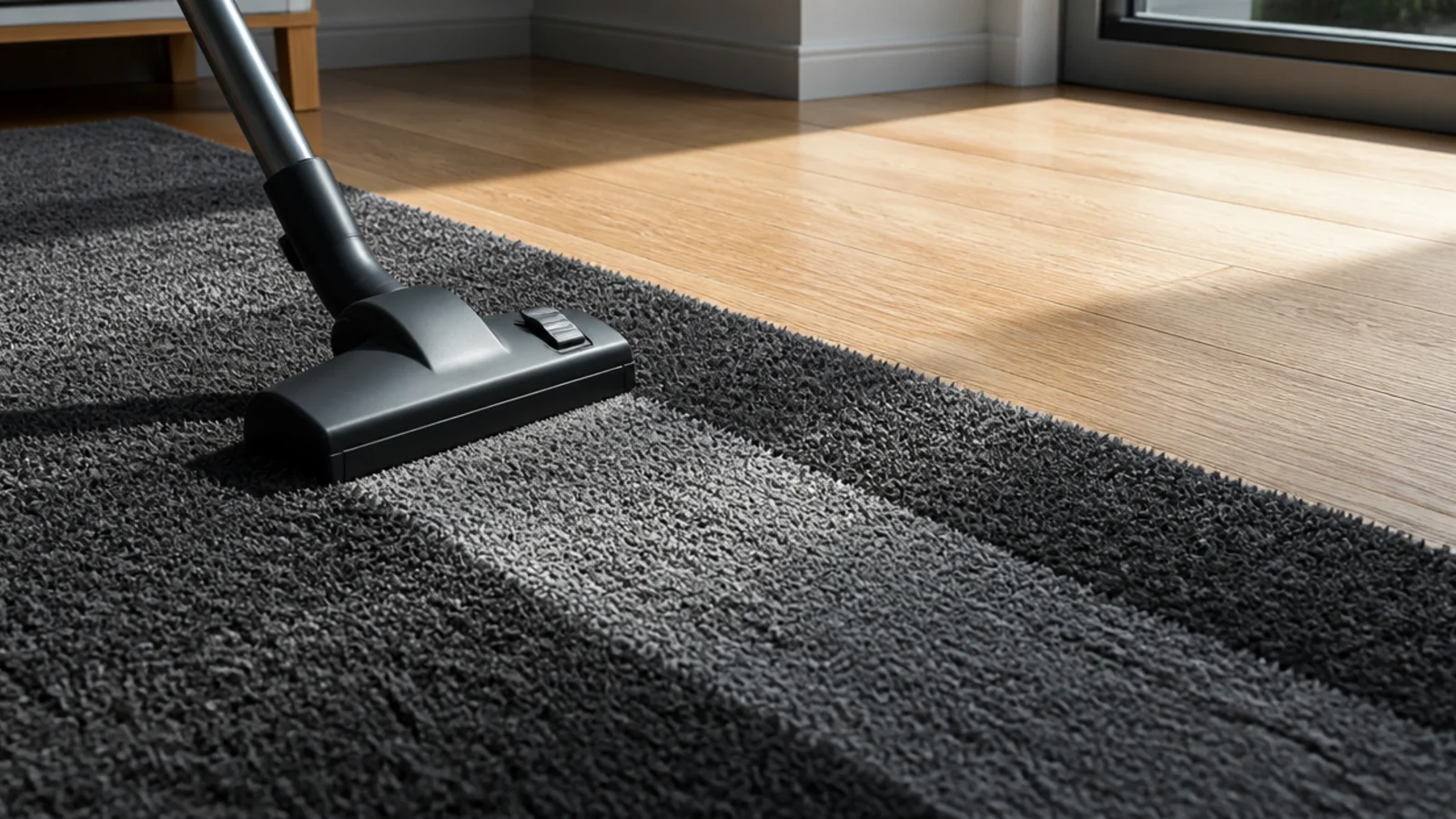
Pile direction shows dramatically on dark cut pile — every pass leaves a visible lighter stripe. Work in one consistent direction across the whole rug rather than in random passes, finishing along the pile, and the surface reads as even. On loop and hand-knotted constructions keep the rotating brush switched off.
18. Dark rugs in a sunny room and the fading line
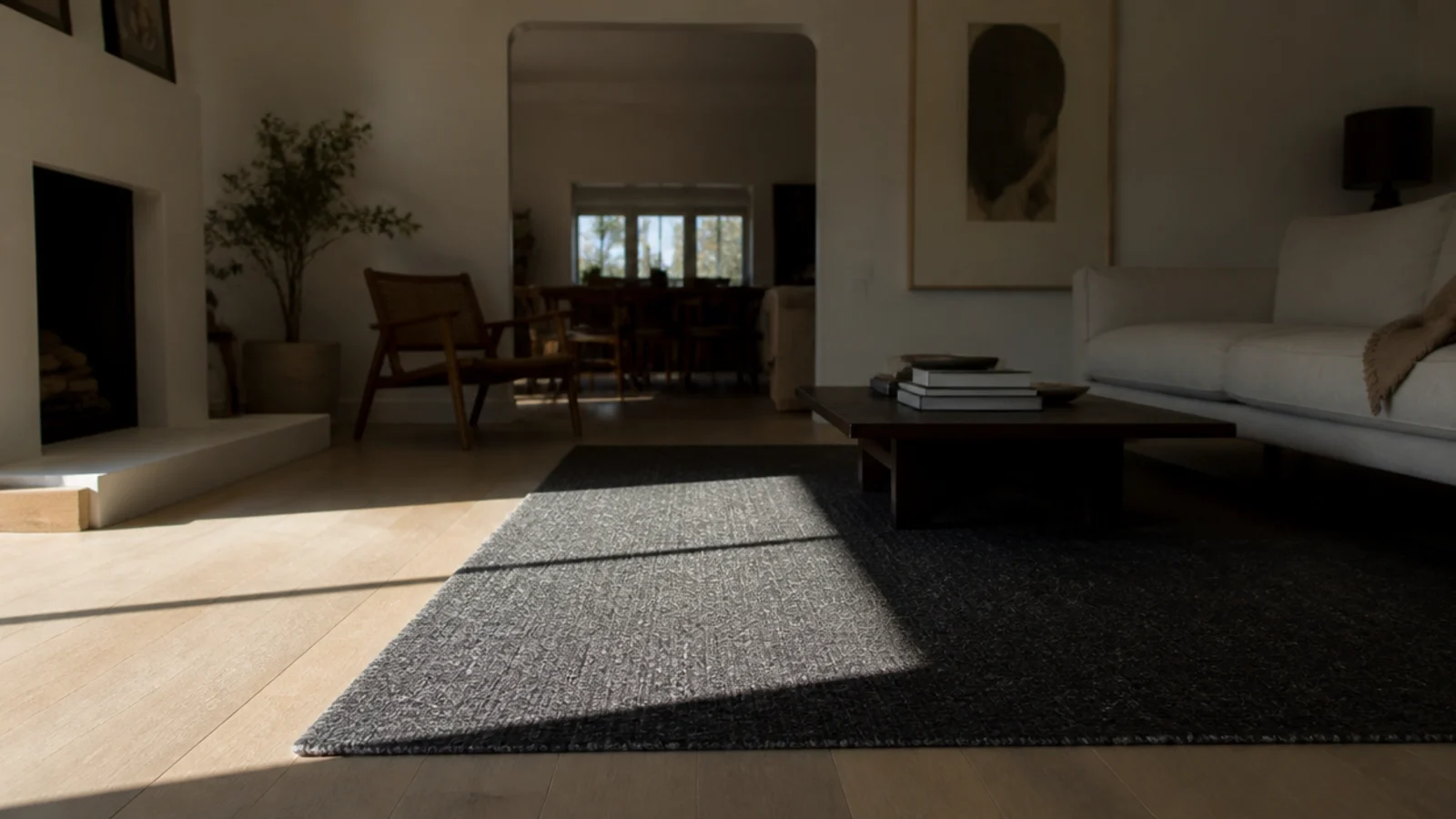
Saturated dark dyes have more pigment to lose, so a south-facing window creates a visible pale band within two or three summers. Rotate the rug 180 degrees every six months so the change happens as a gradient rather than a hard edge, and choose solution-dyed synthetic if the sunlight is genuinely strong.
19. A dark base with a lighter rug layered on top
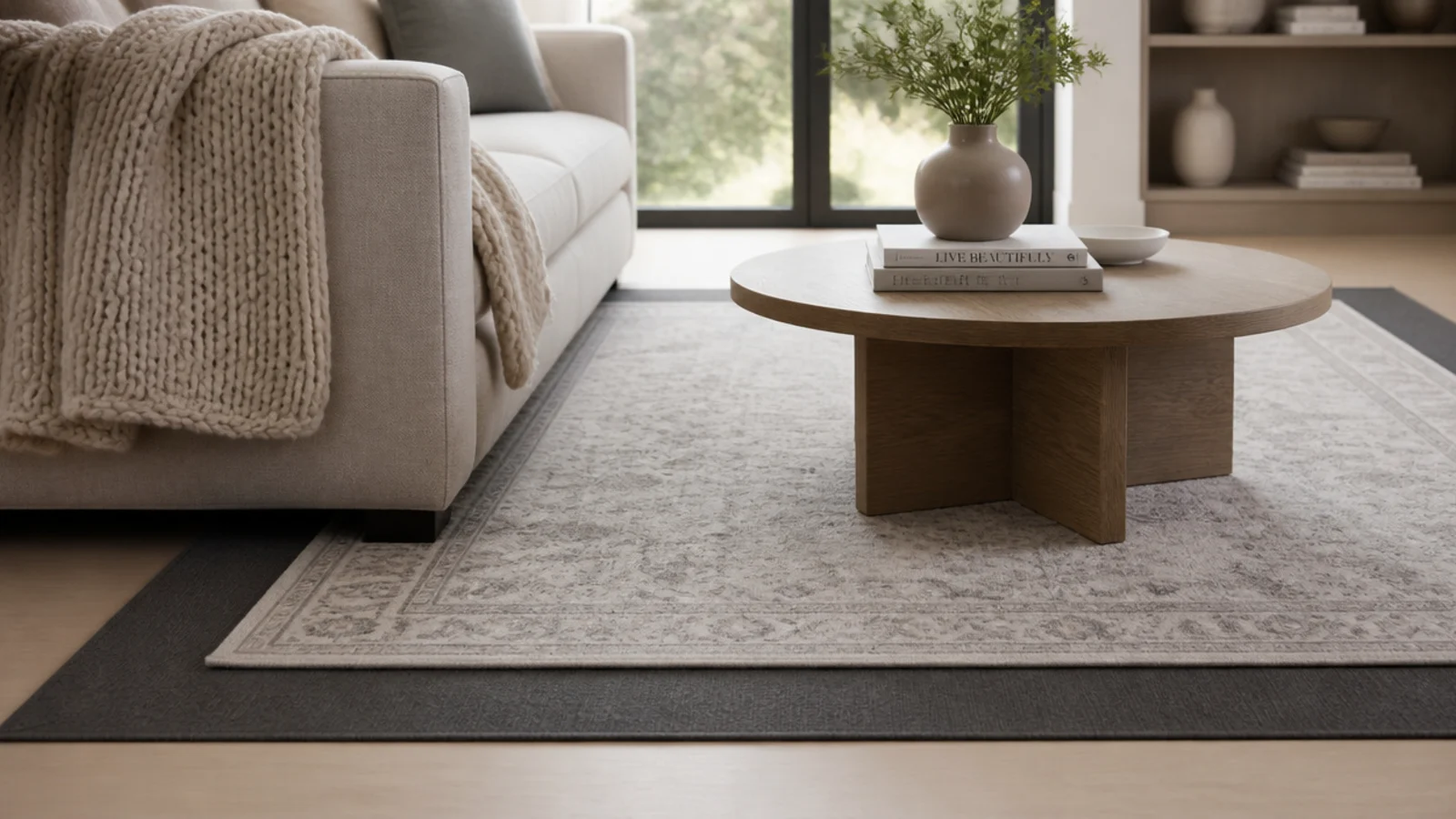
Reverse the usual layering. A wide dark base gives the room weight and hides the traffic route at the edges, while a smaller pale rug on top puts something soft and light where people actually sit. Keep the base under a quarter inch thick and leave 12 to 18 inches of it showing on every side.
20. When a dark rug is the wrong call
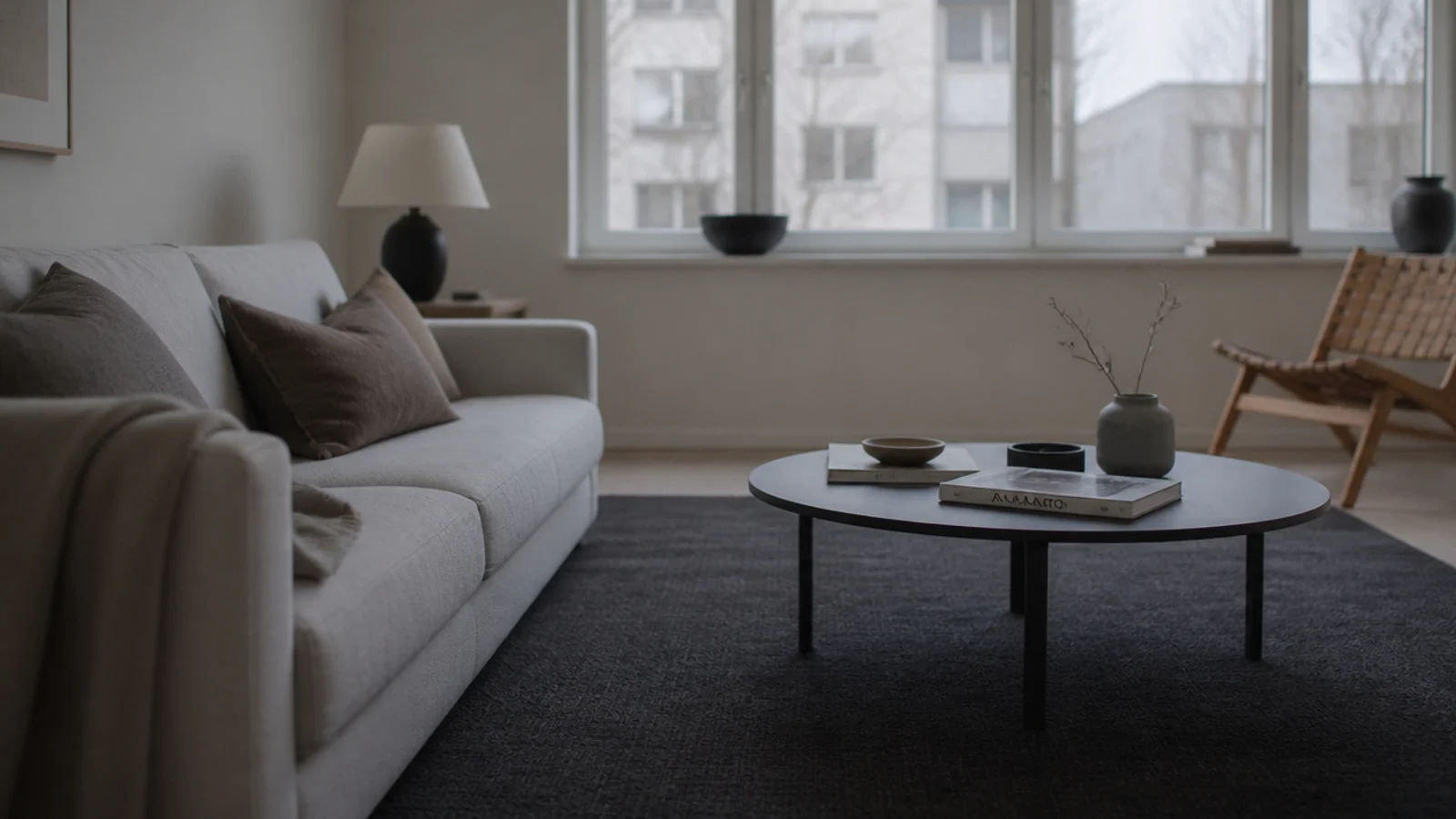
Two rooms: a dim north-facing space with one small window, where a dark floor and flat light cancel each other out and the room simply goes dead; and a house with a pale long-haired animal, where the daily maintenance outweighs the stain hiding. In both, a mid-tone heathered rug is the better answer.
For rugs that can go in a machine when the hiding stops working, the washable rug comparison covers the types. The modern rug picks go deeper on charcoal constructions, the luxury center table guide handles what sits on top, and the entryway shoe storage ideas stop most of the mud before it reaches the rug at all.
Mistakes to Skip
- Buying true black for a graphic look. It shows dust within a day, flattens completely in low light, and loses every trace of texture in photographs of the room.
- Taking a dark rug wall to wall in a small space. The colour is not the problem; losing the pale perimeter is what makes the room feel like a box.
- Choosing dark in a house with a cream-coated dog. The rug hides everything you track in and displays everything the animal leaves behind, which is the wrong way round.
- Lighting the walls and leaving the floor dark. An unlit dark rug turns the bottom of the room into a void, and no amount of styling on top of it compensates.
Frequently asked questions
Do dark rugs really hide stains?
They hide crumbs, mud, coffee and the shadow of daily traffic far better than a pale rug does. What they show is the opposite: pale lint, pet hair from a light-coated animal, dust and anything chalky. Choose dark for a house with mess and mud, and think twice in a house with a cream cat.
Is black or charcoal better for a living room rug?
Charcoal, almost always. True black shows every speck of dust and lint within a day of vacuuming, and it loses all its surface texture in low light and in photographs. A deep charcoal with a slight warm or cool cast gives the same graphic weight and stays looking clean between cleans.
Will a dark rug make a small room feel smaller?
Only if it reaches the walls. Keep 18 inches of light floor showing at the perimeter and the dark rectangle reads as a deliberate object sitting on a larger, lighter plane. Wall to wall dark coverage in a small room is what closes it in, not the colour itself.
What fibre works best for a dark rug?
Solution-dyed polypropylene if it needs bleach cleaning, because the pigment is locked into the fibre and diluted bleach will not lift it. Wool for a room you sit in every evening, at 50 to 60 ounce face weight so the pile springs back. Avoid printed dark rugs, since the colour sits only on the tips.
How do I stop a dark rug looking dusty?
Vacuum the traffic lane twice a week and the whole rug weekly, with the rotating brush off on loop and hand-knotted constructions. A heathered or flecked dark hides settled dust far better than a flat one. Keep light-coloured throws and cushions off the floor, since that is where most of the lint comes from.
Want more like this? Browse all 15 rugs in living room guides — they all use the same measurements and budget tiers.
Pin it for later
Save this to your Rugs In Living Room board
Pin it now so it is waiting for you when the tape measure comes out — and so the next person hunting for this idea can find it too.
Save this pinKeep going
More ideas worth saving while you have the tape measure out.