Hanging Lights · Listicle
25 Stylish Hanging Pendant Lights For Small Rooms

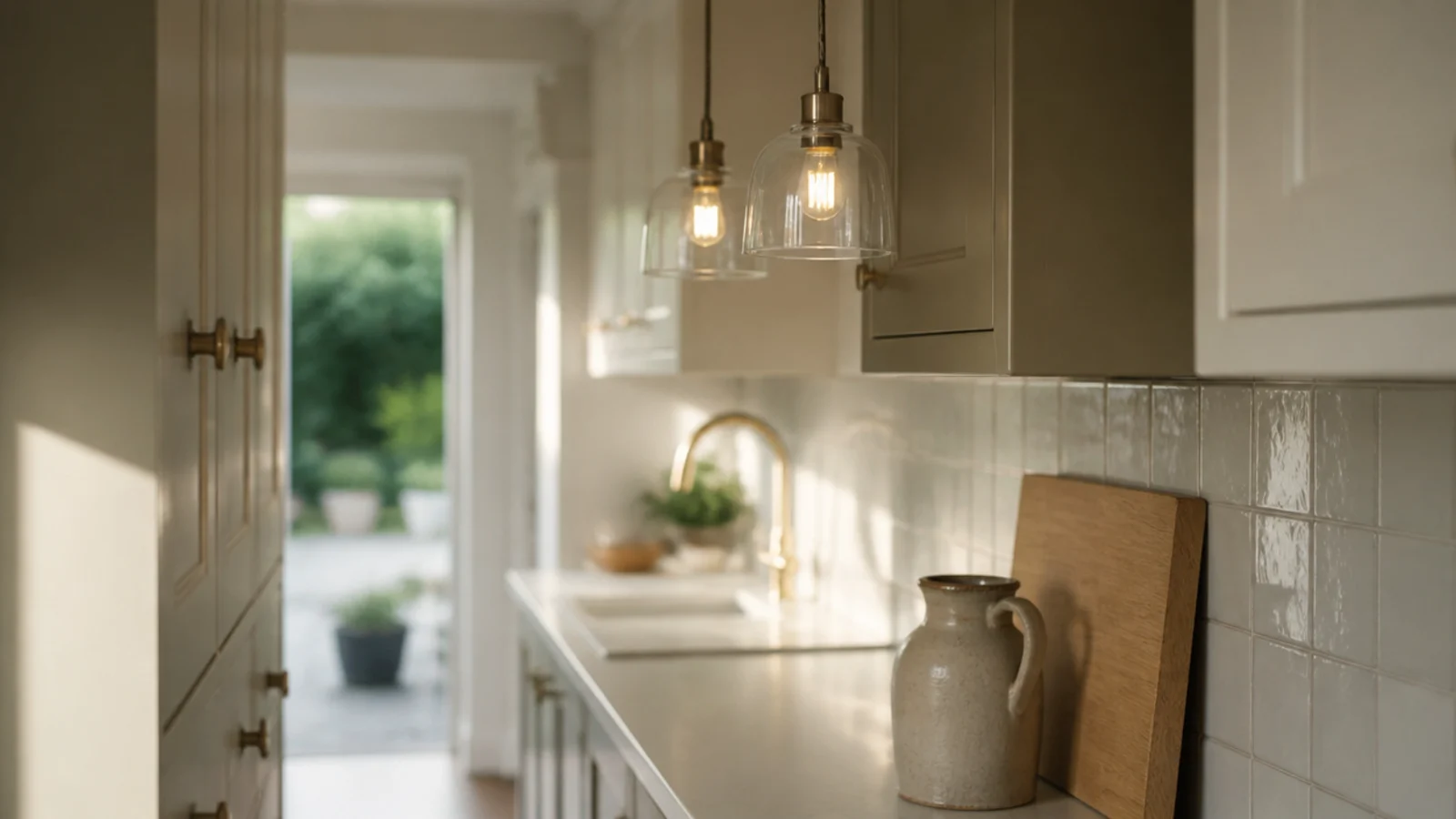
Small rooms are where lighting decisions show. There is nothing else in the sightline, no distance to soften a bad proportion, and a fixture that would disappear in a large kitchen becomes the only thing you look at. Hanging pendant lights still beat lamps in a compact space for one reason: they use ceiling volume nobody else wants and give back every square inch of floor and surface. I have lit a 9 by 10 foot flat kitchen and a box bedroom this way. Below are twenty-five that suit small rooms, with the diameters, drops and lumen counts each one needs.
In this guide27 sections — tap to openHide
- 1.What hanging pendant lights need in a small room
- 2.A shade under twelve inches across
- 3.A semi flush profile under an eight foot ceiling
- 4.Clear glass to keep the sightline open
- 5.One pendant, not three, in a galley kitchen
- 6.A pendant instead of a floor lamp
- 7.A corner hung pendant over a small table
- 8.Seven feet of headroom in a tight walkway
- 9.Mini pendants over a three foot breakfast bar
- 10.A slim cone that takes up no visual room
- 11.A mirror behind the pendant to double the light
- 12.A wall hugging pendant on a stair landing
- 13.Two pendants at twenty four inch centres
- 14.A pendant over a compact desk
- 15.A sealed pendant near a small basin
- 16.A pendant tucked into a reading nook
- 17.A white shade in a dark small room
- 18.Six hundred lumens at 2700K
- 19.A cluster of tiny shades instead of a chandelier
- 20.A cord matched to the wall colour
- 21.A shade sized to a thirty six inch round table
- 22.A recessed can conversion for a low ceiling
- 23.A pendant that dims for a studio flat
- 24.Weight limits in an older small flat
- 25.Cleaning access in a tight space
- 26.A pendant above a narrow hallway console
- 27.Mistakes to Skip
What hanging pendant lights need in a small room
Compact rooms change three of the usual rules.
Diameter comes down, but not as far as you think. Under 12 inches across for a room below about 120 square feet, and under 8 inches near a doorway. Over a table, ignore the room and size to the table at roughly half its width — a 36 inch round table takes a 16 to 18 inch shade.
Clearance is the binding constraint. Anywhere people walk, the bottom of the shade stays at 7 feet. On an 8 foot ceiling that leaves 12 inches for canopy, cord and shade together, which rules out most long-drop pendants and points you at semi-flush shapes. Over a table or counter nobody crosses, the rule no longer applies and you can drop to 30 to 34 inches above the surface.
Lumens go down. Plan 10 to 20 lumens per square foot. A 100 square foot room wants 1,000 to 2,000 lumens across everything, so one pendant at 600 to 800 lumens plus a small lamp covers it. Over-lighting a small room is the single most common mistake and it makes the space feel smaller, not bigger.
Weight is rarely an issue at this size — most shades under 12 inches run 2 to 5 pounds — but a rated ceiling box carries the fixture weight, not the plaster, and older small flats often have lath ceilings with no rated box at all. Hard-wiring is an electrician's job in most jurisdictions. Expect $30 to $90 for a good small shade.
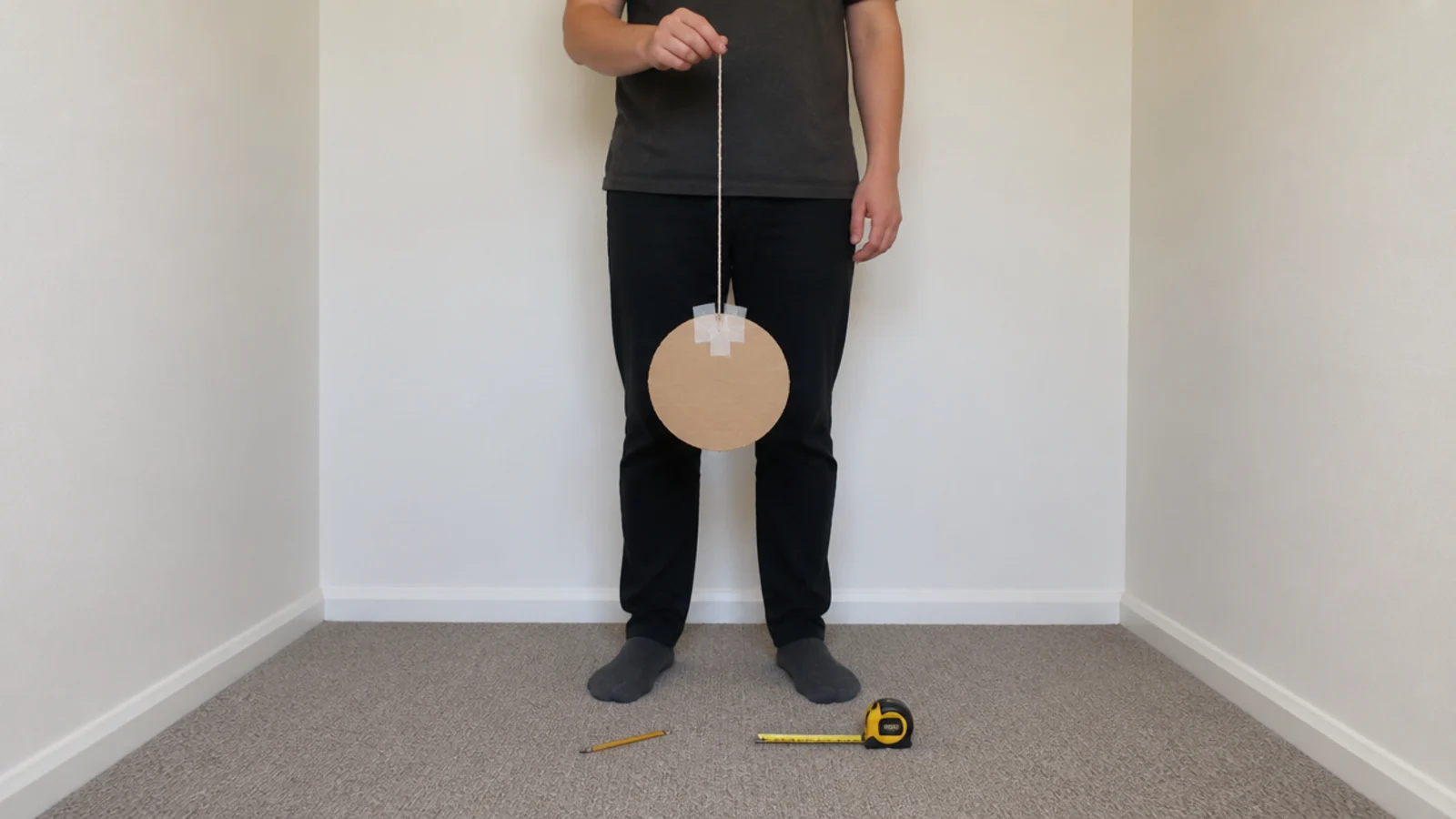
1. A shade under twelve inches across
Ten inches is the sweet spot for a compact room: big enough to read as a real fixture, small enough to leave the ceiling feeling open. Cut a cardboard circle at the diameter you are considering and tape it up at the right height before ordering — two dollars of card prevents most returns.
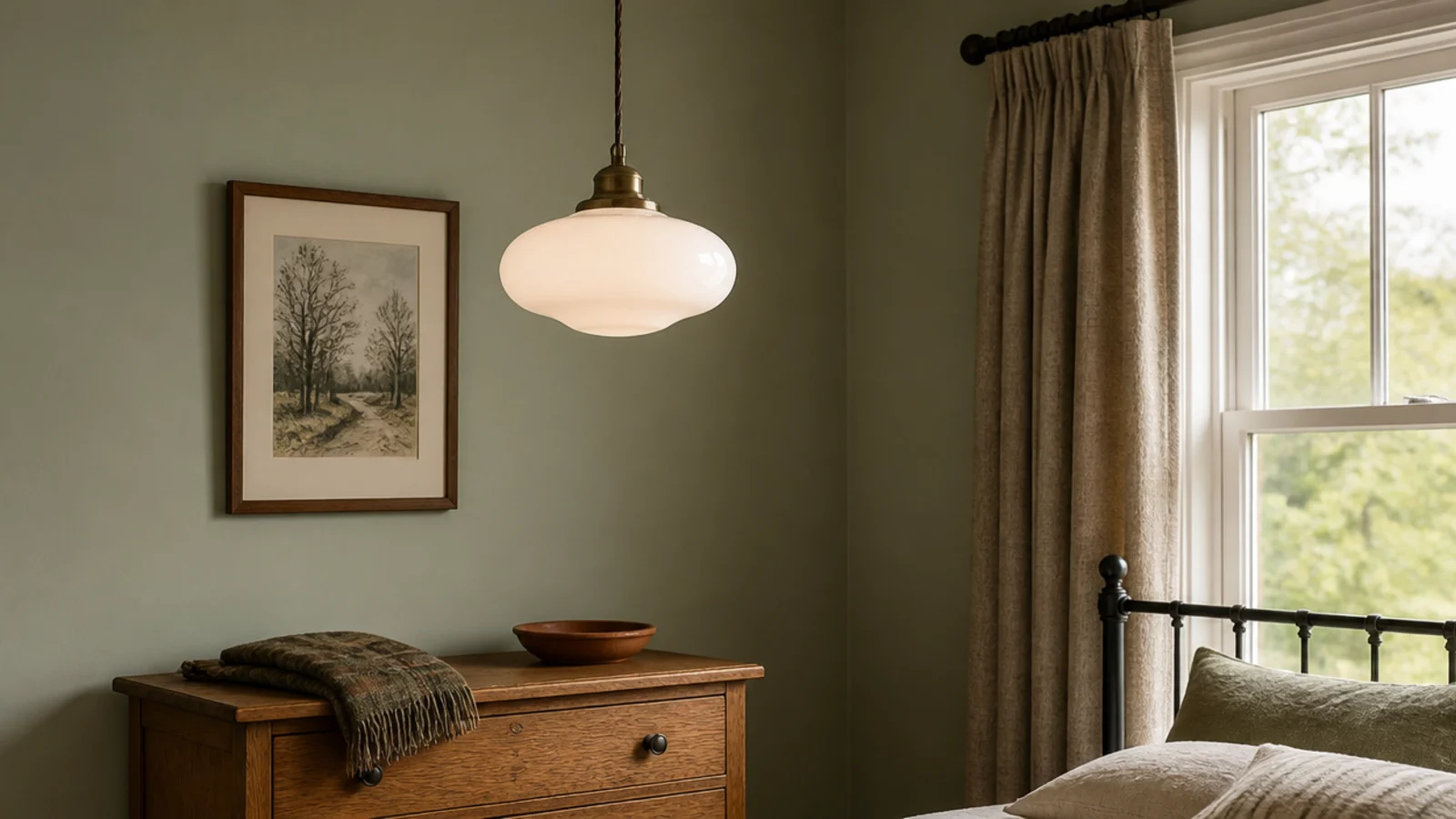
2. A semi flush profile under an eight foot ceiling
Semi-flush fixtures sit 4 to 8 inches below the ceiling instead of 24 to 36, which is the only way to get a real shade into a low walkway. Convertible models ship with both a stem and a flush canopy, so the same fixture works in the next house too.
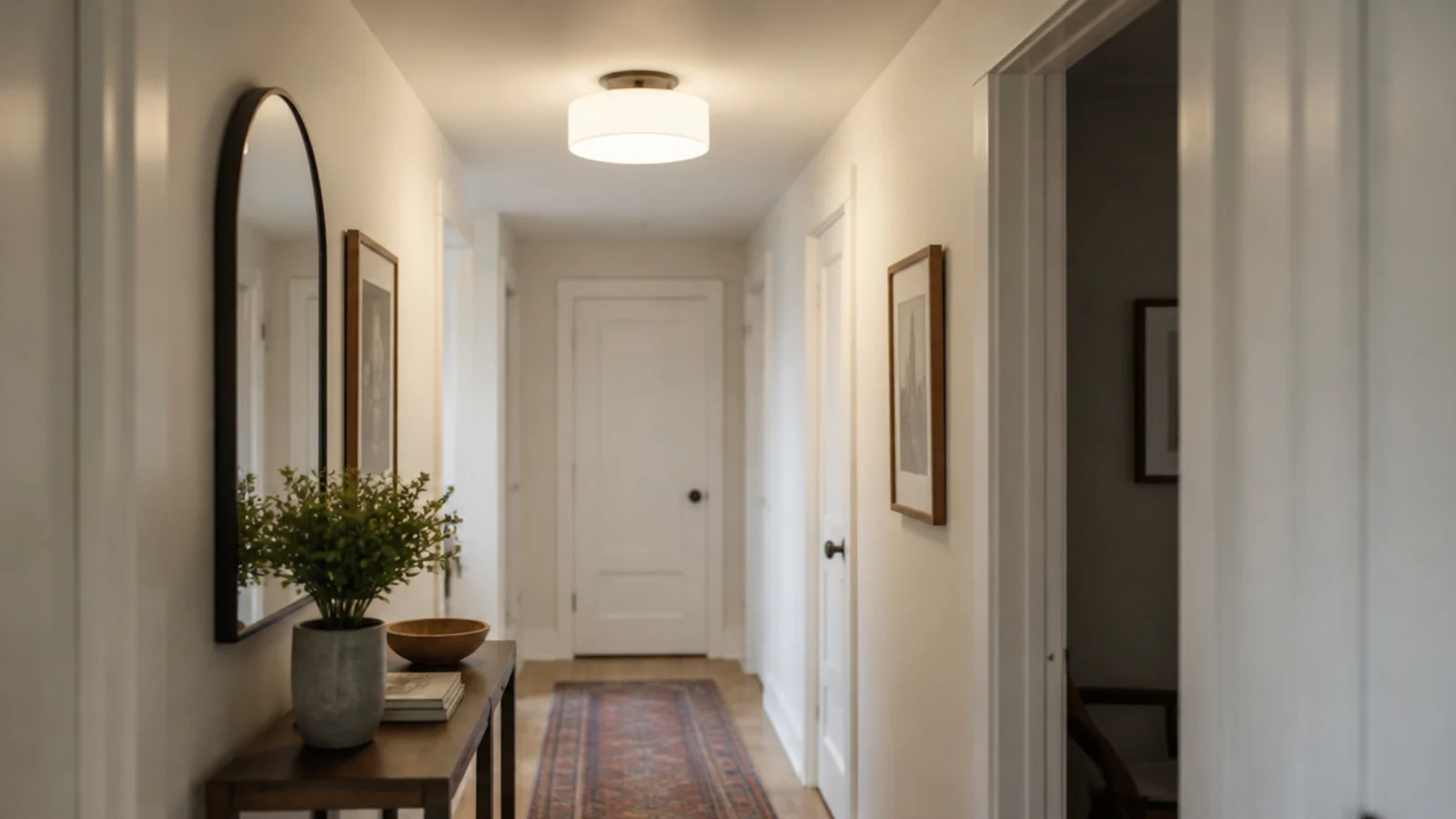
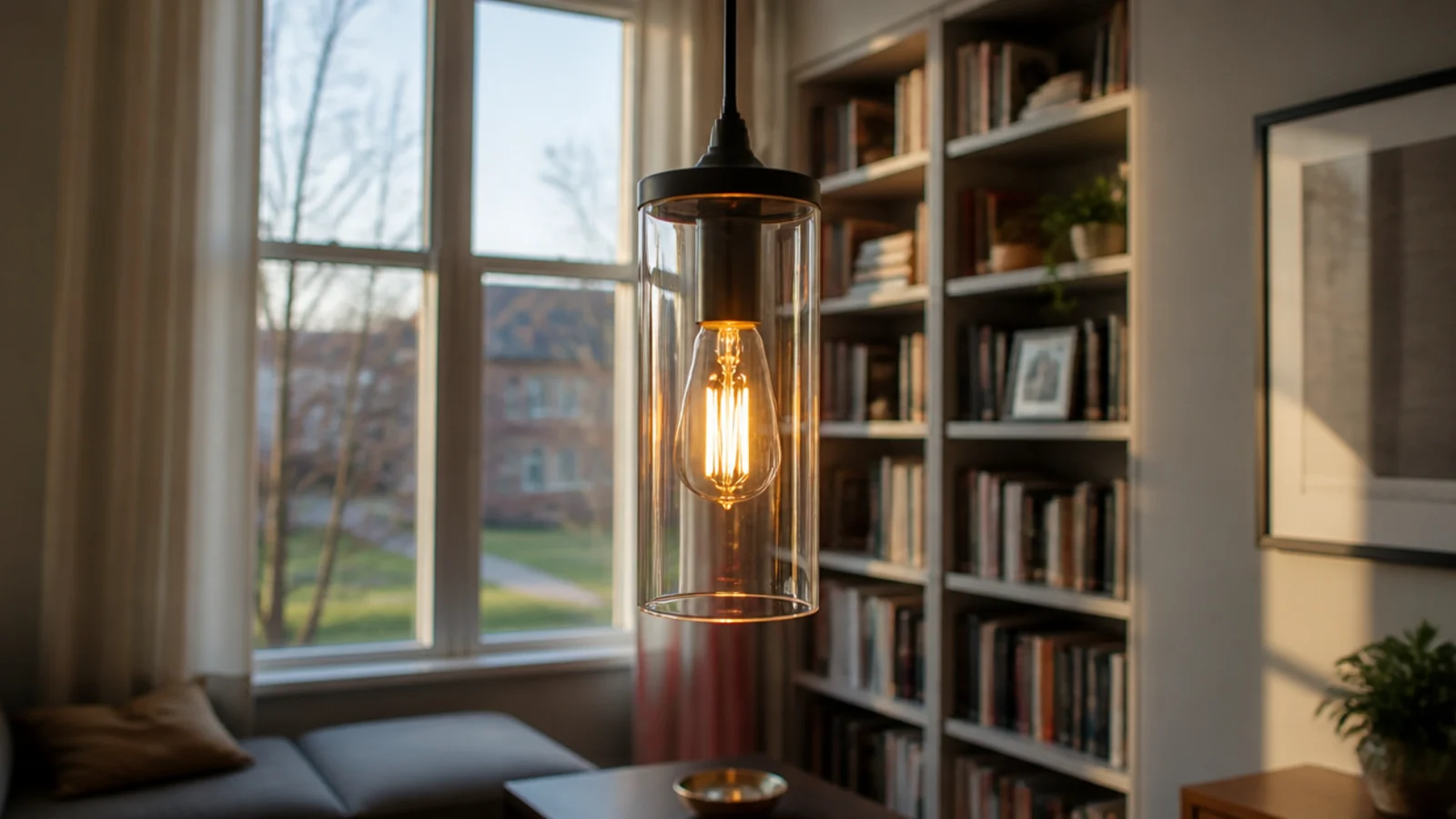
3. Clear glass to keep the sightline open
You see through a clear shade rather than around it, which keeps a small room reading as one space. Pair it with an amber or opaque-tipped bulb under 400 lumens, because a naked filament at eye level in a small room is a bright spot you will resent.
4. One pendant, not three, in a galley kitchen
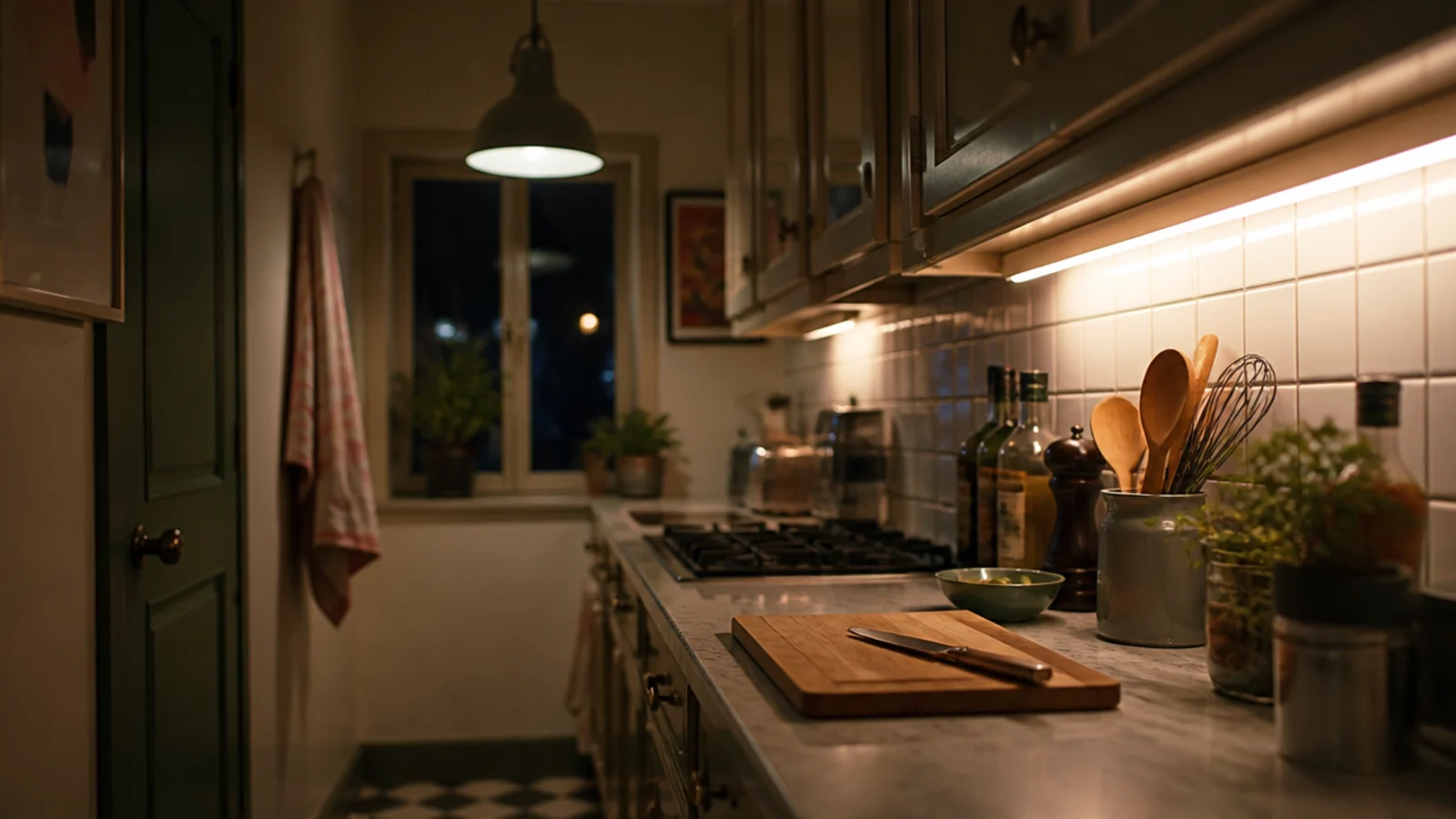
A galley under 8 feet long needs one shade over the working end and under-cabinet strips for the rest. Three pendants in a narrow galley look like a showroom and light the floor rather than the counter. One fixture at 700 lumens plus $30 of LED strip does the job properly.
5. A pendant instead of a floor lamp
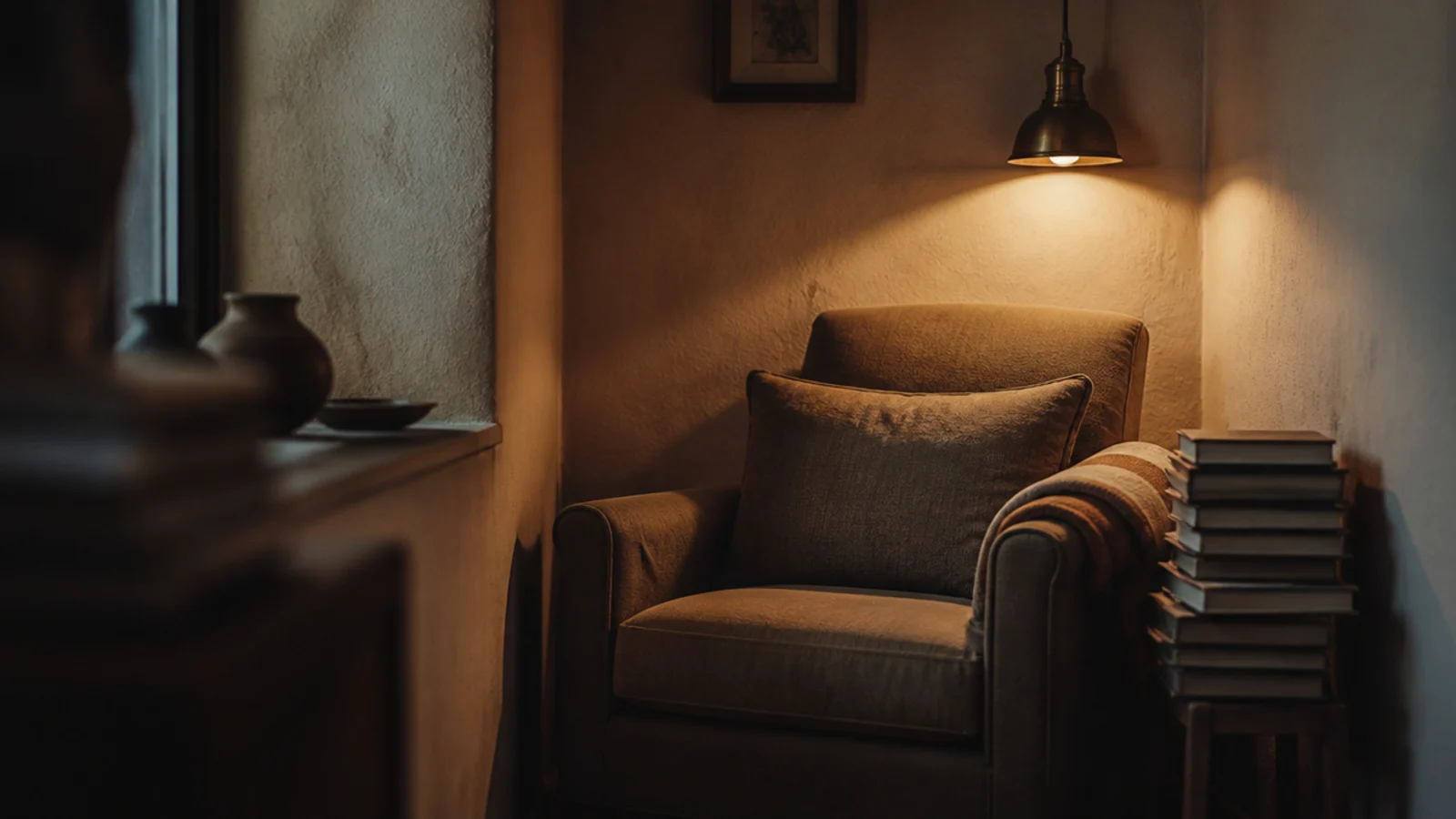
A floor lamp base takes roughly 1.5 square feet, which in a 10 by 10 room is real money. A pendant over the same chair takes none. Hang it about 12 inches behind the chair back with the bottom at 60 to 66 inches so light comes over the shoulder.
6. A corner hung pendant over a small table
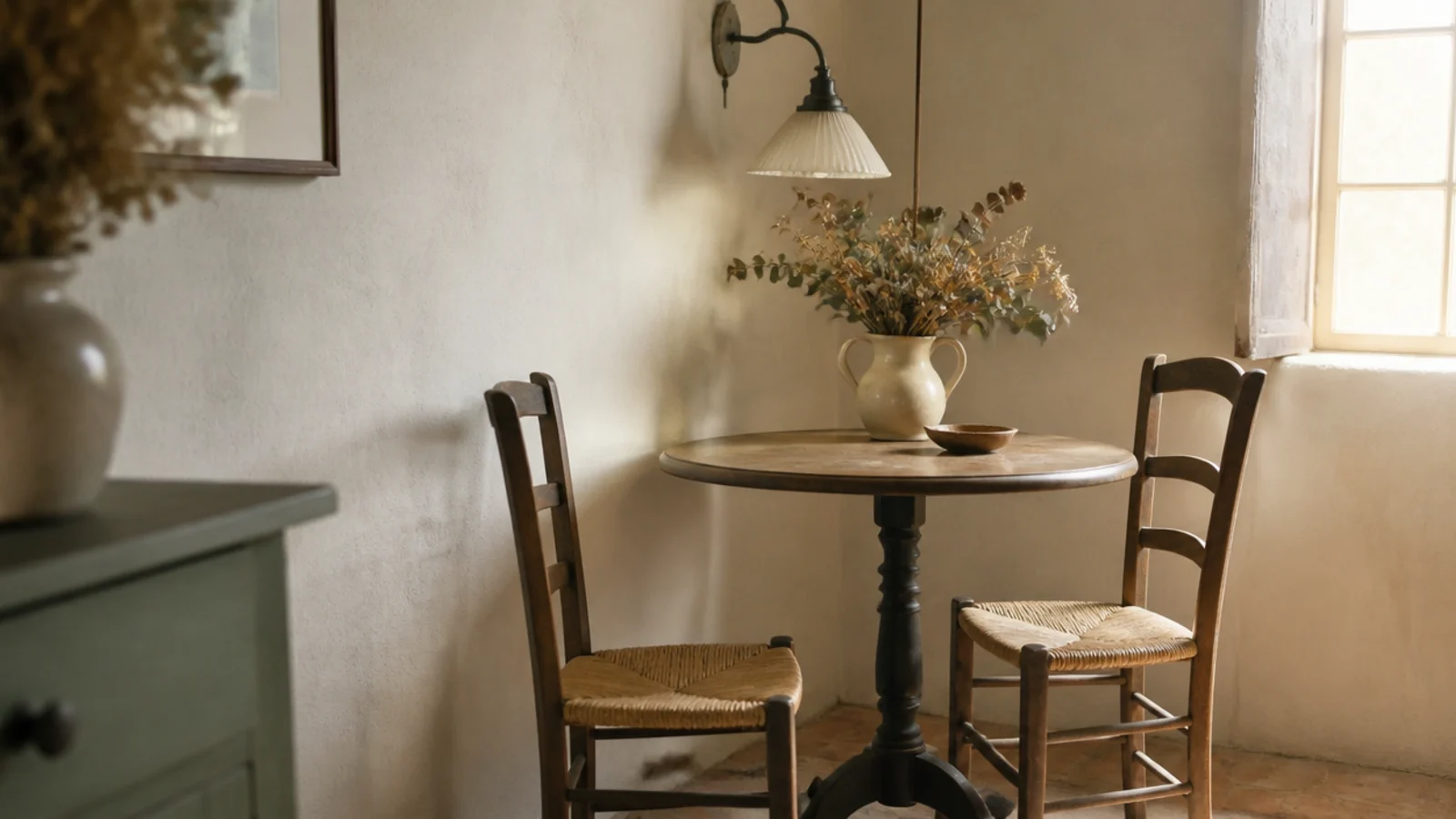
A bistro table pushed into a corner still wants its own light, centred on the table rather than the room. Use a swag hook if the ceiling point is in the middle — moving the light 3 feet sideways costs $20 and changes how the corner is used. There is more on the living room approach if the table doubles as a work surface.
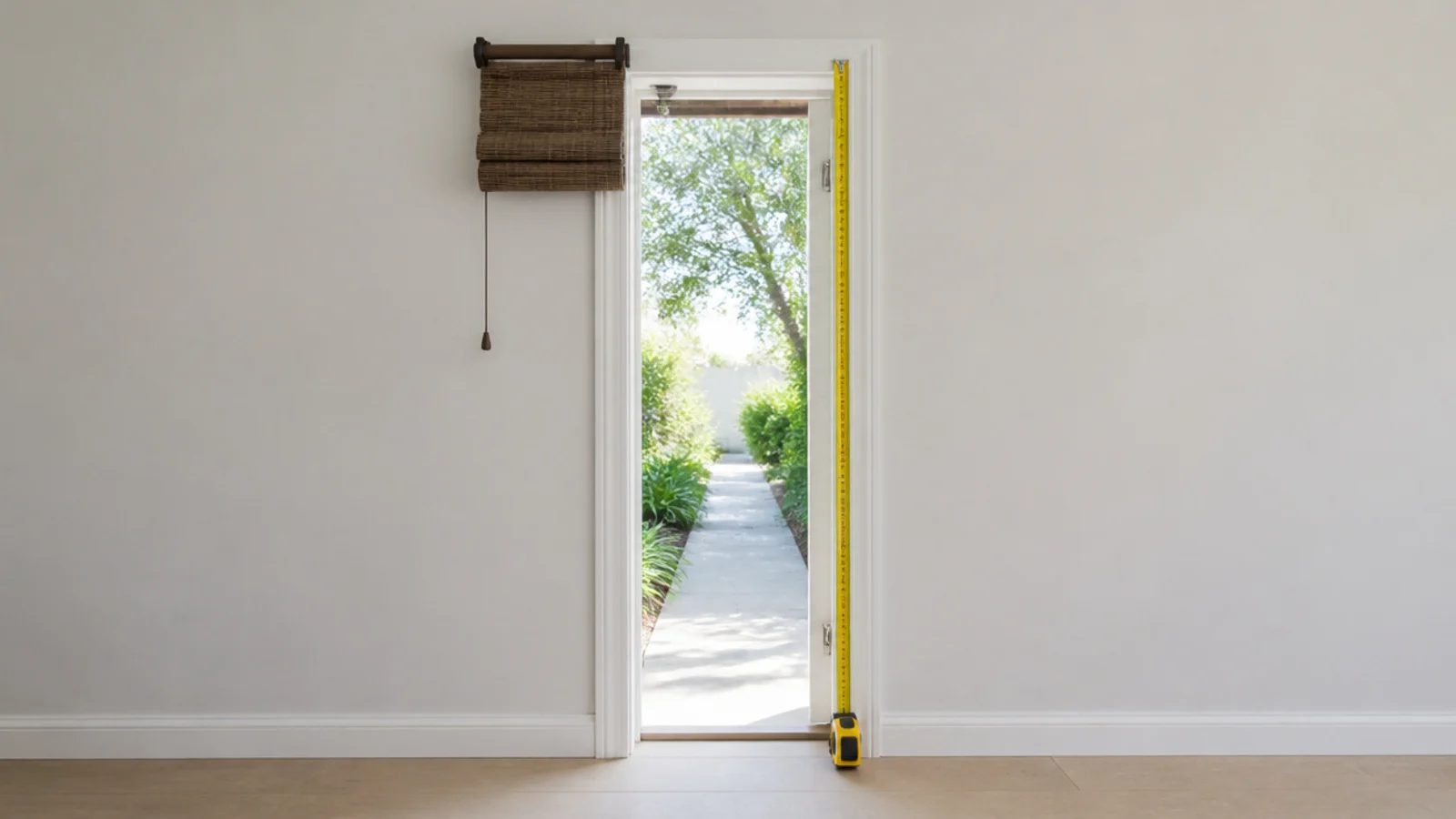
7. Seven feet of headroom in a tight walkway
Measure the route, not the room. A pendant that clears your head in the middle of the floor can still catch somebody stepping around a door swing. Walk the space with a tape held at 84 inches before you fix the hook.
8. Mini pendants over a three foot breakfast bar
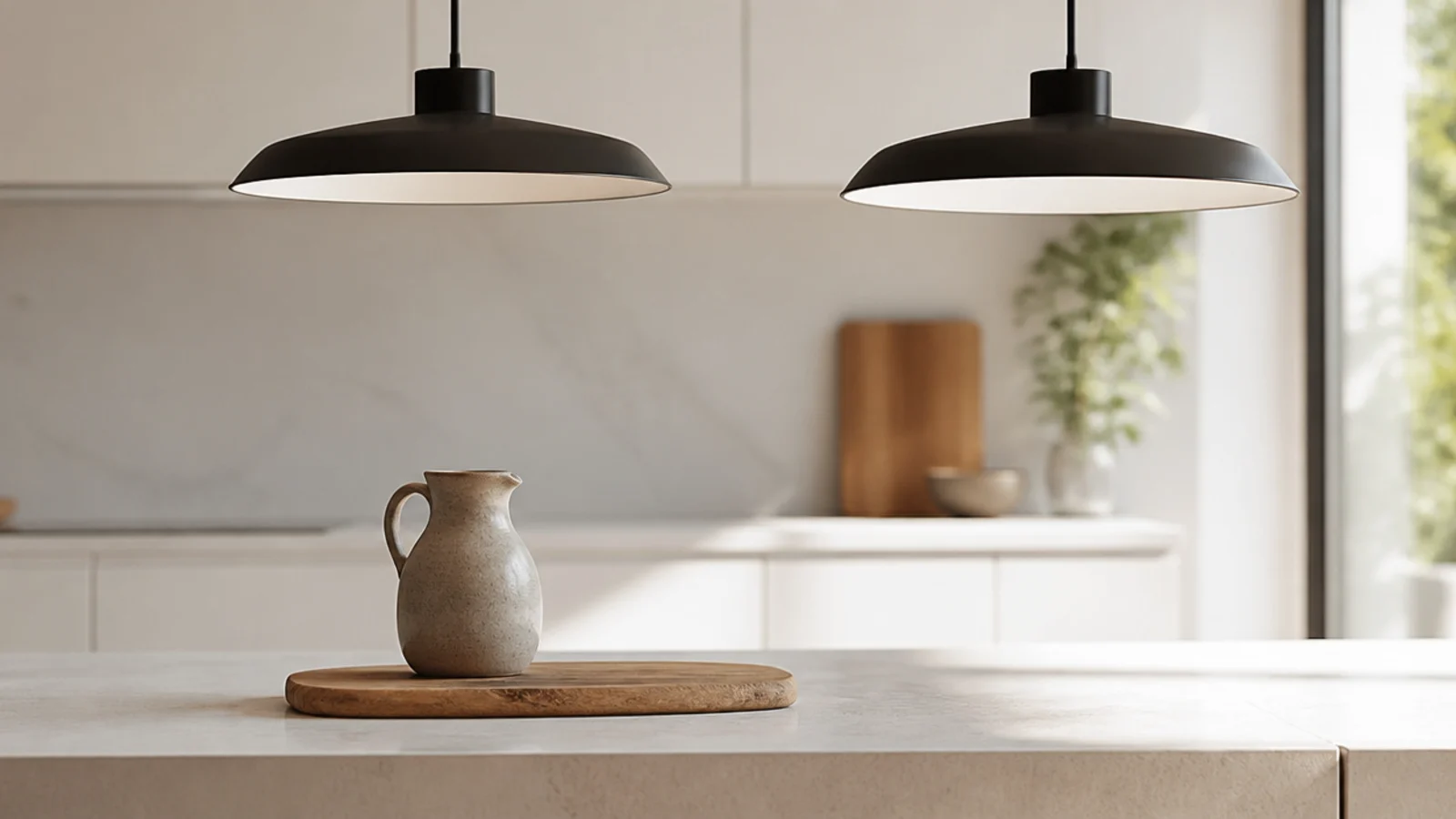
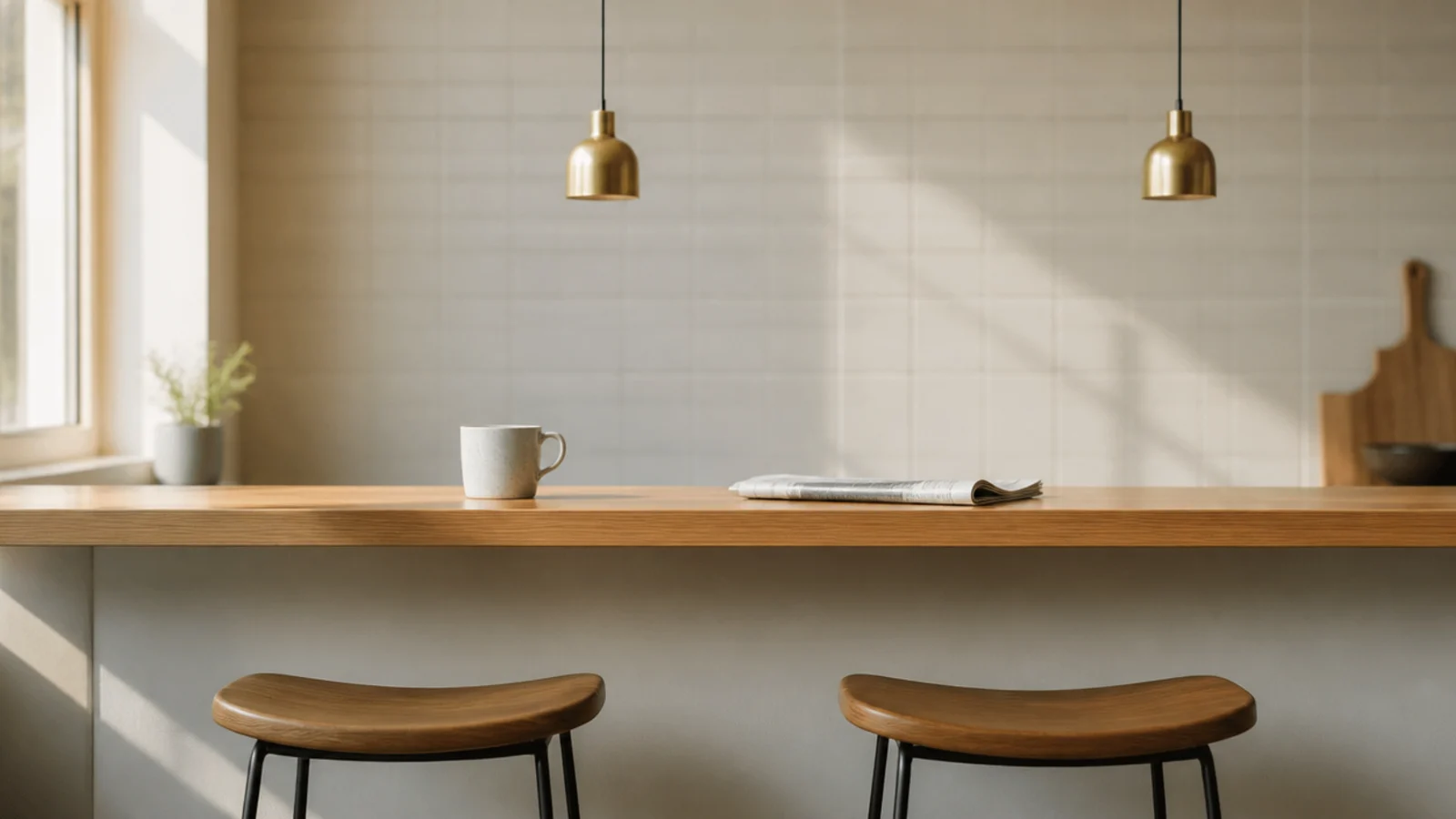
On a short bar, two 4 to 6 inch shades at 18 to 20 inch centres look intentional where two 10 inch shades look crowded. Keep the bottoms 30 to 34 inches above the counter and the combined output near 800 lumens.
9. A slim cone that takes up no visual room
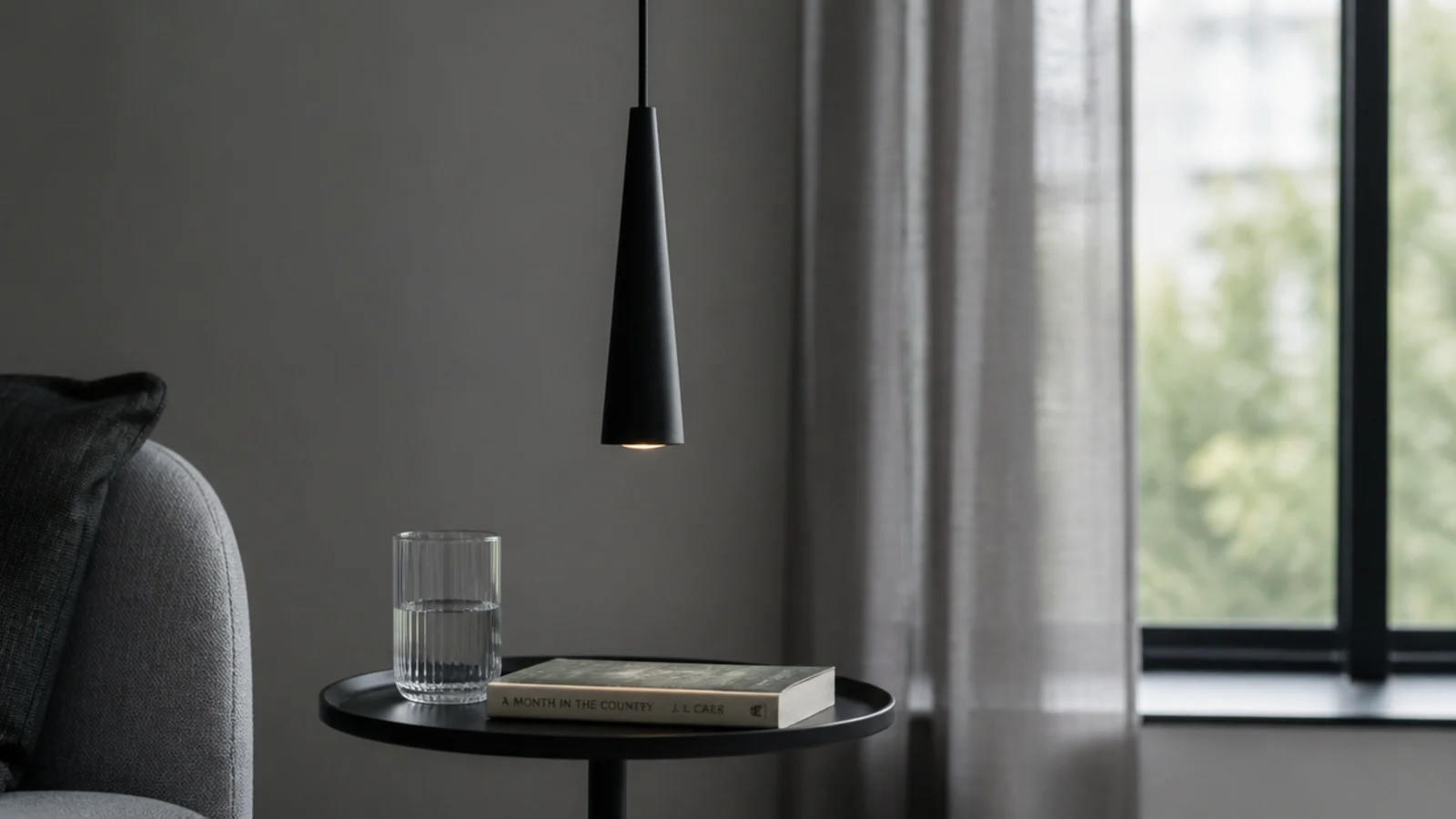
A narrow cone blocks less of the view than a globe of the same height, which matters when the fixture sits between you and the window. It also throws light straight down, so a 500 lumen bulb does the work of a brighter one in a wider shade.
10. A mirror behind the pendant to double the light
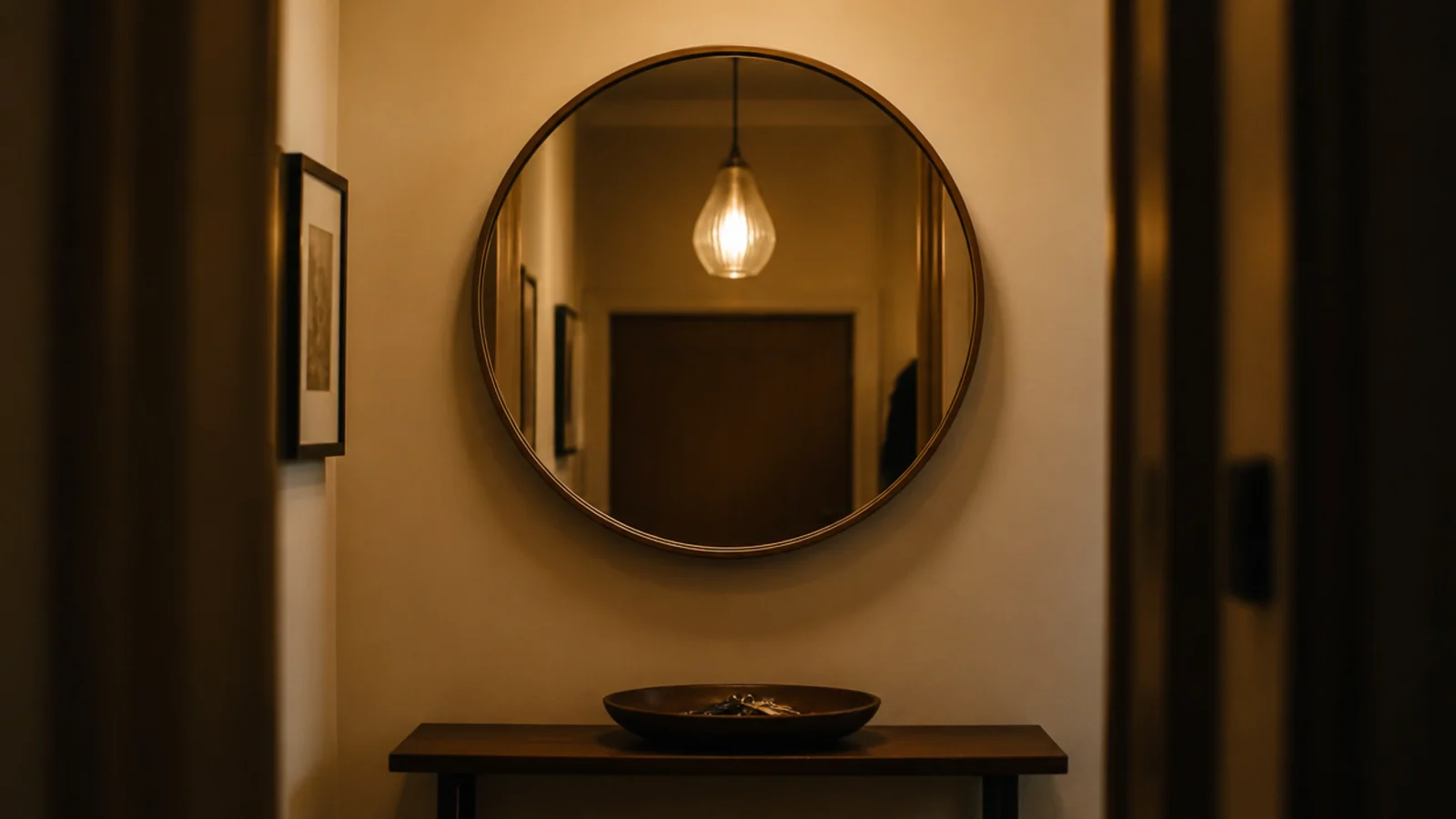
A mirror opposite or behind a small pendant reflects the source and visually doubles the fixture, which is the cheapest way to make one light do the work of two in a dim hallway. Keep the mirror at least 12 inches from the shade so the reflection is not a hotspot.
11. A wall hugging pendant on a stair landing
Small landings need light that cannot be walked into. Hang the shade tight to the wall, within 12 inches of the plaster, and keep the bottom at least 7 feet above the highest tread. A swinging cord over a staircase is a hazard nobody notices until it matters.
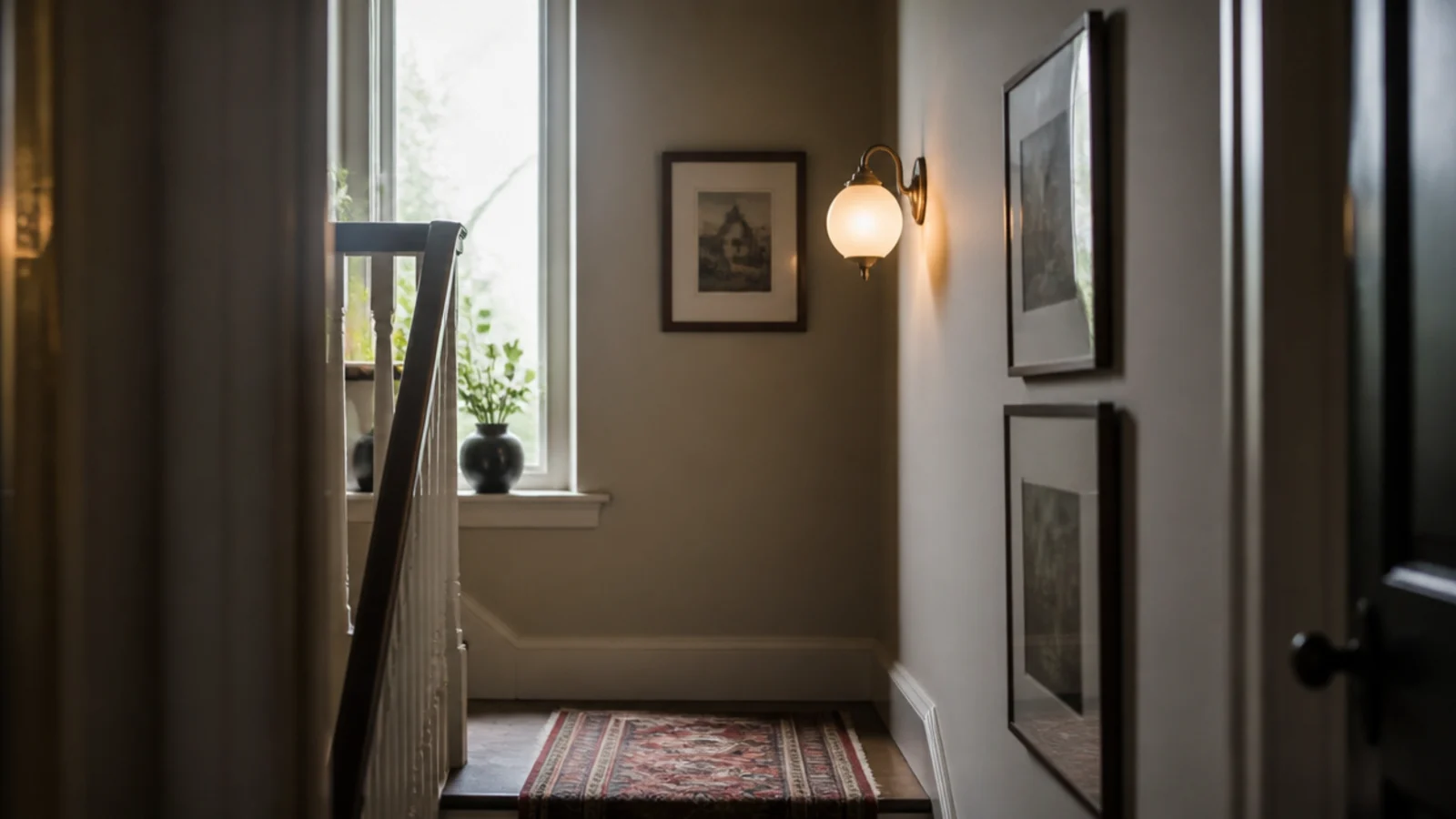
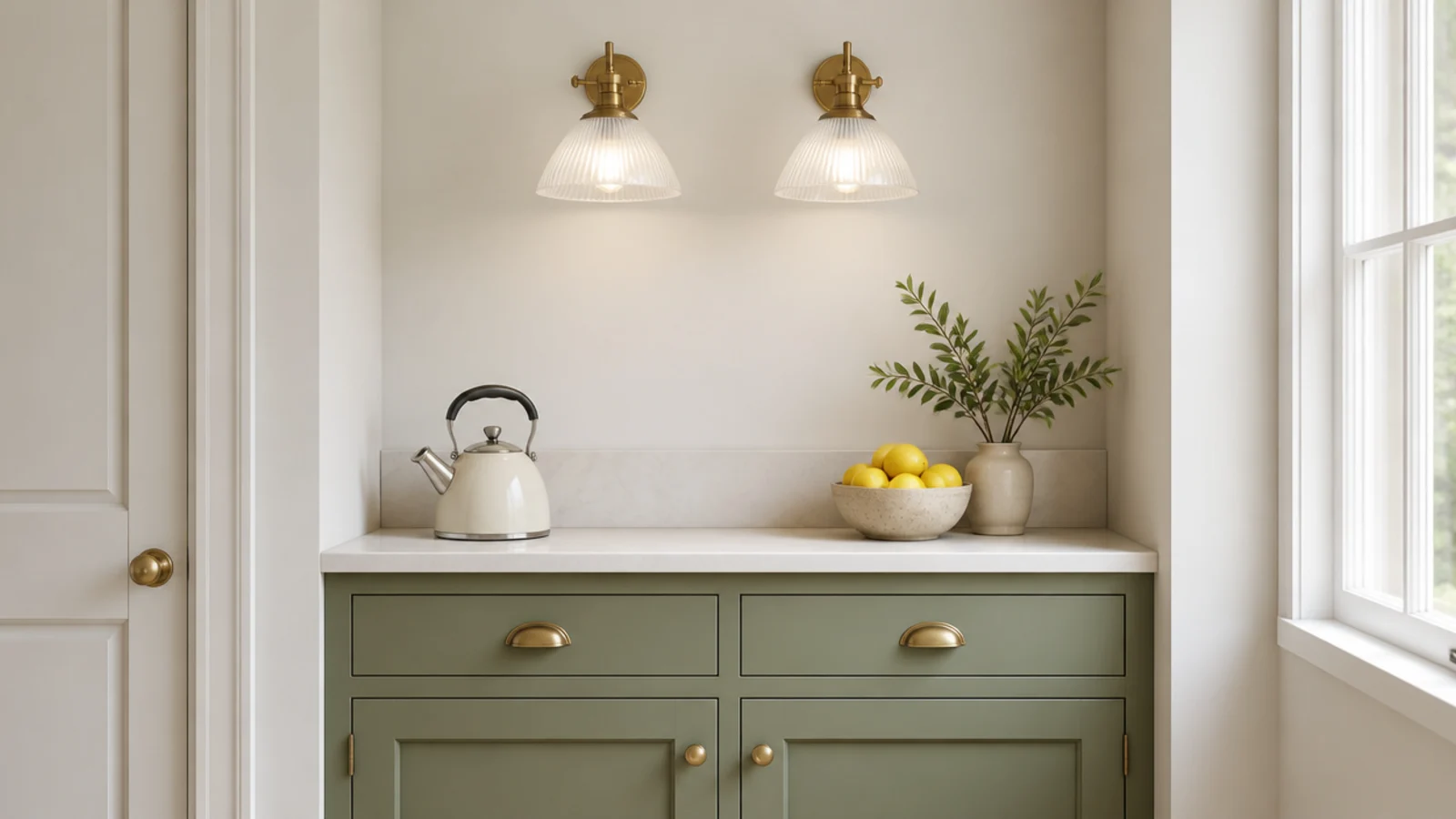
12. Two pendants at twenty four inch centres
Twenty-four inches is the tight limit for two shades. Closer and they read as one badly made fixture; wider than 30 and the middle of a short counter goes dark. Keep 6 inches between the outer edge of each shade and the end of the run.
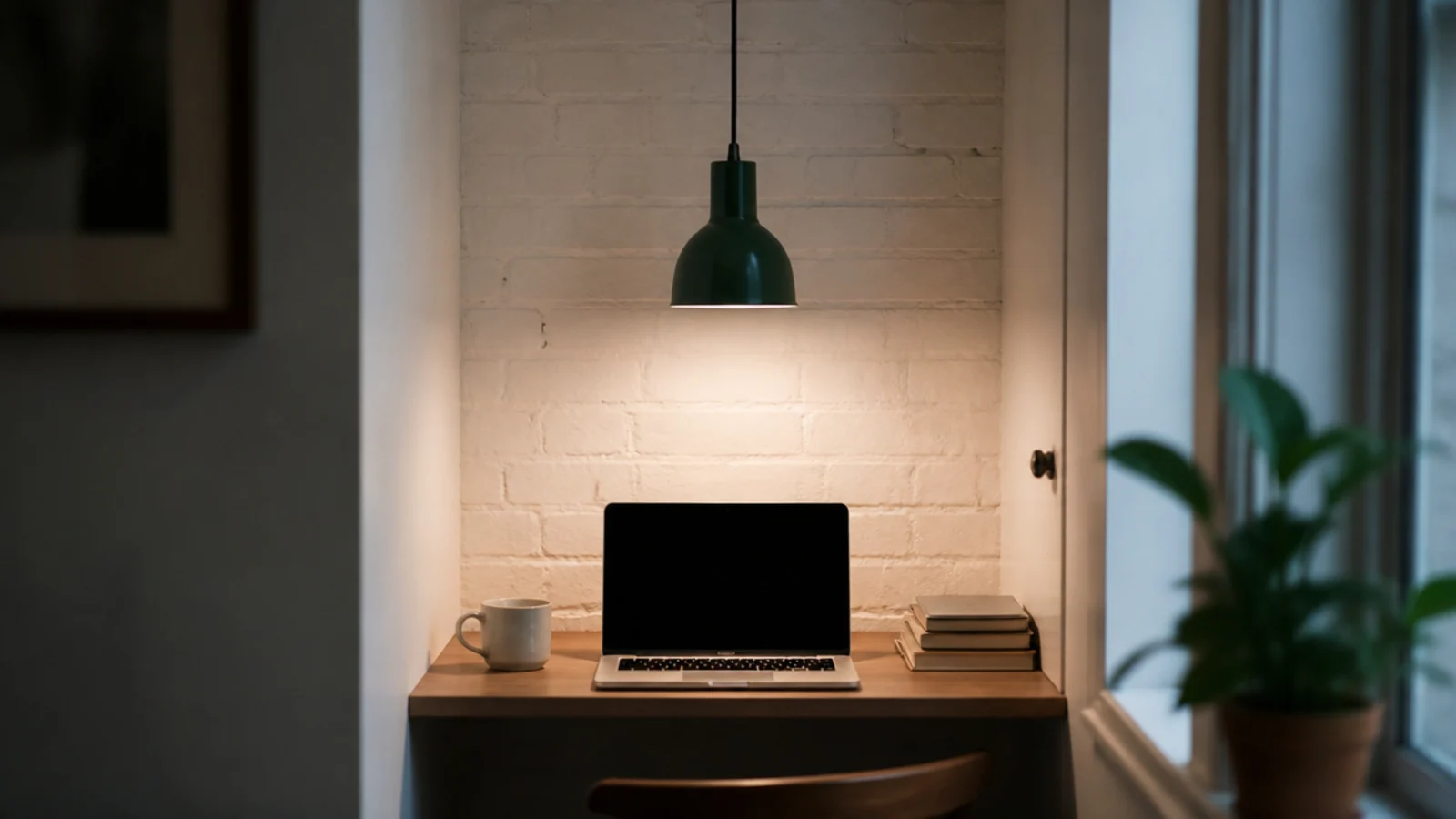
13. A pendant over a compact desk
A desk in an alcove has no room for a task lamp. A small shade 30 to 34 inches above the desktop gives 500 lumens exactly where it is needed at 3000K, and leaves the whole surface usable. Put it on its own switch so it is not tied to the room light.
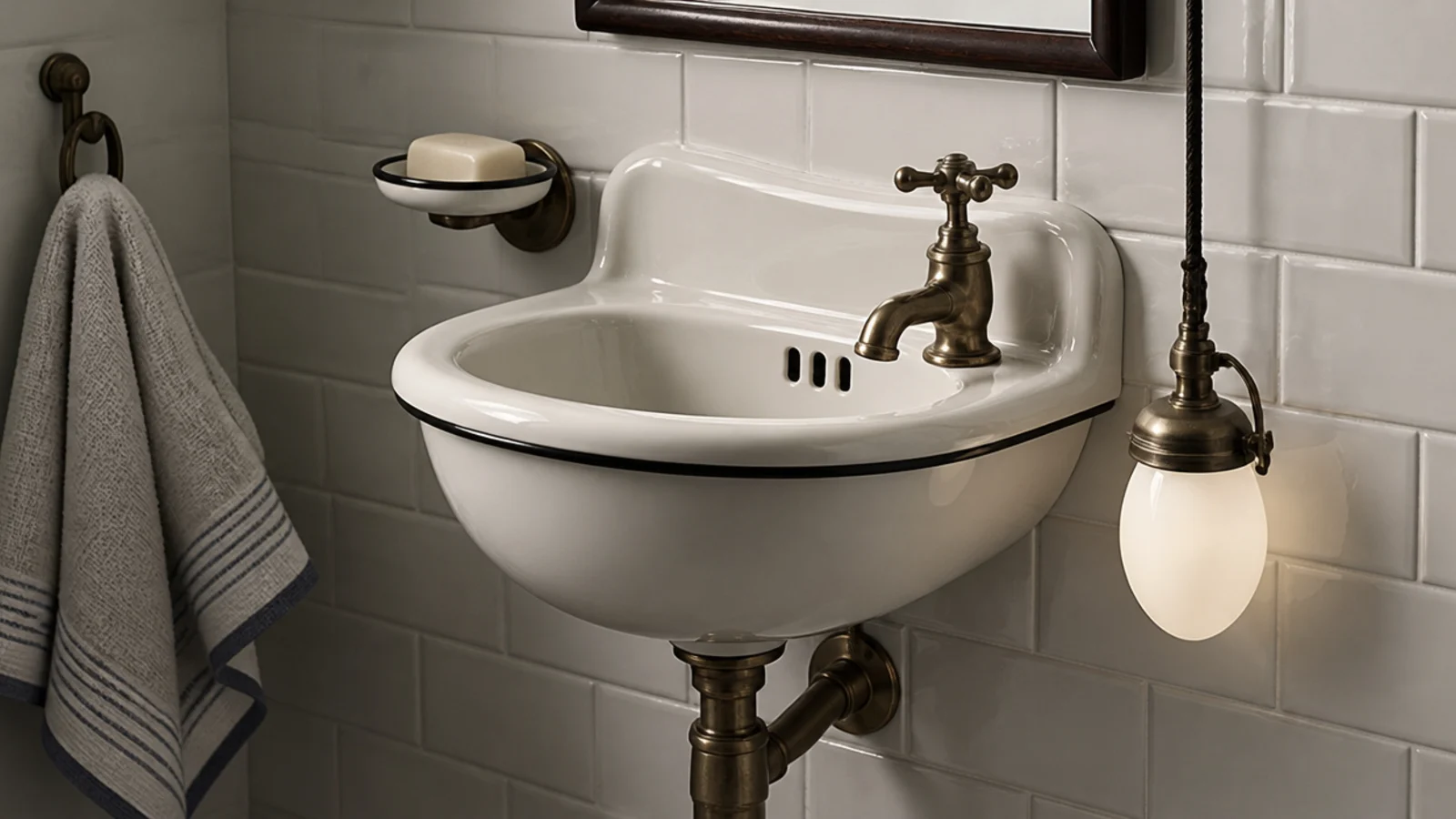
14. A sealed pendant near a small basin
Bathroom fixtures must match the IP zone for their distance from water — an IP44 sealed fitting within about 24 inches of a basin, and nothing hanging within 3 feet horizontally and 8 feet vertically of a tub rim or shower threshold. In a small cloakroom the geometry is tight, so check before you buy.
15. A pendant tucked into a reading nook
A shallow alcove becomes a room of its own once it has its own light. Hang a small fabric shade so the bottom sits about 30 inches above the seat cushion and offset toward the back wall, so nobody sits up into it.
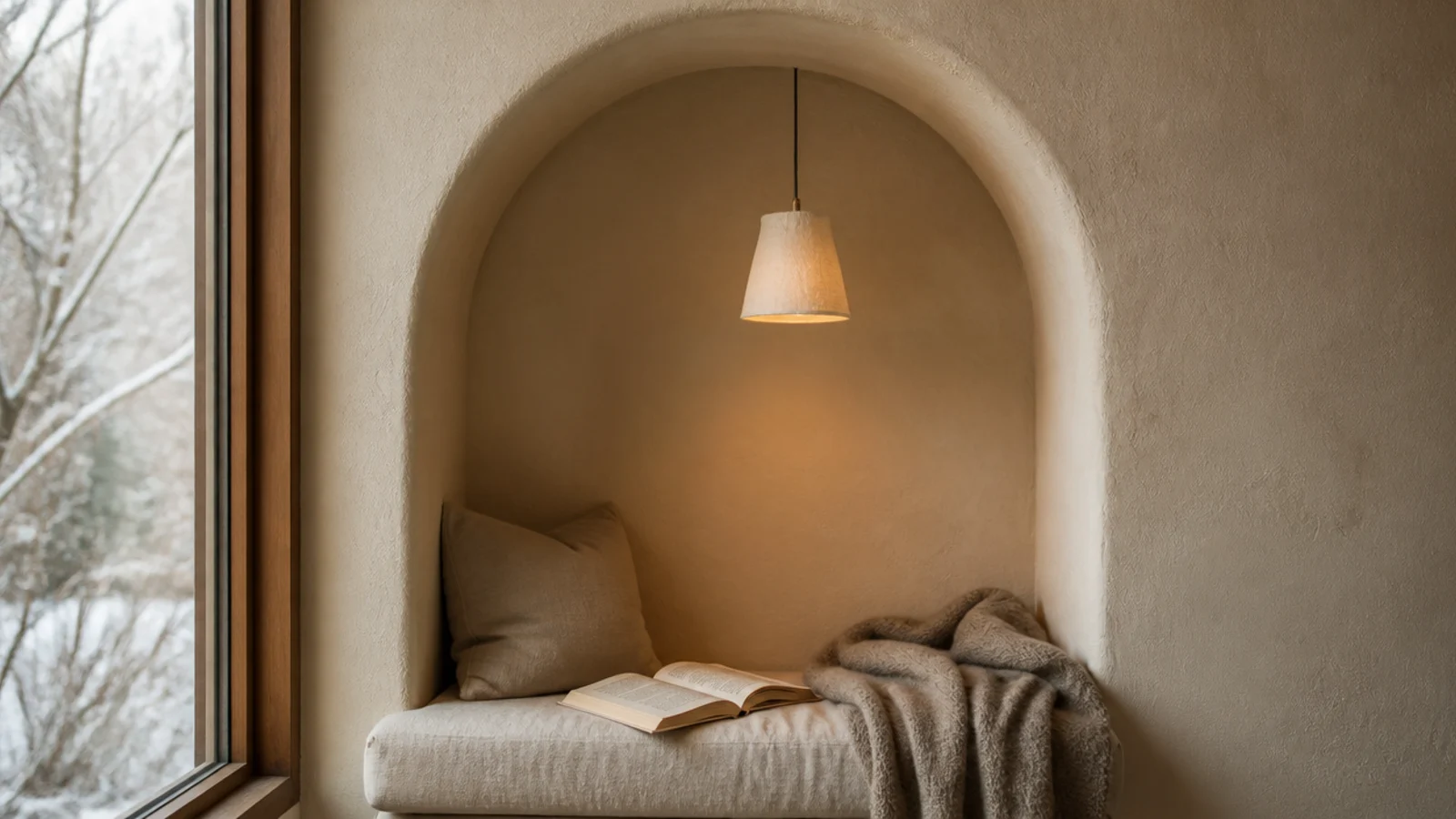
16. A white shade in a dark small room
The inner surface matters more than the outer one. A white or pale interior reflects far more light down than a dark one, which can be the difference between 500 usable lumens and 350. In a dark painted small room, choose the shade for its inside.
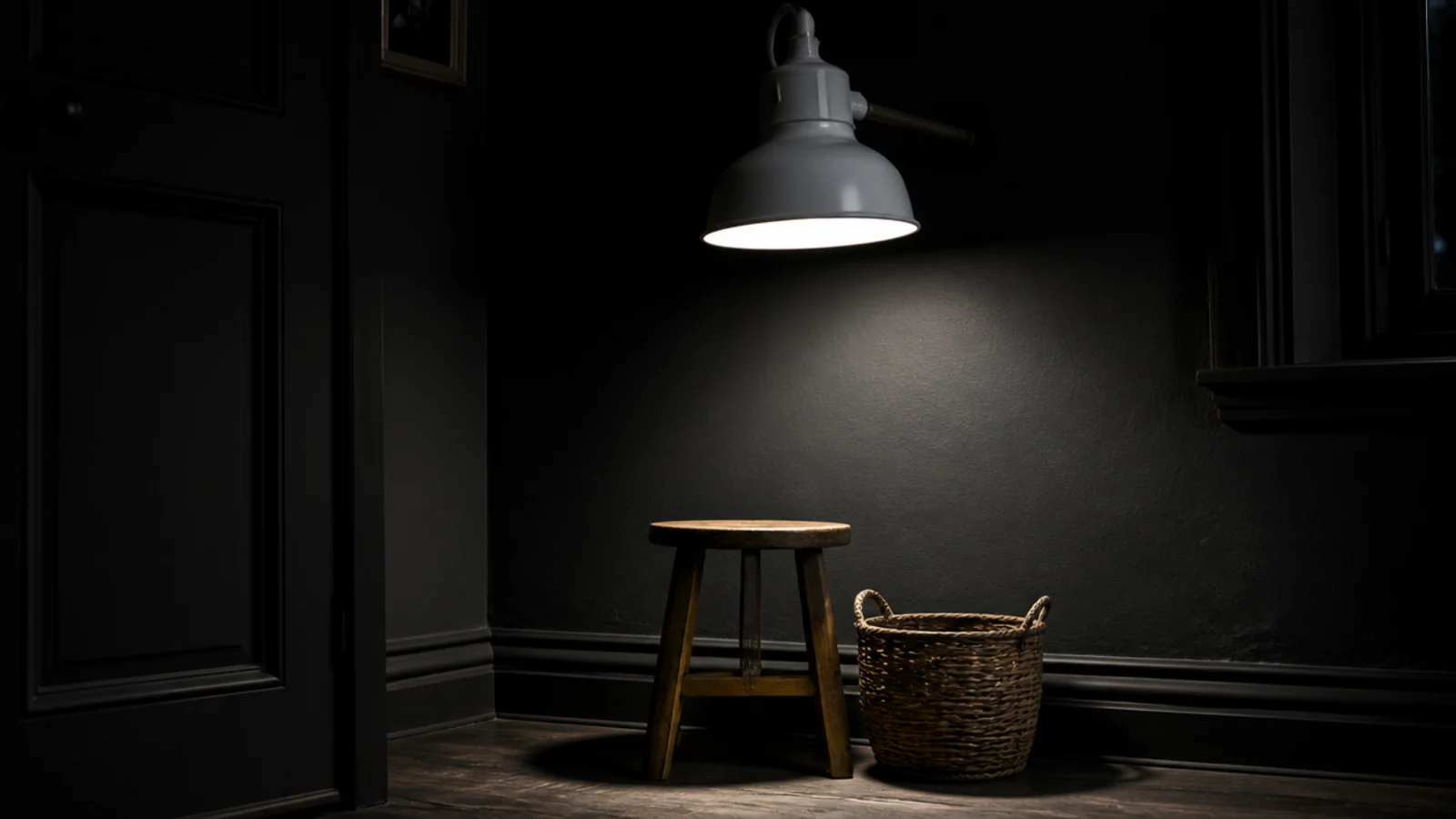
17. Six hundred lumens at 2700K
Small rooms need less light than people assume. Six hundred lumens at 2700K, dimmable, suits almost every compact space. Fitting an 1,100 lumen bulb because the room feels dark in daylight produces a space nobody wants to sit in after dark.
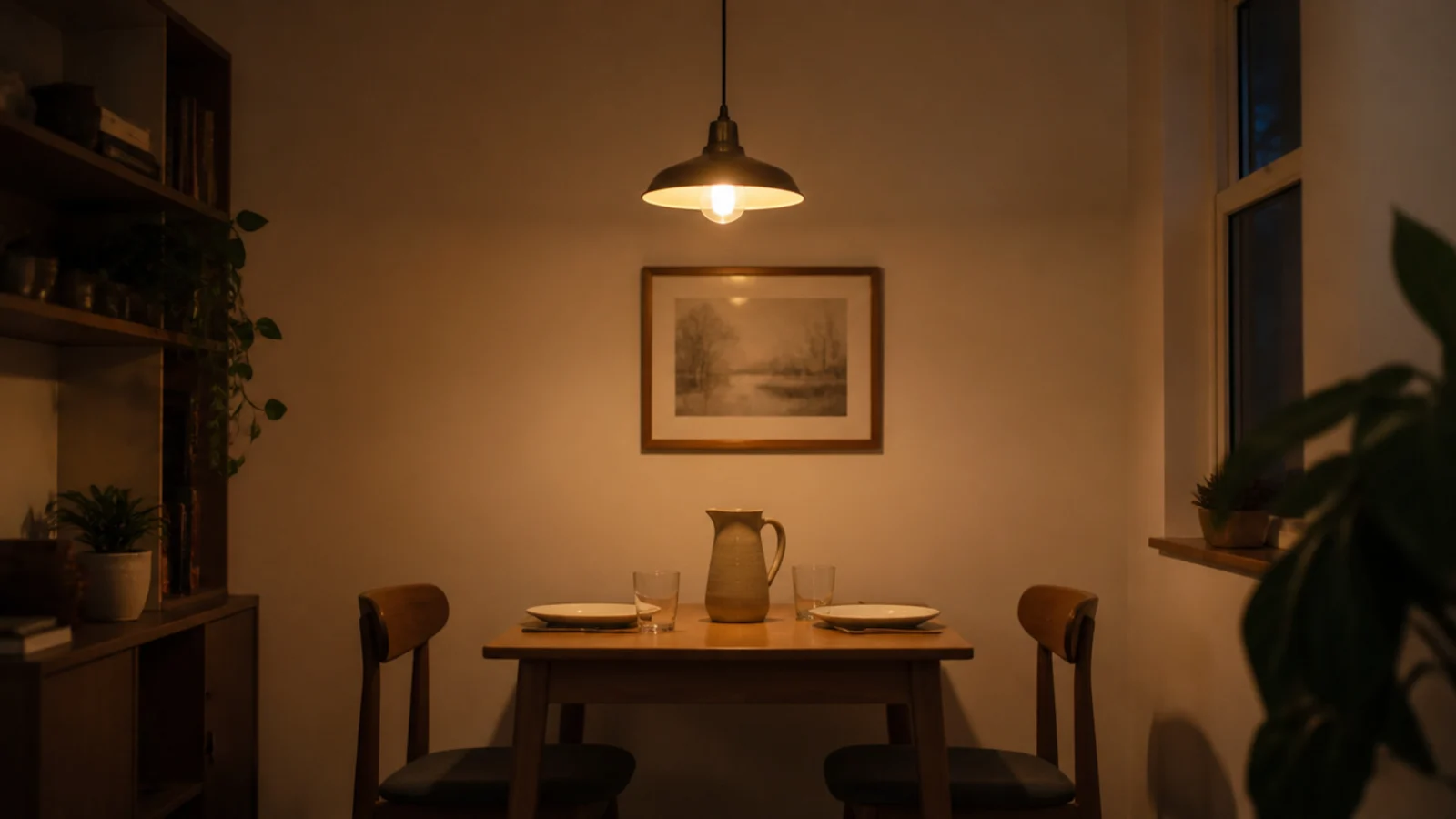
18. A cluster of tiny shades instead of a chandelier
A three-port cluster canopy with 4 to 5 inch shades gives you presence without bulk, because the eye reads three small objects as larger than one. Stagger the drops by 6 to 10 inches and keep every shade above the 7 foot line.
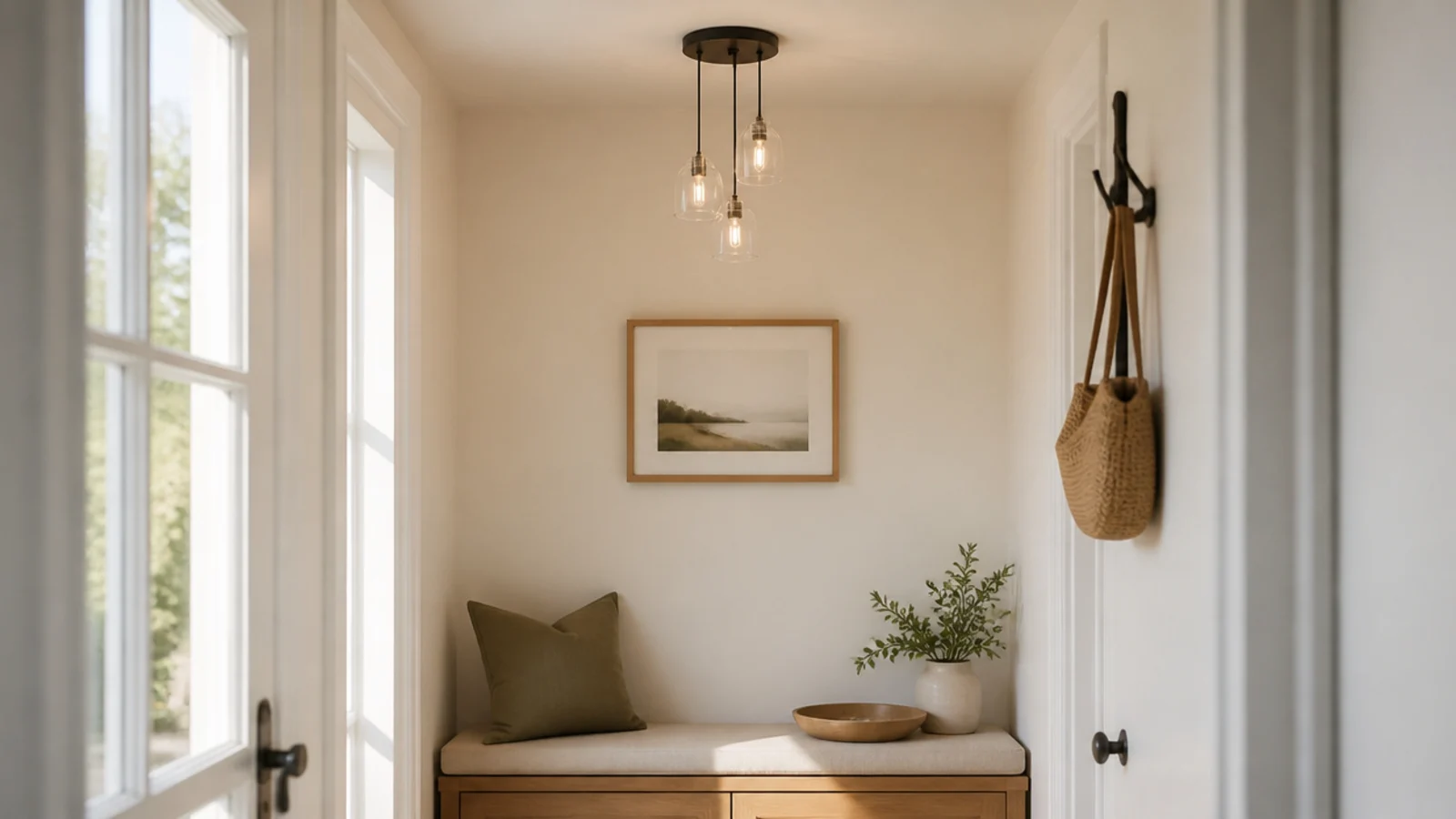
19. A cord matched to the wall colour
In a small room the cord is a visible line across a short wall. Fabric cords come in enough colours to match most paints for $15 to $30, and a matched cord vanishes at two paces where a black one draws a hard diagonal across the space.
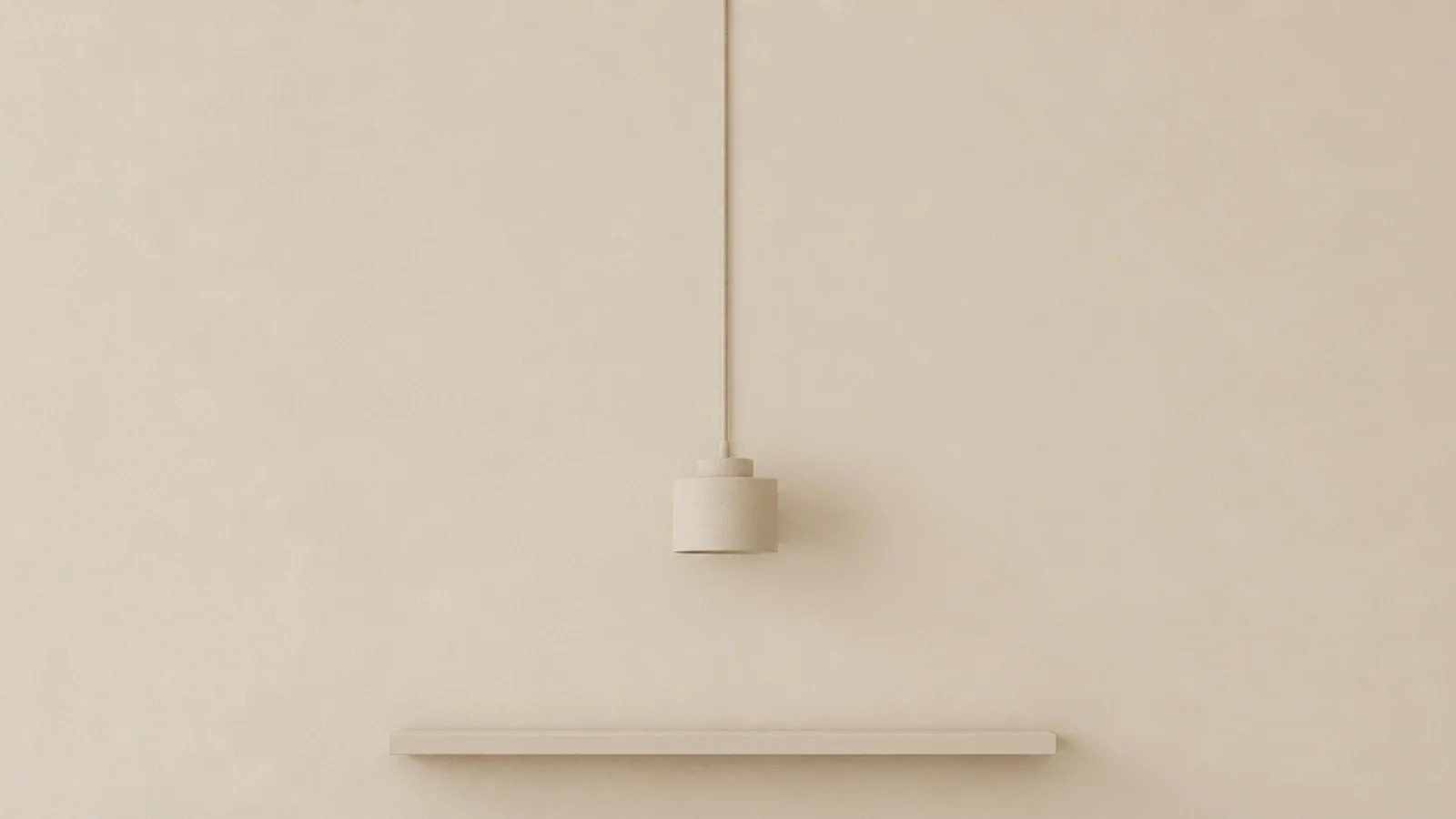
20. A shade sized to a thirty six inch round table
Half the table width is the rule that never fails: a 36 inch table takes 16 to 18 inches of shade, hung 30 to 34 inches above the top. Anything wider than the table minus 12 inches gets caught by somebody standing up.
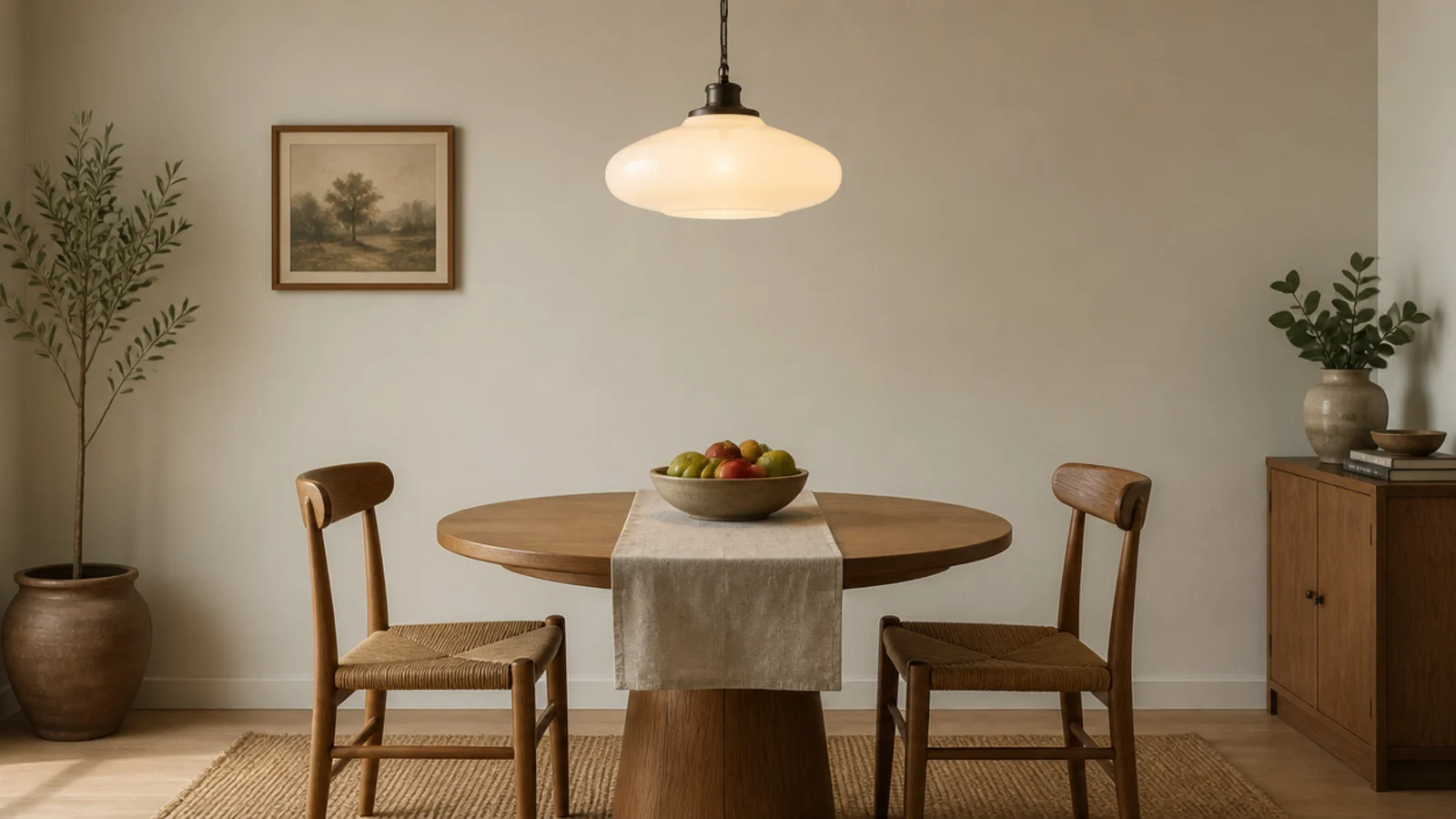
21. A recessed can conversion for a low ceiling
If the small room already has downlights, a conversion kit gives you a pendant without touching the ceiling void or the wiring. It costs $18 to $40, takes ten minutes and comes out cleanly when you leave. In a low-ceilinged rental it is often the only option.
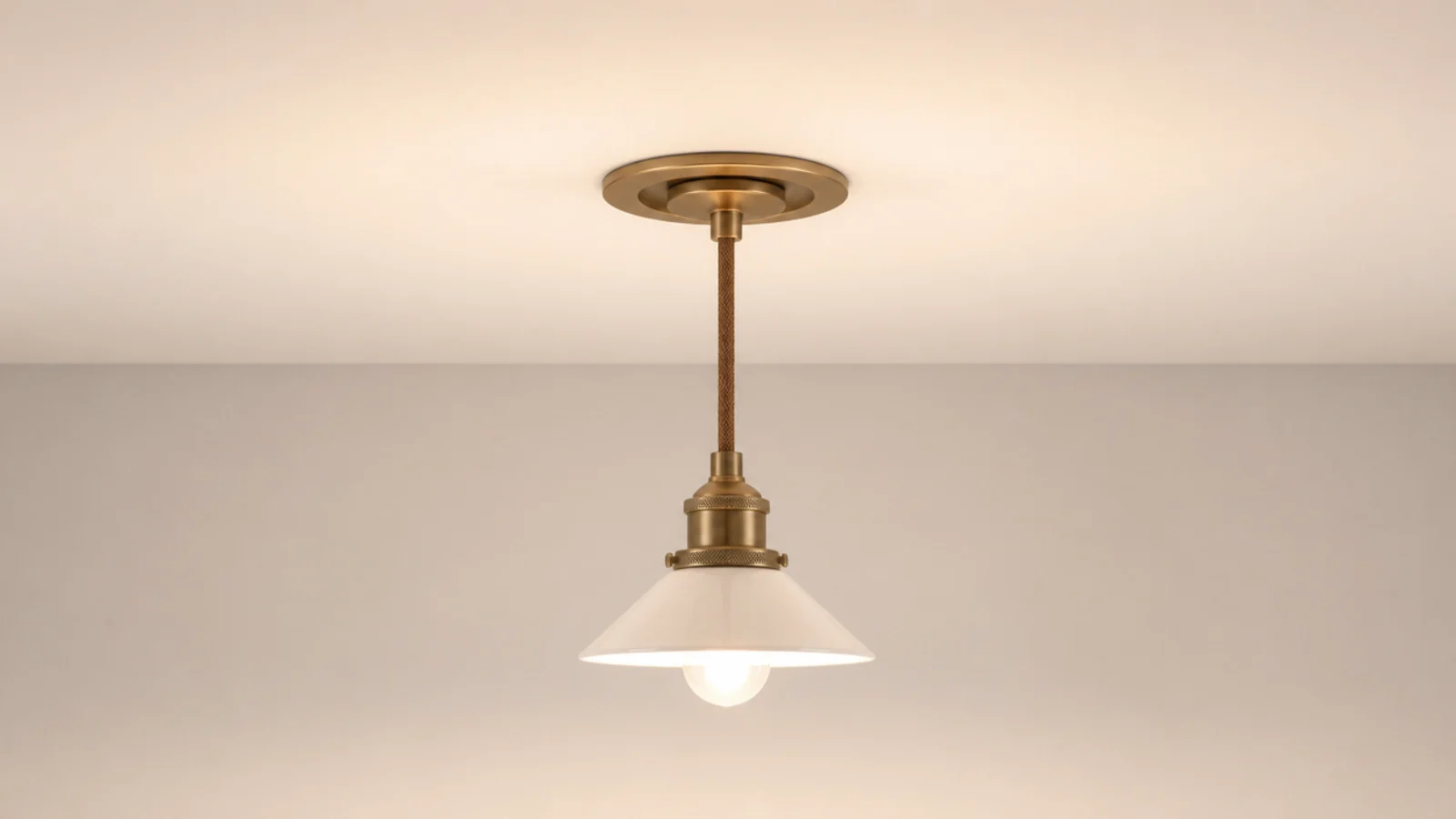
22. A pendant that dims for a studio flat
In a one-room flat, one fixture has to cover cooking, eating and sleeping. A dimmable pendant on a trailing-edge LED dimmer gives you three settings from one light. Check the minimum load — many dimmers need 10 watts, more than a single small LED draws.
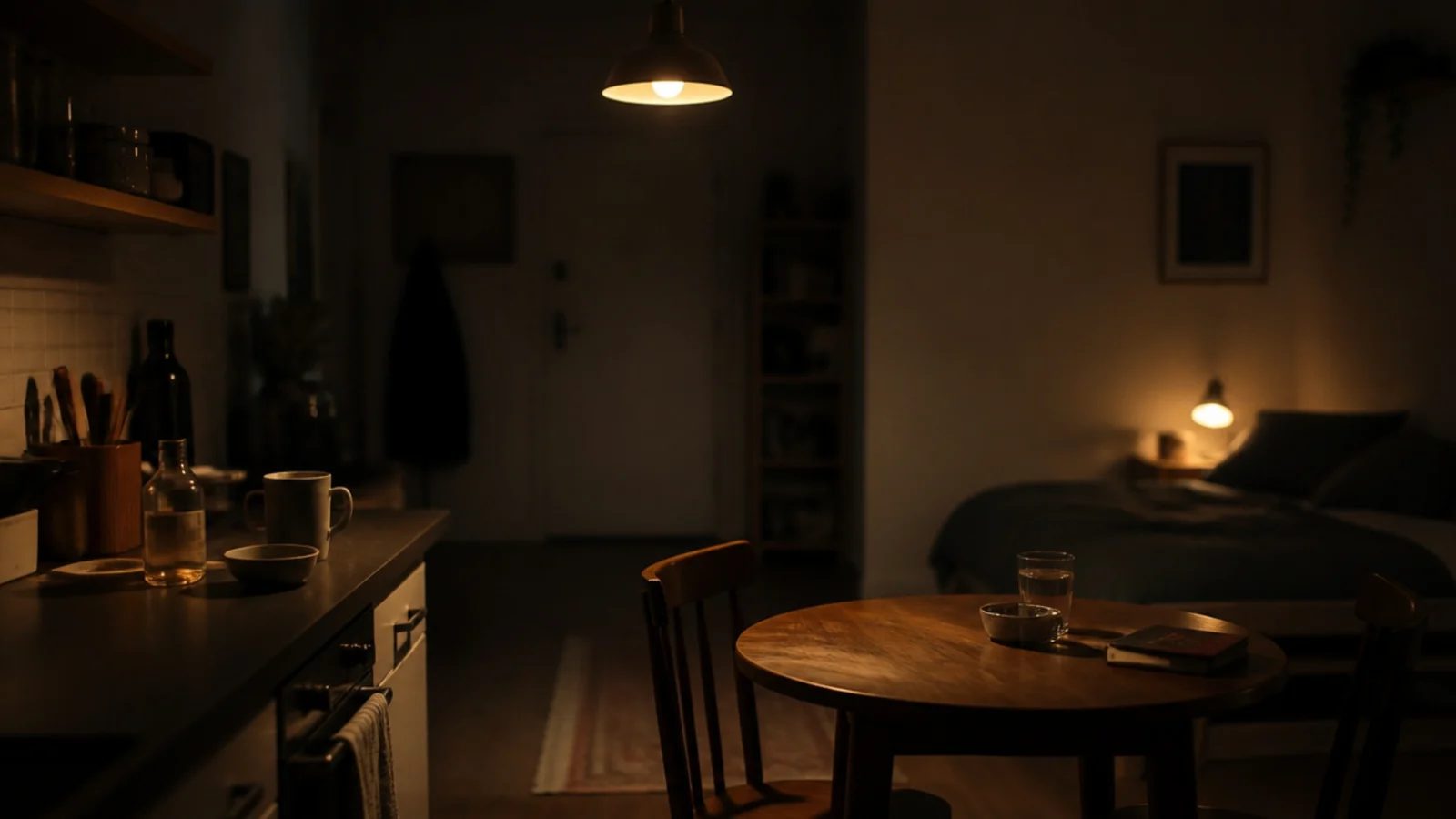
23. Weight limits in an older small flat
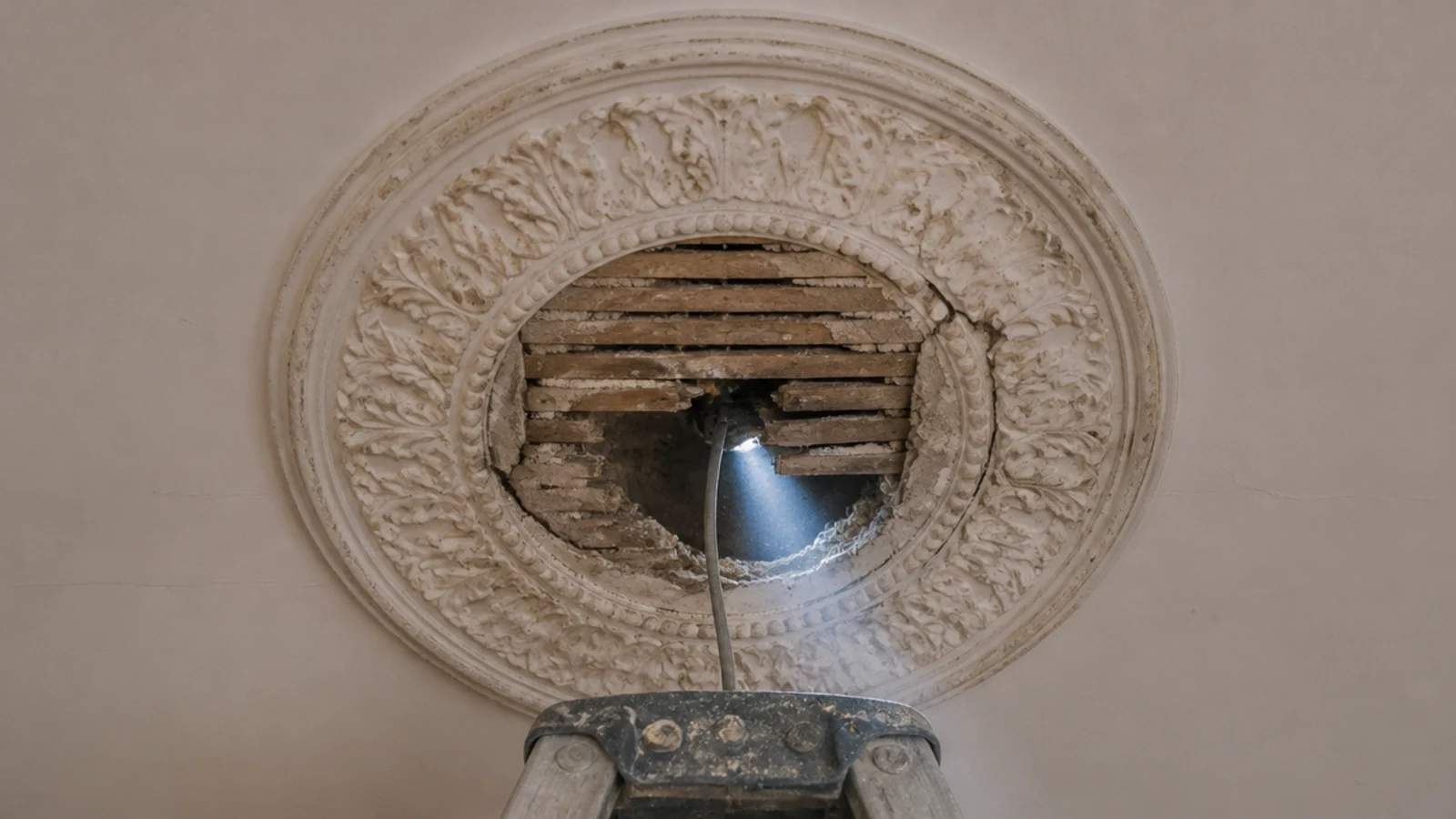
Older flats often have lath and plaster ceilings with a cable emerging from a rose fixed to nothing structural. A rated ceiling box carries the fixture weight; a plaster rose does not. Keep the shade under about 5 pounds unless you have seen a rating stamp, and get the box replaced if you have not.
24. Cleaning access in a tight space
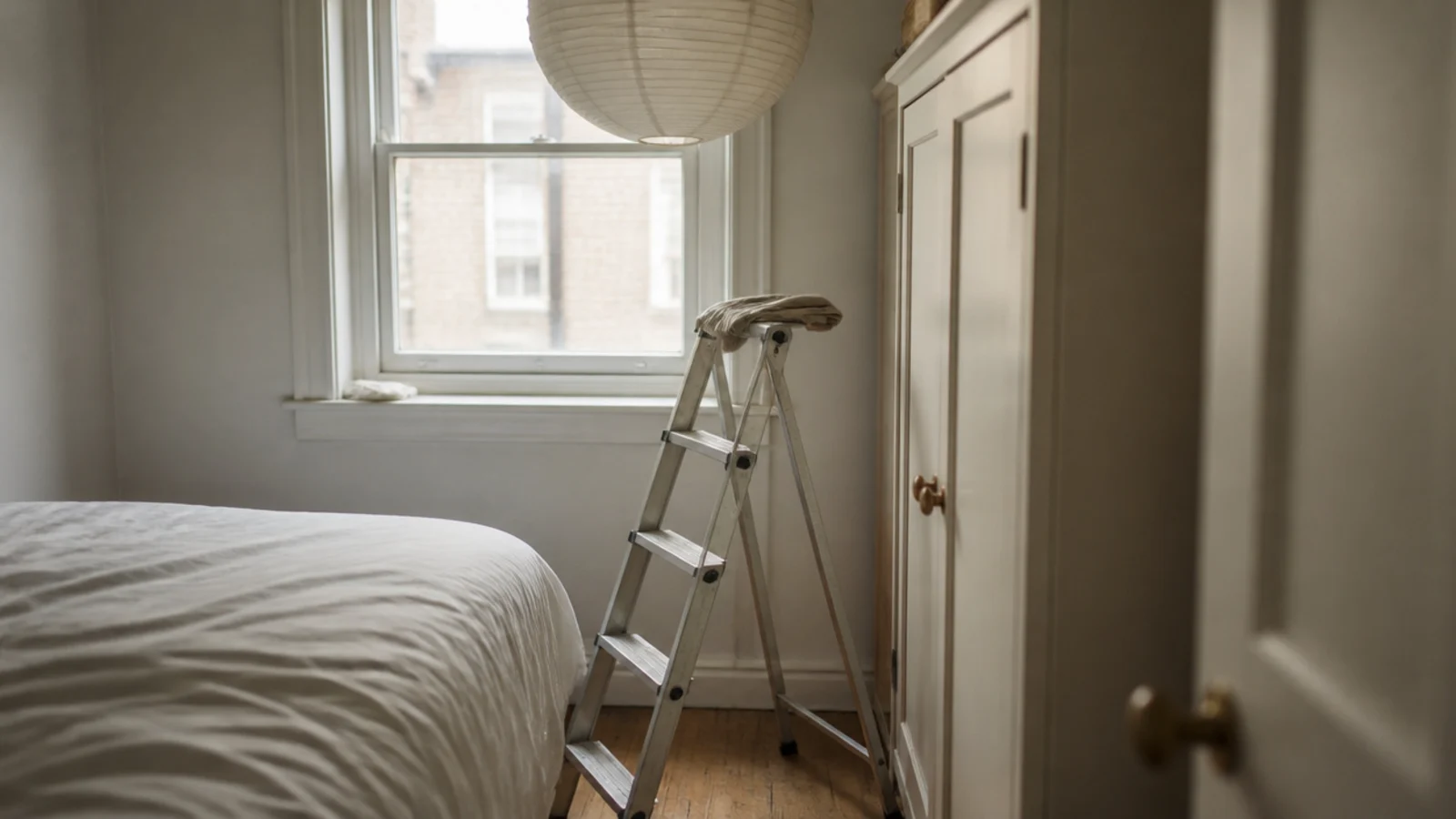
Before you hang anything, check a step ladder actually opens beneath it. In a bedroom where the bed is 18 inches from the wall, a fixture you cannot reach is a fixture that stays dusty. A corner shelf has the same problem and the same test.
25. A pendant above a narrow hallway console
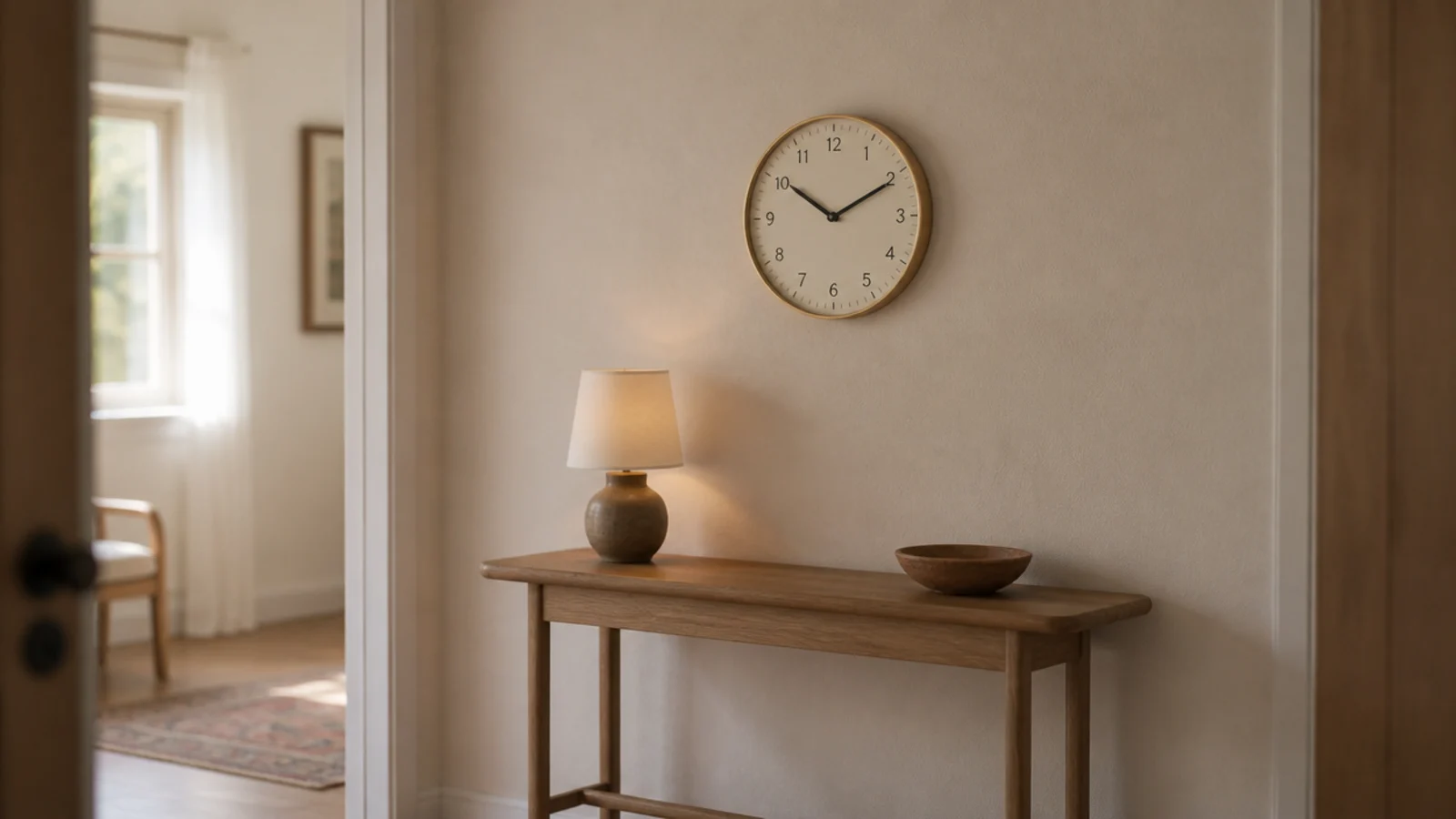
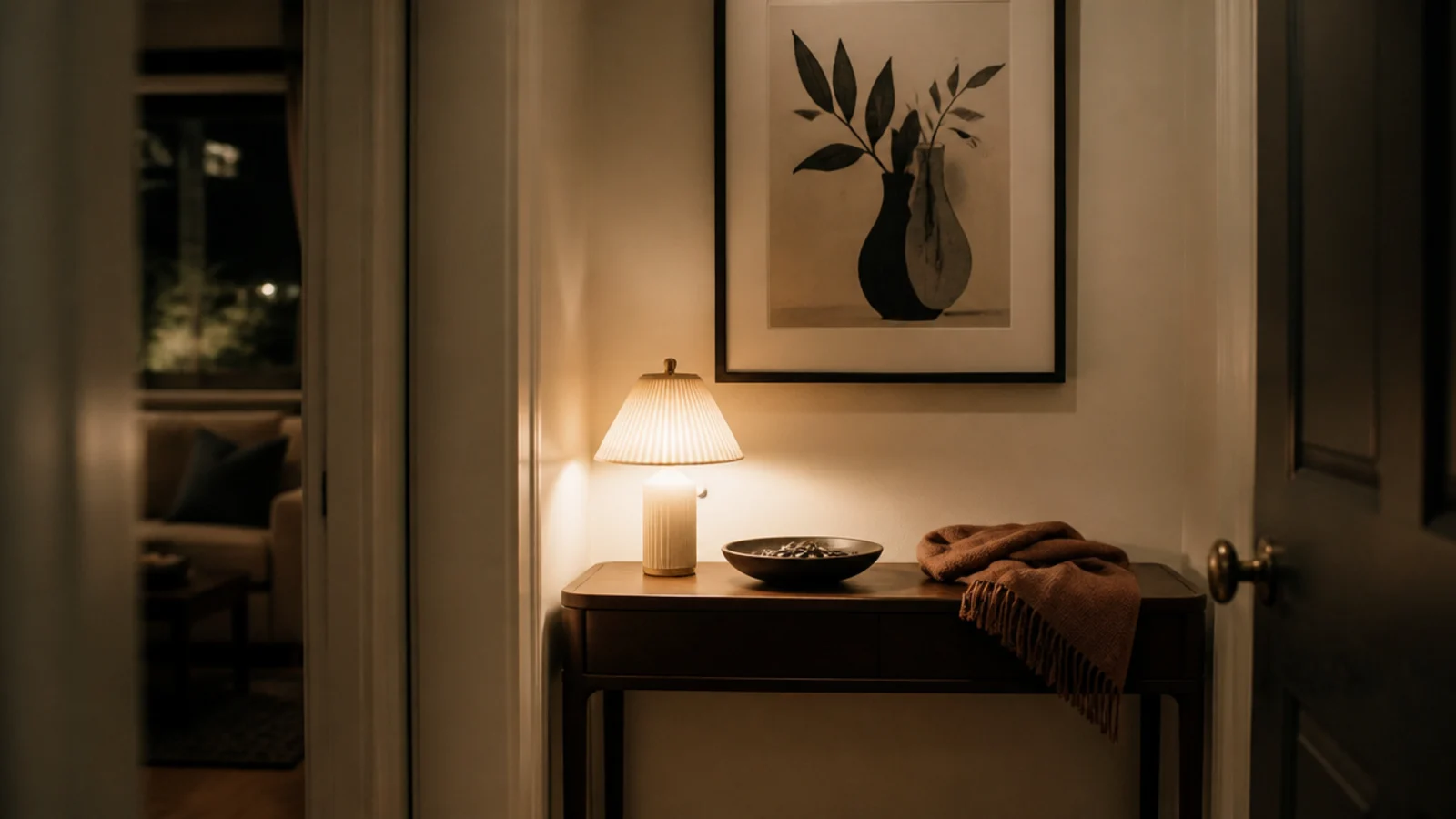
A 10 inch deep console in a hall takes a 6 to 8 inch shade hung so the bottom sits 7 feet up, offset over the console rather than the middle of the hallway. It turns a corridor into a place, and it is often the cheapest fixture in the house. The modern round-up covers the same restraint applied to furniture.
If the small room in question is a kitchen, kitchen hanging lights covers the counter clearances and task lumen counts in more detail.
Mistakes to Skip
- Over-lighting the room. Small spaces need 10 to 20 lumens per square foot, and a 1,500 lumen pendant in a box bedroom makes it feel like a corridor rather than a room.
- Ignoring the 7 foot rule because the room is short on ceiling. If the clearance is not there, the answer is a semi-flush fixture, not a shorter person.
- Hanging a clear glass shade with a bright bulb in it. In a small room your eye has nowhere else to go, and a visible filament becomes the whole scheme.
- Forgetting how you will clean it. A ladder that will not open beneath the fixture means a shade that gathers dust for as long as you live there.
Frequently asked questions
What size pendant suits a small room?
Keep the shade under 12 inches across in a room below about 120 square feet, and under 8 inches if it hangs anywhere near a doorway or a walkway. Over a small round table, size to the table instead at roughly half its width, so a 36 inch table takes a shade around 16 to 18 inches.
Can you hang a pendant from an eight foot ceiling?
Yes, but the drop has to be short. Anywhere people walk, the bottom of the shade stays at 7 feet, which leaves only 12 inches for the canopy, cord and shade together. Over a table or a counter nobody crosses, you can hang much lower because the clearance rule no longer applies.
How far apart should two small pendants hang?
Set the centres 24 to 30 inches apart in a compact kitchen, and keep at least 6 inches between the outer edge of each shade and the end of the counter. Two shades closer than 24 inches read as one clumsy fixture; further than 30 inches and the middle of the run goes dark.
How many lumens does a small room need?
Plan for roughly 10 to 20 lumens per square foot of ambient light, so a 100 square foot room wants 1,000 to 2,000 lumens across everything. A single pendant at 600 to 800 lumens plus one small lamp usually covers it, and both should be on dimmers rather than run flat out.
Does a clear glass pendant make a room look bigger?
It helps, because you see through the fixture rather than around it, which keeps the sightline across the room intact. The trade is a visible filament, so use an amber or opaque-tipped bulb under 400 lumens, or the fixture reads as a bright spot instead of a piece of glass.
Want more like this? Browse all 15 hanging lights guides — they all use the same measurements and budget tiers.

Pin it for later
Save this to your Hanging Lights board
Pin it now so it is waiting for you when the tape measure comes out — and so the next person hunting for this idea can find it too.
Save this pinKeep going
More ideas worth saving while you have the tape measure out.