Hanging Lights · Listicle
20 Hanging Lights In Living Room Ideas On A Budget

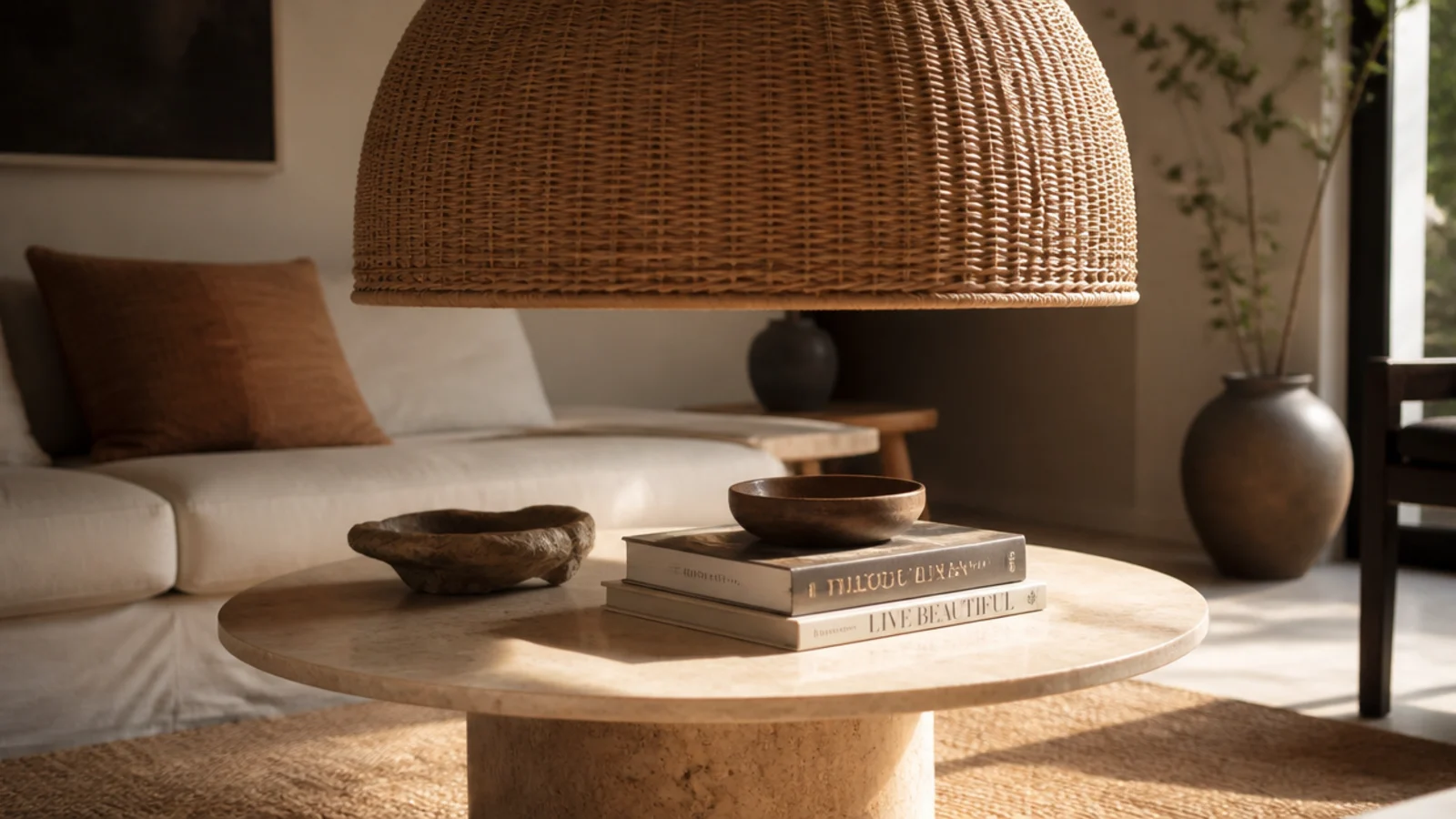
Living rooms get the worst lighting in the house because they get the least thought. One bright fitting in the middle of the ceiling, switched at the door, doing everything from film night to reading. The good news is that hanging lights in living room schemes are the cheapest fix available — a $30 lantern, a $25 dimmer and an $8 warm bulb change a room more than a new sofa does. I have lit three rentals this way without an electrician touching anything. Below are twenty approaches, sorted so the no-drill and no-wiring ones come early, with the clearances and lumen counts that make each one work.
In this guide22 sections — tap to openHide
- 1.What hanging lights in living room budgets get wrong
- 2.A paper lantern over the whole seating group
- 3.A rattan dome above the coffee table
- 4.Swag one pendant across to the sofa corner
- 5.A conversion kit in place of a downlight
- 6.Three cheap shades on one cluster canopy
- 7.A plug in pendant behind the armchair
- 8.A drum shade to hide a builder fixture
- 9.Two matching pendants over a long console
- 10.Sizing the fixture with the room measurement rule
- 11.Keeping seven feet clear in the walkway
- 12.A dimmer instead of a new fixture
- 13.A warm bulb swap that costs eight dollars
- 14.Three layers instead of one ceiling light
- 15.A painted metal shade for under forty dollars
- 16.An oversized shade in a small living room
- 17.A pendant that lights the reading corner only
- 18.One shade repeated in two connected rooms
- 19.A salvaged fixture rewired properly
- 20.Cord covers that leave no marks
- 21.The ceiling box behind a rented ceiling
- 22.Mistakes to Skip
What hanging lights in living room budgets get wrong
Three numbers decide whether a cheap fixture looks cheap.
Clearance. Anywhere people walk, the bottom of the shade stays at least 7 feet off the floor. Over a coffee table nobody crosses, drop to 30 to 36 inches above the table top — that lower position is what makes a big room feel like a seating group rather than a hall.
Diameter. Add the room length and width in feet and read the total as inches. A 12 by 16 foot room wants a fixture around 28 inches across. Under-scaling is the classic budget mistake: a 10 inch shade in a 15 foot room reads as a bare bulb no matter what it cost.
Total lumens. Plan 10 to 20 lumens per square foot of ambient light. A 200 square foot living room needs 2,000 to 4,000 lumens in total — but split across three or four sources on dimmers, never loaded into one overhead fixture.
Costs are low if you stay away from the wiring. Plug-in swag kits run $20 to $45, recessed-can conversion kits $18 to $40, paper lanterns $15 to $45, painted metal shades $30 to $70, and a trailing-edge LED dimmer $20 to $35. Hard-wiring a new position is an electrician's job in most jurisdictions, and a rated ceiling box carries the fixture weight rather than the plaster around it, so anything over about 10 pounds needs the stamp checked first.
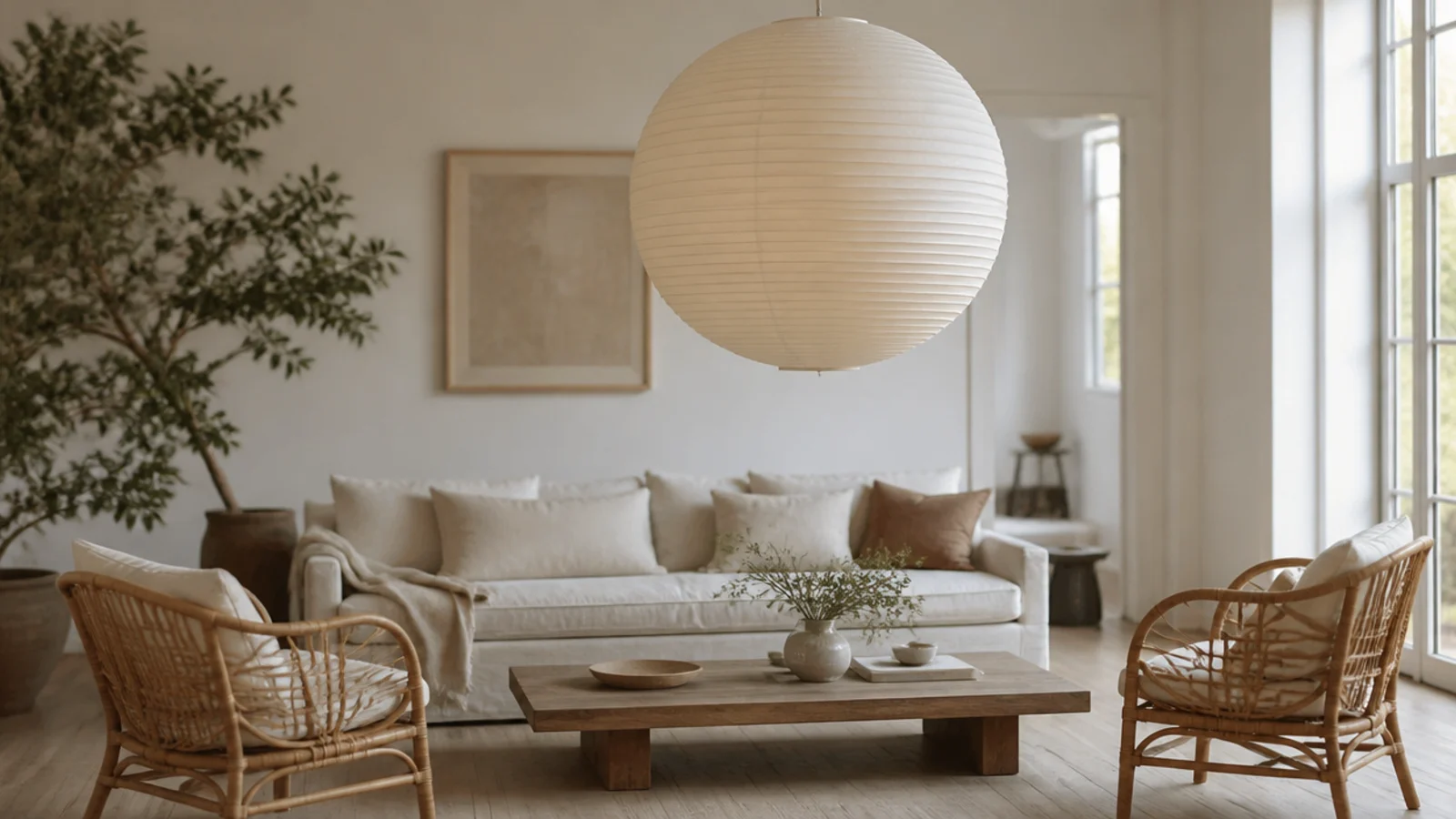
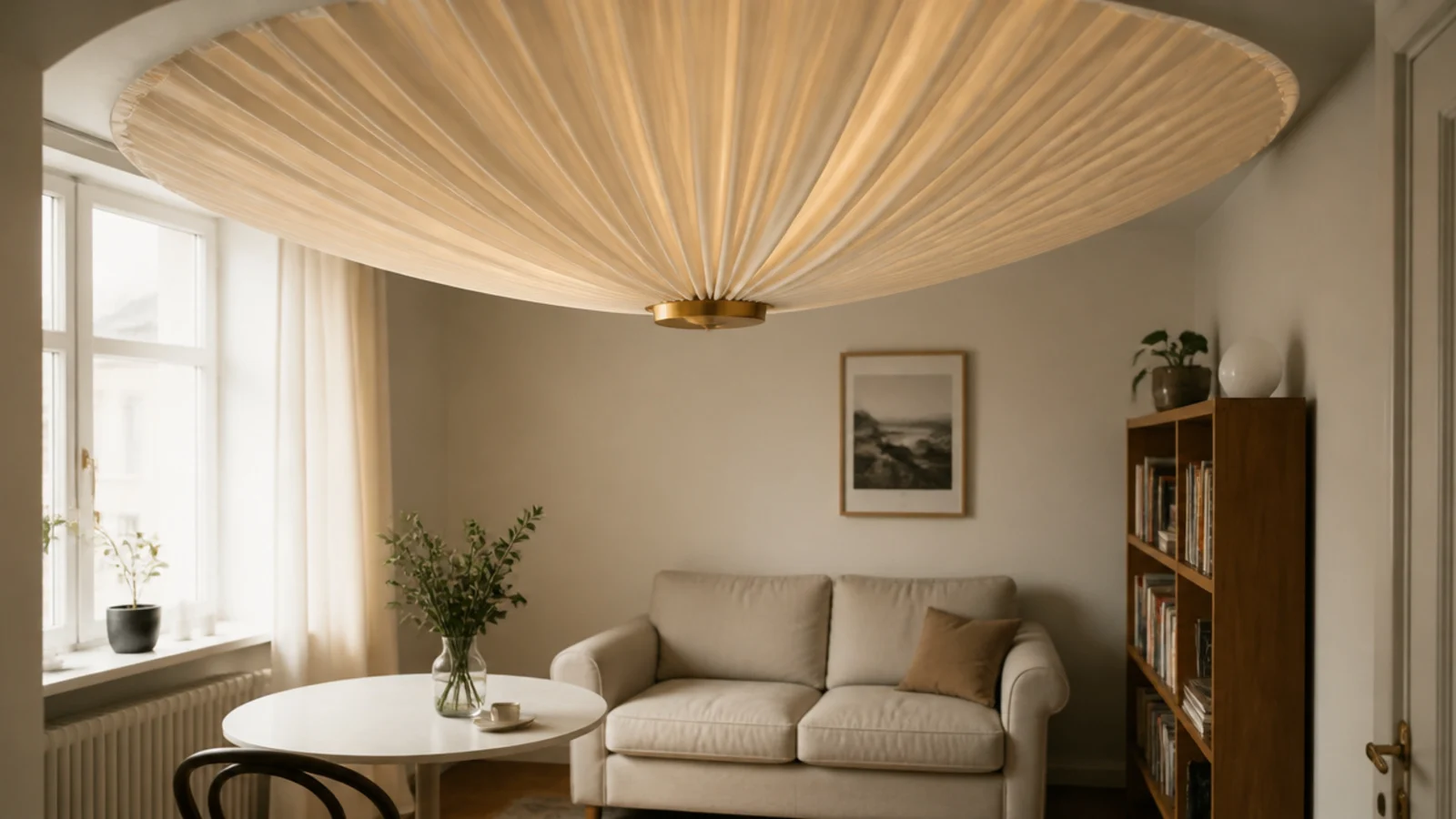
1. A paper lantern over the whole seating group
The highest impact per dollar in this article. A 24 to 30 inch ribbed lantern at $15 to $45 fills a ceiling that would otherwise need a $400 fixture, and the diffusion is genuinely good. Buy the version with an internal wire frame rather than a folding one, and keep a cool-running LED at least 2 inches clear of the paper.
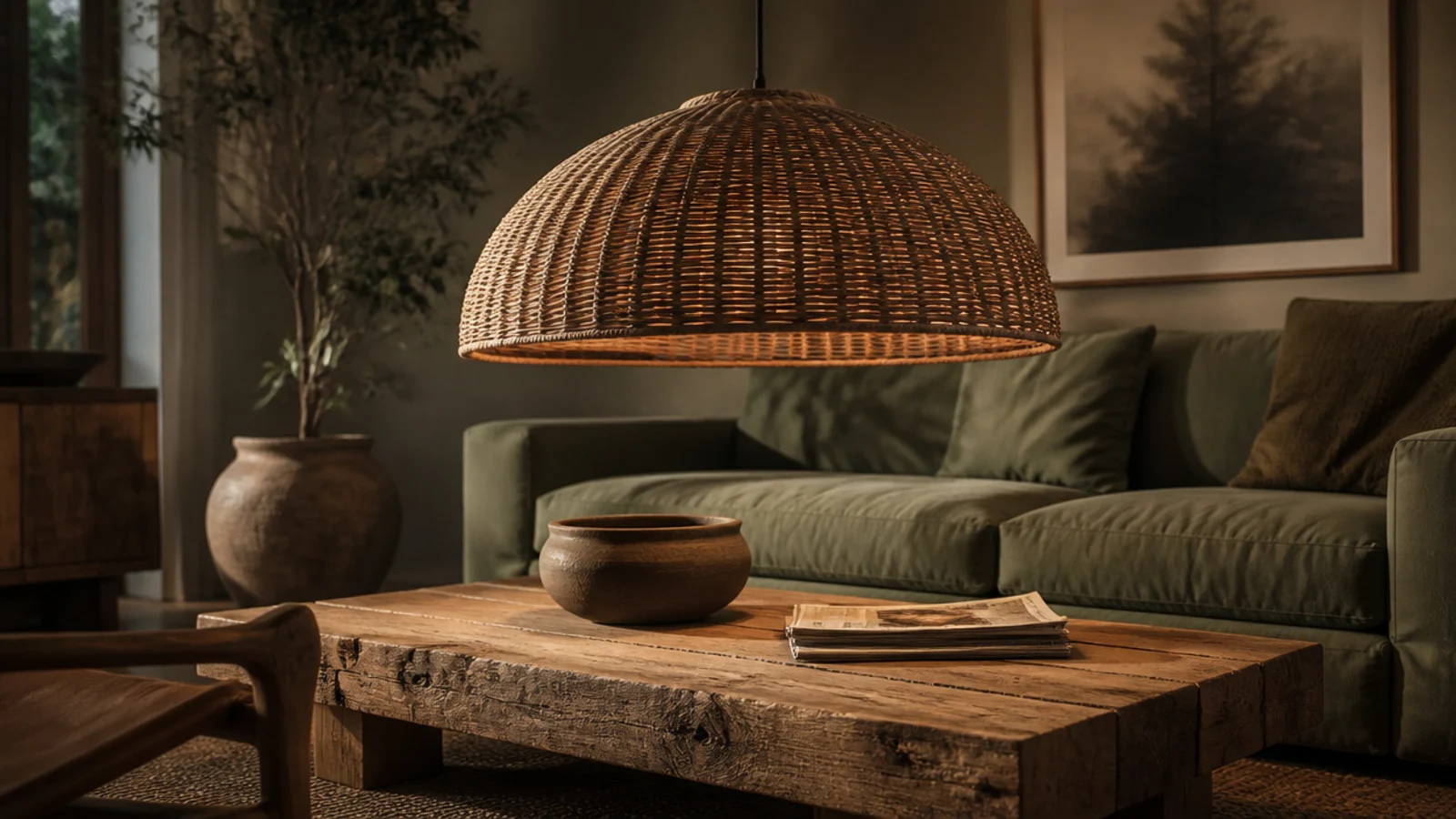
2. A rattan dome above the coffee table
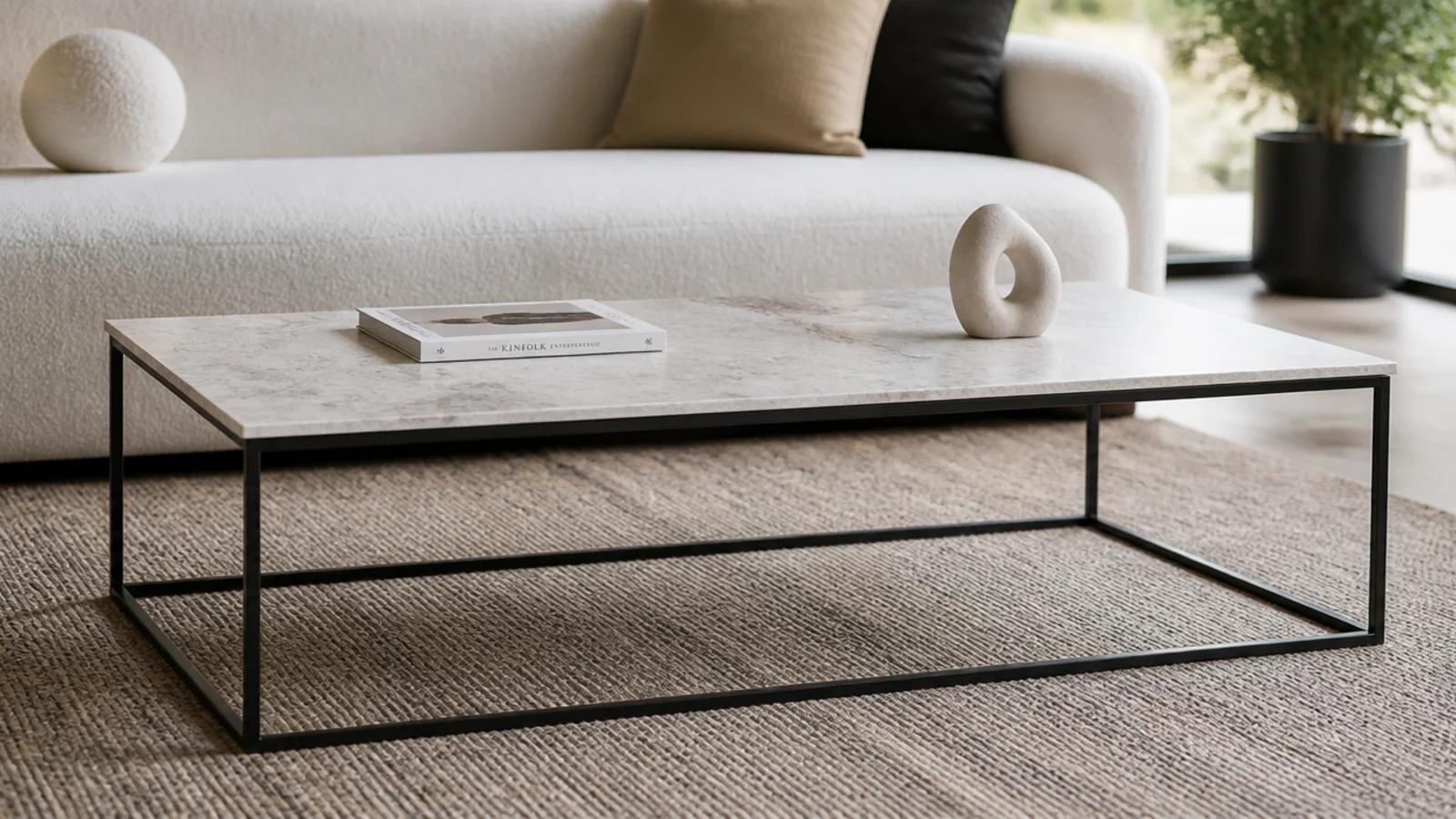
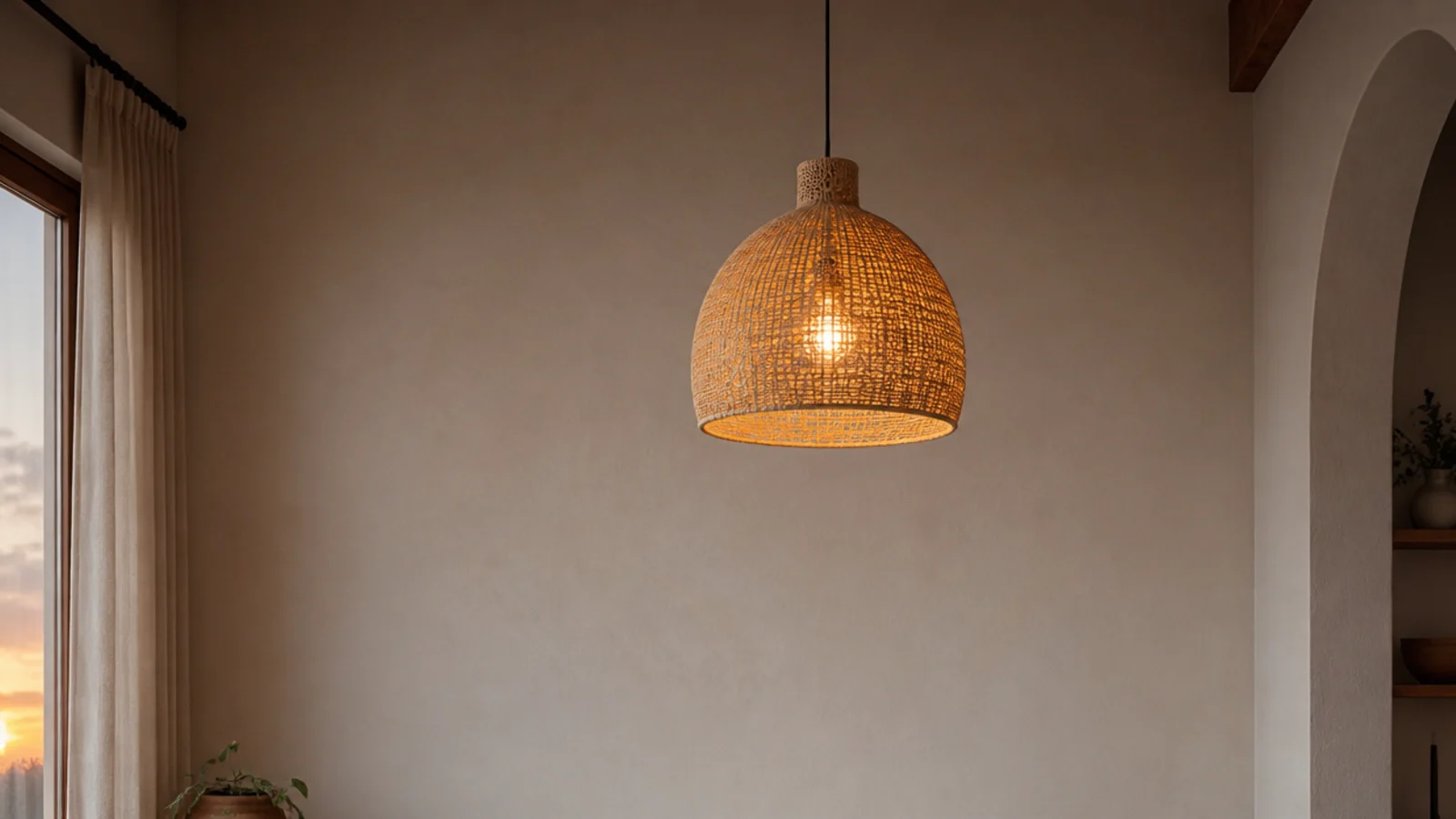
Hung 30 to 36 inches above the table top, a 16 to 20 inch woven dome brings the ceiling down to conversation height. Weight is 3 to 6 pounds, so any rated box takes one. Use 500 to 700 lumens at 2700K — enough to read a magazine by, low enough that the weave still glows.
3. Swag one pendant across to the sofa corner
Ceiling roses land in the middle of rooms; sofas do not. Two hooks and a 15 foot cord move the light to where you sit for under $30. Screw the hook into a joist, or use a toggle rated 30 pounds and up, and run the cord along a ceiling line rather than diagonally.
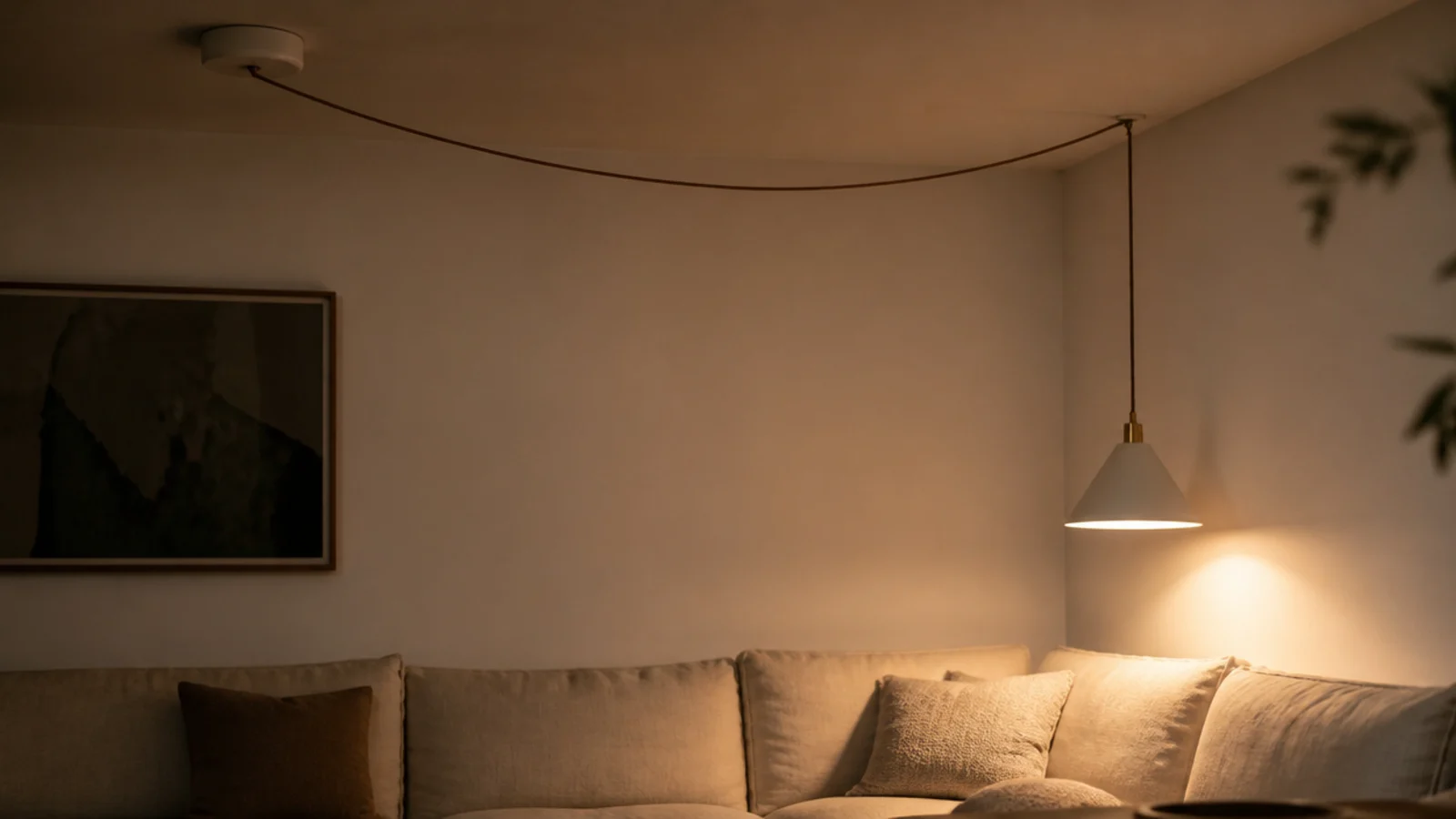
4. A conversion kit in place of a downlight
If the living room has recessed cans, a conversion kit screws into the bulb socket and hangs a cord and shade below a trim plate. It costs $18 to $40, takes ten minutes and touches nothing above the ceiling — which makes it the one real pendant option in a rental with downlights.
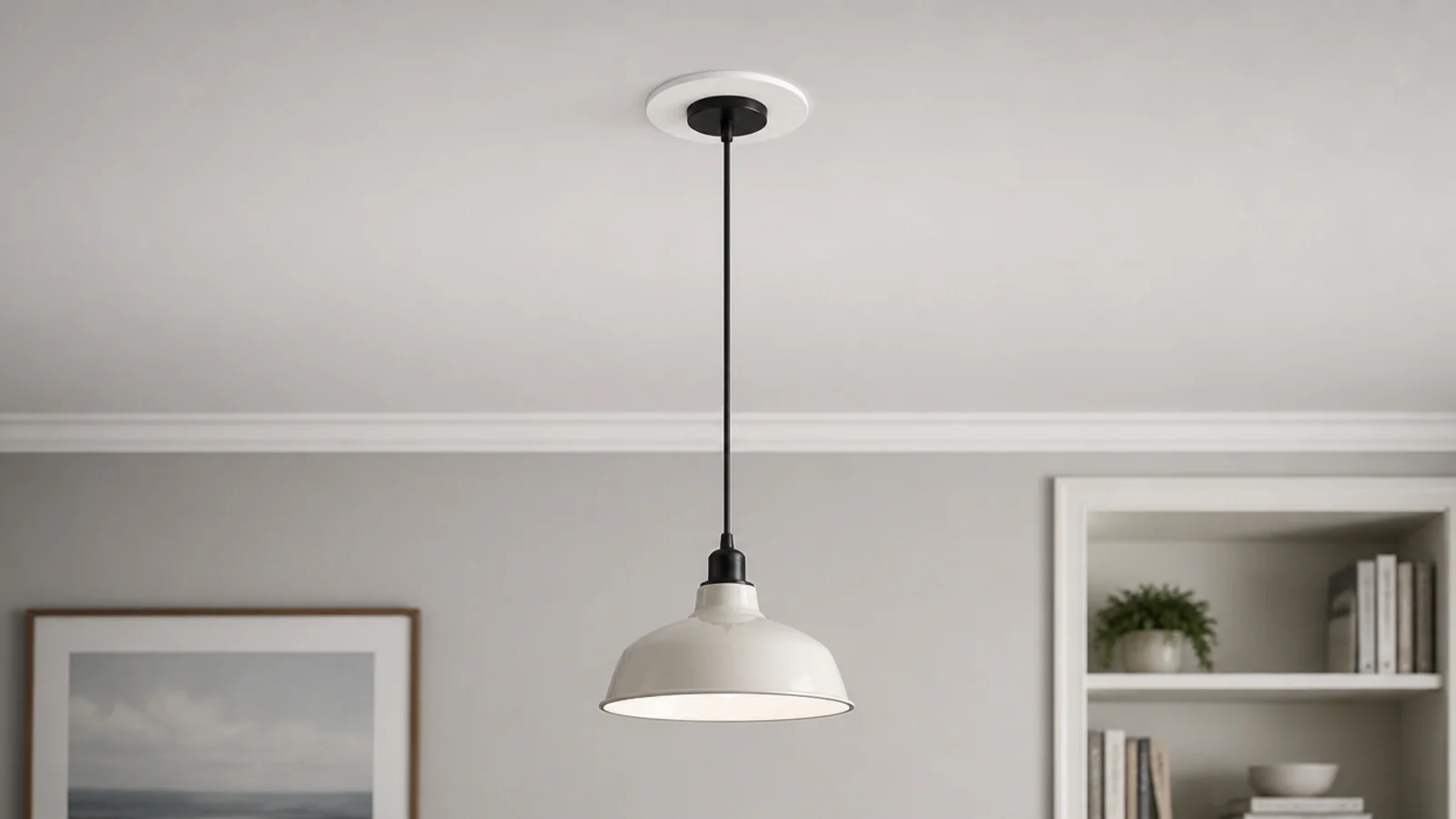
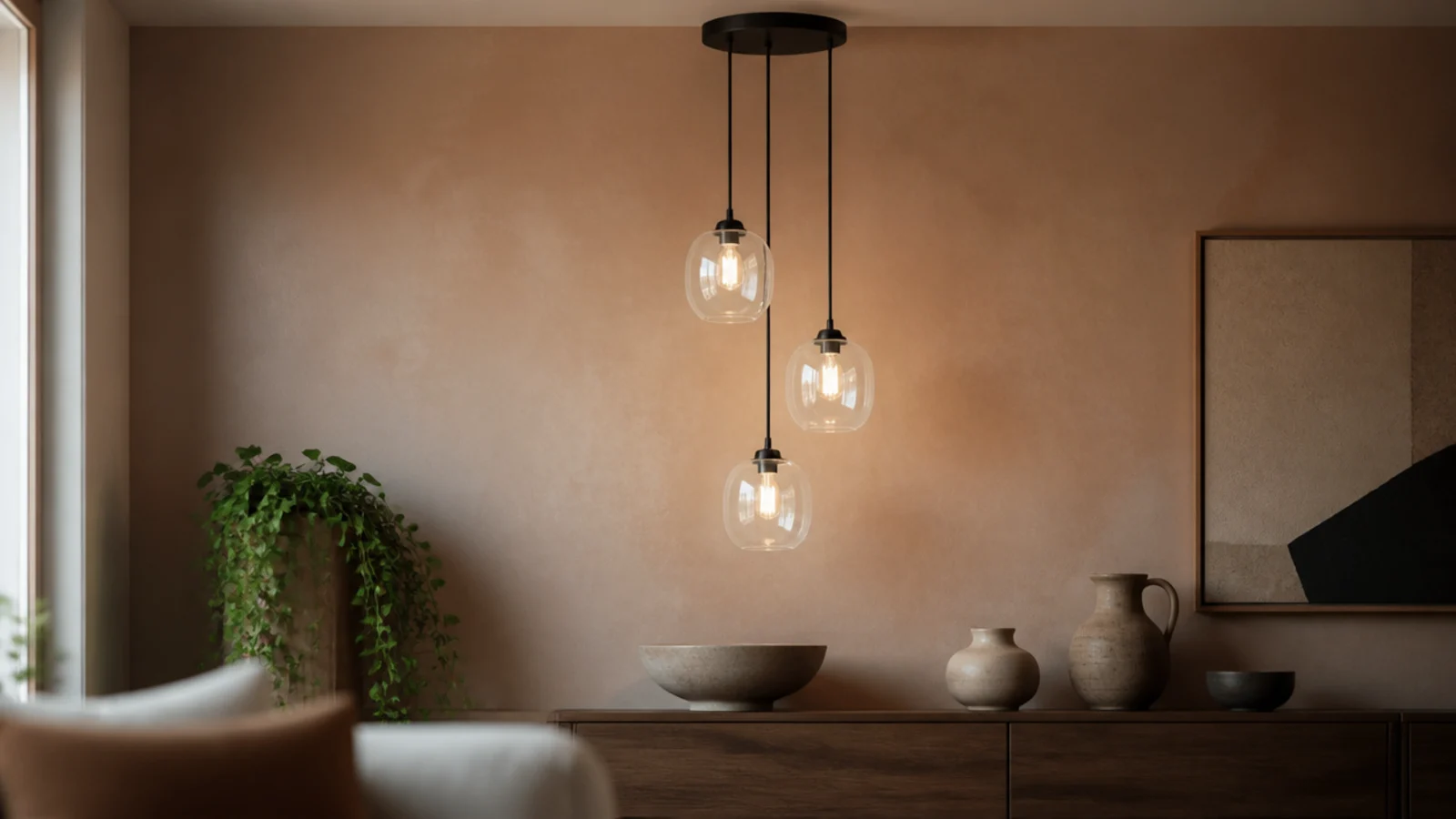
5. Three cheap shades on one cluster canopy
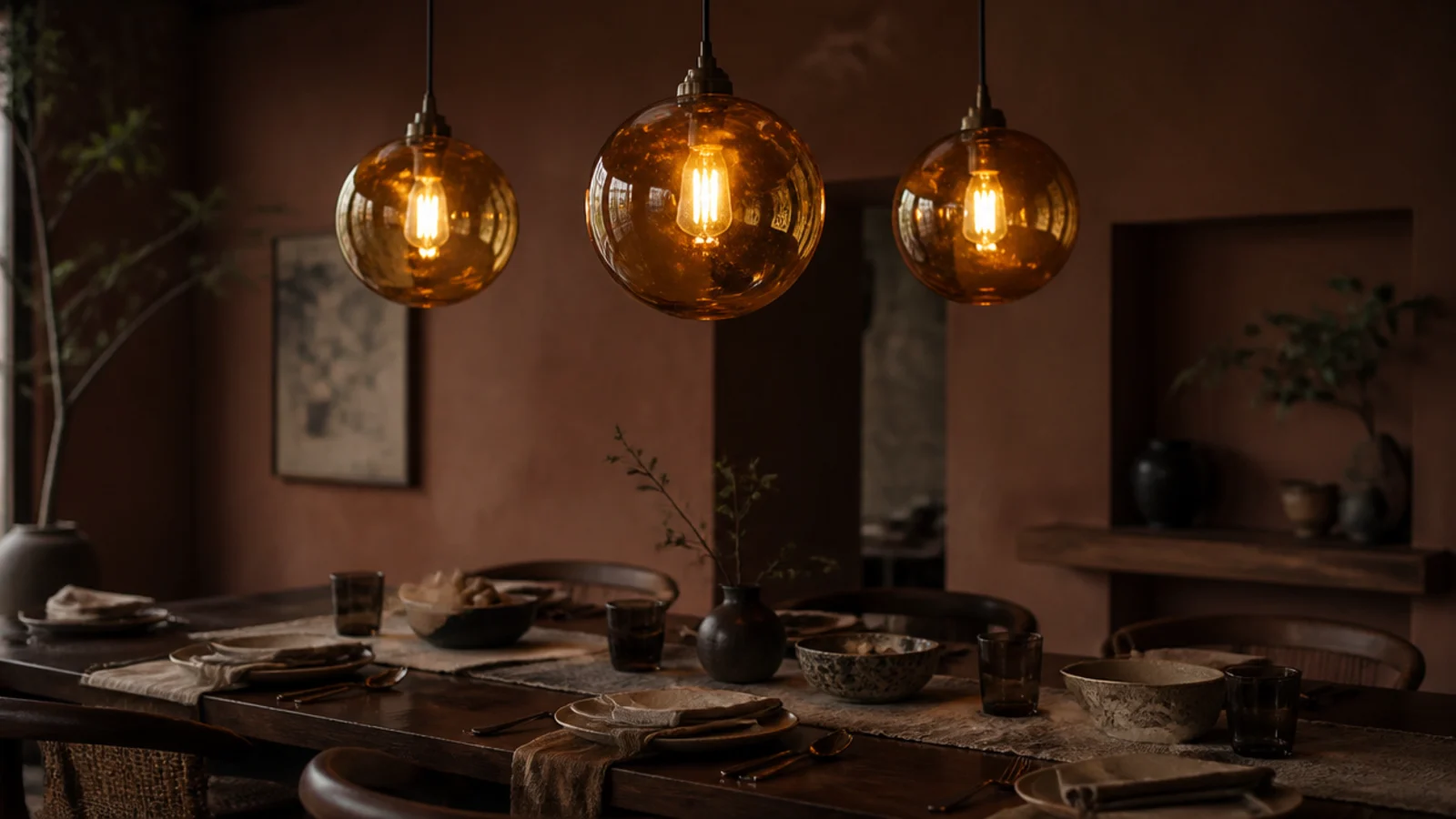
A three-port cluster canopy runs three cords from a single ceiling point, so you get the look of a designer group for the price of three plain glass shades. Stagger the drops by 8 to 12 inches, keep the lowest at 7 feet in a walkway, and use identical bulbs in all three.
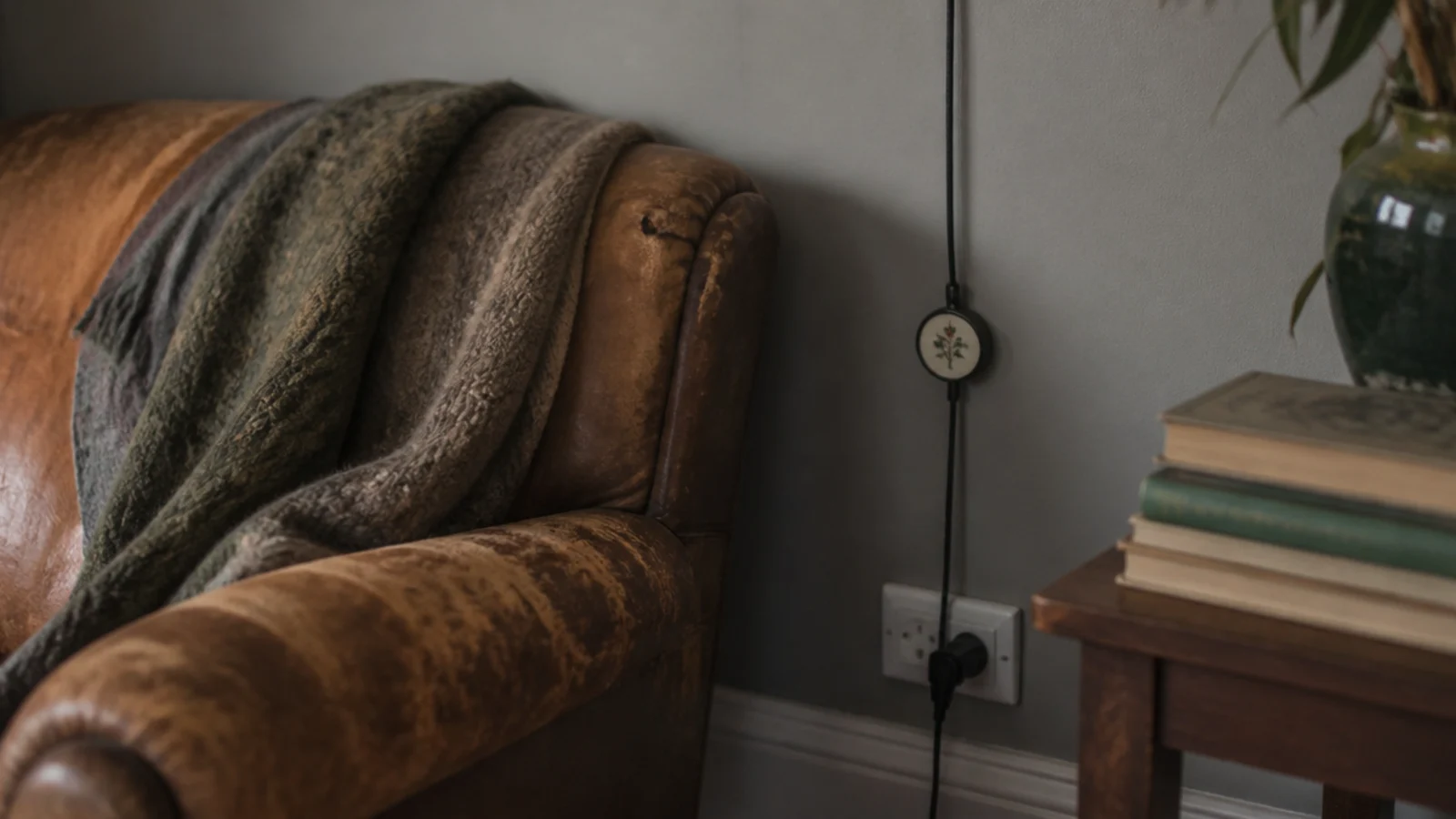
6. A plug in pendant behind the armchair
A single small shade on a plug-in cord, hooked 12 inches behind the chair back with the bottom at 60 to 66 inches, turns a dead corner into the best seat in the room. Total cost is usually under $40 including the bulb, and it needs one hook.
7. A drum shade to hide a builder fixture
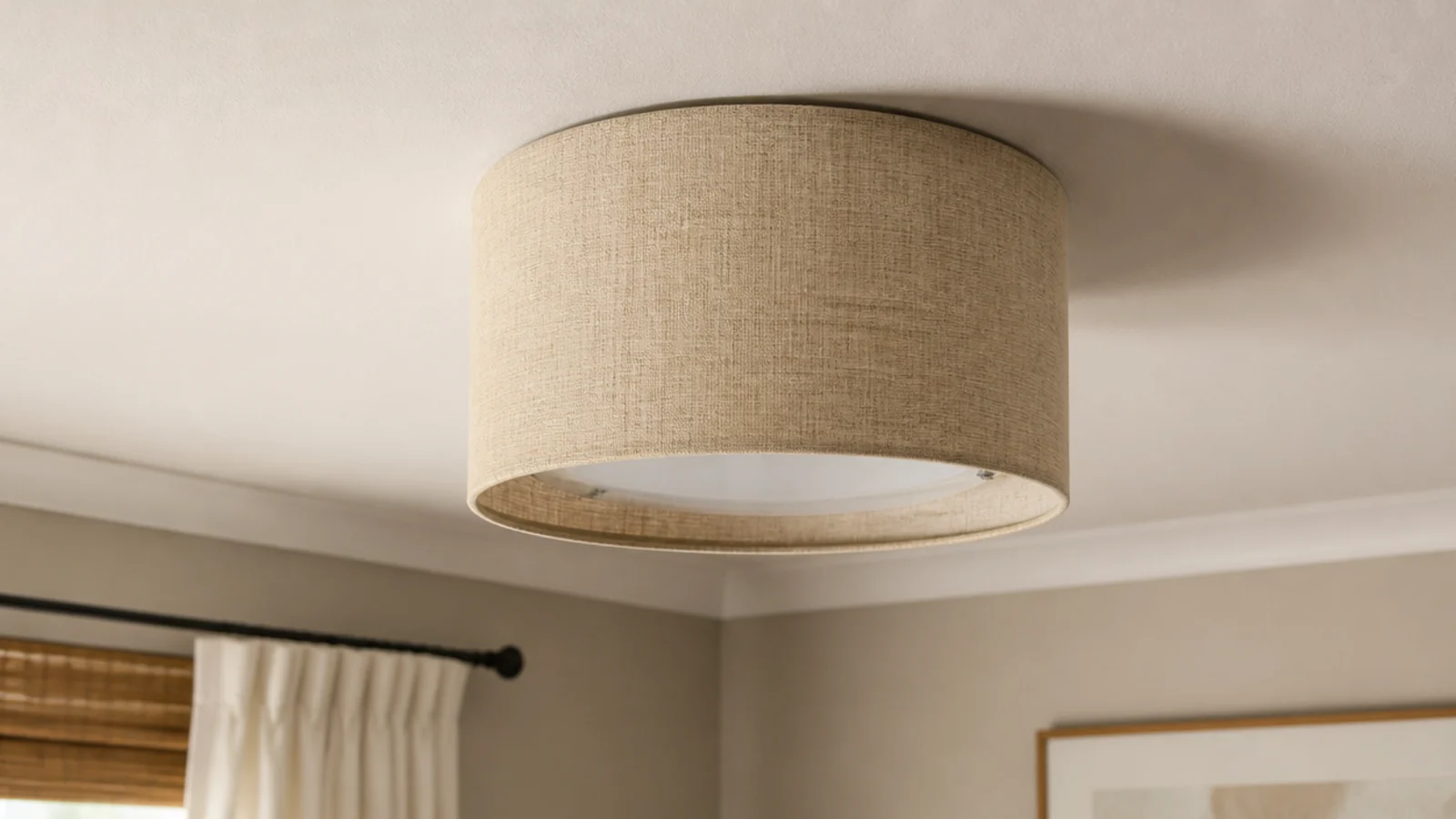
The plain glass dish every rental ships with can often be covered rather than replaced. A clip-on or ring-mounted linen drum at $25 to $60 hides it entirely, diffuses the light and comes down again on move-out with no trace. Check the shade sits at least an inch clear of the existing glass.
8. Two matching pendants over a long console
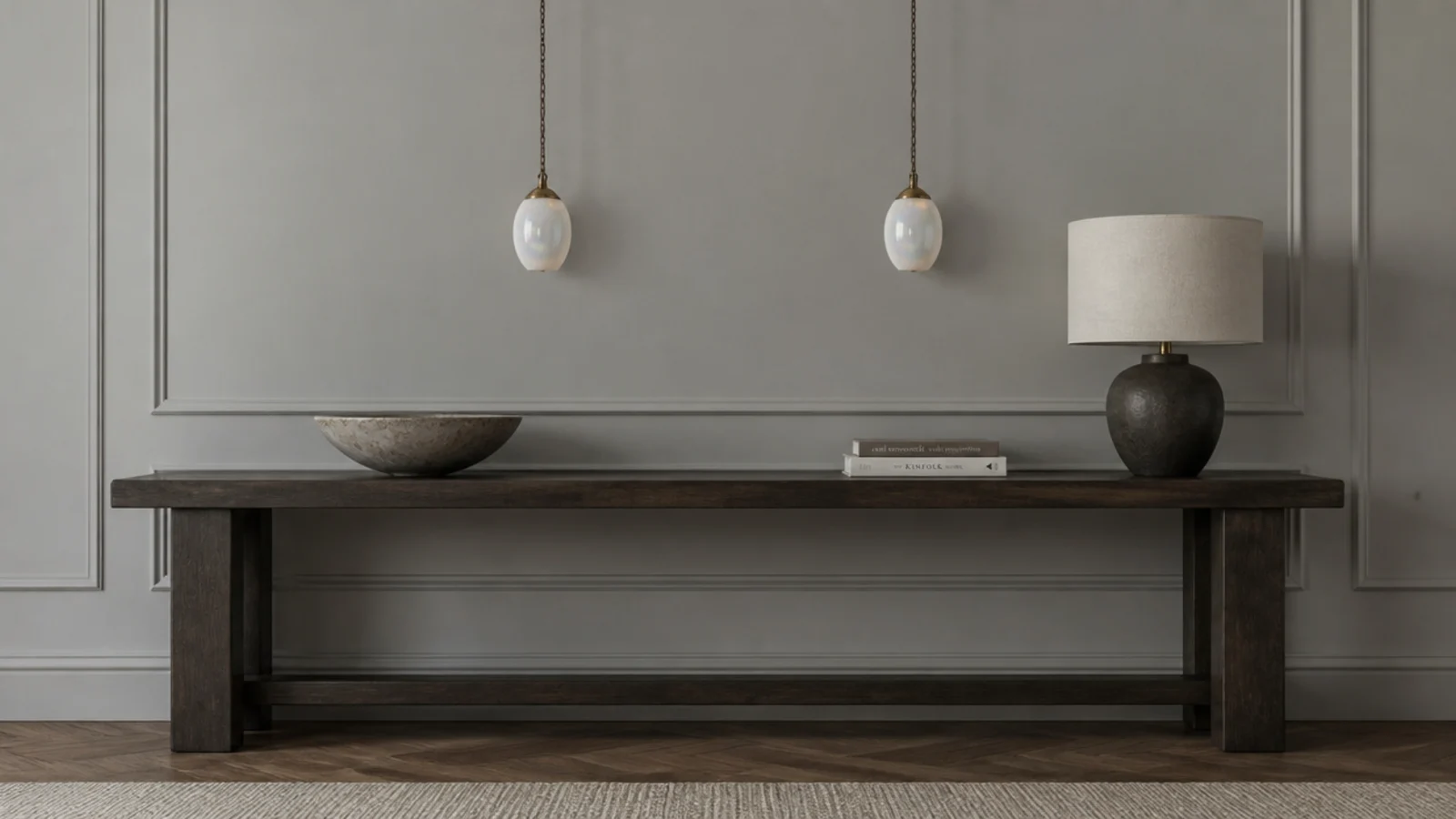
A console or a sideboard behind a sofa takes a pair of small shades beautifully. Space them at roughly a third and two thirds of the console length, drop them to 30 to 34 inches above the top, and keep each under 8 inches across so they frame rather than dominate.
9. Sizing the fixture with the room measurement rule
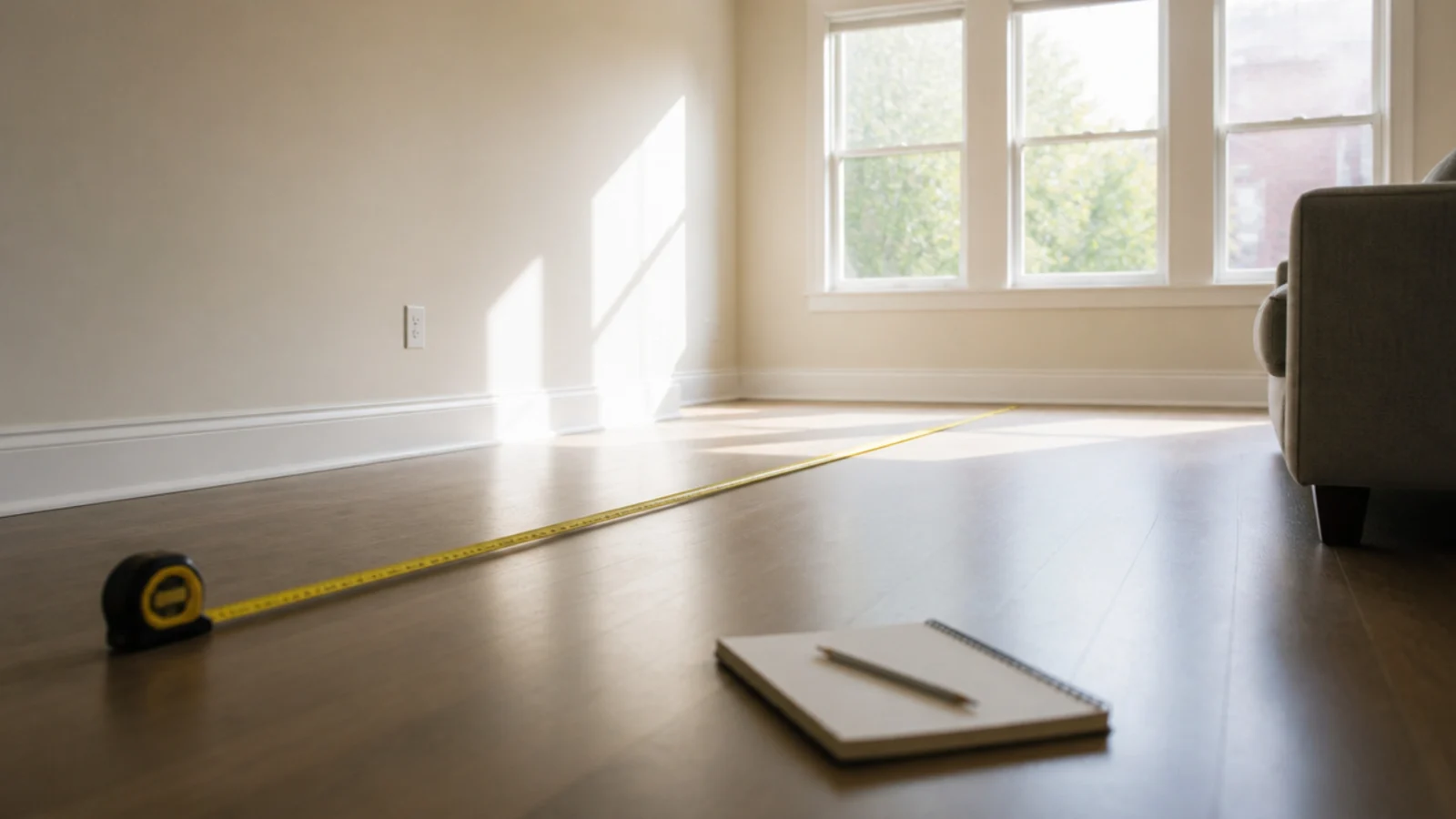
Measure once, before you shop. Room length plus room width in feet, read as inches, gives the diameter that will look right. It is the rule that stops you buying a 12 inch shade for a room that needed 26, which is the most expensive cheap mistake in lighting.
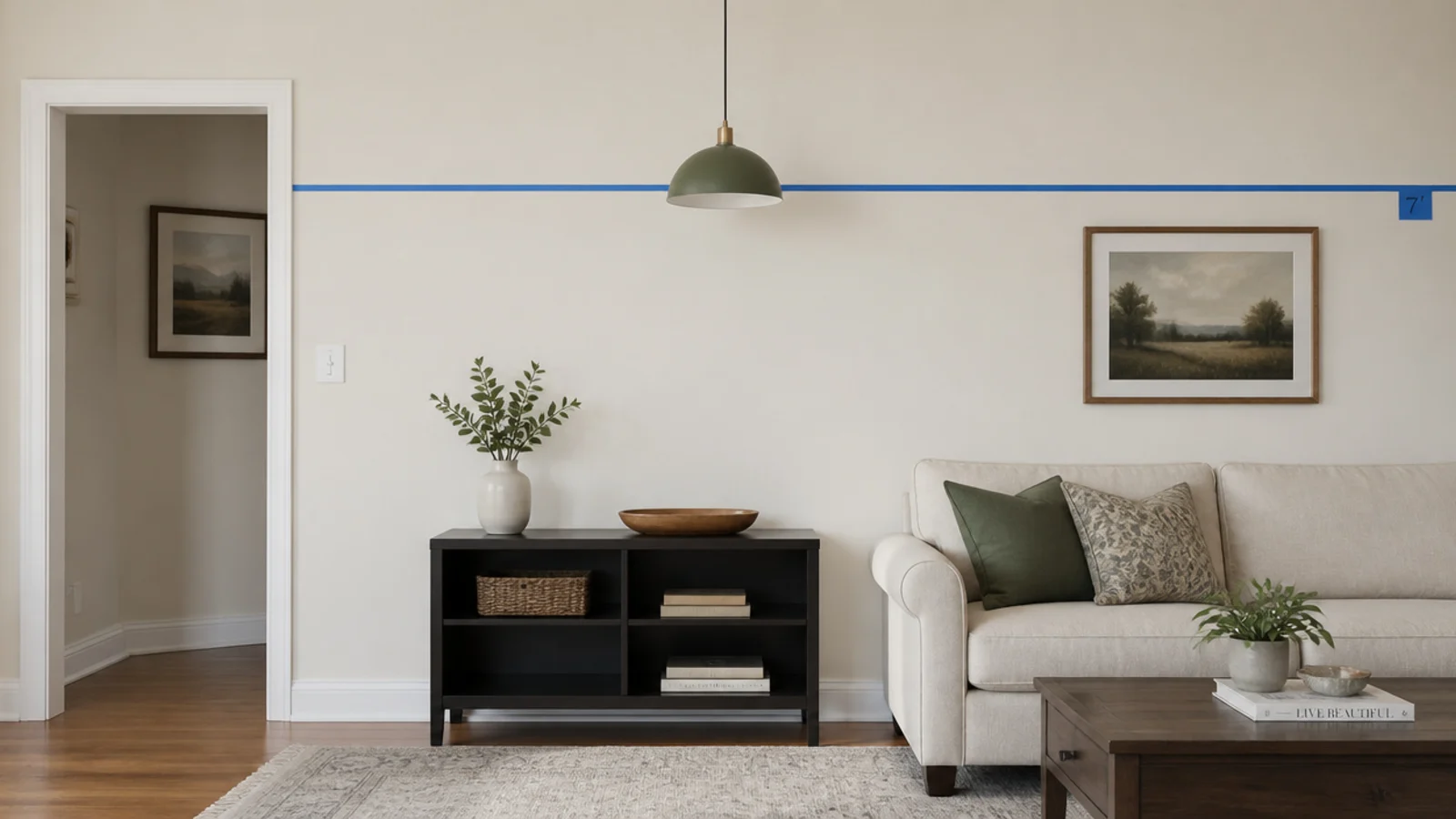
10. Keeping seven feet clear in the walkway
Any fixture in a route people walk needs 7 feet of clear height beneath it — 84 inches, measured to the lowest point of the shade. If the ceiling is 8 feet, that leaves 12 inches of drop including the canopy, which rules out most long-cord pendants and points you at semi-flush shapes.
11. A dimmer instead of a new fixture
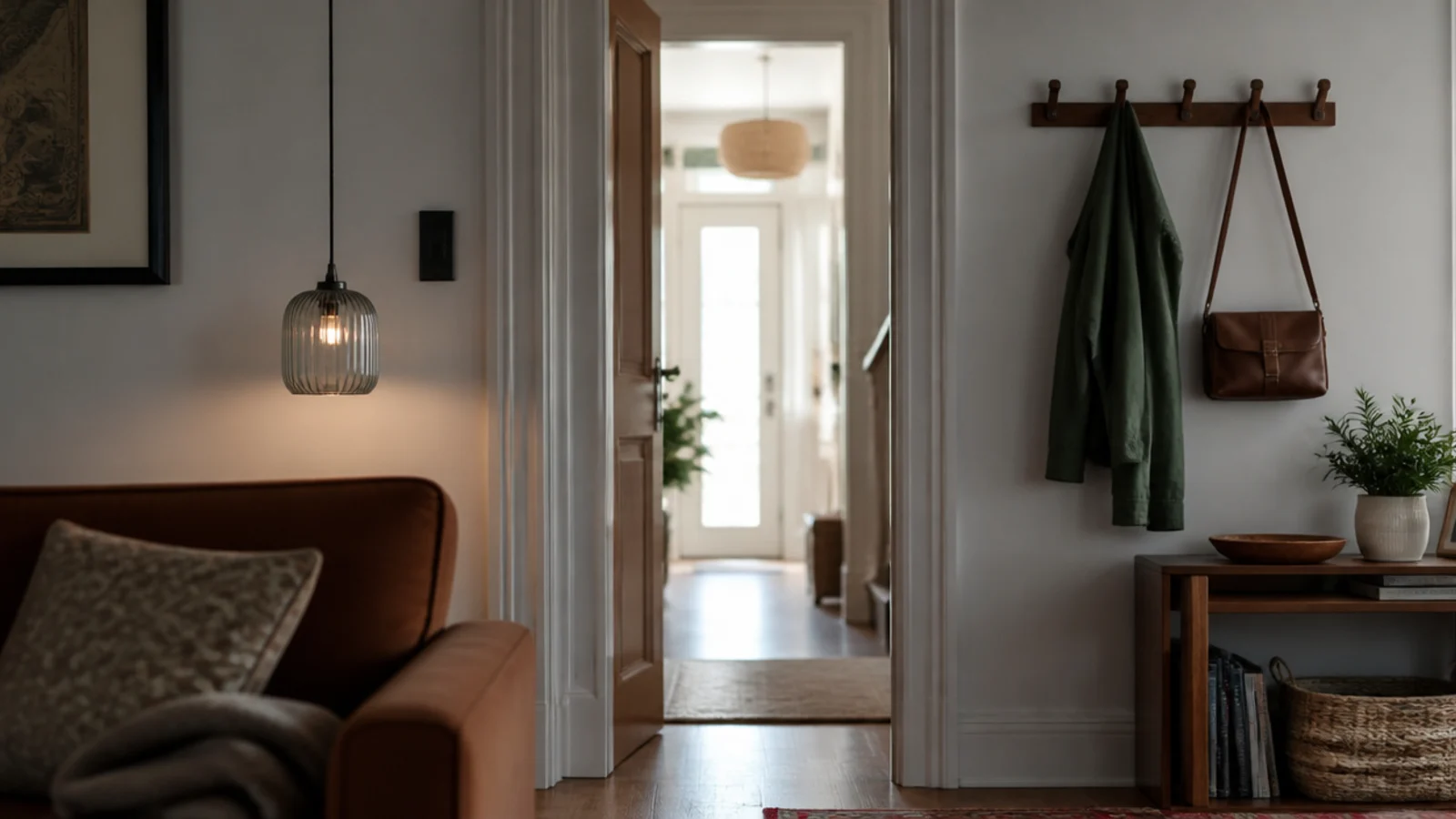
Before replacing anything, put the existing fixture on a dimmer. A trailing-edge LED dimmer costs $20 to $35 and changes the room more than most new lights do. Check the minimum load — many need 10 watts, which a single 6 watt LED will not reach without flicker.
12. A warm bulb swap that costs eight dollars
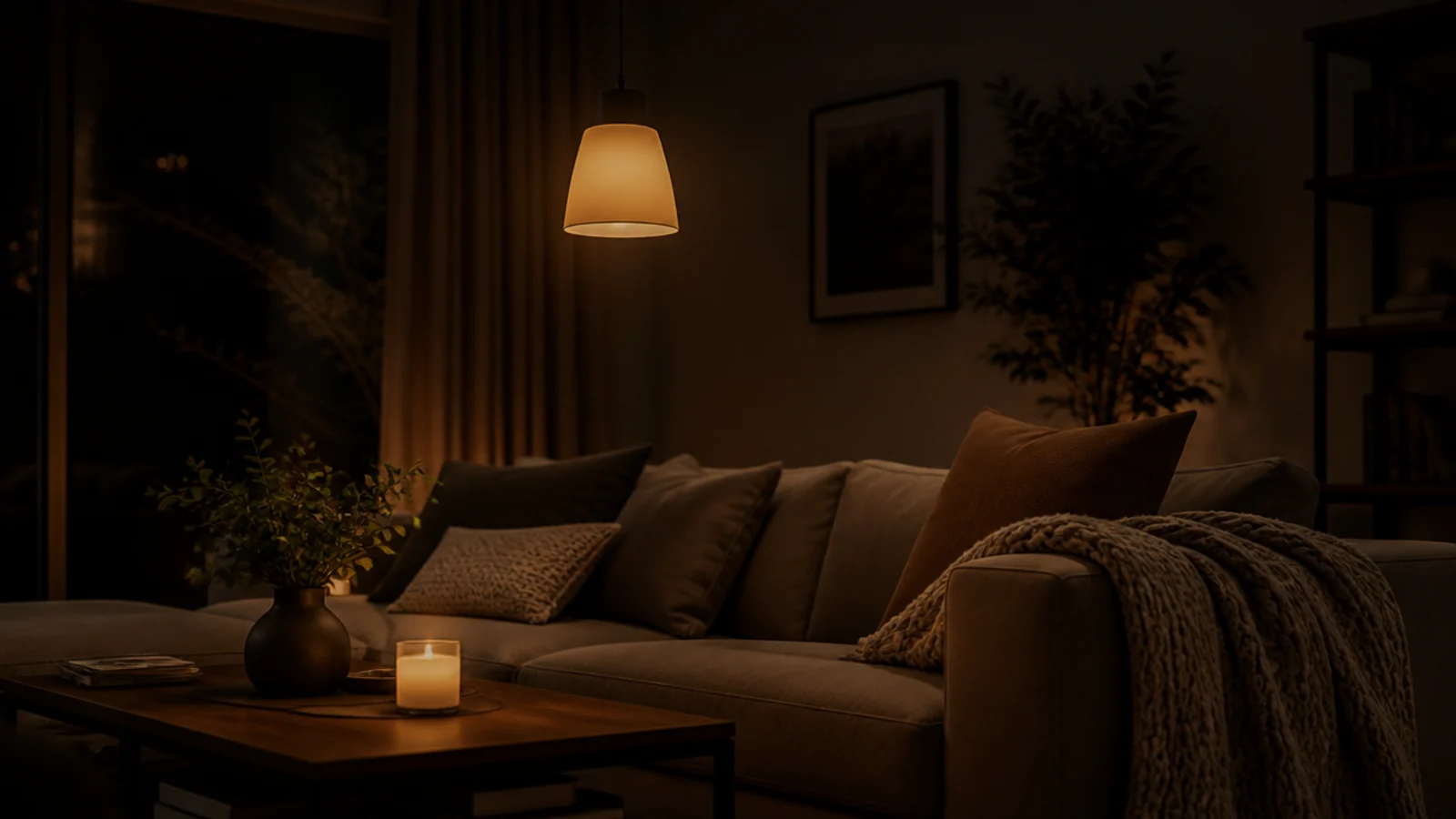
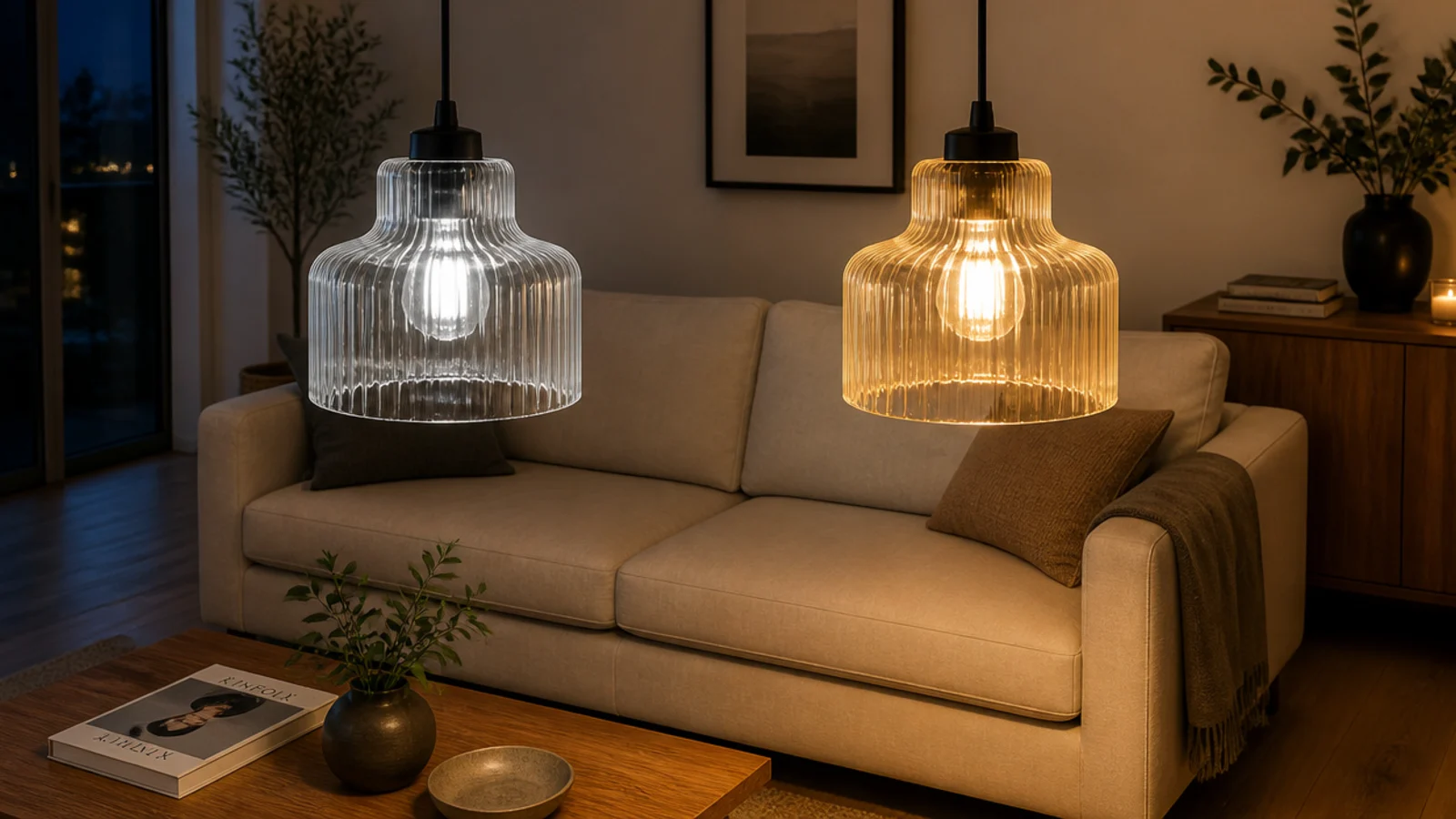
Most disappointing living room lighting is a 4000K bulb problem, not a fixture problem. Swap to 2700K, dimmable, at 800 lumens for a general fixture. It is $8 to $15 and takes a minute. Keep every bulb in one sightline at the same temperature. There is more on getting light into a compact space in the small room pendant guide.
13. Three layers instead of one ceiling light
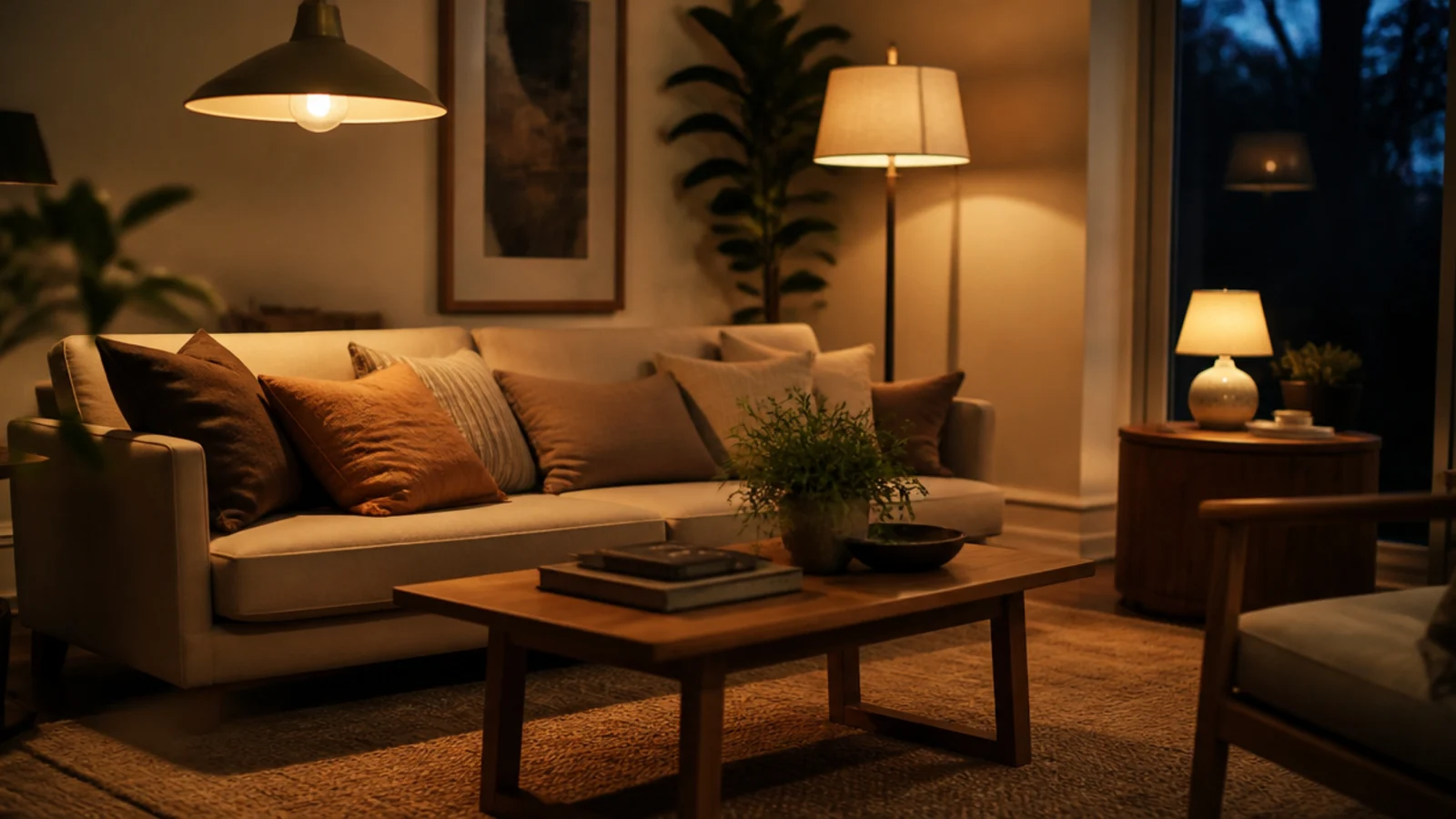
A pendant, a floor lamp behind the sofa and a small table lamp add up to about $120 secondhand and give you four usable evening settings. One 2,000 lumen ceiling fixture gives you one, and it is the one nobody chooses after dark.
14. A painted metal shade for under forty dollars
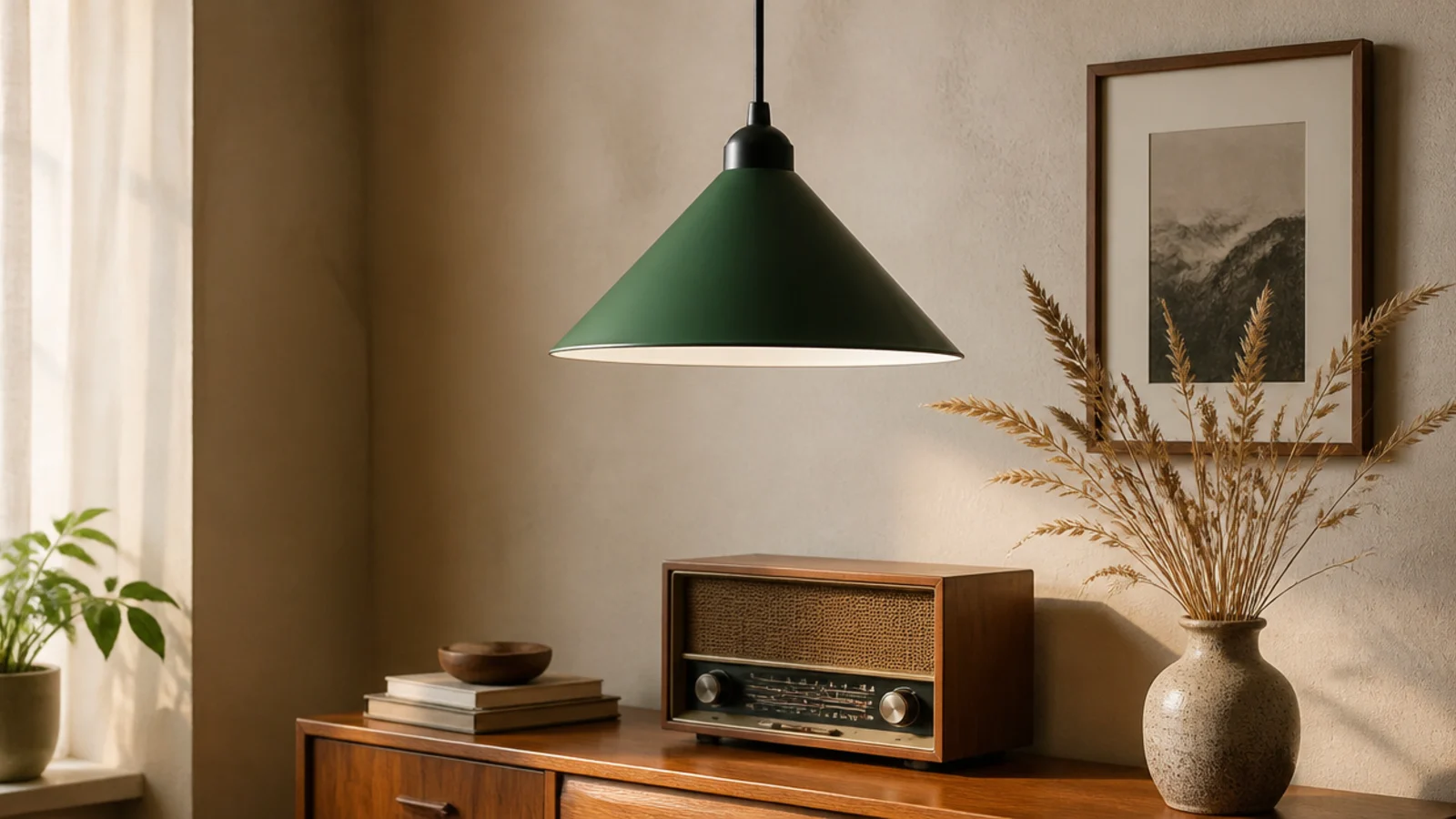
Plain spun or pressed metal with a painted interior throws light downward properly and ages far better than plastic pretending to be metal. Look for a white or brass inner face, which lifts output noticeably, and expect 2 to 4 pounds — light enough for any box.
15. An oversized shade in a small living room
A small room can carry a bigger fixture than people expect, because there is nothing to compete with. A 20 to 24 inch shade in a 10 by 12 foot room looks generous; a 12 inch one looks like a mistake. Just protect the 7 foot walkway clearance.
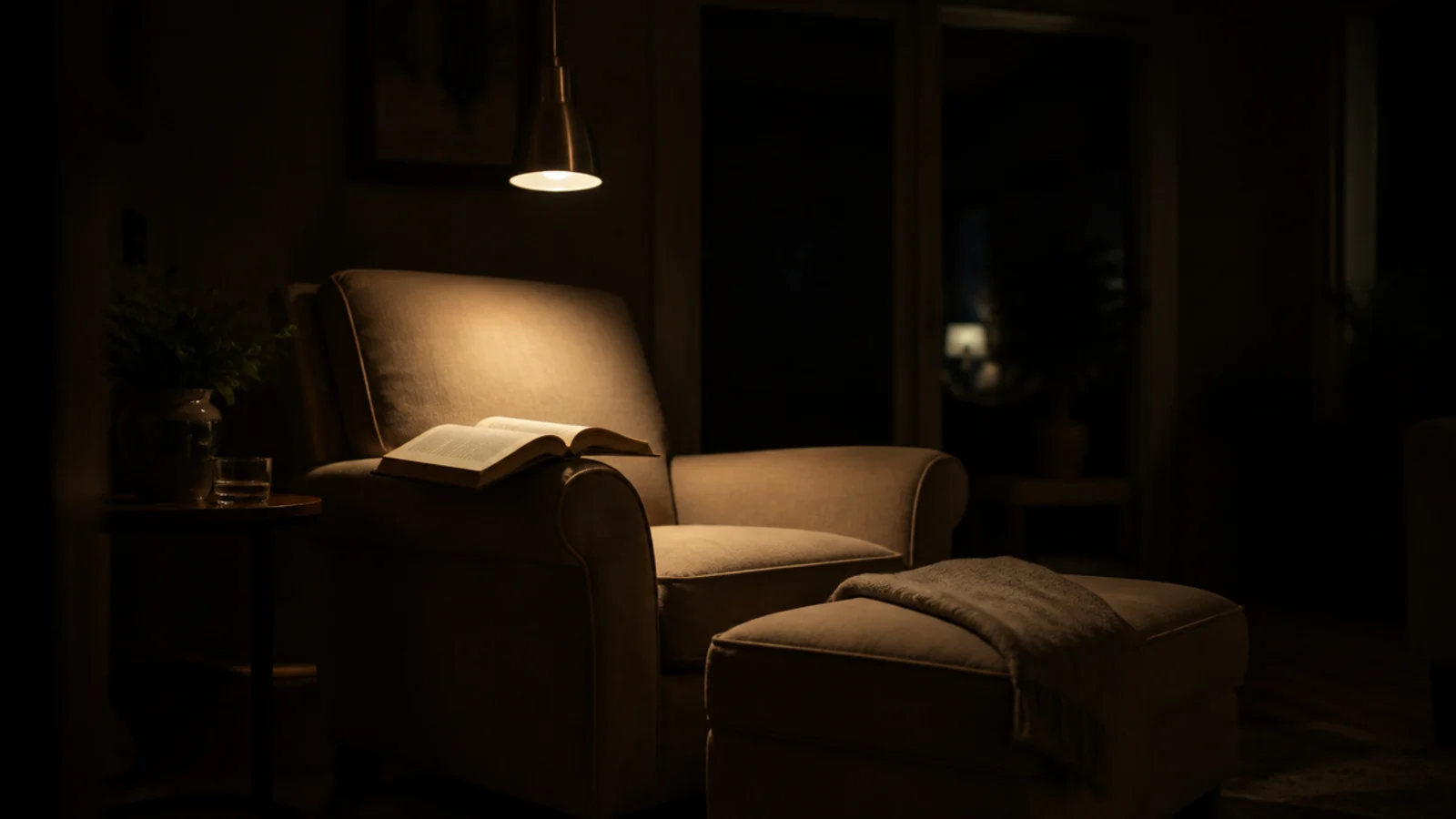
16. A pendant that lights the reading corner only
Lighting one chair and leaving the rest of the room dark is a deliberate look, not a shortfall. A 400 lumen shade with an opaque top throws a tight pool and leaves the walls in shadow, which makes a small living room feel larger after dark rather than smaller.
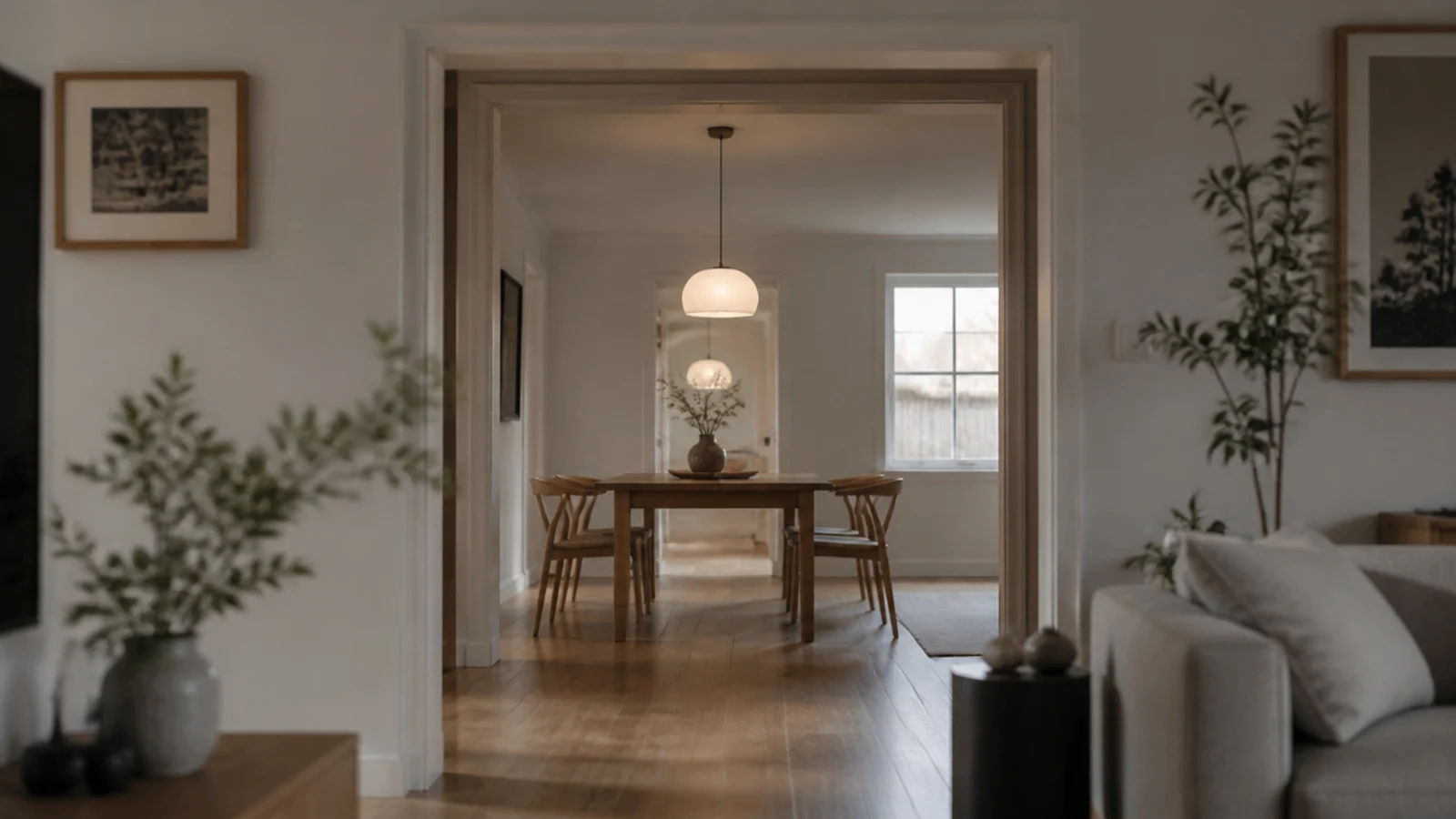
17. One shade repeated in two connected rooms
In an open plan, buy the same shade twice rather than two different ones. Repetition reads as a scheme and costs no more. Keep both at the same colour temperature and both on dimmers, because the two rooms will want different levels at the same time. A living room centre table gives the lower fixture something to sit over.
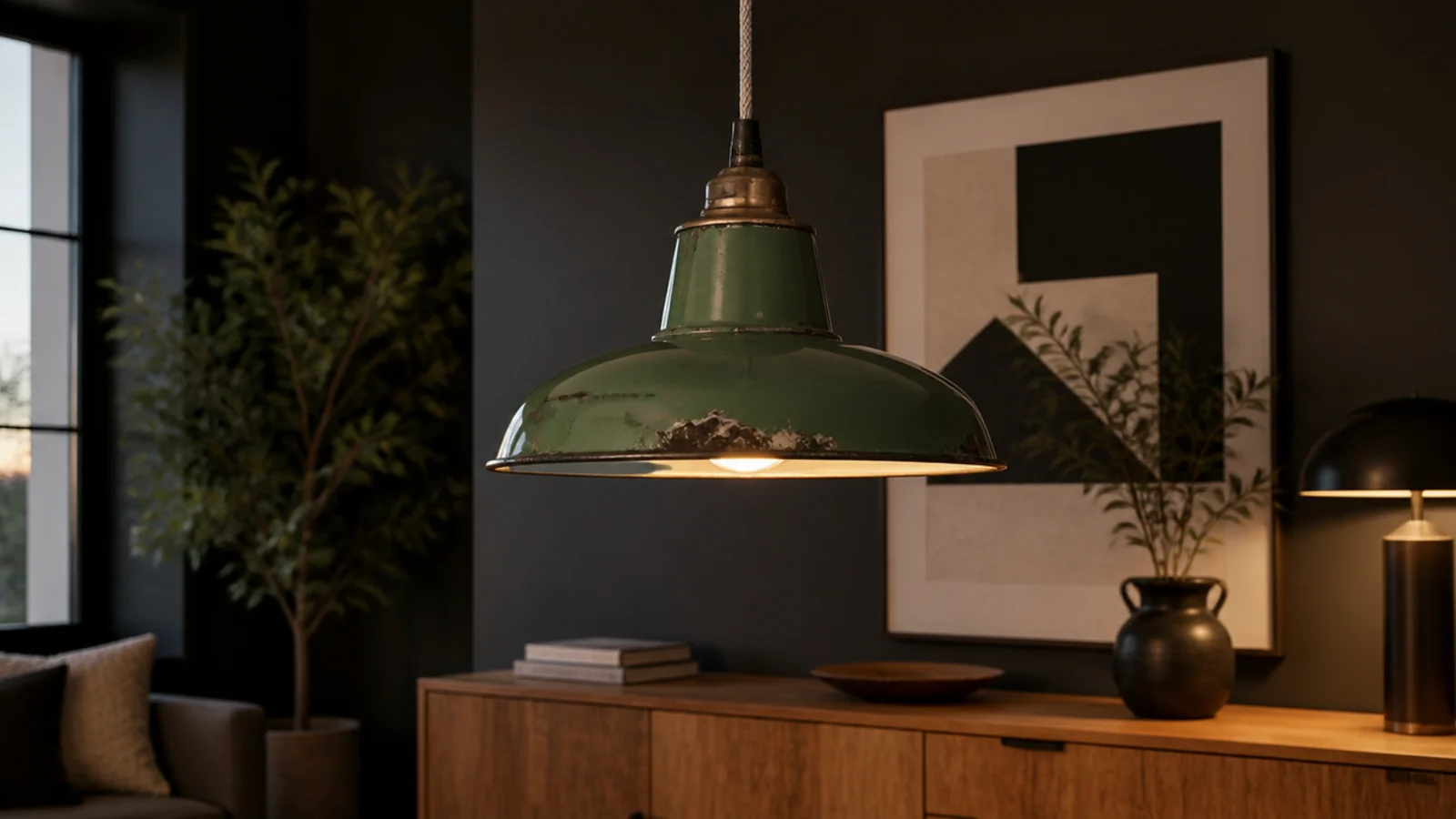
18. A salvaged fixture rewired properly
Old enamel factory shades cost $20 to $60 at salvage yards and look better than anything new at that price. Buy the shade for the patina and replace the flex, the lampholder and the earth connection — rewiring parts are around $15, and old cloth-covered flex is not something to leave in place.
19. Cord covers that leave no marks
A swagged cord crossing bare wall undoes the whole effect. A paintable cord channel is $8 to $20 for eight feet, screws or sticks to the wall and takes the wall colour exactly. Run it down a corner or a door architrave line and it disappears completely.
20. The ceiling box behind a rented ceiling
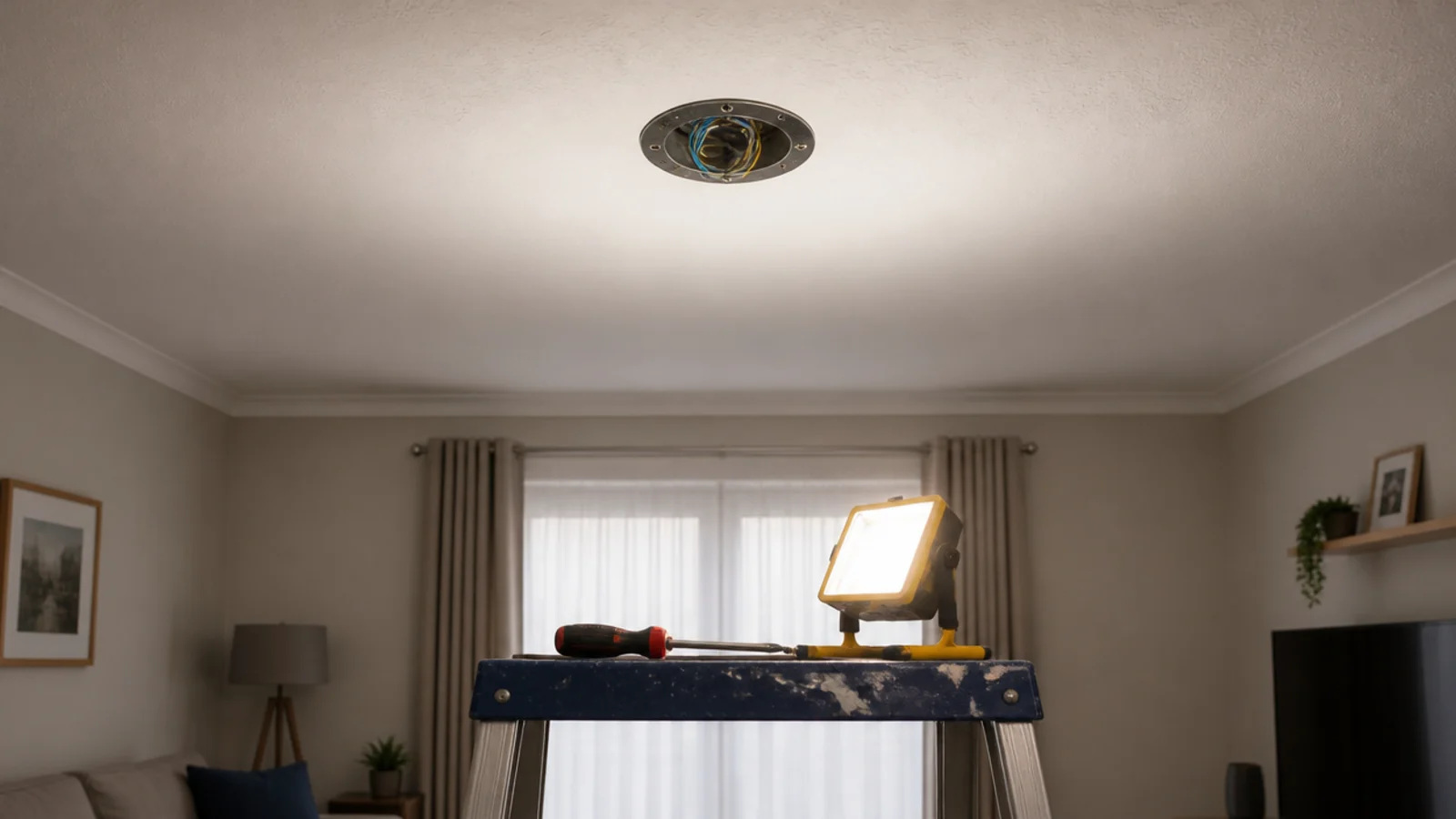
Before ordering anything heavy, take the existing fitting down and look. A rated ceiling box carries the fixture weight — standard lighting boxes are listed for 50 pounds — and older rented ceilings often have boxes with no stamp at all. If you cannot read a rating, keep the fixture under about 5 pounds or have it replaced.
Where the wall is doing the work instead of the ceiling, wall hanging lights covers the plug-in and no-drill versions. And if the room already has joinery, living room built-in shelves shows where the second and third light layers can hide.
Mistakes to Skip
- Buying a shade sized for the photograph rather than the room. The rule takes thirty seconds: room length plus width in feet, read as inches of diameter.
- Hanging anything below 7 feet in a route people walk. It reads fine in a photograph taken from a chair and hits somebody within a week.
- Putting all the lumens in one ceiling fixture. A single bright overhead is the reason living rooms get lit by the television instead.
- Leaving old cloth-covered flex on a salvaged fixture because it looks authentic. Buy the shade for the patina and replace everything electrical inside it.
Frequently asked questions
How big should a living room pendant be?
Add the room length and width in feet and read the total as inches of diameter. A 12 by 16 foot living room takes a fixture around 28 inches across. If the pendant hangs over a coffee table rather than the room centre, size it to roughly half the table width instead.
How low can a pendant hang in a living room?
Anywhere people walk, keep the bottom of the shade at least 7 feet off the floor. Over a coffee table nobody walks across, you can drop to 30 to 36 inches above the table top, which puts the light down at conversation level and makes the whole seating group feel smaller and warmer.
What is the cheapest way to light a living room well?
Three modest sources beat one bright ceiling fixture every time. A pendant on a dimmer, a floor lamp behind the sofa and a small table lamp on a side table cost under 150 dollars together and give you far more control than a single 2,000 lumen ceiling light ever will.
Can I hang a pendant without an electrician?
A plug-in swag kit or a recessed can conversion kit needs no mains work at all, and both cost between 18 and 45 dollars. Anything that connects to house wiring is licensed work in most jurisdictions, and the ceiling box has to be rated to carry the fixture weight before the fixture goes anywhere near it.
How many lumens does a living room need?
Plan for roughly 10 to 20 lumens per square foot of ambient light, so a 200 square foot living room wants 2,000 to 4,000 lumens total across every source. Split that between three or four fixtures on dimmers rather than loading it all into one pendant overhead.
Want more like this? Browse all 15 hanging lights guides — they all use the same measurements and budget tiers.
Pin it for later
Save this to your Hanging Lights board
Pin it now so it is waiting for you when the tape measure comes out — and so the next person hunting for this idea can find it too.
Save this pinKeep going
More ideas worth saving while you have the tape measure out.