Hanging Lights · Listicle
30 Creative Wall Hanging Lights For Renters

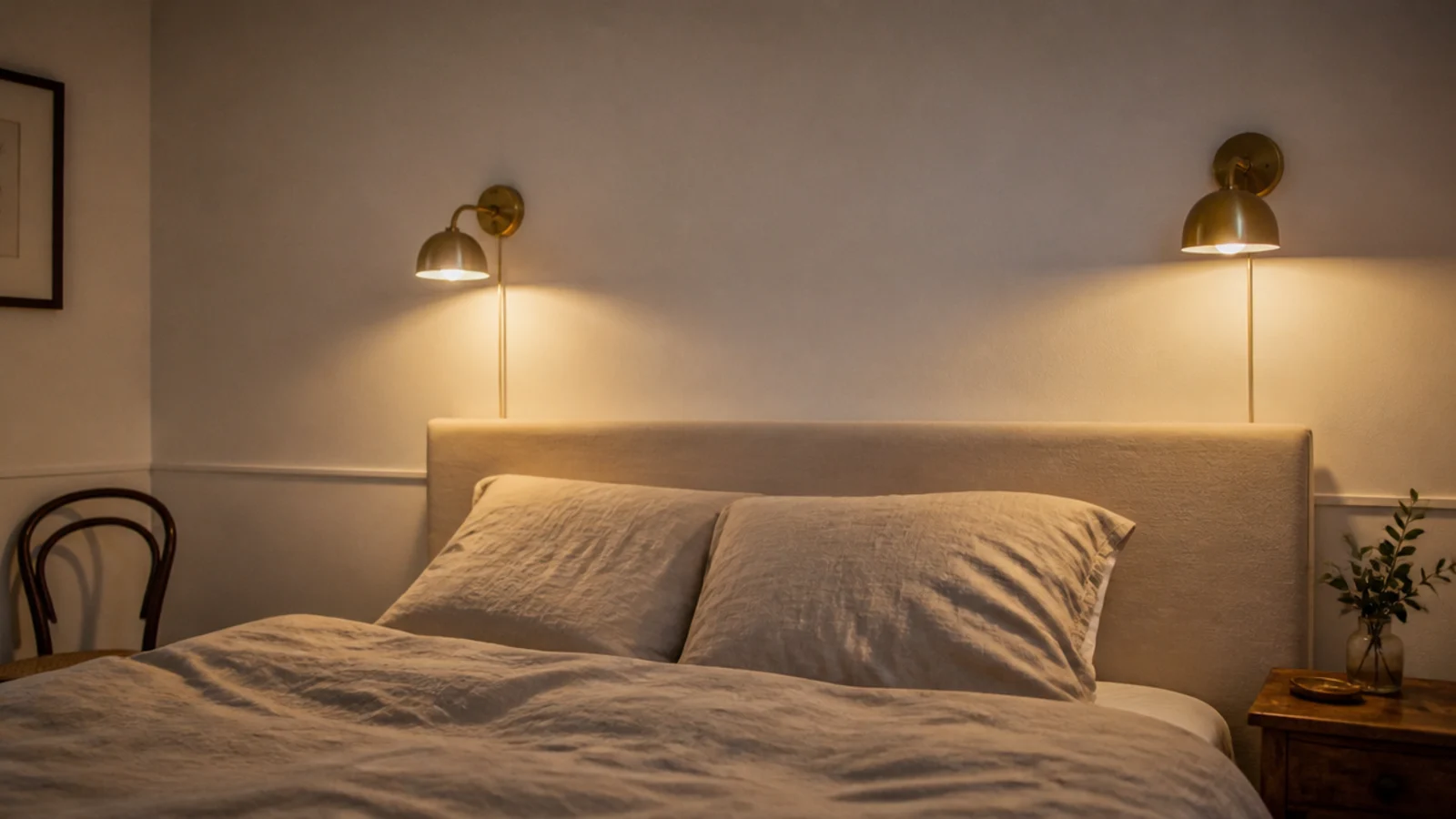
Renting is where lighting gets creative, because the two easiest tools — a drill and an electrician — are usually off the table. What is left is still a lot: plug-in fixtures, adhesive mounts, cord channels, battery pucks and clip-ons. Wall hanging lights work particularly well in a rental because they put light at eye level rather than on the ceiling, which is what makes a room feel furnished rather than illuminated. I have lit two rentals entirely this way. Below are thirty approaches, with the mounting heights, weight limits and lumen counts each one runs on.
In this guide32 sections — tap to openHide
- 1.What wall hanging lights have to do in a rental
- 2.A plug in sconce at sixty six inches
- 3.A swing arm beside the bed
- 4.Adhesive mounts with a real weight limit
- 5.Removable hooks and a swag cord
- 6.A battery picture light above art
- 7.A cord channel painted to match the wall
- 8.Battery pucks inside a dark shelf
- 9.A clip on light on a shelf edge
- 10.A pegboard that carries its own lights
- 11.A tension pole beside the sofa
- 12.Rechargeable lamps that move room to room
- 13.A hook and a plug in pendant
- 14.Height for lights flanking a mirror
- 15.Two sconces sharing one socket
- 16.A strip light behind the headboard
- 17.A backlit frame instead of a fixture
- 18.Warm 2700 kelvin in every rented room
- 19.A smart plug and a timer
- 20.Removing adhesive without pulling paint
- 21.Reading the tenancy rules before drilling
- 22.Anchors that hold when adhesive will not
- 23.Extension leads run safely
- 24.A wall lamp over a rented desk
- 25.A plug in fixture in a rented hallway
- 26.A reading light beside the sofa arm
- 27.An inline dimmer on the cord
- 28.One metal repeated across a rented flat
- 29.Shades you can dust in a minute
- 30.Leaving the wall as you found it
- 31.When it has to be hard wired instead
- 32.Mistakes to Skip
What wall hanging lights have to do in a rental
Four numbers cover almost everything here.
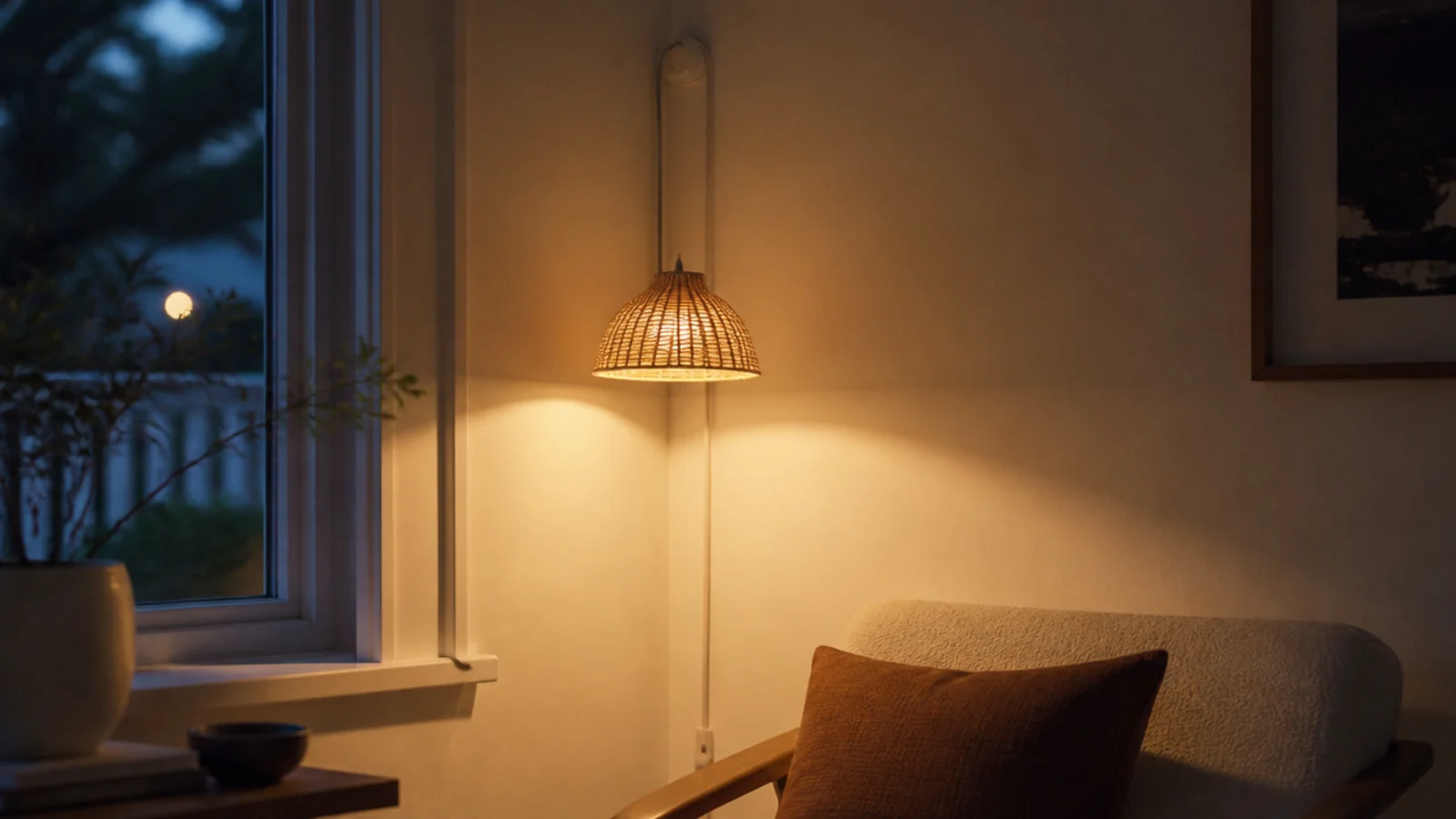
Height. General wall lights sit 60 to 66 inches from the floor to the centre of the fixture, which is standing eye level. Beside a bed, drop to 40 to 48 inches so the light reaches a page. Flanking a mirror, keep them at eye level and 36 to 40 inches apart.
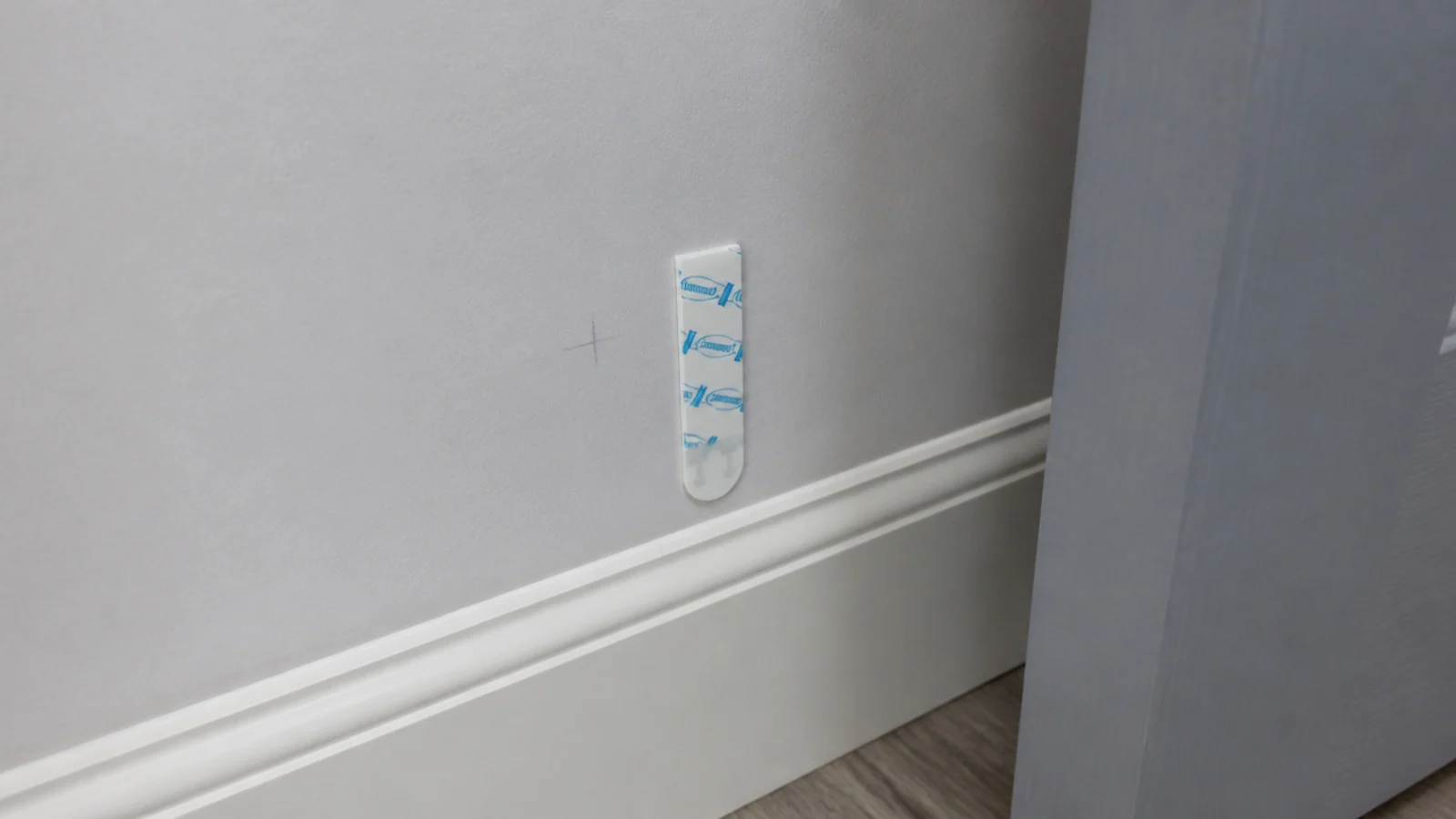
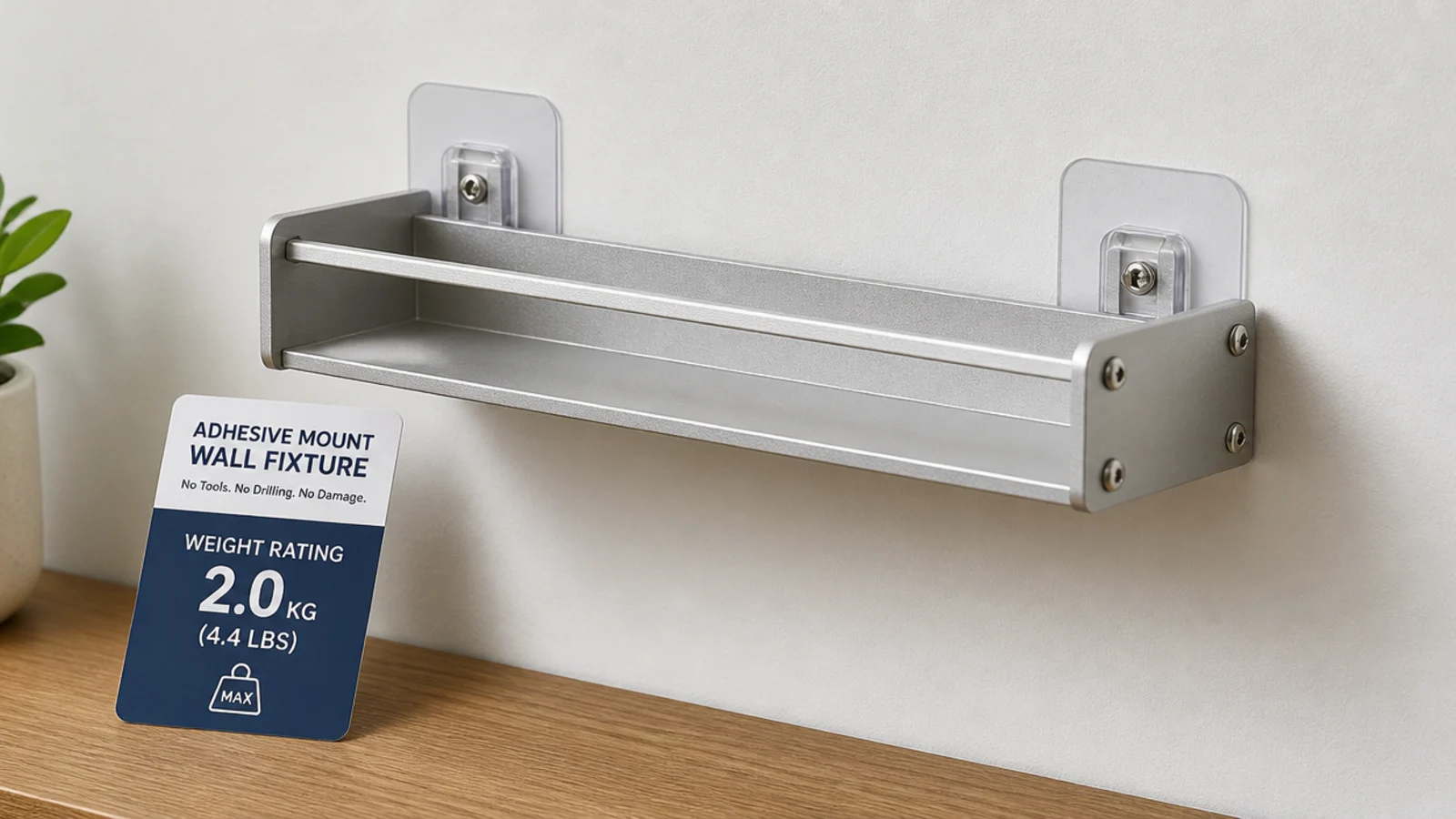
Weight. Adhesive mounting plates hold reliably to about 4 pounds on sound paint. That covers most lightweight metal and fabric sconces and rules out anything cast, ceramic or glass-heavy. Test one strip on a hidden patch and pull it after a day before you trust a wall.
Brightness. 300 to 450 lumens at 2700K for reading, 200 to 300 for a purely decorative fixture. Direction matters more than output: a shade aimed at the page beats a brighter one washing the wall.
Cost. Plug-in sconces run $30 to $90, adhesive mounts come with them, paintable cord channel is $8 to $20 for eight feet, battery pucks $10 to $25 each and rechargeable lamps $40 to $120. Where a fixture genuinely has to be hard-wired, that is an electrician's job in most jurisdictions and a conversation with the landlord first.
1. A plug in sconce at sixty six inches
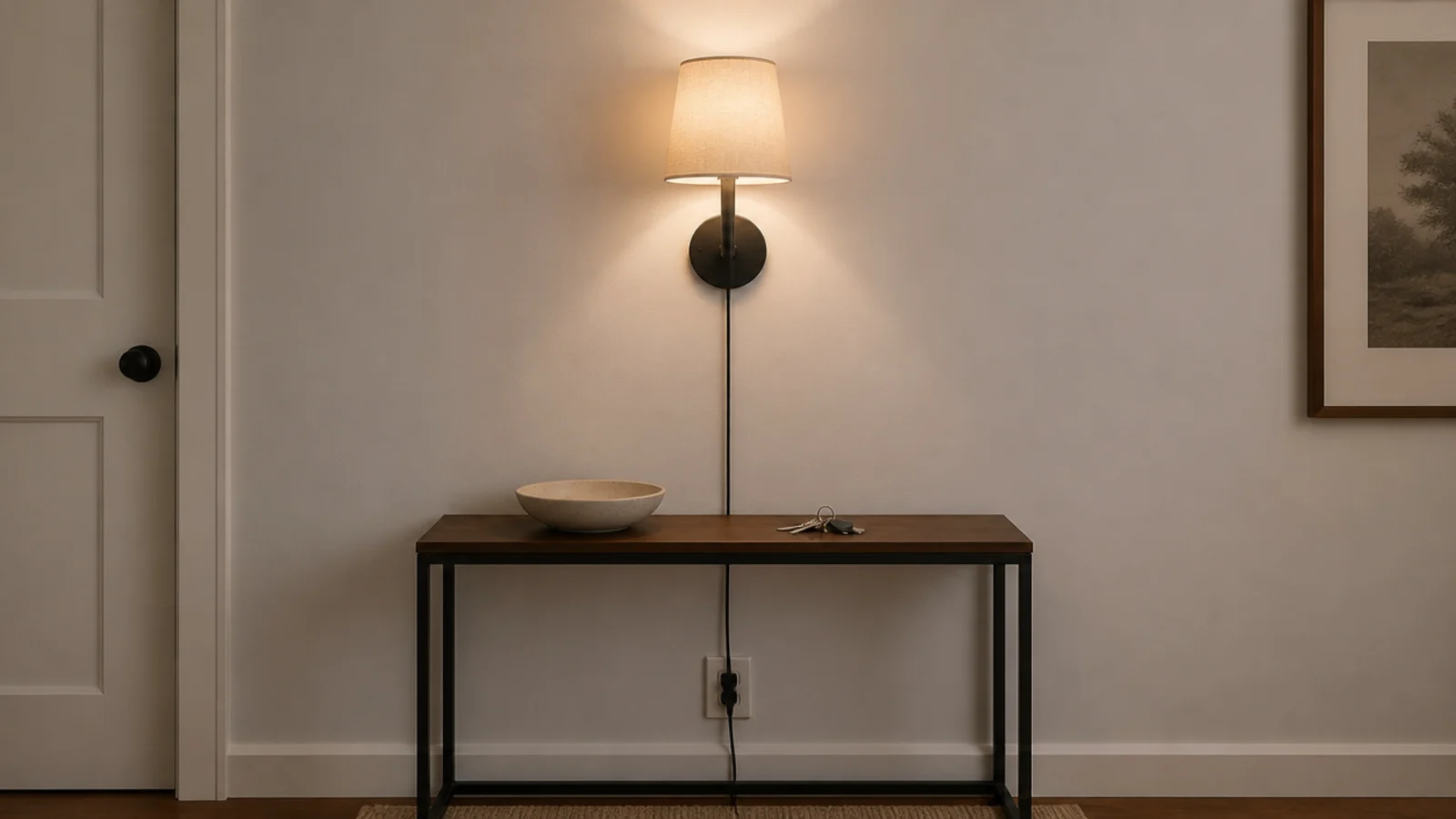
The default. Mount the plate at 60 to 66 inches, run the cord straight down to the nearest socket and channel it. A pair either side of a sofa or a bed does more for a rented room than any ceiling fixture you are allowed to touch.
2. A swing arm beside the bed
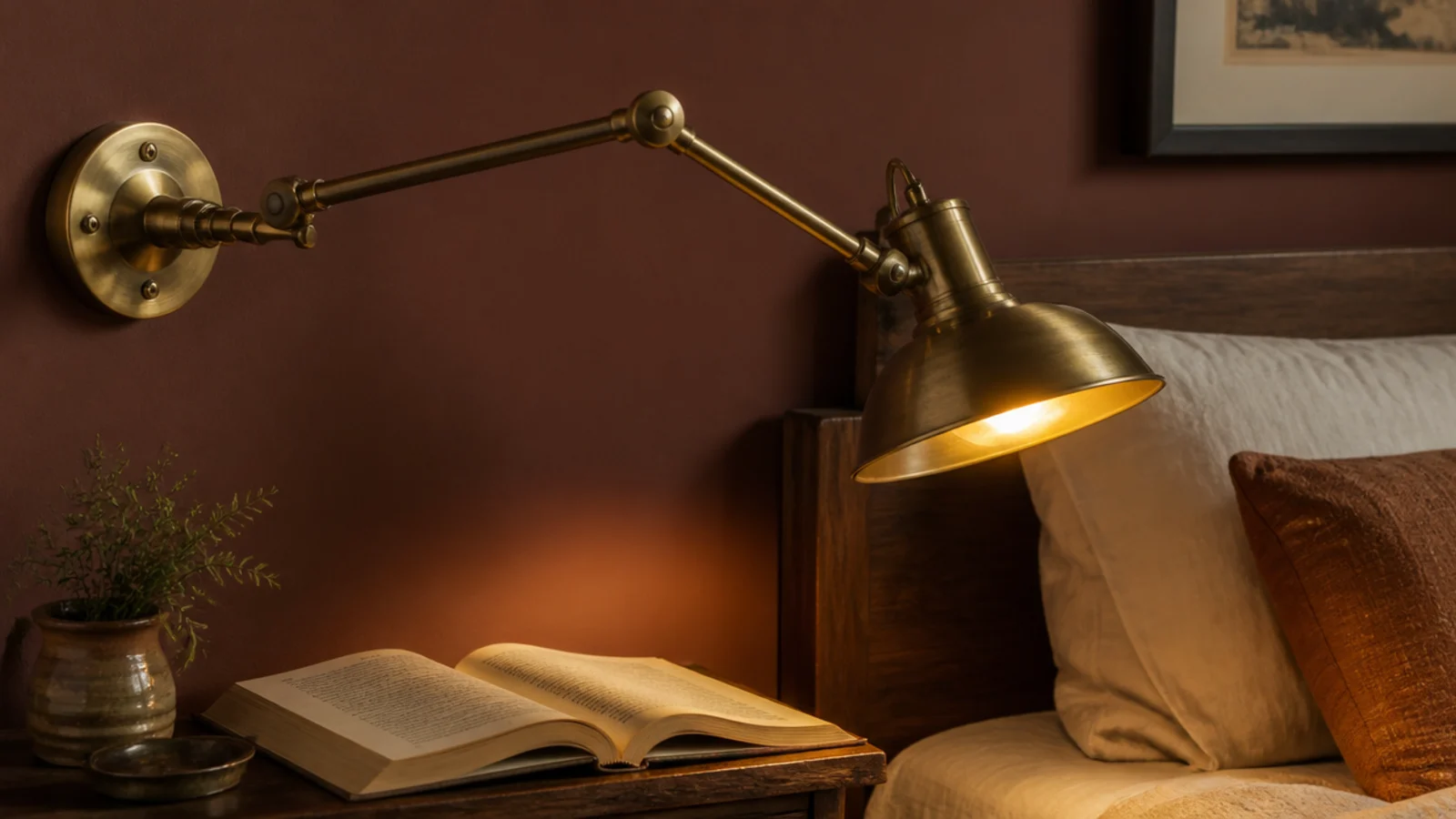
An articulated arm reaches 12 to 20 inches out from the wall, which means one fixture serves reading, getting up and finding a glass. Mount the plate at 40 to 48 inches beside the headboard and set the arm to put light on the page rather than the pillow.
3. Adhesive mounts with a real weight limit
Read the rating and halve it in your head. Four pounds is the honest working limit on builder-grade paint, and the failure mode is the paint letting go of the wall rather than the adhesive letting go of the paint. Keep glass and ceramic fixtures off adhesive entirely.
4. Removable hooks and a swag cord
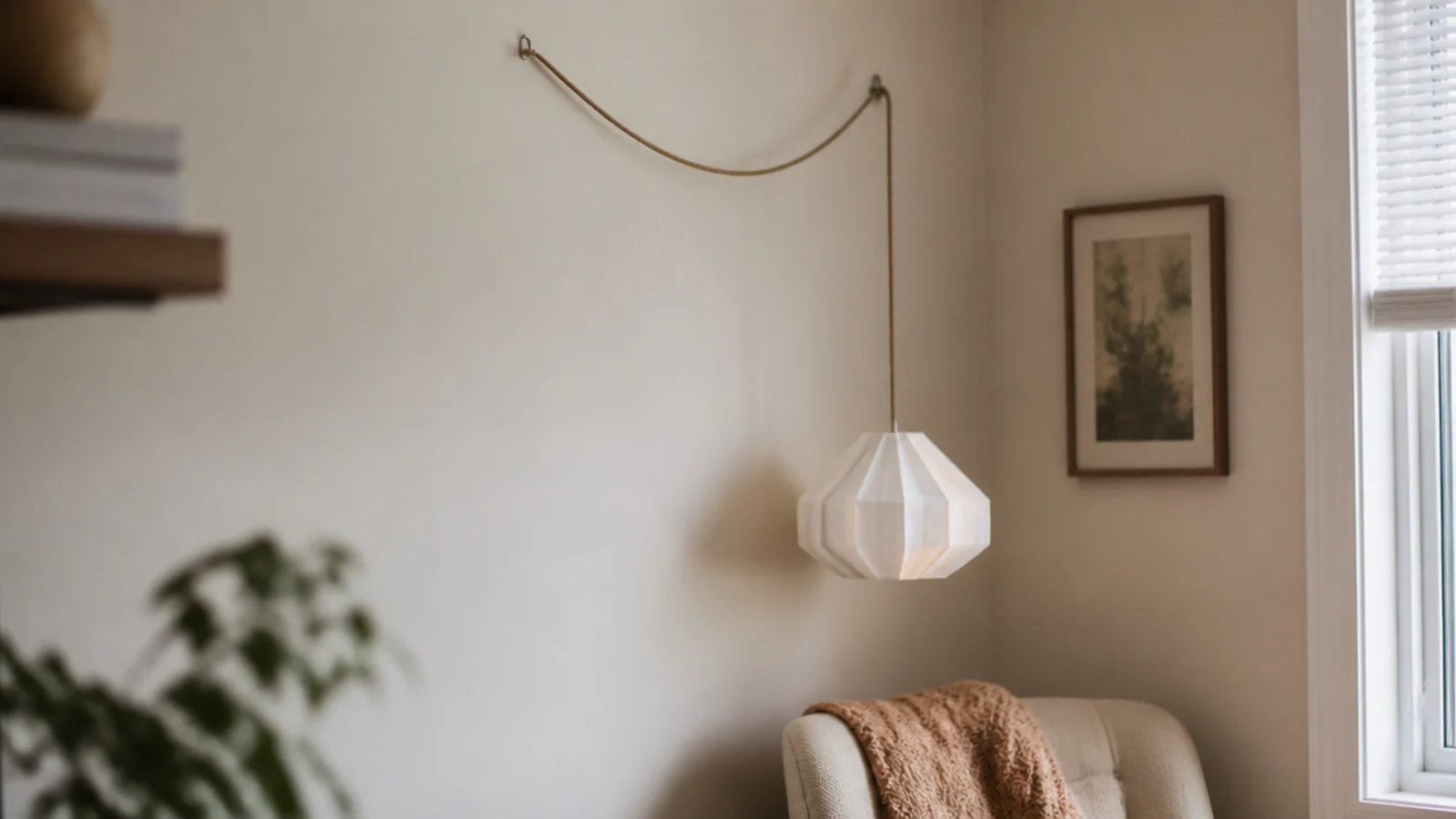
Two adhesive hooks and a 15 foot cord let you hang a lightweight shade anywhere along a wall or ceiling line for about $30 total. Keep the shade under 2 pounds, run the cord along an architrave rather than diagonally, and it reads as deliberate.
5. A battery picture light above art
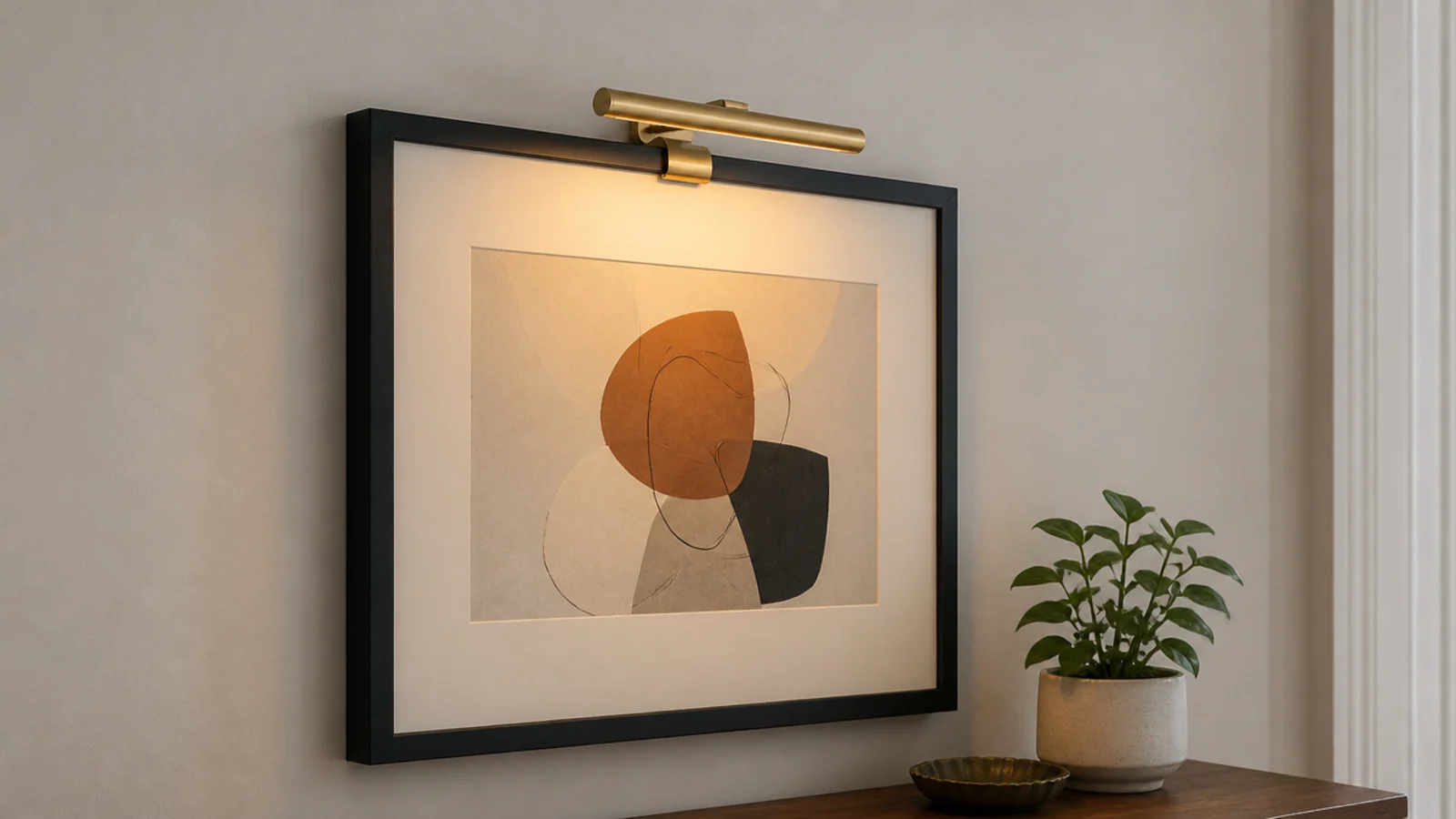
A slim rechargeable picture light clips to a frame and needs no fixing of its own. It gives 100 to 200 lumens for six to ten hours per charge, which is enough to light a print properly. Around $25 to $60, and it moves house in a pocket.
6. A cord channel painted to match the wall
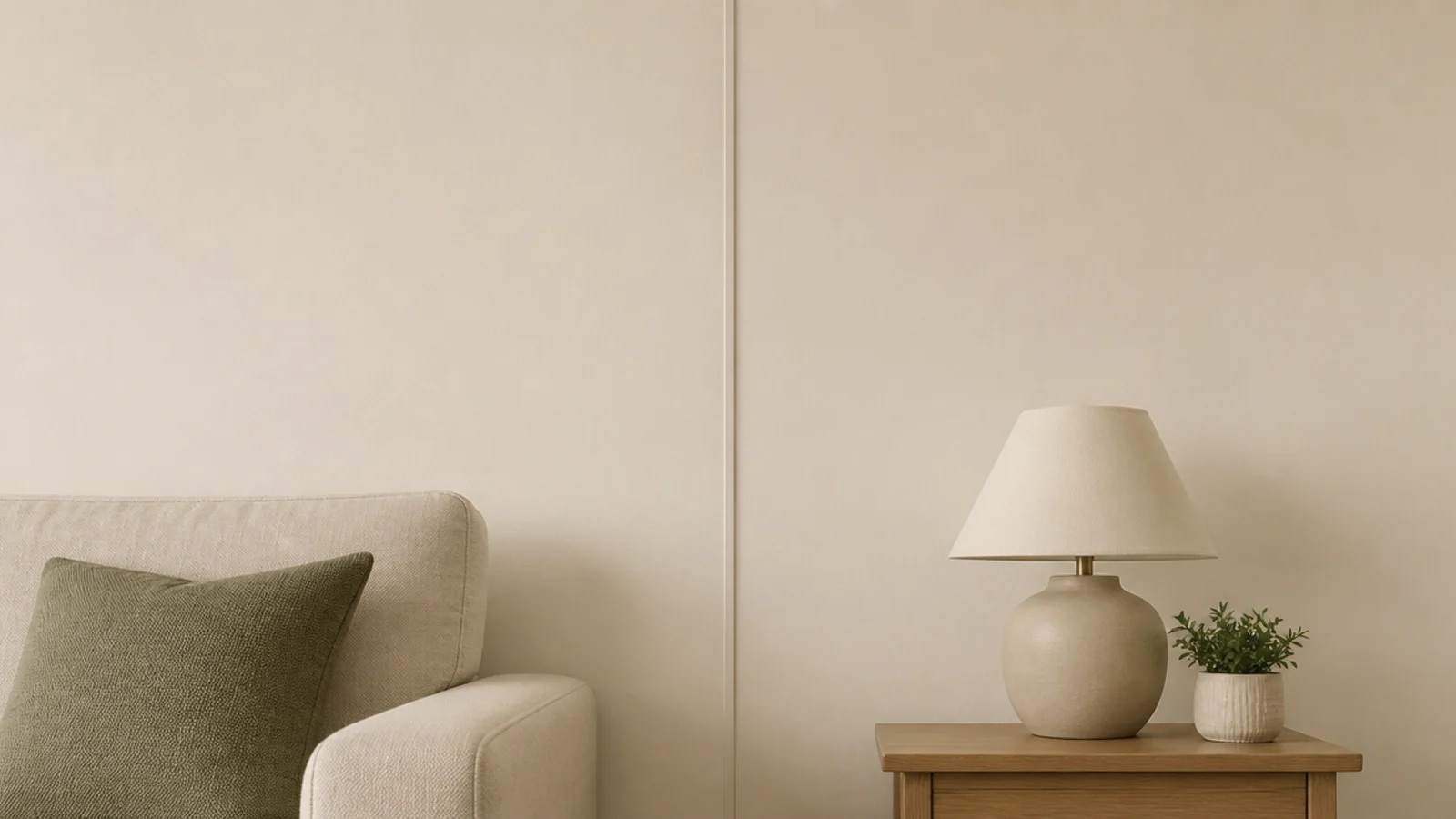
The single detail that separates a rented room from a student flat. Paintable channel takes the wall colour exactly and hides the whole run. Route it down a corner, an architrave or the edge of a headboard, and it disappears at two paces.
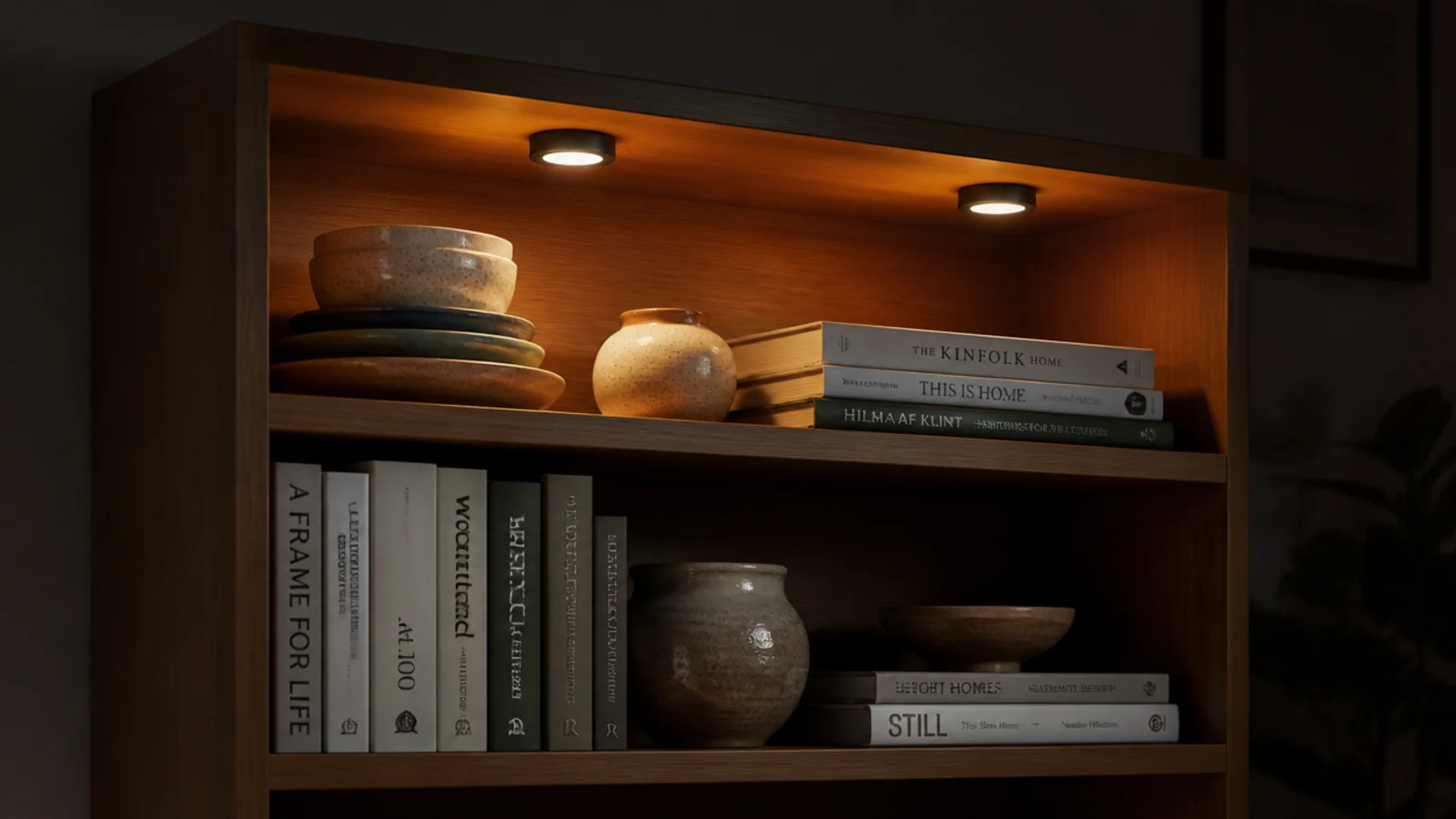
7. Battery pucks inside a dark shelf
Shelves go dark because the shelf above shades the one below. Two 100 lumen rechargeable pucks stuck under the upper shelf fix it for $20 with no fixing at all. Choose USB-rechargeable rather than disposable batteries, which get expensive fast.
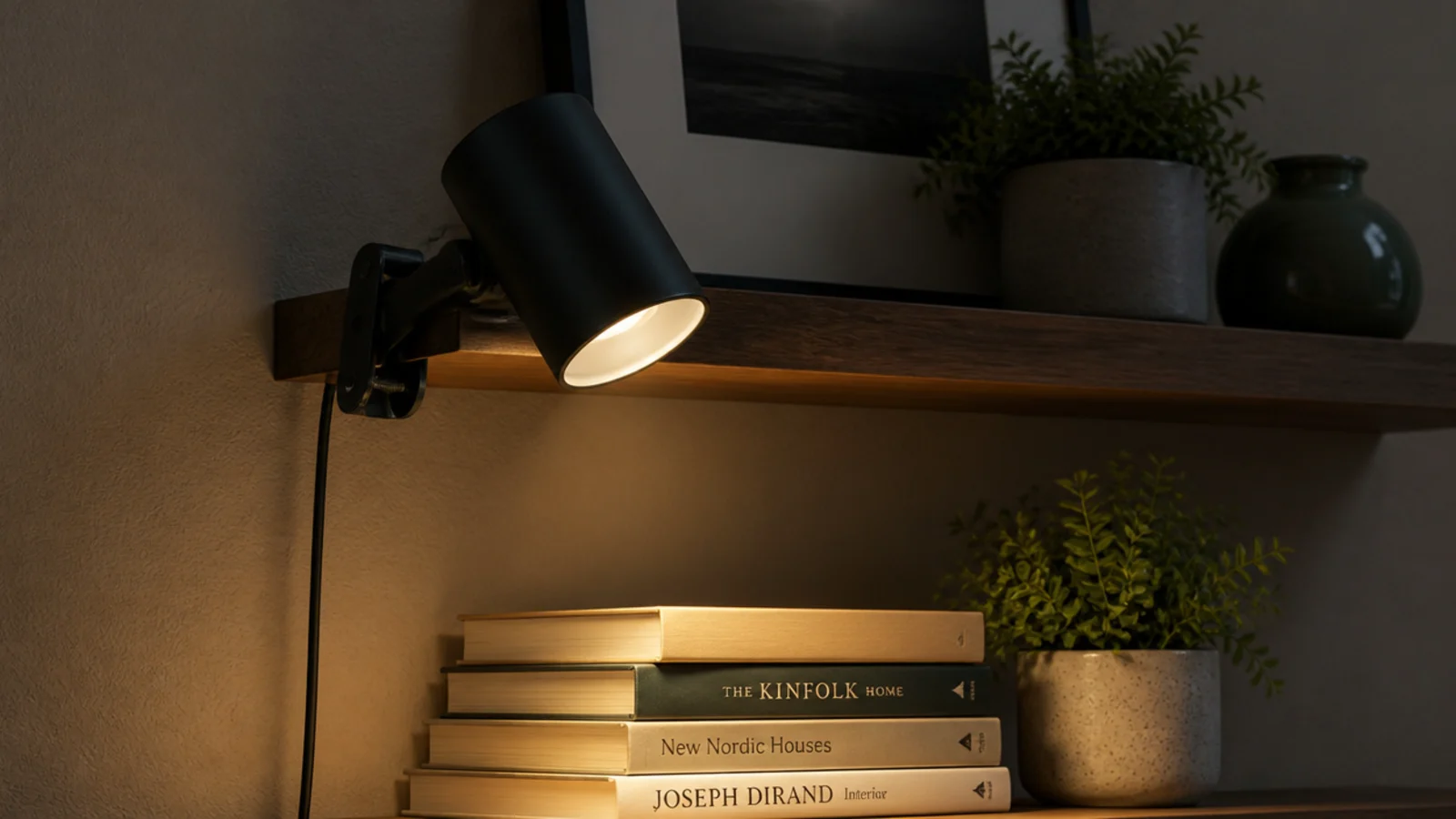
8. A clip on light on a shelf edge
A clip-on clamps onto a shelf, a headboard or a bed frame and needs nothing from the wall. At $12 to $25 it is the cheapest directional reading light there is, and if you share a bed it beats every table lamp because it lights the page and nothing else.
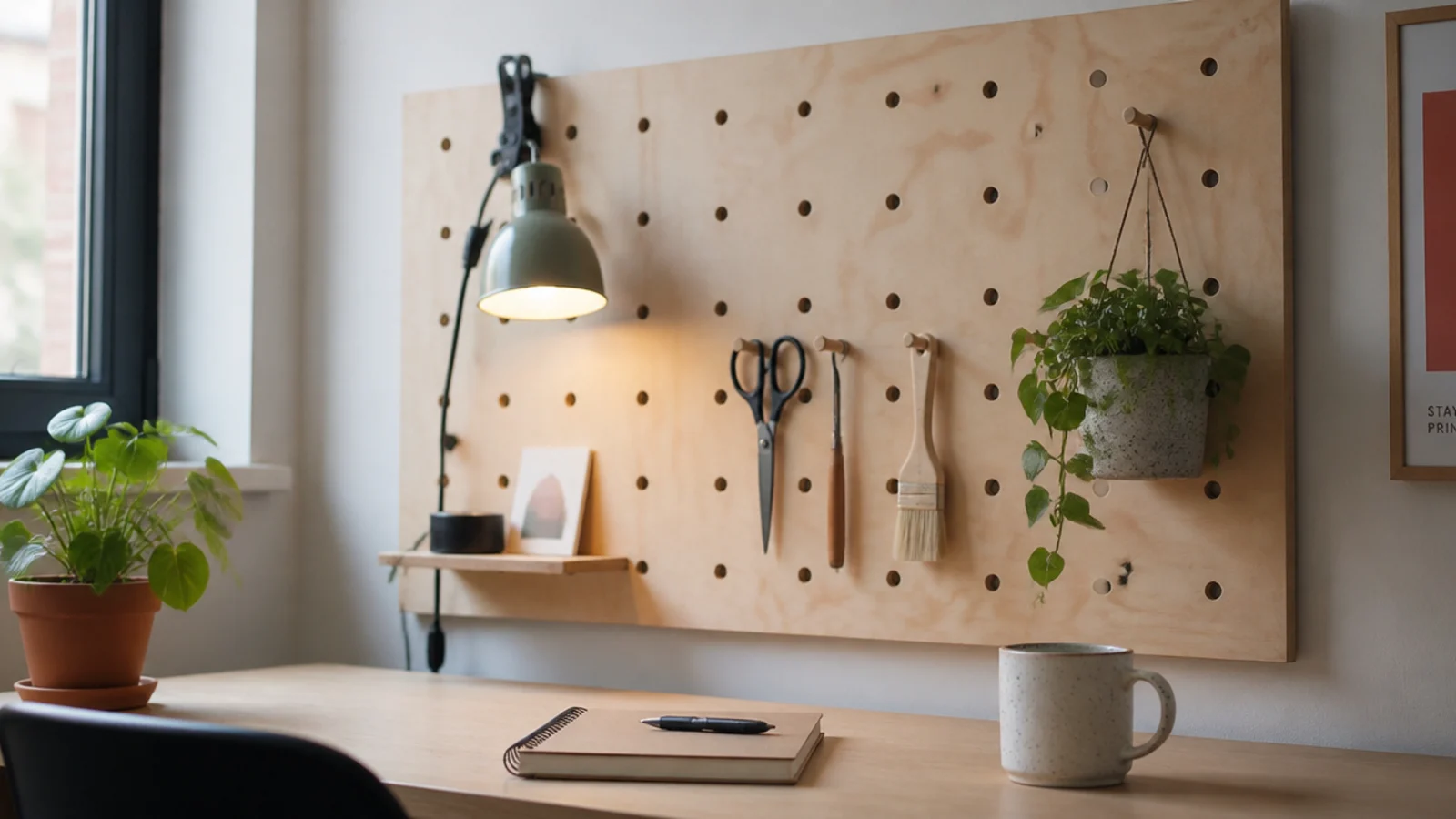
9. A pegboard that carries its own lights
One panel, one set of fixings, and everything after that clips on and moves. A pegboard above a desk holds a lamp, a plant and storage from a single mounting, which turns several holes into two. It also comes down as one piece.
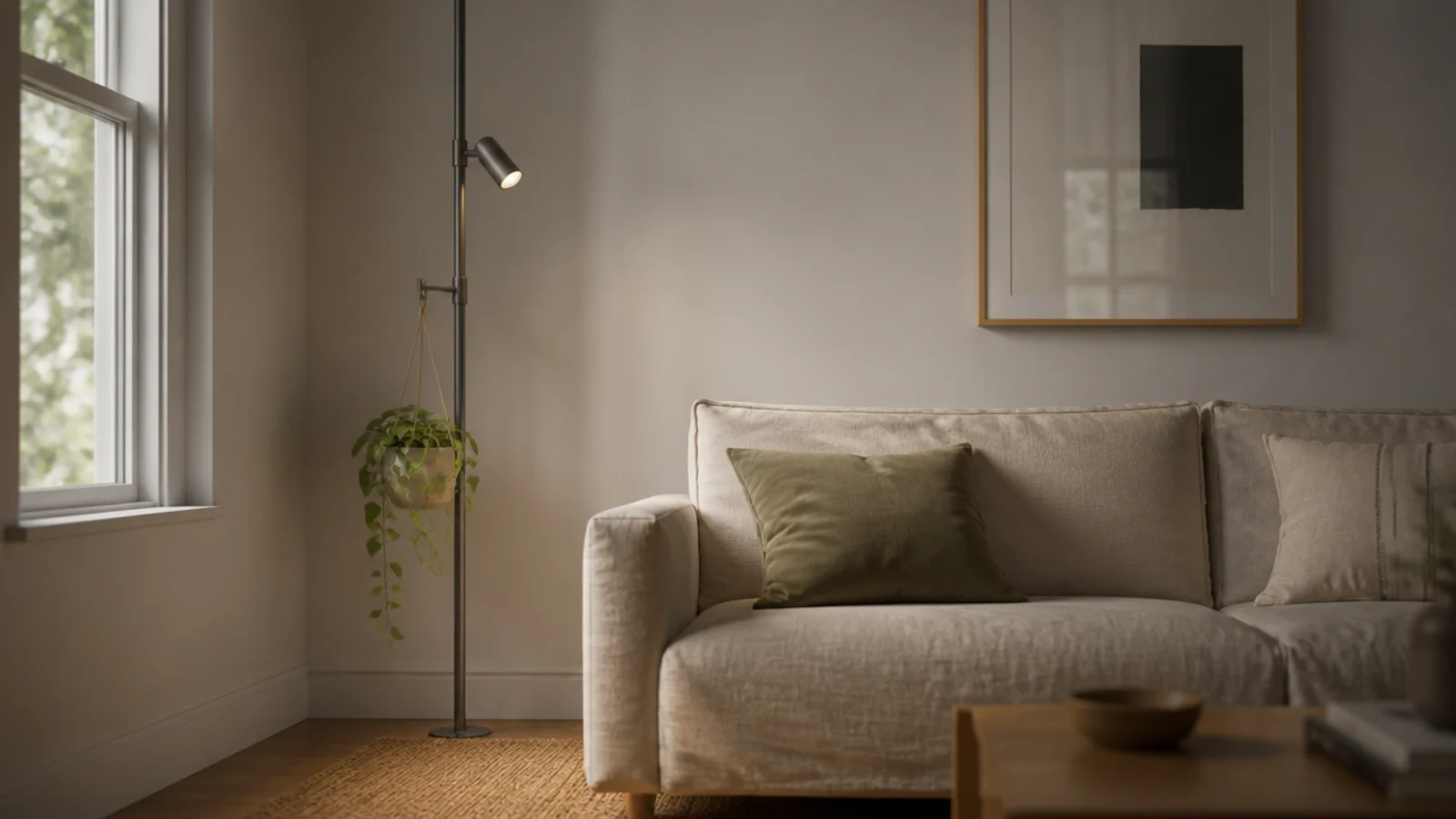
10. A tension pole beside the sofa
Floor-to-ceiling pressure poles carry light fixtures, shelves and plants with no holes at all. They need a solid floor and a flat ceiling, and they suit corners where a floor lamp would block a route. Expect $50 to $120.
11. Rechargeable lamps that move room to room
Cordless table and wall lamps have improved enormously, giving 150 to 300 lumens for eight hours or more. They cost $40 to $120 and solve the one problem no fixture can: a corner with no socket anywhere near it.
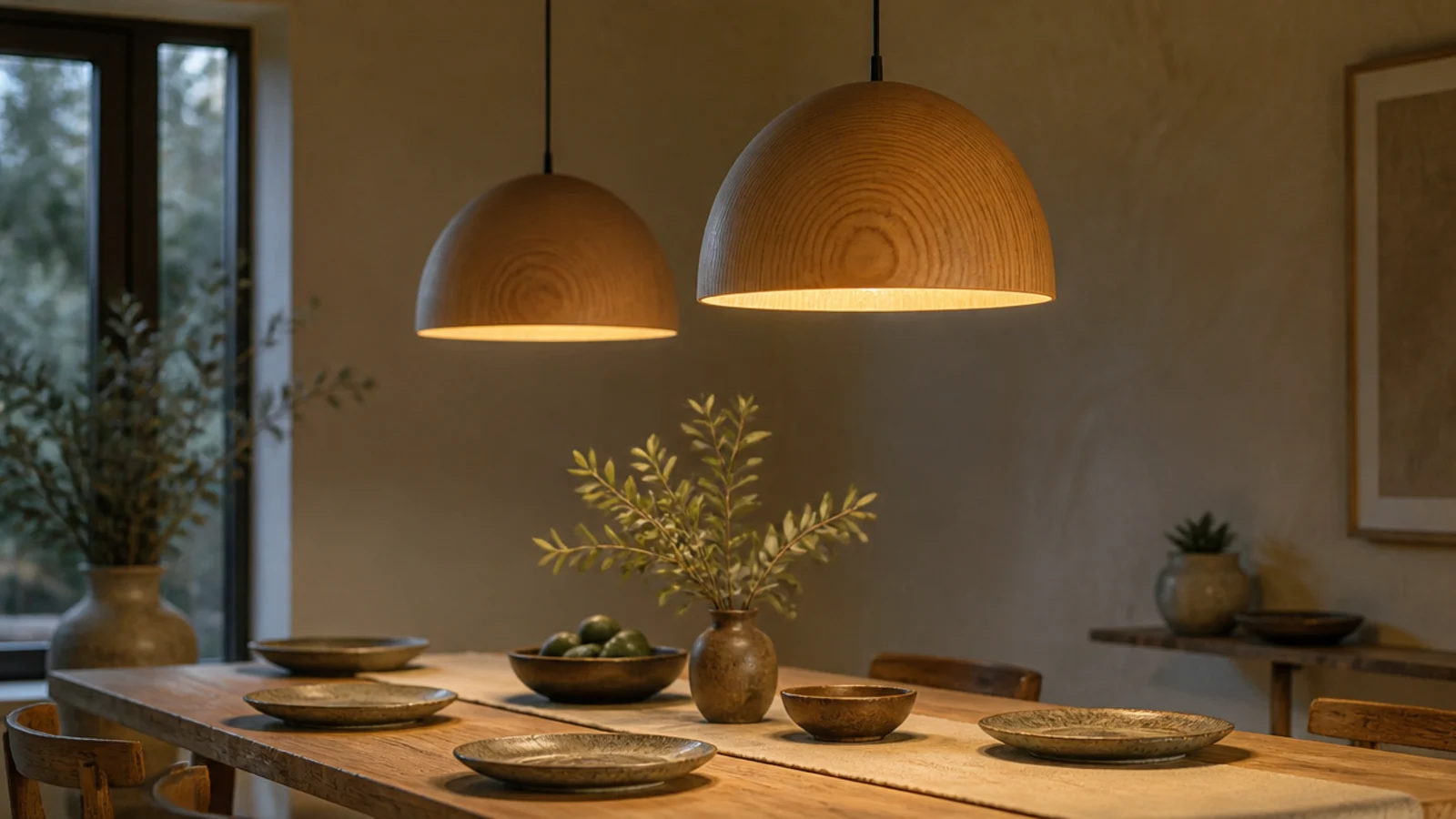
12. A hook and a plug in pendant
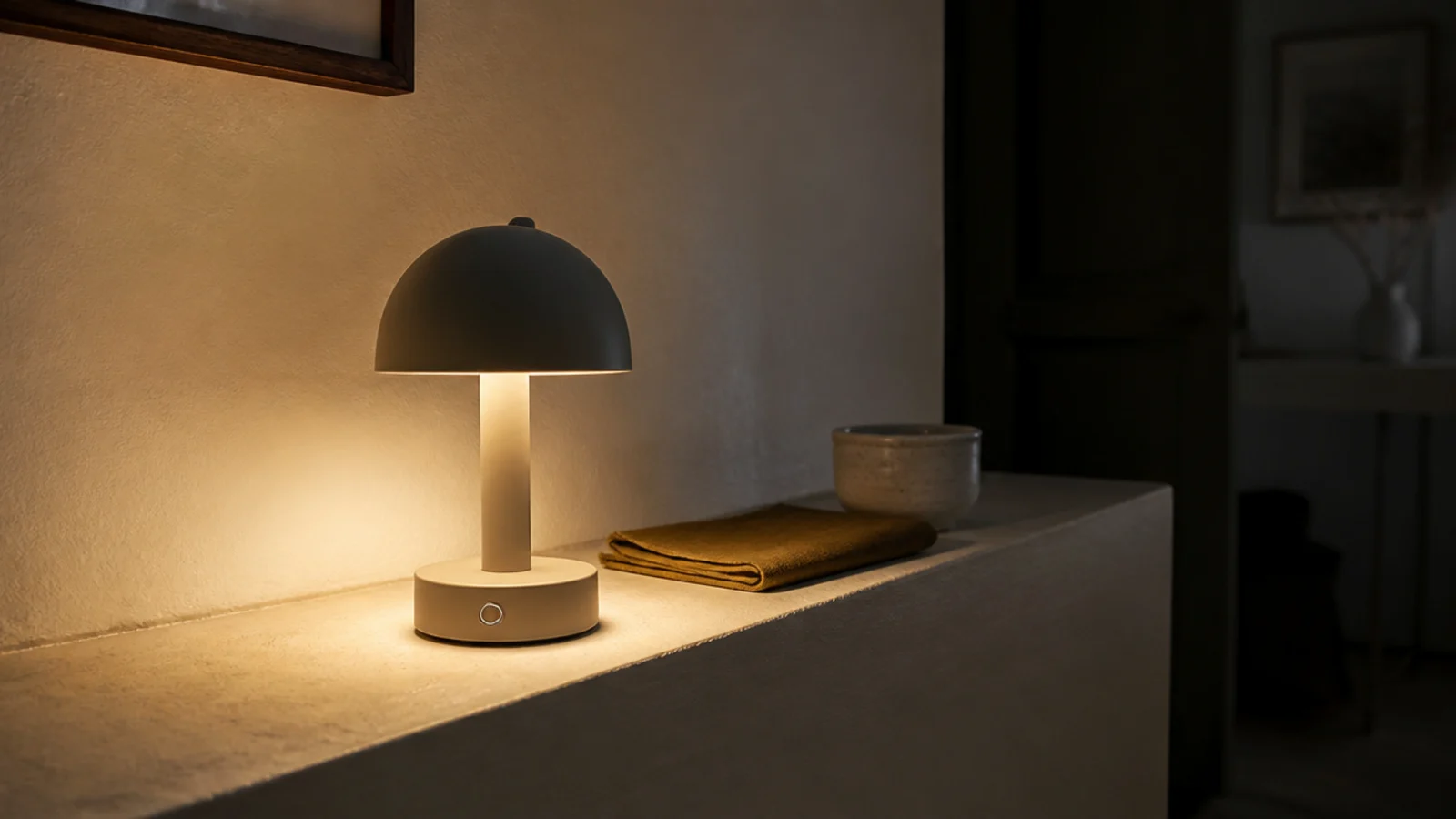
Where the ceiling allows one hook, a plug-in pendant gives you a real hanging fixture with no wiring. Drive the hook into a joist, or use a toggle rated 30 pounds and up. The bedside version covers the drop heights beside a bed.
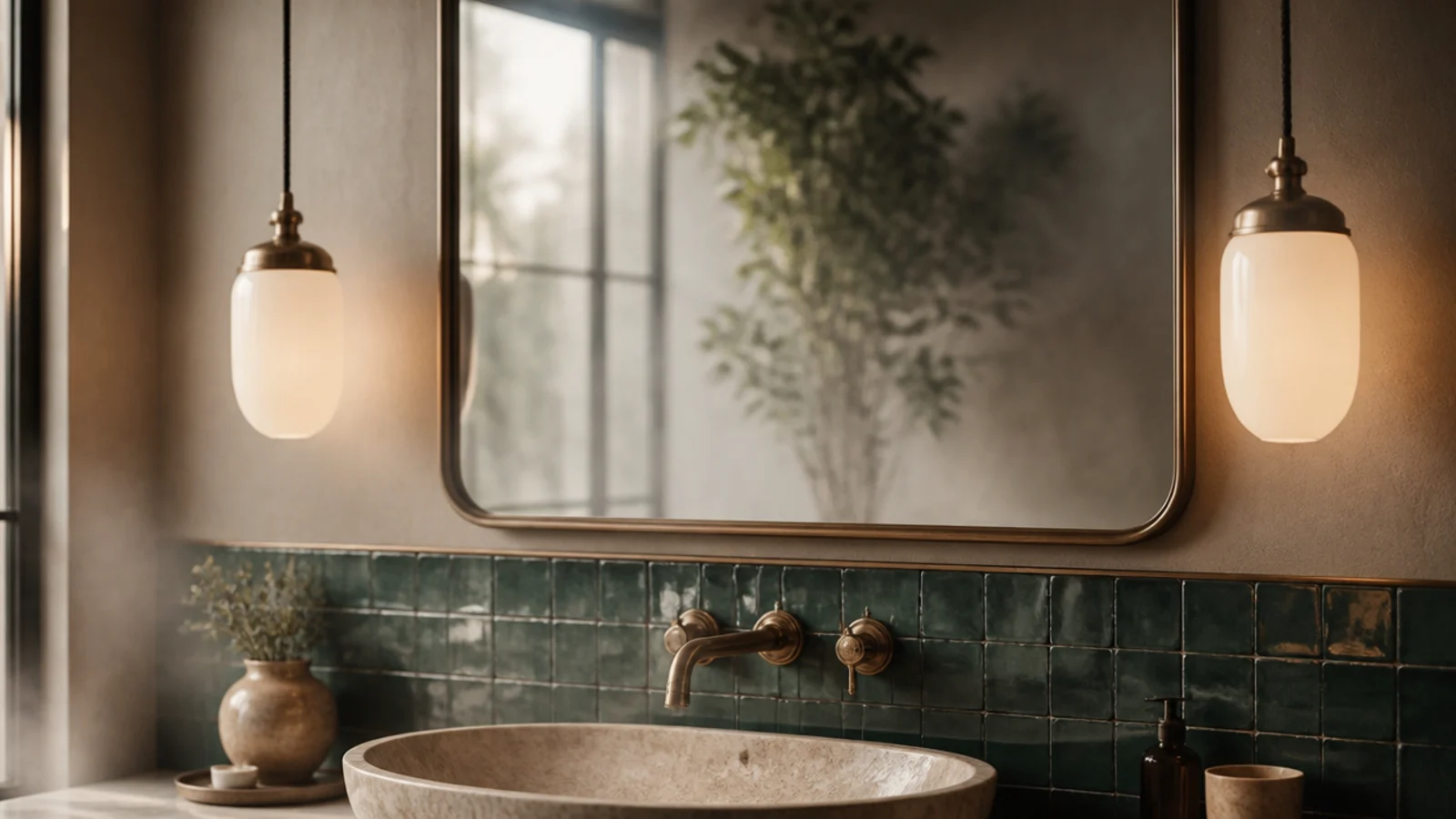
13. Height for lights flanking a mirror
Two fixtures either side of a mirror light a face from both sides, which is why hotel bathrooms do it. Keep them at eye level, 36 to 40 inches apart, and match the two heights exactly — a half inch difference is visible in the reflection.
14. Two sconces sharing one socket
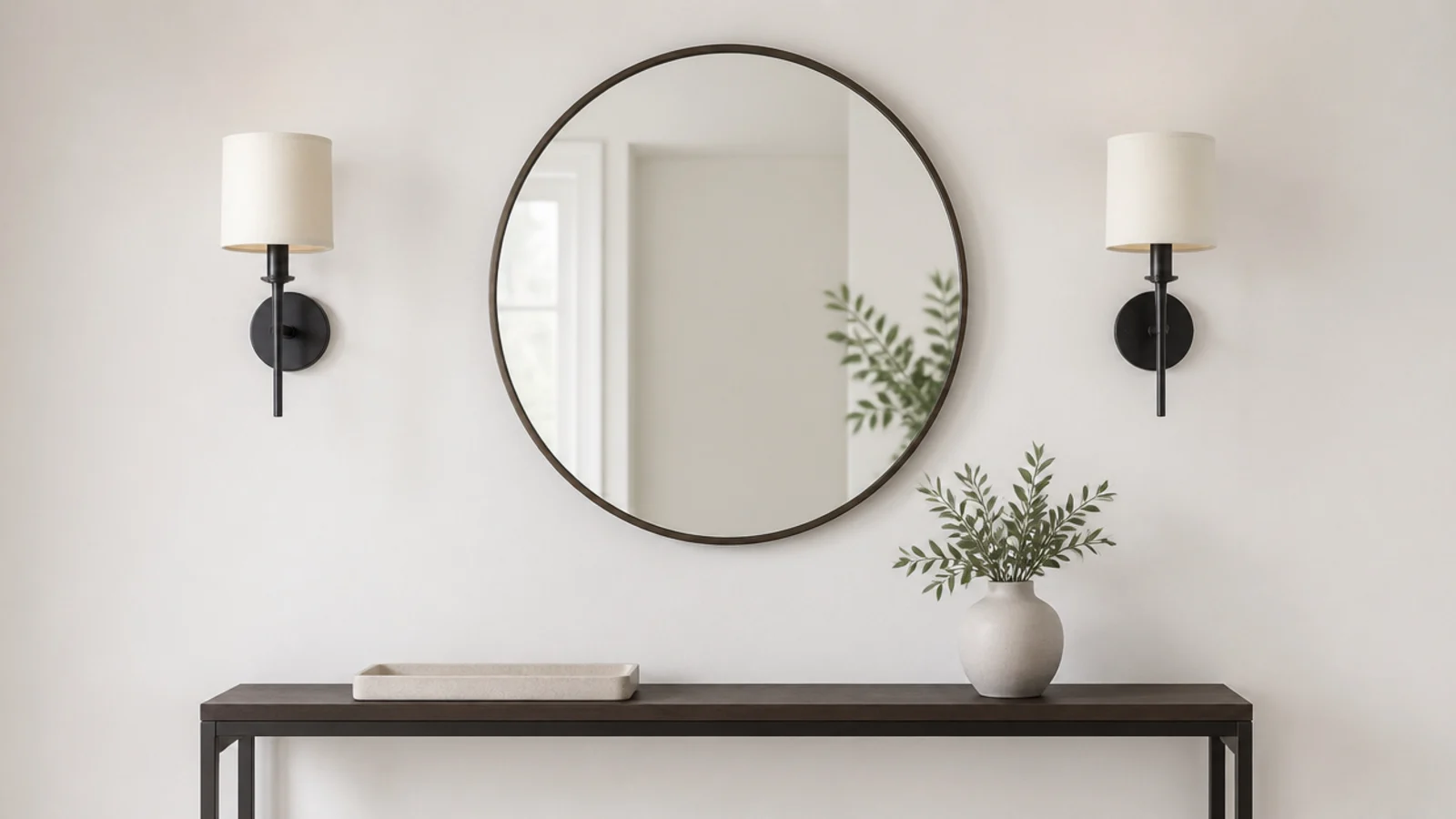
A pair of plug-in fixtures either side of a bed can run to one socket via a short surge block behind the nightstand. Keep the cords in a single channel, and use an inline switch on each so one side can read while the other sleeps.
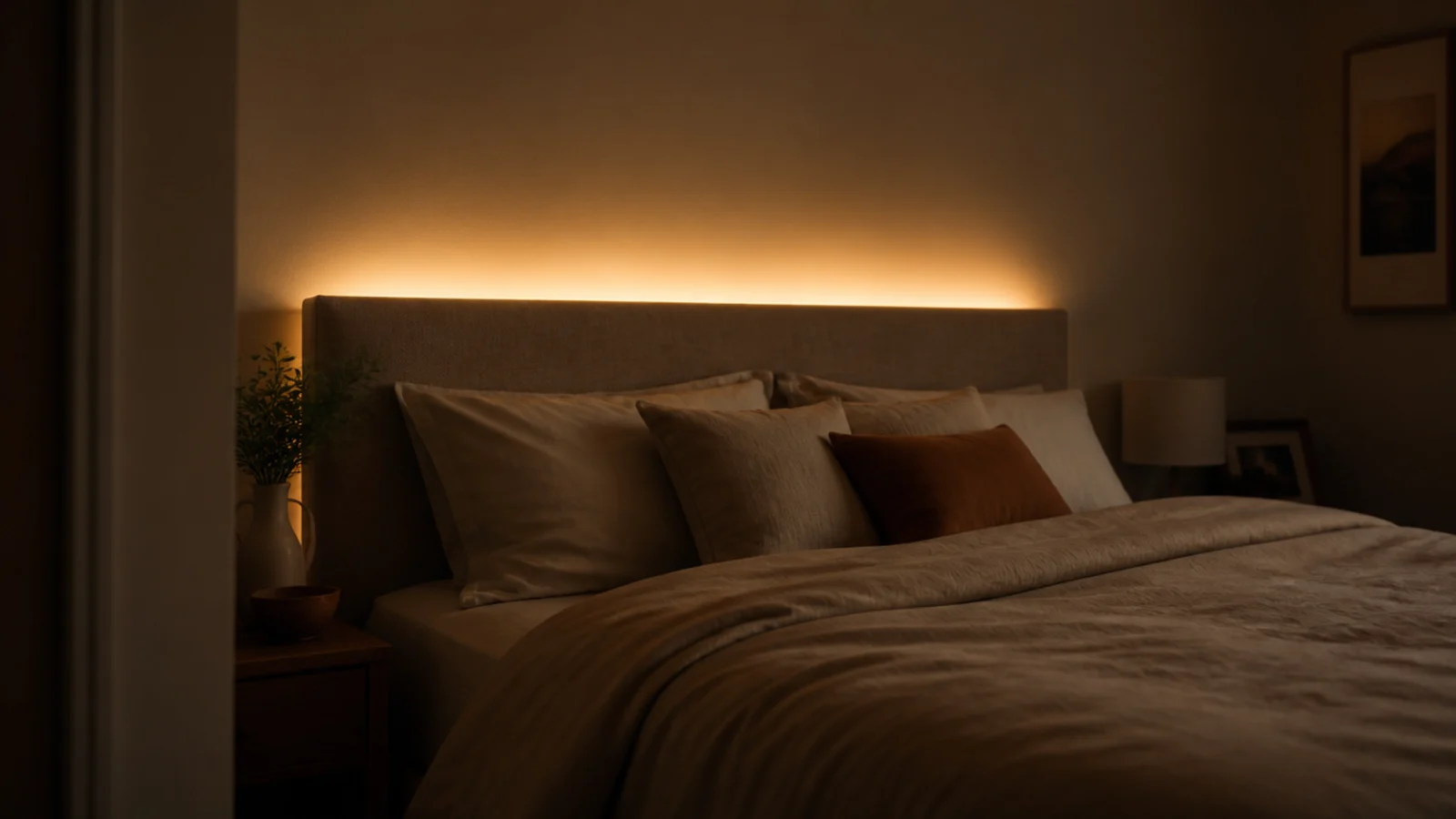
15. A strip light behind the headboard
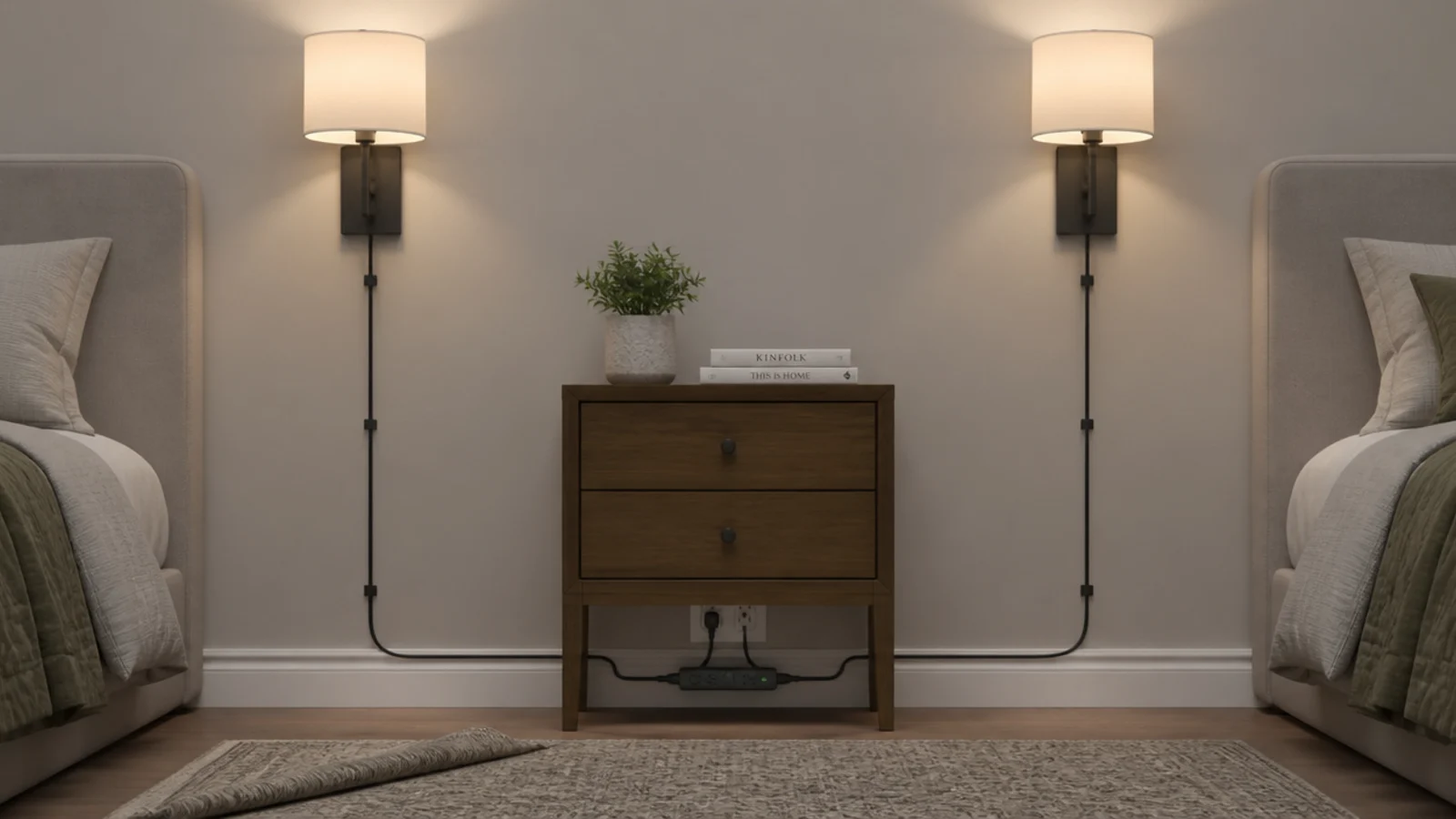
A warm LED strip taped to the back of a headboard throws a glow up the wall and shows no fixture at all. Five metres costs $15 to $40, runs off a plug, and comes off with the headboard when you move.
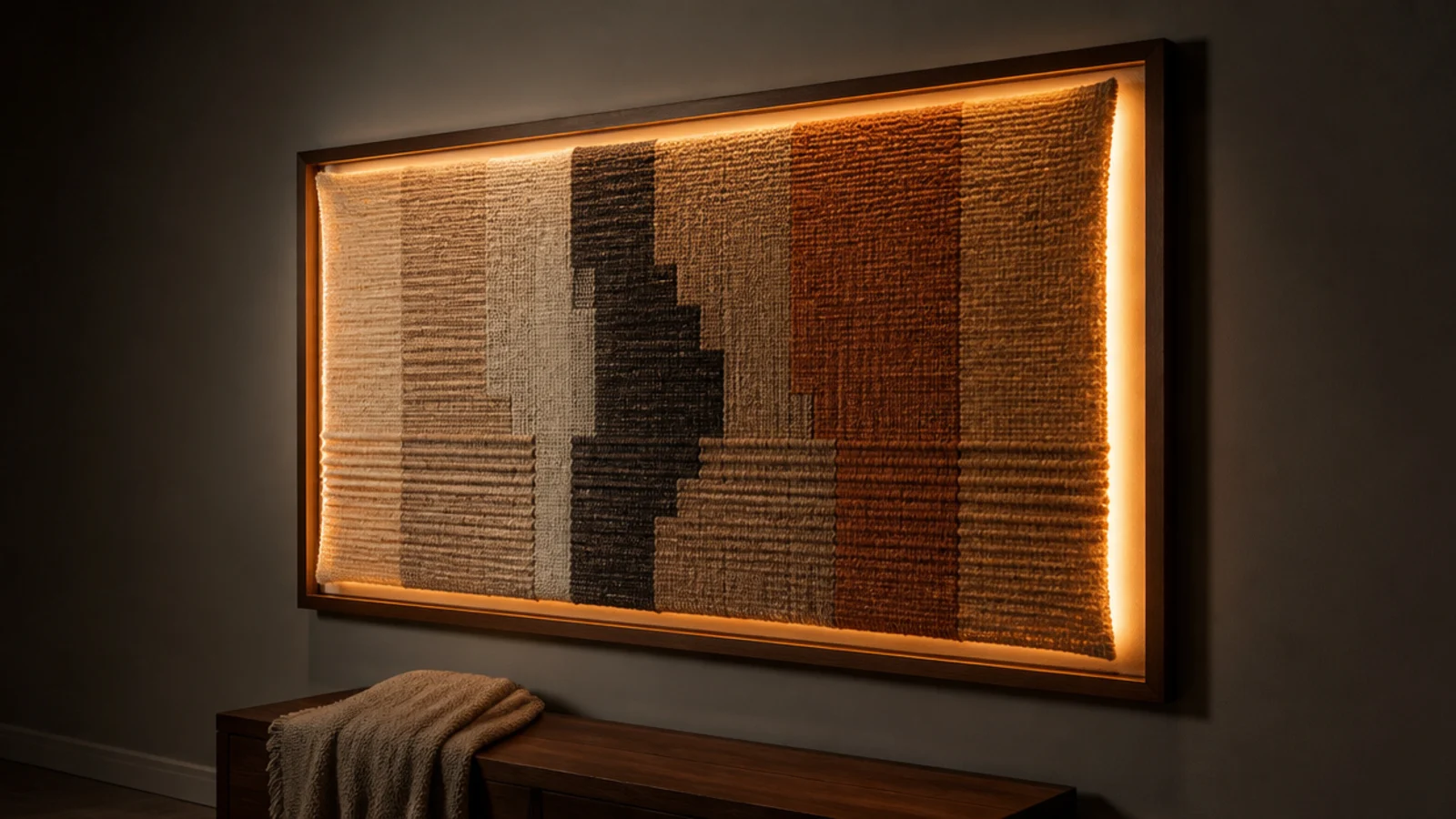
16. A backlit frame instead of a fixture
A framed panel with concealed lighting behind it does the job of a picture light and an artwork together. It hangs on one hook, needs one socket, and gives a rented wall something to look at that is not the landlord's magnolia.
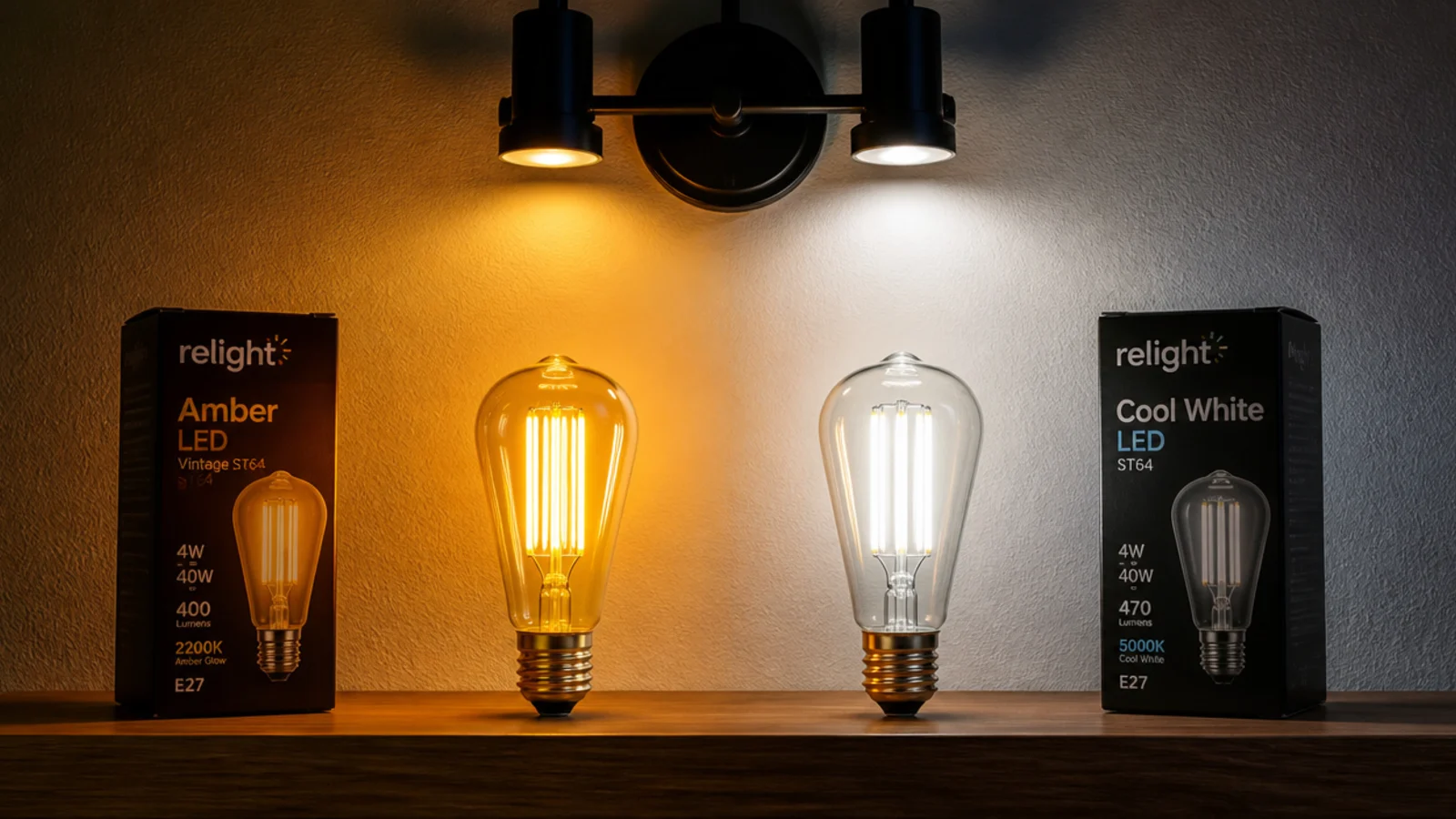
17. Warm 2700 kelvin in every rented room
Most rentals ship with 4000K bulbs, which is the single biggest reason they feel institutional. Swapping every bulb to 2700K costs $8 to $15 each and changes a flat more than any furniture you could buy for the same money.
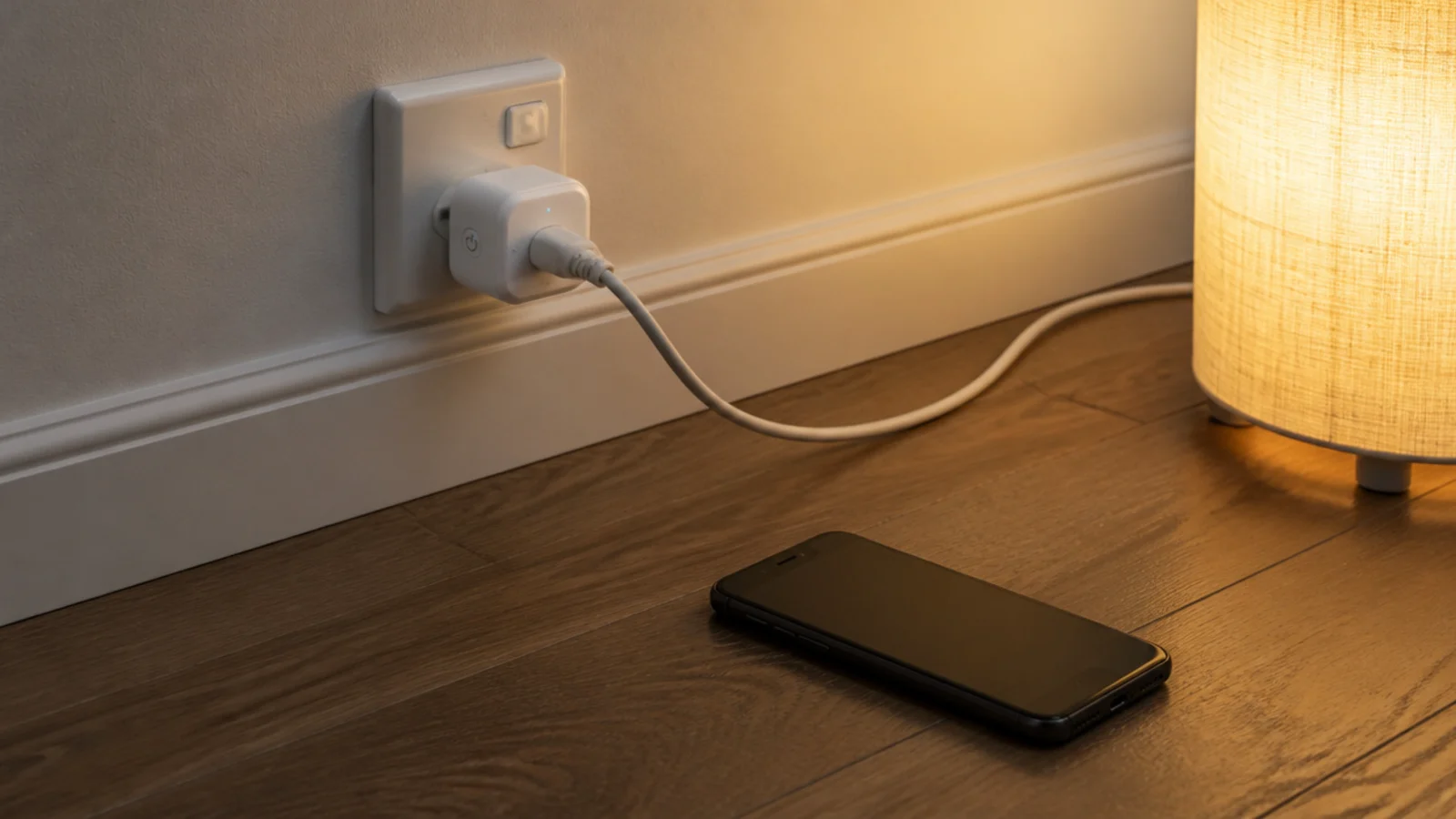
18. A smart plug and a timer
A $12 smart plug turns any plug-in fixture into a scheduled one without touching a wire. Set the wall lights to come on at dusk and the room stops depending on you remembering. It also gives you dimming on compatible bulbs.
19. Removing adhesive without pulling paint
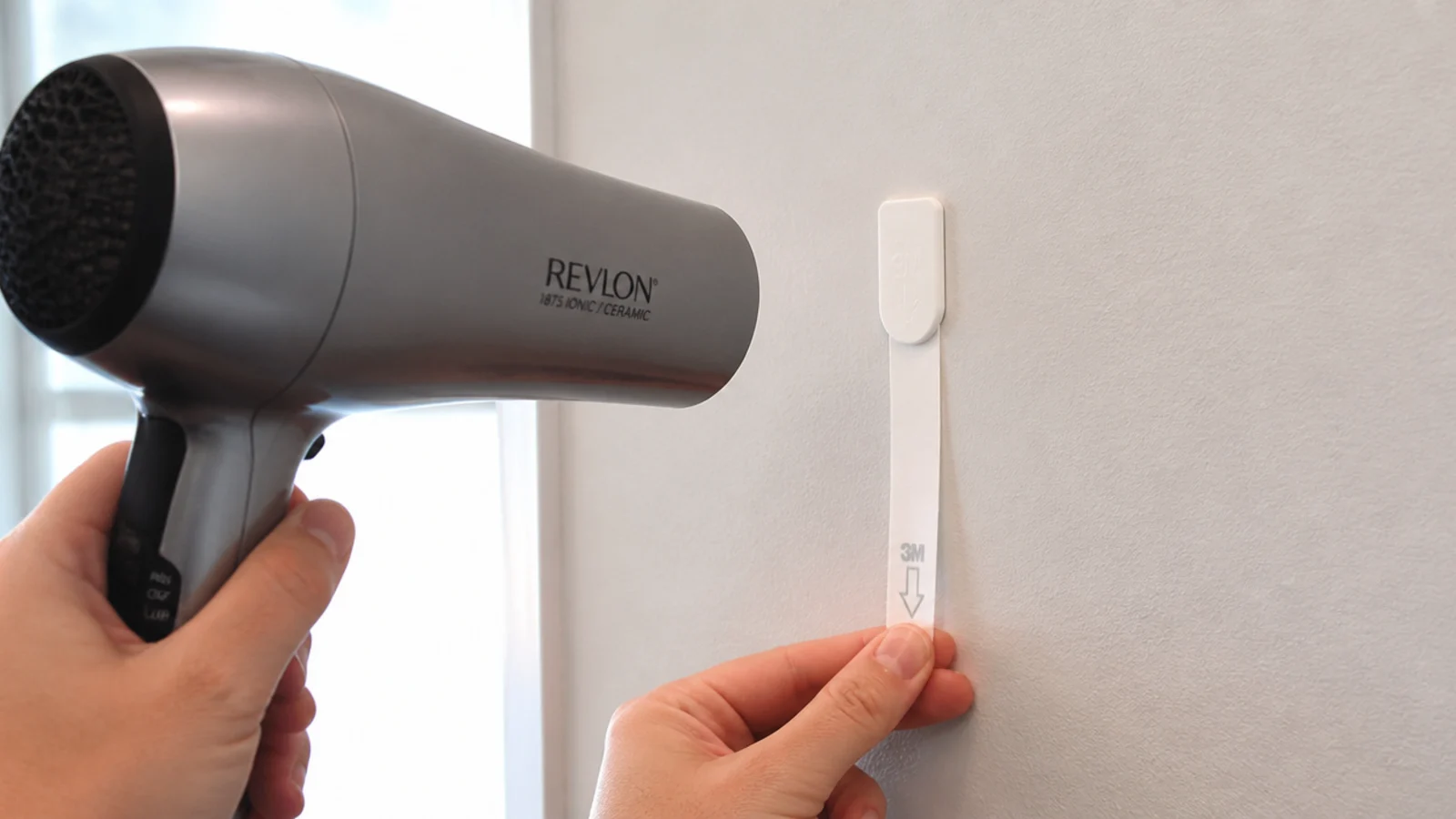
Warm the strip with a hair dryer on low, then pull the tab slowly along the wall surface rather than outward. That angle is what saves the paint. Do it before the tenancy ends rather than in the last hour, so there is time to fill.
20. Reading the tenancy rules before drilling
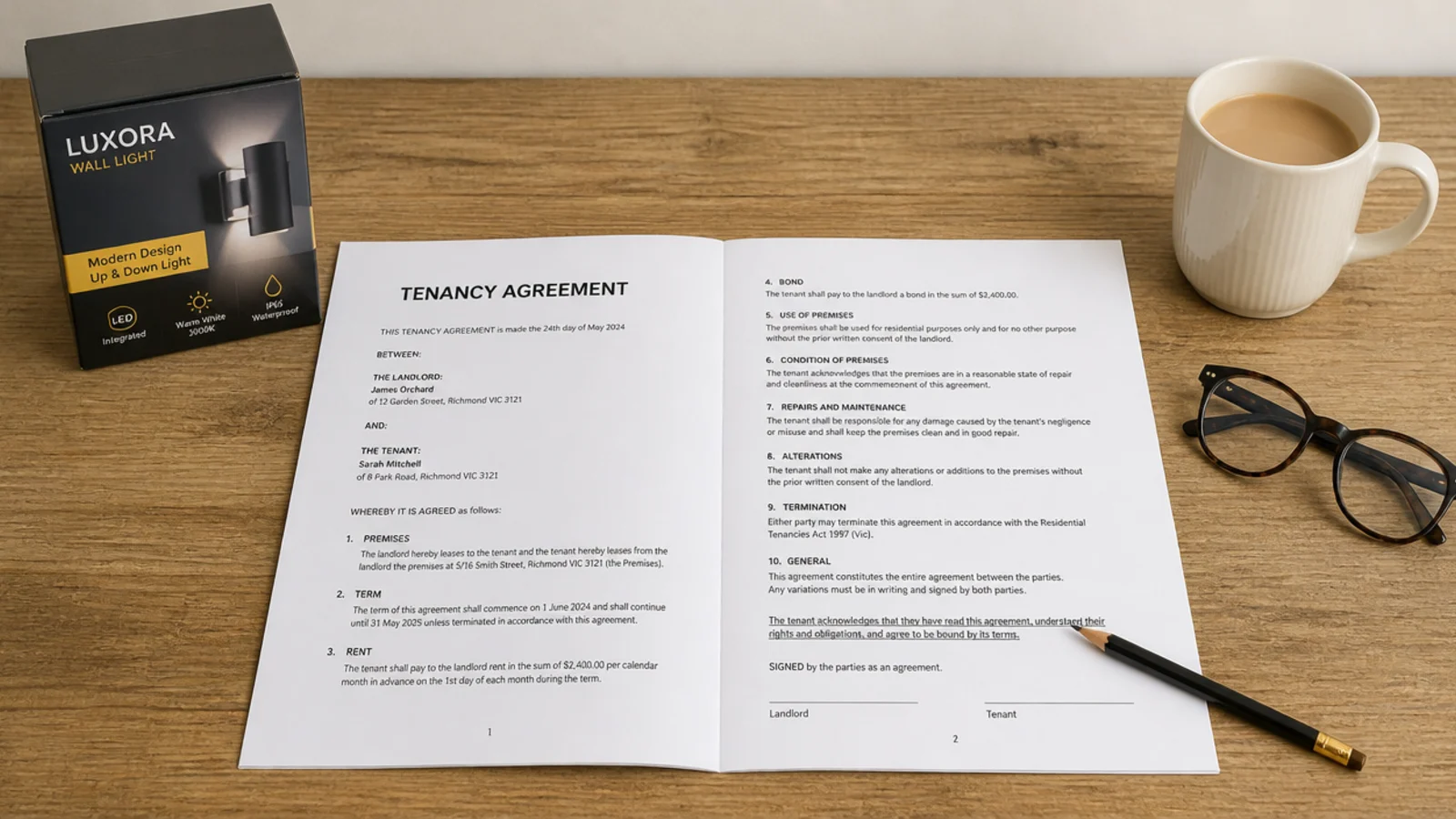
Most agreements permit small fixings with the holes made good, and a surprising number permit more than tenants assume. Read the clause, ask in writing, and keep the reply. It is often the difference between four fixtures and thirty compromises.
21. Anchors that hold when adhesive will not
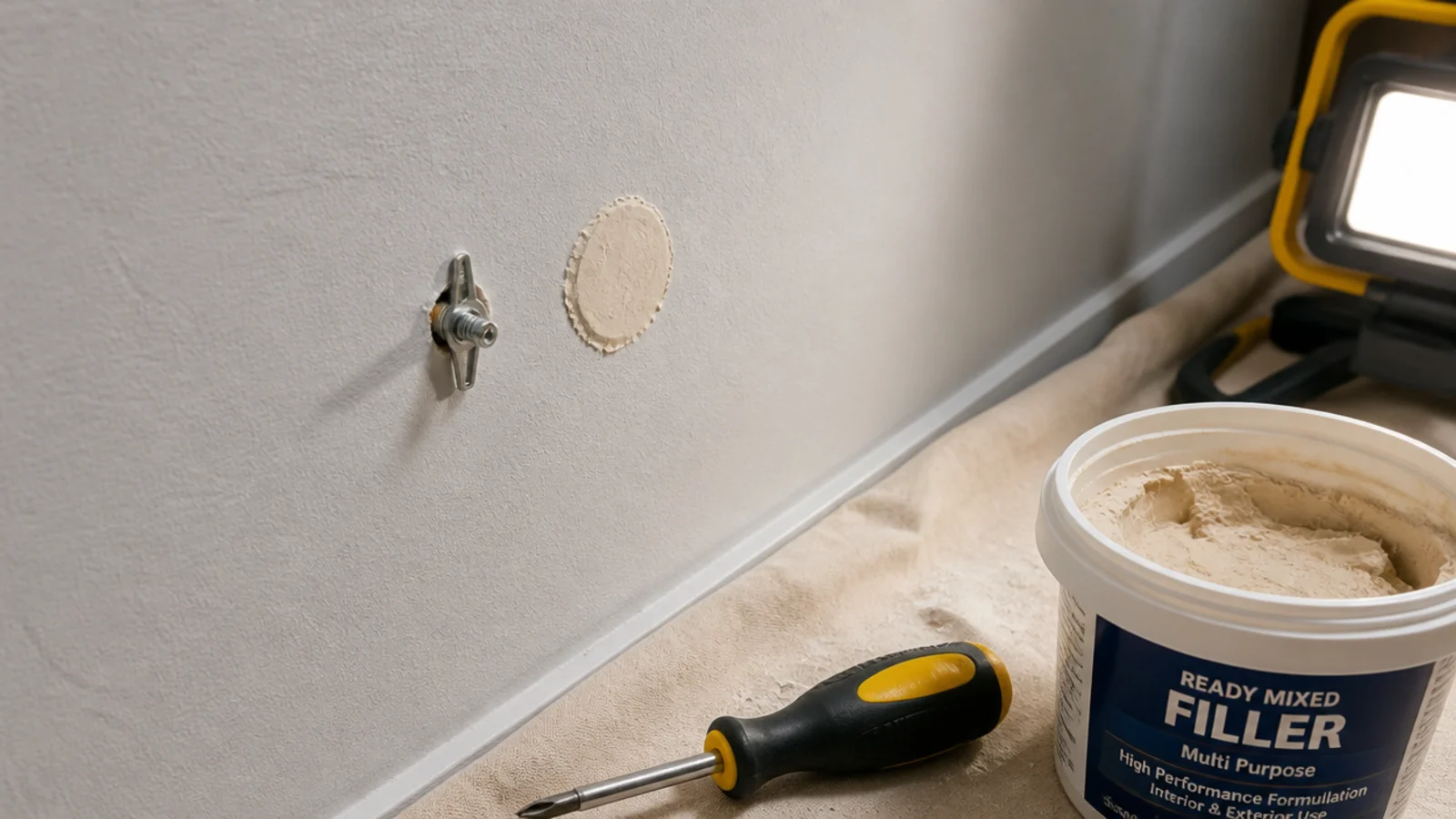
Where a fixture is over 4 pounds, one small toggle anchor rated 25 to 35 pounds in half-inch drywall is safer than adhesive and leaves a hole the size of a coin. Two minutes of filler and matched paint on move-out is a fair trade.
22. Extension leads run safely
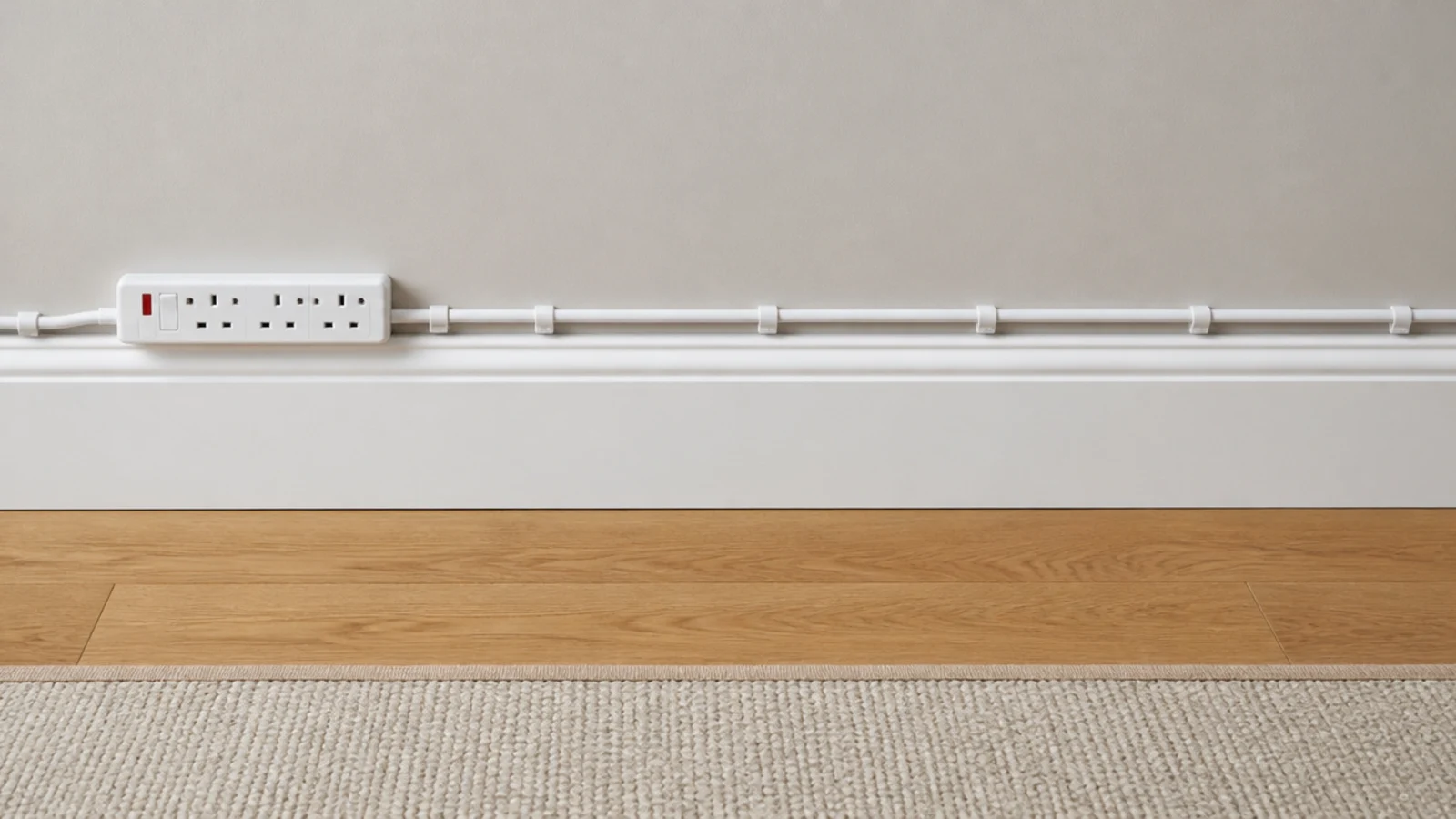
Run leads along the top of a skirting board, clipped, fully uncoiled and never under a rug where heat builds and damage goes unseen. Keep the total load well under the lead rating, which for lighting is never an issue but for heaters is.
23. A wall lamp over a rented desk
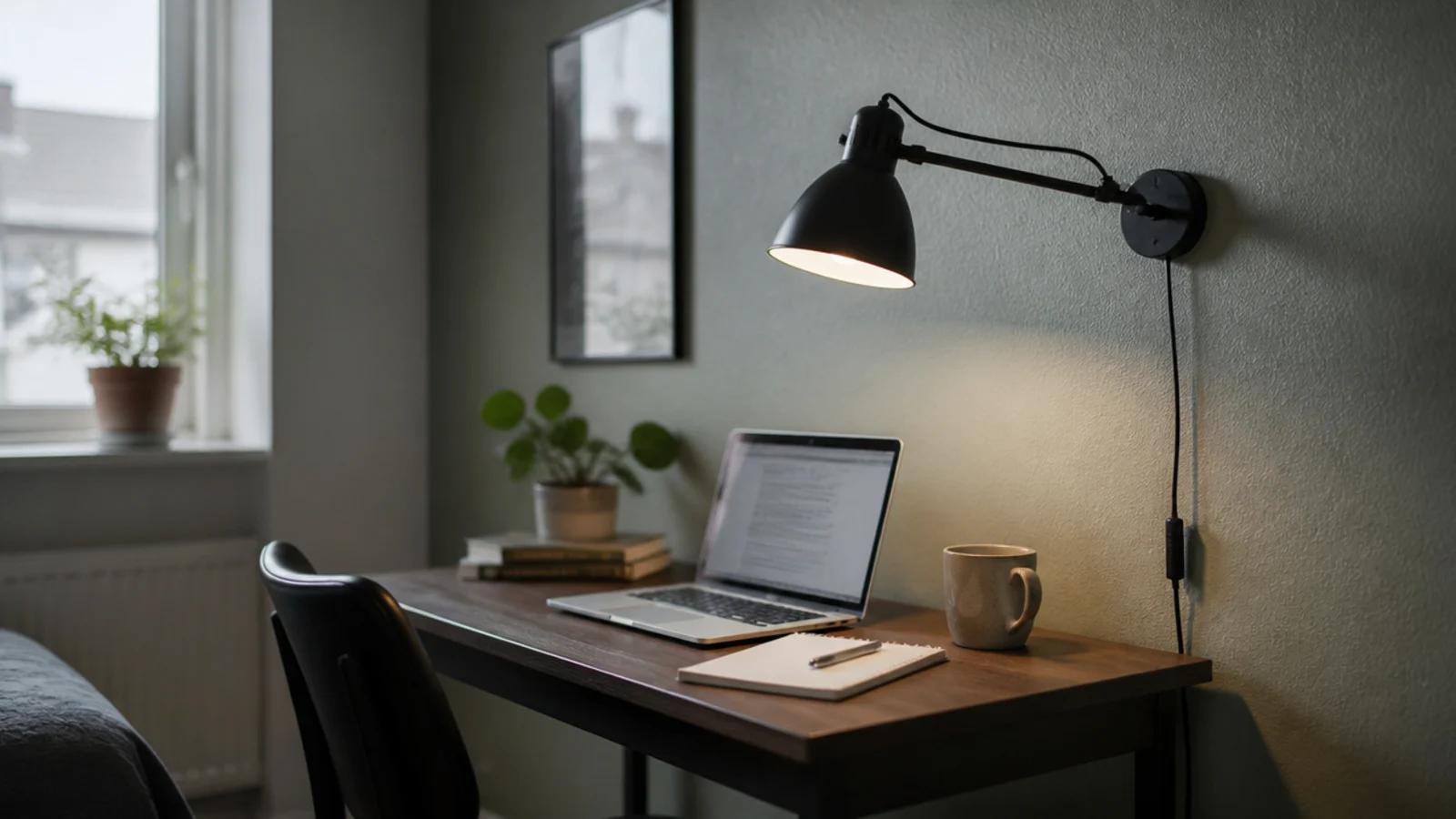
An adjustable wall lamp at 48 to 54 inches above the floor, offset to the side away from your writing hand, lights a desk without taking any of it. Aim it so nothing reflects in the screen, which is easiest to check with a mirror on the desk.
24. A plug in fixture in a rented hallway
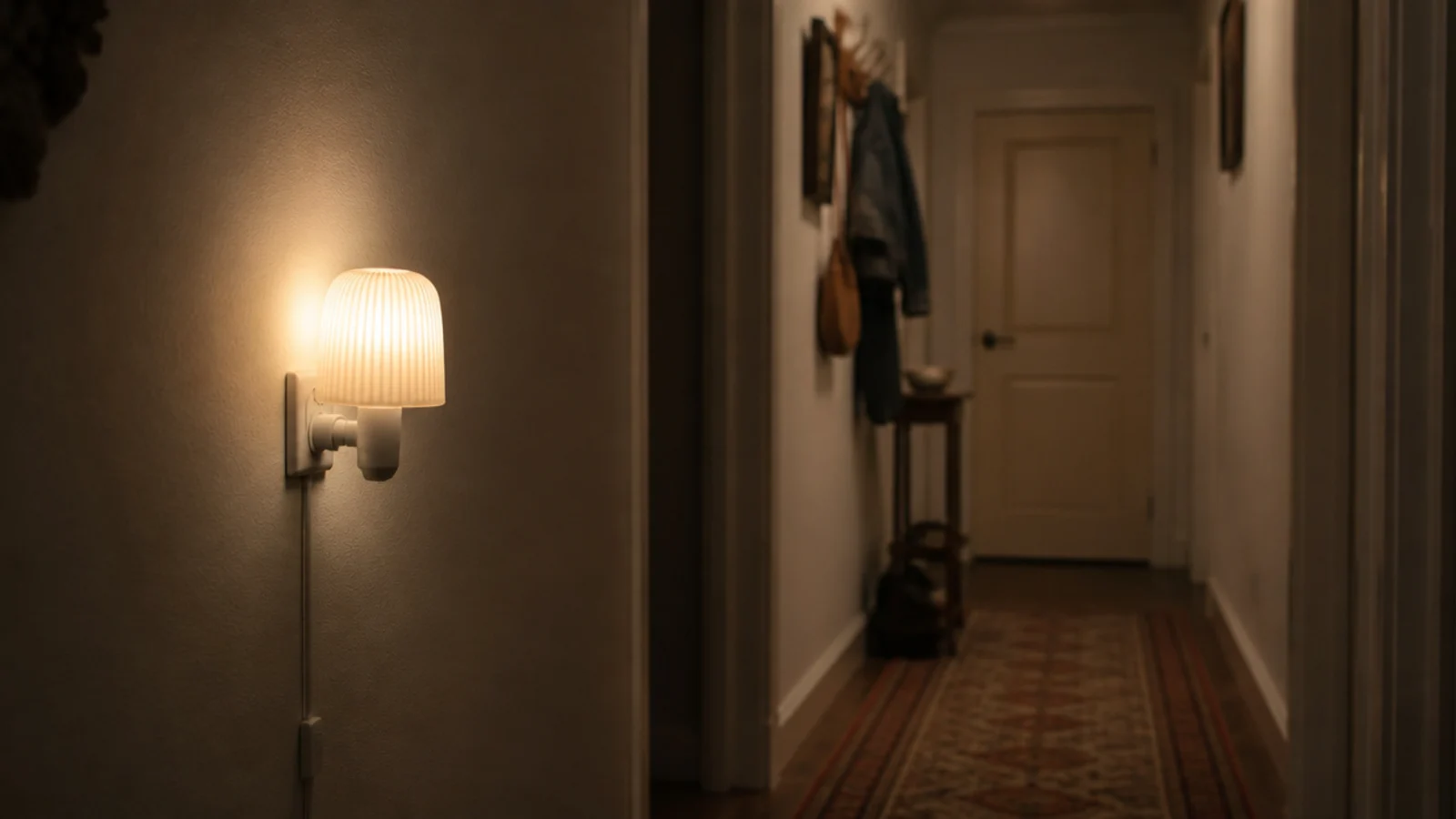
Hallways are where rentals go darkest and where nobody thinks to add light. One plug-in fixture at 66 inches halfway down a run transforms it. The entryway guide covers what else belongs on that wall.
25. A reading light beside the sofa arm
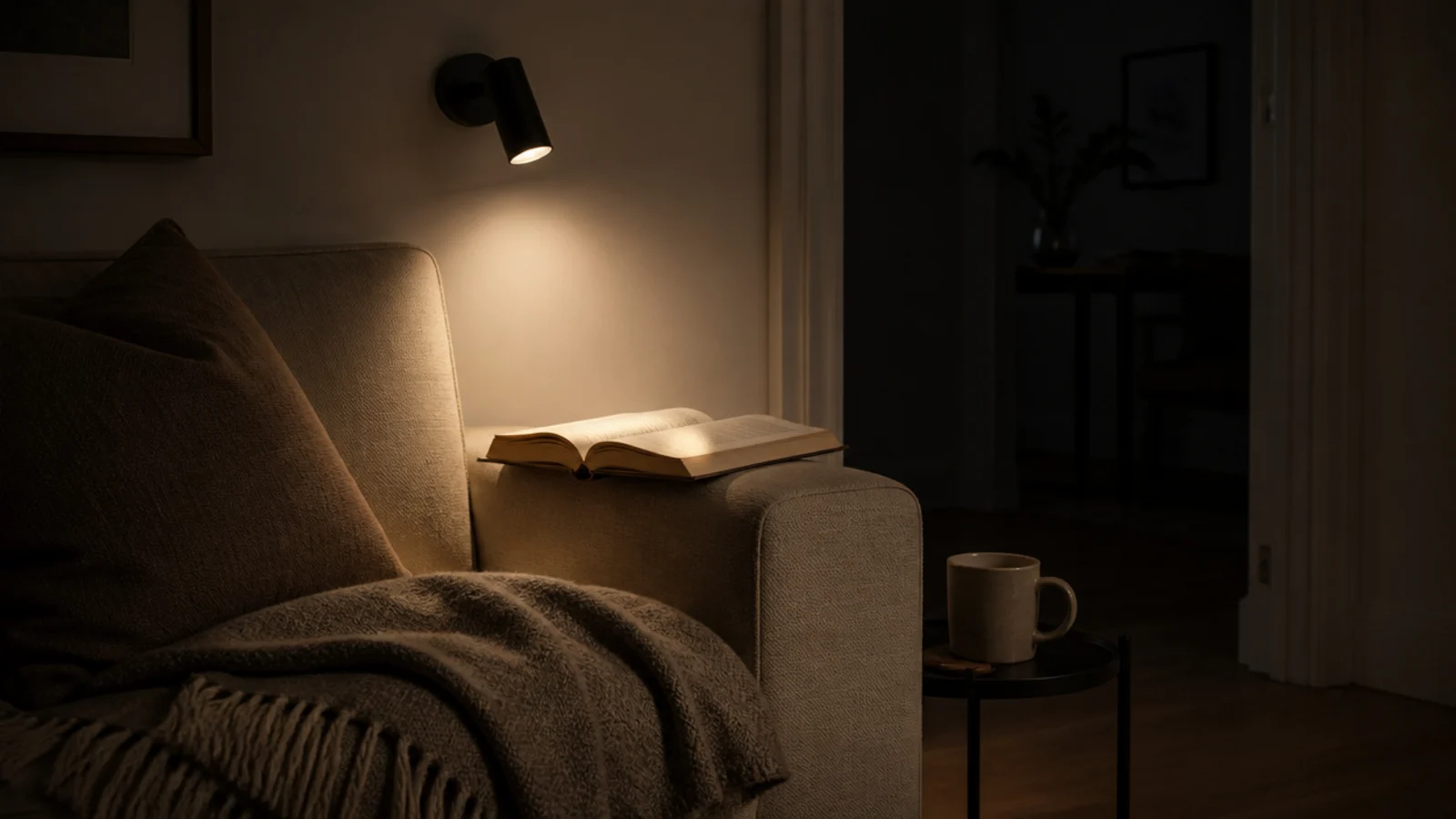
A small directional fixture 12 inches behind the sofa arm at about 50 inches high puts light over the shoulder onto the book. It also lets you switch off the ceiling entirely, which is what makes a rented living room feel like yours.
26. An inline dimmer on the cord
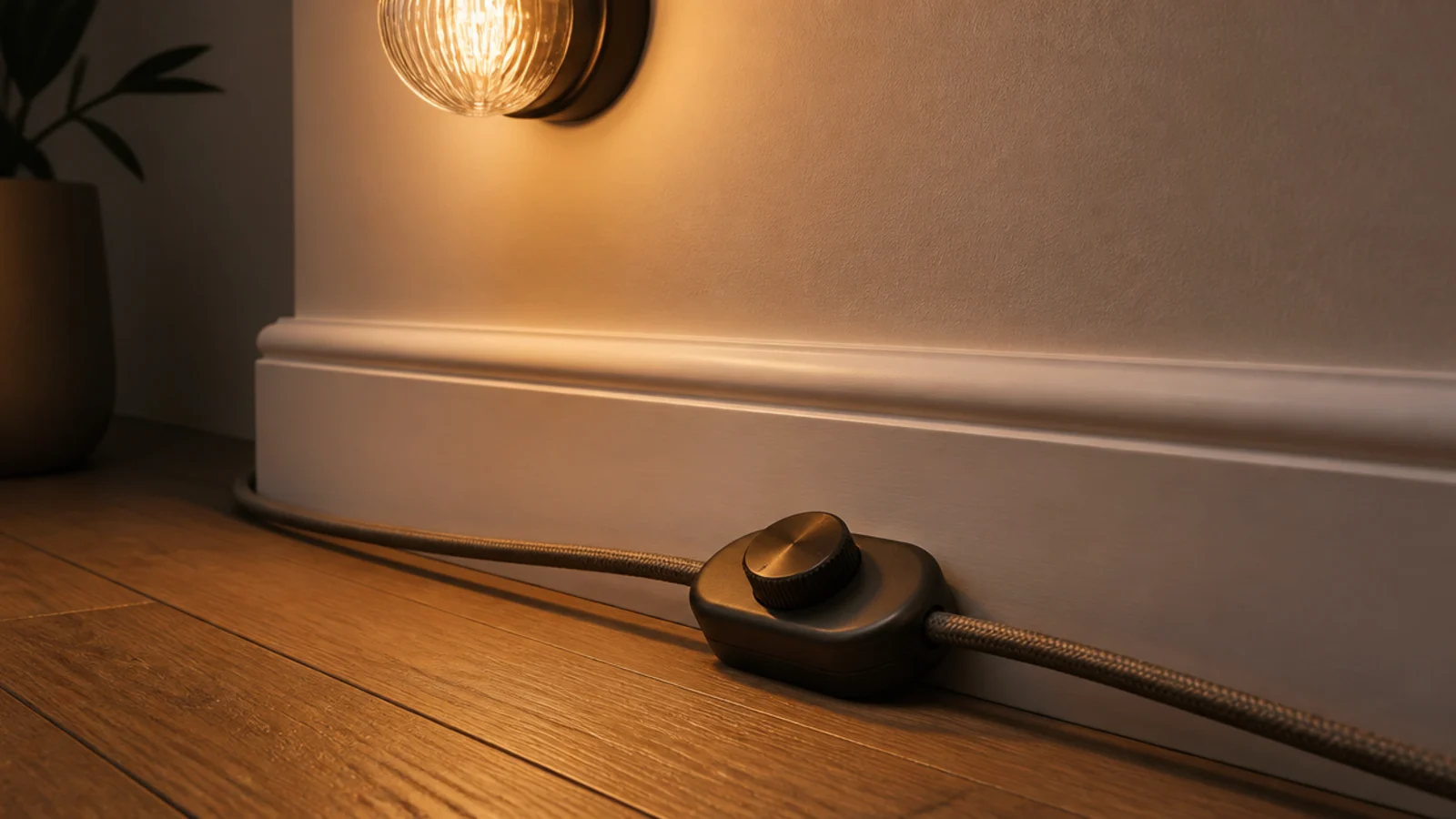
Where there is no wall switch to change, an inline rotary dimmer on the flex costs $10 to $20 and gives you the whole range. Check it is rated for LED, or the bulb will buzz and flicker at the lower settings.
27. One metal repeated across a rented flat
You cannot change the doors, the floor or the kitchen, but you can make every light fixture the same metal. That single repetition does more to make a rental read as considered than any individual purchase. The living room guide applies the same logic on a budget.
28. Shades you can dust in a minute
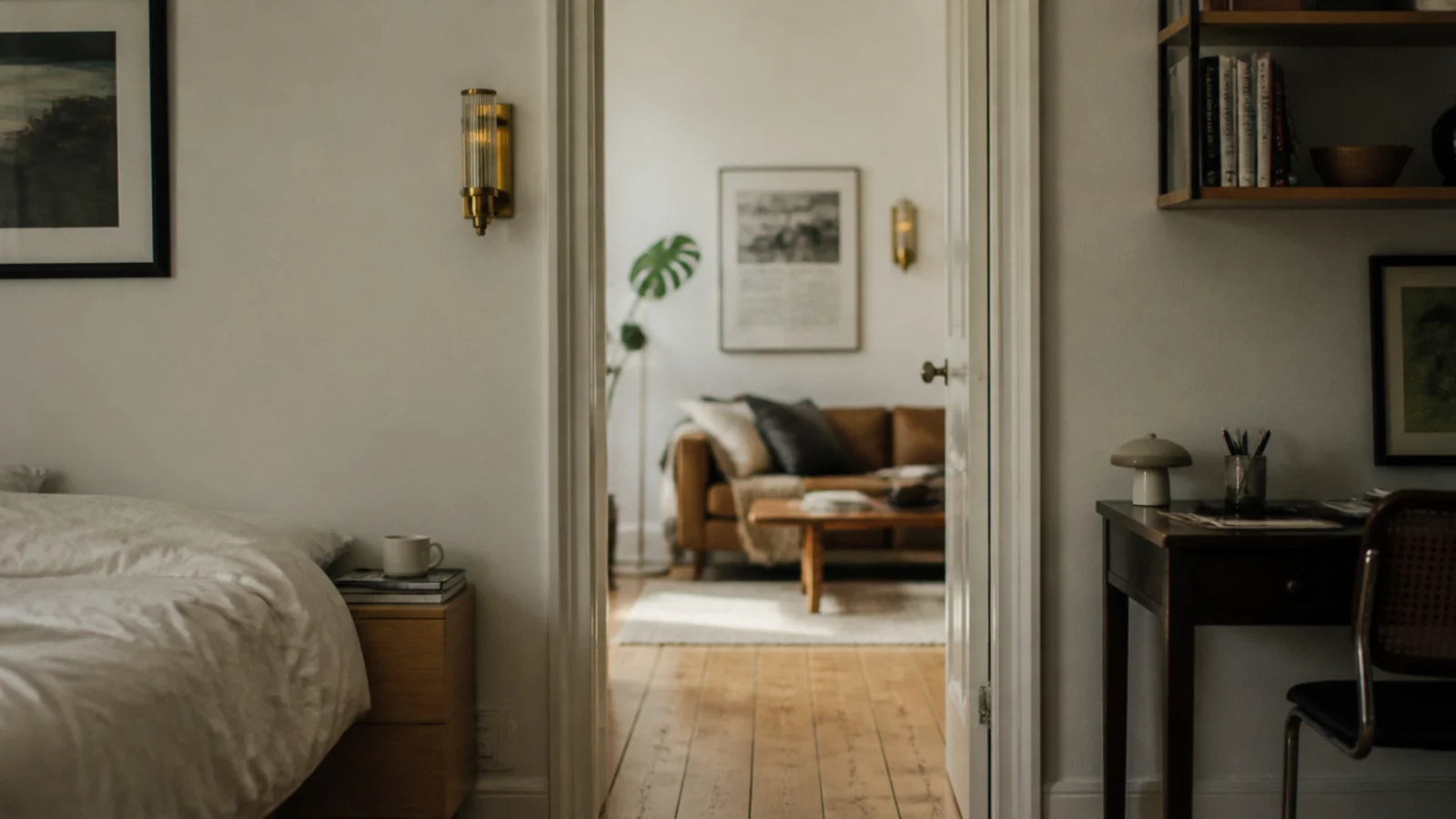
In a rental you are cleaning somebody else's walls as well as your own fixtures. Smooth glass and painted metal wipe in a minute; pleated fabric and open weave need a brush attachment and get skipped. Choose accordingly.

29. Leaving the wall as you found it
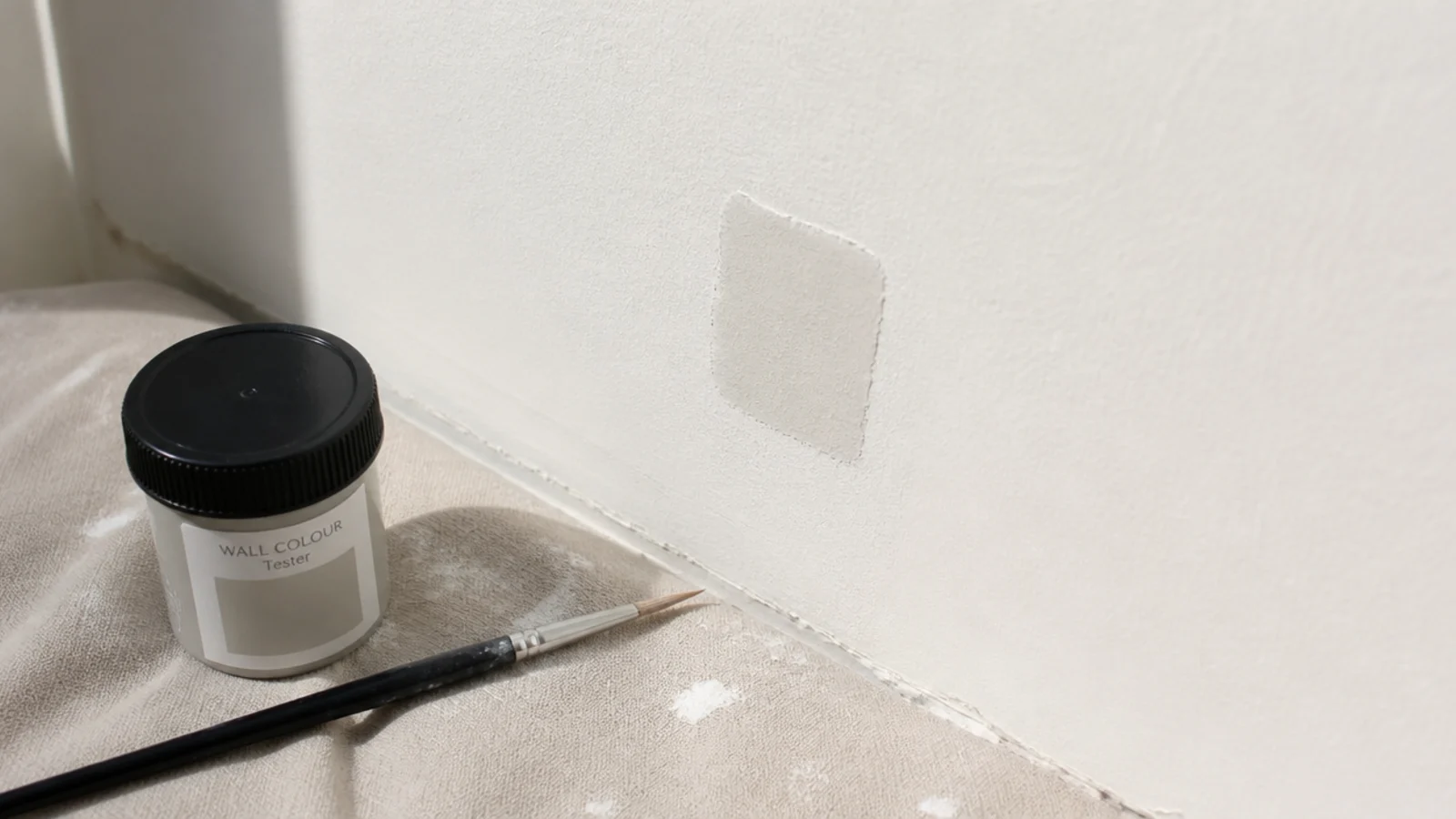
Keep the filler, the fine sandpaper and a tester pot of matched paint from the day you move in. Making good four small holes takes twenty minutes and costs under $15, which is a great deal against a withheld deposit.
30. When it has to be hard wired instead
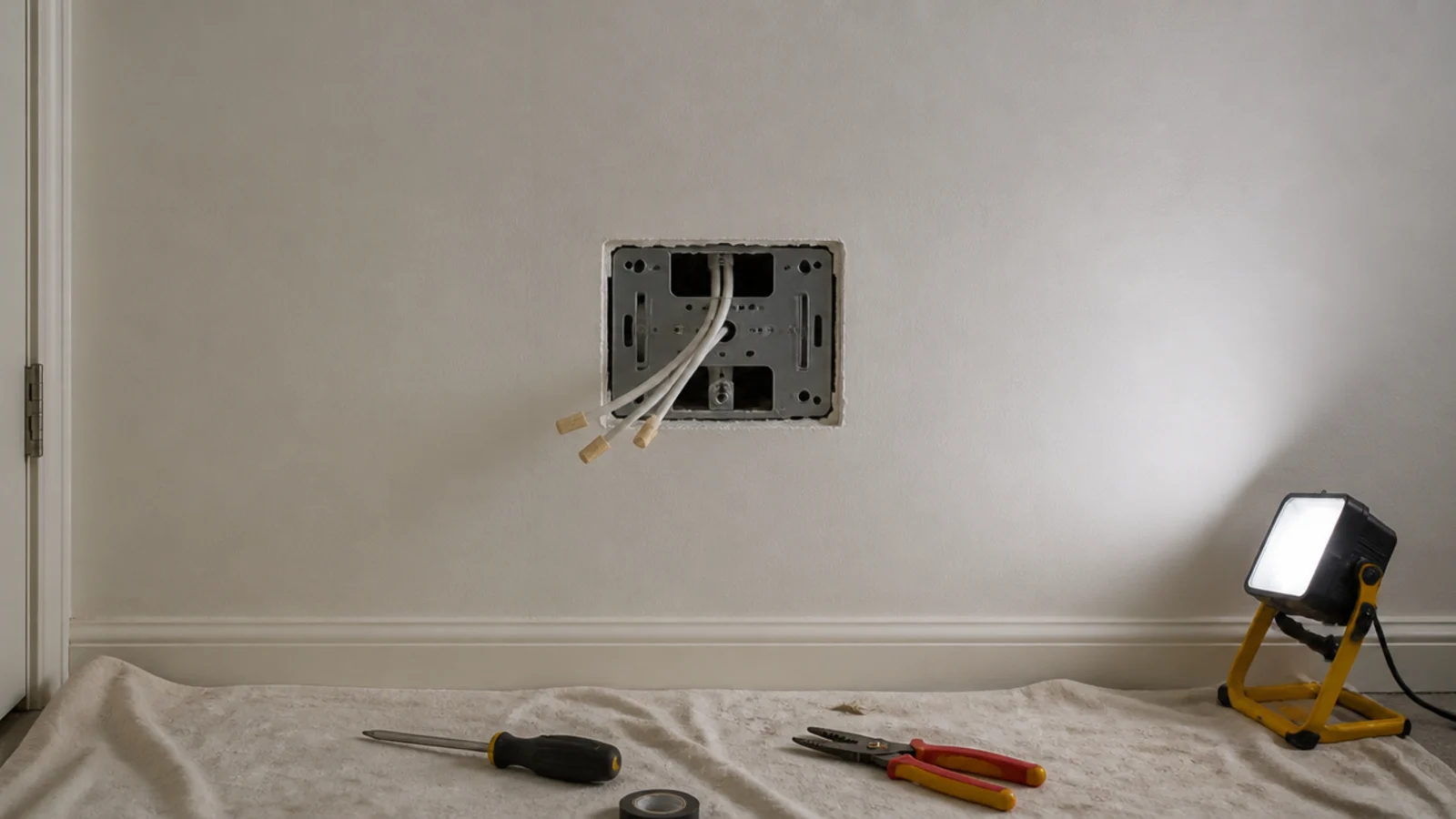
Some fixtures genuinely cannot be plugged in, and some walls have no socket within reach. That is a landlord conversation and an electrician's job in most jurisdictions, not a tenant project. A rated fixing carries the weight, and improvised wiring in a rented flat is never worth it.
Mistakes to Skip
- Trusting an adhesive rating on flat builder paint. Test one strip on a hidden patch, and keep anything glass or ceramic off adhesive entirely.
- Running a cord across open wall. A paintable channel costs under $20 and is the difference between a fitted look and an obviously temporary one.
- Running an extension lead under a rug. Heat builds where the cable is covered and any damage stays hidden until it matters.
- Leaving the making-good until the last day. Filler needs drying and sanding time, and a rushed patch is more visible than the hole was.
Frequently asked questions
How high should a wall light be mounted?
General wall lights sit 60 to 66 inches from the floor to the centre of the fixture, which is roughly eye level standing. Beside a bed, drop to 40 to 48 inches so the light reaches a book. Flanking a mirror, keep them at eye level and 36 to 40 inches apart.
Can renters install wall lights without drilling?
Yes. Plug-in fixtures with adhesive mounting plates, tension poles, clip-on lamps and rechargeable battery fixtures all avoid holes entirely. Adhesive mounts hold reliably up to about 4 pounds on sound paint, which covers most lightweight sconces but not anything cast or heavy.
How do I hide the cord on a plug-in wall light?
Use a paintable cord channel, which costs 8 to 20 dollars for eight feet and takes the wall colour exactly. Run it down a corner, a door architrave or the edge of a headboard rather than across open wall, and it disappears at two paces.
How many lumens does a wall reading light need?
Between 300 and 450 lumens at 2700K for reading in bed or in a chair, and 200 to 300 for a purely decorative wall light. A directional shade matters more than raw output here, because light aimed at the page beats a brighter fixture washing the wall.
Will adhesive mounts damage rental paint?
They can, if the paint is poorly bonded. Test one strip on a hidden patch and pull it after a day. Remove with a hair dryer at low heat and pull the tab slowly along the wall rather than outward, and most flat builder paint survives intact.
Want more like this? Browse all 15 hanging lights guides — they all use the same measurements and budget tiers.

Pin it for later
Save this to your Hanging Lights board
Pin it now so it is waiting for you when the tape measure comes out — and so the next person hunting for this idea can find it too.
Save this pinKeep going
More ideas worth saving while you have the tape measure out.