Hanging Lights · UGC
30 Modern Hanging Lights I Would Buy Again

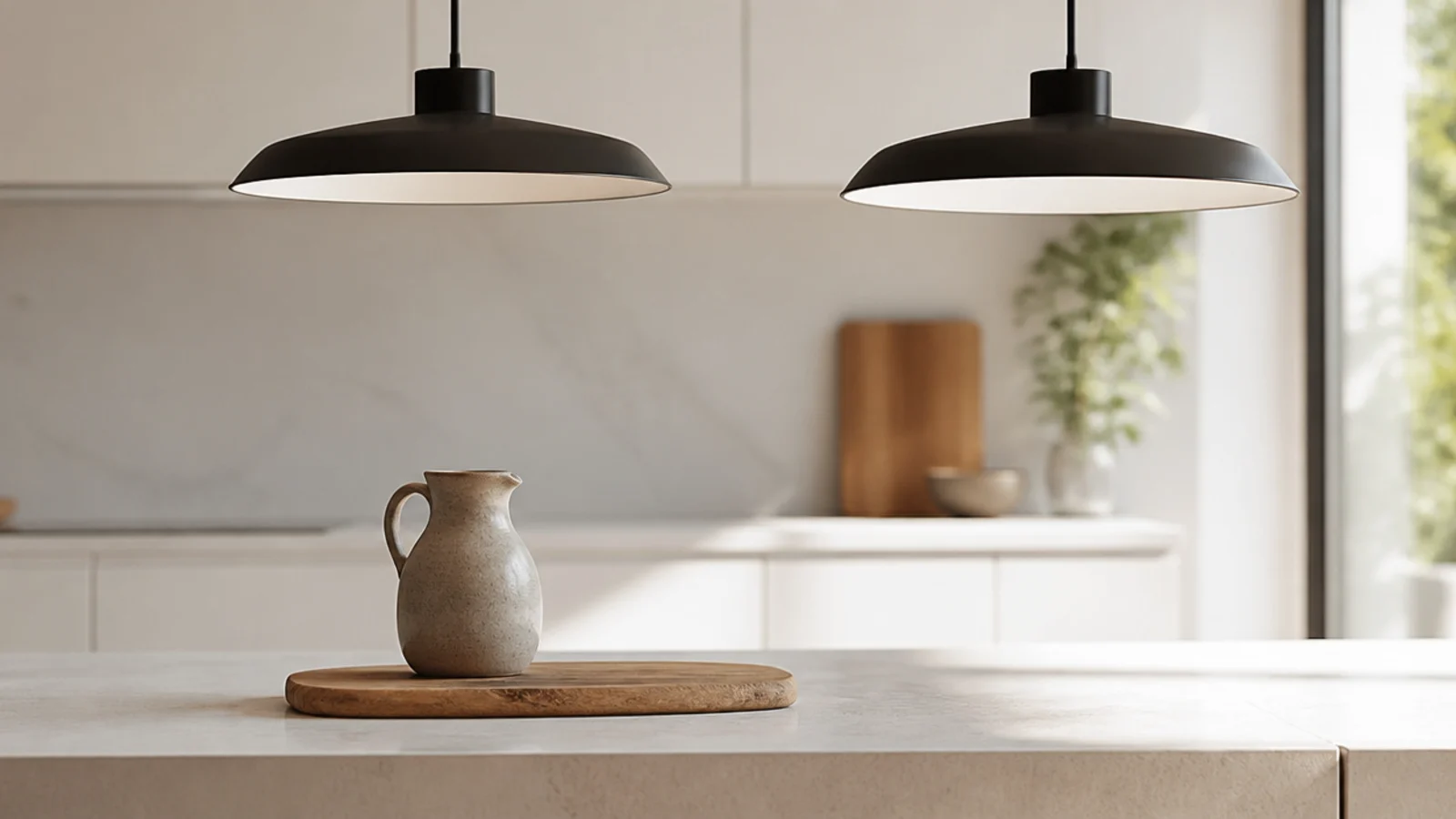
I have hung, lived under, cleaned and occasionally returned more pendants than I can justify. Modern hanging lights get judged on a product page in about four seconds, and the things that decide whether you still like one in year five never appear there: how the finish wears, whether the bulb is replaceable, how much light actually reaches the counter. What follows is my own list, with the drops I settled on and the diameters I got wrong first. Thirty I would order again, one I sent back, and the ceiling box lesson that cost me a Saturday.
In this guide32 sections — tap to openHide
- 1.How I judge modern hanging lights after living with them
- 2.The opal glass globe I bought twice
- 3.A matte black cone over the island
- 4.A brushed brass dome in the hallway
- 5.The linear bar over a long table
- 6.A ribbed clear cylinder
- 7.A smoked glass cluster on the stair
- 8.A shallow powder coated dish
- 9.An integrated LED disc with a replaceable module
- 10.A pleated fabric drum
- 11.A slim rod hung spotlight
- 12.A sculptural plaster pendant
- 13.A knurled brass mini pendant
- 14.A concrete shade over the sink
- 15.A perforated metal shade
- 16.A wire frame with a fabric diffuser
- 17.A multi arm fixture in a tall room
- 18.A magnetic track pendant
- 19.A fluted alabaster disc
- 20.A small ceramic shade with a coloured glaze
- 21.A bamboo lantern with a modern profile
- 22.A double shade pendant with a bright inner cone
- 23.An adjustable height plug in pendant
- 24.An arc pendant that reaches over the sofa
- 25.A conversion kit pendant in a rented flat
- 26.A tinted olive glass shade
- 27.A bare socket drop, done properly
- 28.A tuneable white fixture over the desk
- 29.The chrome fixture I sent back
- 30.A smart bulb inside an ordinary shade
- 31.What the ceiling box taught me
- 32.Modern Hanging Lights: What I'd Do Differently Now
How I judge modern hanging lights after living with them
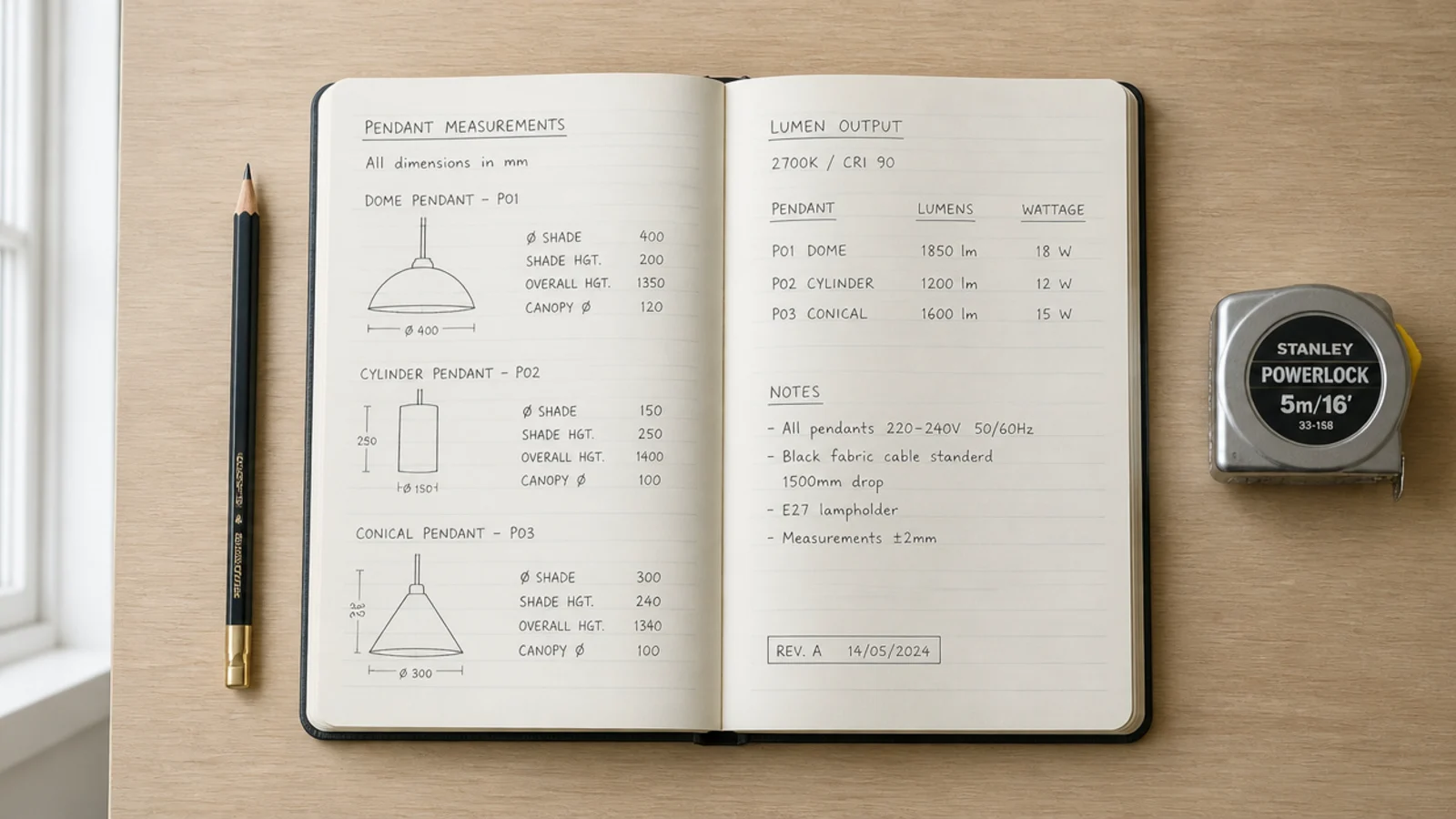
Five things, in order. Serviceability — a standard socket or a module I can lift out, because a sealed board makes an expensive fixture disposable. Finish under wear — powder coat and unlacquered brass improve or hold; plated brass and polished chrome show every cloth mark by year three. Where the light lands — a white or brass inner surface can deliver a third more usable light than a dark one at the same wattage. Weight against the box — a rated ceiling box carries the fixture weight and standard lighting boxes are listed for 50 pounds, which concrete and plaster shades approach faster than they look. Drop — 30 to 36 inches above a counter, 30 to 34 above a table, 7 feet in any walkway.
Prices below are the bands I paid, not exact figures, and every hard-wired one of these went in with an electrician because that is licensed work in most jurisdictions.
1. The opal glass globe I bought twice
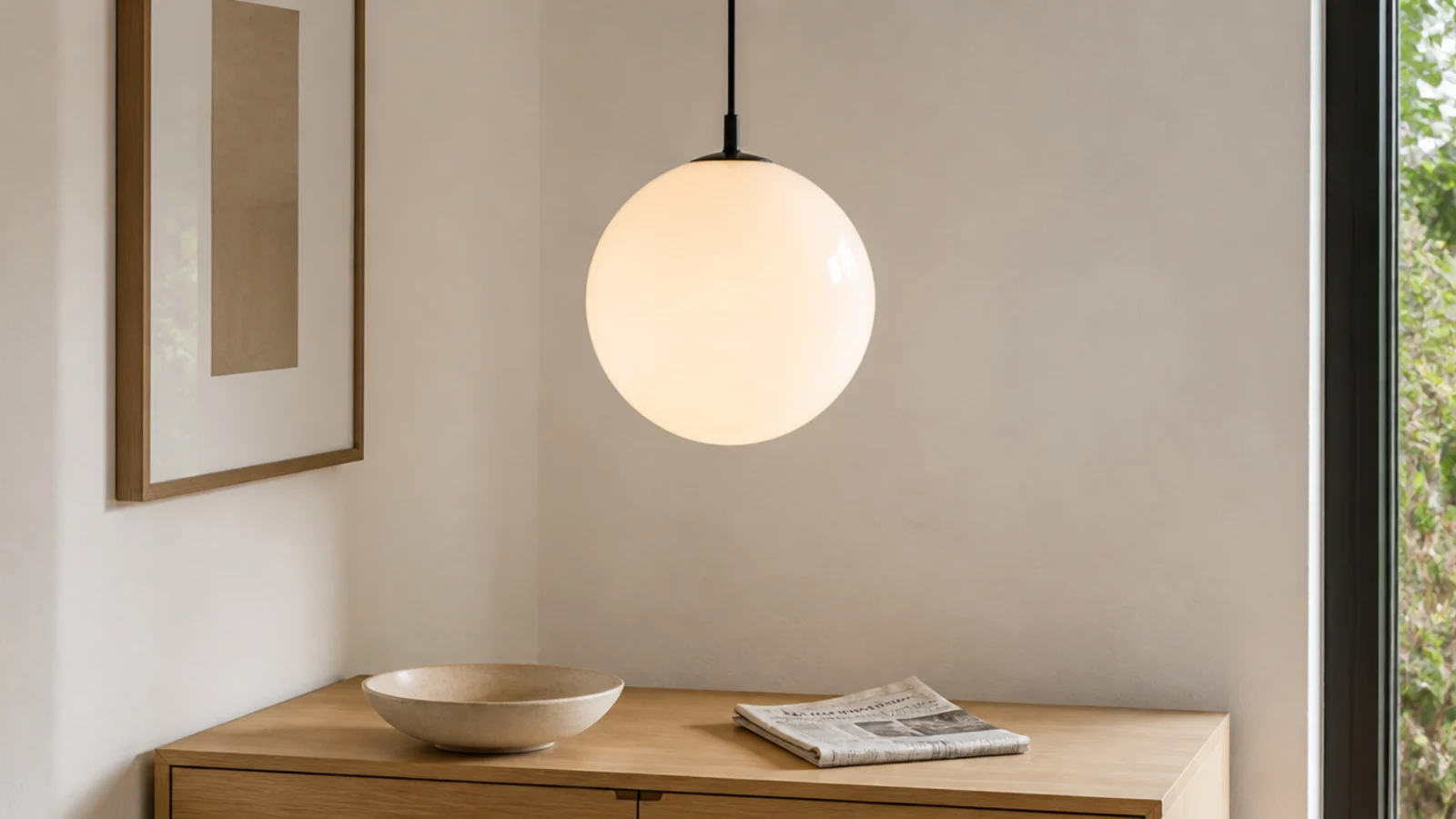
A plain 12 inch opal globe at around $90. It hides the bulb completely, wipes clean in a minute and suits a period hallway as easily as a flat. I liked the first one enough to buy a second for the landing.
2. A matte black cone over the island
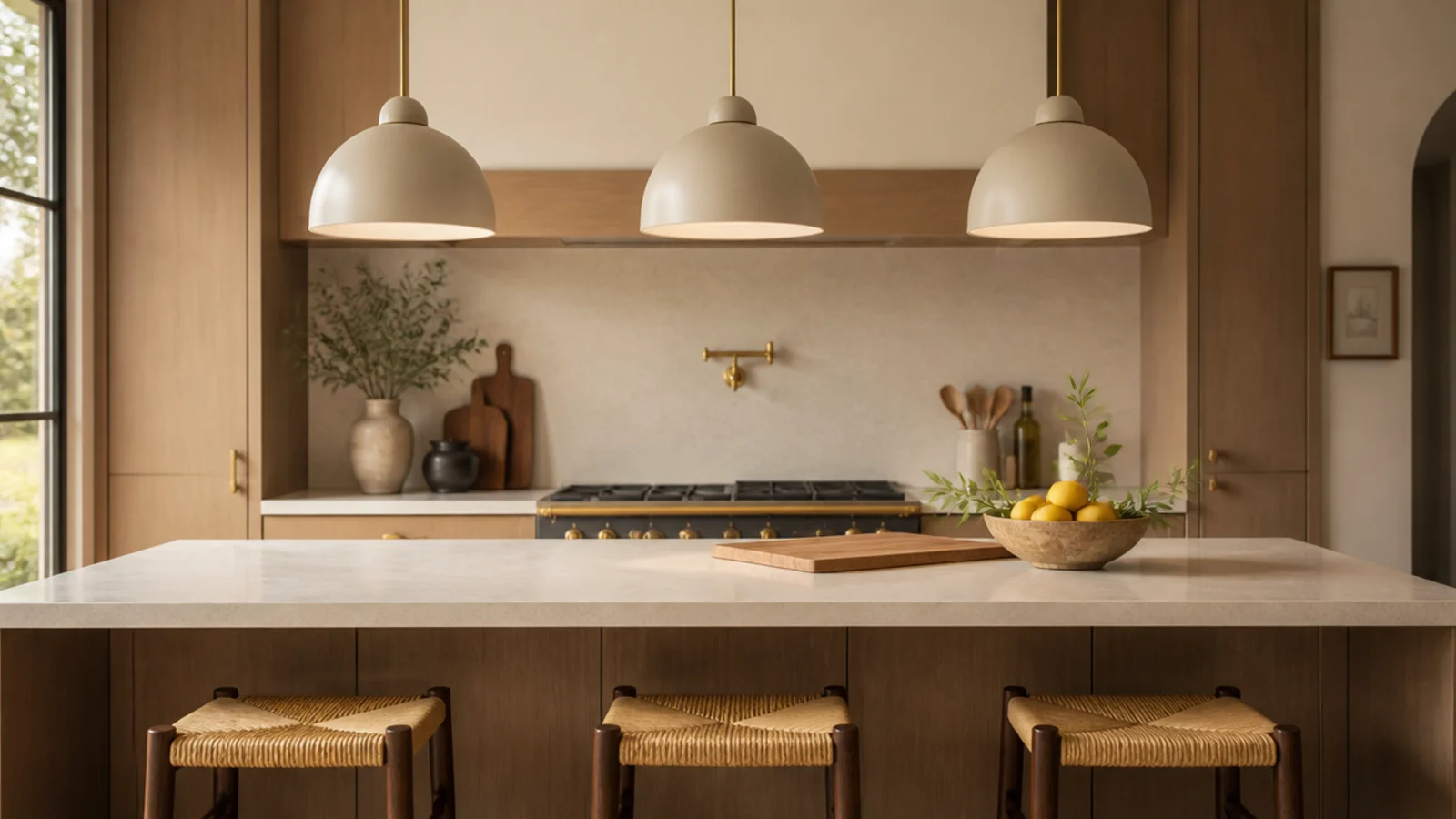
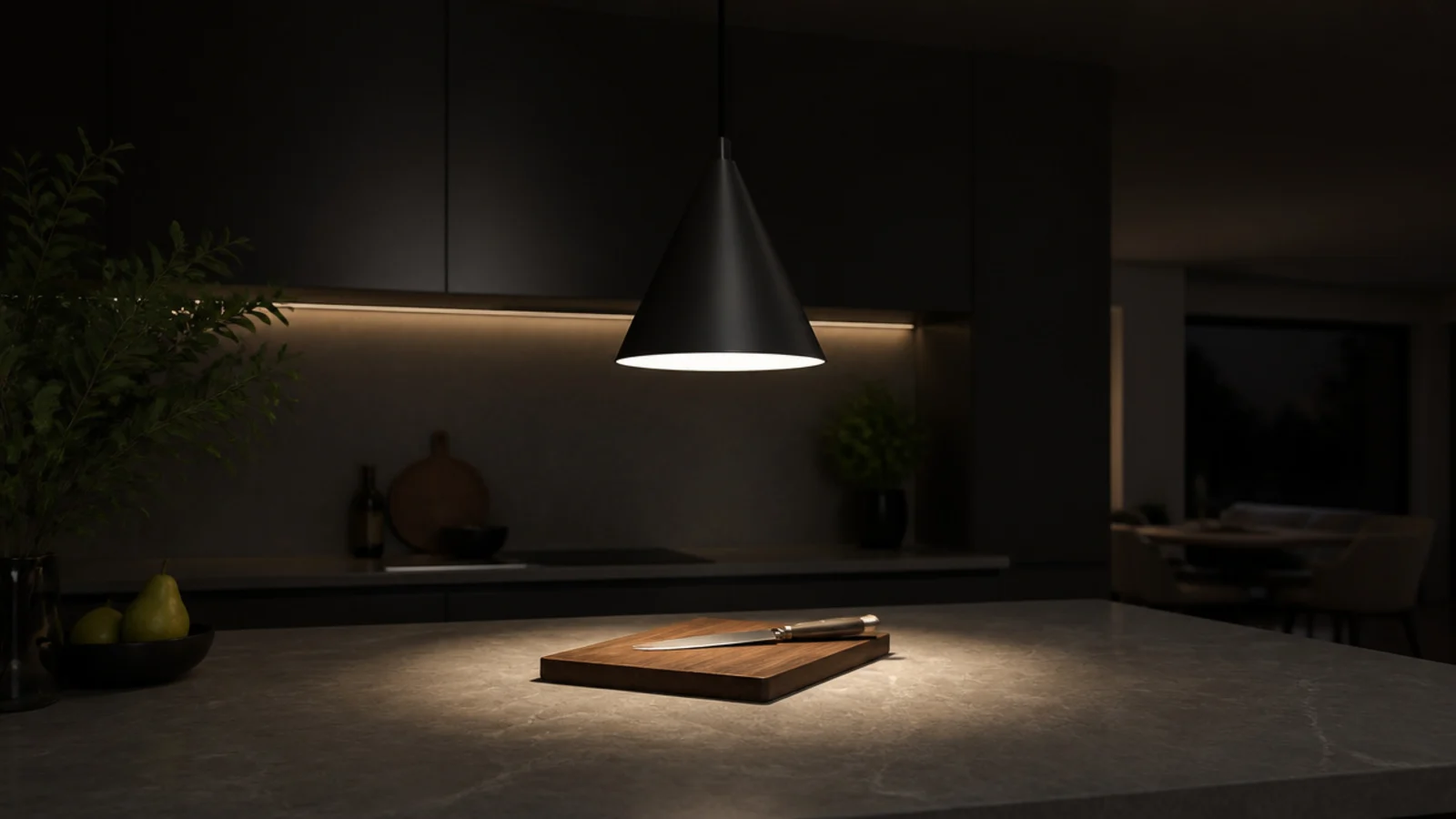
A deep cone with a white interior, 9 inches across, hung at 32 inches above the counter. The white inside is the whole reason it works — the same shade in black inside delivered noticeably less light onto the board.
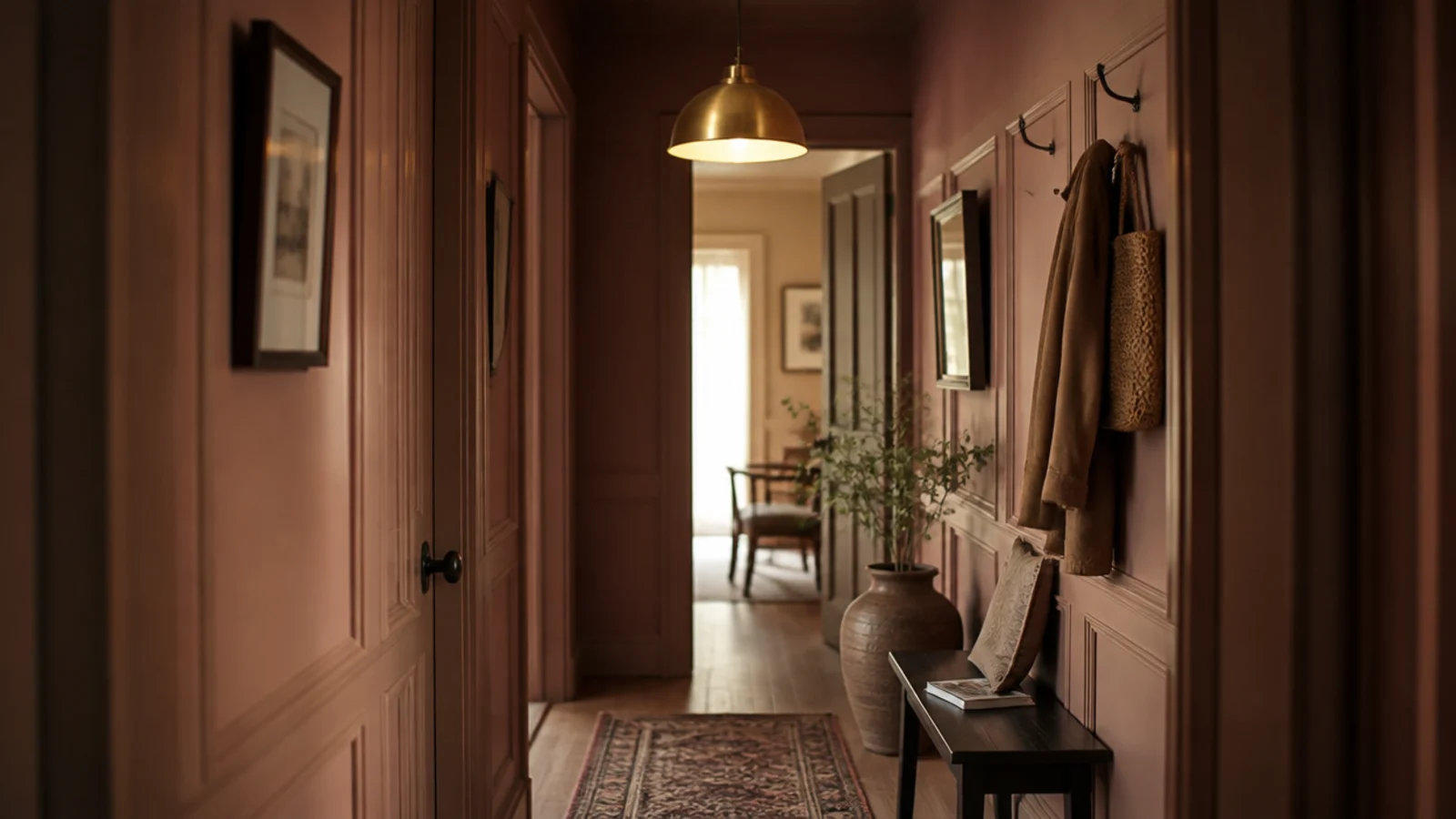
3. A brushed brass dome in the hallway
Around $120 for a 10 inch dome. Brass was the only warm thing in a hallway of grey paint, and it lifted the whole run. Brushed rather than polished, because a hallway fixture gets knocked by coats.
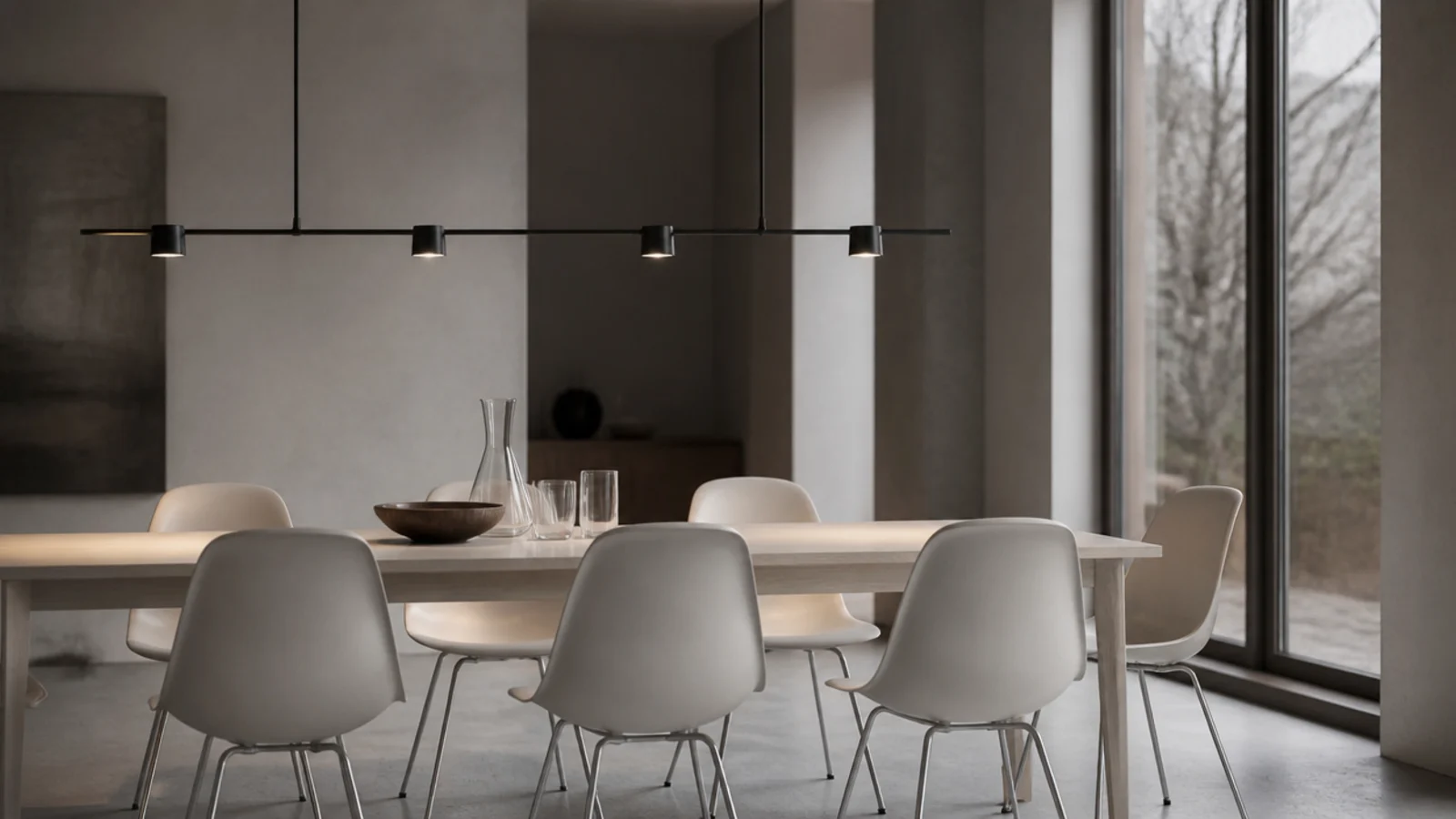
4. The linear bar over a long table
A 54 inch bar over an 84 inch table, hung at 32 inches. Three separate pendants over that table never balanced. One bar solved the spacing problem outright and put even light down the full length.
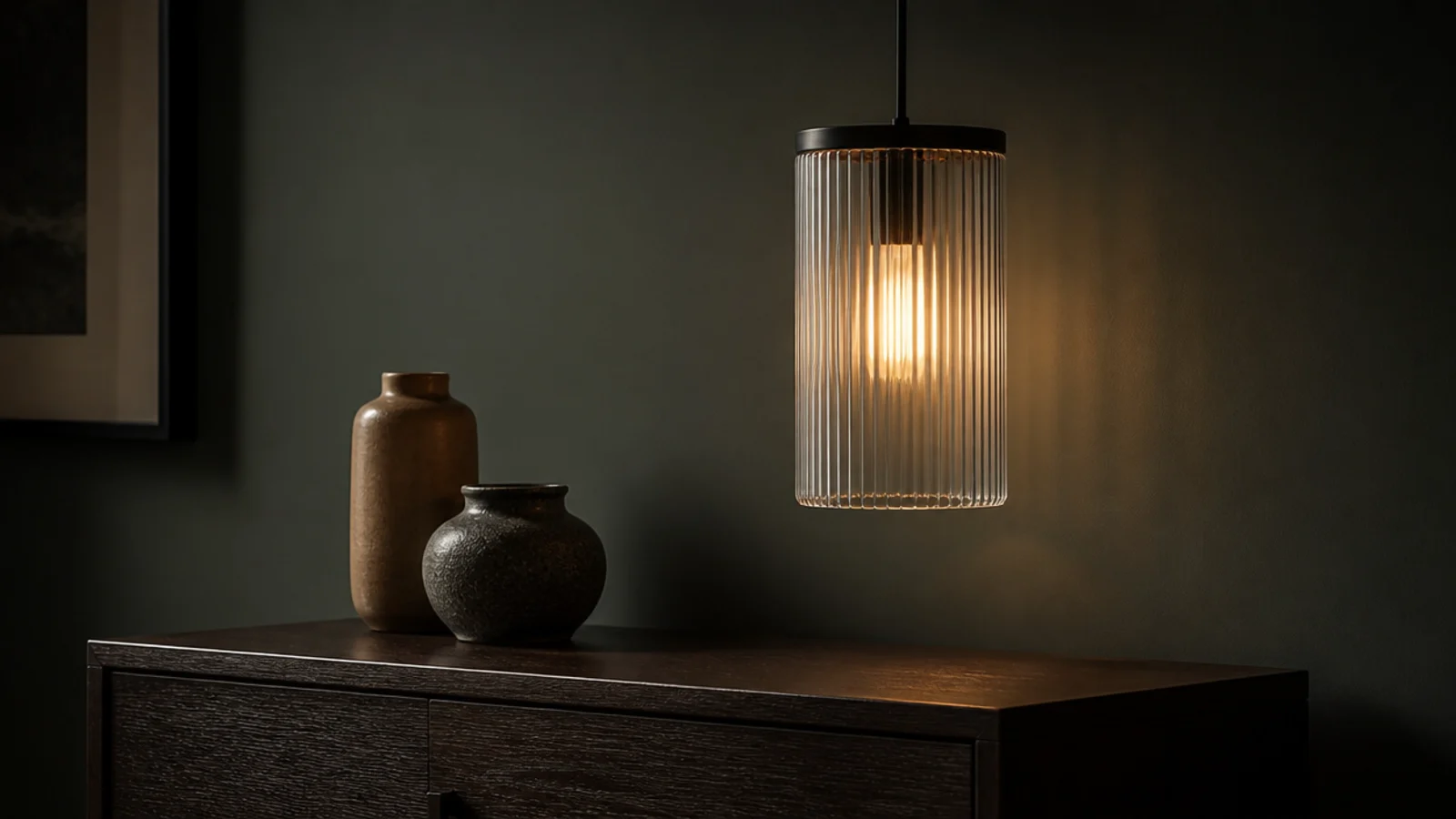
5. A ribbed clear cylinder
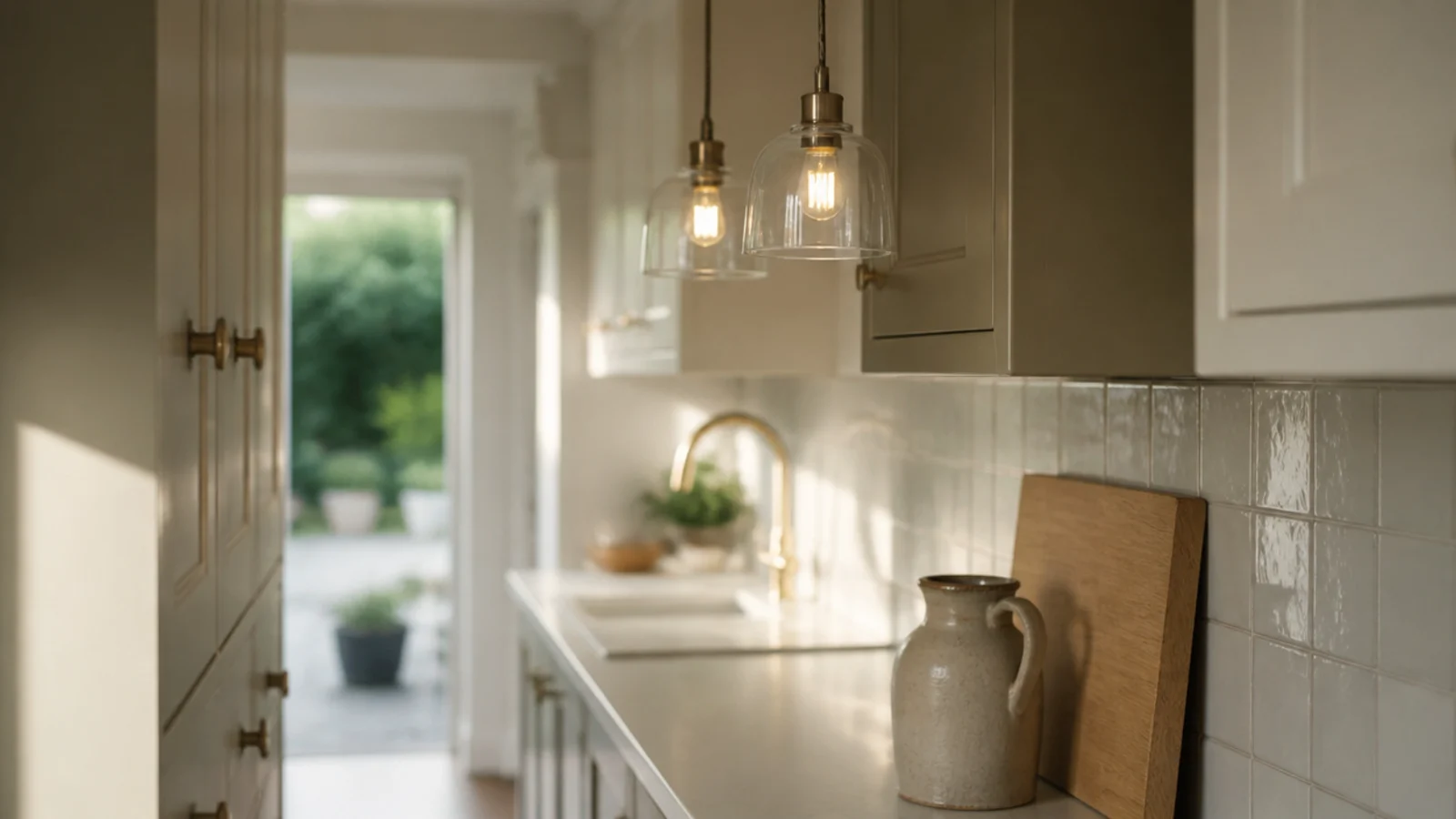
Ribbed glass gives you sparkle without a naked filament, which is what I want over a sideboard people stand beside. About $140. It is also the easiest glass profile to clean, because dust sits in the flutes rather than across a curve.
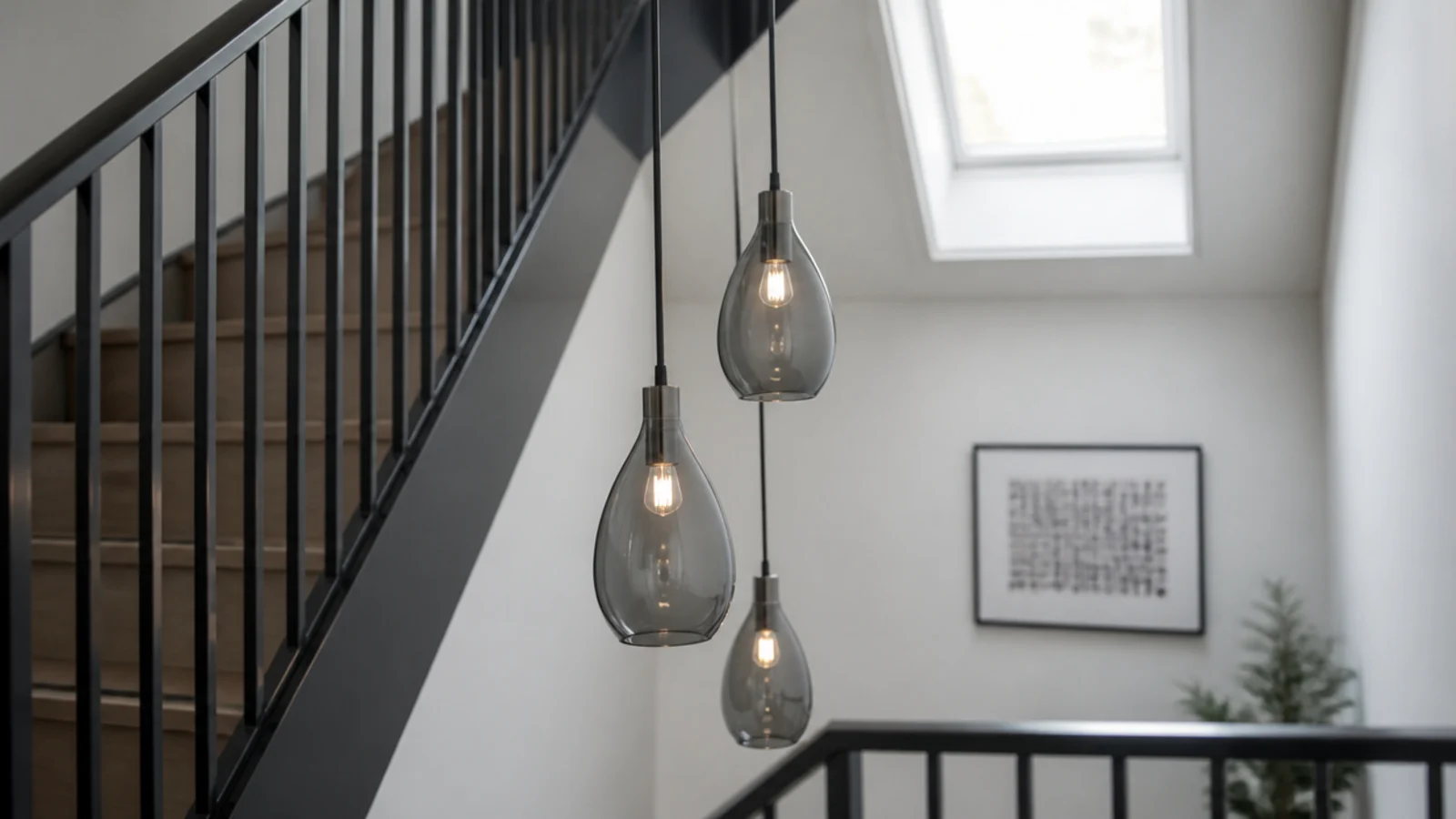
6. A smoked glass cluster on the stair
Three teardrops on one canopy, drops staggered at roughly 10 inch intervals, lowest one at 7 feet above the top tread. It filled a stair void that had defeated two previous fixtures.
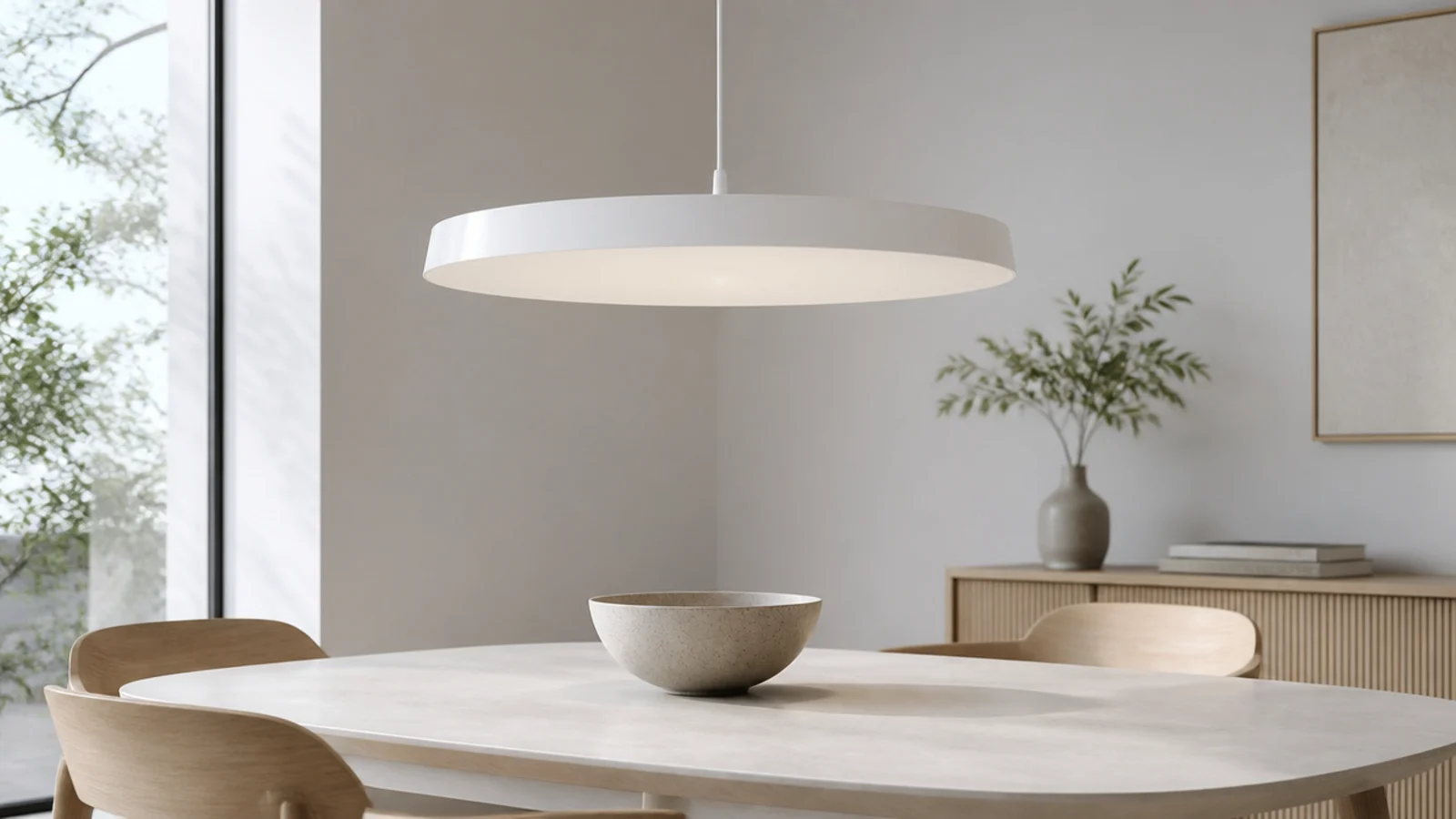
7. A shallow powder coated dish
Powder coat is the finish I recommend most and mention least. It survives the knock a ladder gives a shade, where painted steel chips to bare metal. A 16 inch dish at around $110.
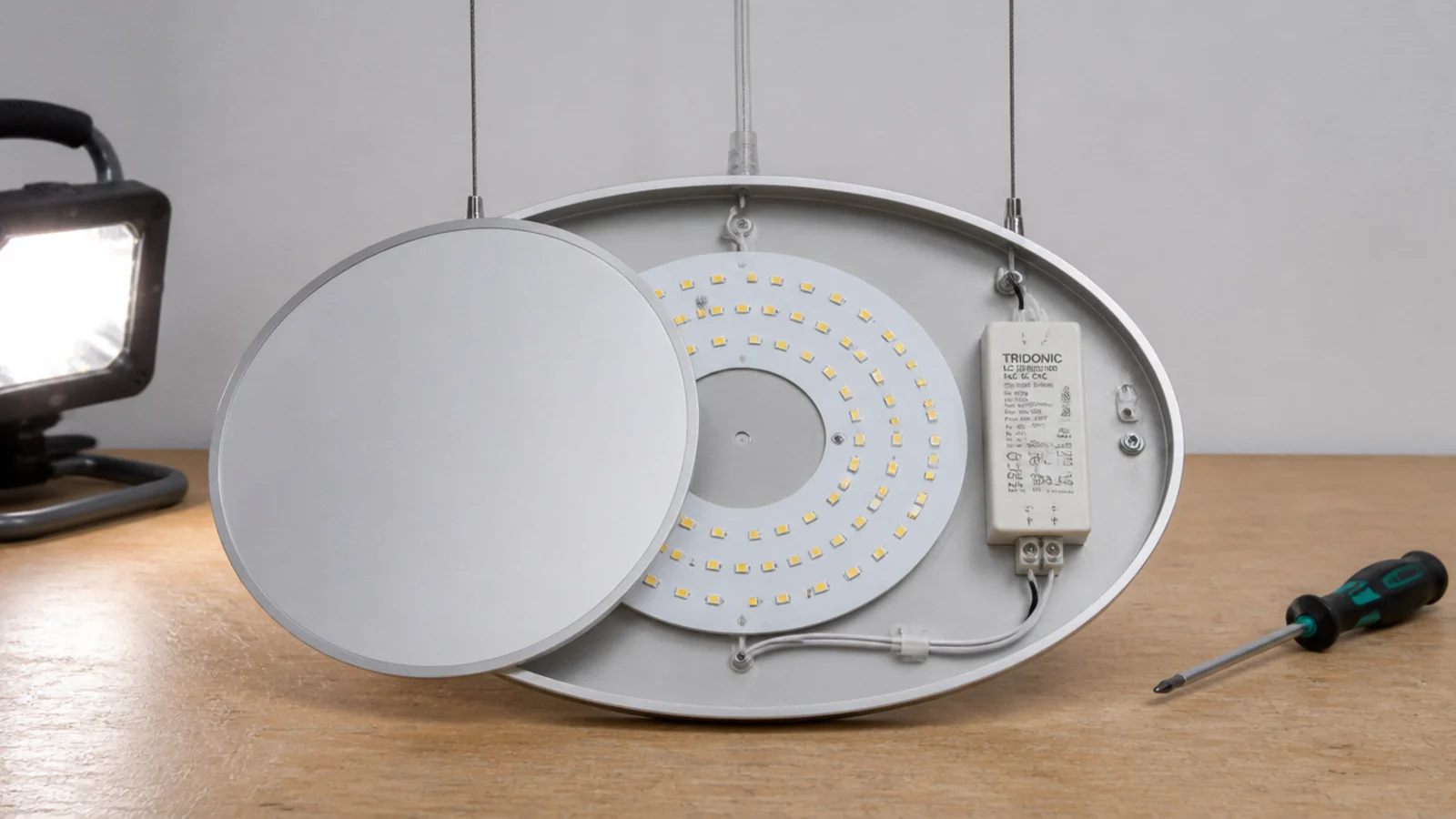
8. An integrated LED disc with a replaceable module
The only integrated fixture I have kept. The module lifts out on two screws and the driver is a standard part. That single detail is what separates a ten-year fixture from a nine-year one.
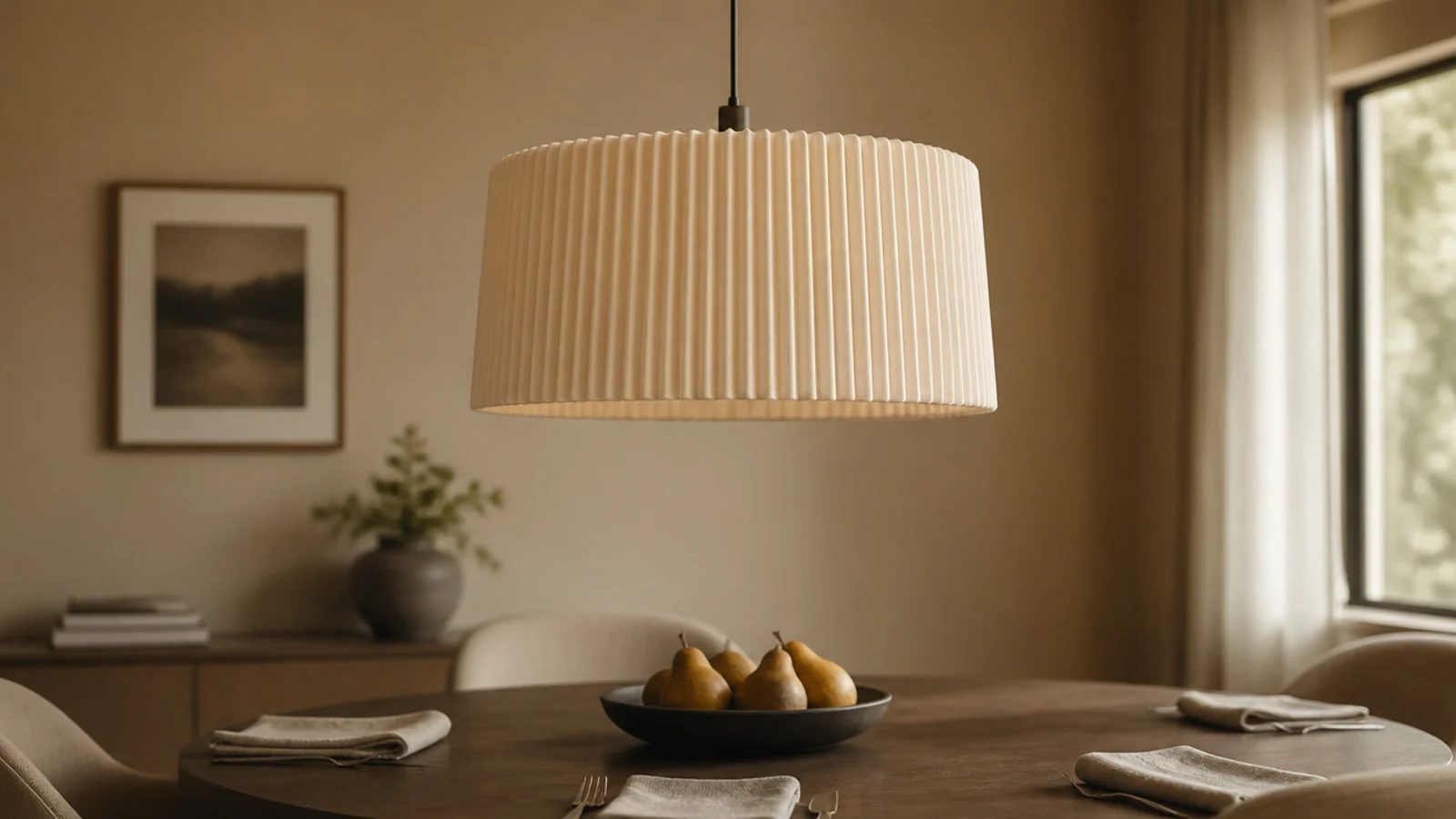
9. A pleated fabric drum
Hand pleats over a rigid frame hold their shape for years; glued pleats on card sag. Check the maximum wattage inside the rim and run LED, which produces a fraction of the heat of the bulb the label assumes.
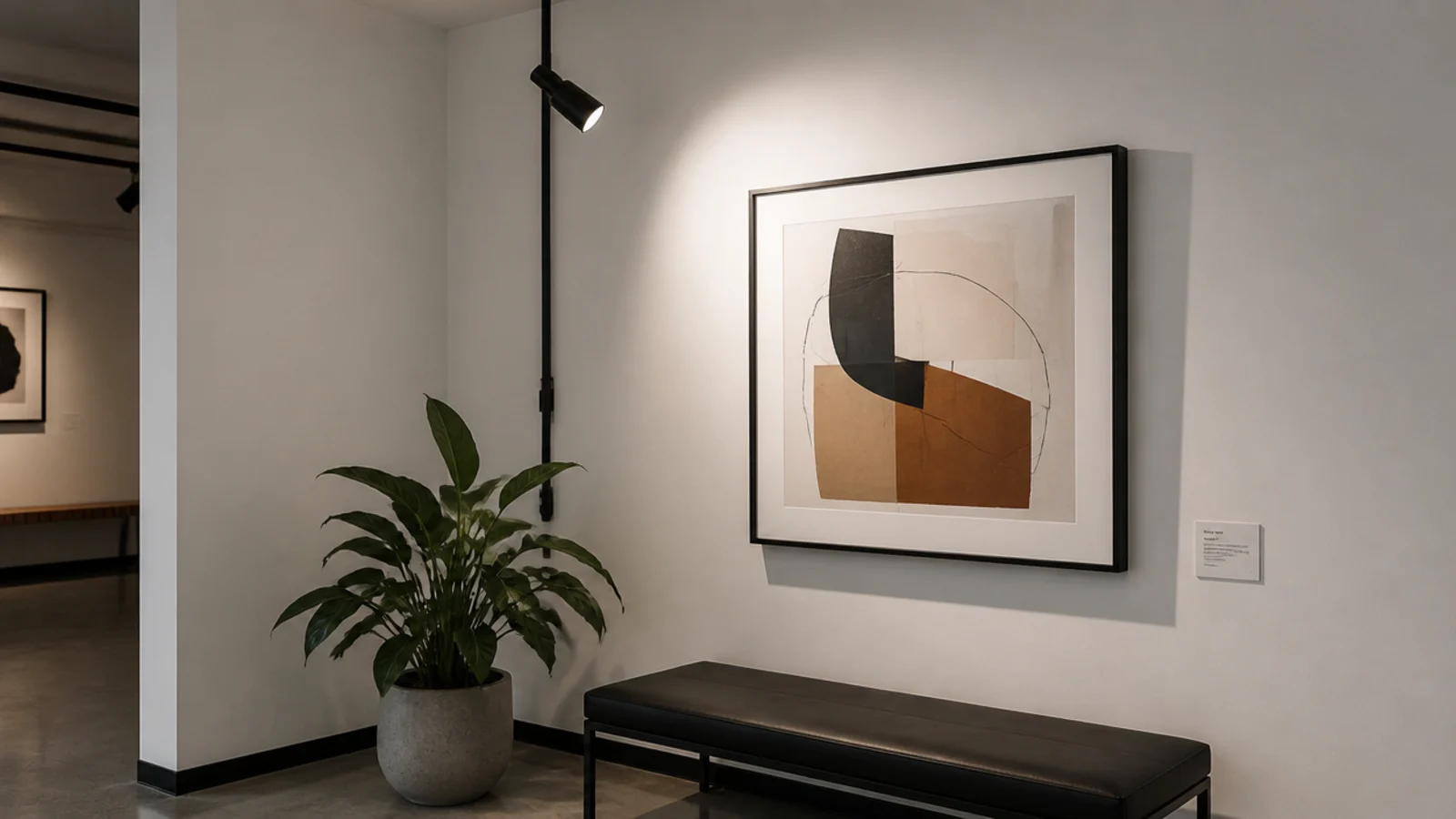
10. A slim rod hung spotlight
A rod-hung adjustable spot over a print, aimed at roughly 30 degrees off vertical to avoid reflecting glare back at the viewer. A cord version drifted every time a door slammed; the rod has not moved in four years.
11. A sculptural plaster pendant
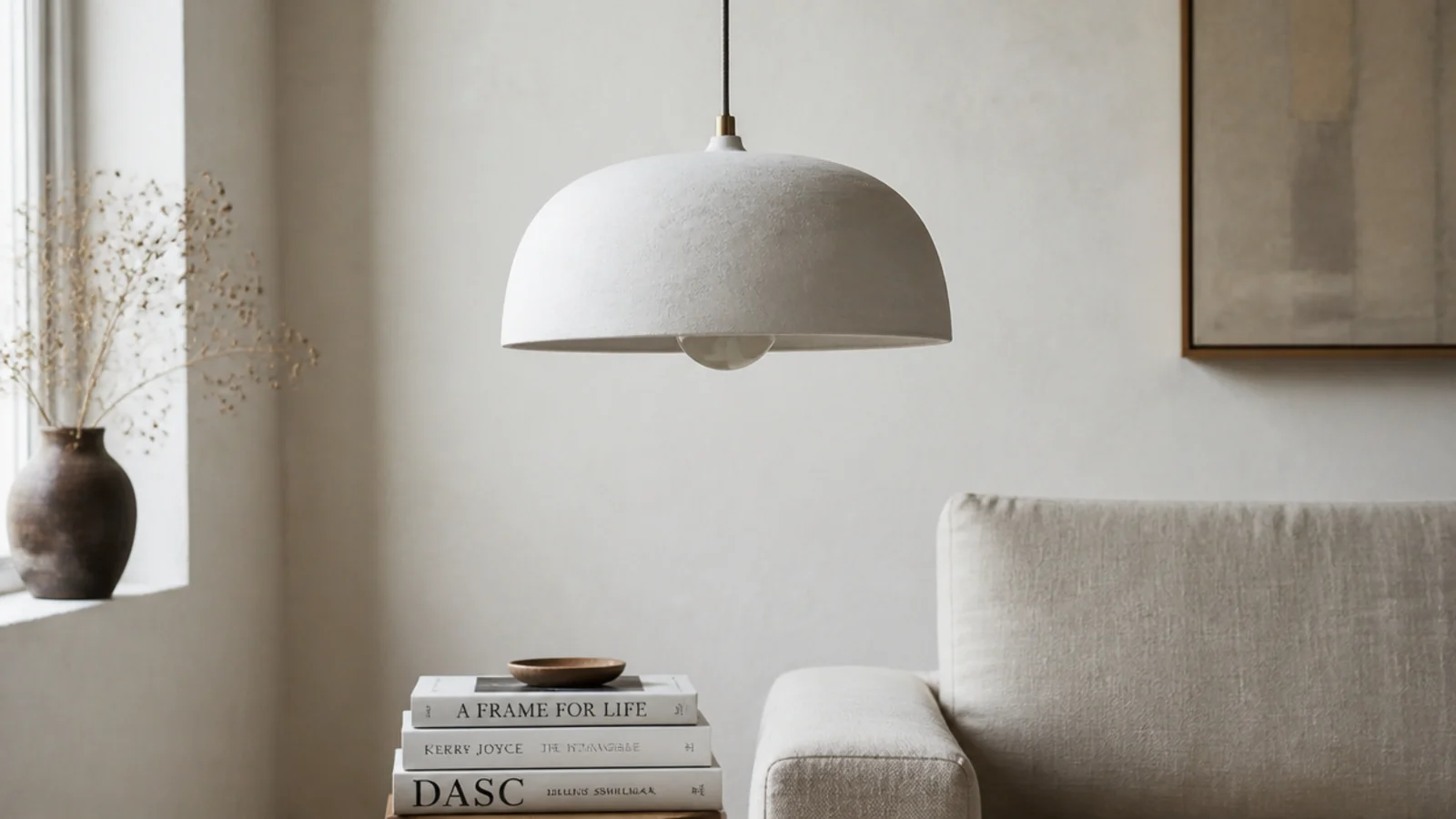
Beautiful, matte and around 15 pounds for a 14 inch shade. This is the fixture that sent me up a ladder to read the rating stamp inside the box before ordering, which I should have been doing all along.
12. A knurled brass mini pendant
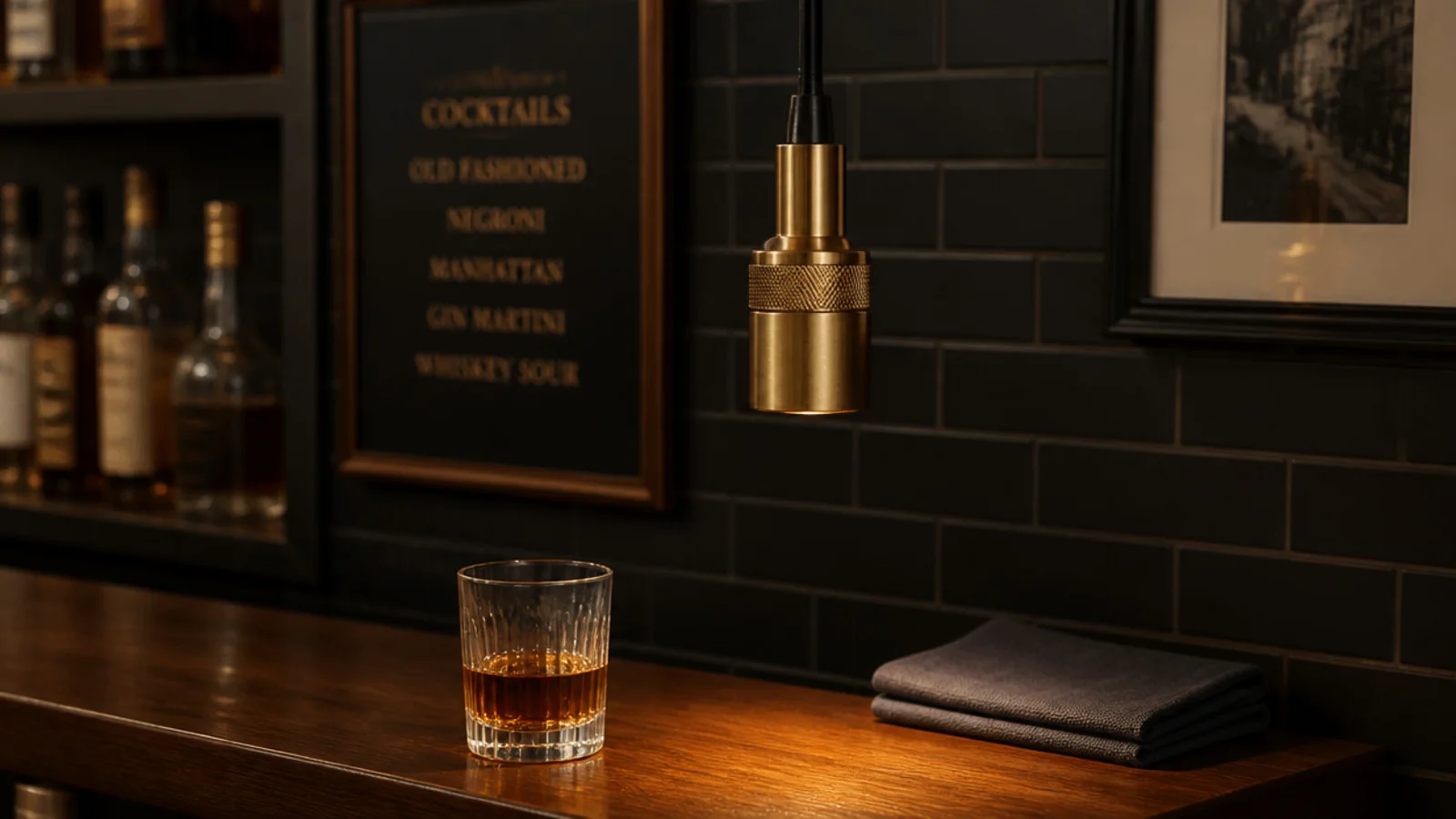
Small, solid and about $85. On mini pendants the collar detailing is where quality shows, because the shade itself is too small to say much. Knurled machined brass ages into something worth keeping.
13. A concrete shade over the sink
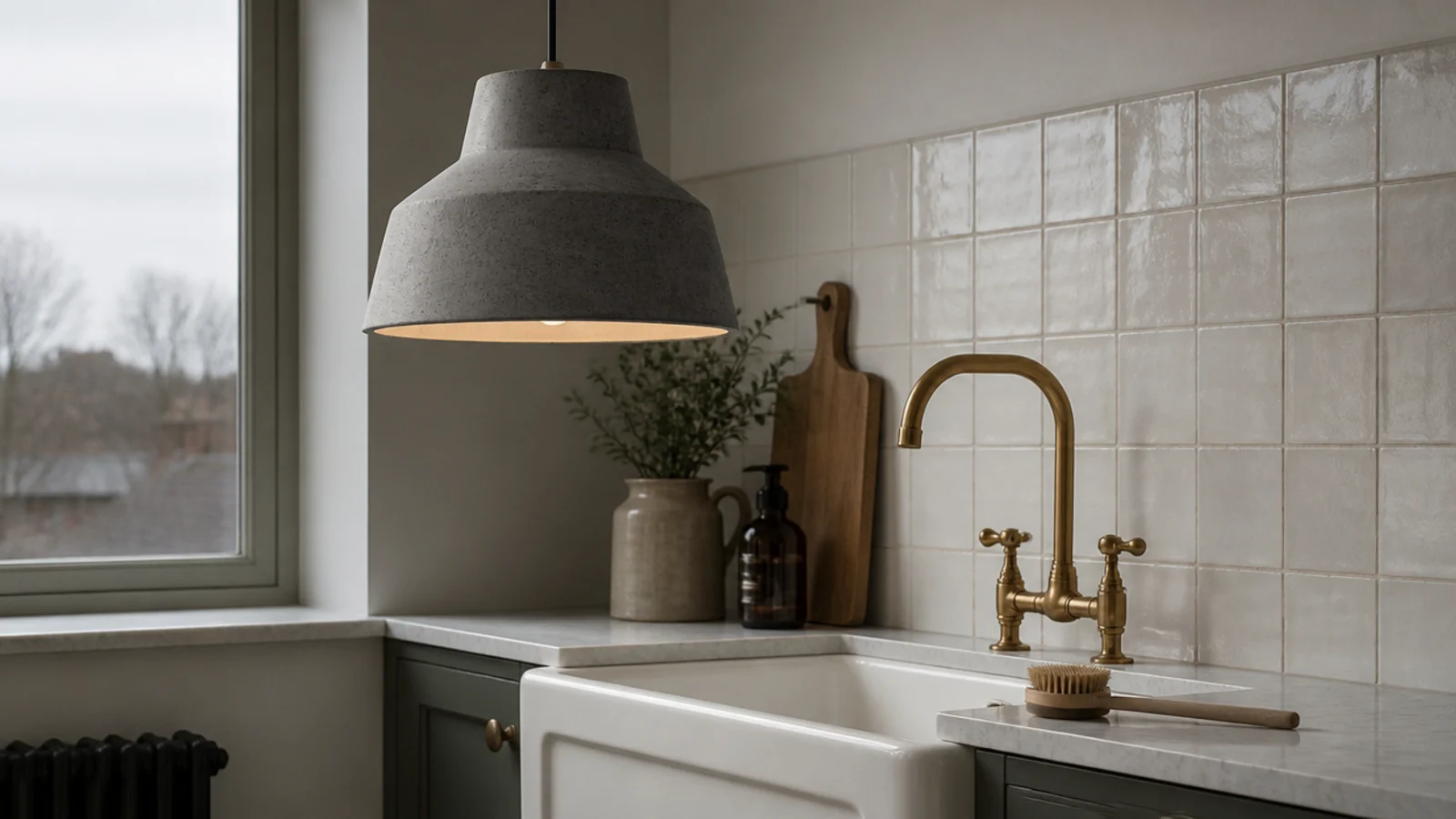
Lovely, and far heavier than the listing implied at just over 11 pounds for an 8 inch shade. Weigh anything cast before you order it, and never assume a small shade is a light one.
14. A perforated metal shade
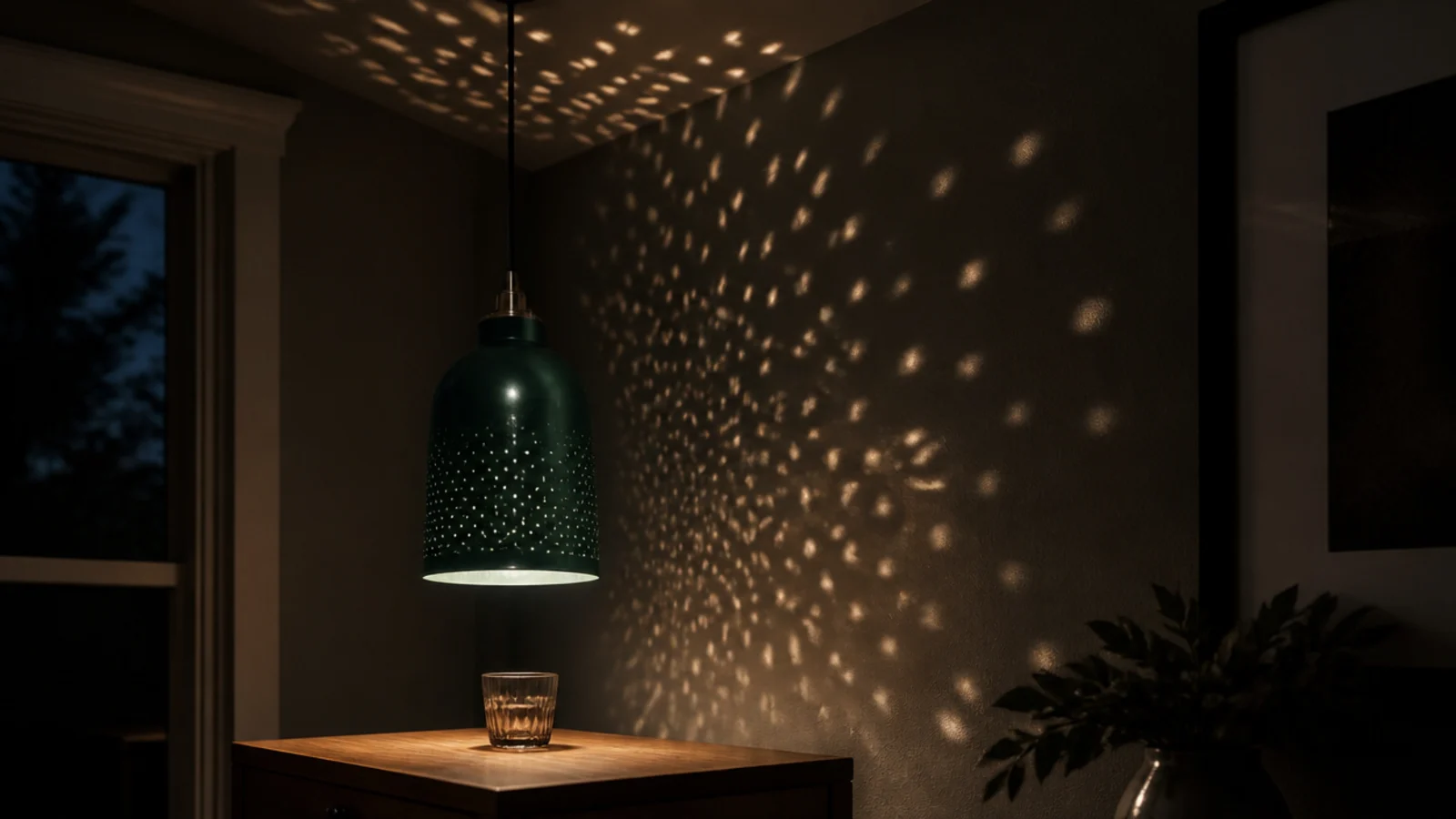
Perforations throw pinpoints onto the ceiling as well as light onto the table, which is charming in a dining room and distracting over a desk. Use a frosted bulb, or every hole becomes a tiny image of the filament.
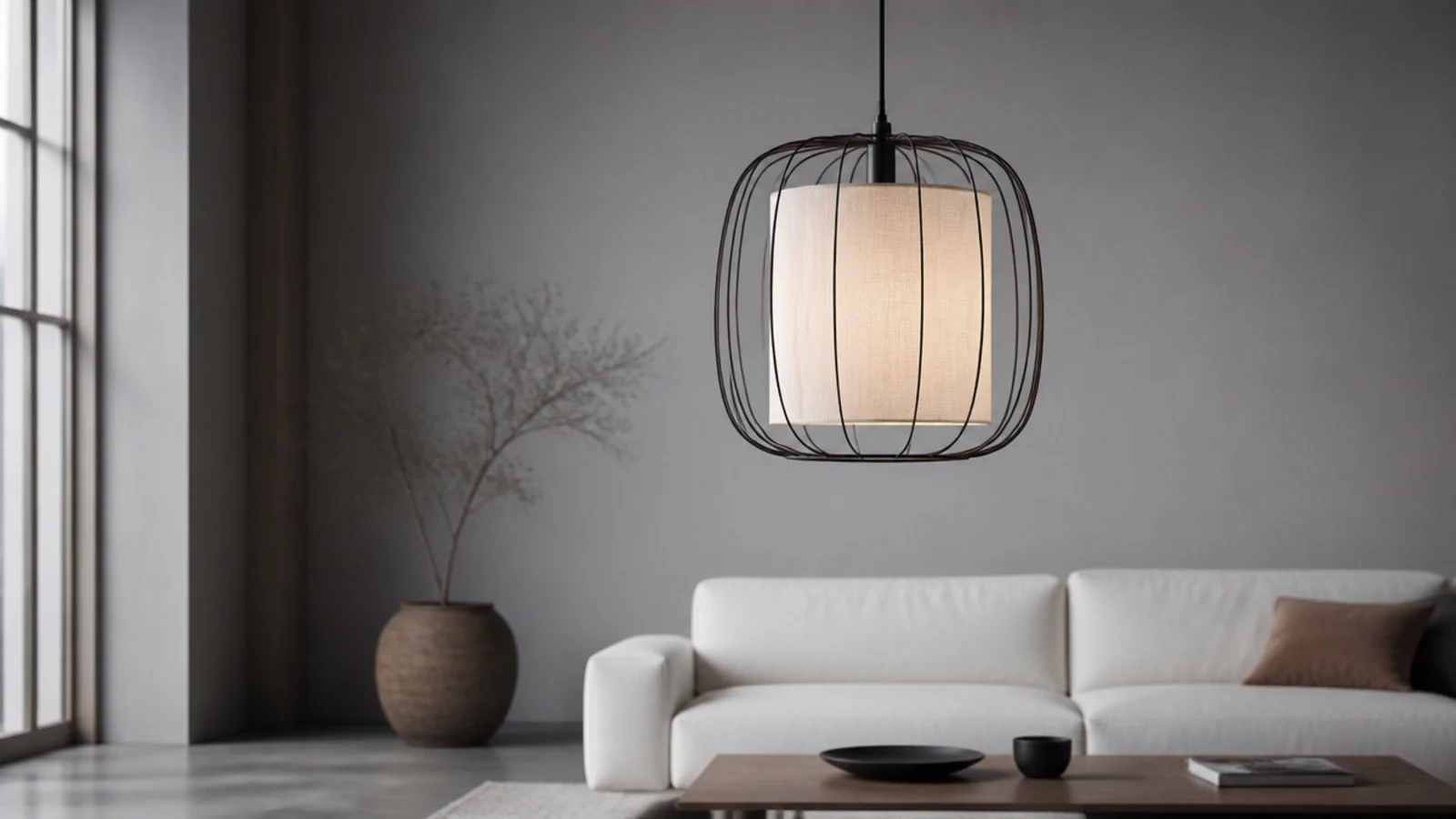
15. A wire frame with a fabric diffuser
Open structure, soft centre. It reads as light and modern while the diffuser stops any glare, and the frame dusts with a brush in seconds. Around $70, and one of the best value shapes I have bought.
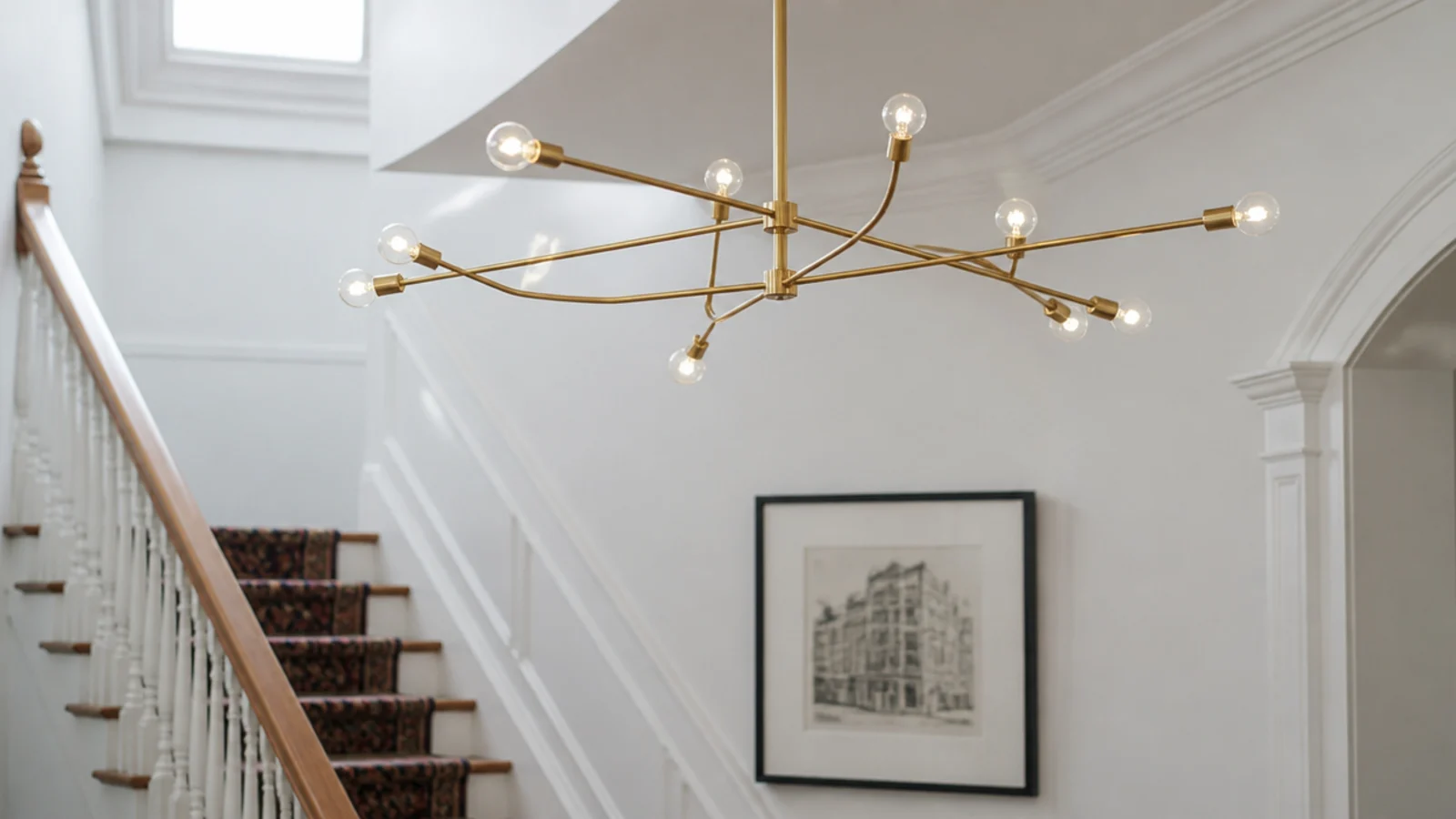
16. A multi arm fixture in a tall room
Six small bulbs at 200 lumens each read better in a double-height space than one 1,200 lumen source, because the eye has several points to read rather than one bright disc. Buy dimmable bulbs and run them at half.
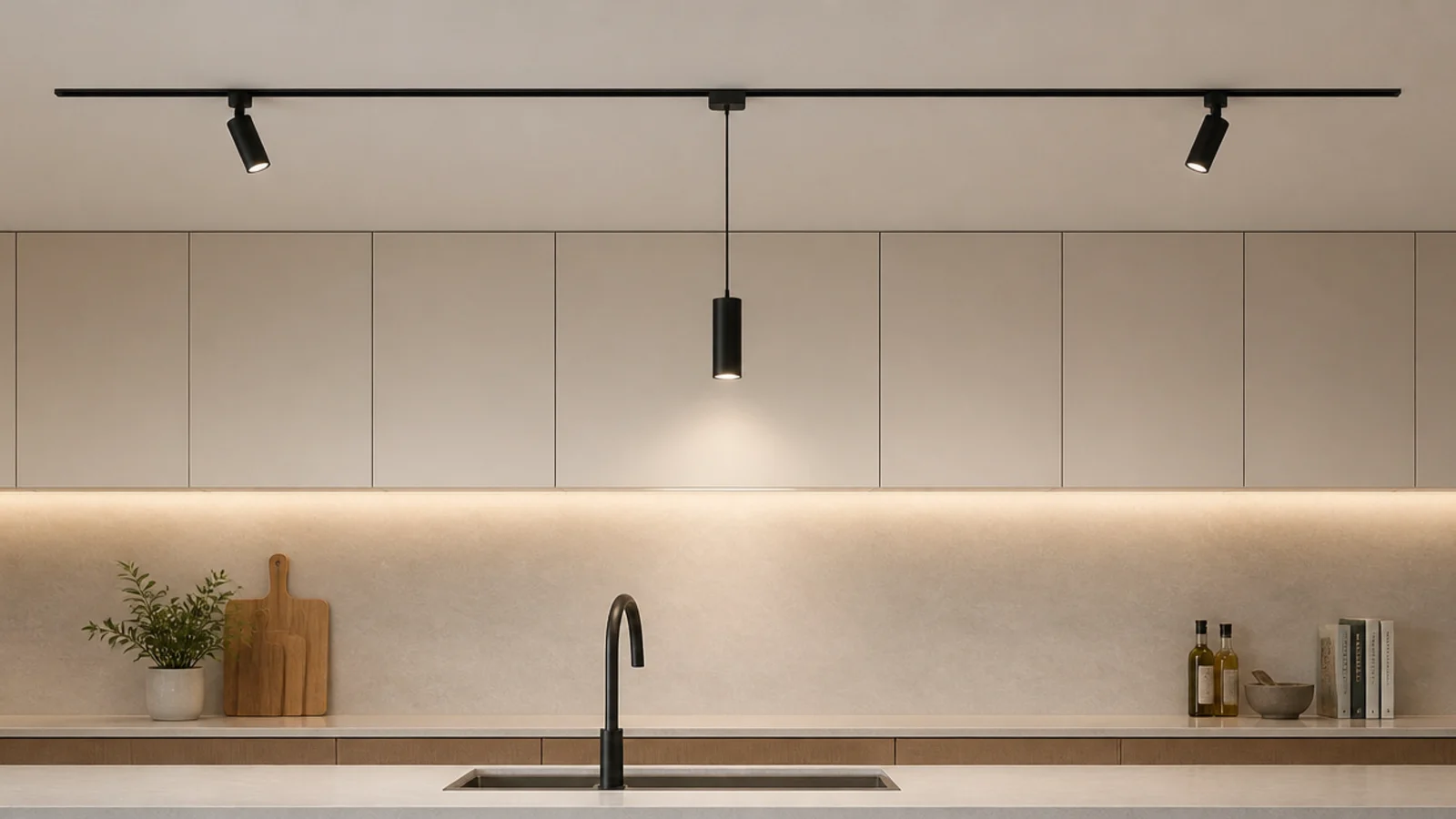
17. A magnetic track pendant
Track lets you move a pendant 18 inches sideways after the furniture arrives, which is the flexibility I wish every fixture had. It costs more up front and saves an electrician's visit later.
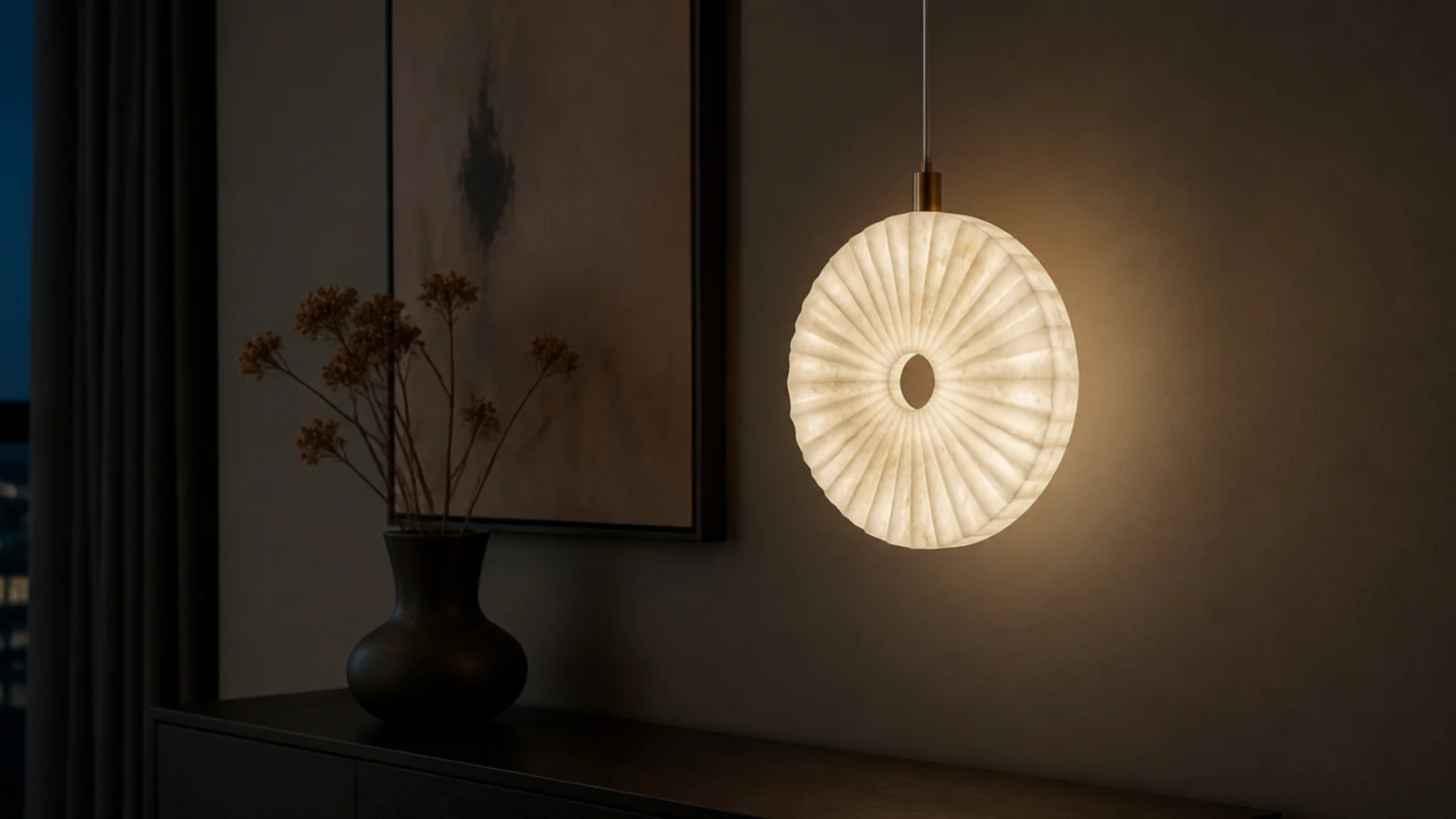
18. A fluted alabaster disc
Stone transmits light rather than bouncing it. Keep the bulb at 500 lumens or under, because over-lamping alabaster makes the veining look like a stain. Around $320 and worth it over a console.
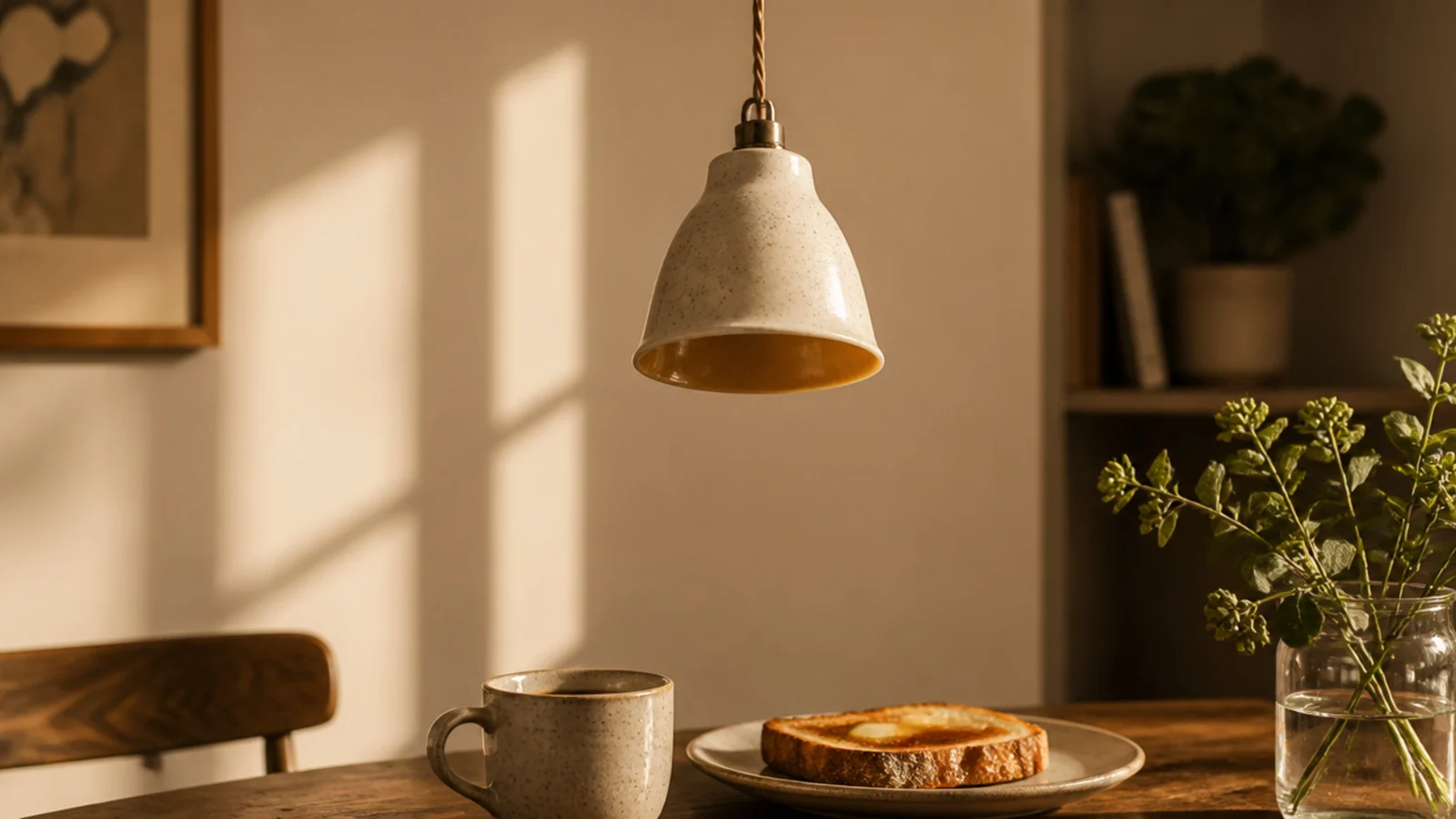
19. A small ceramic shade with a coloured glaze
The inner glaze tints everything below it. An ochre interior warms a breakfast table beautifully; a grey one made a room feel cold and I swapped it within a month. Look at the inside, not the outside.
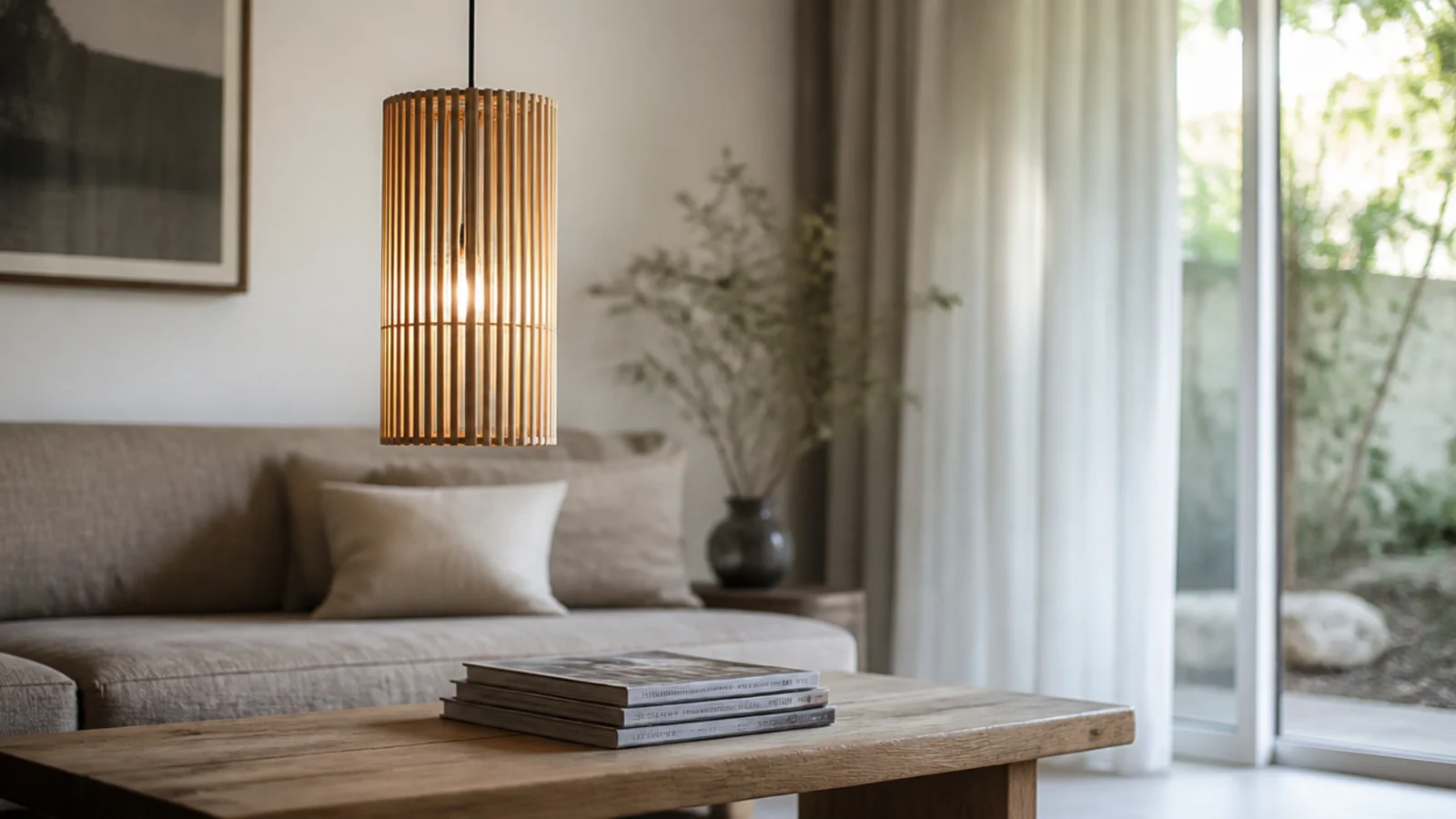
20. A bamboo lantern with a modern profile
Natural material, plain cylinder, around 4 pounds and $60. It gives a modern room the one texture it usually lacks without tipping into anything rustic. The main hanging lights guide covers where natural shades sit best.
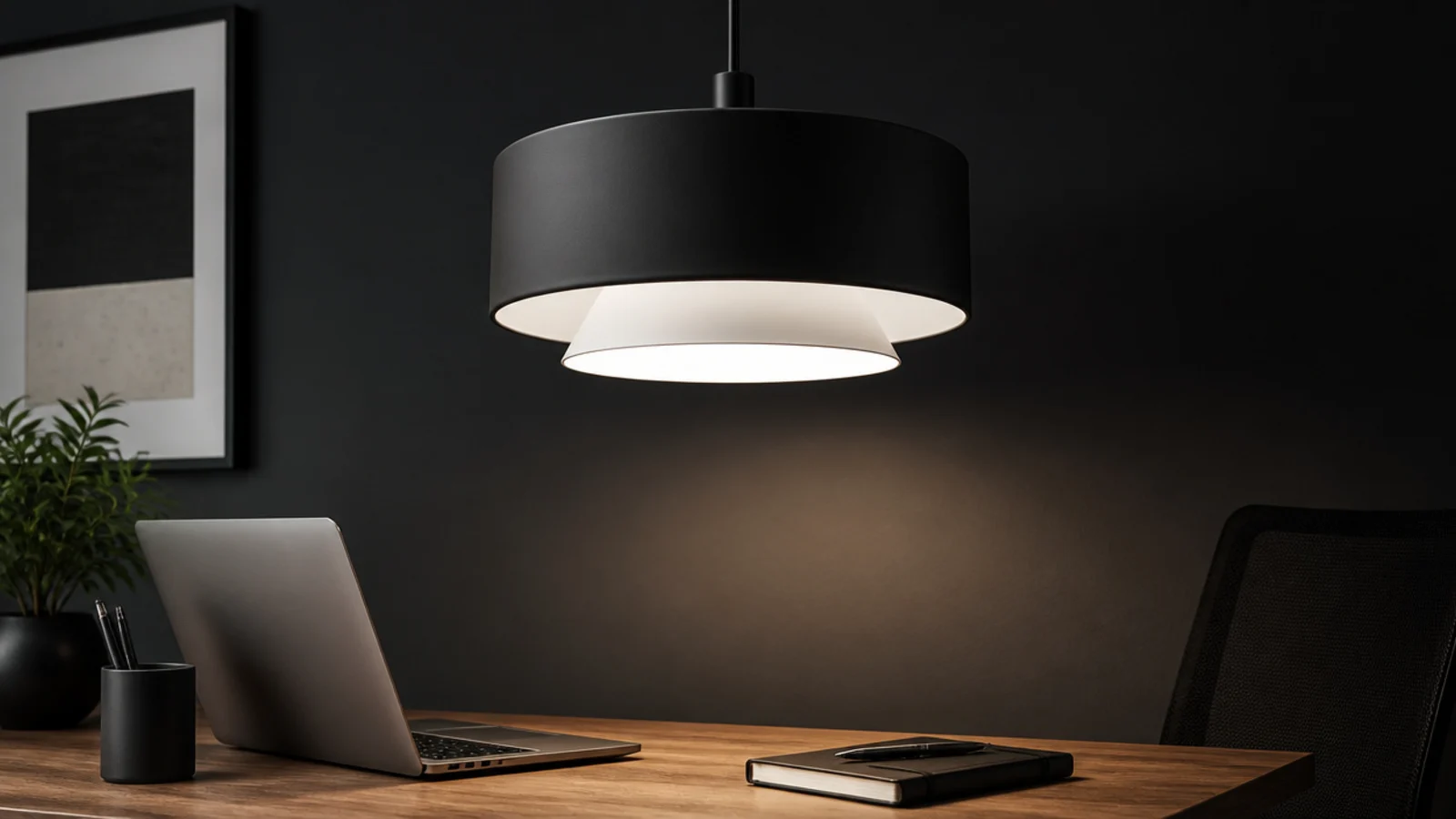
21. A double shade pendant with a bright inner cone
The outer shade handles the look, the inner cone controls the beam. Over a desk this is the difference between 500 lumens on the page and 500 lumens spread across the wall behind it.
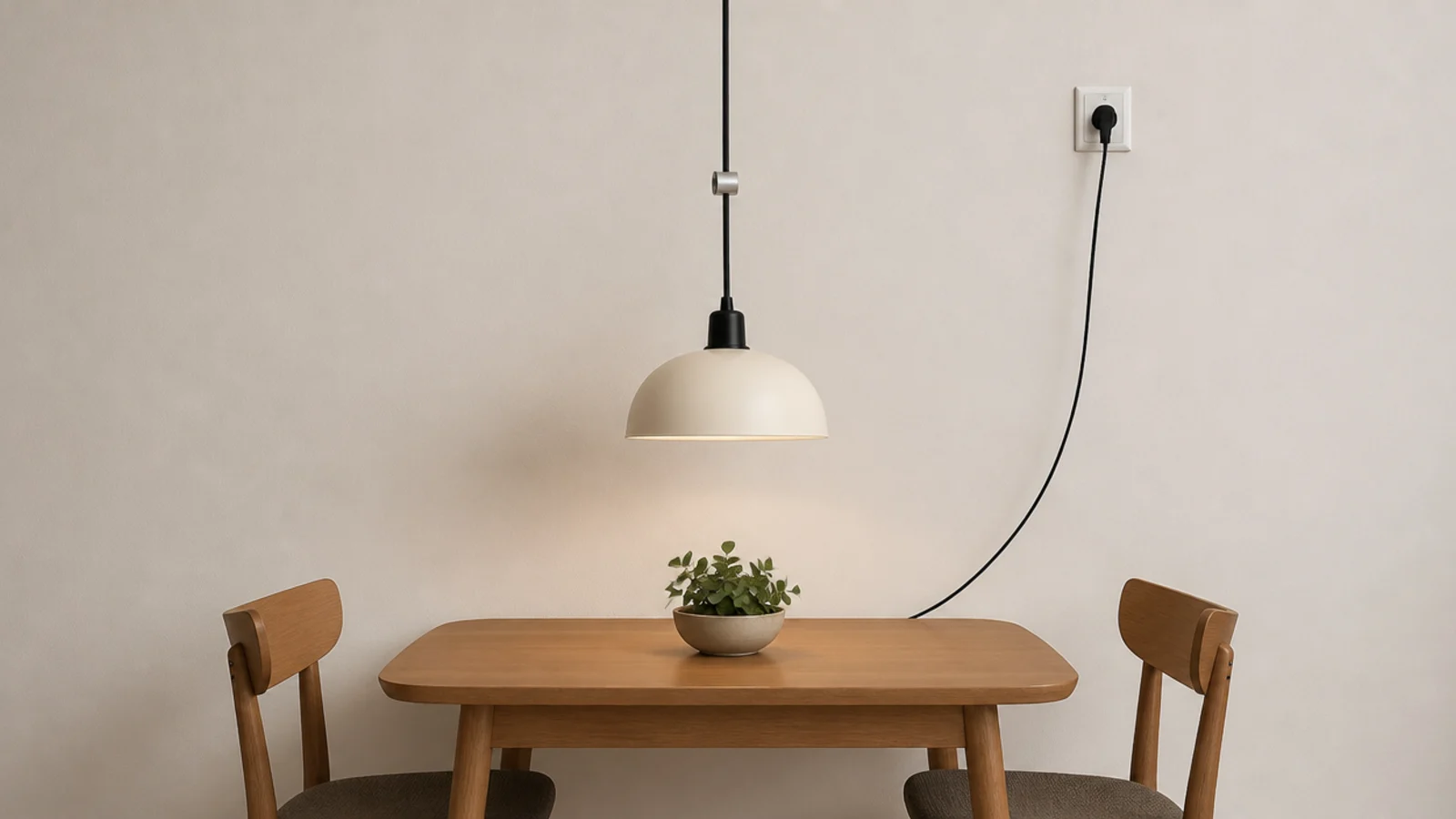
22. An adjustable height plug in pendant
A metal cord adjuster lets you change the drop by six inches after living with it. I have moved mine three times. For $25 it is the most forgiving fixture on this list.
23. An arc pendant that reaches over the sofa
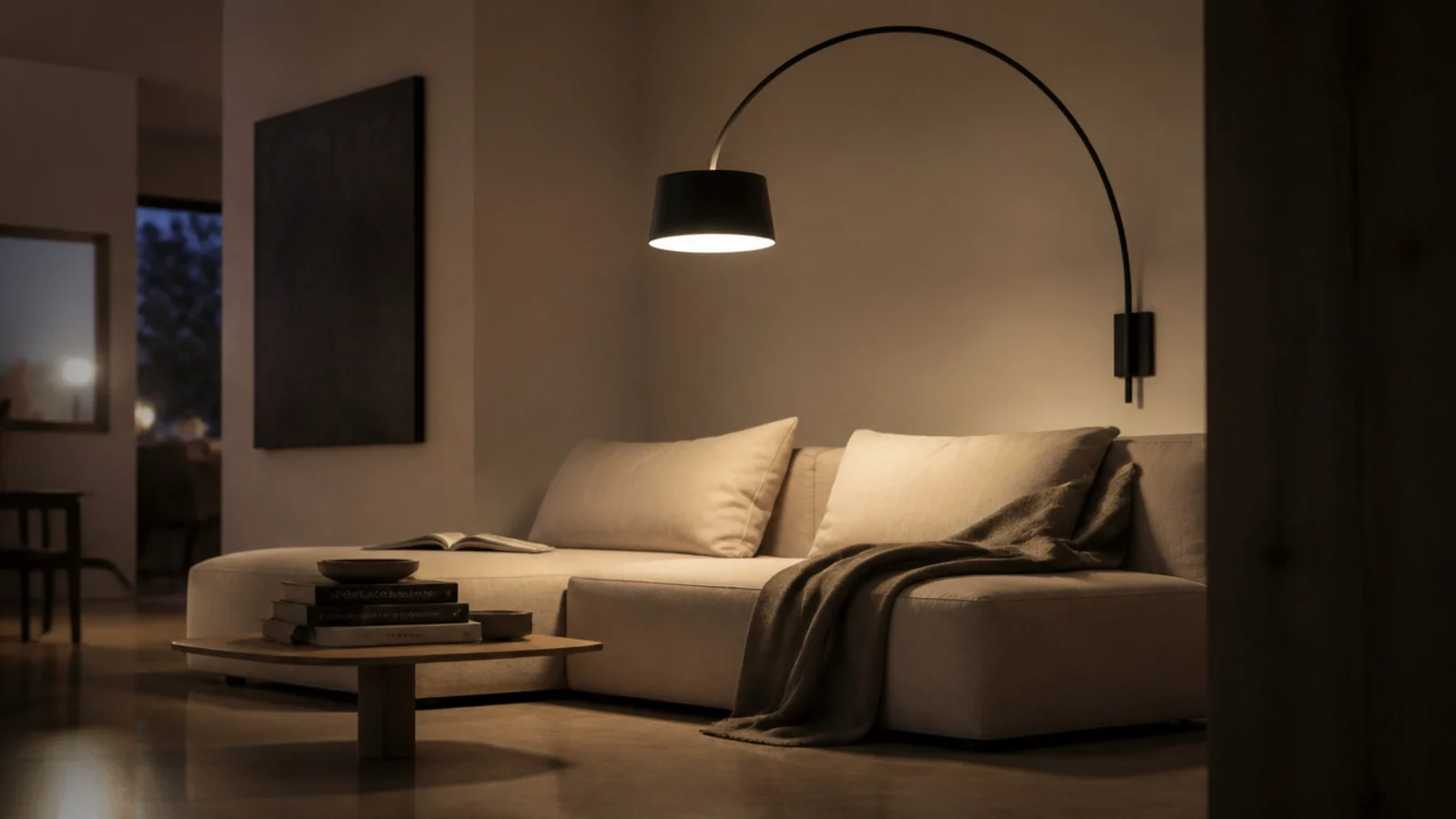
Where the ceiling point is nowhere near the seating, an arc reaches out 30 to 40 inches from a wall plate. It solves the same problem a swag hook does, more elegantly and for about four times the price.
24. A conversion kit pendant in a rented flat
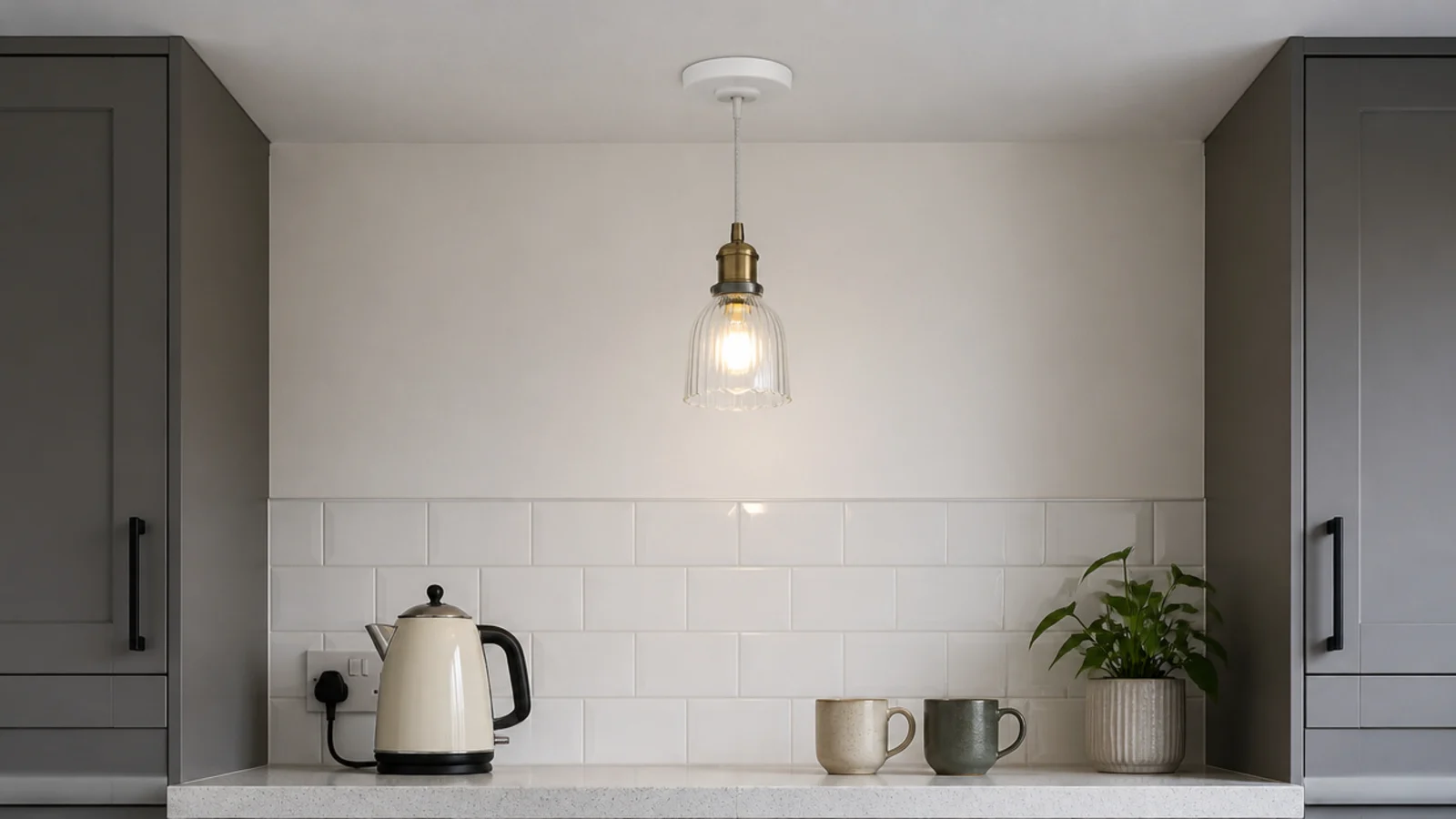
Screws into an existing recessed can, $18 to $40, comes out cleanly. This is the only real pendant option in a rental full of downlights, and I have used it in two flats now.
25. A tinted olive glass shade
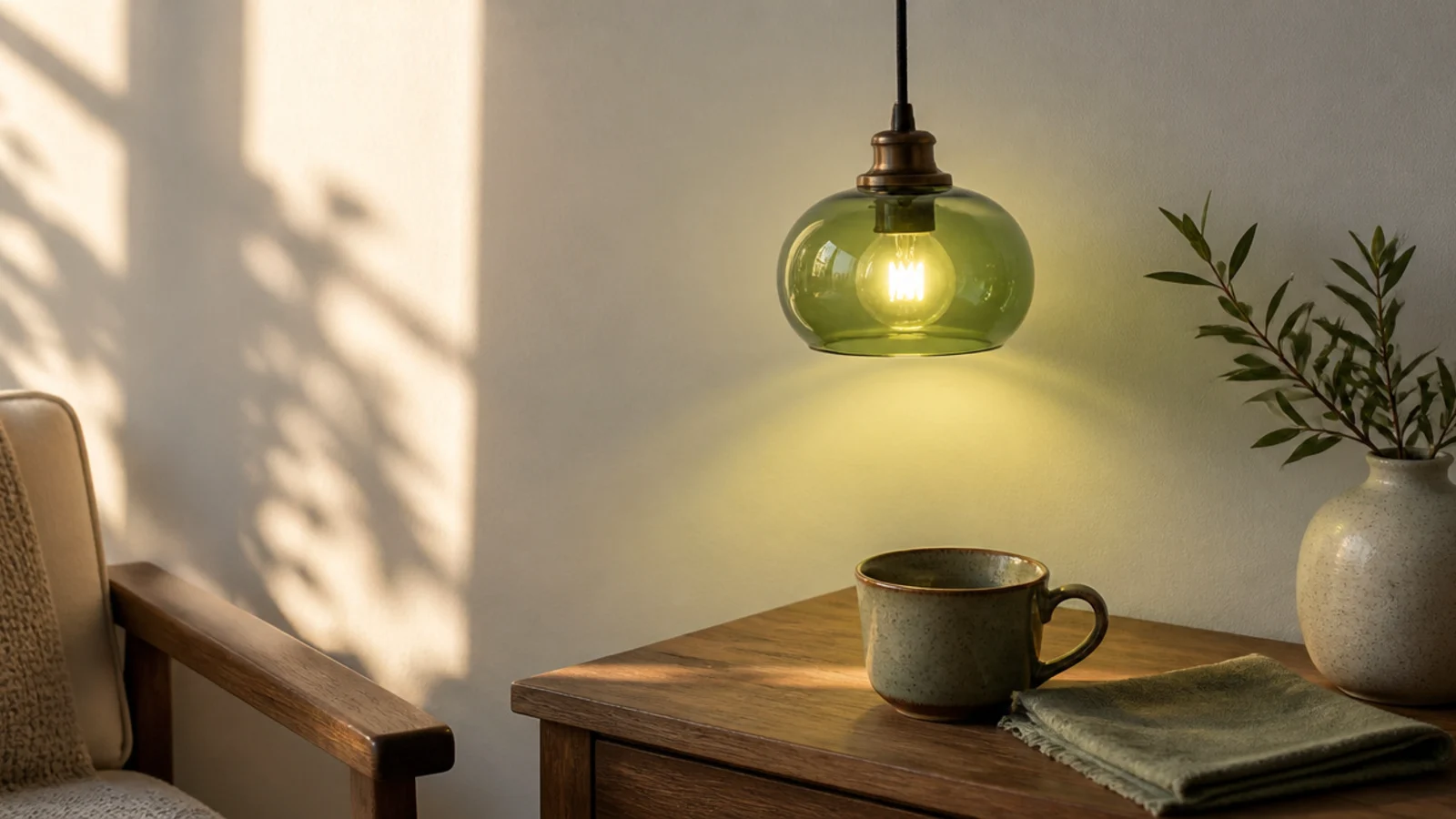
Tinted glass colours the light, not just the fixture. Olive and amber both warm a room; grey and blue tints drain it. Test with a sample of the glass against a white wall if you can.
26. A bare socket drop, done properly
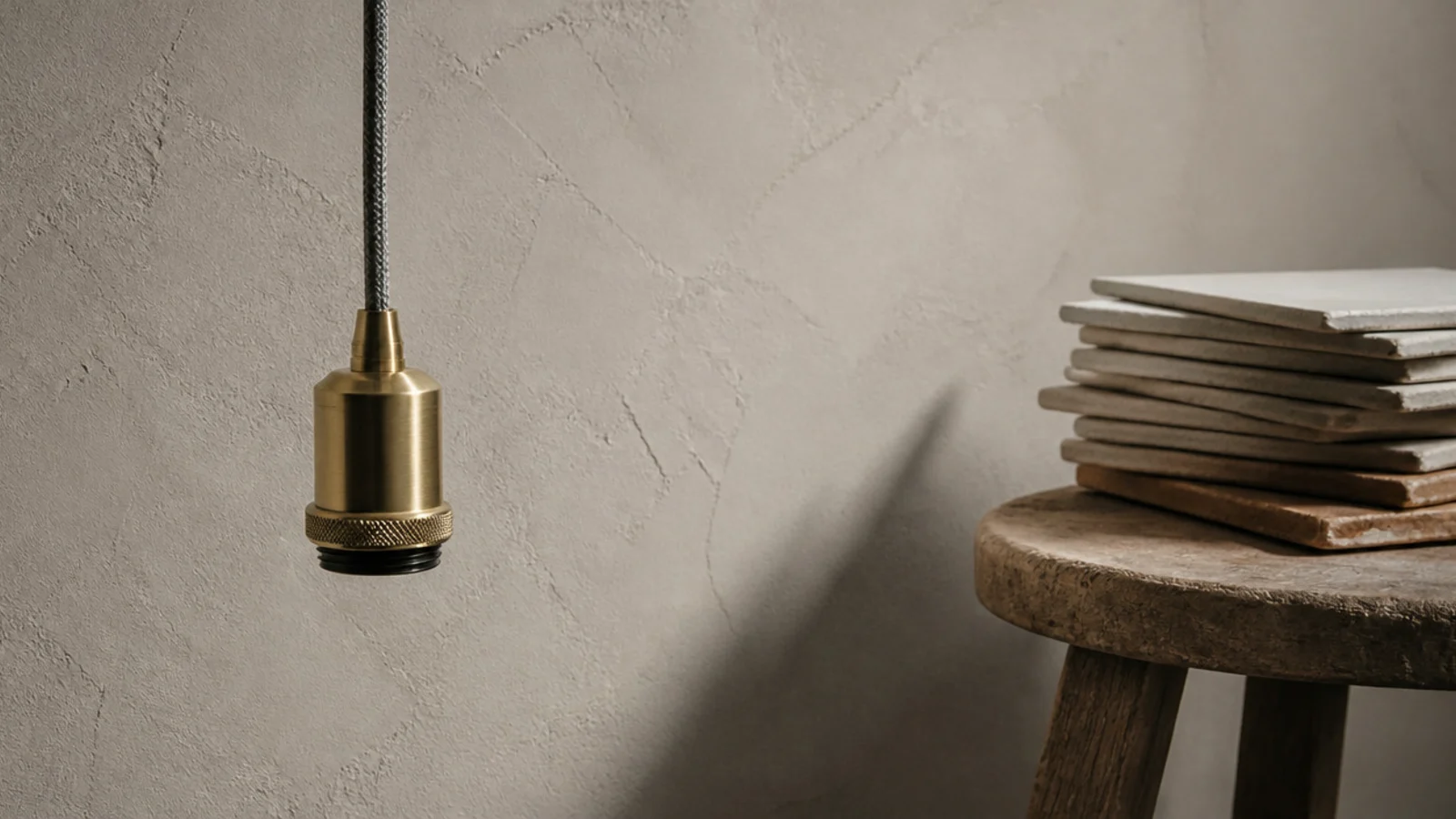
A minimal fixture only works if the parts are good — a machined collar, proper cloth flex, a decent bulb at 2200K. The $12 version of the same idea looks like an unfinished renovation.
27. A tuneable white fixture over the desk
Cool 4000K for the working day, warm 2700K by evening, from one fixture. In a room that is both office and living space this is the only fixture that genuinely does two jobs.
28. The chrome fixture I sent back
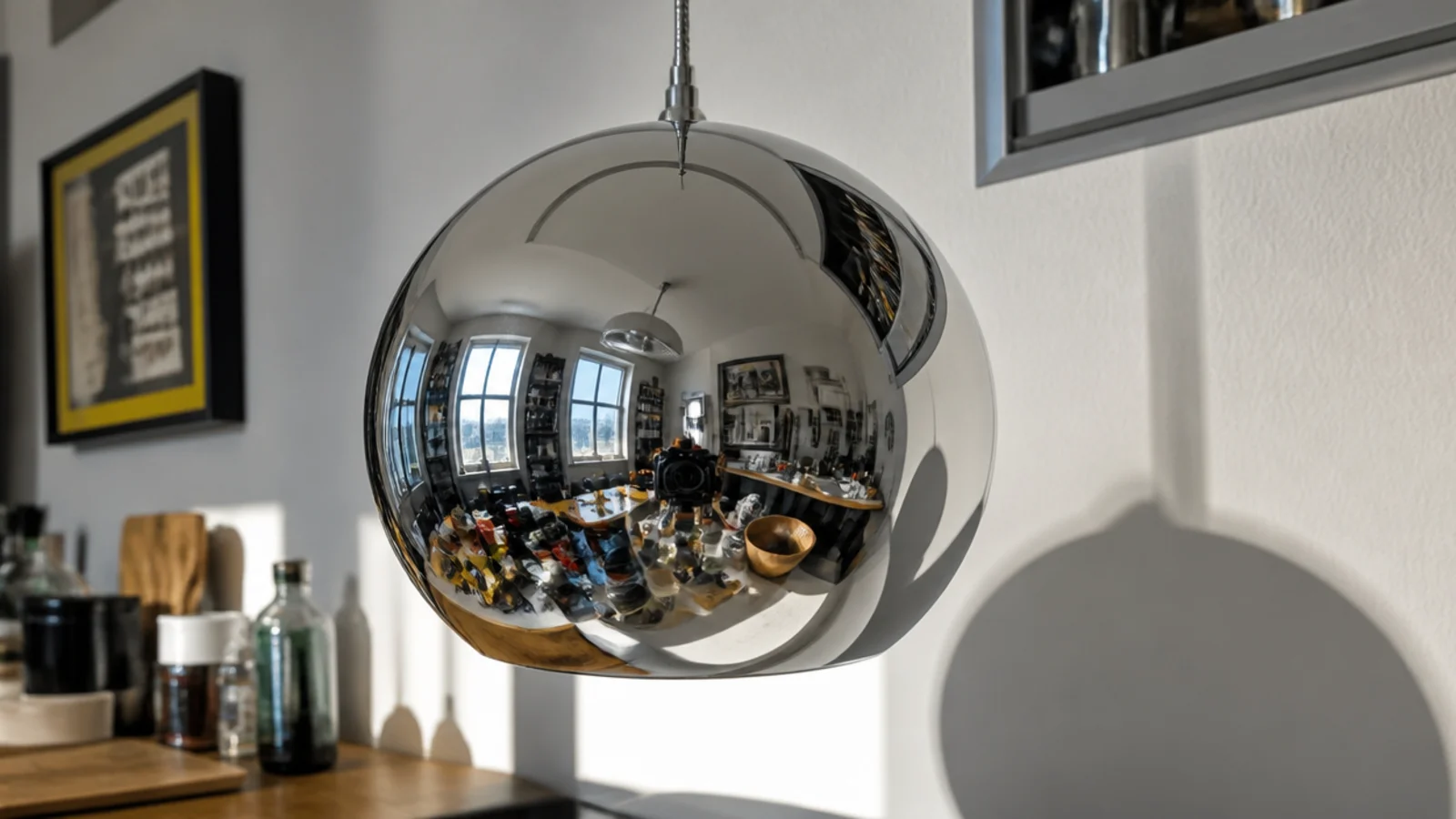
Polished chrome reflected the entire kitchen, including everything I had not put away. It also showed every fingerprint. It went back within a week, and I have not specified polished chrome since. The splurge guide explains which finishes actually age.
29. A smart bulb inside an ordinary shade
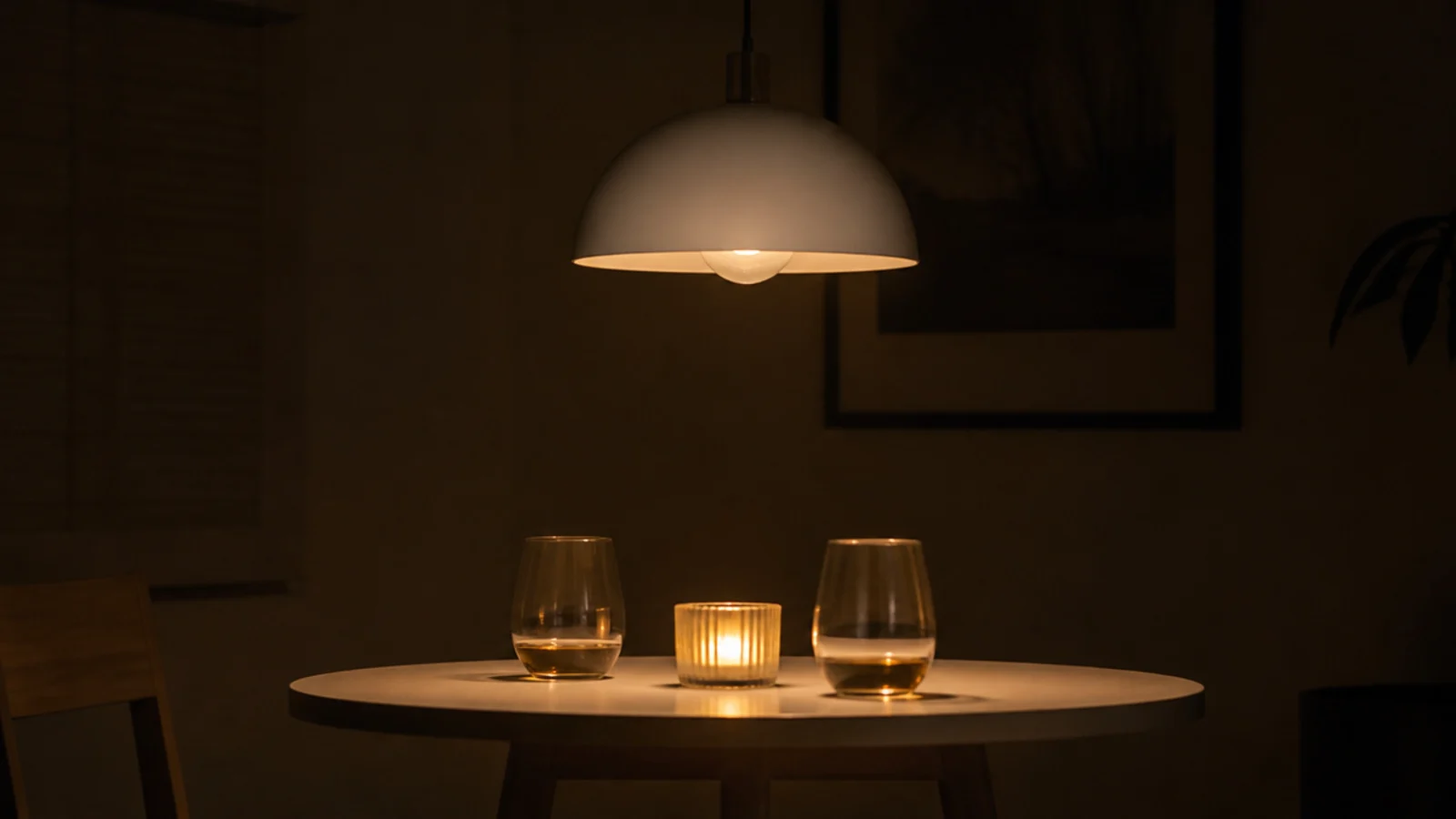
An $8 shade and a $15 smart bulb gave me better dimming than a $200 fixture on a mismatched wall dimmer. If dimming is the goal, spend on the bulb before the shade.
30. What the ceiling box taught me
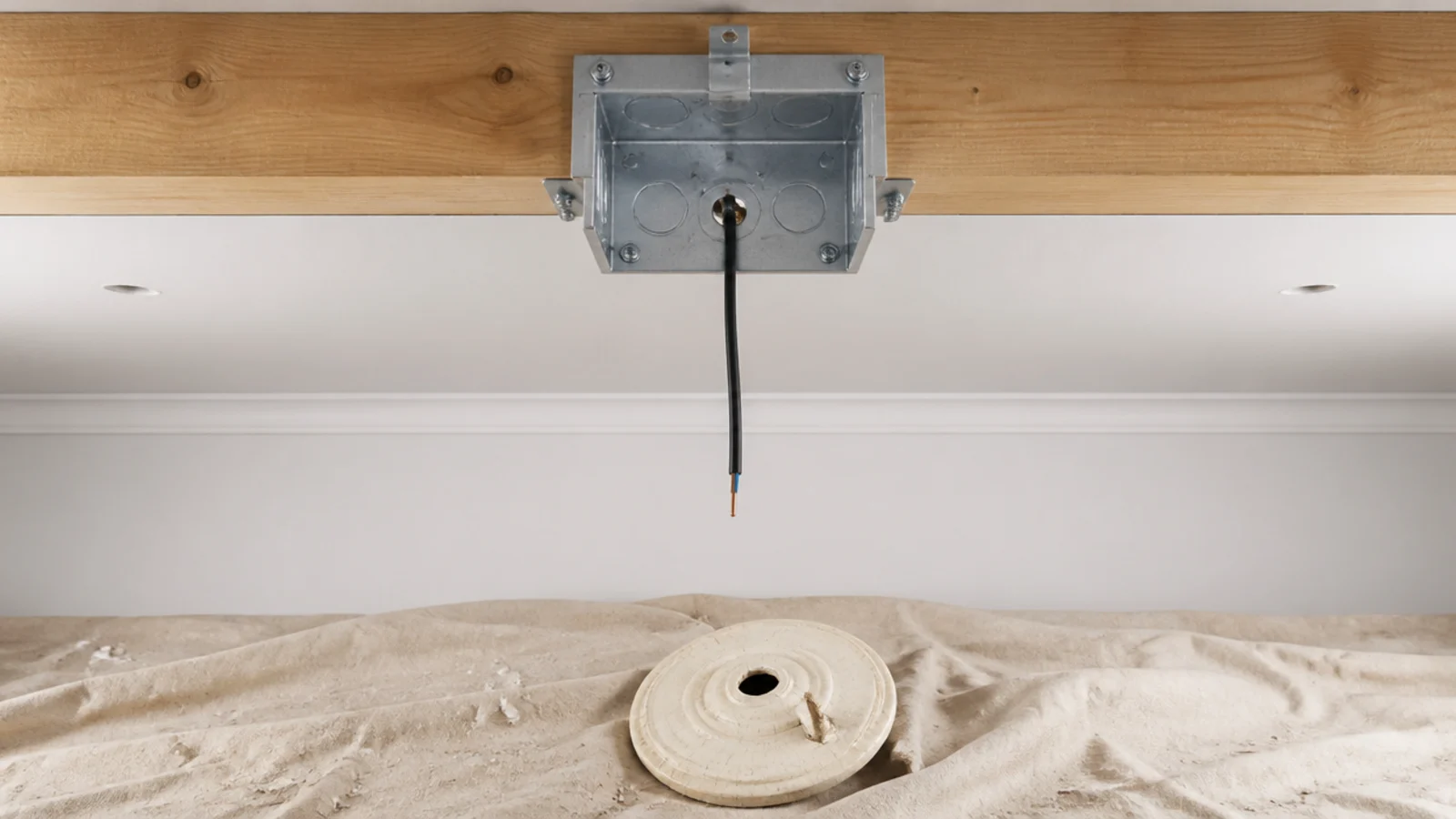
I hung a heavy shade on an unrated box for three years before an electrician showed me the stamp was missing entirely. Replacing it took twenty minutes. A rated box carries the fixture weight, and there is no visual way to guess it from below.
Modern Hanging Lights: What I'd Do Differently Now
I would buy fewer, better fixtures. Four modest pendants at $80 each got replaced within six years; the two I spent $300 on are still up. Lighting is the one category where the cheap version is genuinely a different product rather than the same product with a thinner finish.
I would check three specifications before falling for any shape: the socket type, the shade weight, and the inner surface colour. Those three predict how a fixture performs and how long it lasts better than anything in the description.
I would also stop buying at the end of a project. The pendant hangs at eye level in every photograph of a room, and by the time the sofa and the rug are paid for there is never enough left. Buy the light first and let the cushions absorb the compromise — a lesson that applies equally to bookshelf styling, where the shelves get built and the objects get an afterthought.
Finally, I would put everything on a dimmer from day one. I have never once wished a fixture were brighter, and I have wished dozens were dimmer.
Frequently asked questions
Which modern pendant finish holds up best?
Powder-coated steel and unlacquered solid brass, in my experience. Powder coat survives knocks that painted steel chips straight off, and unlacquered brass darkens into something better. Polished chrome and plated brass both look immaculate for about three years and then show wear exactly where hands and cloths reach.
Are integrated LED pendants worth buying?
Only when the module is replaceable and the driver is a standard part you can source later. I have replaced two sealed fixtures because a bonded board failed at around year nine, which is an expensive way to buy a shade. Ask for the module part number before ordering.
What drop did you end up using over your island?
Thirty-two inches from the counter to the bottom of the shade, after starting at 36 and finding it too high to feel connected to the worktop. Thirty to 36 inches is the working range, and where you land inside it depends on your ceiling height and how tall the household is.
Do modern pendants work in an older house?
They do, as long as the fixture is simple rather than fussy and the finish repeats something already in the room. A plain opal globe or a matte cone sits happily under a period cornice. What jars is a modern fixture in a finish that appears nowhere else in the house.
What would you spend money on first?
The fixture over the dining table, because it hangs at eye level and everybody studies it for the length of a meal. Kitchen and hallway fixtures can be modest. I would rather have one good pendant and three plain ones than four mediocre ones at the same total cost.
Want more like this? Browse all 15 hanging lights guides — they all use the same measurements and budget tiers.
Pin it for later
Save this to your Hanging Lights board
Pin it now so it is waiting for you when the tape measure comes out — and so the next person hunting for this idea can find it too.
Save this pinKeep going
More ideas worth saving while you have the tape measure out.