Center Table Living Room · UGC
20 Center Table Living Room Decoration I Regret

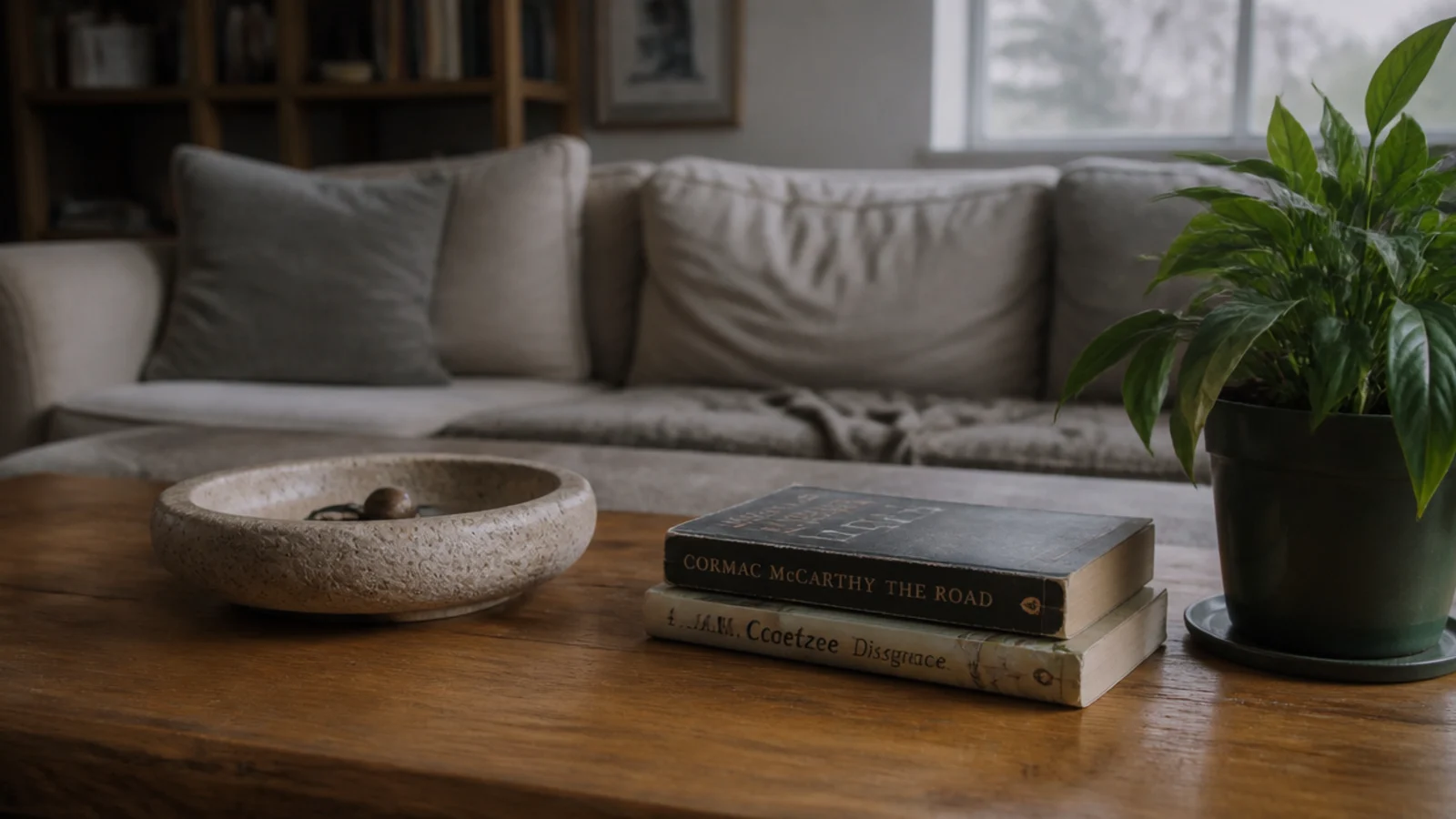
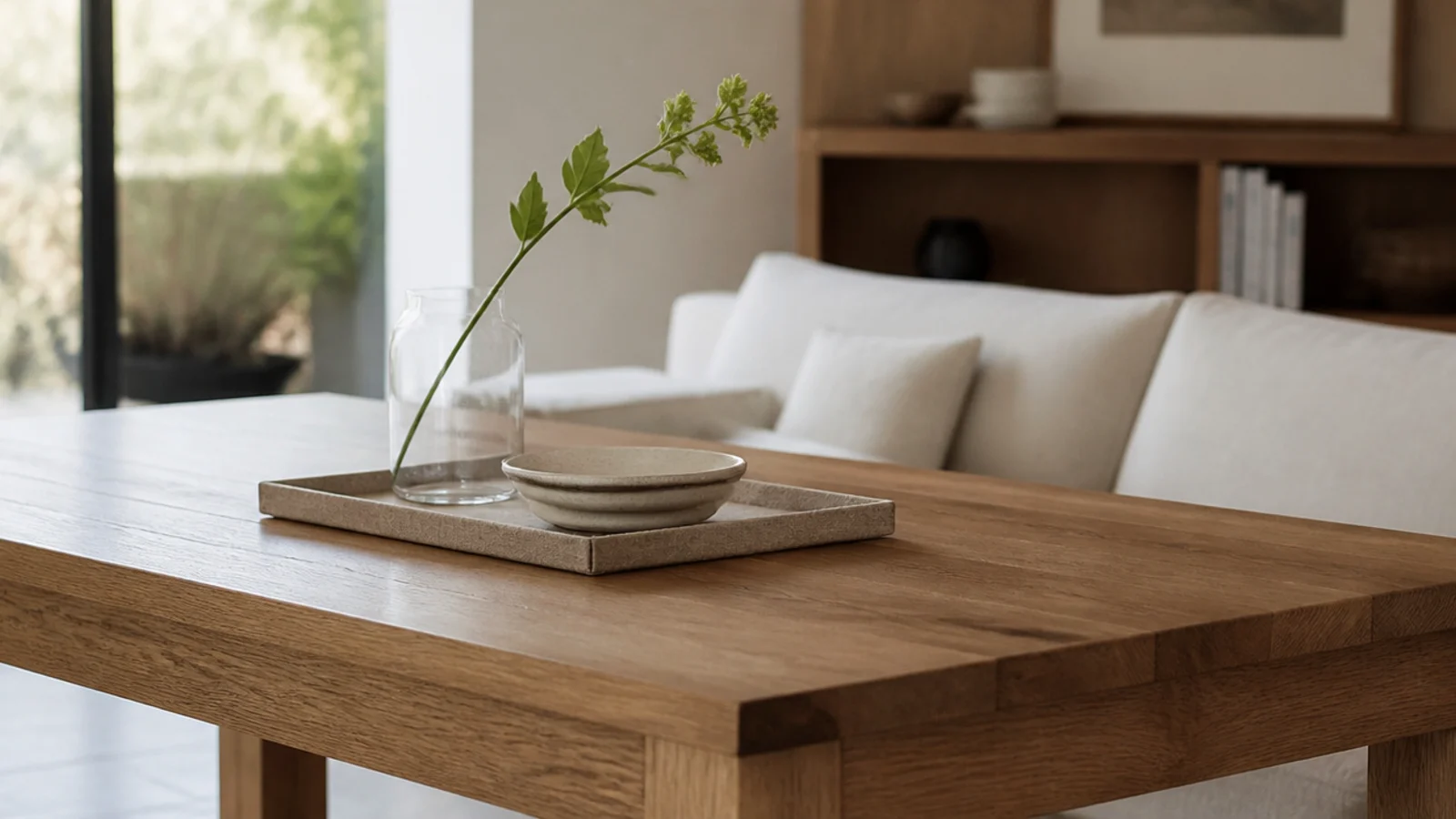
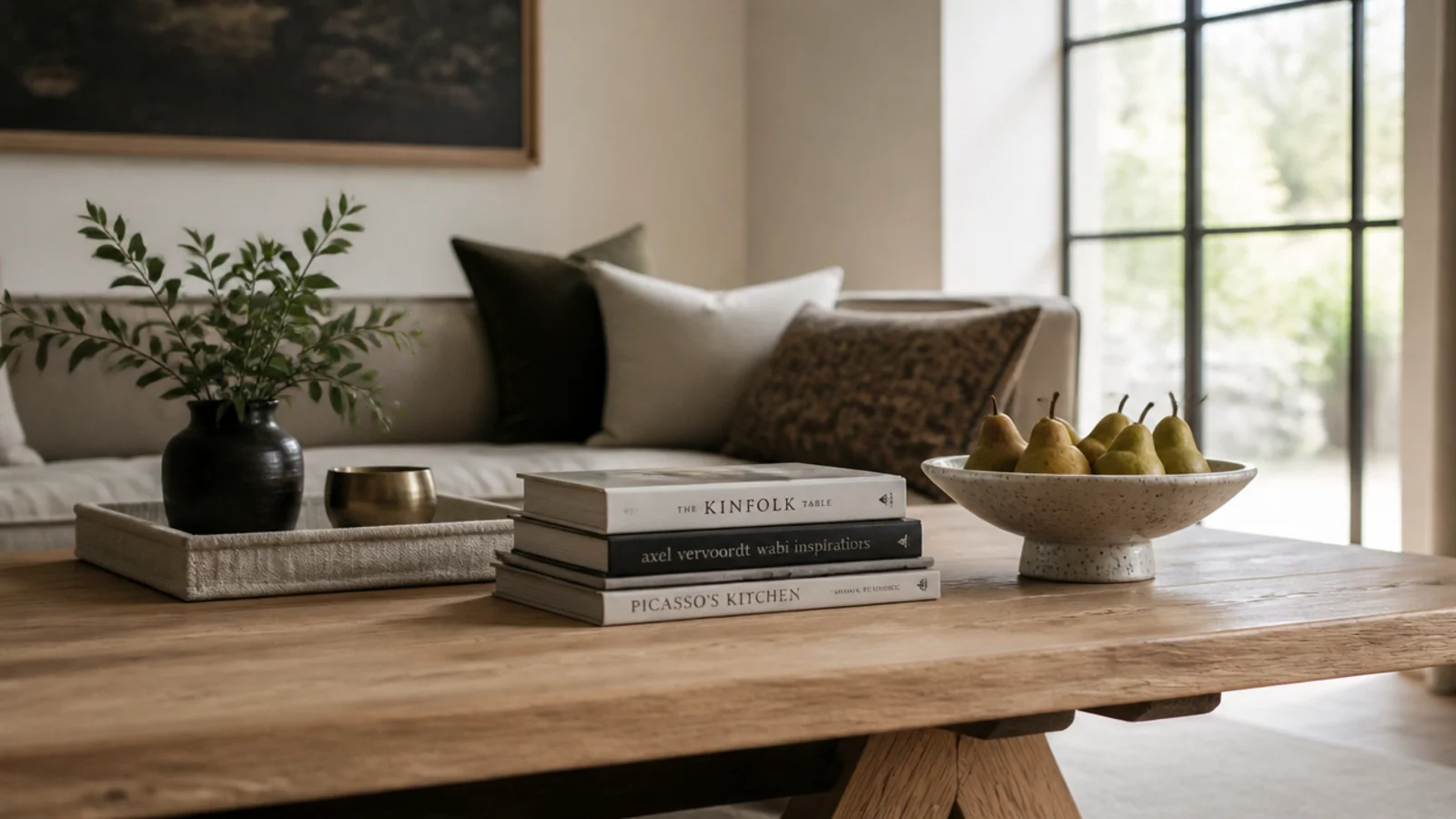
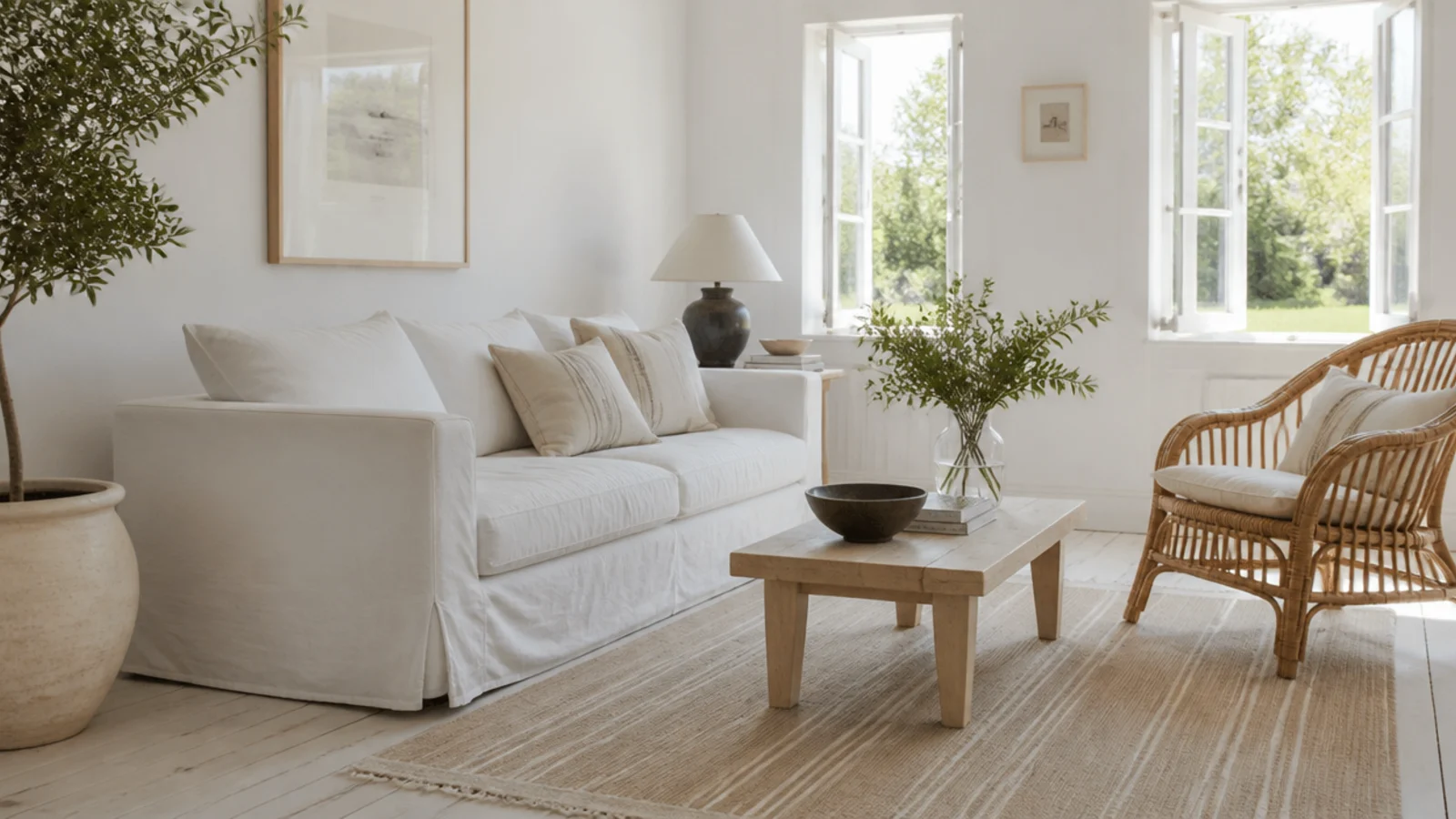
Four flats, three coffee tables and a lot of things bought on a Saturday afternoon. Most of what I got wrong was decorative rather than structural, and almost all of it was visible in advance if I had sat down rather than stood back. Center table living room decoration is judged from a seat, four feet away, with your eyes about eighteen inches above the surface, and I styled for the doorway view for years. Here are twenty I would not repeat.
In this guide22 sections — tap to openHide
- 1.How I judge center table living room decoration now
- 2.The vase nobody could see over
- 3.A glass top in a flat with a toddler
- 4.A lidded trunk as the only table
- 5.Buying before I measured the sofa seat
- 6.A white lacquer top that showed everything
- 7.Unsealed marble and a glass of red
- 8.Six small objects instead of one big one
- 9.A table too long for the sofa
- 10.The faux plant that only gathered dust
- 11.A scented candle at knee height
- 12.A rug that only caught two table feet
- 13.Sharp stone corners with a crawling baby
- 14.A mirrored tray I scratched in a week
- 15.No storage in a room that had none
- 16.Hairpin legs on a deep pile rug
- 17.A tray far too small for the table
- 18.Books bought by the colour of the spine
- 19.A nesting set where the small one was useless
- 20.Painting the base a colour of the year
- 21.Never felt-padding anything I put on stone
- 22.What I'd Do Differently Now
How I judge center table living room decoration now
Three questions, in this order, before anything goes on the surface.
Can I see across it from a seat? Everything under about eight inches passes, including the vessel. This one rule fixed more rooms for me than any purchase. I owned a beautiful 16-inch glass vase for two years and never once noticed it was the reason two armchairs felt like separate zones.
Will it still be clear on Wednesday? If the arrangement covers the whole top, somebody sits down with a plate and it gets pushed aside. I now leave roughly a hand-width of clear surface at each end, and the styling survives the week instead of being rebuilt every Sunday.
What happens when something is spilled on it? This is the question I skipped with unsealed marble, white lacquer and a mirrored tray, and all three punished me. Sealed stone, oiled timber and honed finishes forgive; gloss and mirror record everything.
If you want the version of this written as advice rather than confession, the owner-tested ideas guide covers the same ground without the mistakes.
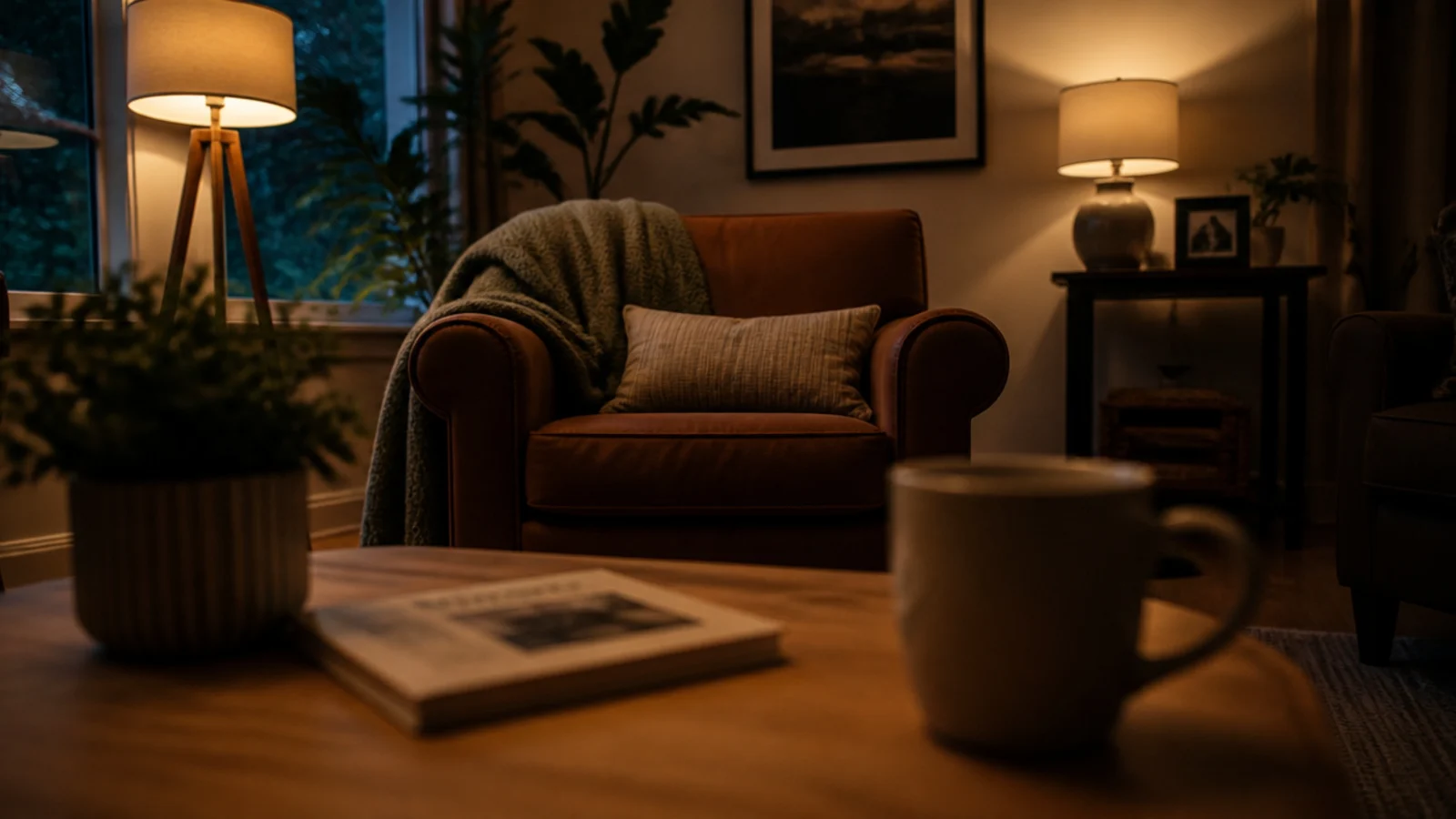
1. The vase nobody could see over
Sixteen inches of glass and eucalyptus, dead centre. It looked wonderful in photographs and it quietly split the seating into two halves for two years. Nothing on a low table should break eight inches including the vessel. Tall stems belong on a console behind the sofa where nobody has to look through them.
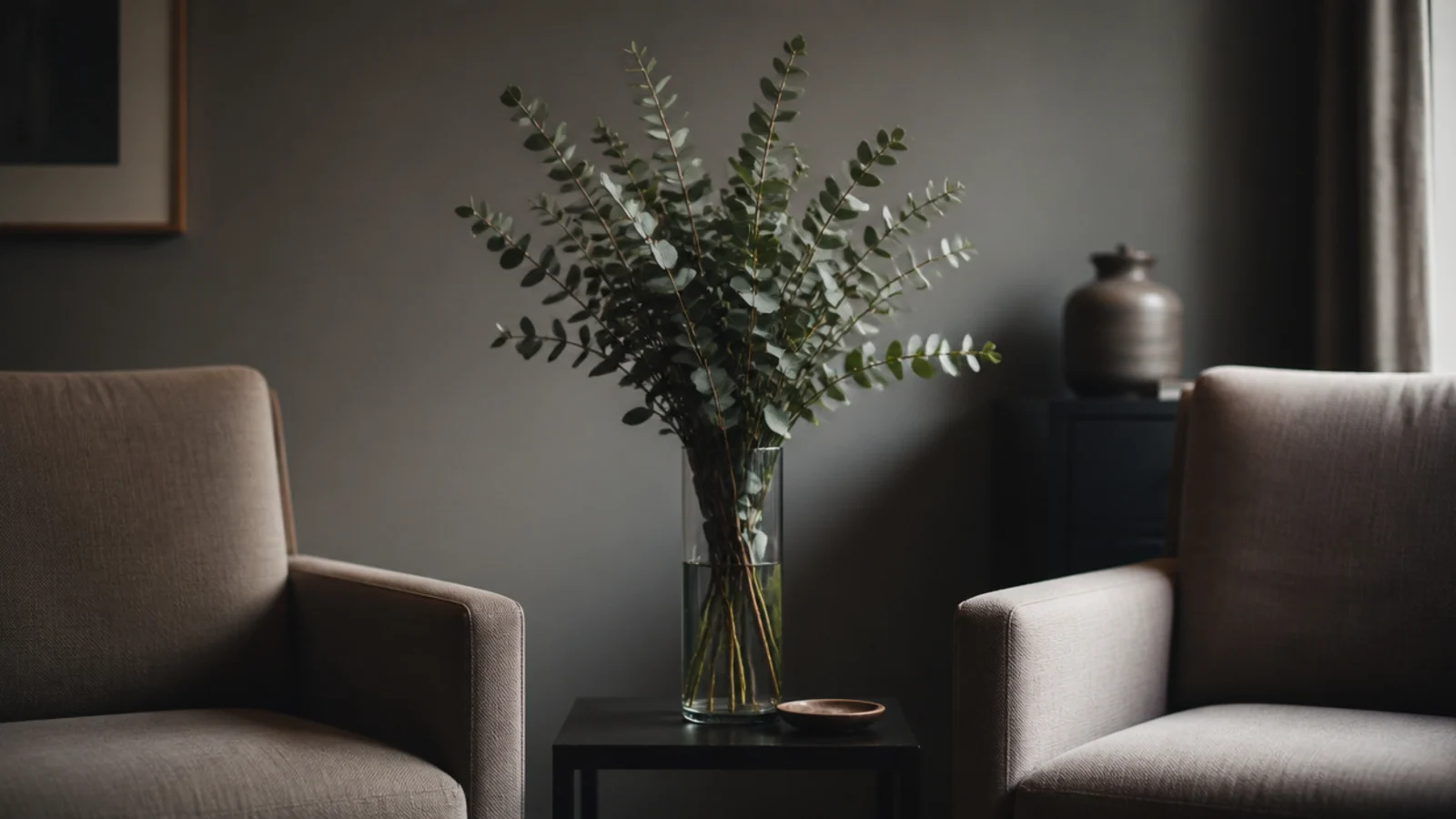
2. A glass top in a flat with a toddler
I cleaned it every morning and it was covered again by ten. Glass is genuinely good in a small adult room, where it keeps the rug visible and makes the floor read larger, but with small children it becomes a daily job. If you do buy it, insist on tempered at half an inch.
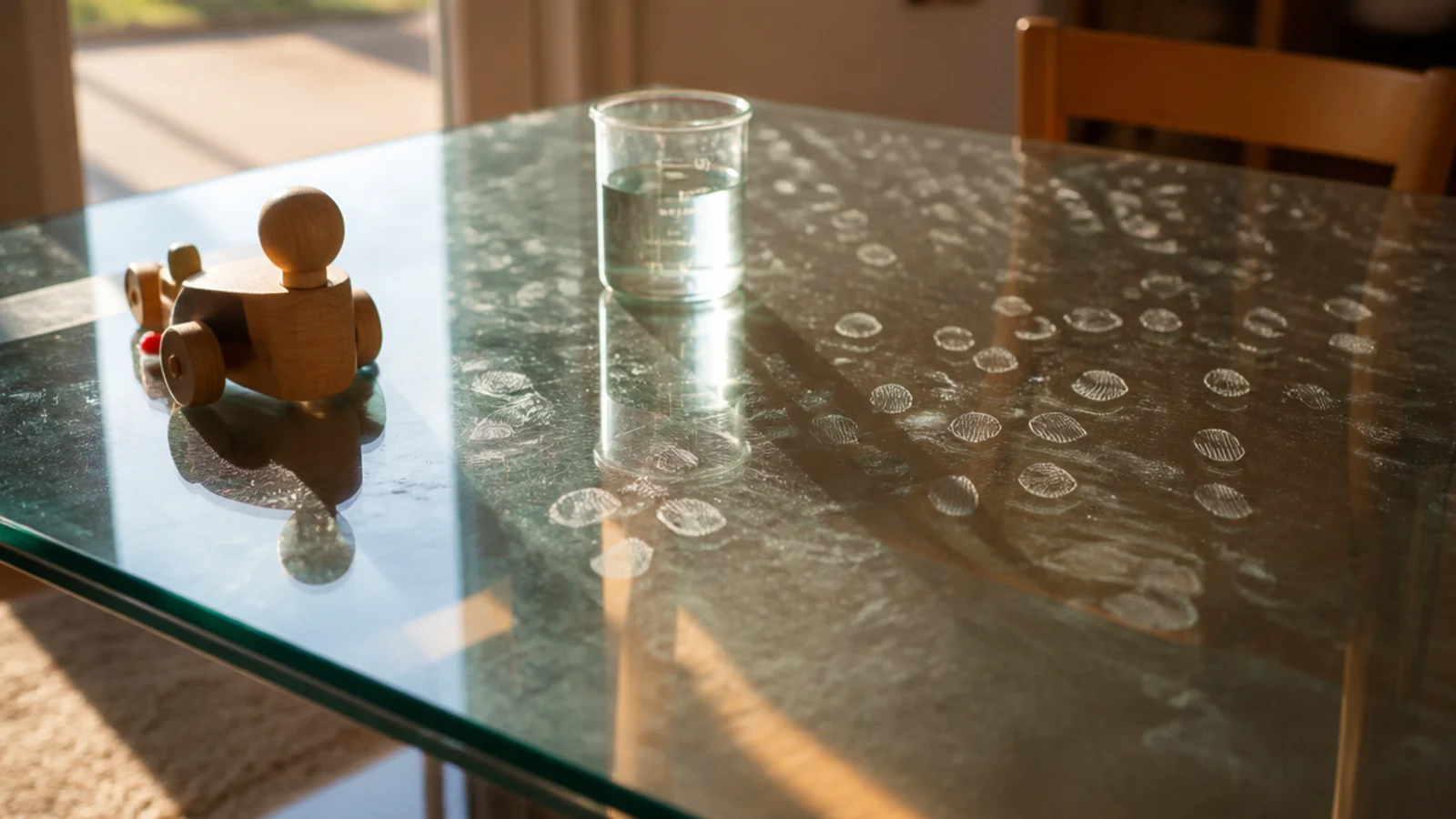
3. A lidded trunk as the only table
The storage looked like the whole point and turned out to be the flaw. Every object on the lid — lamp, books, two mugs — had to be lifted off before the lid opened, so within a month nothing inside was ever retrieved. A lower shelf gets used daily; a lid gets used seasonally.
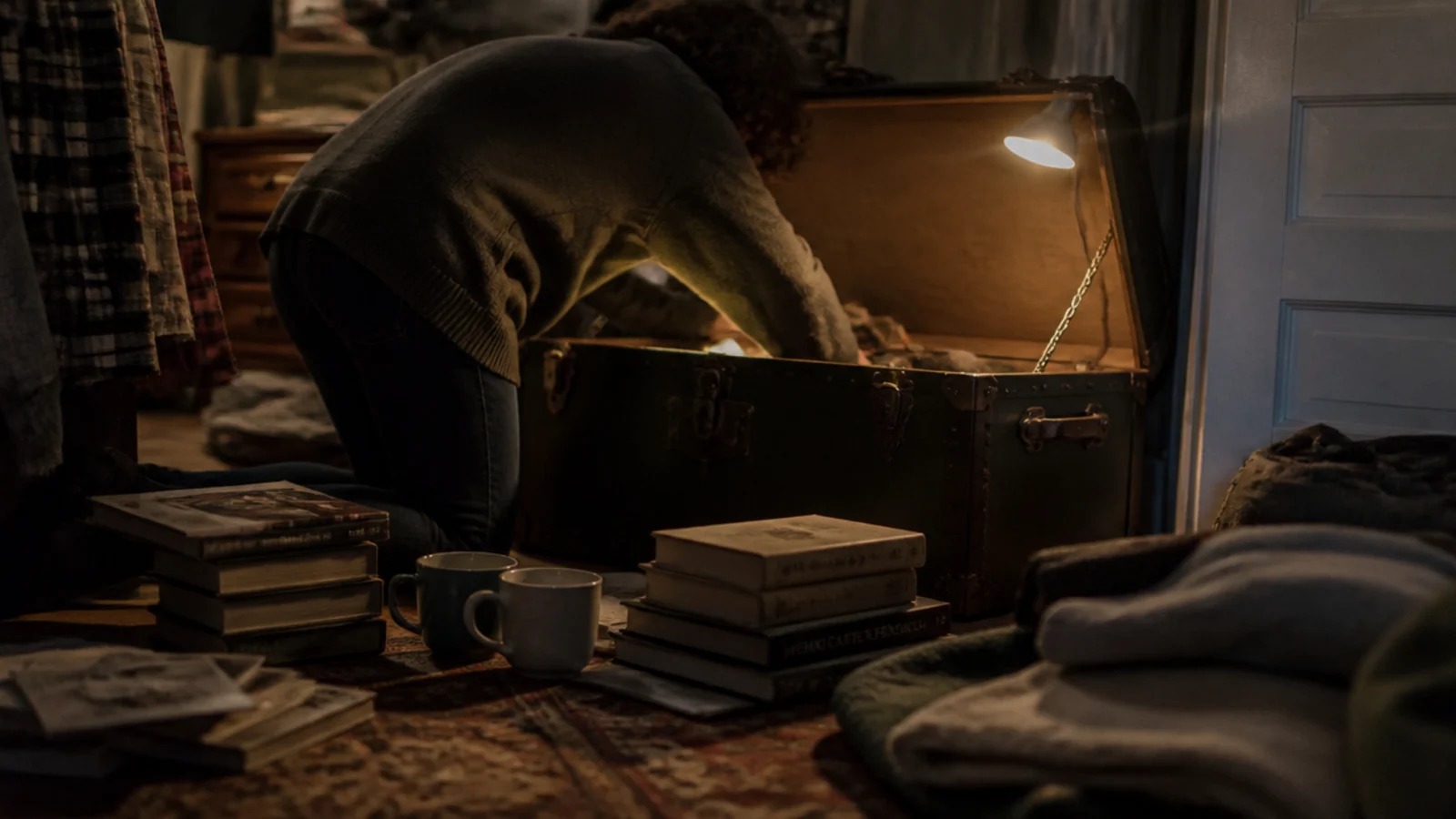
4. Buying before I measured the sofa seat
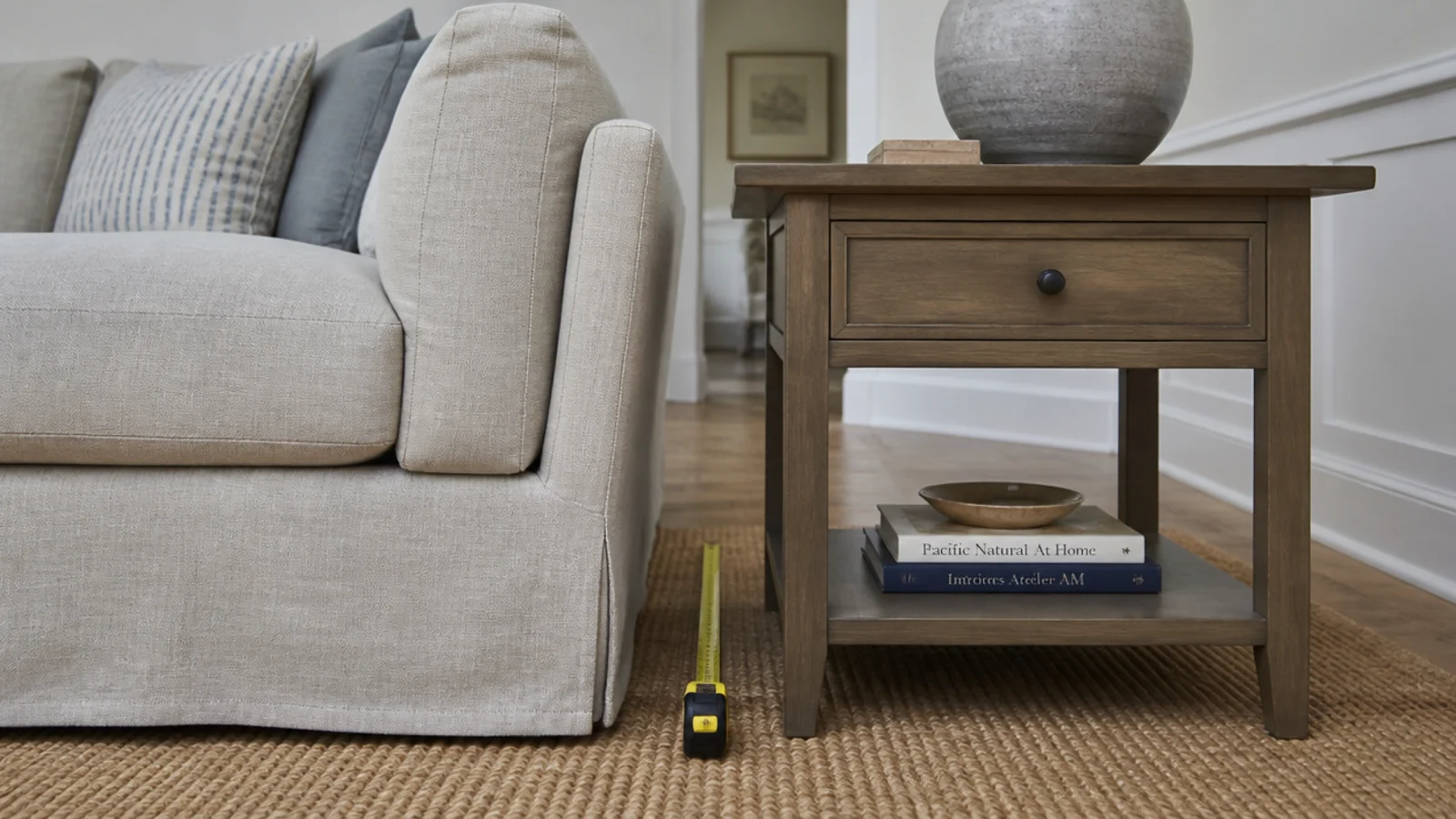
The top sat two inches above the cushion, and the room looked subtly wrong in every photograph I ever took of it. Measure the compressed seat with somebody sitting on it — usually 17 to 19 inches — and stay within two inches, ideally just below.
5. A white lacquer top that showed everything
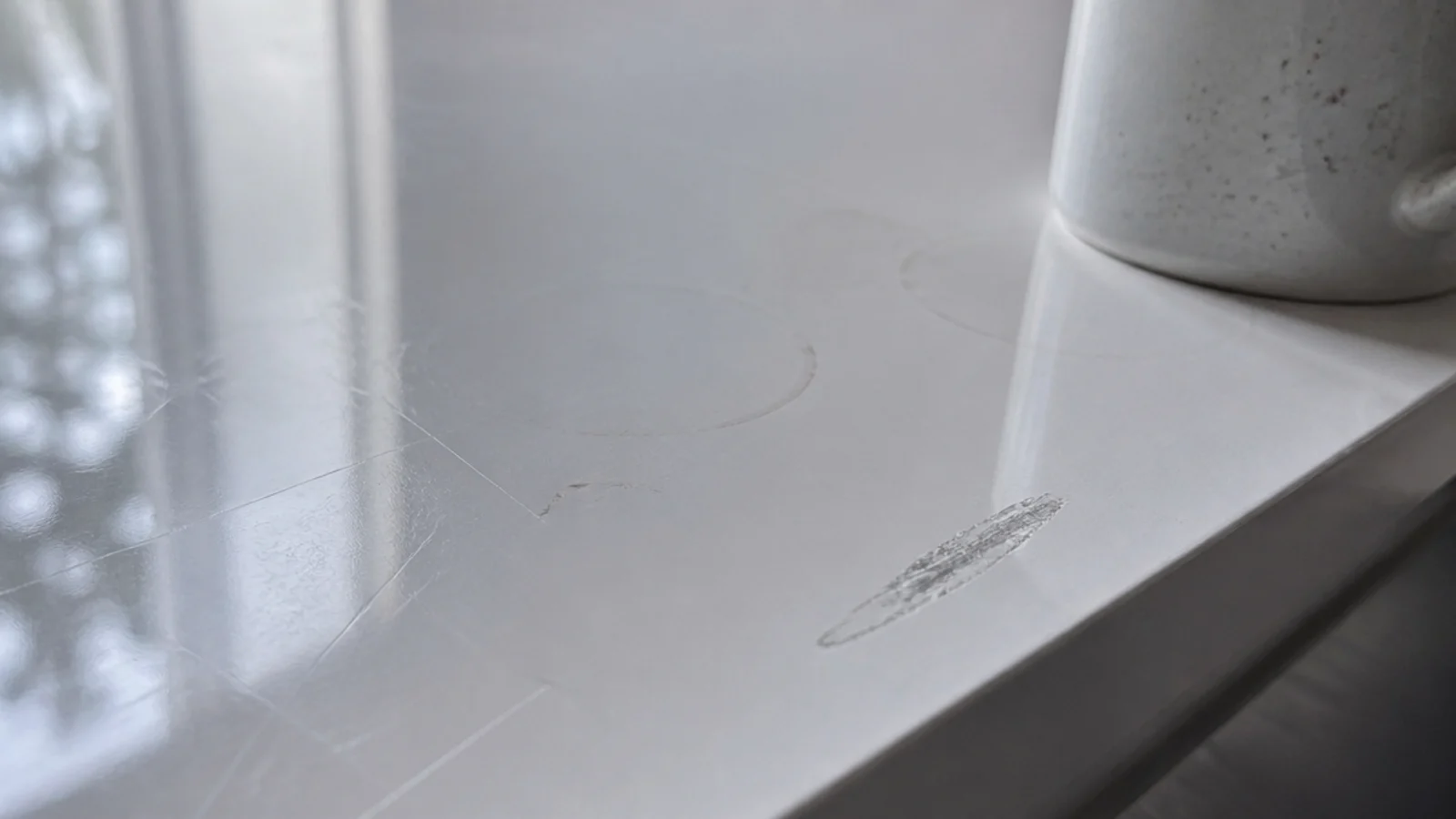
High gloss white is a recording surface. Cup rings, fine scratches from a keyring, and the scuff where the vacuum caught it were all permanently visible under a lamp. Satin and matte finishes hide the same damage completely, and cost exactly the same to buy.
6. Unsealed marble and a glass of red
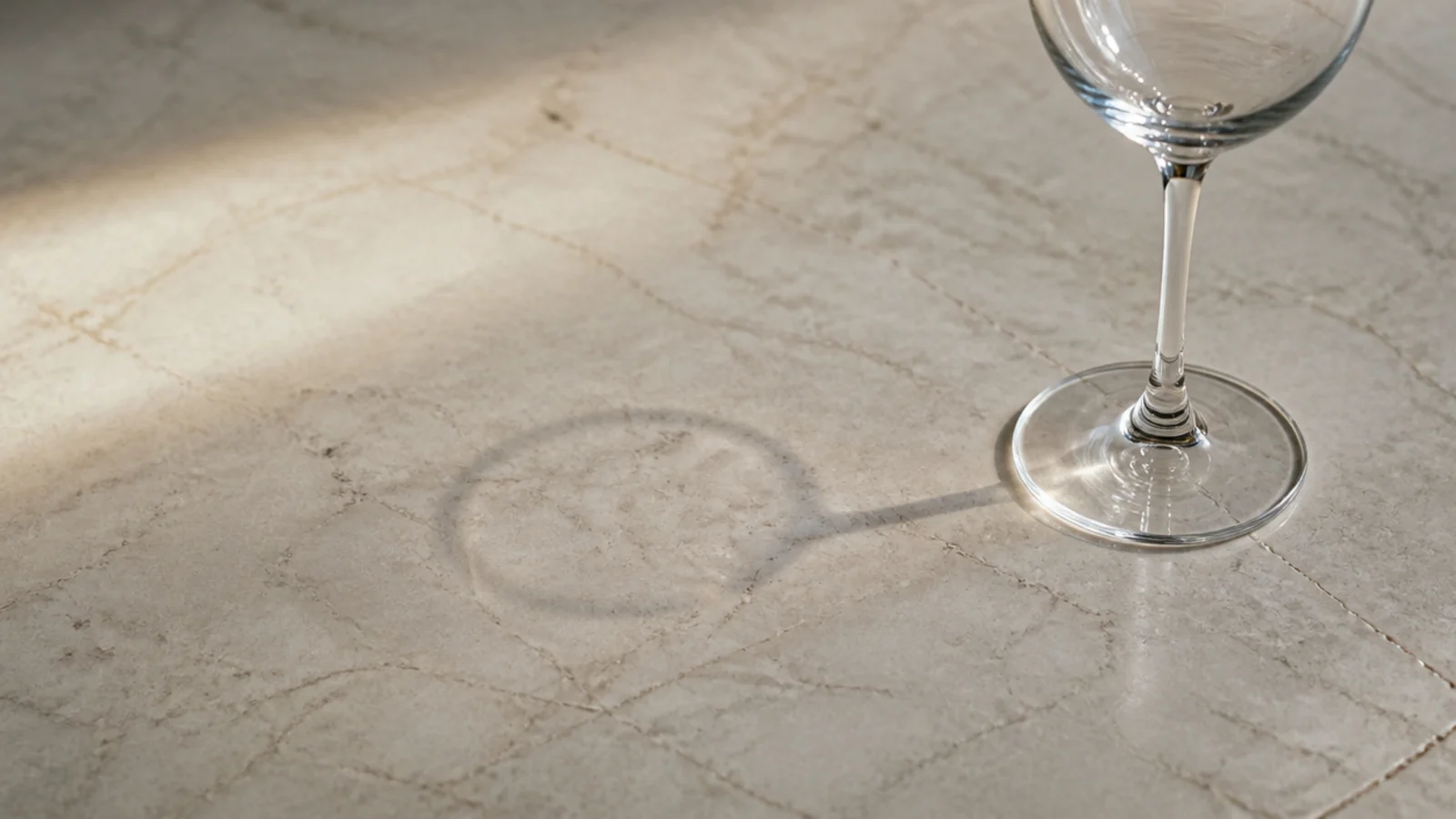
One glass, one overnight, one shadow that a 48-hour poultice only partly lifted. Sealer is about $20 and fifteen minutes, and honed marble in daily use wants it every six to twelve months. Test with a tablespoon of water: if the stone darkens in five minutes, reseal.
7. Six small objects instead of one big one
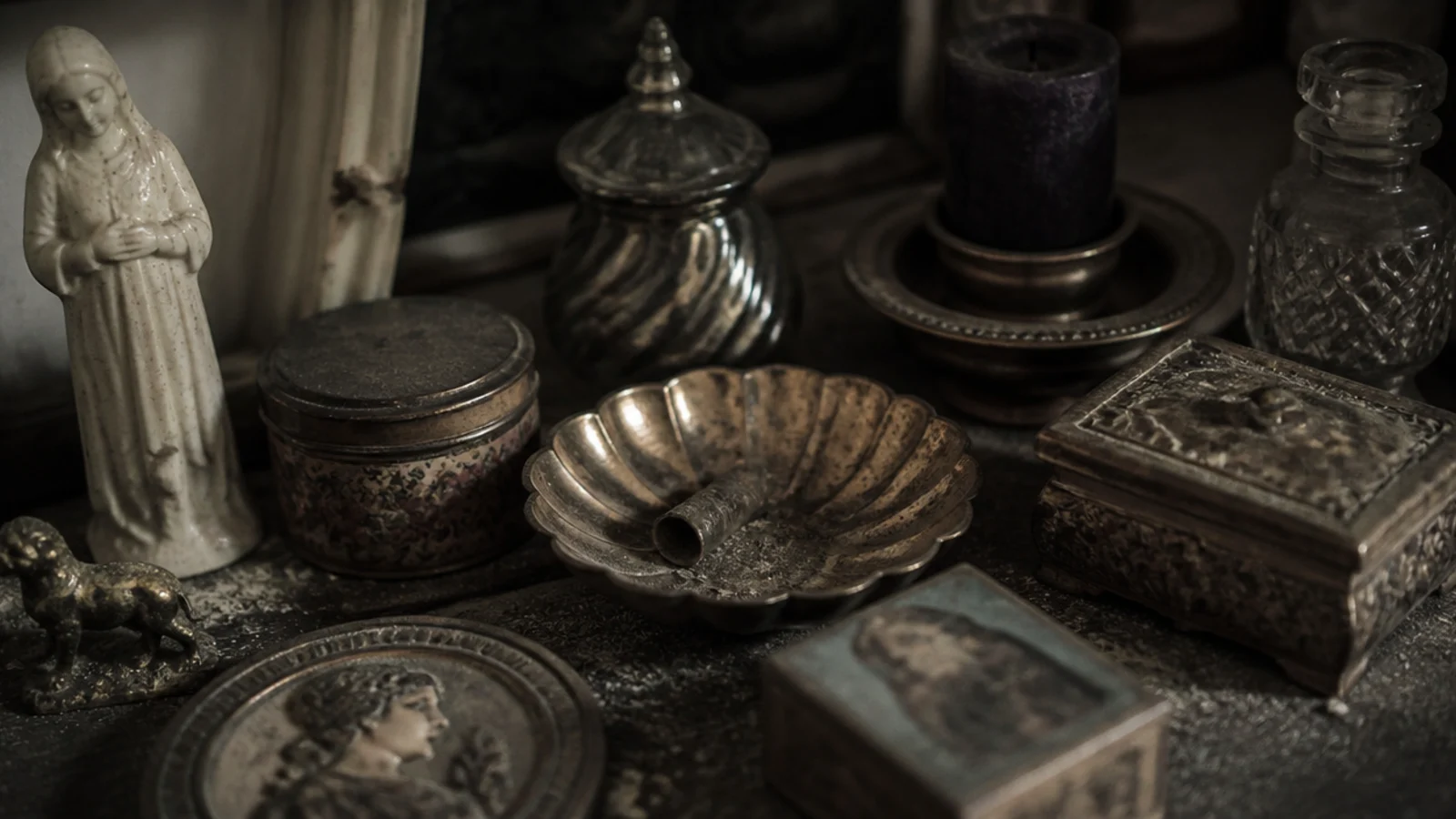
Six little ornaments cost more than the single 16-inch bowl that replaced them, took six times as long to dust, and left no clear space anywhere. Undersized decorative objects are the most common styling error there is, and the fix is always fewer and larger.
8. A table too long for the sofa
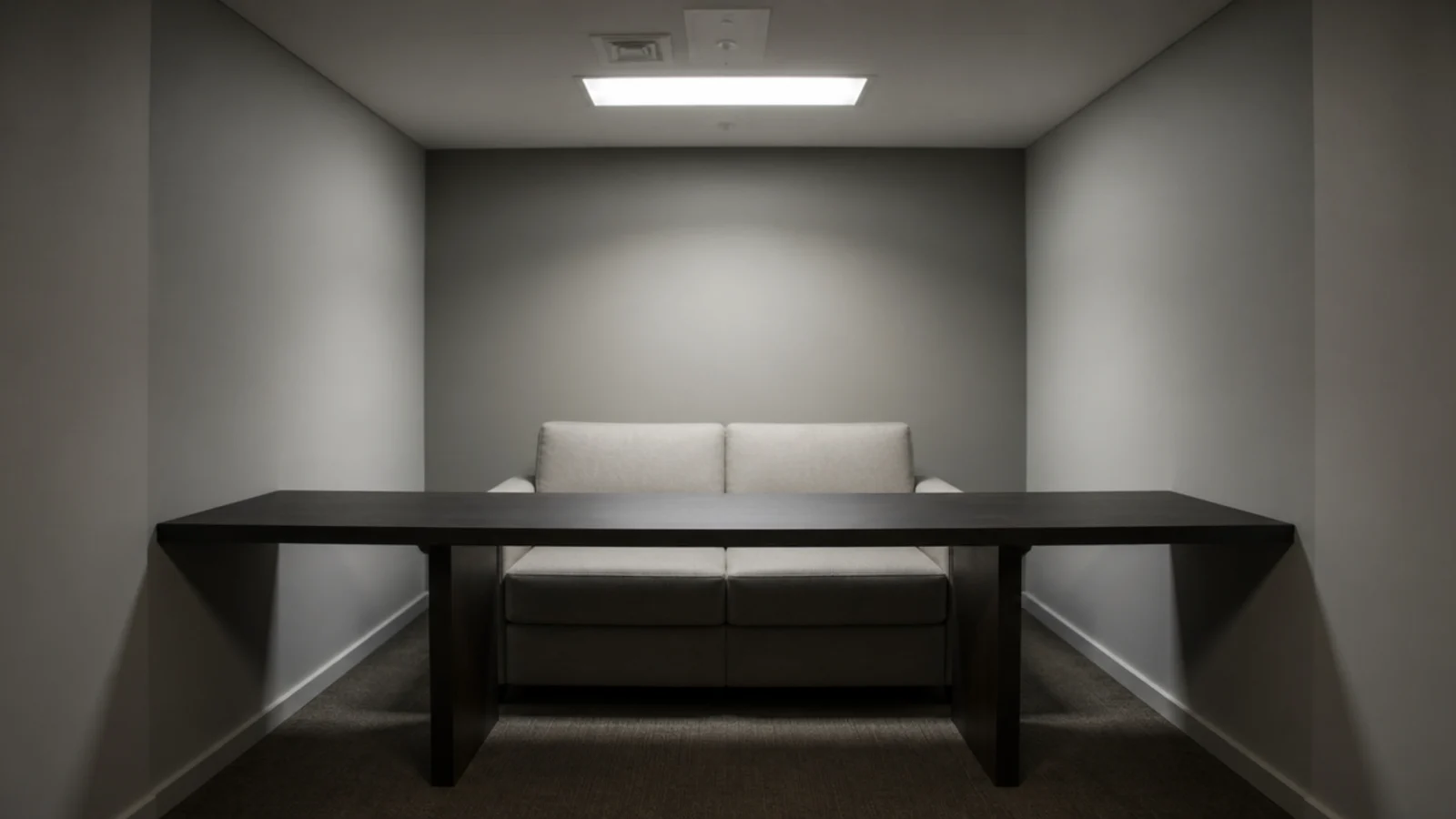
Sixty inches in front of a 72-inch two-seater. It ran past both arms and left a nine-inch squeeze at either end. Two-thirds of the sofa length is the working ratio, which would have put me at 48 inches. Longer does not read generous, it reads crowded.
9. The faux plant that only gathered dust
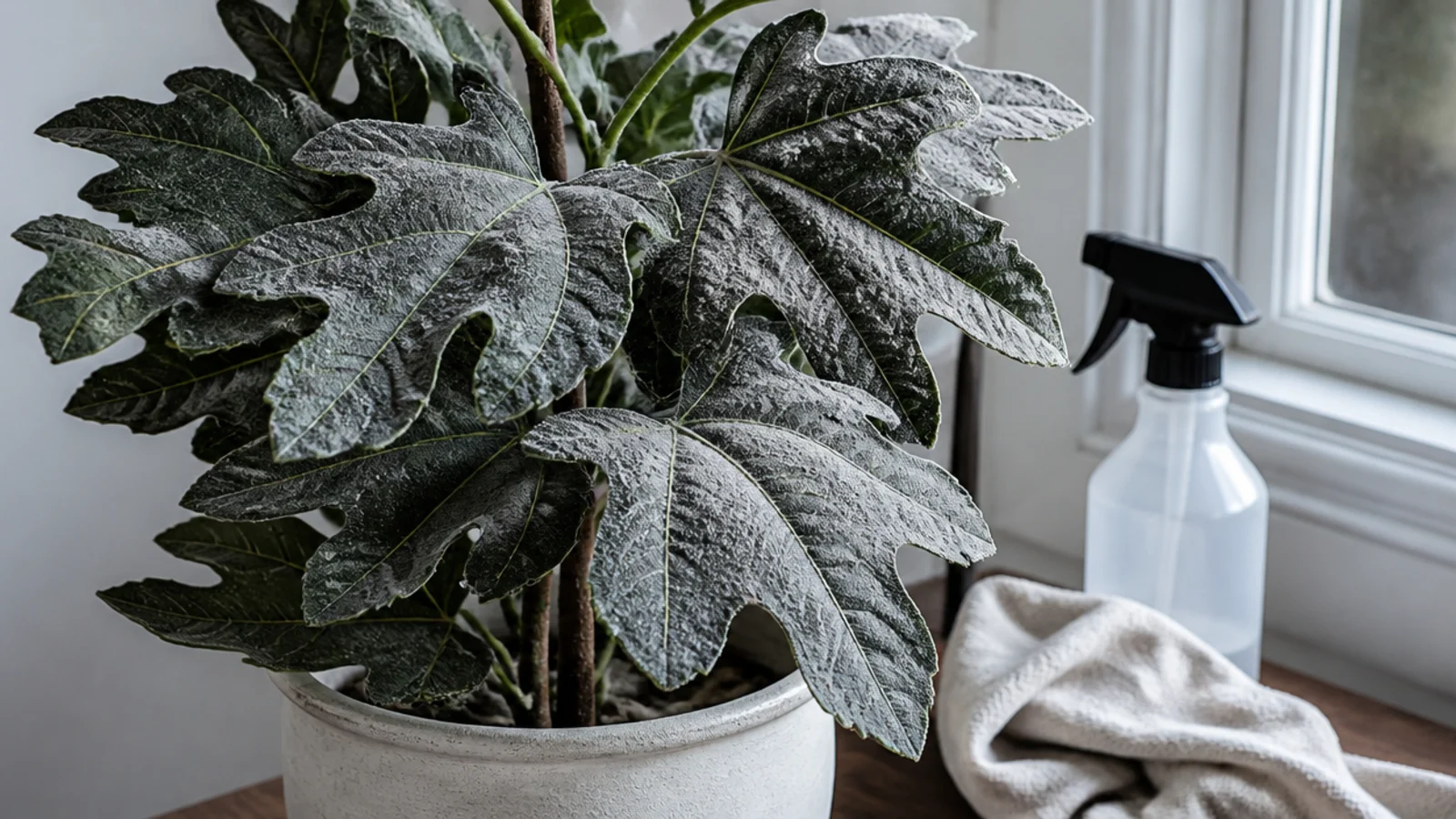
Real leaves shed dust; artificial ones hold it, and by month three the fig was visibly grey. A $6 supermarket pot plant with a saucer beat it in every way, and it changed through the year rather than staying identical.
10. A scented candle at knee height
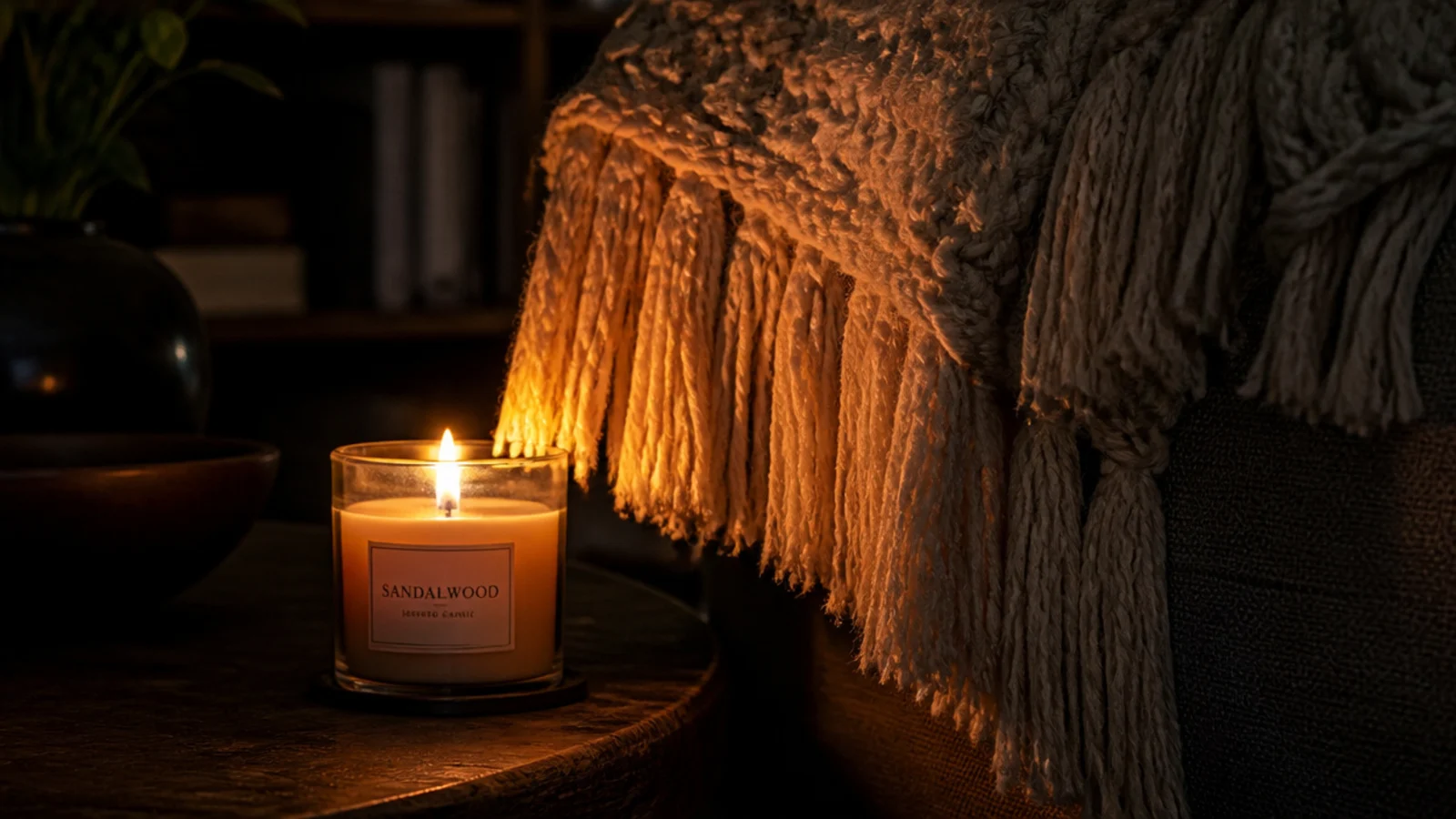
The throw hung off the table edge within four inches of the flame, and sleeves crossed that spot every evening. I use rechargeable LED pillars on low tables now — 8 to 12 hours a charge, convincing flicker, nothing to catch. The candle decor guide covers safe placement properly.
11. A rug that only caught two table feet
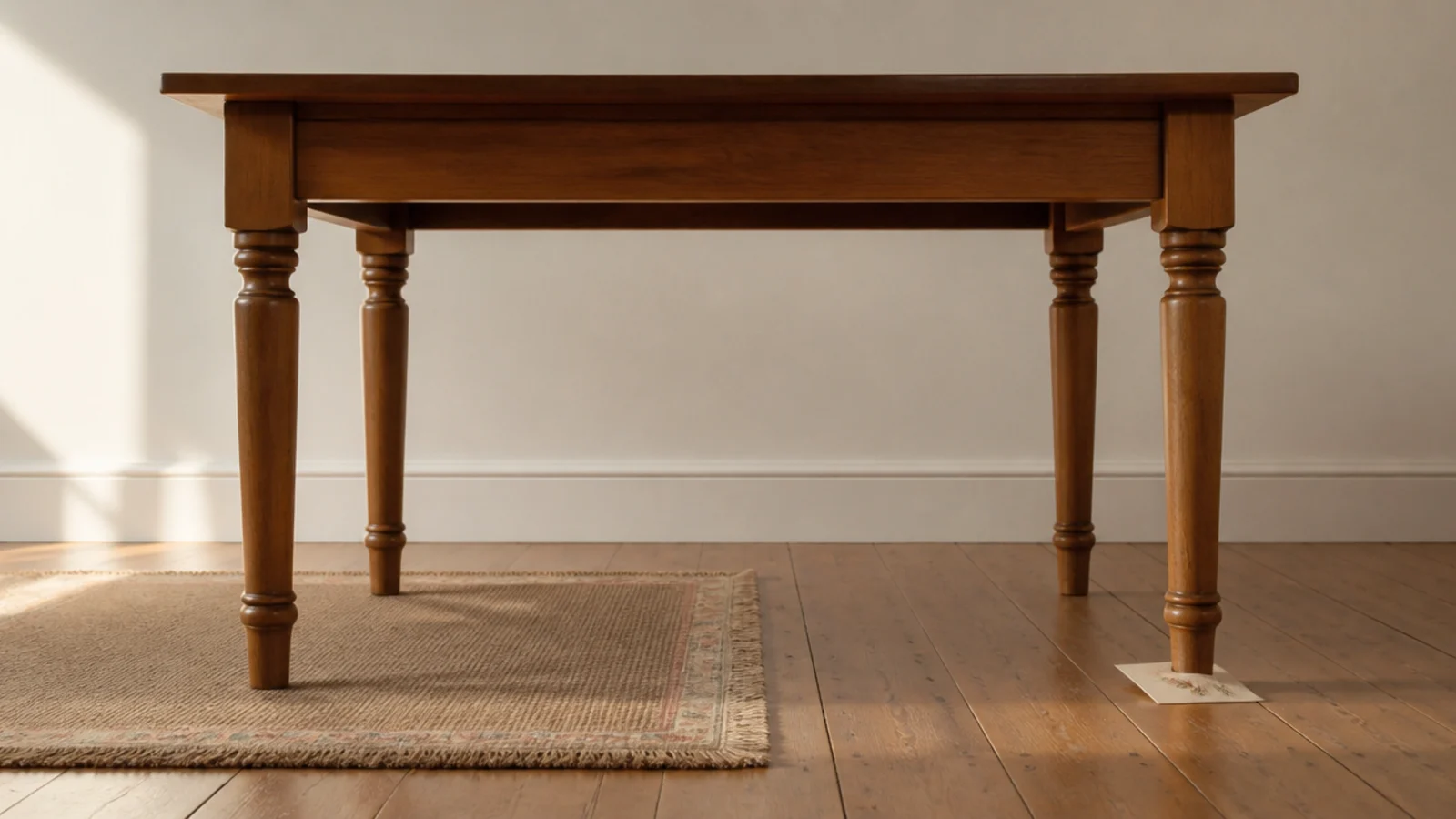
Two legs on the pile, two on bare boards, and a wobble I shimmed with folded card for a year. Either every foot sits on the rug or none do. Sizing the rug first would have cost nothing and saved the whole arrangement.
12. Sharp stone corners with a crawling baby
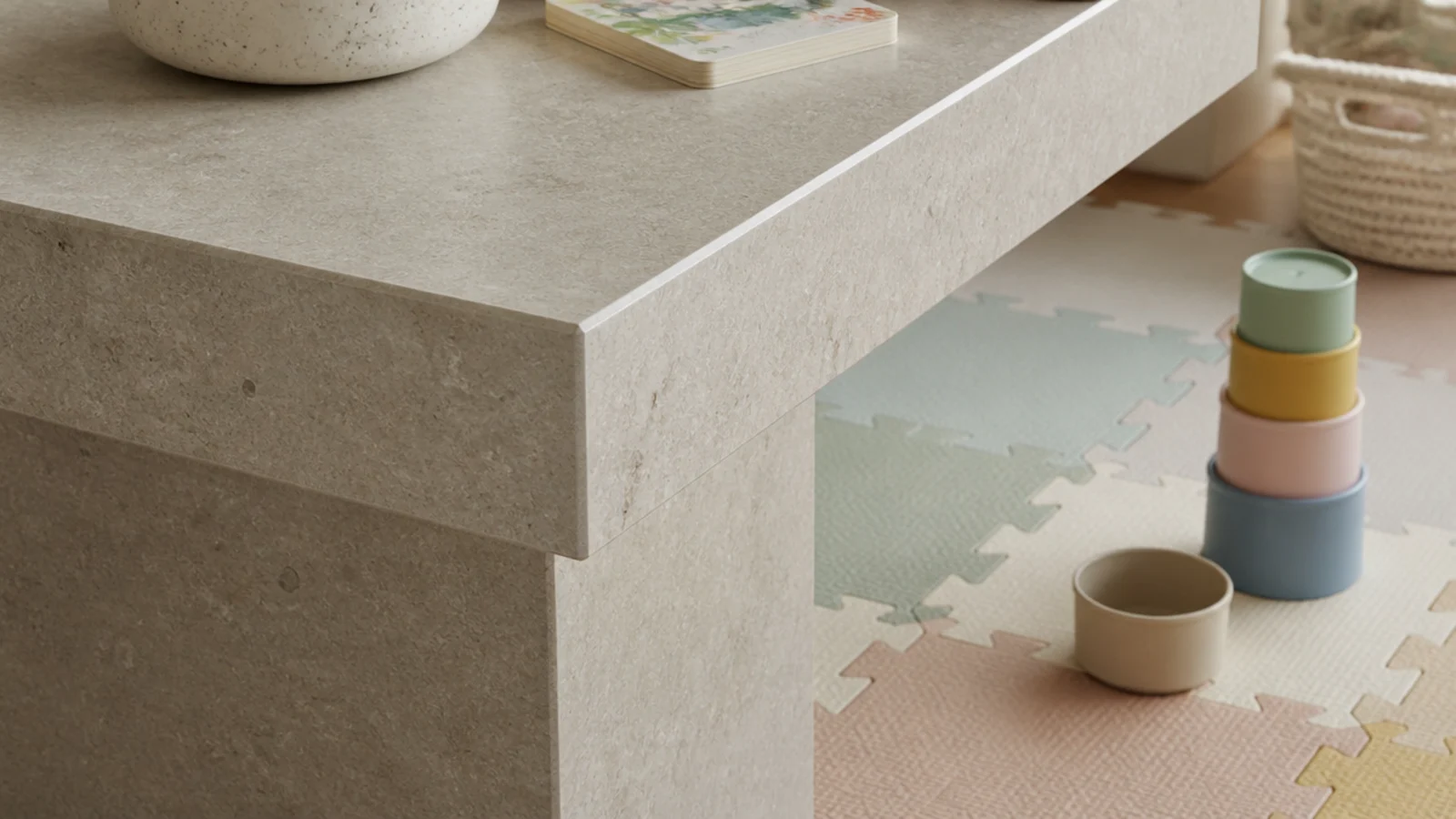
A crisp unrounded arris on a stone top is exactly at head height for someone learning to stand. Foam bumpers fall off within a fortnight. A fabricator will ease or radius the corners for $30 to $60, and it is worth booking before delivery rather than after.
13. A mirrored tray I scratched in a week
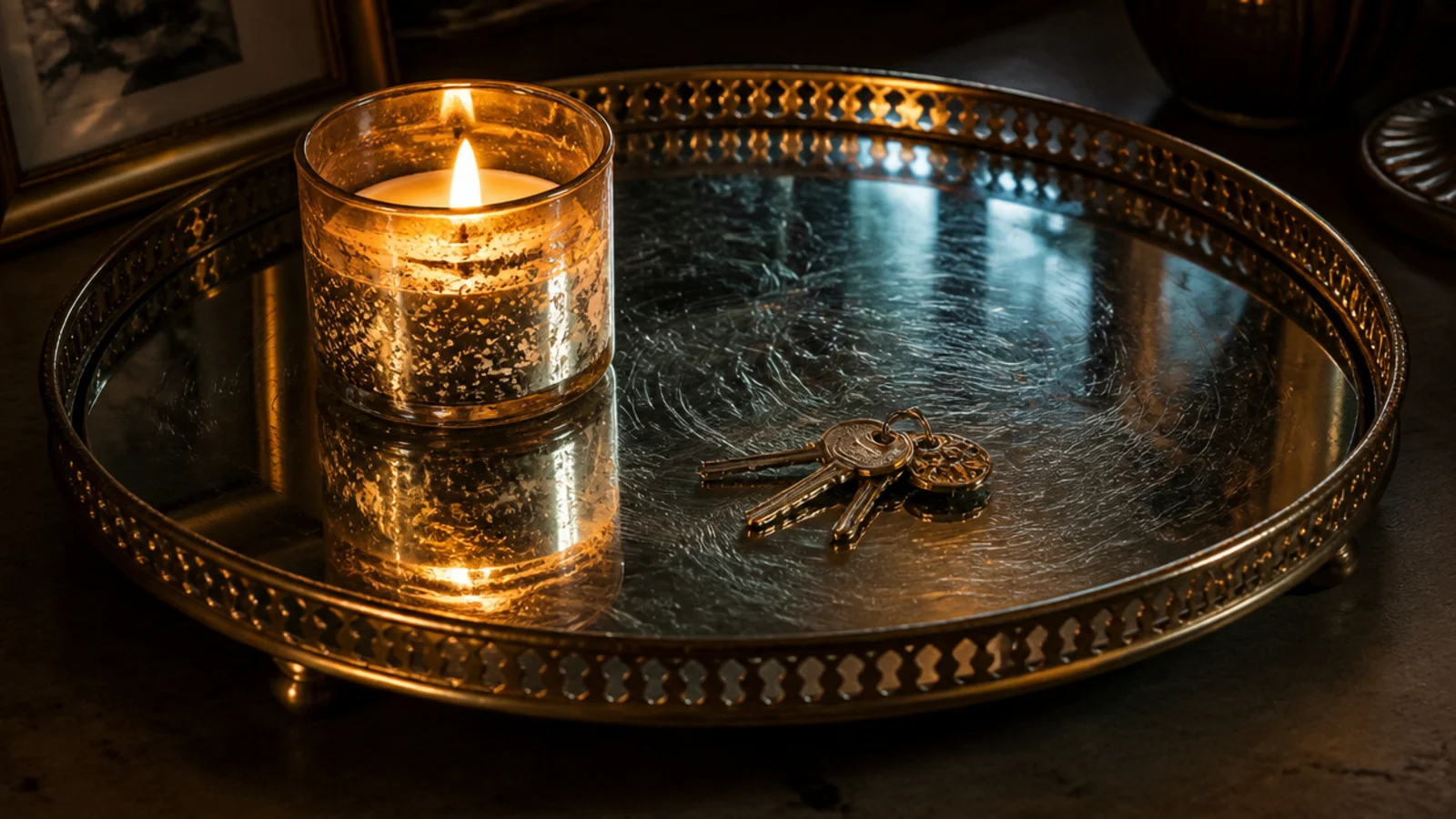
Mirror is soft, and every set of keys and every ceramic base leaves a fine circular scratch. Under a lamp it looked like frosted glass within a month. A solid brass or timber tray takes the same abuse and simply patinates instead.
14. No storage in a room that had none
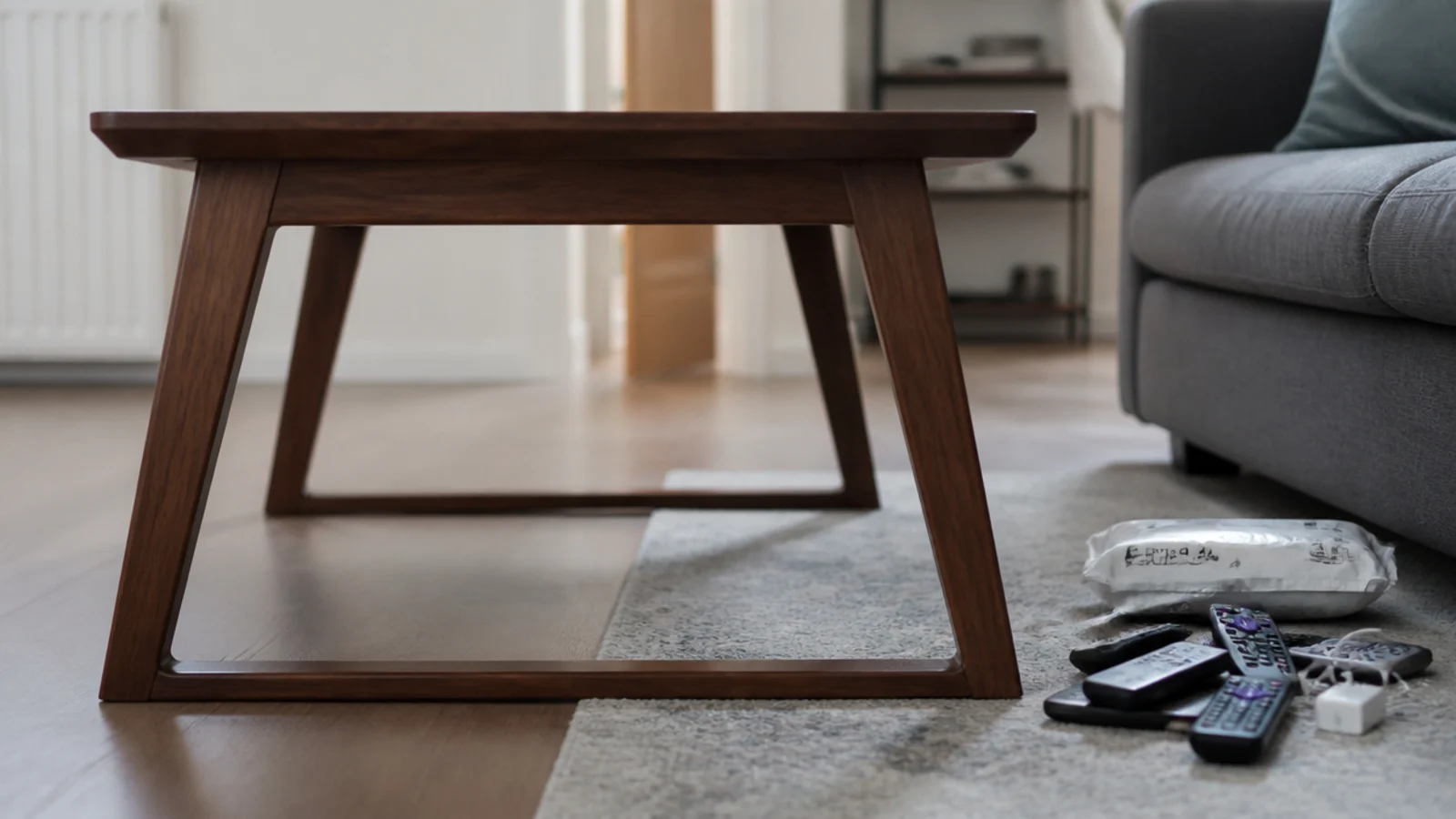
I bought an open-legged table for a flat with no cupboards, and the remotes, the post and the chargers lived on the floor for a year. One shallow drawer or a 12-inch lower shelf would have absorbed all of it.
15. Hairpin legs on a deep pile rug
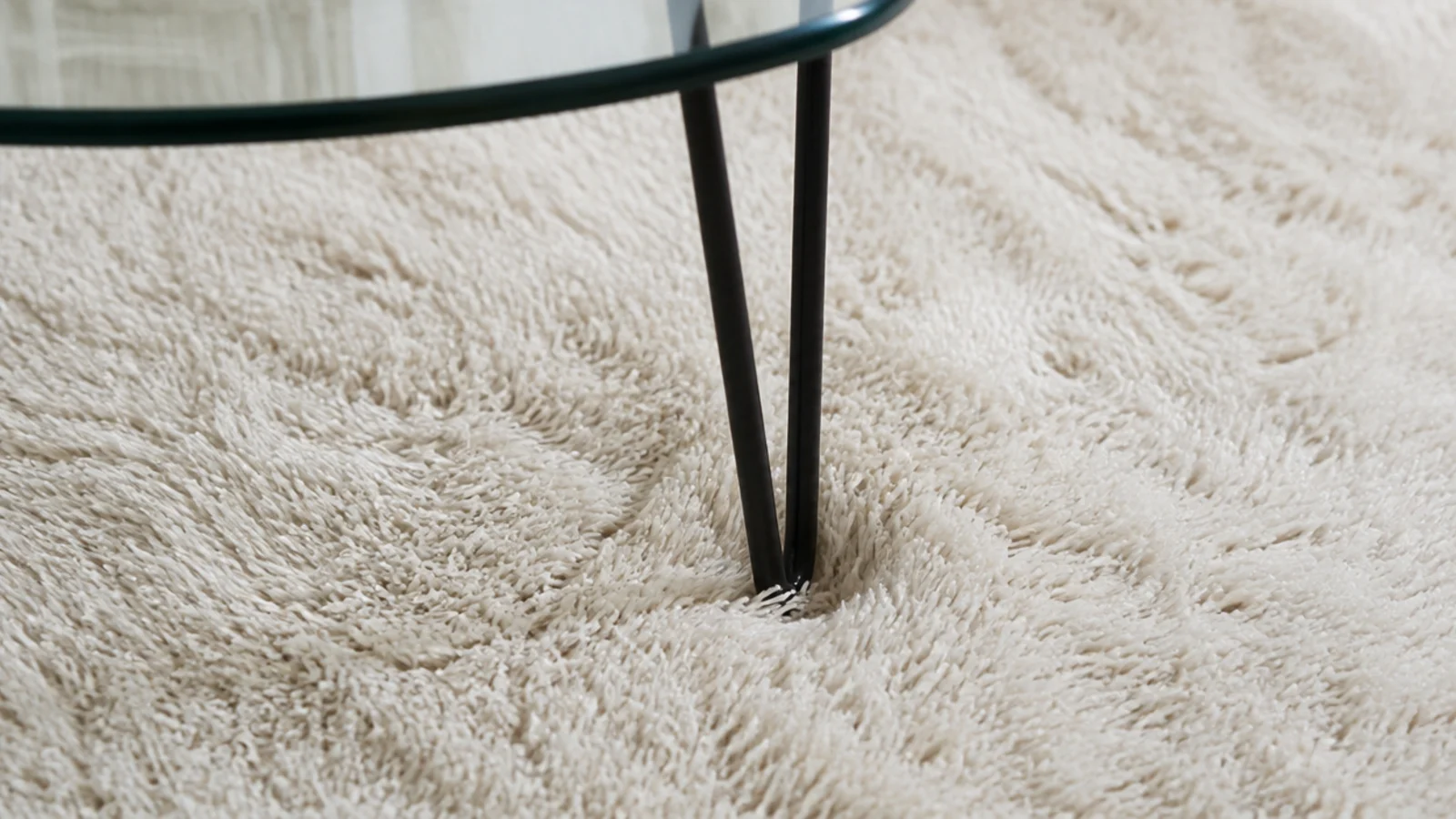
Three-eighths-inch rods sank unevenly into a thick wool pile and the top rocked whenever a glass went down. Sled bases and drum forms spread the load across inches rather than points. The layered rug guide shows how much pile actually builds up.
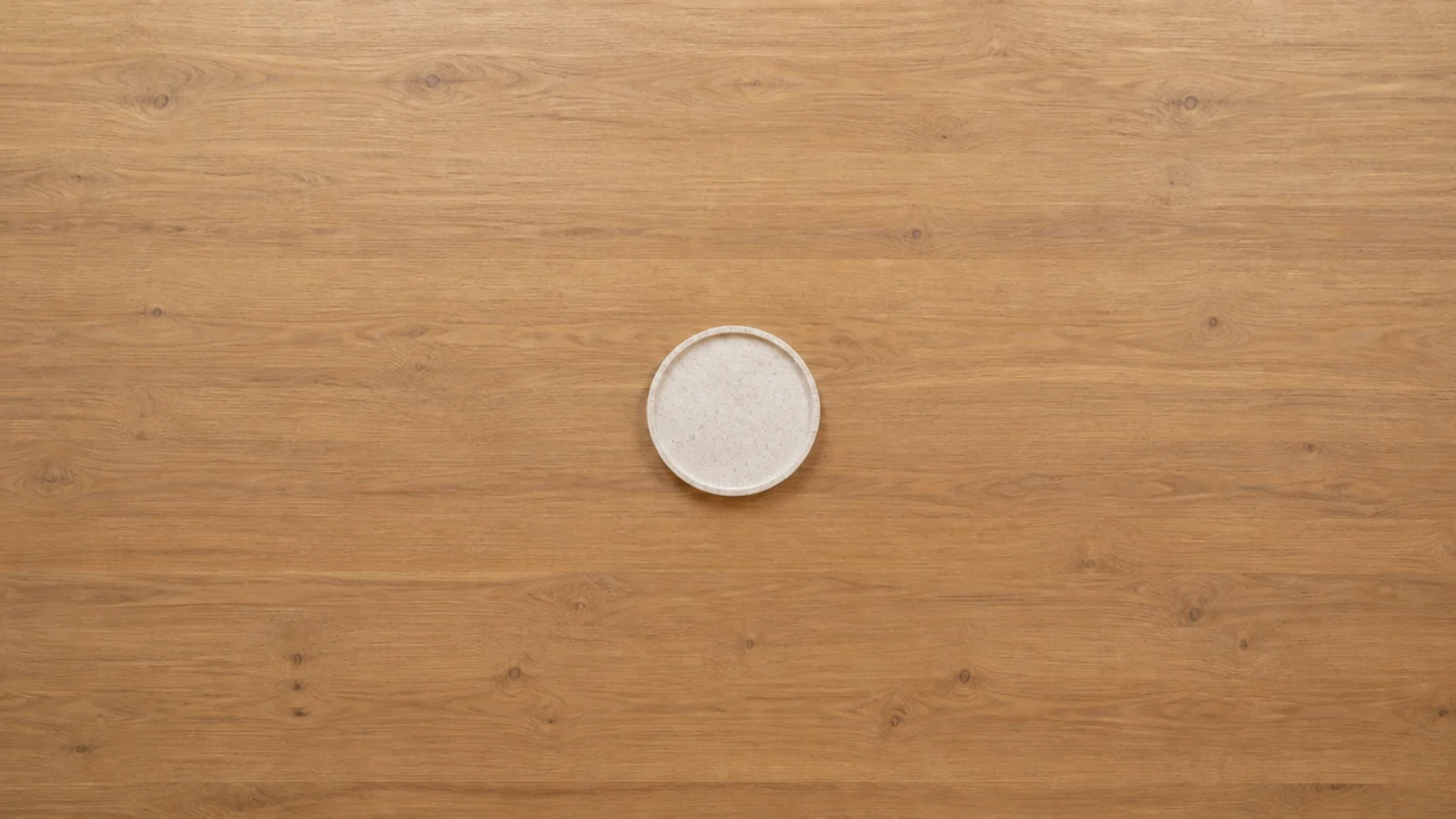
16. A tray far too small for the table
An eight-inch tray on a 60-inch top looked marooned. The working ratio is roughly a third of the surface, so I needed something closer to 20 inches. It is the cheapest mistake on this list to fix and the one that changed the table most.
17. Books bought by the colour of the spine
Nobody opened a single one, including me, and the price sticker stayed on the top cover for a year. Two or three books you are genuinely reading, with creased spines and a bookmark, look completely different from across a room.

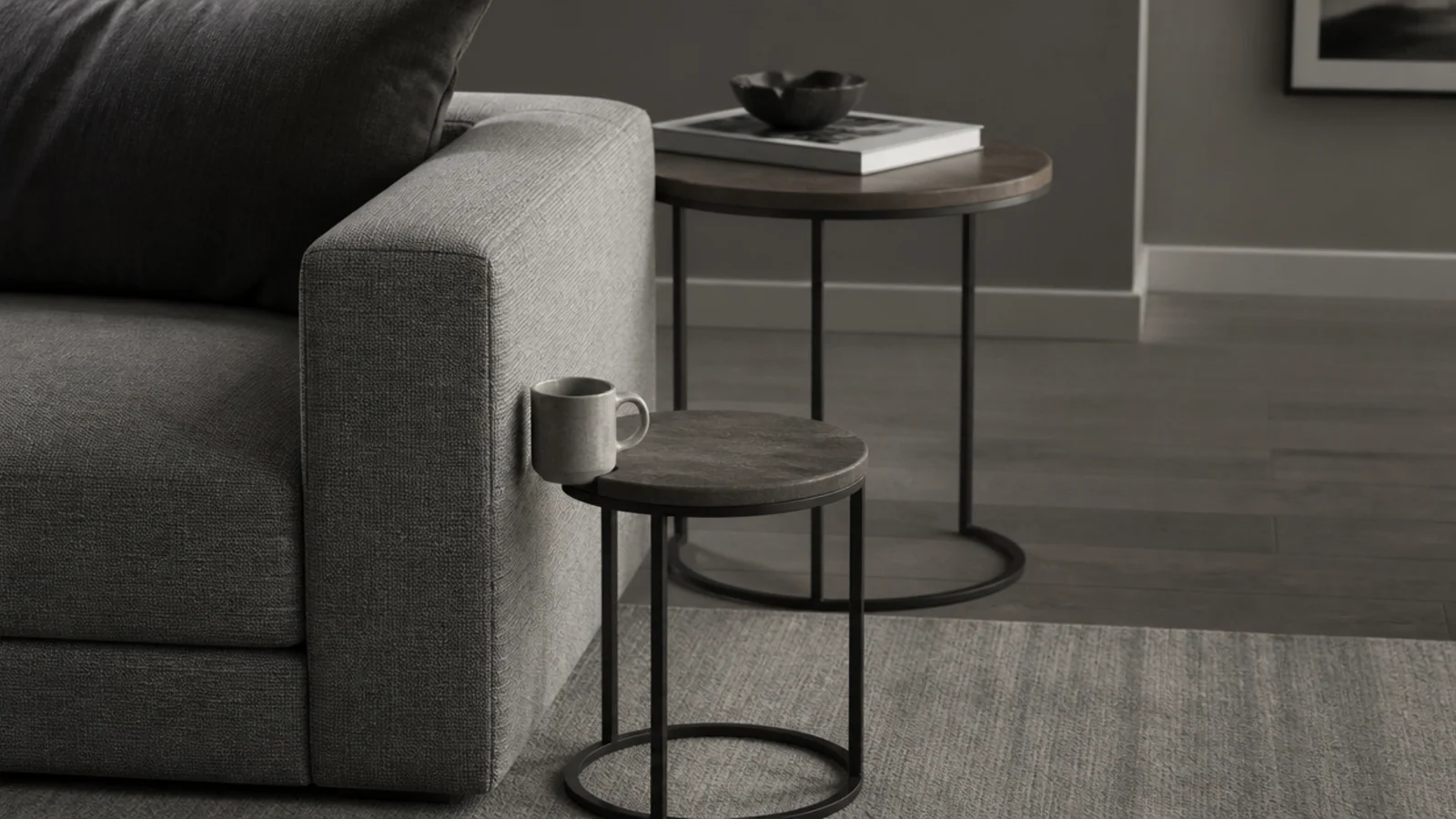
18. A nesting set where the small one was useless
The height step between the two was six inches, so the smaller table sat well below any sofa arm and a mug on it was a reach. Keep nesting tables within three inches of one another and both remain usable.
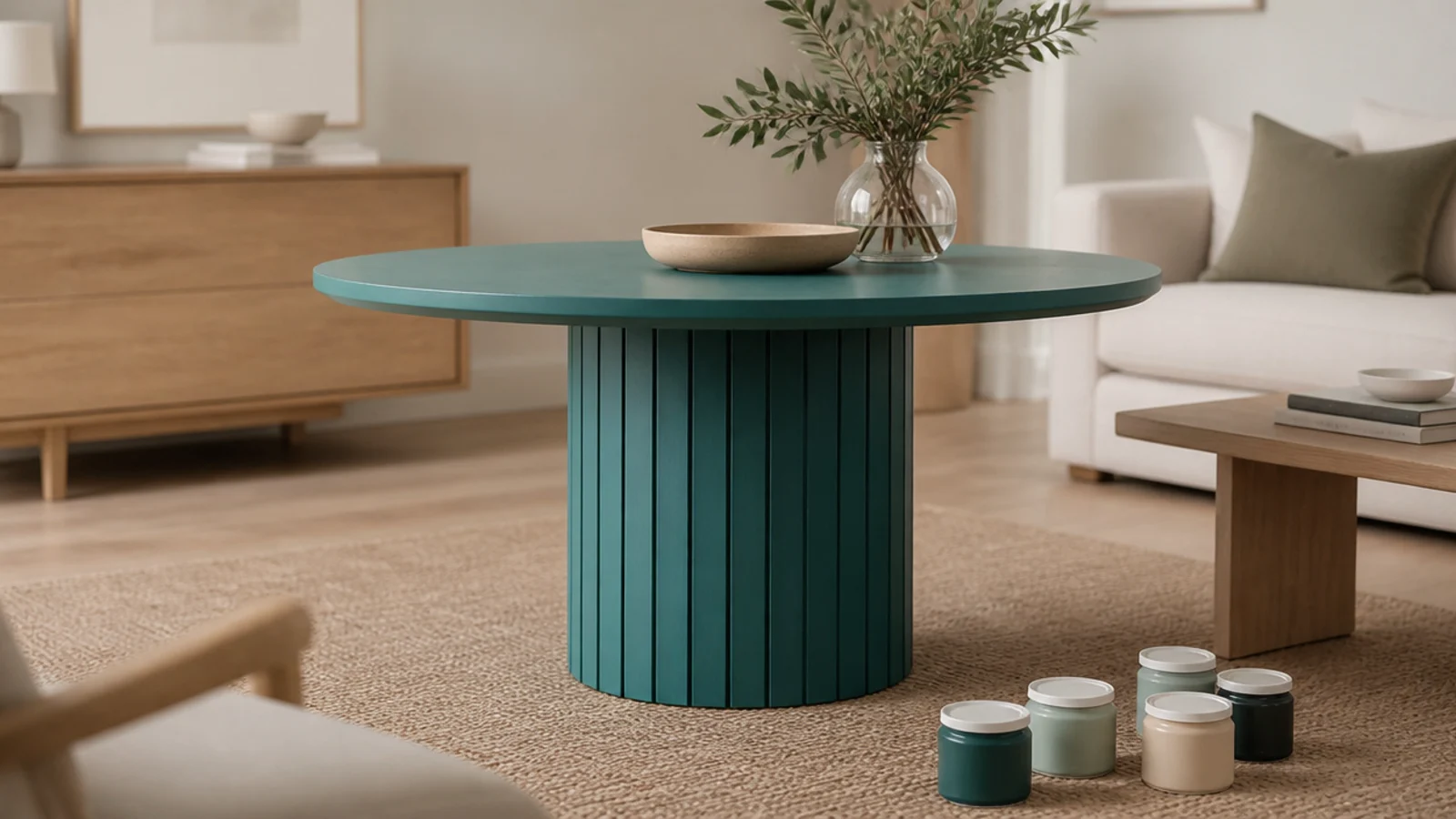
19. Painting the base a colour of the year
A saturated teal that looked current for about eighteen months and dated for the four years after. Colour in a base is a good idea, but choose it from something already permanent in the room — the rug, a rug pattern, the curtains — rather than from a paint chart.
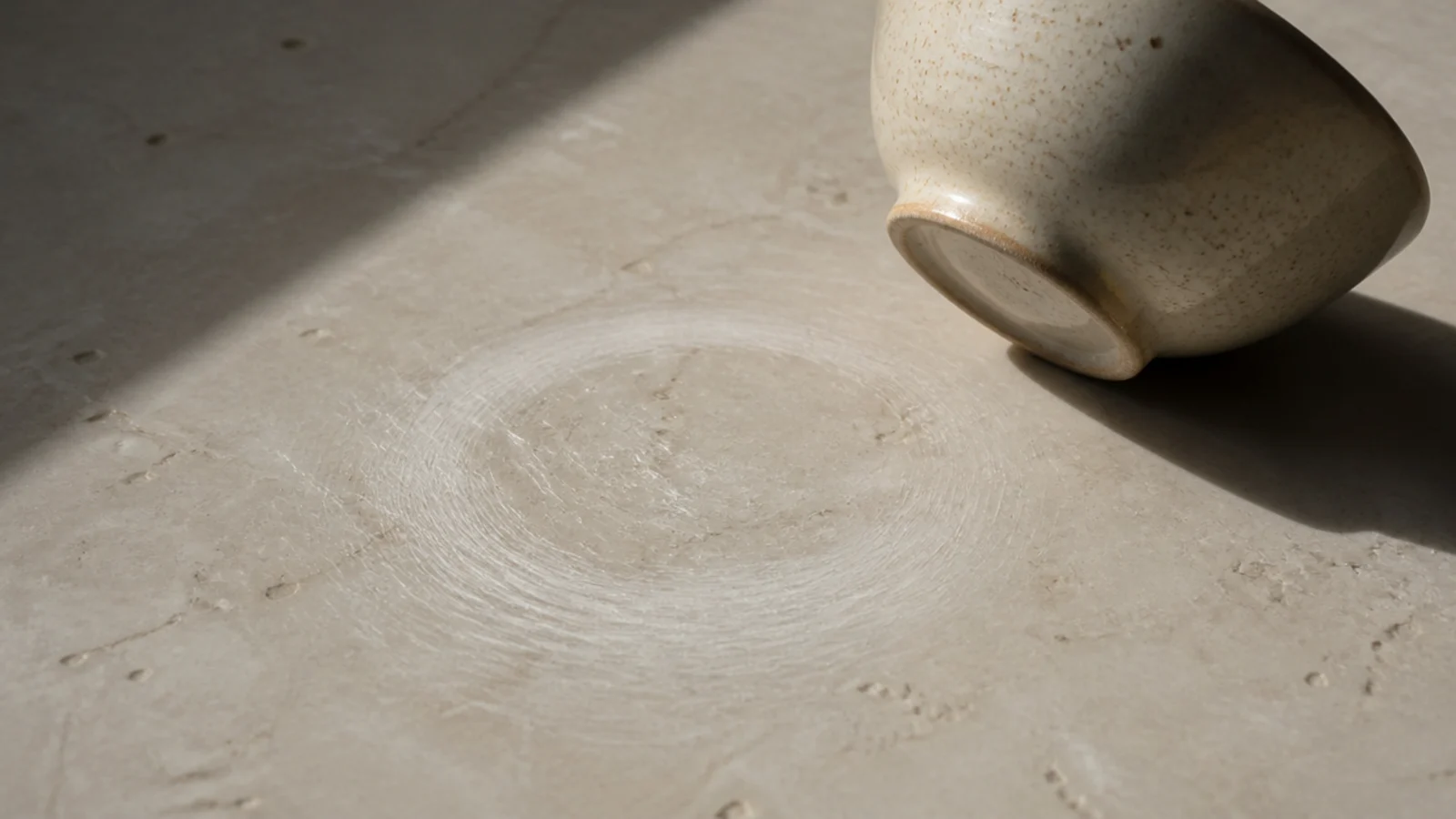
20. Never felt-padding anything I put on stone
Unglazed ceramic feet carry grit, and turning a bowl repeatedly on polished stone cuts a visible ring. A sheet of a hundred felt dots costs about $6 and takes ten minutes. I now do it before anything is set down on a new surface. The marble care guide has the rest of the routine.
What I'd Do Differently Now
I would measure the seat before falling for the table, every single time. Three of the twenty above trace back to one skipped measurement, and a tape measure and thirty seconds would have caught all of them in the shop.
I would also buy fewer, larger things. Almost every crowded surface I have styled was fixed by removing five small objects and adding one big bowl. The same is true of trays, vases and books — the undersized version is what makes a table read as cluttered, not the number of items alone.
And I would stop treating hidden storage as free. Trunks, lift-tops and anything with a lid all cost you the surface above them, so the storage only works for things you need a few times a season. Open shelves and shallow drawers are what actually get used on a weeknight.
The two decisions I would repeat without hesitation are sealing the stone and buying a frame whose top can be swapped. I have changed tops twice on the same steel base — glass first, then travertine — and it has cost me a third of what three tables would have. If you want the shape guide that goes with that thinking, the glass table write-up has the specification I would order today.
Frequently asked questions
What is the most common center table decorating mistake?
Height. A vase or lamp over about eight inches sits exactly in the eyeline between two people on opposite seats, which undoes the whole reason the furniture is arranged around the table. I made this mistake in three rooms before I understood why they felt unsociable.
Do you regret buying a glass center table?
In a flat with a toddler, yes. Glass shows every fingerprint within an hour and reads cold underfoot in winter, and I cleaned it daily rather than weekly. In an adult household with a good rug underneath it, glass is still one of the best choices for a small room.
Is unsealed marble really that risky?
A single glass of red wine left overnight on unsealed honed marble left a shadow that a forty-eight hour poultice only partly lifted. Sealer costs about twenty dollars and takes fifteen minutes to apply, and it needs redoing every six to twelve months in a room in daily use.
What would you buy instead of a storage trunk?
A table with a lower shelf and one shallow drawer. Everything on a trunk lid has to be lifted off before the lid opens, so the storage stops being used within a month. A shelf you can reach without moving anything gets used every single day.
What is the one thing worth spending money on?
The top surface, because it is the part you touch and look at constantly. A solid timber or properly sealed stone top outlives three cheap tables, and a good frame can carry a new top later. I have replaced tops twice and kept the same base underneath.
Want more like this? Browse all 15 center table living room guides — they all use the same measurements and budget tiers.
Pin it for later
Save this to your Center Table Living Room board
Pin it now so it is waiting for you when the tape measure comes out — and so the next person hunting for this idea can find it too.
Save this pinKeep going
More ideas worth saving while you have the tape measure out.