Rugs In Living Room · Listicle
20 Coastal Rugs Living Room Ideas That Feel Airy

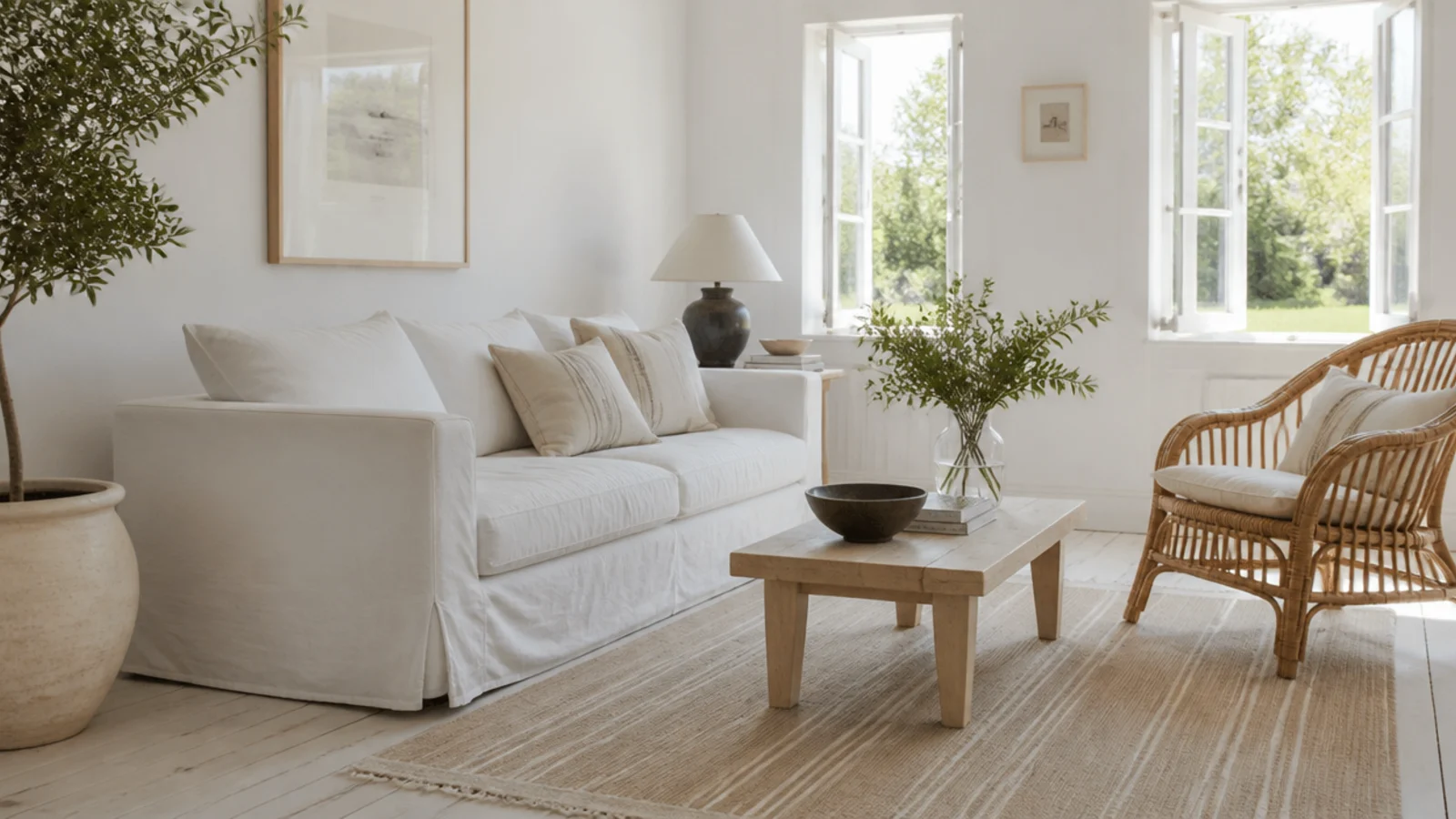
Coastal rugs living room schemes usually get sold on colour and then fail on physics. Sand works down into a deep pile and cuts the fibres from below. A piece-dyed rug in a south-facing room loses half its depth in two summers. Jute looks perfect until somebody sets a glass on the floor. I have furnished a rented cottage fifty metres from a beach and learned all three the expensive way. Here are twenty ideas that stay light and airy and survive the conditions that come with the view.
In this guide22 sections — tap to openHide
- 1.What coastal rugs living room schemes need to survive
- 2.Keep the pile under a quarter inch so sand shakes out
- 3.A flatweave you can carry outside and shake
- 4.Indoor-outdoor polypropylene that hoses down
- 5.Solution-dyed fibre for a south-facing room
- 6.Jute for warmth, kept well away from drinks
- 7.Sisal on the route in from the door
- 8.A wool and jute blend as the sensible compromise
- 9.Faded indigo rather than flat navy
- 10.Sea-glass green in a very small dose
- 11.Sand and ivory stripes in a wide room
- 12.A round natural fibre rug under a rattan chair
- 13.Braided cotton for a cottage-scale room
- 14.Layer a small flatweave over a large sisal
- 15.Leave viscose out of a house near water
- 16.Choose the pad for damp air, not just for grip
- 17.Put a washable runner where feet come in
- 18.Scale the pattern up in a very bright room
- 19.Leave a wide margin of pale floor showing
- 20.Shake weekly, wash yearly, rotate twice
- 21.Store rugs raised off the floor over winter
- 22.Mistakes to Skip
What coastal rugs living room schemes need to survive
Three things do the damage: sand, ultraviolet light and water. Sand is abrasive, so keep the pile under a quarter inch and the grains stay on the surface where a weekly shake removes them. Anything deeper and they migrate to the foundation, where every footstep grinds them against the fibres.
Ultraviolet light is why fibre choice matters more here than in a shaded room. Solution-dyed polypropylene has its colour mixed into the polymer before the fibre is extruded, so it holds its shade for years and cleans with diluted bleach. Piece-dyed and printed rugs visibly fade across two summers in a bright room. Rotate whatever you buy 180 degrees every six months so any fading happens evenly instead of as a line down the middle.
Water is the one that catches people. Jute and sisal look exactly right in a coastal room and both stain permanently from plain water — a spilled glass leaves a brown ring that does not lift. Put them in a dry corner and put something washable where drinks live. Viscose is worse still and has no place in a house near water at all.
Then buy the pad. A quarter-inch felt and natural rubber pad grips a rug on a pale board floor, and an unpadded rug that slides in a house full of bare feet is a real trip hazard. For quieter tonal versions of the same look, see the neutral rug setups; for the prices behind each fibre, the budget rug guide has the bands.
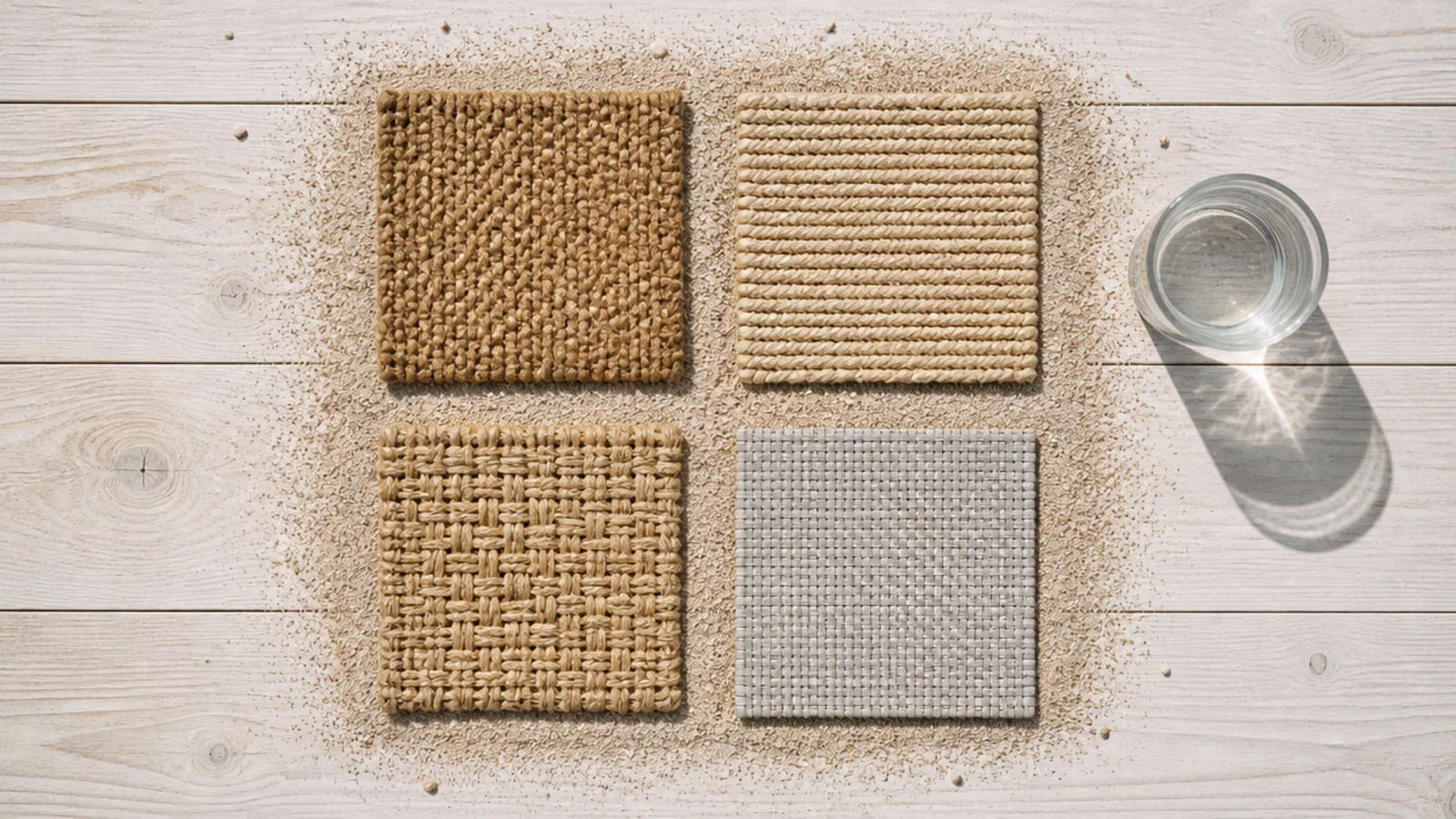
1. Keep the pile under a quarter inch so sand shakes out
This is the single most useful specification in a coastal room. On a flatweave at around 1/8 inch, sand sits on top and a shake outdoors removes almost all of it. On a half-inch pile it sinks, stays and abrades. Low pile also handles bare wet feet better, because it dries in an hour rather than a day.
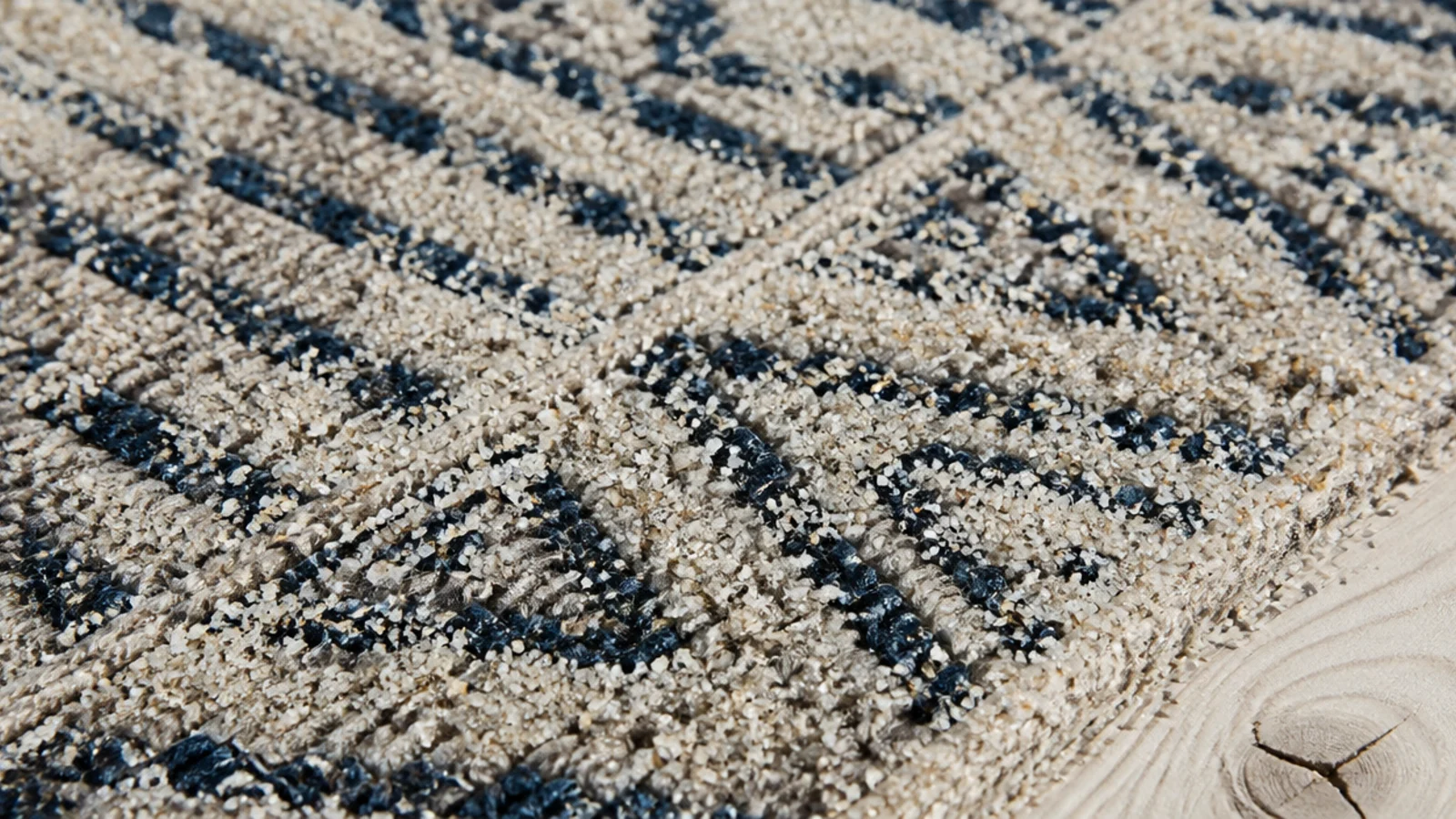
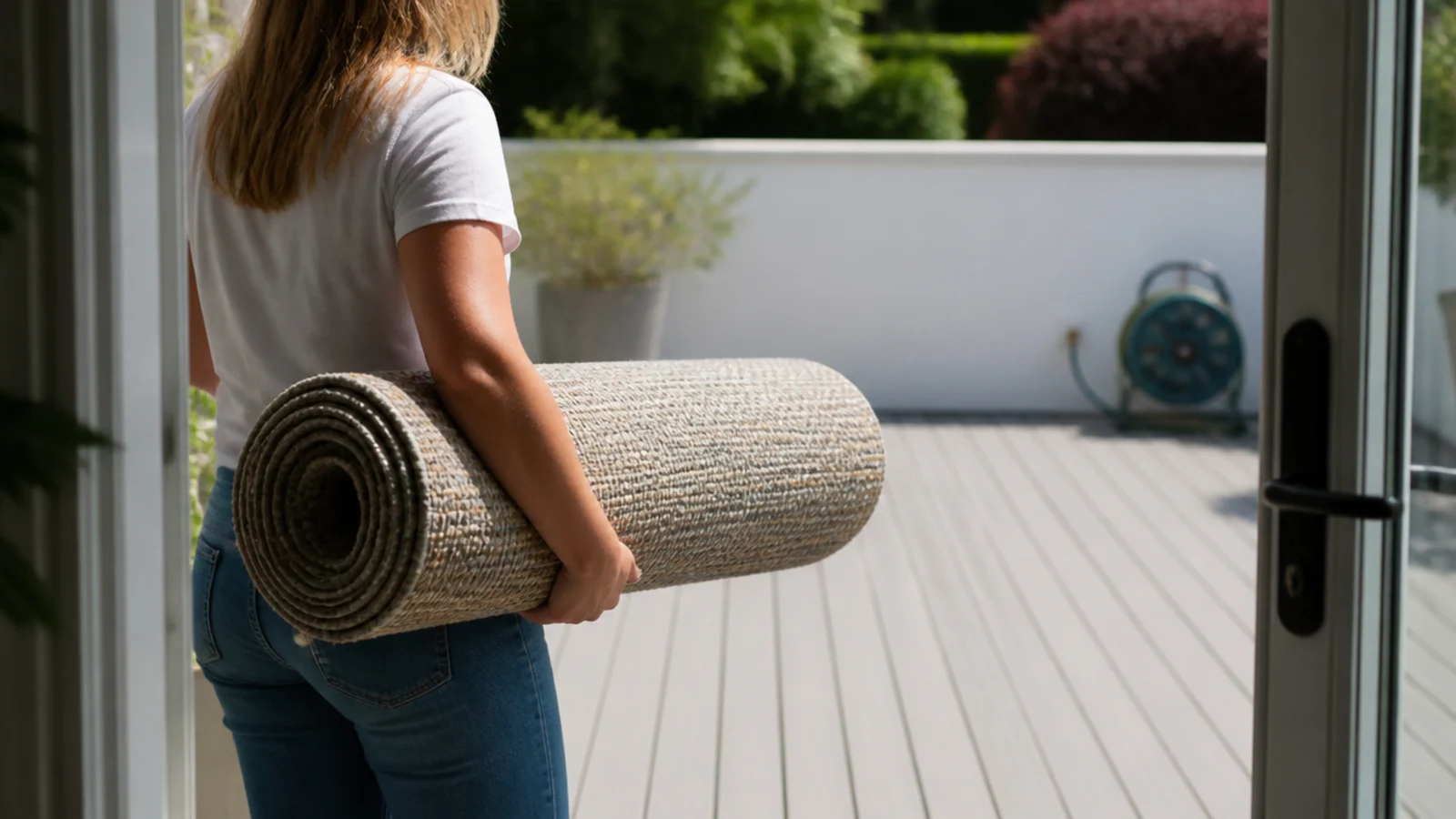
2. A flatweave you can carry outside and shake
Weight matters more than people expect. A cotton or wool flatweave at 5x8 weighs roughly 12 to 18 pounds and one person can carry it outdoors. An 8x10 wool pile rug is 40 pounds and above and will simply never get shaken. Buy the size you will actually maintain, or split the floor into two smaller rugs.
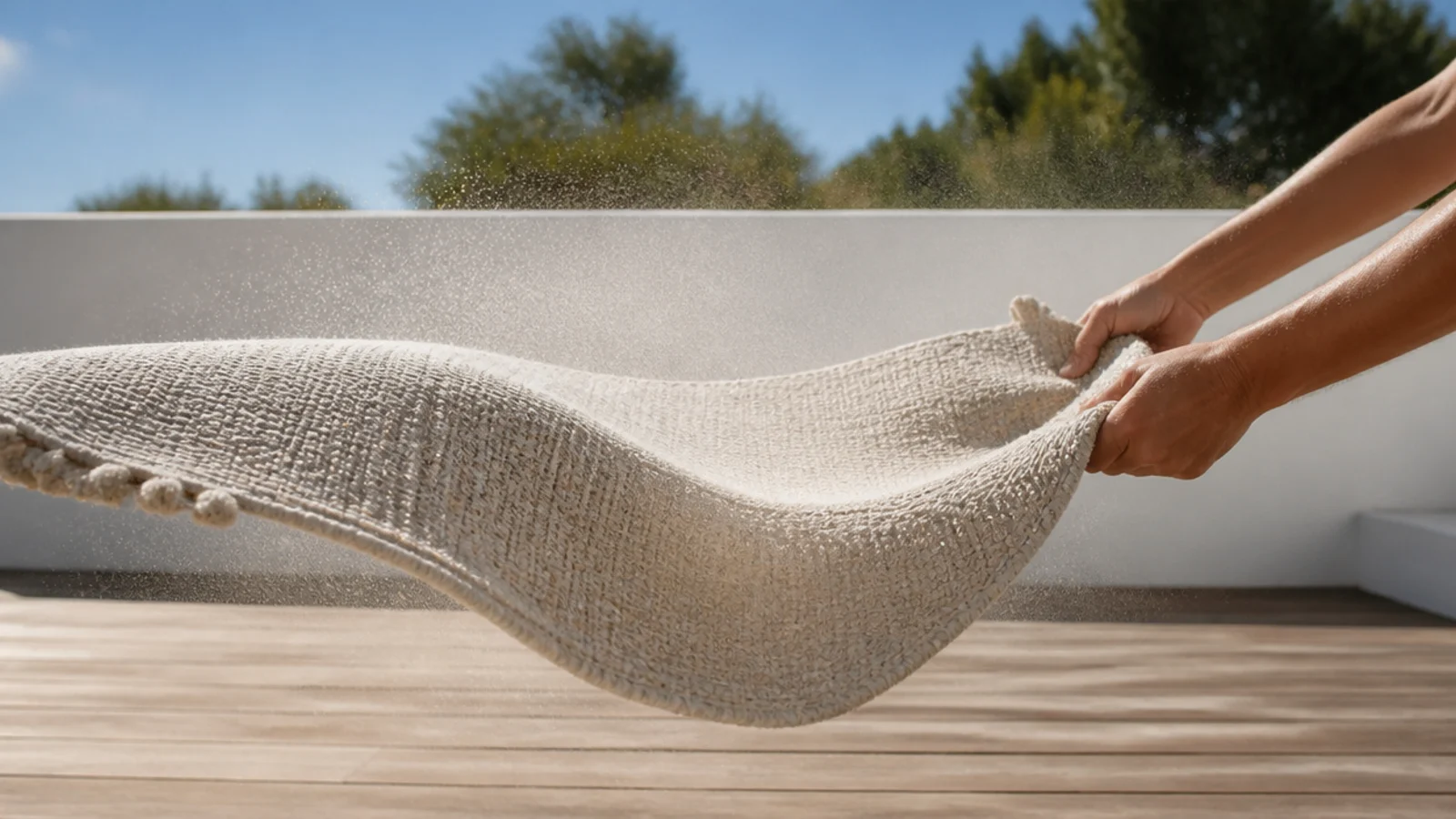
3. Indoor-outdoor polypropylene that hoses down
Flat-woven polypropylene rated for outdoor use can be taken onto a terrace, hosed, scrubbed with diluted bleach and dried flat in an afternoon. An 8x10 runs $120 to $280. It is harder underfoot than wool, so put a quarter-inch felt and rubber pad beneath it and most of that difference disappears.
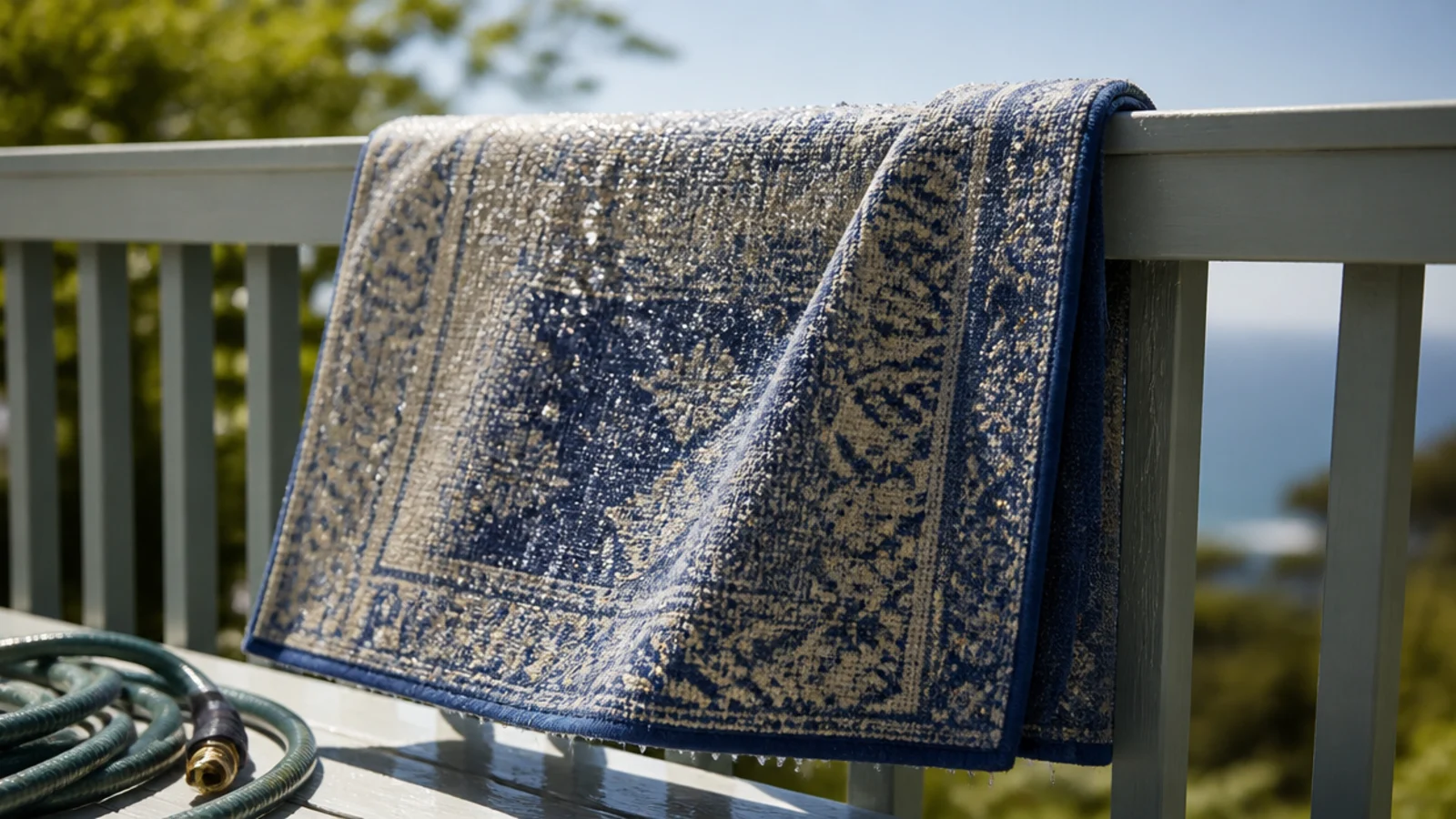
4. Solution-dyed fibre for a south-facing room
Ask specifically whether a synthetic is solution-dyed rather than piece-dyed. Solution-dyed means pigment in the polymer, which resists both sunlight and bleach. It is the difference between a rug that looks the same in five years and one that looks tired by its second August. Good sellers state it; vague sellers do not.
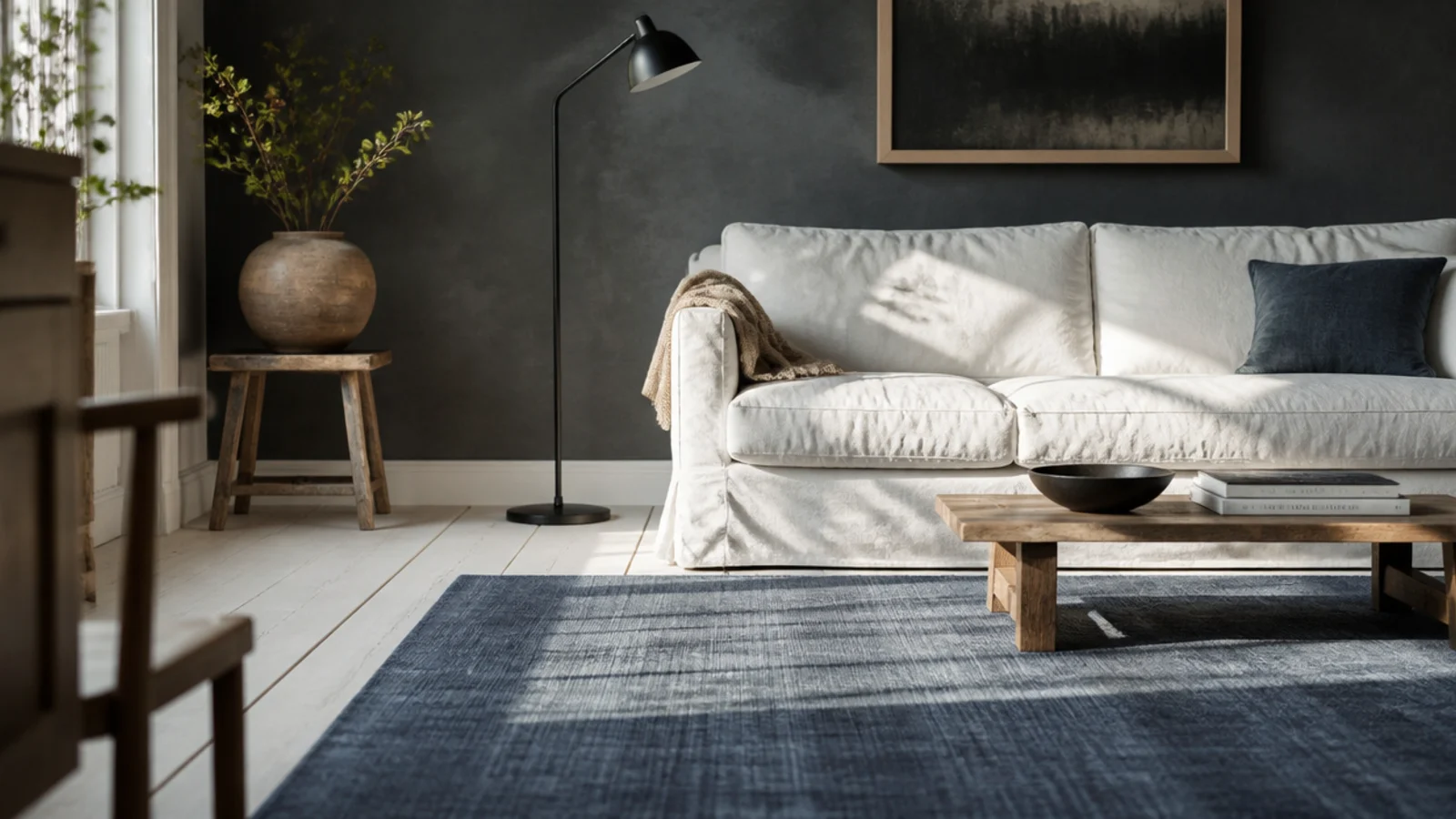
5. Jute for warmth, kept well away from drinks
Jute at $200 to $450 for an 8x10 gives a coastal room the exact texture it wants, and water marks it permanently. Put it under a reading chair or a window seat, not under a coffee table. It also sheds fine fibre for the first few months, so expect the vacuum to fill quickly at the start.
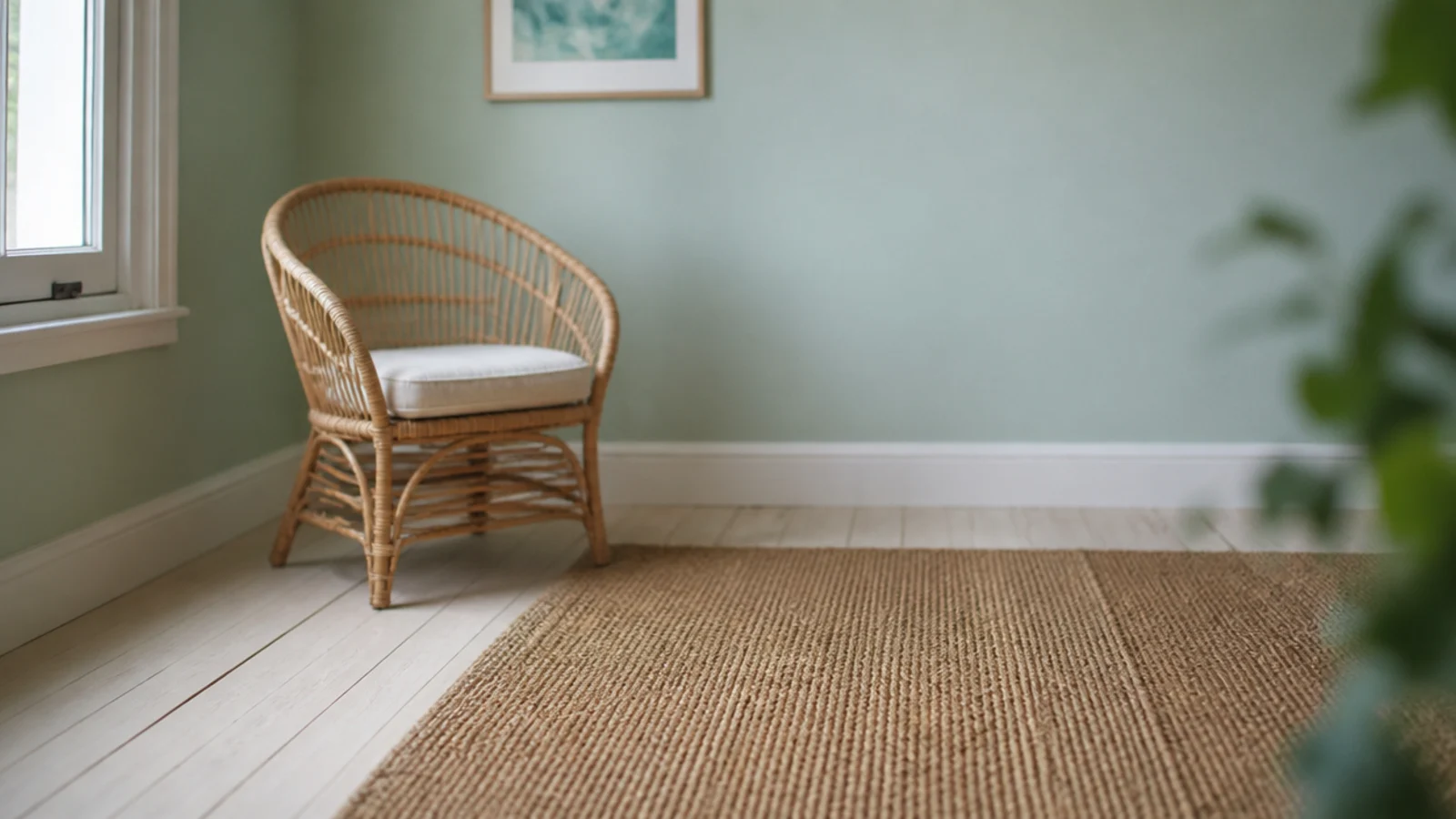
6. Sisal on the route in from the door
Sisal is harder and more abrasive than jute, which is a drawback underfoot and an advantage on the path from the door, where it scrapes sand off feet. It is unforgiving with spills, so keep it to the circulation route rather than the seating group, and vacuum along the weave rather than across it.
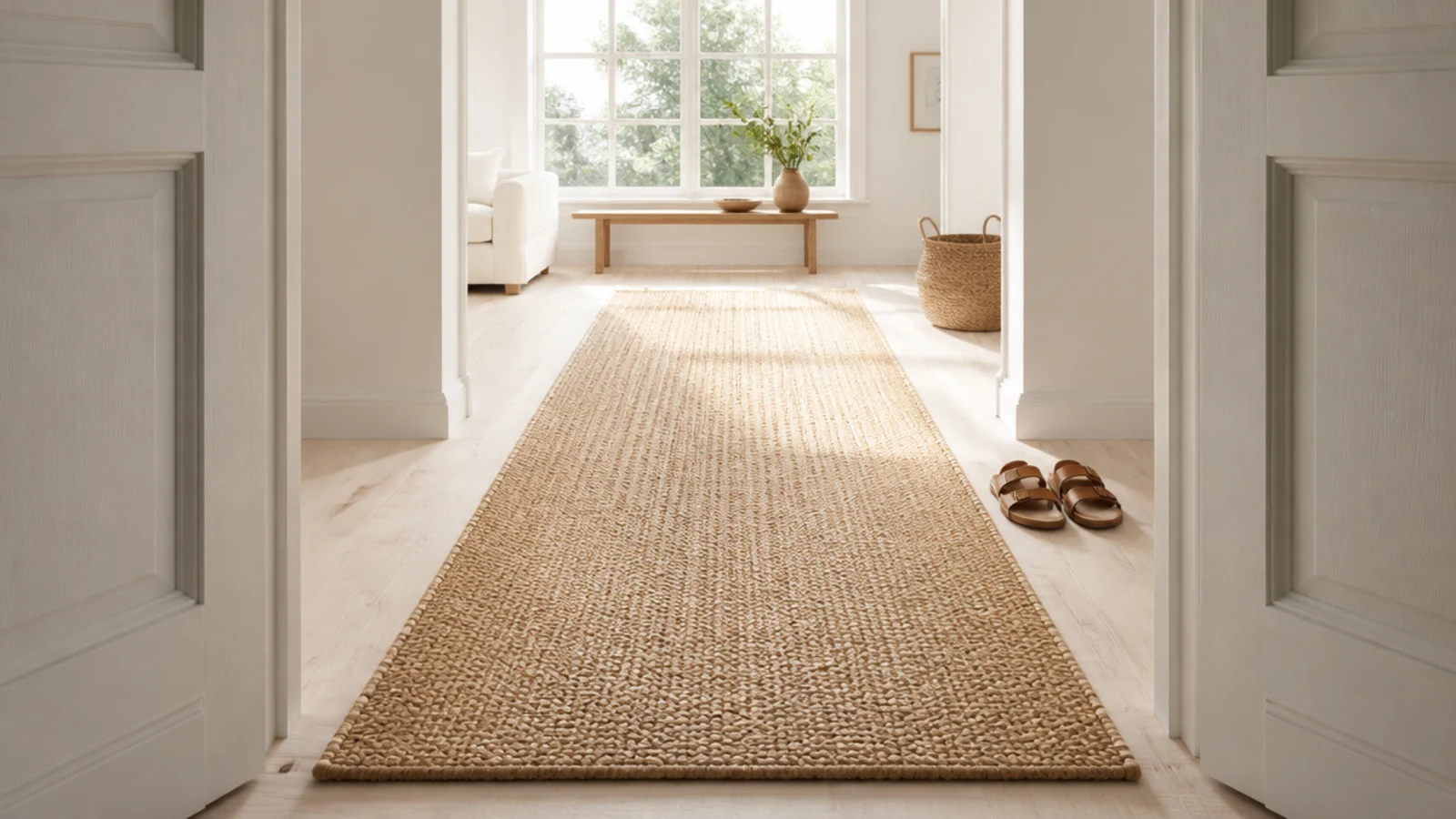
7. A wool and jute blend as the sensible compromise
A blend gives you most of jute's texture with wool's far better behaviour around moisture, and it is noticeably softer to sit on. Expect $350 to $700 for an 8x10. It is the rug I would choose for a coastal room that has to be both photogenic and usable with a glass of wine in it.
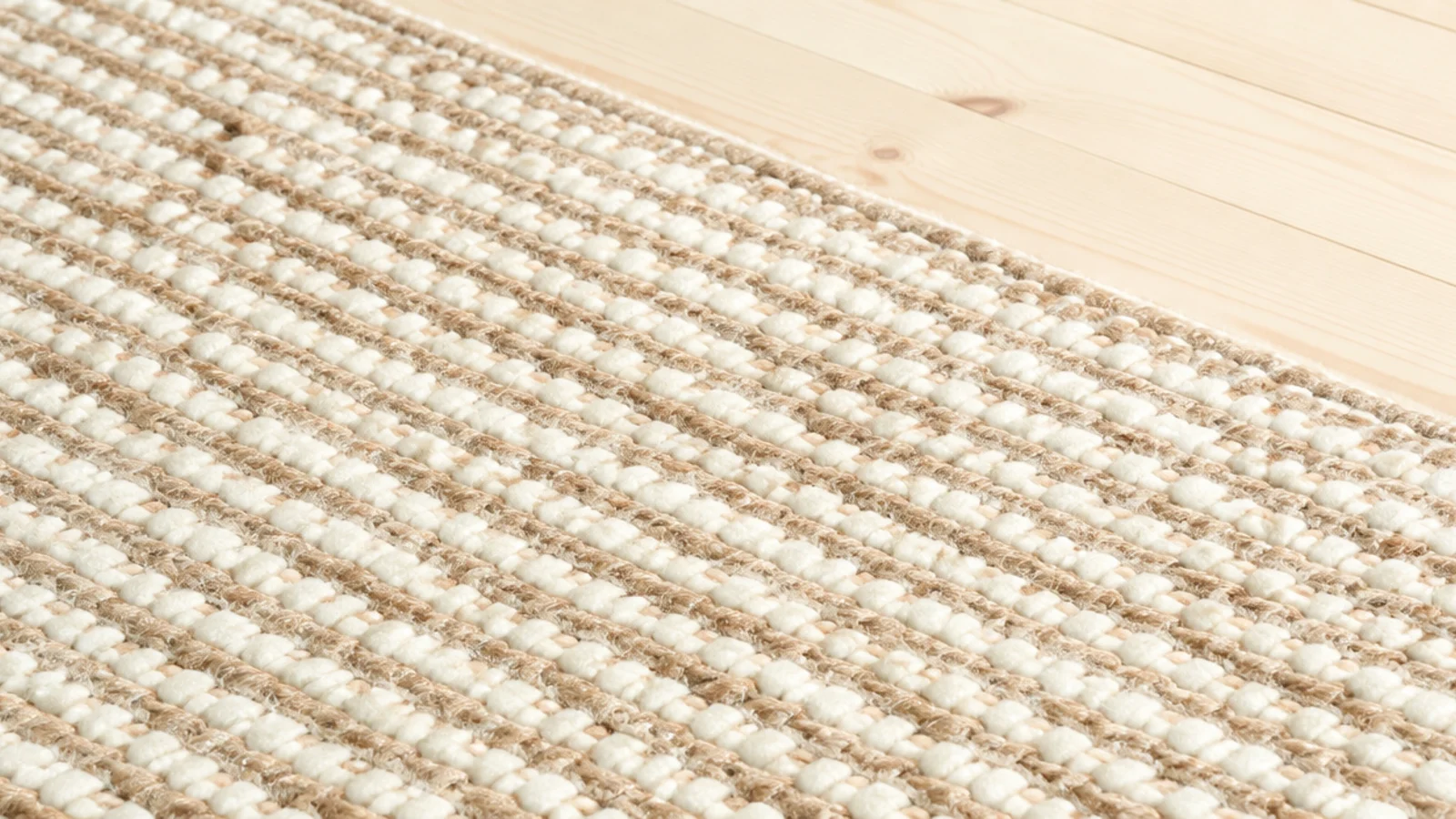
8. Faded indigo rather than flat navy
A washed, uneven indigo looks like a fabric that has lived by water; a flat saturated navy looks like a showroom. Look for abrash — the subtle banding that comes from slightly different dye batches across a weave. In strong daylight that variation is what keeps a dark blue from going heavy.
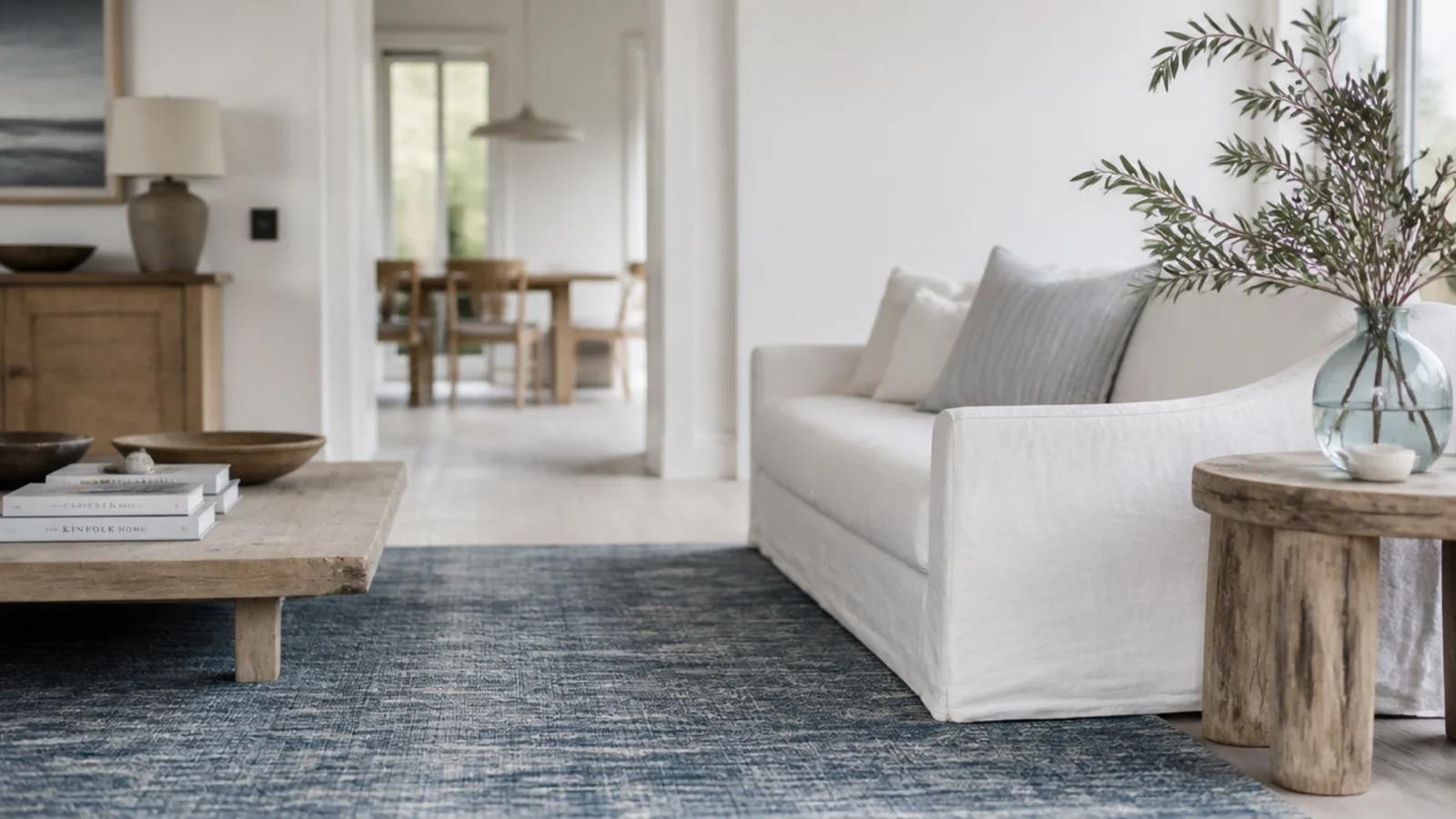
9. Sea-glass green in a very small dose
Green reads coastal at about a tenth of the field and reads themed at half. Keep it to a fine line in a stripe, a border, or a thread through an ivory ground. The restraint is what separates a coastal room from a nautical one, and it costs nothing to apply.
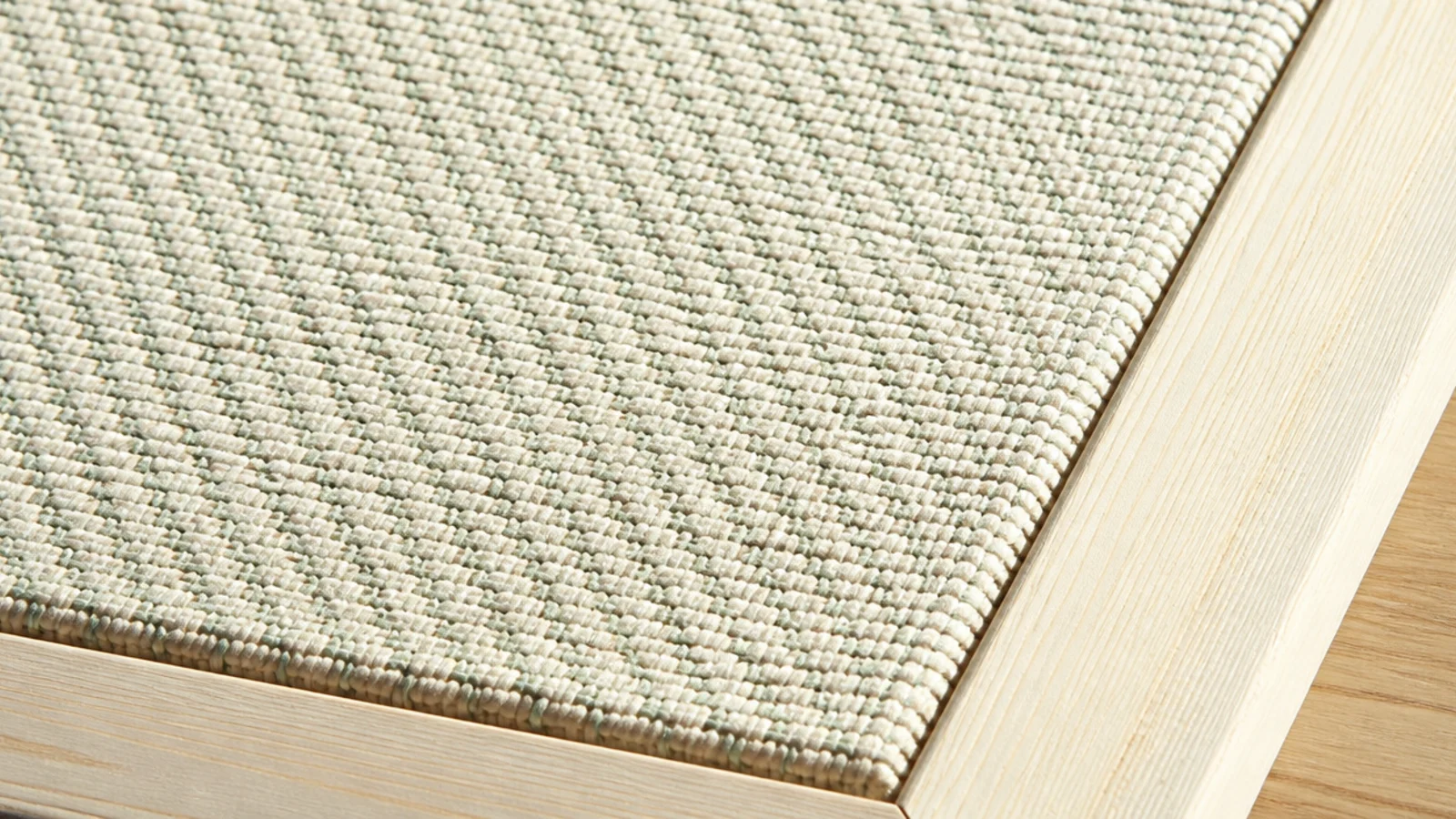
10. Sand and ivory stripes in a wide room
Two tones and one direction is the calmest coastal floor there is. Run the stripes across the short dimension to widen a narrow room, or along the length to stretch it. Keep the two tones within two values of each other so the stripe reads as texture from standing height.
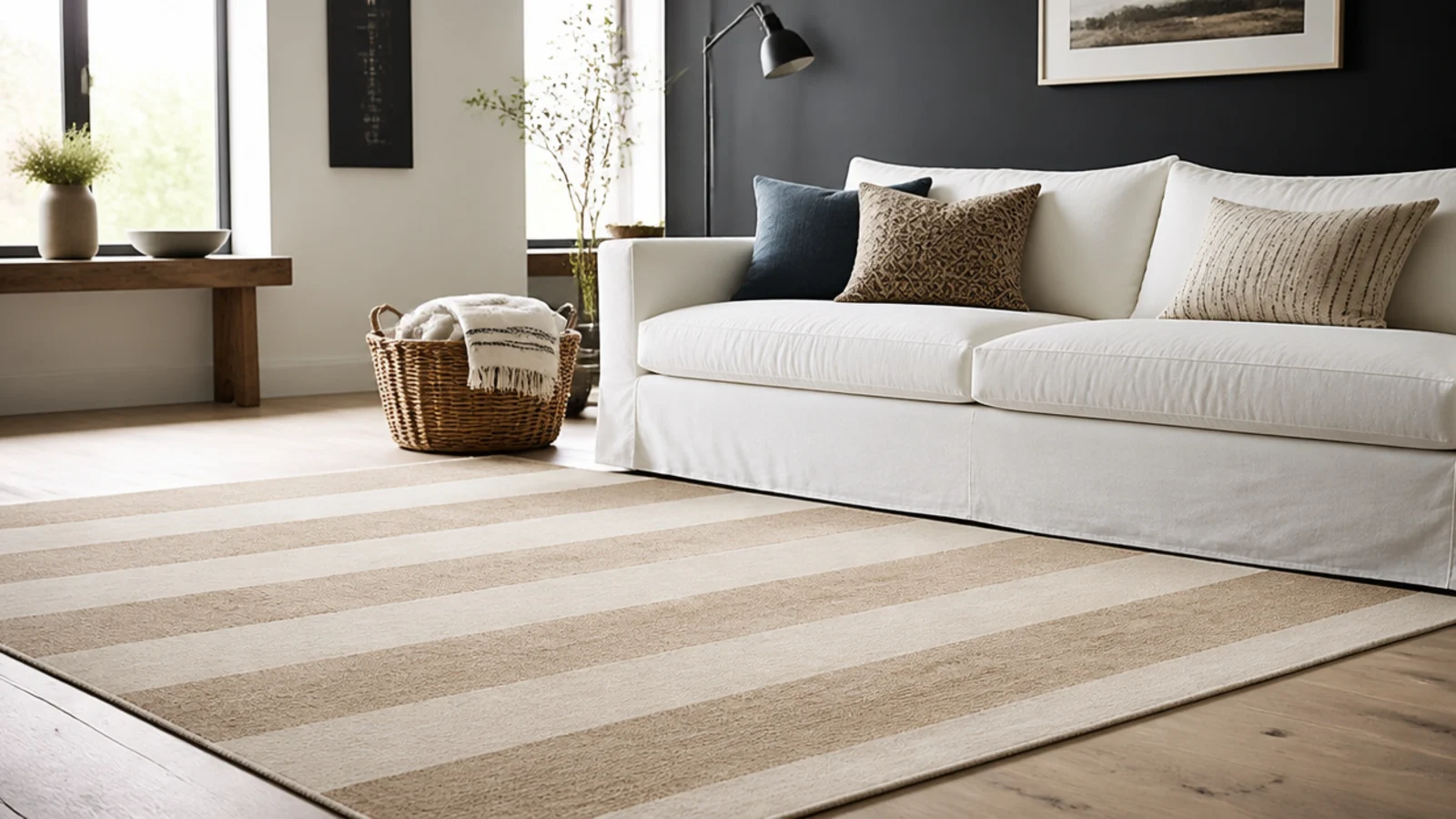
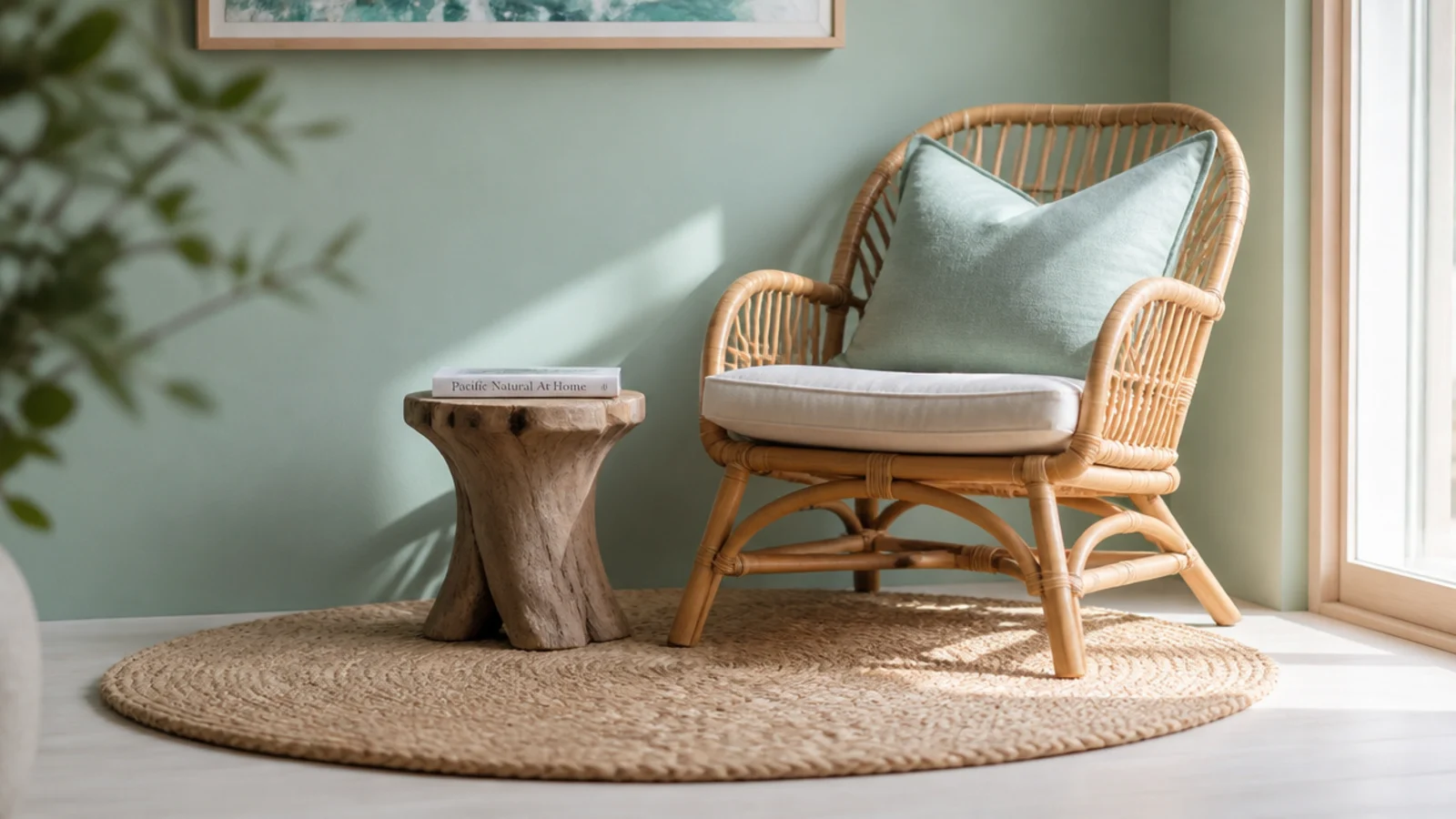
11. A round natural fibre rug under a rattan chair
A 6-foot round suits a single chair and a small table; an 8-foot round handles a full seating nook. Rounds only work where something else in the arrangement is curved, and a rattan chair provides exactly that. Check the reveal at four points rather than four sides when you place it.
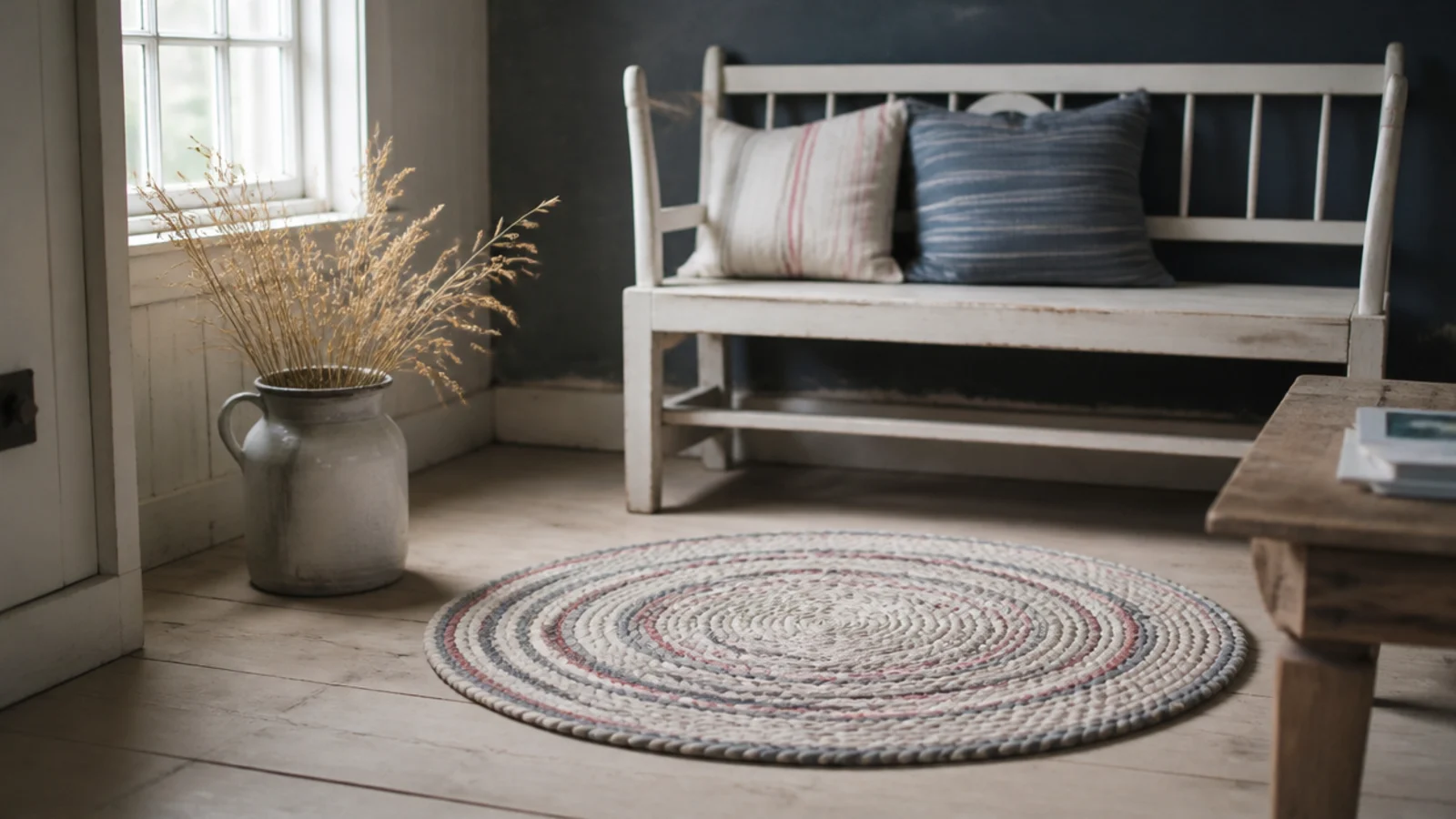
12. Braided cotton for a cottage-scale room
Braided cotton is reversible, washable up to about 5x7 in a domestic machine, and costs $80 to $180. It wrinkles and it needs a pad, and in a small room with painted furniture it looks entirely right. Wash cold, no fabric softener, and dry flat rather than over a rail so it does not stretch.
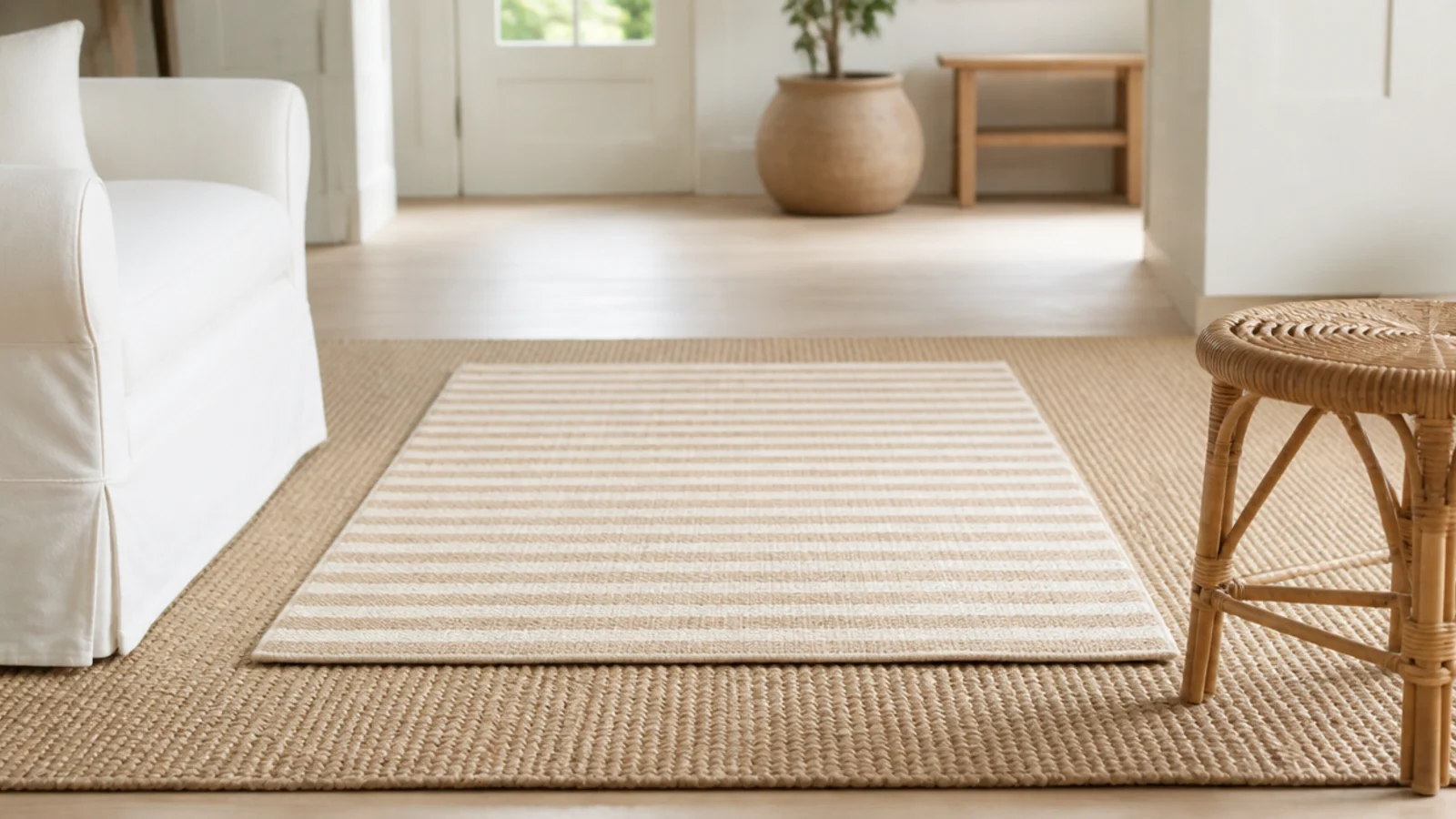
13. Layer a small flatweave over a large sisal
Flat on flat is the coastal layering combination, because it keeps the total build under a quarter inch and still clears every door. Leave 12 to 18 inches of sisal showing on every side, and use grip tape between the two so the top rug does not walk across the base.
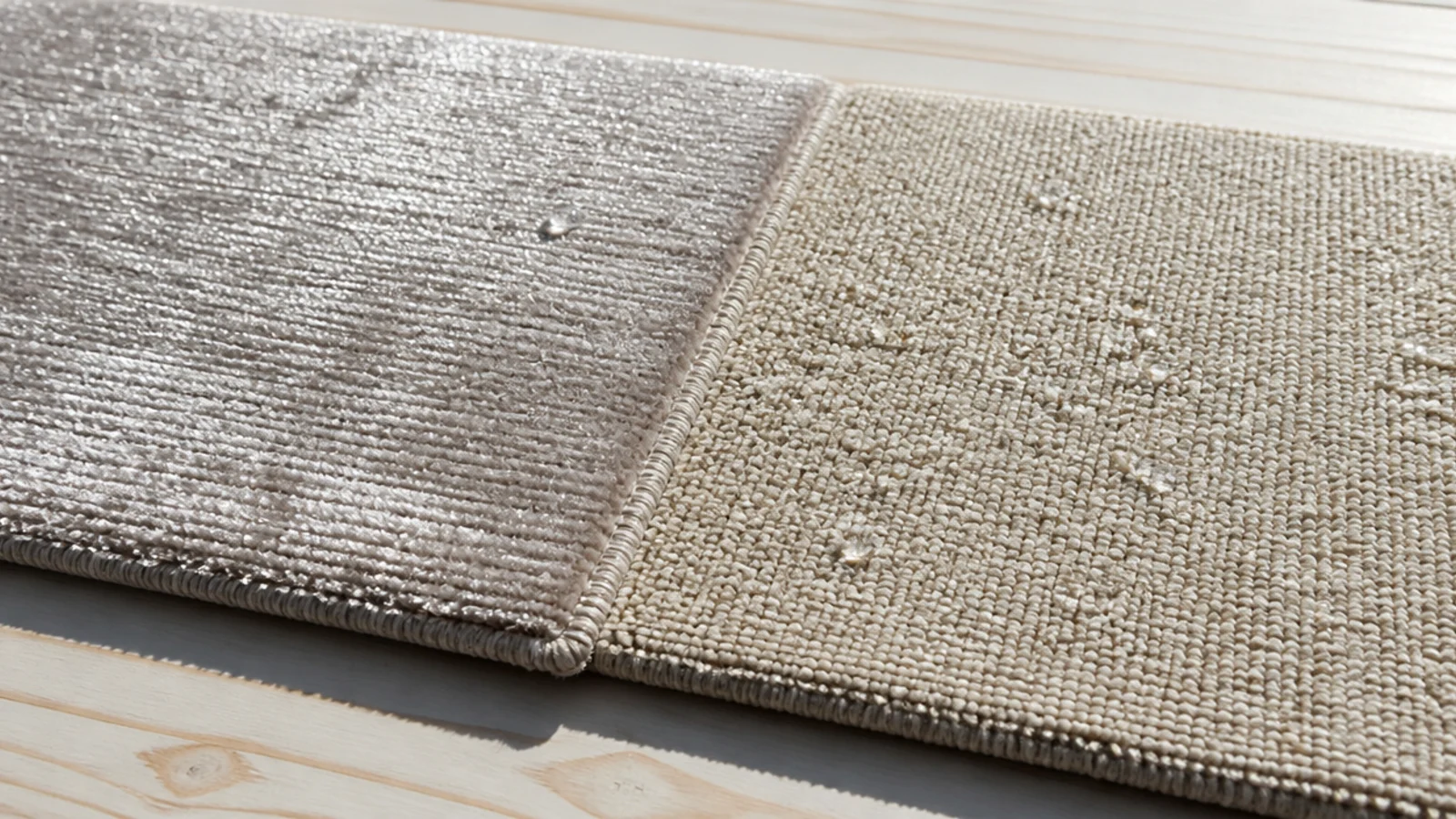
14. Leave viscose out of a house near water
Viscose, rayon and art silk mark permanently from plain water, and in a humid coastal house even ambient damp can dull them. The sheen that makes them attractive in a photograph is the exact property that fails. Read the fibre label on any blend, because viscose is often hidden at 20 or 30 percent.
15. Choose the pad for damp air, not just for grip
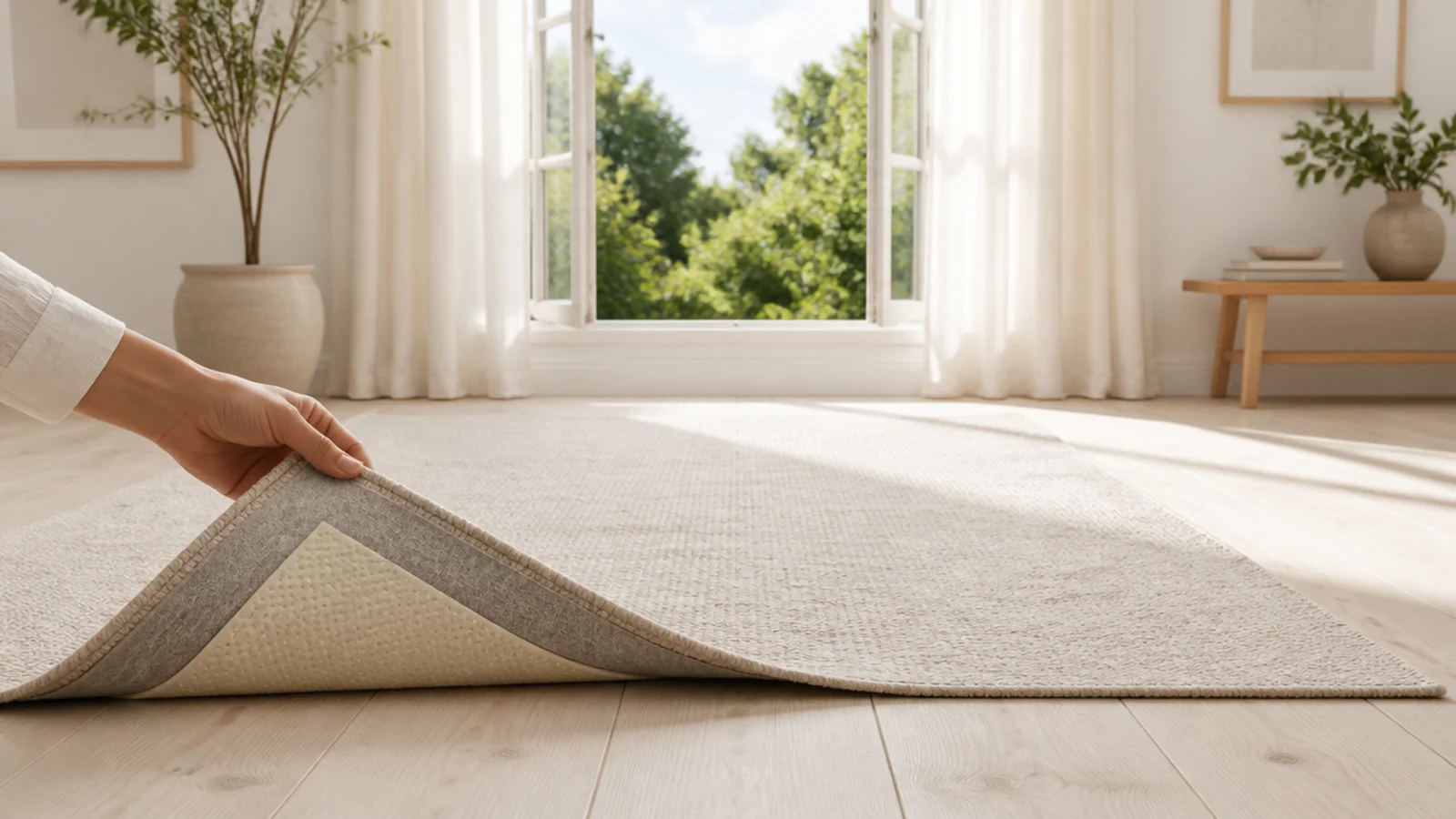
Open needle-punch felt bonded to natural rubber breathes far better than a solid rubber sheet, which matters in a house that gets shut up for weeks. Lift the rug and the pad twice a year and let the boards air for a few hours. Trapped moisture under a solid pad is how mildew starts.
16. Put a washable runner where feet come in
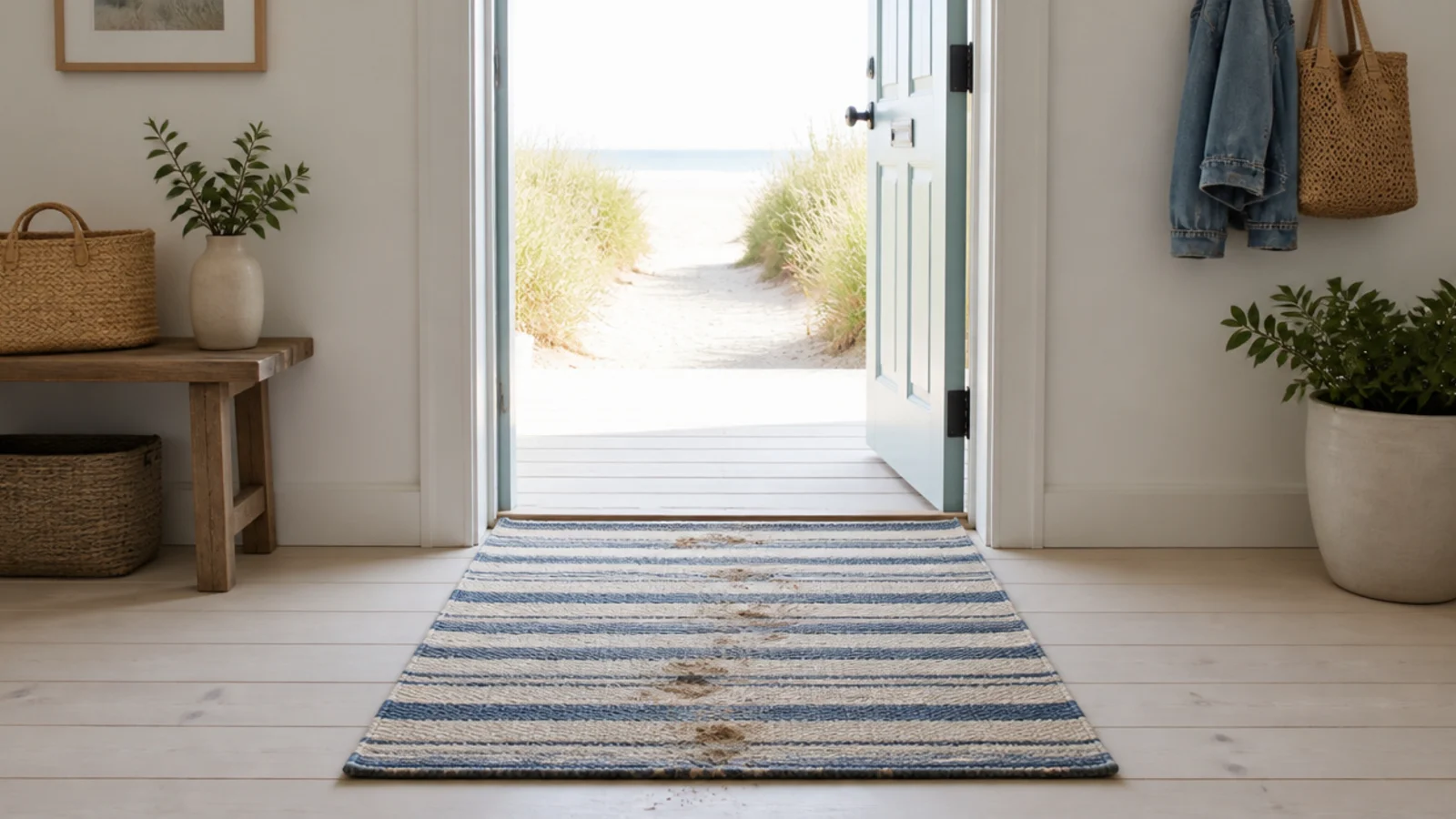
The first six feet inside the door catch most of the sand in the house. A washable cotton runner there, laundered fortnightly in summer, keeps the good rug clean and costs $60 to $140 to replace when it eventually gives up. Pad it, because a runner on a walking route moves more than anything else.
17. Scale the pattern up in a very bright room
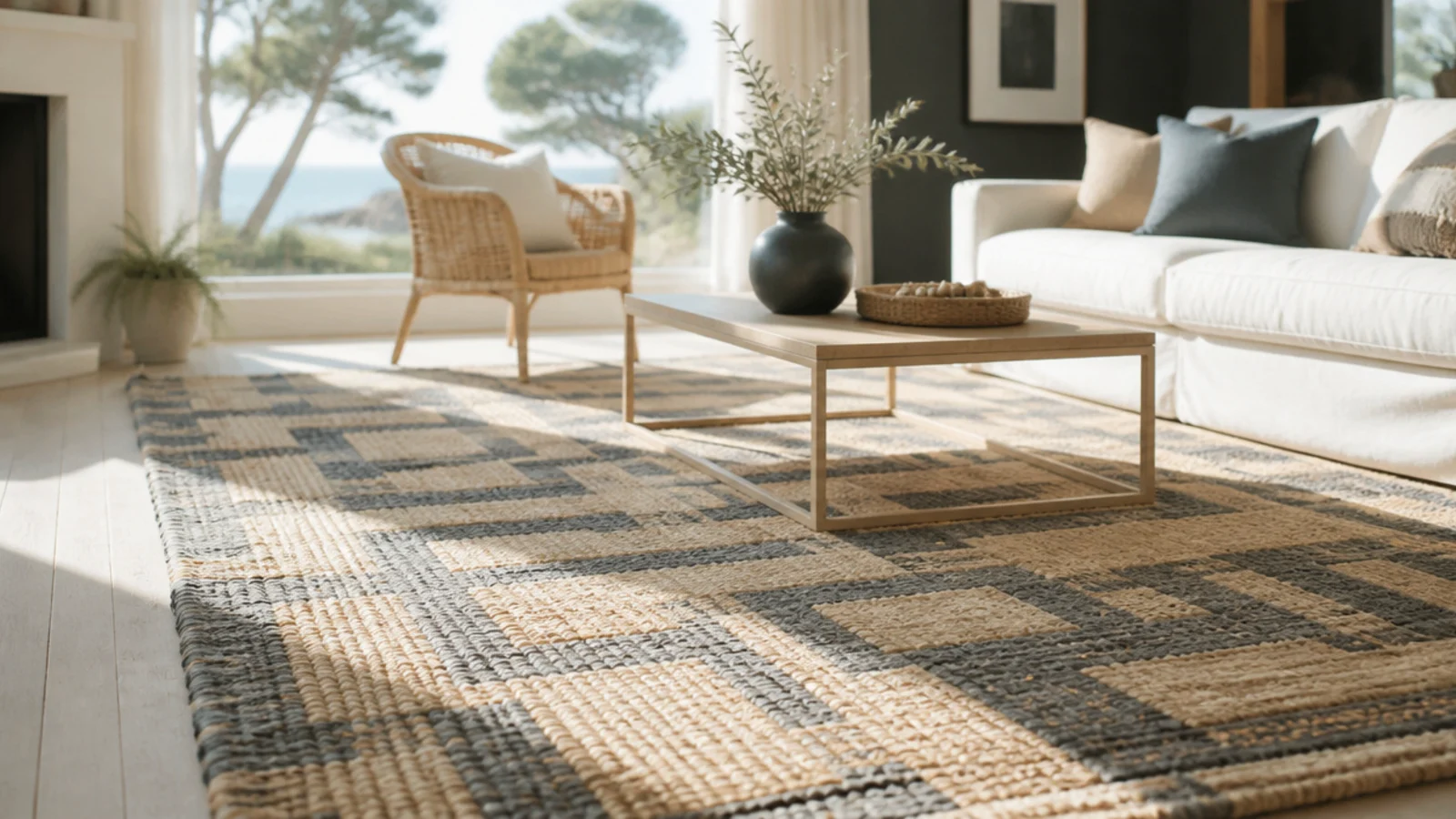
Hard coastal light flattens fine detail, so a delicately drawn pattern disappears into a grey haze by midday. Scale up: broad stripes, large diamonds, generous open fields. A pattern that looks slightly too big on a swatch usually reads correctly across 80 square feet in strong daylight.
18. Leave a wide margin of pale floor showing
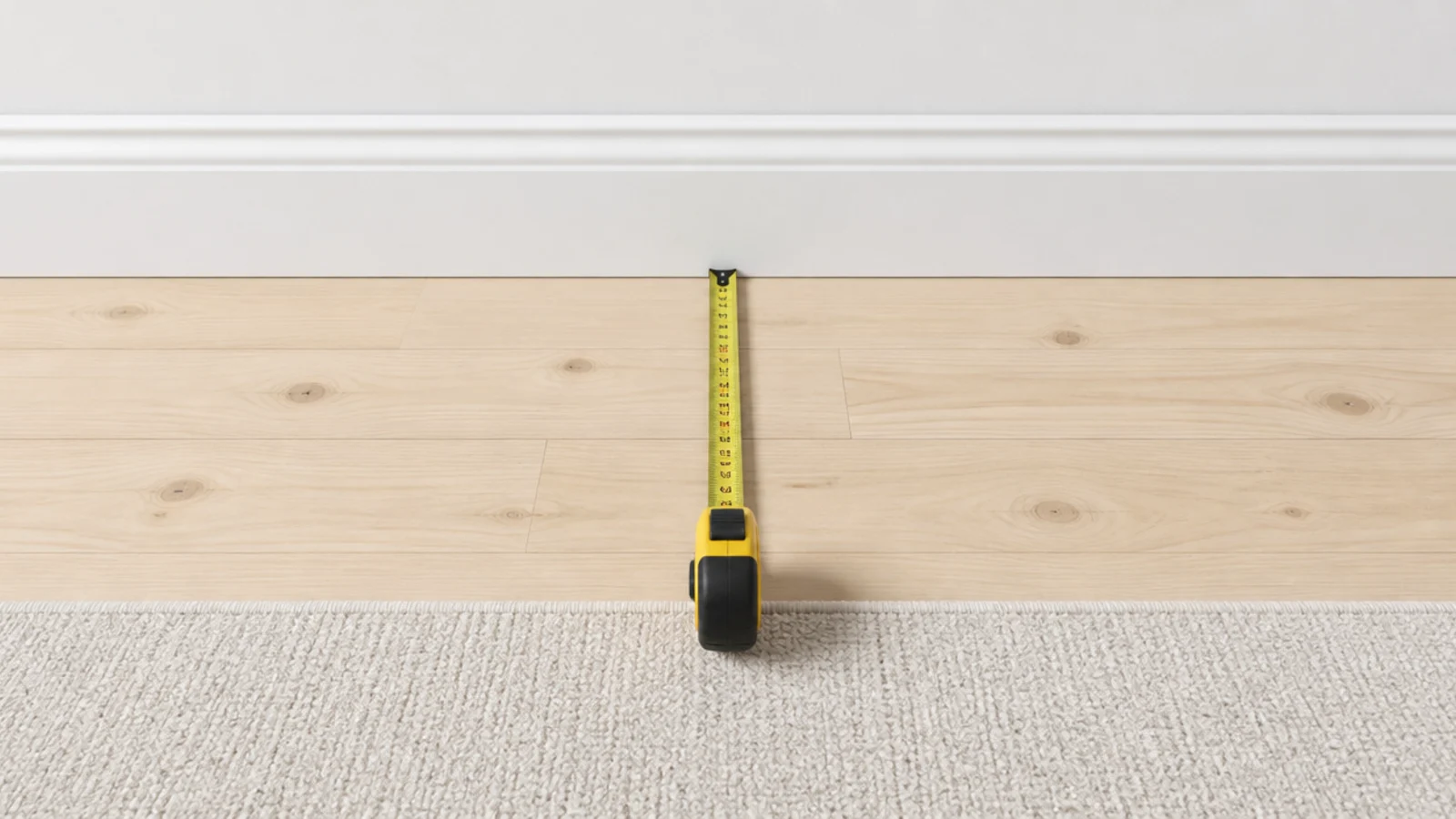
Bleached or whitewashed boards are half the reason a coastal room feels airy, so let them show. Eighteen inches at the perimeter is the target, and in a bright room going to 24 inches often looks better than filling the floor. The pale border also bounces light back up into the room.
19. Shake weekly, wash yearly, rotate twice
Set the cadence at the start of the season. Shake or beat the rug outdoors weekly, vacuum twice a week with suction only, rinse an indoor-outdoor rug properly once a year, and rotate 180 degrees every six months. A coastal rug that is maintained this way lasts roughly twice as long as one that is not.
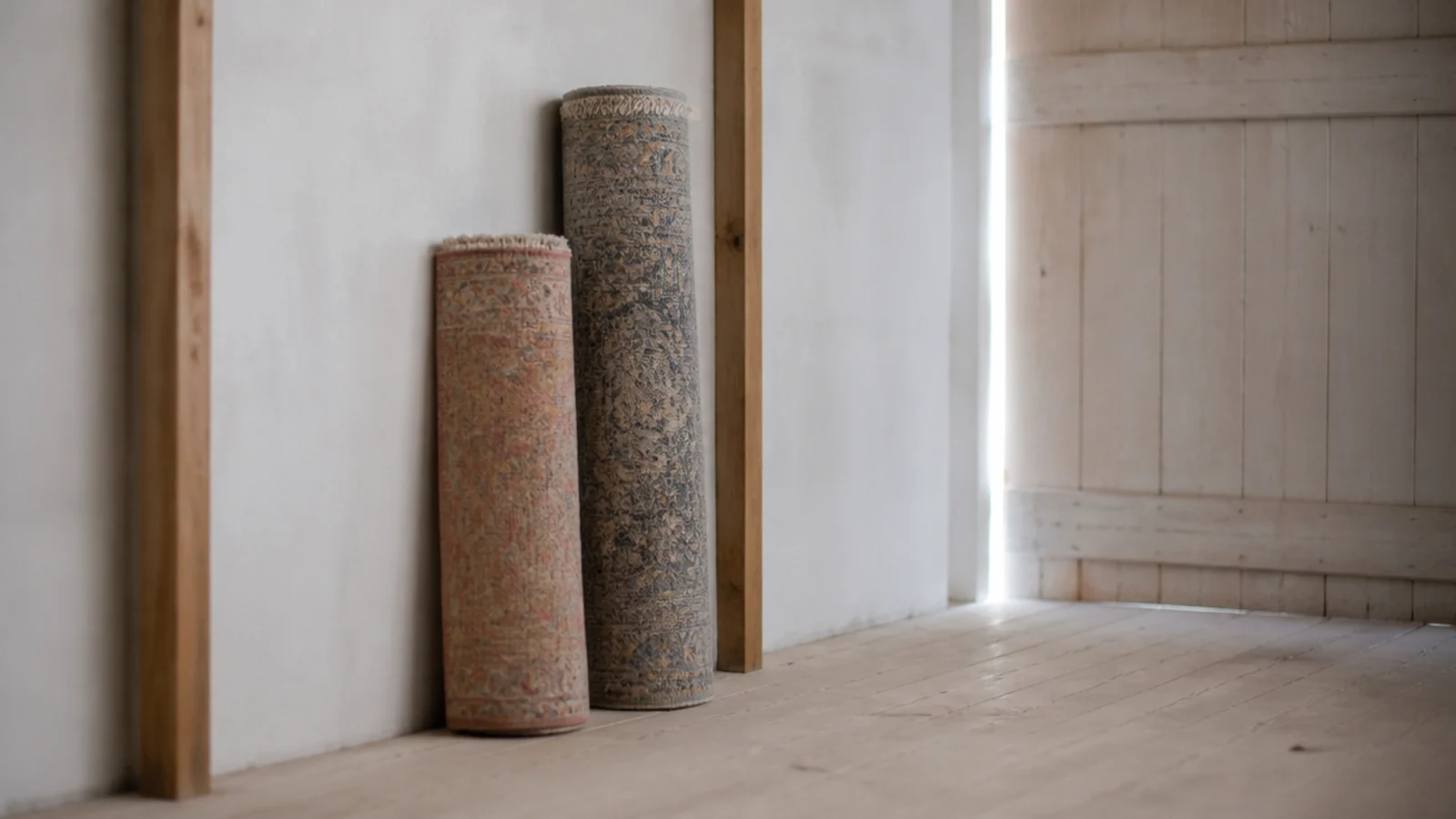
20. Store rugs raised off the floor over winter
In a house that stands empty, roll rugs loosely with the pile facing out, stand them upright on timber battens rather than laying them flat, and leave the room ventilated. Rolled tight and left on a cold floor, a wool rug can pick up mildew over one damp winter and never fully recover.
For the boards under all of it, the wooden flooring texture guide covers grain and bleached finishes, and if the room opens onto outdoor space, the apartment balcony ideas carry the same materials outside.
Mistakes to Skip
- Putting jute or sisal under the coffee table. Plain water leaves a permanent brown ring on both, and in a room where people sit on the floor with drinks that is a matter of weeks.
- Buying a deep pile because it looked soft in the shop. Sand works down to the backing and grinds the fibres from below, and no amount of vacuuming gets it back out.
- Choosing a printed rug for a south-facing room. The pattern sits on the fibre tips, and two summers of direct light leaves it looking like a photocopy of itself.
- Rolling rugs tight and storing them flat on a cold floor over winter. That is how mildew gets into wool, and the smell never entirely leaves the fibre afterwards.
Frequently asked questions
What is the best rug fibre for a beach house?
Solution-dyed polypropylene for anywhere sun and sand reach, because the colour is locked into the fibre before extrusion so it resists both UV fading and bleach cleaning. Wool works beautifully in a shaded sitting room. Keep jute and sisal to dry corners, since both stain permanently with water.
How do I stop sand ruining a rug?
Choose a pile under a quarter inch so grains sit on the surface rather than working down to the backing. Shake or beat the rug outdoors weekly and vacuum twice a week with suction only. Sand that reaches the foundation of a pile rug cuts fibres from below every time somebody walks on it.
Will a coastal rug fade in a sunny room?
A piece-dyed or printed rug will noticeably fade within two summers in a south-facing room. Solution-dyed polypropylene holds colour for years in the same position. Whatever you buy, rotate it 180 degrees every six months so any fading happens evenly rather than as a hard line across the middle.
Can I use an outdoor rug indoors?
Yes, and it is one of the most practical choices for a house near water. Indoor-outdoor polypropylene can be taken outside, hosed, scrubbed with diluted bleach and dried flat in an afternoon. It is flatter and less soft than wool, so put a quarter-inch felt and rubber pad underneath for comfort.
Does salt air damage rugs?
Salt is hygroscopic, so it holds moisture in the fibres and can encourage mildew in a closed-up house. Air the room, vacuum weekly, and lift the rug off the floor for a few hours twice a year. If a house sits empty over winter, roll rugs loosely and store them raised off the floor.
Want more like this? Browse all 15 rugs in living room guides — they all use the same measurements and budget tiers.

Pin it for later
Save this to your Rugs In Living Room board
Pin it now so it is waiting for you when the tape measure comes out — and so the next person hunting for this idea can find it too.
Save this pinKeep going
More ideas worth saving while you have the tape measure out.