Study Desk Decor · Listicle
25 Small Study Desk Decor Tricks That Save Space

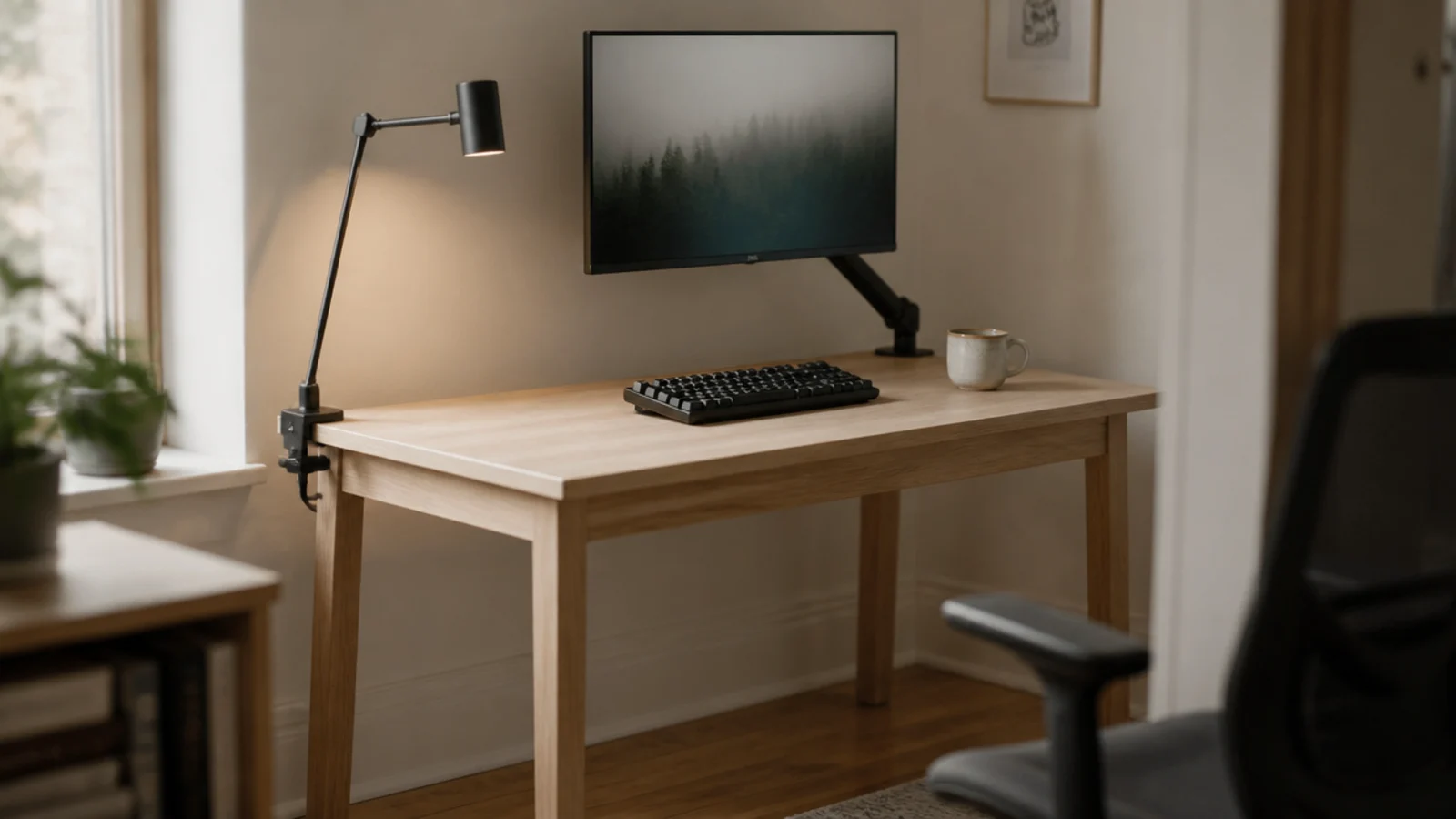
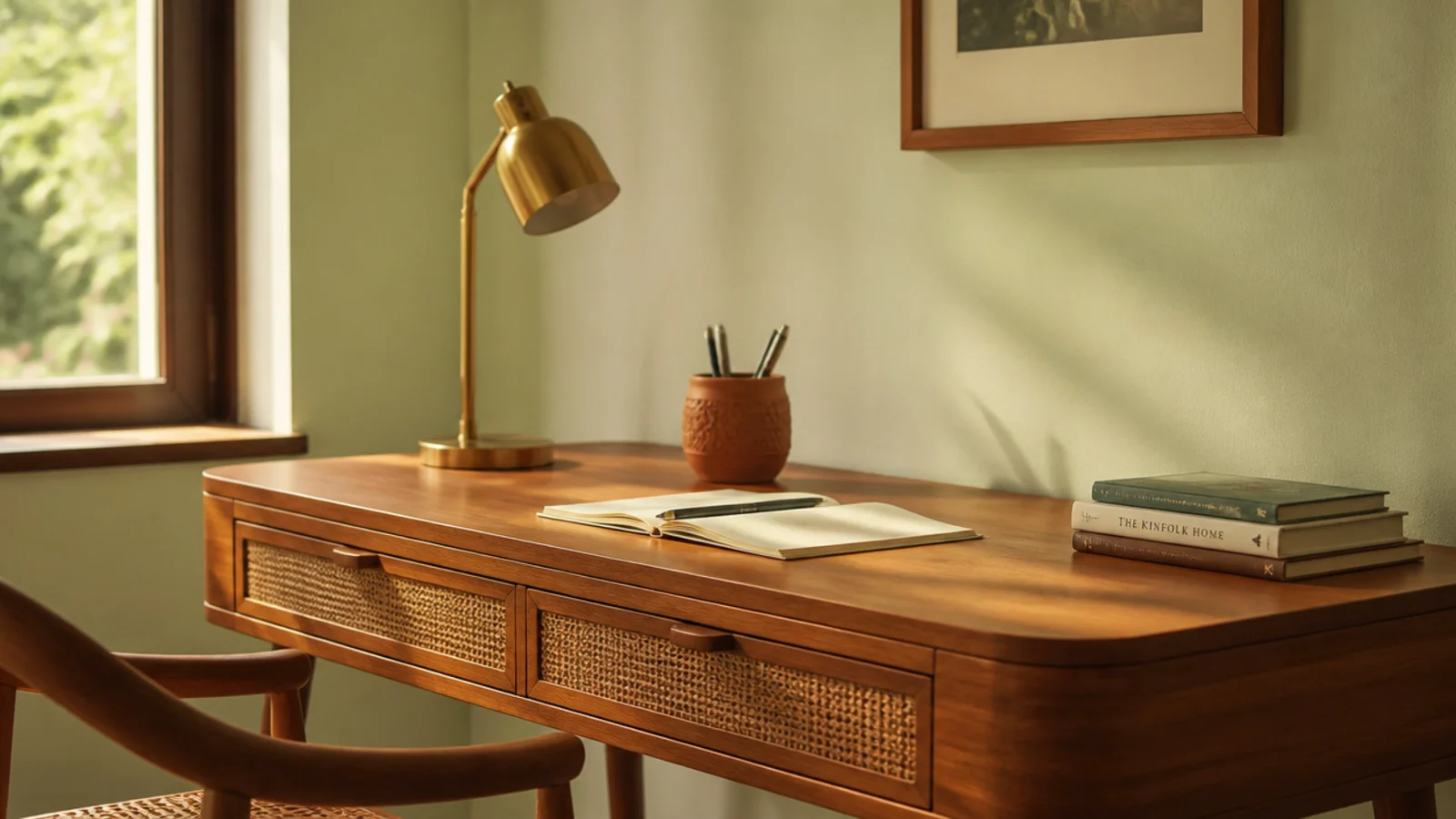
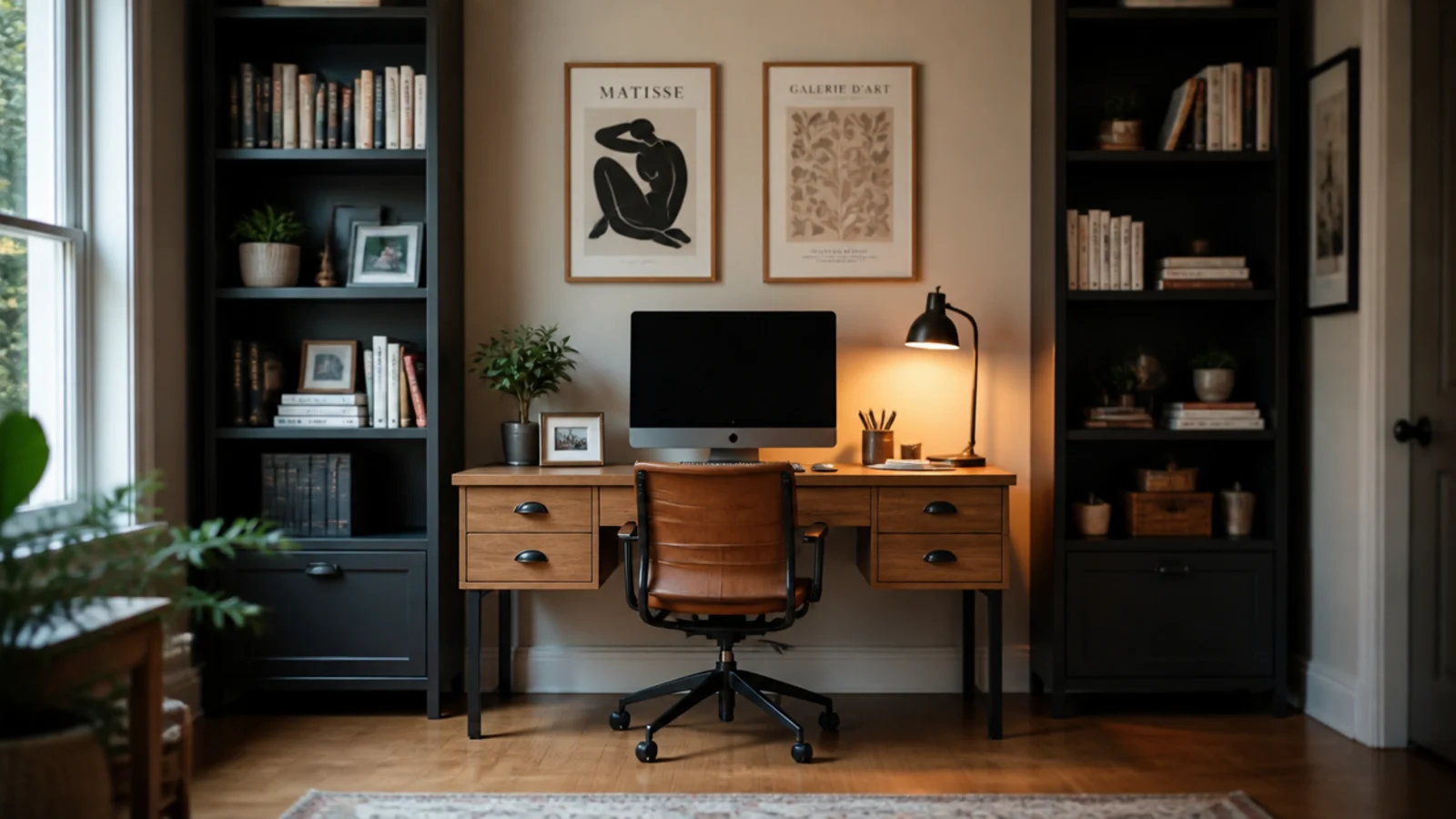
Small study desk decor is really a maths problem. A 36 by 20 inch top gives you 720 square inches, and a monitor on its own stand, a full size keyboard and an open A4 pad will claim about 410 of them before you put down a single mug. Everything below is aimed at that arithmetic — either it hands surface back, or it moves an object off the top entirely. I have worked at desks this size in a box room and on a landing, and the tricks that mattered were never the pretty ones. Twenty-five that genuinely save space.
In this guide27 sections — tap to openHide
- 1.What small study desk decor has to earn its place
- 2.Divide the top into three zones and defend the middle
- 3.Move the screen onto an arm
- 4.If an arm is impossible, choose a slim stand base
- 5.Switch to a tenkeyless keyboard
- 6.Clamp the lamp instead of standing it
- 7.Cap pen storage at one cup under four inches
- 8.Hang the paper tray on the wall
- 9.Turn the back four inches into a ledge
- 10.Stand the laptop vertically in a dock
- 11.Hang the headphones under the front edge
- 12.Fit a drawer three inches deep, no more
- 13.Tray the cables under the back rail
- 14.Fold the footrest away when you stand
- 15.Stack two trays for in and out
- 16.Choose a 24-inch shelf over a 36-inch one
- 17.Keep the plant in a three-inch pot
- 18.Put the clock on the wall, not the desk
- 19.Work from one A5 notebook
- 20.Clear the paper pile weekly
- 21.Roll a cart under fourteen inches wide
- 22.Choose a stool that tucks fully under
- 23.Pick a desk light enough to lift
- 24.Use the windowsill as an extra shelf
- 25.Bundle every cable into one sleeve
- 26.Give every object one home off the desk
- 27.Mistakes to Skip
What small study desk decor has to earn its place
Three rules decide whether a small desk stays usable past a fortnight.
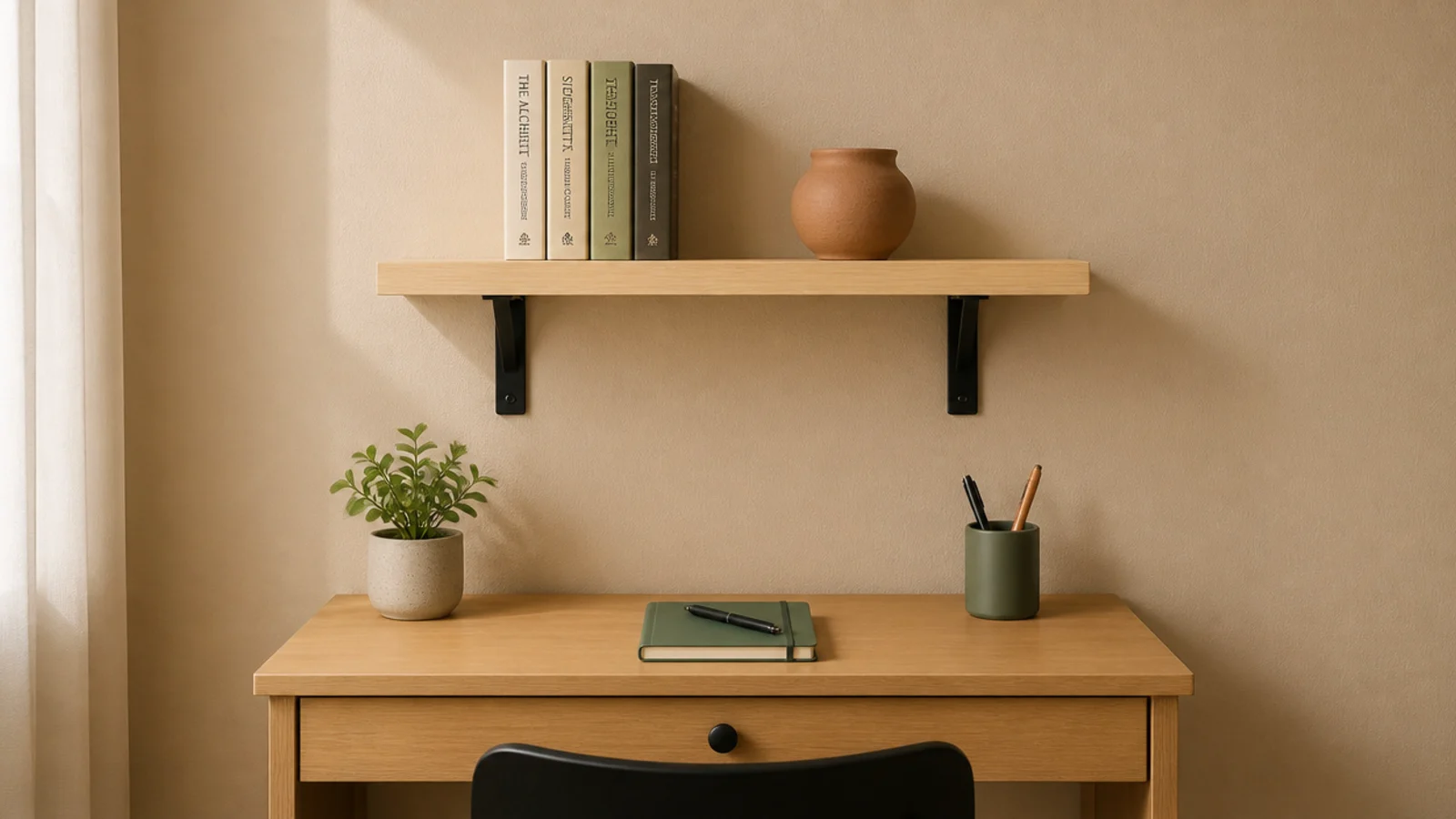
Depth is the scarce dimension, not width. A monitor stand eats 8 or 9 inches front to back, which on a 20 inch top is nearly half of it. A clamped arm removes the stand entirely and lets the panel sit back over the rear edge, so you can finally get the screen to arm length — 20 to 30 inches for a 24 inch monitor.
Storage goes on the wall or under the desk, never on it. A shelf 18 to 24 inches above the surface and 8 to 10 inches deep, a rail, a pegboard, a cart under 14 inches wide. Desktop organisers are storage that costs you the thing you are short of.
Cap the visible objects at three. A lamp, a cup and one tray. Anything without a home lands on the top within a week.
The spend is small: a monitor arm $30 to $120, a clamp lamp $18 to $45, a wall rail $10 to $25, a narrow cart $30 to $60. If the room rather than the desk is the constraint, the creative study desk ideas for small rooms cover layout and clearances.
1. Divide the top into three zones and defend the middle
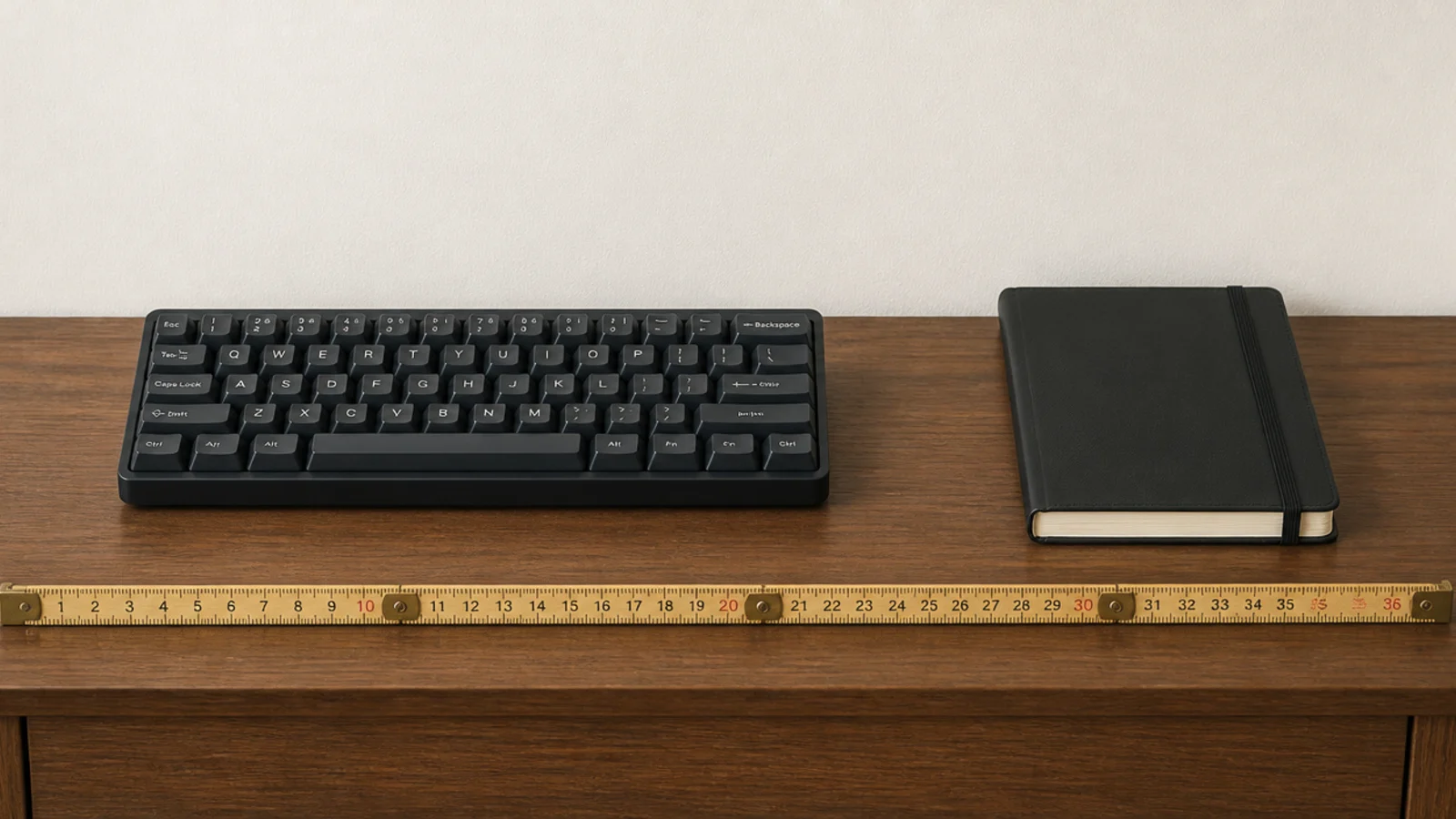
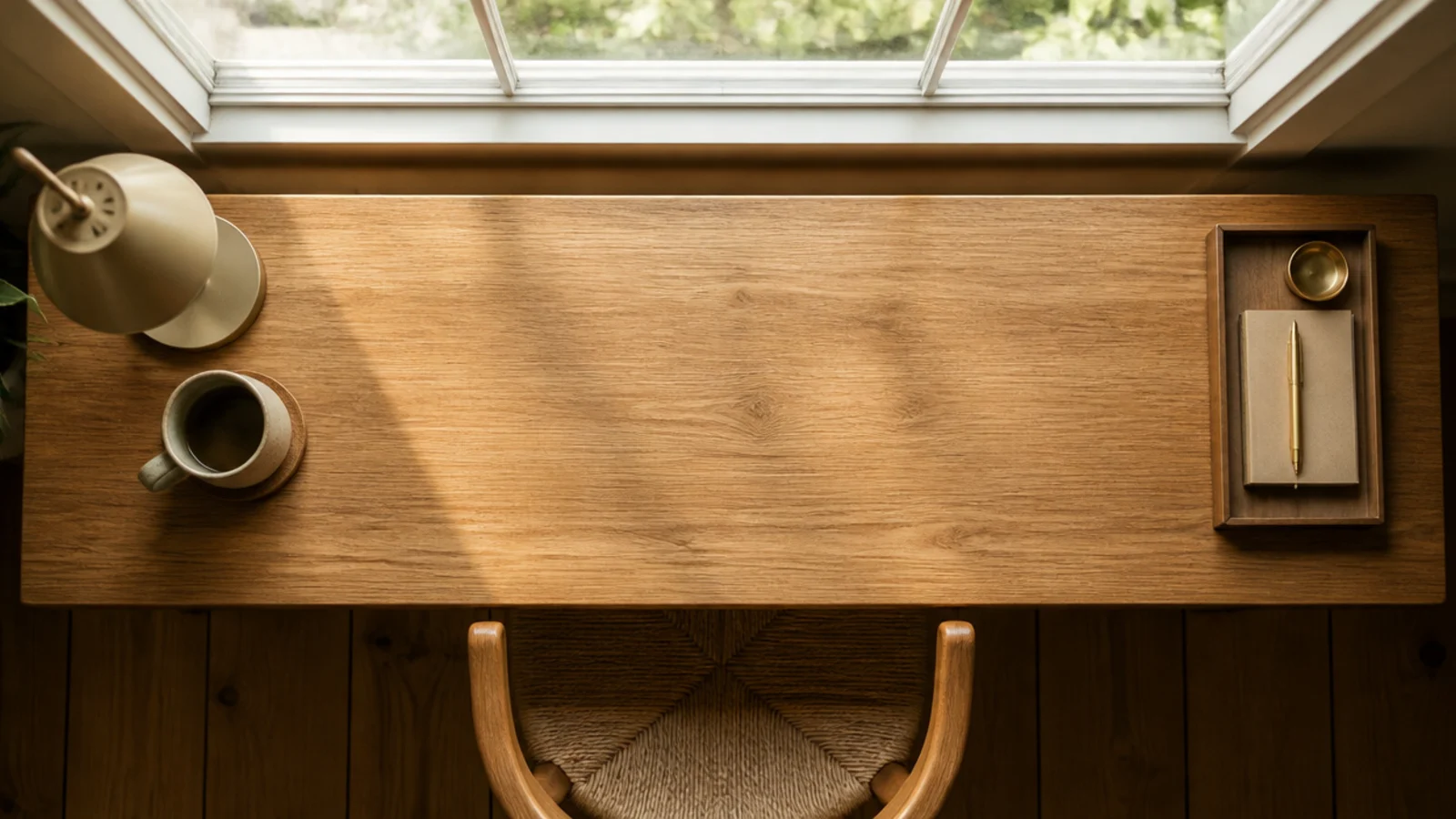
Left third for the lamp and the cup, right third for the tray and the phone, middle third kept clear for whatever you are actually doing. Writing it down as a rule sounds fussy and it is the single reason a small desk stays workable, because clutter always creeps inward from the edges.
2. Move the screen onto an arm
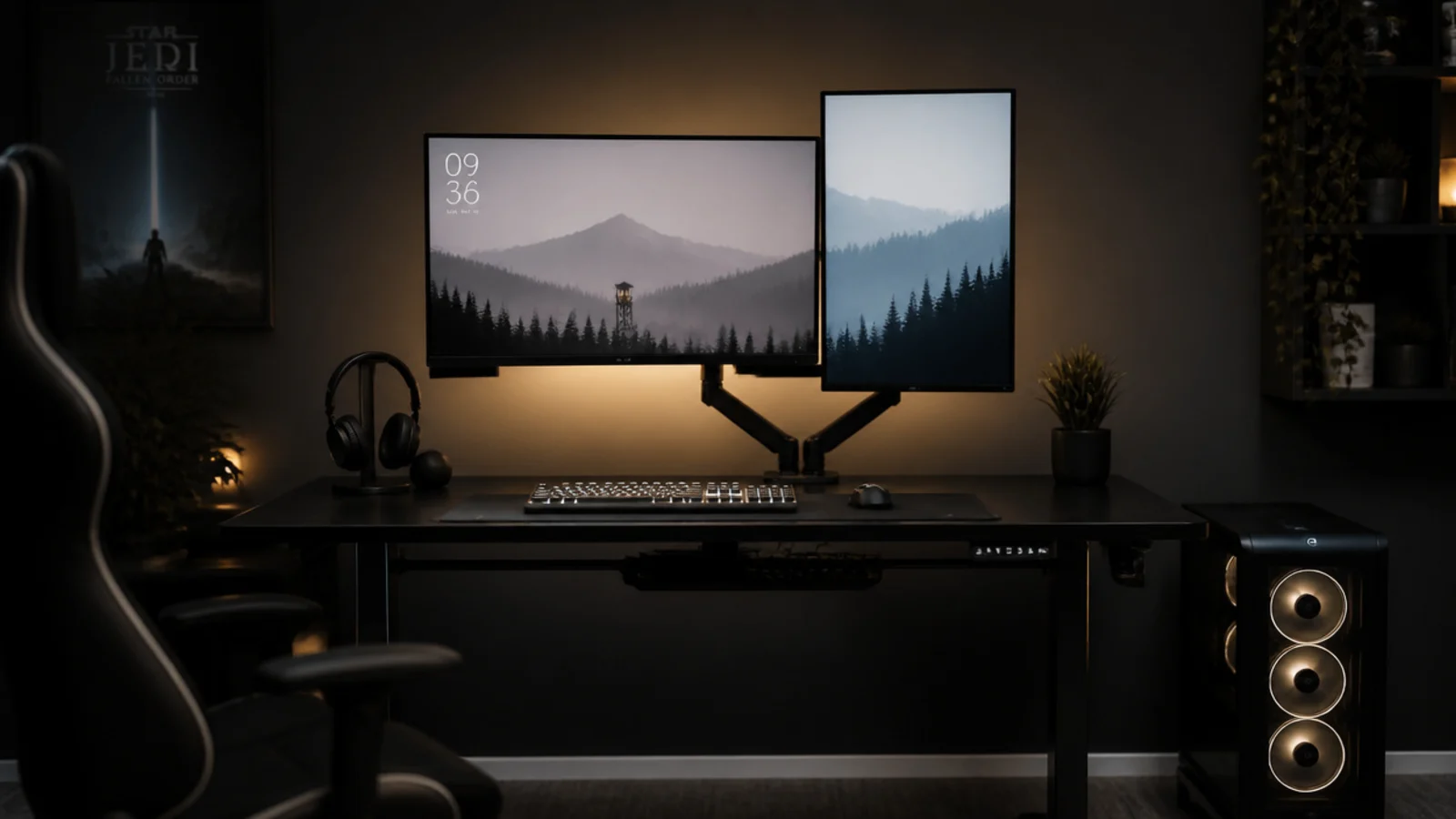
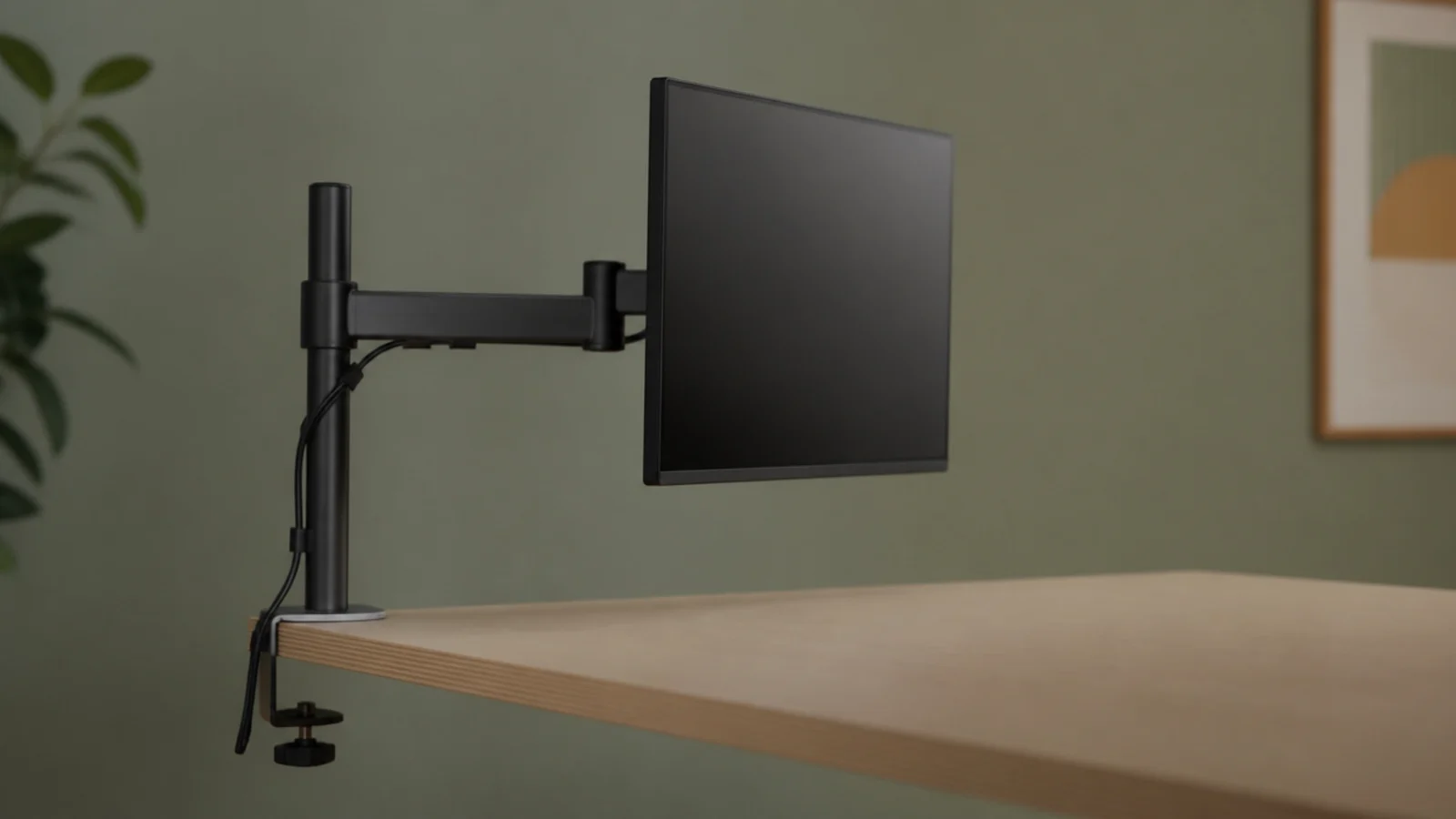
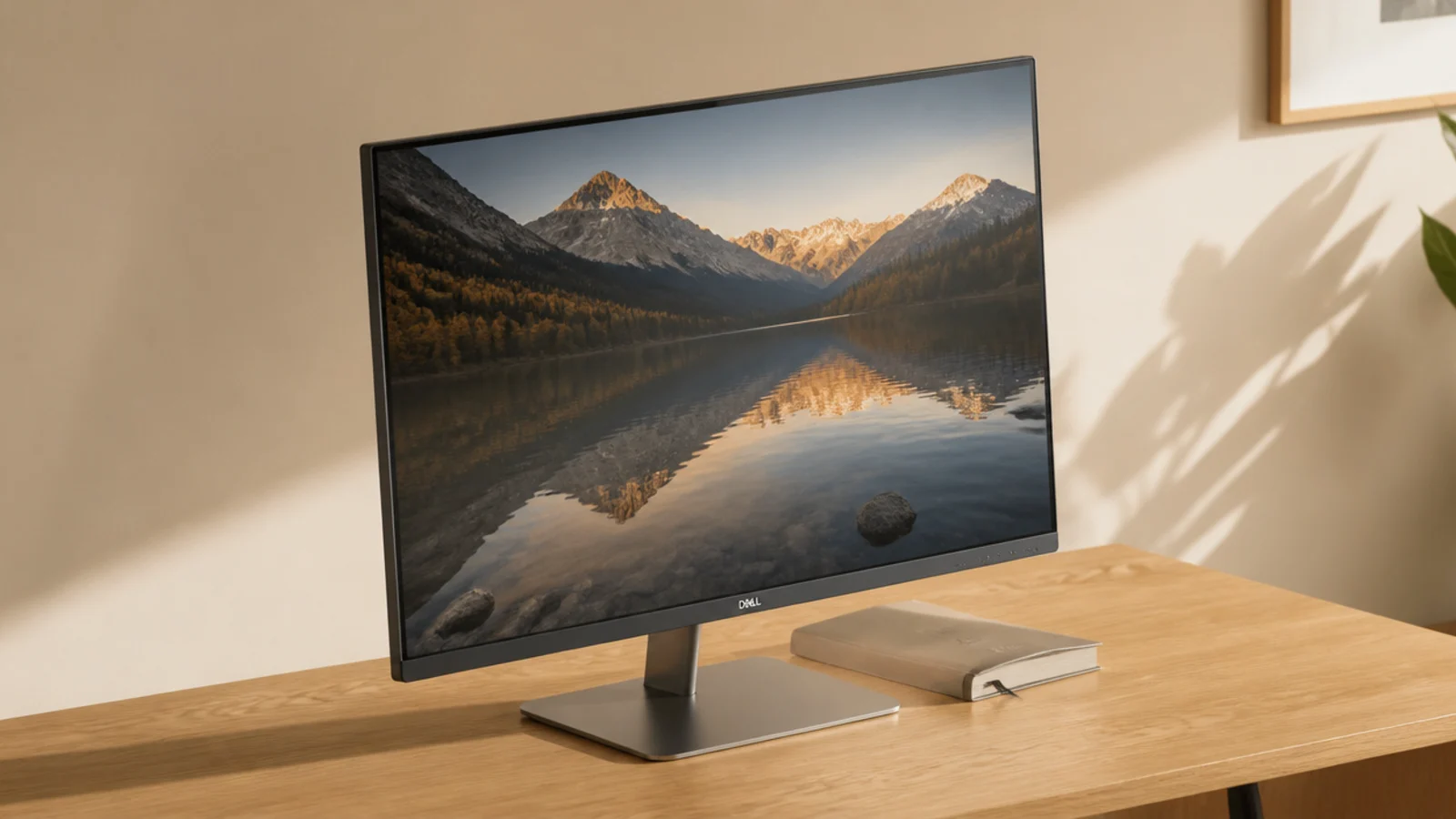
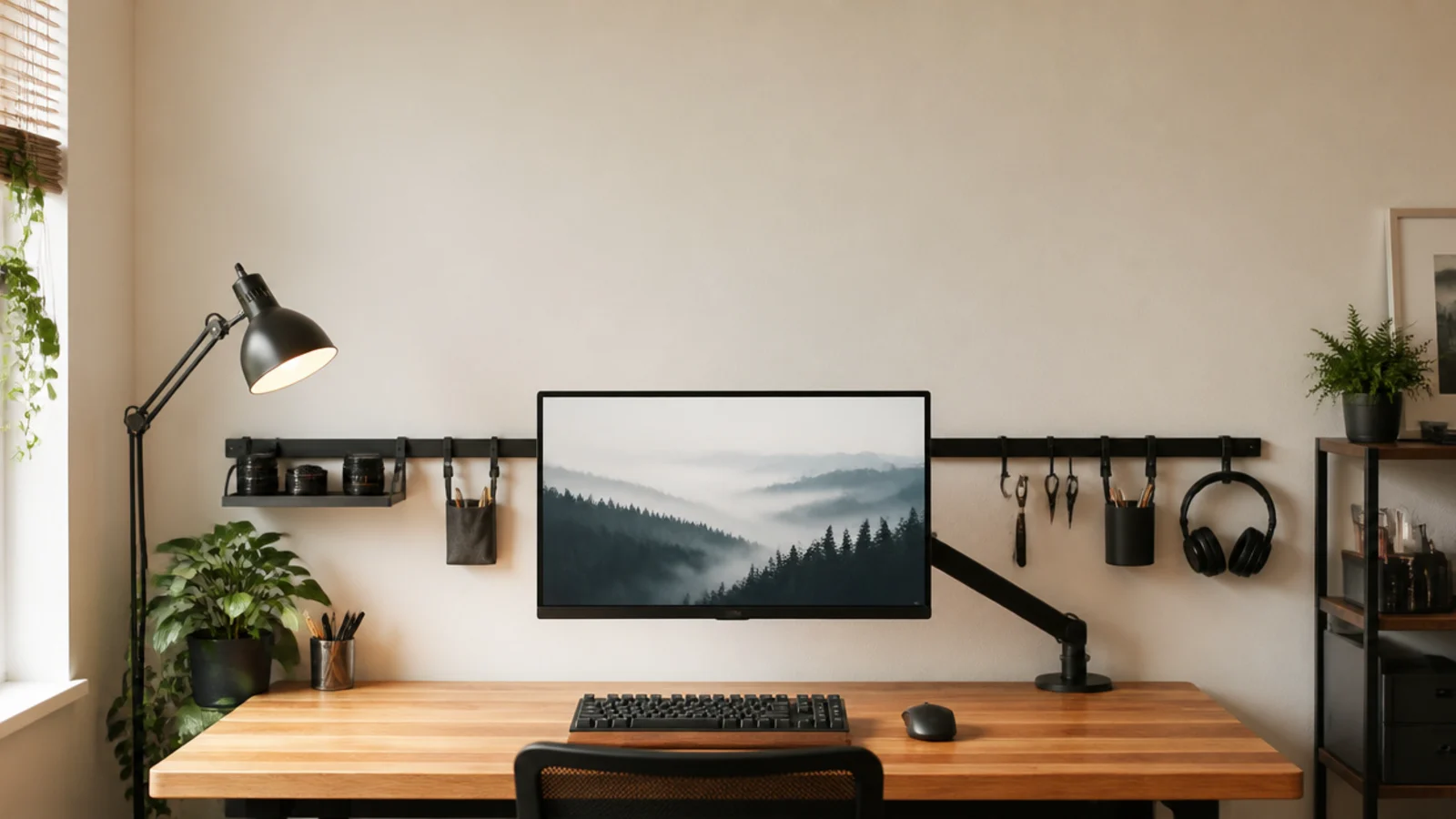
A clamp arm hands back 8 or 9 inches of depth for $30 to $120 — proportionally the biggest gain available on a small desk. Check the clamp range against your top thickness, usually 0.4 to 3.4 inches, and check the VESA pattern is 75mm or 100mm before ordering.
3. If an arm is impossible, choose a slim stand base
Some desks are too thin or too fragile to clamp. In that case the shape of the stand matters: a narrow flat base takes about 60 square inches, a splayed three-leg one closer to 180. On a 720 square inch desk that difference is worth choosing deliberately.
4. Switch to a tenkeyless keyboard
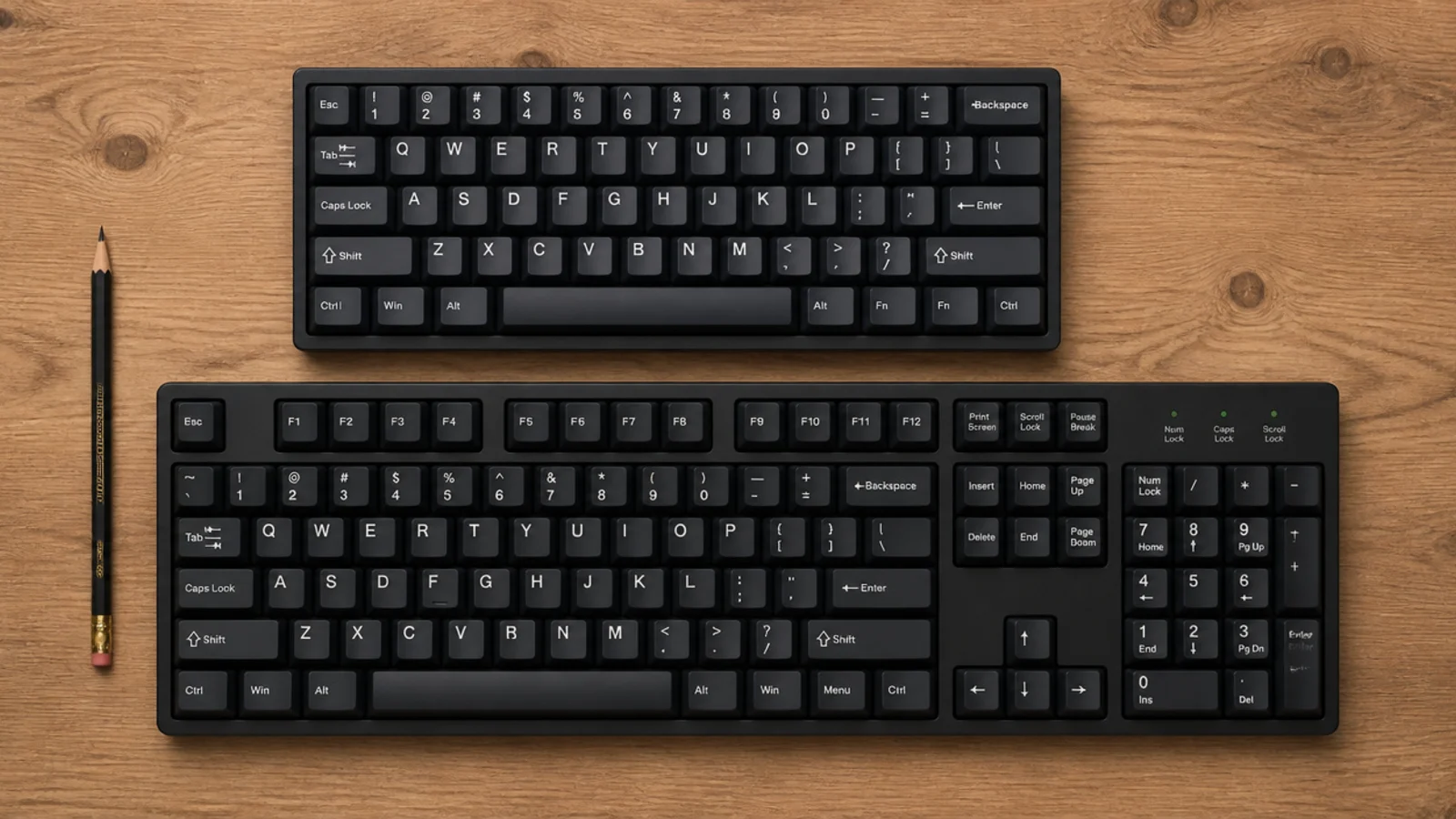
Dropping the number pad saves about 4 inches of width, and a low profile board saves another half inch of depth. Between them you get back roughly the footprint of a notebook. If you use the numpad daily, a separate one that lives in the drawer is the compromise.
5. Clamp the lamp instead of standing it
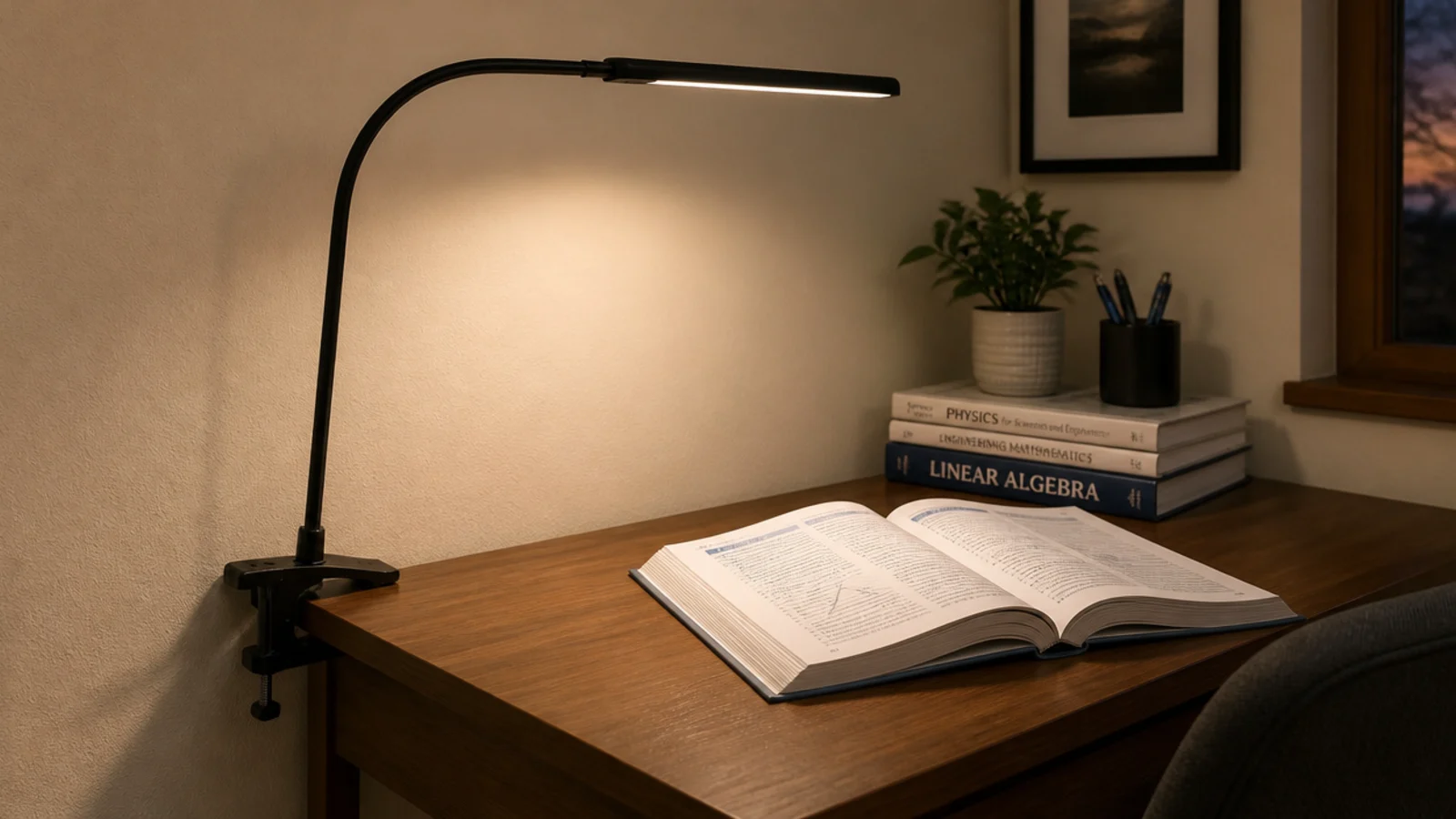
A lamp base takes 25 to 40 square inches of a surface you cannot spare. A clamp version grips the rear edge and takes none. Fix it on the side opposite your writing hand with the head 15 to 18 inches above the top.
6. Cap pen storage at one cup under four inches
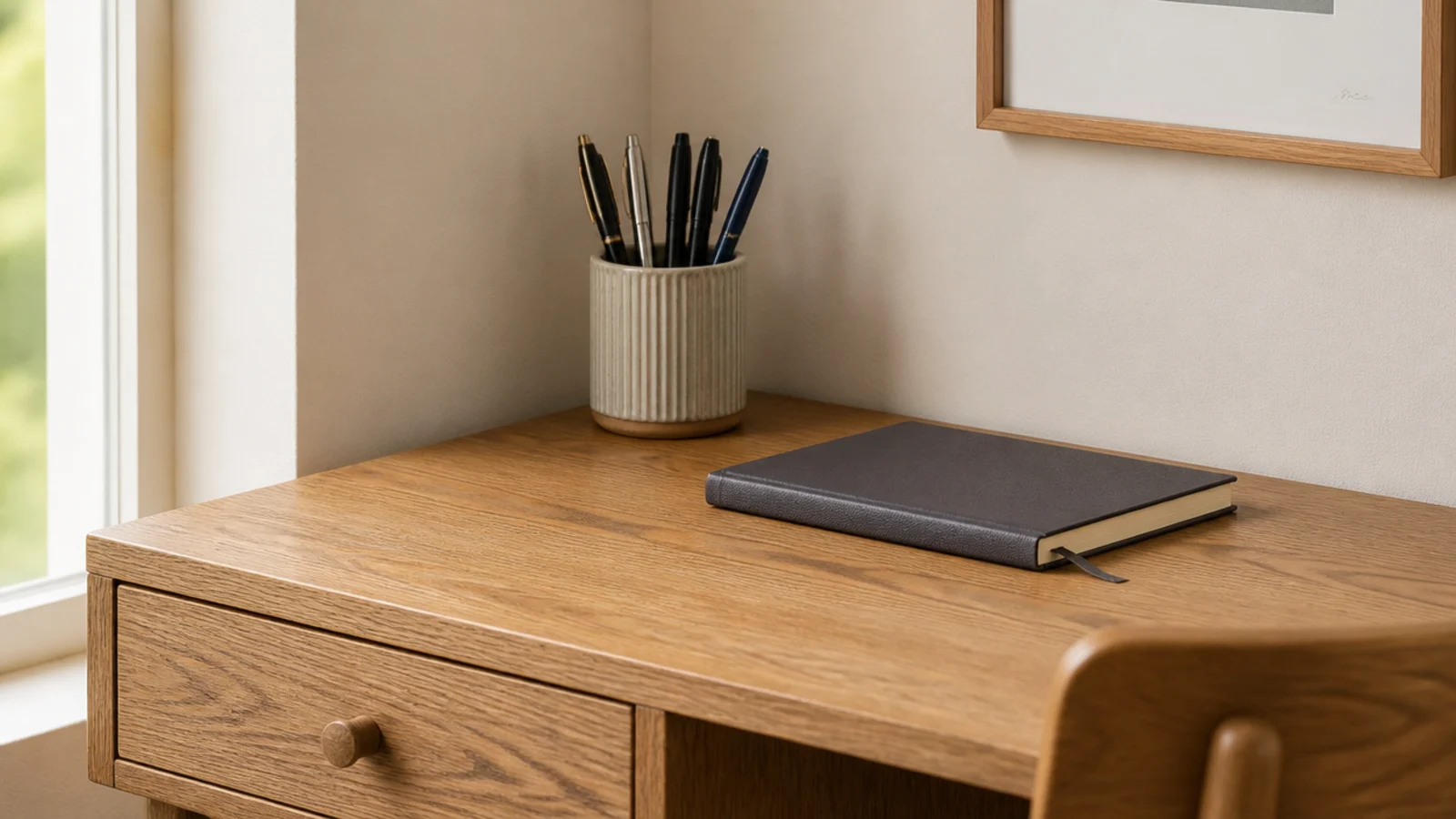
Not a caddy with compartments — one cup, holding the six pens you use. Everything else goes in the drawer or the wall pouch. A 4 inch cup takes 12 square inches; a moulded desktop organiser takes 80 and holds mostly dried-out markers.
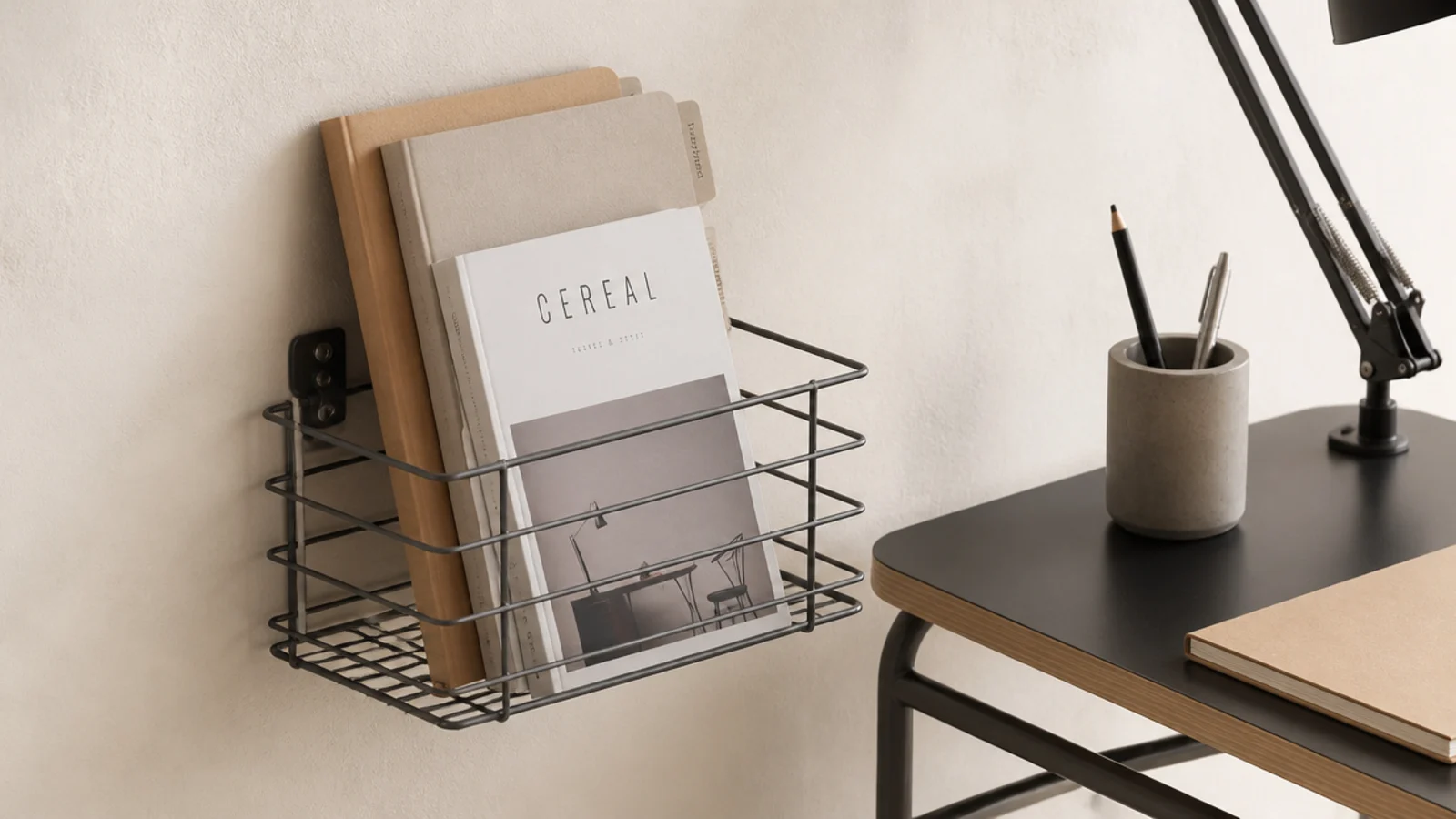
7. Hang the paper tray on the wall
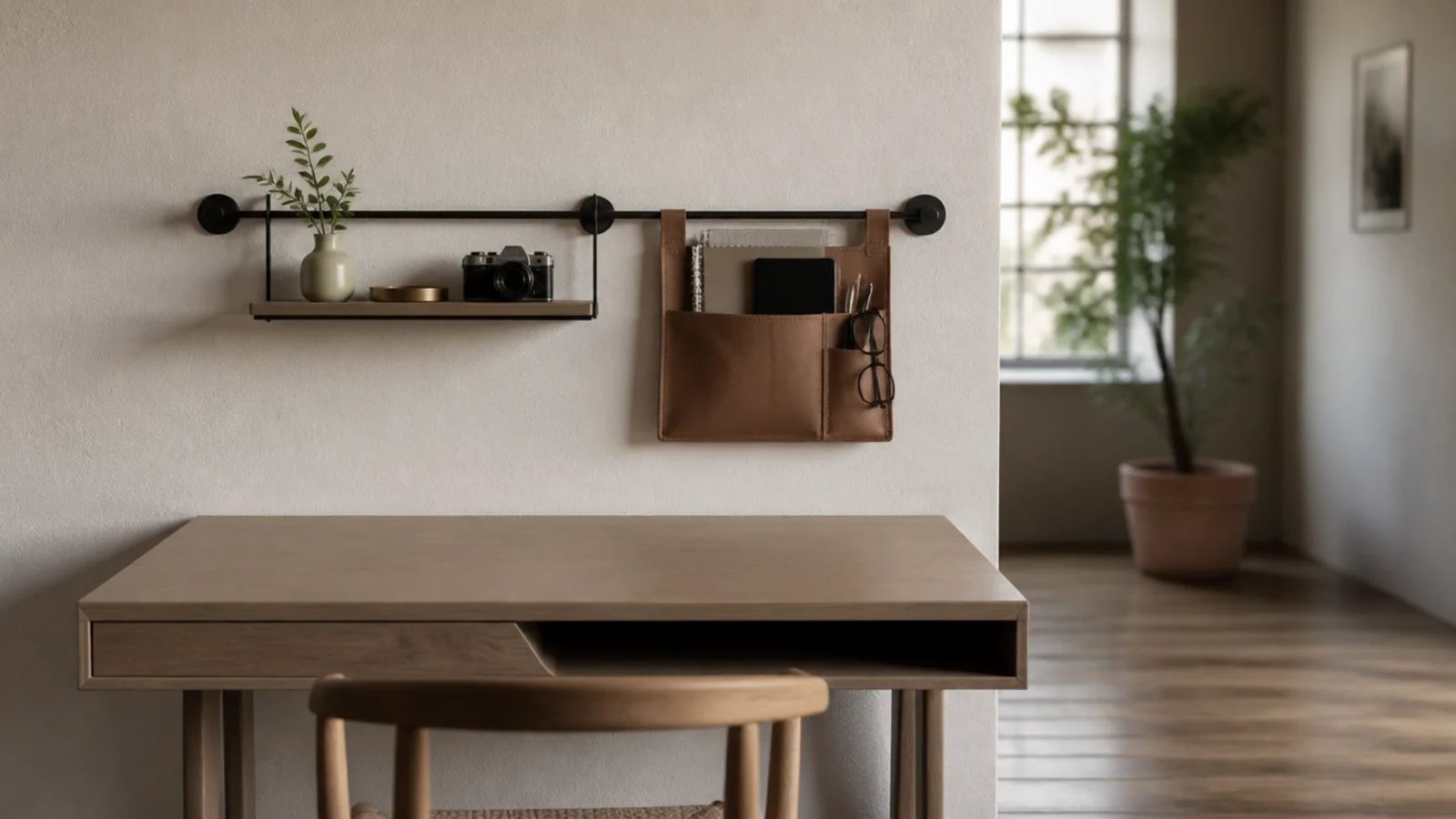
A desktop paper tray is a 100 square inch object that exists to hold things you have not dealt with. Move the same tray to the wall beside the desk at seated arm height and you keep the function and lose the footprint entirely.
8. Turn the back four inches into a ledge
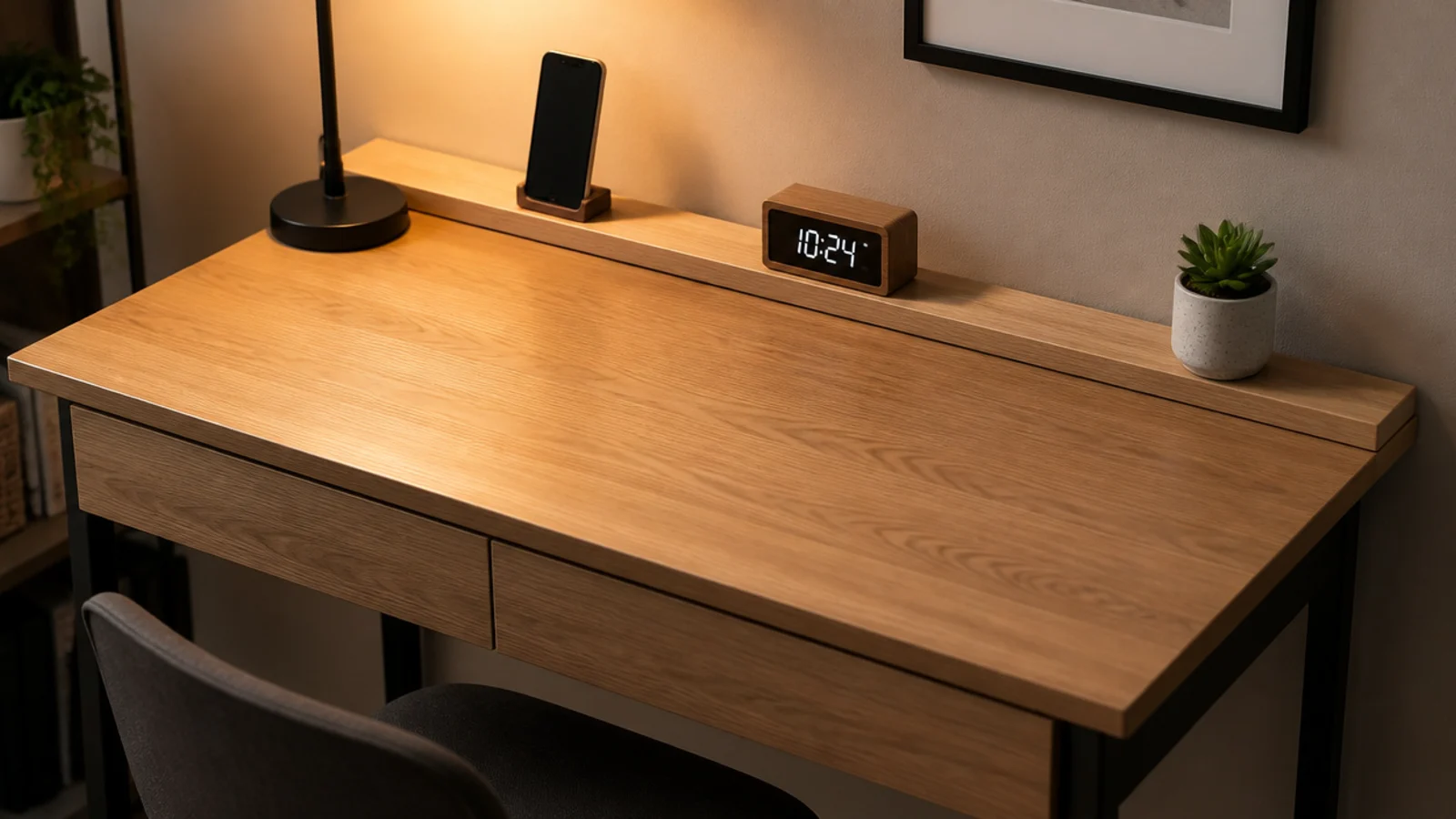
A slim riser along the rear edge lifts the phone, the clock and a small pot about 3 inches up, so the surface underneath stays usable. It converts the least useful strip of a small desk into storage without projecting into the working area.
9. Stand the laptop vertically in a dock
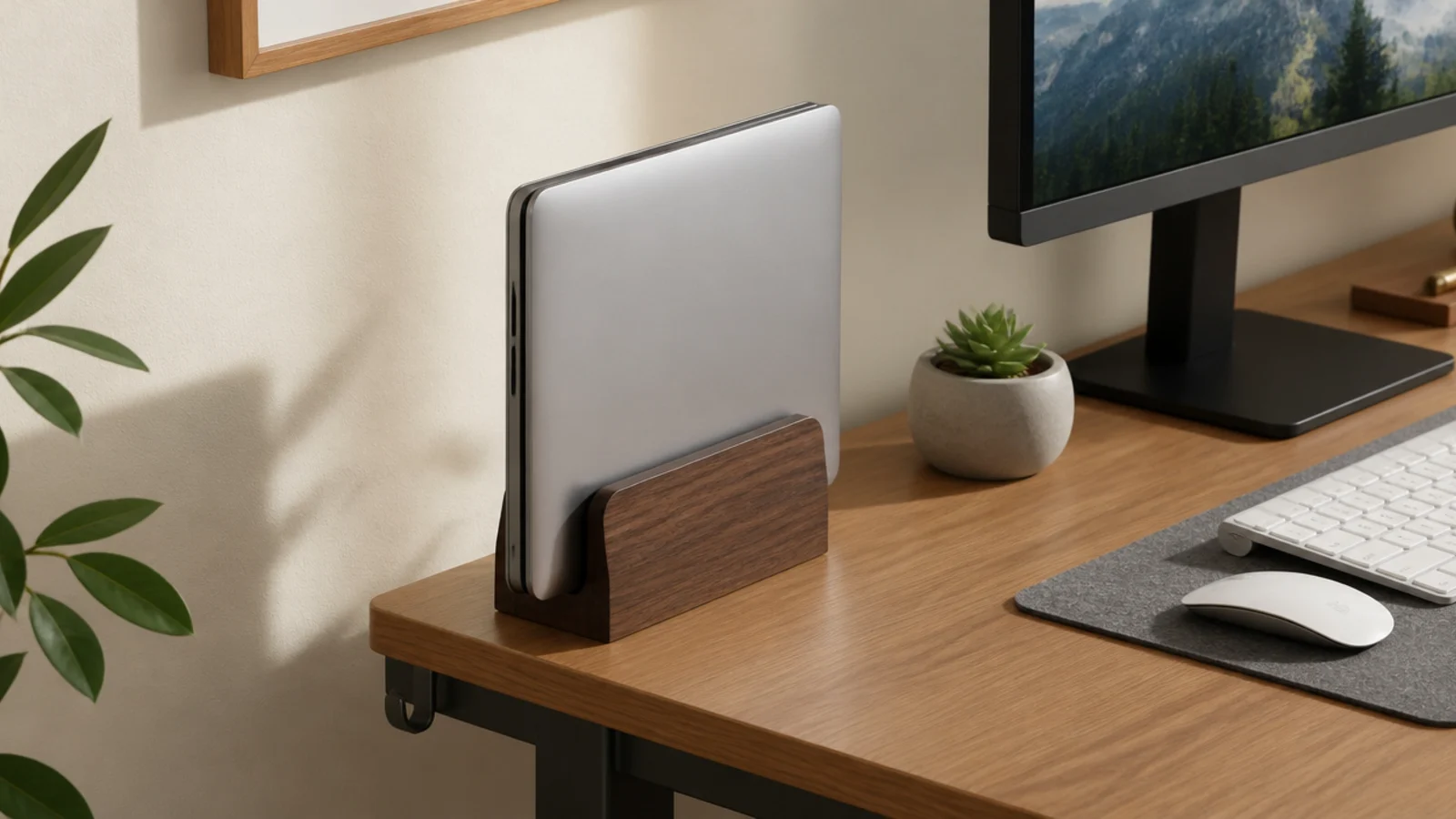
A closed laptop lying flat takes around 130 square inches. Standing on edge in a dock it takes about 20. If you run a separate monitor, this is free surface for the price of a $15 stand, and it improves airflow at the same time.
10. Hang the headphones under the front edge
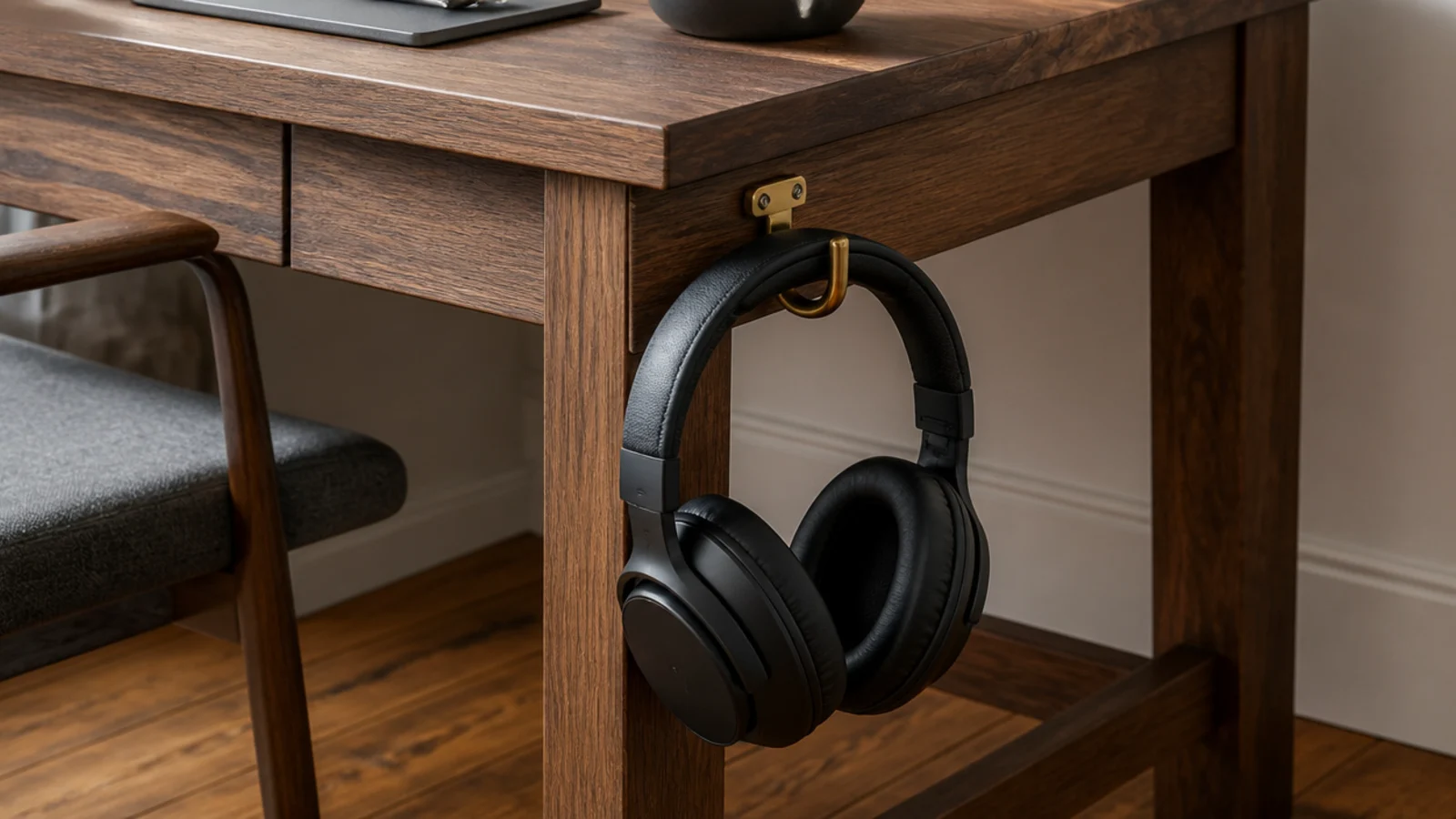
Headphones are the largest loose object on most study desks. A $4 hook 2 inches back from the front edge removes them permanently. Use screws no longer than 5/8 inch so nothing punches through a 3/4 inch top.
11. Fit a drawer three inches deep, no more
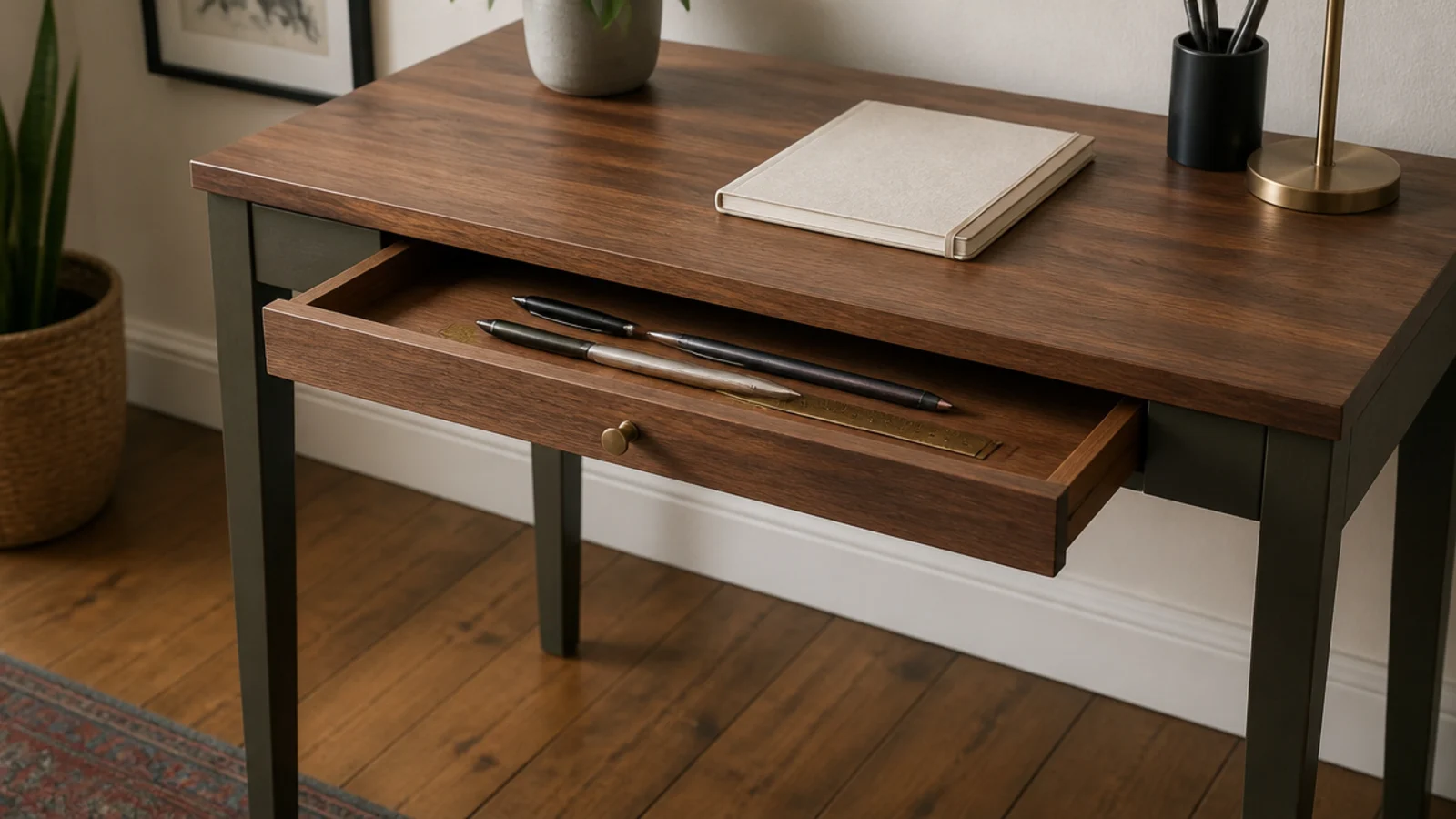
A shallow drawer holds pens, cables and a ruler laid flat. A deep one holds five years of receipts and eats your knee room. Keep the underside at 25 inches from the floor minimum with 20 inches of clear width, or you will meet it every time you pull the chair in.
12. Tray the cables under the back rail
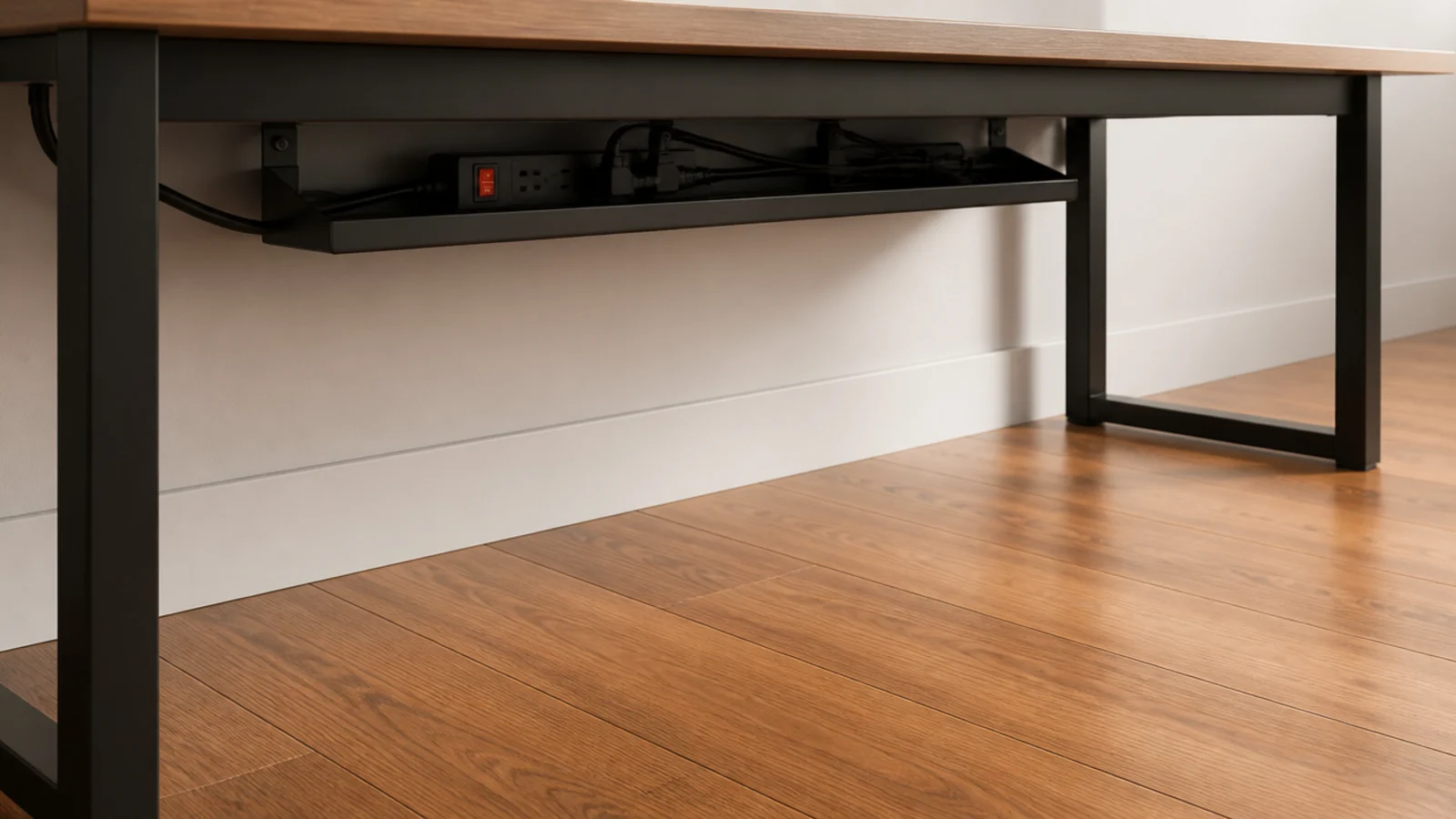
A shallow tray under the rear rail takes the power strip and every lead for $12 to $18. On a small desk the visible floor underneath is doing as much work as the top, and a nest of cable down there makes the whole corner read as cramped.
13. Fold the footrest away when you stand
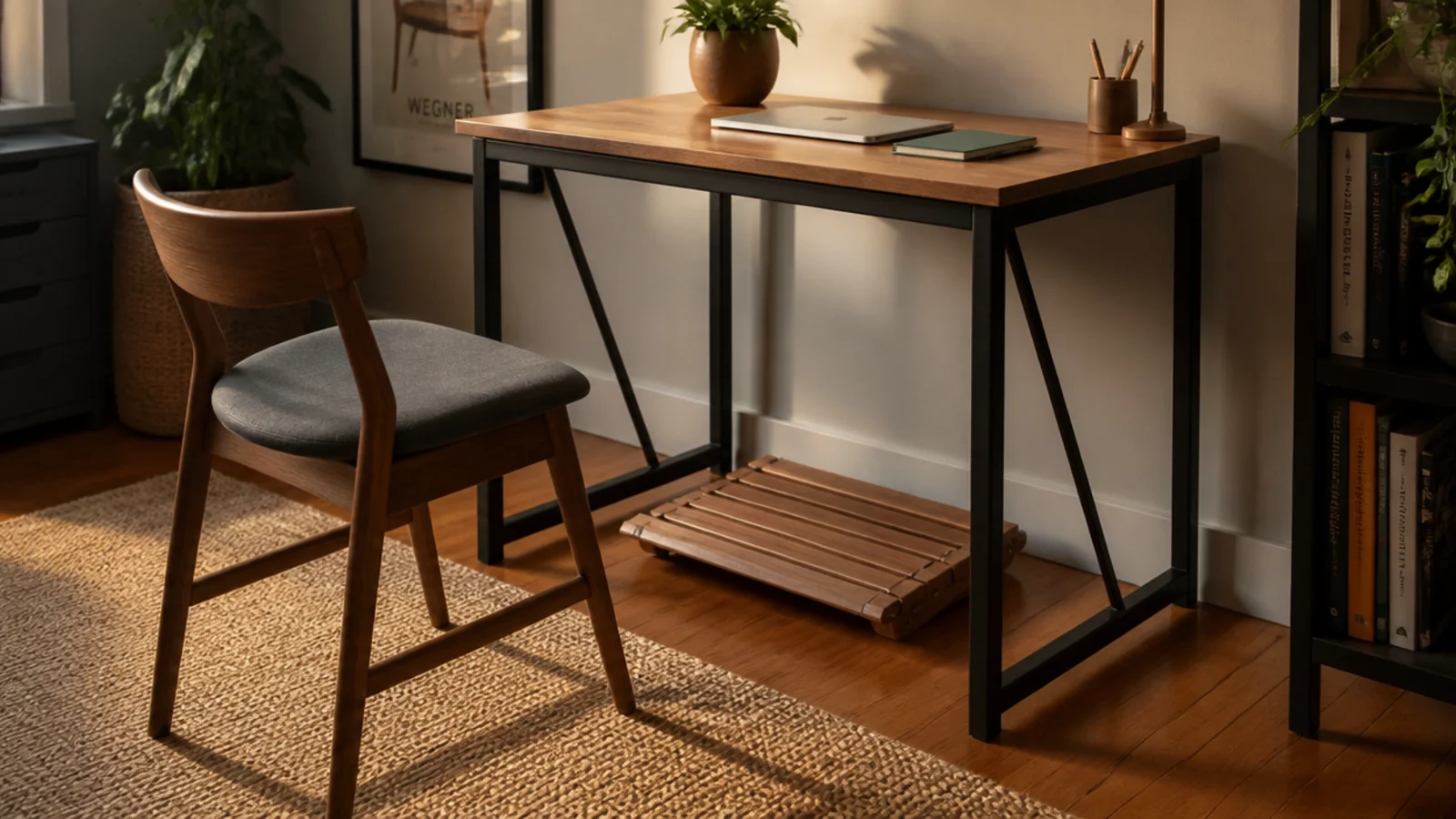
If the desk is fixed too tall, a footrest is the fix — but a fixed wedge in a narrow room becomes something you kick. A folding one lies flat when you stand up, which keeps a 24 inch walkway walkable.
14. Stack two trays for in and out
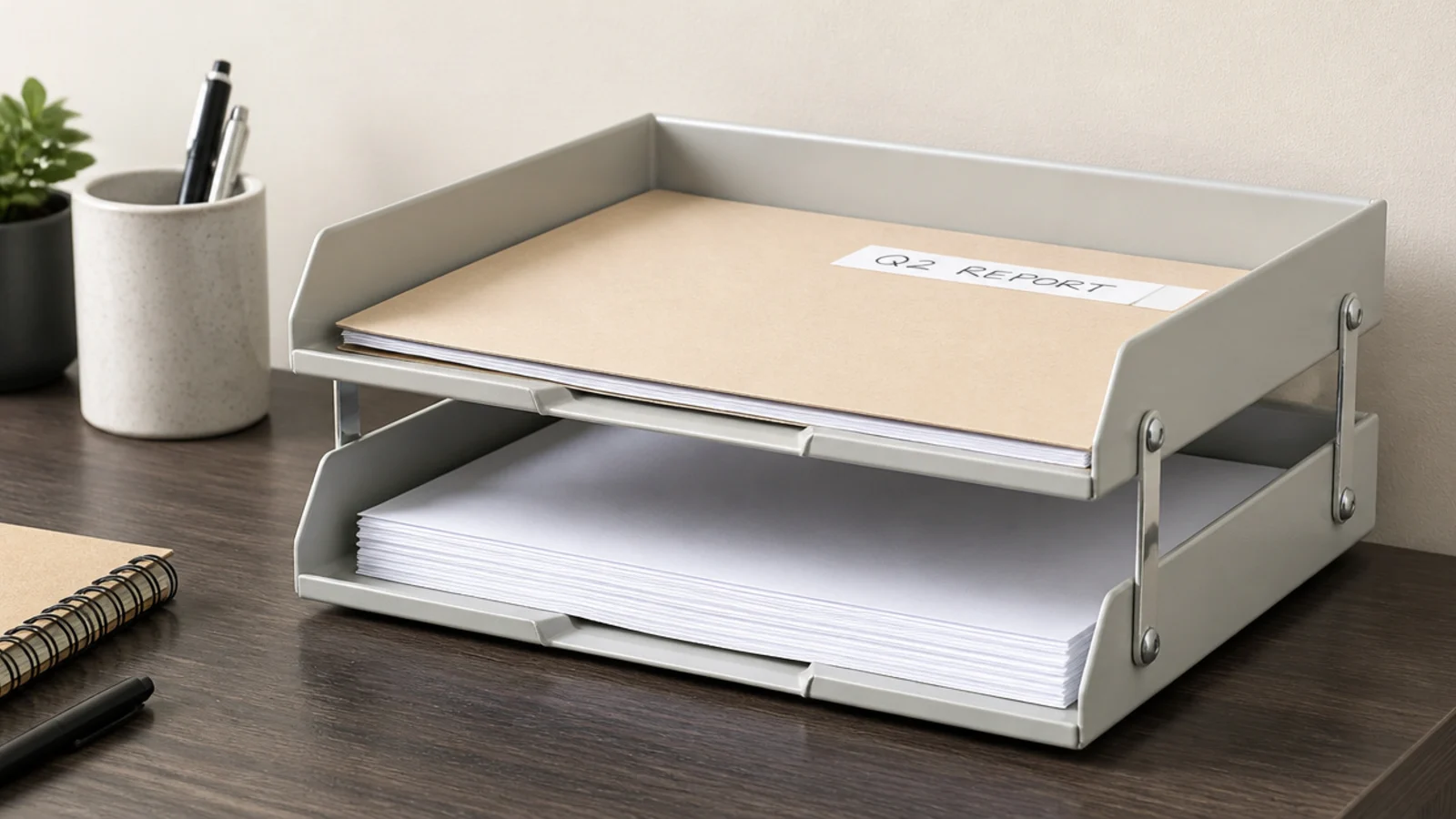
Two stacked trays hold a term of paper on the footprint of one. Incoming in the lower, dealt-with in the upper, and empty the upper every Friday. Stacking is the only version of a desktop tray worth having on a desk this size.
15. Choose a 24-inch shelf over a 36-inch one
A shorter shelf never sags — 3/4 inch stock starts bowing past a 32 inch span under books — and it also stops the wall above a small desk feeling like a lid. Two short shelves at different heights beat one long one in a tight corner.
16. Keep the plant in a three-inch pot
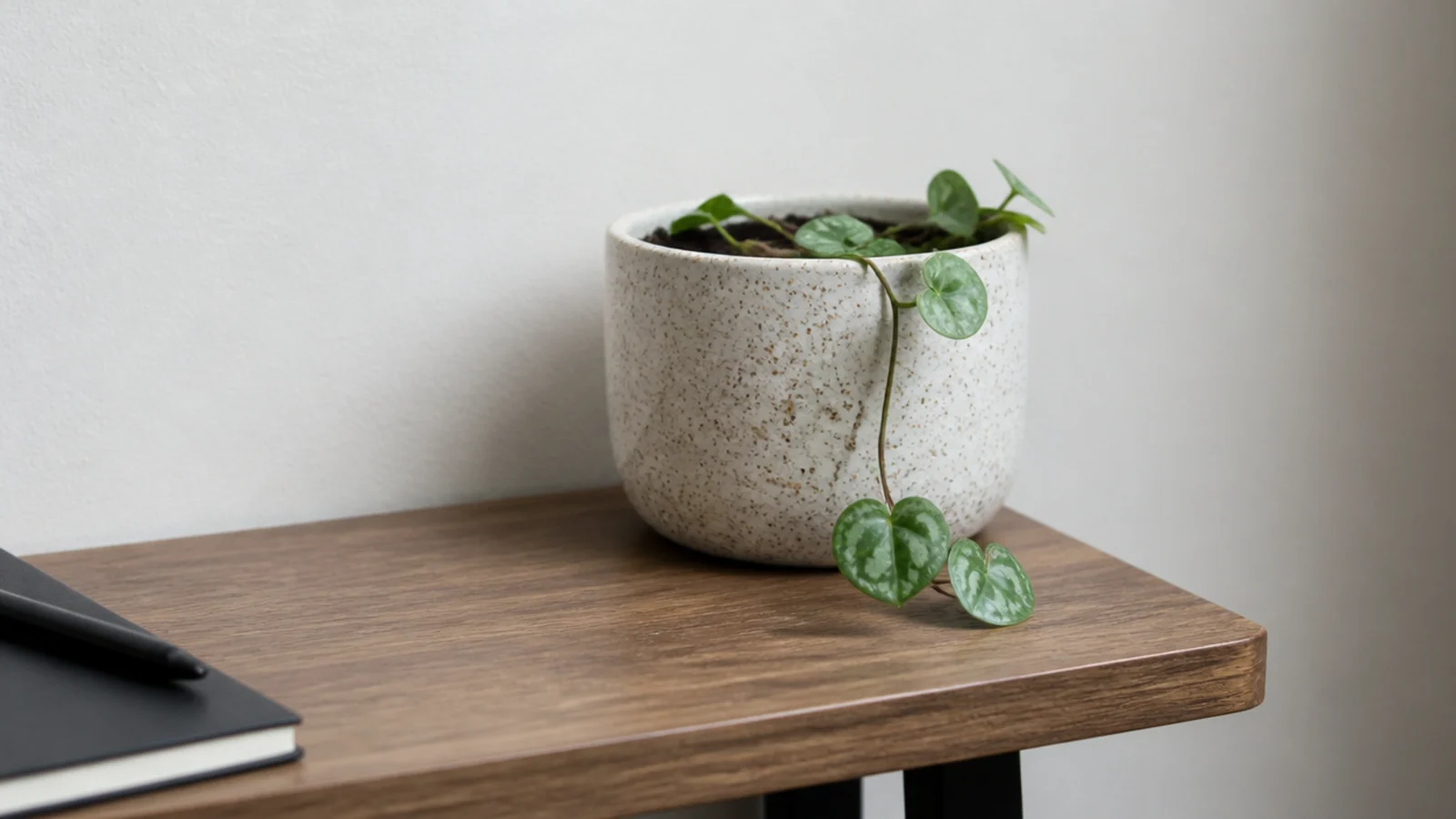
One small pot at the far corner is enough to change how the corner feels, and it takes 9 square inches. A 6 inch pot takes 36 and will be moved every time you open a book. Better still, put a trailing plant on the shelf above.
17. Put the clock on the wall, not the desk
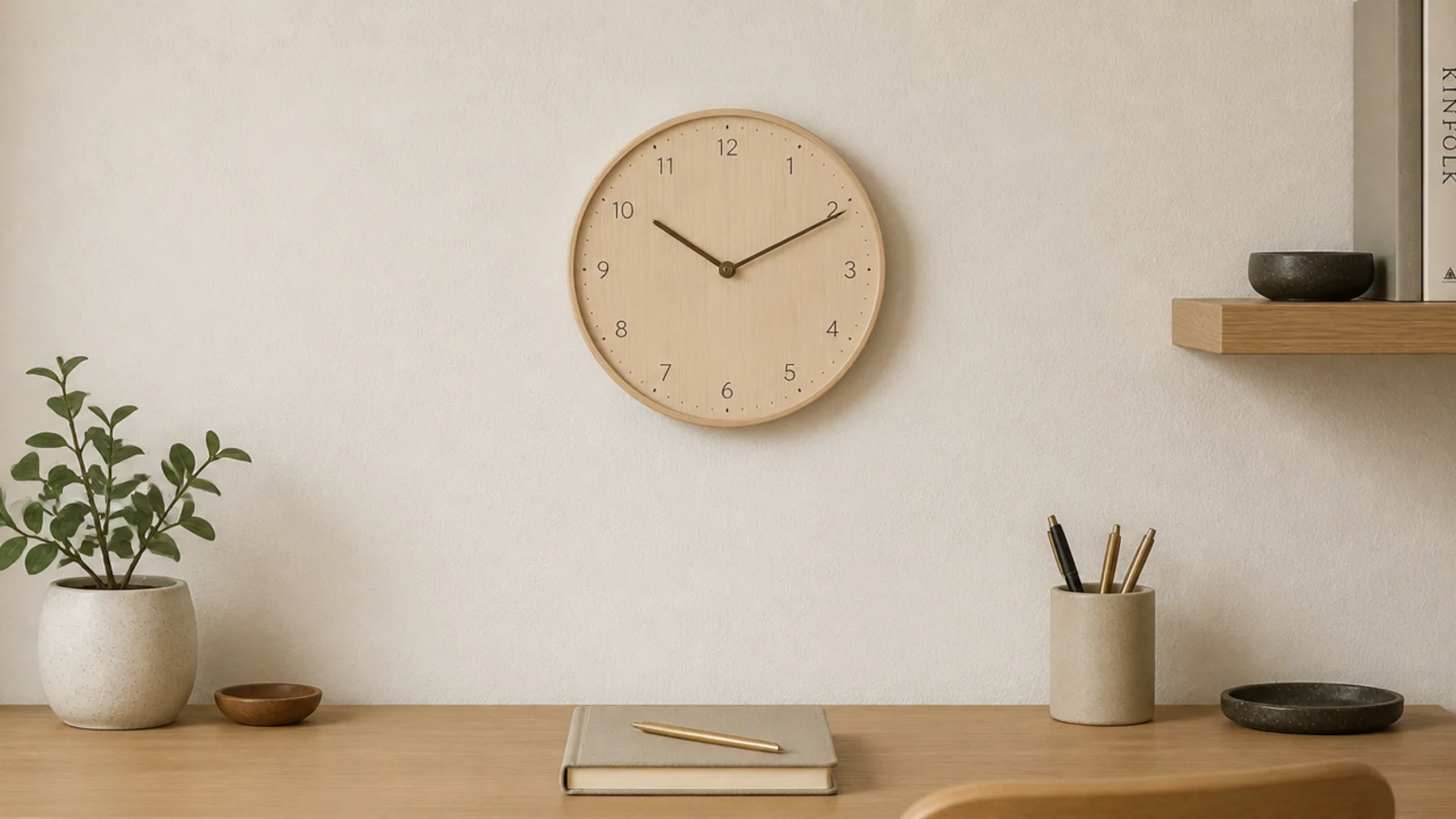
A desk clock is a 20 square inch object doing a job the wall can do for free. Hang it to the side at seated eye level and choose a silent sweep movement — a ticking hand this close to your head ruins concentration.
18. Work from one A5 notebook
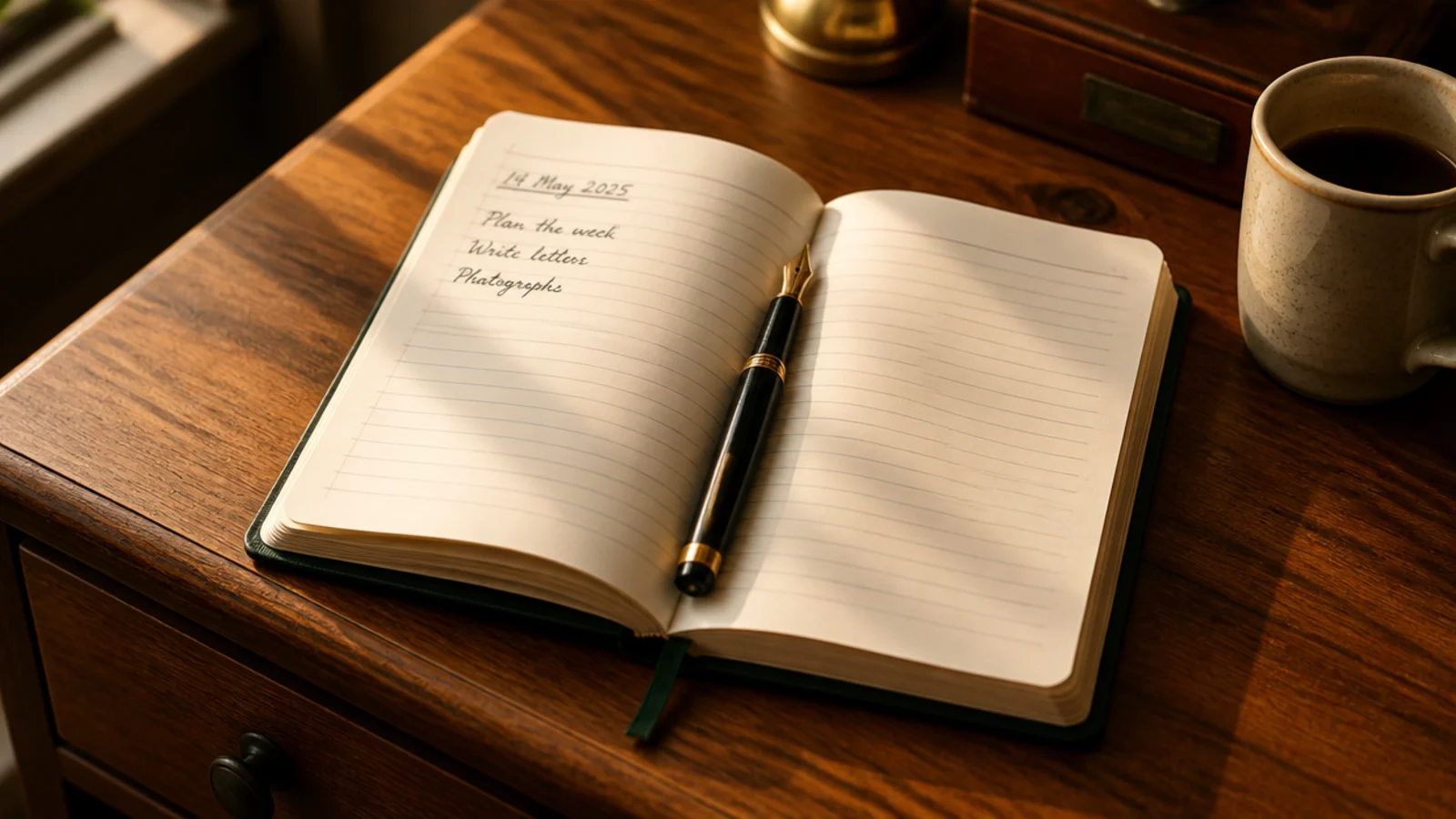
Five loose pads become five piles. One small ruled notebook holds everything, takes 50 square inches when open, and closes flat at the end of a session. It is a habit rather than a purchase, and it does more than most organisers.
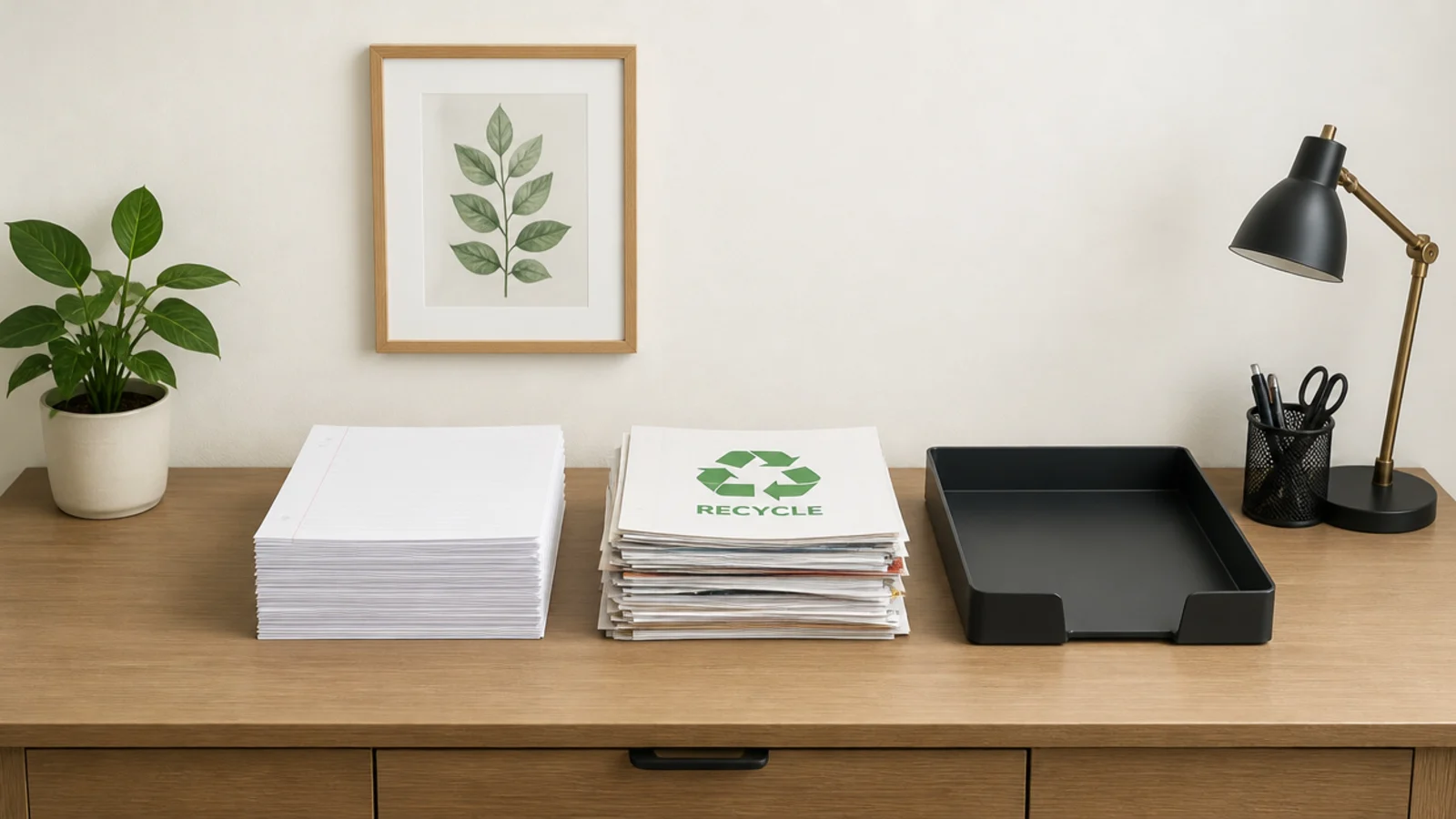
19. Clear the paper pile weekly
Paper is the material that fills a small desk. Ten minutes on a Friday — file, scan, recycle — stops the pile turning into furniture. Anything you have not touched in a fortnight goes into the box on the shelf, not back on the desk.
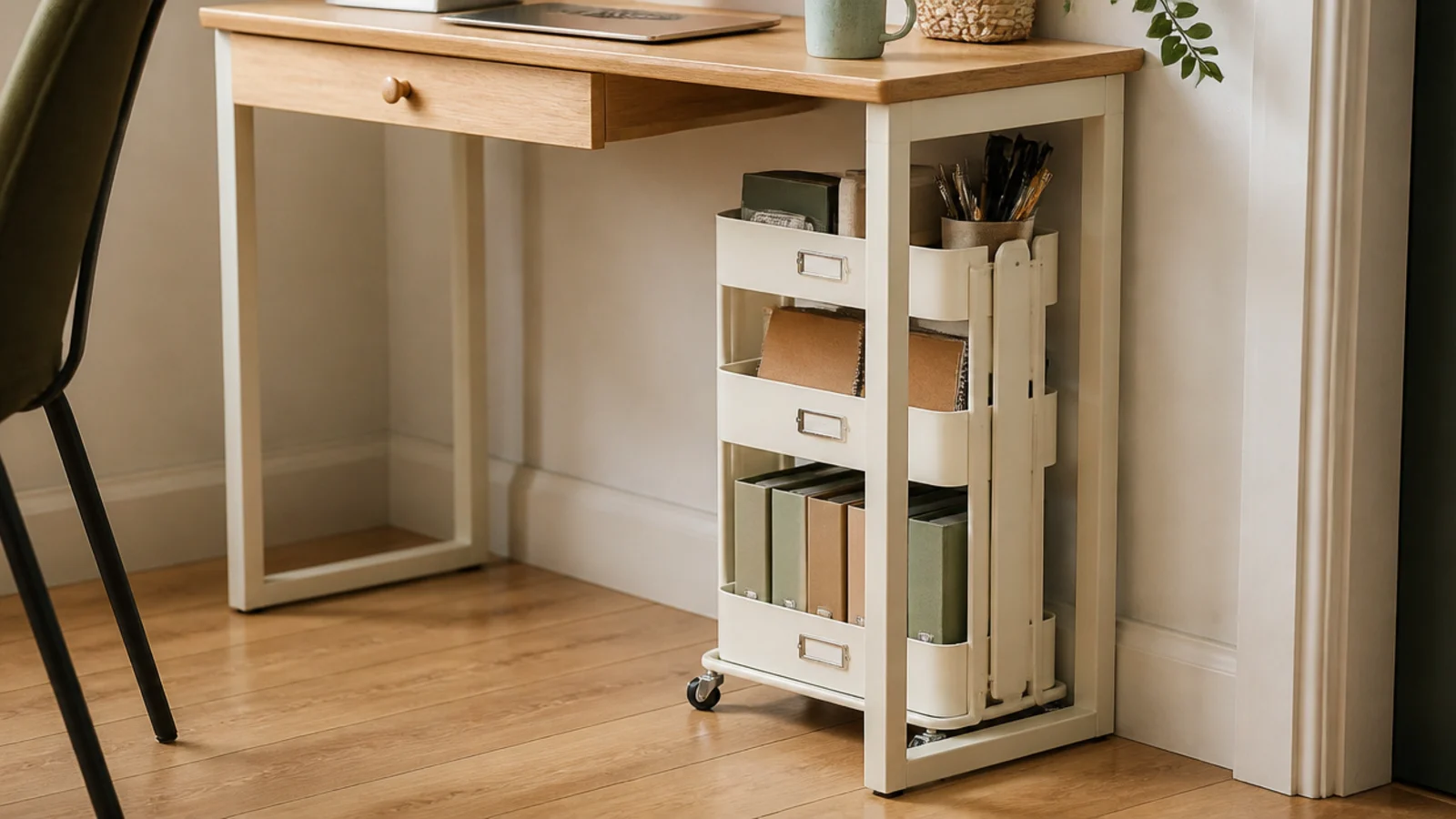
20. Roll a cart under fourteen inches wide
A narrow three-tier cart tucks fully under the desk between uses and holds what a pedestal would. Fourteen inches is the width that disappears; check the cart height against your 25 inch under-desk clearance before buying.
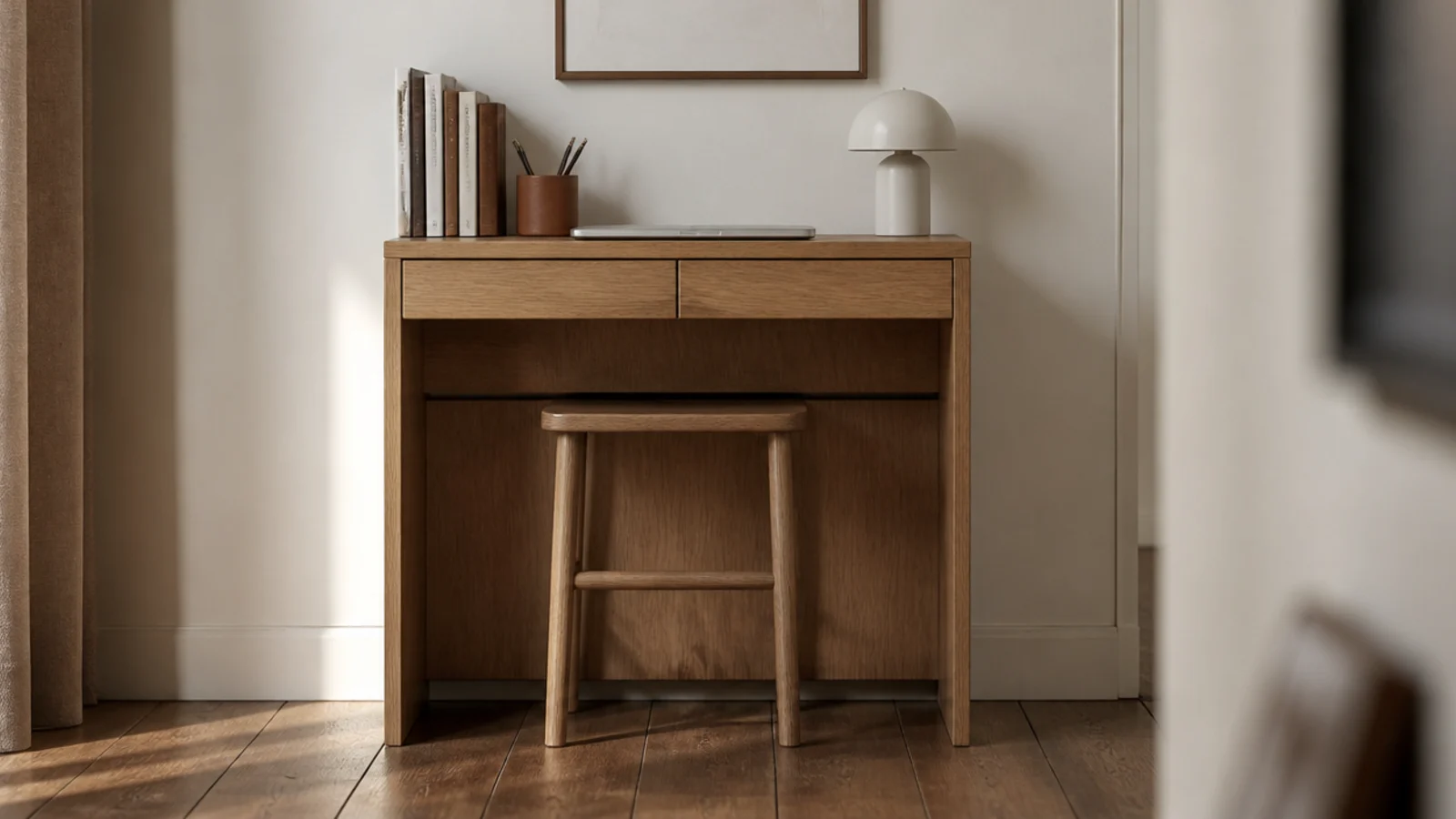
21. Choose a stool that tucks fully under
A chair back projecting 6 inches into a narrow room permanently narrows the walkway. A backless stool pushes right under. It is not the seat for a four hour session, but for a bedroom desk used in half hour bursts it usually wins.
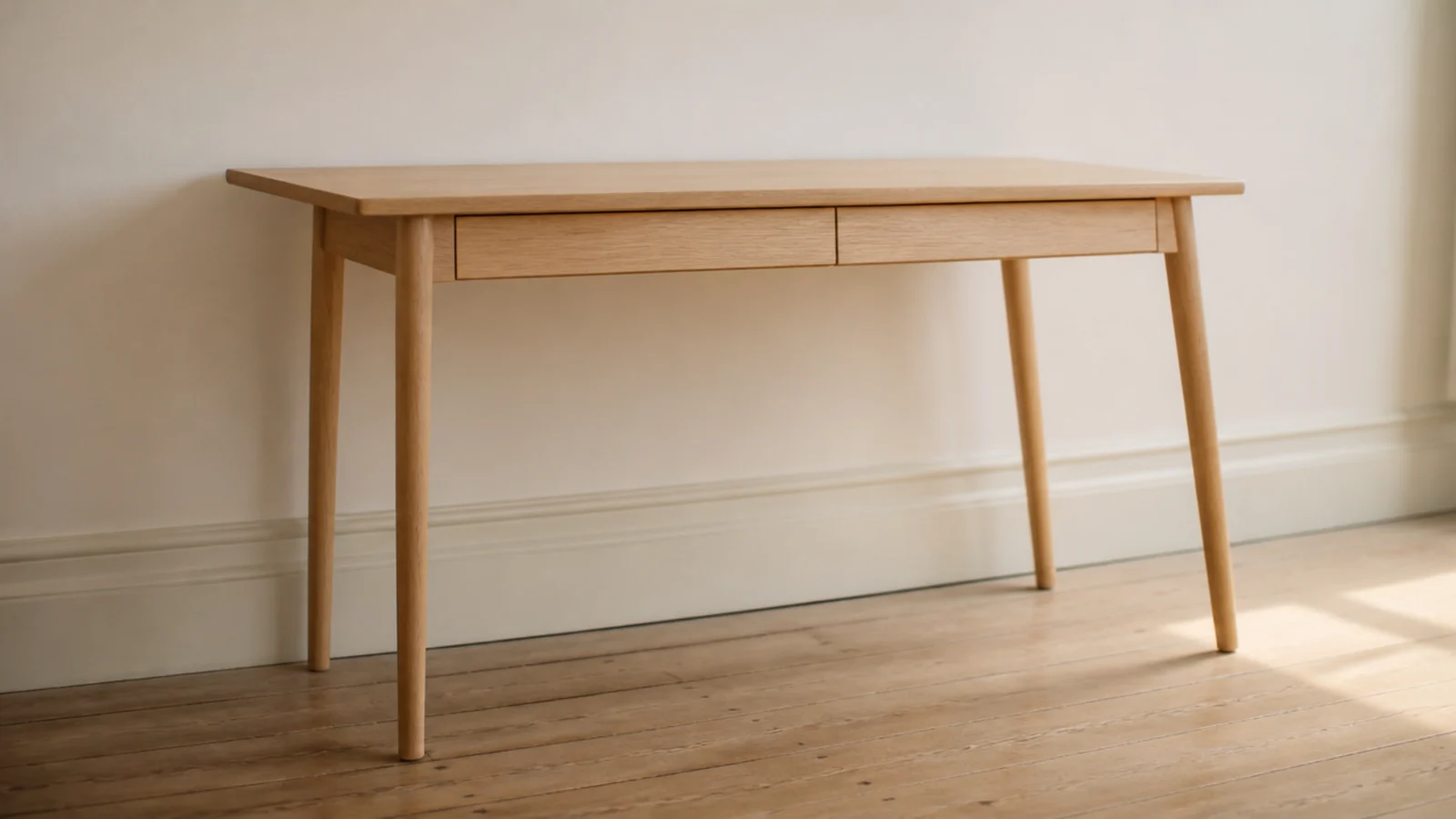
22. Pick a desk light enough to lift
A small desk you can lift with one hand gets cleaned under, moved when the room changes and carried up stairs. A heavy pedestal desk in a small room becomes permanent within a week, dust and all.
23. Use the windowsill as an extra shelf
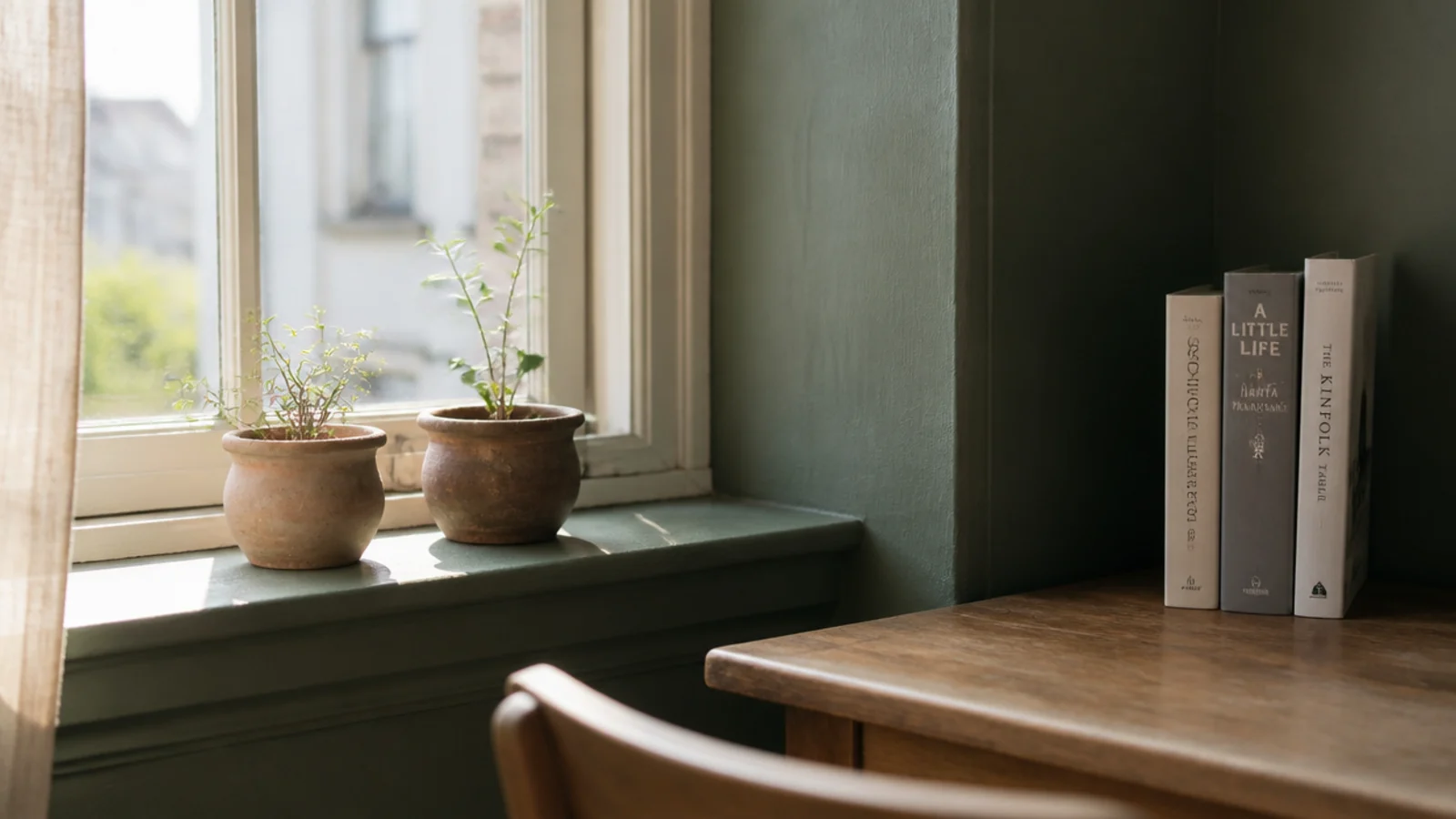
A deep sill beside a desk is surface you already own. Pots, a mug and a few upright paperbacks sit happily there. Keep anything that fades out of direct sun, and leave the middle clear so the window still opens.
24. Bundle every cable into one sleeve
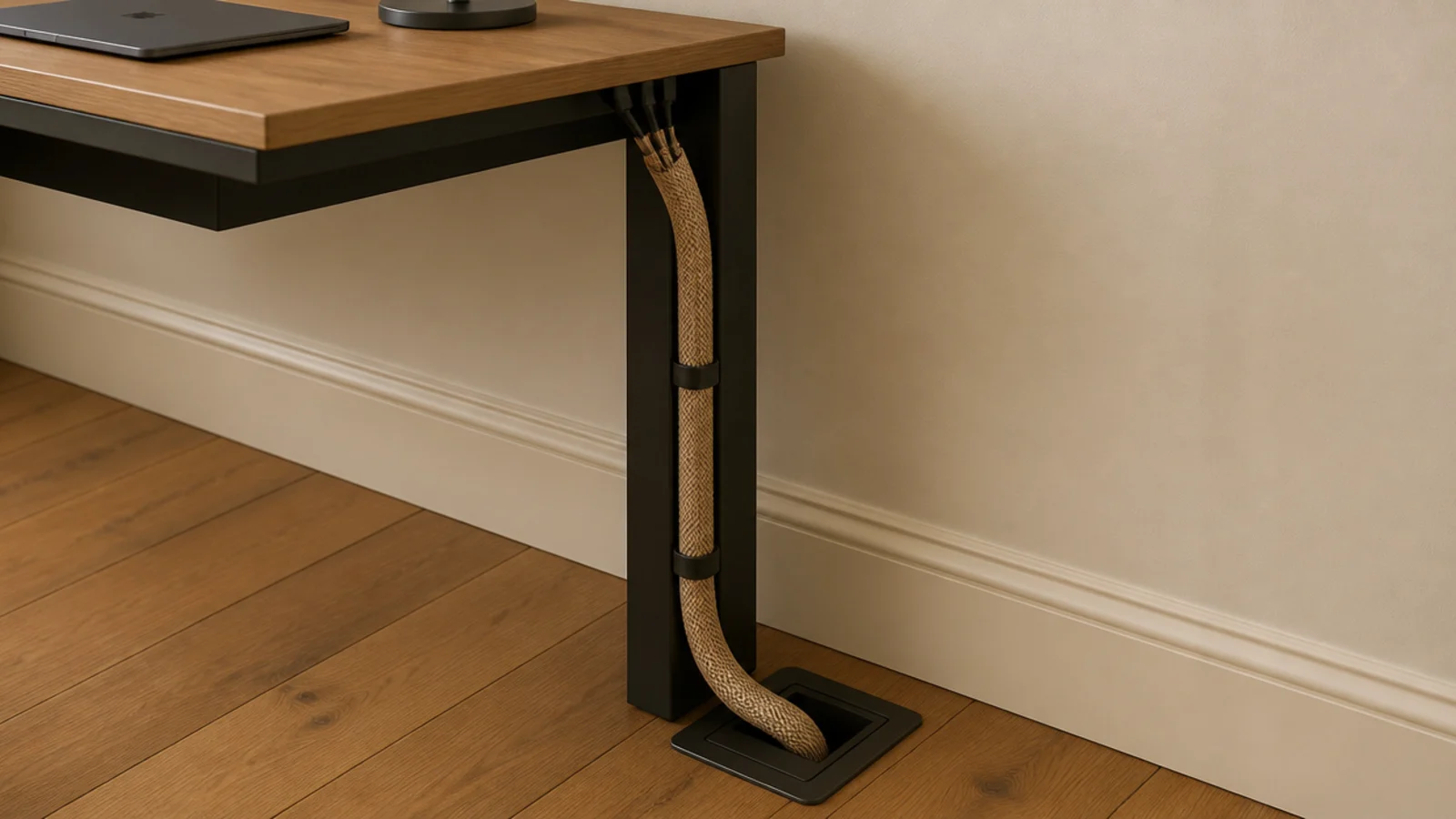
Three separate leads read as clutter; one sleeved run reads as a line. A braided sleeve costs about $8 and gathers the lot down a single leg. Leave 6 to 8 inches of slack at the top if the monitor is on an arm that moves.
25. Give every object one home off the desk
This is the rule the other twenty-four serve. A cup for pens, a wall pouch for live paper, a hook for headphones, a box for chargers. Anything with no home ends up on the top, and on a 720 square inch desk that is the whole problem.
For picks that fit this brief without costing much, the simple study desk decor list keeps everything under twenty dollars. Floating shelf ideas cover the wall storage that replaces a pedestal, and the ceiling hanging lights guide handles room lighting so the desk lamp does not have to do everything.
Mistakes to Skip
- Buying a desktop organiser to fix a full desk. It takes 80 square inches to store what a wall pouch stores for nothing, and it fills up as fast as the desk did.
- Keeping the monitor on its factory stand because the arm looked fiddly. It is twenty minutes of work for nearly half the depth of a 20 inch top.
- Choosing a deep drawer because it holds more. It holds more of what you never open, and it takes the knee clearance you need to sit properly.
- Adding a second lamp for the dark corner. On a small desk that is another base and another cable — put a strip under the shelf instead.
Frequently asked questions
How much usable surface does a small desk actually give you?
A 36 by 20 inch top is 720 square inches. A monitor on its own stand takes about 180 of that, a full size keyboard another 130, and an open A4 pad 100. That leaves roughly 300 square inches, which is why the arm and the compact keyboard matter far more than any storage you add.
Does a monitor arm really save space on a small desk?
It saves eight or nine inches of depth, which on a 20 inch top is nearly half the surface. The stand disappears and the screen floats back over the rear edge, so you can finally push it to arm length. Check the clamp range against your top thickness, usually 0.4 to 3.4 inches.
What keyboard saves the most desk space?
A tenkeyless layout is about four inches narrower than a full size board, and a low profile one is around half an inch shallower front to back. Between them you get back roughly the width of a notebook, which on a 36 inch desk is the difference between working and shuffling things aside.
Where should storage go when the desk is small?
On the wall and under the desk, never on the top. A shelf 18 to 24 inches above the surface, a pegboard, a rail and a narrow rolling cart under 14 inches wide will hold far more than any desktop organiser, and none of it costs you working surface.
How do I stop a small desk filling up again?
Give every category one home off the desk and cap the visible objects at three. A cup for pens, a tray for small metal things, a wall pocket for live paper. Anything without a home lands on the surface within a week and stays there, which is how a small desk stops being usable.
Want more like this? Browse all 15 study desk decor guides — they all use the same measurements and budget tiers.
Pin it for later
Save this to your Study Desk Decor board
Pin it now so it is waiting for you when the tape measure comes out — and so the next person hunting for this idea can find it too.
Save this pinKeep going
More ideas worth saving while you have the tape measure out.