Corner Shelf Ideas · Listicle
30 Beautiful Corner Shelf Ideas to Steal Today

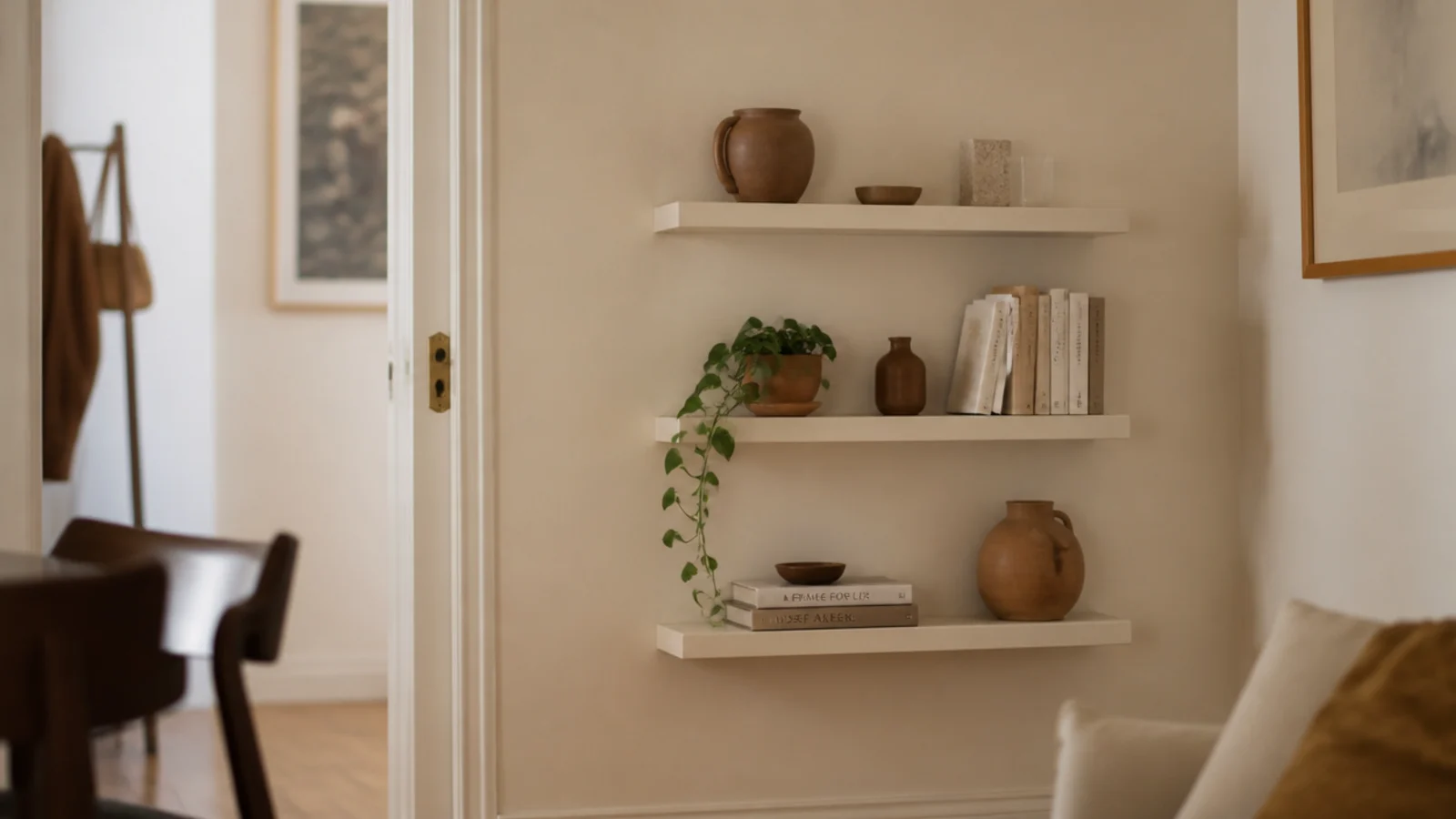
Corner shelves for small spaces work on a rule most shelf advice ignores: depth costs you more than height does. A shelf two inches too deep is something you walk into daily, while a shelf two feet higher is free. These 30 ideas all respect that, and most of them use space you probably do not think of as space at all.
In this guide32 sections — tap to openHide
- 1.What corner shelves for small spaces need to get right
- 2.Make six inches your default depth
- 3.Paint the shelf the exact wall color
- 4.Go vertical rather than deeper
- 5.Use the wall above the door
- 6.The corner above the toilet
- 7.Under-stair corner shelves
- 8.A shelf instead of a side table
- 9.A shelf instead of a nightstand
- 10.A shelf instead of an entry console
- 11.The corner above the fridge
- 12.Inside the closet corner
- 13.Above the washer and dryer corner
- 14.A shelf in the window reveal
- 15.Shelves that follow a sloped ceiling
- 16.A shelf spanning the radiator gap
- 17.The wall behind an open door
- 18.A shelf over the desk corner
- 19.A shelf above an existing bookcase
- 20.A shelf in a hallway nook
- 21.The corner beside the bathroom mirror
- 22.A shelf in the shower niche corner
- 23.A shelf above the bed frame corner
- 24.A shelf under a wall-mounted TV
- 25.Three tiny shelves for keys and small things
- 26.A backsplash-height ledge in the kitchen
- 27.A shelf on the back of a door
- 28.A corner shelf above the light switch
- 29.A shelf that divides a studio corner
- 30.Shelves inside an entry closet corner
- 31.One corner done properly, not four half-done
- 32.Mistakes to Skip
What corner shelves for small spaces need to get right
Three constraints, and they matter in this order.
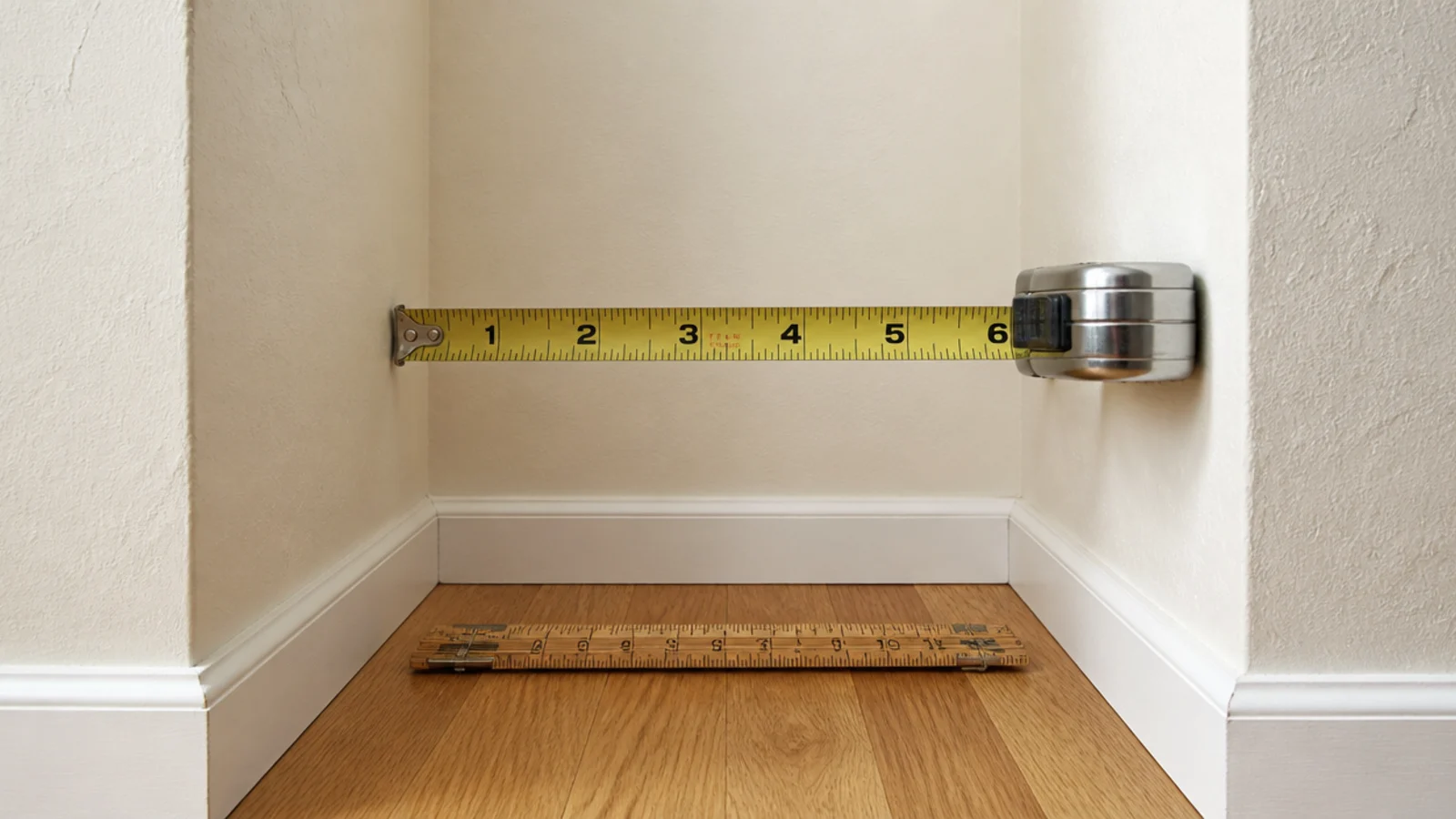
Depth. Measure the walkway before the wall. Stand in the corner and measure to the nearest thing you walk around. Under 30 inches of clearance means six inches of depth, full stop. Thirty to forty allows eight. Six inches sounds tiny and holds paperbacks, mid-size pottery and framed photos comfortably — the difference in what you can store is far smaller than the difference in how the room feels.
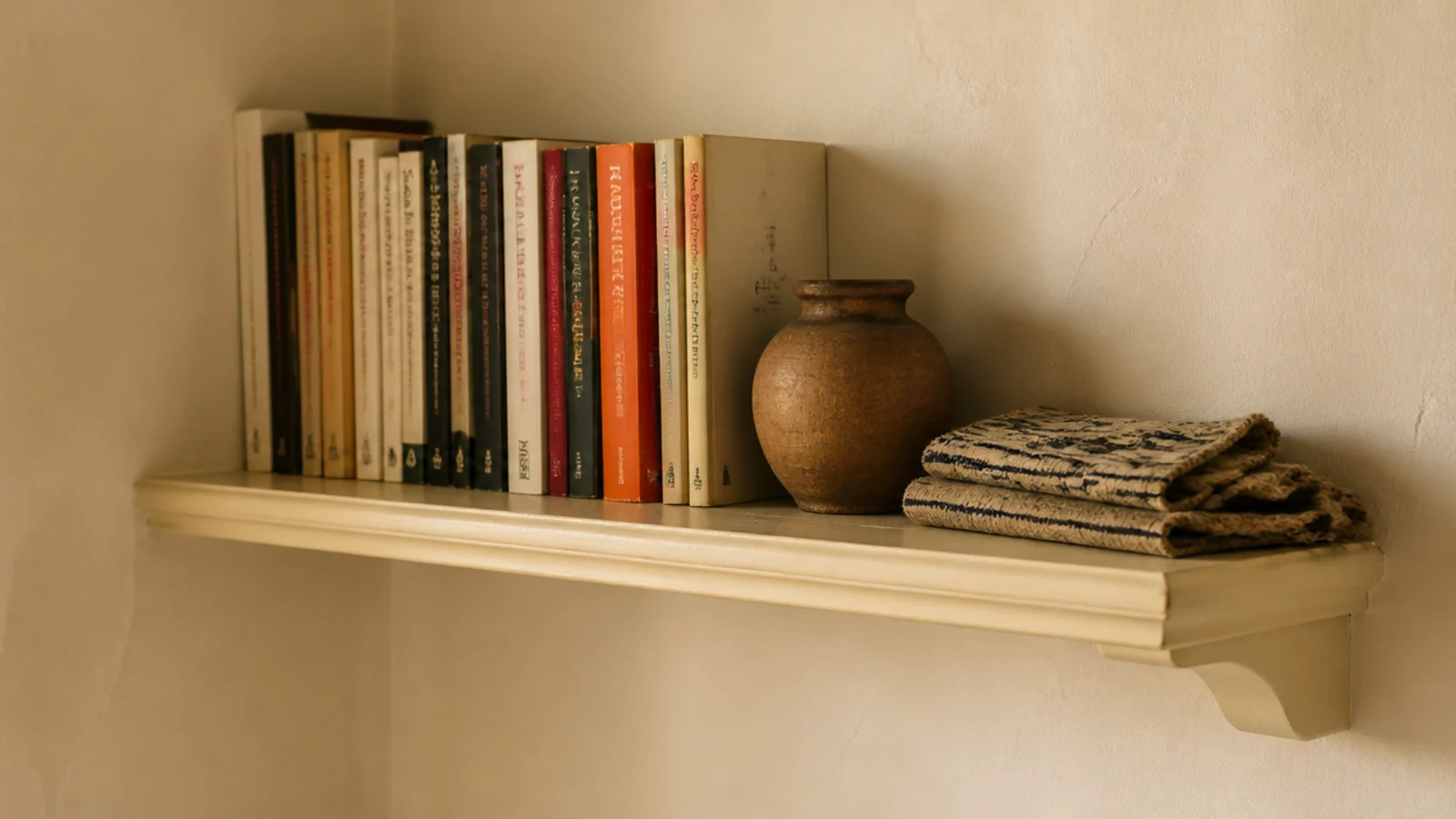
Color. Paint the shelf the exact wall color. A matched shelf recedes and the objects on it come forward; a contrasting shelf draws a hard horizontal line that visually chops a small wall into sections. This one is free and it is the difference between a shelf that opens a room and one that closes it.
Height, used properly. Almost every small room has unused wall between eye level and the ceiling. Go up. Stop about 12 inches below the ceiling so the top shelf can breathe, and put the things you use seasonally on the highest tiers.
One more rule that people resist: pick one corner and do it well. In a room under 120 square feet, shelves in every corner turn a home into a storage unit no matter how carefully each is styled.
1. Make six inches your default depth
Start here and only go deeper if the walkway genuinely allows it. Six inches takes paperbacks upright, most pottery, framed photos and small plants.
The two extra inches of an eight-inch shelf gain you very little storage and cost you real comfort in a tight room.
2. Paint the shelf the exact wall color
Color-match a paint chip or use leftover wall paint. Satin on the shelf against matte on the wall gives just enough definition.
This is the single highest-impact free change available in a small room, and it works whether the shelf is new pine or an existing unit you dislike.
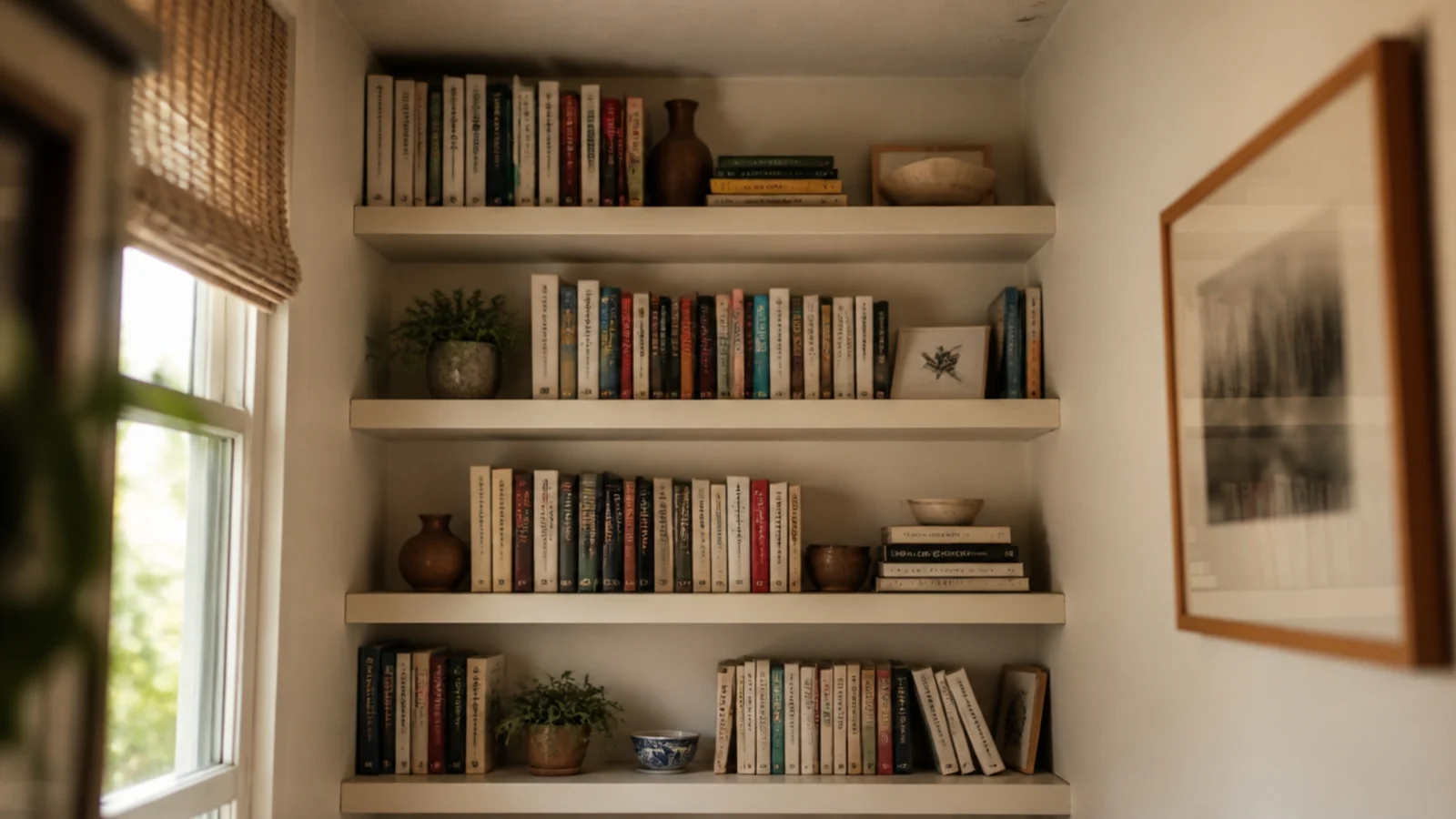
3. Go vertical rather than deeper
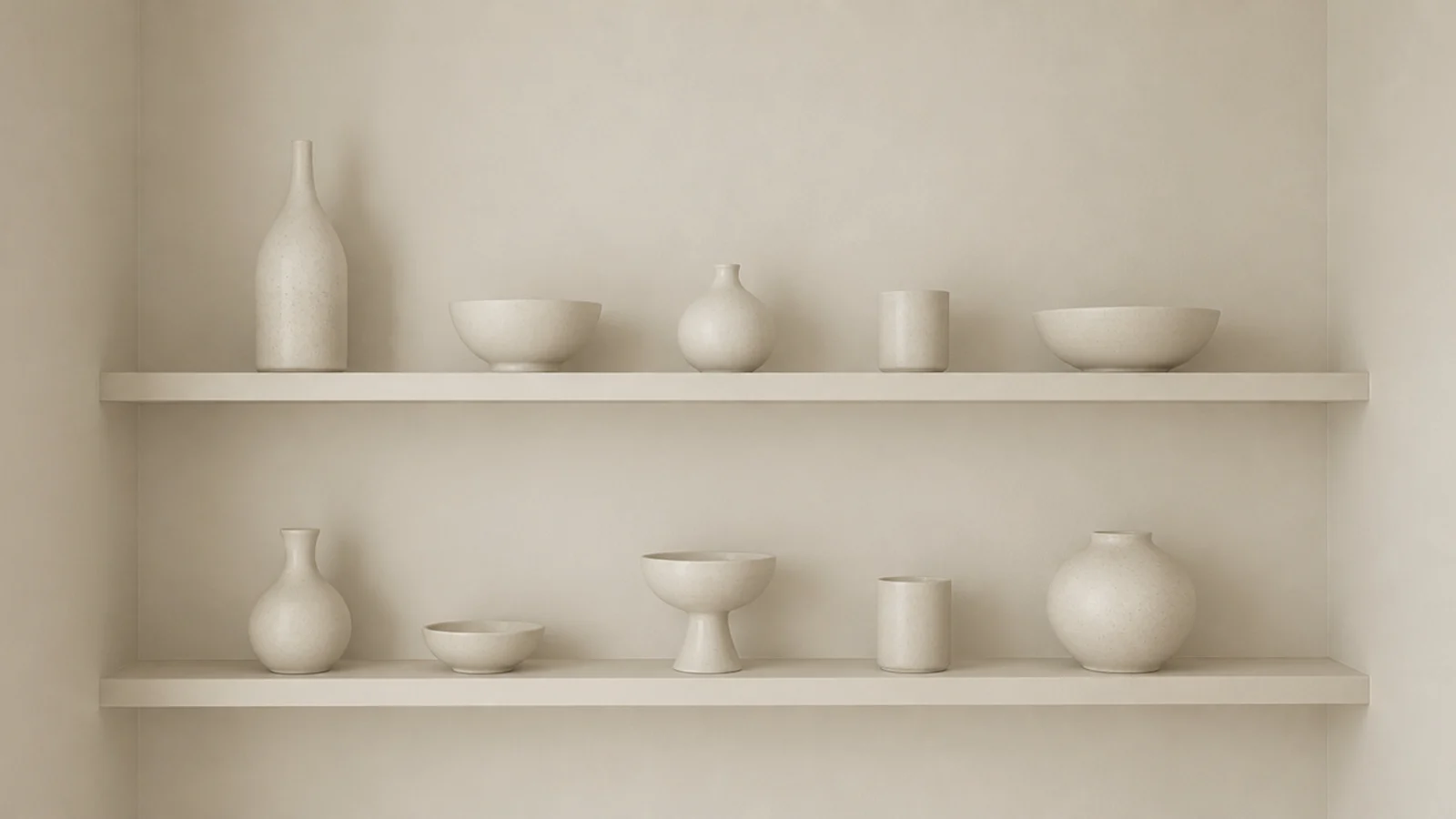
Four shallow shelves hold considerably more than two deep ones and take no floor comfort from you.
Space them 13 inches apart and start high enough to clear the furniture below. Height is the free dimension in almost every small room.
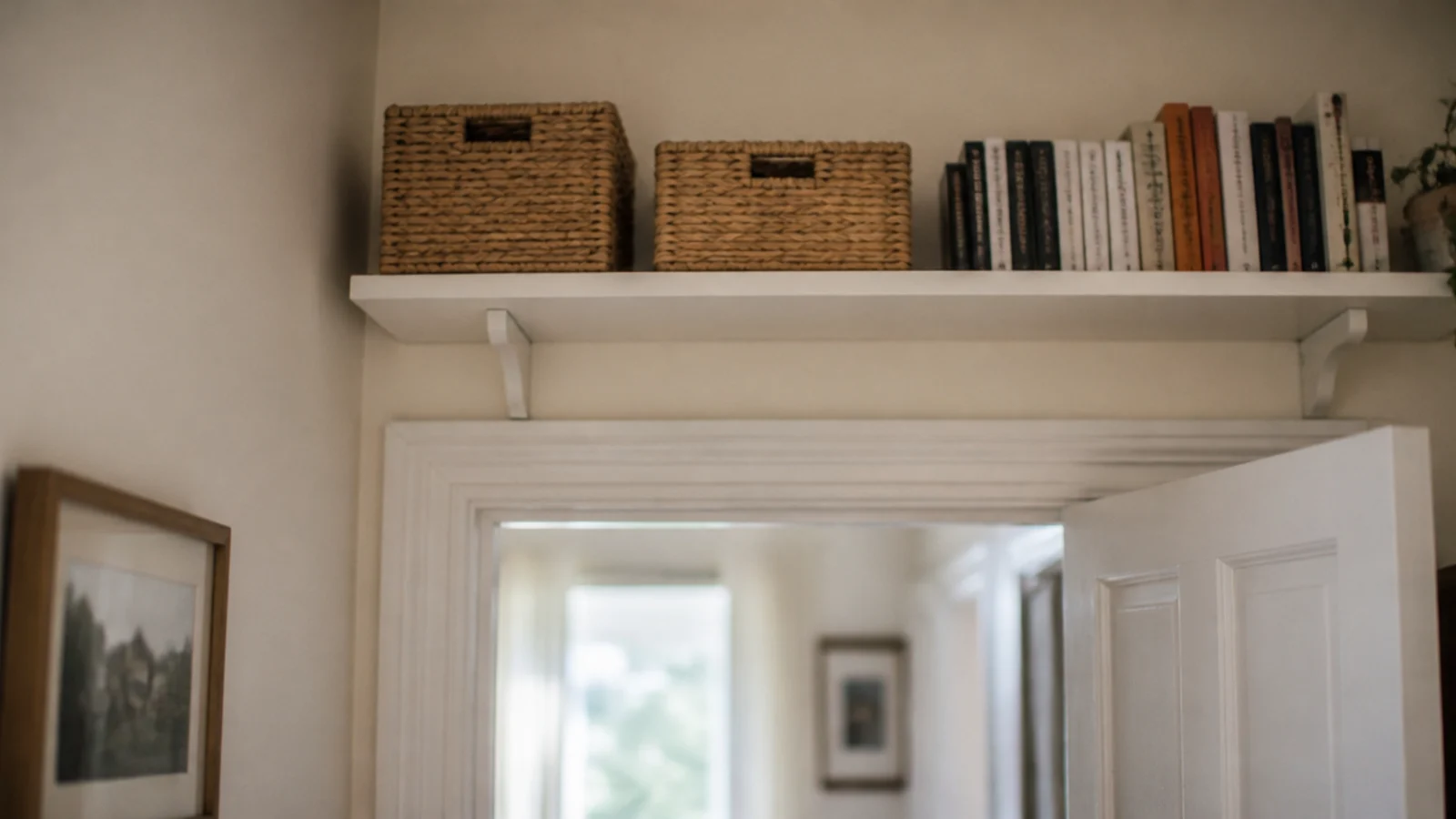
4. Use the wall above the door
The strip between a doorframe and the ceiling is genuinely free real estate. A shelf there holds baskets and books nobody needs daily.
Keep it shallow — six inches — so nobody walking through catches it, and mount it at least four inches above the frame so it reads as deliberate.
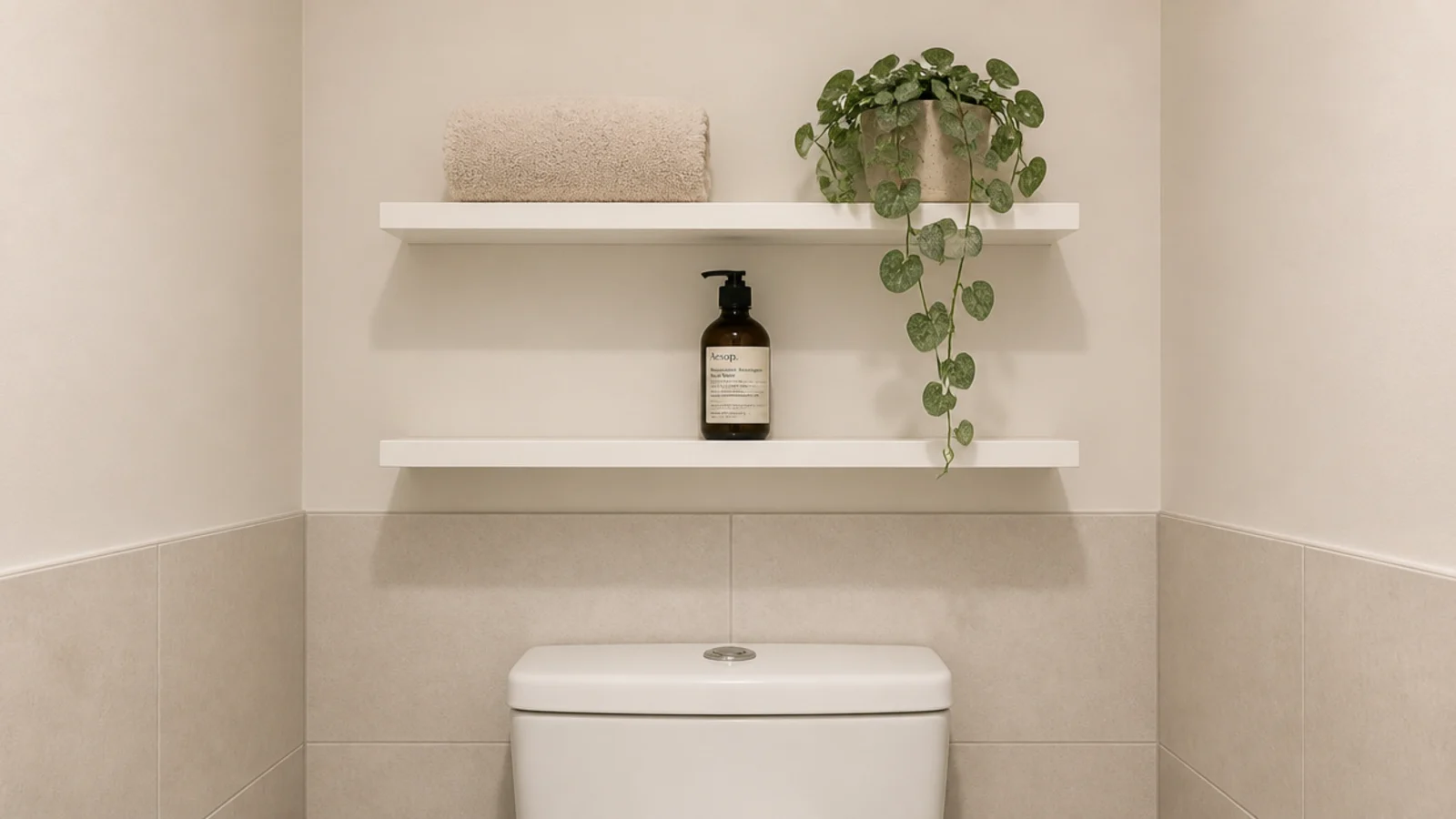
5. The corner above the toilet
The most reliably wasted wall in any small bathroom. Two slim shelves hold towels, bottles and a plant.
Leave 24 inches of clear height above the seat so nobody knocks their head standing up, and use sealed material only. More on humidity-proof options in bathroom corner shelves.
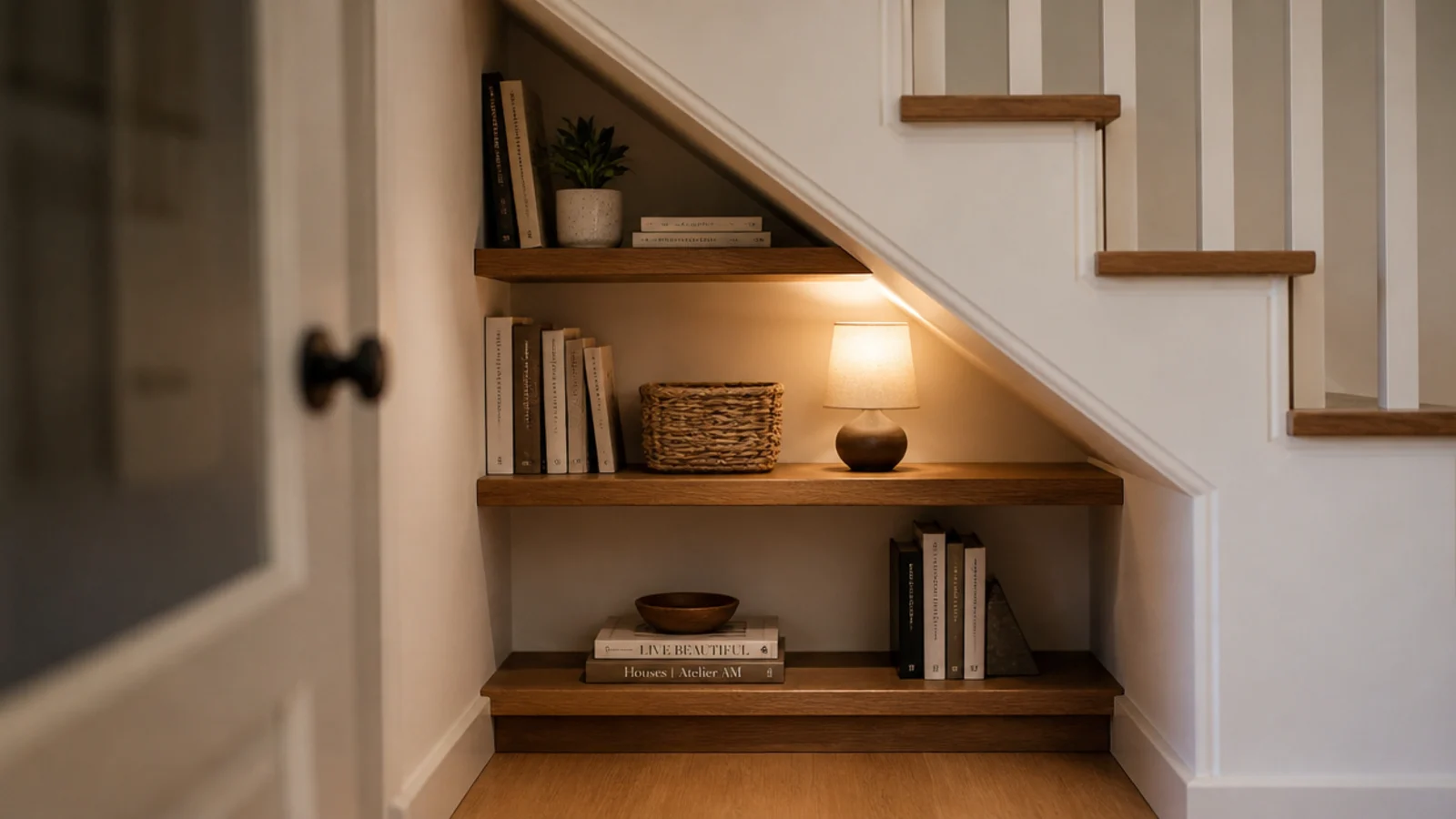
6. Under-stair corner shelves
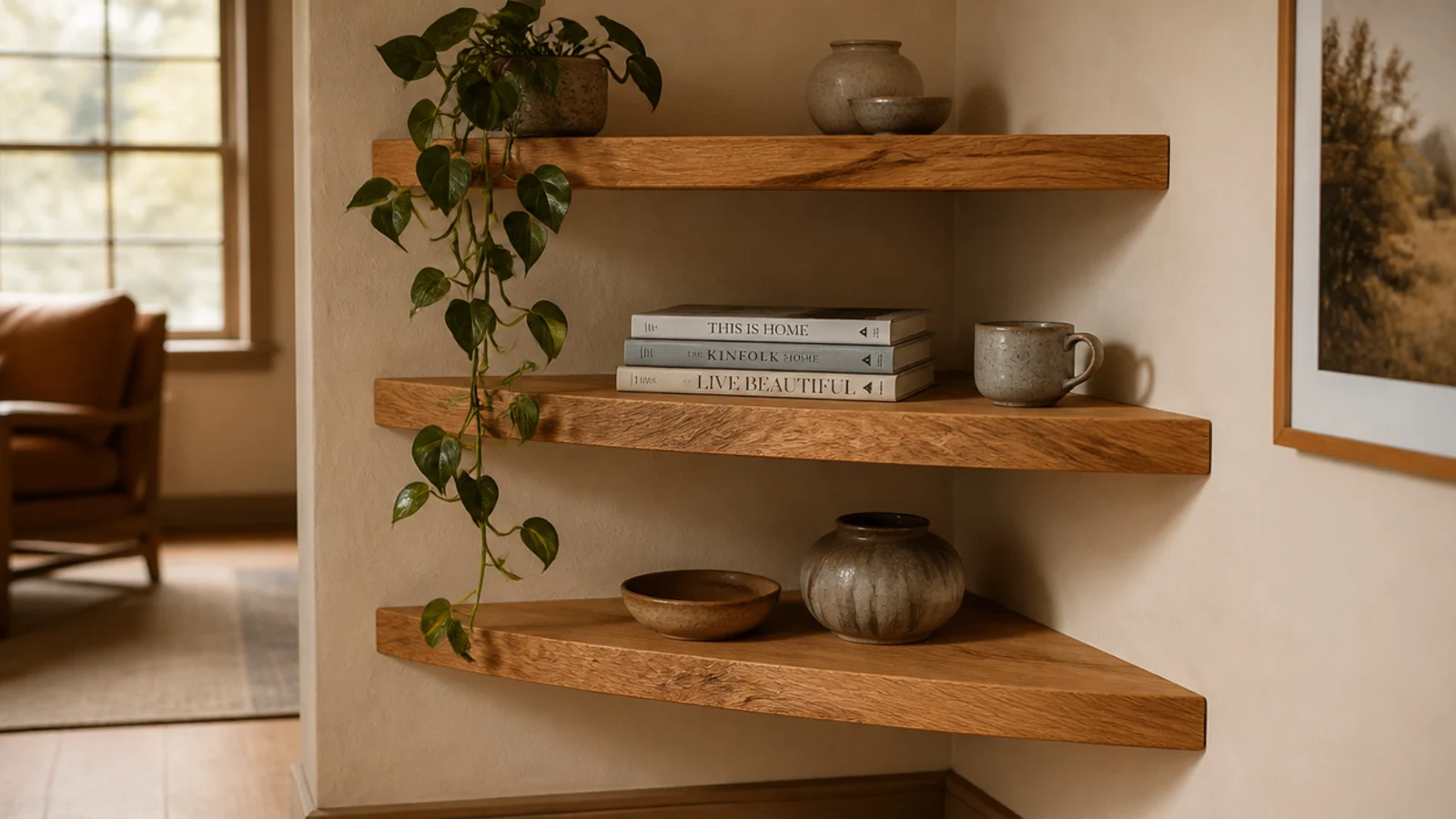
The triangular space where a staircase meets a wall is awkward for furniture and perfect for stepped shelves.
Step each shelf up to follow the stair line rather than running them level — working with the angle uses every inch and looks intentional instead of leftover.
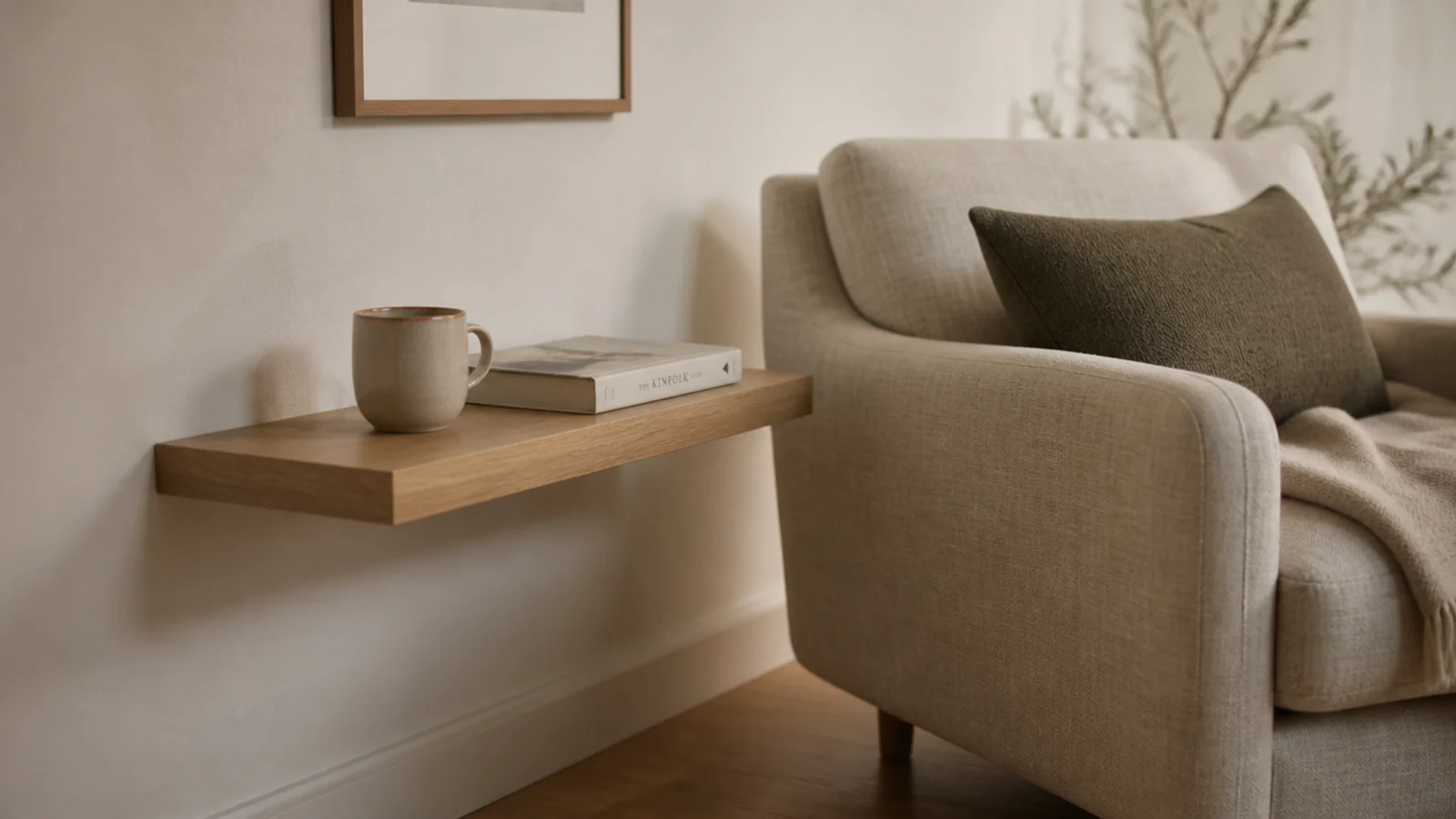
7. A shelf instead of a side table
A floating shelf at arm height beside a chair gives you the same surface as a side table and gives back roughly two square feet of floor.
Mount it 24 to 26 inches from the floor, which is where your hand naturally lands from a seated position.
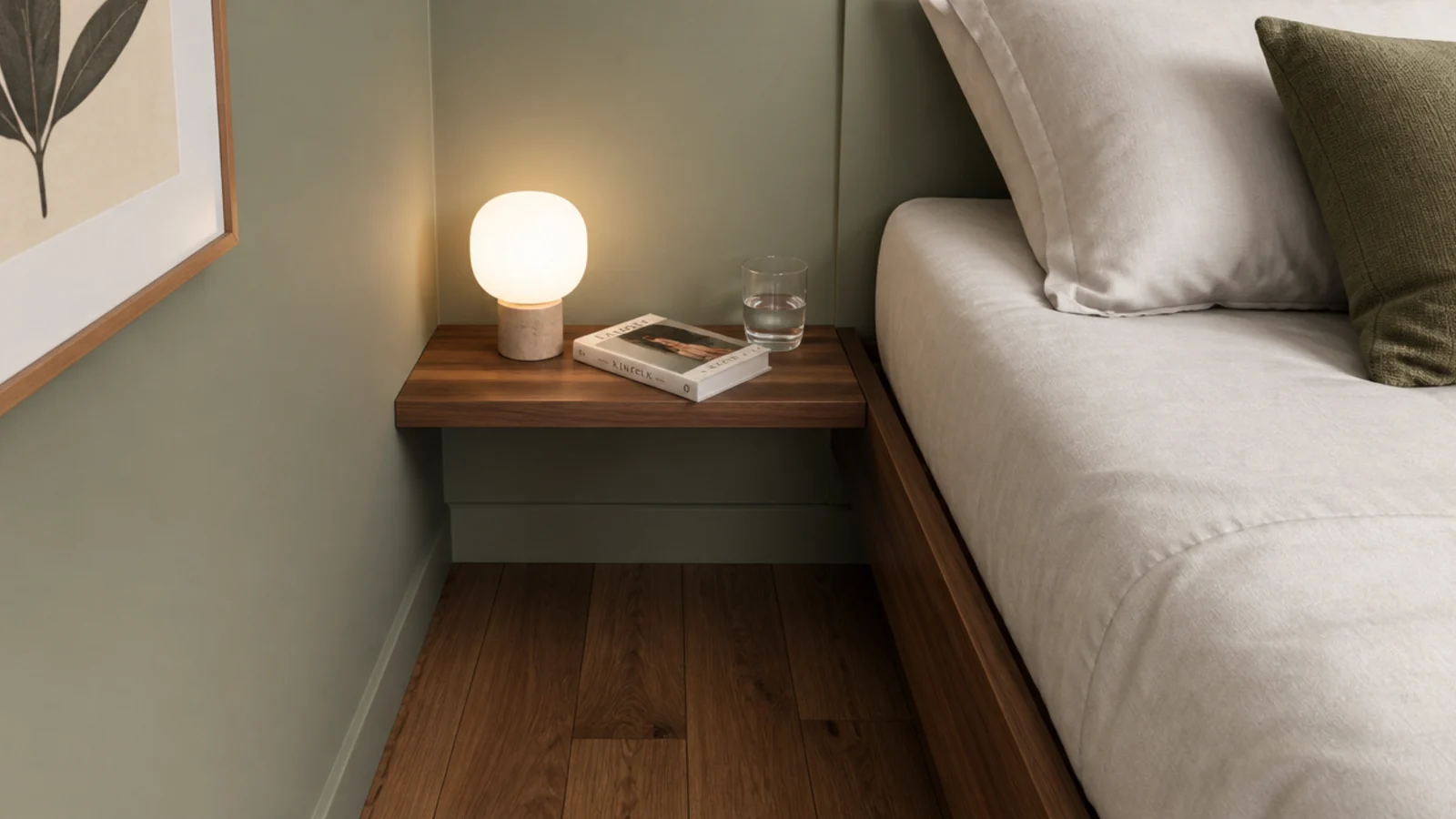
8. A shelf instead of a nightstand
Twelve inches long, seven deep, level with the mattress top. It holds a lamp, a book, a glass and a small dish.
In a bedroom where the bed is pushed into a corner, this is not a compromise — it is the version that lets you walk past the bed without turning sideways.
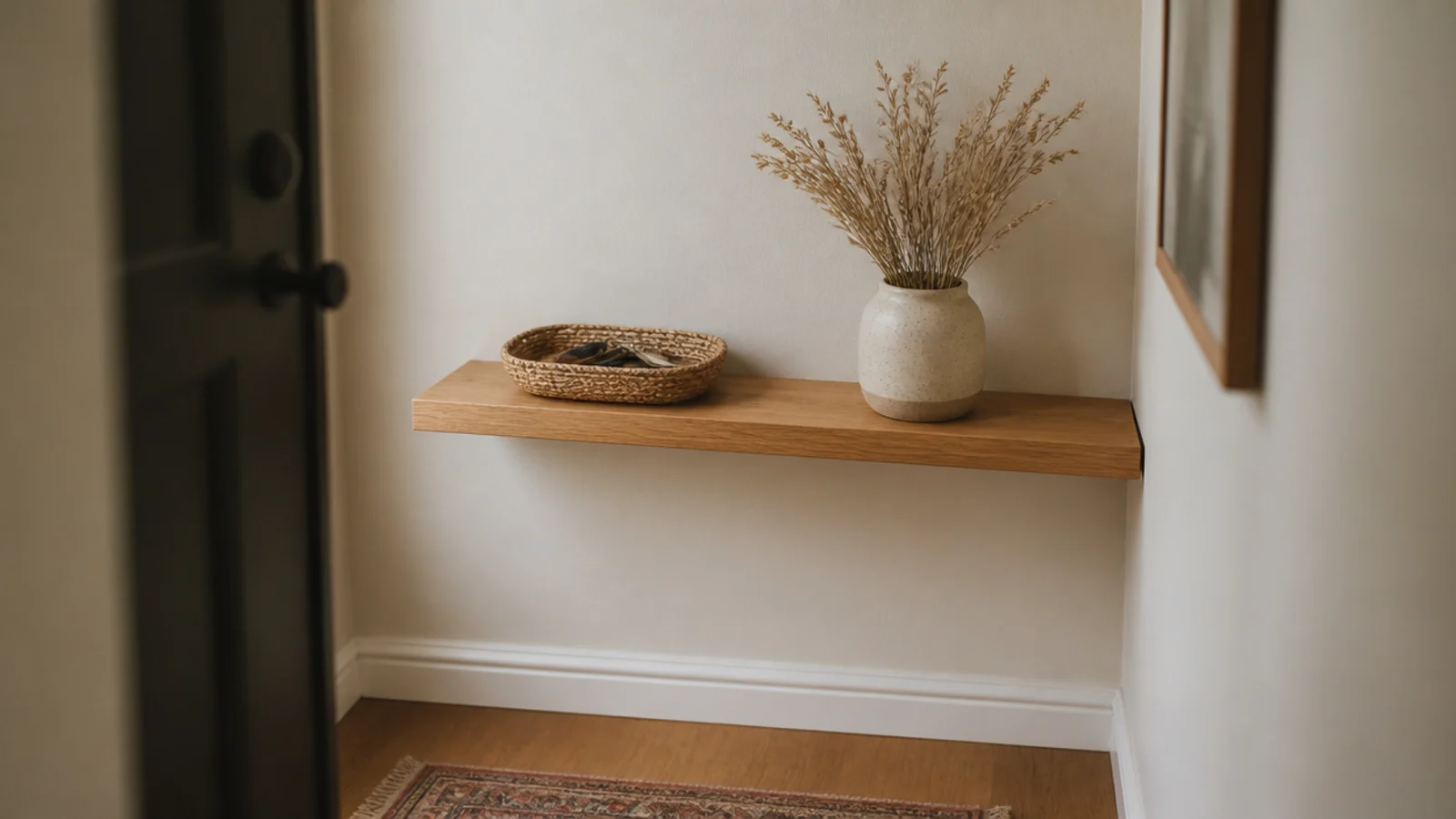
9. A shelf instead of an entry console
A console table eats four square feet of the tightest space in the house. A shelf at 52 inches with a tray on it does the same job.
Add hooks 14 inches below for bags, and the corner handles everything an entryway needs.
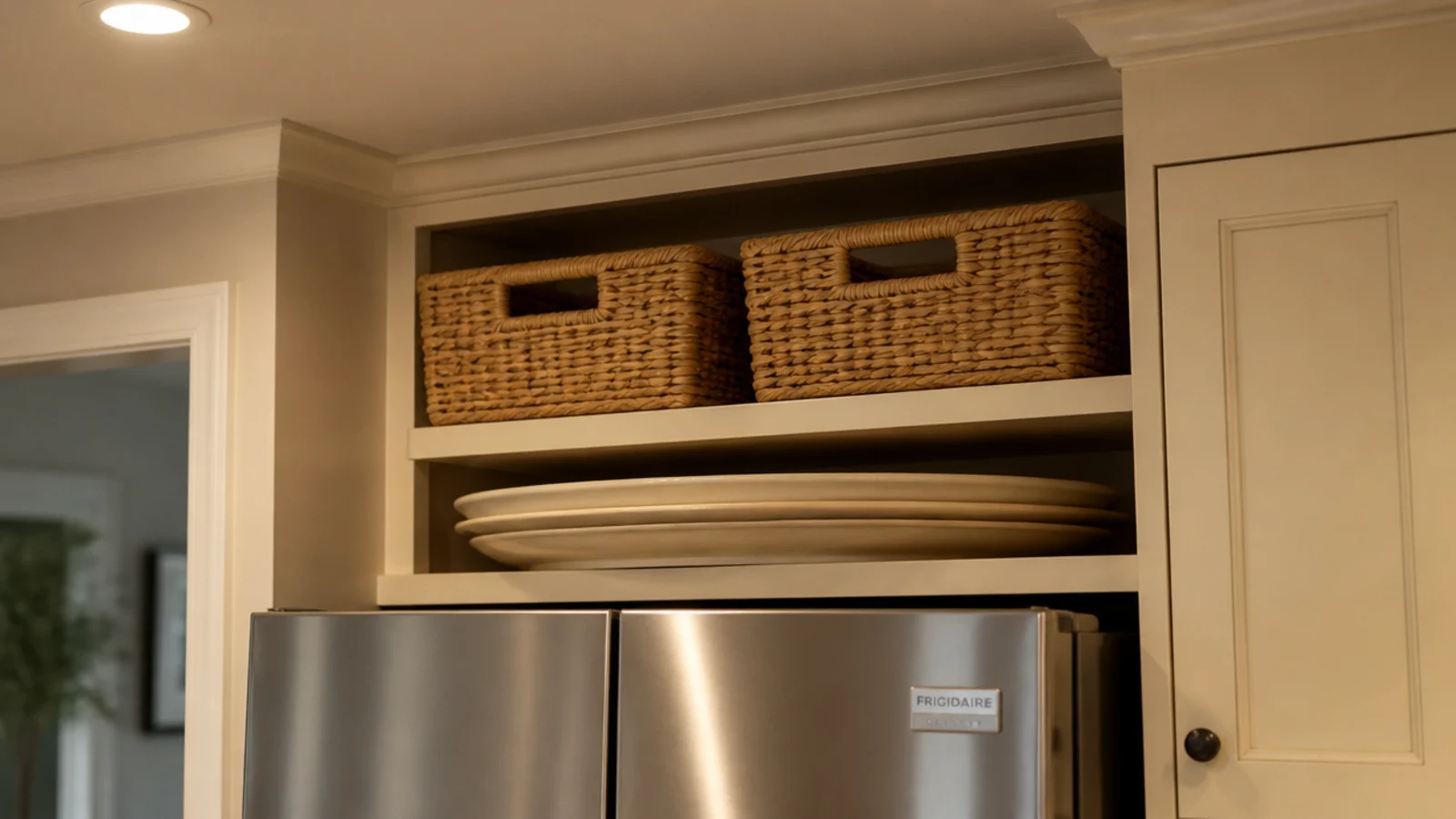
10. The corner above the fridge
Awkward, high and almost always empty. Fitted shelving there holds platters, seasonal baking tins and things you use twice a year.
Do not put anything daily up here — nobody wants a stepladder in a small kitchen every morning.
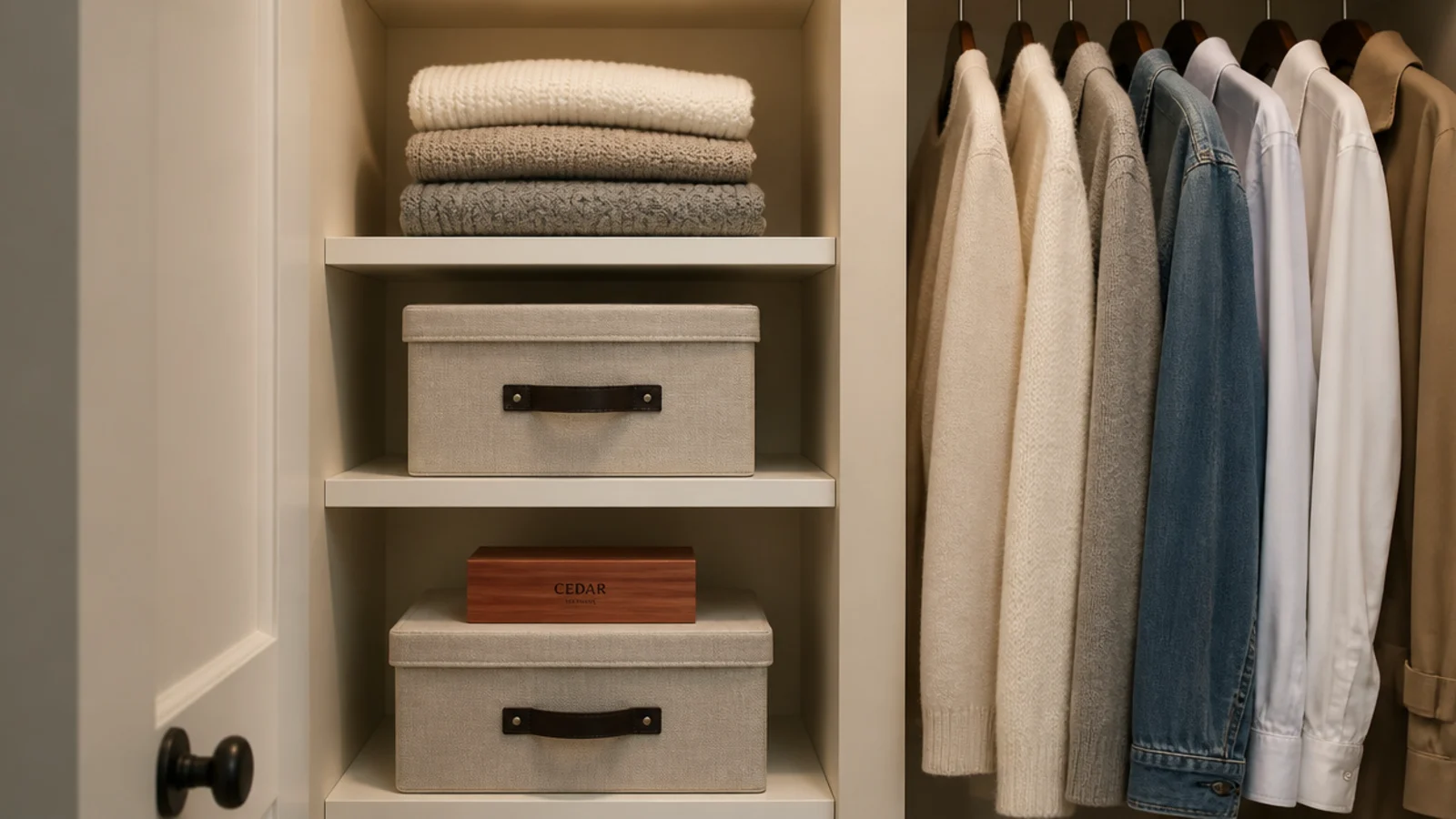
11. Inside the closet corner
The back corner of a closet, behind the hanging rail, is among the deadest space in any home.
Three small shelves there hold folded knits and storage boxes. Measure the rail depth first: shelves must sit behind the swing of hanging clothes or you fight them every day.
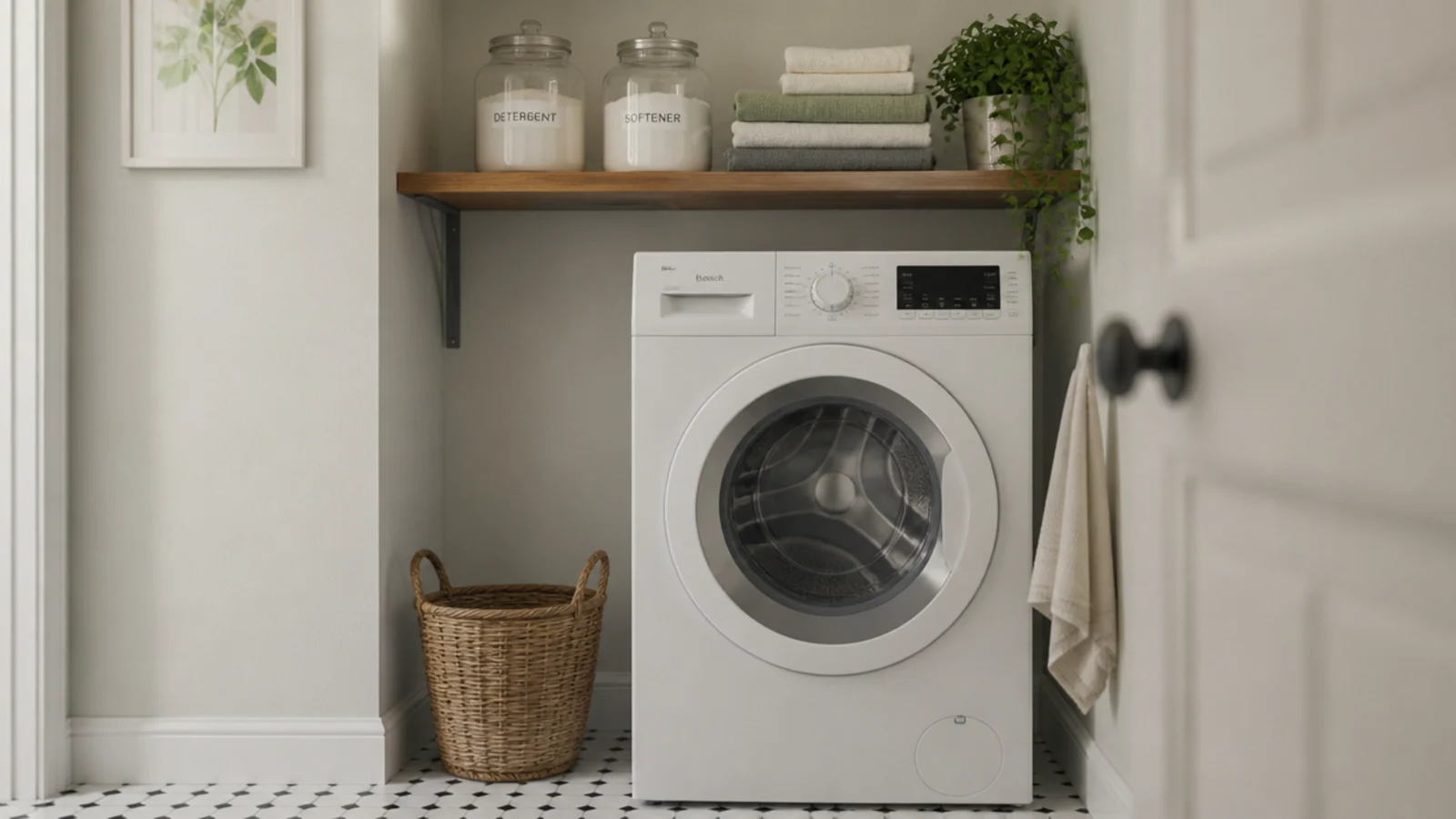
12. Above the washer and dryer corner
A shelf above the machines holds detergent, folded linens and the things that otherwise live on top of the dryer and vibrate off.
Mount high enough that a top-loading lid opens fully, and add a small lip if the machines vibrate hard.
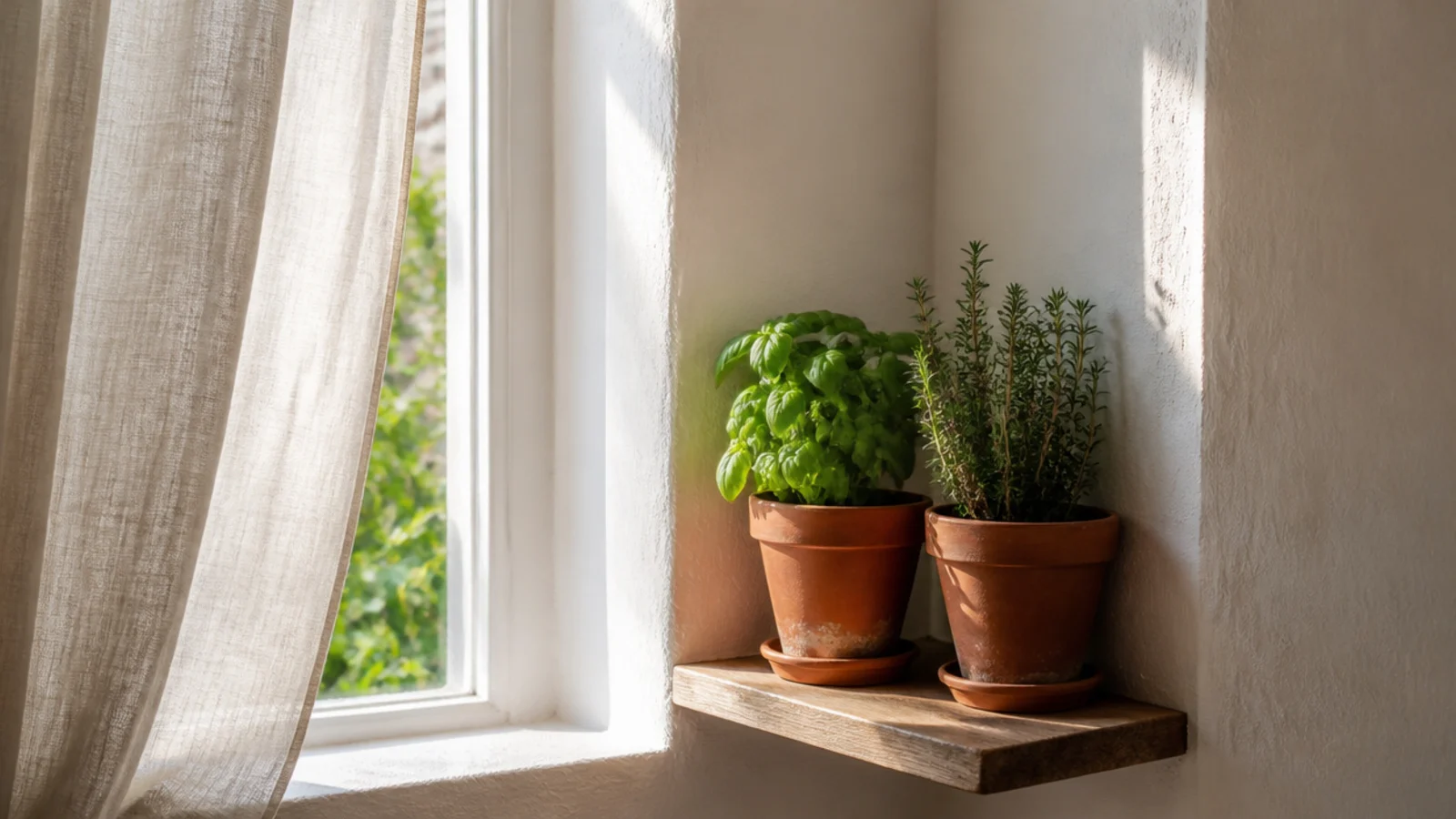
13. A shelf in the window reveal
In an older house with thick walls, a deep window reveal is a shelf the builder already made. Fit a board across it and you have a plant ledge with the best light in the room.
Keep it below the sash so the window still opens, and use a material that tolerates condensation.
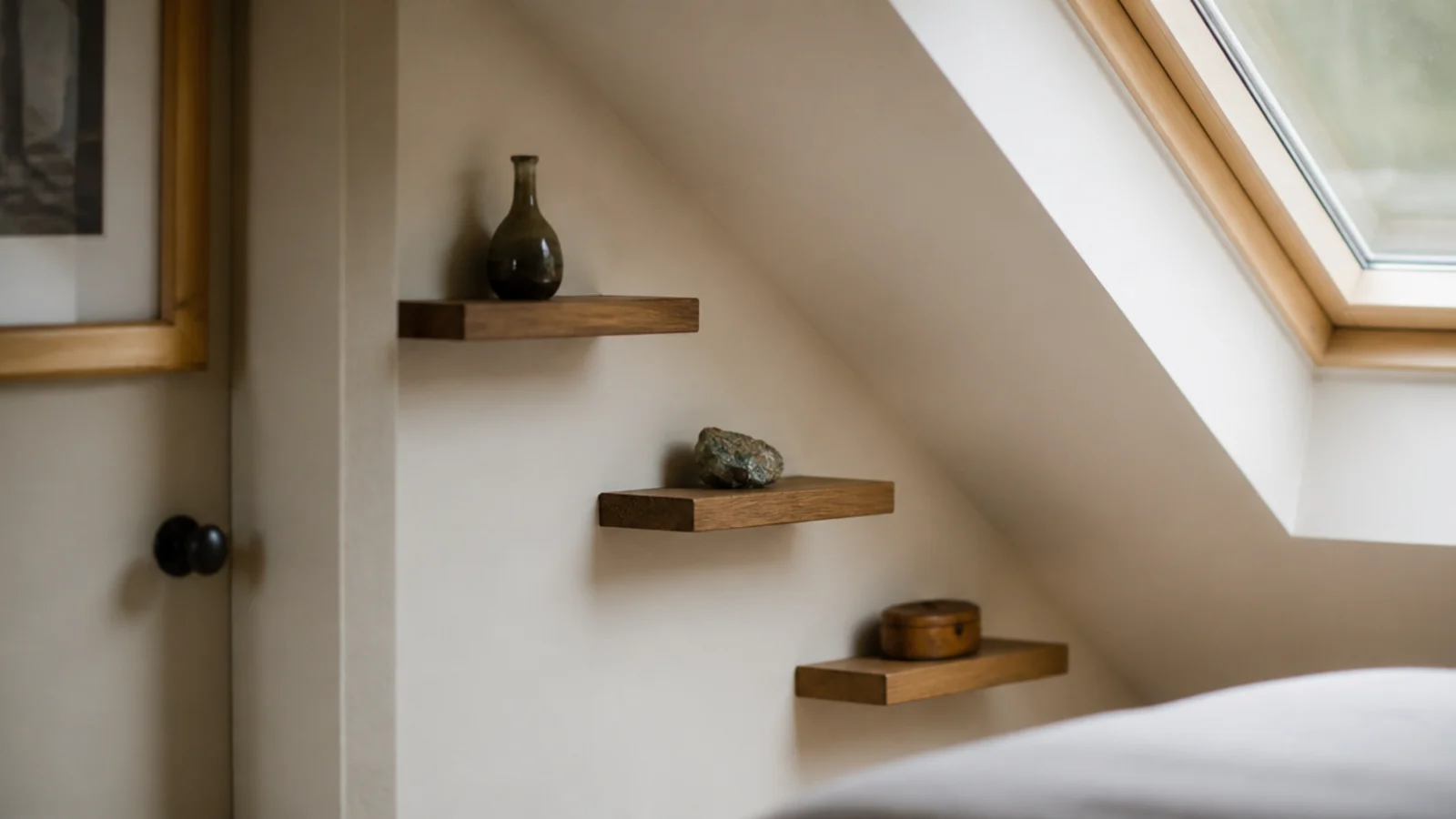
14. Shelves that follow a sloped ceiling
In an attic room, step three short shelves down to follow the roof line rather than running them level.
Working with the slope makes the room feel intentional. A horizontal shelf under an angled ceiling just draws attention to how little headroom there is.
15. A shelf spanning the radiator gap
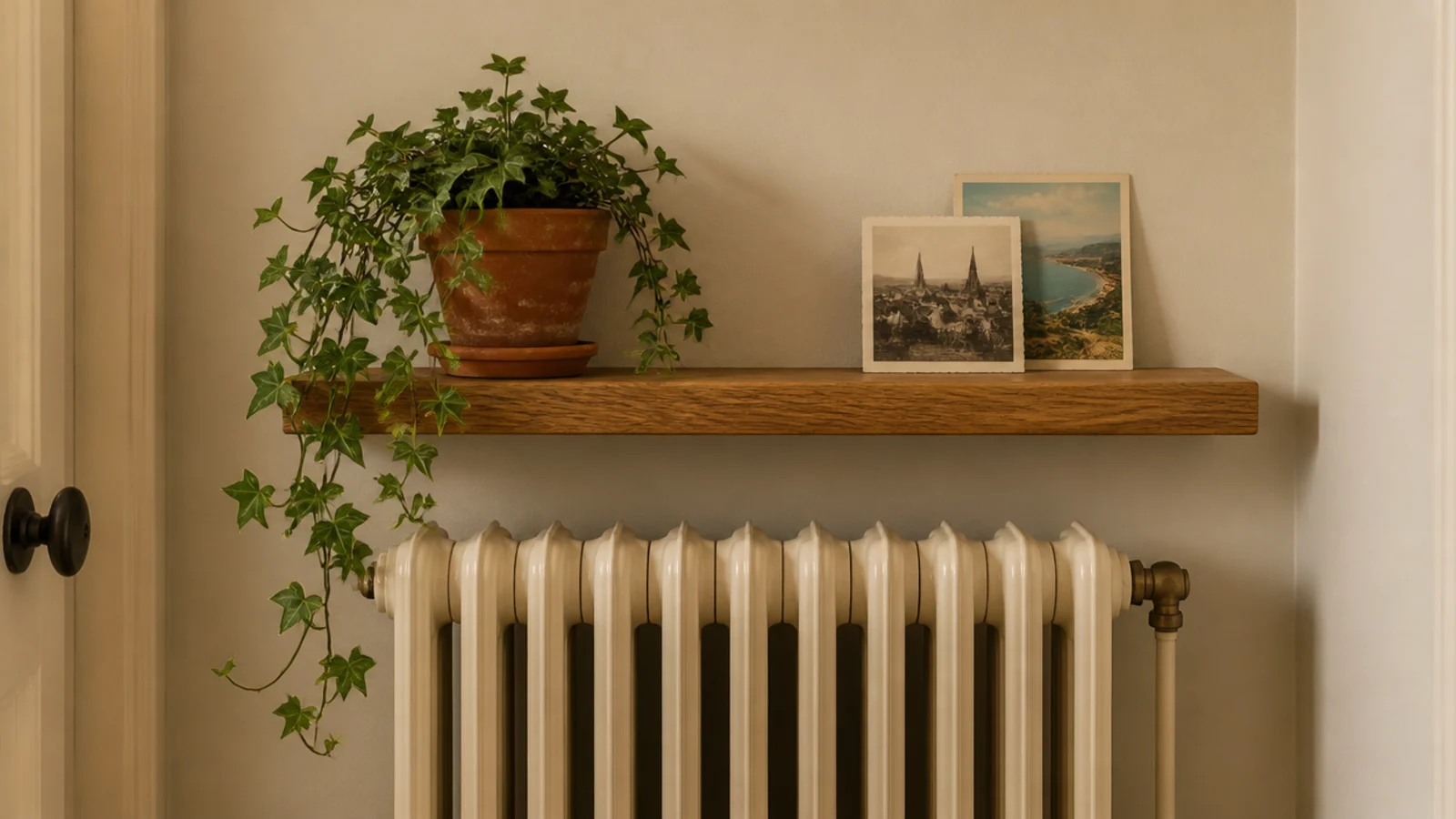
A radiator in a corner is an eyesore that cannot move. A shelf four inches above it turns it into a plinth.
Solid wood or metal only, four inches of clear air minimum, and nothing wax-based or heat-sensitive on top.
16. The wall behind an open door
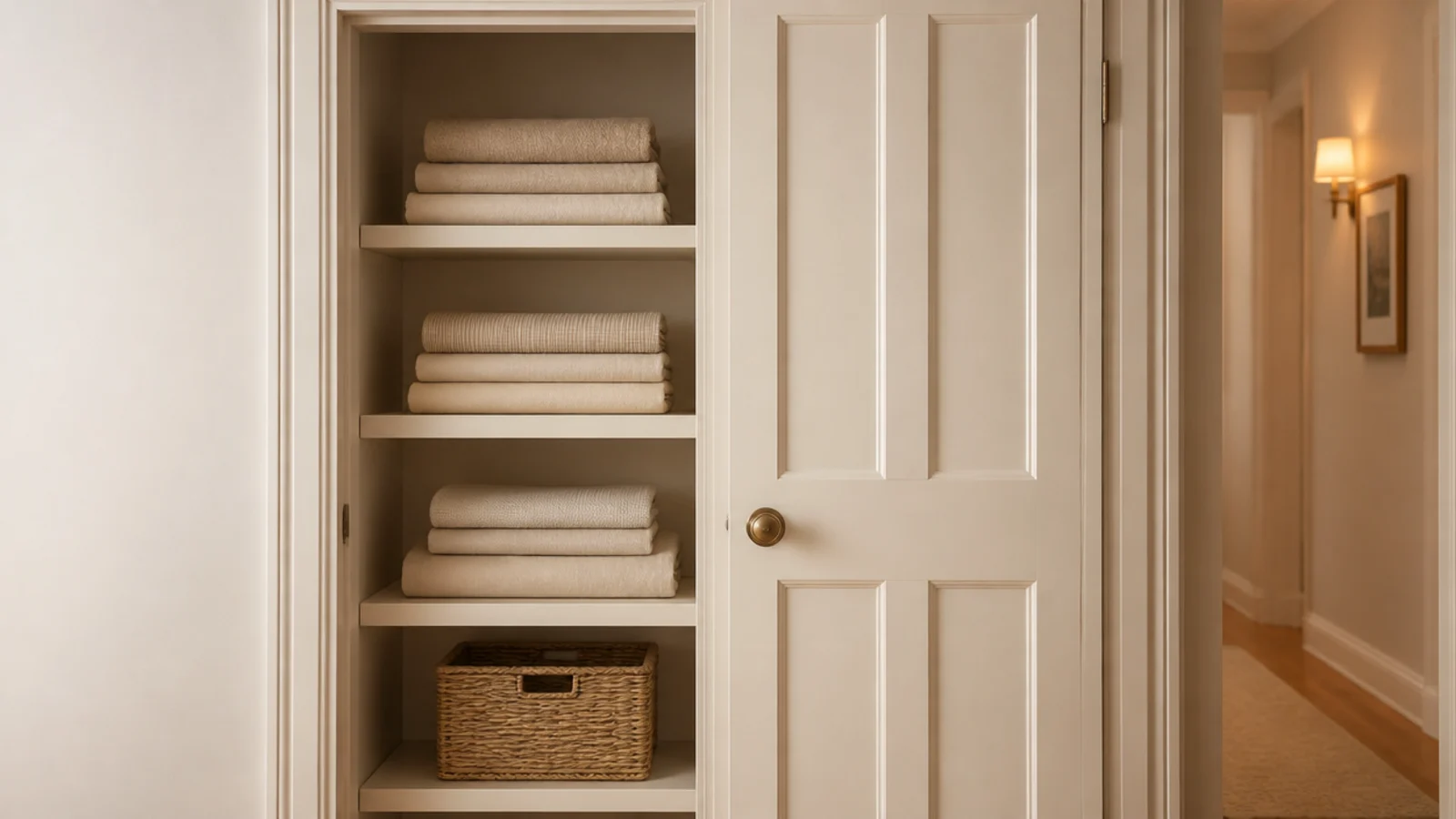
Open the door fully, measure wall to door face, subtract two inches. That is your maximum depth, usually four.
Folded linens, baskets of chargers, off-season items. Nothing breakable — doors get pushed harder than anyone plans for.
17. A shelf over the desk corner
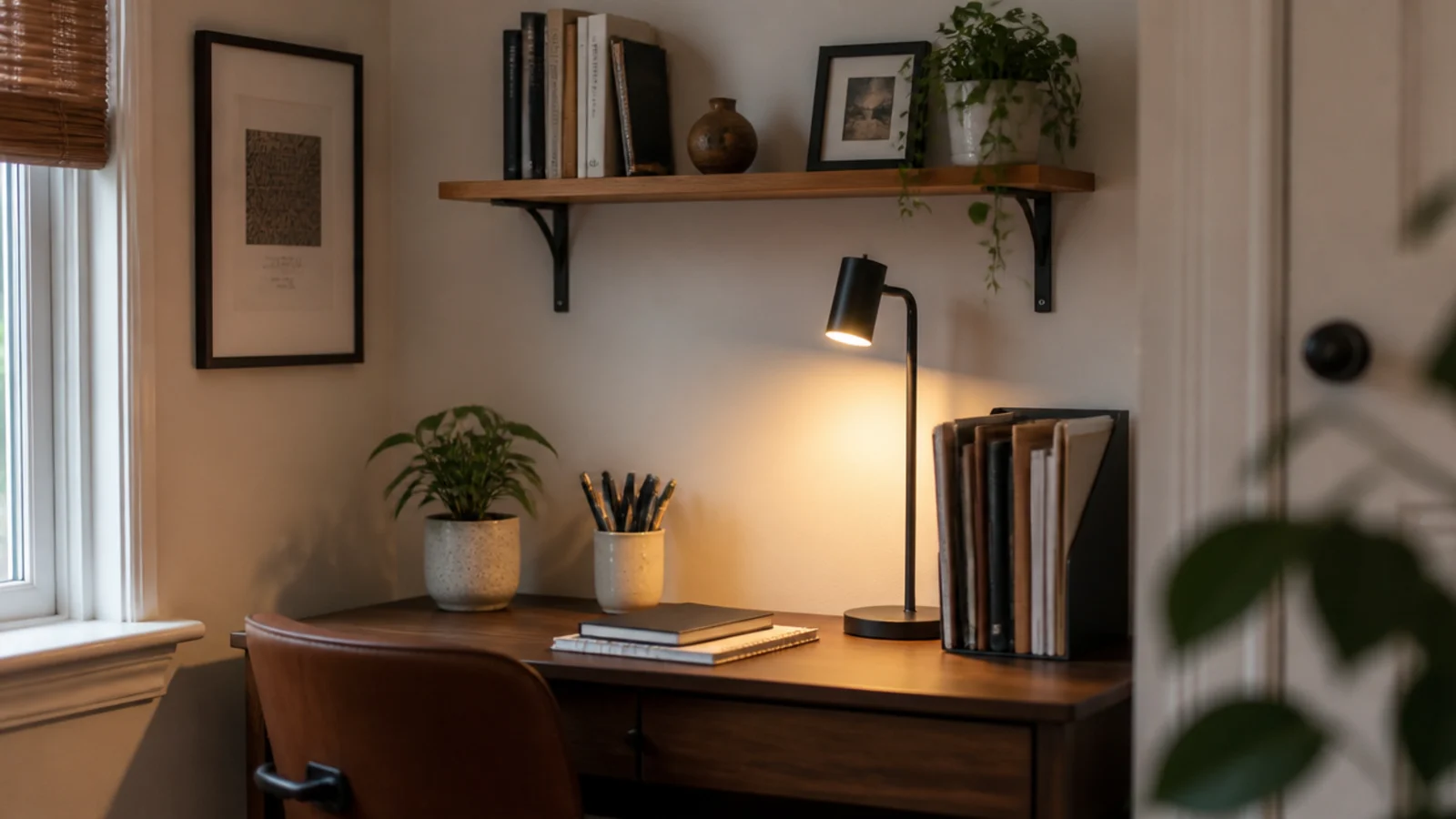
Sixteen inches above the desk surface clears a monitor and gets files, pens and a plant off the working area.
In a small home office this reliably buys back 30 to 40 percent of usable desk. Both fixings into studs if anything heavy goes up.
18. A shelf above an existing bookcase
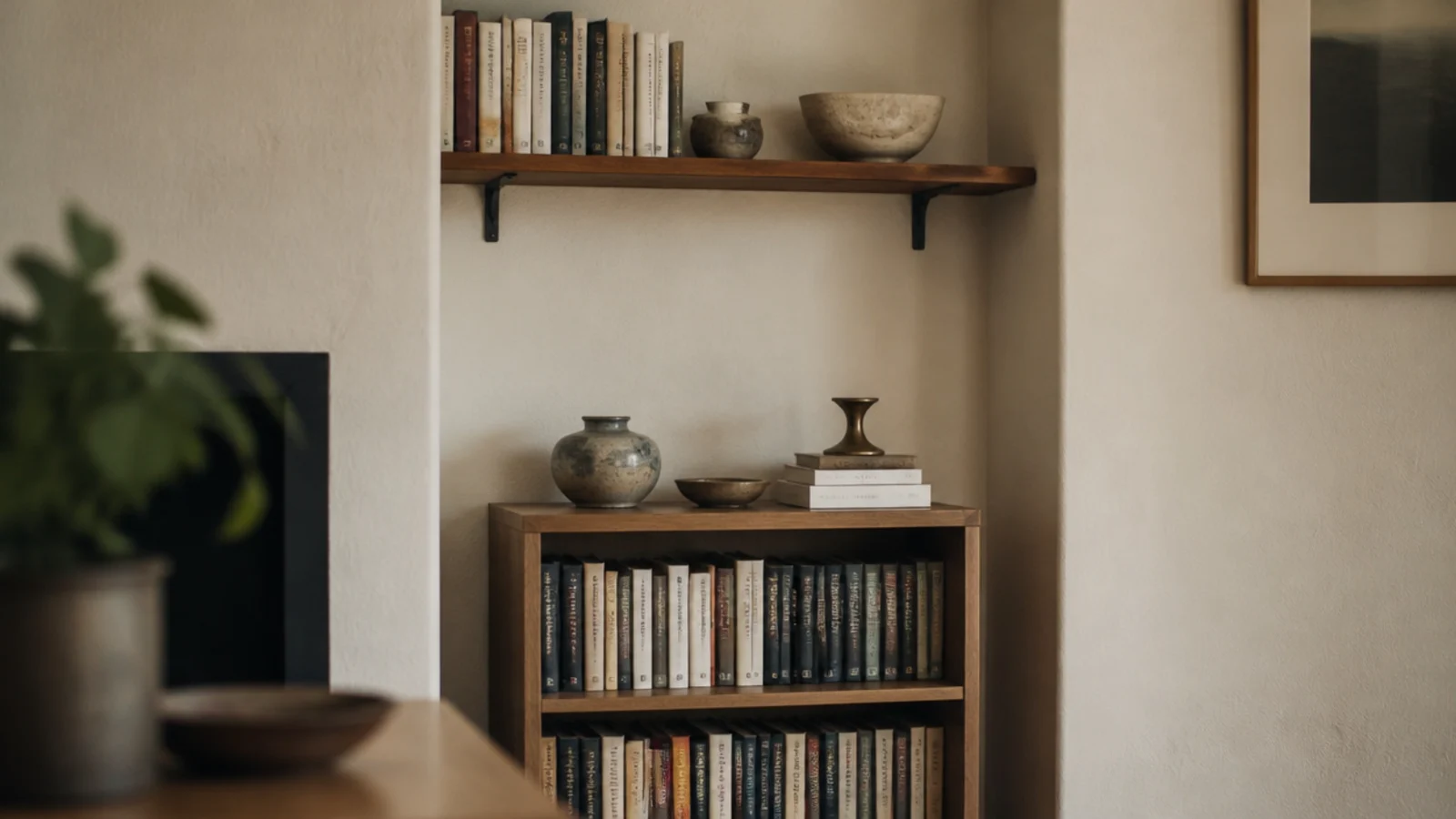
A low bookcase leaves dead wall above it. One shelf continuing that vertical line makes the whole thing read as built-in rather than as furniture pushed against a wall.
Align the shelf ends with the bookcase sides for the effect to work.
19. A shelf in a hallway nook
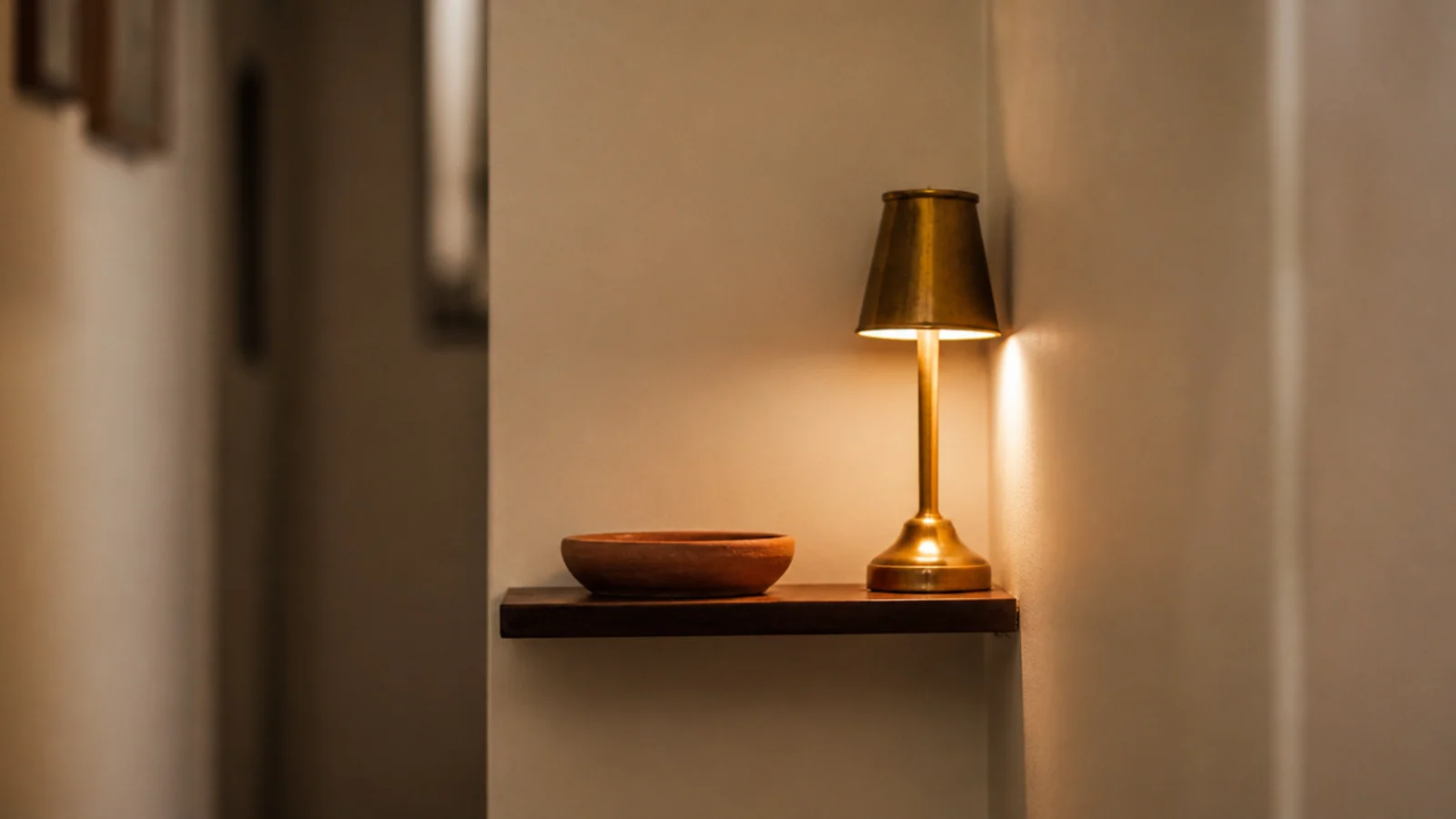
Hallways punish depth harder than any other space. Four inches, no more, and mount high enough to clear shoulders.
A small lamp on a hallway shelf does more for a narrow corridor at night than any ceiling fixture.
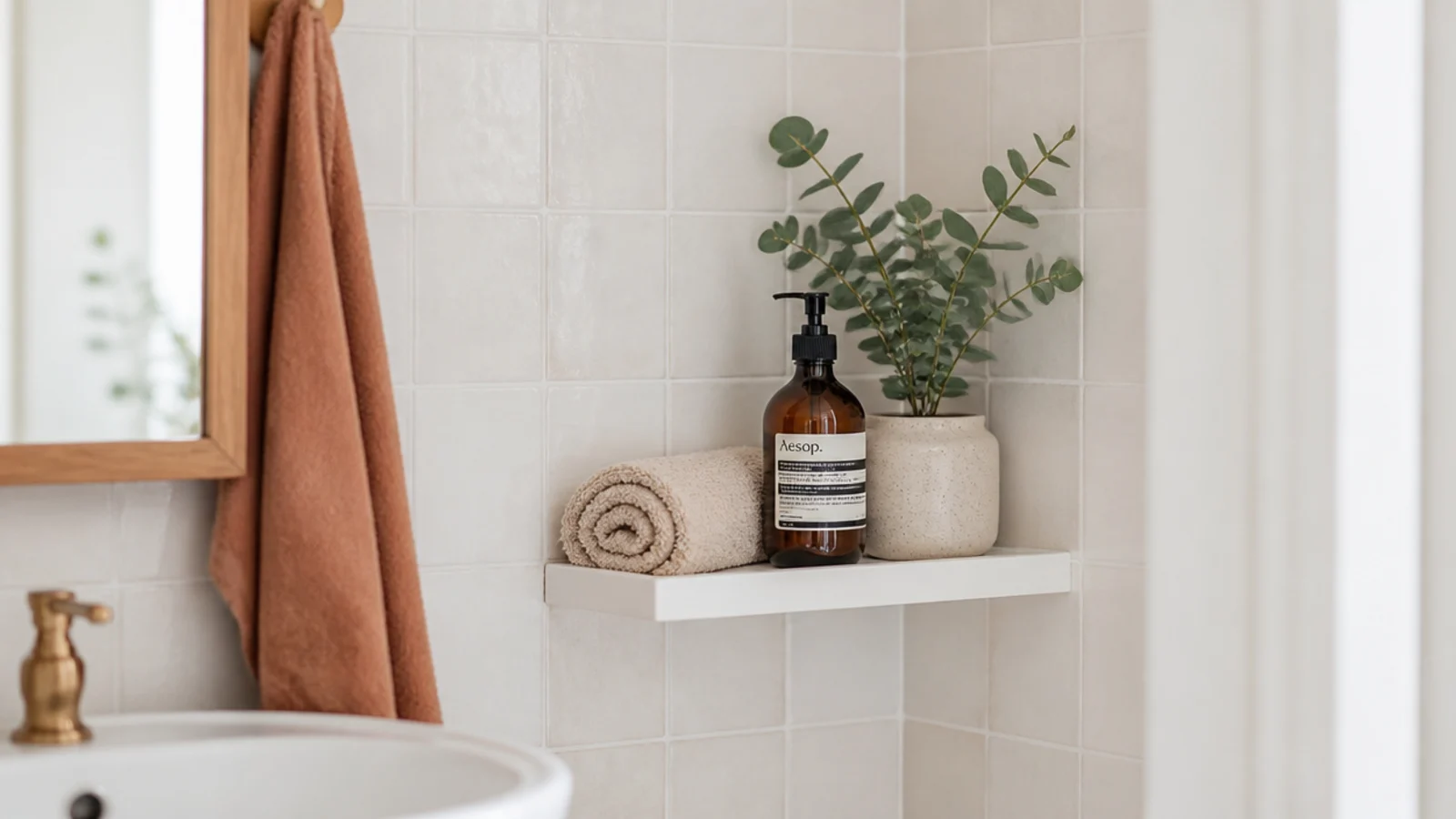
20. The corner beside the bathroom mirror
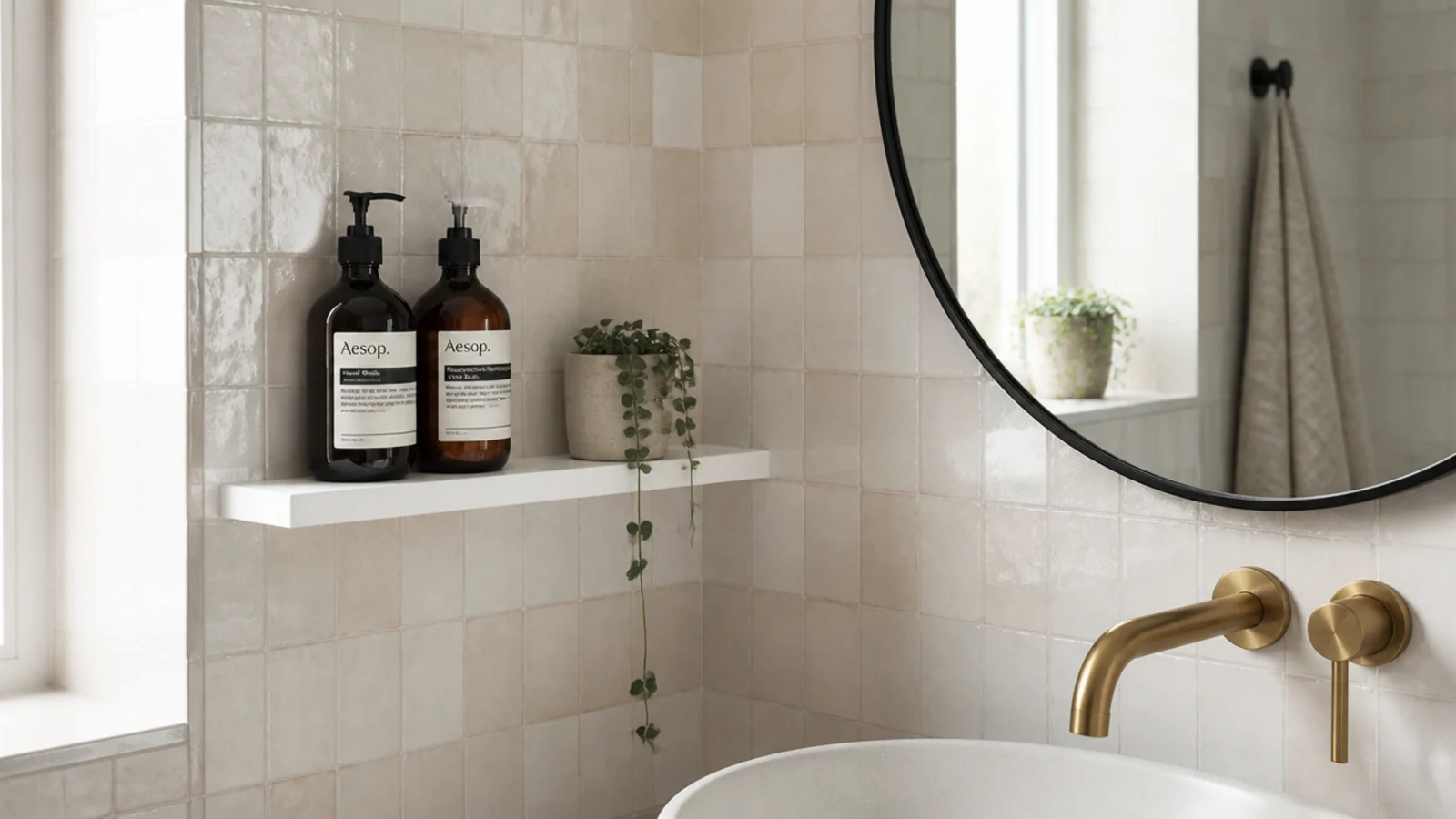
Beside the mirror rather than above it, because you need to reach it while looking at yourself.
Narrow — four to five inches — and at about 48 inches. It takes daily bottles off the basin edge, which is what makes a small bathroom feel tidy.
21. A shelf in the shower niche corner
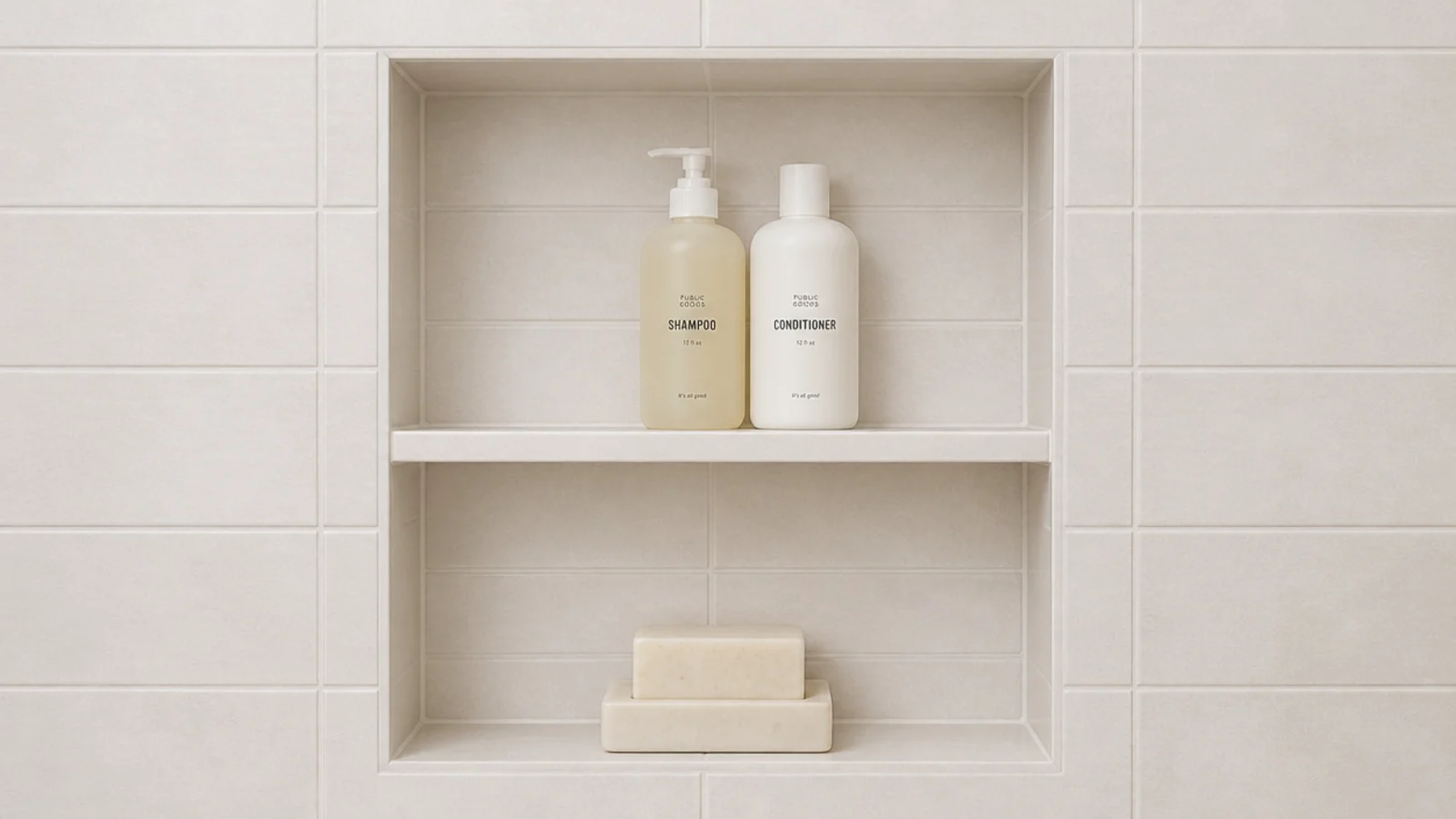
A tall tiled niche wastes most of its volume as empty air. One slim sealed shelf splits it into two useful levels.
Solid surface or sealed teak only, and silicone the joints so water cannot track behind it.
22. A shelf above the bed frame corner
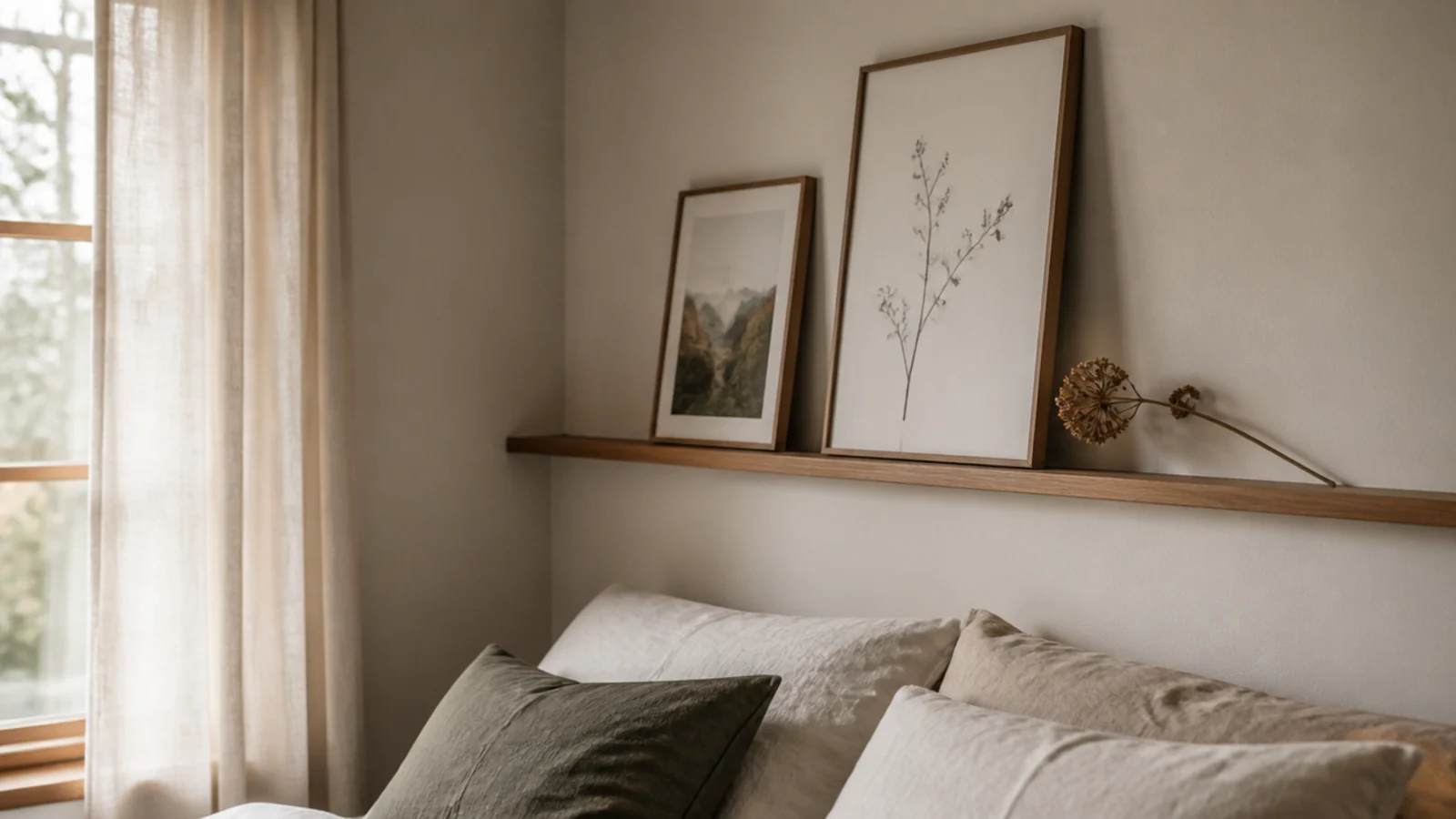
A narrow picture ledge above the bed holds leaning art without hanging anything over sleeping heads.
Light things only — paper, thin frames, dried stems. Nothing ceramic, nothing glass.
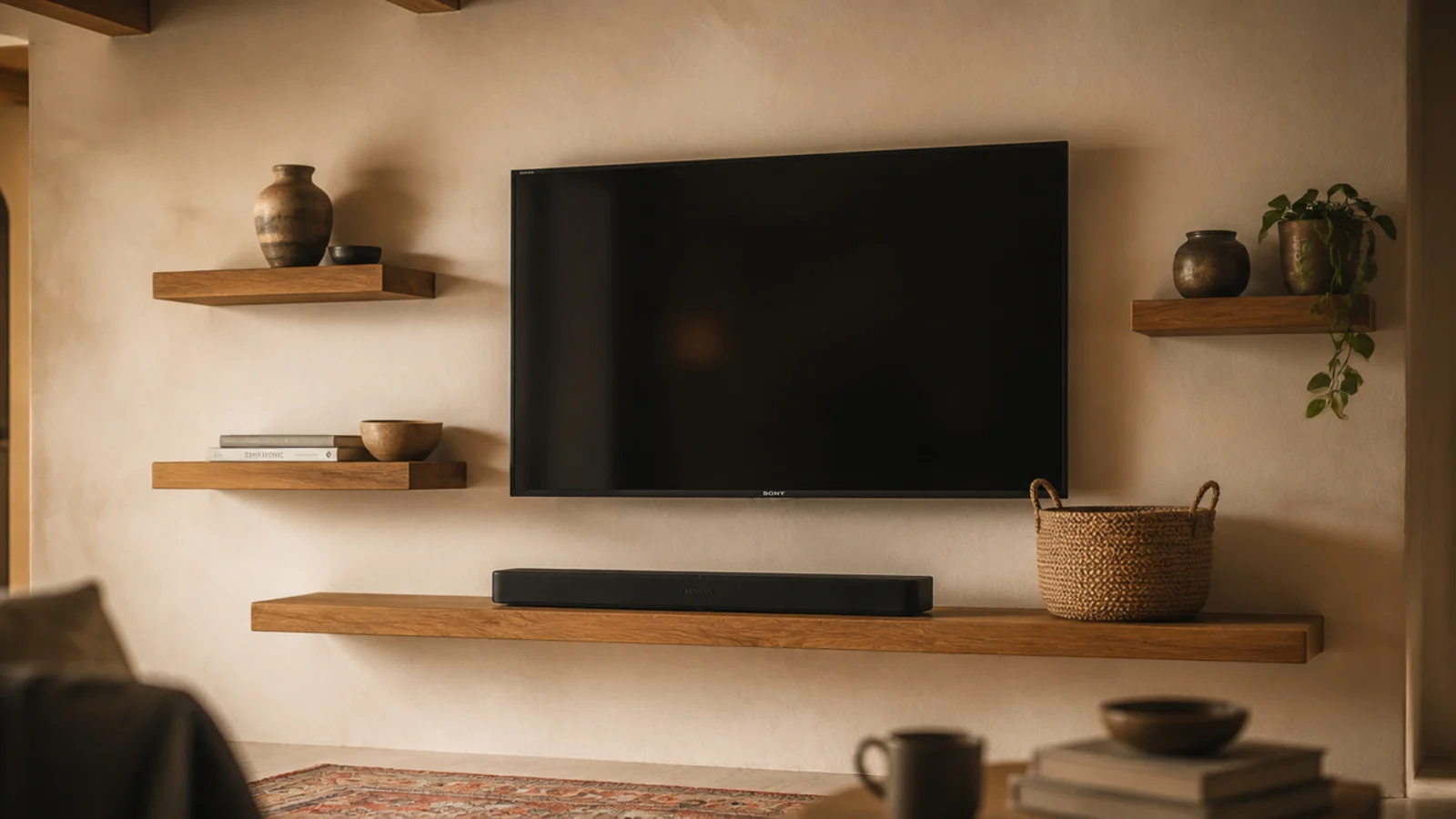
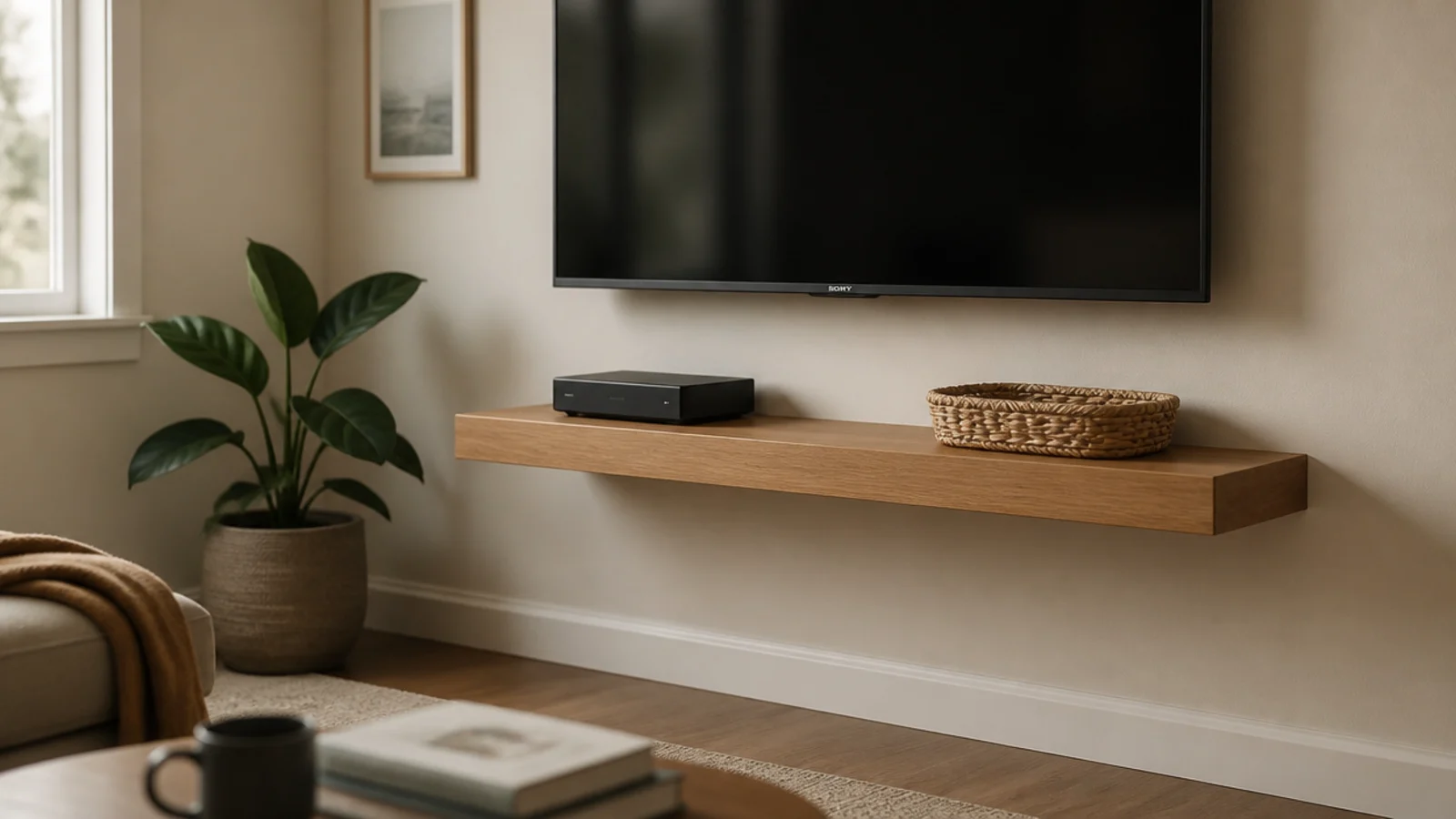
23. A shelf under a wall-mounted TV
One floating shelf below a wall-mounted screen holds every device and hides every cable, which removes the need for a media unit entirely.
Drill a one-inch cable pass-through near the back edge and run everything down inside a channel.
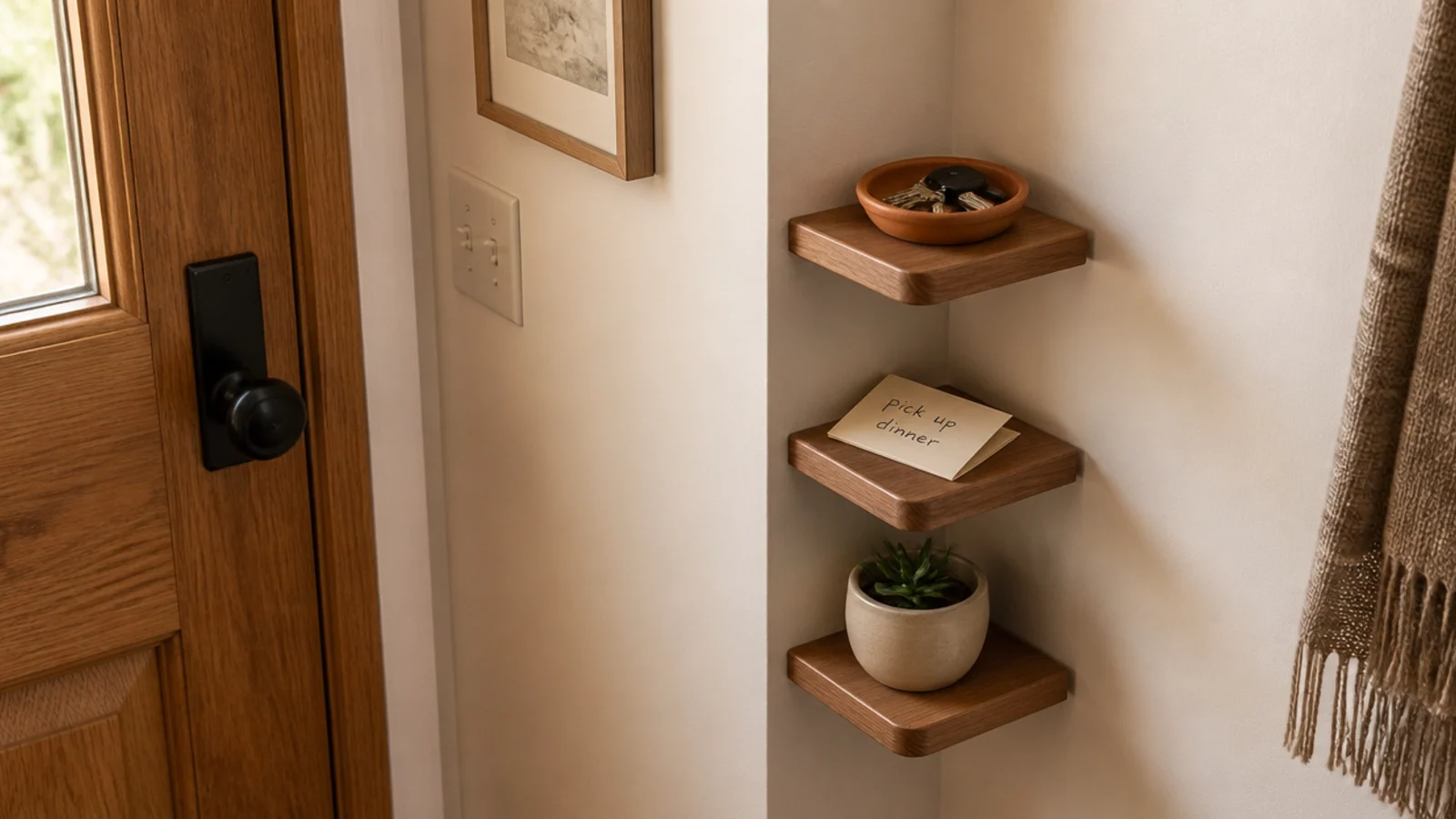
24. Three tiny shelves for keys and small things
Three shelves, eight inches wide each, stacked by the door. That is enough for keys, sunglasses, a dish and a small plant.
Tiny shelves fit walls that cannot take anything else, and in a small entry they solve the actual problem, which is small items with nowhere to land.
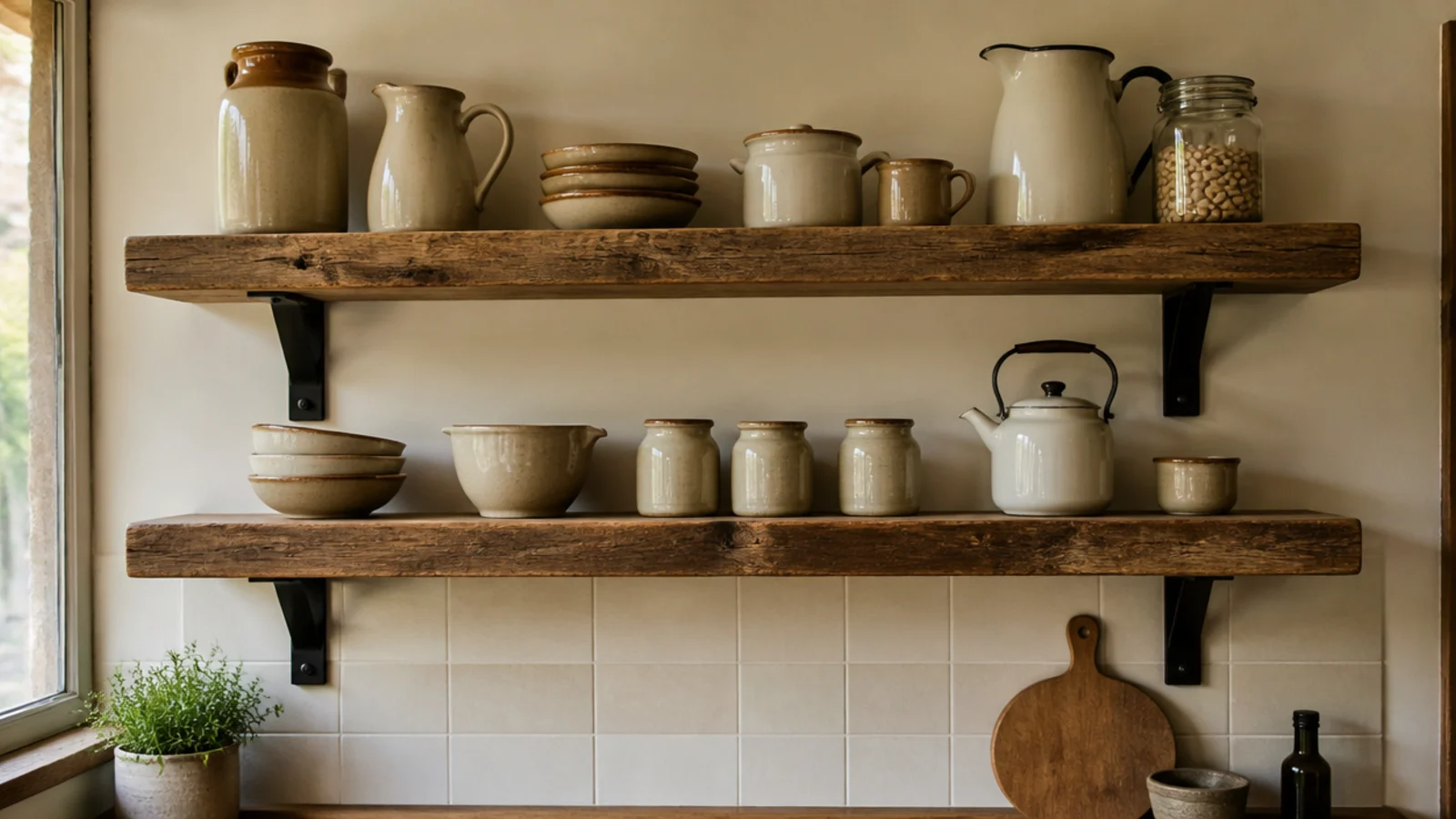
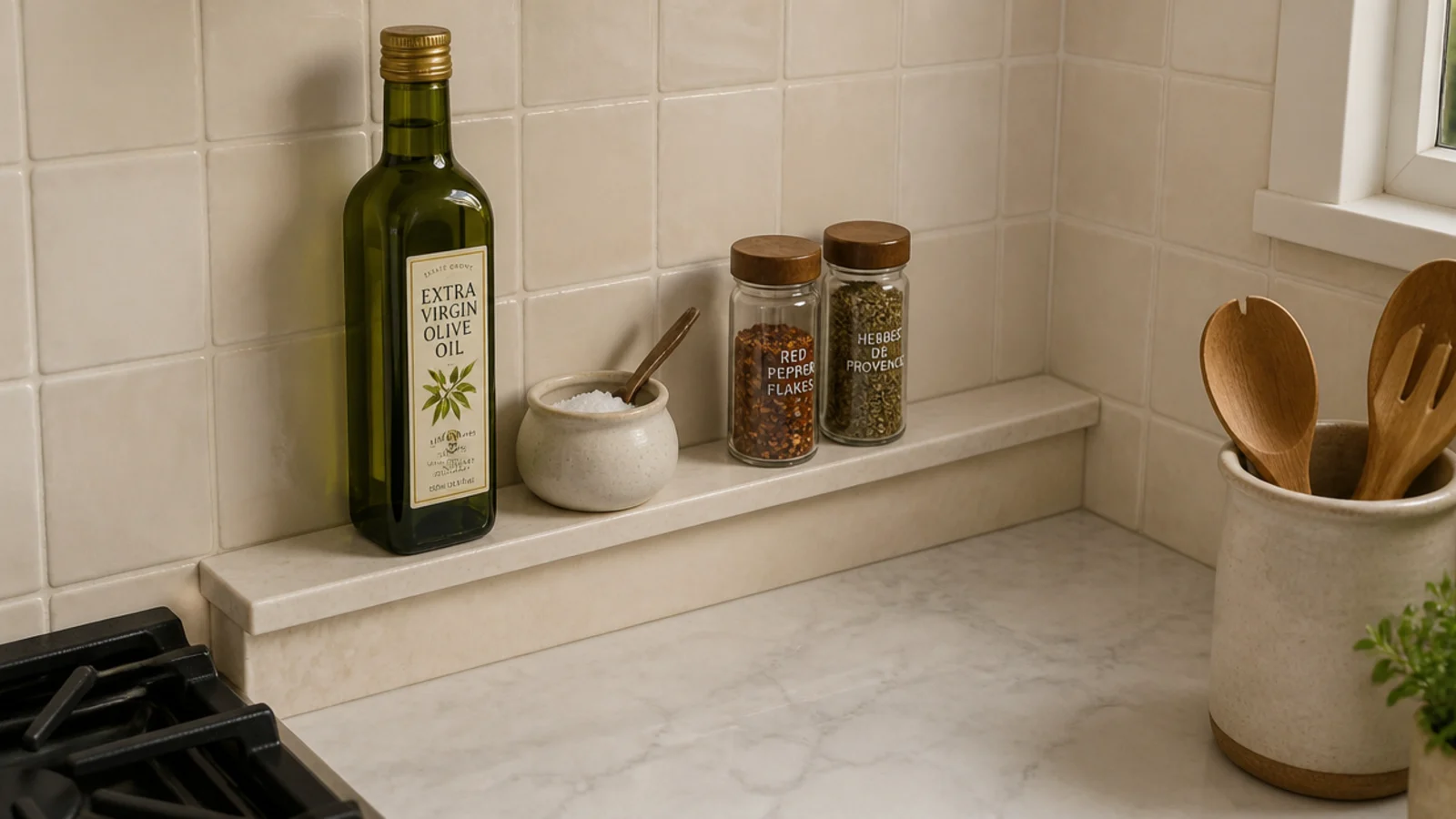
25. A backsplash-height ledge in the kitchen
A three-inch ledge running along the backsplash holds oils, salt and daily spices without eating counter space.
Three inches is deliberate: deep enough for bottles, shallow enough that you can still work at the counter and wipe behind them.
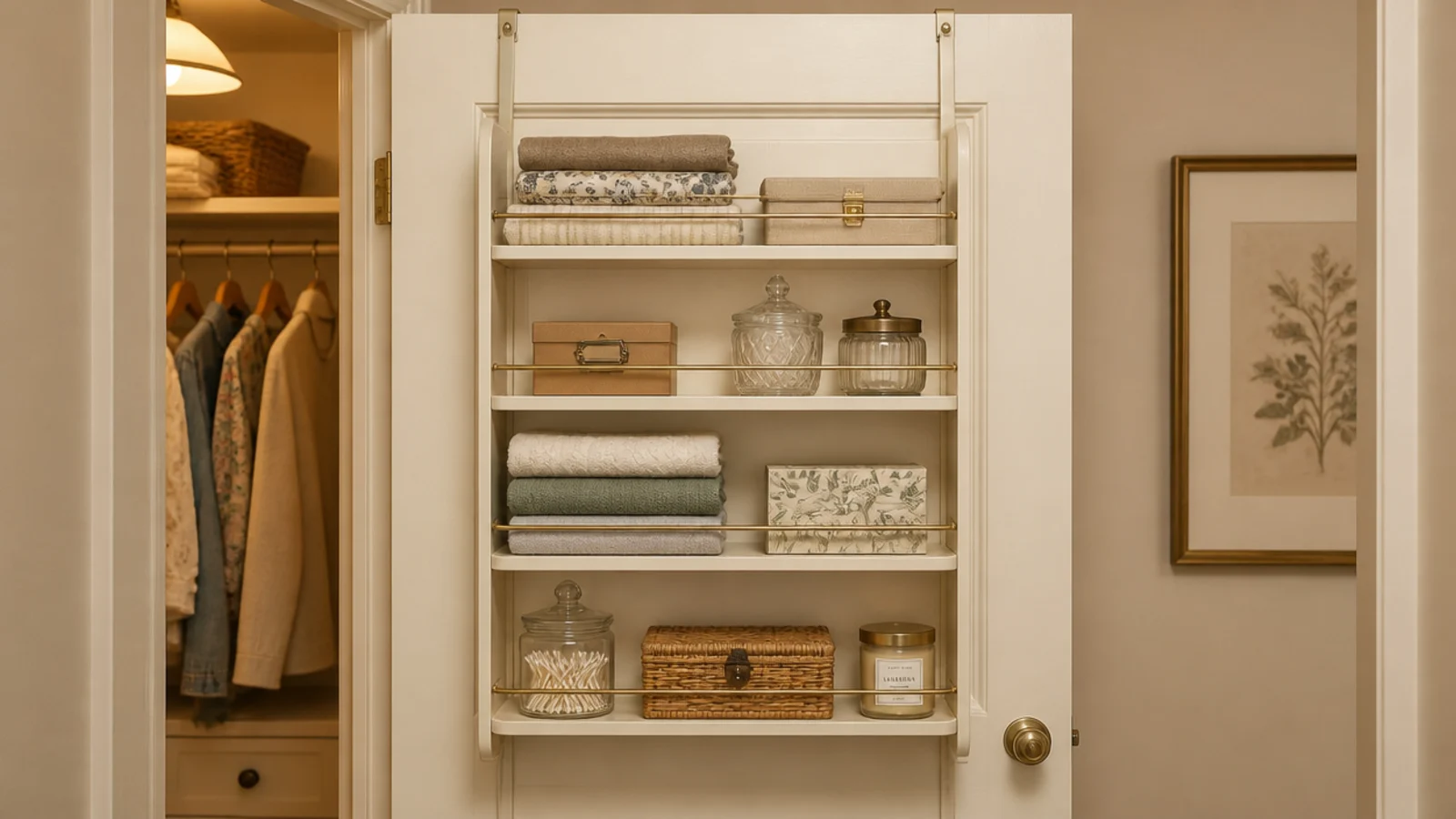
26. A shelf on the back of a door
The back of a closet or pantry door is a whole wall that nobody counts.
Slim racks there hold cleaning supplies, jars and folded cloths. Check the door clears the frame with it fitted, and keep the load light so the hinges do not sag.
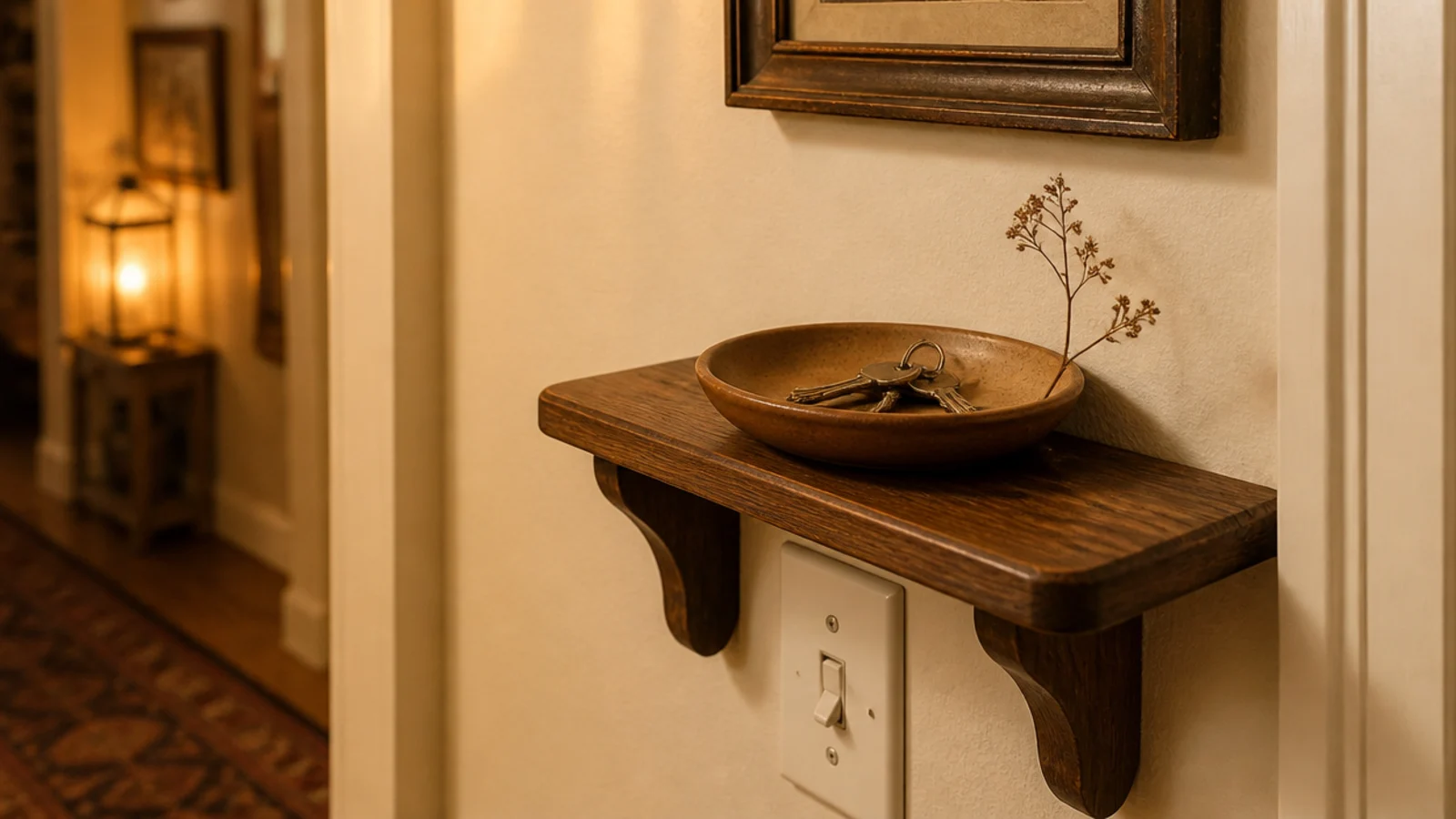
27. A corner shelf above the light switch
You already stop at the light switch every time you enter. Give that spot a small shelf and a dish.
Mount it four to six inches above the switch plate. This is a genuinely tiny intervention that changes where things land in a small home.
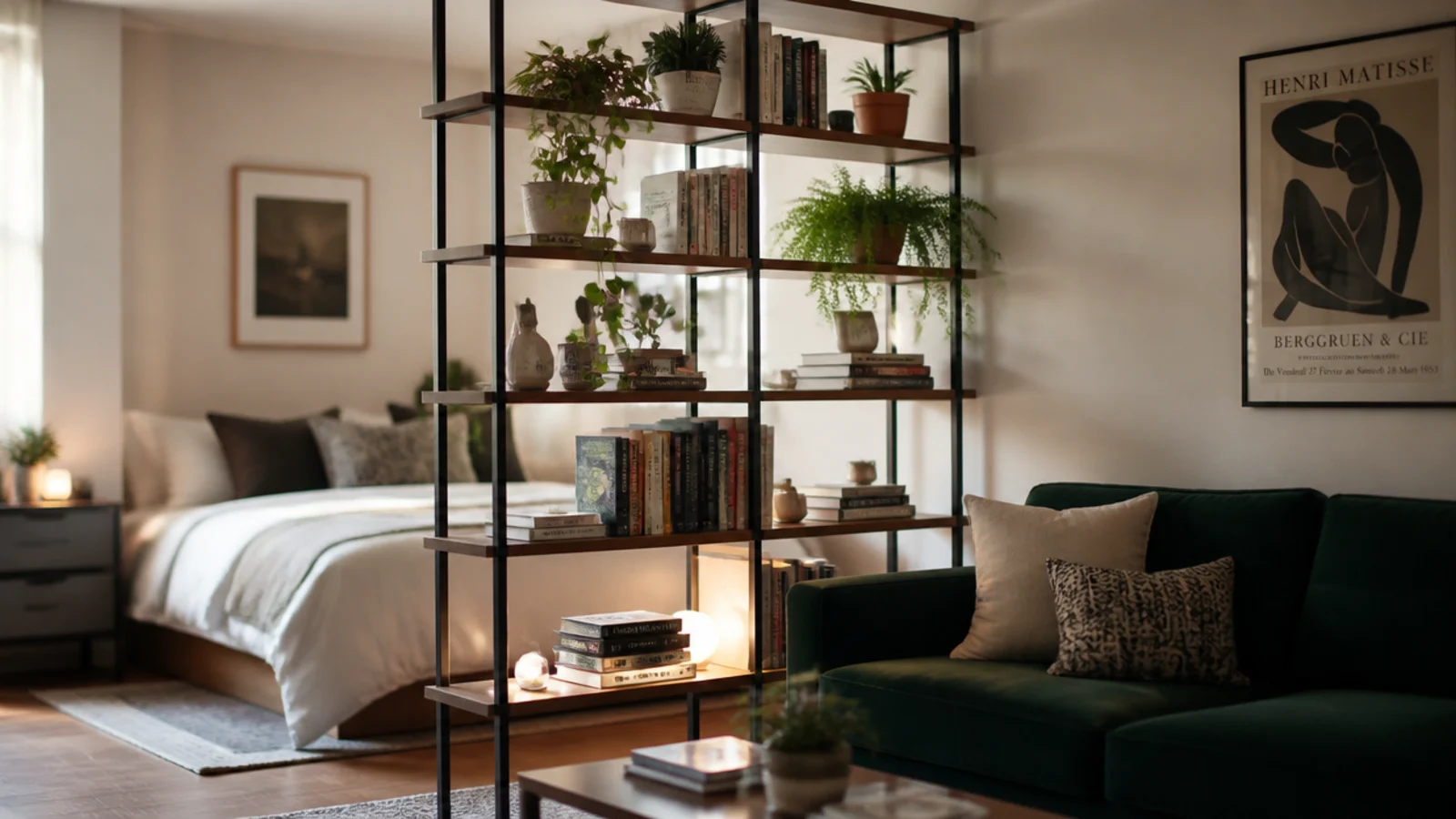
28. A shelf that divides a studio corner
In a studio, an open shelving unit set at the corner of a sleeping area separates it from the living space without blocking light.
Open backs are essential. A solid-backed unit in the same position makes both halves feel like closets.
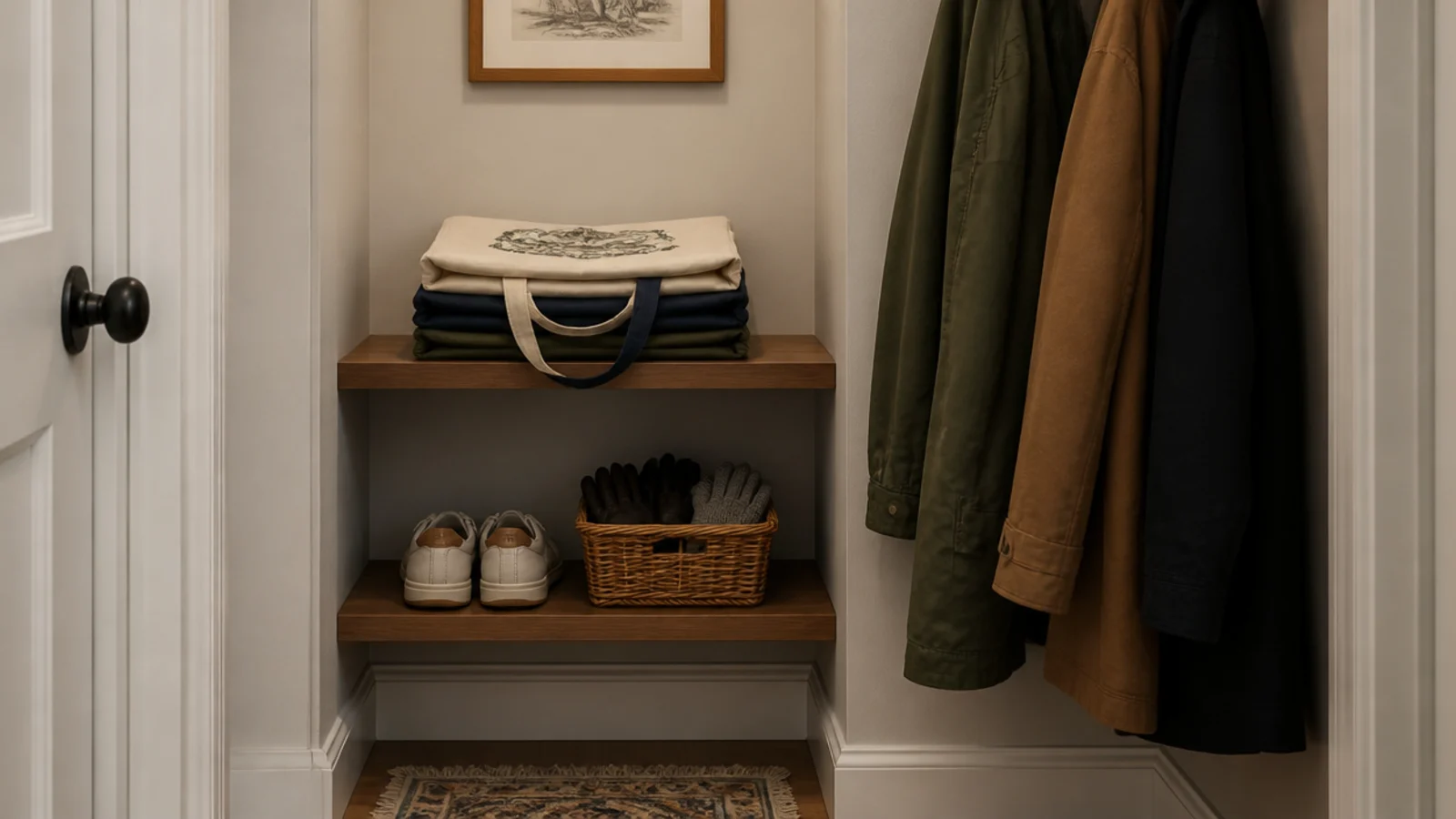
29. Shelves inside an entry closet corner
The corner of a coat closet, beside the hanging rail, is pure dead volume.
Two small shelves hold folded totes, gloves and a shoe pair. It costs $15 and takes pressure off the entry floor, which is where small-home clutter actually accumulates.
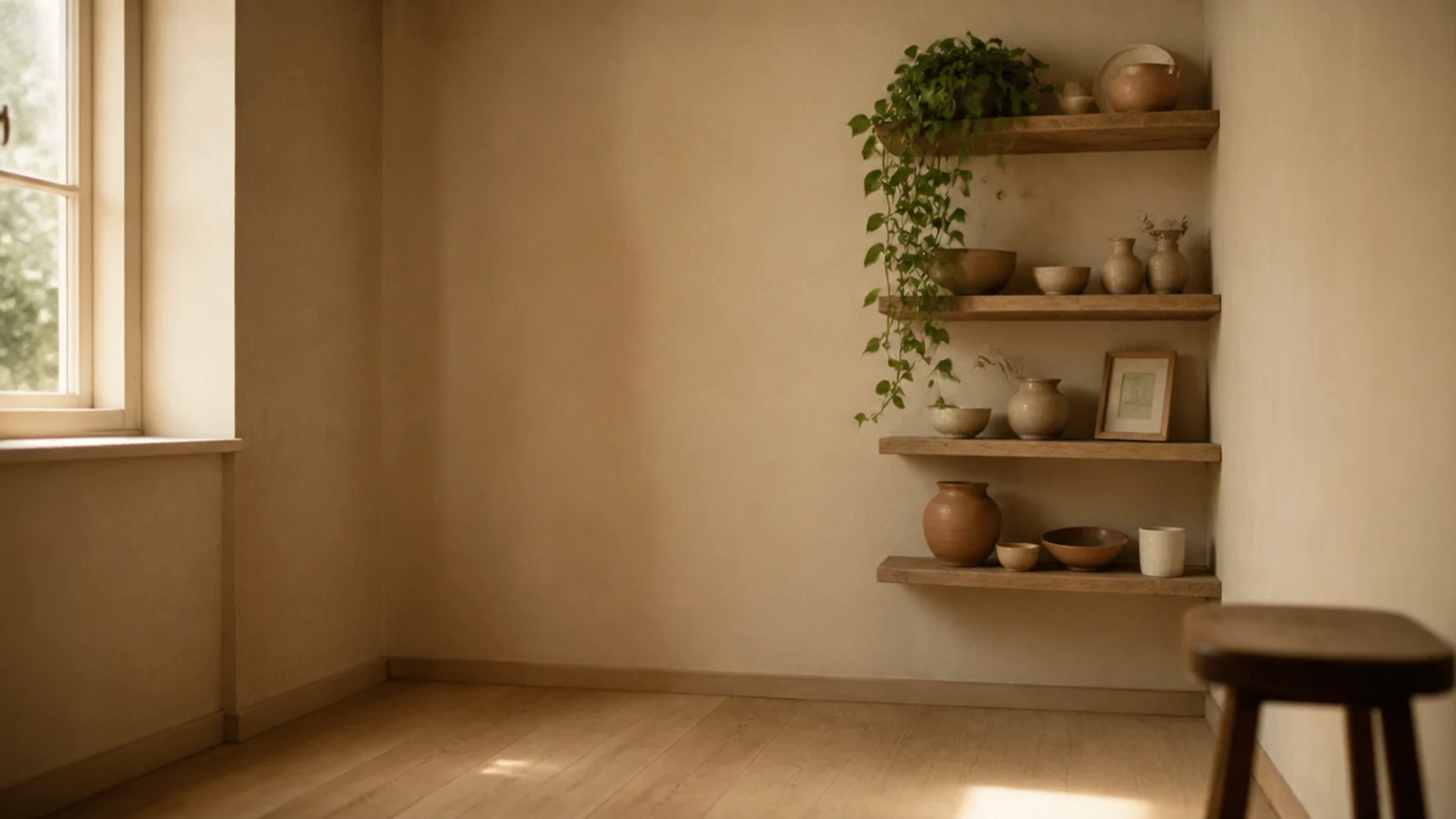
30. One corner done properly, not four half-done
The most useful idea here is a restraint. In a small room, choose the corner you walk past most and put everything there.
Four corners with two shelves each read as storage. One corner with four shelves, well styled, reads as a deliberate feature — and the other three corners staying bare is what keeps the room feeling open. The method is in corner shelf styling.
Mistakes to Skip
- Choosing eight or ten inches because that is what the store had. Depth is the one decision you cannot undo with styling, and in a small room it is the one that hurts daily.
- Putting shelves in every corner. Small rooms need bare wall to read as open, and four half-done corners feel busier than one full one.
- Using a contrasting wood tone in a tight space. It draws a hard horizontal line across the wall and visually cuts the room in half.
Frequently asked questions
How deep should corner shelves be in a small space?
Six inches as the default, eight only where you have at least 30 inches of clear walkway. Six inches sounds tiny and holds paperbacks, mid-size pottery, framed photos and most plants comfortably. The two extra inches of an eight-inch shelf cost you far more in a small room than they gain you in storage.
Do corner shelves make a small room look smaller?
The opposite, if you keep them shallow and paint them the wall color. Floor area is what your eye reads as room size, so moving storage off the floor and into a dead corner genuinely opens a space up. A deep shelf in a contrasting color will make a room feel smaller — depth and contrast are what cost you, not the shelf itself.
How high should I go with shelves in a small room?
All the way, and that is the point. Small rooms almost always have unused wall between eye level and the ceiling. Stop about 12 inches below the ceiling line so the top shelf can breathe, and reserve the highest tiers for things you use seasonally rather than daily.
What is the best corner shelf for a tiny apartment?
A six-inch painted shelf matched to the wall, mounted high enough to clear furniture. It costs under $25, disappears visually, and adds storage in space that was doing nothing. If you cannot drill, a freestanding corner etagere with a triangular footprint is the next best thing.
Should small-space corner shelves match the wall or contrast?
Match, almost always. A shelf painted the wall color recedes and the objects on it come forward, which keeps the room reading as open. Contrast draws a hard line across the wall and visually chops a small space into sections. Save the contrasting wood tone for a room with space to spare.
How many corner shelves can a small room take?
One corner treated well beats three corners half-done. In a room under 120 square feet, pick the single corner you walk past most and put everything there. Shelves in every corner make a small space feel like a storage unit no matter how carefully each one is styled.
Pick your one corner, cap it at six inches deep, and paint it the wall color before you buy a single object — that combination does more for a small room than anything else here. For placement across the house see fifteen corner shelf ideas, for cheap things to put on them see corner shelf decor, and the same shallow-and-matched logic works on a straight wall in floating shelves for small spaces. Save the pin for the next time you measure a wall.
Want more like this? Browse all 15 corner shelf ideas guides — they all use the same measurements and budget tiers.
Pin it for later
Save this to your Corner Shelf Ideas board
Pin it now so it is waiting for you when the tape measure comes out — and so the next person hunting for this idea can find it too.
Save this pinKeep going
More ideas worth saving while you have the tape measure out.