Attic Bedroom Ideas · Listicle
25 Creative Boys Attic Bedroom Ideas On A Budget

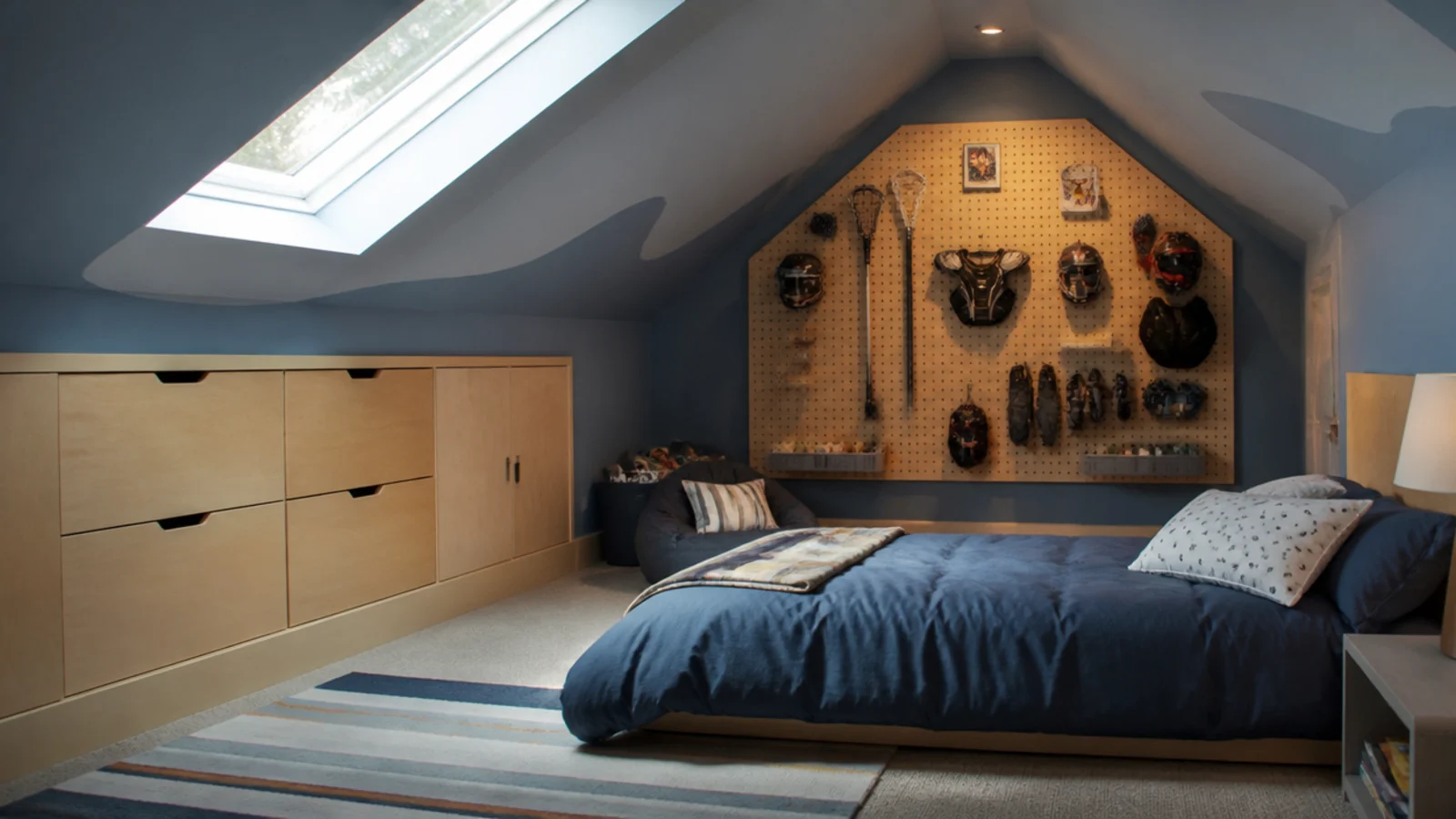
A loft is usually the cheapest room in a house to improve and the easiest to get wrong, because the roof rules out most of what you would normally buy. Almost everything worth doing here is cut, painted or hooked rather than ordered. These boys attic bedroom ideas are all costed, and the whole list comes in under what a fitted wardrobe would run.
My nephew's loft came in at about $900 including the bed. The three things that made the difference cost less than $200 between them.
In this guide27 sections — tap to openHide
- 1.What boys attic bedroom ideas cost when you do them right
- 2.Paint the wall and slope one colour first
- 3.Cut knee wall drawers from birch plywood
- 4.Drop the bed to twelve inches off the floor
- 5.Build a pegboard gear wall on the gable
- 6.Use a plug-in wall light instead of rewiring
- 7.Run a warm LED strip along the ridge
- 8.Make a desk from a ply top and two brackets
- 9.Hang a wire for posters instead of taping
- 10.Store trainers in an eaves pull-out
- 11.Fit a bunk only with 30 inches above the top
- 12.Buy the chest secondhand and cut the back
- 13.Paint the floorboards rather than carpet them
- 14.Use crates on the capping shelf for kit
- 15.Strap every tall thing to the studs
- 16.Add a blackout blind before summer arrives
- 17.Build a low bench along the knee wall
- 18.Give the console a proper shelf and socket
- 19.Hook the bag on the wall, not the floor
- 20.Insulate behind the storage before closing it
- 21.Keep a 24-inch walkway to the door
- 22.Use one accent colour on a single surface
- 23.Add a rug with underlay for noise and warmth
- 24.Keep the escape window clear of gear
- 25.Let him build one thing himself
- 26.Spend the last fifty dollars on bedding
- 27.Mistakes to Skip
What boys attic bedroom ideas cost when you do them right
Set the budget against the three jobs that matter and ignore everything else until they are done.
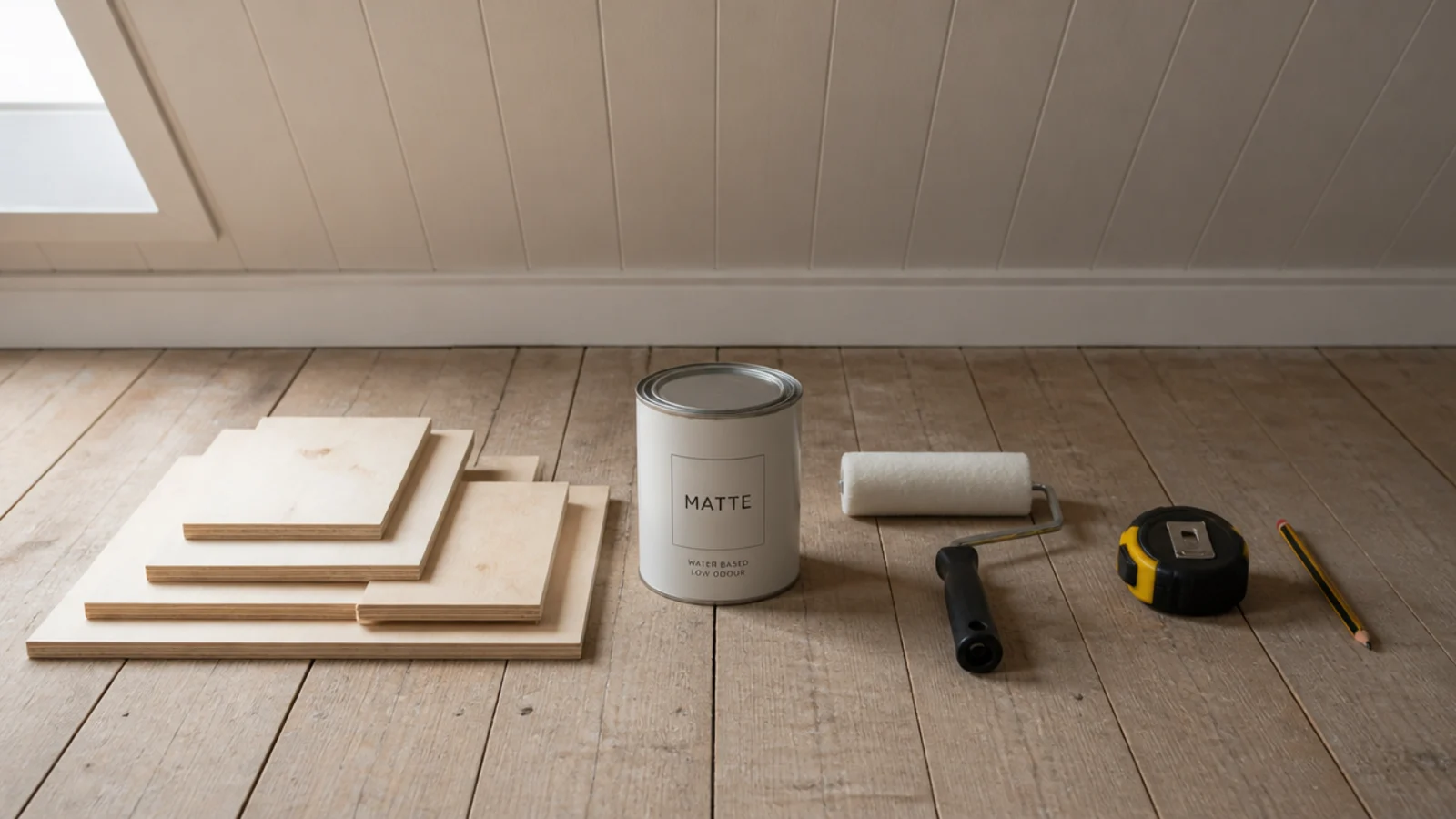
Paint is first, at $60 to $120 for the whole room including the slope. One colour, one matte finish, carried straight through the junction where the wall meets the pitch. Nothing else you can buy for that money changes the room as much.
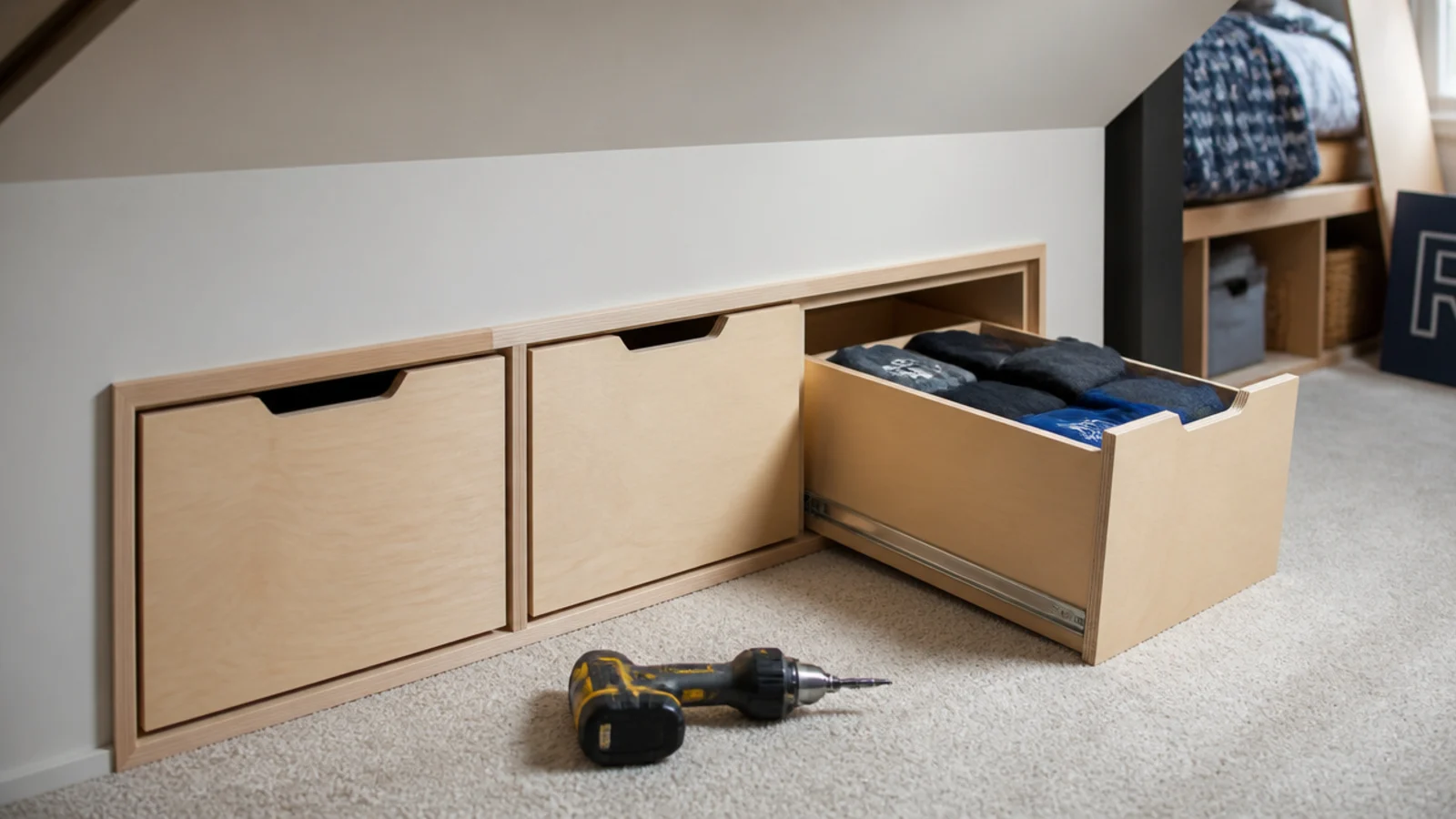
Storage is second, at $300 to $700 in birch ply for a six-foot run of knee wall drawers. Between the studs you usually have 14 to 16 inches of depth, which is one folded hoodie. Build it on full-extension runners rated to 75 pounds so the drawers come all the way out.
Light is third, and it does not need an electrician. A plug-in wall light, a clamp lamp and a warm LED strip along the ridge cover a whole loft for under $100. Keep everything at 2700K.
None of it goes ahead unless the room is a legal sleeping room. That means a compliant emergency escape and rescue opening — commonly 5.7 square feet net clear, 24 inches minimum height, 20 minimum width, sill within 44 inches of the floor — kept permanently clear, a proper staircase, working smoke alarms, and habitable ceiling height. Those are regulated minimums enforced by your local building department. Behind any knee wall you open up, insulate, air-seal and keep a clear 1 to 2 inch soffit-to-ridge air path.
1. Paint the wall and slope one colour first
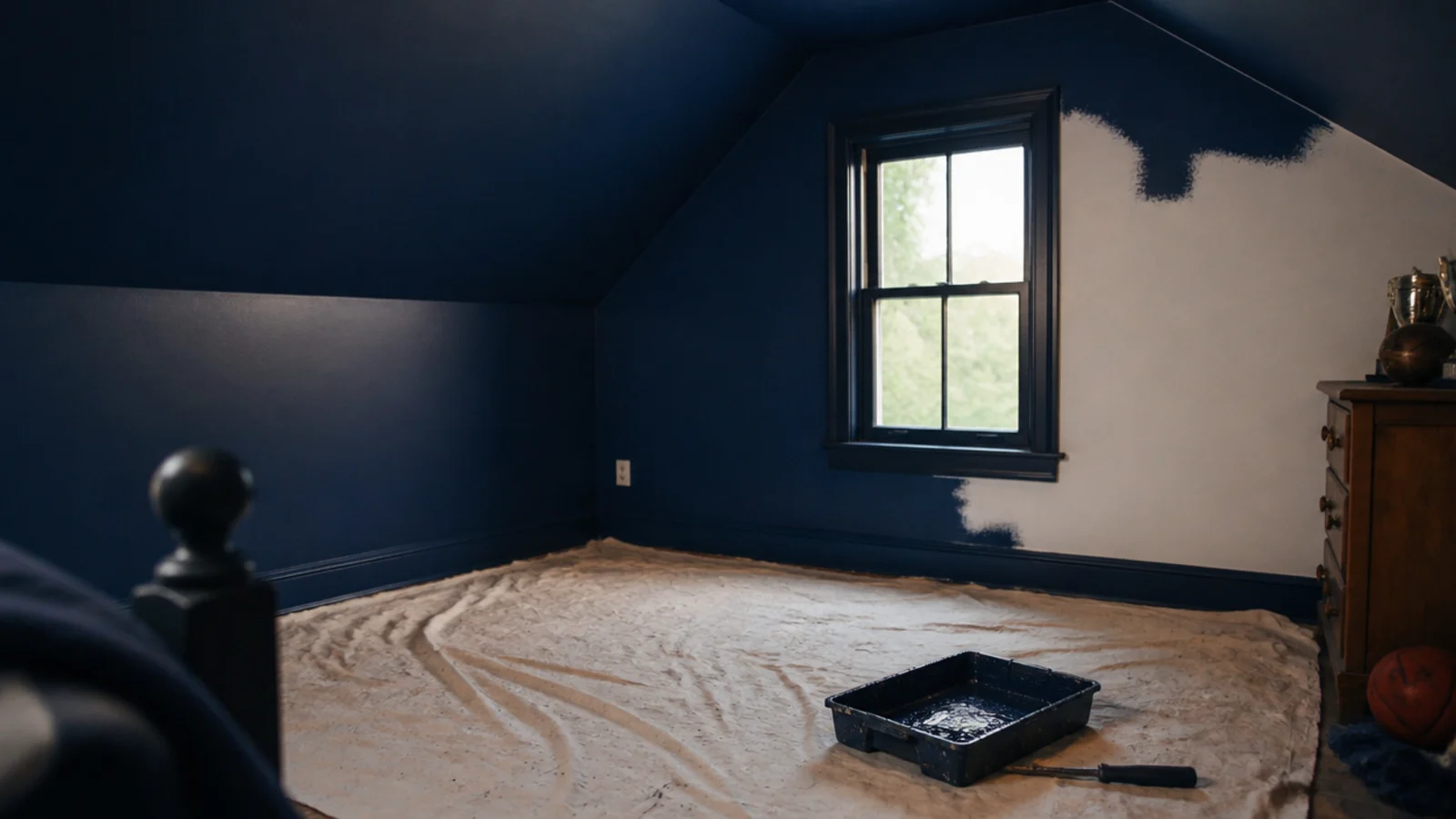
Do this before buying anything. A single tone taken across the wall, the pitch and the flat ceiling removes the line that tells the eye how low the room goes. A deep colour works fine in a loft as long as it is continuous — it is the cut line, not the darkness, that shrinks a room.
2. Cut knee wall drawers from birch plywood
Eighteen millimetre birch ply, boxes sized to the void, flush fronts, full-extension runners. It is a weekend build with a track saw and it turns the dead wedge behind the knee wall into the most useful storage in the house. Leave the ply edges raw and oiled if you want to save the cost of edging.
3. Drop the bed to twelve inches off the floor
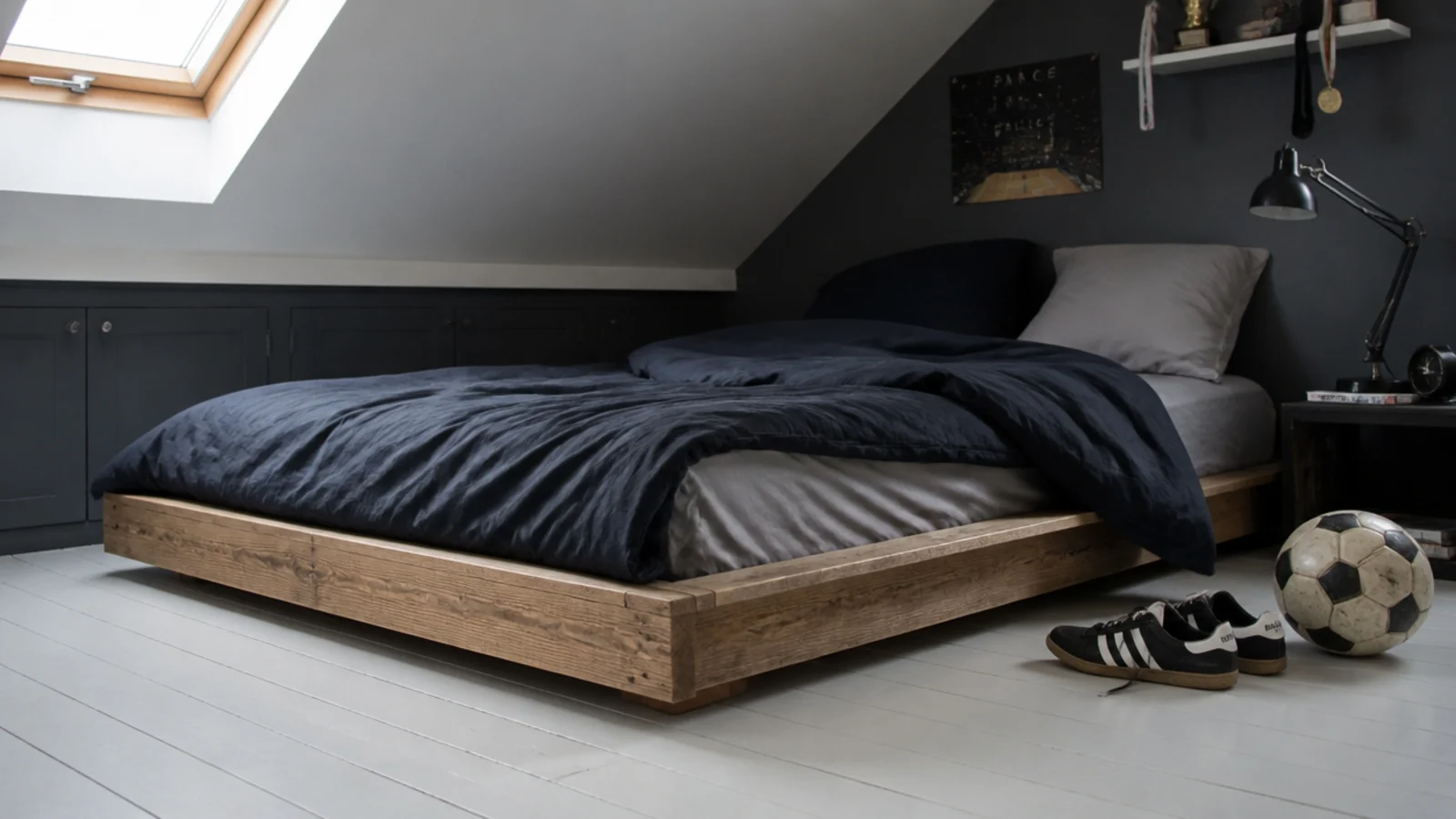
A standard divan sits 24 to 28 inches to the mattress top and wastes the headroom the room did not have. A low frame at 12 gives it back and lets the bed sit further under the slope. Leave 30 inches of clear air above the pillow, 36 if he reads in bed.
4. Build a pegboard gear wall on the gable
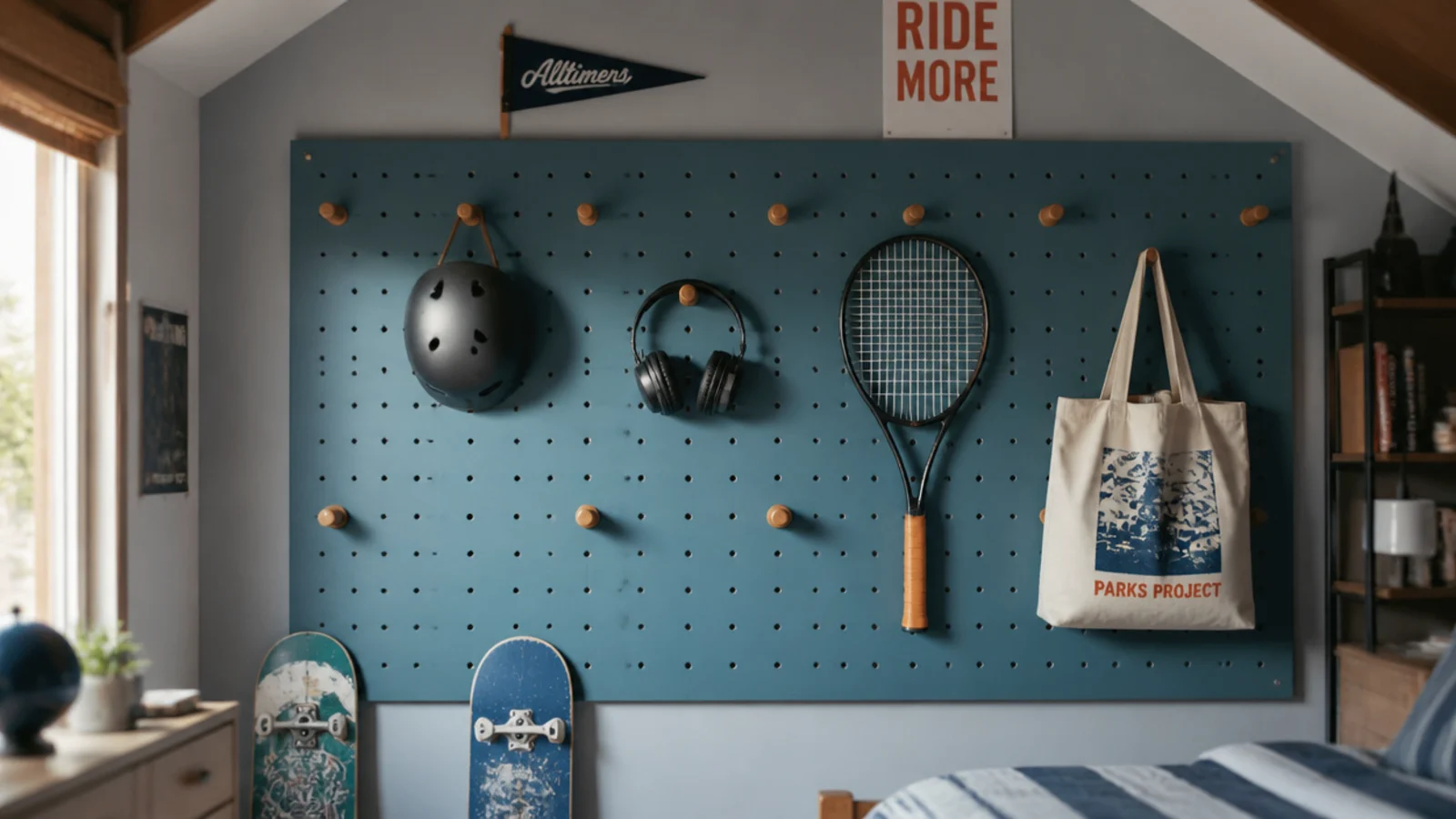
The gable is the only full-height wall, and a sheet of painted pegboard on it holds a helmet, a racket, headphones and a bag on hooks that move whenever the hobby changes. A 4 by 2 foot board with hooks runs $40 to $80.
5. Use a plug-in wall light instead of rewiring
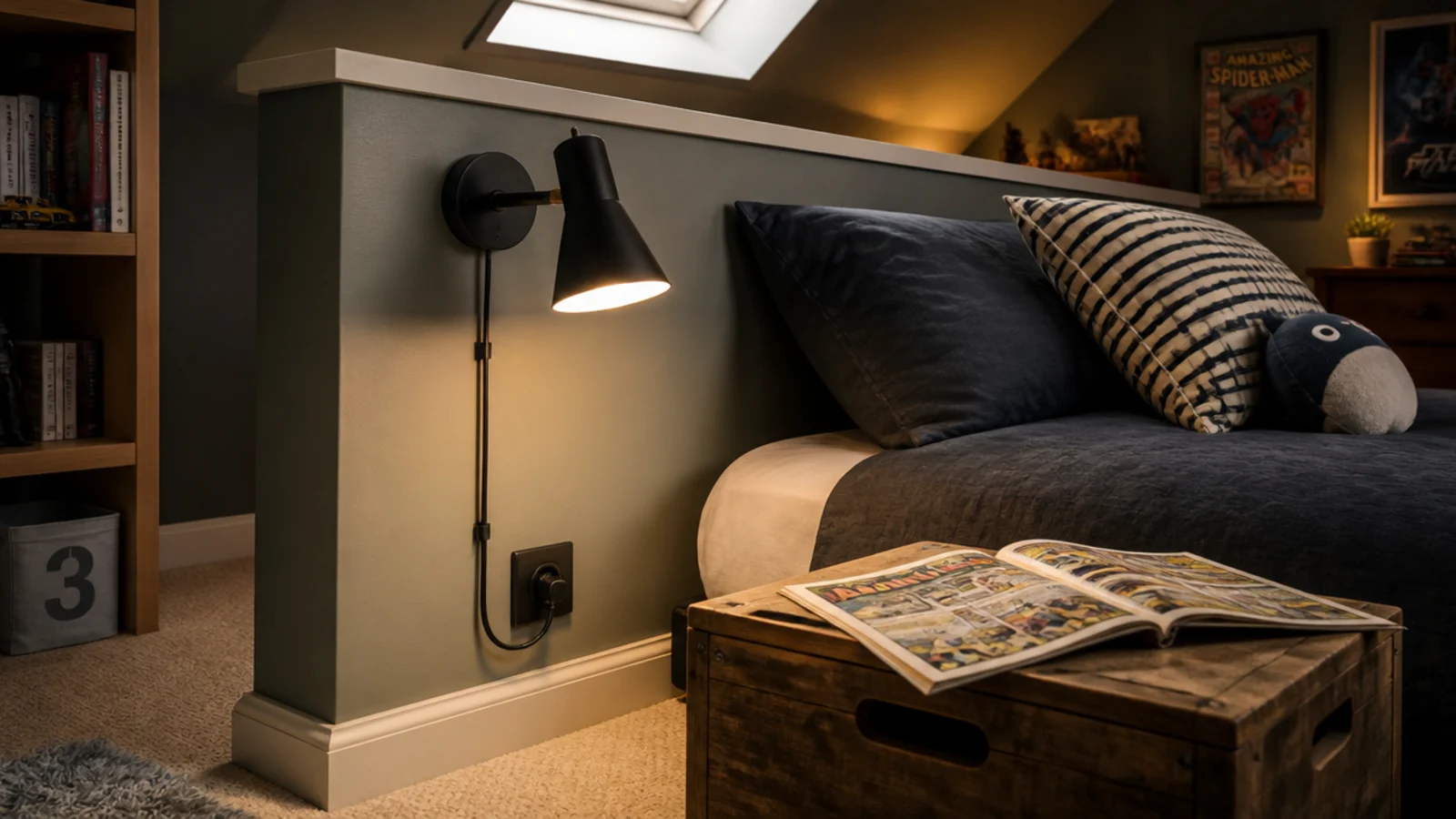
Chasing cable into an attic wall means opening plaster you have just painted. A plug-in wall light with the cable clipped down to a socket costs $25 to $60 and puts the light exactly where a bedside table cannot go. Route the cable along the knee wall, not across the floor.
6. Run a warm LED strip along the ridge
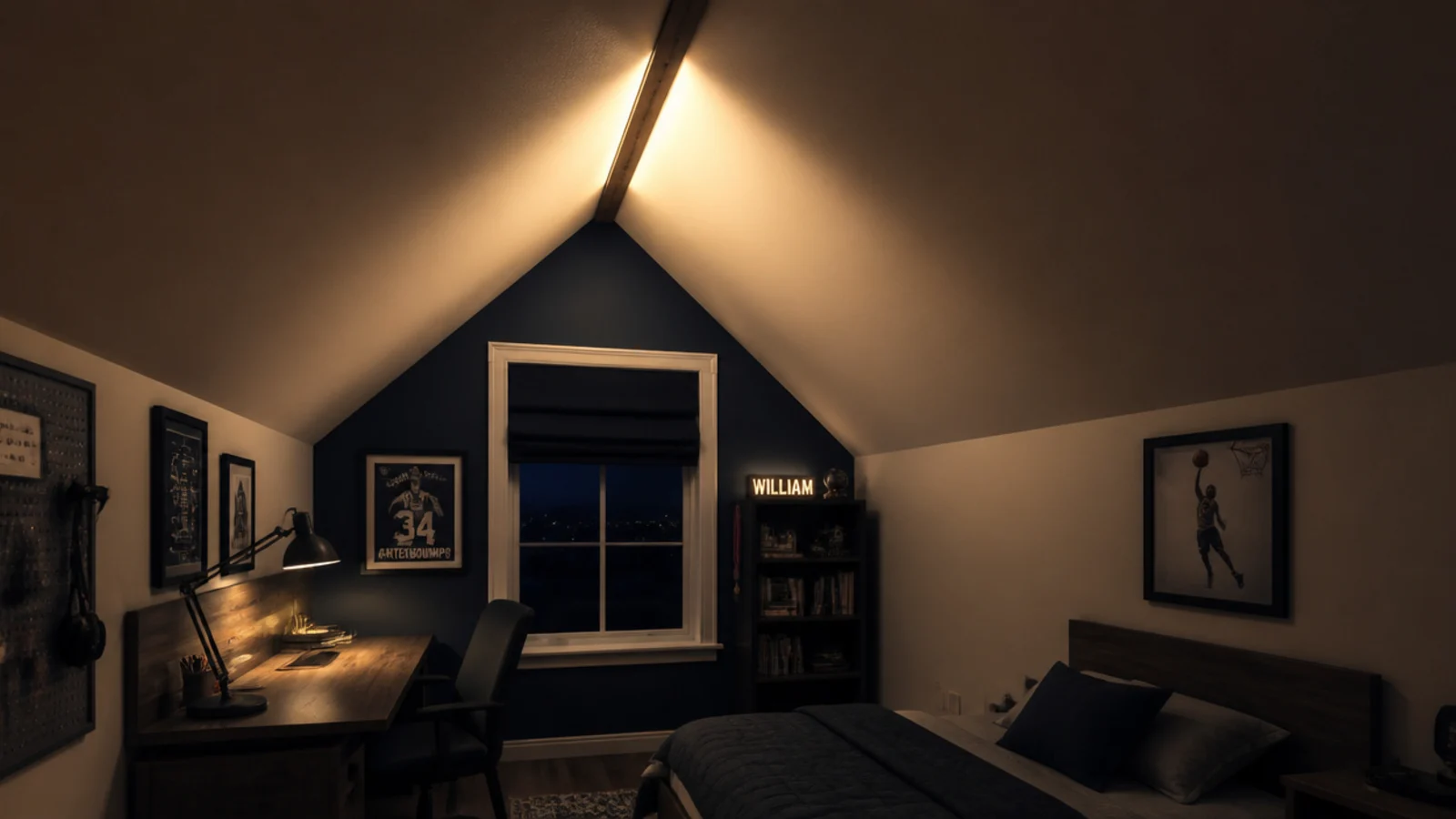
Twenty dollars of warm white tape behind a slim batten at the ridge changes the room after dark more than any lamp. Keep the driver and plug block off bedding and other soft surfaces, and use indoor-rated sets only. Bedroom fairy lights covers the safe placement in more detail.
7. Make a desk from a ply top and two brackets
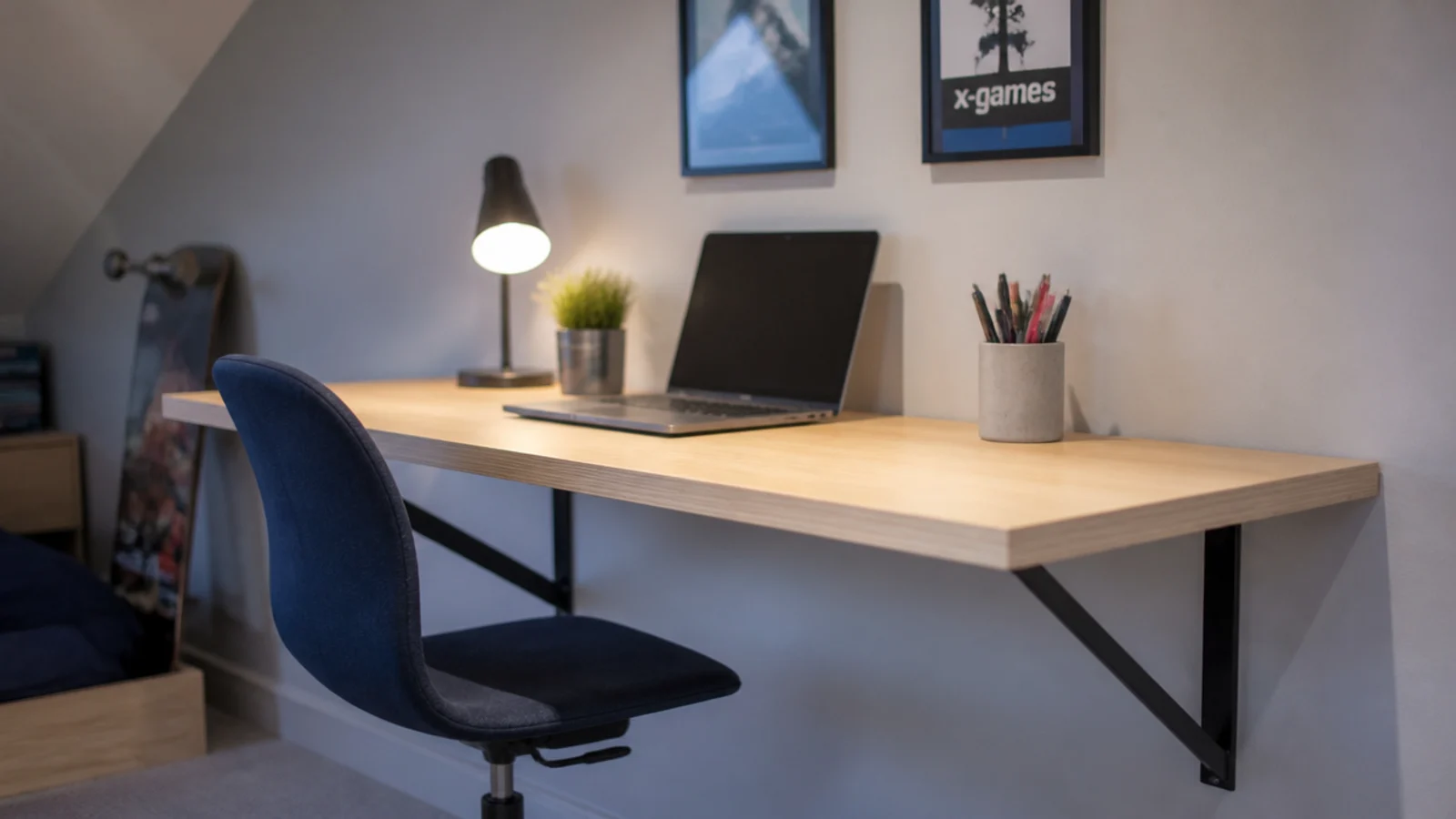
A plywood top on two steel brackets fixed into studs costs $50 to $90 and gives a better desk than most flat-pack. Fix it at 29 inches, on the straight wall, with 60 inches of clear headroom above the seat position.
8. Hang a wire for posters instead of taping
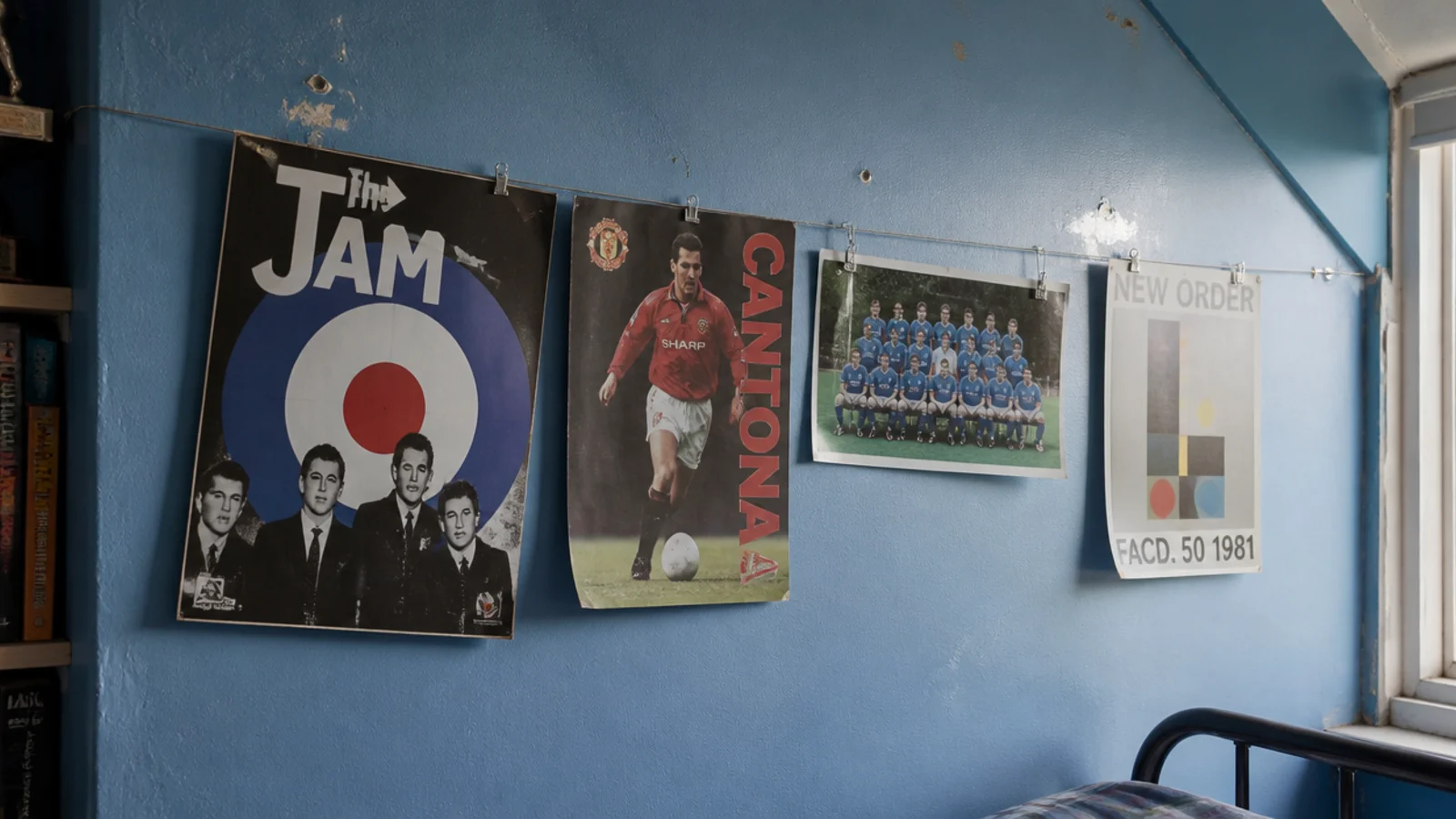
Attic plaster is often thinner and softer than downstairs walls, and tape takes paint with it. A taut wire with clips costs about $15, lets the display change weekly, and leaves two holes rather than forty patches.
9. Store trainers in an eaves pull-out
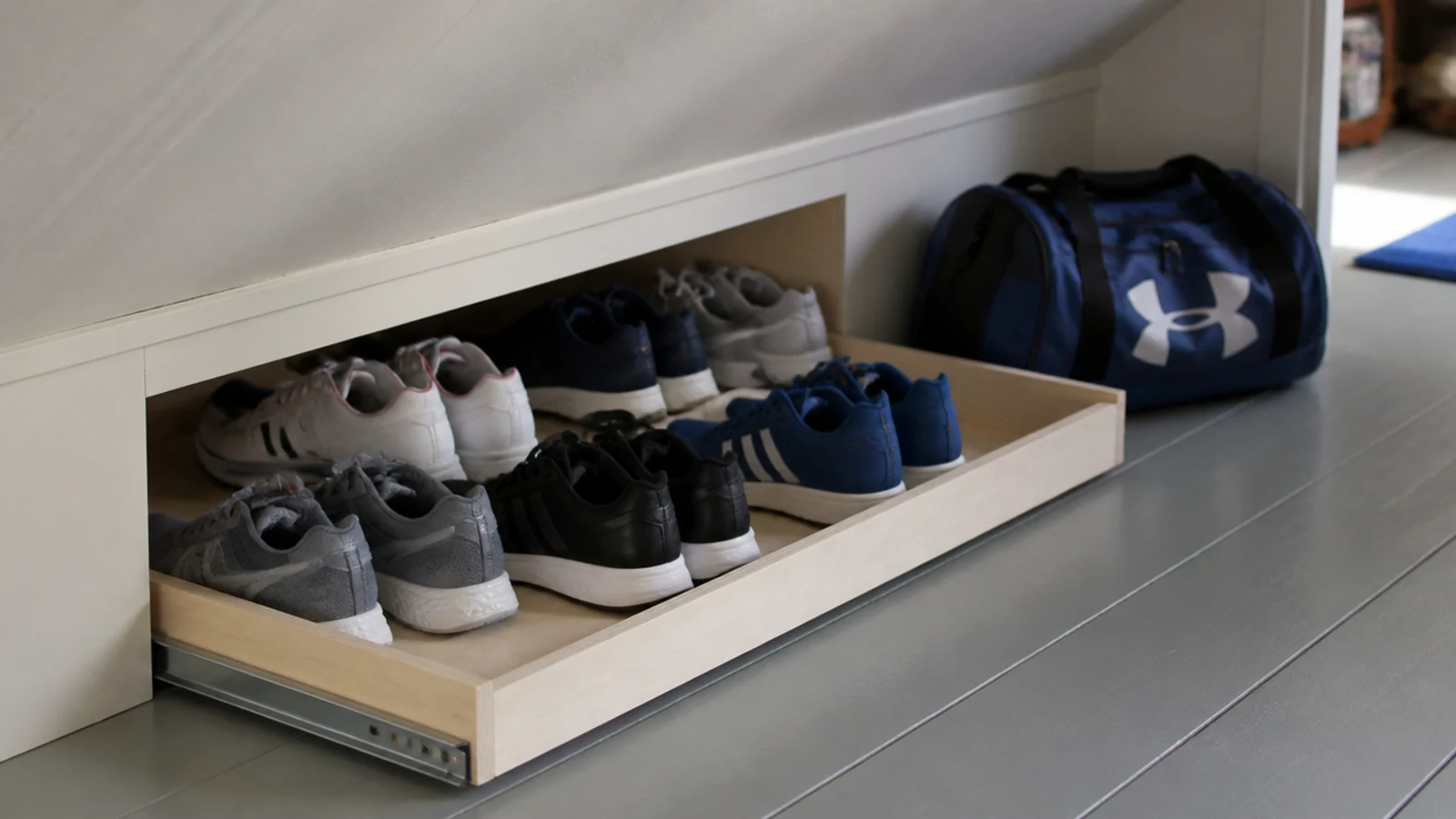
A shallow ply tray on castors that slides under the eaves holds six pairs and keeps them out of the doorway. It uses space that is too low for anything else. The entryway shoe storage guide has the tray depths that work.
10. Fit a bunk only with 30 inches above the top
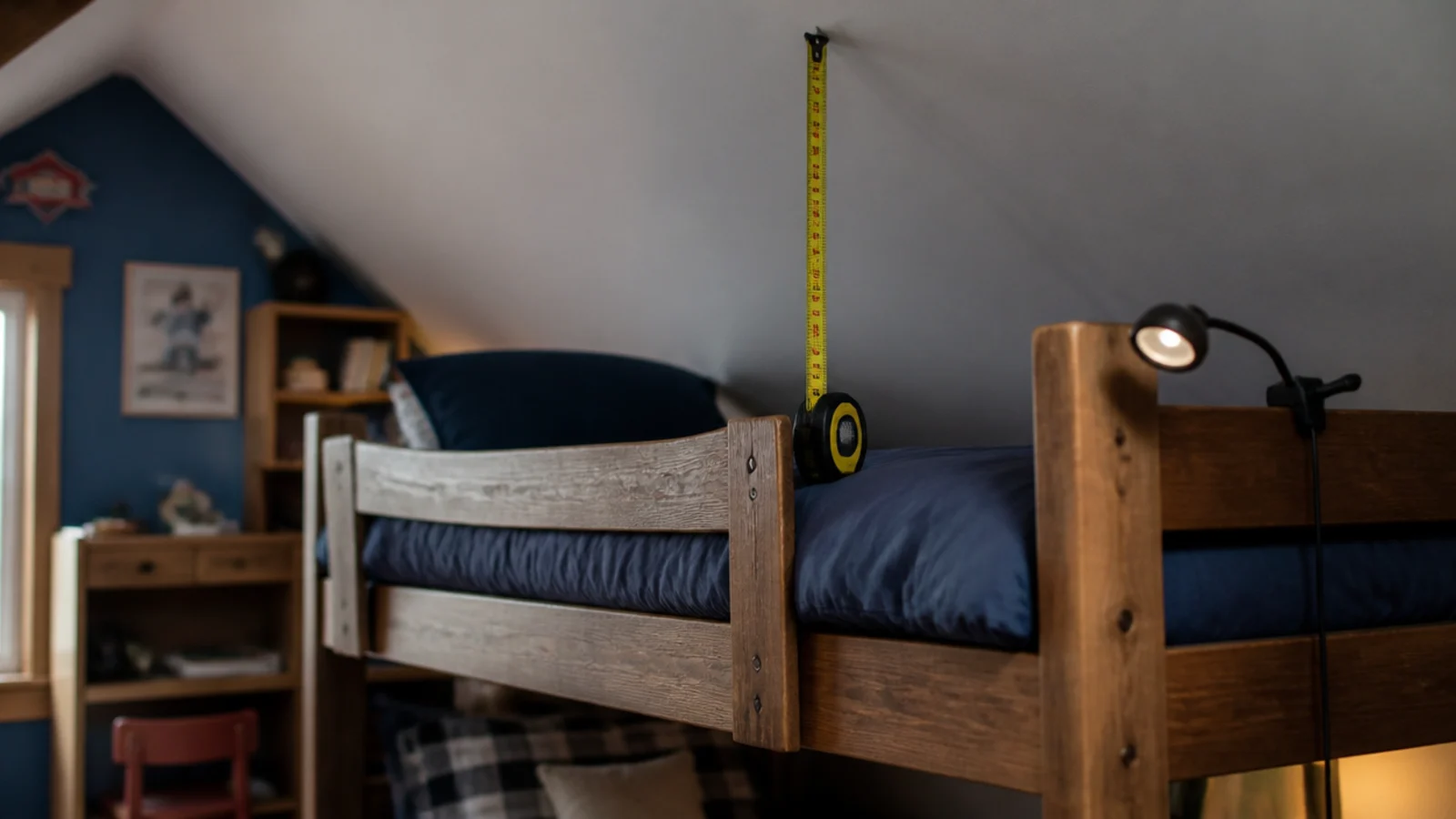
Measure from the top mattress to the ceiling at the pillow before buying. Thirty inches is the minimum, 36 is comfortable, and the guardrail has to stand at least 5 inches above the mattress. If the room cannot give you that, a low bed with drawers is the better answer anyway.
11. Buy the chest secondhand and cut the back
A $20 secondhand chest, repainted, with the rear top edge cut to the pitch, sits a foot further back than anything you could buy new. The cut is invisible once it is against the wall. This is the single best value job on the list.
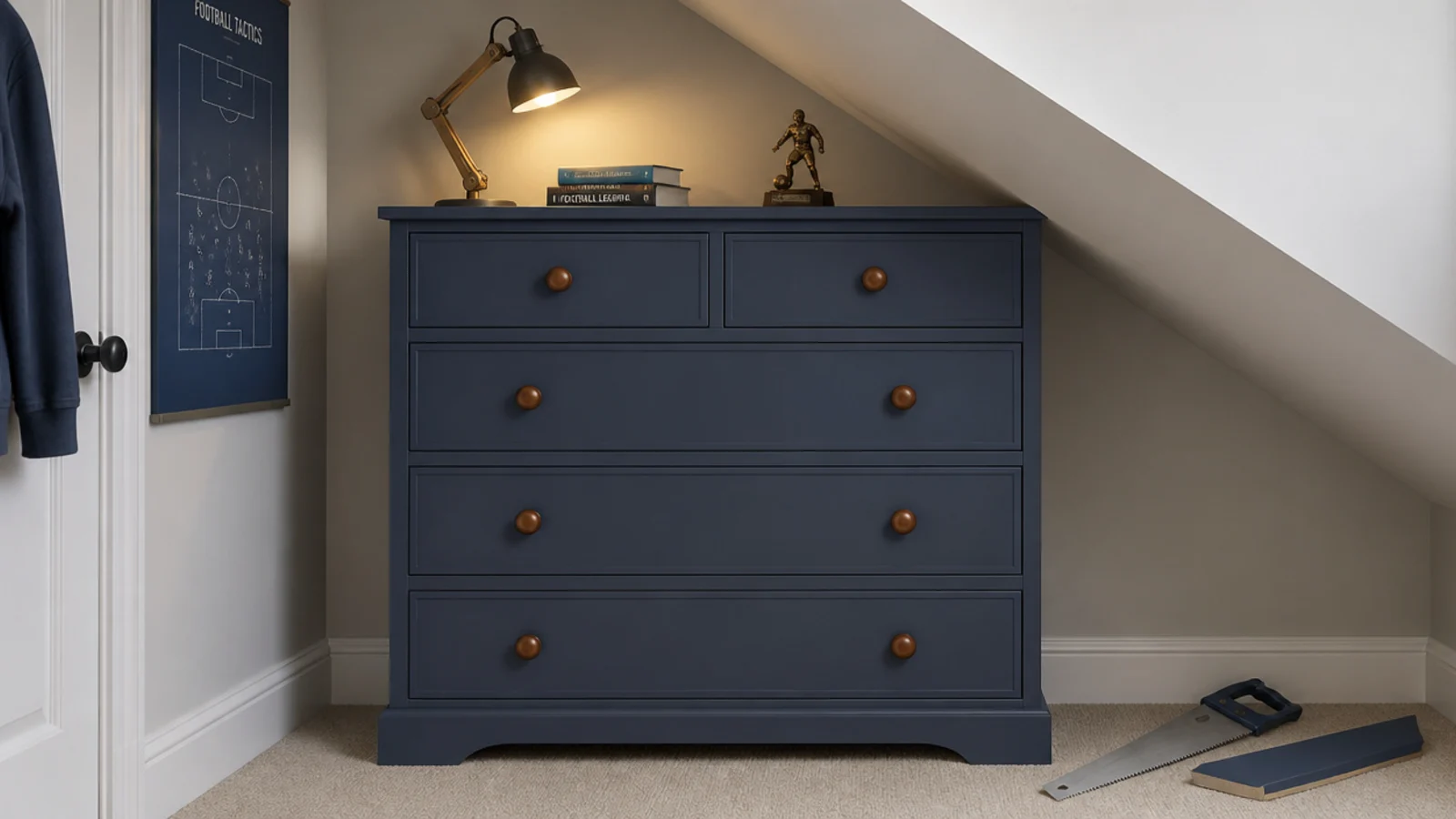
12. Paint the floorboards rather than carpet them
Two coats of floor paint over primed boards costs about $70 for a small loft and takes a weekend including drying. Carpet in an attic is expensive, traps dust and is hard to fit around a knee wall. A painted floor with a rug over it looks better and costs a fifth as much.
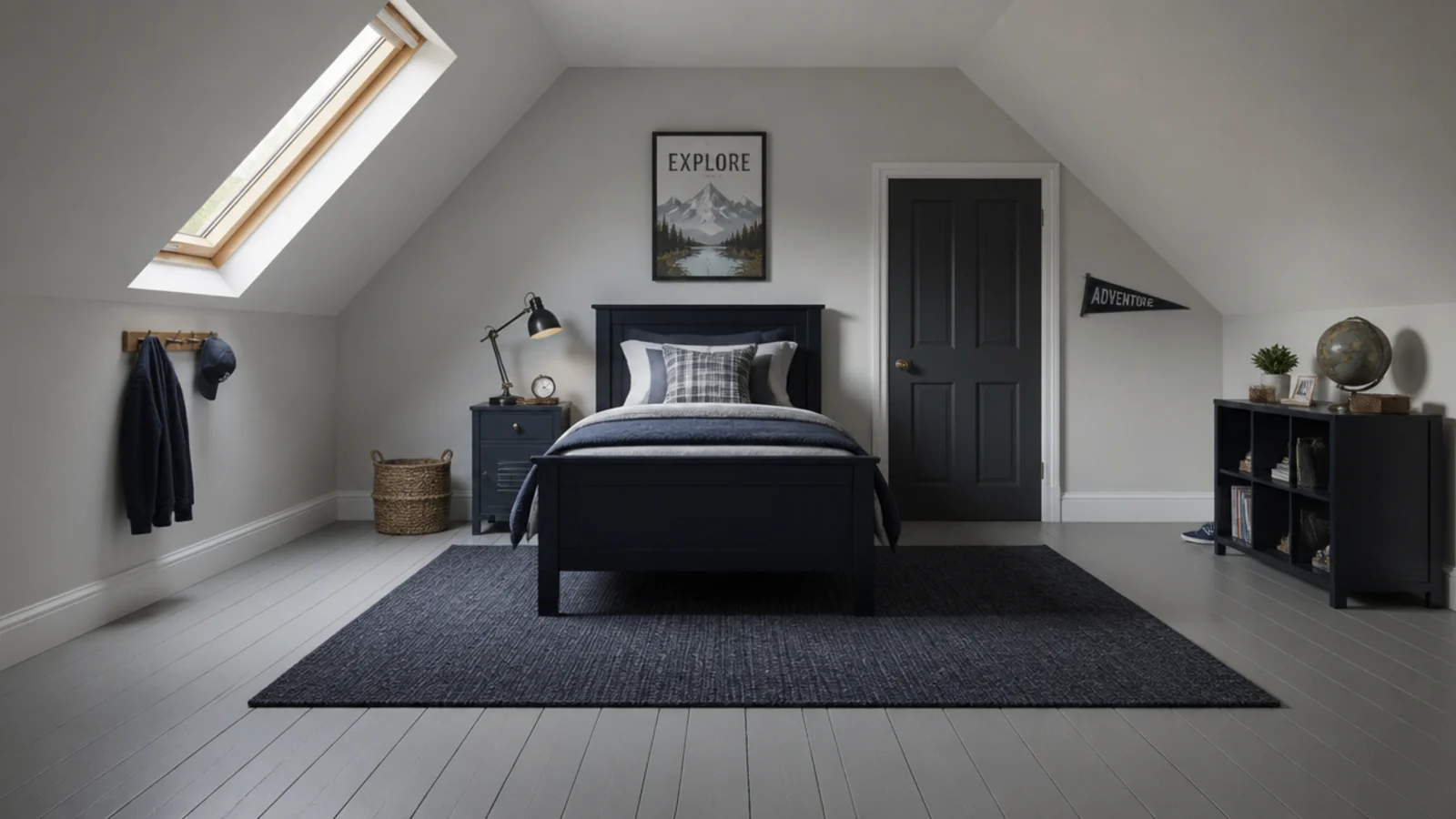
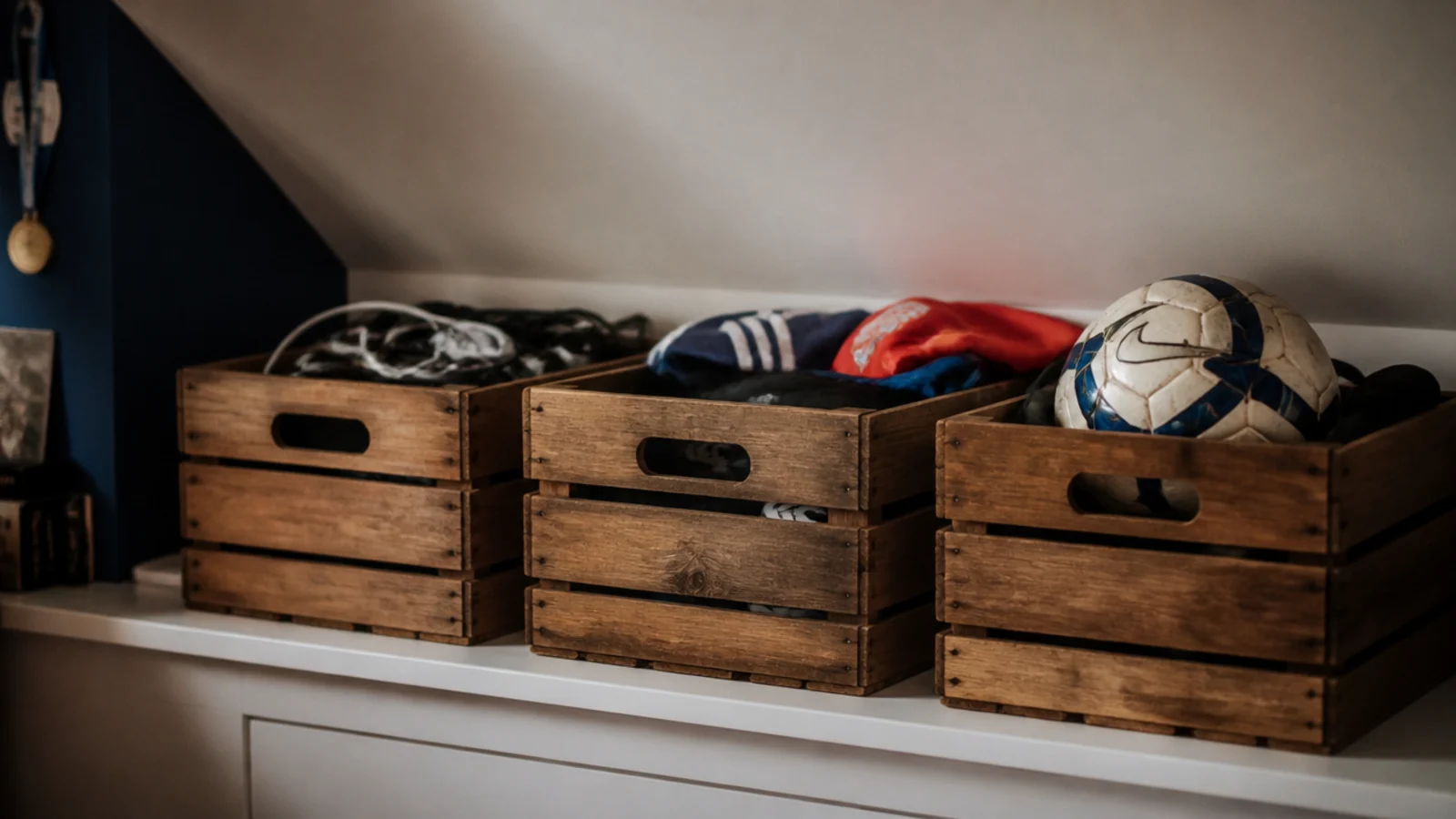
13. Use crates on the capping shelf for kit
Wooden crates at $8 to $15 each, lined along the capping shelf on top of the knee wall, hold the loose gear that otherwise lives on the floor. They are open enough that things actually go back in them, which no lidded box ever manages.
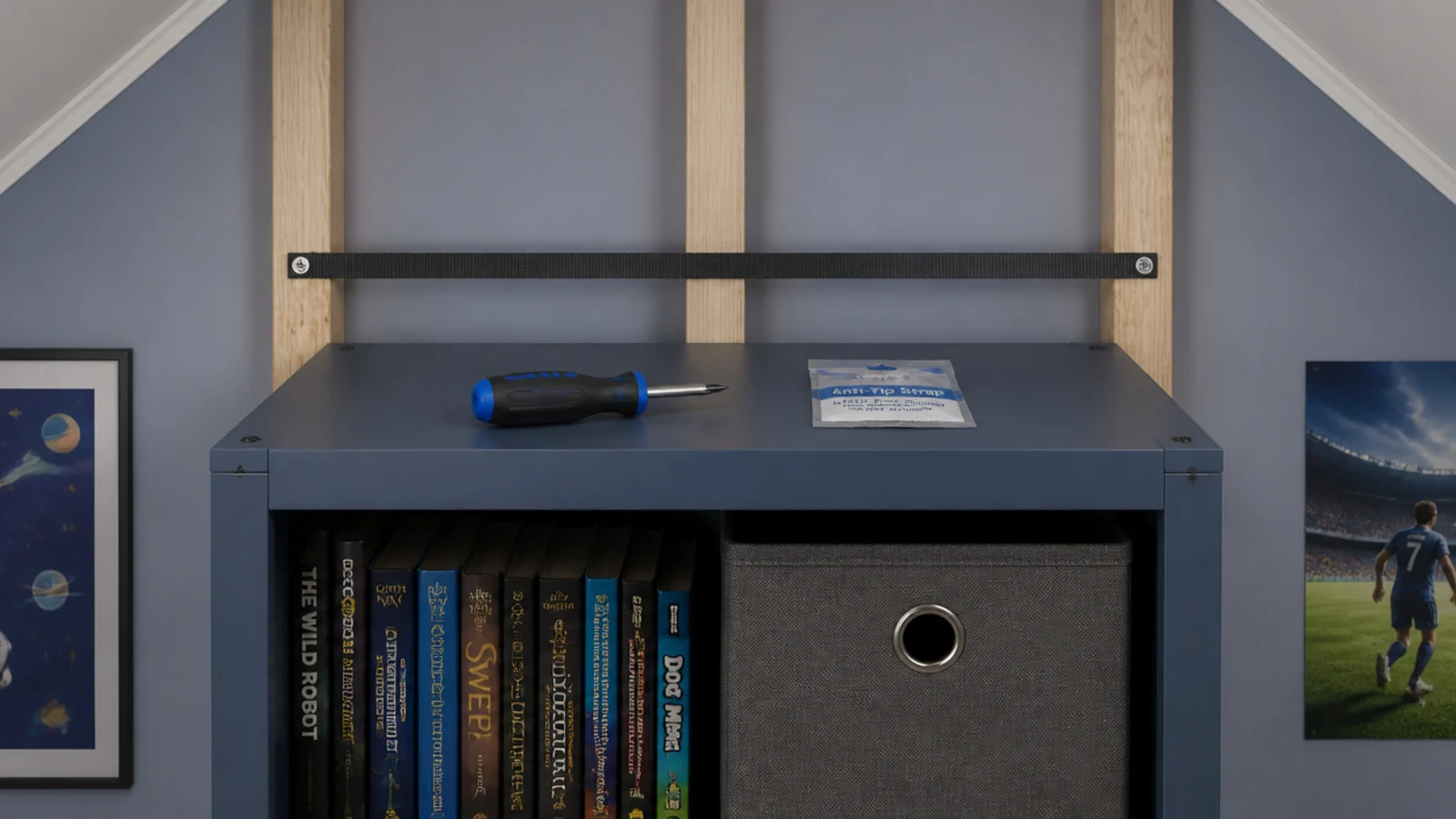
14. Strap every tall thing to the studs
Shelving, wardrobes, anything above 40 inches. Attic partitions are often thin studwork, so find framing rather than trusting a plasterboard plug. Straps cost under $10 each and take ten minutes per piece.
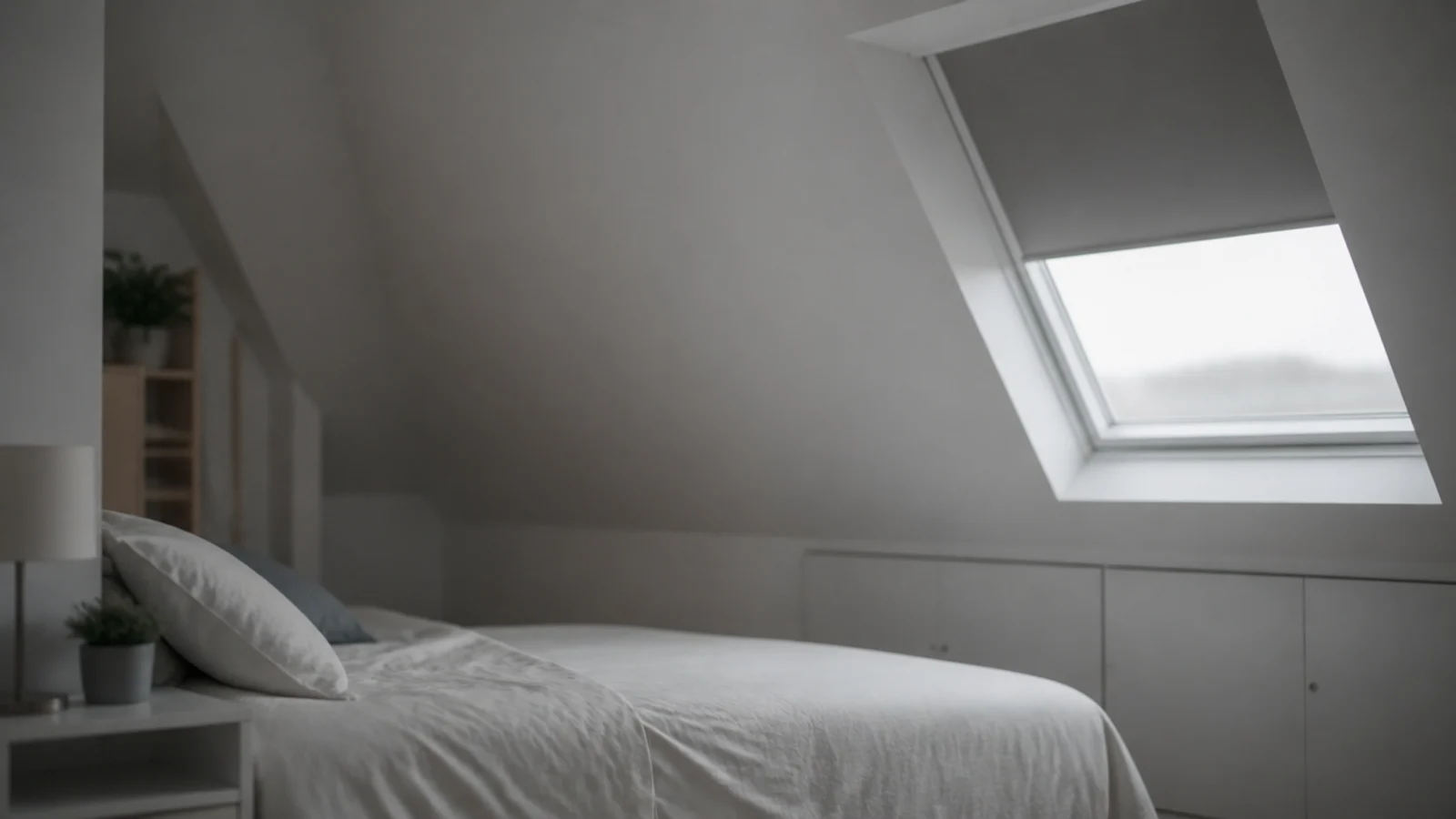
15. Add a blackout blind before summer arrives
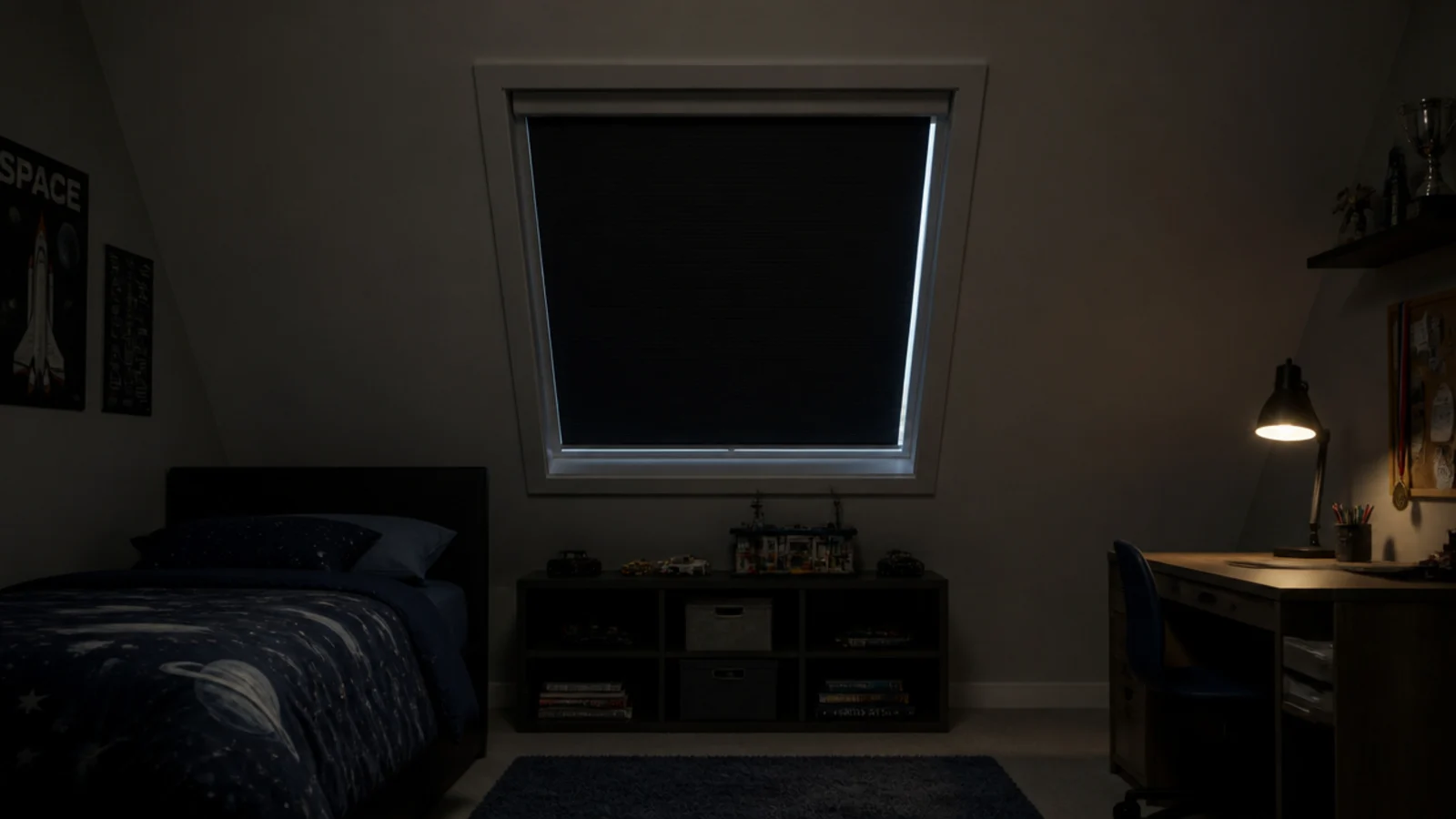
A roof window faces open sky and is bright by four in the morning in June. A frame-channel blackout blind at $60 to $150 buys back an hour of sleep every summer morning, which makes it the best value item in the whole room.
16. Build a low bench along the knee wall
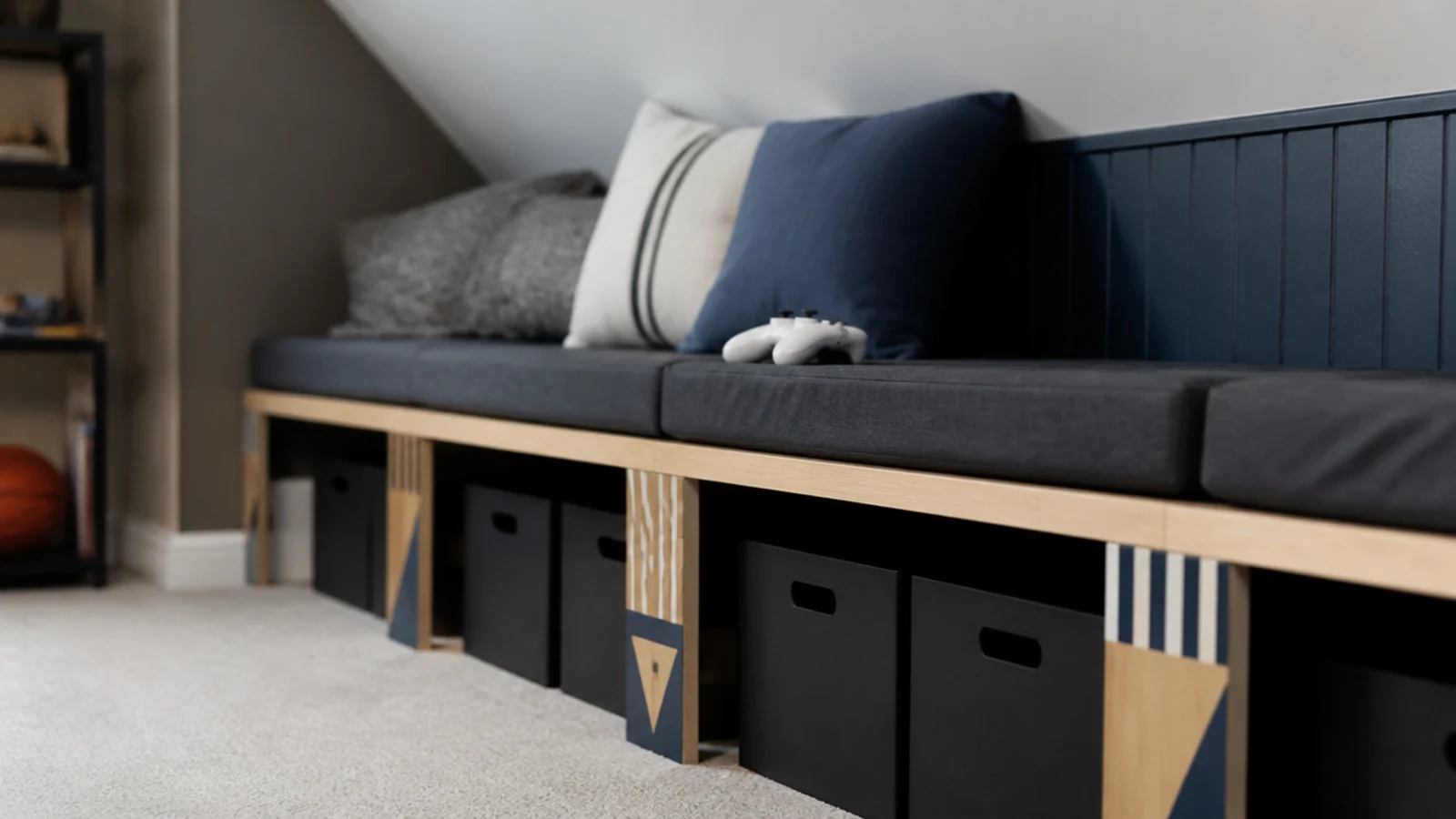
A ply bench at 17 to 18 inches to the cushion gives seating for friends and storage underneath in one build. Reckon on $80 to $150 in materials. In a loft, seating that is only 40 inches under the ceiling still works perfectly because you are sitting down.
17. Give the console a proper shelf and socket
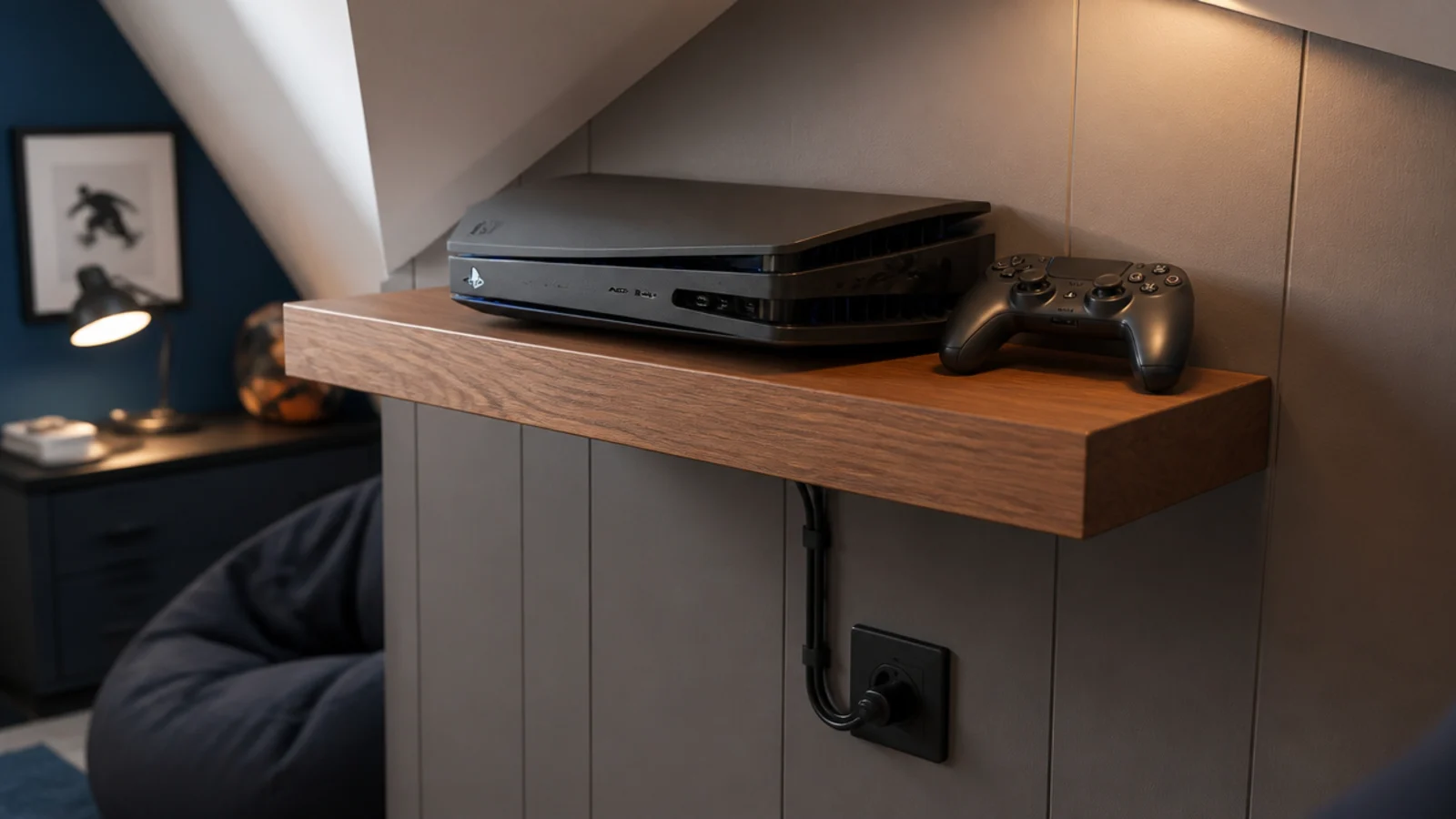
A console balanced on a chest with cables trailing is both untidy and a hazard on the route to the escape window. One fixed shelf on the knee wall with a socket behind it solves both for about $40.
18. Hook the bag on the wall, not the floor
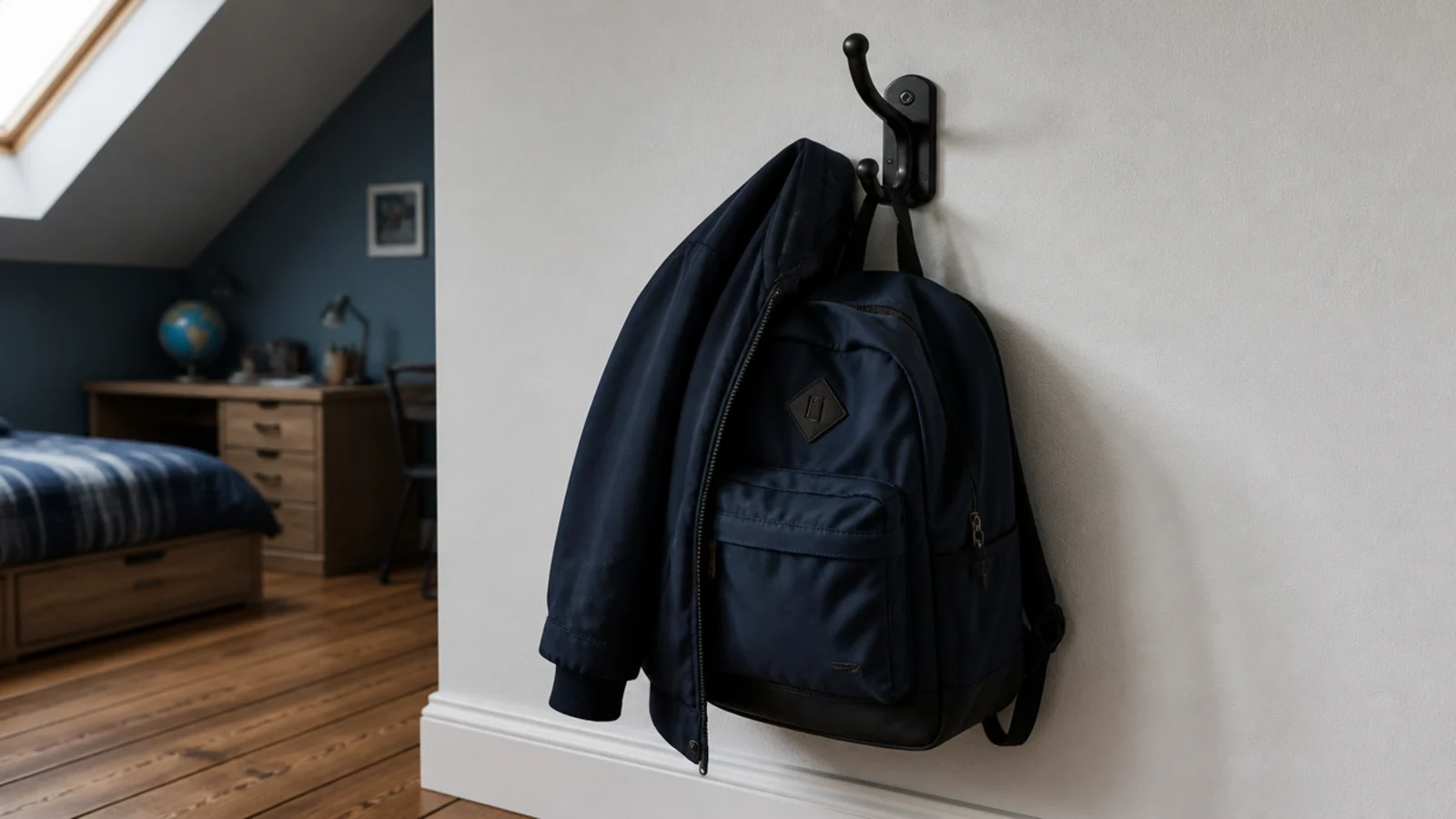
A single sturdy hook at his shoulder height clears the walkway that a school bag otherwise occupies permanently. Move it up as he grows — the holes fill in a minute and the habit is worth keeping.
19. Insulate behind the storage before closing it
The void behind a knee wall is outside the warm envelope. Insulate the back face, tape the joints, insulate the void floor and keep the air path clear. Do it before the drawers go in, because nobody opens this up twice.
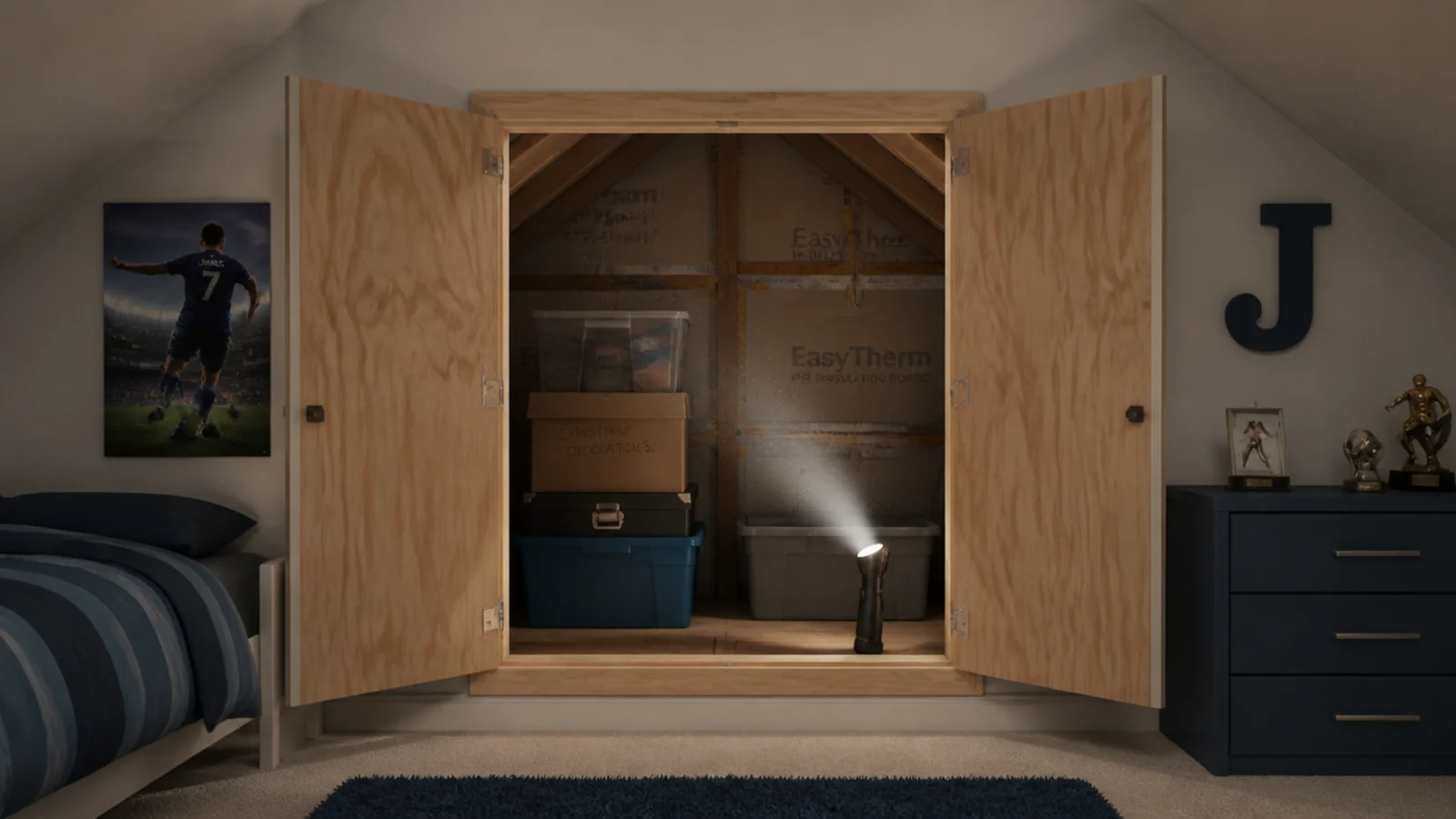
20. Keep a 24-inch walkway to the door
Twenty-four inches of clear floor between the bed and anything else, measured where the ceiling is above 6 feet. In a boy's room that walkway disappears under gear within a term unless there is a hook or a crate for everything that lands there.
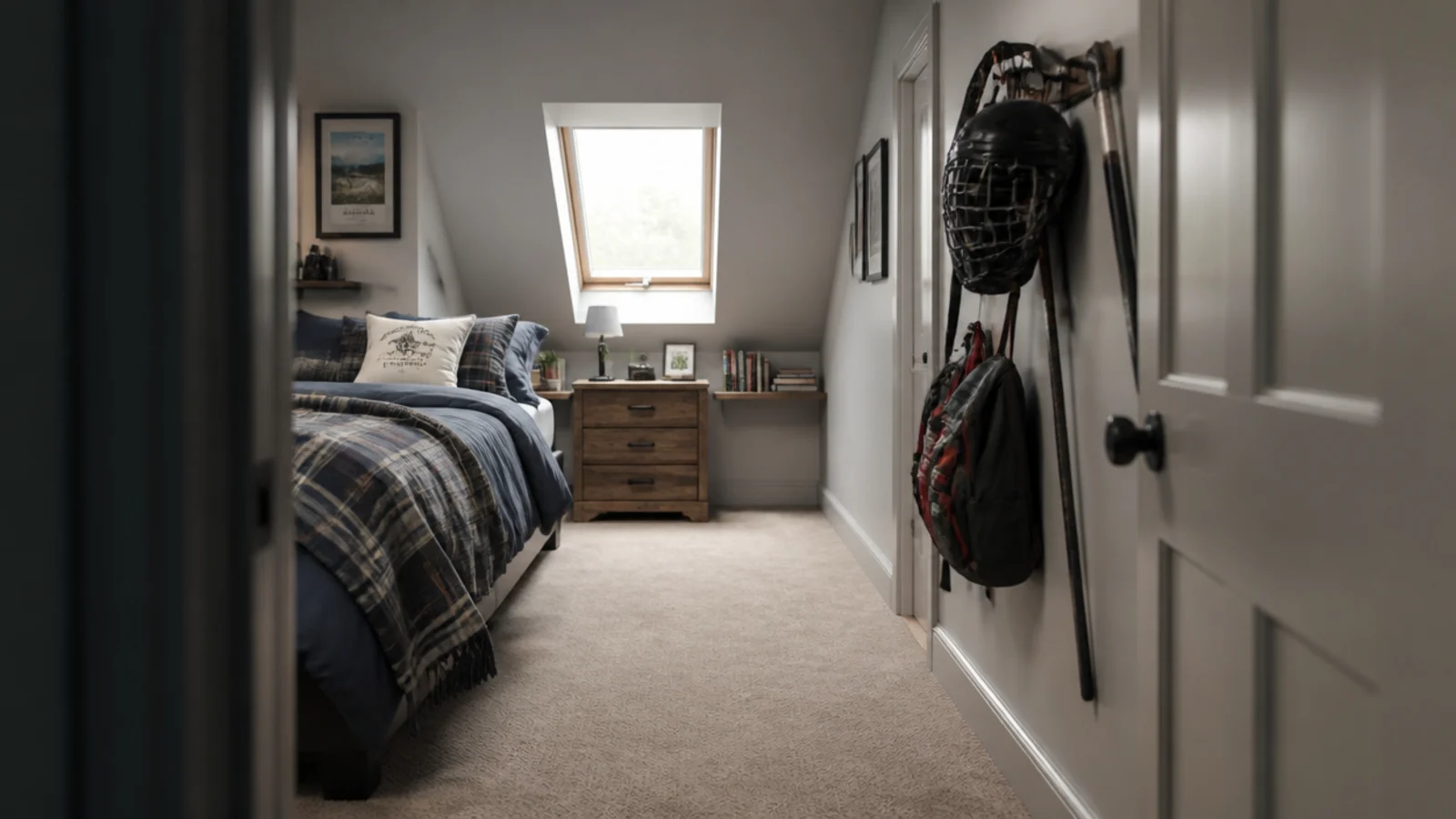
21. Use one accent colour on a single surface
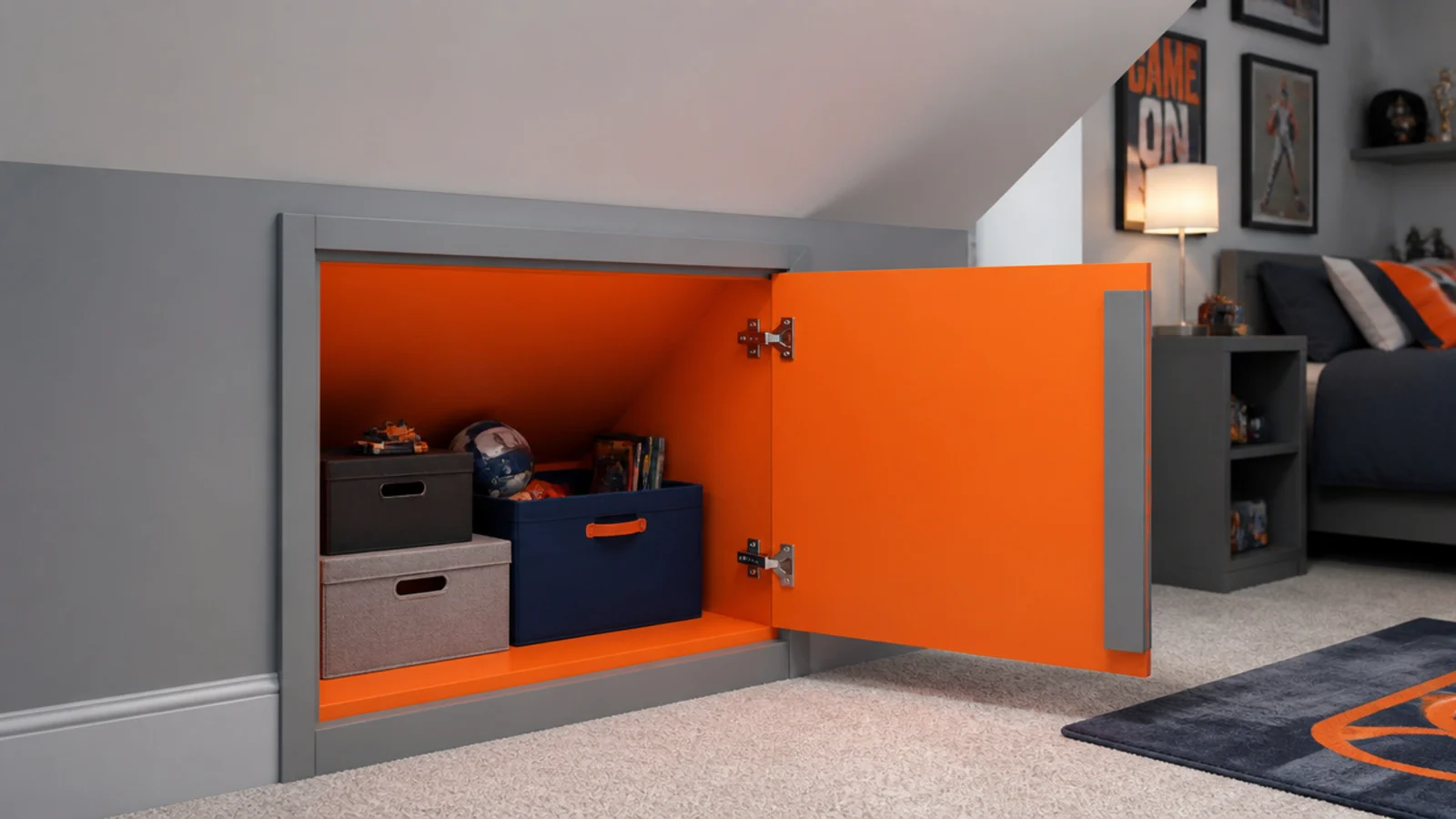
Bright colour on a whole wall in a loft is a lot to live with and a lot to repaint. The same colour inside a knee wall cupboard costs a tester pot, looks deliberate every time the door opens, and can be changed in an hour.
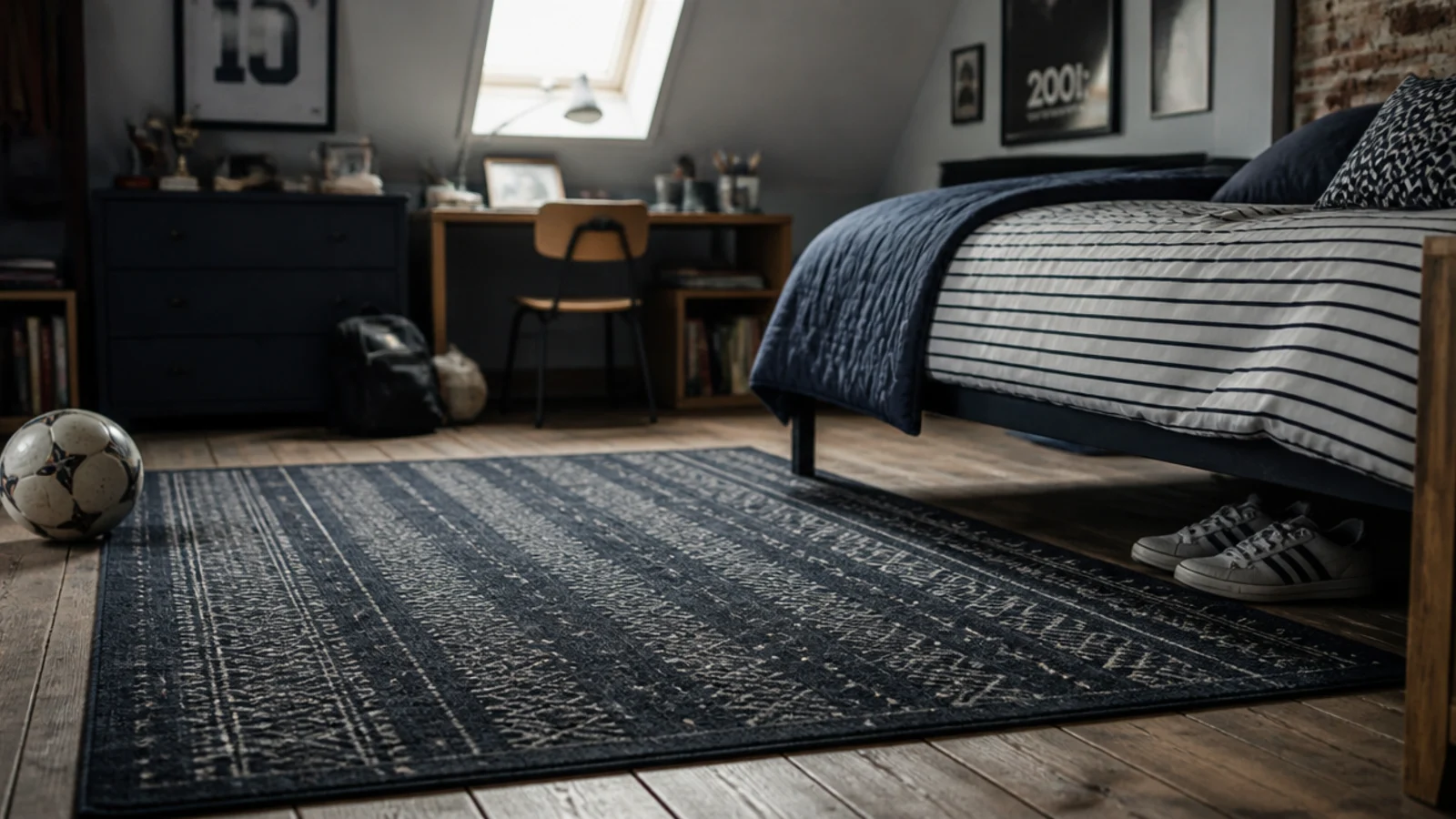
22. Add a rug with underlay for noise and warmth
Painted boards are cold and loud. A large flatweave with a grip underlay at $120 to $300 total warms the floor, stops the slide and takes the edge off footfall for whoever sleeps below.
23. Keep the escape window clear of gear
Bags, cases and drying racks all migrate toward windows. The escape opening and the floor in front of it stay clear permanently, and the window must open fully without moving anything. This is a regulated minimum, not a tidiness preference.
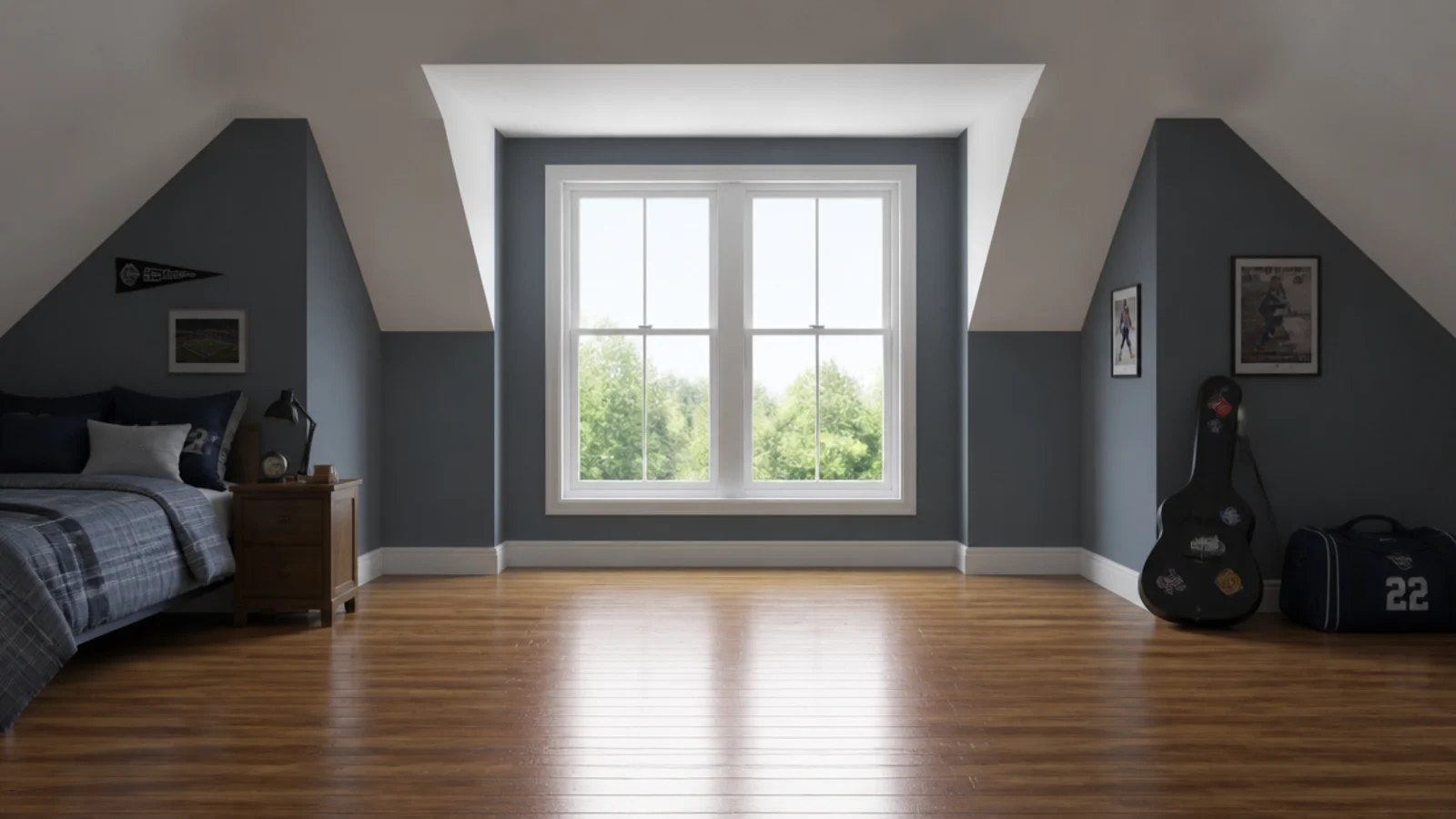
24. Let him build one thing himself
A shelf, a crate, a painted board. Whatever he made survives every clear-out and gets defended for years. It also teaches the measuring habit that makes the next project easier.
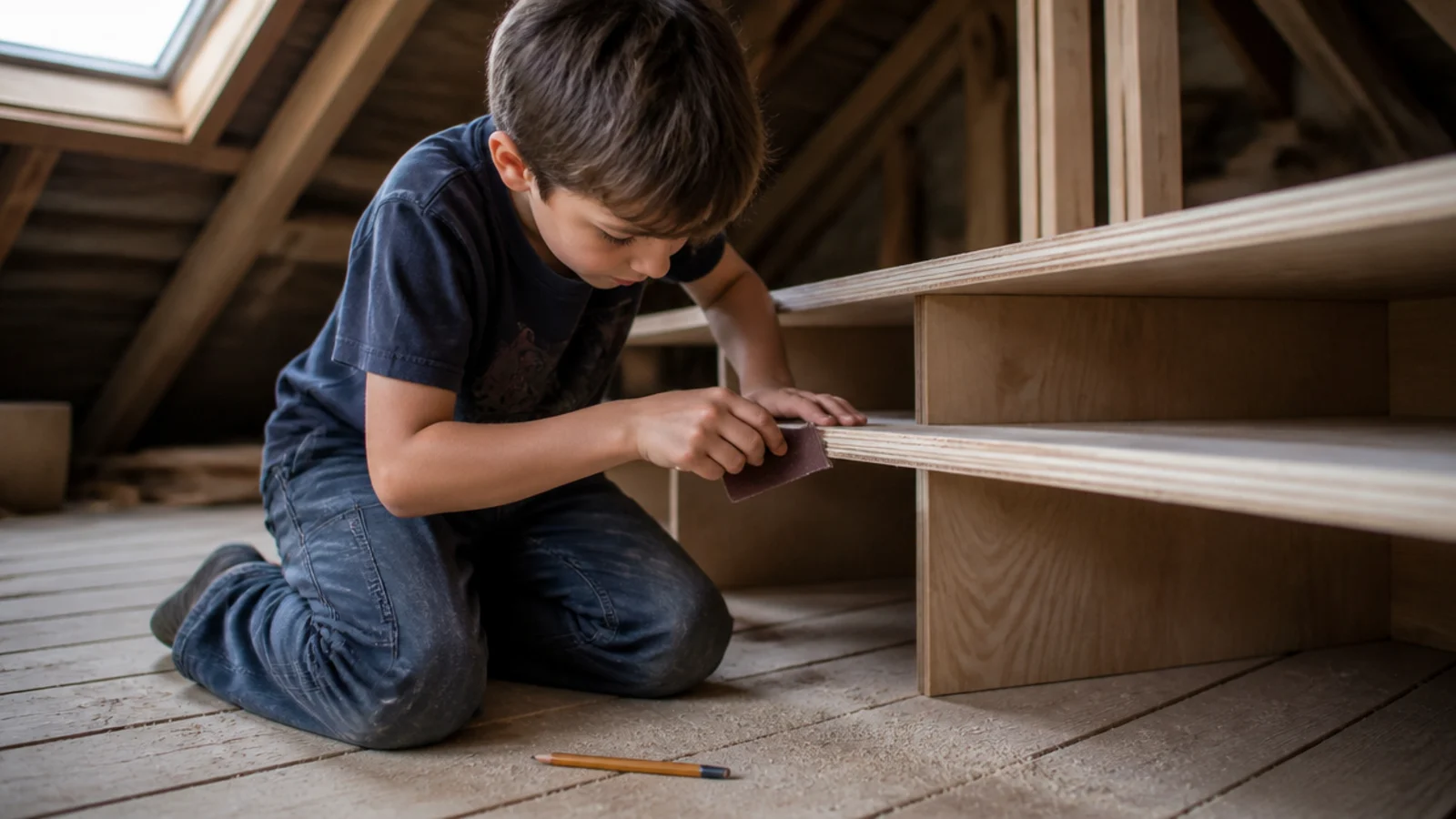
25. Spend the last fifty dollars on bedding
Bedding is the largest area of colour in the room and the cheapest thing to change later. Dark, washable, and chosen by him. It finishes the room and costs less than one piece of furniture.
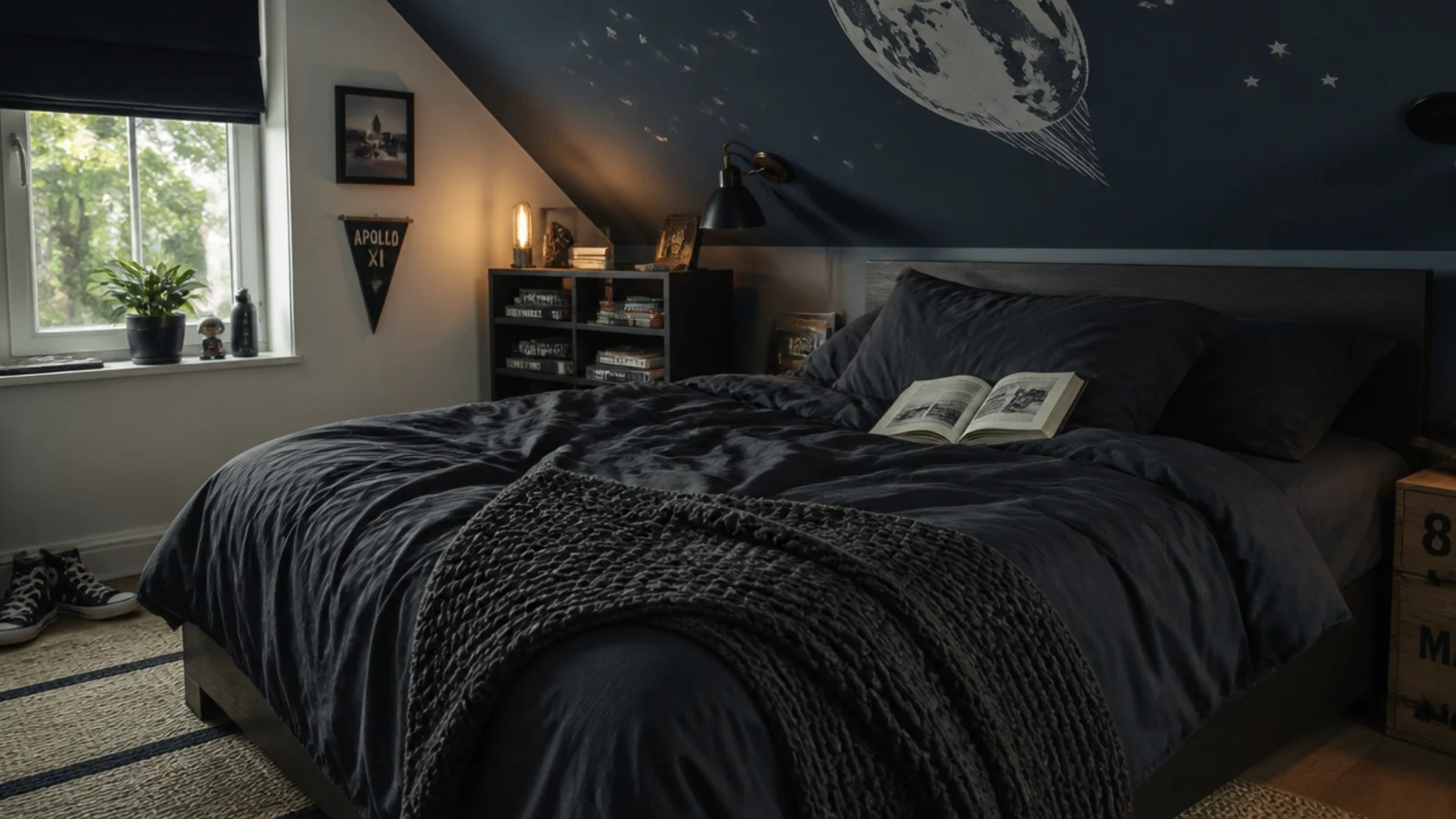
For the age either side of this, the kids attic bedroom guide covers reach heights and bunk clearances for younger children, and the teen attic layouts plan for desk headroom and storage volume as he grows.
Mistakes to Skip
- Buying furniture before painting. Paint is the cheapest change and the one that decides what the room can take, so it comes first every time.
- Building deep cupboards instead of drawers behind the knee wall. Anything you have to crawl into fills with things nobody remembers owning.
- Using a standard height bed frame in a room with a low ridge. It costs the headroom the room needed and the under-bed storage the room needed too.
- Fixing a shelf or a hook into plasterboard on the slope. On a pitch the load pulls at an angle and works loose, usually above the pillow.
- Letting kit pile up in front of the escape window because it is the one clear wall. Egress and headroom minimums are regulated and must never be blocked.
Frequently asked questions
What is the cheapest way to improve a boys attic bedroom?
Paint the walls and the slope in one colour and one matte finish. It costs sixty to a hundred and twenty dollars in materials for a whole loft, takes a weekend, and it changes how tall the room reads more than any piece of furniture you could buy for the same money.
How do I build cheap storage into an attic knee wall?
Cut boxes from eighteen millimetre birch ply to fit the void between the studs, which is usually fourteen to sixteen inches deep, and run them on full extension drawer slides. Reckon on three hundred to seven hundred dollars in materials for a six foot run, and insulate behind before you fit anything.
What headroom does a bed need in a boys loft room?
At least thirty inches of clear air above the mattress where the pillow sits, and thirty-six if he reads or games in bed. For a top bunk, use the same thirty inch minimum and make sure the guardrail stands at least five inches above the mattress surface.
How do you light an attic bedroom without rewiring?
Plug-in wall lights, a clamp lamp on a shelf edge and a warm LED strip along the ridge cover a whole loft for well under a hundred dollars. Keep every source at 2700K, run the cables along the knee wall rather than across the floor, and keep drivers off soft furnishings.
Is an attic bedroom safe for a young boy?
Only if it meets the rules for a sleeping room, which means a compliant emergency escape opening kept permanently clear, a proper staircase, working smoke alarms and habitable ceiling height. Those are regulated minimums enforced by your local building department, and tall furniture still needs anti-tip fixings into framing.
Want more like this? Browse all 15 attic bedroom ideas guides — they all use the same measurements and budget tiers.
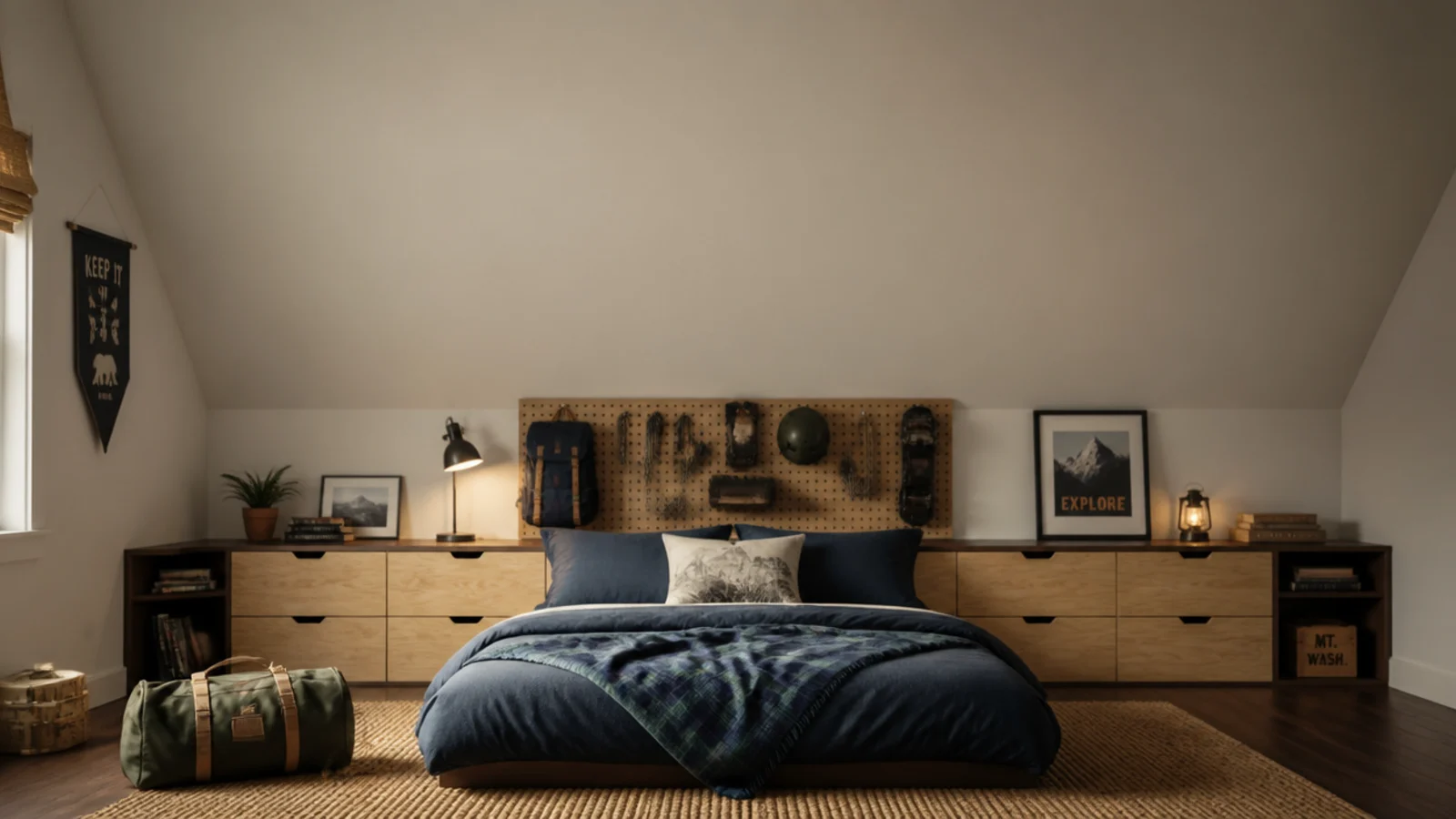
Pin it for later
Save this to your Attic Bedroom Ideas board
Pin it now so it is waiting for you when the tape measure comes out — and so the next person hunting for this idea can find it too.
Save this pinKeep going
More ideas worth saving while you have the tape measure out.