Toddler Girl Bedroom · How-To
15 Steps To Style A Pink Toddler Girl Bedroom

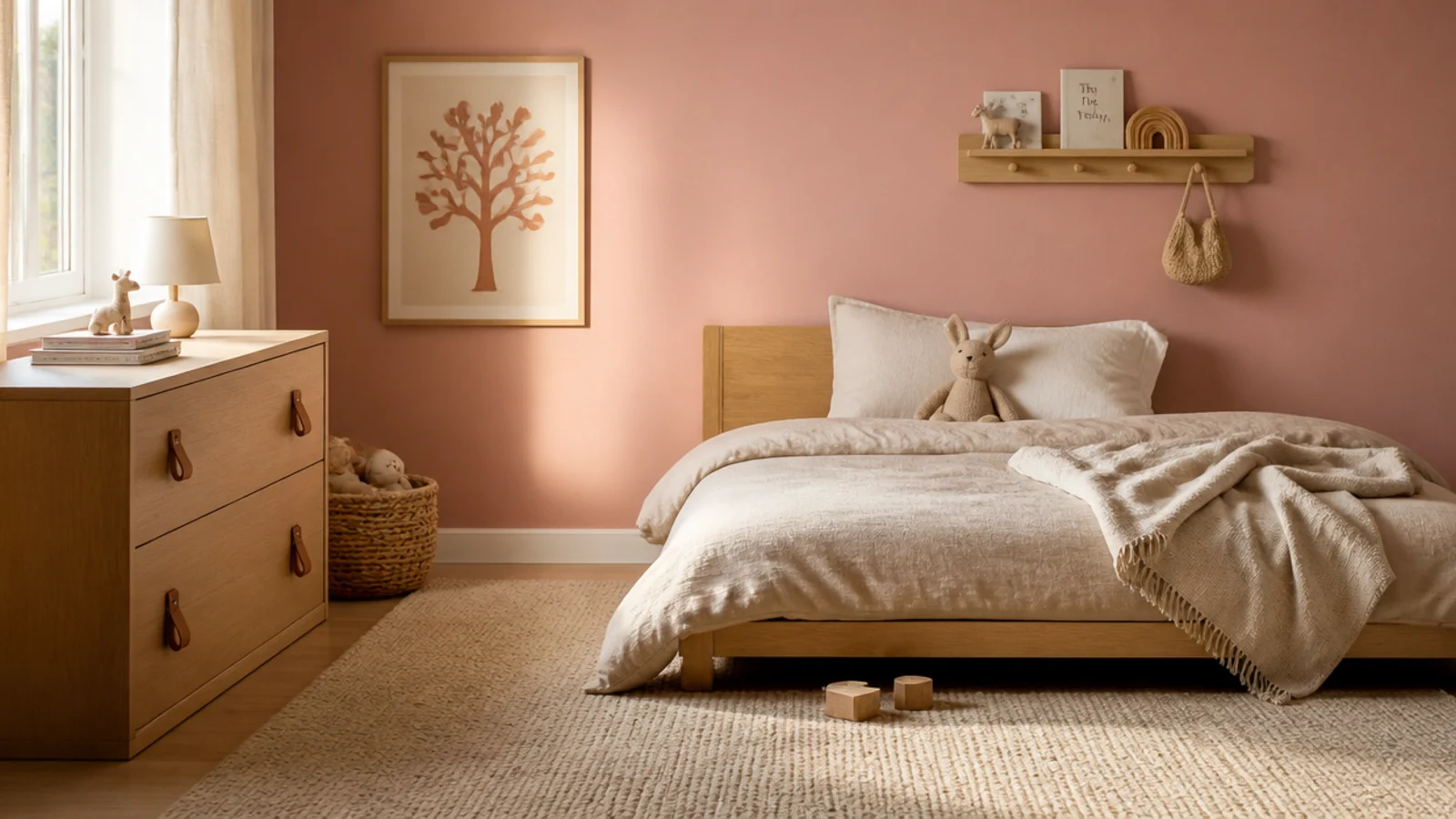
Pink is not one colour, it is about forty, and the gap between the ones that stay calm and the ones that hum is entirely saturation. A toddler girl bedroom pink scheme goes wrong at the paint counter, when somebody picks the swatch that looks sweetest on a two-inch card and then paints 300 square feet with it. Colour multiplies. What follows is the order I work in — fabric first, sample boards second, finish third, and paint fourth — plus the anchoring and window checks that happen before any styling. Fifteen steps, one weekend, and a room that still looks right at six.
In this guide18 sections — tap to openHide
- 1.What You'll Need For A Pink Toddler Girl Bedroom
- 2.Step 1: Pull the pink from the bedding, not the paint chart
- 3.Step 2: Test it big and look three times a day
- 4.Step 3: Decide how much pink the room can carry
- 5.Step 4: Choose the finish before the colour
- 6.Step 5: Paint two days ahead and ventilate properly
- 7.Step 6: Keep the strongest pink above forty inches
- 8.Step 7: Anchor the furniture before you style it
- 9.Step 8: Neutralise the floor
- 10.Step 9: Add a second colour, not a second pink
- 11.Step 10: Repeat one warm metal three times
- 12.Step 11: Hang the art at thirty-six inches
- 13.Step 12: Layer the lighting warm, never cool
- 14.Step 13: Dress the windows cordless
- 15.Step 14: Put her own pink things within reach
- 16.Step 15: Photograph the room and remove three things
- 17.Pro Styling Rules
- 18.Mistakes to Skip
What You'll Need For A Pink Toddler Girl Bedroom
Nothing here is specialist. A full repaint and restyle of a 10 by 12 foot room comes in around $180 to $320 depending on how much you already own.
| Item | Spec that matters | Rough cost |
|---|---|---|
| Wall paint | Water-based, low-VOC under 50 g/L, eggshell | $40–$70 a gallon |
| Tester pots | 8 oz, four shades minimum | $8 each |
| Sample boards | 12 in primed card or offcut ply | $2 each |
| Anchor straps | Two per unit over 24 in tall | $12 a pair |
| Cordless blind | Blackout or cellular, cut to recess | $30–$70 |
| Rug and pad | Washable flatweave under 1/2 in pile | $60–$180 |
| Bedding | Cotton percale, two sets | $30–$60 a set |
| Warm bulbs | 2700K, dimmable, 450–800 lumens | $6 each |
One gallon covers roughly 350 square feet, so most rooms this size need one for two coats on a feature wall plus touch-ups. Buy the anchor straps at the same time as the paint — they are the cheapest thing on the list and the only item that cannot be added later without moving everything again. If you want the full range of shades before you commit, the paint ideas guide compares them properly.
Step 1: Pull the pink from the bedding, not the paint chart
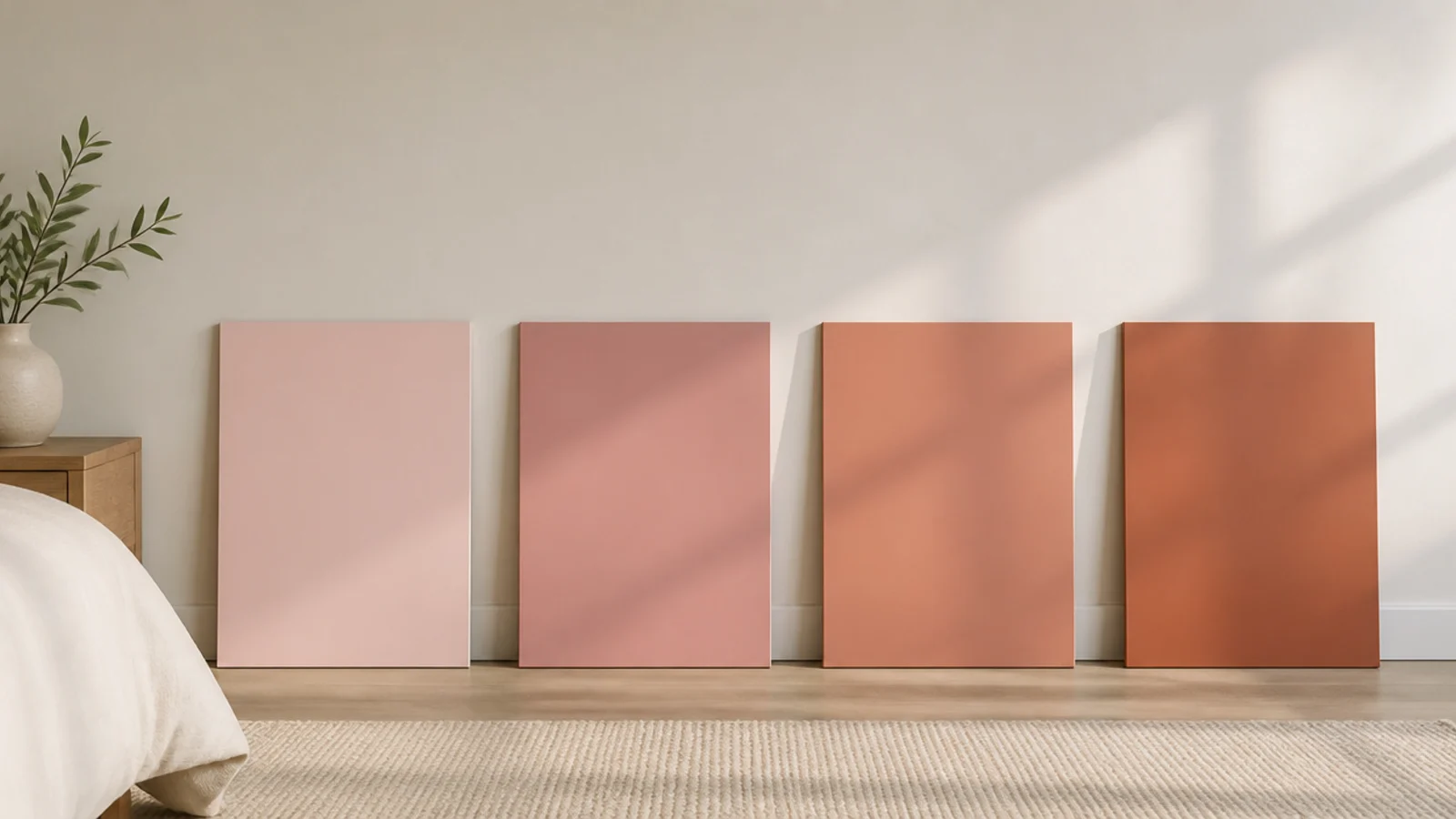
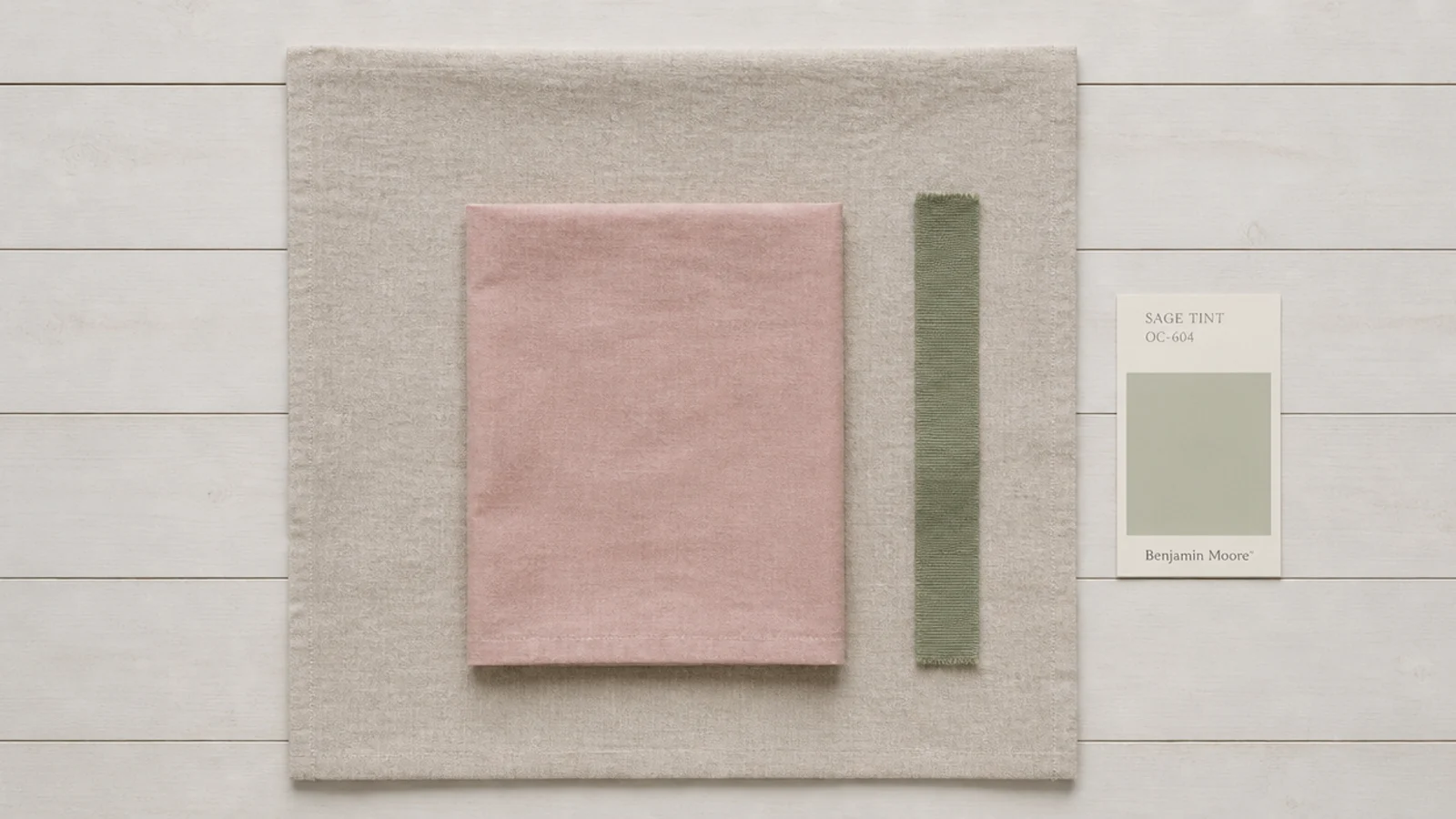
Buy the fabric first. Paint can be mixed to any shade on earth; bedding comes in whatever the shop stocked, so it is the constrained item and it should lead. Lay the duvet cover on the floor in the actual room and hold the fan deck against it. Choose two or three candidates that sit slightly softer than the fabric, because a wall reads about a shade stronger than a card.
Step 2: Test it big and look three times a day
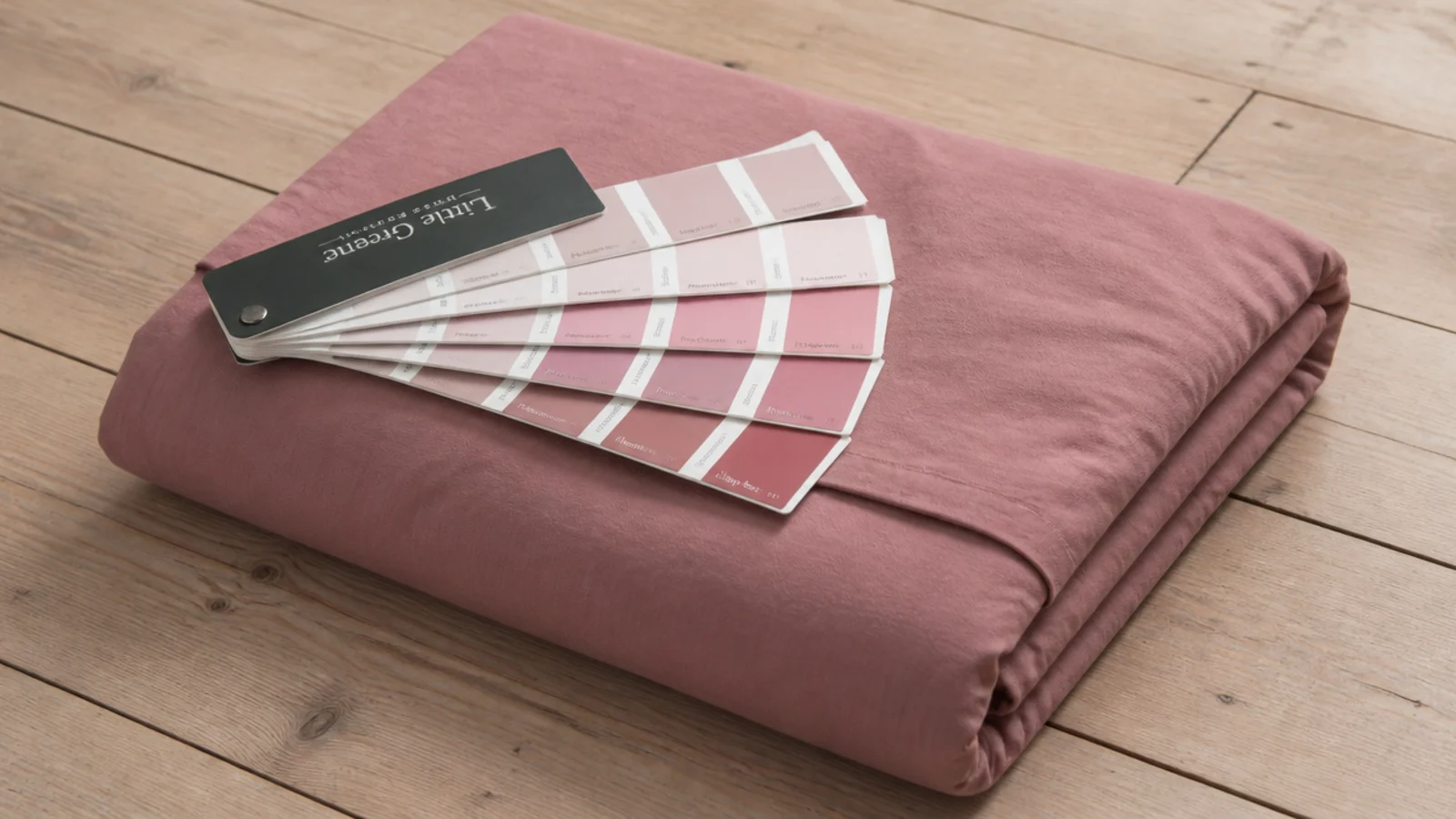
Paint two coats onto 12 inch boards, not onto the wall. Boards move, so you can hold each one against the window wall, the dark corner and beside the door. Look at breakfast, at teatime and under lamplight. North-facing rooms pull pink toward grey and low evening bulbs push it toward orange, and a shade that survives all three is the one to buy.
Step 3: Decide how much pink the room can carry
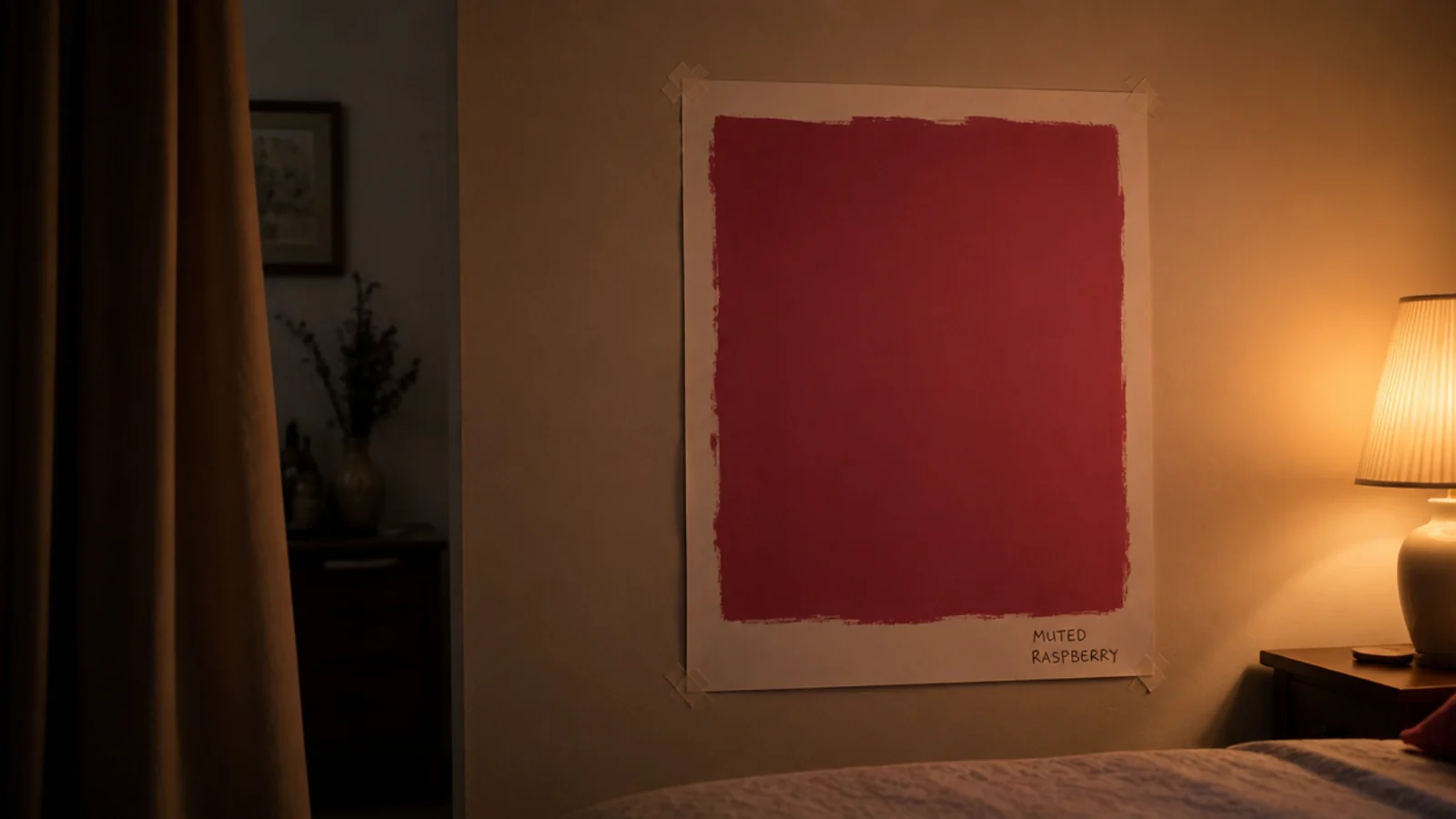
Work to 60-30-10. Sixty per cent neutral on the big surfaces — three walls, the floor, the storage. Thirty per cent pink in bedding, curtains and one painted feature. Ten per cent of a third colour as the accent. Pink at eighty per cent stops being a colour and becomes a light condition, and in a room under 100 square feet it closes in fast.
Step 4: Choose the finish before the colour
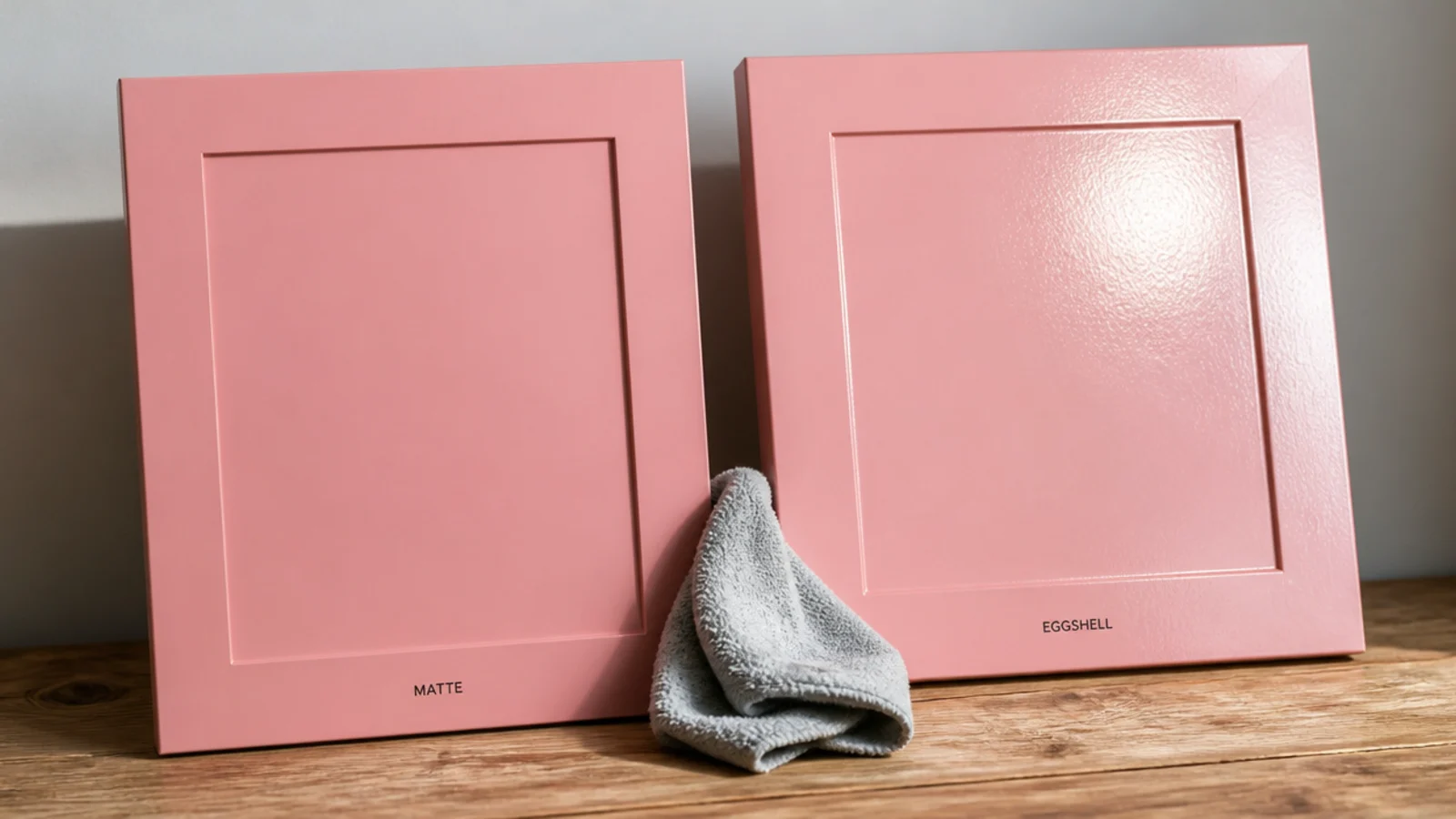
Eggshell or satin, water-based, low-VOC under 50 grams per litre and ideally under 5. Matte looks softer for about six weeks, then burnishes into shiny patches wherever anyone wipes it. Run the tougher sheen from the skirting to roughly 40 inches, which is exactly where handprints, crayon and scuffs land, and put the softer finish above if you want it.
Step 5: Paint two days ahead and ventilate properly
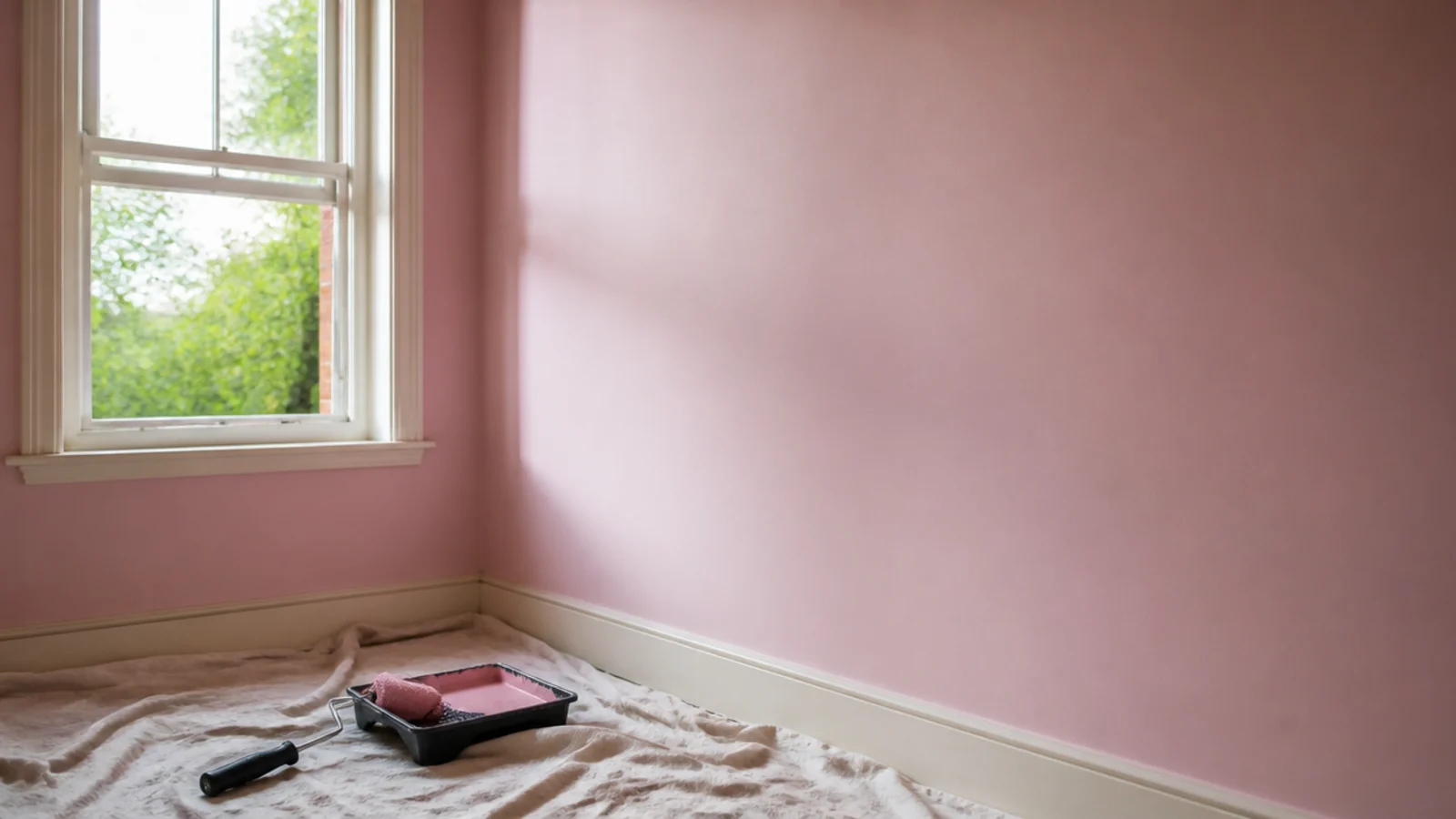
Two or three days before she sleeps in the room, with a window open and the door shut to the rest of the house for 48 to 72 hours. Low-VOC water-based paint is touch dry in about two hours and recoatable in four, but it keeps off-gassing lightly for a couple of days, and a toddler spends eleven hours a night breathing that air.
Step 6: Keep the strongest pink above forty inches
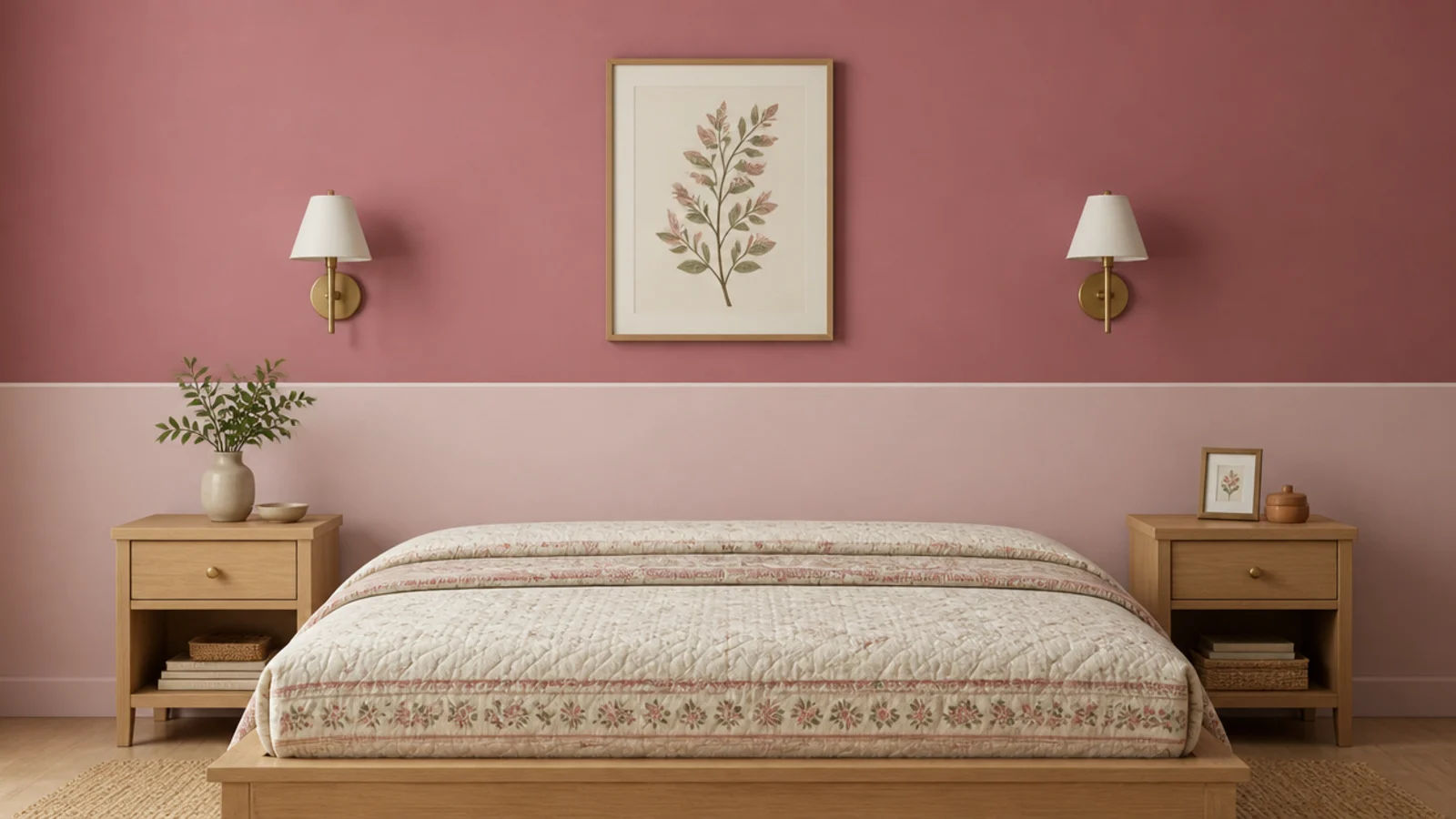
If you want a deeper rose, put it high. A colour break at hip height with the stronger tone above and a pale wipeable band below gives you the drama and the durability at once. It also means repainting the damaged section is a two-foot strip and an hour, rather than a full room and a weekend.
Step 7: Anchor the furniture before you style it
Every unit over about 24 inches tall takes two straps into studs, tightened until the piece will not rock with the top drawer open and leaned on. Do this while the room is empty and the furniture is already pulled forward. Anchoring after the room is styled means unloading it all again, which is why it so often does not happen.
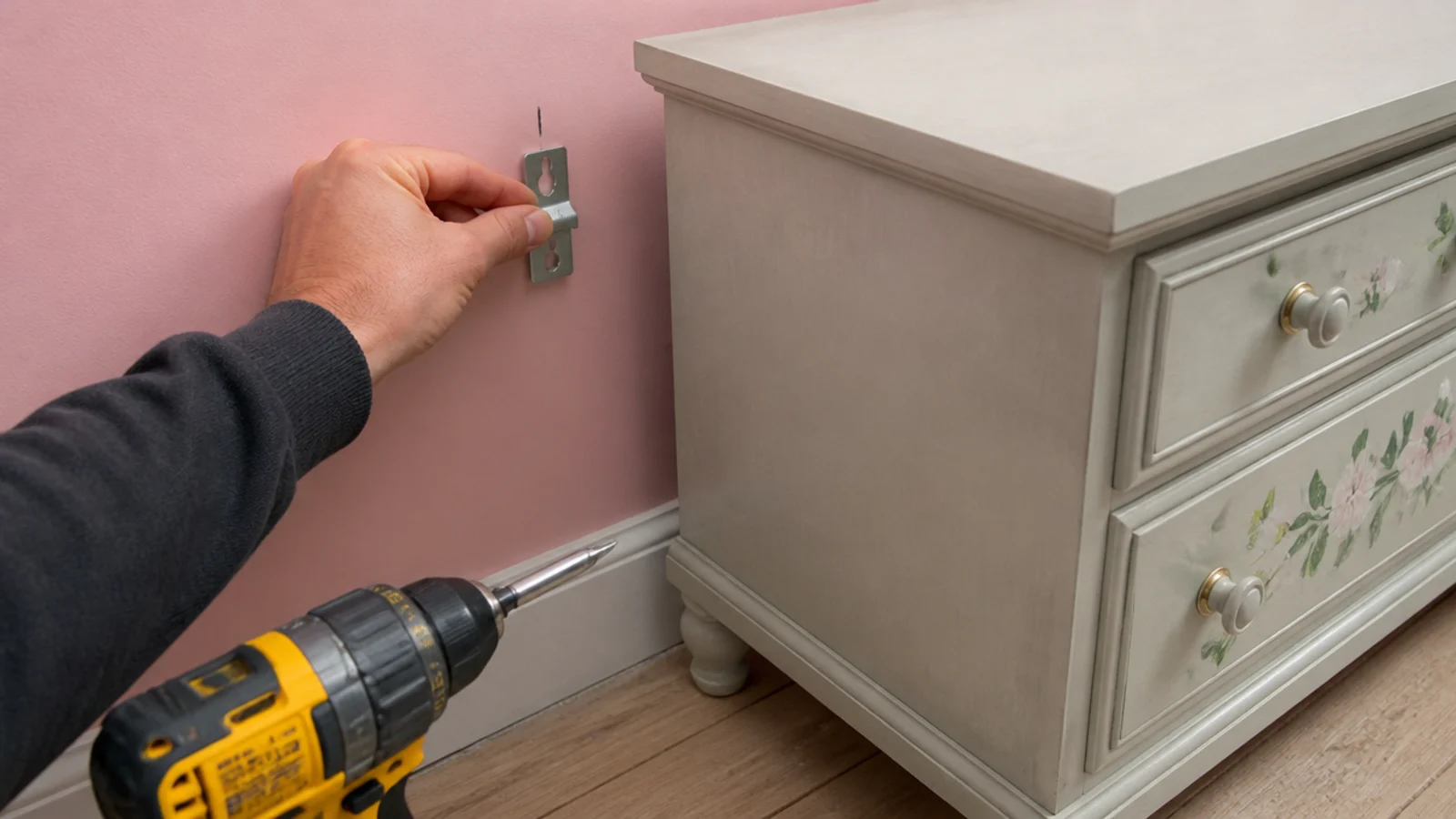
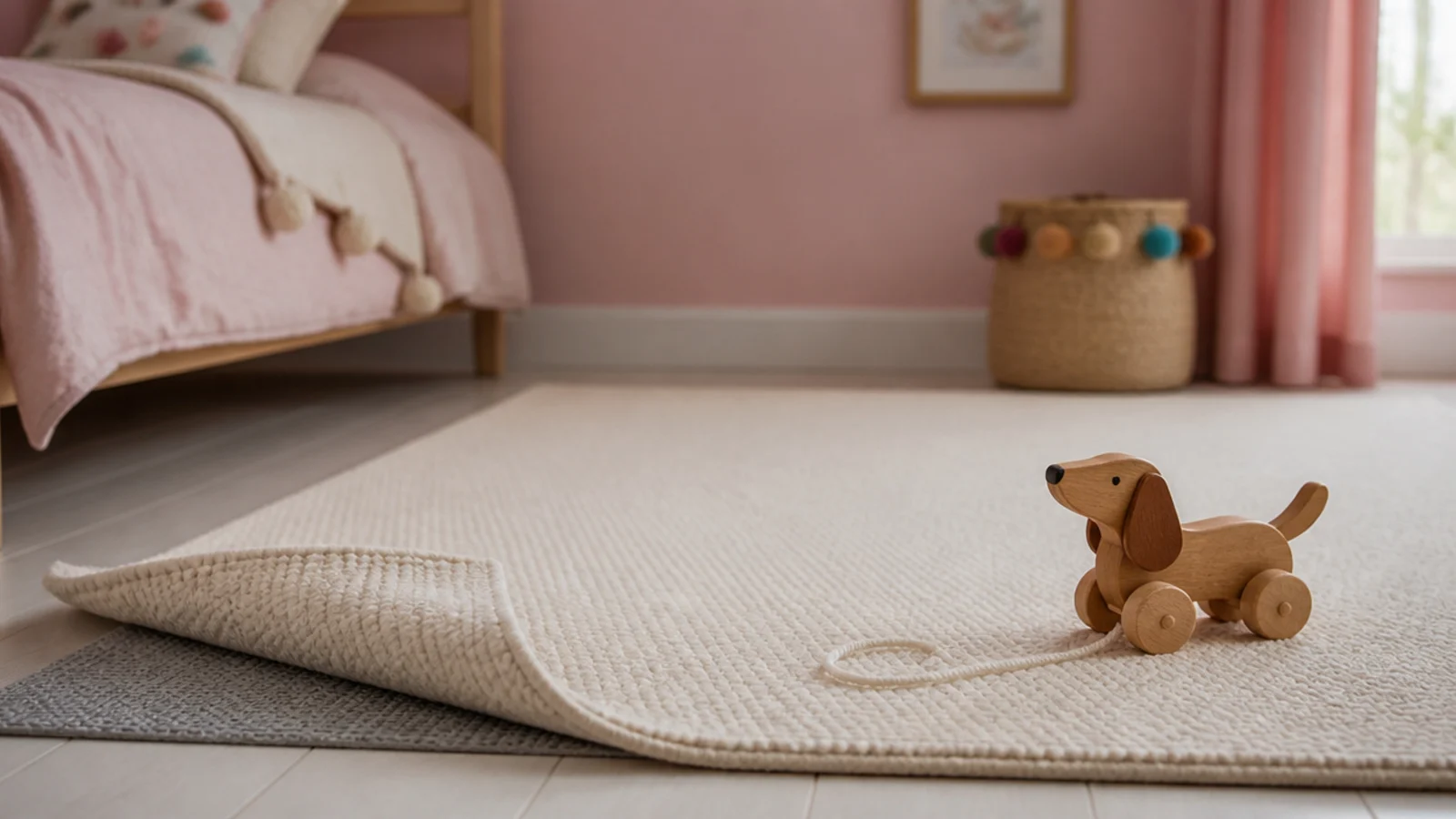
Step 8: Neutralise the floor
A pink wall wants a quiet floor. Cream, oat or soft grey in a washable flatweave under half an inch of pile, over a non-slip pad cut two inches smaller on every side. A pink rug under pink walls flattens the room into one wash of colour, and a high pile stops ride-on toys dead.
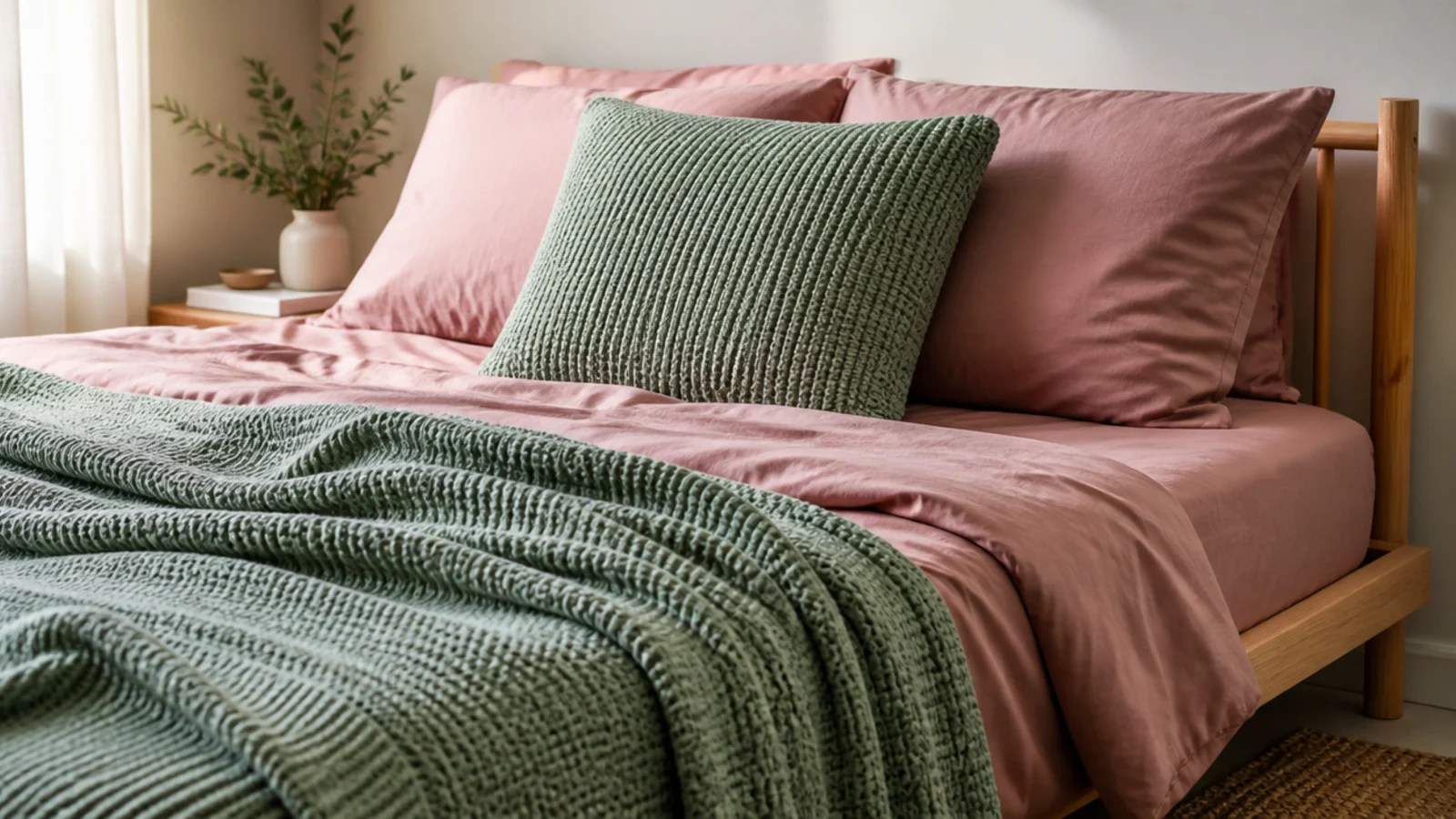
Step 9: Add a second colour, not a second pink
Sage, warm grey, clay or natural wood. One companion colour is what makes pink read as a chosen scheme rather than a default, and it is the thing that keeps the room from looking babyish at five. Put it in a blanket and a cushion so it costs about $40 and can be changed on a whim.
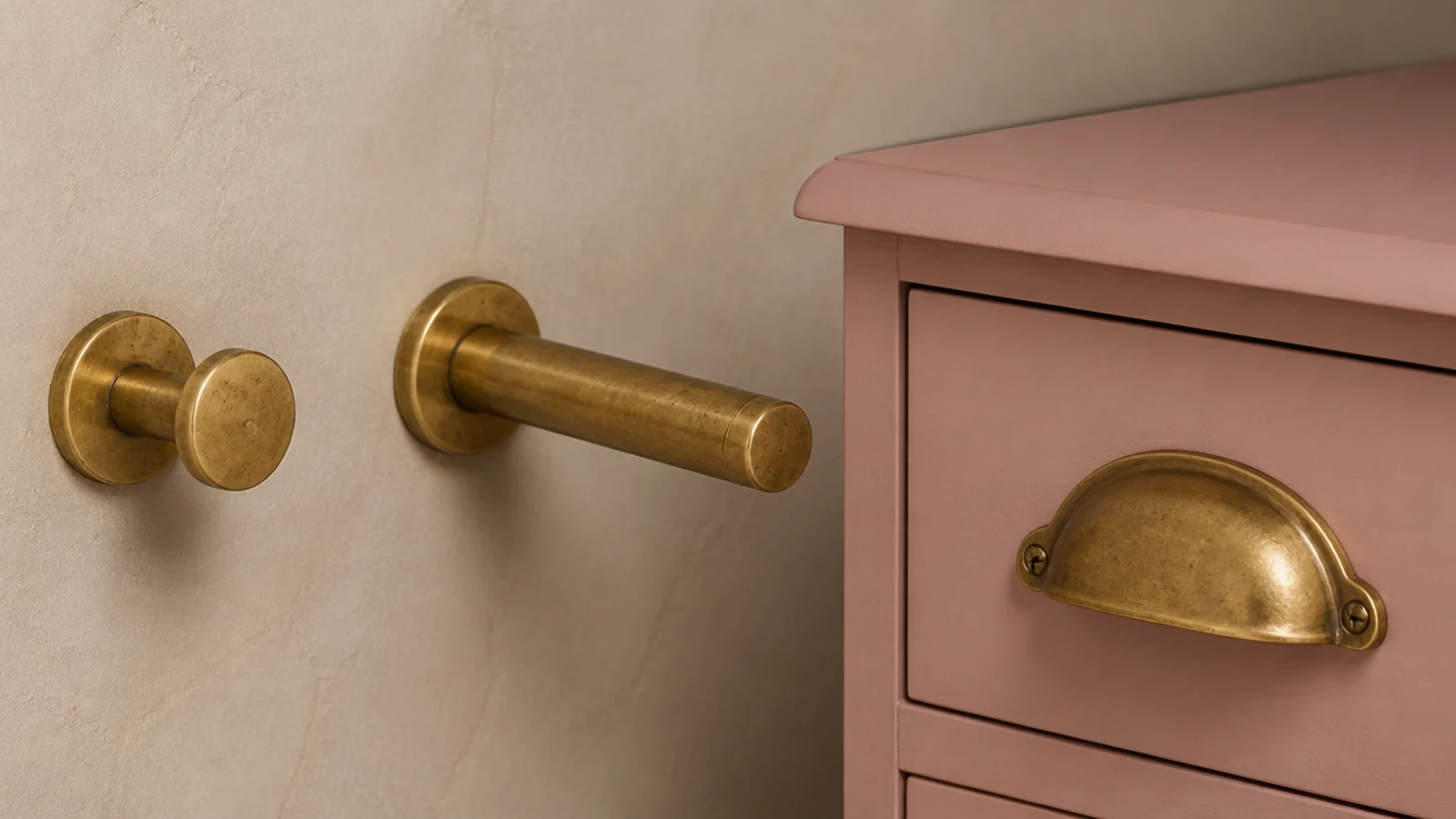
Step 10: Repeat one warm metal three times
Aged brass on a peg rail, a drawer pull and a clothes rail, all in the same finish. Three repeats read as a decision; one reads as an accident. Warm metals sit beautifully against clay pinks, and they cost nothing extra if you choose them at the point of buying rather than swapping later.
Step 11: Hang the art at thirty-six inches
A toddler's eye level is roughly 30 to 36 inches, so centre the frames there rather than at adult height. Acrylic glazing rather than glass, lightweight frames, and nothing at all on the wall directly above the pillow. A low row of three prints does more for the room than one large piece hung high.
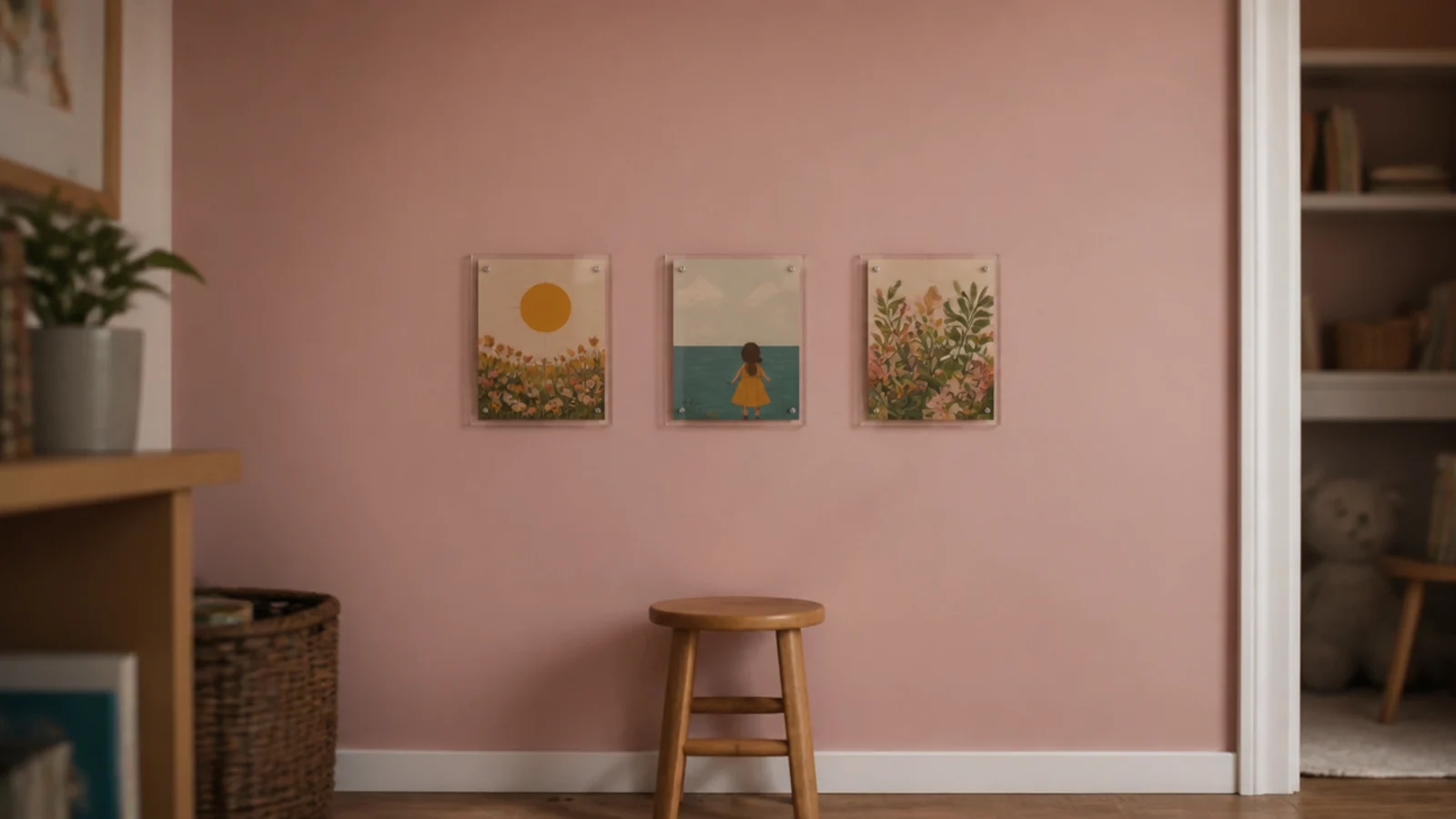
Step 12: Layer the lighting warm, never cool
Pink walls under a 4000K bulb go faintly grey and slightly clinical. Use 2700K throughout: a dimmable ceiling fitting at 600 to 800 lumens for play, a lamp at 450 for stories, and a 5 to 10 lumen amber nightlight near the door. Clip every flex tight to the skirting and keep cords away from the mattress.
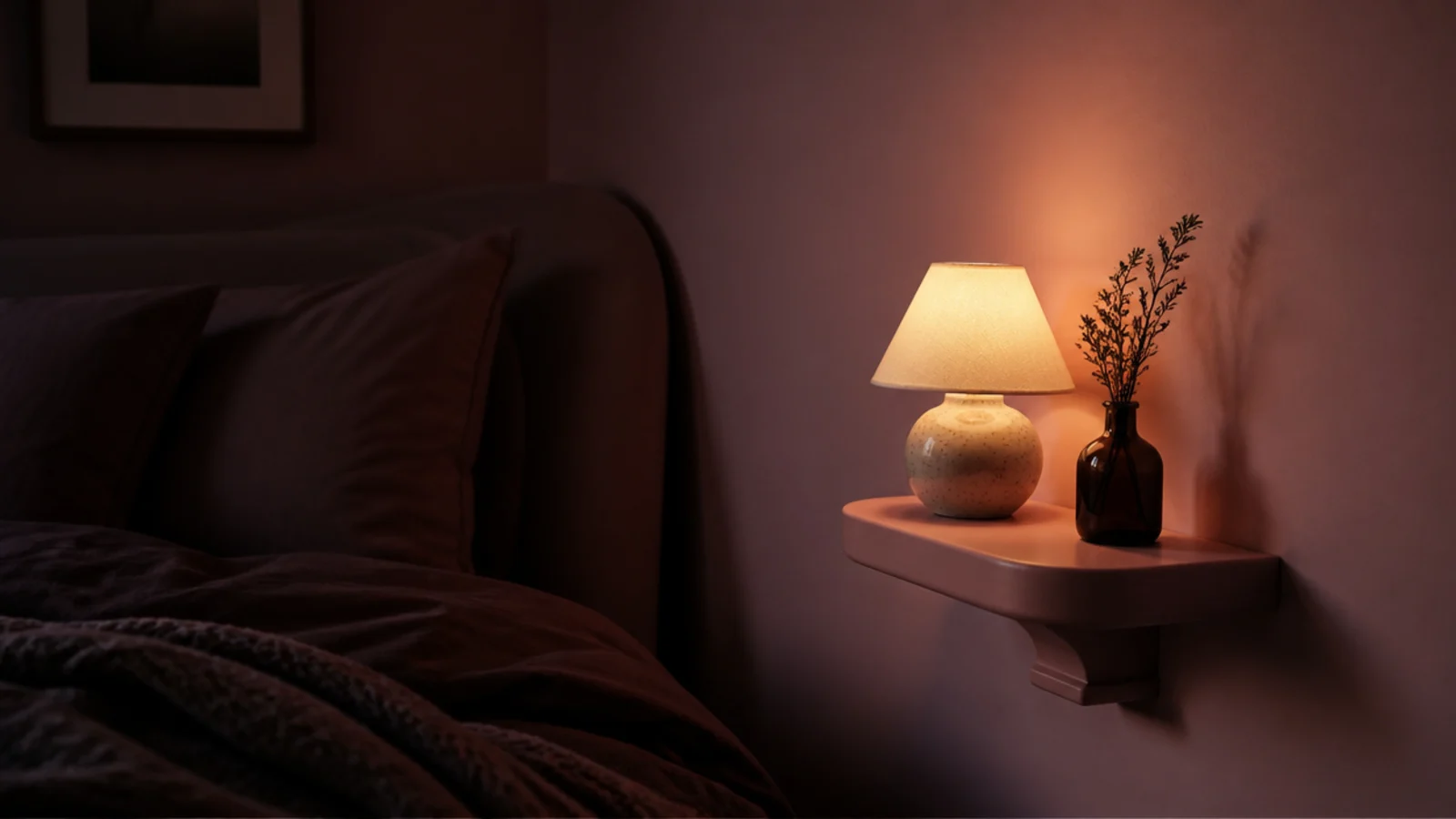
Step 13: Dress the windows cordless
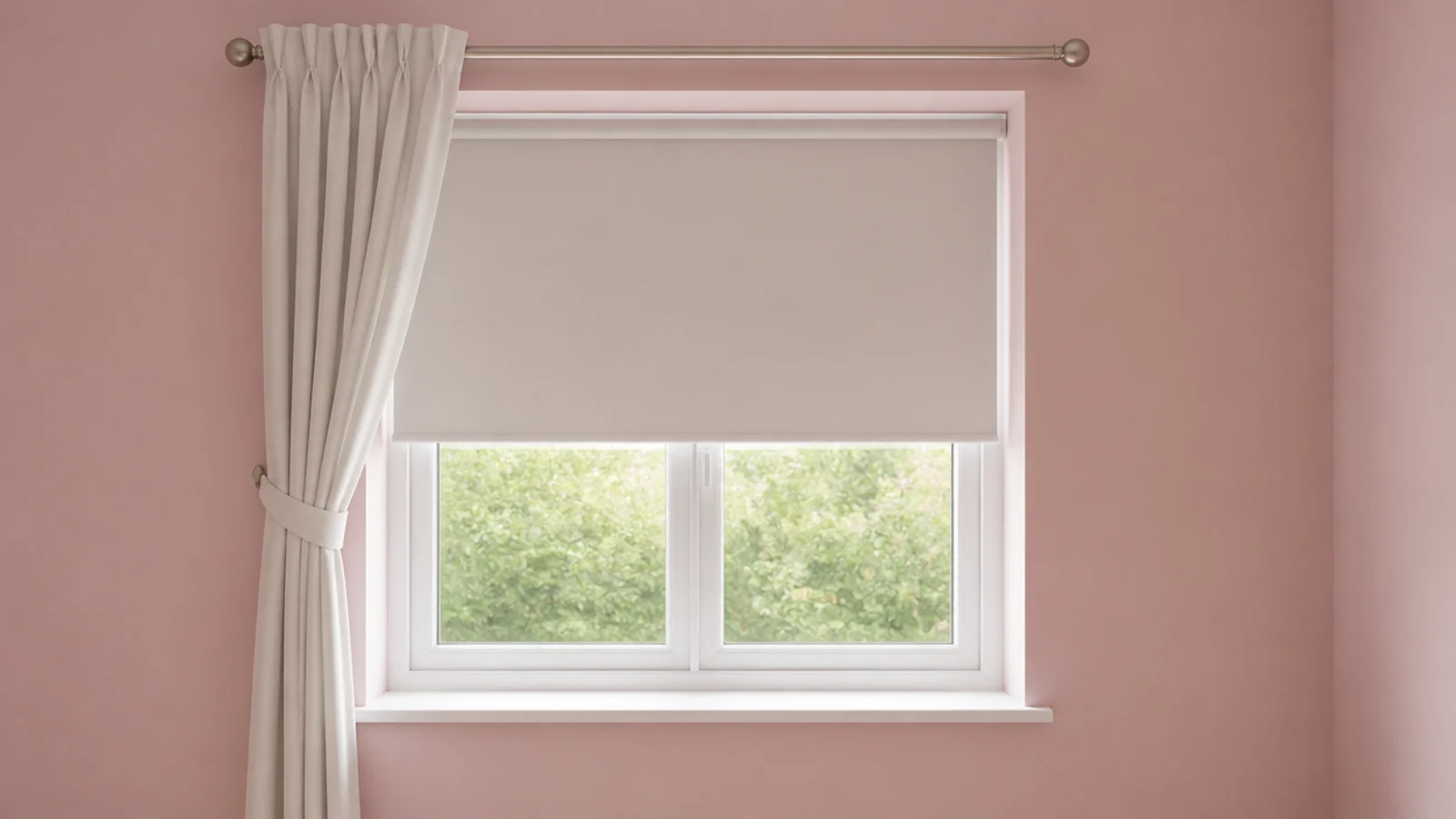
Cordless roller or cellular blinds only, cut to the recess for the tightest light seal, plus an unlined curtain if you want softness. No tiebacks, no chains, no looped cords anywhere in a child's room, and keep the bed and any climbable furniture 36 inches back from the sill.
Step 14: Put her own pink things within reach
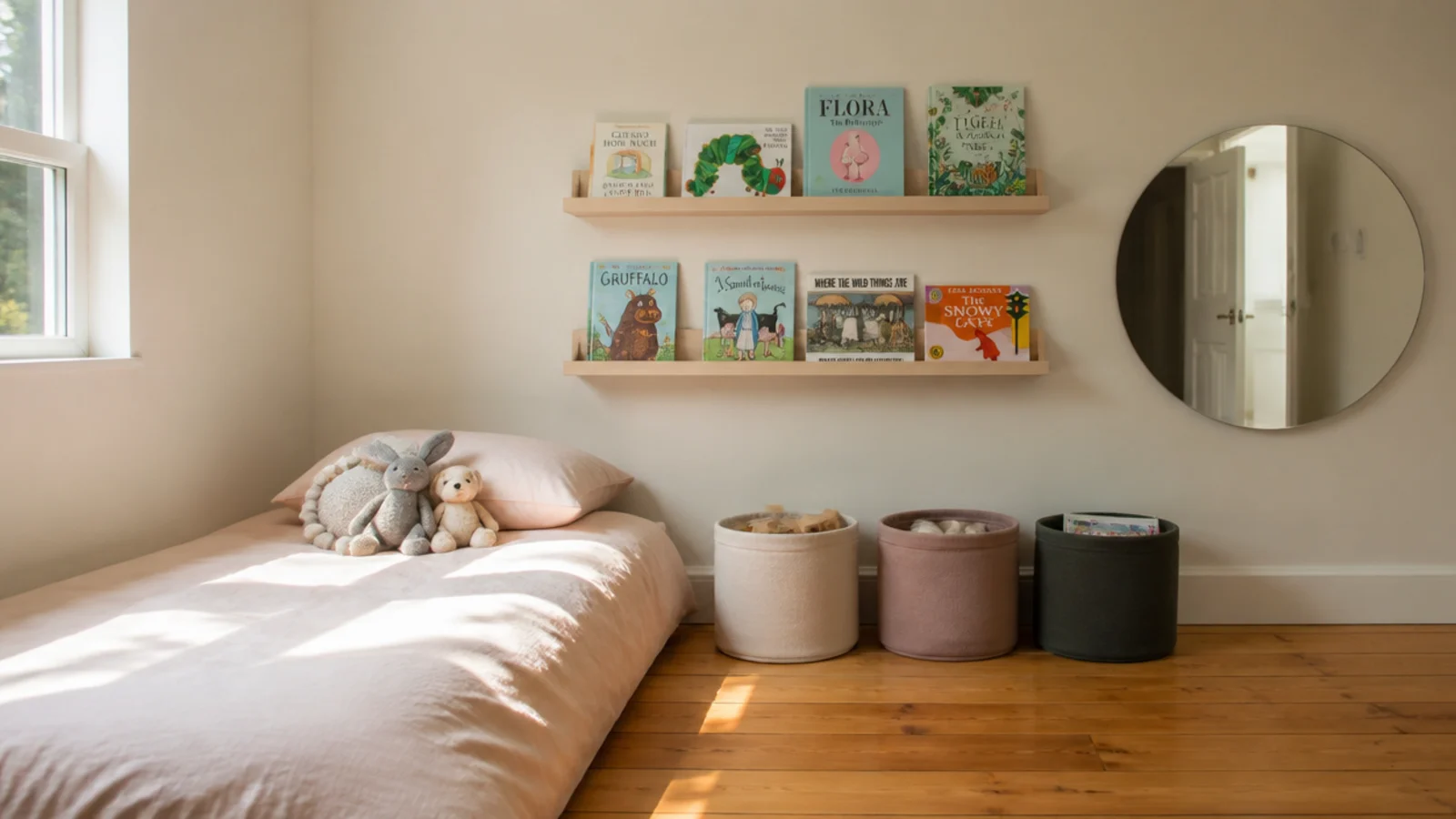
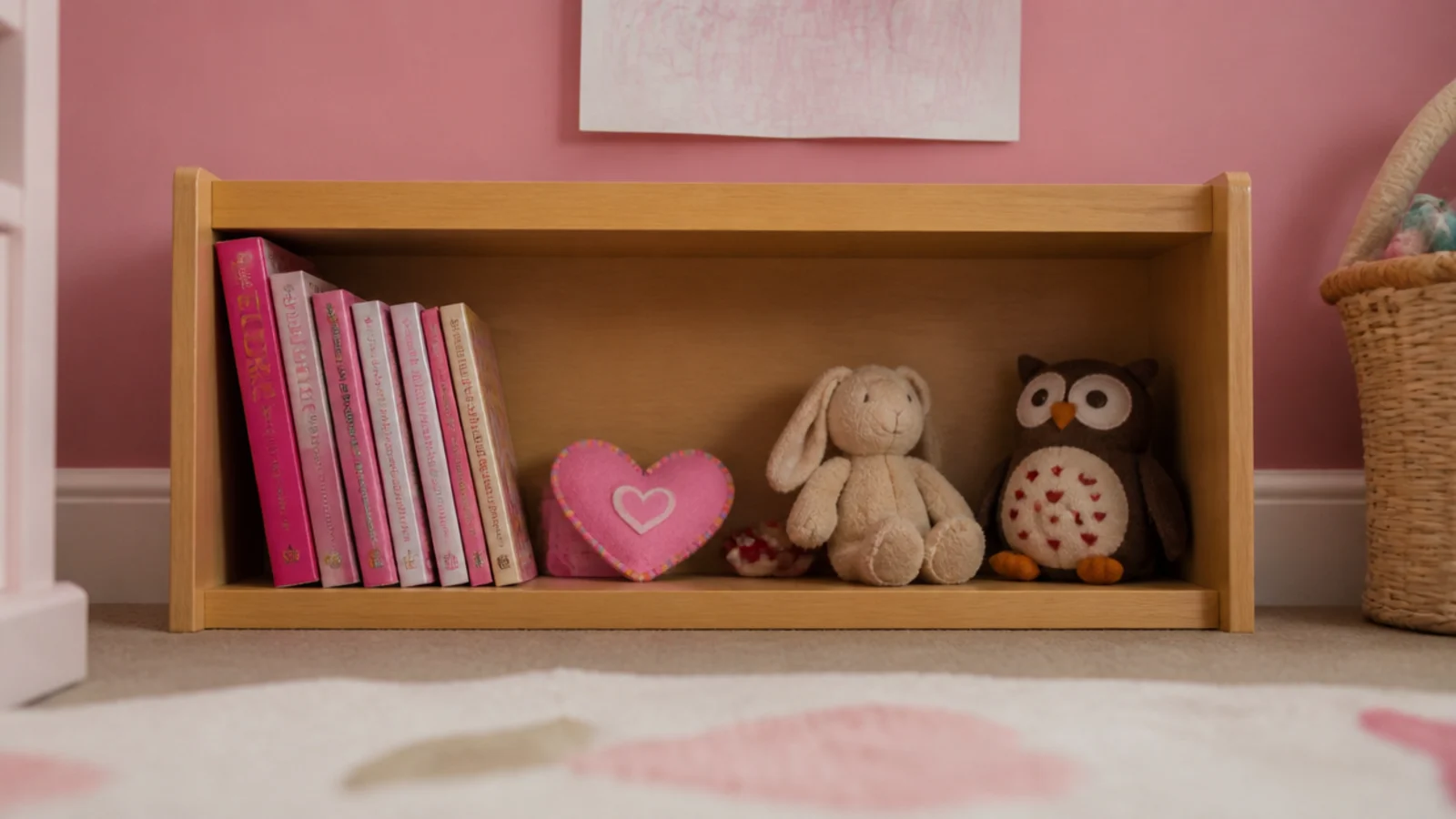
A low shelf at knee height holding her pink books, her felt heart, her two favourite toys, arranged by her rather than by you. It is the part of the scheme she owns, and a room a child has arranged some of is a room she keeps tidier. Keep the shelf under 36 inches and anchored.
Step 15: Photograph the room and remove three things
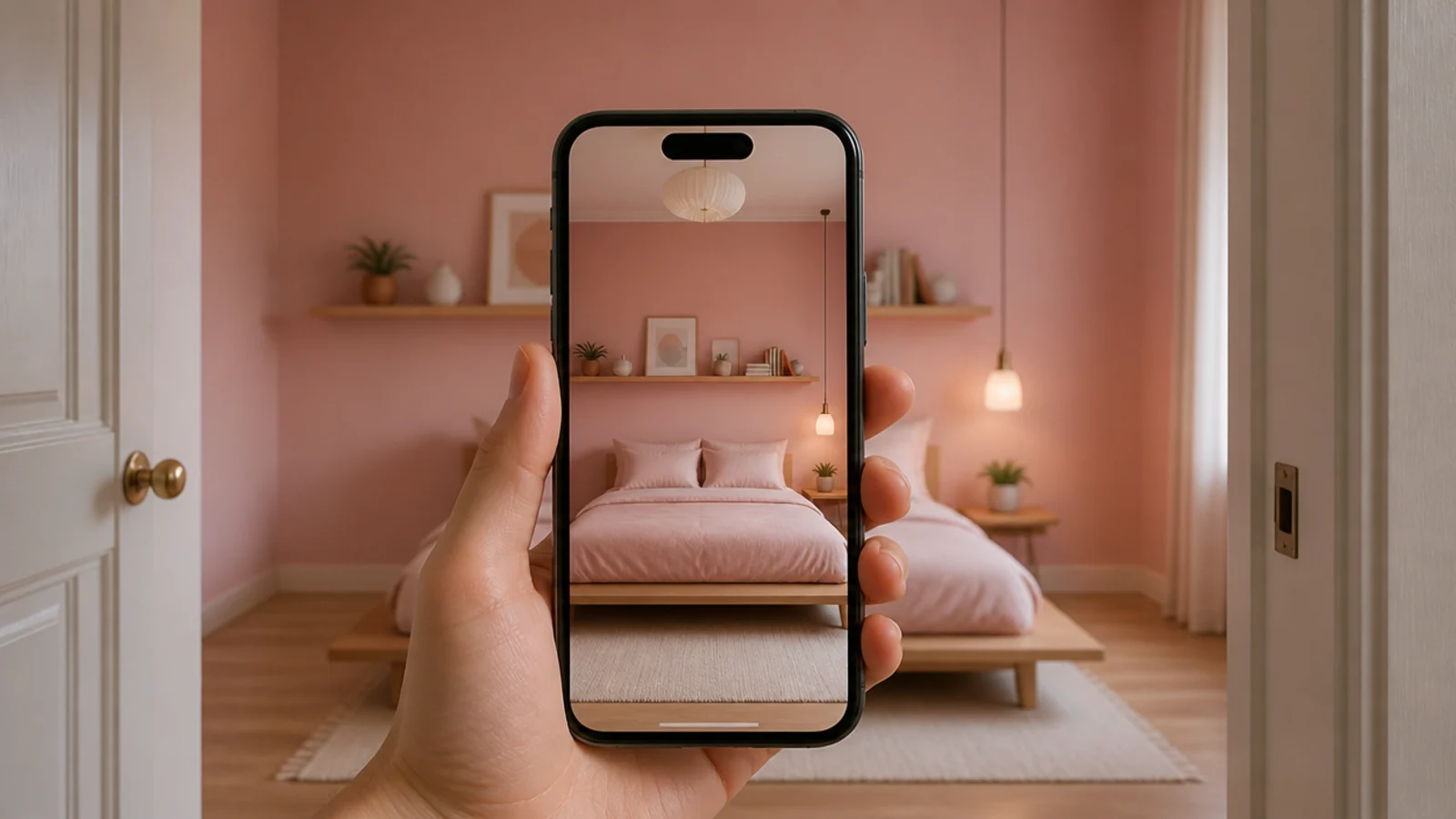
Stand in the doorway and take one photo. A phone flattens the room the way a visitor sees it and shows the clutter your eye has stopped registering. There will be three things you can take out, and the room will be better without them. Do it again a week after she has moved in.
Pro Styling Rules
Mistakes to Skip
- Choosing the shade from a two-inch card. Colour intensifies with area, and the swatch that looked gentle on paper is a different animal across 300 square feet.
- Painting on the morning she moves in. Water-based paint is touch dry in two hours and still off-gassing two days later, and a toddler breathes that air for eleven hours a night.
- Matching the rug, curtains and walls all to the same pink. Tonal matching across every surface removes the contrast that makes a scheme readable, and it is what makes rooms look flat in photographs.
- Styling the dresser before strapping it. The straps take ten minutes on an empty room and an hour once everything is on top, which is why they get skipped.
Pink handled at thirty per cent, in a warm shade, with one companion colour, is a scheme that lasts. If you want the frillier version of the same palette, the princess room on a budget gets there without a shaped bed frame, and for a soft headboard to sit against that wall the DIY headboard guide has shapes you can cut from one sheet. For where this palette goes in later years, modern teen bedroom schemes shows the same restraint applied older.
Frequently asked questions
How much pink should a small bedroom actually have?
Around thirty per cent, not eighty. Keep walls and large furniture in a neutral sixty per cent, put the pink into bedding, curtains and one painted feature, then use ten per cent of a third colour as an accent. That split is what stops a pink room reading as a single flat wash.
Which pink stays calm rather than shouting?
Anything with grey, clay or brown in the base. Blush, dusty rose, clay pink and muted terracotta all read soft in daylight and warm under a 2700K bulb. Clean bubblegum and magenta pinks have high saturation, which bounces coloured light onto the ceiling and looks louder than the swatch suggested.
What paint finish should I use in a toddler room?
Eggshell or satin in a water-based low-VOC formula, meaning under 50 grams of VOC per litre and ideally under 5. Both wipe clean without burnishing. Run the tougher finish from skirting to about 40 inches, which is where every handprint, crayon mark and scuff actually lands.
How long before she can sleep in a freshly painted room?
Paint two or three days ahead and ventilate for 48 to 72 hours with a window open and the door shut to the rest of the house. Water-based low-VOC paint is touch dry in about two hours but still off-gasses lightly for a couple of days, and a toddler sleeps eleven hours in that air.
How do I stop a pink room looking babyish by five?
Keep the pink out of the fixed layer and put a second, more grown-up colour beside it. Clay pink walls with sage, warm grey or natural wood read as a scheme rather than a nursery, and swapping thirty dollars of bedding shifts the whole room without touching the paint.
Want more like this? Browse all 15 toddler girl bedroom guides — they all use the same measurements and budget tiers.
Pin it for later
Save this to your Toddler Girl Bedroom board
Pin it now so it is waiting for you when the tape measure comes out — and so the next person hunting for this idea can find it too.
Save this pinKeep going
More ideas worth saving while you have the tape measure out.