Toddler Girl Bedroom · Listicle
20 Toddler Girl Bedroom Paint Ideas That Stay Calm

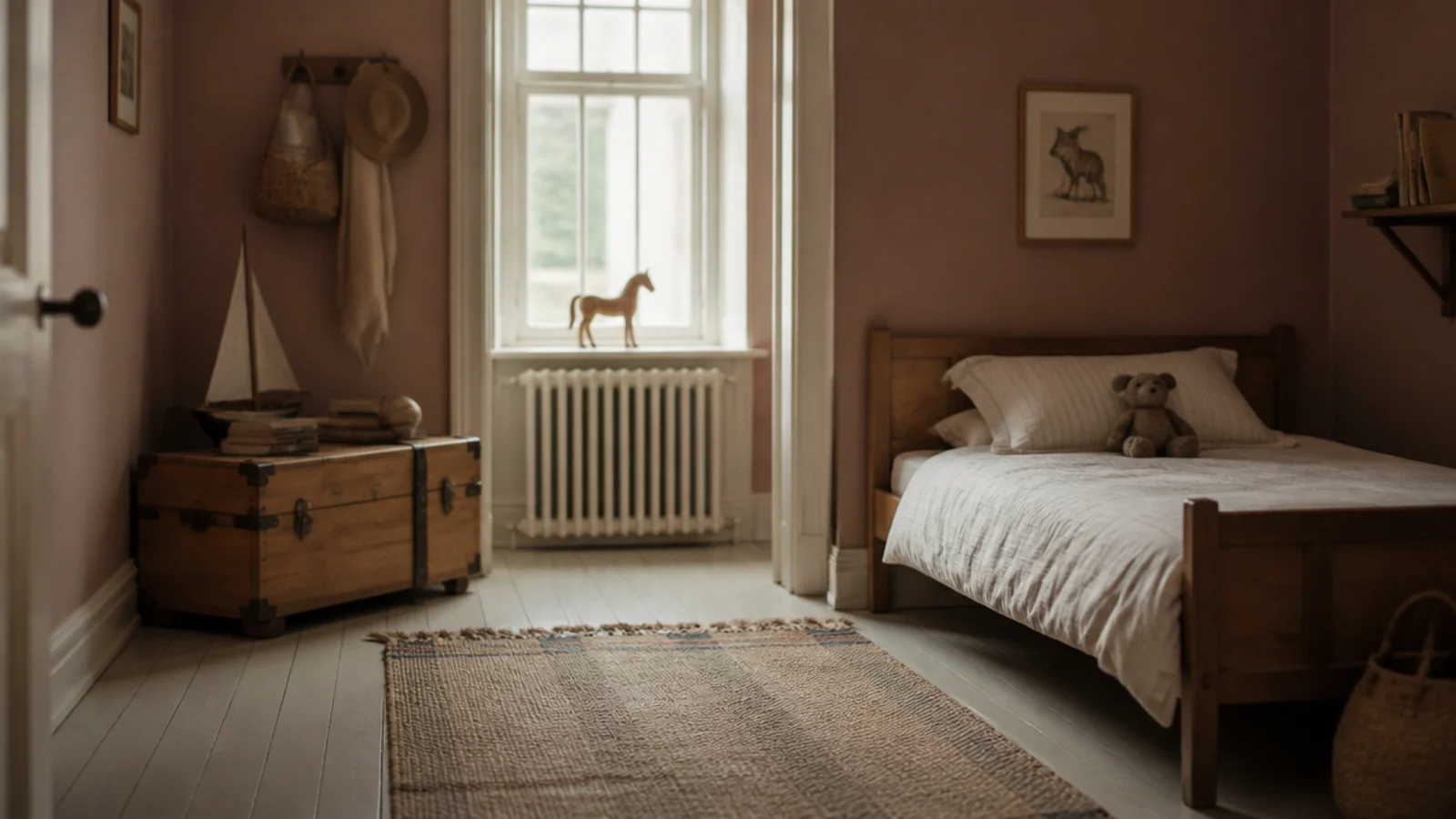
Colour behaves differently at 300 square feet than it does on a two-inch card, and paint in a child's room has a second job nobody mentions on the tin: surviving crayon, handprints and a wet cloth. Most toddler girl bedroom paint ideas fail on one of those two things rather than on taste. The twenty below all specify the sheen, the height the colour should stop at and roughly what one tin covers, because those are the details that decide whether you repaint in two years or in ten. Everything here is water-based and low-VOC, applied days before she sleeps in the room.
In this guide22 sections — tap to openHide
- 1.What toddler girl bedroom paint ideas need to survive
- 2.Warm oat across all four walls
- 3.Clay pink above a wipeable band
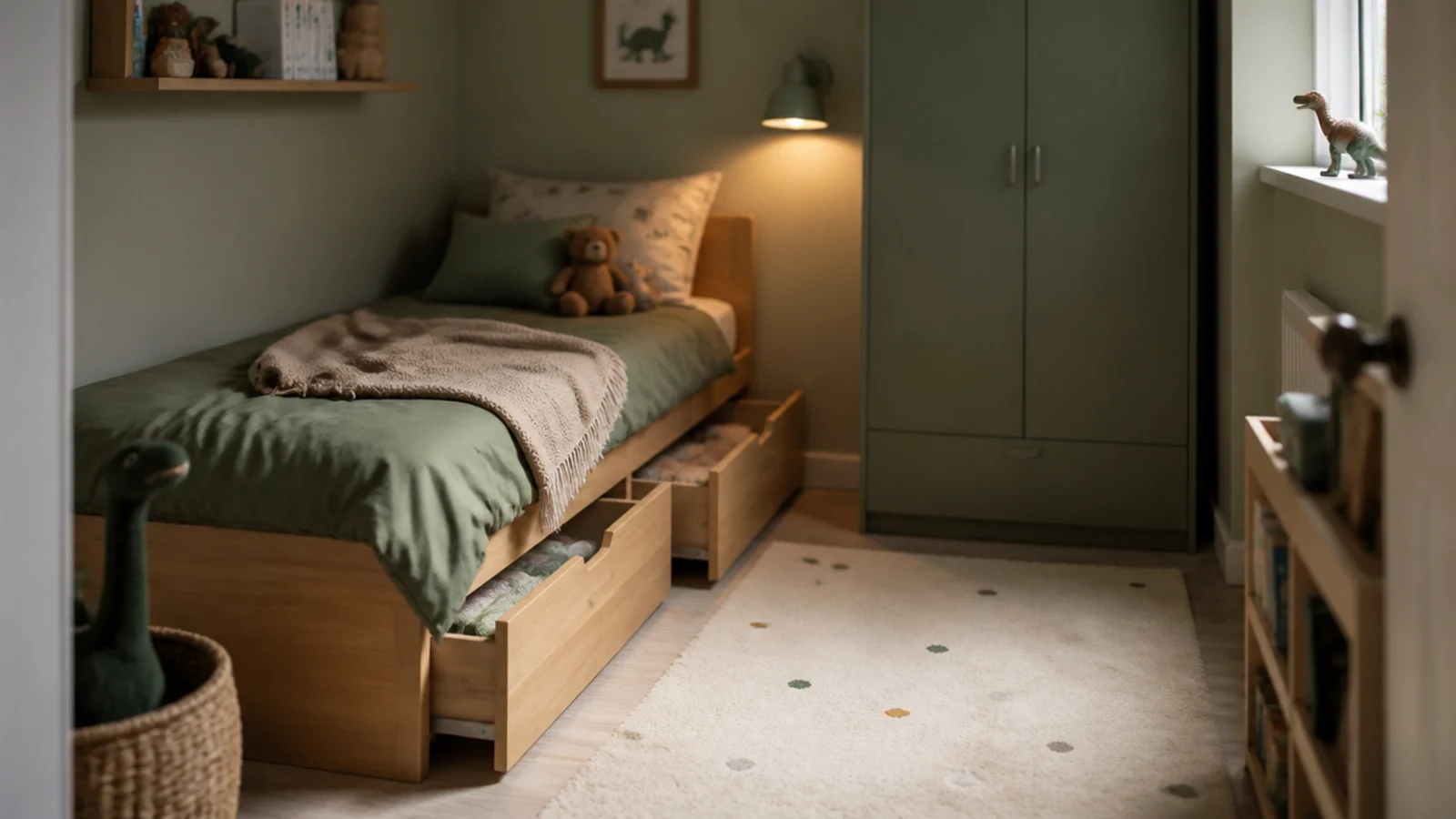
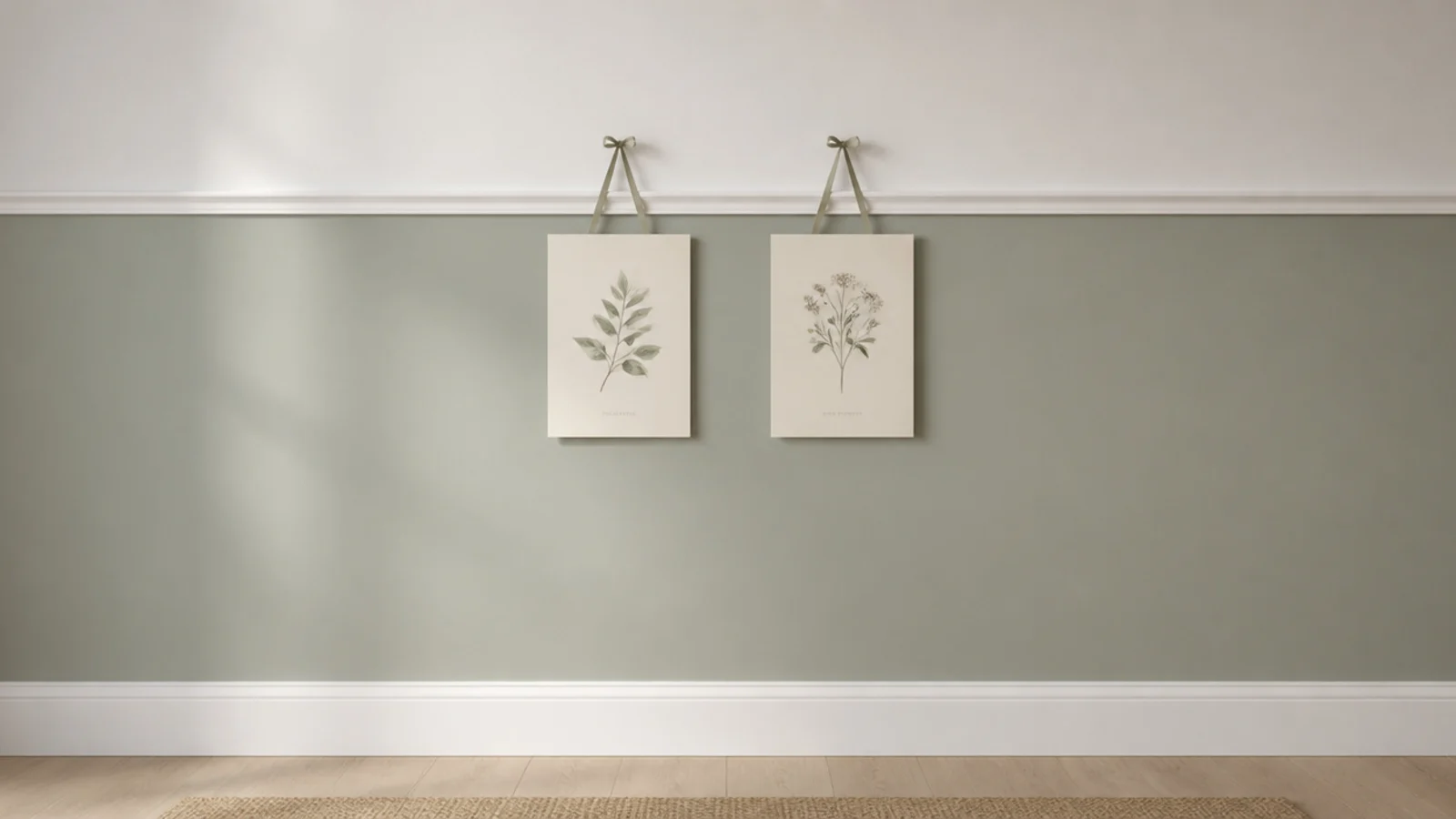
- 4.Sage green up to a picture rail
- 5.Colour-drench one chalky tone
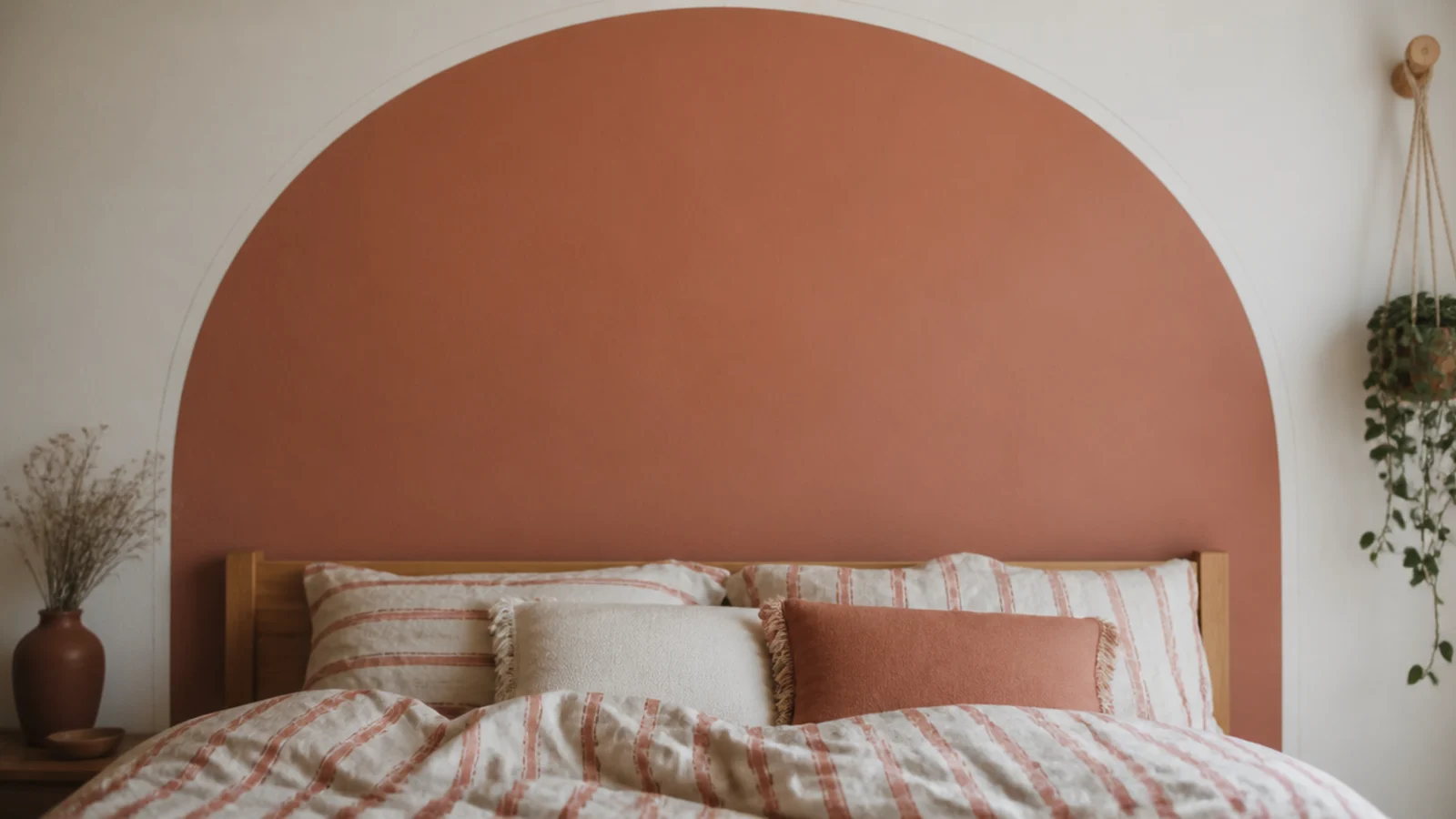
- 6.A painted arch behind the bed
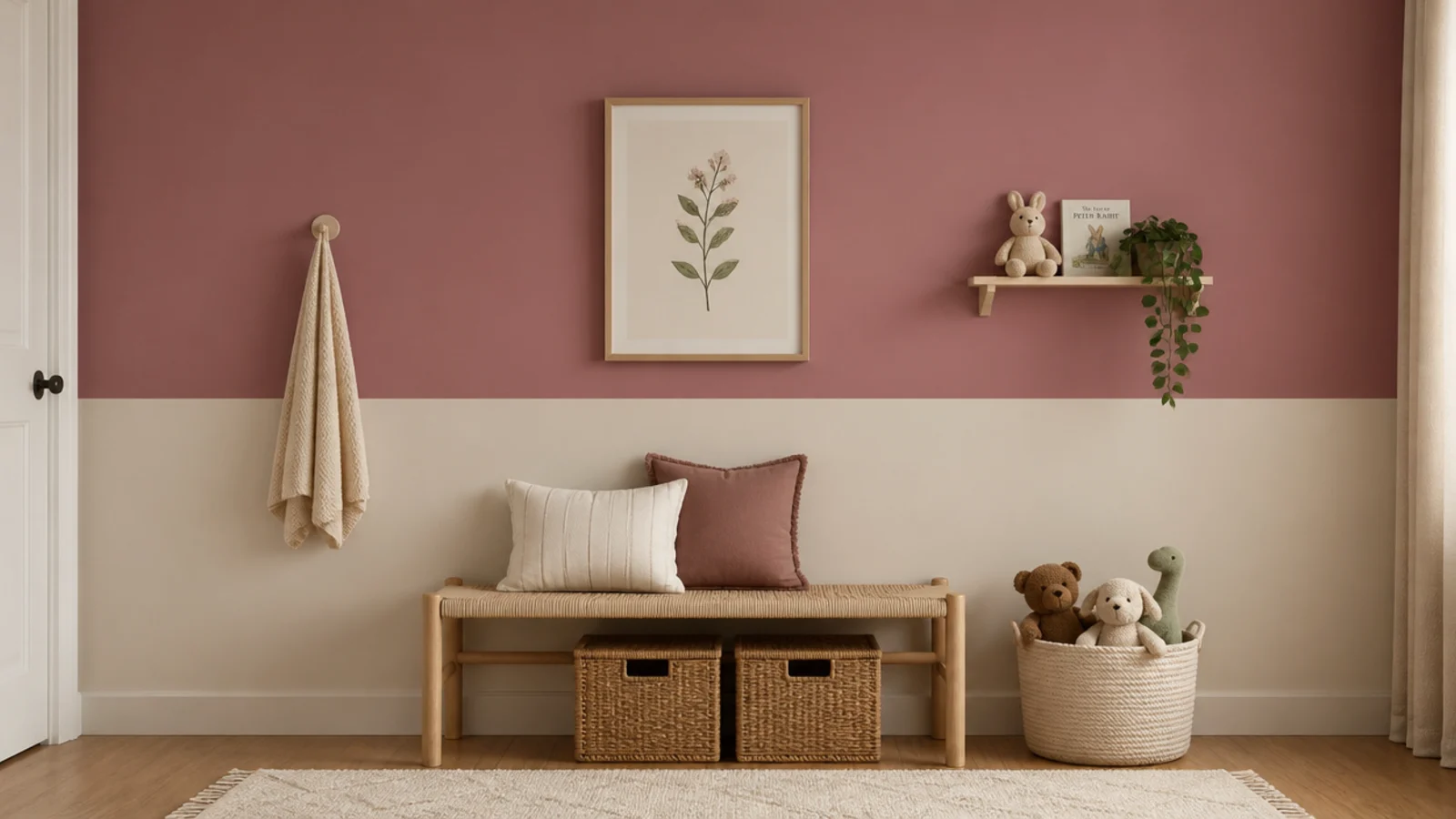
- 7.A two-tone split at forty inches
- 8.A scalloped border above the skirting
- 9.Wide vertical stripes in two tones
- 10.A painted headboard shape
- 11.A half-painted door
- 12.Painted floorboards in pale grey
- 13.A chalkboard panel to hip height
- 14.A soft cloud ceiling
- 15.A bold wardrobe interior
- 16.Skirting and architrave in the wall colour
- 17.A muted rainbow arc
- 18.A painted rug shape on the floor
- 19.The ceiling in the wall colour
- 20.A stencil repeat one tone darker
- 21.A deep colour behind open shelving
- 22.Mistakes to Skip
What toddler girl bedroom paint ideas need to survive
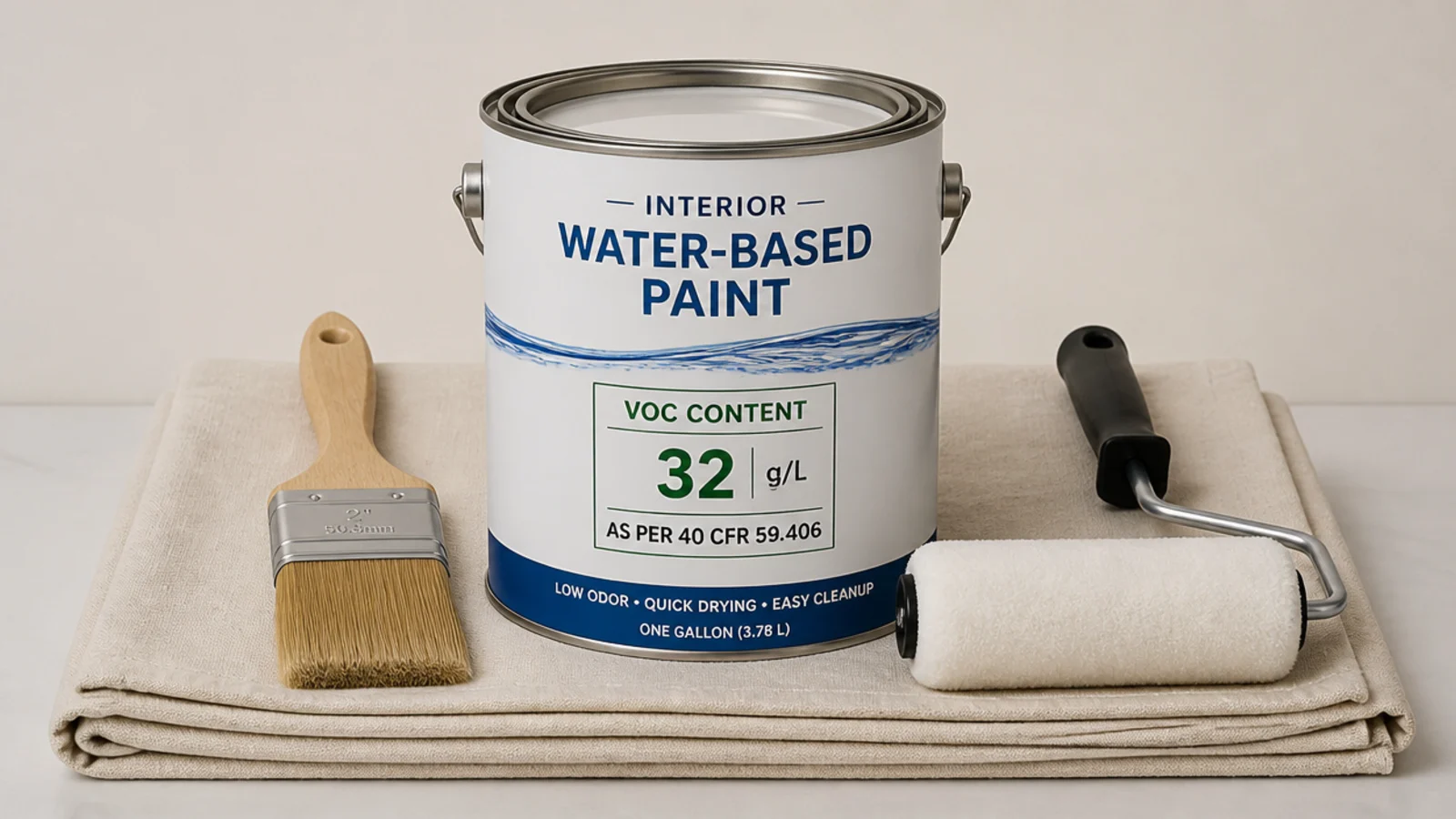
Start with the number on the tin. Water-based, under 50 grams of VOC per litre, and ideally under 5. Deep tints can add VOC back into a zero-VOC base, which is one more argument for muted shades. Paint two or three days ahead of her moving in and ventilate for 48 to 72 hours with the window open and the door shut to the rest of the house.
Then choose the sheen before the colour. Eggshell and satin have enough resin to be wiped clean; matte burnishes into shiny patches wherever a cloth goes. Run the harder finish from skirting to about 40 inches — the exact band where every mark lands — and put matte above it if you prefer the softer look up high.
Coverage matters for budgeting. One gallon does roughly 350 square feet per coat, so a 10 by 12 foot room with 8 foot ceilings takes about a gallon and a half for two coats. An 8 ounce tester covers 12 to 15 square feet, which is one arch, one border run or one headboard shape. Buy one gallon rather than two quarts of the same colour so there is no batch difference down a feature wall.
Two safety notes that belong here rather than at the end: pull the furniture into the middle and strap it back to the studs when it goes against the freshly painted wall, and if the house predates 1978, do not sand old paint without testing for lead first. For the pink-specific version of all this, the pink room method runs step by step.
1. Warm oat across all four walls
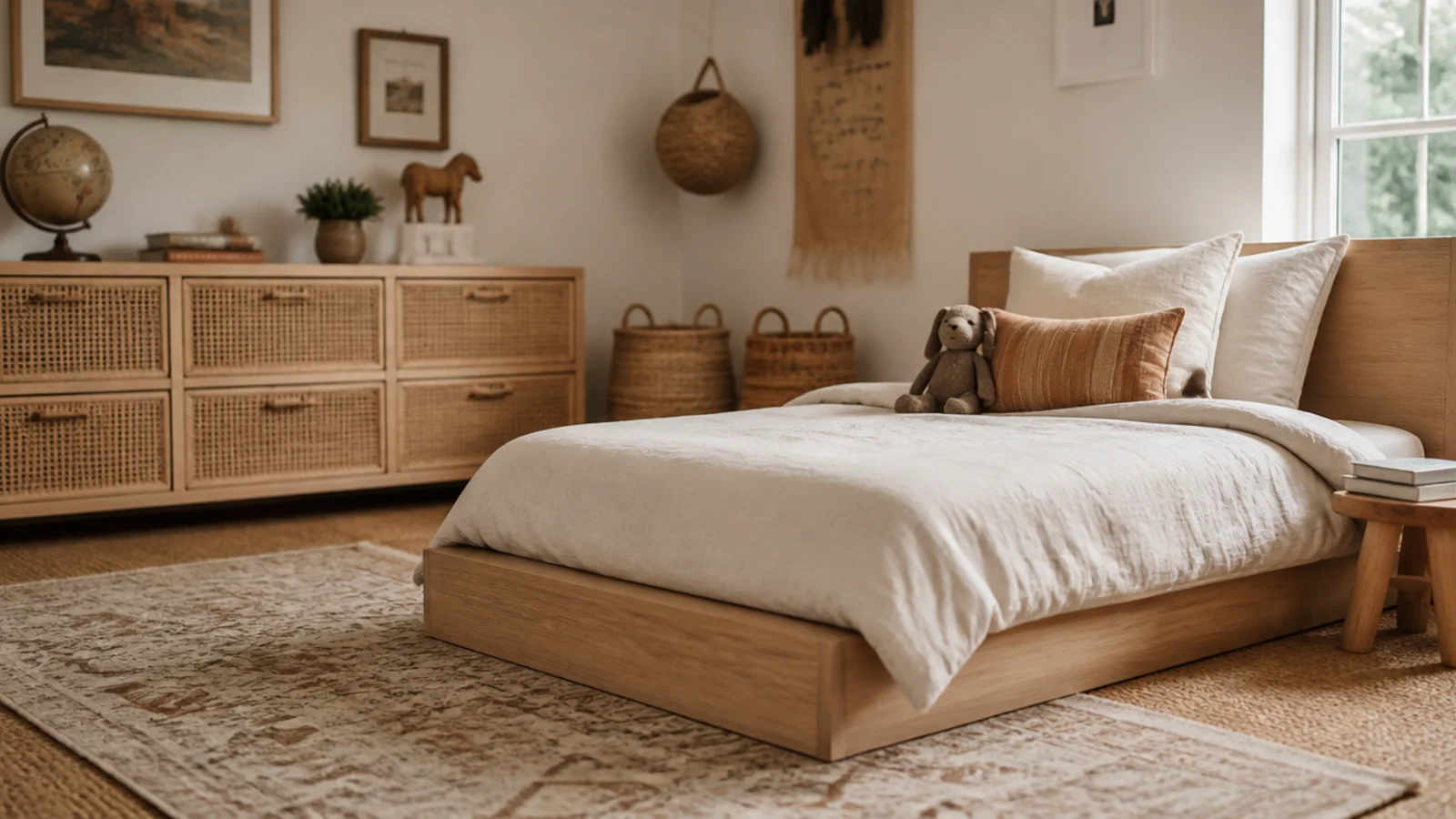
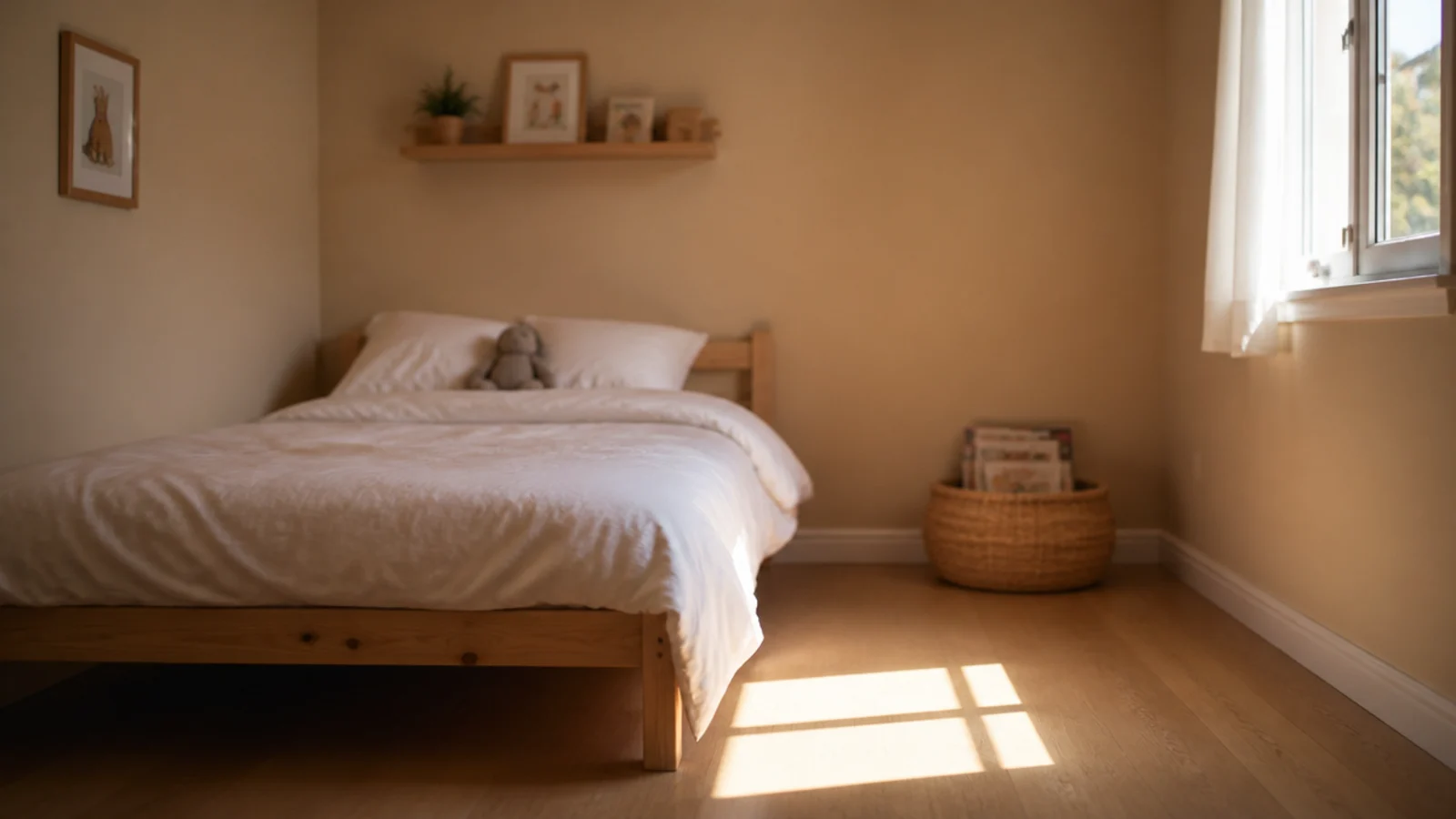
The safest good decision in the list. A warm oat with a hint of yellow keeps a north-facing room from going grey and lets bedding, books and toys supply all the colour. Eggshell throughout, about a gallon and a half for a small room, and it will still look right when she is ten.
2. Clay pink above a wipeable band
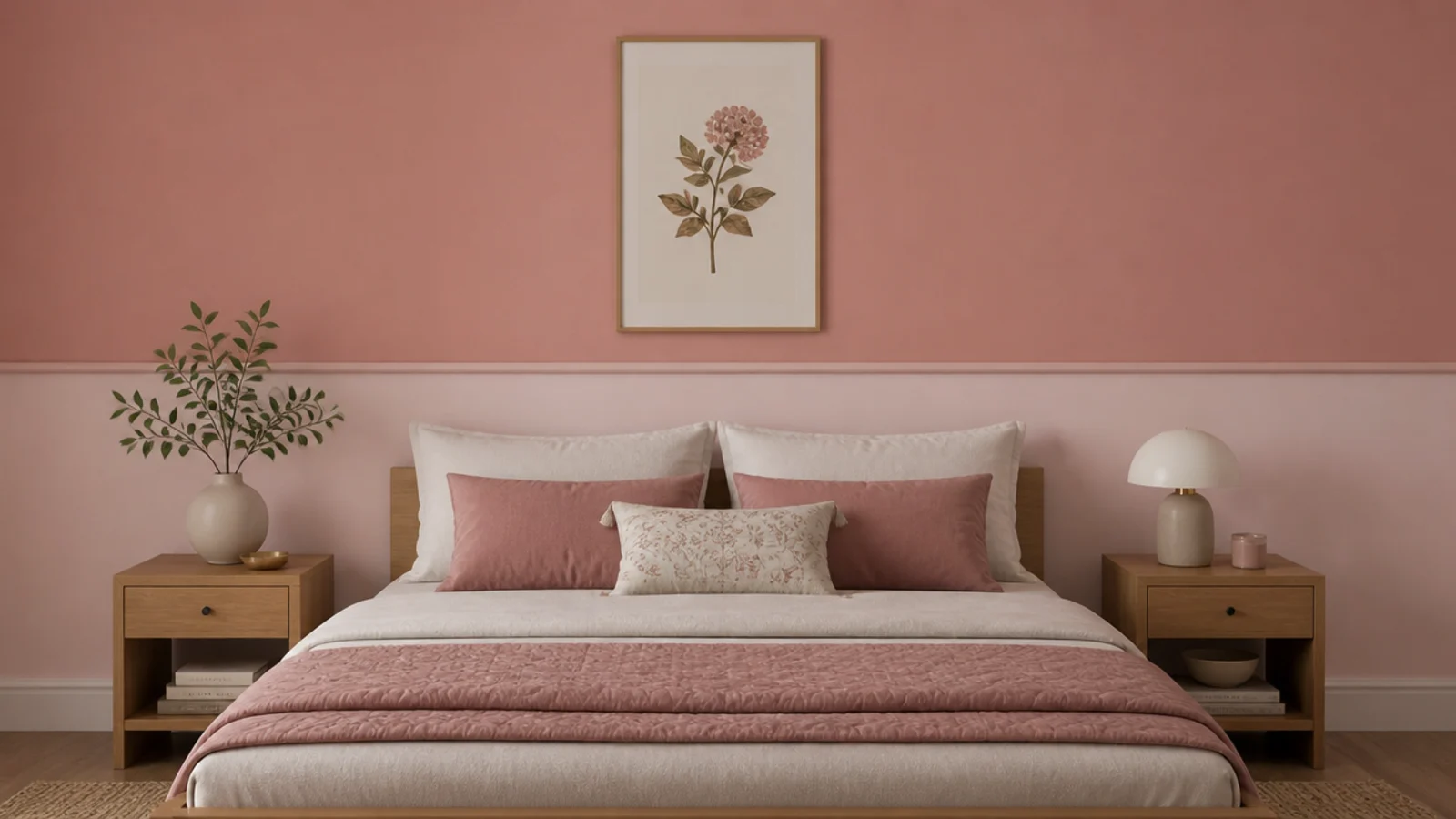
Deeper clay pink above 40 inches with a pale satin band below gives you the colour without the maintenance. When the lower band takes a year of handprints, you repaint a two-foot strip in an hour rather than the whole room in a weekend.
3. Sage green up to a picture rail
A picture rail at chest height gives the colour a clean, deliberate edge and hides a line that would otherwise need a very steady hand. It also lets art hang from ribbon rather than nails, so the arrangement changes without new holes. Rail moulding runs about $3 a foot.
4. Colour-drench one chalky tone
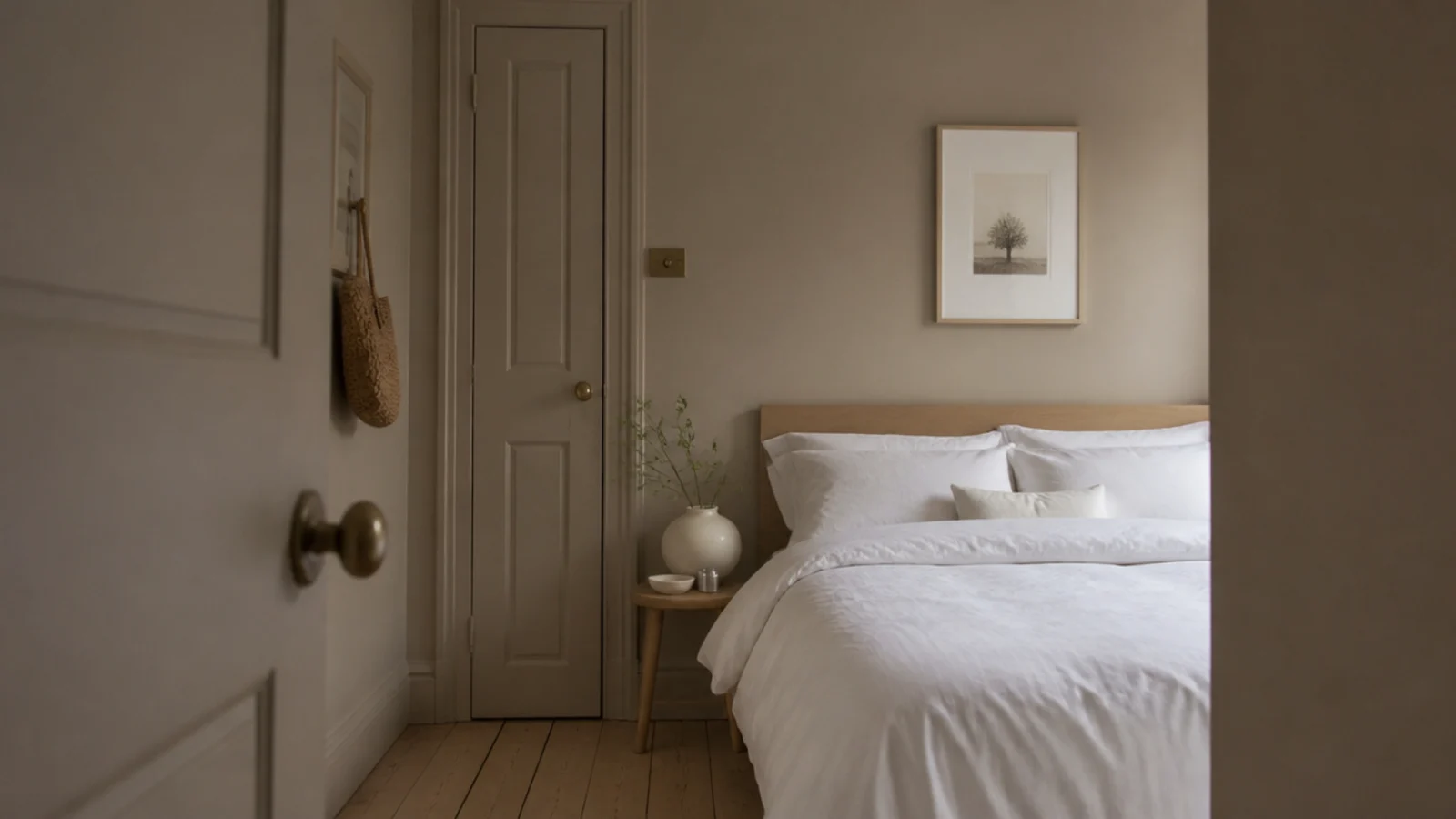
Walls, ceiling, skirting, architrave and the door face all in the same chalky shade. The eye finds no edges, so the room reads larger and calmer. Use eggshell everywhere for consistency of sheen, and expect roughly two gallons for a 10 by 12 foot room including trim.
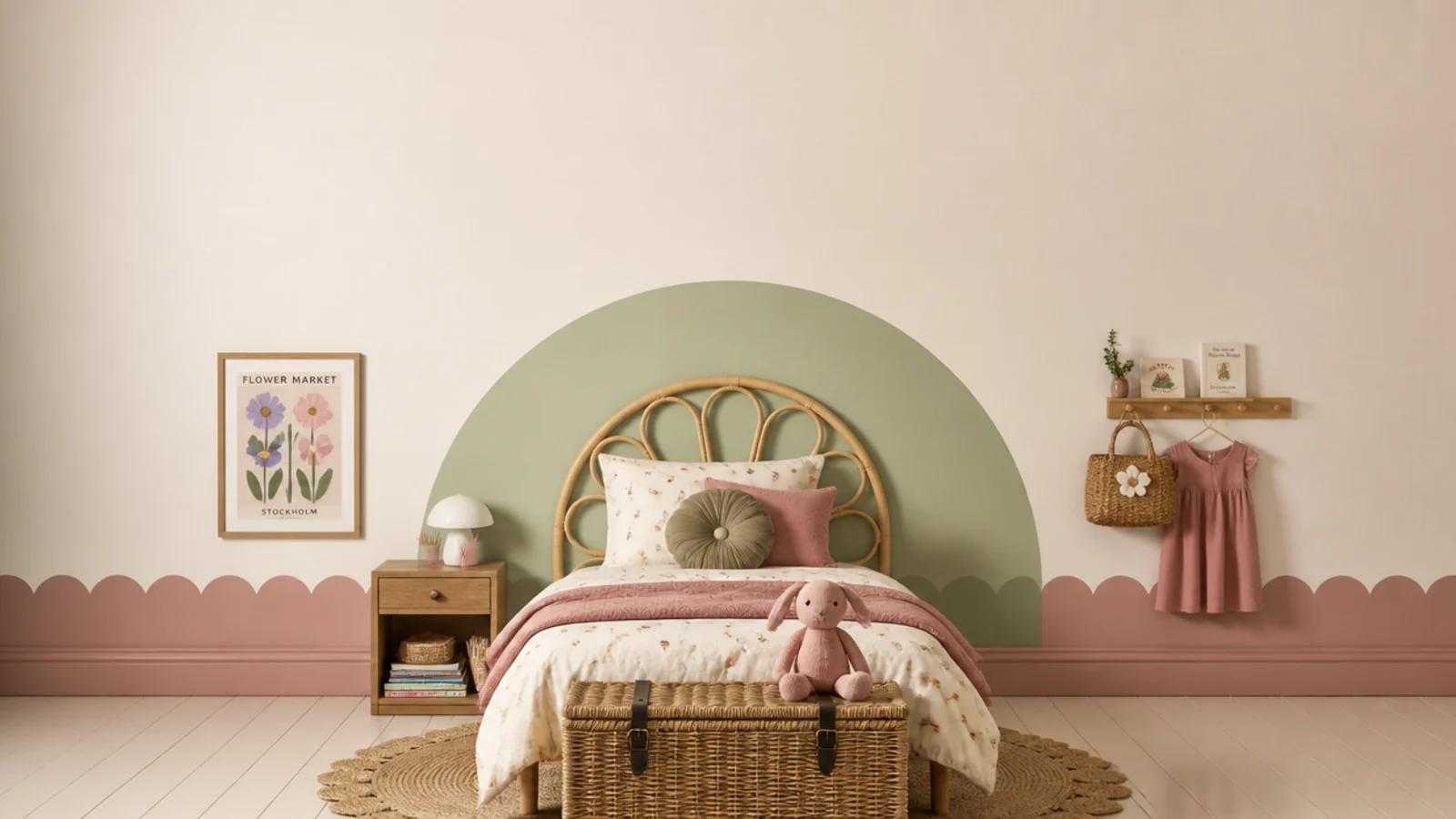
5. A painted arch behind the bed
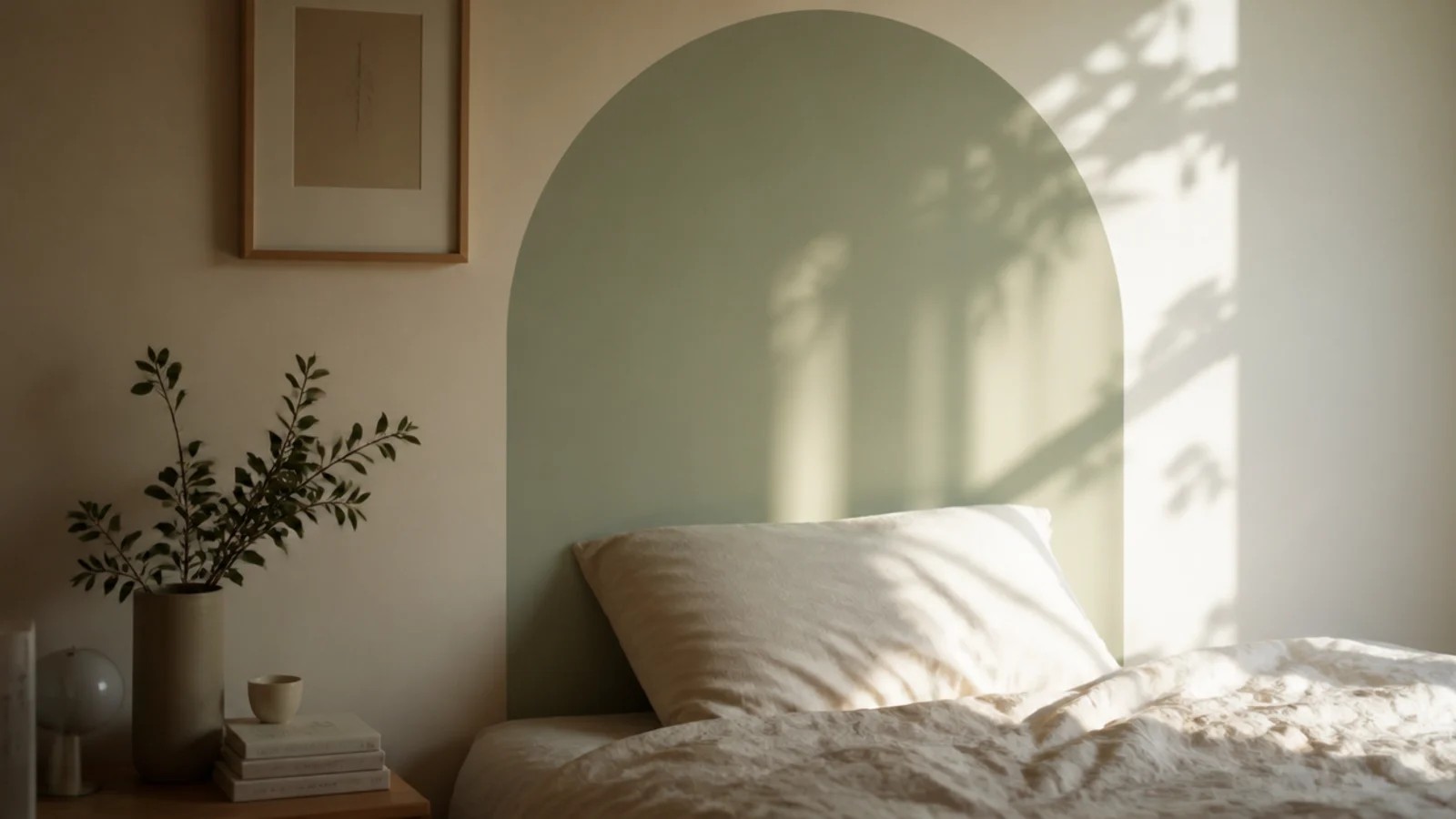
Pin a string at the centre, tie a pencil to the other end and swing the curve. Start the arch about 40 inches up so the colour sits above the pillow. One tester covers it. The arch does the work of a headboard for $8 instead of $150.
6. A two-tone split at forty inches
The most practical layout here. Softer, deeper colour above the line, tougher paler paint below. Mask with low-tack tape, seal the tape edge with the base colour first so nothing bleeds, then paint the second tone. The seal step is what makes the line crisp.
7. A scalloped border above the skirting
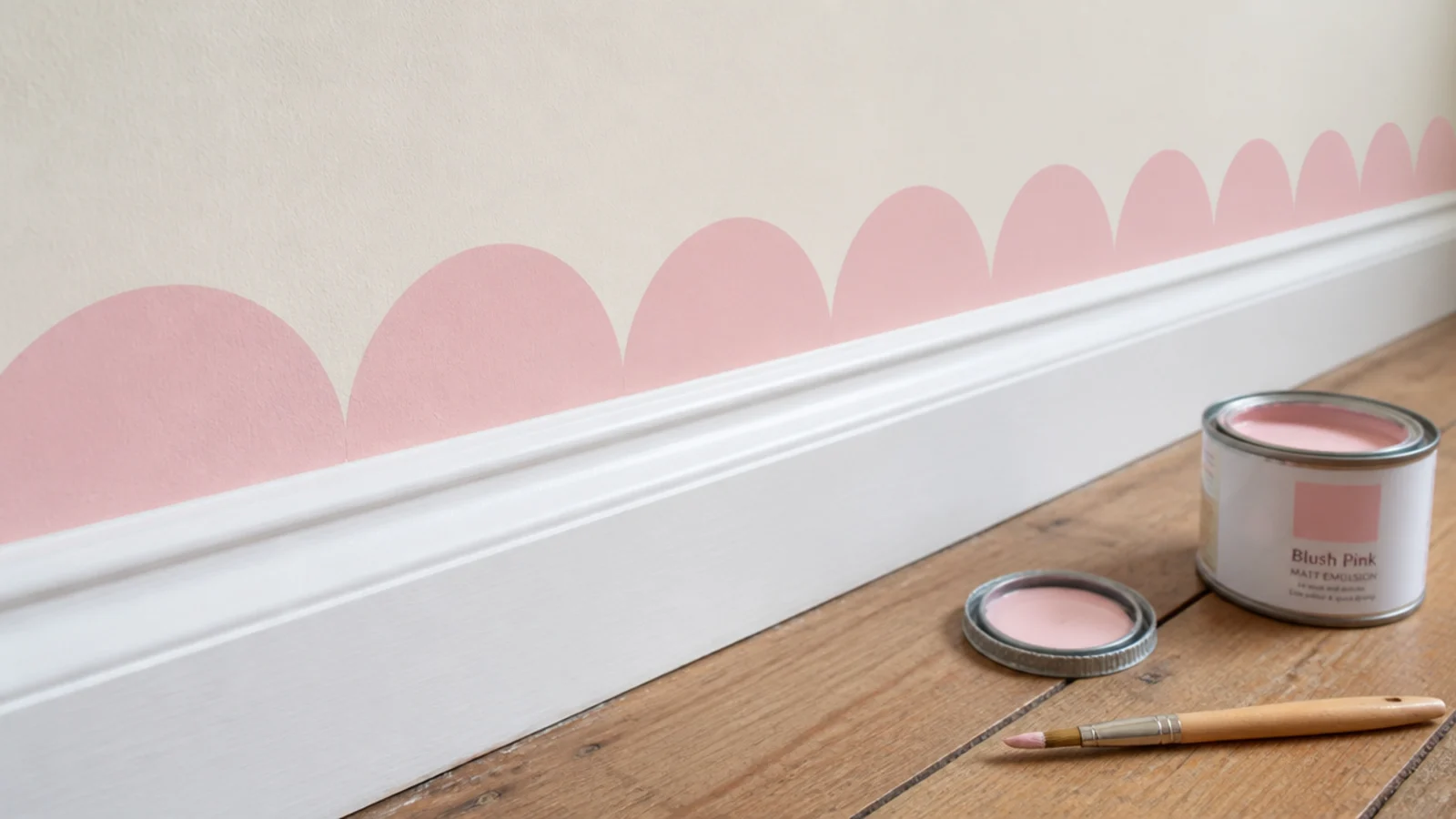
Trace a jar lid along a level pencil line for an even repeat, then fill with a 1 inch brush. Three to four inches deep reads best in a small room. Half a tester pot does an entire room, and it paints out in twenty minutes when she outgrows it.
8. Wide vertical stripes in two tones
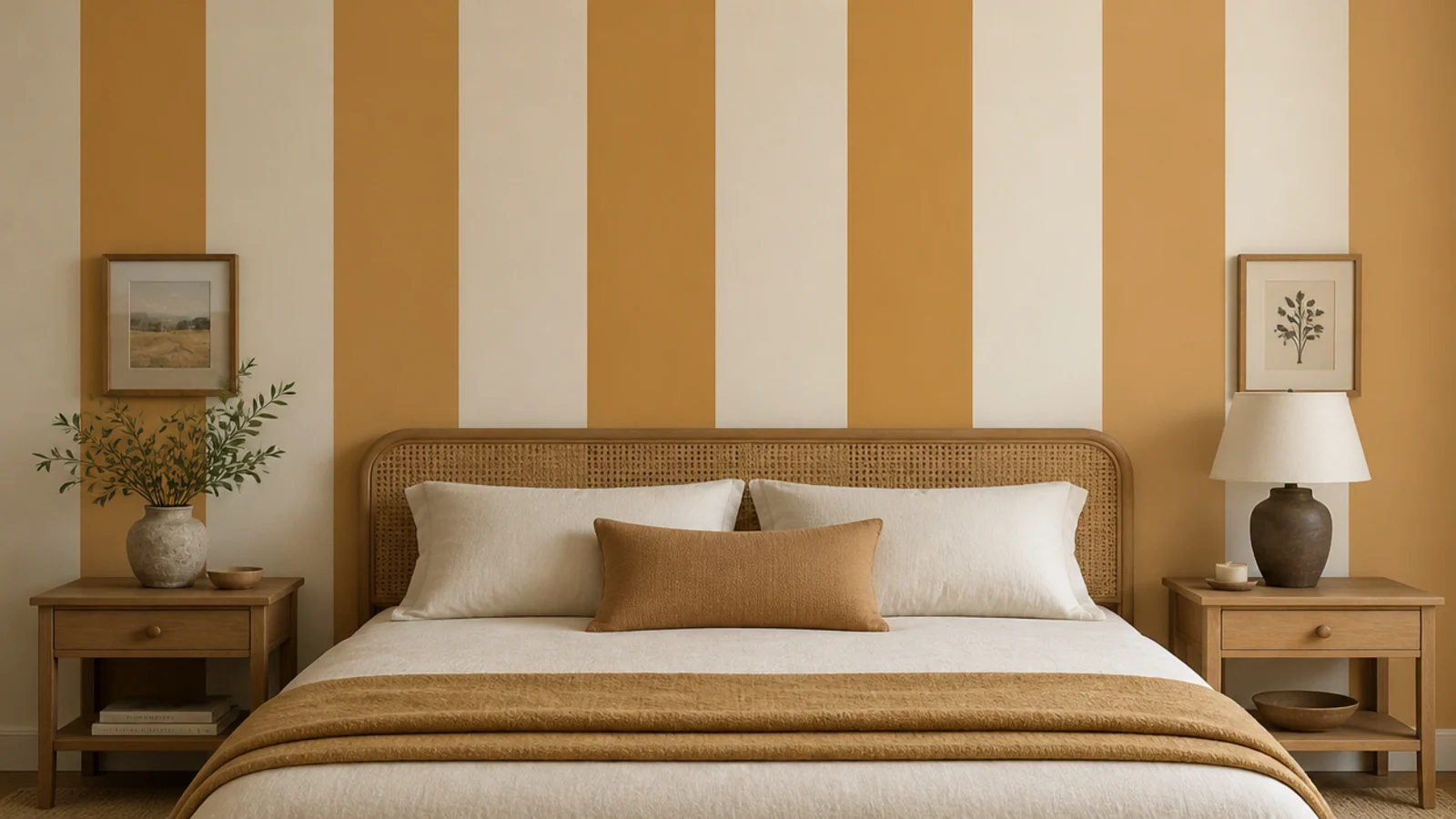
Eight to ten inches wide, two soft tones, on one wall only. Wide stripes read as architecture; thin ones read as a headache in a room under 100 square feet. Mark with a plumb line, not by eye, because walls are rarely square and the error compounds across the run.
9. A painted headboard shape
An arch, a scallop or a simple rounded rectangle painted straight onto the wall behind the mattress. It solves the problem of a floor bed with no headboard, costs one tester, and there is nothing to strap, tip or bang a head on. Take the shape to about 30 inches above the mattress.
10. A half-painted door
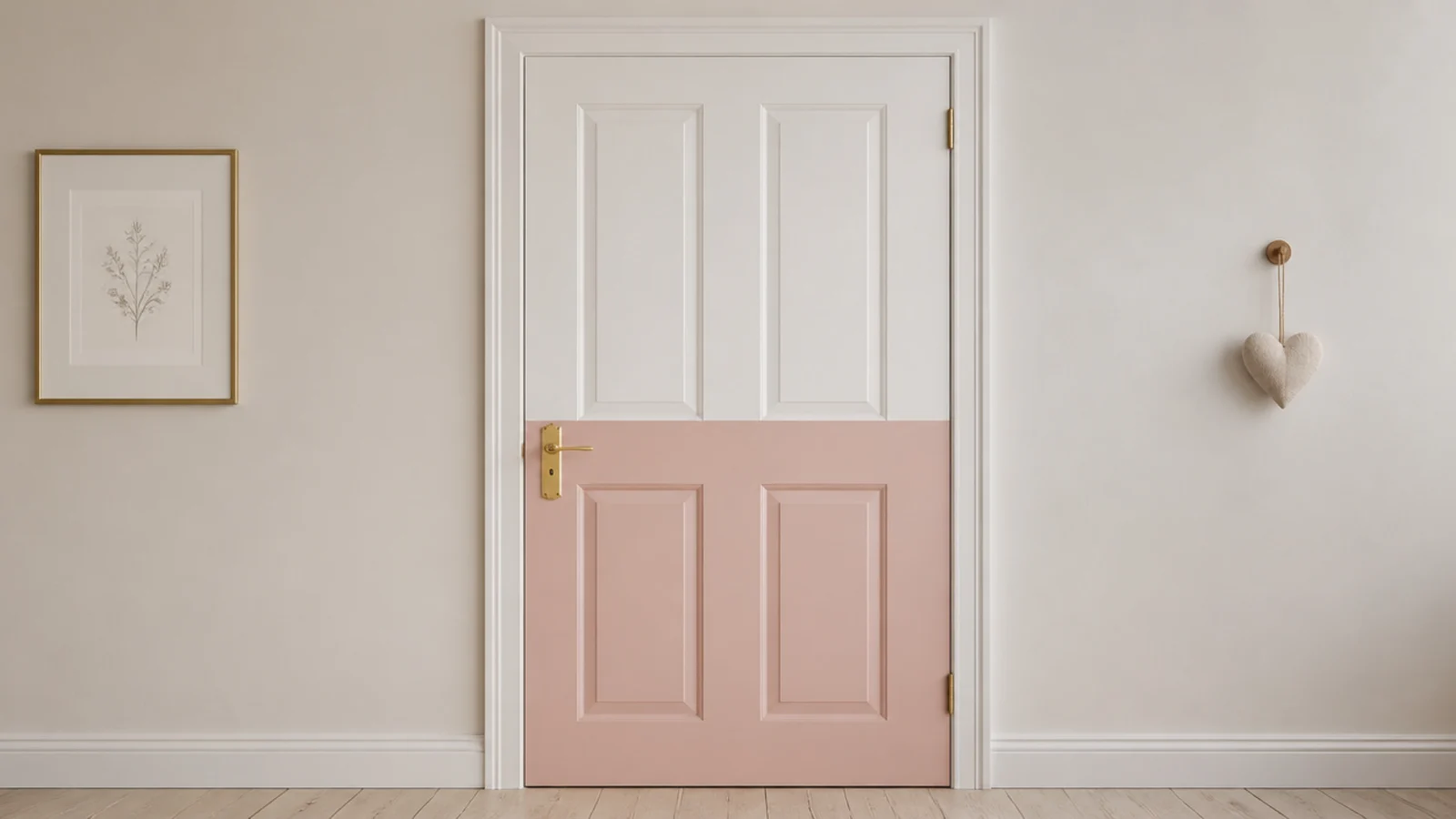
Paint the lower half of a panelled door in the accent colour and leave the top white. The bottom half takes every mark anyway, so it may as well be doing something. Use satin on a door — it takes the most contact of any surface in the room.
11. Painted floorboards in pale grey
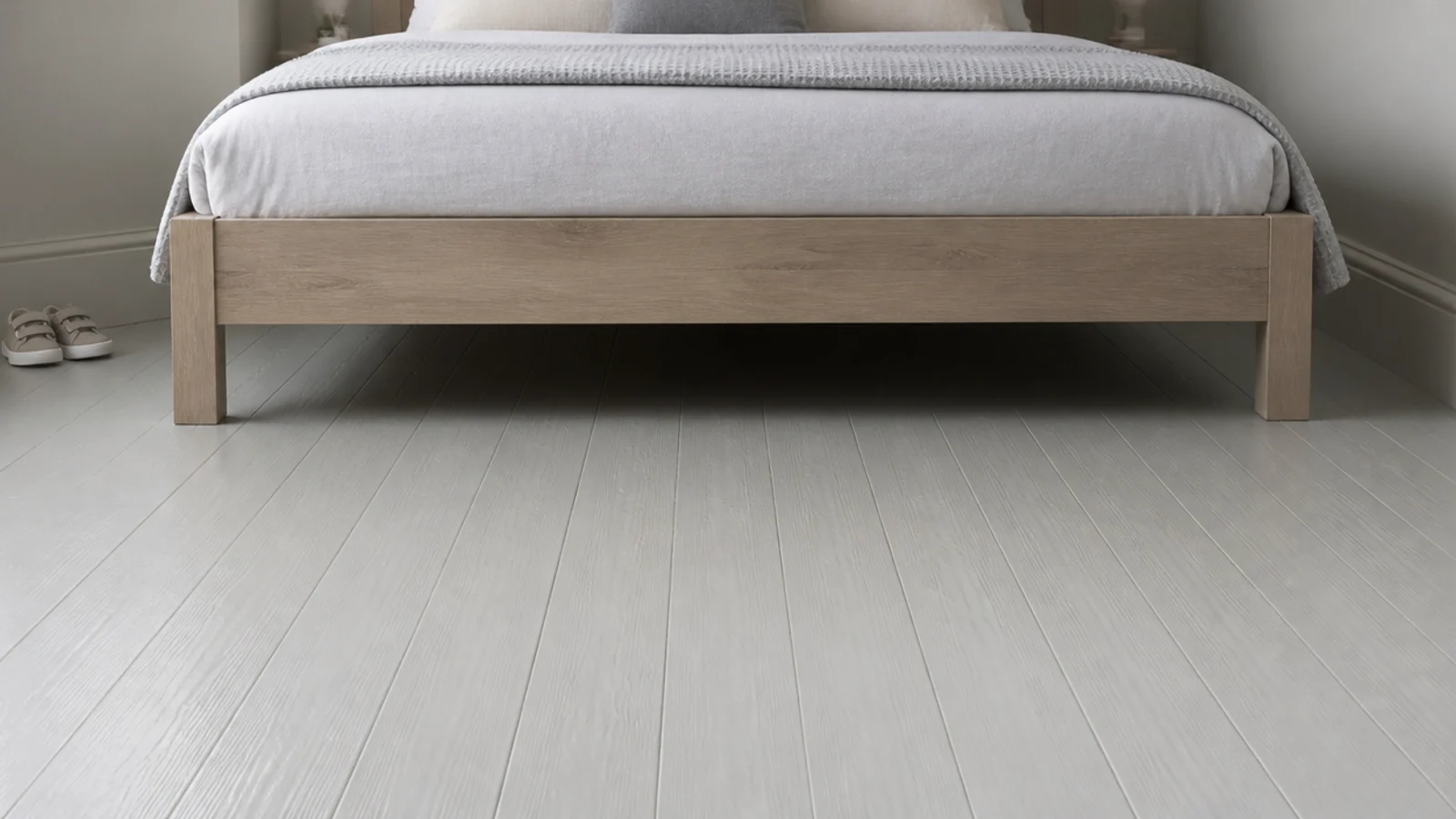
Water-based floor paint at about $35 a quart covers roughly 100 square feet. Two coats plus two coats of water-based varnish, then 72 hours of ventilation before the room goes back into use. Satin, not gloss, because gloss shows every scuff and every toy wheel.
12. A chalkboard panel to hip height
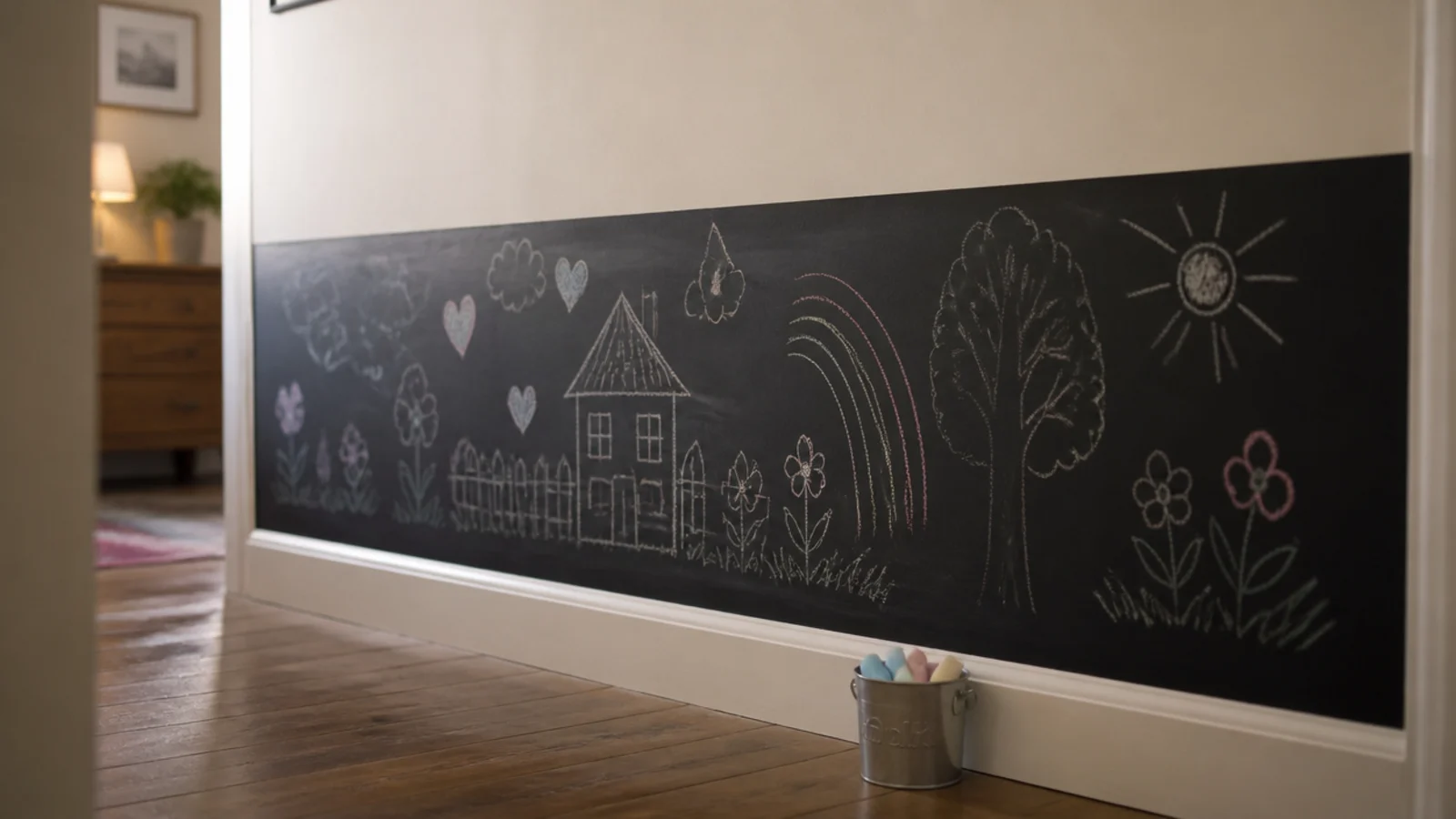
Chalkboard paint at around $18 a quart covers about 50 square feet. Mask a rectangle from skirting to 40 inches, two coats, then season the surface by rubbing it all over with chalk before the first drawing or the first marks ghost in permanently.
13. A soft cloud ceiling
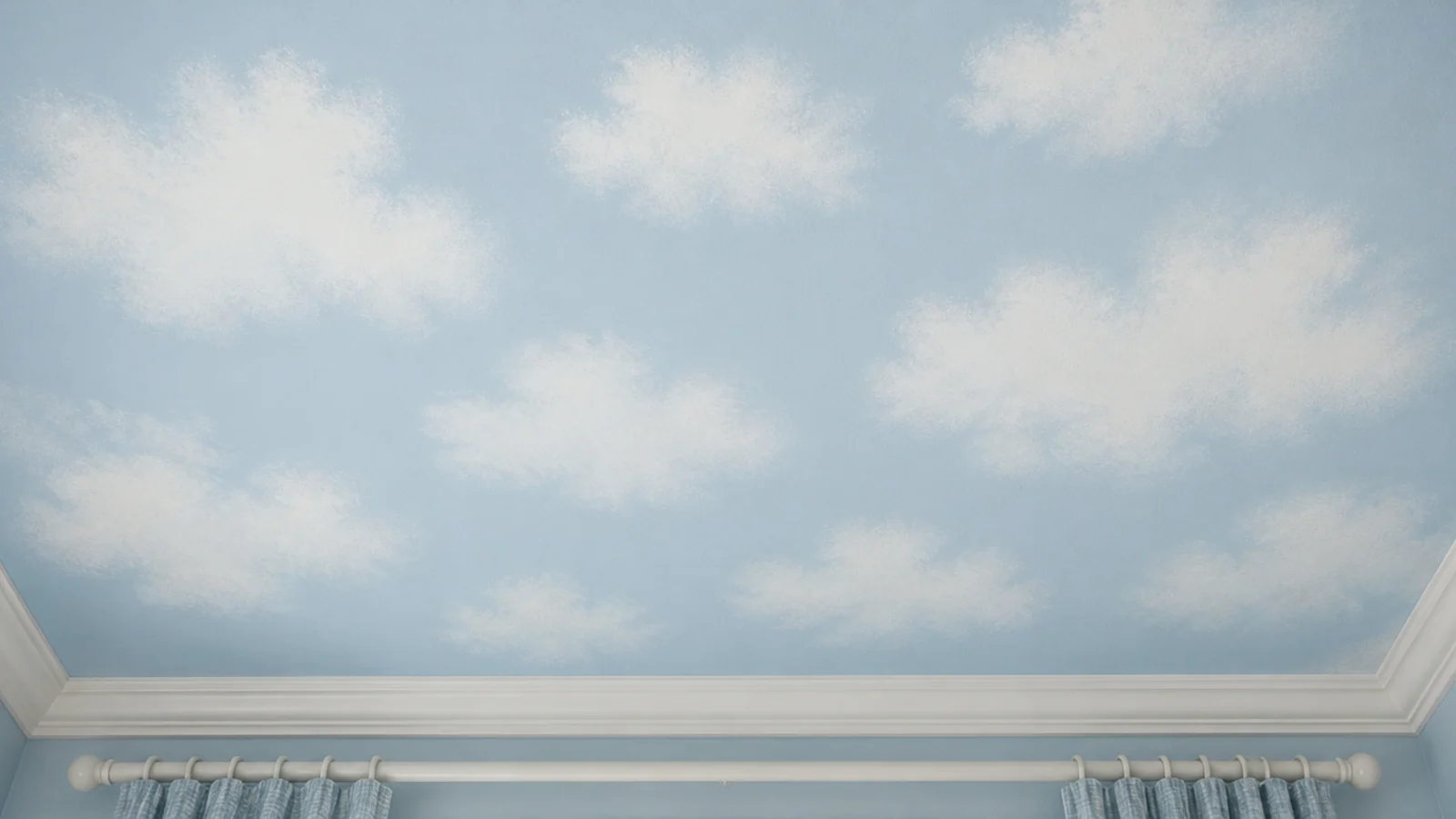
Thin the white slightly and sponge it onto a pale blue ceiling in irregular clusters. Keeping the effect overhead rather than on the walls means no fingerprints and no picking. Do the ceiling before anything else in the room, with the furniture out.
14. A bold wardrobe interior
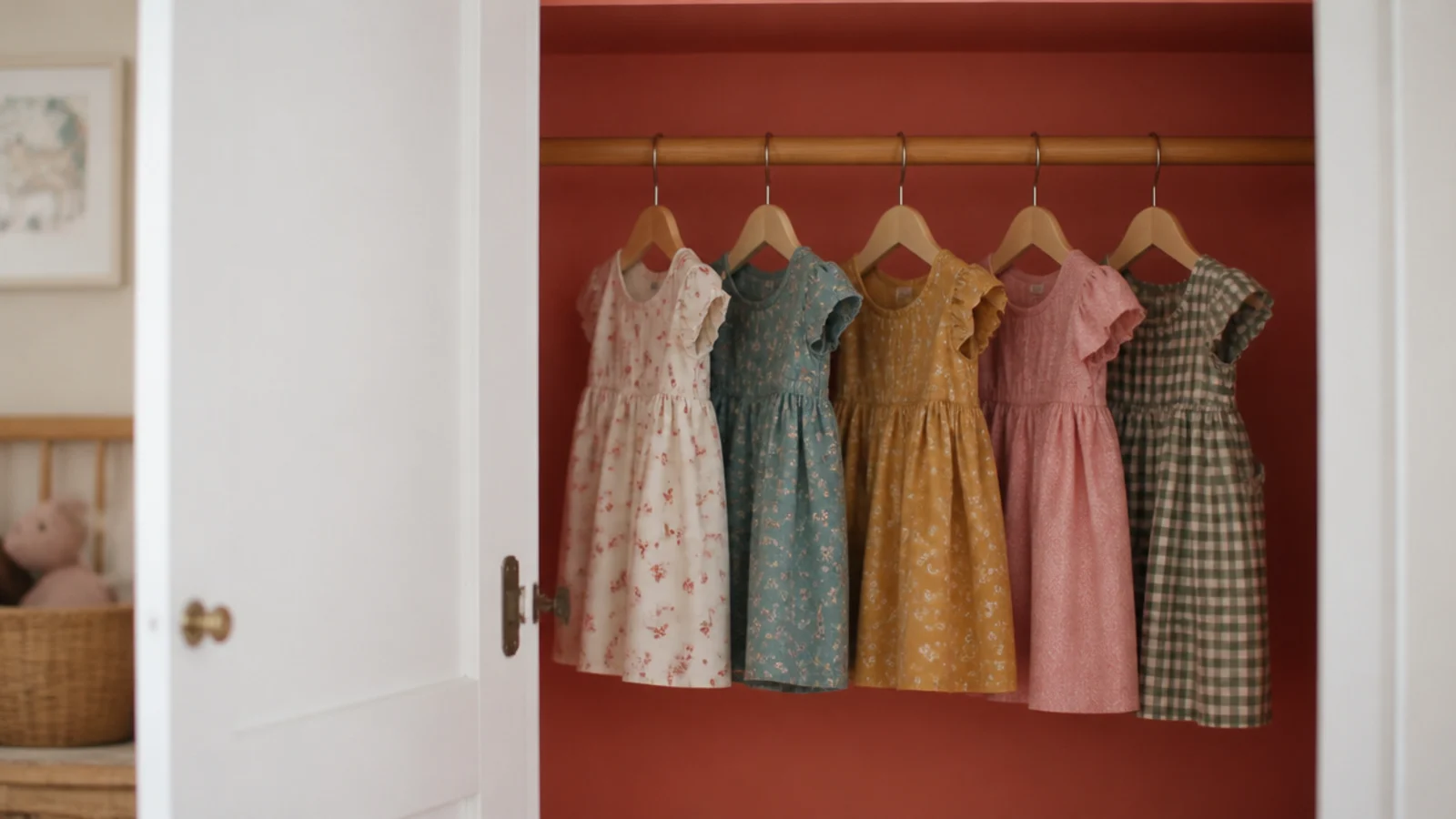
The one place to be fearless, because it is hidden when closed. One tester pot in a deep coral, teal or forest green. Drop the hanging rail to 30 to 36 inches while the doors are off and you have improved the storage and the colour in the same afternoon.
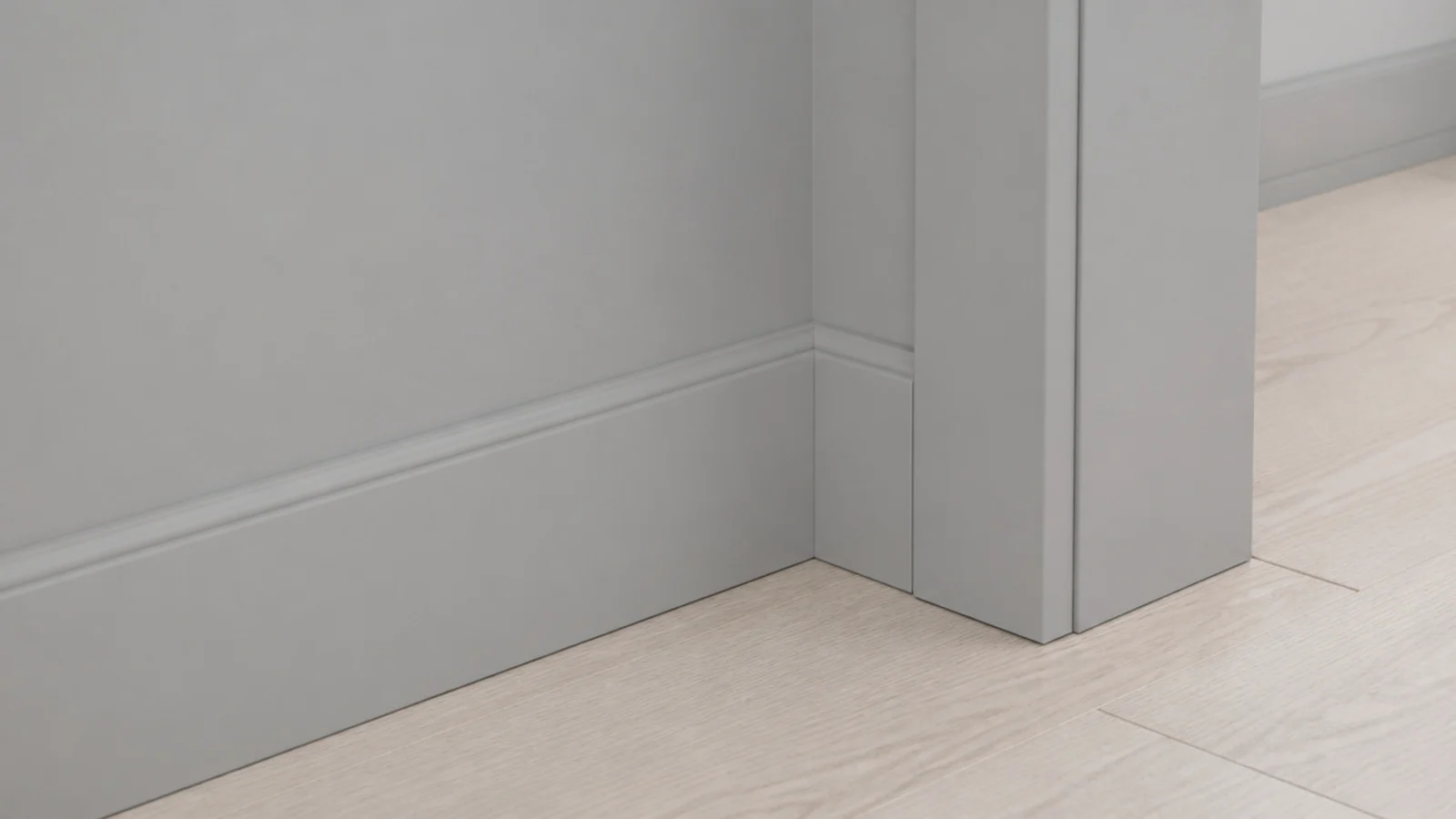
15. Skirting and architrave in the wall colour
Painting the trim to match makes the wall appear to run into the floor, which reads as more space. Use satin on the woodwork and eggshell on the wall — same colour, slightly different sheen, and the trim still cleans properly.
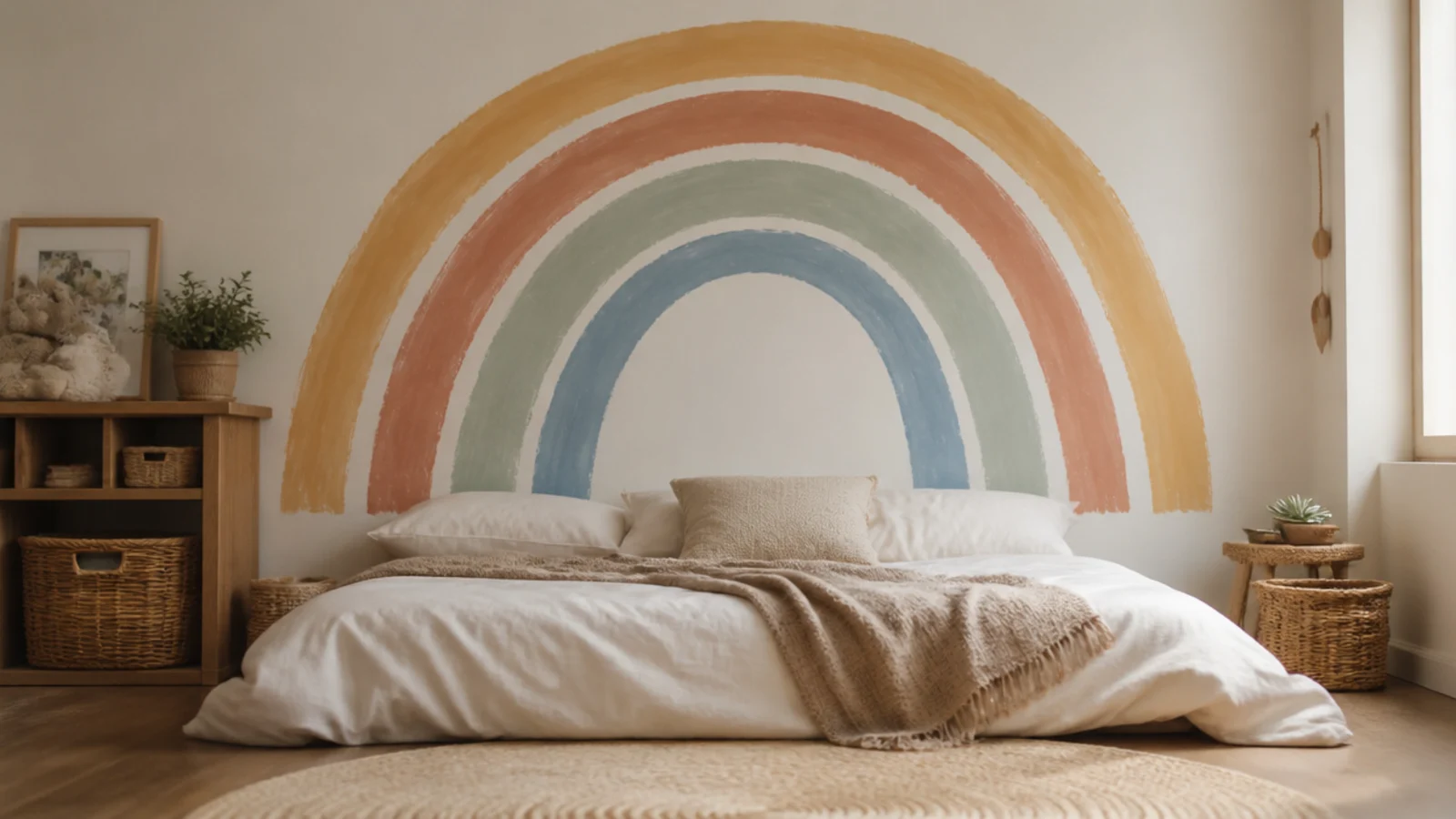
16. A muted rainbow arc
Four chalky tones rather than primary ones: ochre, clay, sage, dusty blue. Four testers at $8 each. Paint the largest arc first and work inward, letting each band dry for four hours before masking the next, or the tape lifts the colour underneath.
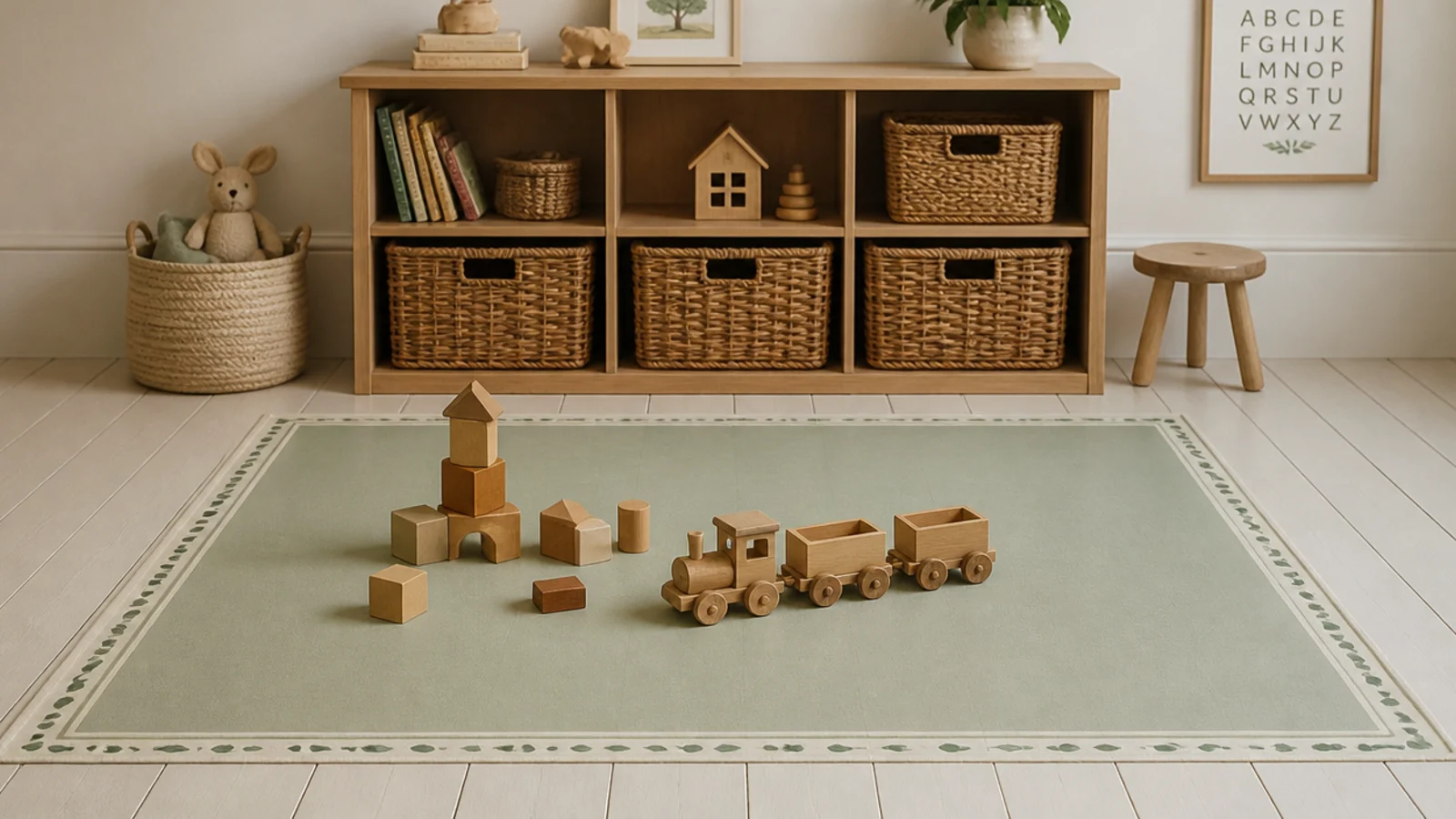
17. A painted rug shape on the floor
A soft rectangle painted onto the boards marks the play zone without anything to curl, trip on or wash. Use floor paint and varnish, size it to at least 25 square feet, and put a thin washable mat on top later if you want softness.
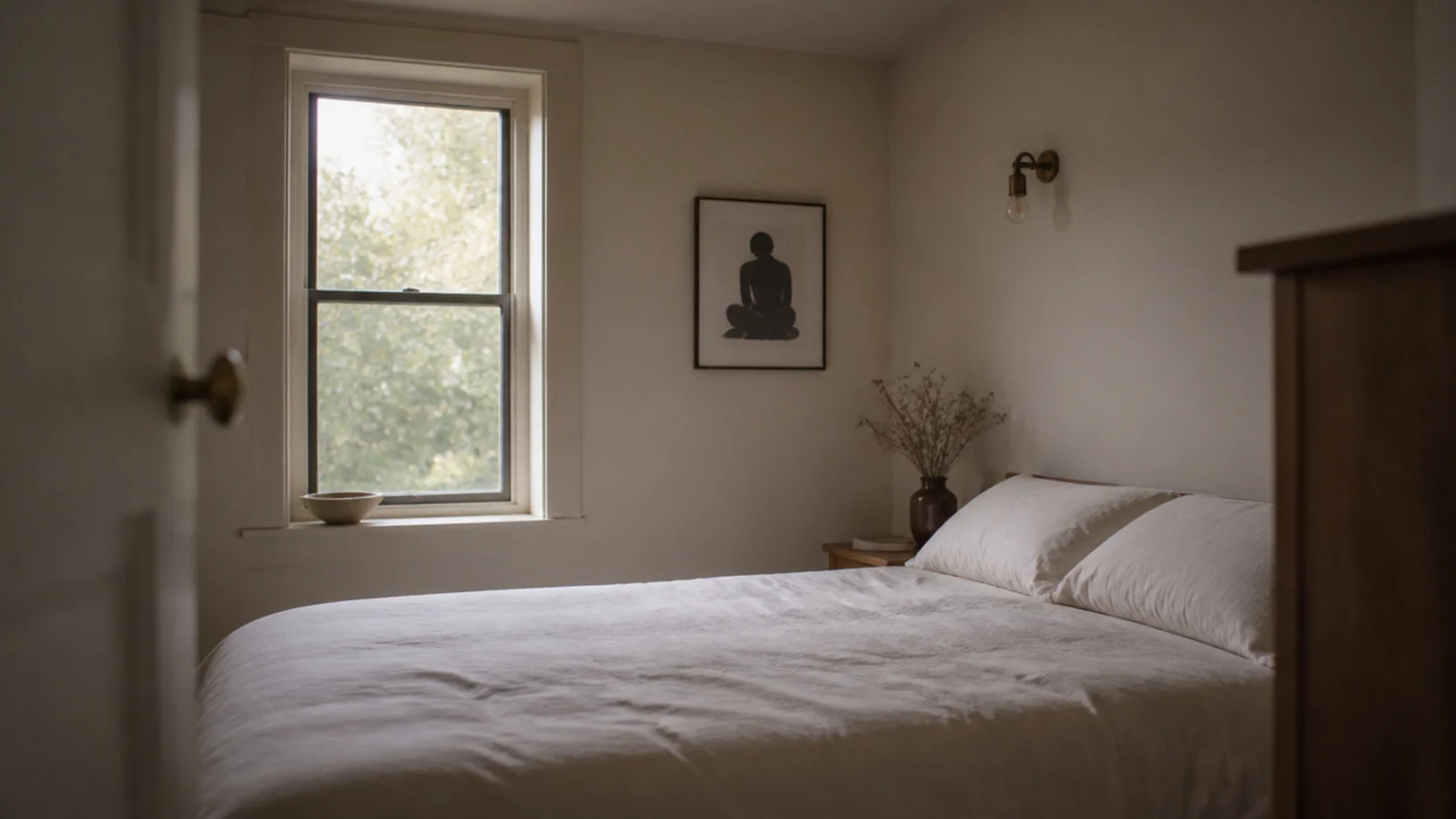
18. The ceiling in the wall colour
A colour break at the cornice tells the eye where the box ends. Carrying the wall tone across the ceiling removes that line and lifts a low room. Use a matte ceiling formulation of the same colour so the sheen difference hides any roller texture.
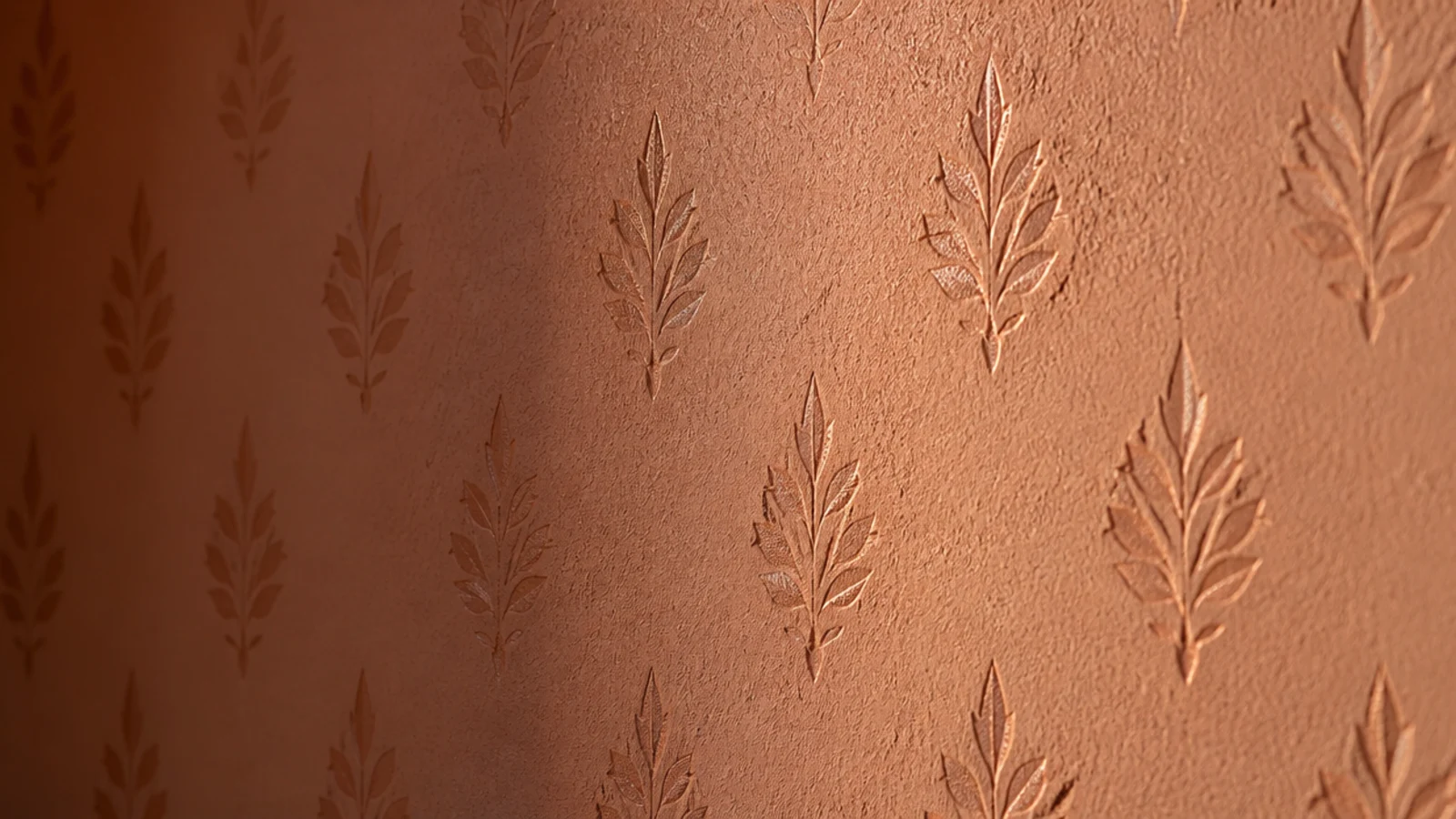
19. A stencil repeat one tone darker
Have the wall colour mixed at 125 per cent strength and stencil a small repeat in it. Tone on tone reads as texture rather than pattern, shows only where light rakes across, and never fights the bedding. A stencil costs $12 and does an entire wall.
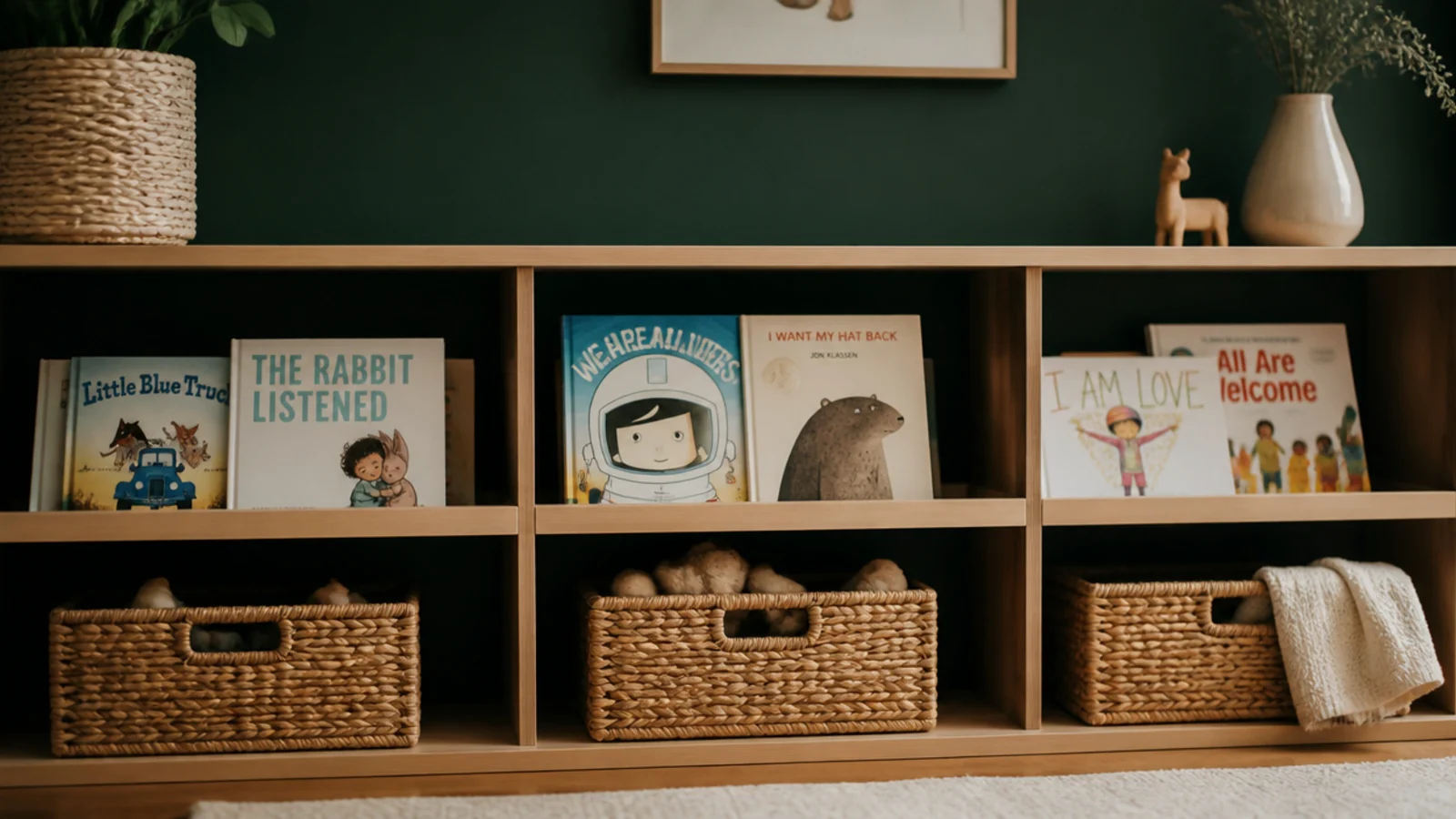
20. A deep colour behind open shelving
Paint the wall behind a low shelf unit in a deep green or ink blue. The colour shows only in the gaps between shelves, so you get real depth for one tester pot and none of the heaviness of a dark wall. The built-in shelving guide uses the same trick.
Mistakes to Skip
- Choosing matte because it photographs beautifully. Below 40 inches it marks on contact and burnishes when wiped, so the first year of handprints becomes a full repaint.
- Painting the day she moves in. Water-based paint is touch dry in two hours and still lightly off-gassing two days later, and a toddler breathes that air for eleven hours a night.
- Skipping primer over a dark existing wall. Four coats of topcoat costs more than one coat of primer plus two, and it still shows patchy in raking light.
- Sanding old paintwork in a pre-1978 house without testing for lead. A cheap test kit costs a few dollars, and lead dust is the one decorating risk you cannot ventilate away.
Paint is the cheapest decision in the room and the one that sets everything else, so it is worth the extra day of testing. Budget roughly 60 to 110 dollars in materials for a small bedroom done properly — a gallon and a half of low-VOC eggshell, a quart of trim satin, two or three testers, a roll of low-tack tape and a decent brush — and plan the work for a weekend when the window can stay open for three days afterwards. Once the walls are settled, the themes that last guide keeps the story in the removable layer, and for the same restraint applied to an older child's colour scheme, teen bedroom ideas shows where these palettes go next.
Frequently asked questions
What VOC level is safe for a child bedroom?
Look for water-based paint under 50 grams of VOC per litre, and choose zero-VOC under 5 if the budget allows. Also check the colourant, since deep tints can add VOC back into a zero-VOC base. Softer shades need less tint, which is one more reason muted colours suit a child bedroom.
How long should a room air before a toddler sleeps in it?
Paint two or three days ahead and ventilate for 48 to 72 hours with a window open and the door shut to the rest of the house. Modern water-based paint is touch dry in about two hours and recoatable in four, but light off-gassing continues for a couple of days.
Which paint finish handles crayon and handprints?
Eggshell or satin. Both have enough resin to be wiped without burnishing, where matte polishes into shiny patches wherever you clean it. Run the harder finish from skirting to about 40 inches and you can put a softer matte above it without losing any practical durability.
How much paint does a small bedroom need?
One gallon covers roughly 350 square feet per coat, so a 10 by 12 foot room with 8 foot ceilings needs about one and a half gallons for two coats on the walls. An 8 ounce tester covers 12 to 15 square feet, which is about one painted arch or one border run.
Can I paint over an existing dark wall?
Yes, but prime first. A stain-blocking water-based primer stops the old colour bleeding through and cuts you from four topcoats down to two, which usually saves money as well as time. Sand any glossy surface lightly to 180 grit so the primer has something to grip.
Want more like this? Browse all 15 toddler girl bedroom guides — they all use the same measurements and budget tiers.
Pin it for later
Save this to your Toddler Girl Bedroom board
Pin it now so it is waiting for you when the tape measure comes out — and so the next person hunting for this idea can find it too.
Save this pinKeep going
More ideas worth saving while you have the tape measure out.