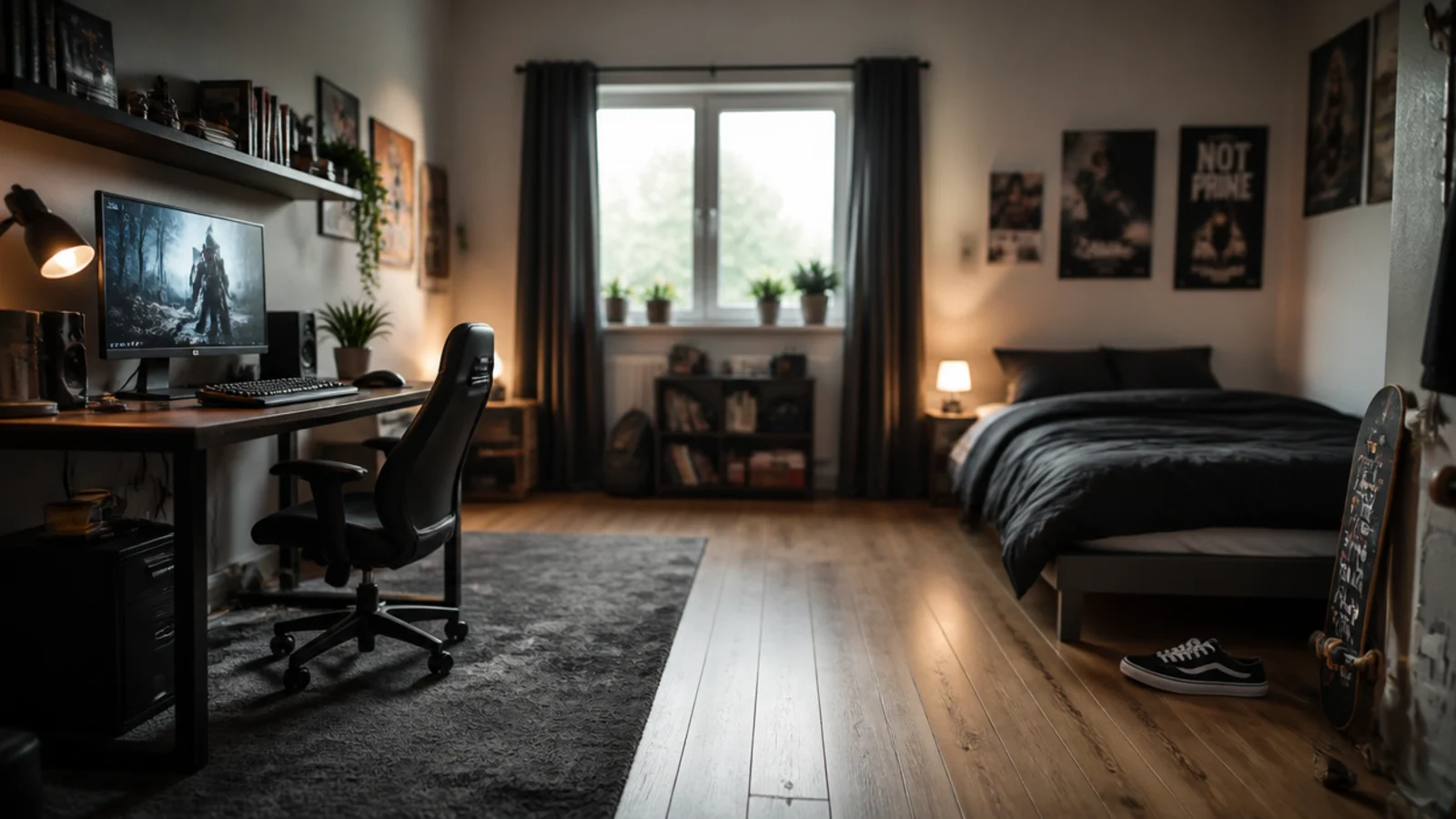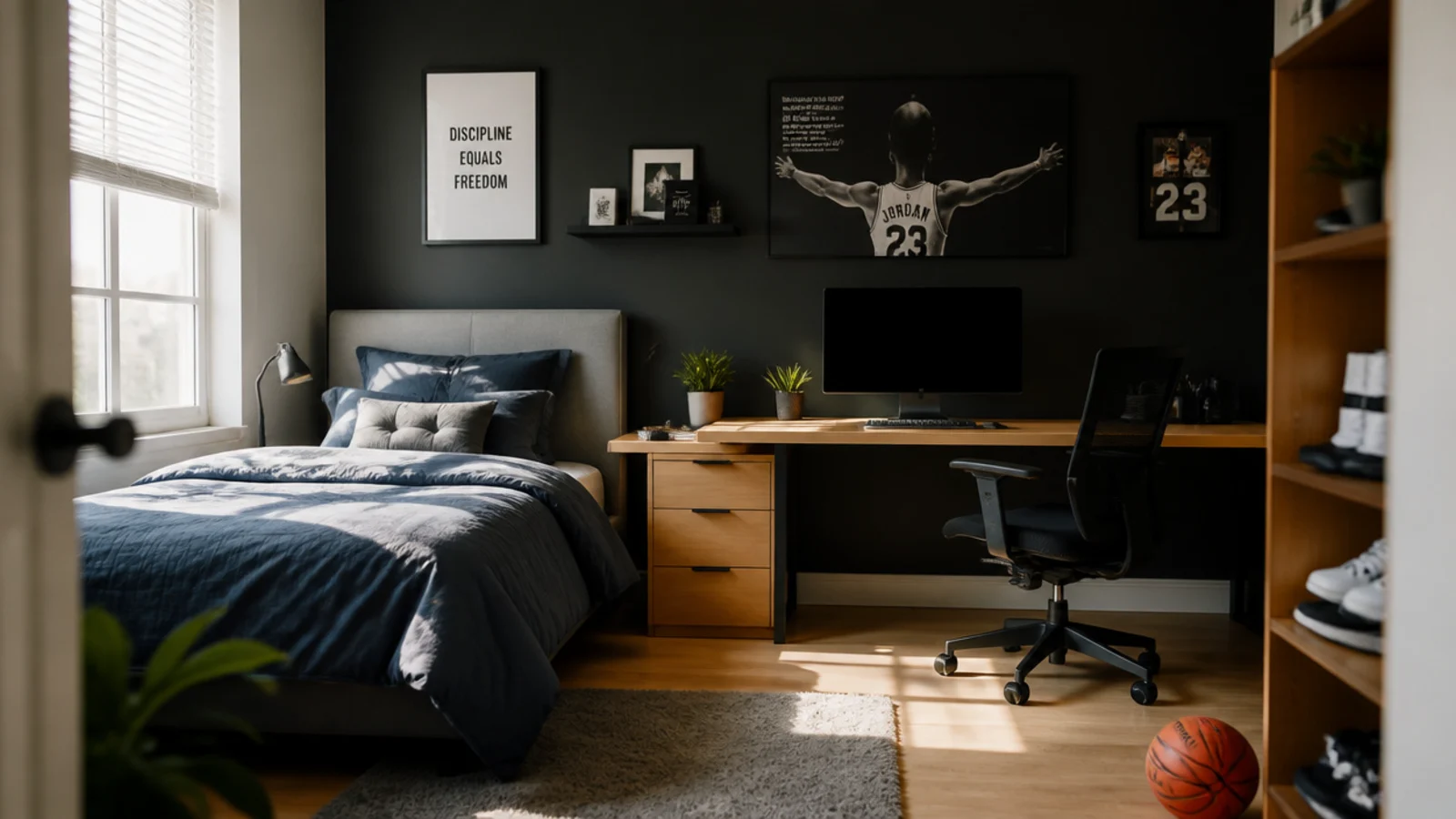
Teen Boy Bedroom · Listicle
30 Modern Teen Boy Bedroom Setups On A Budget

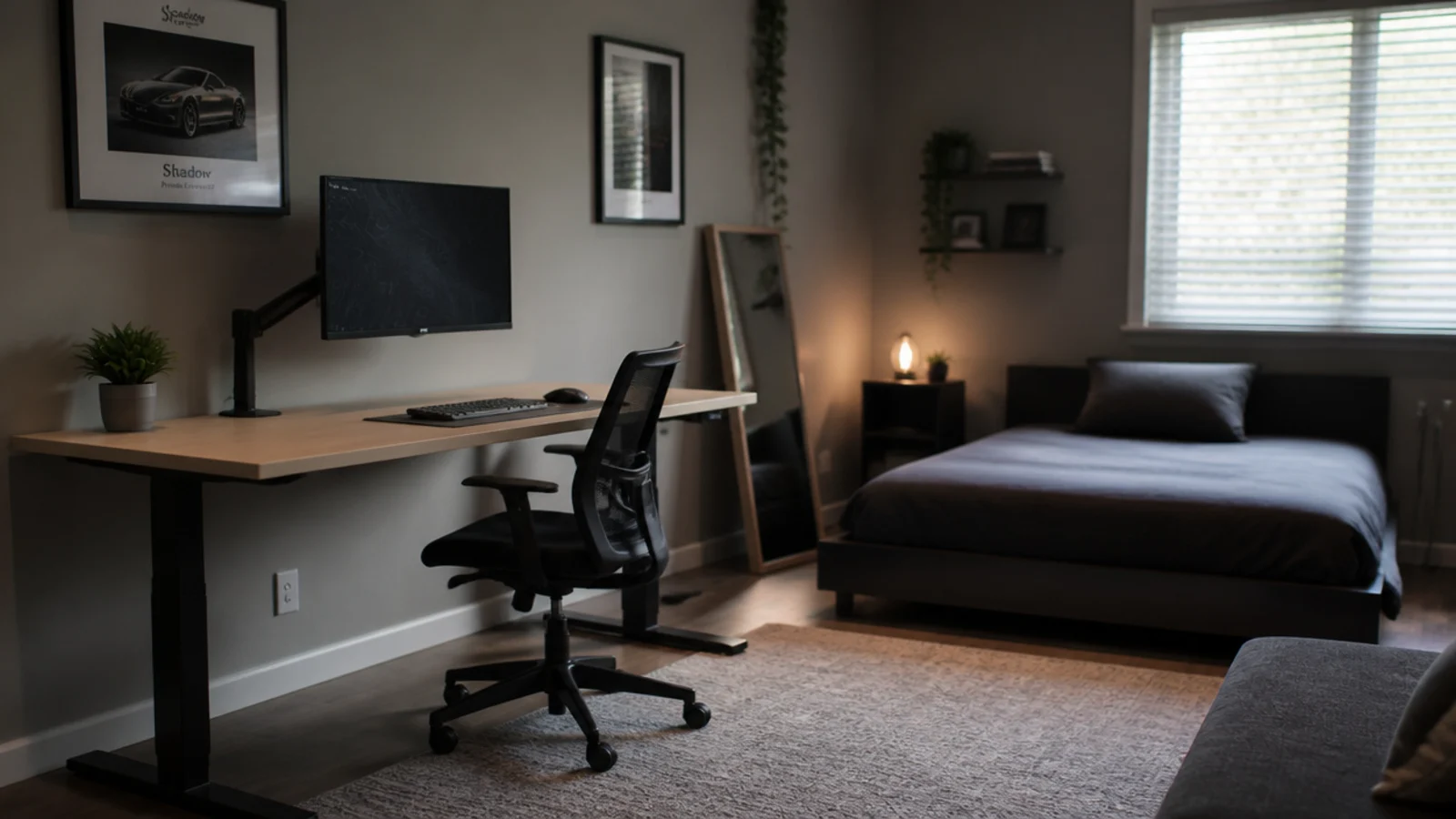
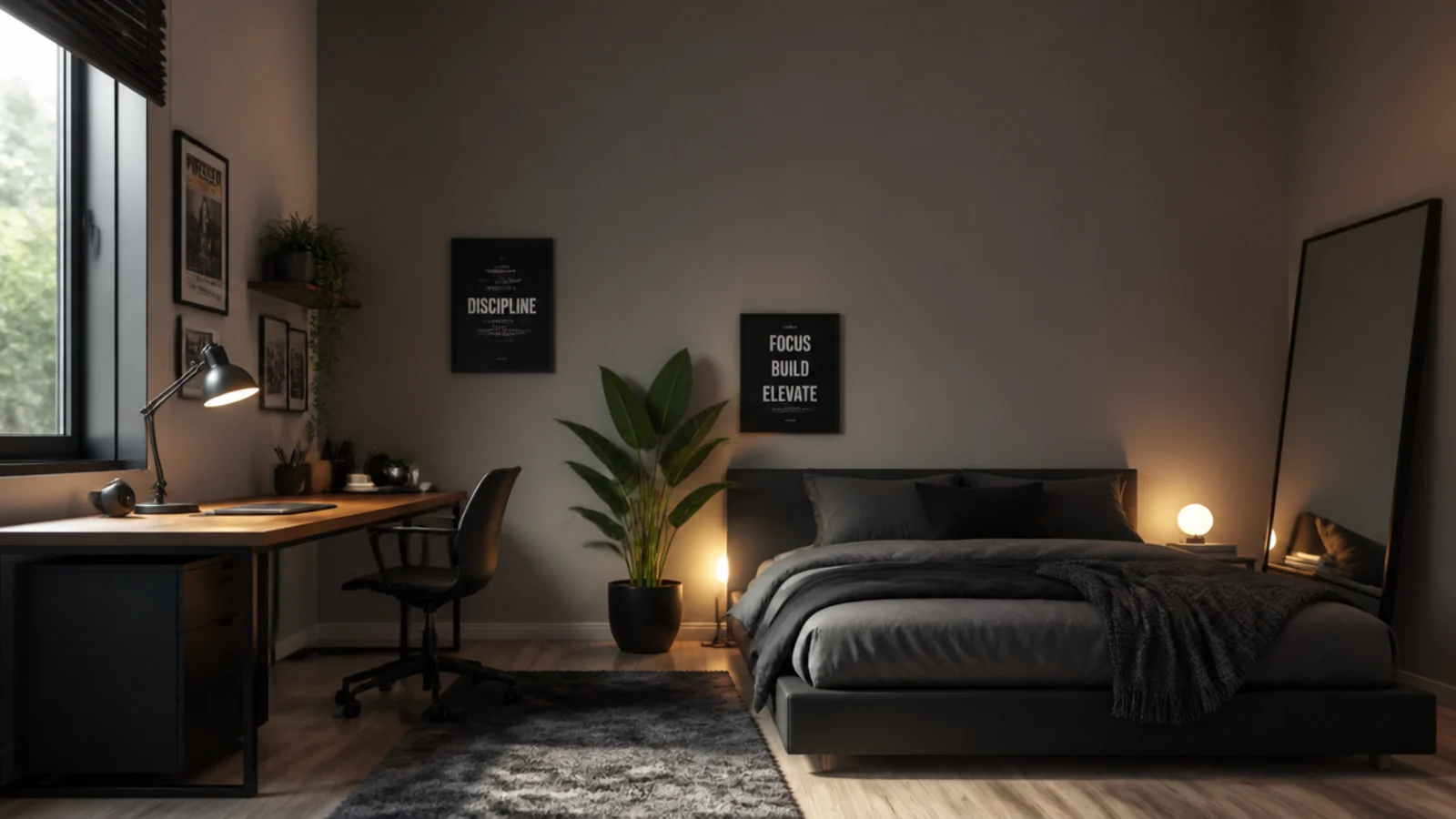
Modern is not a budget problem, it is a repetition problem. Rooms read expensive when the same wood, the same metal and the same three tones show up over and over, and they read cheap when six unrelated pieces arrive one birthday at a time. A modern teen boy bedroom can be done for six hundred dollars if you decide the finishes first and buy to that list. I have redone two of these on tight numbers, and the parts worth paying for are always the parts he touches — the mattress, the chair, the keyboard. Everything else is a board, a leg and a can of paint. Here are thirty setups with the costs and the measurements attached.
In this guide32 sections — tap to openHide
- 1.What a modern teen boy bedroom actually costs
- 2.Pick one wood and one metal, then stop
- 3.Choose flat fronts over panelled doors
- 4.Build a fifty-five inch desk from one board
- 5.Use black steel legs, never chrome
- 6.Run one long shelf instead of five brackets
- 7.Lose the bed frame to a platform base
- 8.Hold the palette to three values
- 9.Fit edge pulls or no handles at all
- 10.A monitor arm buys back nine inches
- 11.Repeat matte black hardware everywhere
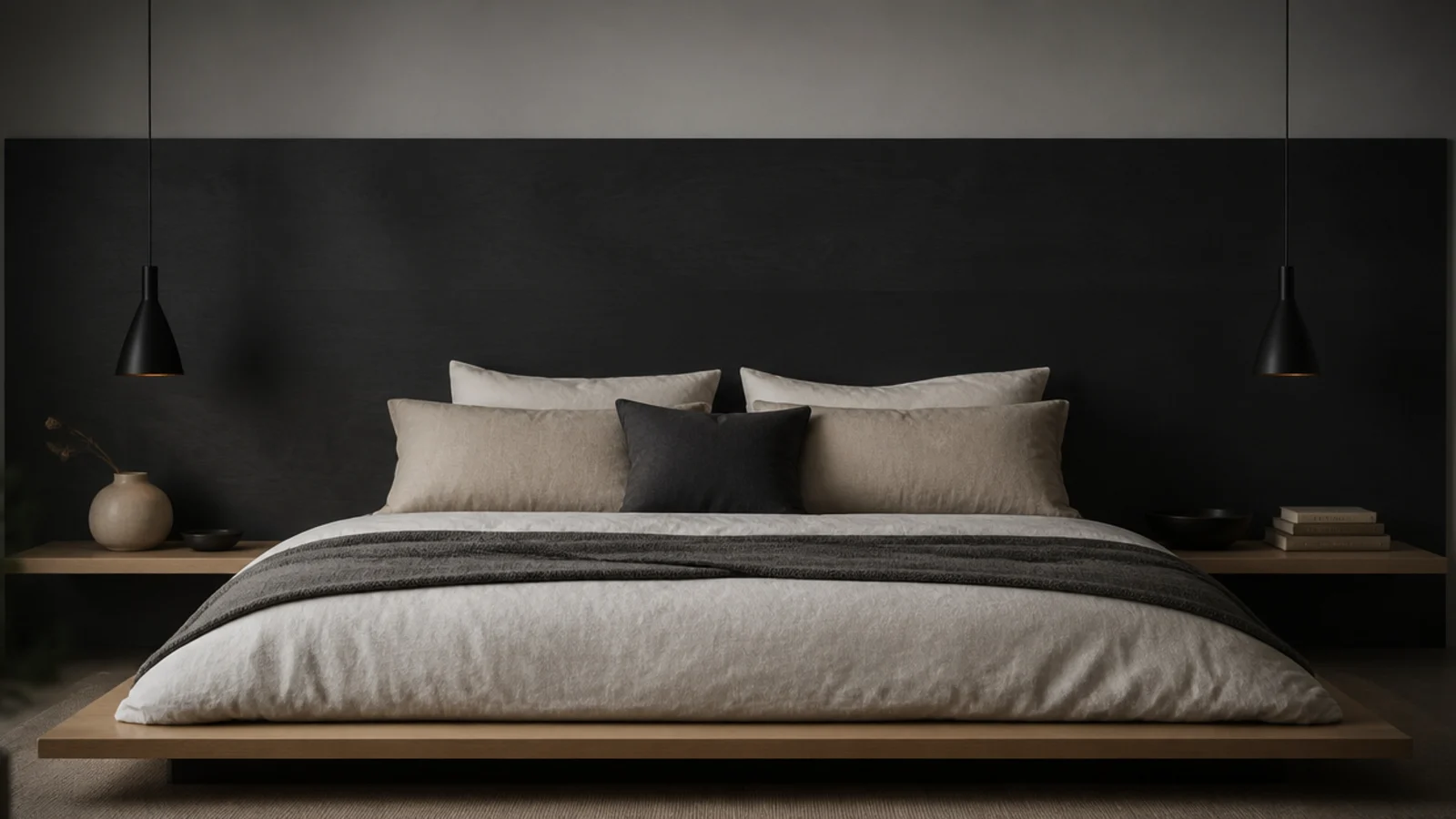
- 12.Swap the headboard for a wall panel
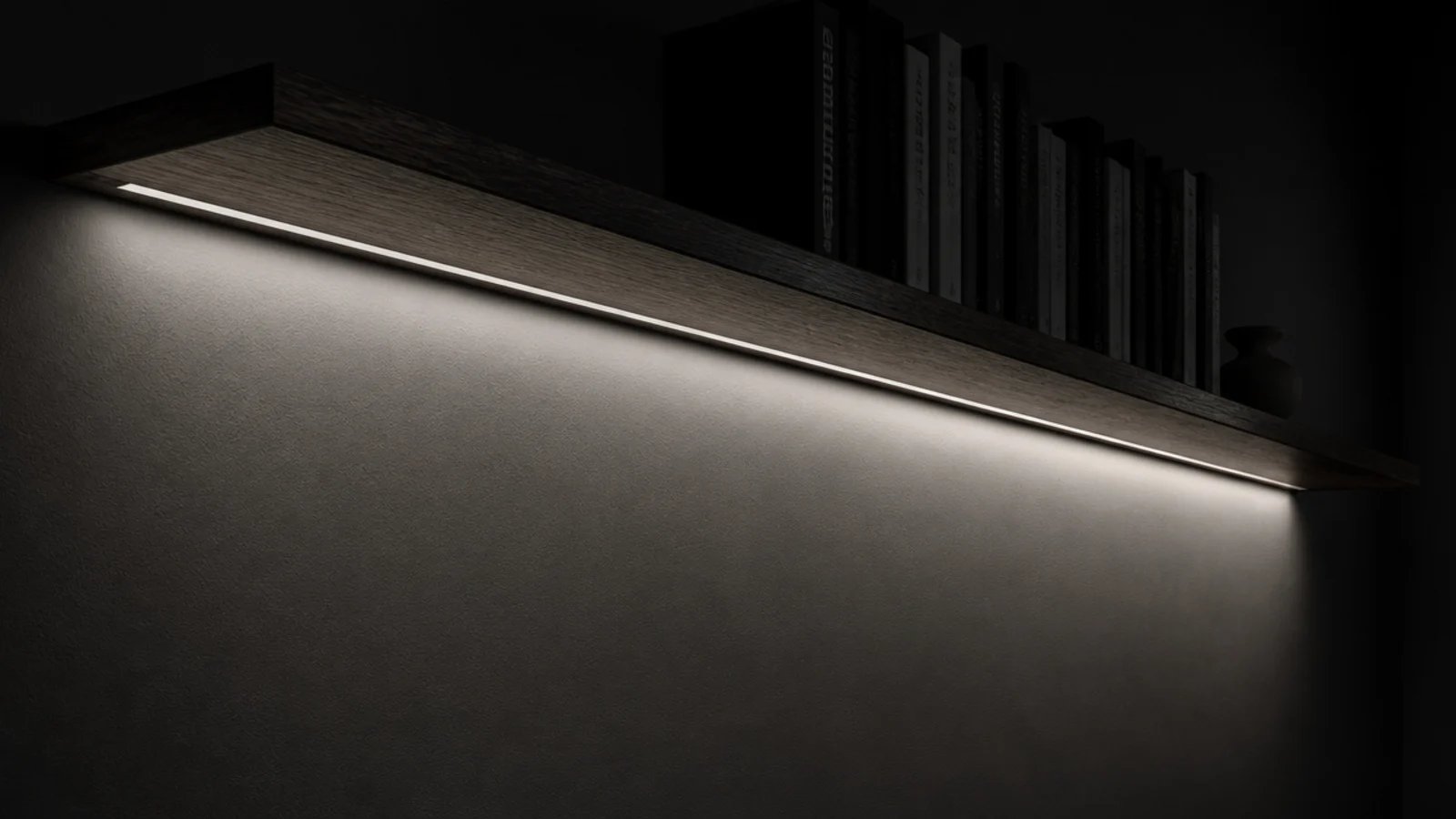
- 13.Choose linear light over colour cycling
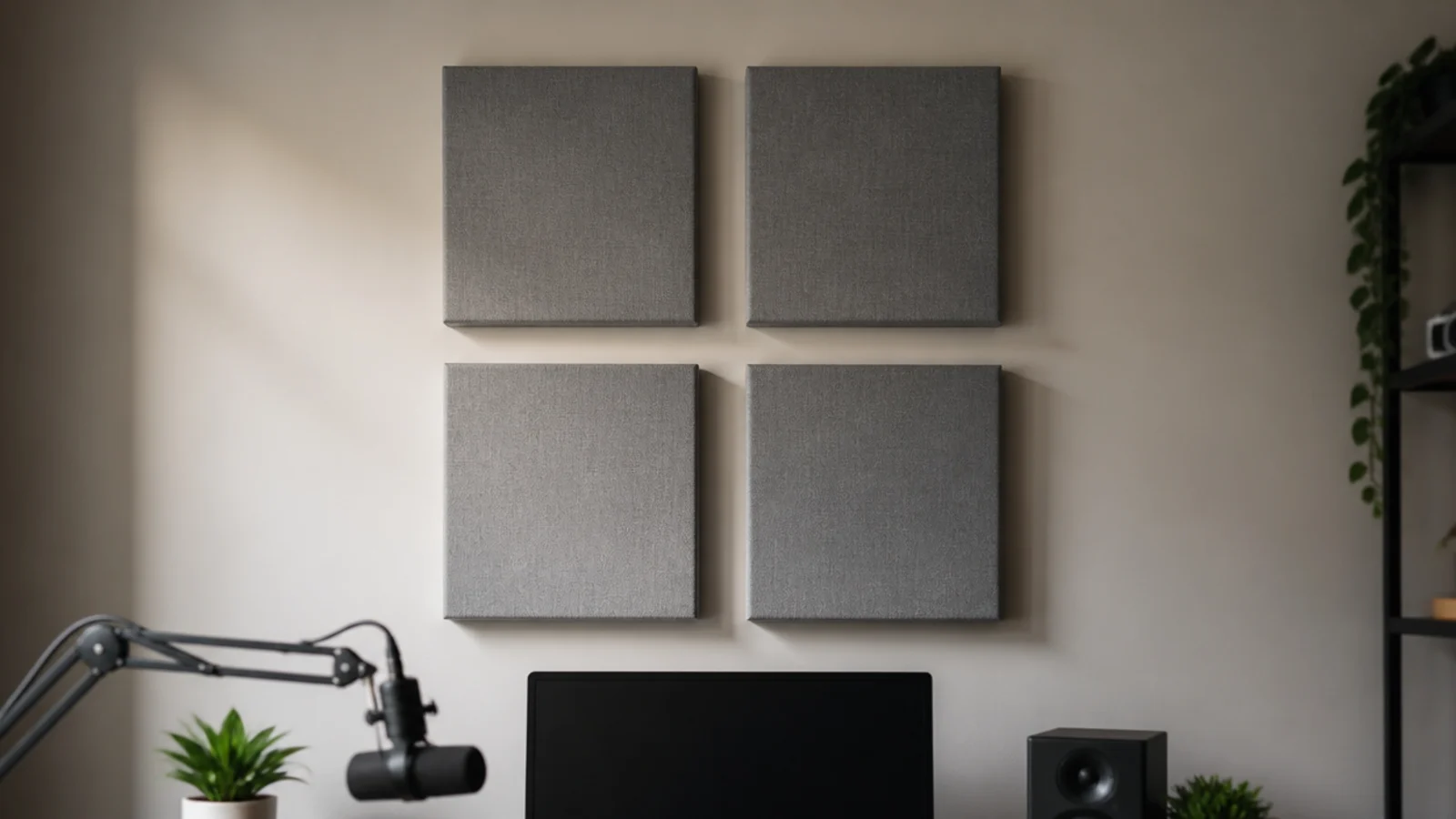
- 14.Grid four acoustic panels behind the desk
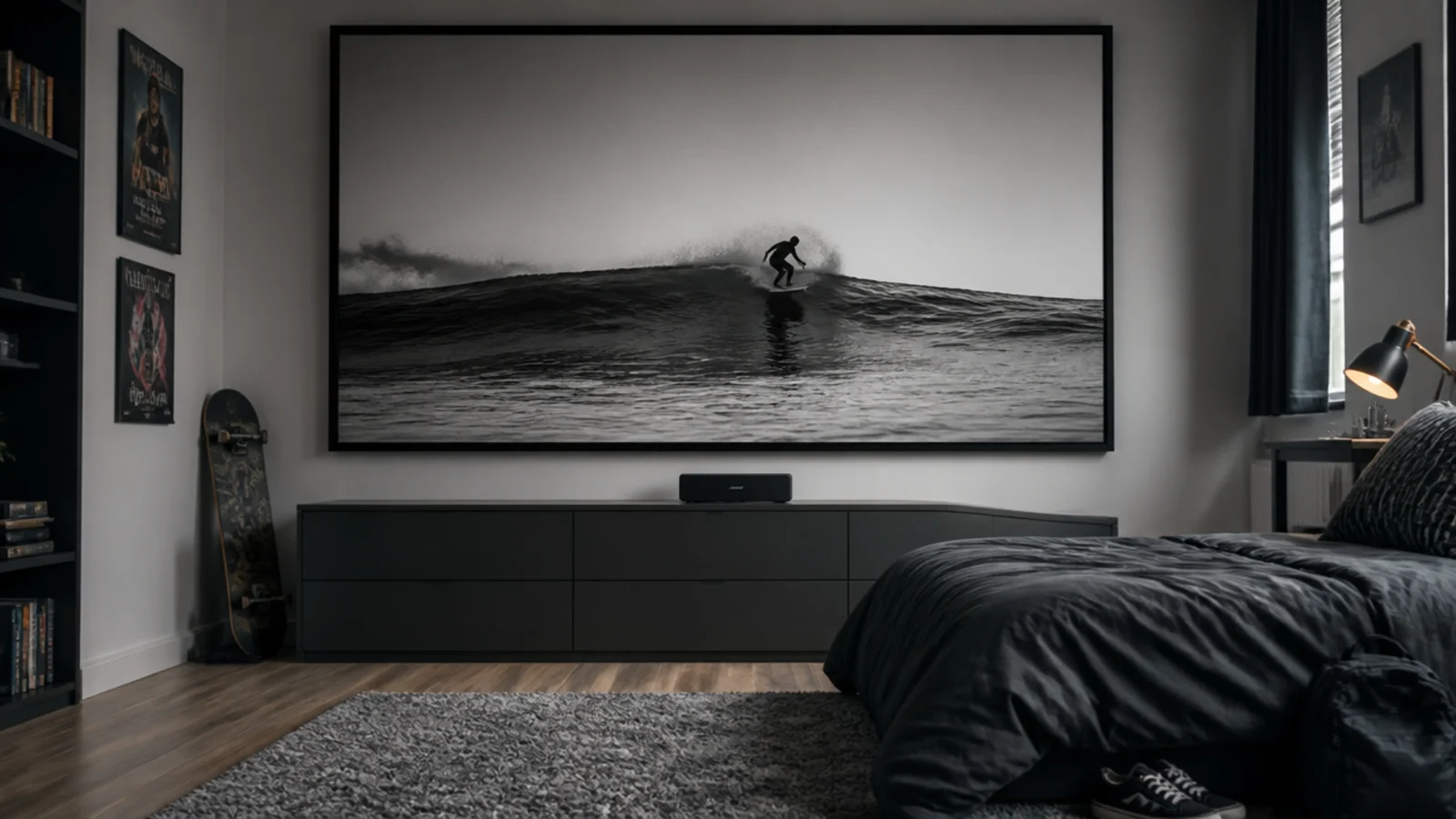
- 15.Hang one oversized print, not a gallery
- 16.Treat cable routing as a design decision
- 17.Fit a blackout roller blind and skip curtains
- 18.Use a concrete-effect laminate desk top
- 19.Fit sliding wardrobe doors in a tight room
- 20.Paint warm grey around an LRV of fifty-five
- 21.Lean a full-length mirror against the wall
- 22.Float the nightstand at mattress height
- 23.Add a slatted timber accent panel
- 24.Hang one pendant instead of a ceiling plate
- 25.Fit under-bed drawers, not a divan
- 26.Put a storage bench at the foot of the bed
- 27.Keep sixty percent of the floor visible
- 28.Buy one good chair and skip the extras
- 29.Put the lighting on a dimmer
- 30.Let plants be the only pattern
- 31.Spend where the room touches him
- 32.Mistakes to Skip
What a modern teen boy bedroom actually costs
Assume you keep the bed frame and repaint. A desk board and four steel legs come to $120 to $200. A task chair worth sitting in is $150 to $350. Paint is about $60 for two coats over a ten by twelve room, which needs roughly two gallons at 350 to 400 square feet of coverage per gallon per coat. A blackout roller blind is $30 to $60. Hardware, hooks and a lamp add another $80 to $150.
That is $450 to $800 for the whole room, and the biggest single saving is not buying furniture at all — painting the existing chest, swapping its knobs for edge pulls and standing it on new tapered legs costs under $80 and changes it completely.
Plan the power at the same time. A PC, a monitor and a console together sit around 500 to 700 watts, which is comfortably inside a 15-amp, 1,800-watt strip, but only if it is one strip rather than two chained. For the working surface itself, aesthetic study desk decor covers what goes on top.
1. Pick one wood and one metal, then stop
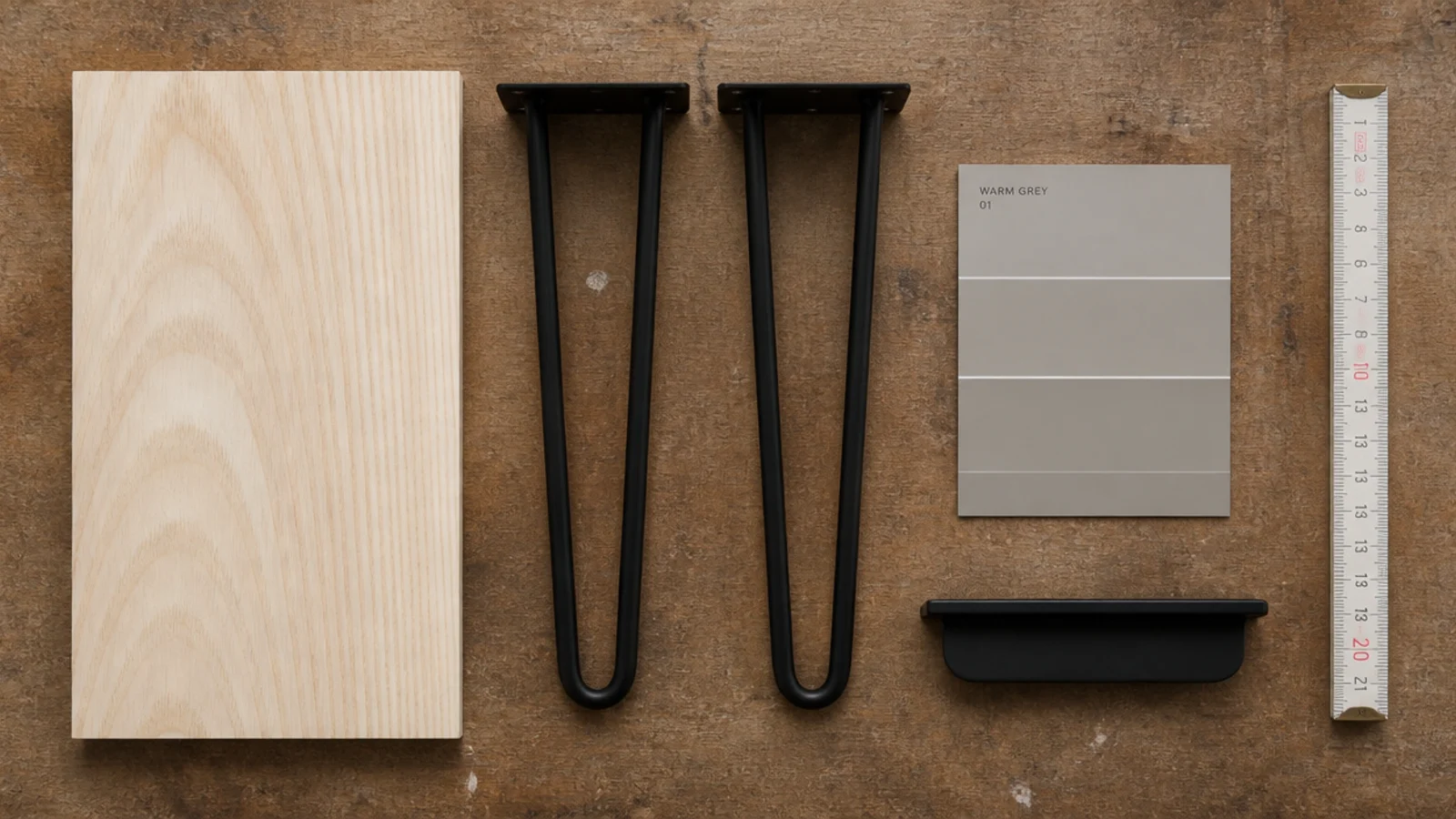
Choose pale ash or white oak, choose matte black, and refuse everything else. Two finishes repeated across the desk, the shelf, the hooks and the lamp will do more work than any single expensive piece. The rooms that look accidental are always the ones running three woods and two metals at once.
2. Choose flat fronts over panelled doors
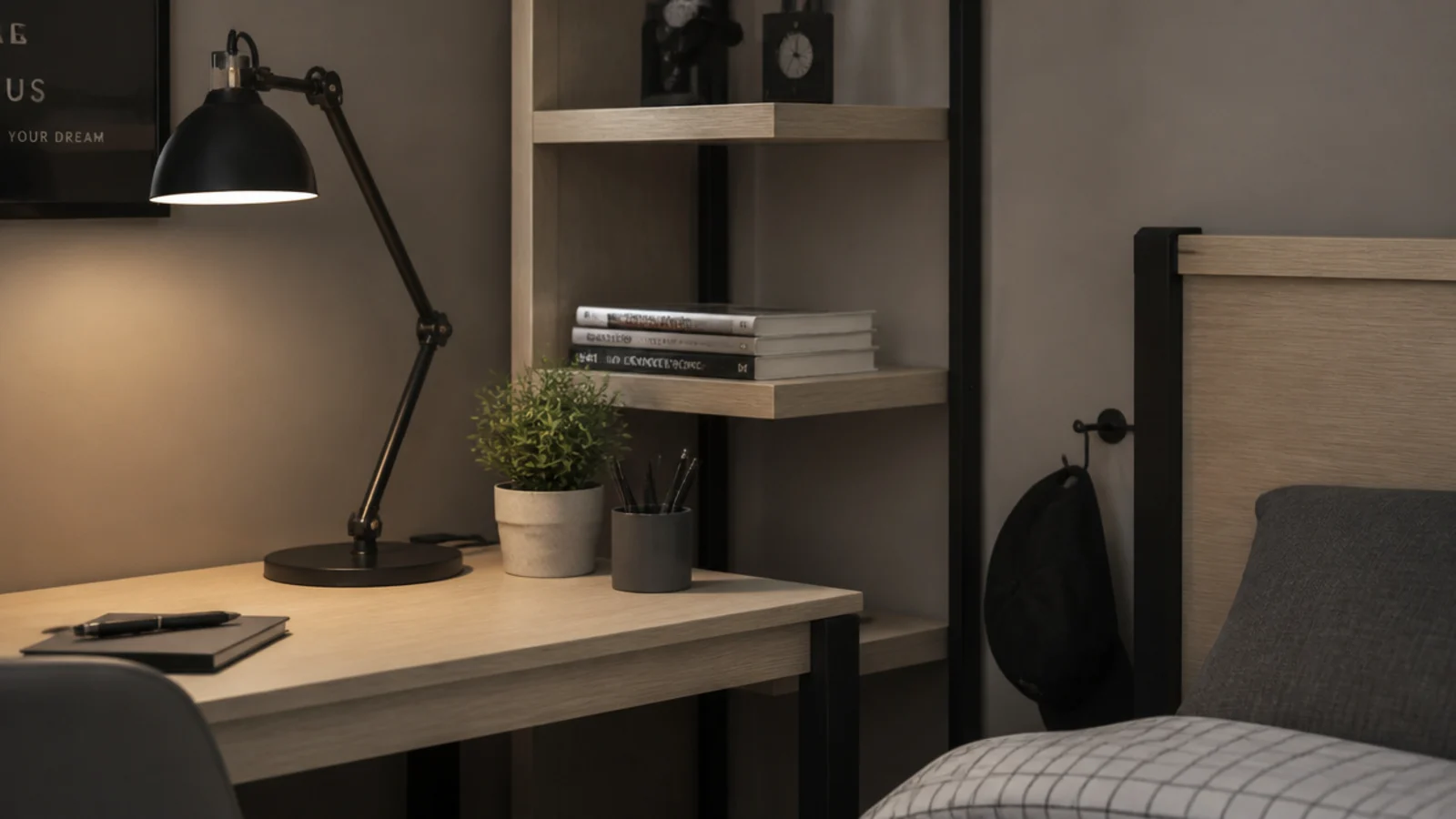
Applied moulding is the fastest way to make a room read as a hand-me-down. Flat slab fronts, painted one colour edge to edge, cost less and photograph better. If the existing wardrobe has panels, a sheet of quarter-inch MDF glued and pinned over each door is about $30 and half a Saturday.
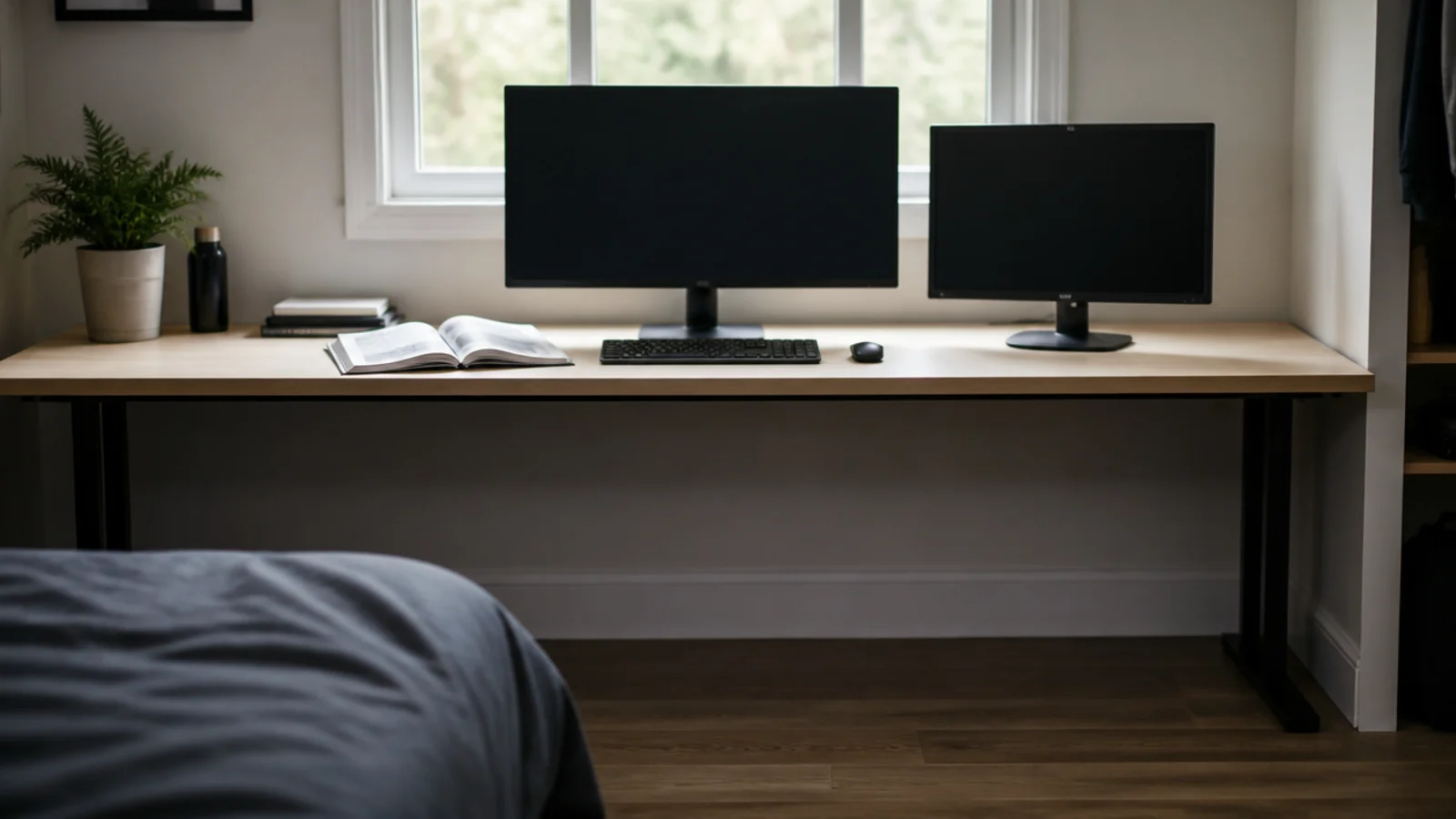
3. Build a fifty-five inch desk from one board
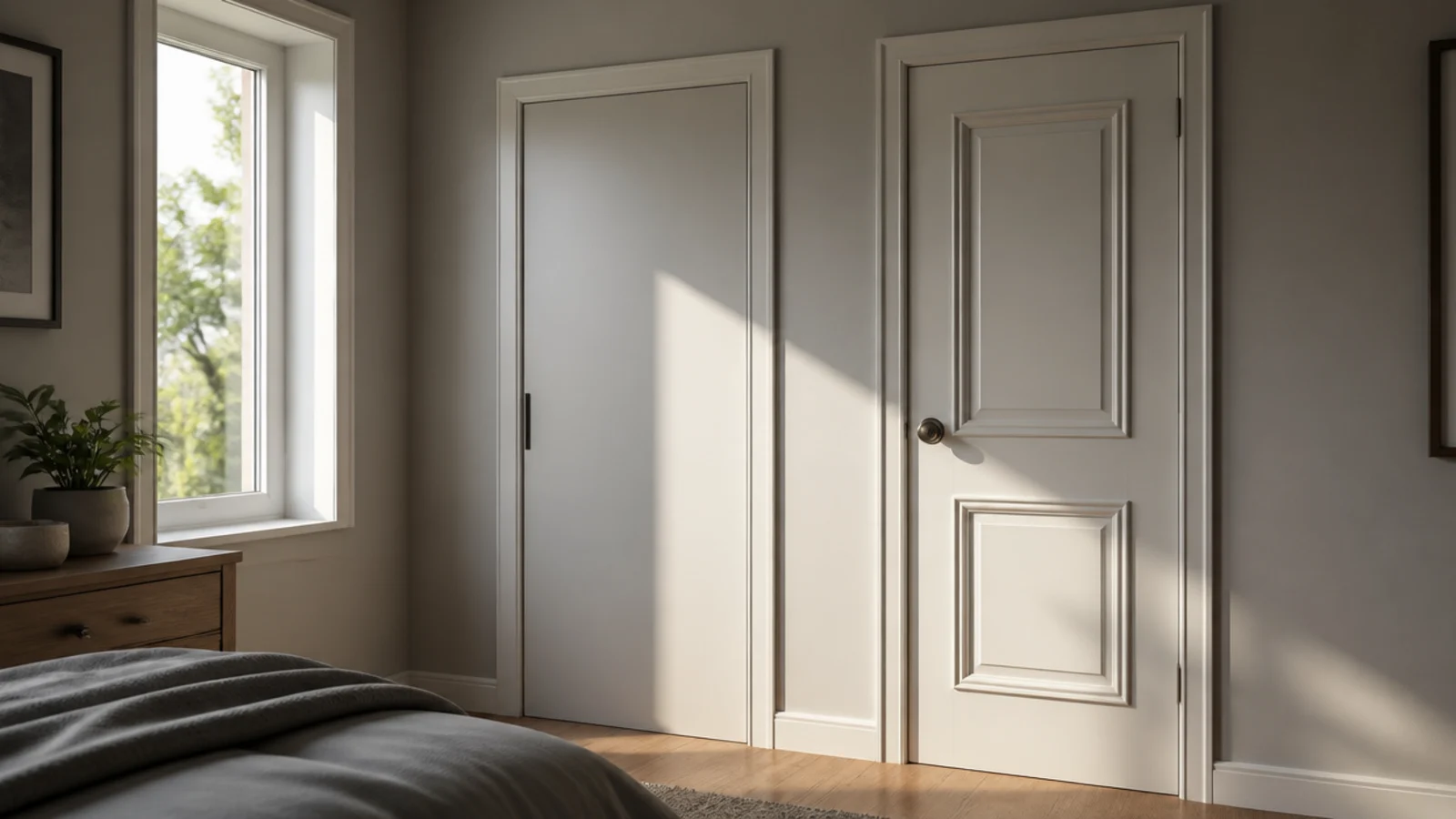
Fifty-five inches, or 140 centimetres, comfortably takes two monitors, a full keyboard and a notebook alongside. Forty-seven inches is the practical minimum for a dual setup. Buy one solid board rather than joining two — a visible seam across the middle undoes the whole look, and a single board costs $60 to $120.
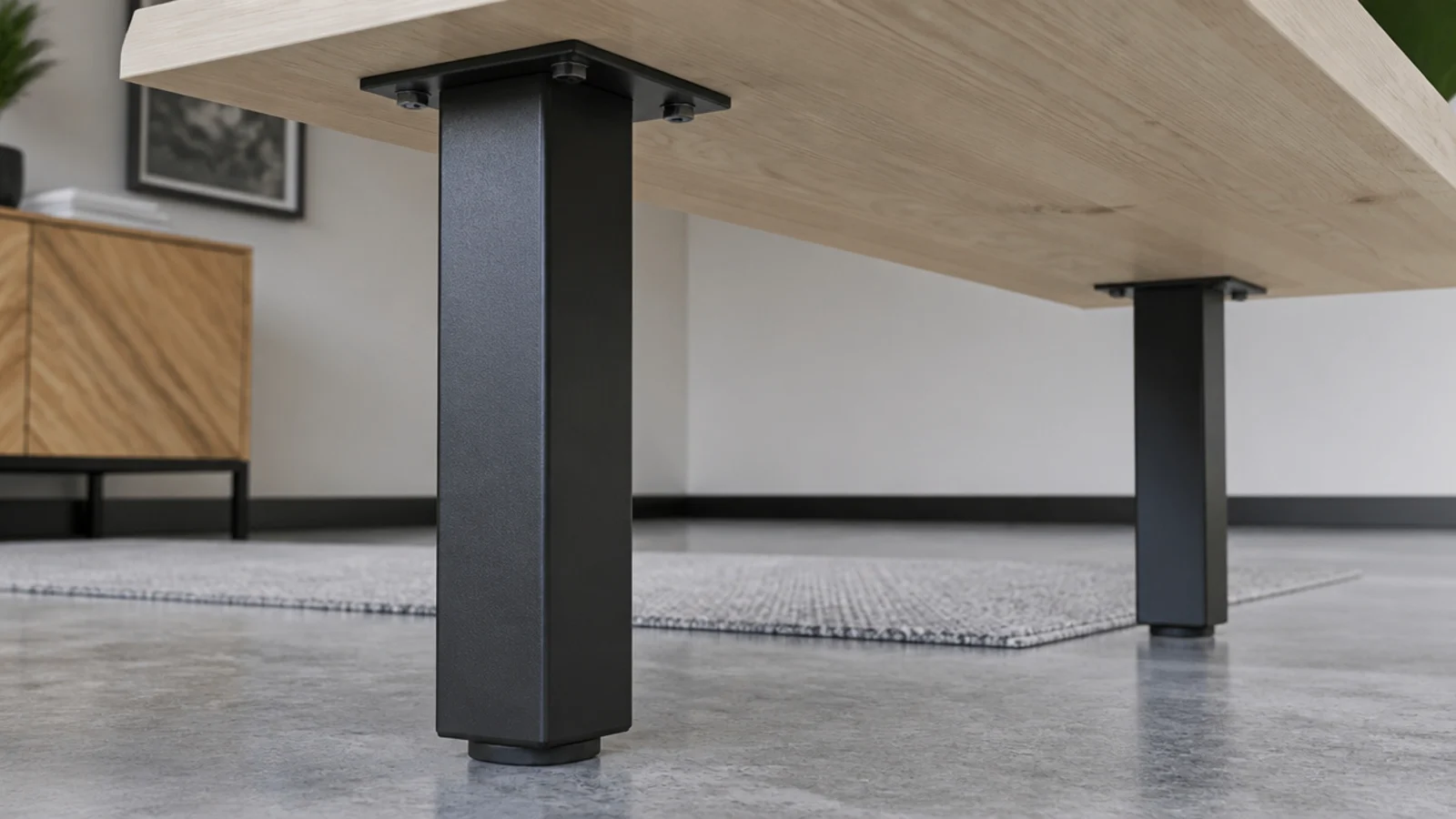
4. Use black steel legs, never chrome
Square-section matte black legs disappear under a top, which is the point. Chrome catches every light source and pulls the eye down to the floor. A set of four sturdy legs is $35 to $70, and hairpins under about 16 inches wobble under a wide board unless you add a rear rail.
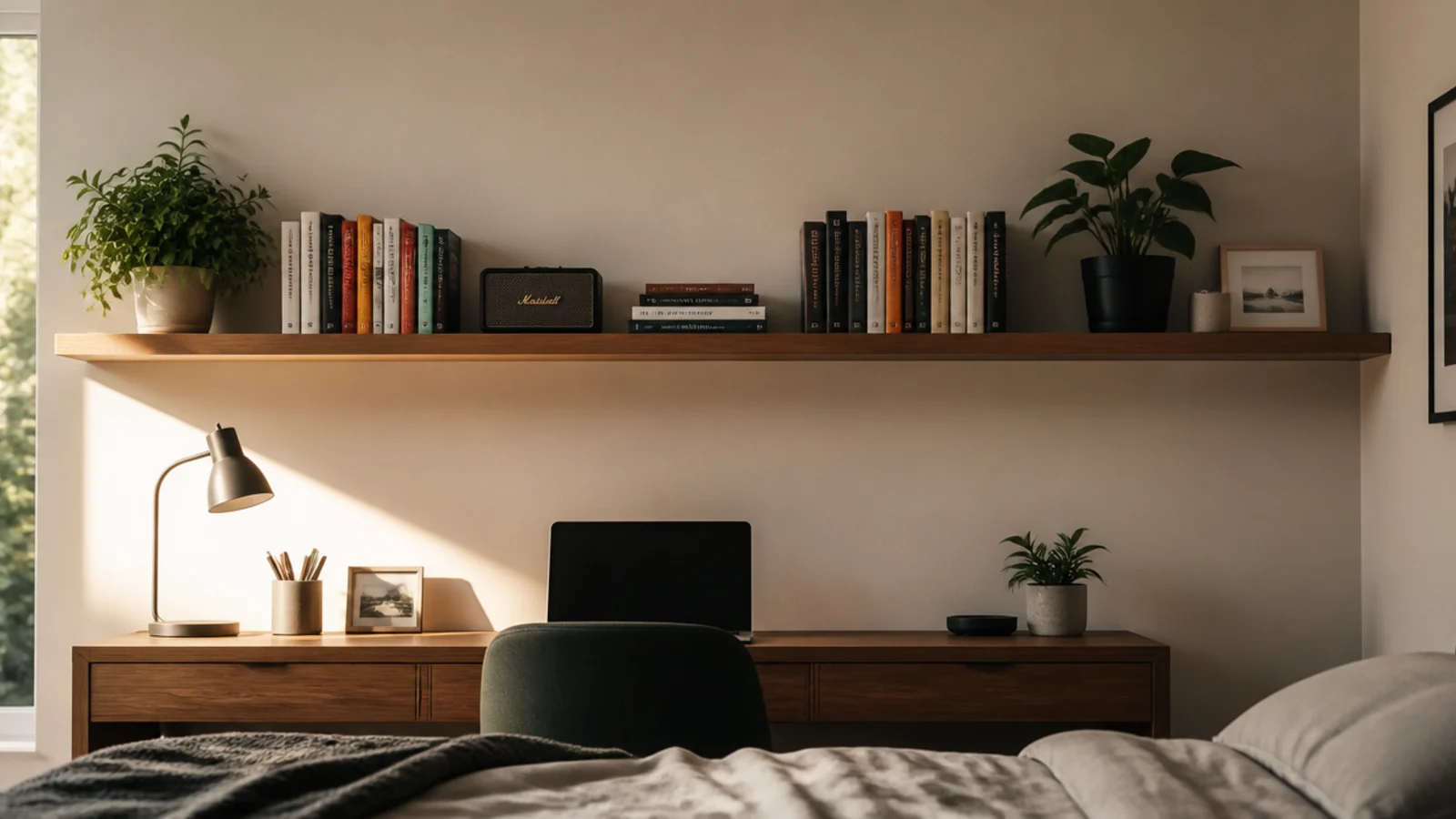
5. Run one long shelf instead of five brackets
A single unbroken shelf across a wall reads architectural in a way that five short ones never do. Keep each bay between fixings at or under 32 inches in three-quarter-inch stock, or the run bows in the middle once books go on it. Fix into studs at 16-inch centres.
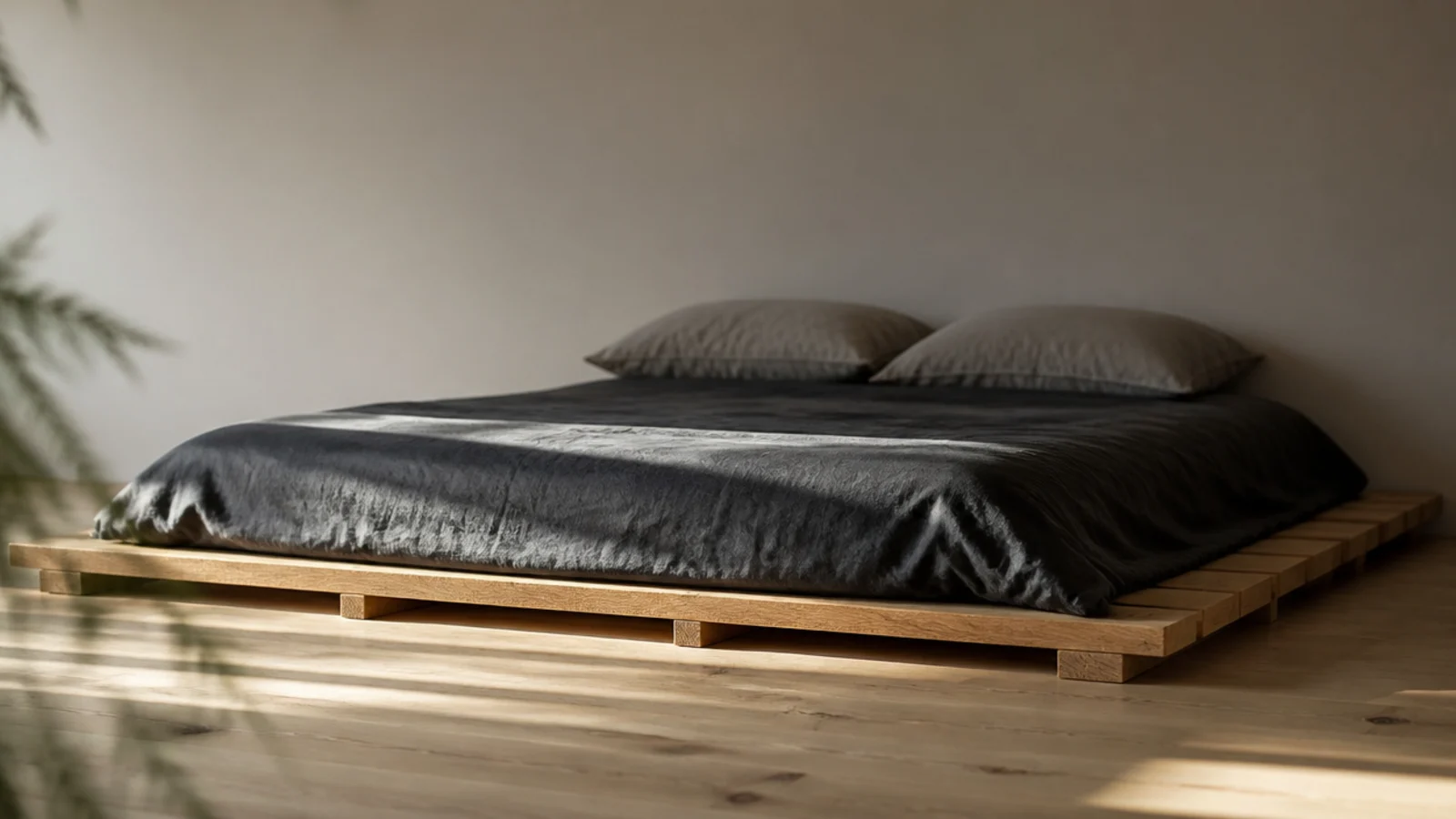
6. Lose the bed frame to a platform base
A low slatted platform sitting 8 to 12 inches off the floor makes the ceiling read higher and the room read calmer. It also removes the gap that collects everything. Check that it takes a slat spacing under 3 inches, or a foam mattress sags between them within a year.
7. Hold the palette to three values
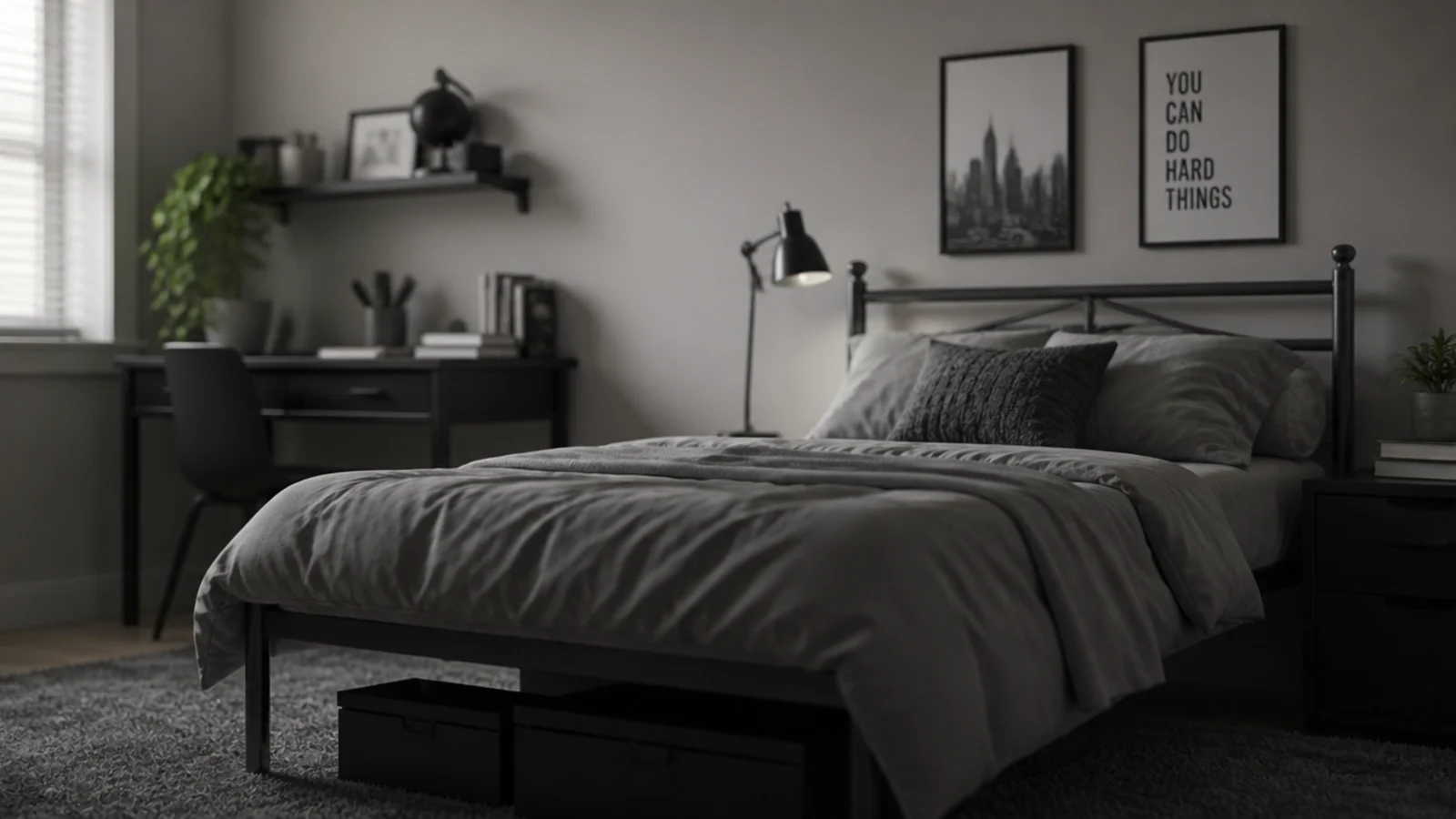
Light on the walls, mid on the textiles, near-black on the hardware. Three values, one undertone. The mistake is adding a fourth thing at a mid-light value, which is where a room starts to look muddled without anyone being able to say why. Plants supply any remaining colour.
8. Fit edge pulls or no handles at all
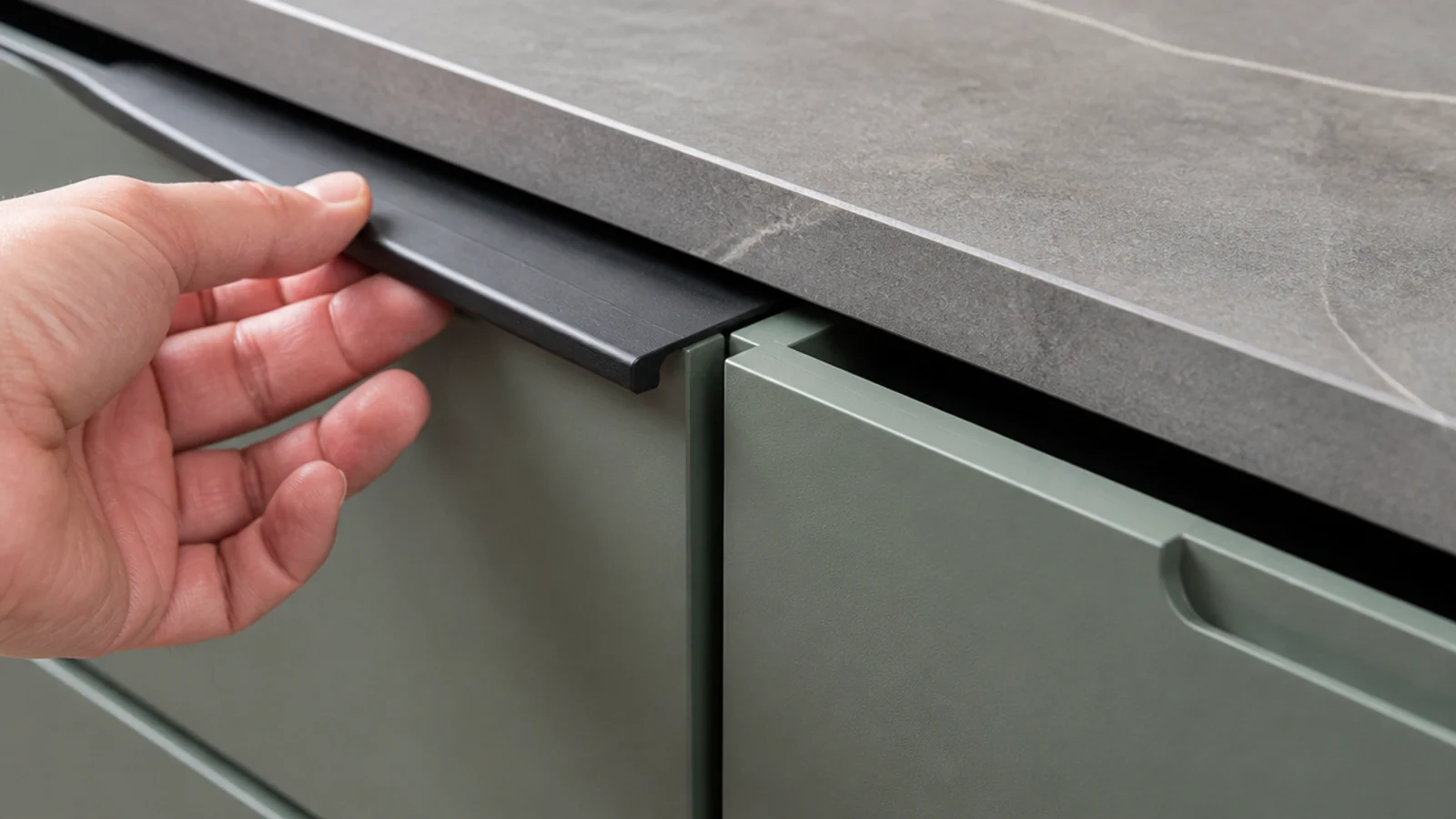
A slim matte black edge pull along the top of a drawer front, or a routed finger gap, is quieter than any knob. Pulls run $3 to $8 each, so changing eight of them is under $50. Measure the existing hole centres first — 96 and 128 millimetres are the common ones.
9. A monitor arm buys back nine inches
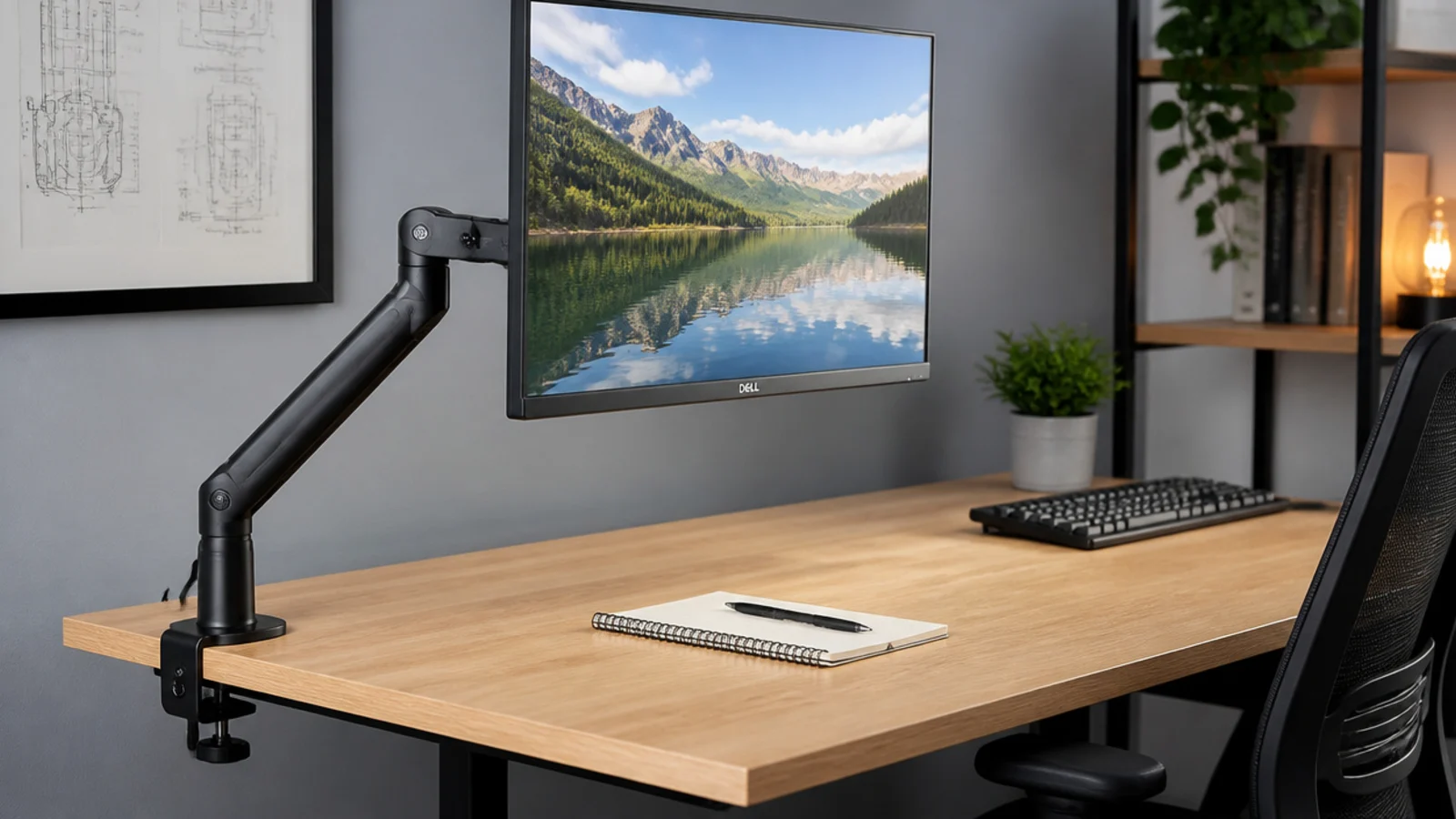
A clamp-on arm removes the stand base entirely and returns 8 to 10 inches of desk depth, which on a 24-inch deep top is a third of the surface. It also lets you set the top edge precisely just below eye level. Check the clamp suits your desk thickness, usually up to 2 inches.
10. Repeat matte black hardware everywhere
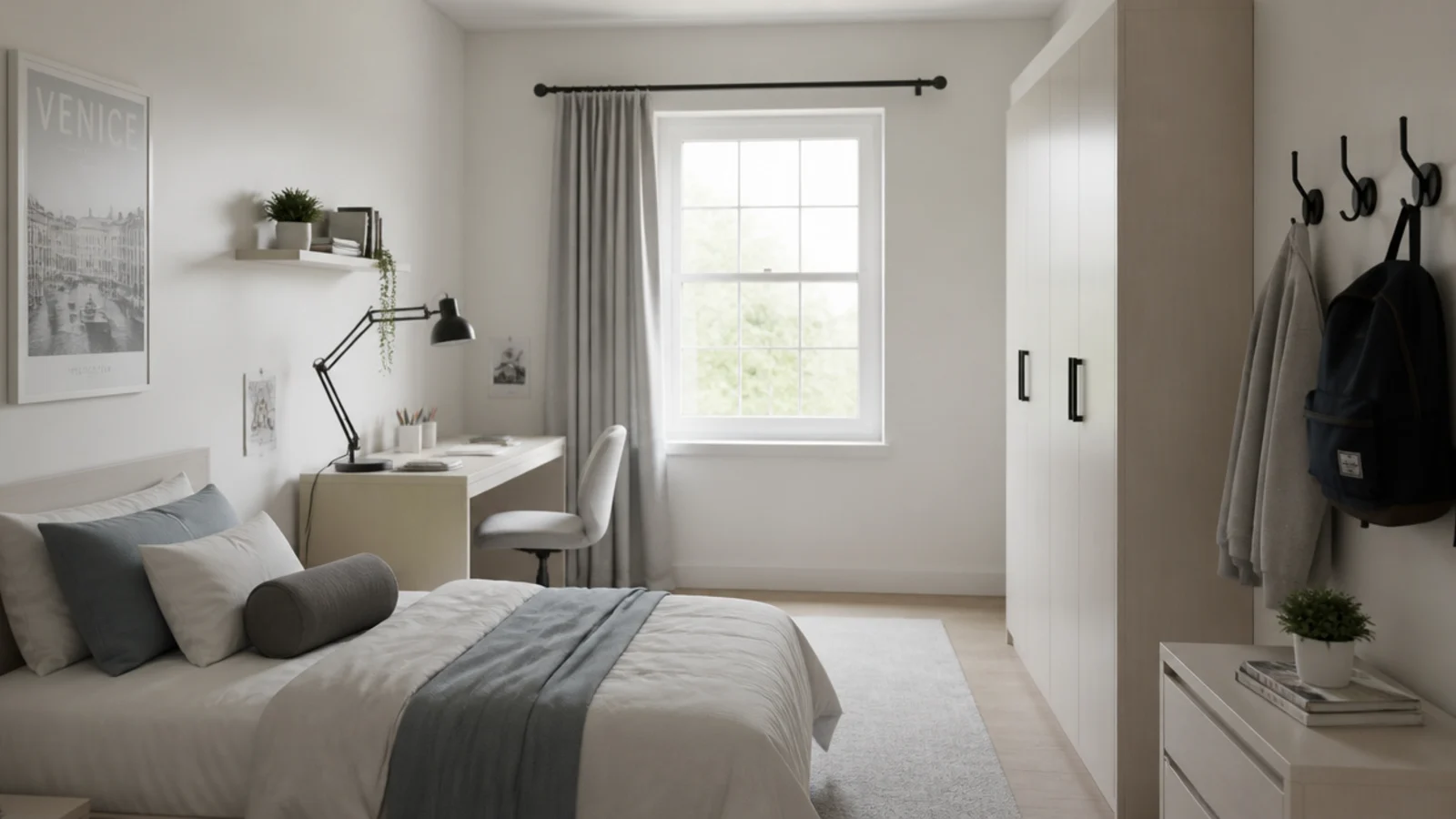
Pulls, hooks, curtain pole, lamp arm, monitor arm, desk legs. When the same finish appears five or six times the room reads deliberate. Buying all of it in one order also avoids the near-miss problem, where two blacks sit next to each other and one looks faintly brown.
11. Swap the headboard for a wall panel
A sheet of half-inch plywood fixed flat behind the bed, painted the accent colour and run wider than the mattress, costs $40 to $70 and does the job of a $300 headboard. Take it 24 to 30 inches above the mattress top so pillows land against panel rather than plaster.
12. Choose linear light over colour cycling
Neutral 4000K tape hidden in a shelf channel or behind a panel reads like architecture. The multicolour rope stapled round the ceiling reads like a rental car. If he wants colour, keep it to one hidden run behind the monitor and leave the rest of the room neutral.
13. Grid four acoustic panels behind the desk
Four 24 by 24 inch fabric panels, two inches thick, mounted evenly behind the desk both look intentional and genuinely cut the slap echo that makes a bare room sound harsh on a mic. Cover 15 to 20 percent of the wall area. Expect $60 to $120 for a set of six.
14. Hang one oversized print, not a gallery
A single frame at 24 by 36 inches or larger holds a wall on its own. Nine small frames need perfect spacing to work and almost never get it. Hang the centre at about 57 inches from the floor, or 8 to 10 inches above whatever furniture sits below it.
15. Treat cable routing as a design decision
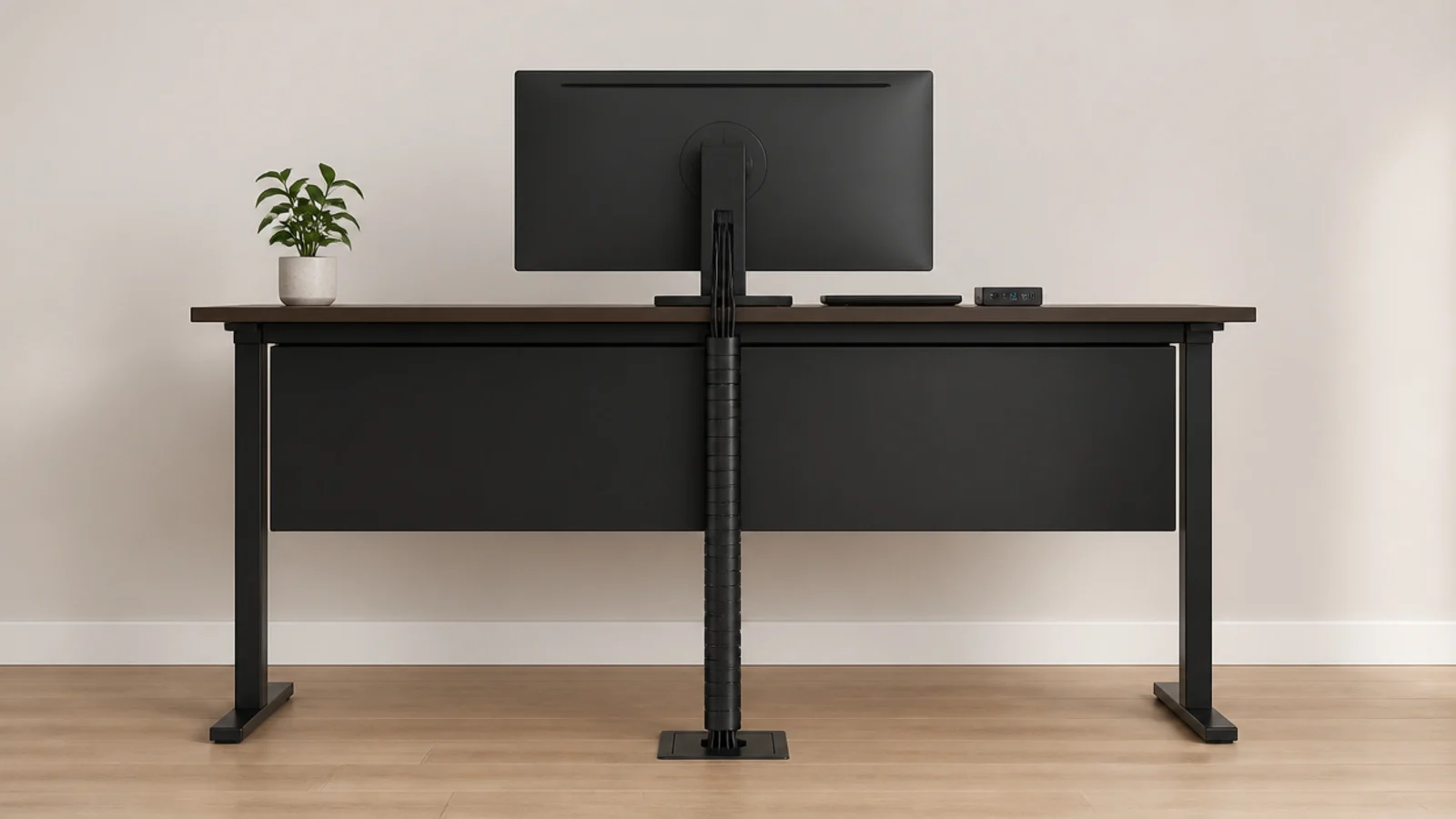
Decide before anything is plugged in whether cables run down one leg in a sleeve or disappear into an under-desk tray. Both look intentional. What never looks intentional is six cables draped over the back edge. A sleeve and a tray together cost under $25.
16. Fit a blackout roller blind and skip curtains
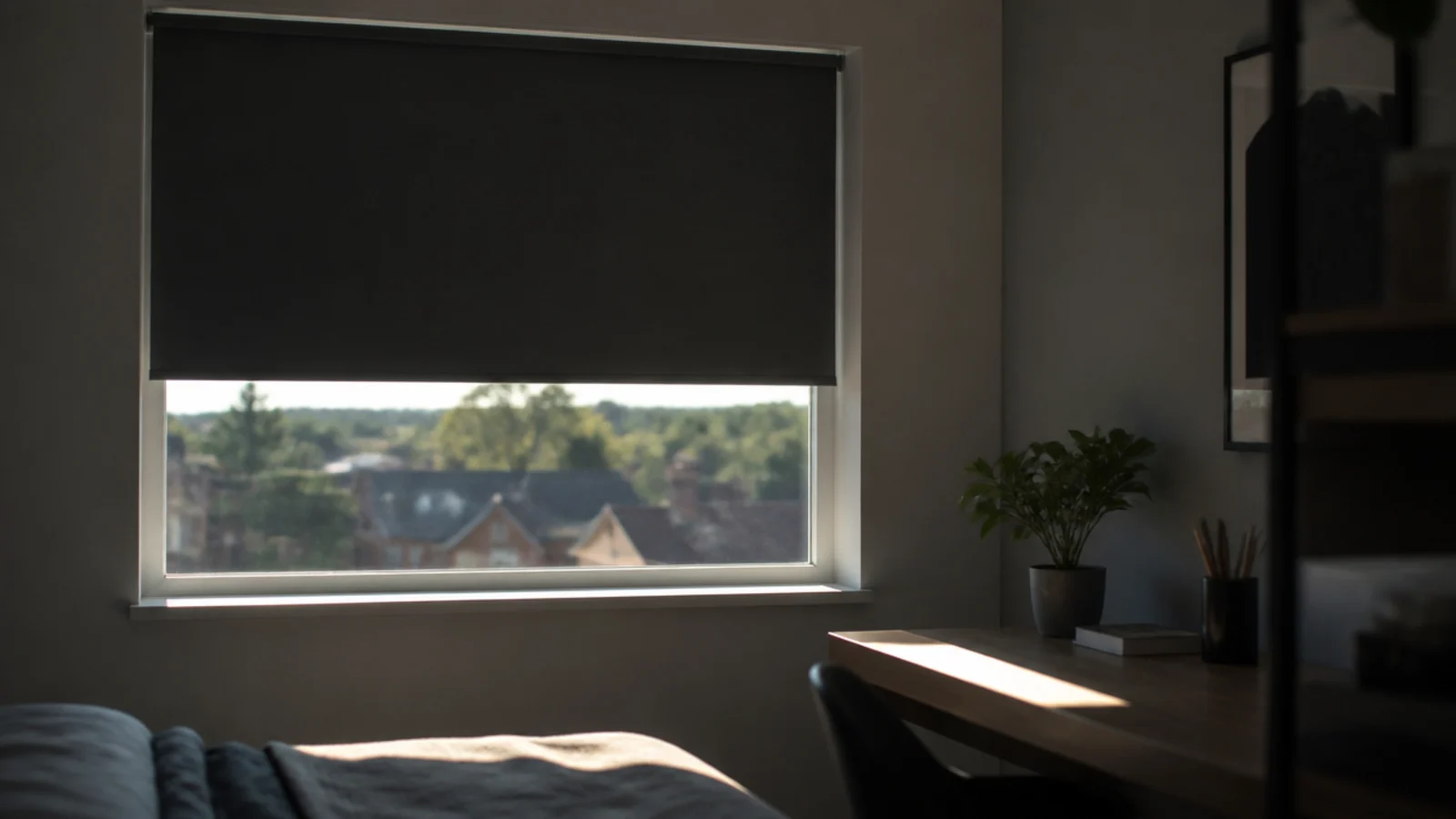
A flat blind inside the reveal keeps the wall line unbroken and blocks the light that makes a monitor unreadable. It also costs $30 to $60 against $80 or more for curtains and a pole. Measure the reveal width in three places and use the smallest.
17. Use a concrete-effect laminate desk top
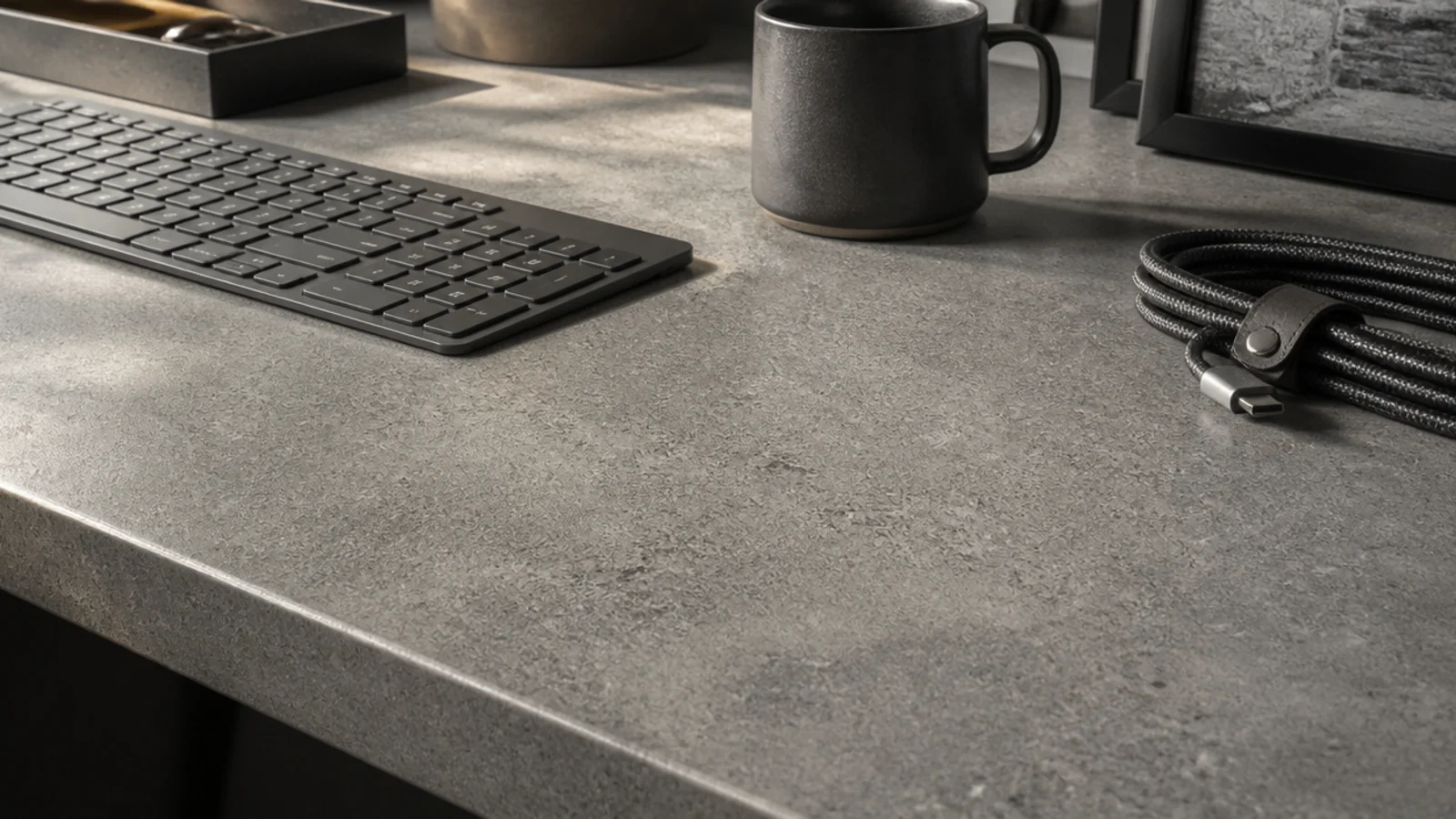
Laminate at $45 to $90 for a cut-to-size top gives you a hard, matte, forgiving surface that does not show every mug ring the way raw timber does. Choose a fine speckle rather than a heavy pattern, and get the edge banded, because a raw laminate edge chips within months.
18. Fit sliding wardrobe doors in a tight room
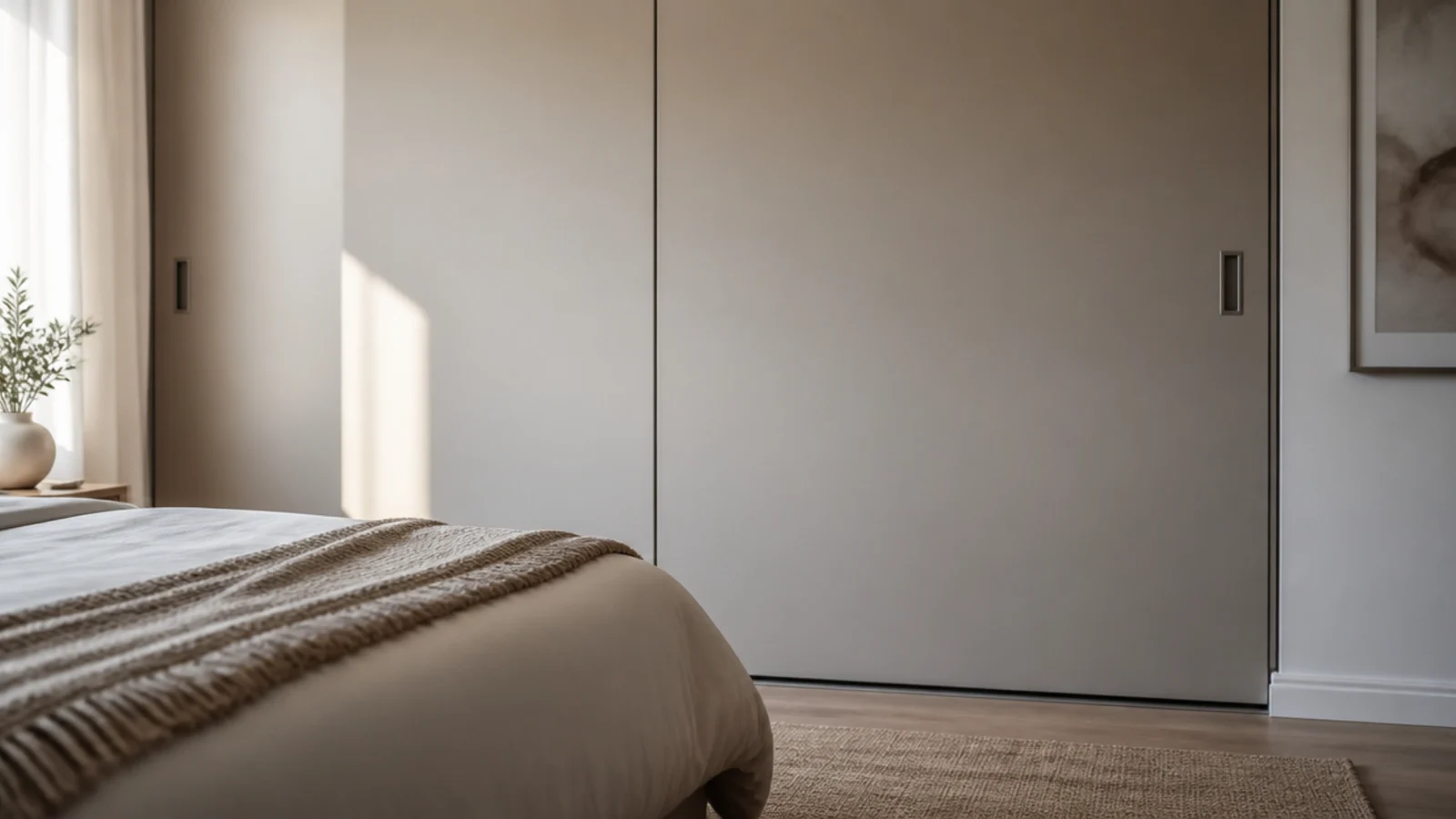
A hinged door needs its own width in clear floor to open — a 24-inch door claims a 24-inch arc. Sliders need none, which in a room under 100 square feet can be the difference between the bed fitting and not. They do cost more, usually $150 to $400 for a two-door track.
19. Paint warm grey around an LRV of fifty-five
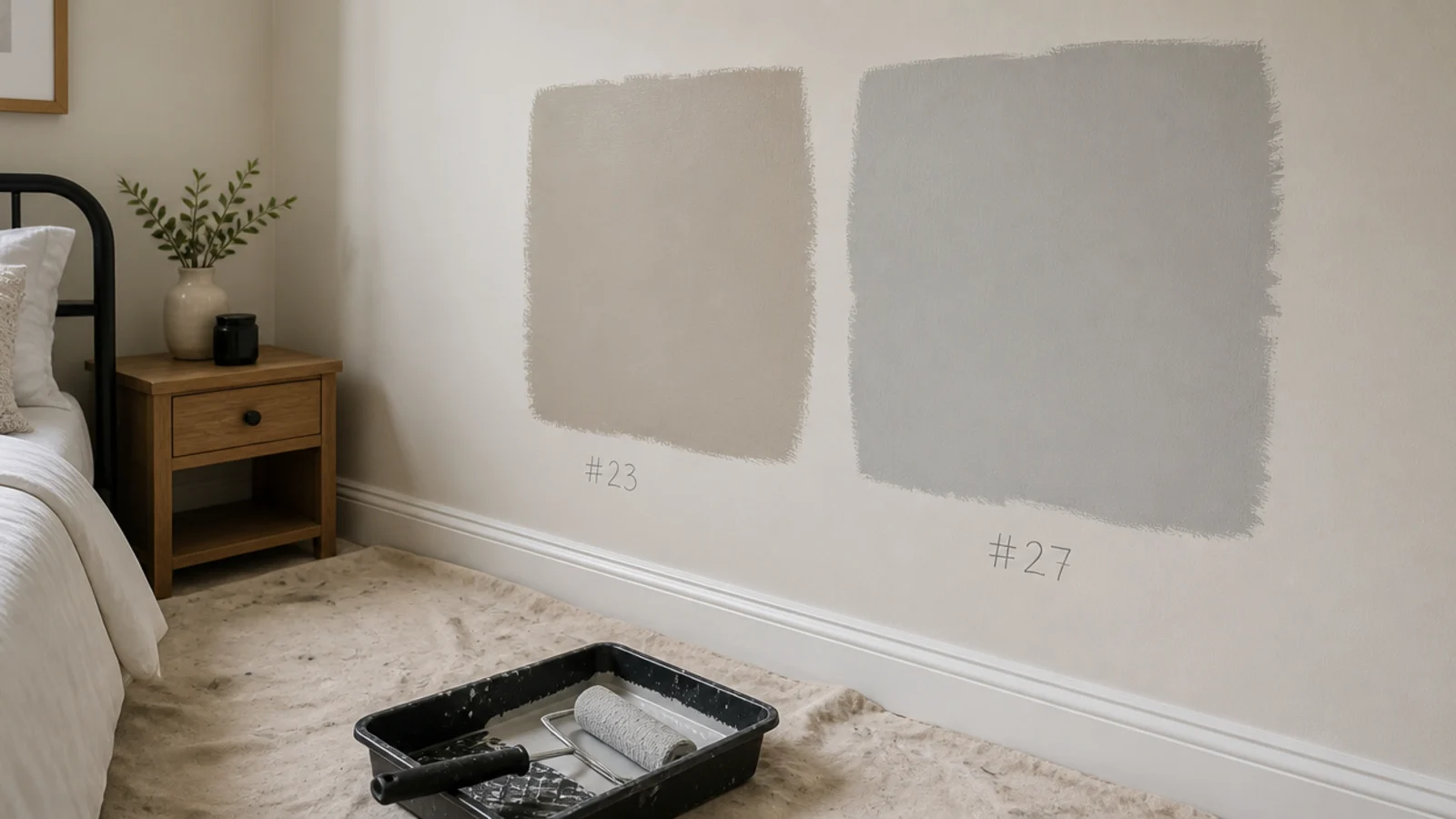
Warm grey and greige near a light reflectance value of 55 stay light enough to work in and neutral enough to take any bedding. Cool greys below 50 go clinical in a north-facing room. Always brush two test patches on the actual wall and look at them after dark.
20. Lean a full-length mirror against the wall
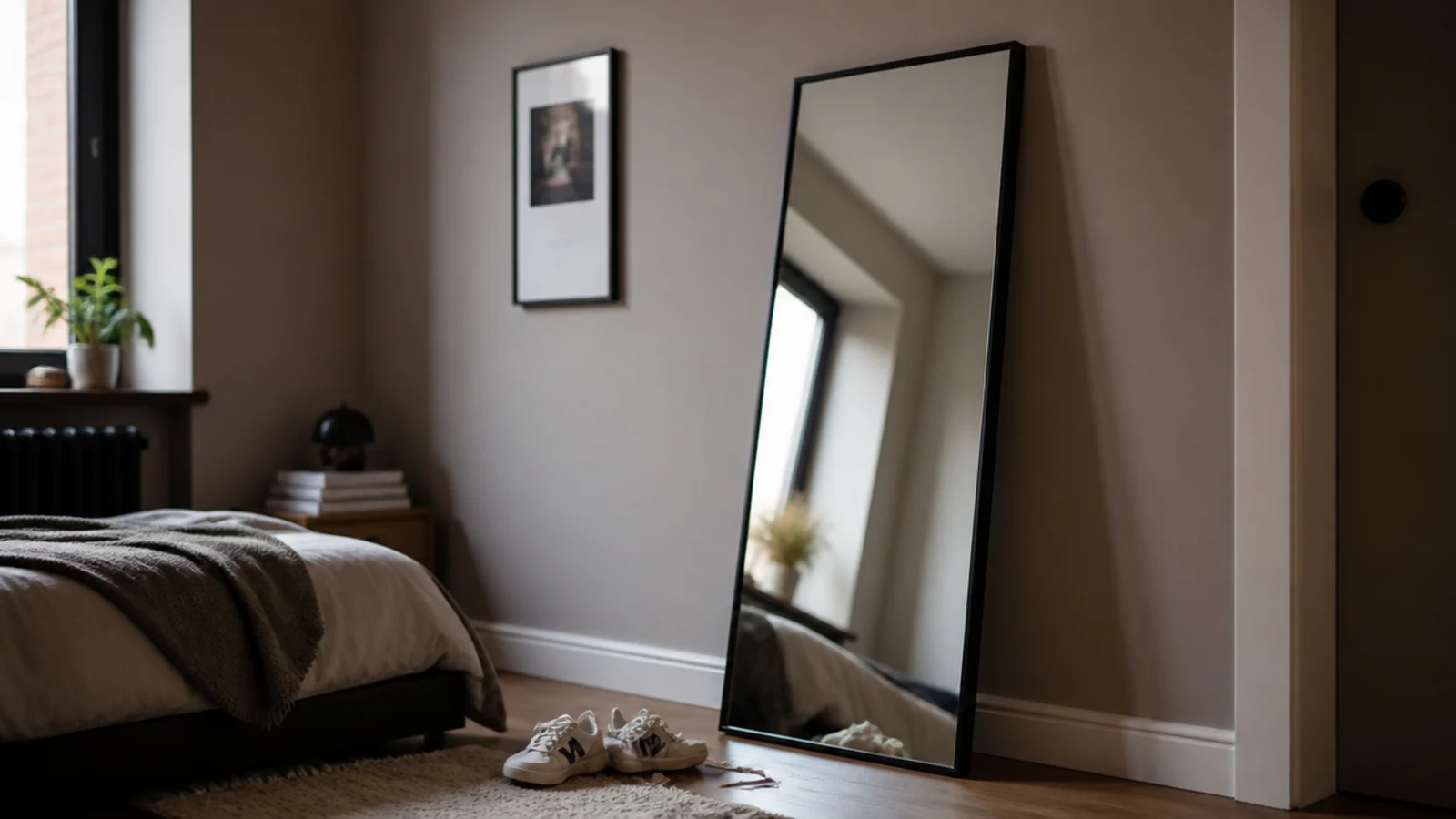
A leaning mirror needs no fixing, bounces daylight into the darker half of the room, and gives him somewhere to check an outfit that is not his phone camera. Anything over about 50 pounds still wants a safety strap into a stud so it cannot walk forward on a hard floor.
21. Float the nightstand at mattress height
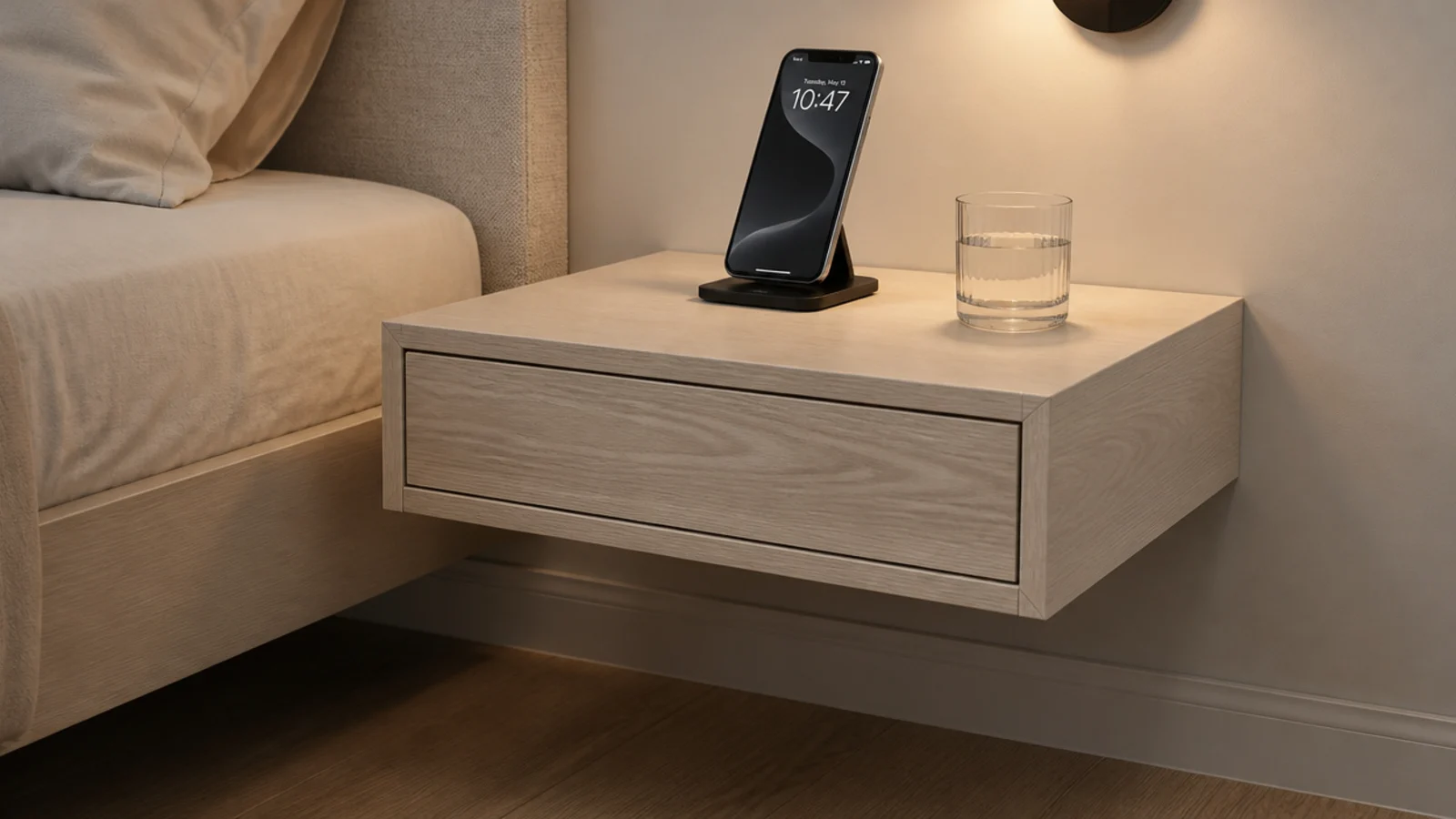
Mounted level with the mattress top, a small floating unit gives you the surface without the legs, and the floor underneath stays clear enough to vacuum in one pass. Two brackets into studs, or toggle bolts rated 25 to 35 pounds each in half-inch drywall.
22. Add a slatted timber accent panel
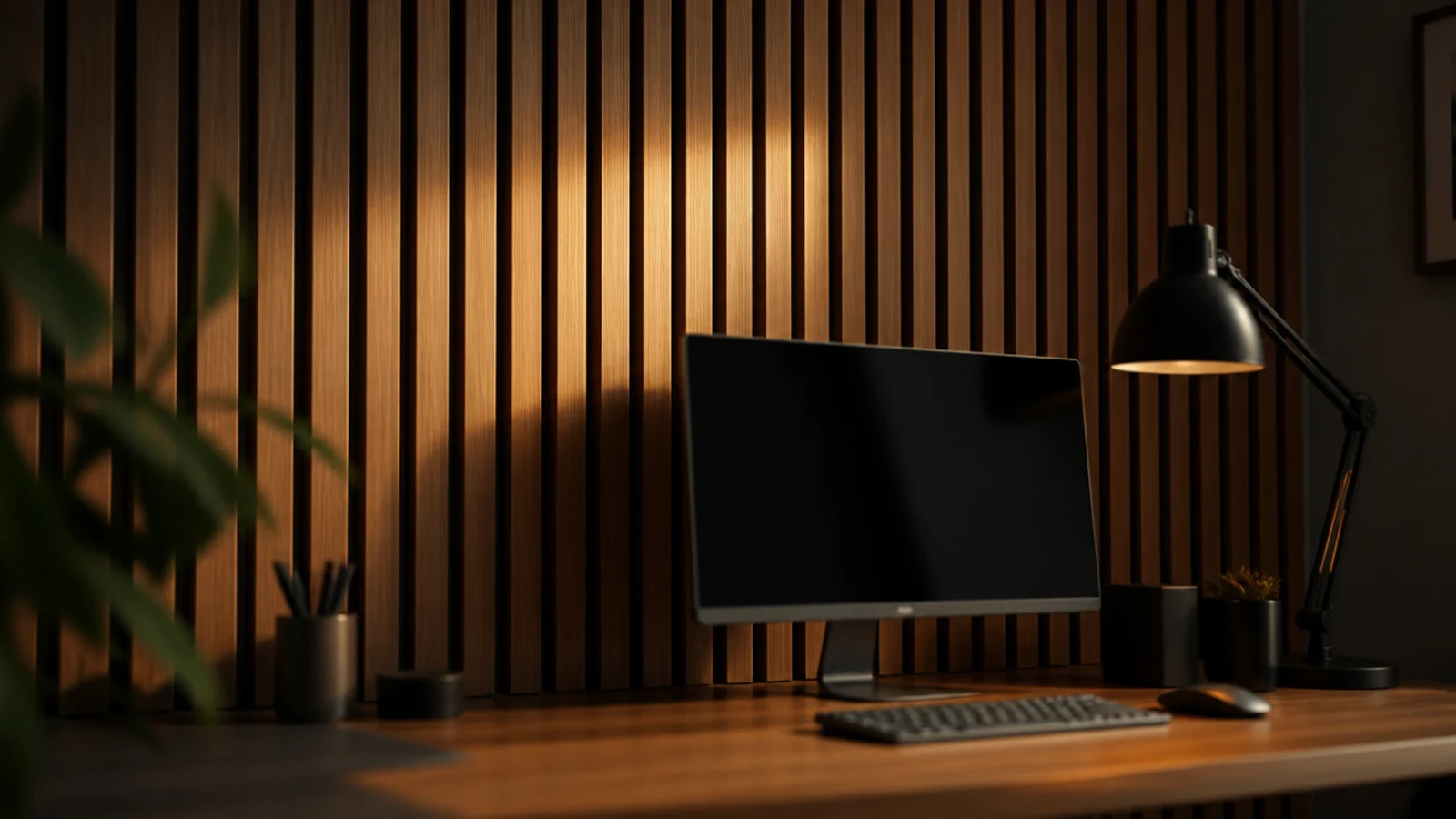
Vertical battens over a felt backing add texture without adding a single colour, and they take the hard edge off a room full of screens. Ready-made panels are typically 94 by 24 inches at $50 to $90 each. Two panels behind a bed is usually enough.
23. Hang one pendant instead of a ceiling plate
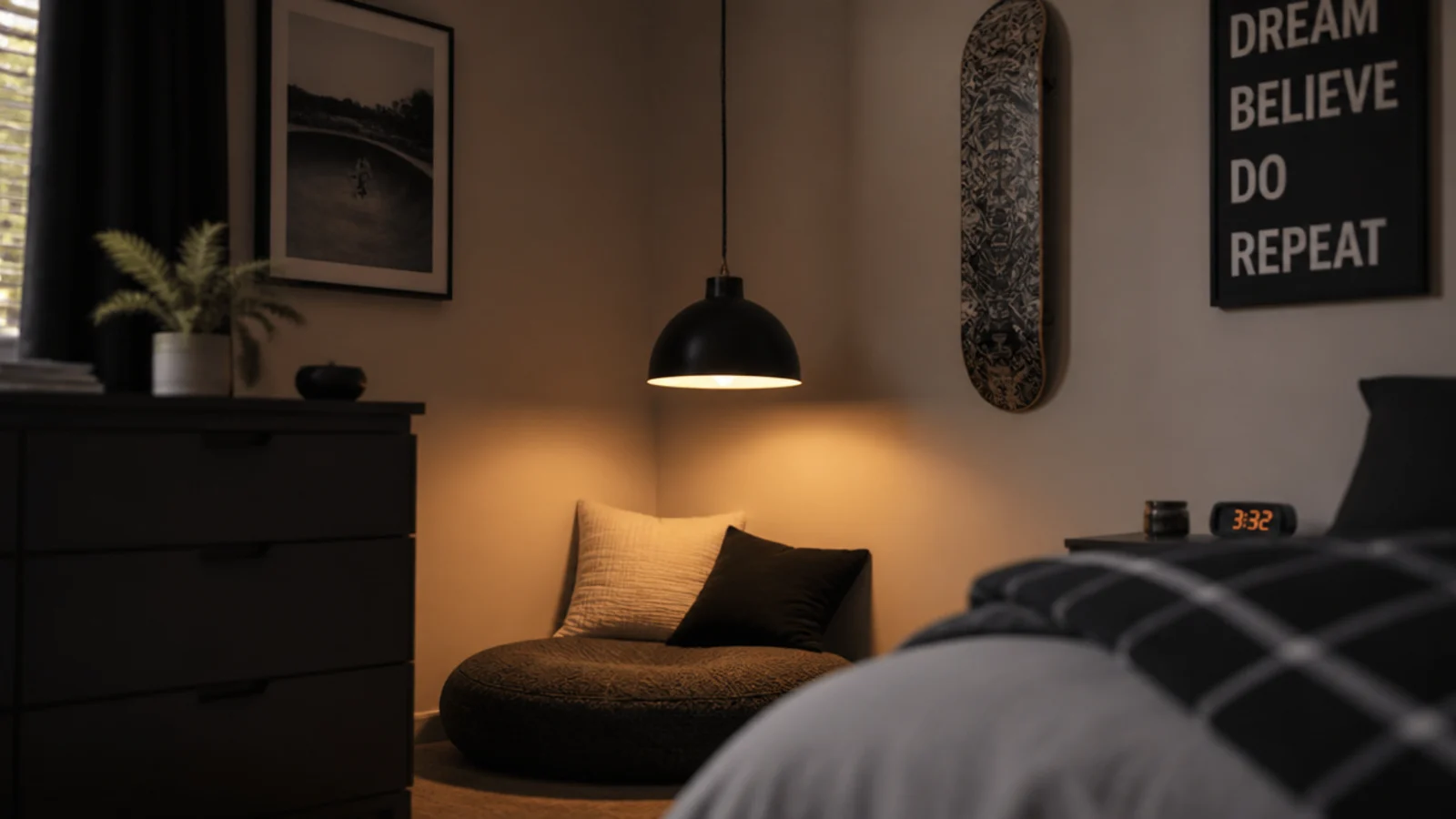
A simple matte black dome on a fabric flex changes the ceiling for $30 to $70. Any hanging fixture needs a rated ceiling box behind it rather than a plasterboard fixing, and in a bedroom keep the bottom of the shade above 78 inches so nobody walks into it.
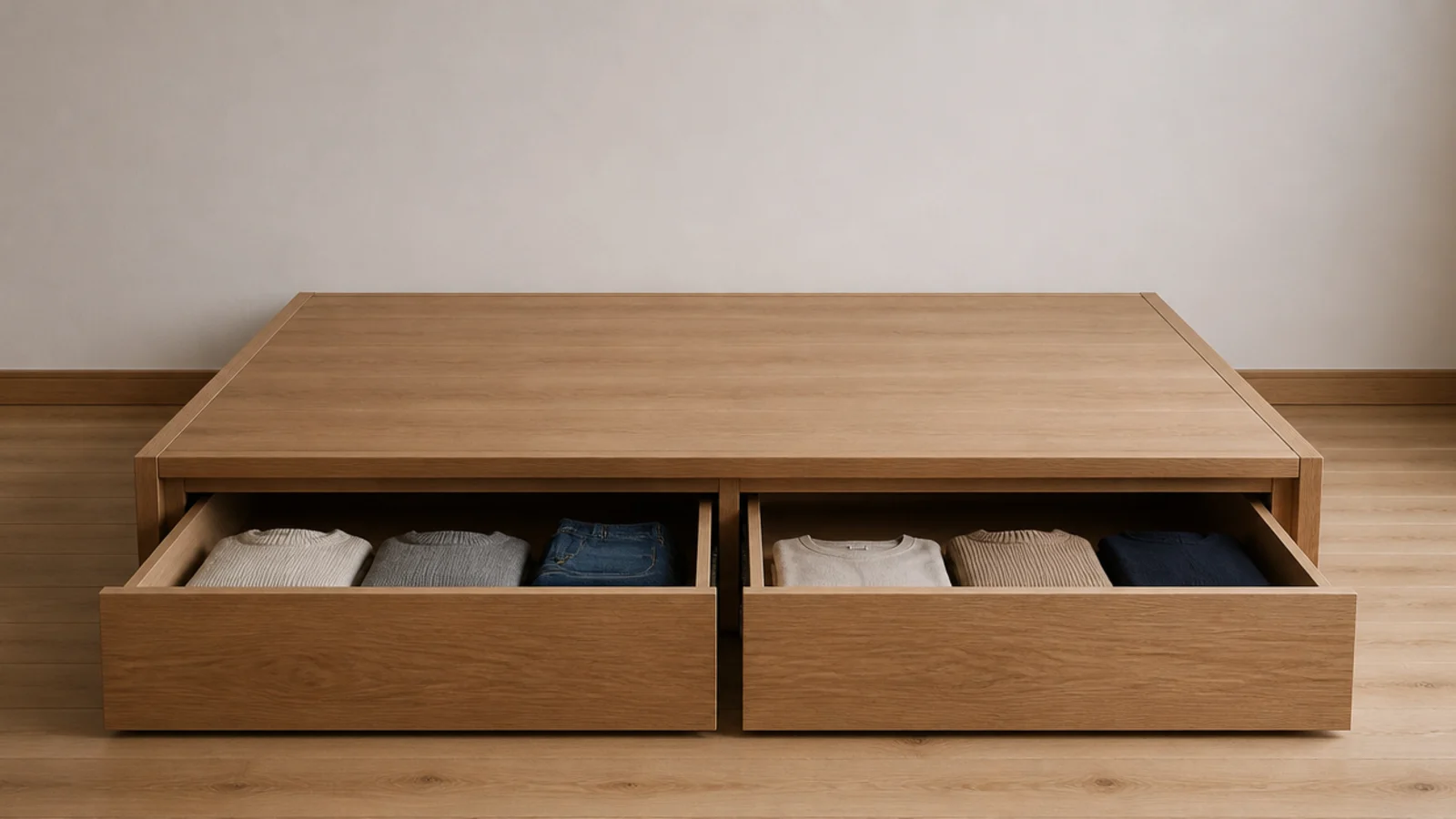
24. Fit under-bed drawers, not a divan
Drawers on runners come out on command; a divan base needs the mattress lifted, so it never gets used. Look for 11 to 13 inches of clearance under the frame, which is the practical minimum for a drawer deep enough to hold folded clothes rather than only flat items.
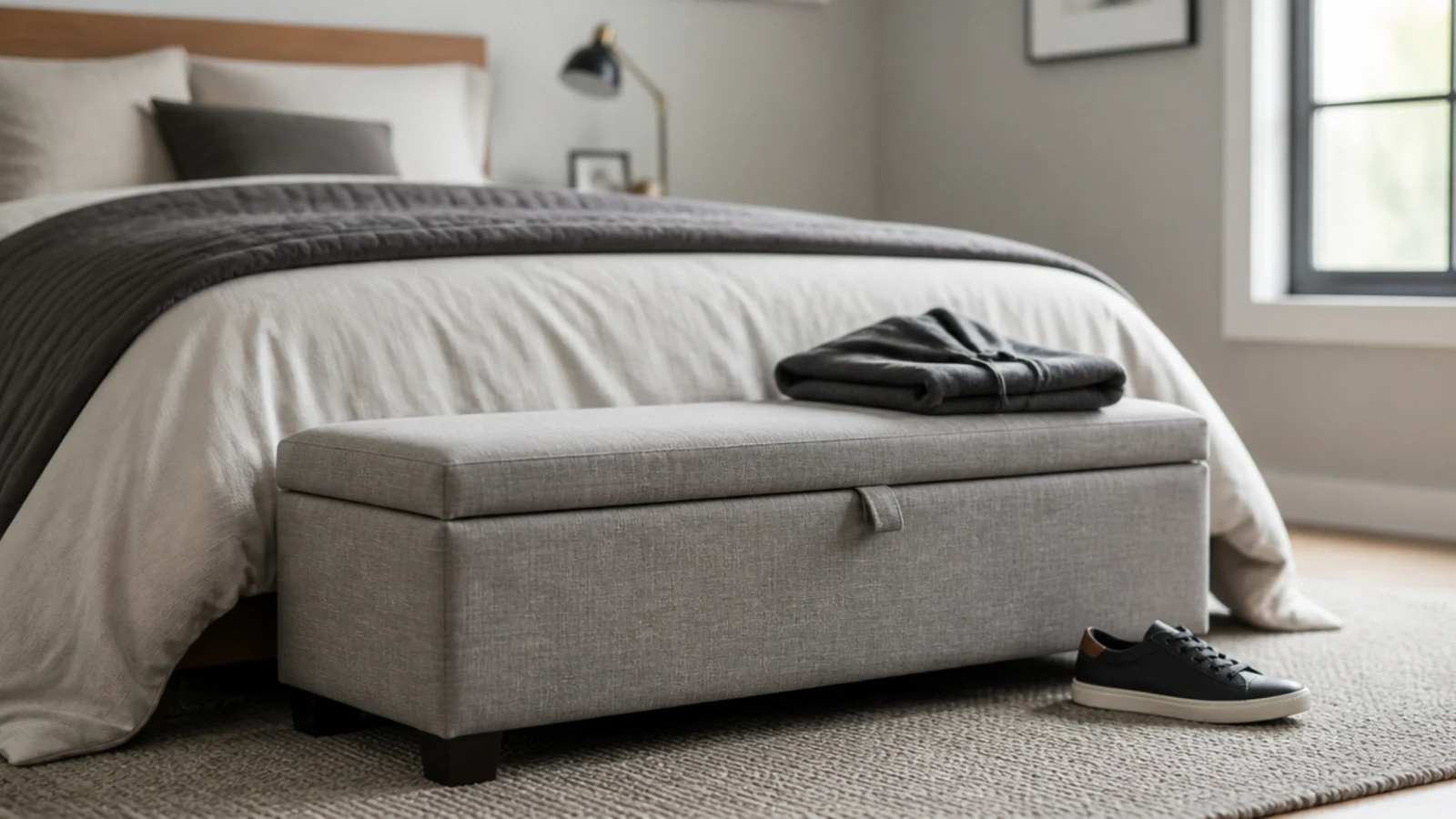
25. Put a storage bench at the foot of the bed
A lift-lid bench 36 to 48 inches long gives a second seat and swallows the hoodie pile in one movement. Check the hinge has a soft-close stay so the lid cannot drop on fingers, and leave 24 inches of clear floor in front of it.
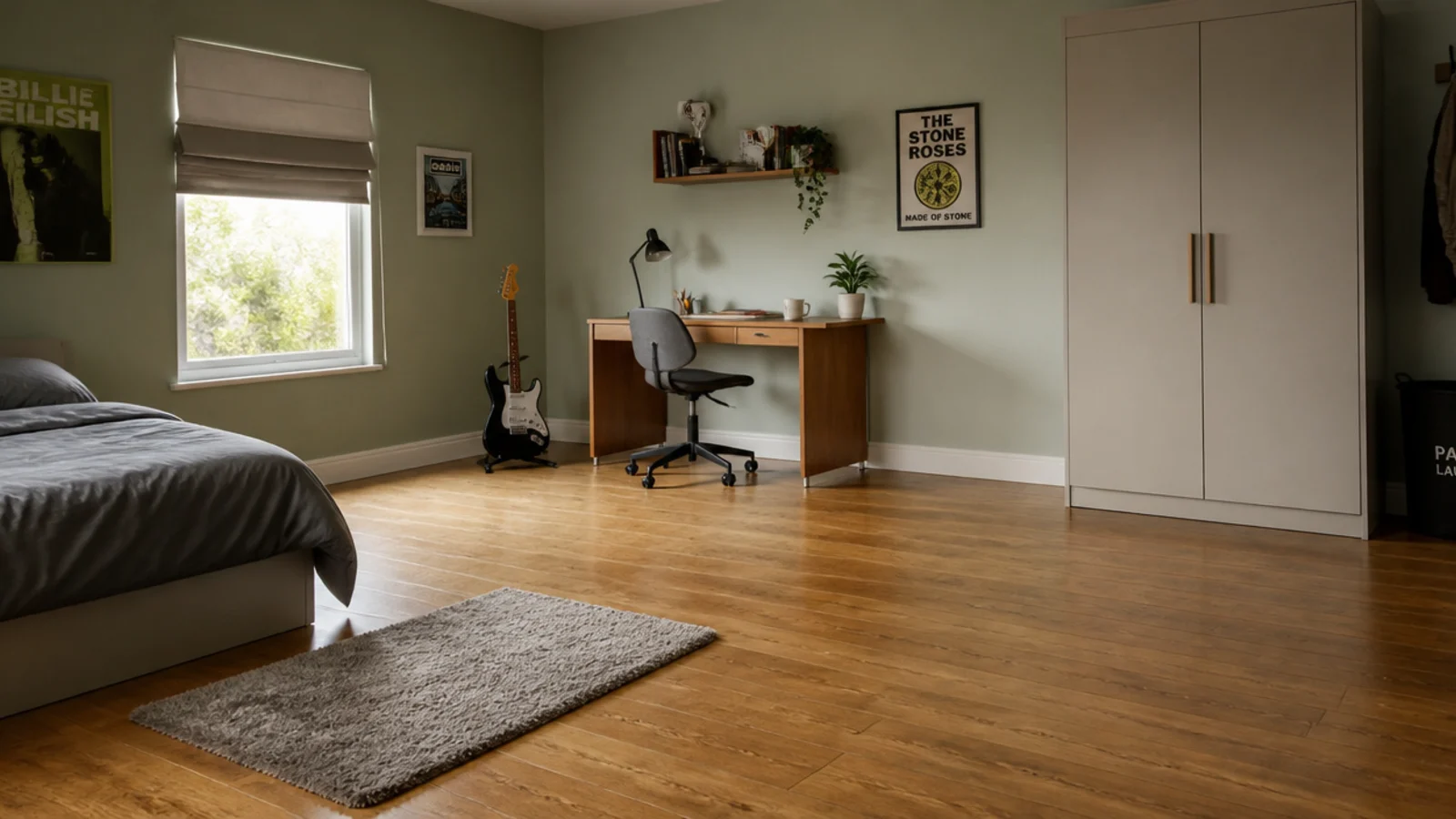
26. Keep sixty percent of the floor visible
Visible floor is what makes a room read calm, and it is why a low platform bed and a wall-mounted nightstand change a small room so much. If you can see more than half the floor from the door, the room will photograph and feel bigger than its square footage.
27. Buy one good chair and skip the extras
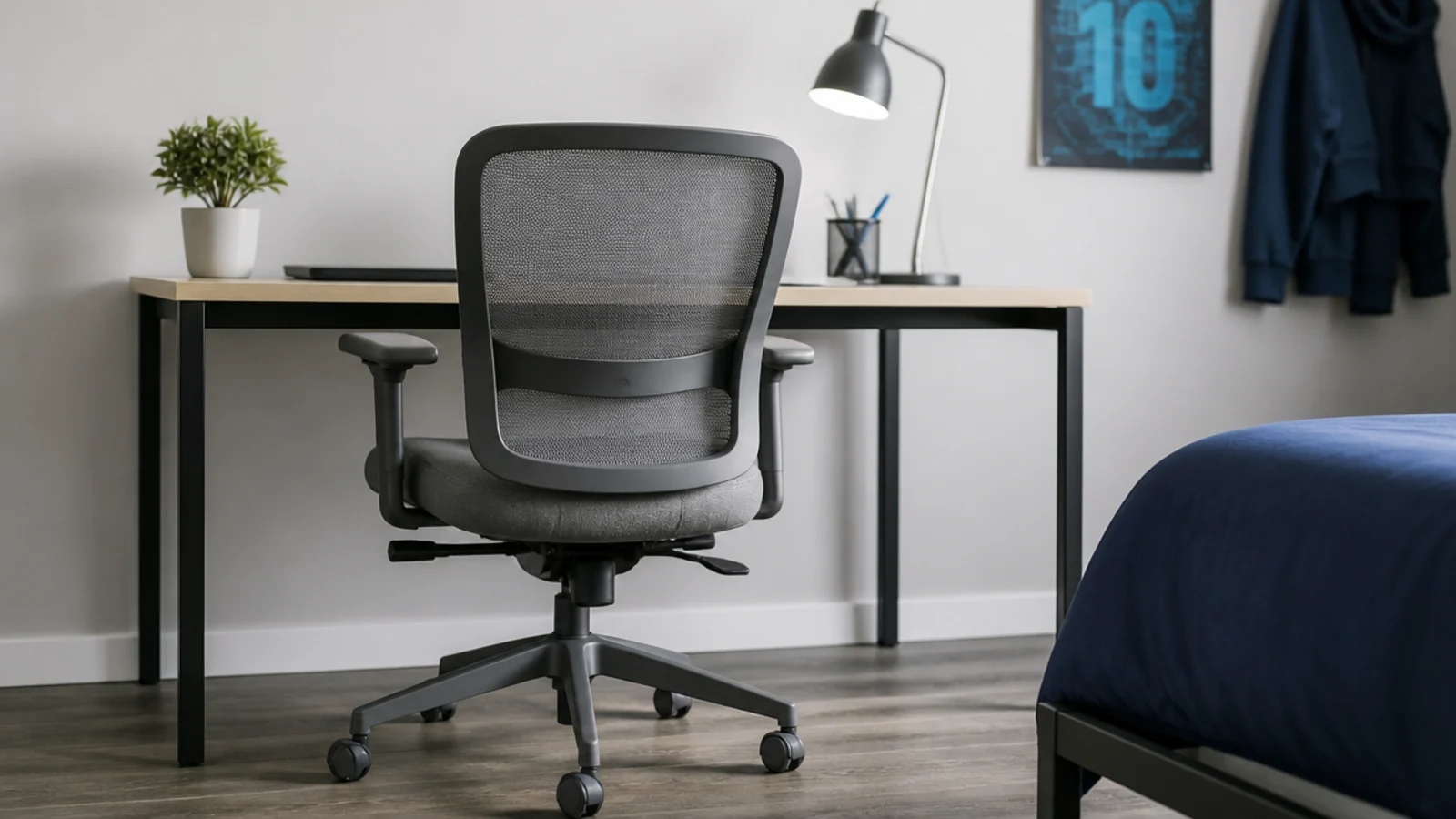
Spend the chair money on adjustability rather than on a racing shape. Seat height across 16 to 21 inches, a tilt lock, and arms that drop under the desk. A gaming chair with a fixed bucket seat is worse for a growing frame than a plain mesh task chair at half the price.
28. Put the lighting on a dimmer
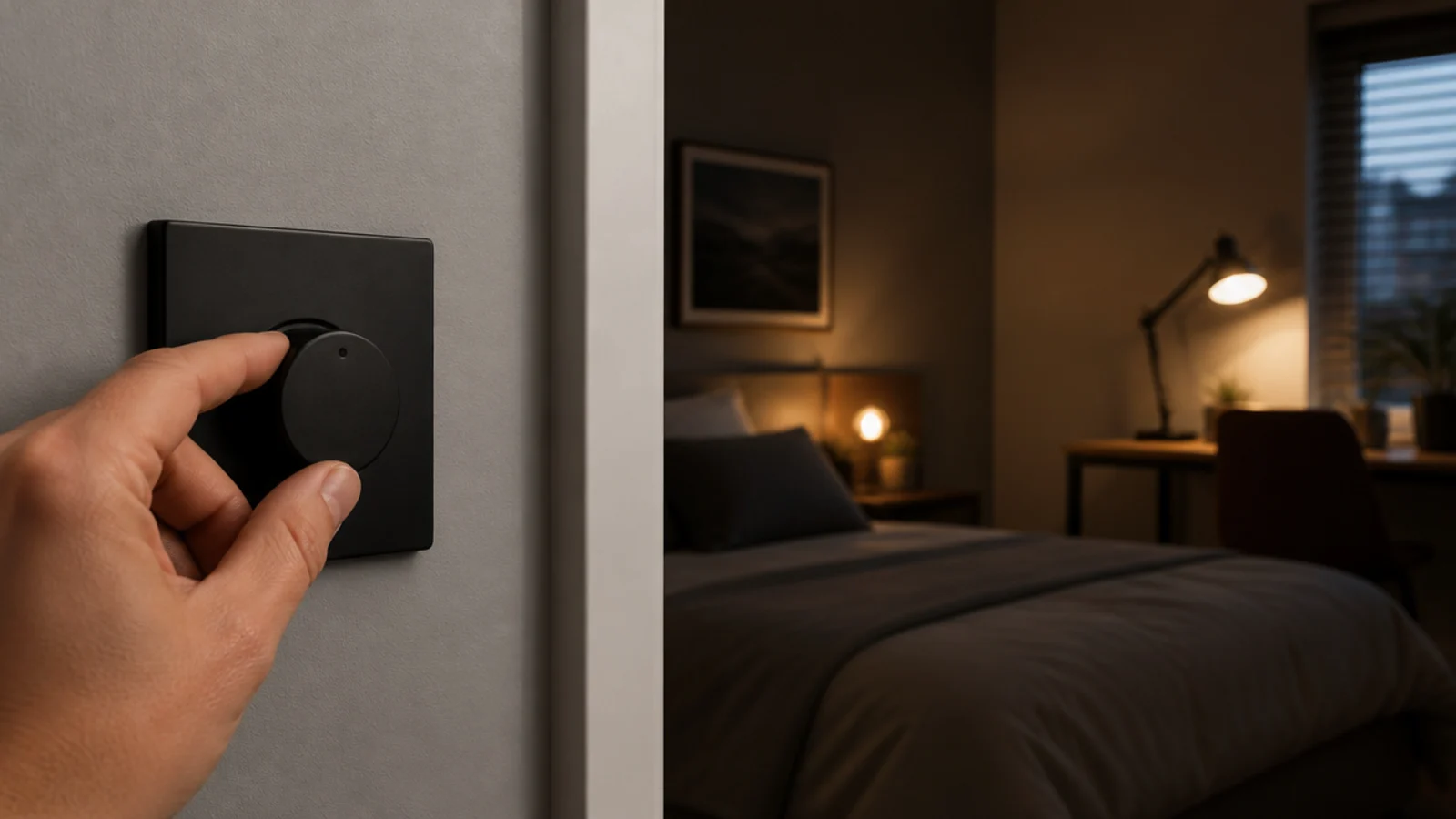
One dimmer plate at $15 to $30 turns a single harsh ceiling fitting into something usable at midnight. Check the bulbs are dimmable LEDs, because non-dimmable ones flicker and buzz on a dimmer circuit, and match the dimmer type to the load rating on the box.
29. Let plants be the only pattern
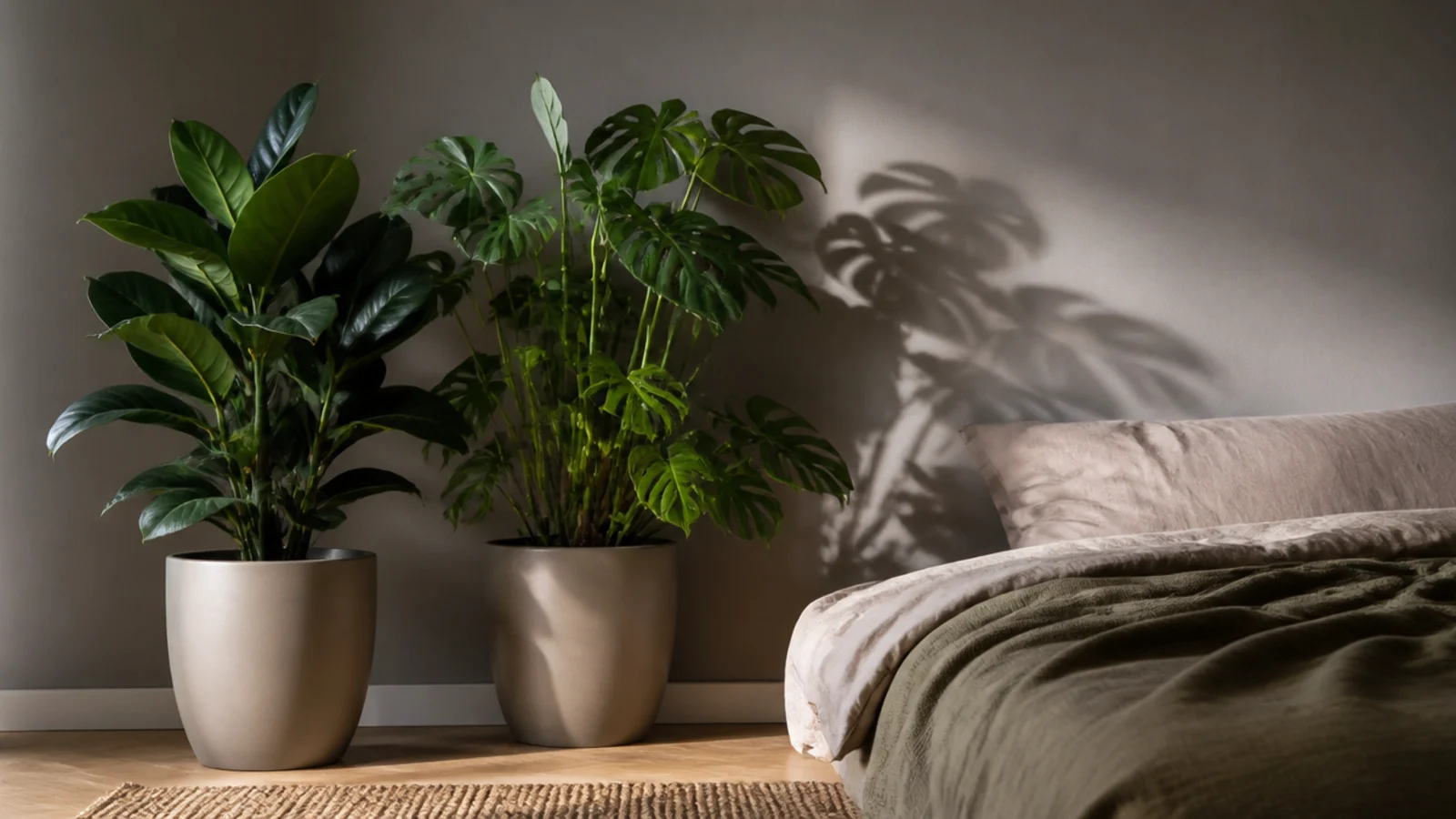
In a room held to three values, leaves are the pattern. Two large plants do more than ten small ones. Choose things that survive a teenager — a snake plant, a ZZ plant or a pothos will all take a fortnight of neglect and low light without complaint.
30. Spend where the room touches him
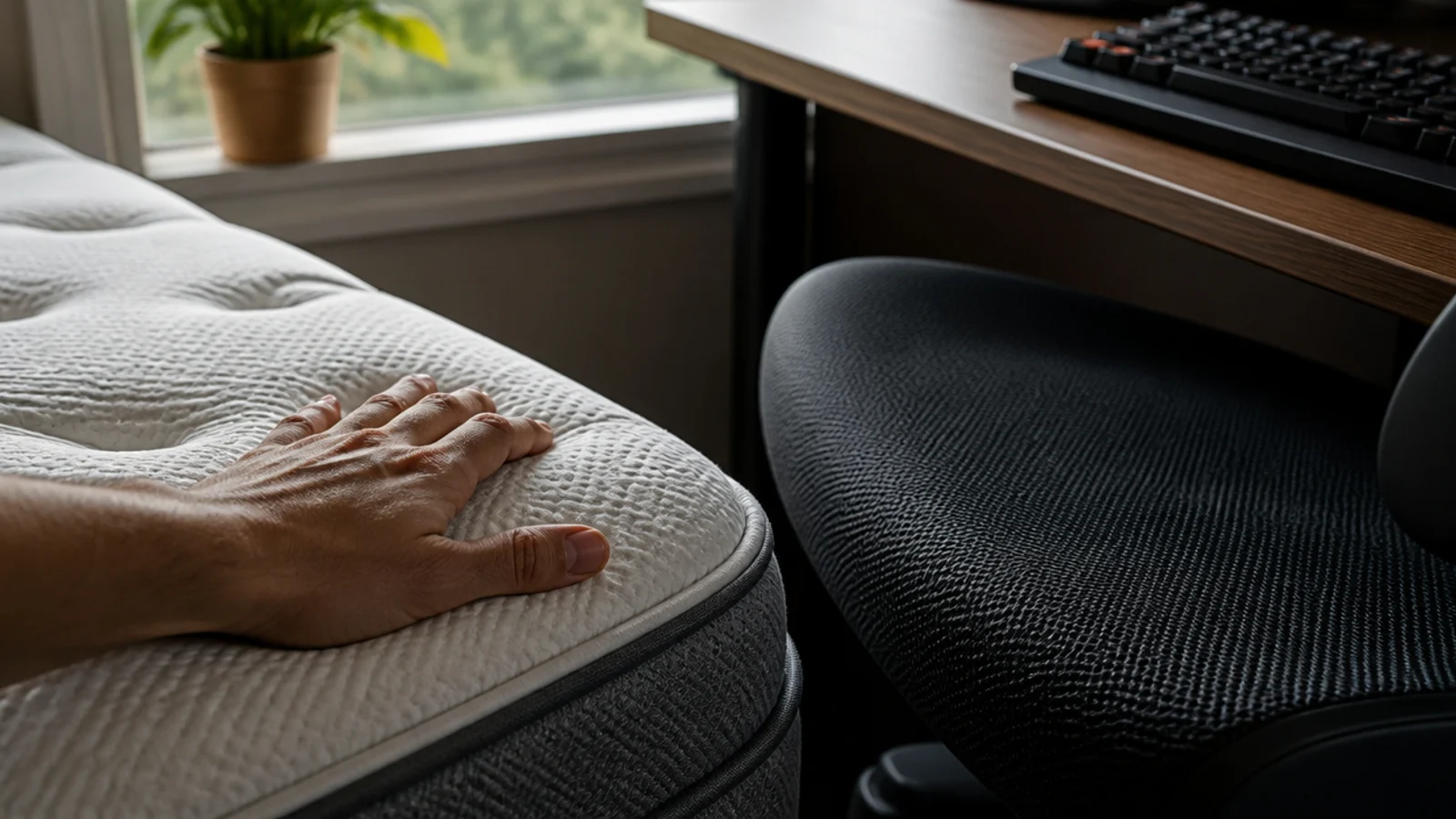
Mattress, chair, keyboard, headphones. Those four are used for hours a day and are worth real money. The desk top, the shelf and the paint are the cheap parts, and nobody has ever been able to tell a $60 board from a $300 one once the monitor is on it.
For a version of this that leans warmer and softer rather than strictly minimal, teen boy bedroom aesthetic covers the same budget differently. The general layout numbers live in teen boy bedroom, and if the long shelf is the centrepiece, floating shelf ideas has the fixings and spans in detail.
Mistakes to Skip
- Buying furniture one piece at a time over two years. That is how three woods and two metals end up in one room, and no amount of styling fixes it afterwards.
- Choosing a cool grey below an LRV of 50 in a north-facing room. It goes blue and cold by four in the afternoon and nothing warms it back up.
- Stapling colour-changing tape around the ceiling perimeter. It dates faster than any other purchase in the room and lights the ceiling rather than the desk.
- Skipping edge banding on a cut laminate top. The raw core chips at the front edge within a few months and there is no invisible repair.
Frequently asked questions
What makes a bedroom look modern rather than just plain?
Repetition and restraint rather than expense. One wood tone, one metal finish, three values of colour and flat fronts with no applied moulding will read modern in any room. What breaks it is mixing four woods, three metals and a printed textile, which is what happens when pieces get bought one at a time.
How much does a modern teen bedroom cost to put together?
Roughly six hundred to twelve hundred dollars if you keep the bed frame and repaint. A desk board and steel legs run about a hundred and eighty, a task chair a hundred and fifty to three hundred and fifty, paint sixty, a blind forty, and hardware and lighting another hundred and fifty.
Is a monitor arm worth buying for a teenage desk?
Yes, and it is the single best fifty dollars on this list. A clamp arm removes the stand footprint entirely, giving back eight to ten inches of usable desk depth, and it lets you set the top edge just below eye level exactly rather than approximately with a stack of books.
What paint colour reads modern in a teenage room?
A warm grey or greige around a light reflectance value of fifty-five on three walls, with one wall in a deeper tone such as charcoal, slate or a muted green. Keep all four in the same undertone family. Two coats of scrubbable matte over a ten by twelve room takes about two gallons.
Should I use LED strips in a modern bedroom?
Use them as a hidden light source rather than a visible one. A neutral strip tucked behind a headboard panel, a shelf lip or a monitor reads architectural. A colour-cycling rope stapled around the ceiling perimeter reads like a rental car interior and dates within a year.
How do I get a modern look without replacing the furniture?
Change the fronts and the legs. Swapping panelled drawer fronts for flat ply, replacing knobs with a matte black edge pull, and standing an old chest on new tapered legs costs under eighty dollars and does more than a new unit. Then paint everything one colour, including the sides.
Want more like this? Browse all 15 teen boy bedroom guides — they all use the same measurements and budget tiers.
Pin it for later
Save this to your Teen Boy Bedroom board
Pin it now so it is waiting for you when the tape measure comes out — and so the next person hunting for this idea can find it too.
Save this pinKeep going
More ideas worth saving while you have the tape measure out.