Teen Boy Bedroom · Listicle
25 Teen Boy Small Bedroom Ideas That Free Up Floor

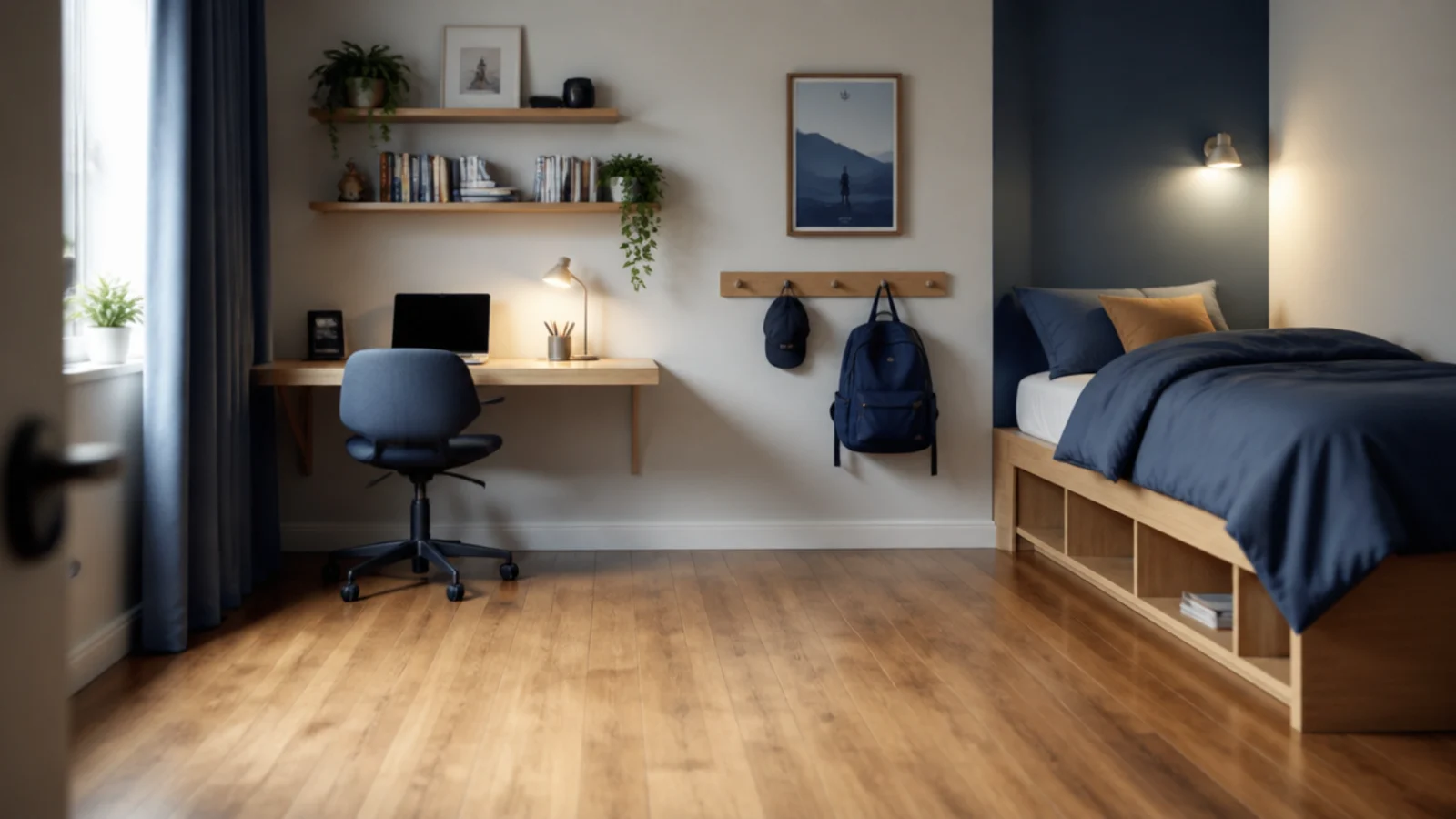
The useful way to think about a box room is in square feet spent rather than in style. A standard chest of drawers occupies 3.75 square feet before you count the 18 inches of pull-out space in front of it, which in an 80 square foot room is nearly a tenth of everything you have. The best teen boy small bedroom ideas are all versions of the same move: take something that stands on the floor and put it on a wall, above a bed, or under one. Here are twenty-five of them, with the footprint each one gives back and the fixing it needs to be safe.
In this guide27 sections — tap to openHide
- 1.Where teen boy small bedroom ideas find floor space
- 2.Count what each piece of furniture costs you
- 3.Replace the chest with a rail and shelf
- 4.Build a full loft if the ceiling allows
- 5.Choose a mid sleeper under a low ceiling
- 6.Hang the desk on the wall
- 7.Keep the first two feet inside the door clear
- 8.Hang the laundry basket off the door
- 9.Put the bike or the board on the wall
- 10.Run shelving over the bed
- 11.Use a tall narrow tower in the corner
- 12.Float the nightstand off the wall
- 13.Choose a trunk that doubles as a seat
- 14.Mount the fan on the wall
- 15.Put the second screen on an arm
- 16.Measure the under-bed clearance properly
- 17.Move off-season kit to the wardrobe top
- 18.Hang the sports gear and the guitar
- 19.Fit a shelf over the radiator
- 20.Slot a skinny bookcase beside the door
- 21.Use a drying rack that folds to four inches
- 22.Stack the wardrobe interior vertically
- 23.Hook the wardrobe side panel
- 24.Build the seat into the window
- 25.Rack the shoes on the wall
- 26.Hold to one in, one out
- 27.Mistakes to Skip
Where teen boy small bedroom ideas find floor space
Draw the plan and shade every footprint. A chest is 3.75 square feet. A bedside table at 16 by 16 is 1.8. A laundry basket is about 1.5. A floor fan is 1. A bike leaning against a wall is 4 or more. Add them up and most small rooms are carrying 10 to 15 square feet of things that could hang, float or sit under something else.
Then check what the walls can take. A plastic plug in plasterboard holds about 10 pounds, a toggle bolt 25 to 35 in half-inch drywall, and a screw into a stud far more. Almost everything below is under 20 pounds and can move onto a wall safely, but the heavy exceptions — a bike at 20 to 30 pounds, a loaded shelf, a wall desk — all need framing behind them.
Last, keep 24 inches of clear walkway and never block the window, which is an emergency exit. For the wider version of this thinking, small teen boy bedroom covers layout as well as storage.
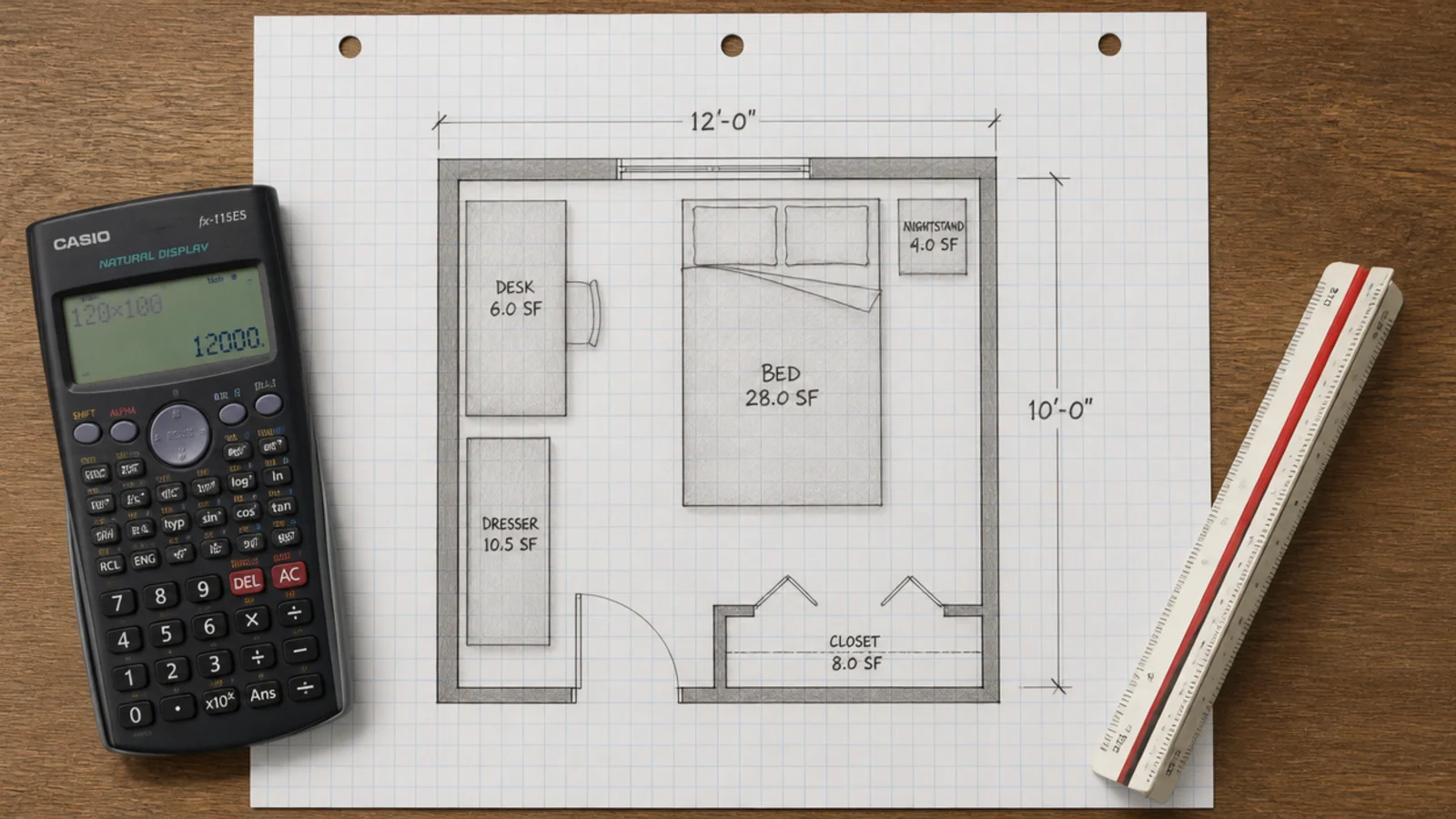
1. Count what each piece of furniture costs you
Measure the footprint, add the clearance it needs in front, and write the total on the plan. Doing this once usually identifies two pieces that are not earning their space. It also stops the very common move of buying more storage to solve a problem that is caused by furniture, not by volume.
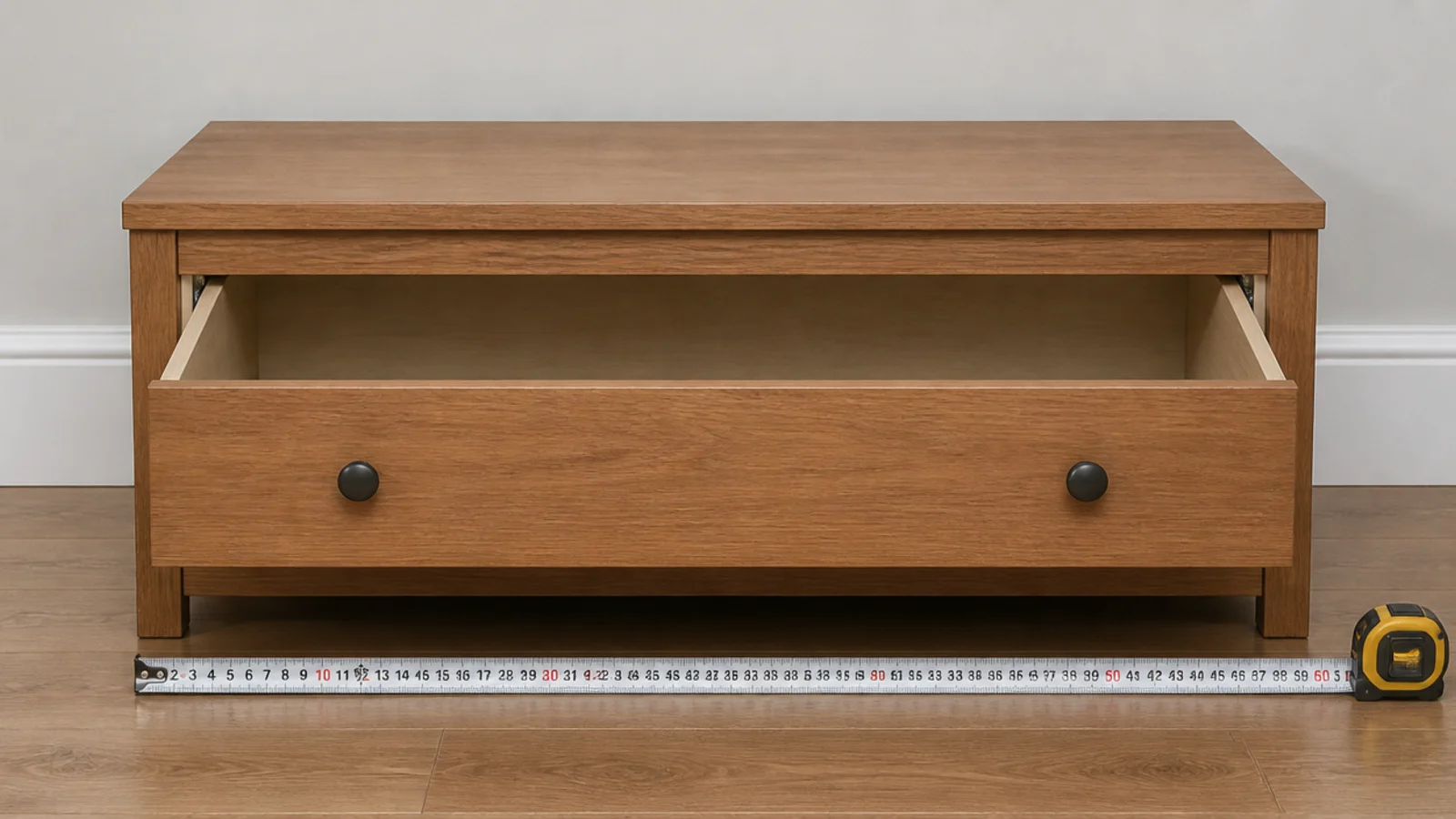
2. Replace the chest with a rail and shelf
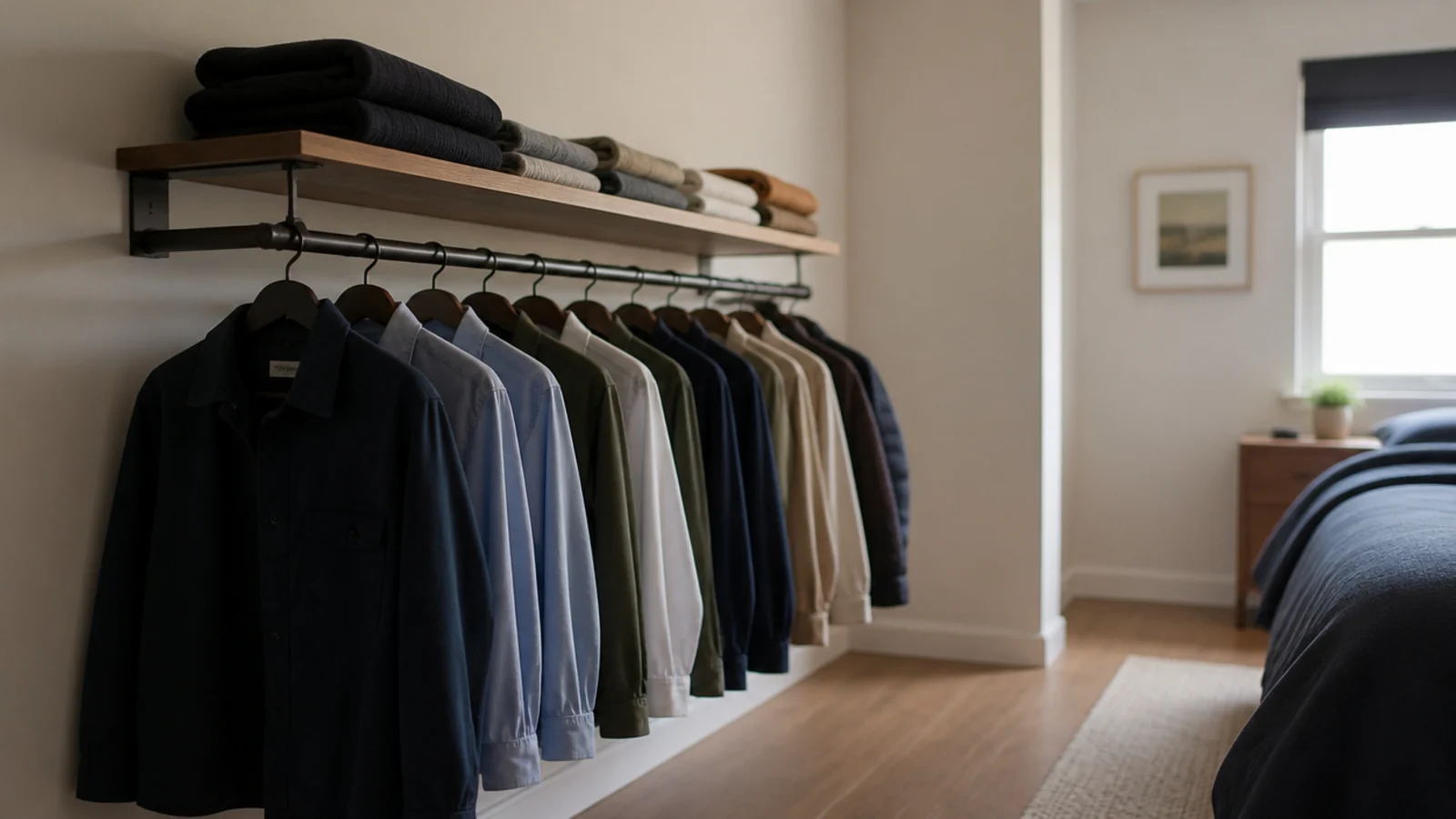
Forty inches of clear hanging drop takes shirts and jackets, and ten shirts need about 24 inches of rail. A wall rail with one shelf above holds what a chest holds, costs $60 to $130, and gives back nearly four square feet plus the pull-out space. Fix the rail brackets into studs.
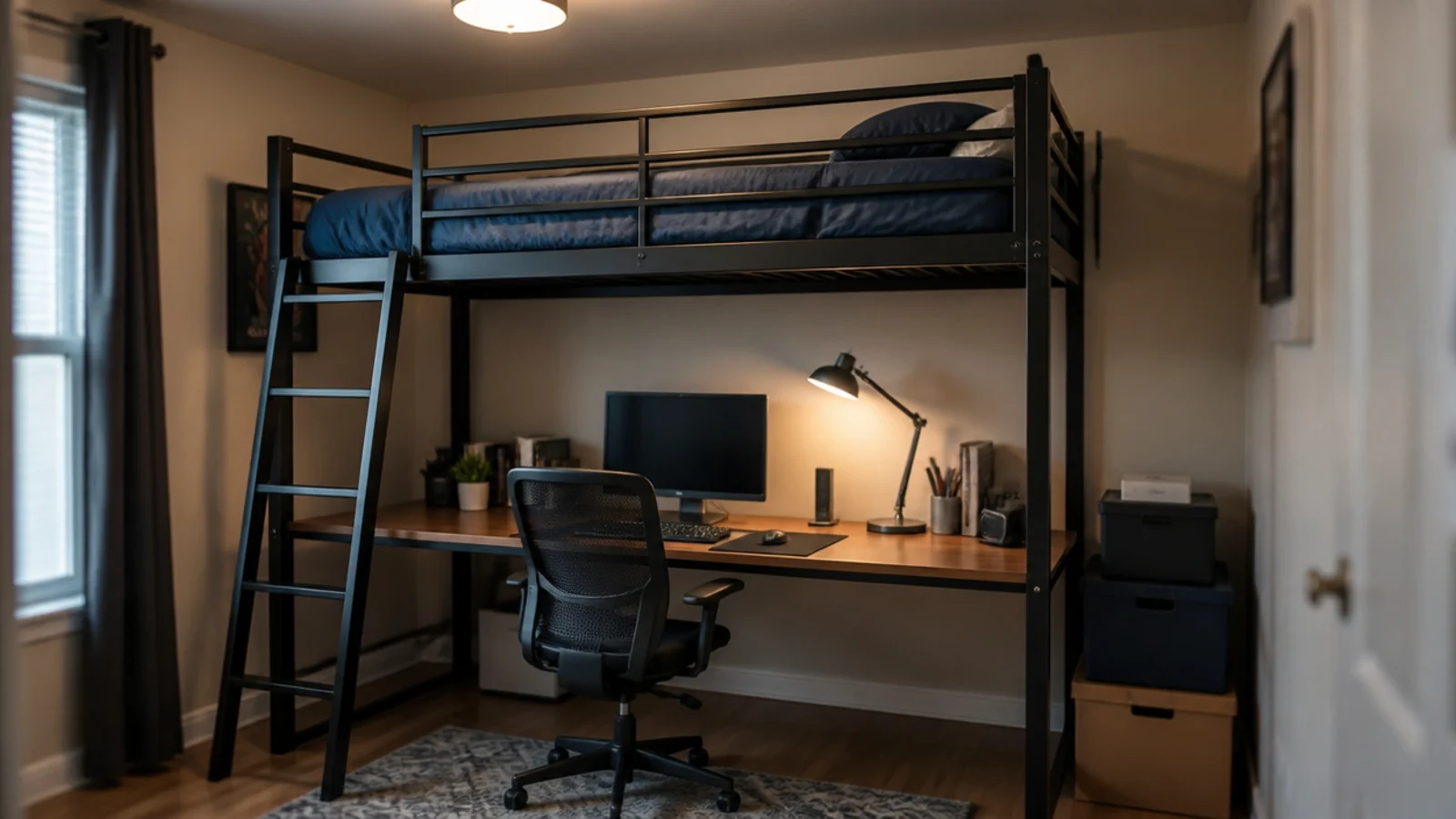
3. Build a full loft if the ceiling allows
A loft returns the entire bed footprint — around 20 square feet — as usable floor. It needs 33 to 36 inches of clear height above the mattress for him to sit up, which under a 96-inch ceiling means a deck no higher than about 60 inches. Guardrails must stand at least five inches above the mattress top.
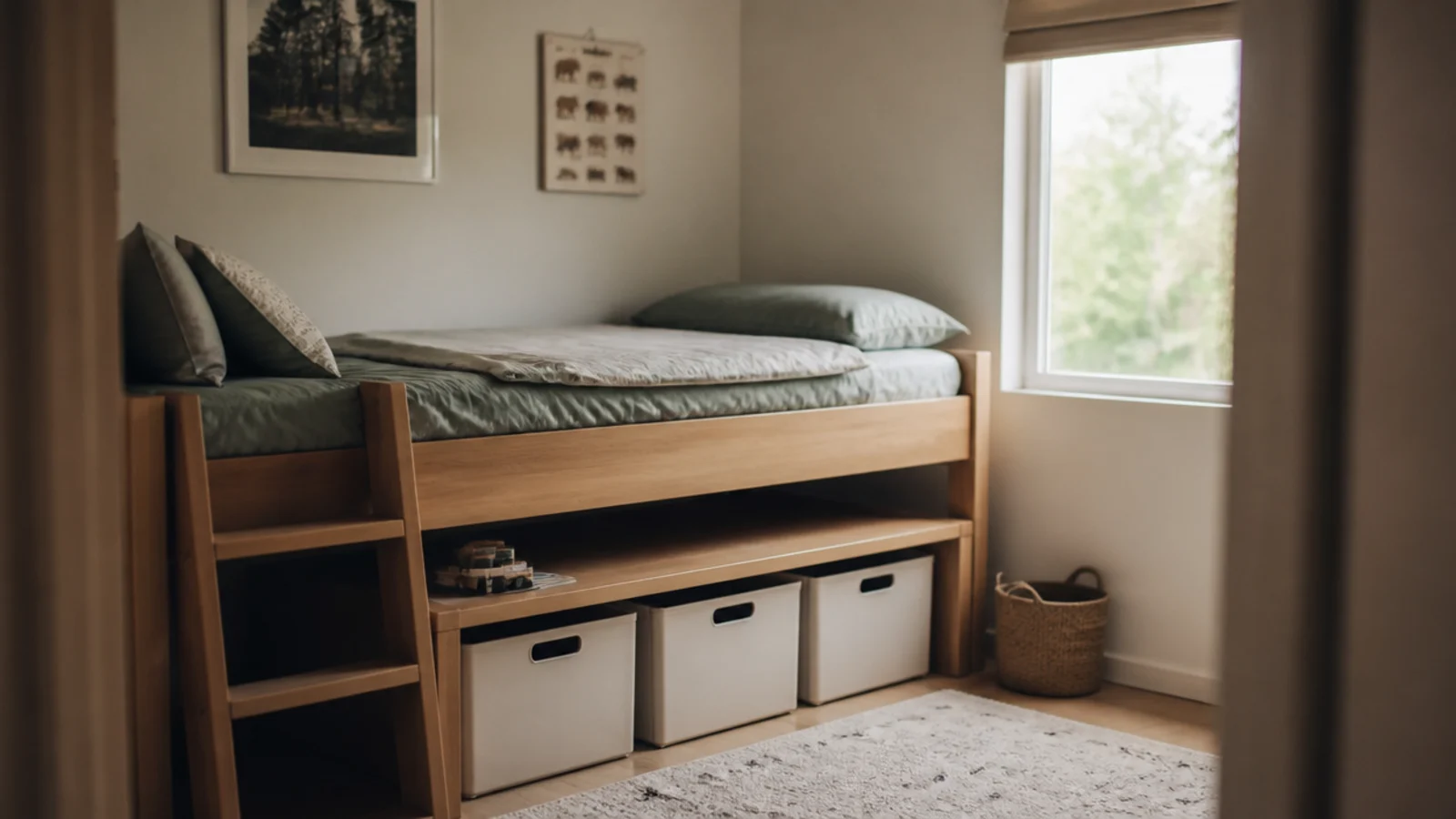
4. Choose a mid sleeper under a low ceiling
If the ceiling will not take a full loft, a deck at 40 to 45 inches gives 34 to 39 inches beneath, which suits drawers, a bench or a trunk but not a seated desk. It still recovers most of the bed footprint as storage volume, and it feels far less enclosed than a low loft.
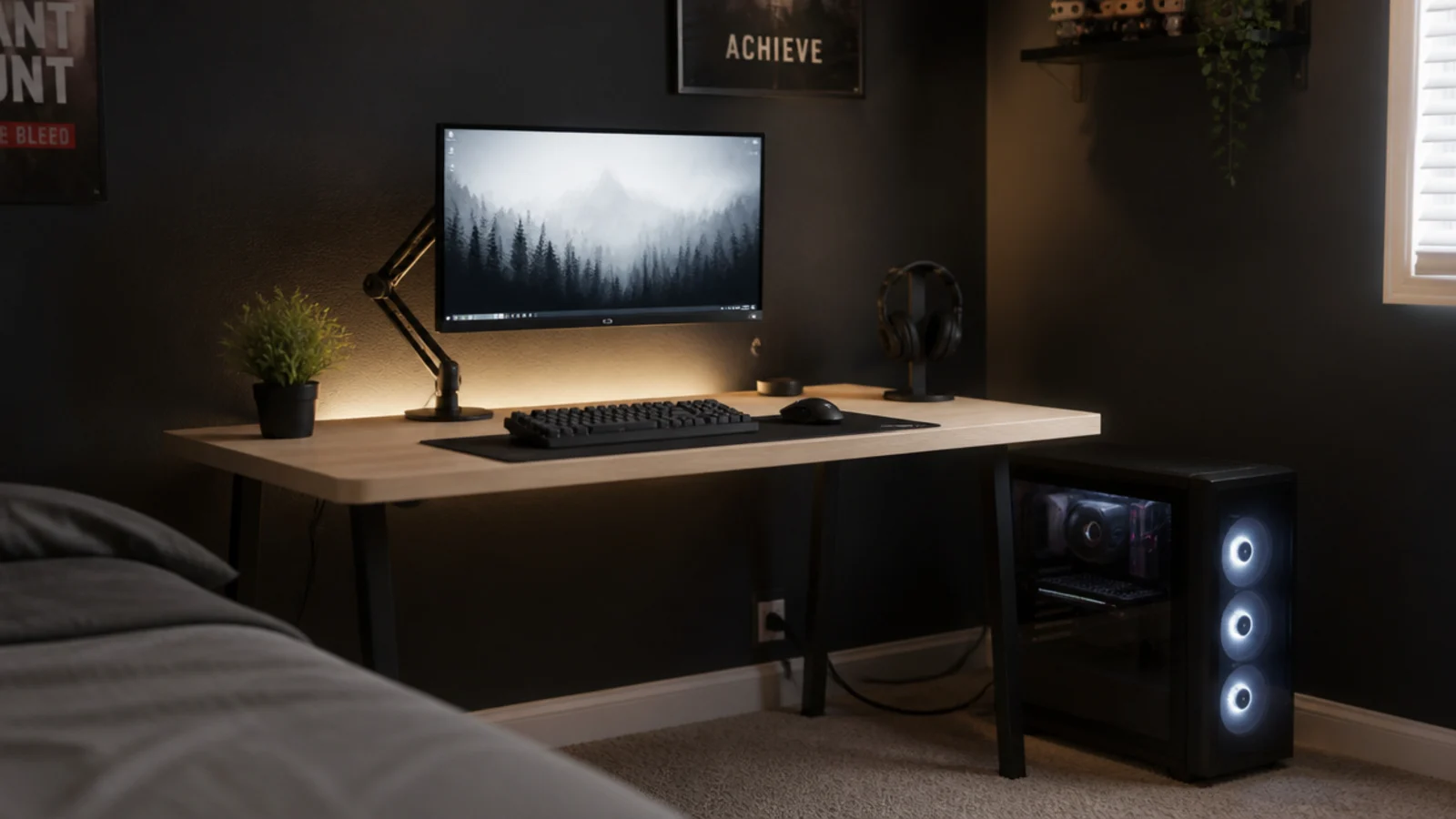
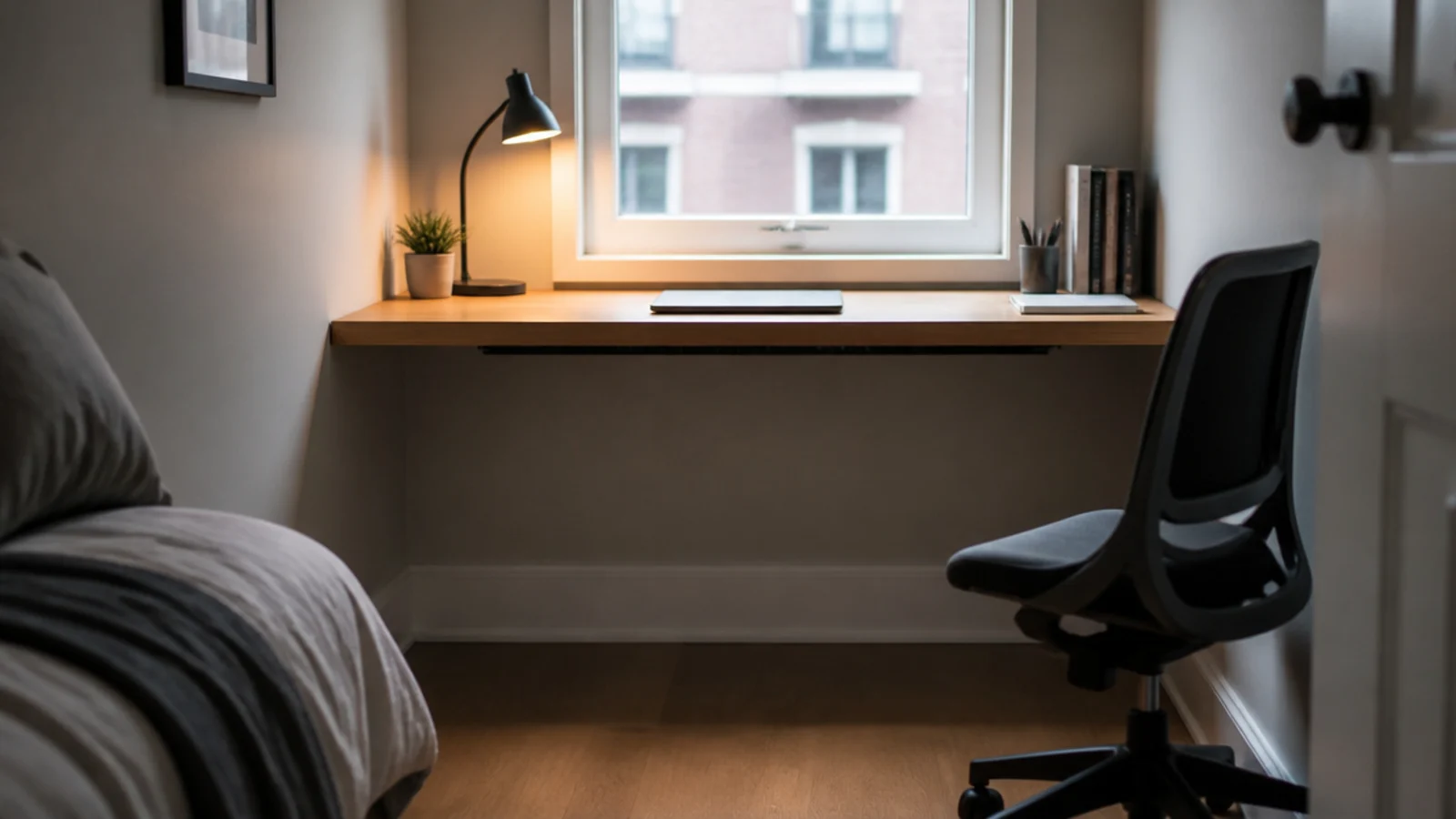
5. Hang the desk on the wall
A wall-mounted top 20 to 24 inches deep at 29 to 30 inches high costs nothing in floor and leaves the space beneath free for a chair, a stool or storage. Brackets rated 100 pounds or more per pair, into at least two studs, because it will get leaned on hard.
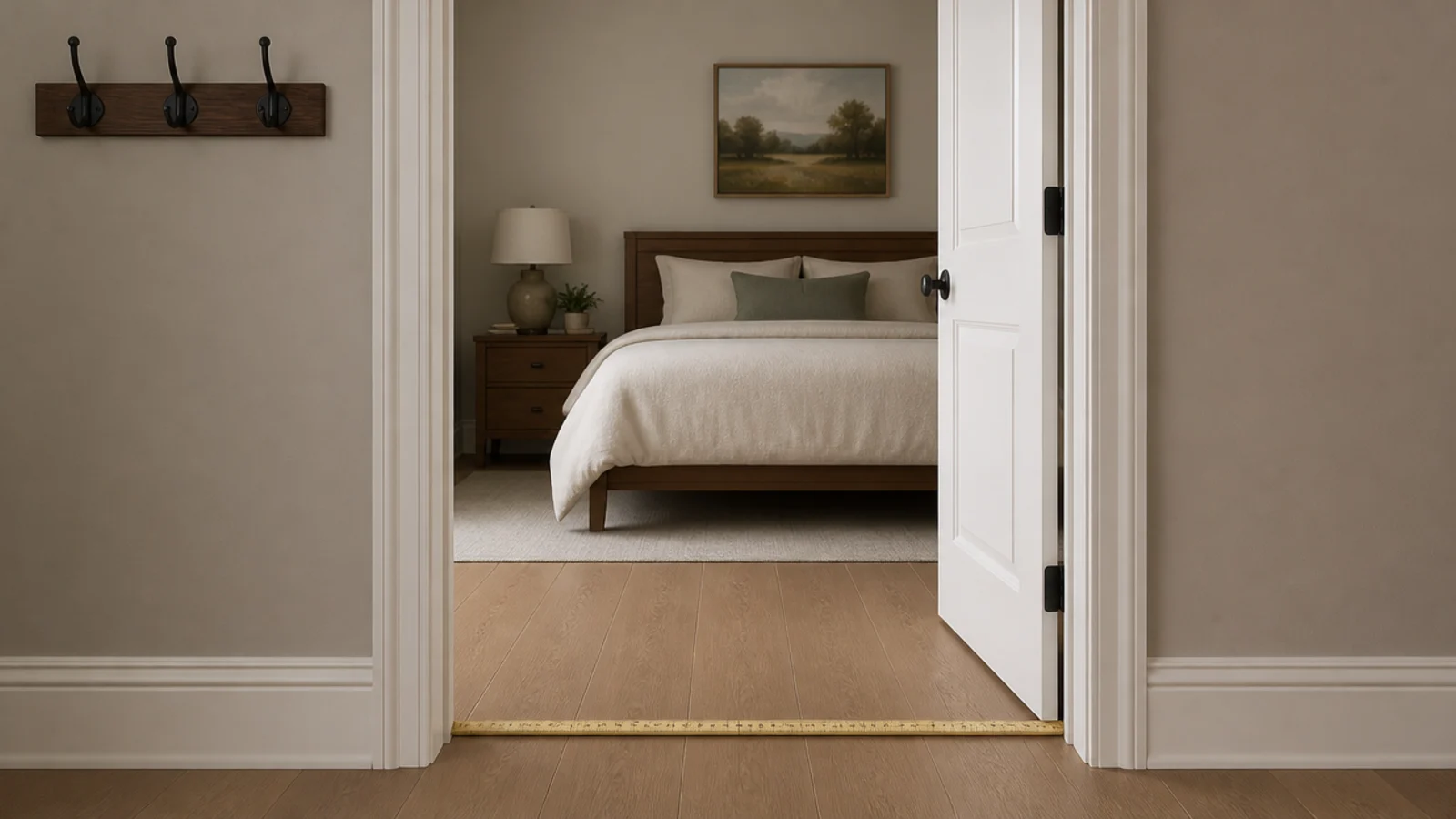
6. Keep the first two feet inside the door clear
The floor immediately inside a bedroom door is where bags land, and it is also the space the door needs to swing. Leaving 24 inches of it deliberately empty, with hooks and a ledge on the wall above, is what stops the room becoming impassable by Wednesday.
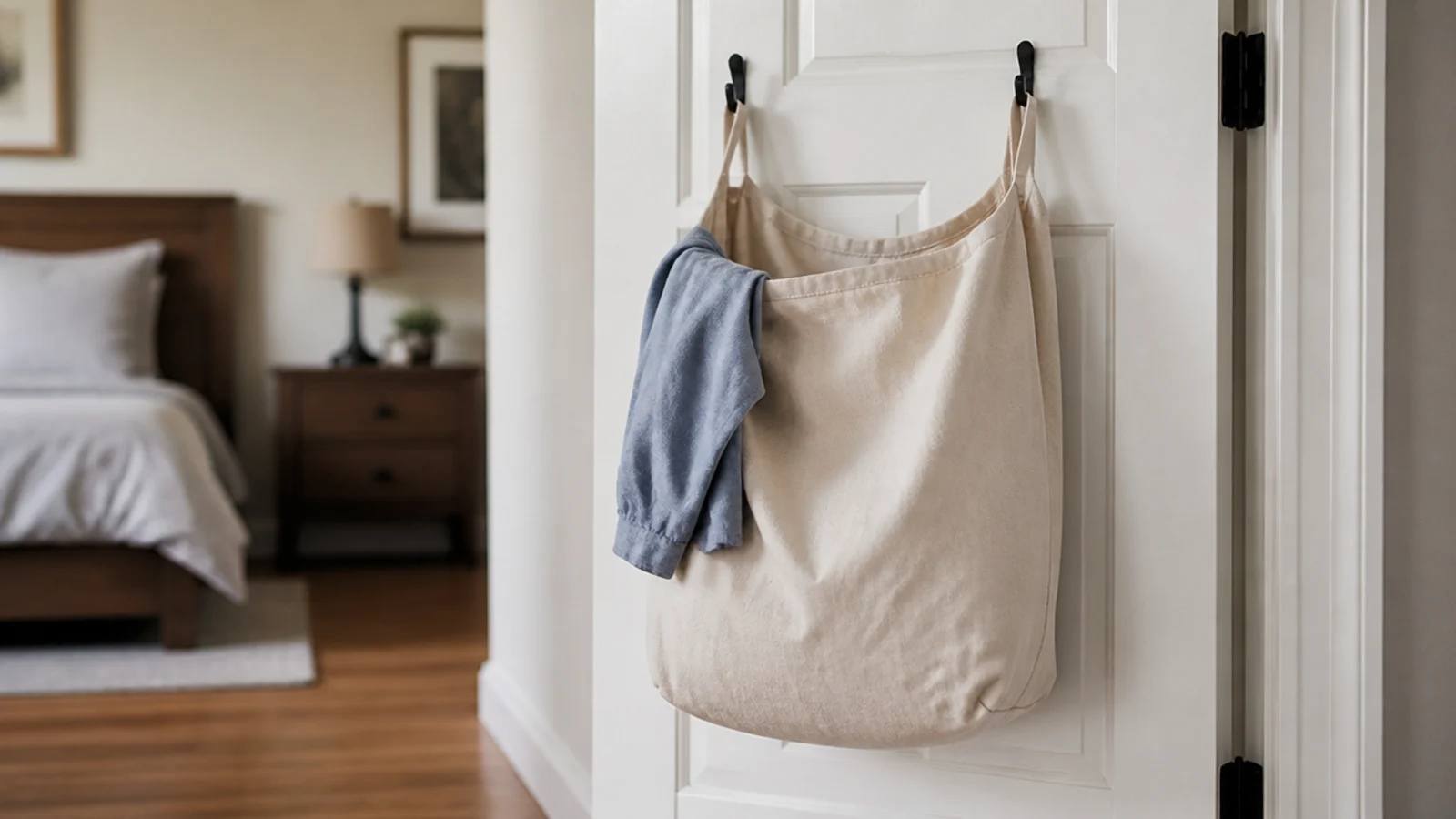
7. Hang the laundry basket off the door
A hanging canvas bag on two door hooks holds roughly a load and a half and takes zero floor. Keep the total load on a hollow-core door under about 20 pounds, and use over-door hooks rather than screws so the door is not damaged. A bag is $15 to $30.
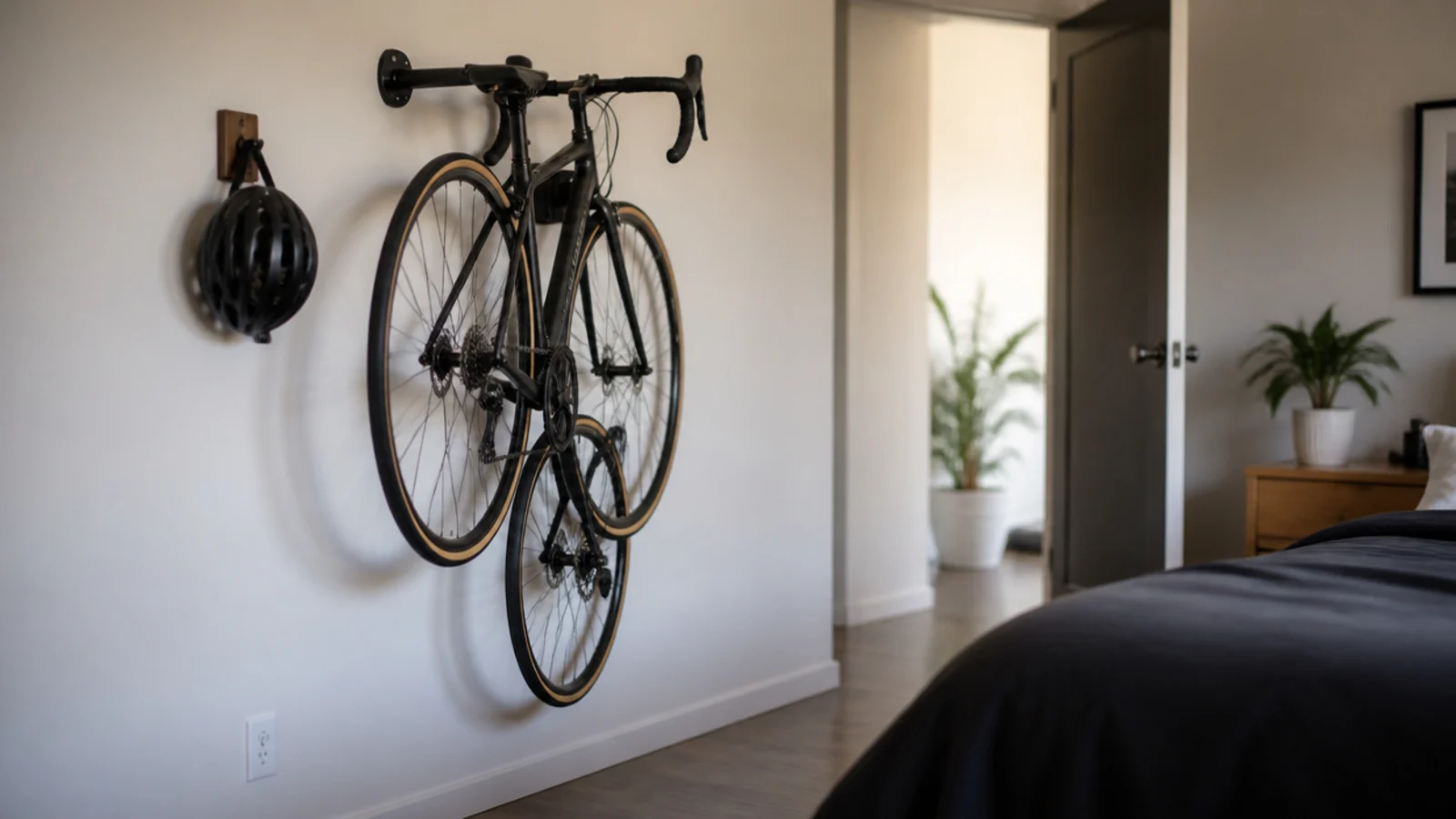
8. Put the bike or the board on the wall
A bike is the single biggest floor thief in a lot of teenage rooms. A road bike is around 20 pounds and a mountain bike closer to 30, so use a hook rated 40 to 50 pounds fixed into a stud. Never over a bed or a seat, and never into plasterboard alone.
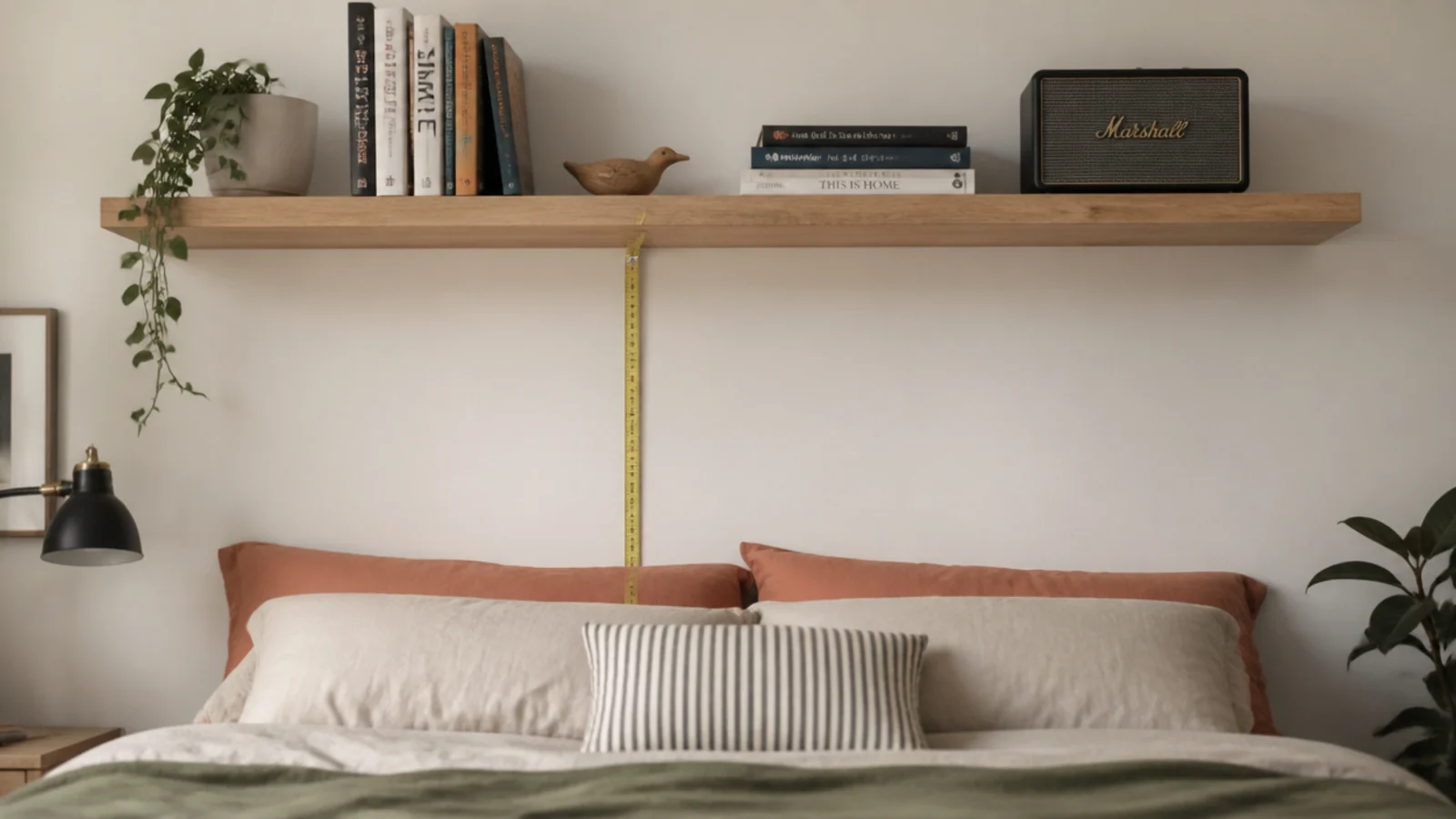
9. Run shelving over the bed
The wall above a bed is usually the largest unused surface in the room. Keep at least 24 inches of clear height above the mattress so he can sit up, set the shelf back behind the pillow line, and load the heavy things at the bracket ends rather than mid-span.
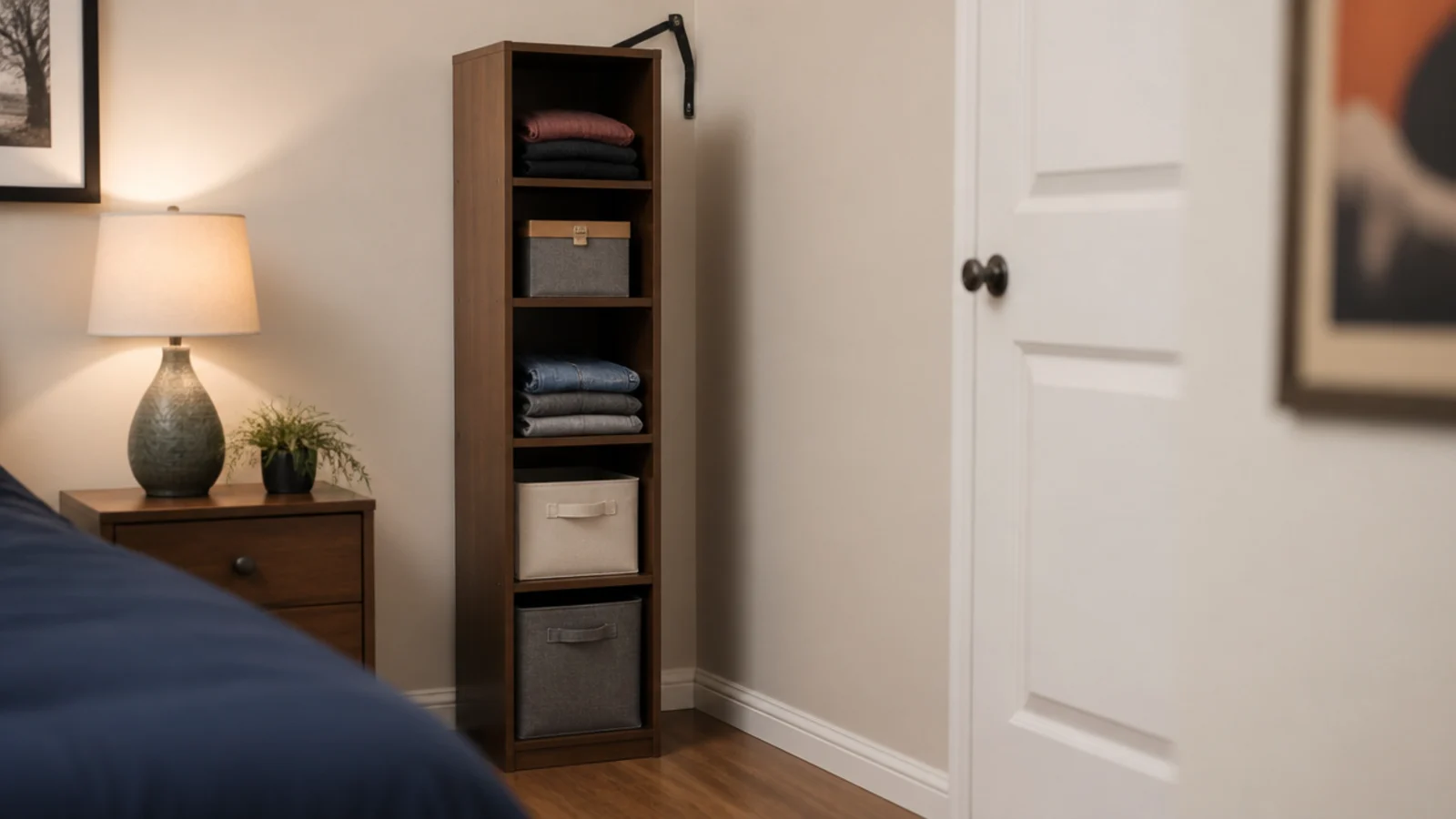
10. Use a tall narrow tower in the corner
A 12-inch-wide tower six feet high holds as much as a wide low chest for a quarter of the floor. It is also the least stable shape in the house, so a strap into a stud is essential and the heaviest contents belong on the bottom two shelves.
11. Float the nightstand off the wall
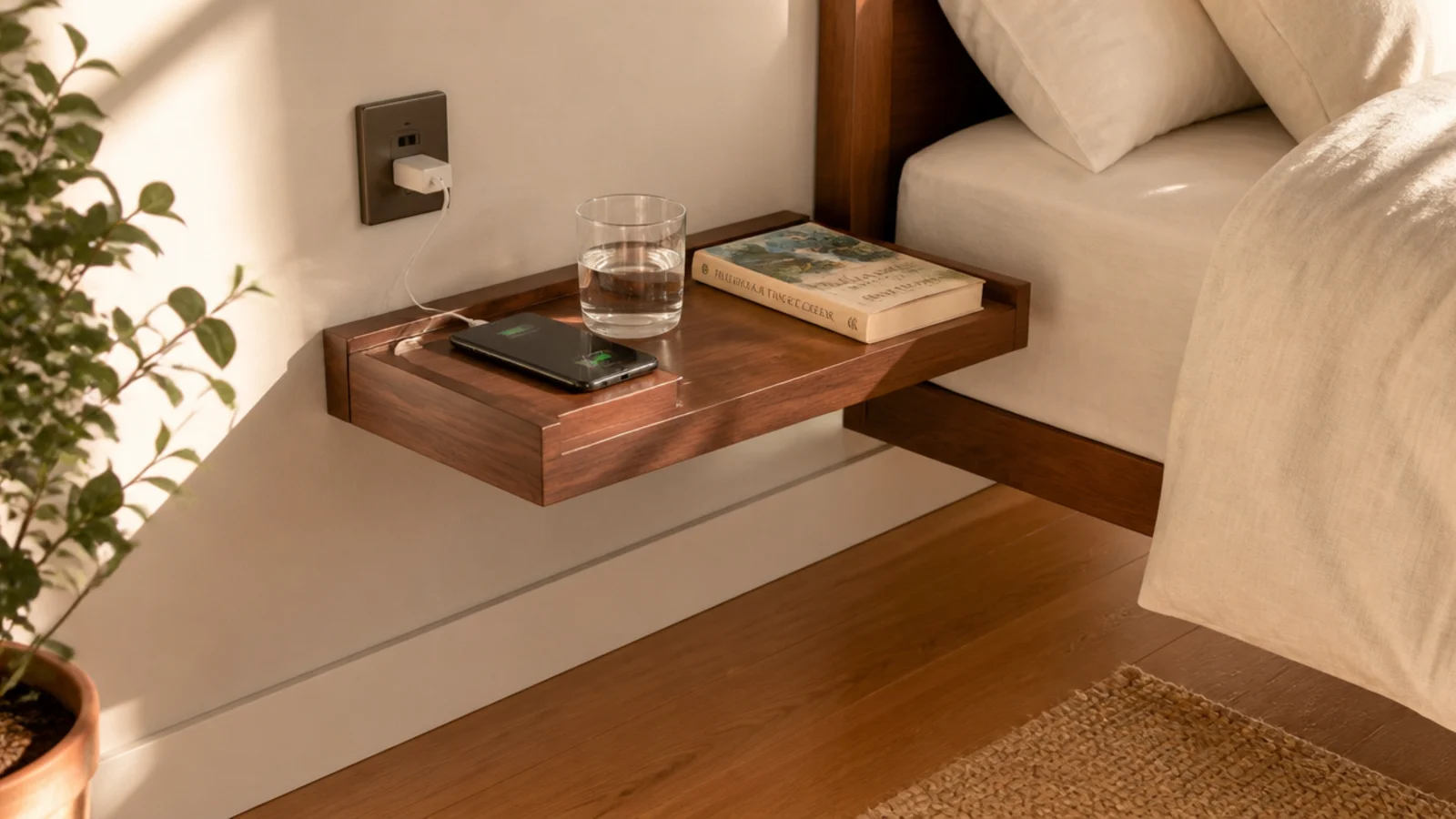
A bedside table claims about 1.8 square feet for a surface that holds a phone, a glass and a book. A 5-inch-deep ledge at mattress height does the same job on two toggle bolts and gives the floor back completely, which also means the corner can actually be cleaned.
12. Choose a trunk that doubles as a seat
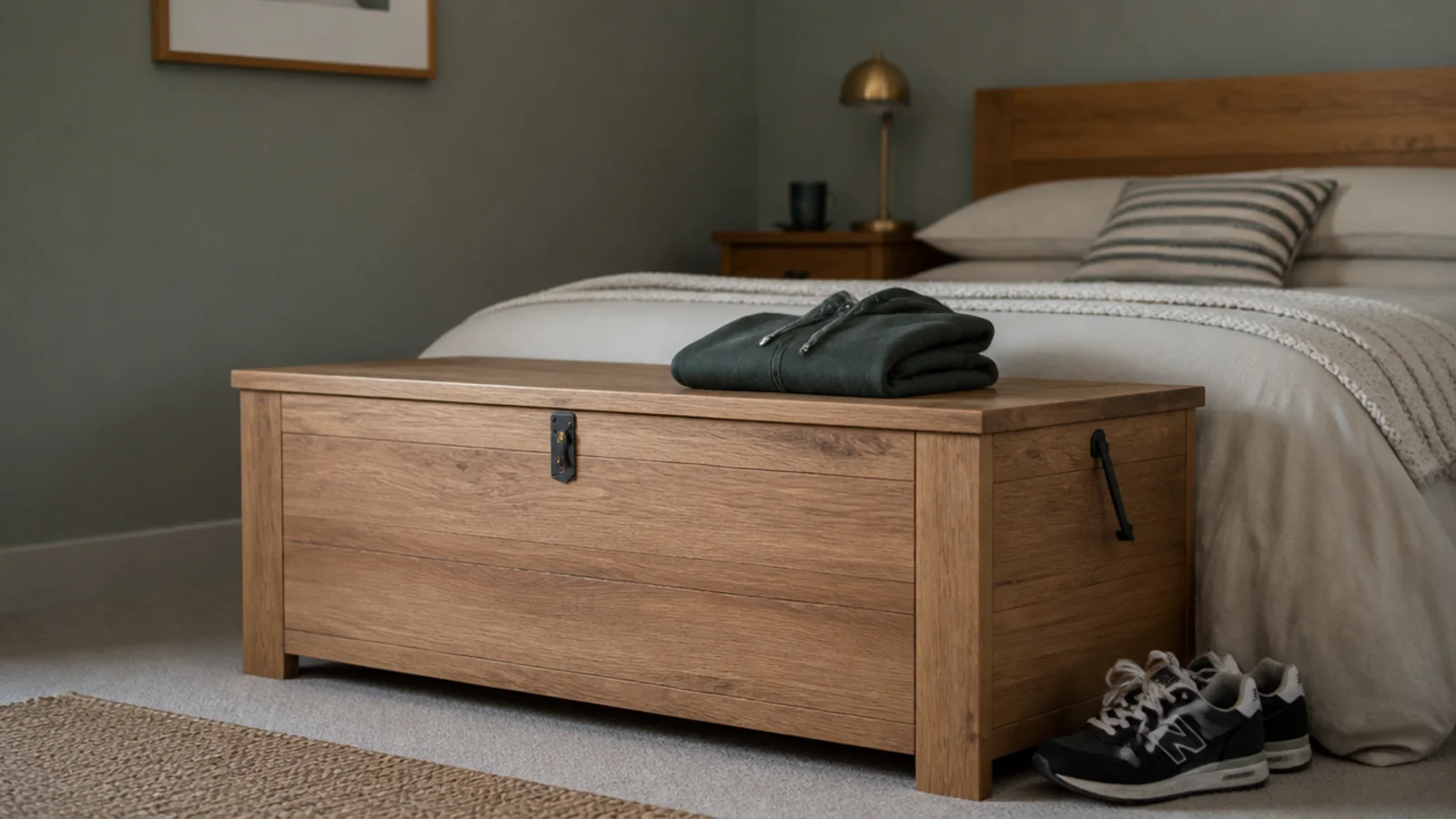
One footprint, two jobs. A flat-lidded trunk 20 to 24 inches tall gives a second seat, a surface and blanket storage. Check the hinge has a stay so the lid cannot drop on fingers, and keep 24 inches of clear floor in front so it can actually be opened.
13. Mount the fan on the wall
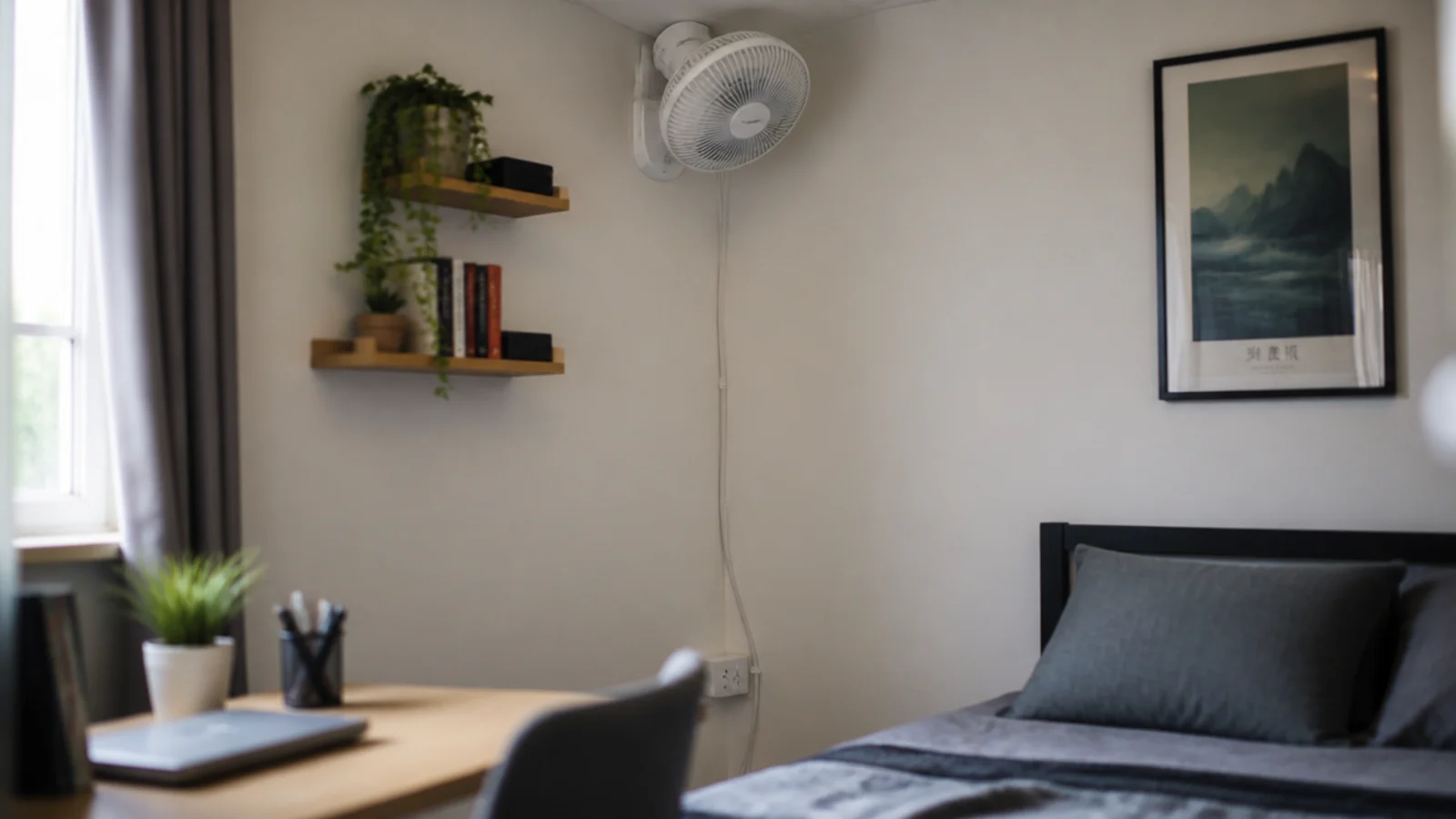
A floor fan claims about a square foot and gets knocked over. A small wall-mounted fan in a high corner, angled down across the desk and bed, moves the same air and disappears. Fix into a stud, clip the cable neatly down to a socket, and keep the blades well above head height.
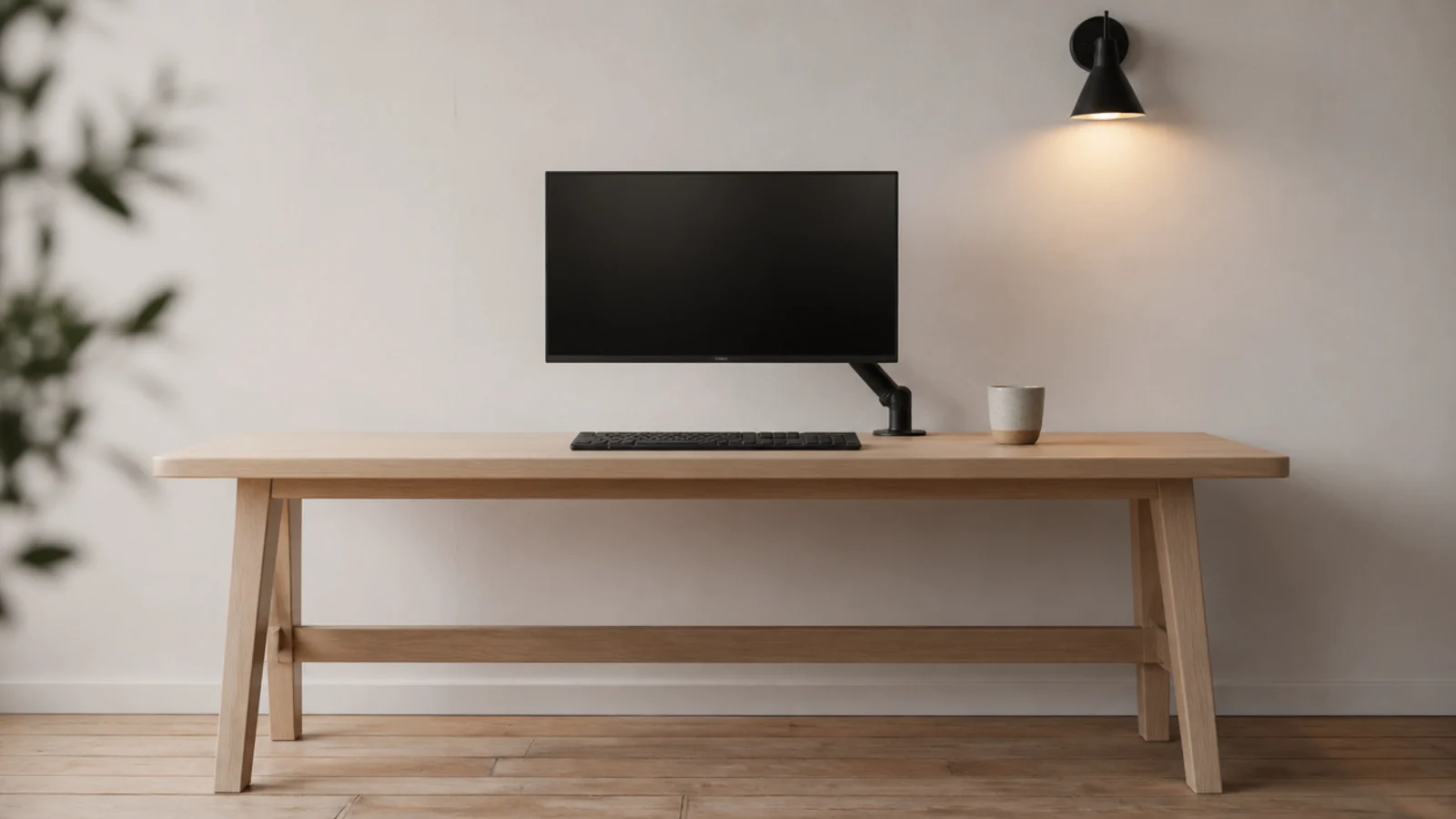
14. Put the second screen on an arm
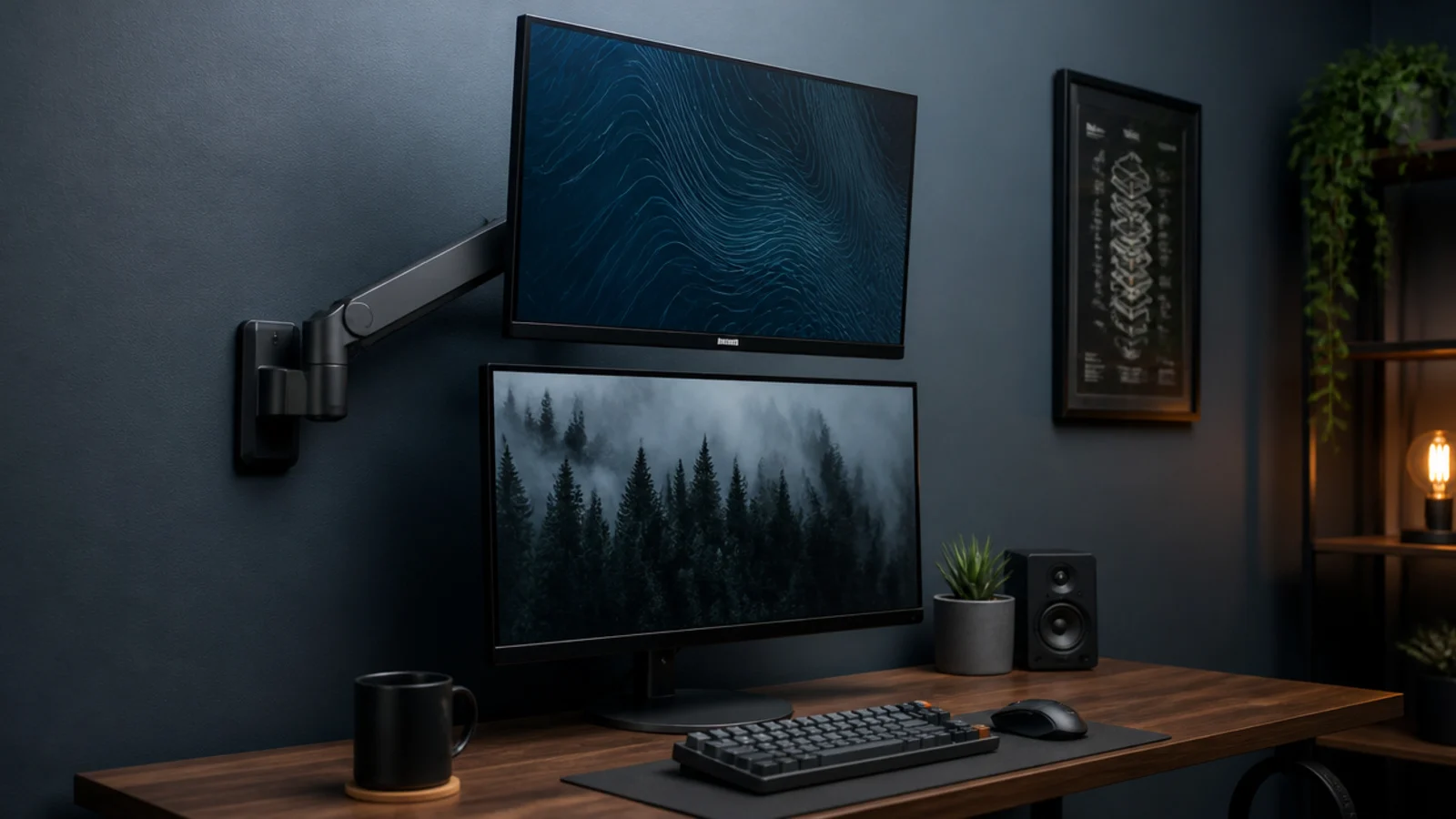
A wall-mounted monitor arm carries a second display without needing any more desk, which on a 20-inch-deep top is otherwise impossible. Check the arm's stated weight rating against the panel, run the cables through its channel, and fix the plate into studs rather than into an anchor.
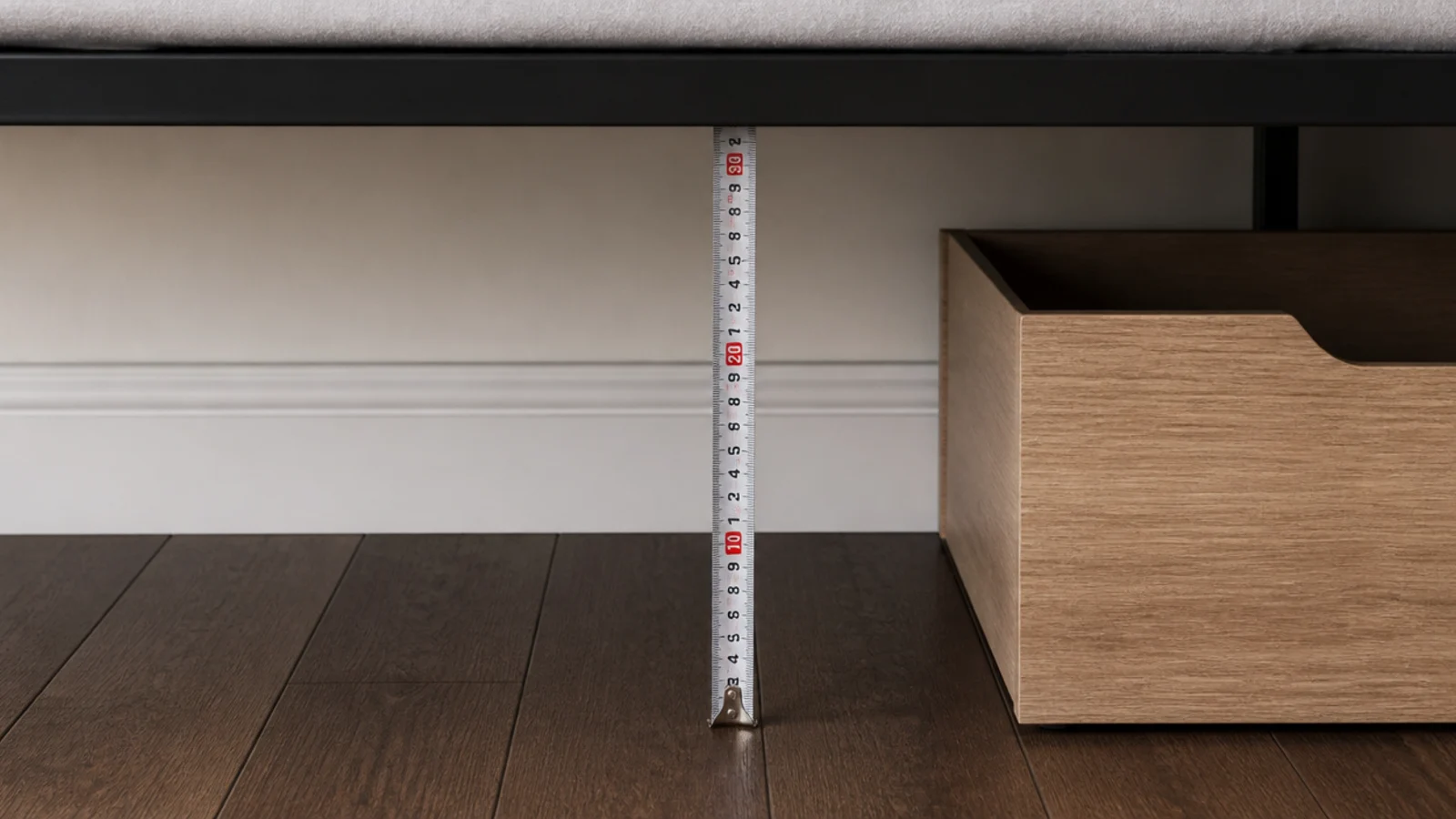
15. Measure the under-bed clearance properly
Measure from the floor to the underside of the frame, not to the mattress. Six inches takes flat boxes only; 11 to 13 inches takes drawers on castors, which are far more useful because they come out on demand. Risers at $15 to $30 close that gap on an existing frame.
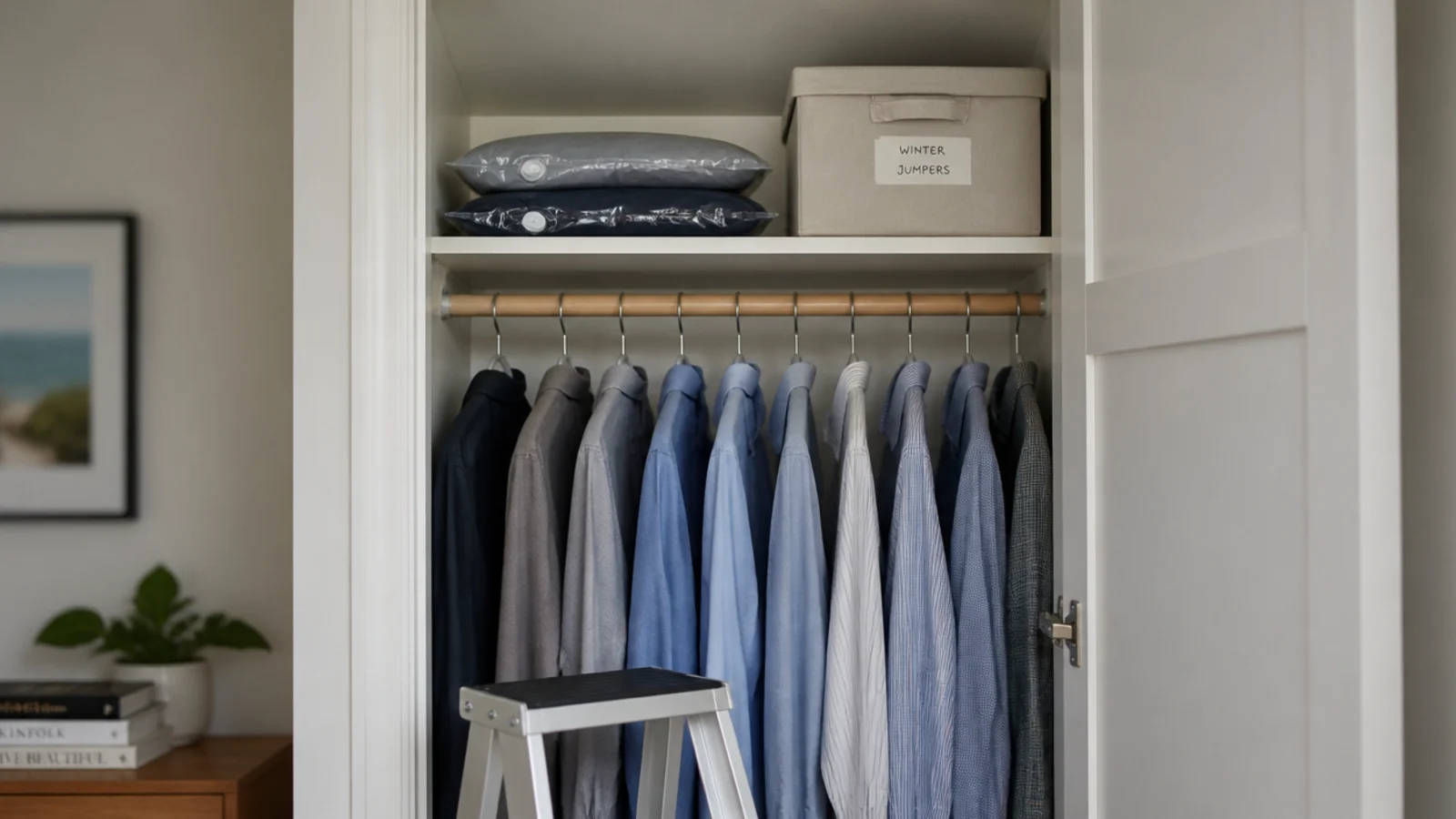
16. Move off-season kit to the wardrobe top
The space above the hanging rail is usually empty and it is the natural home for anything used twice a year. Vacuum bags at $2 to $5 each cut bulk by roughly two thirds. Do not compress down-filled items for more than a season, since long compression damages the loft permanently.
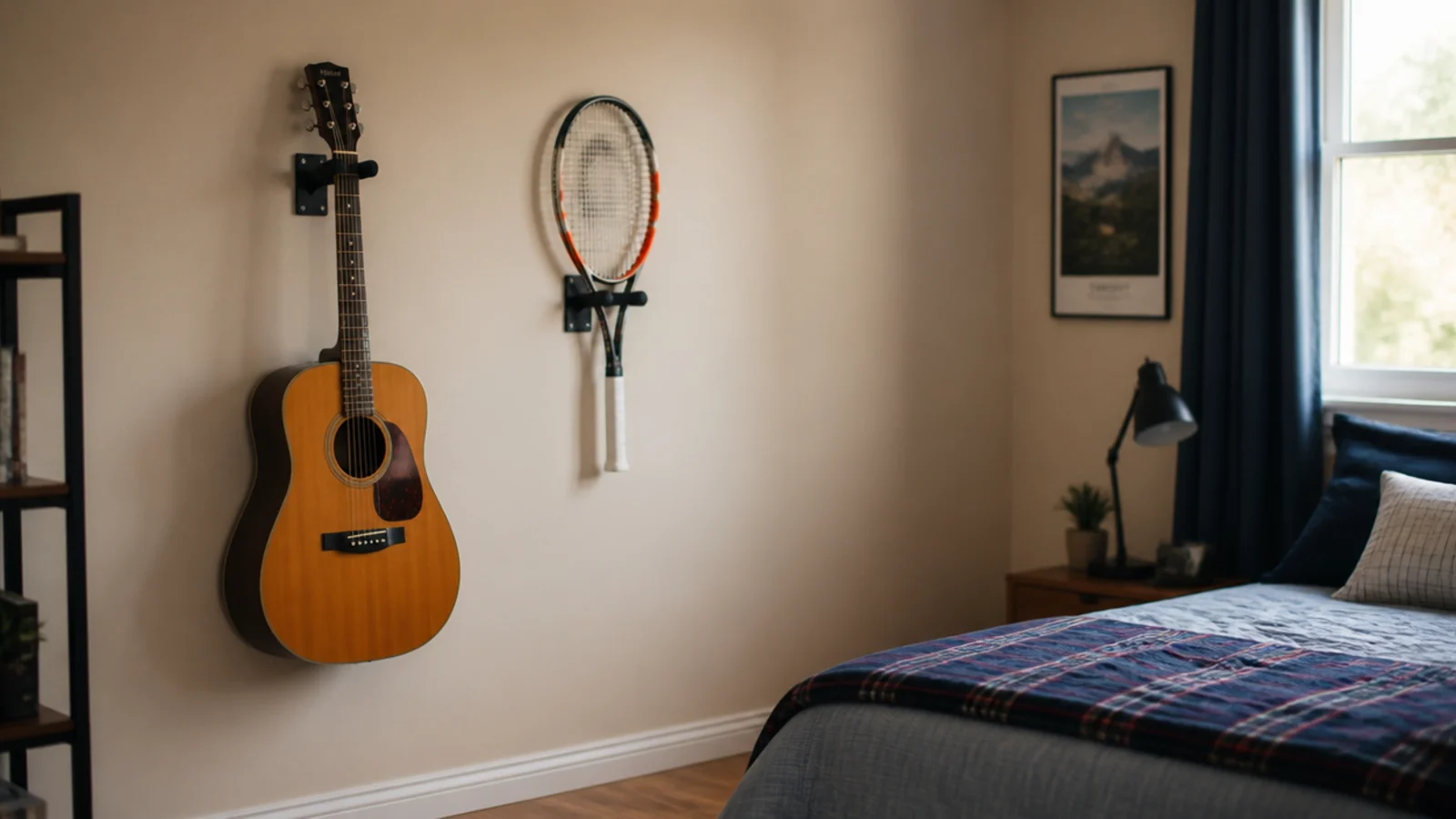
17. Hang the sports gear and the guitar
Rackets, boards, helmets and instruments all wall-mount on brackets costing $12 to $25 each, and they read as decoration rather than clutter once they are up. Keep them clear of the bed and any seat, and fix into studs — a loaded bracket sees shock loading every time something is grabbed.
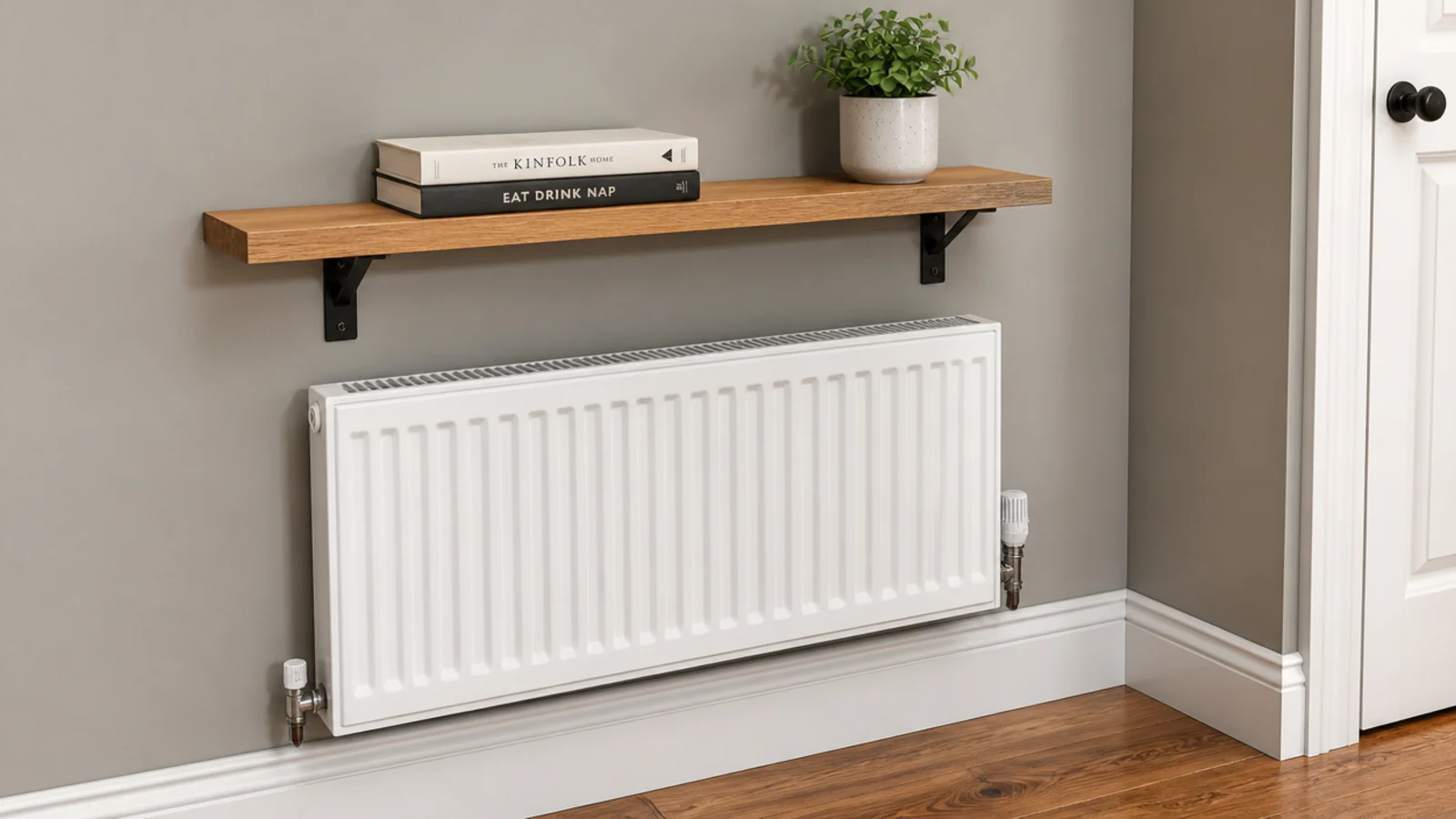
18. Fit a shelf over the radiator
The wall above a radiator is dead space and a 6-inch shelf turns it into a surface, while also throwing heat out into the room rather than up the wall. Leave a clear gap of at least 2 inches above the radiator, and keep anything wax or plastic off it entirely.
19. Slot a skinny bookcase beside the door
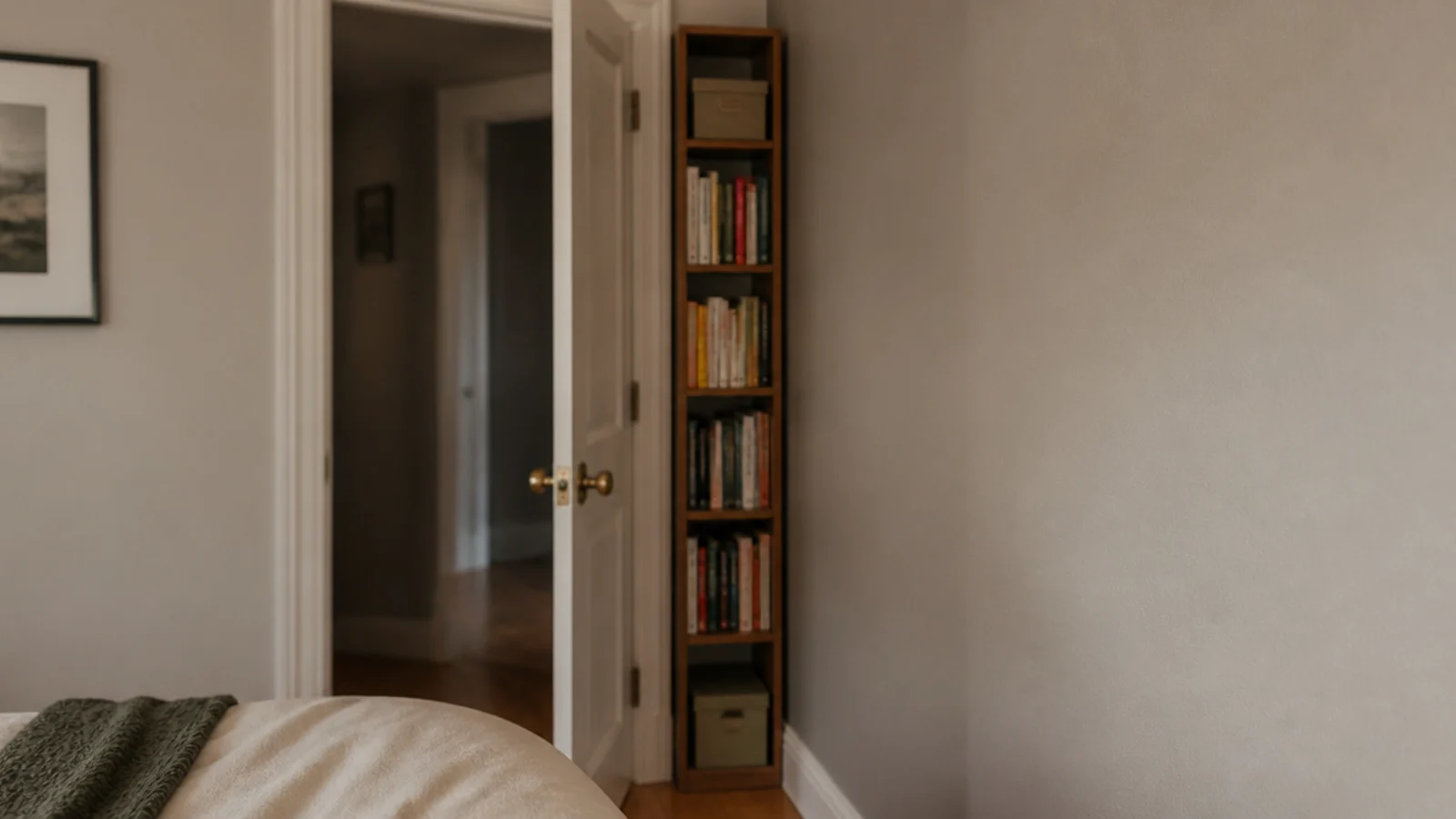
The gap between a door frame and a corner is usually 8 to 14 inches and almost always empty. A narrow bookcase fits it exactly and stores more than you expect. Strap it — anything tall and narrow tips easily, and this one sits right where people walk past.
20. Use a drying rack that folds to four inches
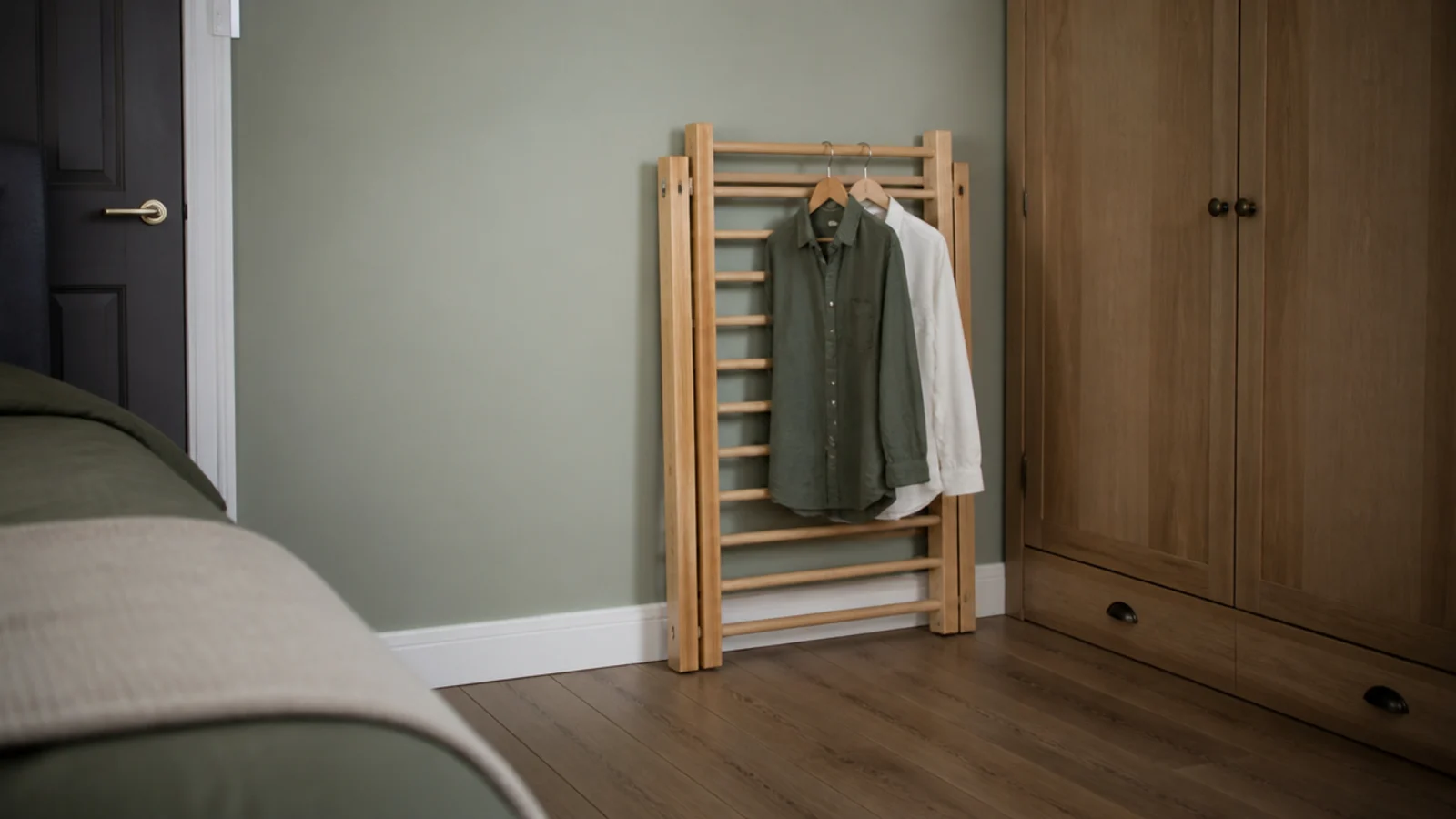
Damp clothes on a radiator raise the humidity and are how damp starts in a small bedroom. A folding rack at $25 to $50 holds two loads and collapses to about 4 inches to stand behind a wardrobe. Open the window while anything is drying, or the moisture has nowhere to go.
21. Stack the wardrobe interior vertically
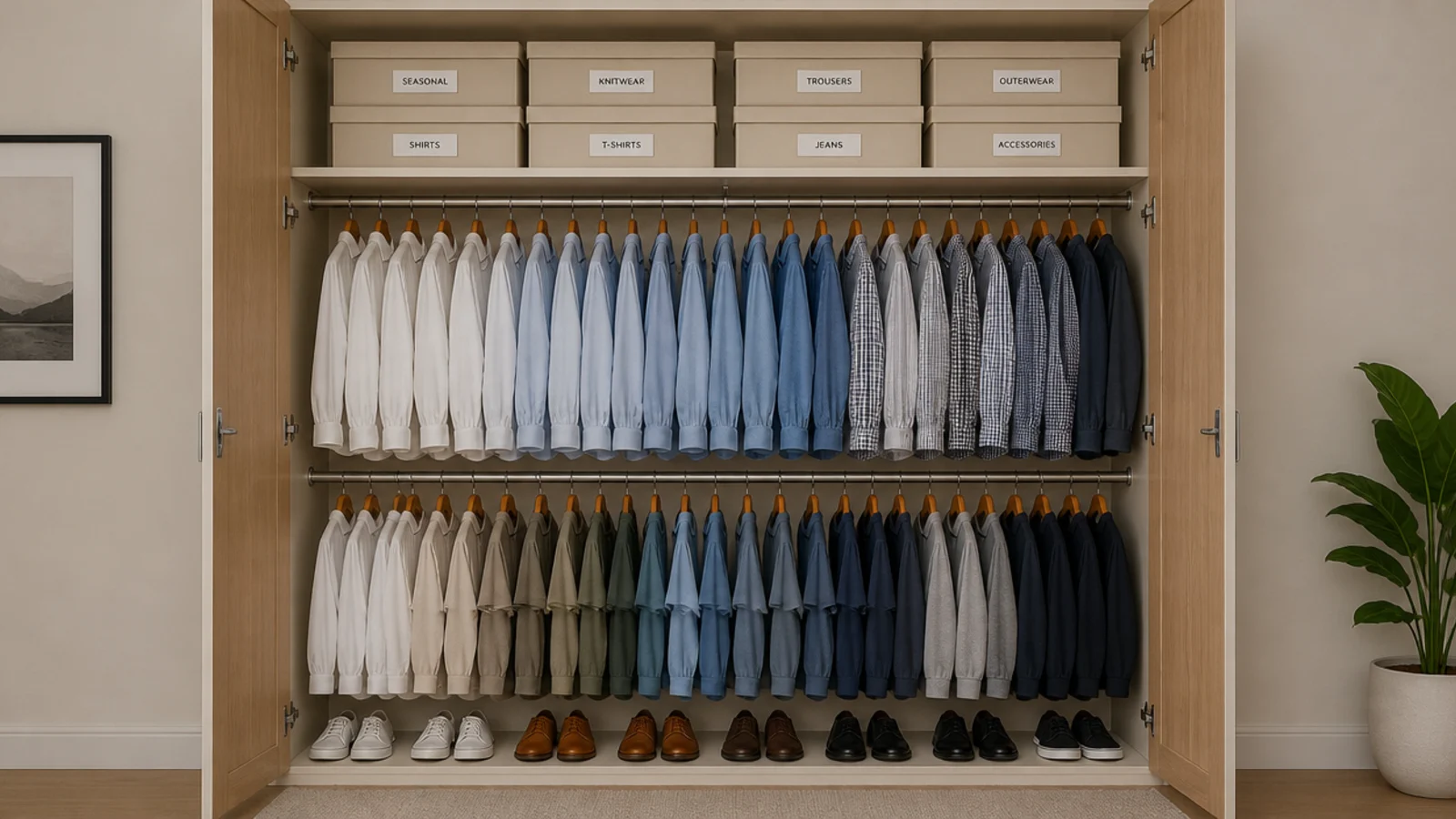
Most wardrobes waste a foot or more under the hanging clothes. Adding a second lower rail doubles the hanging capacity for shirts and folded trousers, and costs about $15. Boxes above the main rail take everything else. This is often enough to remove a whole chest from the room.
22. Hook the wardrobe side panel
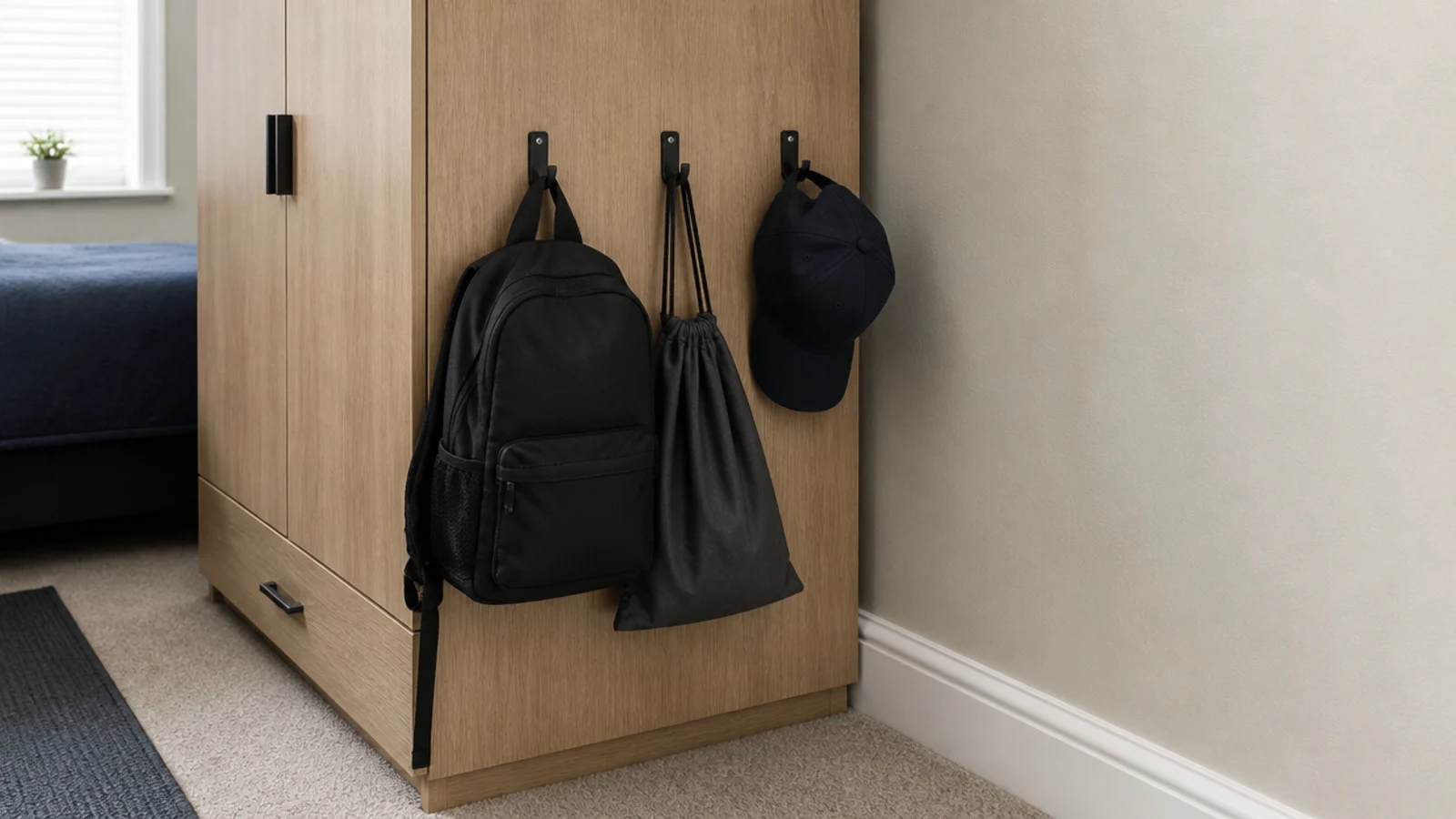
The outer side of a wardrobe is a foot and a half of unused vertical surface at exactly the right height. Three small hooks screwed into it hold a backpack, a bag and a cap. Screw into the carcass rather than a thin side panel, or use short screws that will not come through.
23. Build the seat into the window
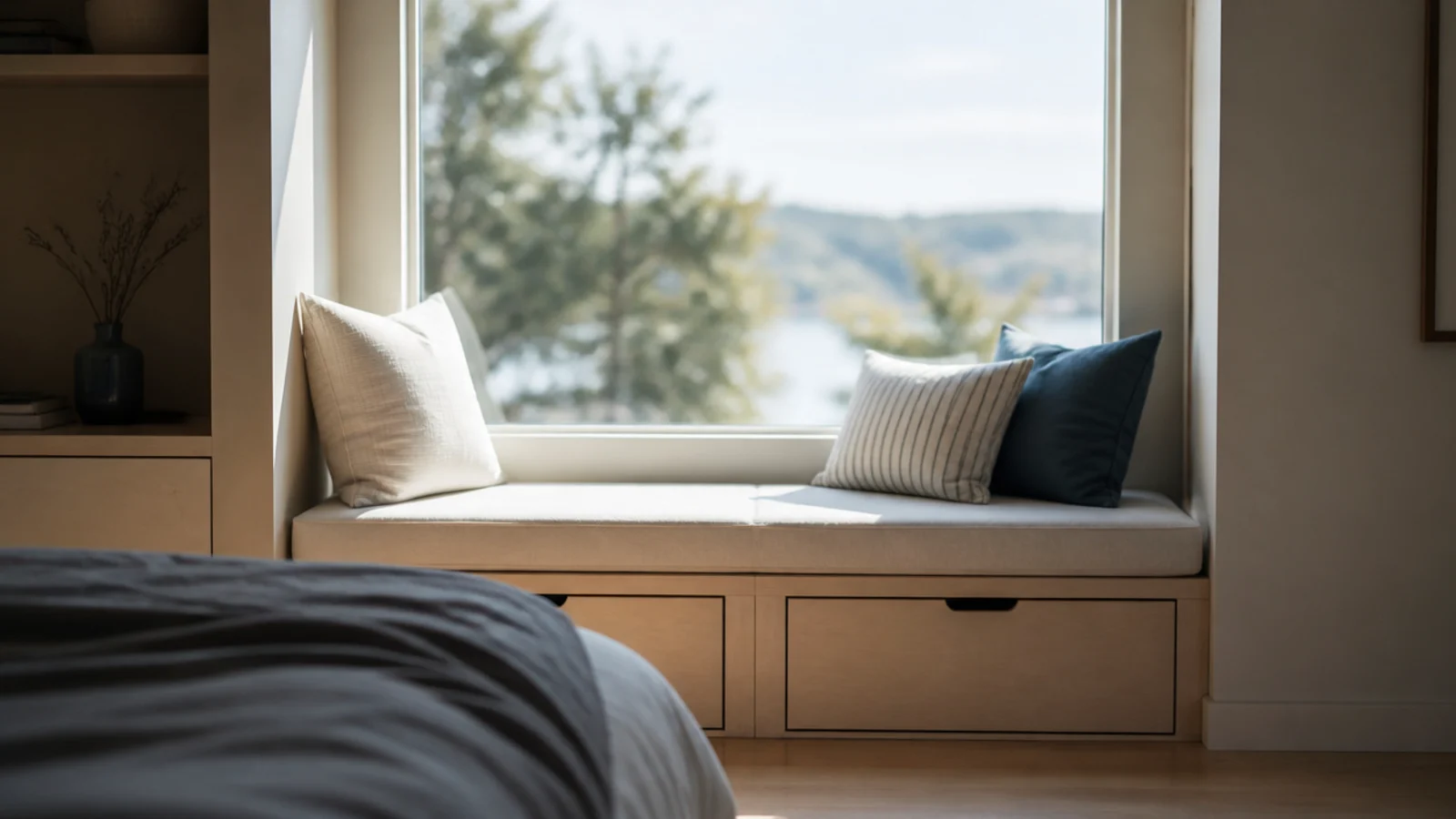
A boxed window seat at 17 to 19 inches high and 16 to 18 inches deep gives seating, storage and a surface in one footprint that was already unusable. Do not obstruct a window that serves as an emergency exit — it must still open fully and be operable from inside.
24. Rack the shoes on the wall
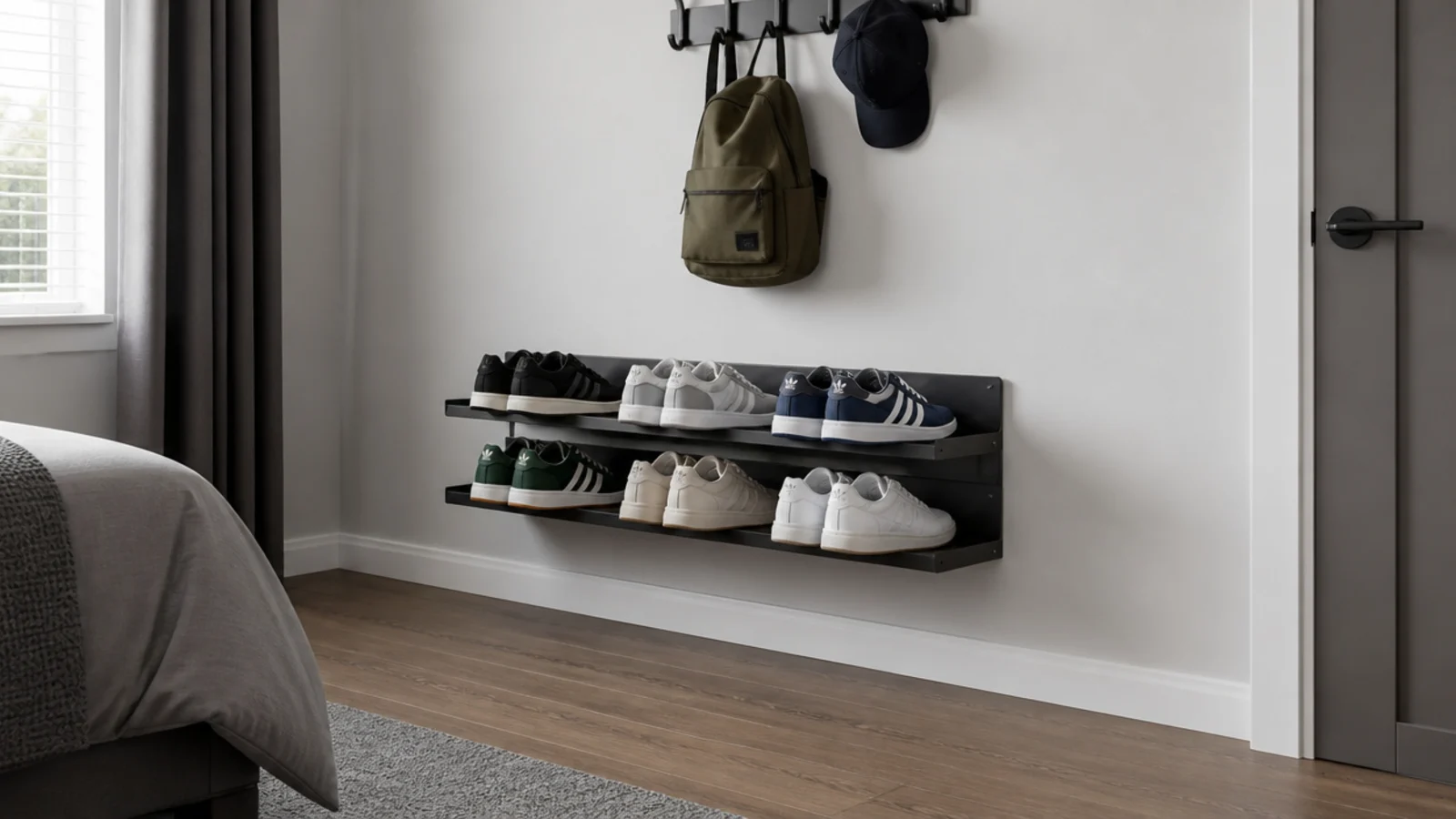
Six pairs of trainers on the floor cover about three square feet. A shallow wall rack at 4 inches deep holds the same six and costs $25 to $50. Mount it low enough to be used without thinking, usually 12 to 30 inches off the floor. Shoe cabinet ideas has slimmer options too.
25. Hold to one in, one out
None of the above survives contact with a room that keeps accumulating. One item leaves whenever one arrives, decided at the door with a crate that lives in the wardrobe. It is the only idea here that costs nothing, and it is the one that keeps the other twenty-four working.

For hanging heights, fixing weights and the order of work on any of these walls, teen boy bedroom wall ideas works through it step by step. The same floor-first thinking applied to a much younger room runs through toddler girl bedroom.
Mistakes to Skip
- Buying more storage boxes before removing a piece of furniture. Volume is rarely the problem in a small room; footprint is, and boxes add to it.
- Hanging a bike, shelf or wall desk on plasterboard anchors. Those hold about ten pounds, and every one of those items is several times that.
- Putting shelving directly over the pillow end of the bed. Anything that can fall belongs behind the pillow line or on a different wall entirely.
- Blocking the window with a bench, a desk or a tall unit. Beyond the light, a bedroom window has to open fully from inside as an escape route.
Frequently asked questions
How much floor does a chest of drawers actually take up?
A standard thirty by eighteen inch chest occupies three and three quarter square feet of floor, plus about eighteen inches of clear pull-out space in front of it, which is another three and a half. In an eighty square foot room that is nearly a tenth of the space for storage a wall rail could hold.
What height should a mid sleeper bed be?
A deck at forty to forty-five inches gives roughly thirty-four to thirty-nine inches of clear height underneath, which suits storage, a bench or a chest but not a seated desk. For a working desk beneath you need a full loft at around sixty inches, and that needs a ceiling above about ninety-two inches.
Can I hang a bike or board in a bedroom?
Yes, into studs and with a hook rated well above the weight. A road bike is around twenty pounds and a mountain bike closer to thirty, so a hook rated forty to fifty pounds fixed into framing is right. Never into plasterboard alone, and never over a bed or a seating position.
How high should shelving over a bed be?
At least twenty-four inches of clear height above the mattress so he can sit up without hitting it, and further back than the pillow line so nothing can fall onto a sleeping head. Fix every bracket into a stud, keep spans at or under thirty-two inches, and load the heaviest items lowest.
What is the fastest way to free up floor in a small bedroom?
Move everything under twenty pounds onto a wall and everything under the bed that fits. A peg rail, a floating shelf and a set of under-bed drawers together can empty an entire chest of drawers and a laundry basket off the floor for well under a hundred dollars.
Want more like this? Browse all 15 teen boy bedroom guides — they all use the same measurements and budget tiers.
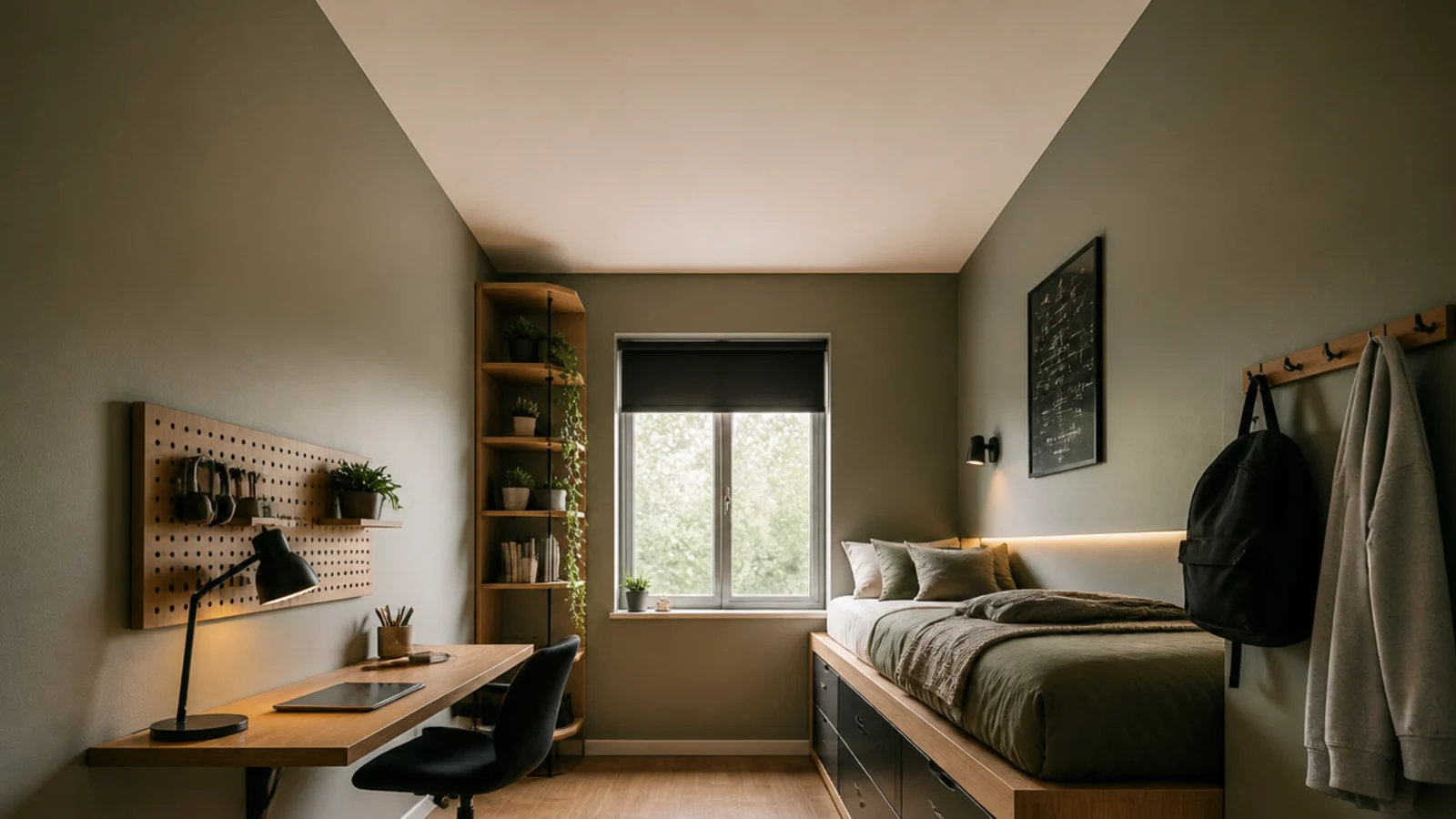
Pin it for later
Save this to your Teen Boy Bedroom board
Pin it now so it is waiting for you when the tape measure comes out — and so the next person hunting for this idea can find it too.
Save this pinKeep going
More ideas worth saving while you have the tape measure out.