Toddler Girl Bedroom · Listicle
25 Creative Toddler Bedroom Ideas Girl Rooms Need

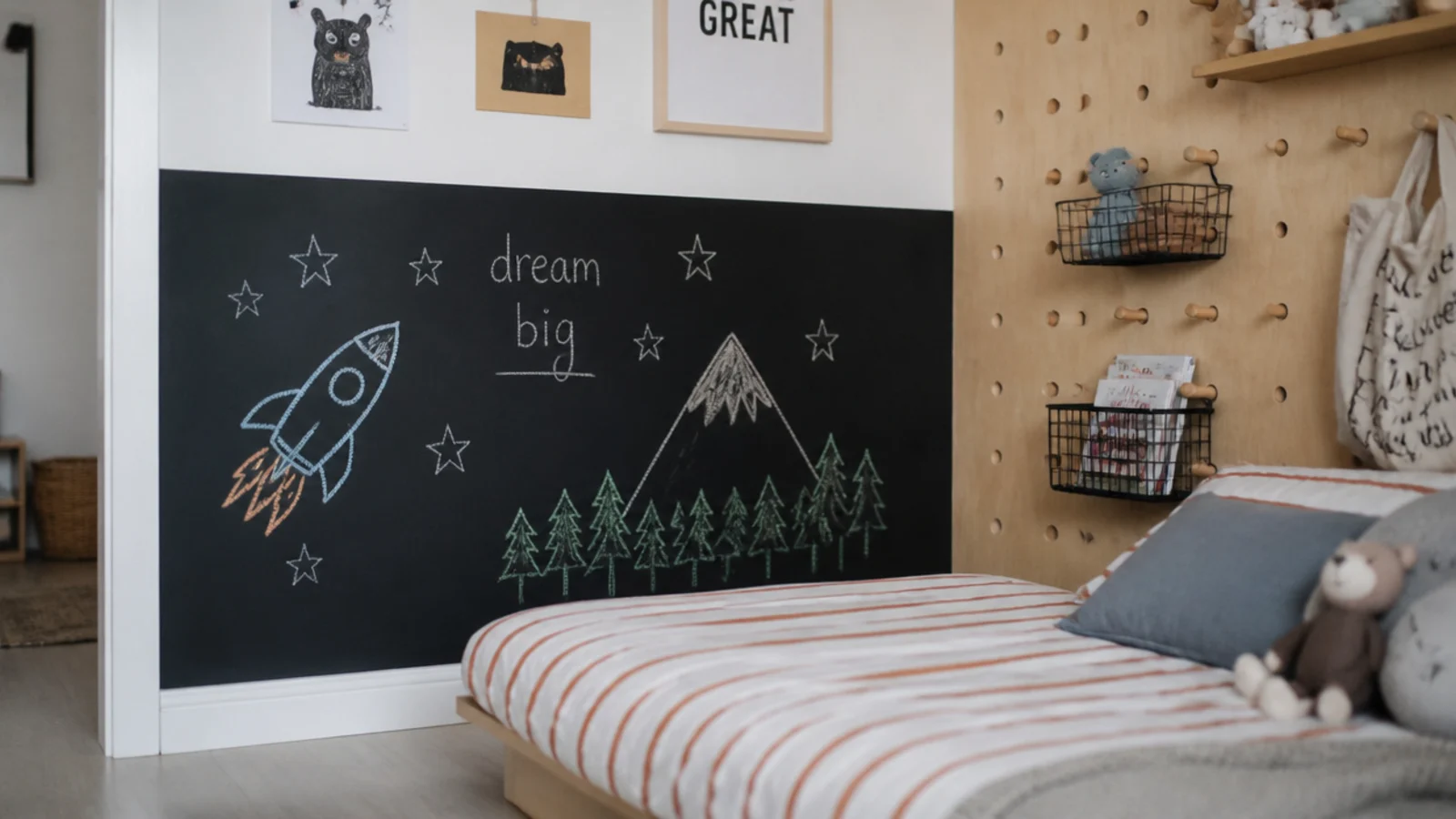
Creative usually means one of two things in a child's room: something that photographs beautifully and is never touched again, or something she uses every single day. The second kind is almost always cheaper. Most of the toddler bedroom ideas girl clients ask me for cost under $40 and take an afternoon — a chalkboard panel, a pegboard, a crate turned on its side. What makes them work is not the concept but the height, because a brilliant idea fitted at 50 inches is decoration and the same idea at 30 inches is a tool. Here are twenty-five, each with the number that makes it usable.
In this guide27 sections — tap to openHide
- 1.The reach and safety rules behind every toddler bedroom idea for a girl
- 2.Paint a chalkboard panel that stops at forty inches
- 3.A magnetic strip behind the play zone
- 4.A pegboard wall that changes every year
- 5.Build the bed into a nook between two anchored bookcases
- 6.Paint a cottage door onto the closet front
- 7.Hand-paint a star ceiling instead of using stickers
- 8.A fabric awning over the play kitchen
- 9.Cut an arch into a closet doorway
- 10.A hanging pocket panel sorted by height
- 11.Stamp a border with a cut sponge
- 12.A ribbon growth chart on the back of the door
- 13.A puppet theatre in the closet opening
- 14.A cloud light made from a paper lantern
- 15.Stained glass window film
- 16.A painted garden path across the floor
- 17.A bench with open cubbies instead of a toy box
- 18.A corner canopy fixed into two joists
- 19.A picture rail with clips instead of frames
- 20.Pressed flowers in glass clip frames
- 21.A dressing corner with a stool and low mirror
- 22.A bean bag cover stuffed with soft toys
- 23.A calm-down box on the bottom shelf
- 24.Wooden crates turned on their sides as cubbies
- 25.A photo wall of family at thirty-six inches
- 26.A doorway curtain that turns the room into a den
- 27.Mistakes to Skip
The reach and safety rules behind every toddler bedroom idea for a girl
Draw a pencil line at 40 inches around the room and treat it as the ceiling of her world. An average two-year-old is about 34 inches tall and a three-year-old about 38, so everything she is meant to use — chalkboard, hooks, pegs, bins, mirror, book ledge — belongs below that line. Everything breakable, heavy or sharp goes above 48 inches. The 12 inch band in between is the one that causes trouble, so keep it empty.
Fixings matter more than usual with creative projects, because most of them involve hanging something. Anything screwed to a wall goes into studs or into 25-pound-rated toggles. Anything hung from a ceiling — a canopy, a cloud light, a paper lantern — goes into a joist, tested with your full body weight before any fabric touches it, and it goes in a corner rather than over the pillow. Anything freestanding over about 24 inches tall gets two anchor straps.
The rest is materials. Water-based low-VOC paint everywhere, applied two or three days before she sleeps in the room with the window open for 48 to 72 hours. Sand every crate, batten and plywood edge to 180 grit. Cordless blinds only, with the bed 36 inches back from the sill. Once those are settled, the hard-wearing setups guide covers what survives the daily use.
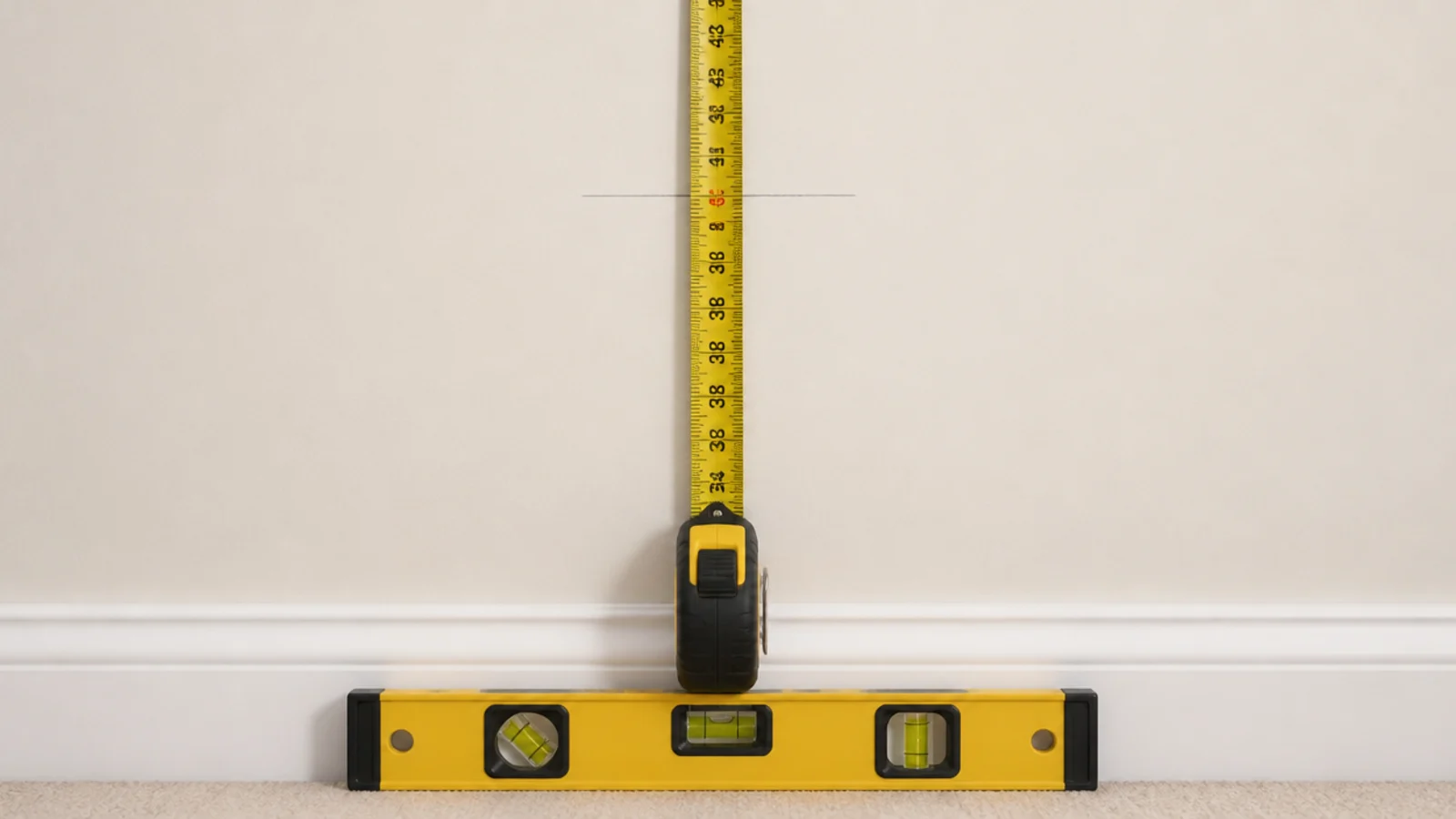
1. Paint a chalkboard panel that stops at forty inches
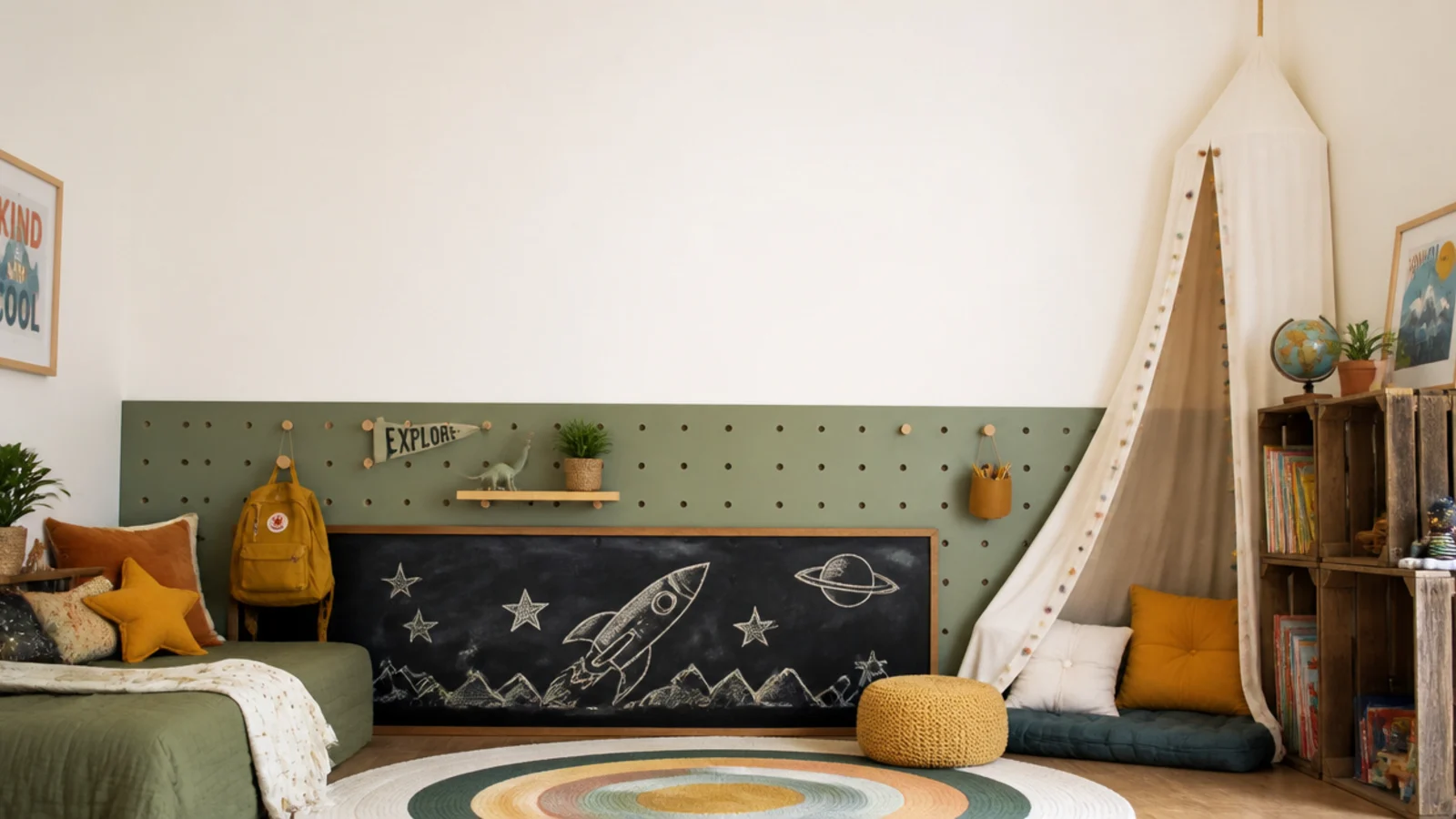
Chalkboard paint at about $18 a quart covers roughly 50 square feet. Mask a rectangle from the skirting to 40 inches, two coats, then season it by rubbing the whole surface with chalk before the first drawing. A panel she can reach every part of is used daily; one that runs to the ceiling is used along the bottom edge.
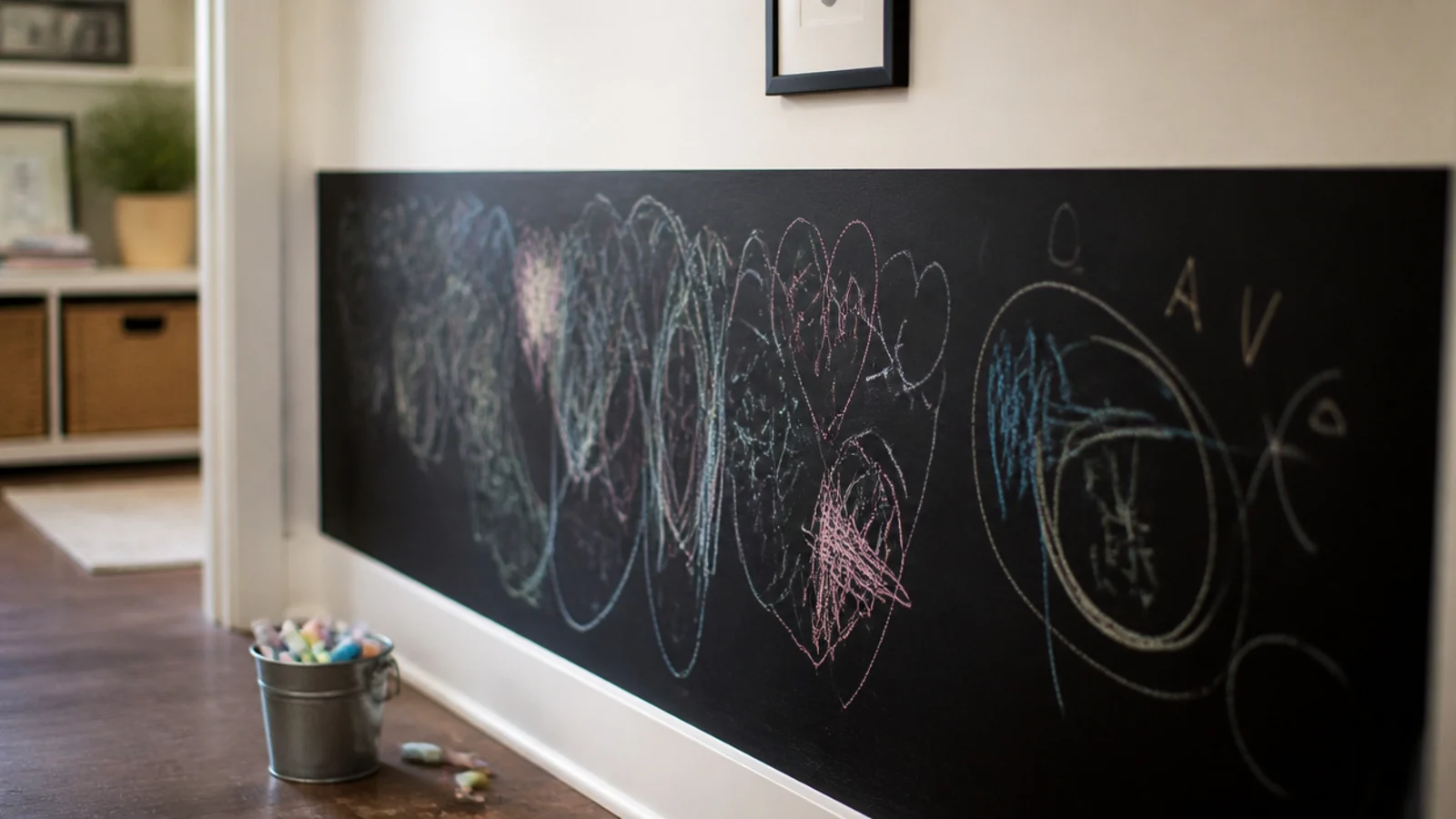
2. A magnetic strip behind the play zone
Magnetic primer under a normal topcoat gives you a wall that holds painted wooden shapes and drawings without a single pin. It takes three or four coats of primer to be genuinely strong. Keep magnets large — nothing under about 1.5 inches, which is above the small parts choking limit.
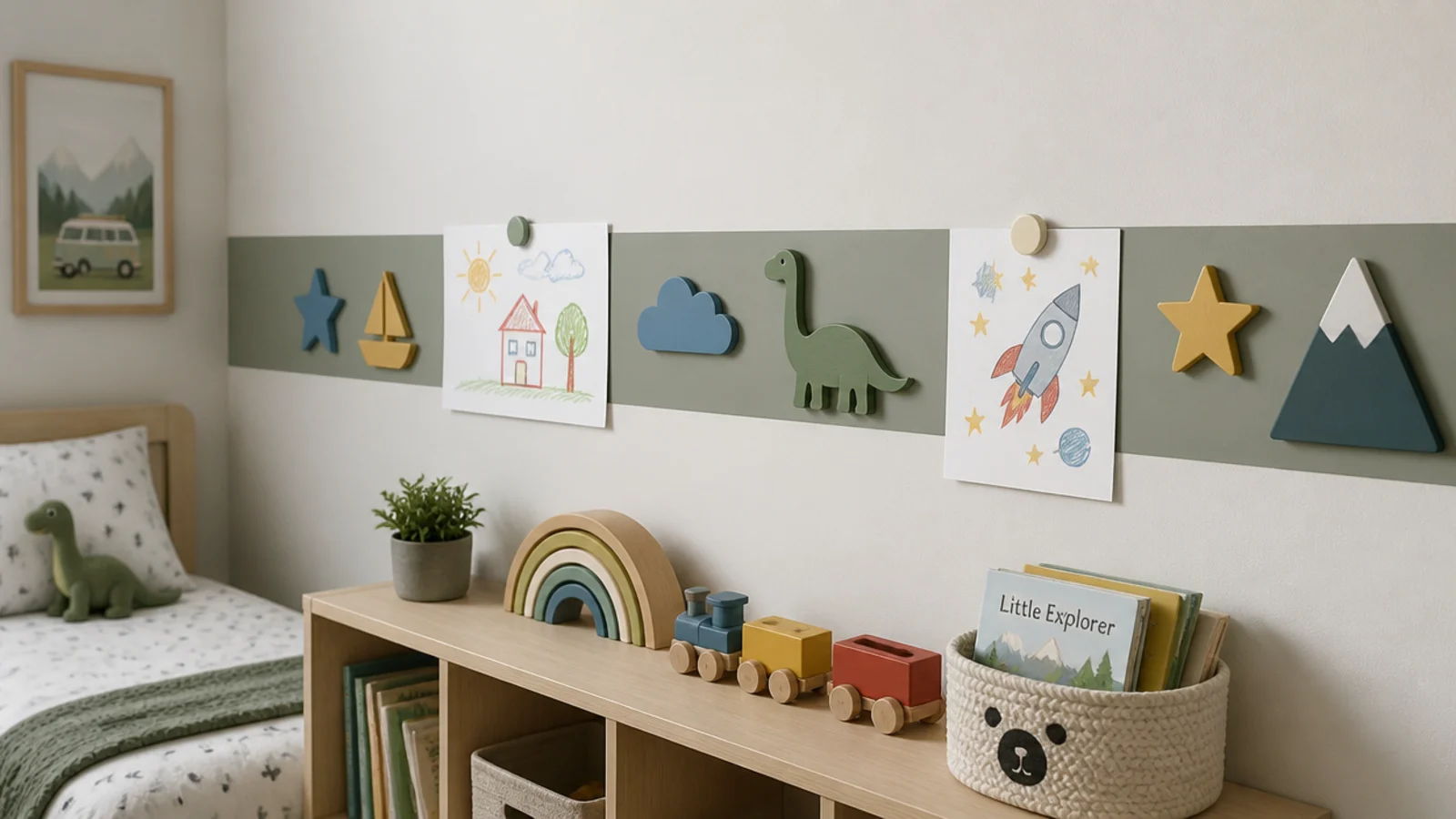
3. A pegboard wall that changes every year
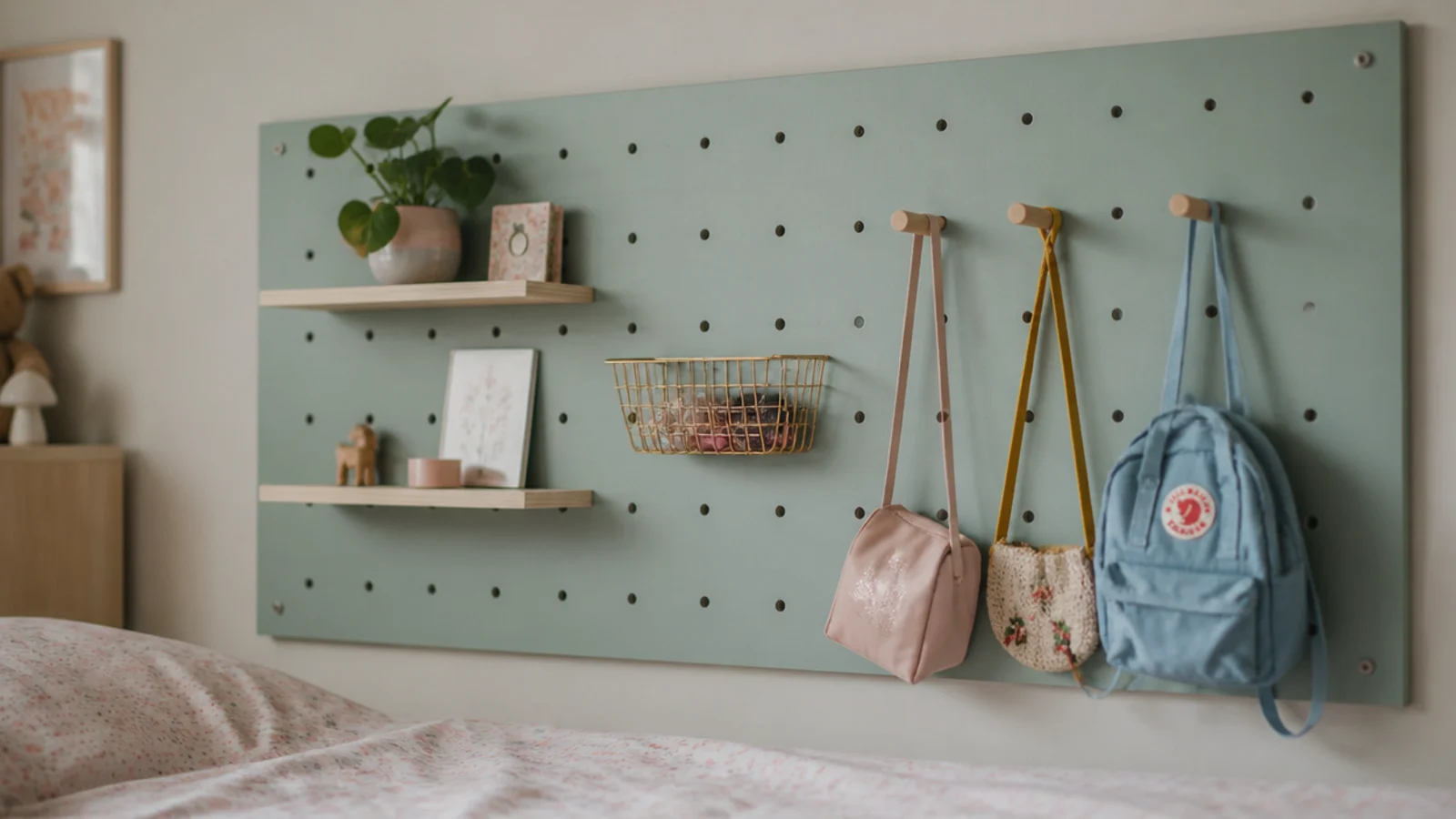
A painted pegboard panel screwed onto battens takes shelves, baskets and hooks that move as she grows. Battens matter: they hold the board about half an inch off the wall so hooks can pass through. Keep the lowest hooks at 30 inches, fix into studs, and never fit it above the bed.
4. Build the bed into a nook between two anchored bookcases
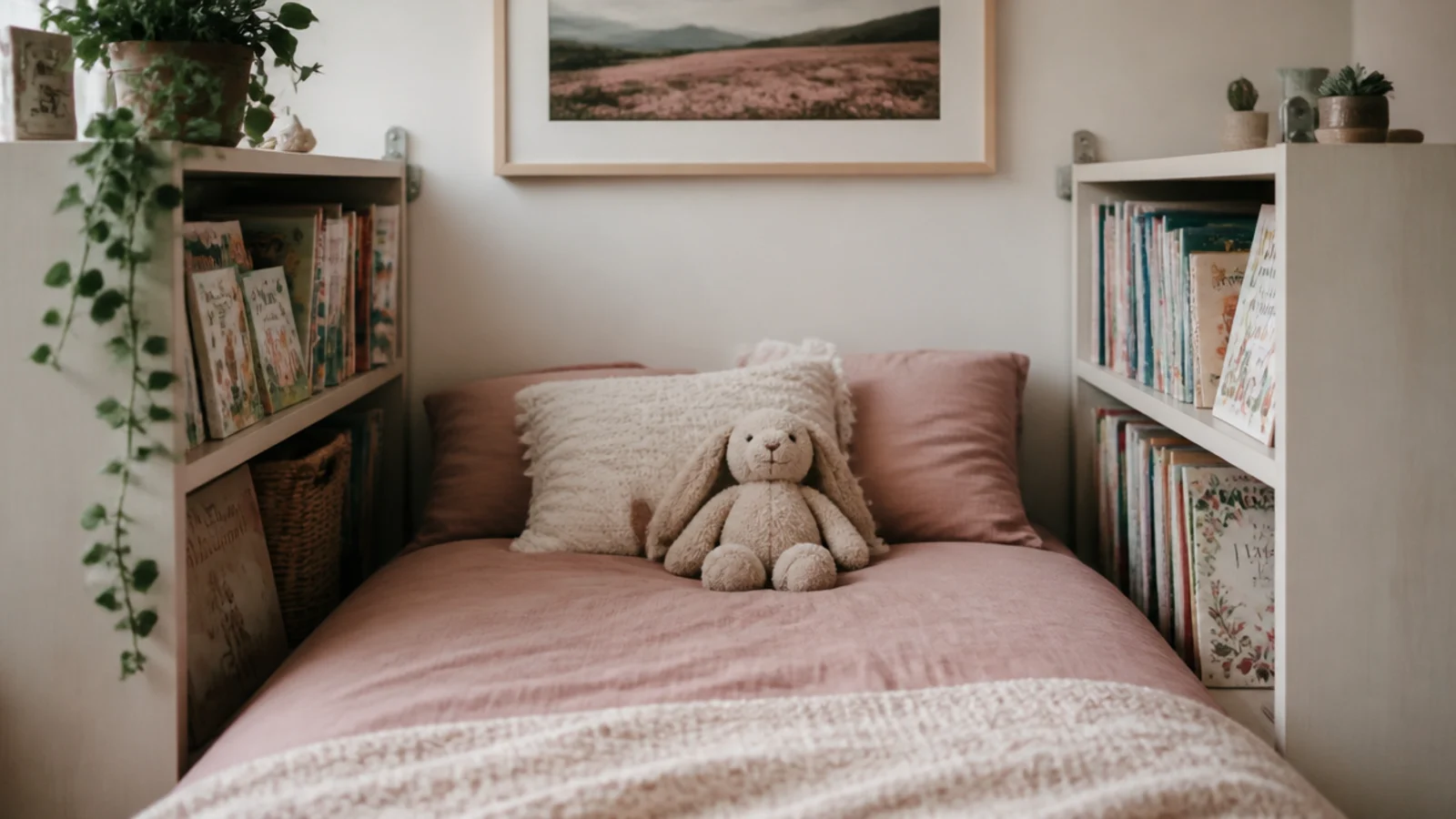
Two waist-height bookcases either side of a single bed make a sheltered nook and add 6 to 8 linear feet of storage without a wardrobe. Anchor both, keep them under 34 inches so nothing looms over the pillow, and leave 2 inches of gap so bedding does not catch.
5. Paint a cottage door onto the closet front
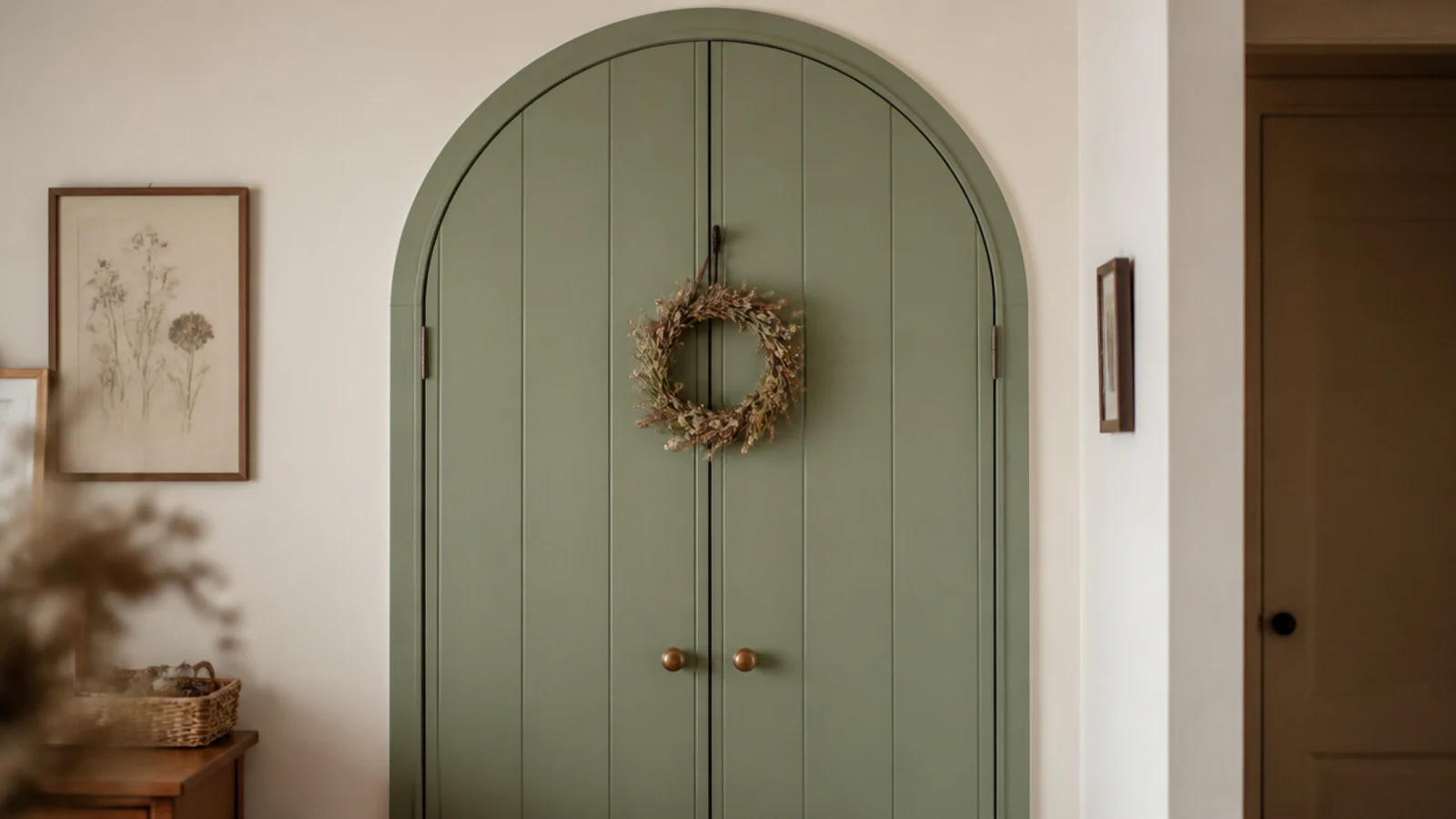
A rounded door shape, a few planked lines and a painted handle turn flat closet doors into something worth opening. Two tester pots and an afternoon. Use eggshell so it wipes, and keep any real hook light enough that a pulled wreath cannot bring the door down on her.
6. Hand-paint a star ceiling instead of using stickers
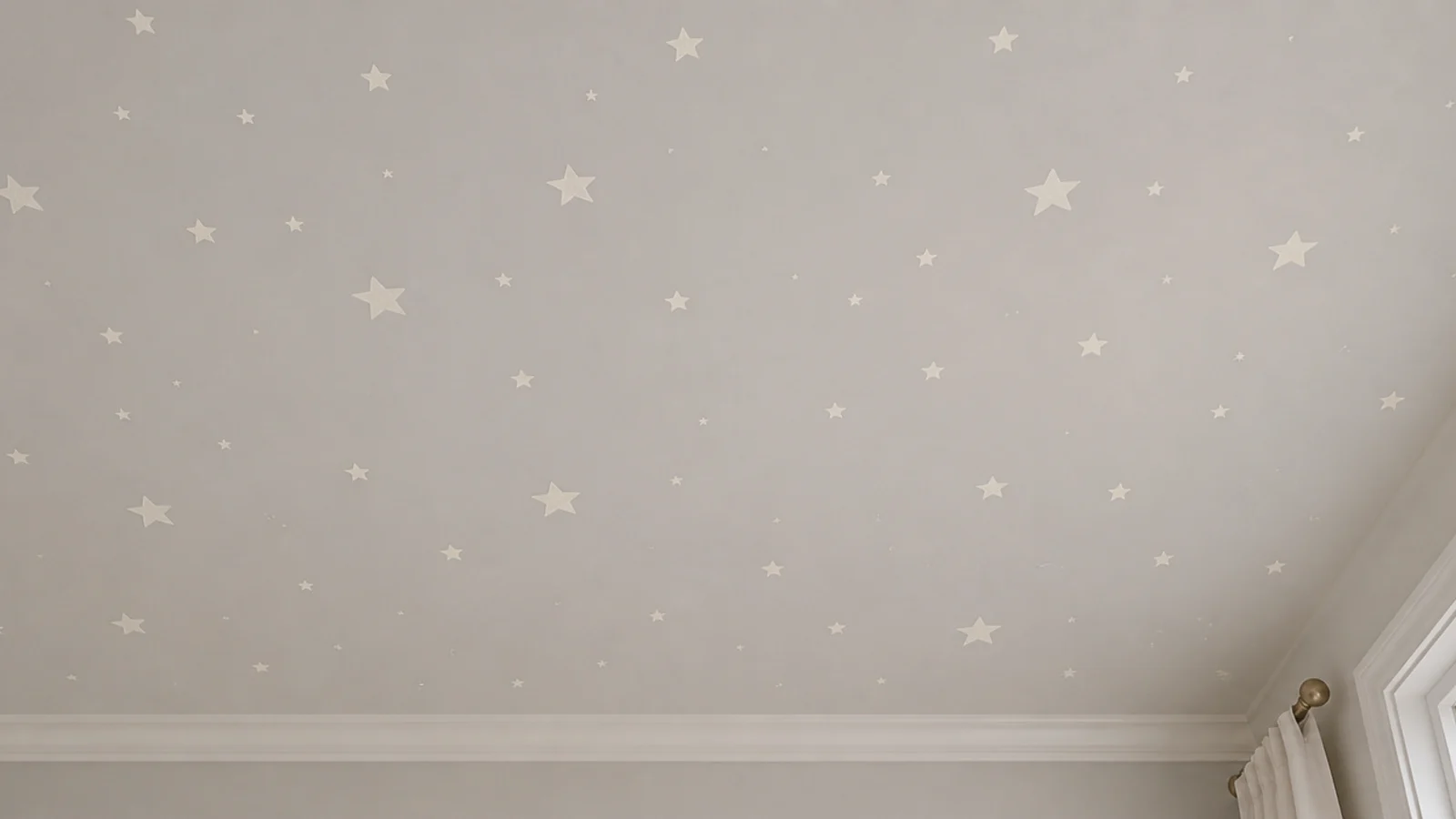
Glow-in-the-dark plastic stars yellow within two years and take paint off with them. Small hand-painted cream stars, thinned slightly, cost one tester pot and never peel. Work in irregular clusters rather than an even scatter, and paint the ceiling before the furniture goes back in.
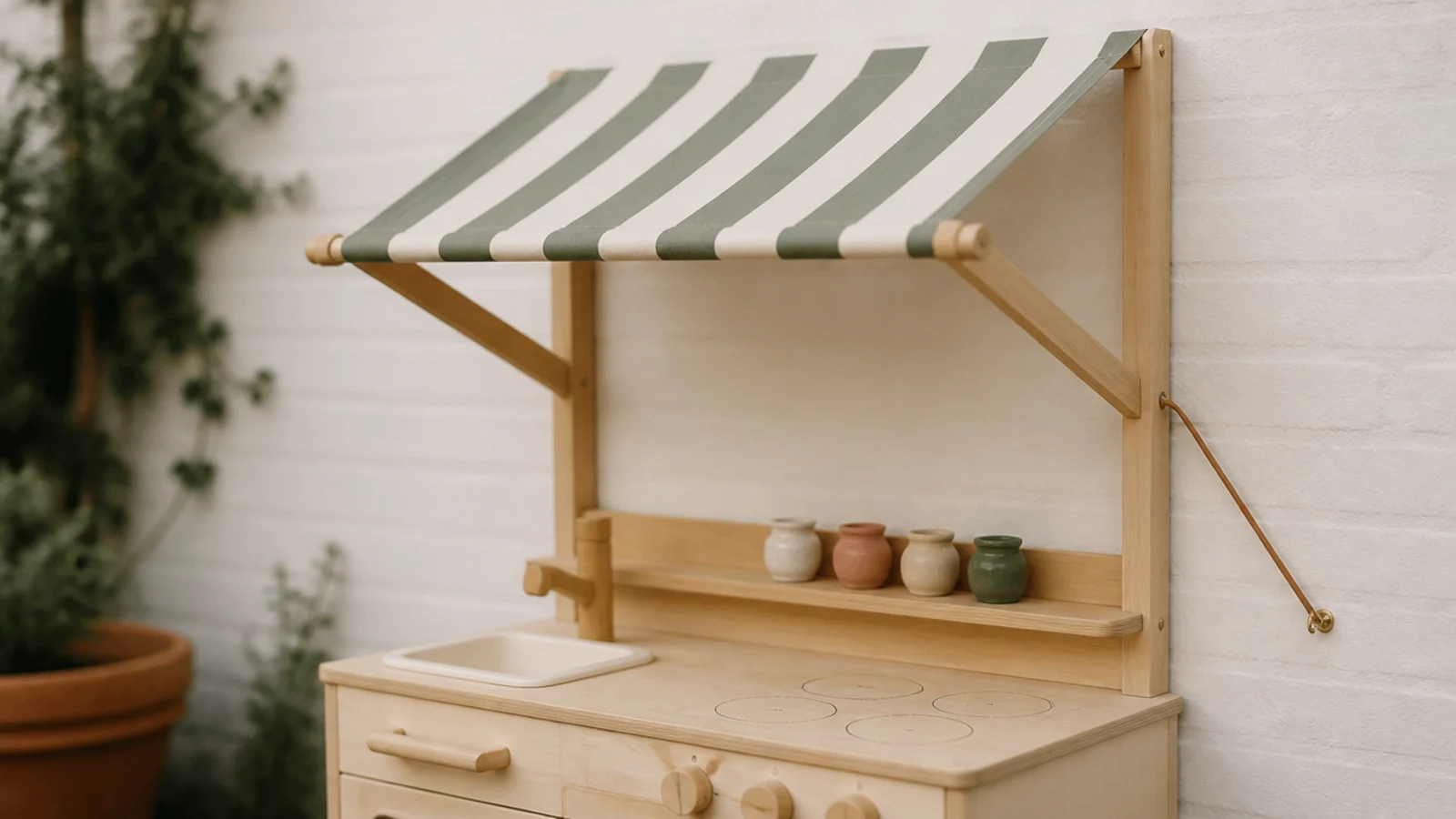
7. A fabric awning over the play kitchen
A metre of striped cotton over a simple timber frame turns a plastic-looking toy into a shopfront for around $20. Fix the frame into studs above the unit, keep it shallow enough not to be grabbed, and strap the kitchen itself to the wall like any other piece over 24 inches.
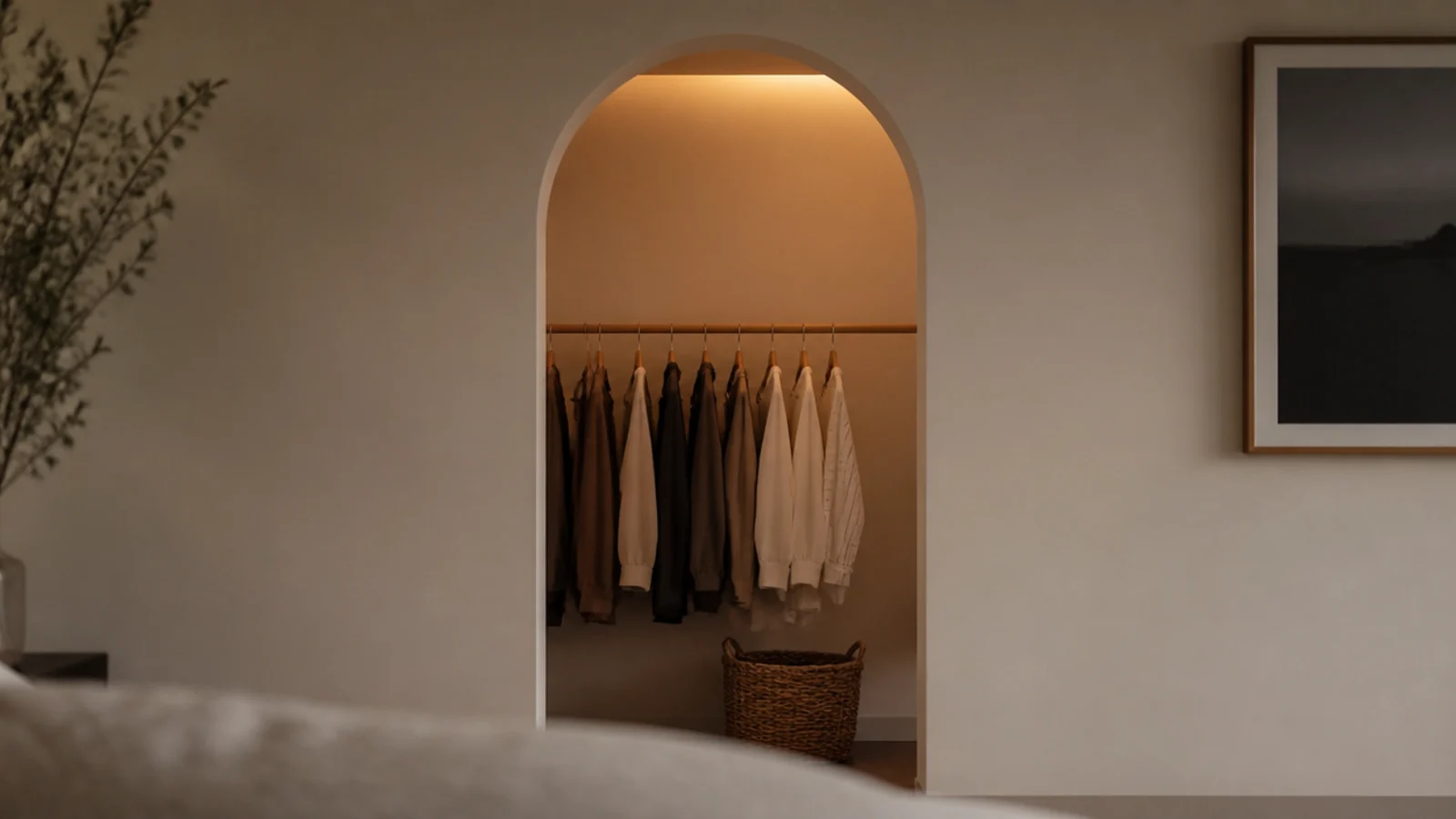
8. Cut an arch into a closet doorway
If the closet has no door, an arched opening cut into the plasterboard and skimmed costs materials plus a Saturday, and it makes the space read as a room rather than a cupboard. Keep the opening at least 24 inches wide, and check for cables and studs before any saw touches the wall.
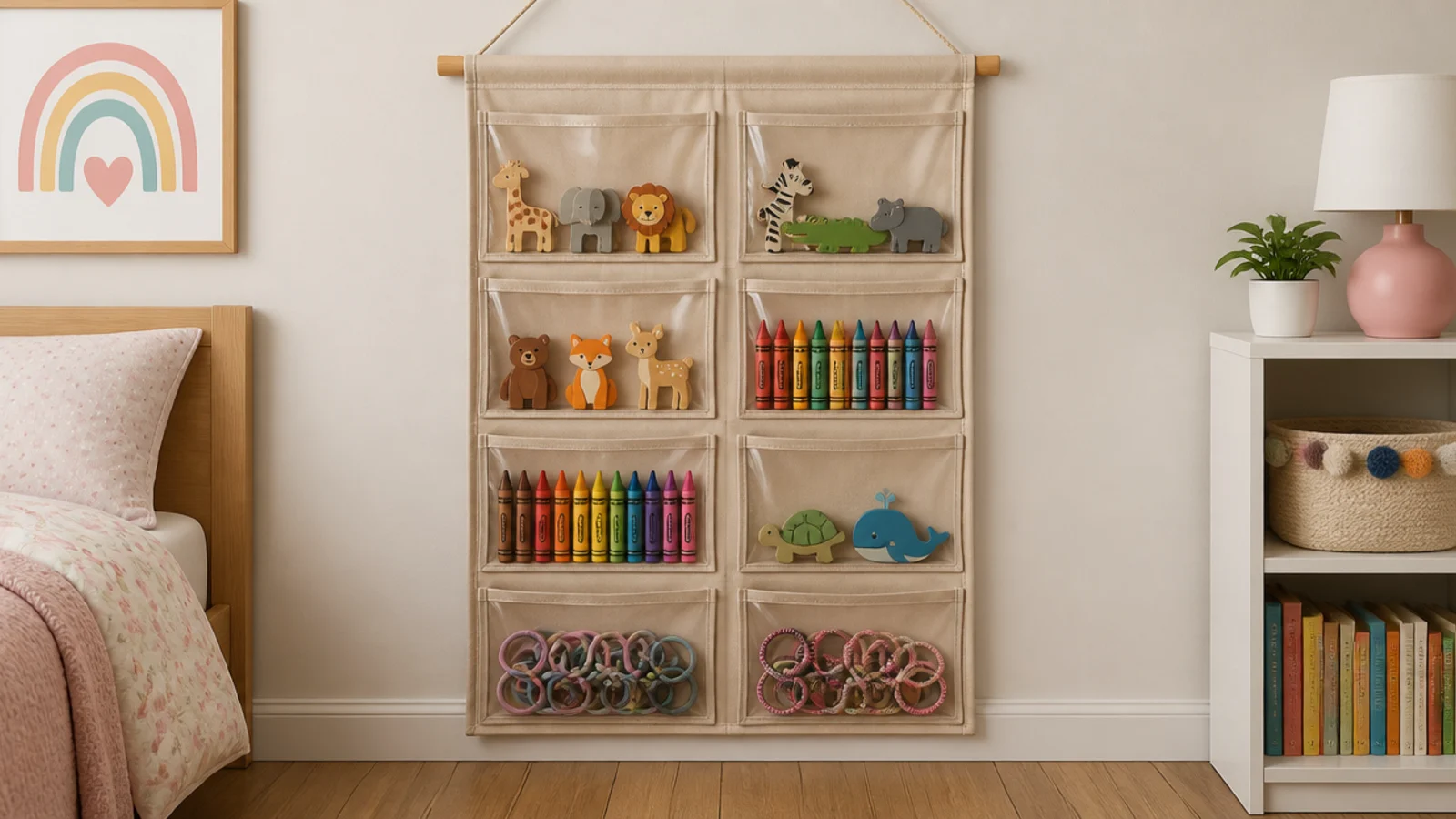
9. A hanging pocket panel sorted by height
Clear pockets mean nothing gets lost, and sorting by height means she can reach the things she uses most. Put crayons and hair ties in the bottom row at 24 to 30 inches and the things you control at the top. About $20, two screws, and it takes no floor at all.
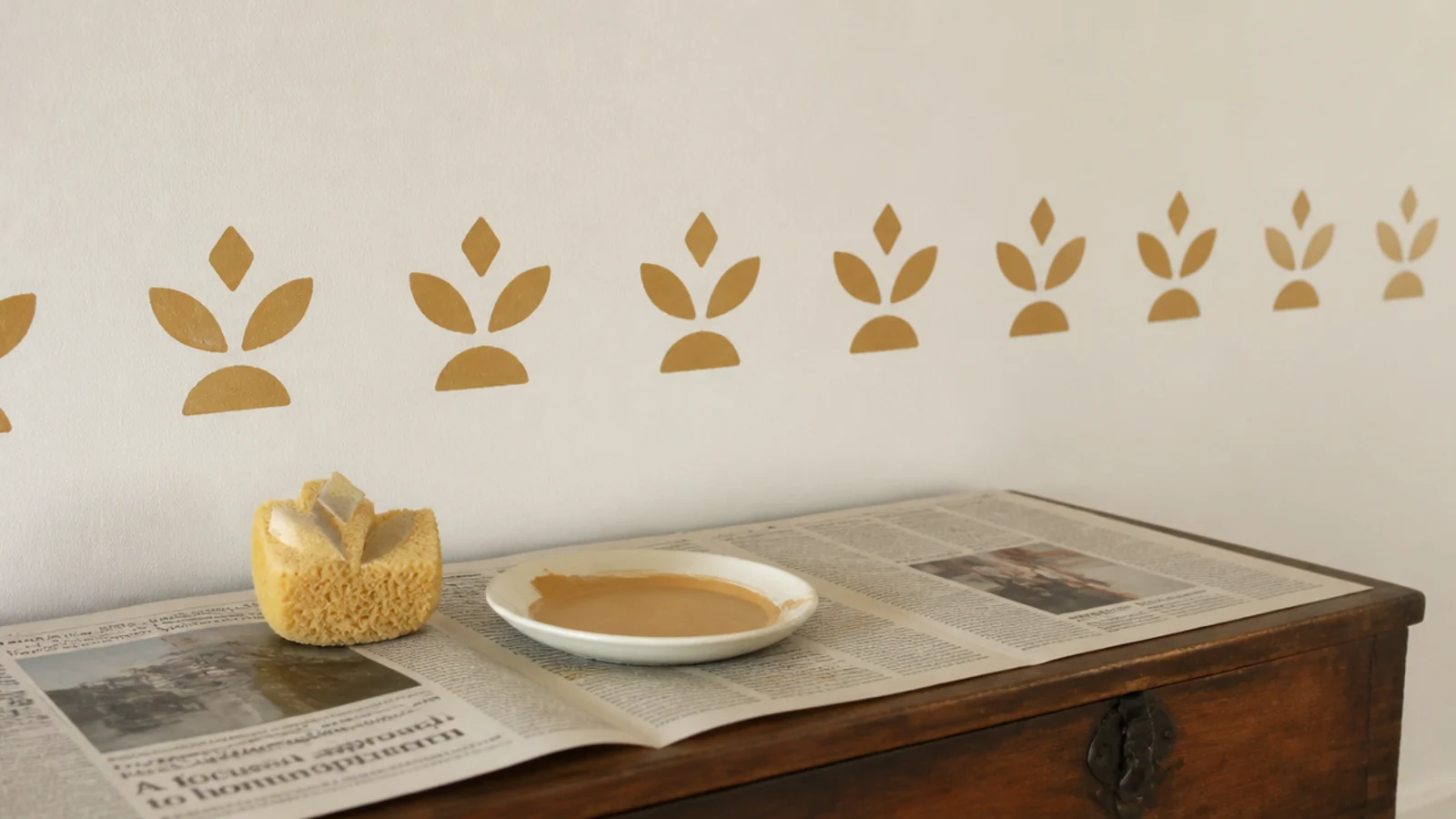
10. Stamp a border with a cut sponge
A kitchen sponge cut into a leaf or an arch shape stamps a repeating border for about a dollar. Mark a level pencil line first, load the sponge lightly, and accept the irregularity — hand-stamped patterns look handmade, which is the point. One tester pot covers a whole room's border.
11. A ribbon growth chart on the back of the door
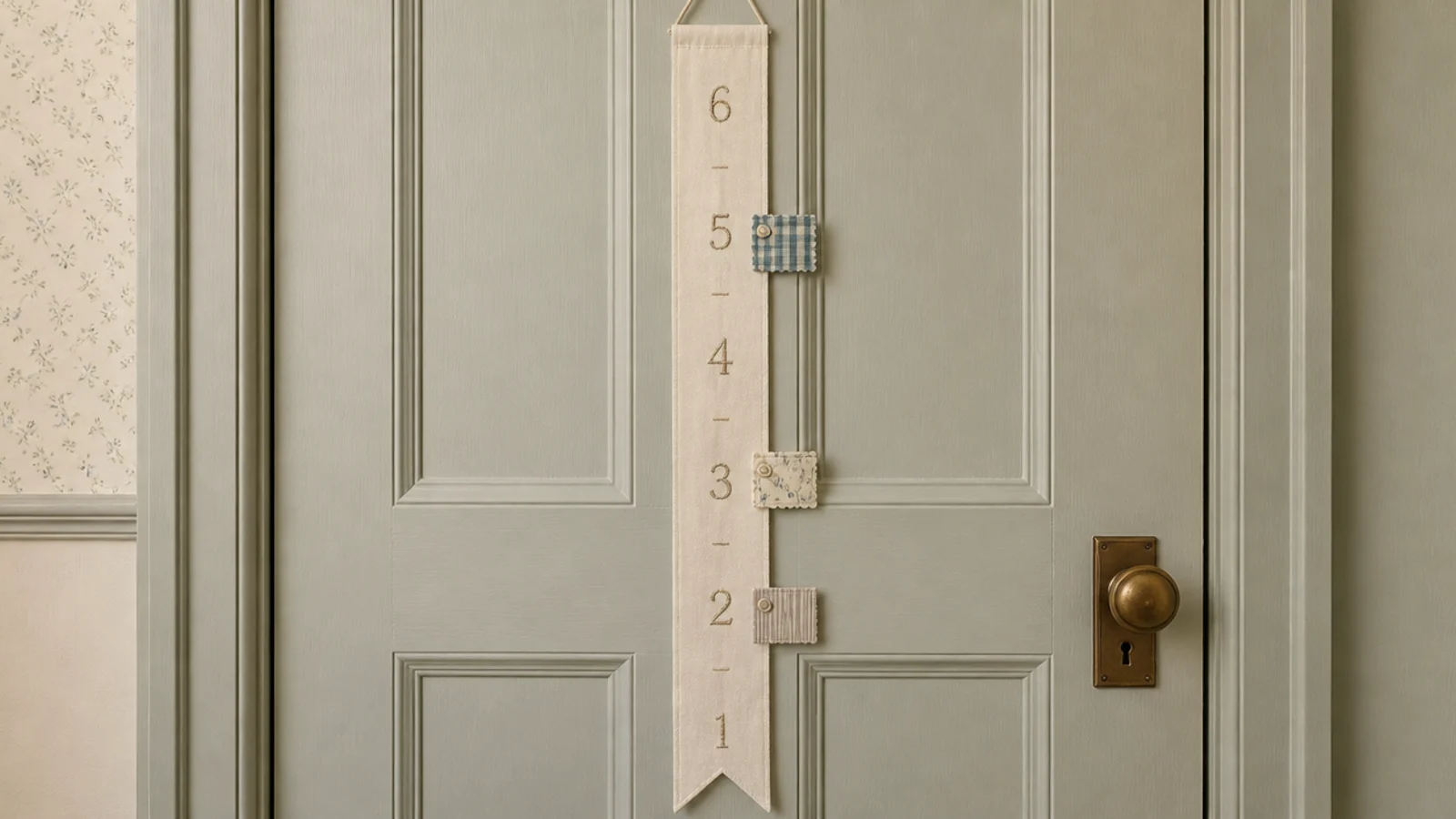
A wide ribbon marked in inches, pinned down the door back, records her height without marking a wall you will repaint. It rolls up and moves house. Use fabric markers rather than pins at child height, and check the door still closes freely.
12. A puppet theatre in the closet opening
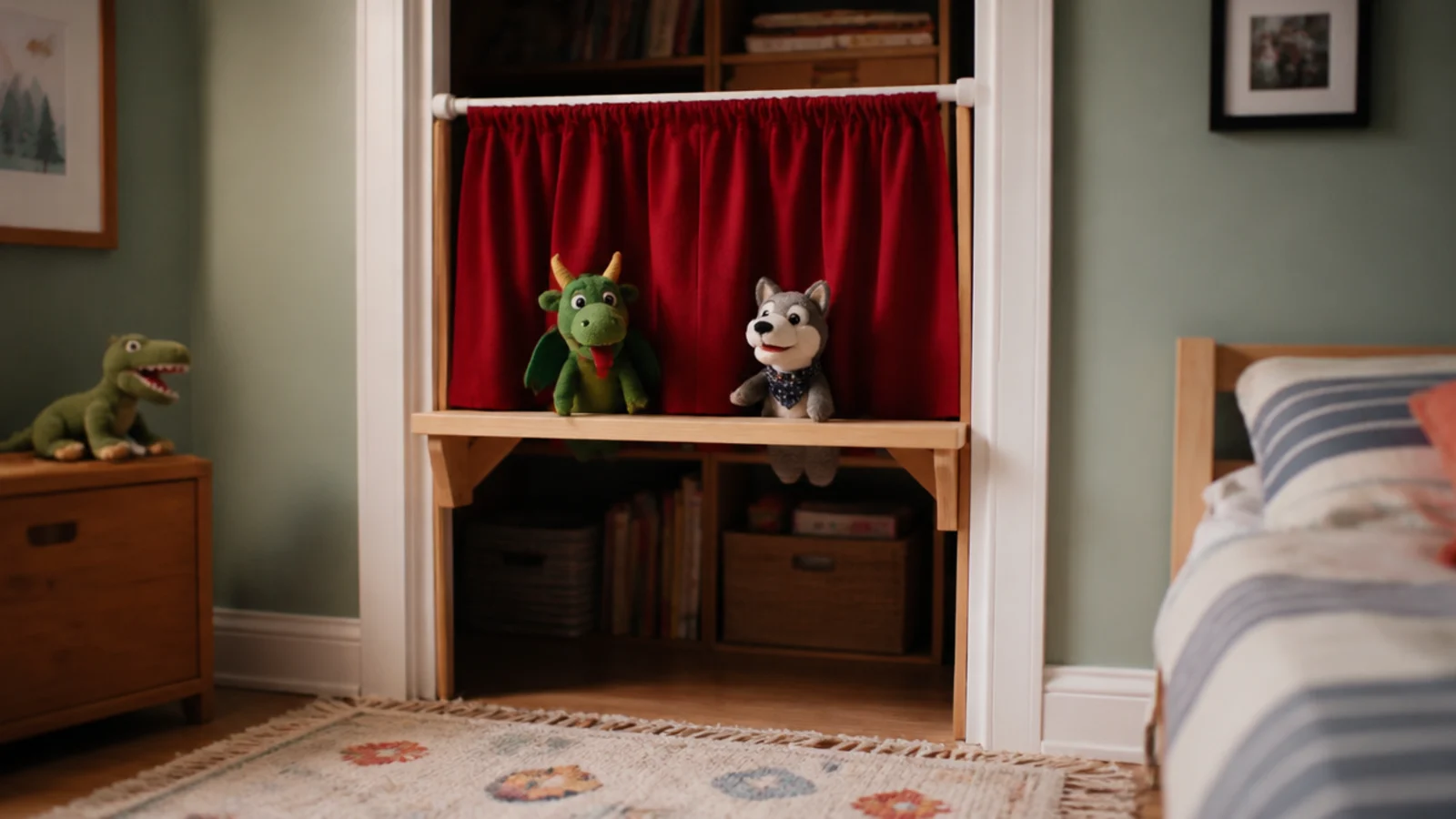
A tension rod, a short curtain and a narrow shelf across a closet opening make a stage for under $25. Tension rods are fine for a light curtain at this height but never for anything load-bearing, and the shelf should be screwed rather than propped.
13. A cloud light made from a paper lantern
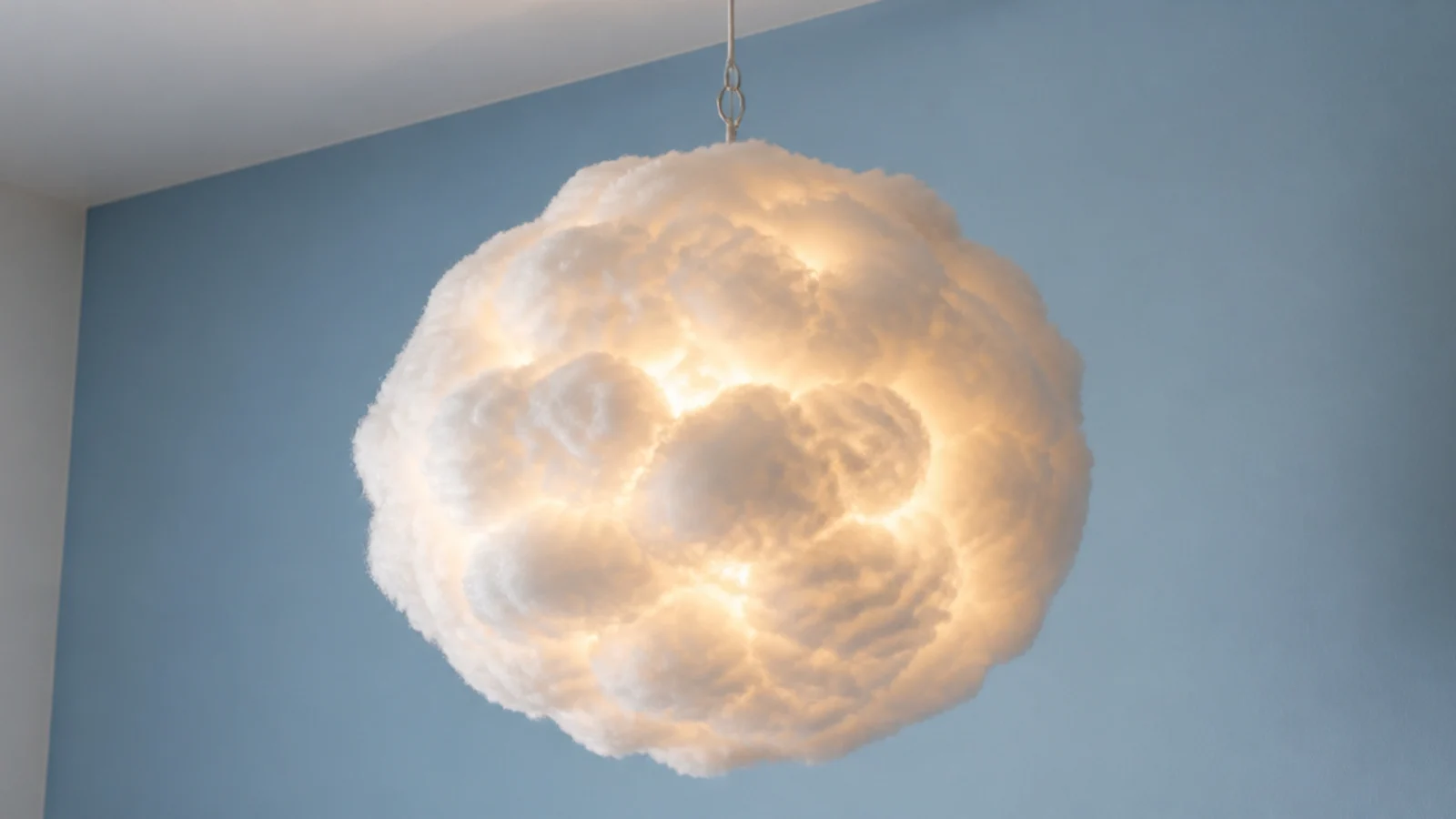
A paper globe covered in loose fibre filling makes a cloud for around $15. Use an LED bulb only — nothing that gets hot inside a paper shade — hang it from a joist hook over open floor rather than over the bed, and keep the flex clipped tight to the ceiling.
14. Stained glass window film
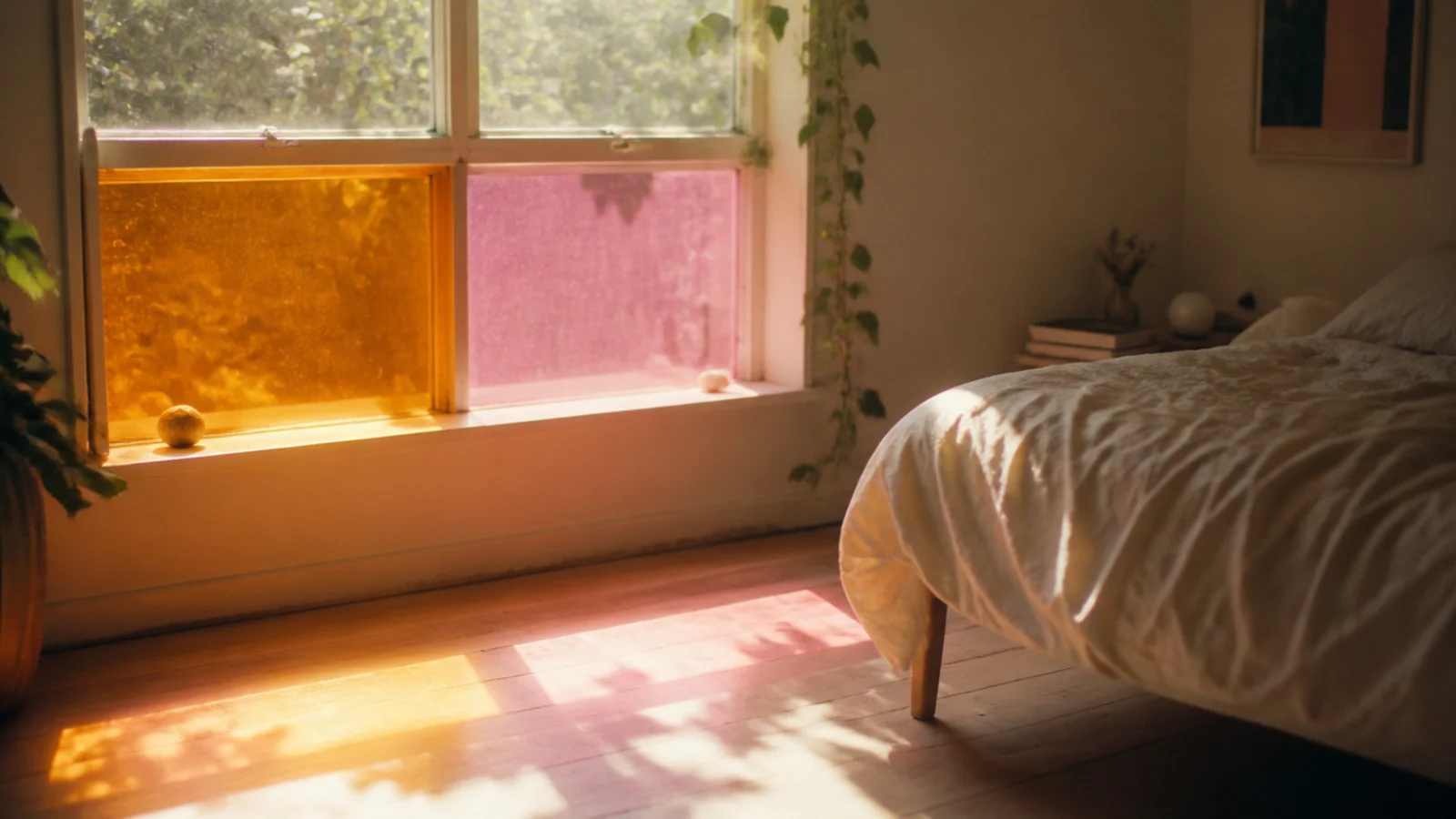
Translucent film at $15 to $30 a roll throws coloured shapes across the floor that move through the day, which is a genuinely absorbing thing for a two-year-old. It also adds daytime privacy. Apply with soapy water and a squeegee, and keep it to the lower half of the window.
15. A painted garden path across the floor
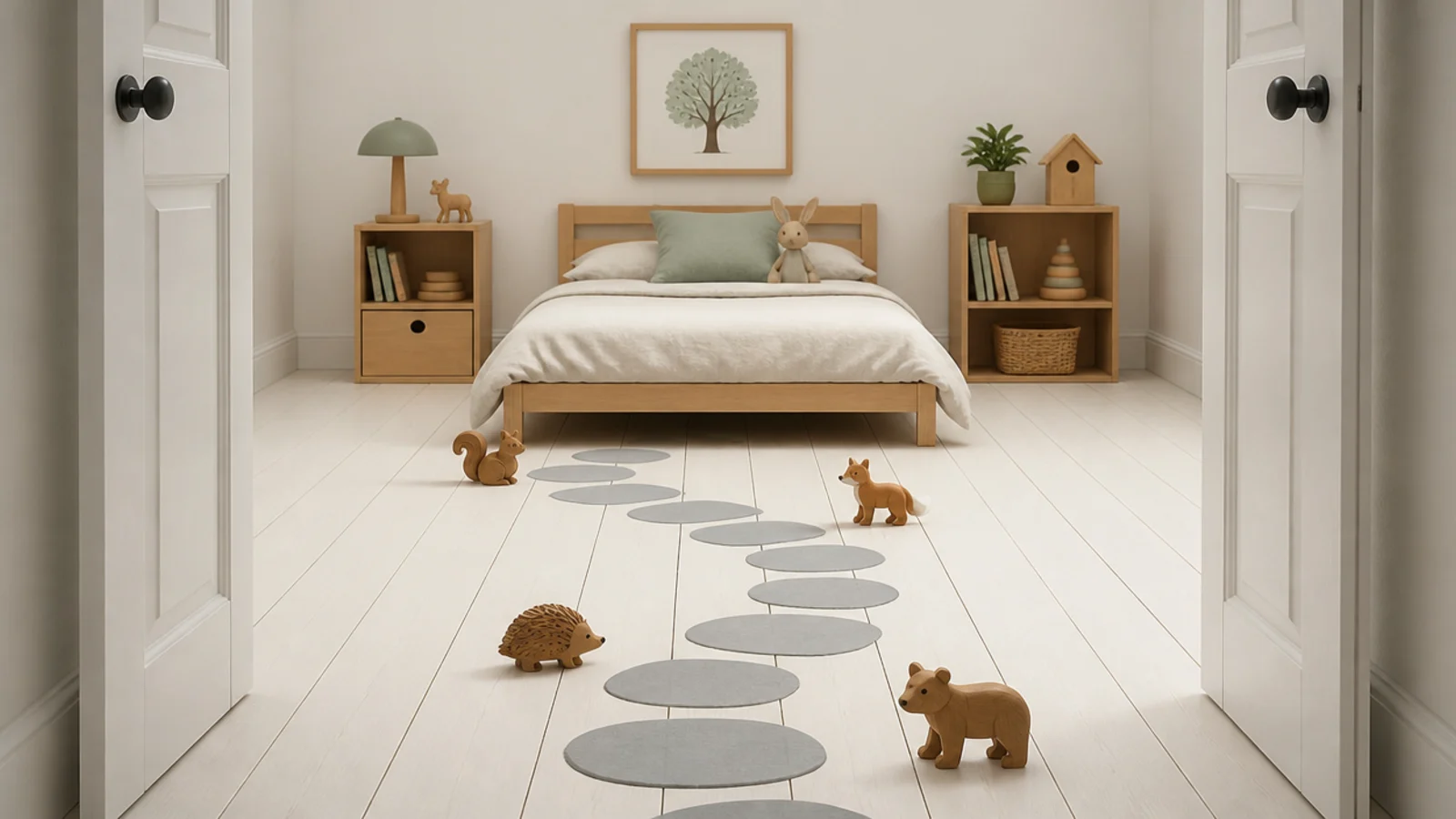
Stepping stones painted across the floorboards from the door to the bed cost one tester pot and give a small room a sense of route. Use water-based floor paint sealed with two coats of water-based varnish, and allow 72 hours of ventilation before the room is used again.
16. A bench with open cubbies instead of a toy box
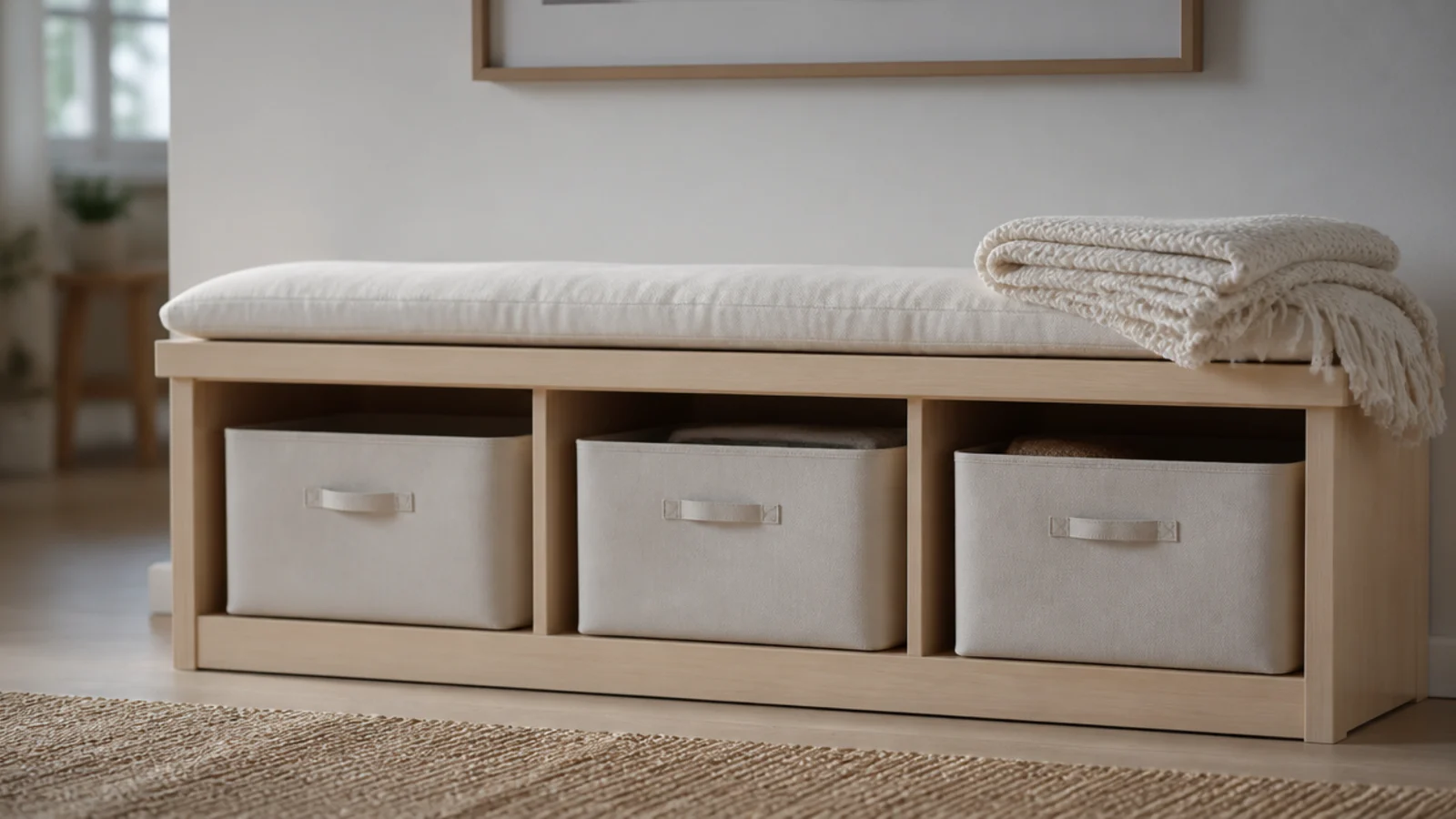
Three open cubbies under a bench seat hold as much as a toy box with none of the lid risk. Keep the seat under 18 inches so she can climb on and off, use lidless fabric bins in the openings, and anchor the bench if it is deep enough to be climbed behind.
17. A corner canopy fixed into two joists
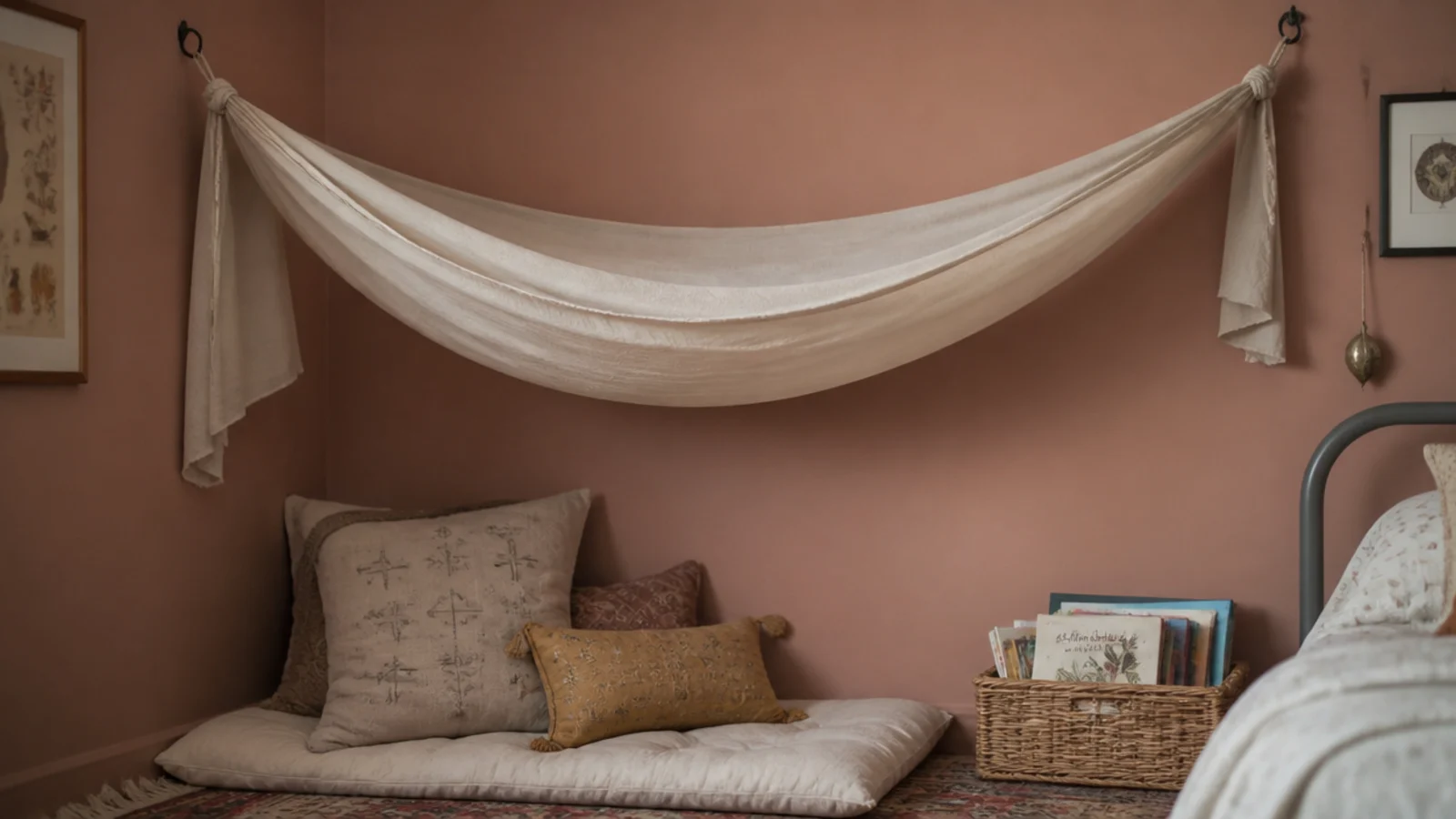
A light cotton panel stretched between two joist hooks across a corner makes a den for under $30. Two rules: the hooks go into joists, not plasterboard, and the corner is not the corner the pillow sits in. Test each hook by hanging your own weight from it first.
18. A picture rail with clips instead of frames
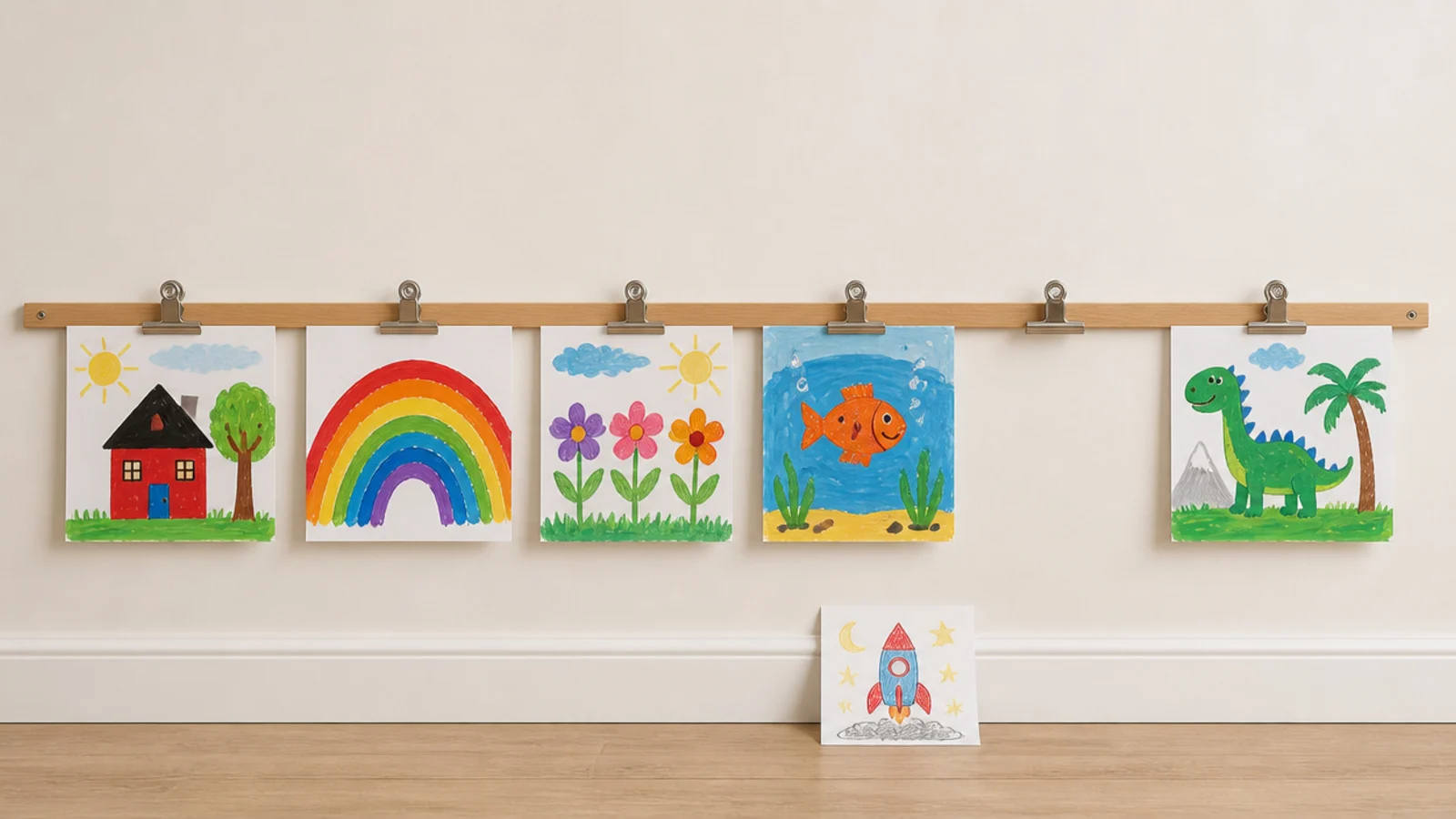
Six small clips on a slim rail let artwork change in seconds without new holes or broken glass. Fit the rail at 36 inches so she can hang her own paintings. It is the single best answer to the pile of drawings that arrives home every week.
19. Pressed flowers in glass clip frames
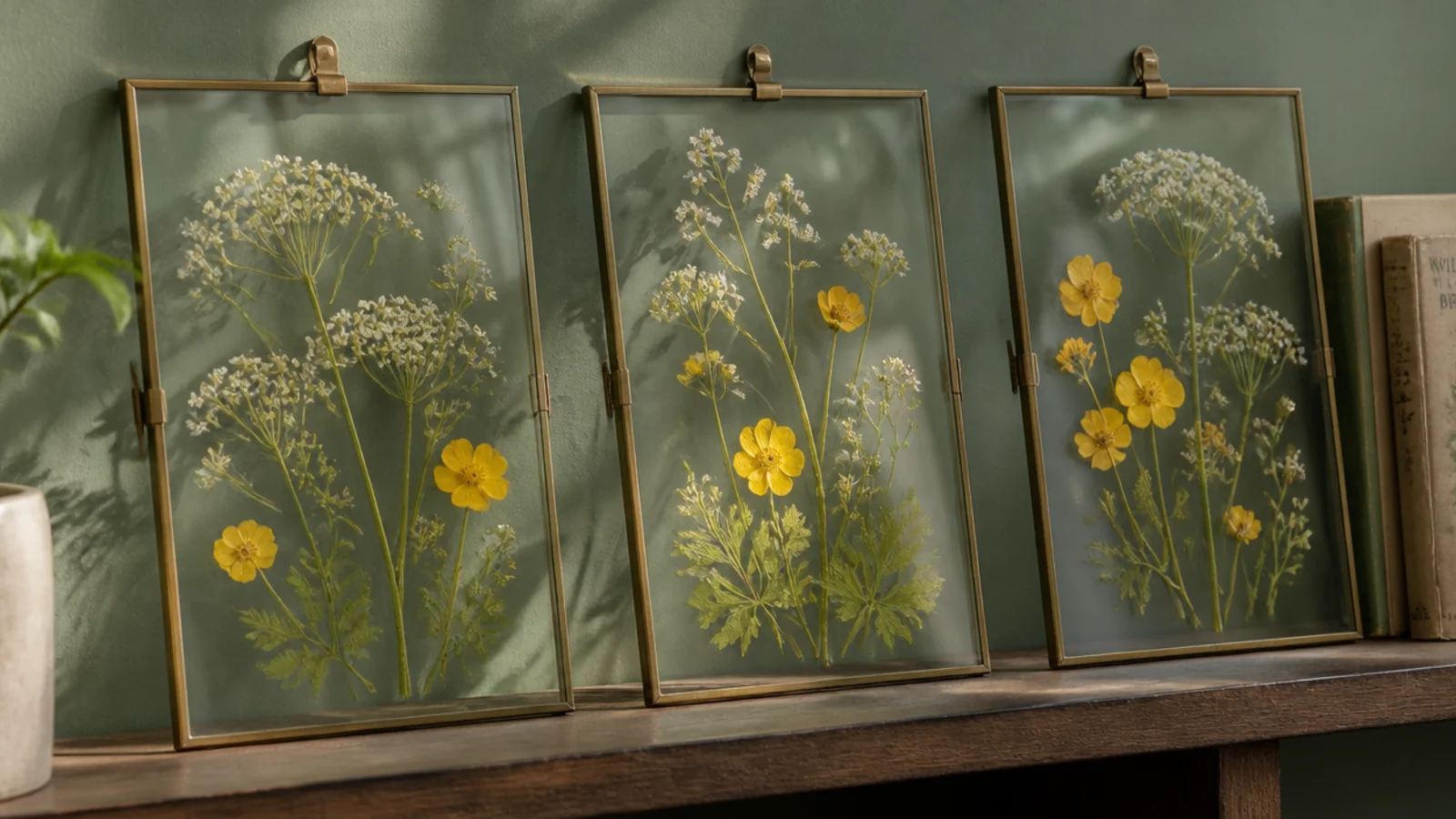
Flowers she picked, pressed between two sheets of glass in a $5 clip frame, cost almost nothing and look better than most children's wall art. Press for two weeks in a heavy book. Lean them on a low shelf rather than hanging glass above the bed.
20. A dressing corner with a stool and low mirror
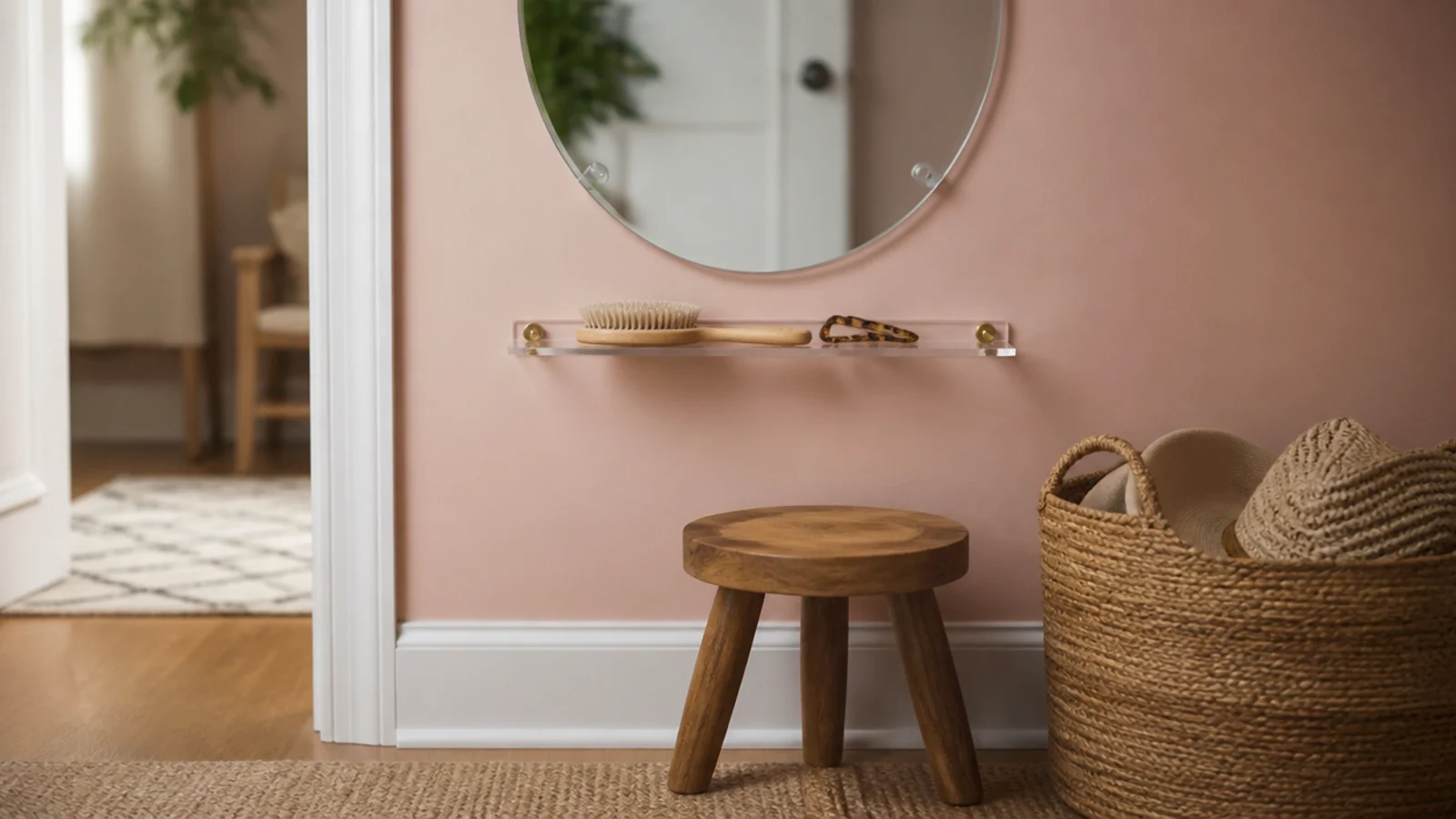
A 10 inch stool under an acrylic mirror screwed flat at 12 to 40 inches, with a small shelf for a brush and two clips. It is where she will do her own hair for the next five years. Shatterproof only, fixed rather than leaned, and nothing glass at that height.
21. A bean bag cover stuffed with soft toys
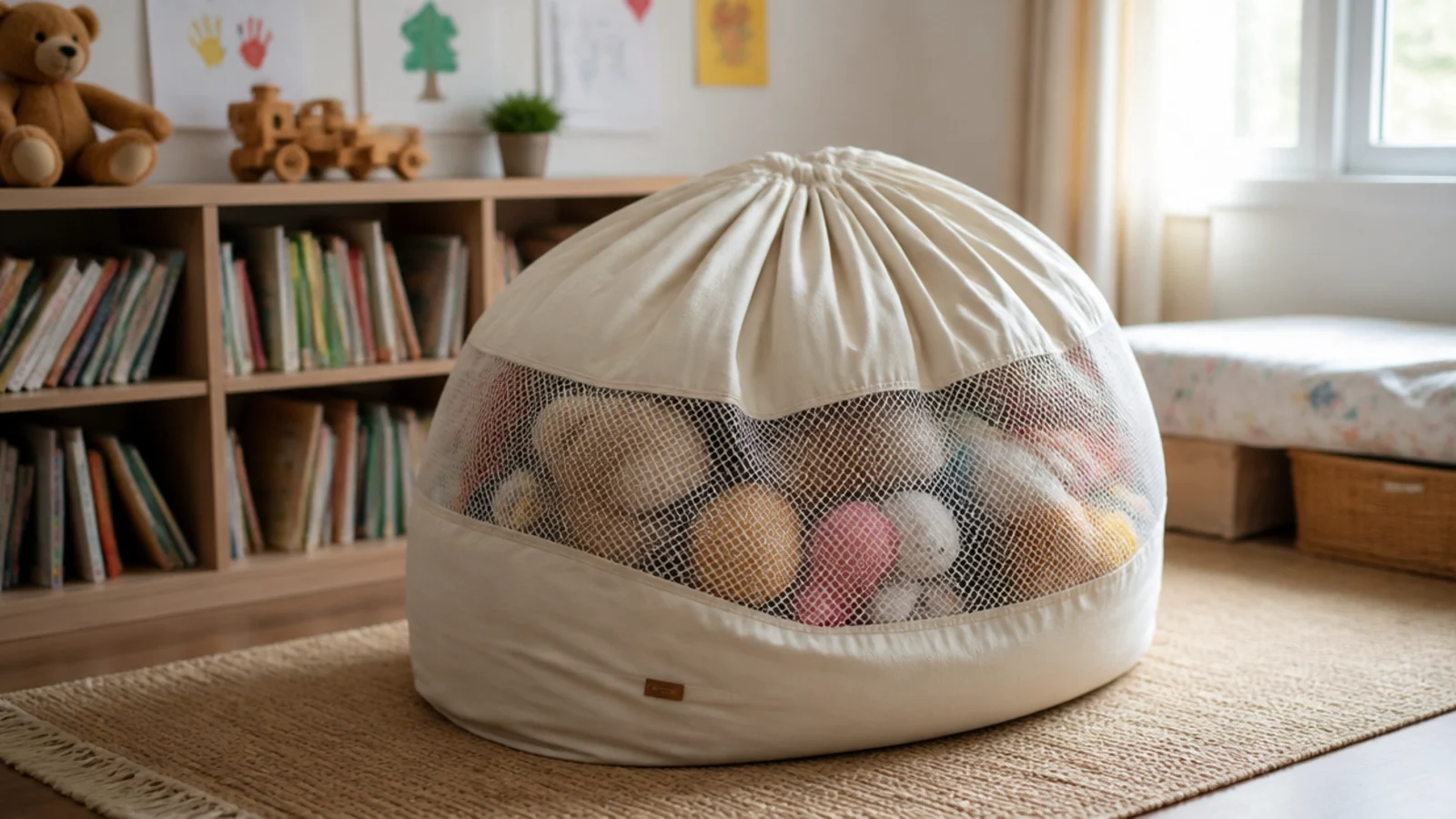
A zipped bean bag cover filled with soft toys is storage that doubles as a seat, and it solves the problem of forty stuffed animals with nowhere to live. Choose a cover with a lockable zip pull, and keep the whole thing under about 20 inches high.
22. A calm-down box on the bottom shelf
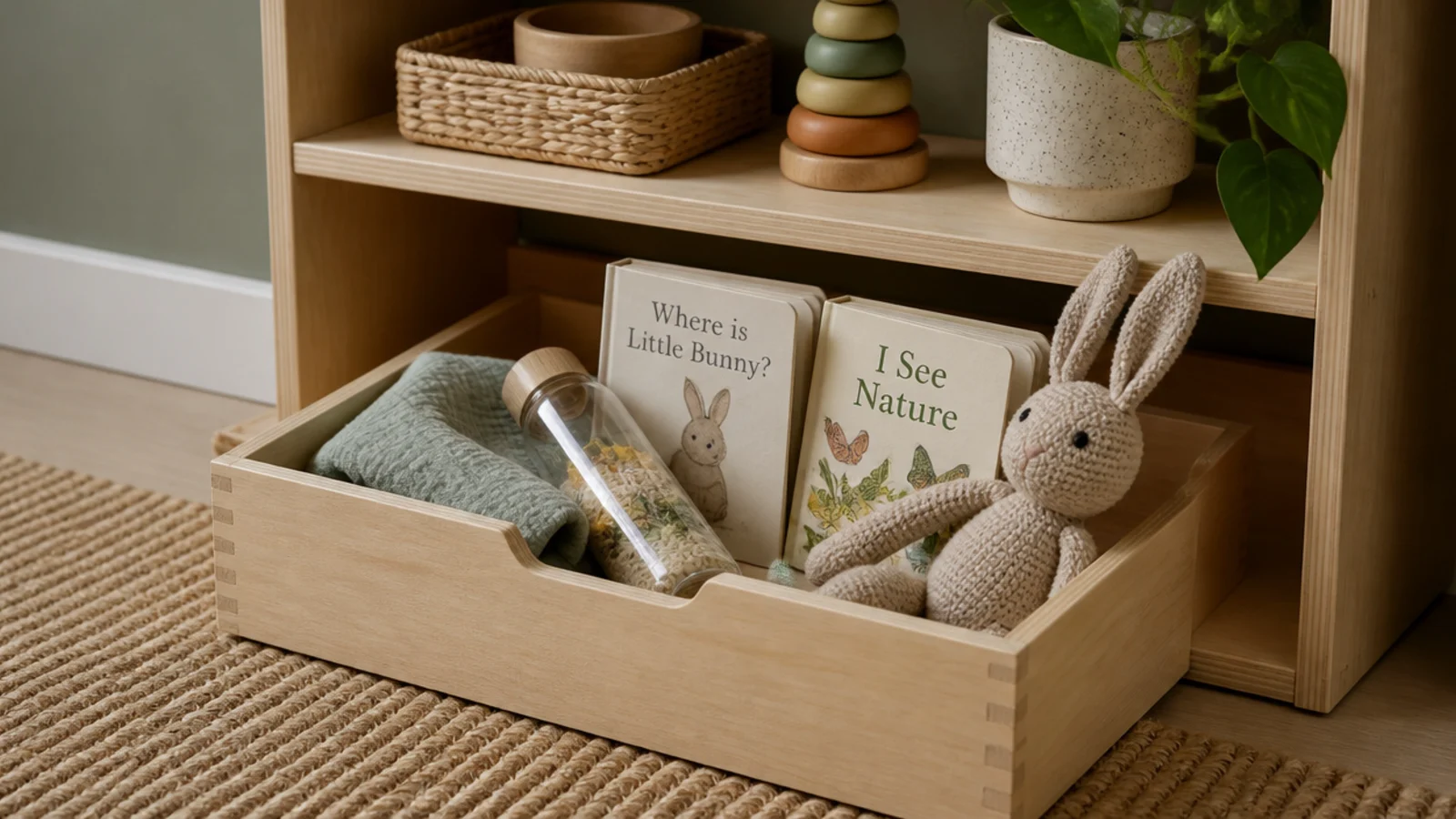
A shallow open box holding a soft cloth, a sensory bottle and two board books, kept on the lowest shelf so she can fetch it herself. It costs nothing, takes six inches of shelf, and is used more than most of the furniture in the room.
23. Wooden crates turned on their sides as cubbies
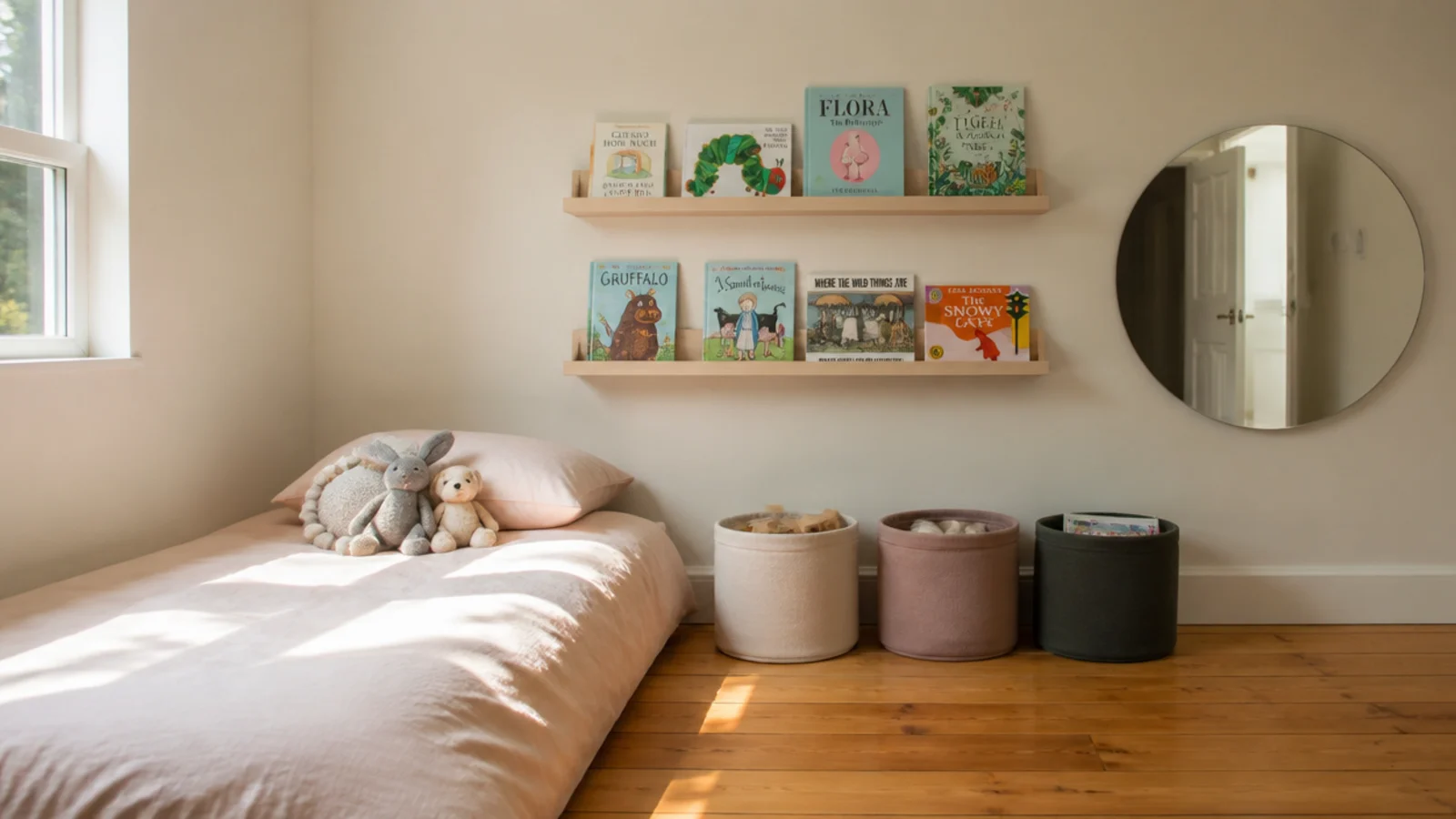
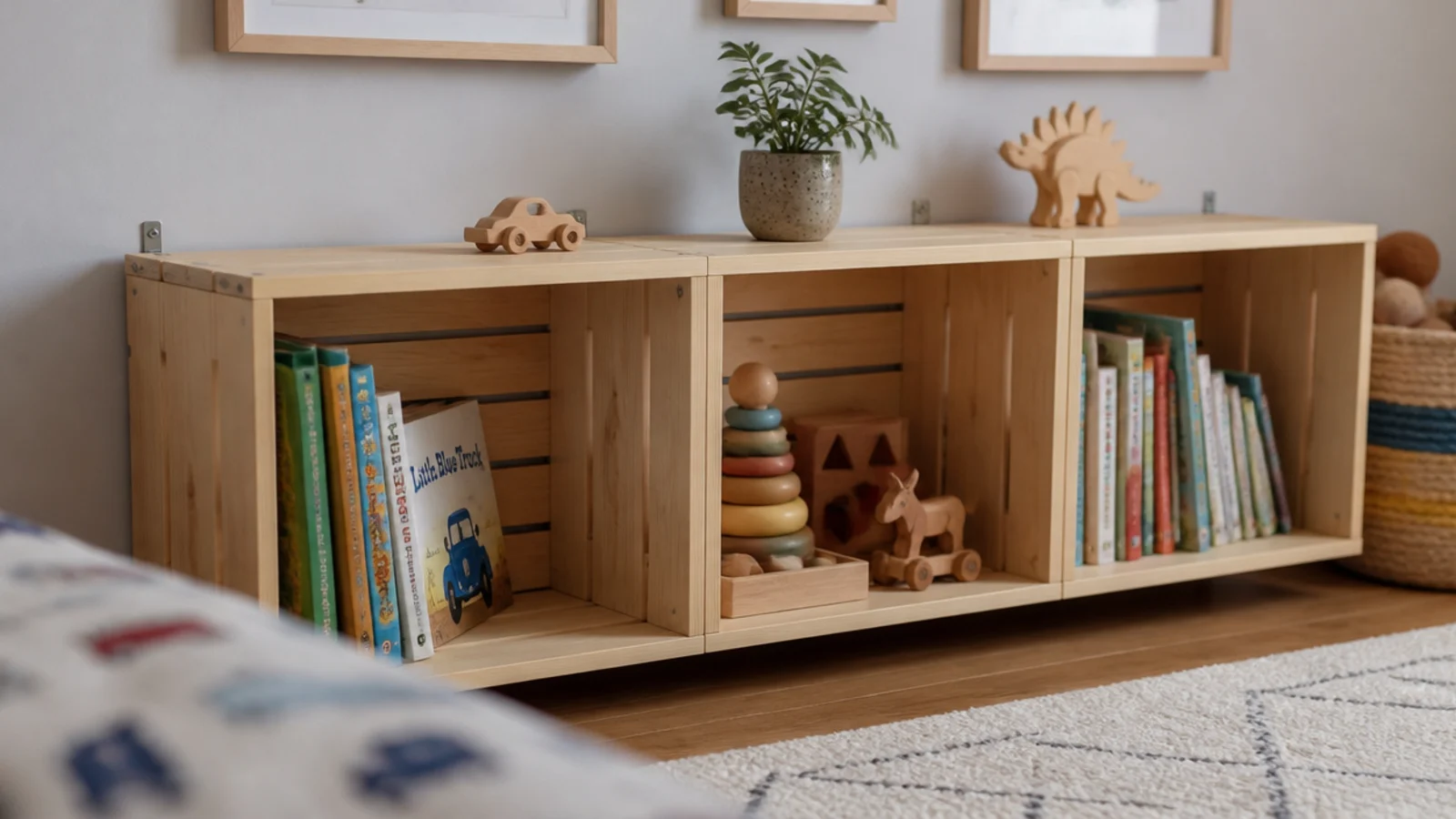
Three crates at $8 to $15 each, sanded to 180 grit and screwed together on their sides, make open book cubbies for a third of the price of a shelving unit. Anchor the stack to the wall, keep it under 30 inches tall, and check for protruding staples first. The book display guide covers arranging them.
24. A photo wall of family at thirty-six inches
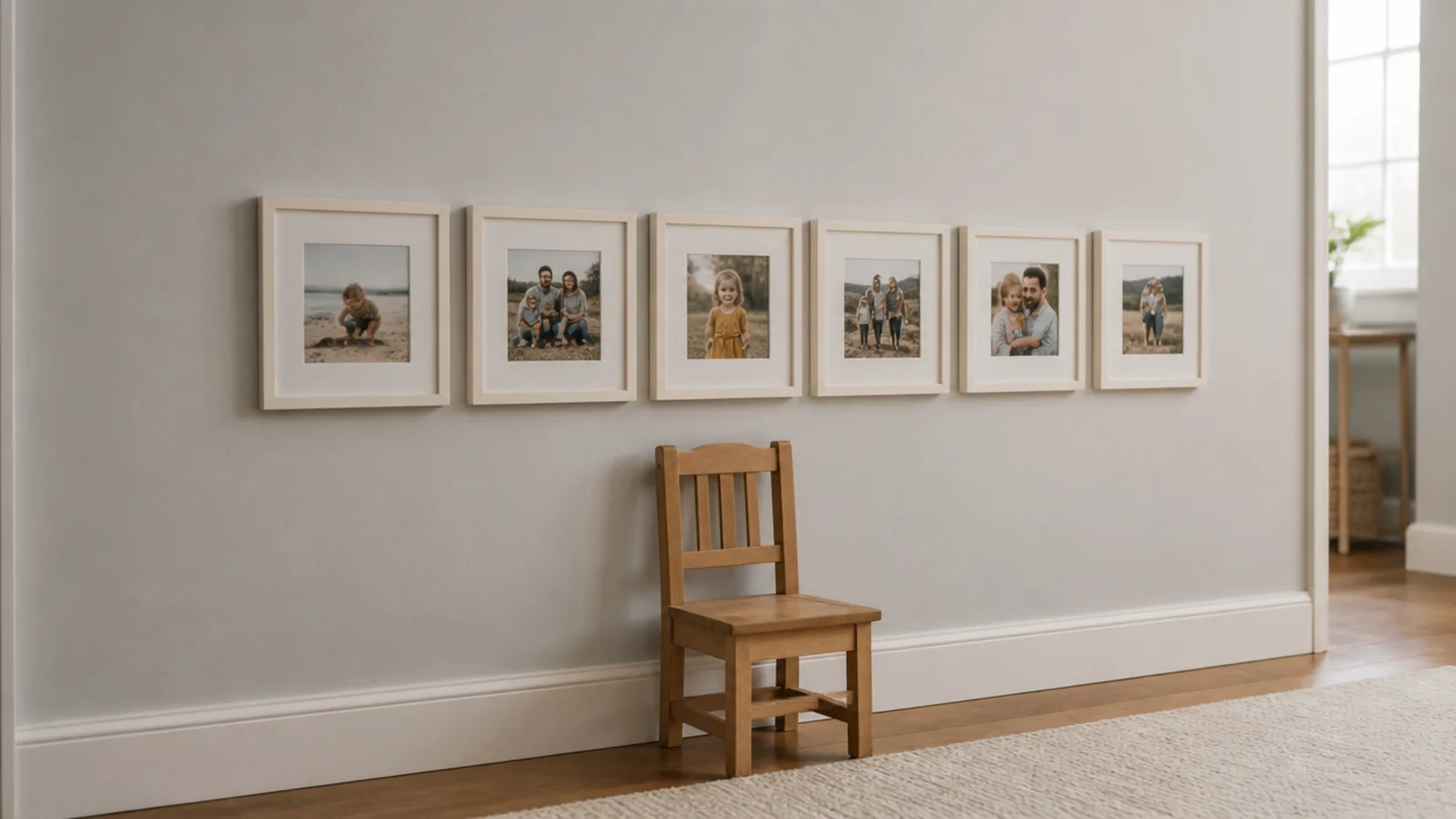
Six small photographs of people she knows, hung in a low line at her eye level, is the cheapest and most reassuring wall in the house. Acrylic glazing rather than glass, and keep the run on a wall she passes rather than the one behind the bed.
25. A doorway curtain that turns the room into a den
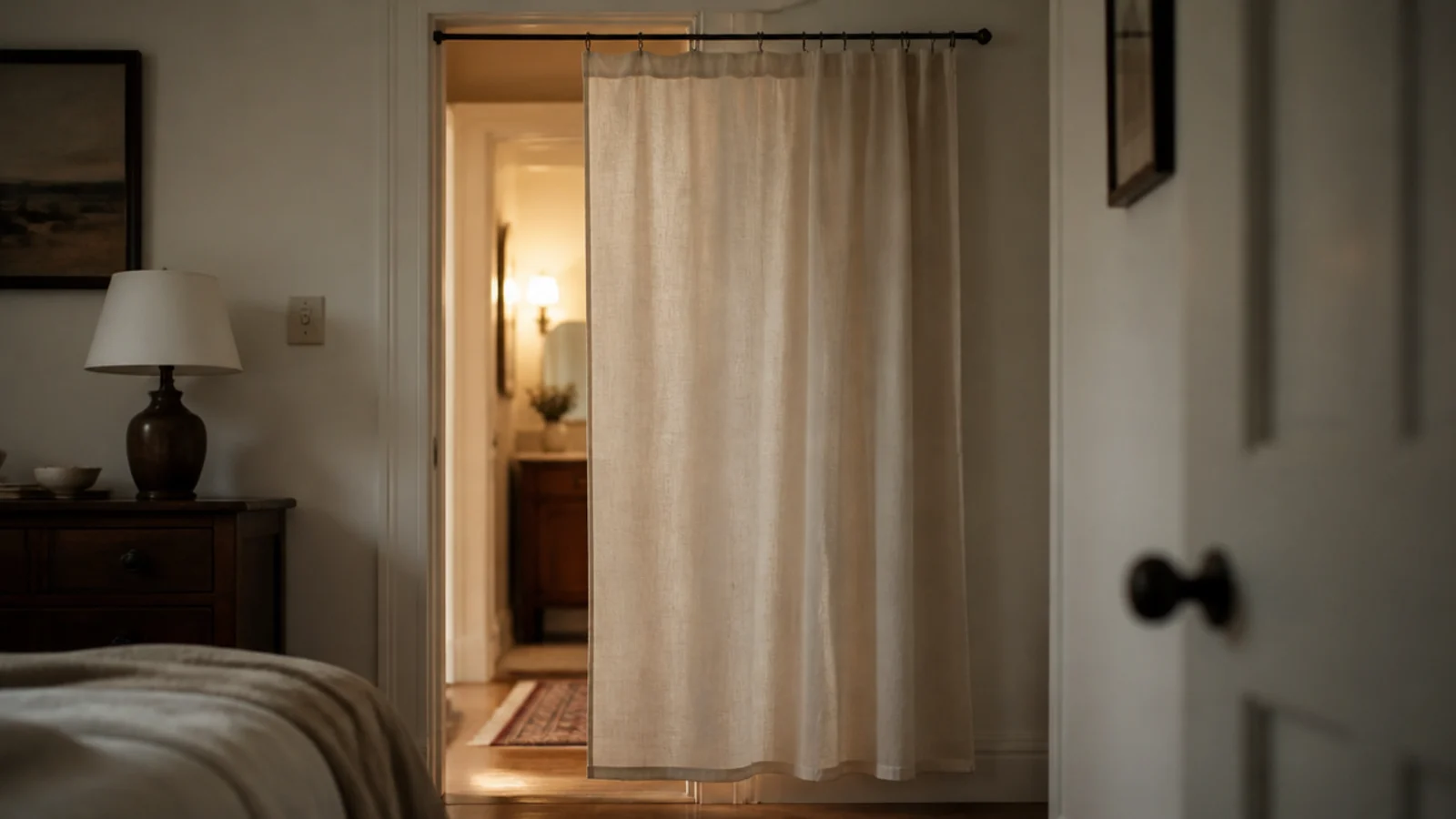
A light unlined curtain on a slim rod inside the doorway lets her make the room feel private without a closed door. Keep it above ankle height so it is not tripped over, and choose fabric light enough that the rod cannot be pulled down.
Mistakes to Skip
- Hanging a pegboard, shelf or clip rail on the wall behind the bed. Hooks and edges at pillow height are the wrong risk to take for a good photograph.
- Screwing a ceiling hook into plasterboard because the joist is six inches away. Move the canopy. A hook that pulls out brings the fabric, the fixing and the plaster down together.
- Using small magnets on a magnetic wall. Anything under about 1.5 inches is a choking risk, and magnets swallowed in pairs are a surgical emergency.
- Painting a chalkboard panel and skipping the chalk seasoning. Without it the first drawing ghosts permanently into the surface and never wipes off.
Creative work in a toddler room is mostly a question of height and fixings — get those right and everything else is decoration you can redo in an afternoon. If pink is the direction, the pink room method runs through it step by step, and for the same inventiveness applied to an older child's space, teen bedroom decor is where these ideas end up next.
Frequently asked questions
How high should a chalkboard panel go in a child bedroom?
Paint it from the skirting to about 40 inches, which covers the full drawing reach of a three-year-old standing up. Going higher just gives you a large dark rectangle she cannot use, and a panel that stops at hip height keeps the rest of the wall light.
Is a pegboard wall safe above a toddler bed?
Not above the bed, no. Fit it on any other wall, screwed through battens into studs, and keep the lowest hooks at about 30 inches so she can reach. Hooks and pegs above a pillow are exactly the thing you do not want if a child stands up on the mattress.
What is the safest way to hang a canopy or a den in a corner?
Two hooks driven into ceiling joists, never into plasterboard alone, with lightweight unlined fabric between them and the whole thing positioned away from the pillow end. Test each hook with your full body weight before you hang anything, and re-check it every few months.
Can I paint the floor in a child bedroom?
Yes, with a water-based floor paint sealed with a water-based varnish. Expect about 100 square feet per quart, two coats plus two coats of varnish, and 72 hours of ventilation before the room goes back into use. Choose a satin finish, since gloss shows every scuff.
How do I make storage that she will actually put things back into?
Keep it open, below 36 inches, and lighter than about 5 pounds when full. Lidless bins, open crate cubbies and pockets she can see into all get used. Anything with a lid, a latch or a shelf above her head becomes an adult job within a week.
Want more like this? Browse all 15 toddler girl bedroom guides — they all use the same measurements and budget tiers.
Pin it for later
Save this to your Toddler Girl Bedroom board
Pin it now so it is waiting for you when the tape measure comes out — and so the next person hunting for this idea can find it too.
Save this pinKeep going
More ideas worth saving while you have the tape measure out.