Teen Boy Bedroom · Listicle
25 Older Teen Boy Bedroom Ideas Before College

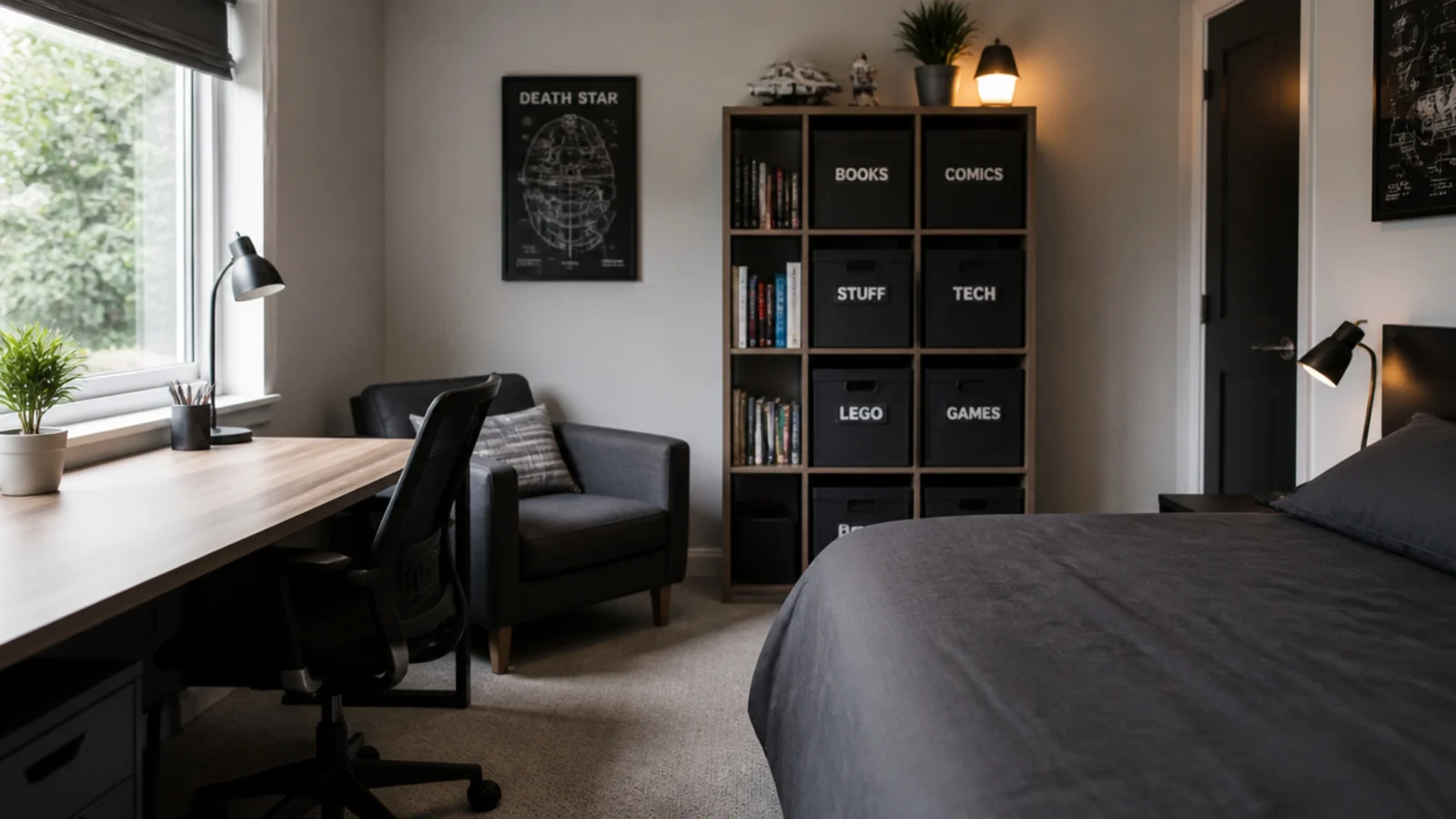
The last two years at home are a different design problem from the first four. Sixteen to eighteen is when the room stops being decorated and starts being packed, and the sensible move is to buy for the flat or the dorm rather than for the bedroom. Older teen boy bedroom ideas that work are the ones where you can point at half the contents and say honestly that they are going with him. I have done this twice now, and the two things I would do earlier both cost nothing extra at the time: the right mattress length, and storage counted properly. Here are twenty-five, with the measurements attached.
In this guide27 sections — tap to openHide
- 1.What older teen boy bedroom ideas need to plan for
- 2.Buy the eighty inch bed now, not at eighteen
- 3.Choose furniture that fits in a hatchback
- 4.Buy the desk lamp he will take with him
- 5.Buy bedding in dorm dimensions
- 6.Swap the wardrobe for a rail and shelf
- 7.Give documents a real filing box
- 8.Plan the desk for two screens, buy one
- 9.Raise the bed instead of buying storage
- 10.Keep the room usable as a guest room
- 11.Let him pick the neutral, not the accent
- 12.Count storage in cubic feet
- 13.Put an armchair in, not a beanbag
- 14.Build a small drinks and snack corner
- 15.Fit blackout for late starts and shift work
- 16.Give him the laundry loop, not the basket
- 17.Hang a proper mirror for interviews
- 18.Pack the cable kit into one bag
- 19.Split the books he keeps from the rest
- 20.Add one lockable drawer or box
- 21.Treat the room for calls and interviews
- 22.Spend on the chair, because it goes too
- 23.Show what he did, not what he likes
- 24.Choose plants he can actually keep alive
- 25.Make a corner for money and admin
- 26.Empty one shelf a year before he goes
- 27.Mistakes to Skip
What older teen boy bedroom ideas need to plan for
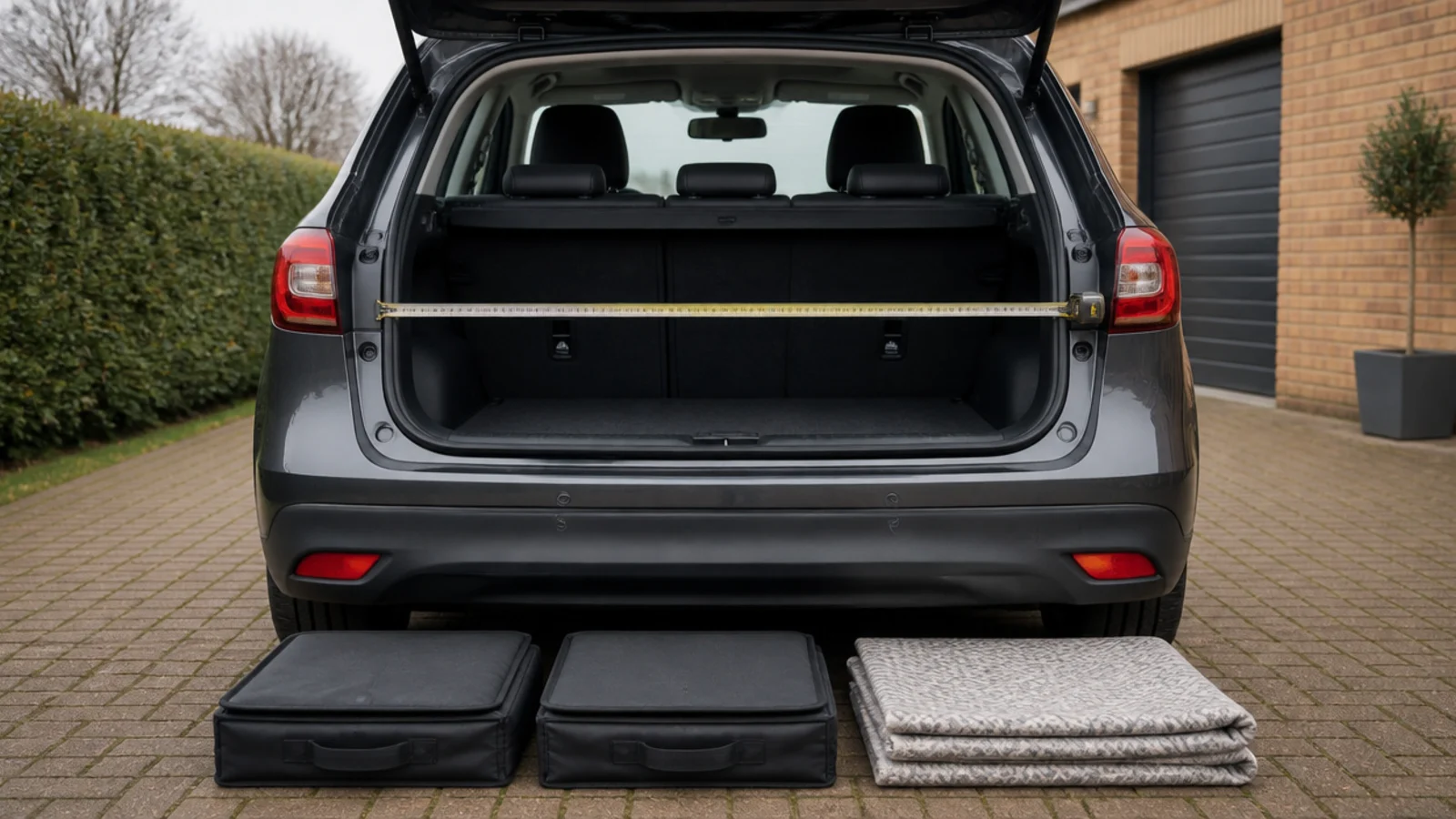
Three constraints run through all of this. The first is the dorm bed. Most college rooms use a twin XL at 38 by 80 inches, so buying that size at sixteen means the sheets, the protector and the duvet all travel rather than being replaced twice. The second is the car. Whatever moves him is probably a hatchback with 11 to 14 cubic feet of boot space with the seats up and 40 to 50 folded, so anything you buy that will not go in it is furniture for this house, not for him.
The third is honest storage arithmetic. A standard 13-inch fabric cube is about 1.27 cubic feet, and most older teenagers genuinely need eight to twelve of them plus roughly 40 inches of hanging rail. Buying more storage than that just preserves things nobody looks at again.
Budget-wise, $500 to $1,000 covers everything on this list that leaves with him. For the working half of the room, study desk decor covers the surface in more detail.
1. Buy the eighty inch bed now, not at eighteen
A standard twin is 38 by 75 inches and most colleges issue 38 by 80. Buying the longer mattress at sixteen costs about twenty dollars more, gives him four inches he already needs at six foot, and means every piece of bedding you buy from now on fits the bed he moves into. It is the cheapest single decision here.
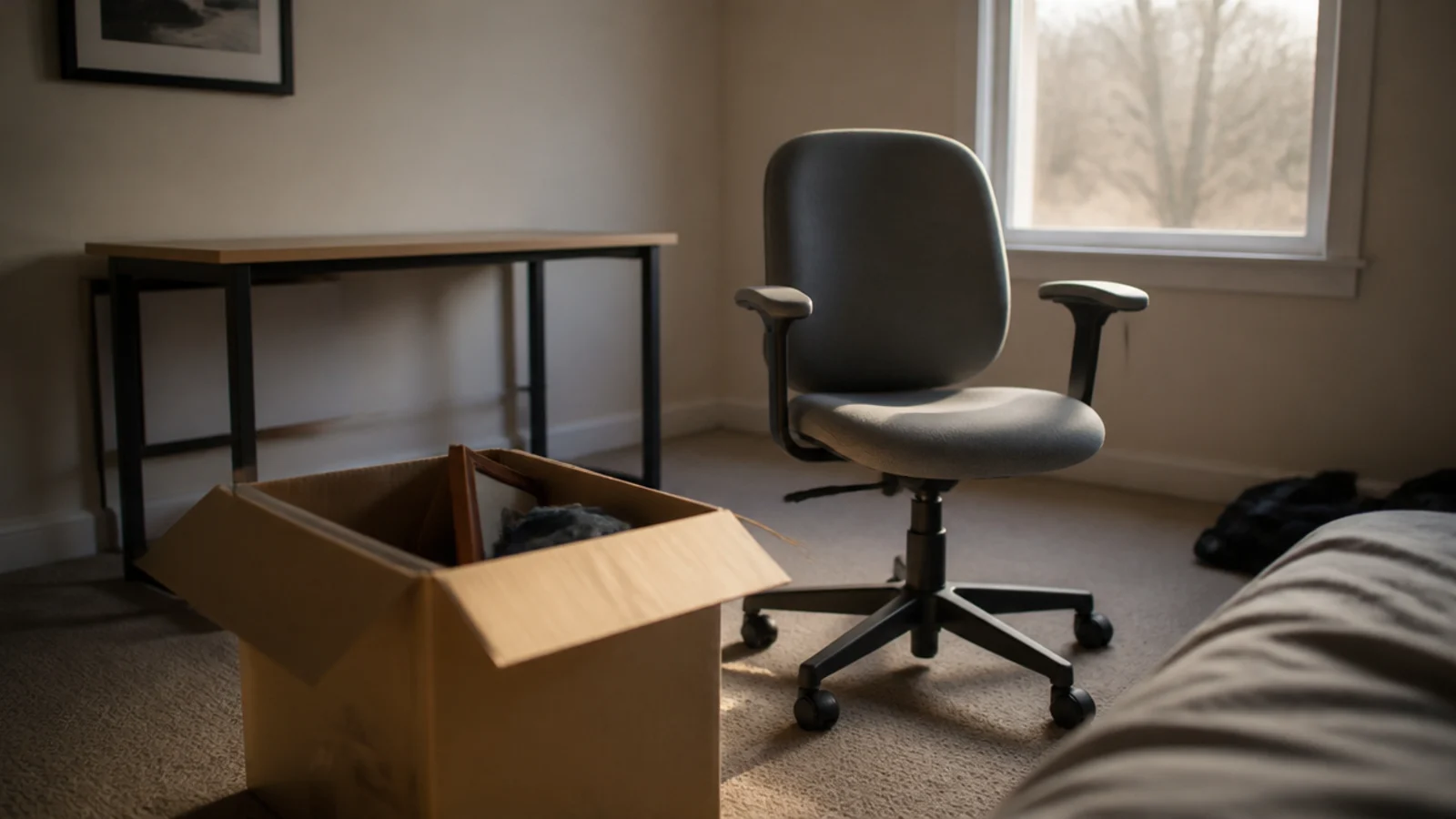
2. Choose furniture that fits in a hatchback
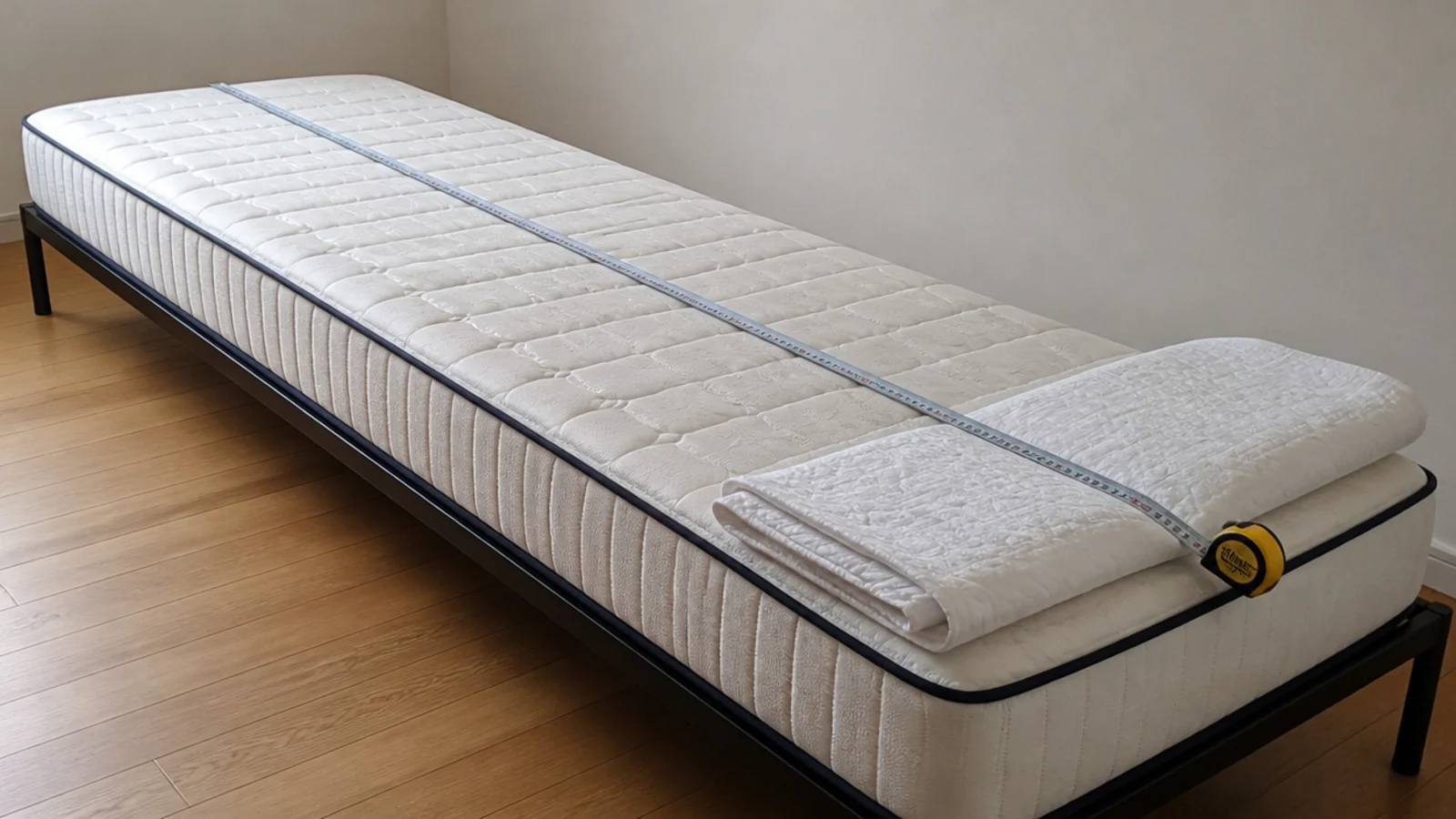
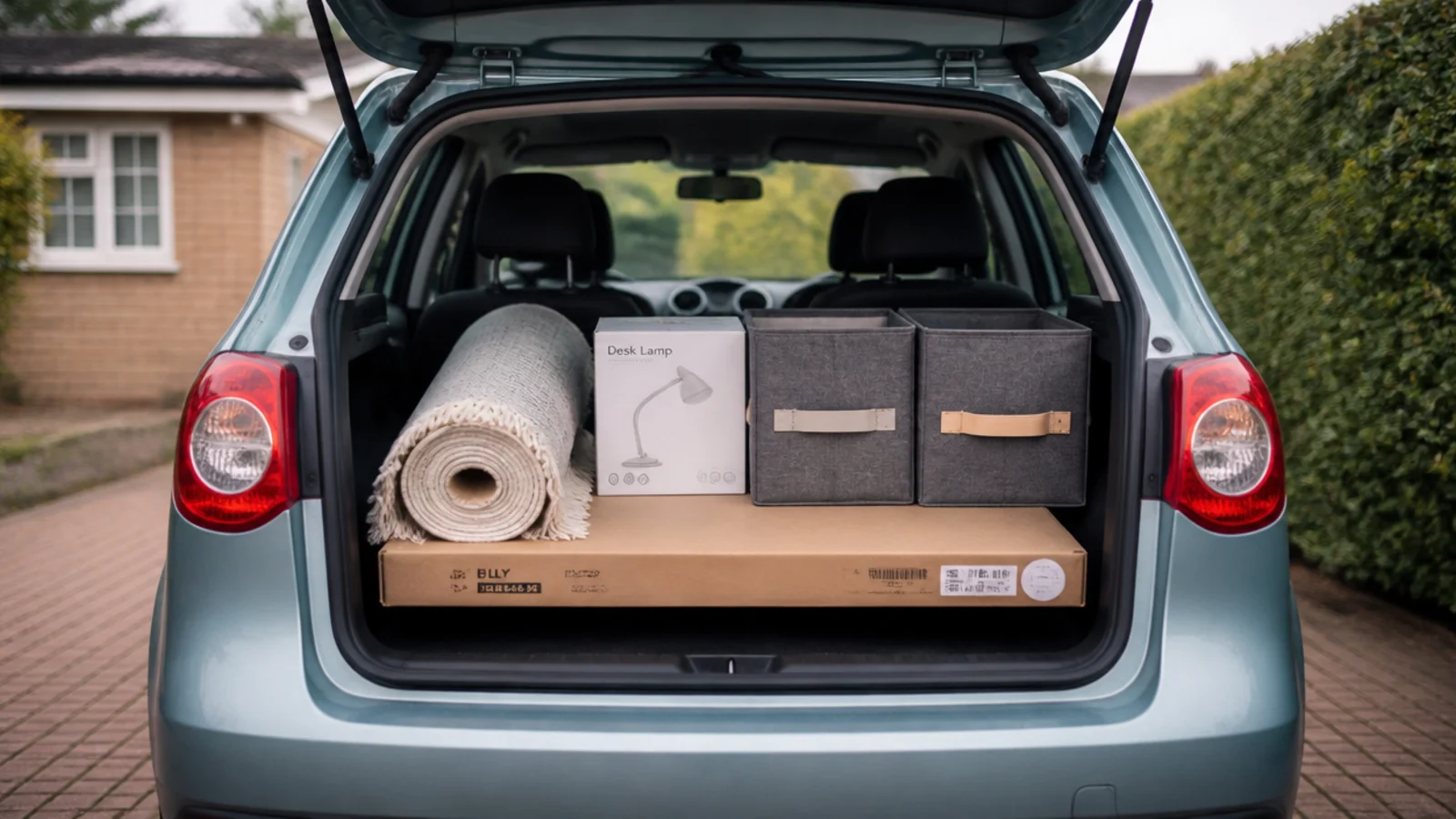
Measure the boot before you shop. A flat-pack bookcase, a rolled rug, a task chair with the base off and four collapsed cubes will all fit; a solid wardrobe and a slatted bed frame will not. Anything that fails the boot test is a purchase for the room rather than for him, which is fine as long as you know it.
3. Buy the desk lamp he will take with him
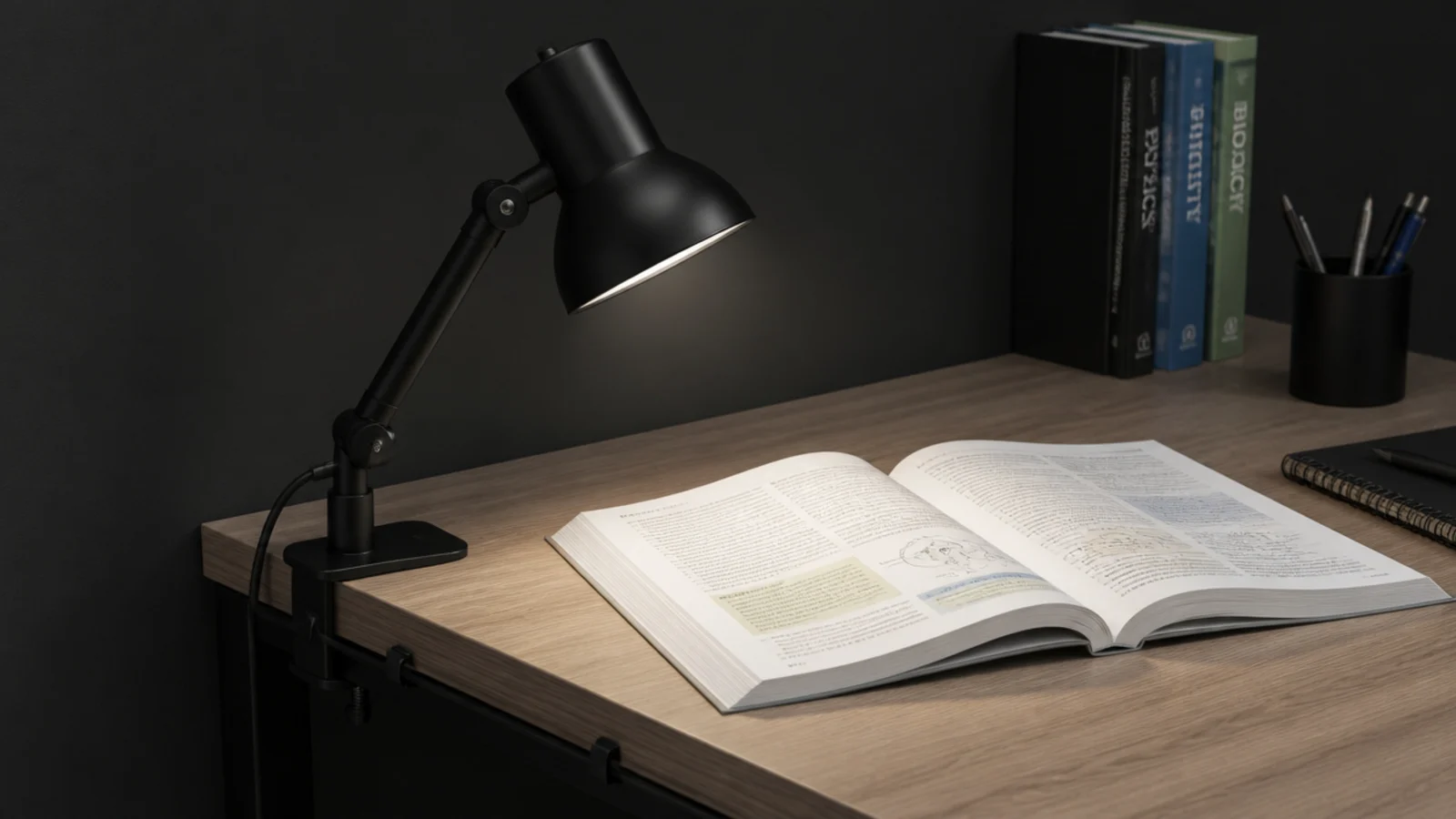
A clamp lamp fixed to the back edge of the desk takes no surface at all and unclamps in ten seconds. Aim for 300 to 500 lux at the page, which is roughly a 450 to 700 lumen bulb in a directional head. Expect $40 to $90 for one with a sprung arm rather than a friction joint that sags.
4. Buy bedding in dorm dimensions
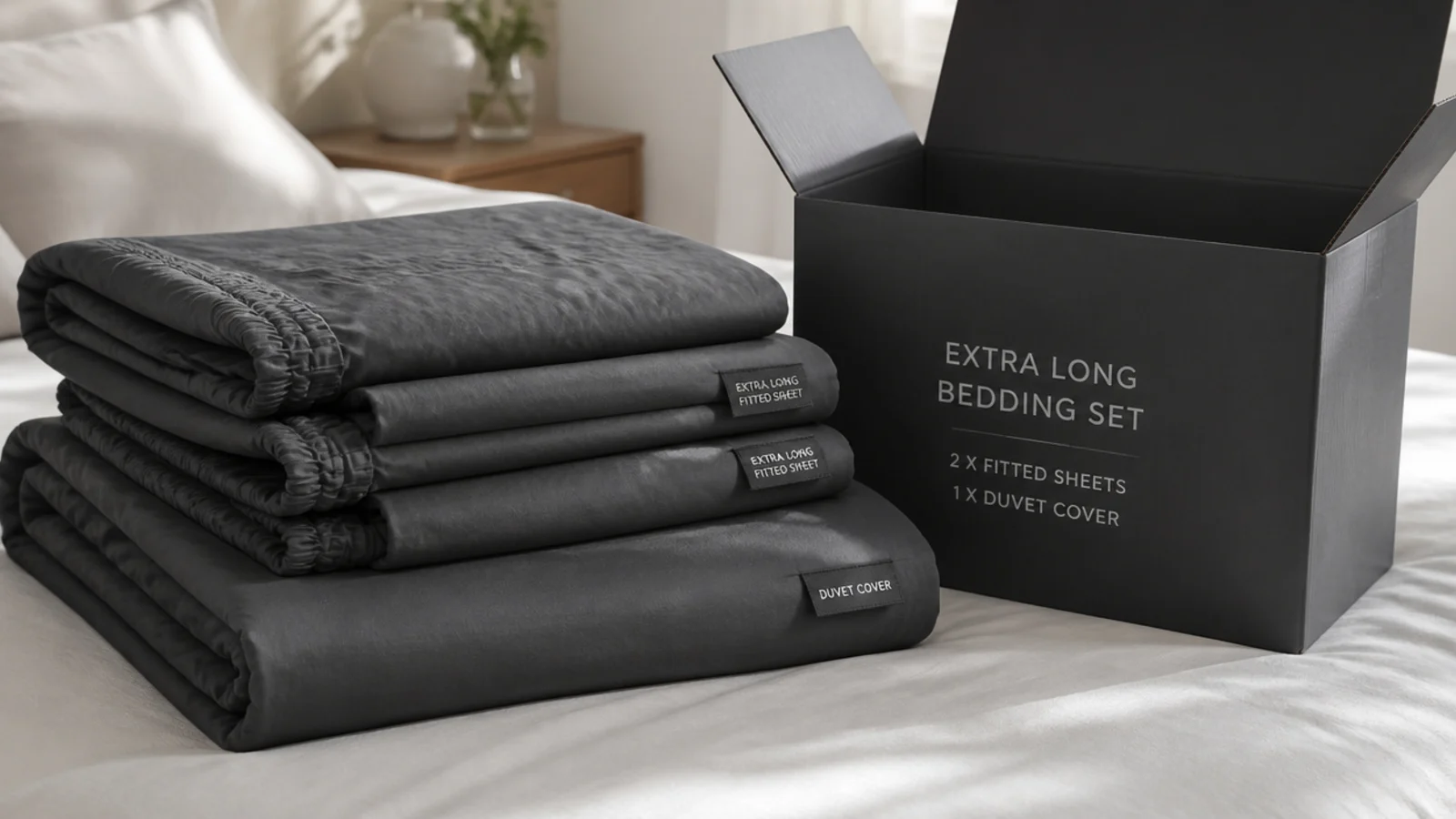
Extra-long fitted sheets fit both a standard twin and a twin XL; standard ones fit only the short bed. A twin XL flat sheet is roughly 66 by 96 inches and a duvet cover 68 by 90. Buying two sets in that size at $50 to $110 each means nothing gets replaced on move-in weekend.
5. Swap the wardrobe for a rail and shelf
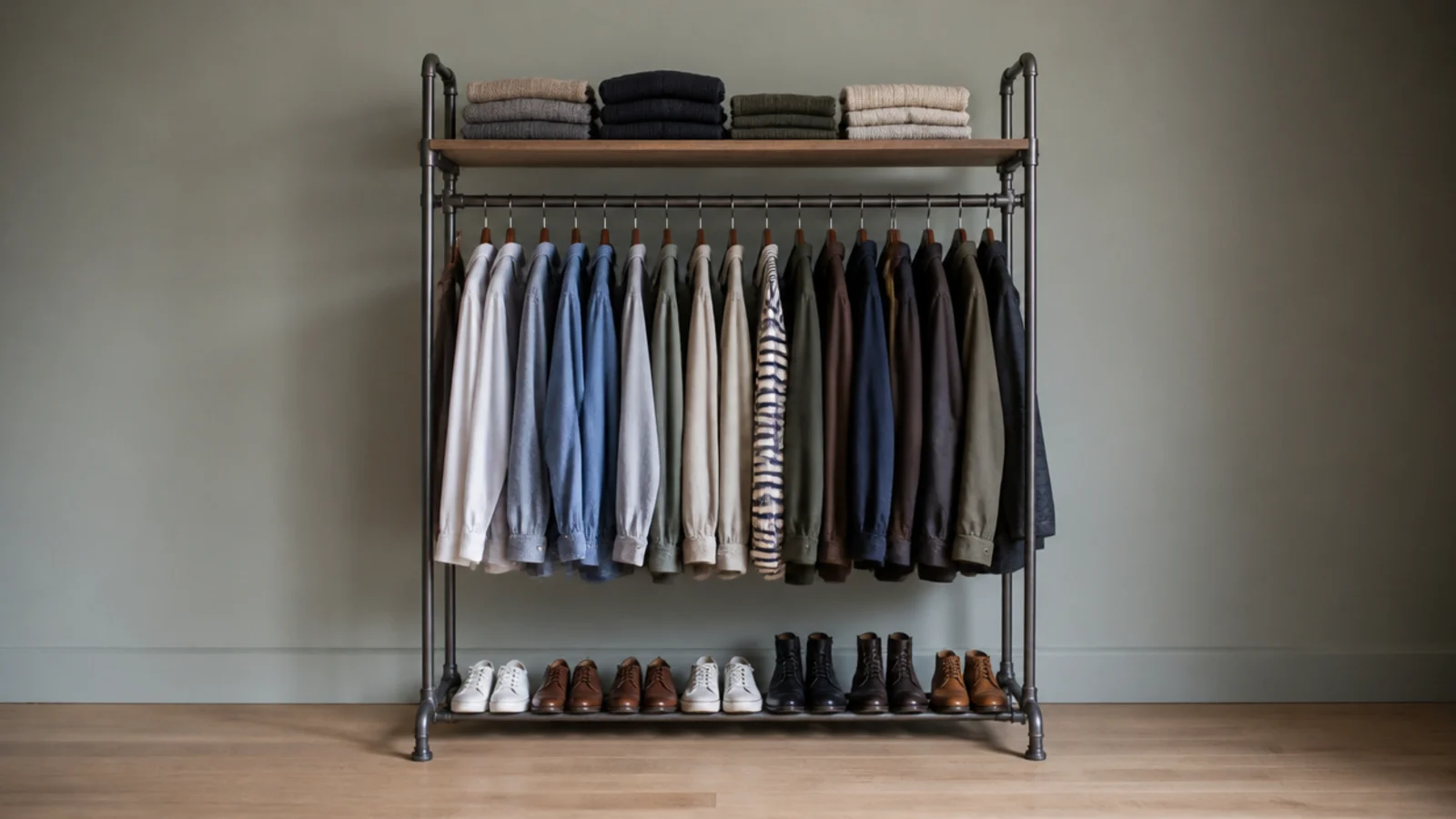
Shirts and jackets need about 40 inches of clear drop and ten shirts take roughly 24 inches of rail. An open steel rail with one shelf above holds the same clothes as a wardrobe, costs $60 to $130, and packs flat. It also makes him look at what he owns, which is how the donate pile finally happens.
6. Give documents a real filing box
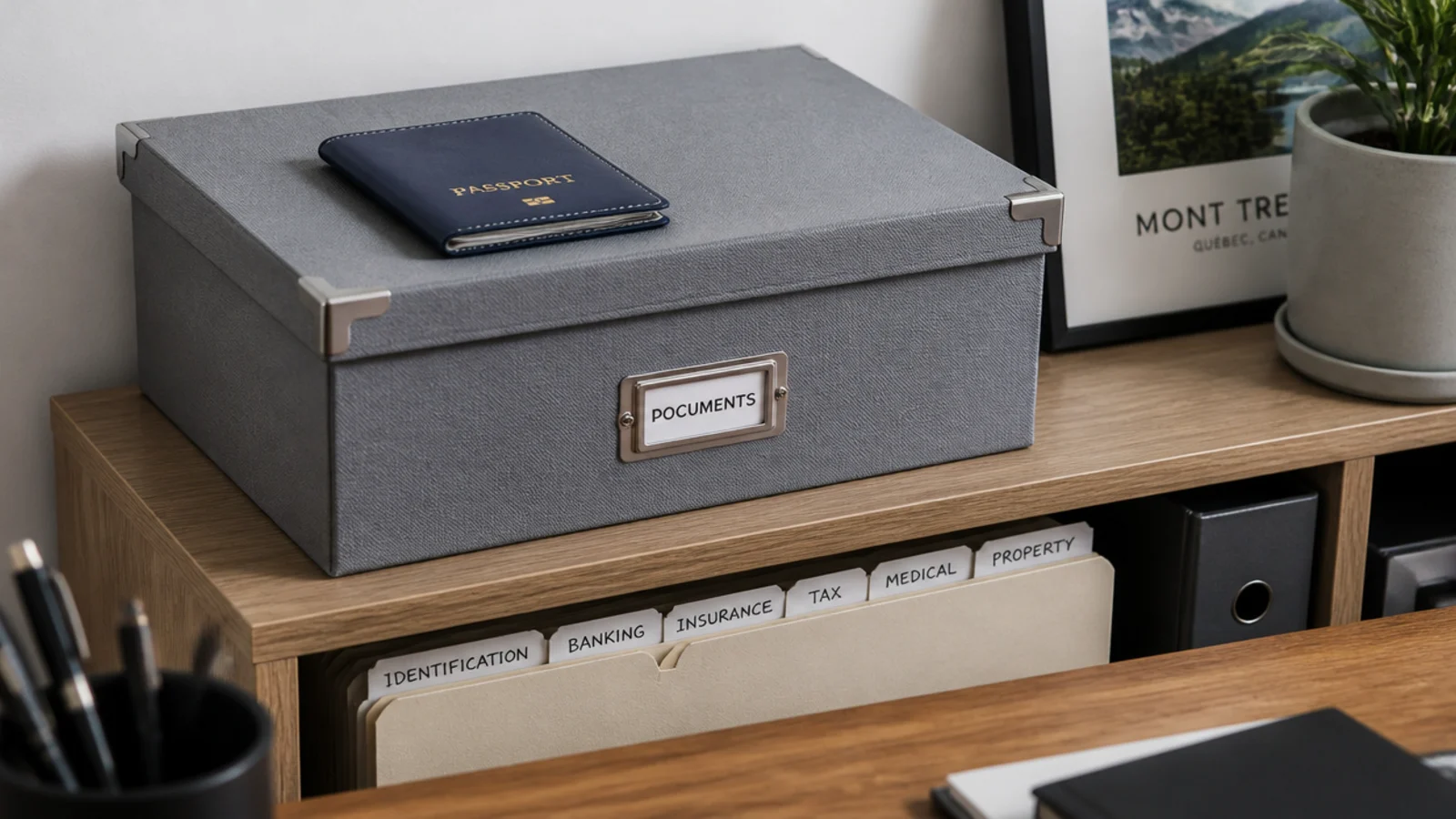
Passport, exam certificates, national insurance or social security paperwork, bank letters, driving documents. One lidded document box with six labelled folders, kept on a low shelf, is $20 to $40 and removes an entire category of last-minute panic. Legal-size boxes at roughly 15 by 24 by 10 inches hold several years of paper.
7. Plan the desk for two screens, buy one
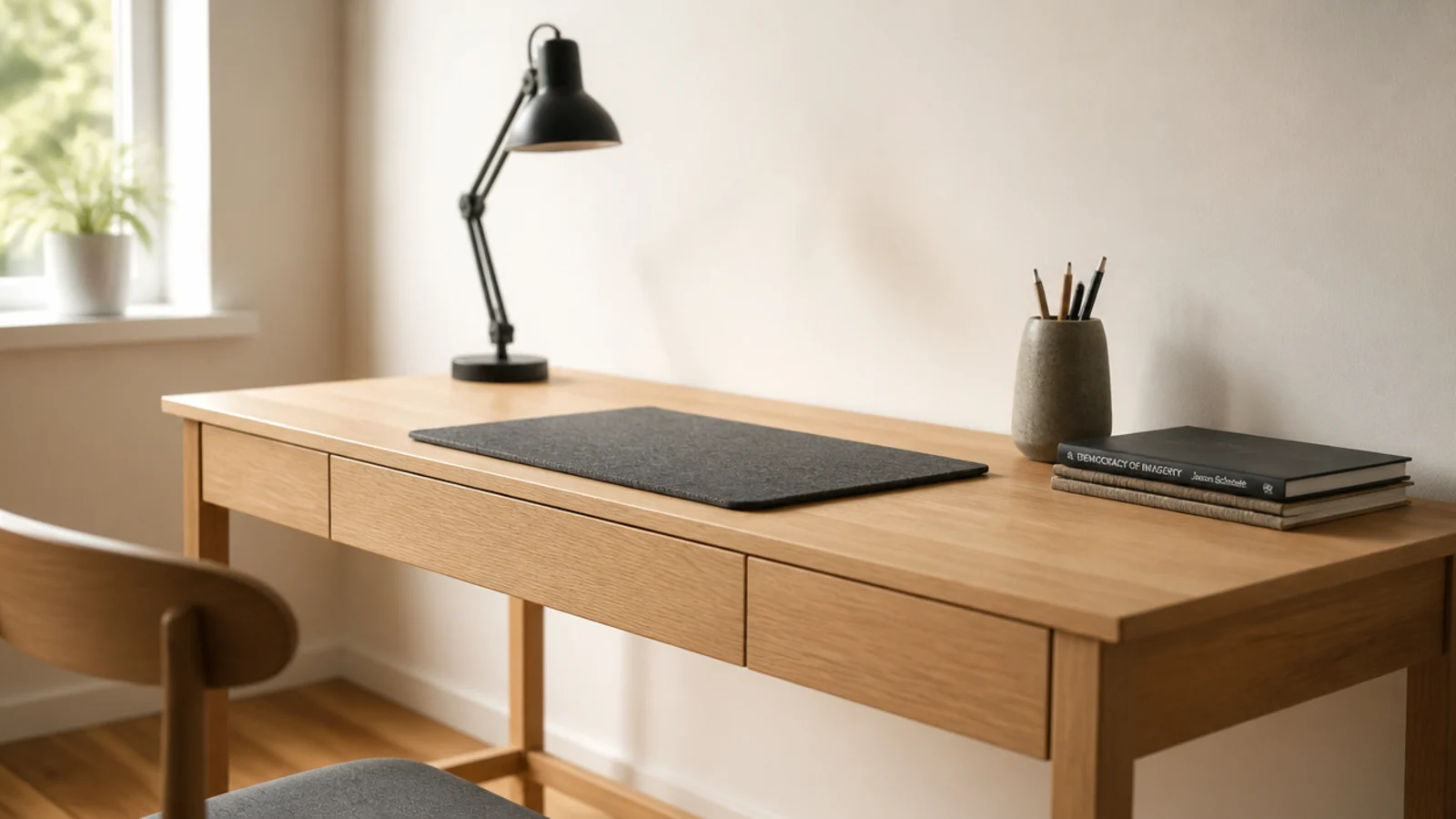
A 55-inch, or 140 centimetre, desk takes two monitors, a keyboard and a notebook. Buy that width now and one screen, and the second one costs nothing in disruption when it arrives. Keep the depth at 24 inches minimum and 30 if a 27-inch panel will sit on a stand rather than an arm.

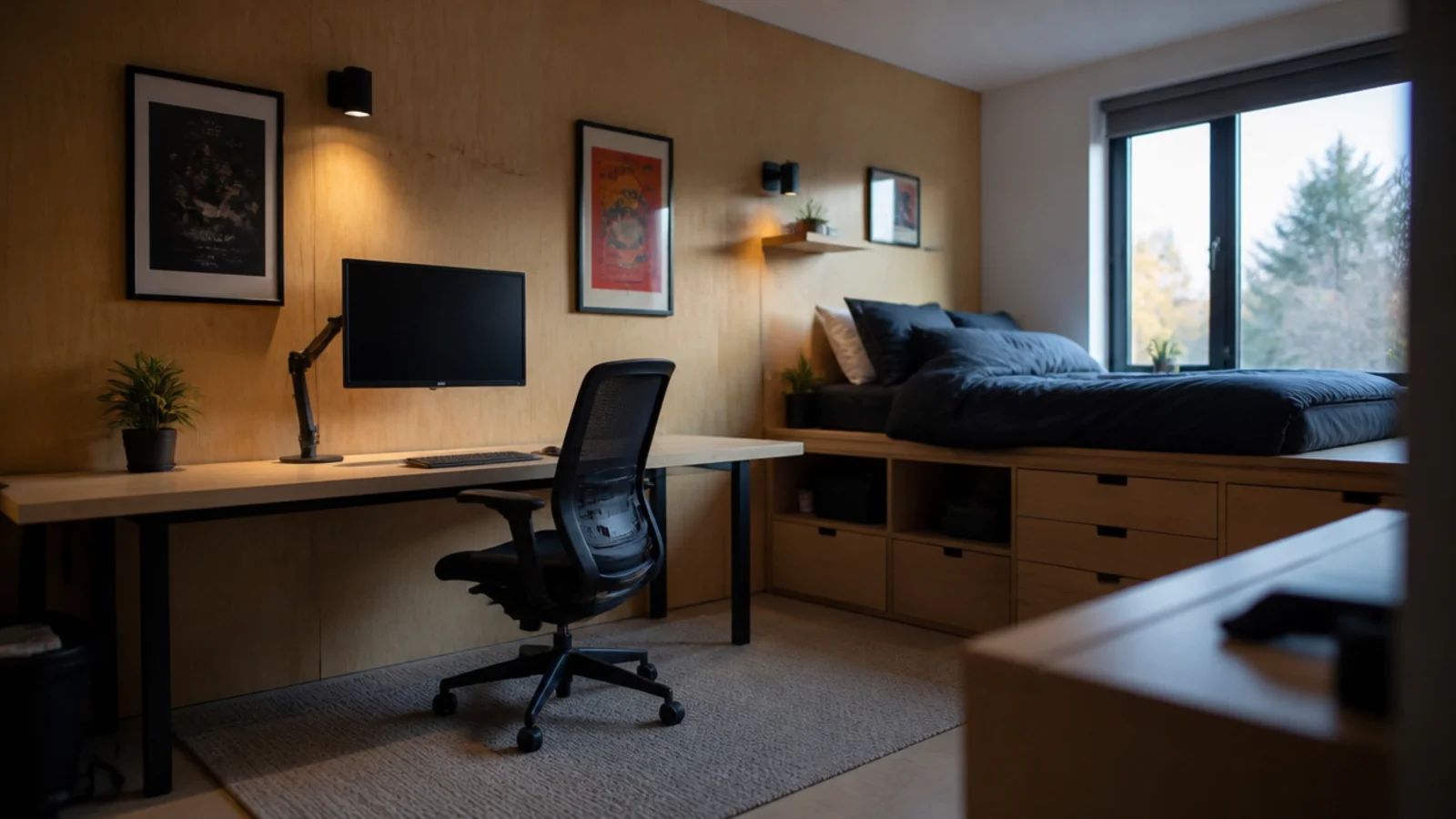
8. Raise the bed instead of buying storage
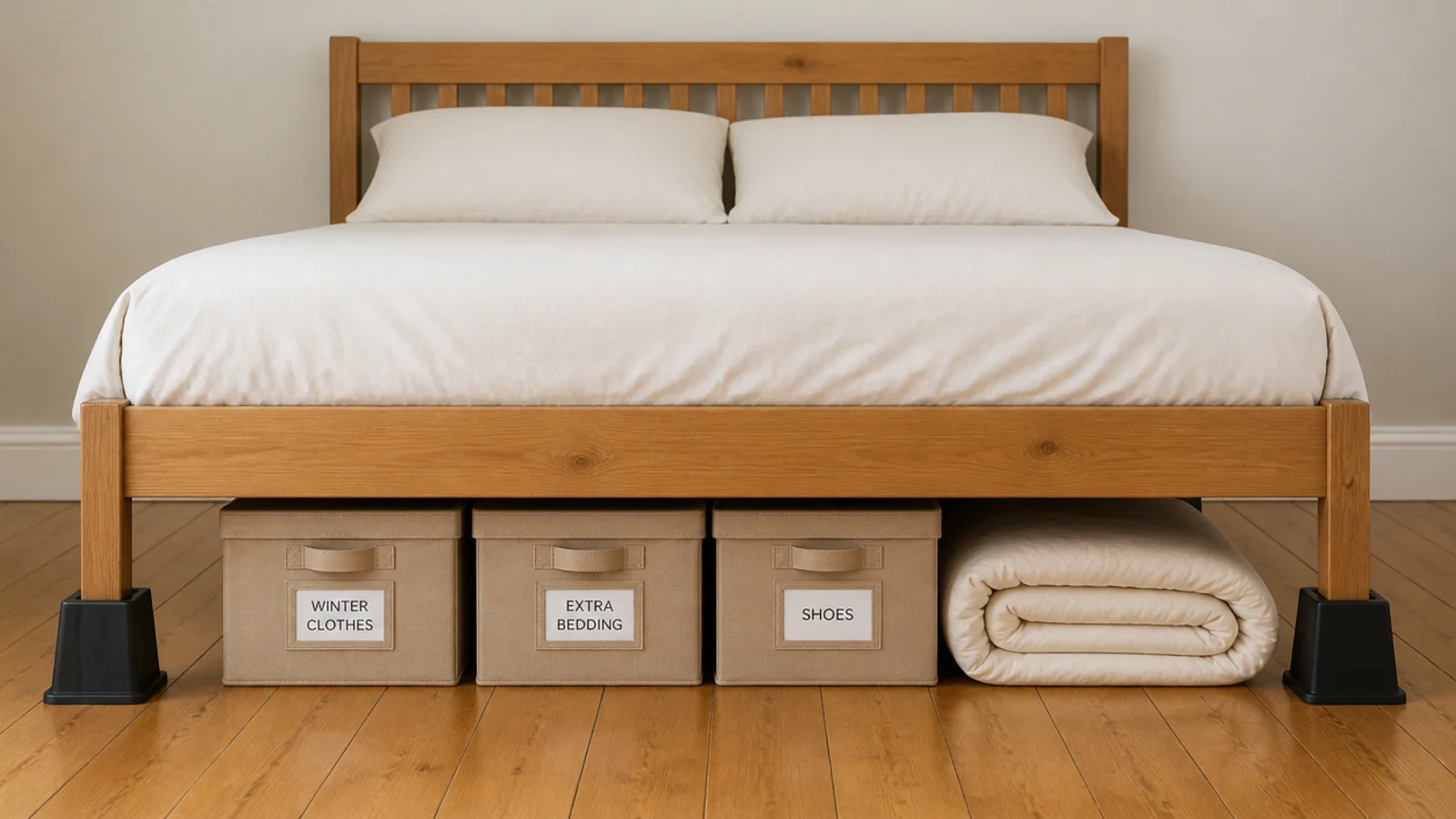
Bed risers add 3 to 8 inches under an existing frame for $15 to $30, which turns a 6-inch gap that takes flat boxes into an 11 to 13 inch one that takes proper drawers. Check the frame legs sit fully inside the riser cups and that the mattress height still suits him getting in and out.
9. Keep the room usable as a guest room
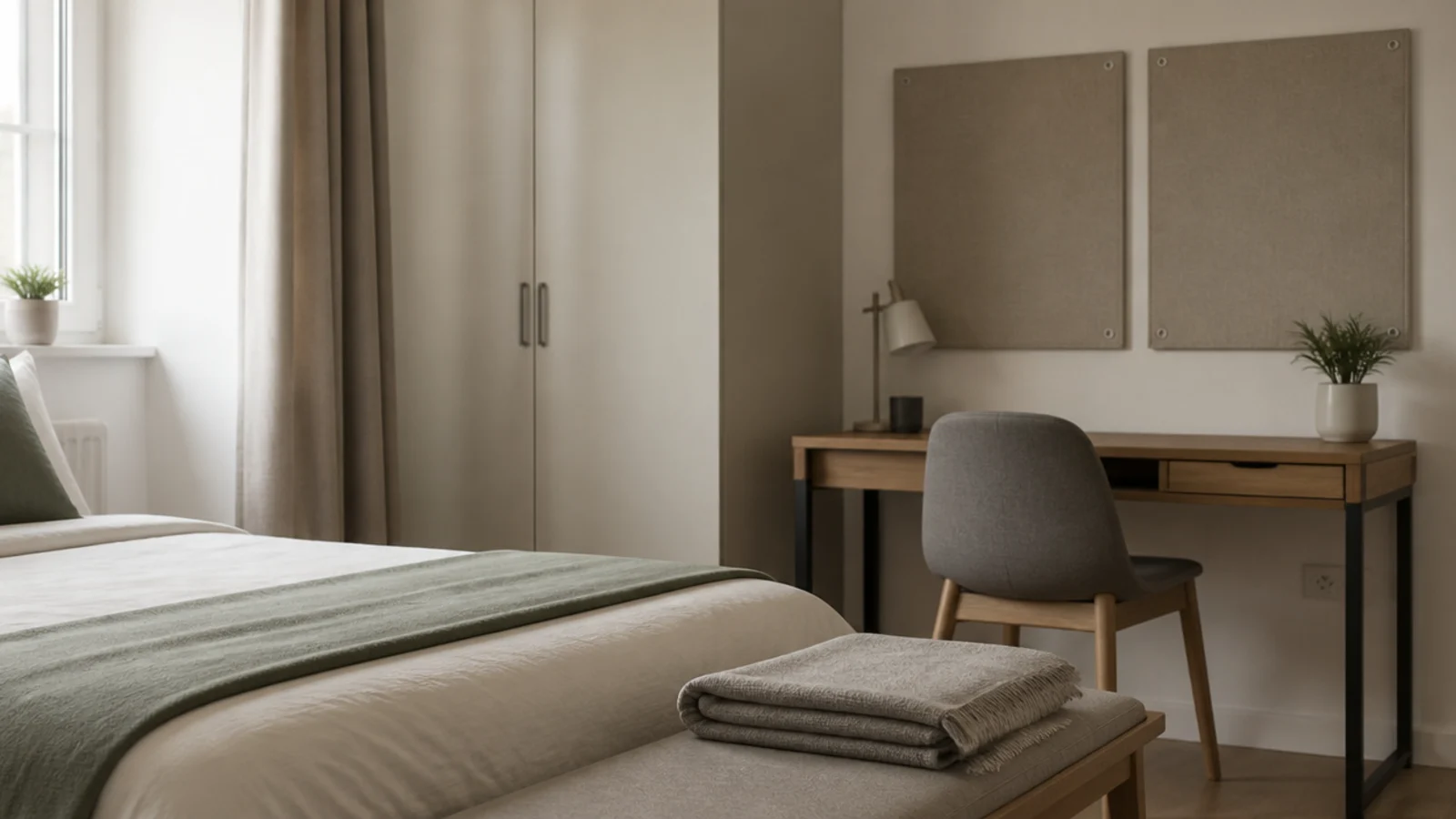
The room becomes something else within weeks of him leaving, and the version that converts easily is the one with neutral walls, a real mattress and all the personality on removable panels. Nothing taped to the plaster, no mural, no fixed loft frame. That single restraint saves a full redecoration later.
10. Let him pick the neutral, not the accent
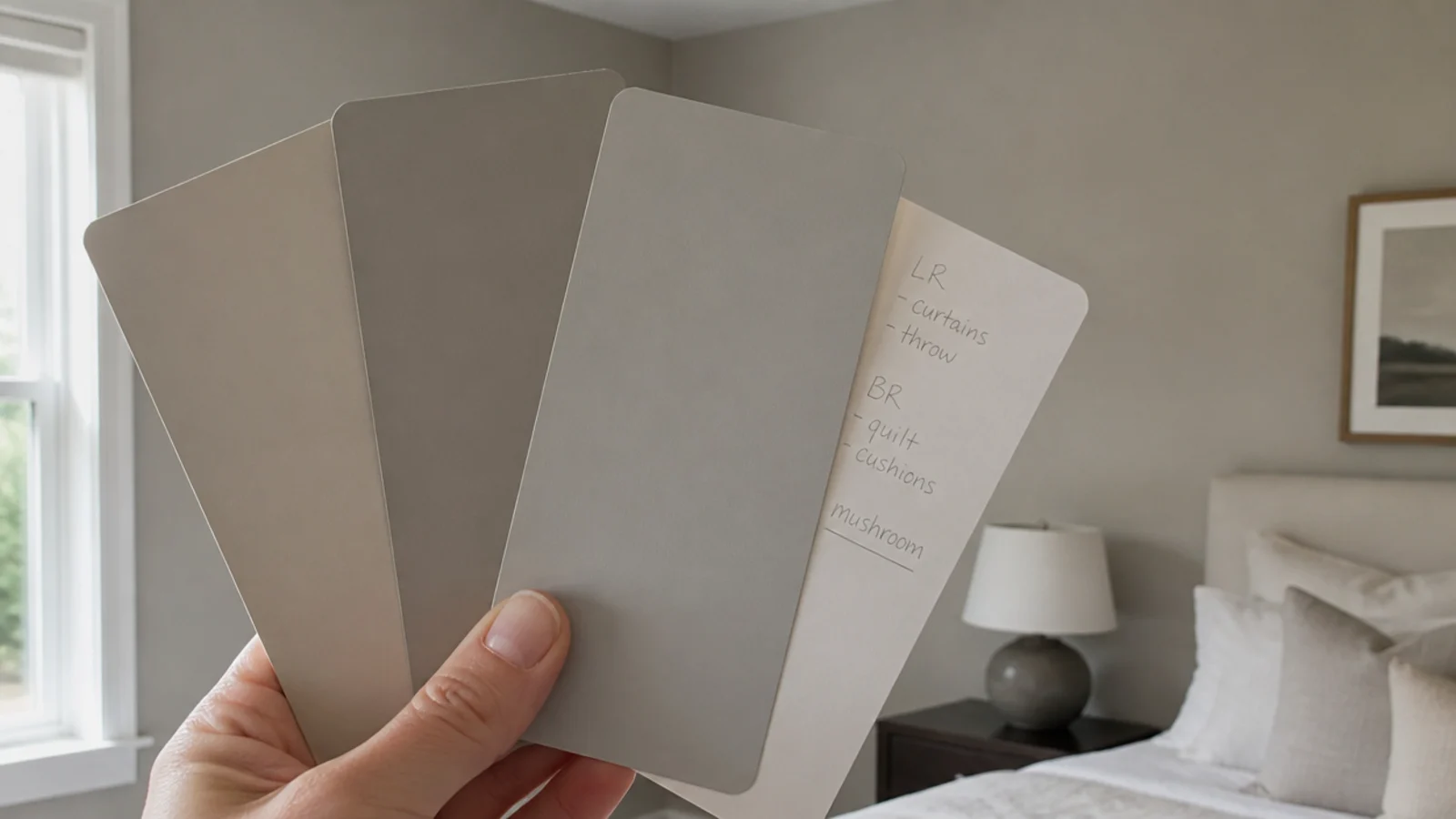
Give him three neutrals to choose between rather than the whole fan deck. He gets the decision, you get a wall between an LRV of 50 and 62 that takes any bedding and needs no repainting. The accent then happens in textiles and objects, which are cheap to change and easy to pack.
11. Count storage in cubic feet
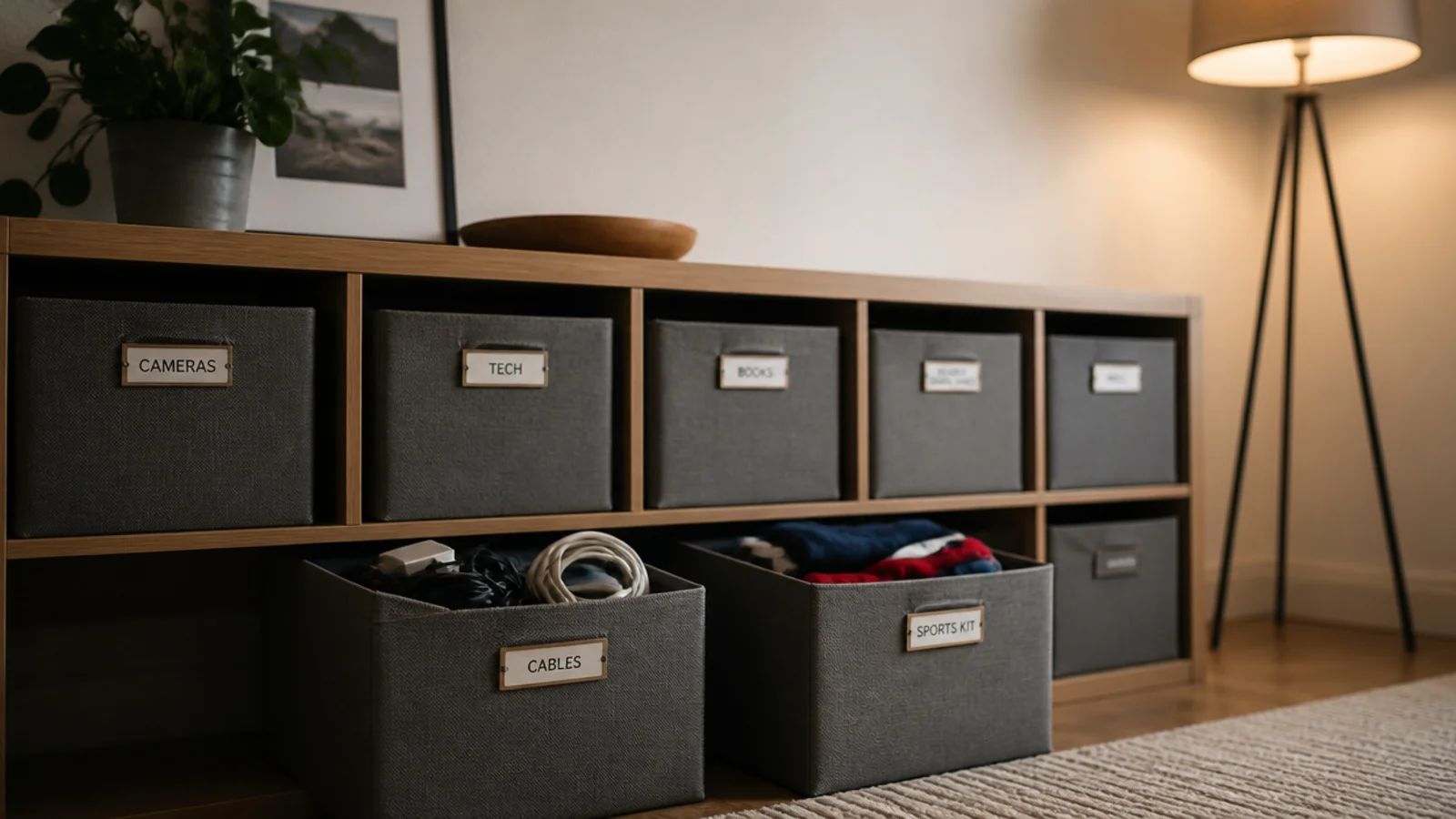
Ten 13-inch cubes is about 12.7 cubic feet, and that is roughly what an older teenager's non-clothing possessions actually occupy. Counting it this way tells you honestly whether he needs another unit or a clear-out, and it maps directly onto how many boxes the move will take.
12. Put an armchair in, not a beanbag
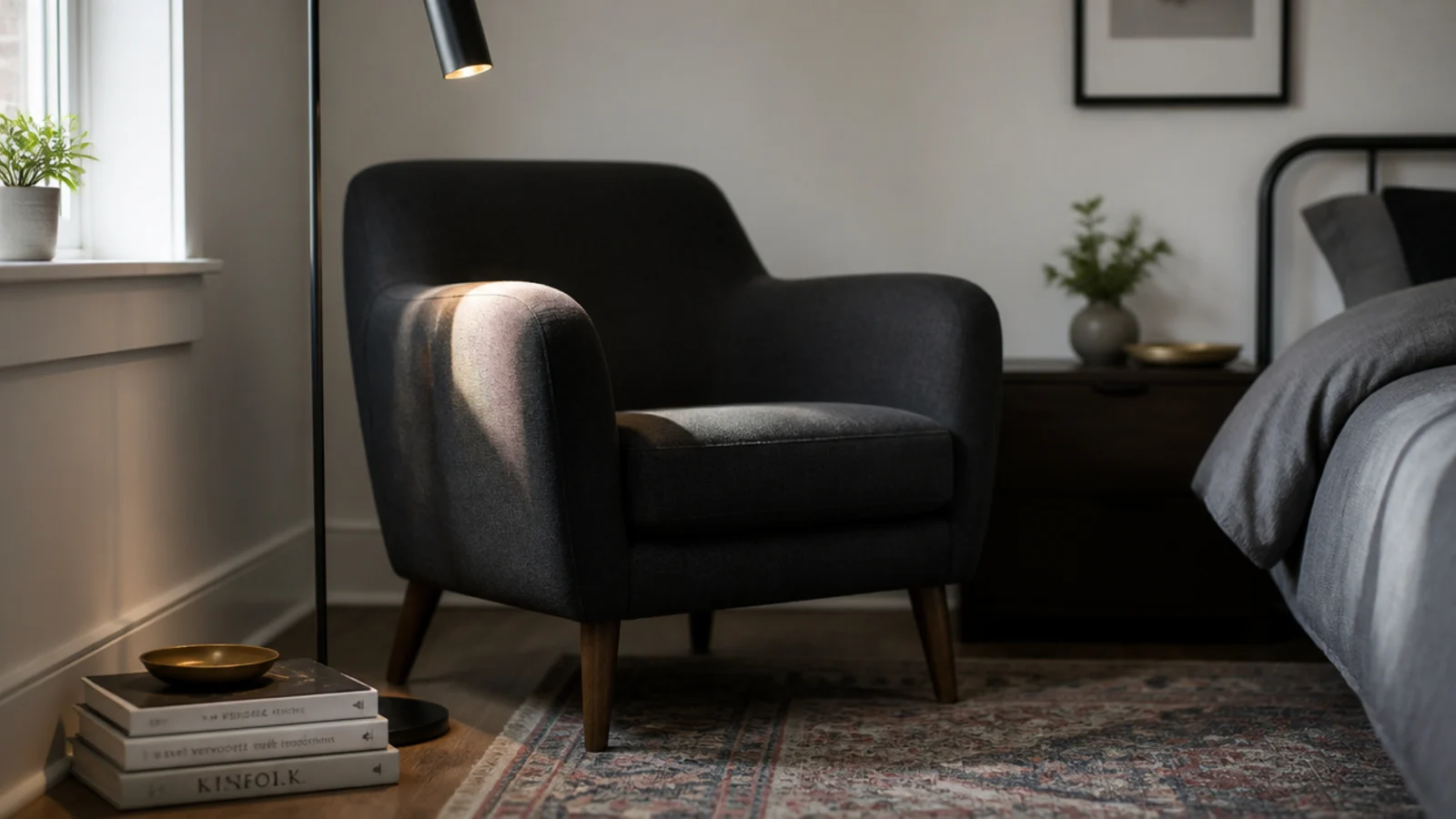
A compact armchair with a 30 by 32 inch footprint gives the room a second proper seat, reads adult, and is the kind of thing that ends up in a first flat. Beanbags flatten within a year and never travel. Expect $150 to $350, and check it fits through the bedroom door before it is delivered.
13. Build a small drinks and snack corner
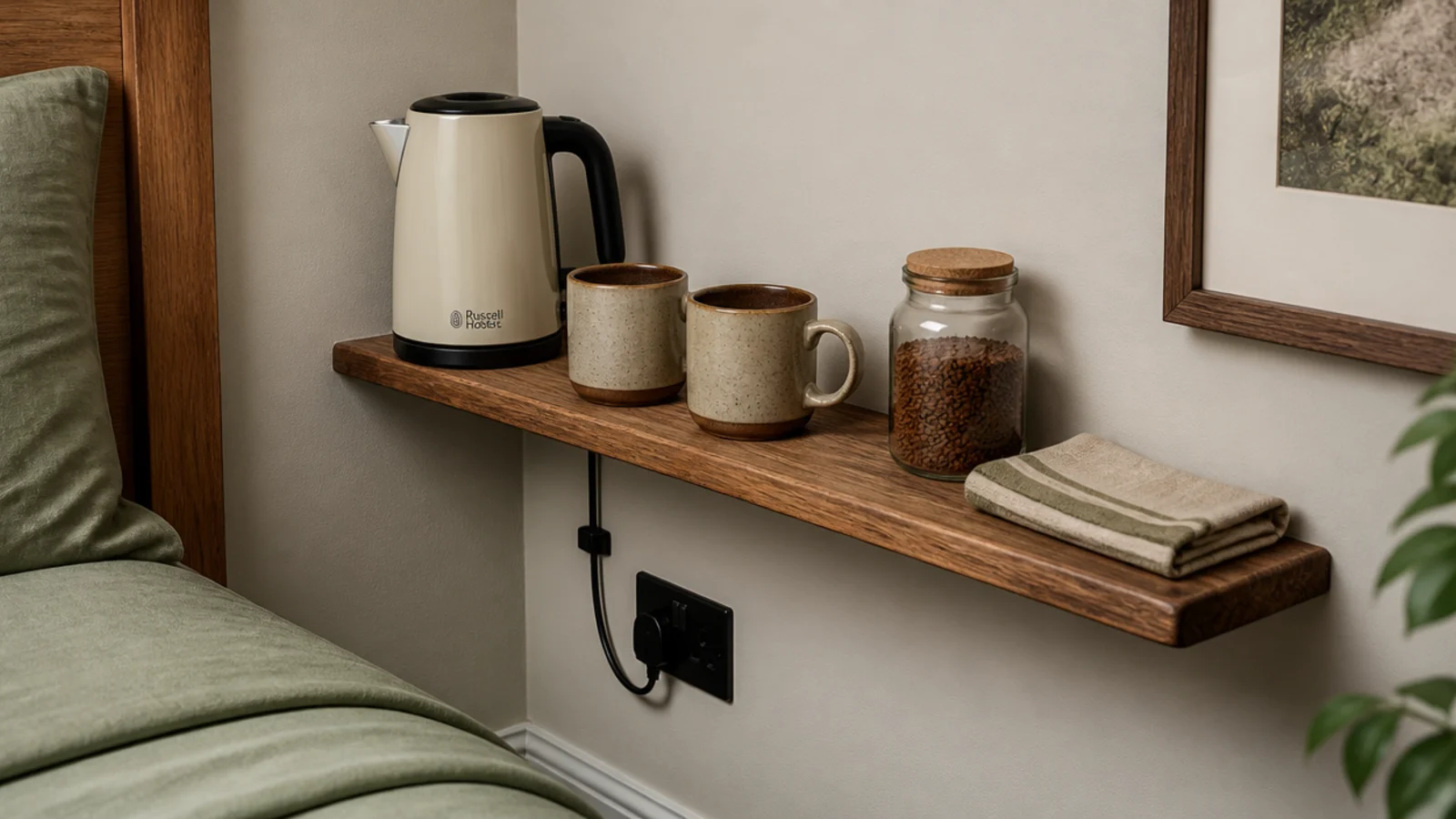
A narrow shelf with a small kettle, two mugs and a sealed jar removes half the midnight kitchen traffic and teaches the habit he will need in a dorm. Keep it away from bedding, use a socket rather than an extension lead for anything that heats, and never a candle in a room with this much fabric. Coffee corner ideas has the layouts.
14. Fit blackout for late starts and shift work
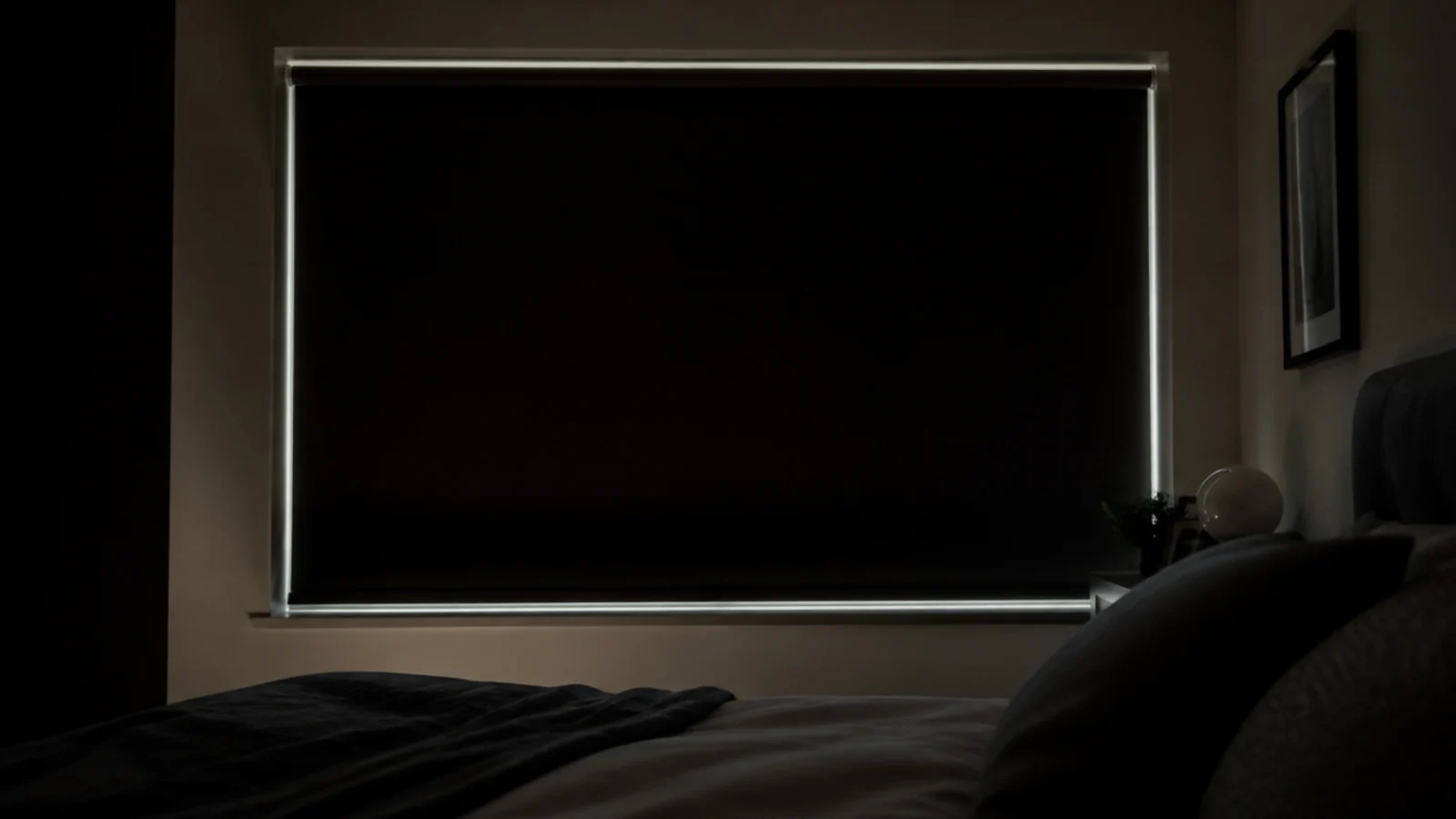
Sixth form, part-time shifts and revision at one in the morning all mean daytime sleep. A properly fitted blackout roller inside the reveal at $30 to $60 does what curtains never manage. Measure the reveal in three places, use the narrowest, and add a side channel if the light leak still bothers him.
15. Give him the laundry loop, not the basket
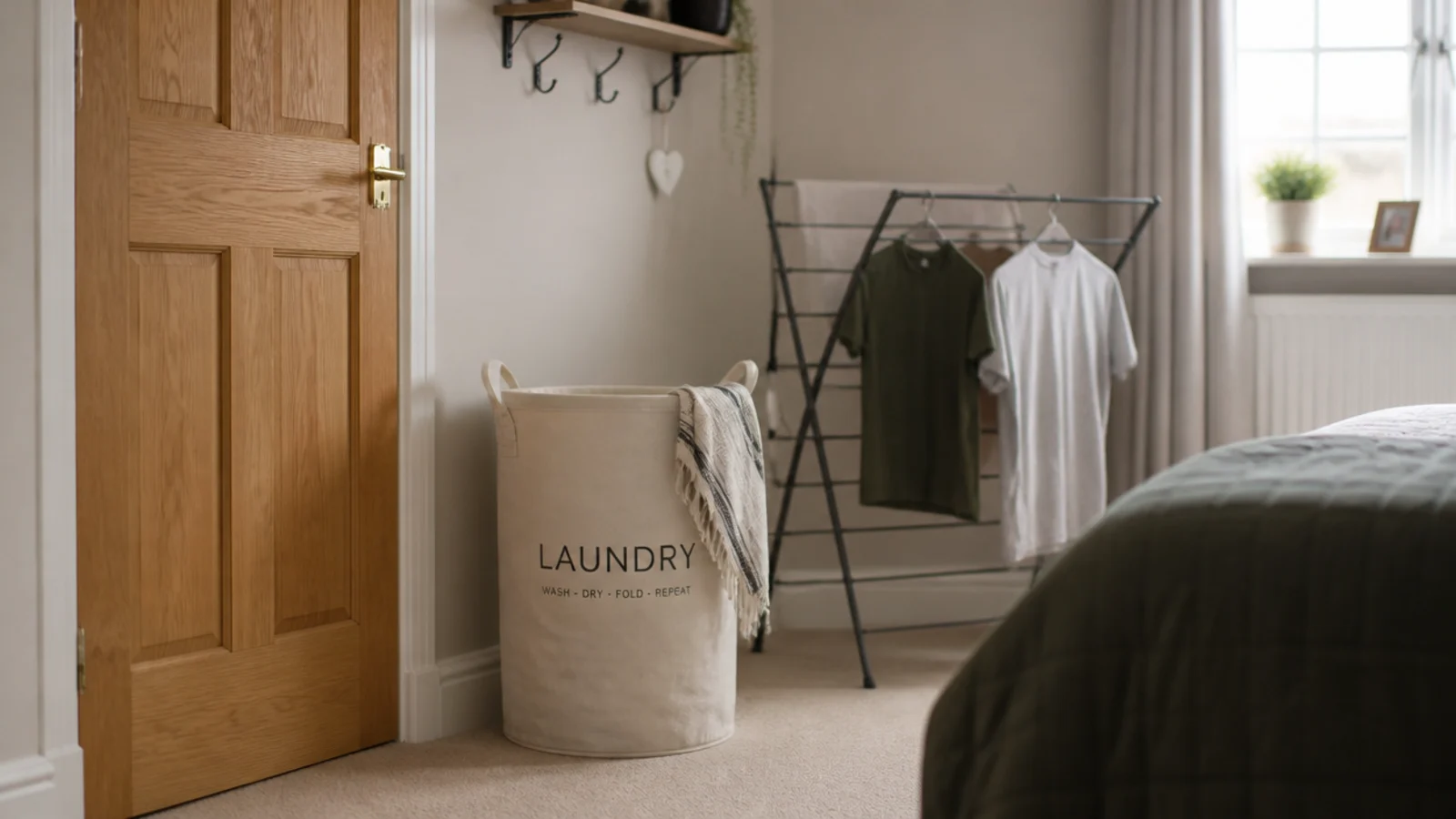
A basket by the door, a drying rail he can open in the room, and the machine cycle as his job. The physical loop is the point. A folding rail at $25 to $50 holds two loads and folds to about 4 inches, and it is the piece of this that most reliably goes with him.
16. Hang a proper mirror for interviews
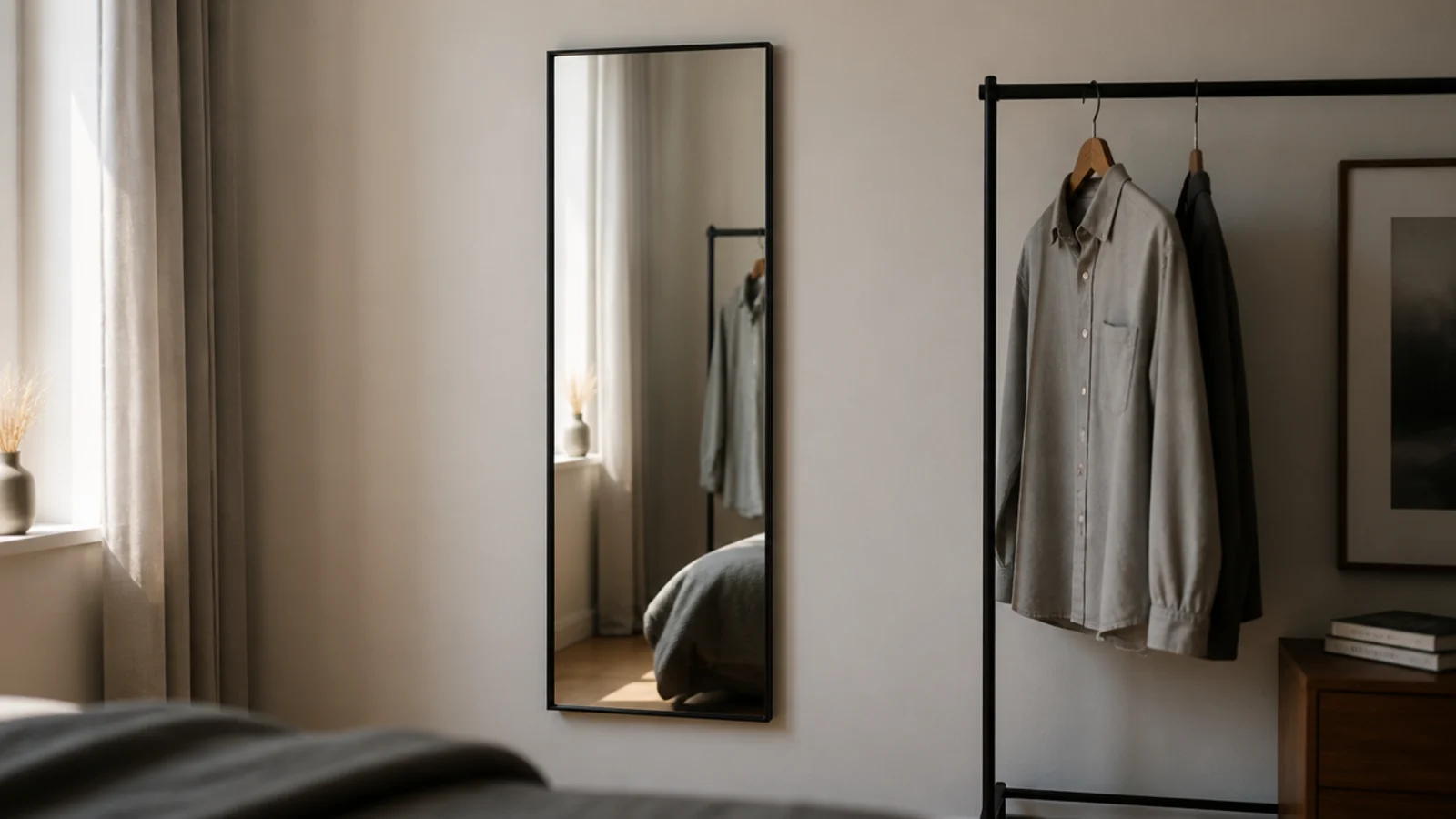
Full length, hung flat rather than leaning, with light arriving from the side rather than behind. A 60 by 24 inch mirror is $90 to $220 and needs fixings rated well above its weight — mirror plates into studs, not adhesive pads. Interviews, first jobs and formal events all start in front of it.
17. Pack the cable kit into one bag
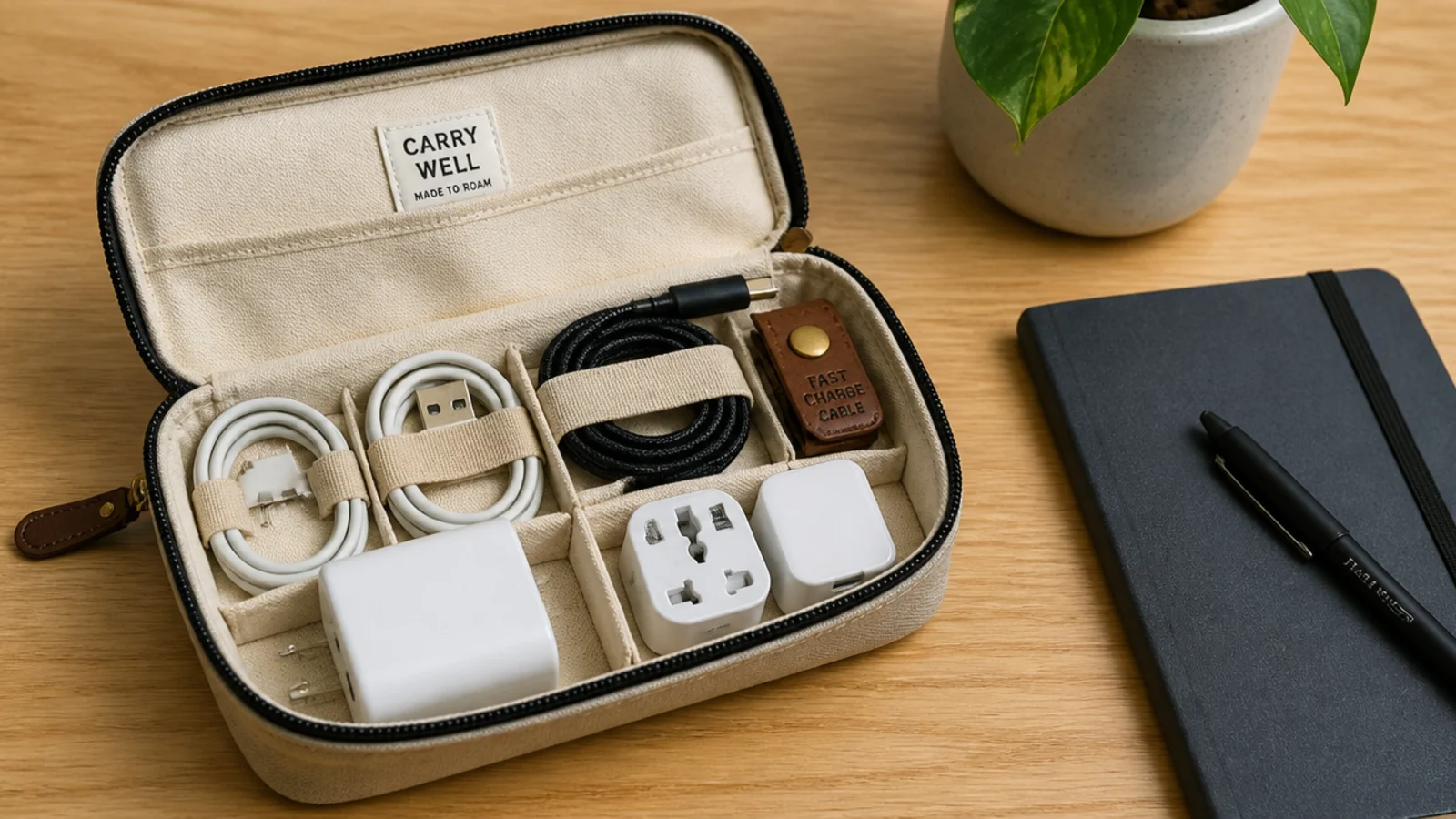
Chargers, adapters, a short HDMI, spare cable ties, a compact surge block. One zip pouch, kept in one place. On move-in day it is the difference between an evening of setup and twenty minutes. Keep runs under 10 feet where you can, since passive HDMI gets unreliable past about that length at high refresh rates.
18. Split the books he keeps from the rest
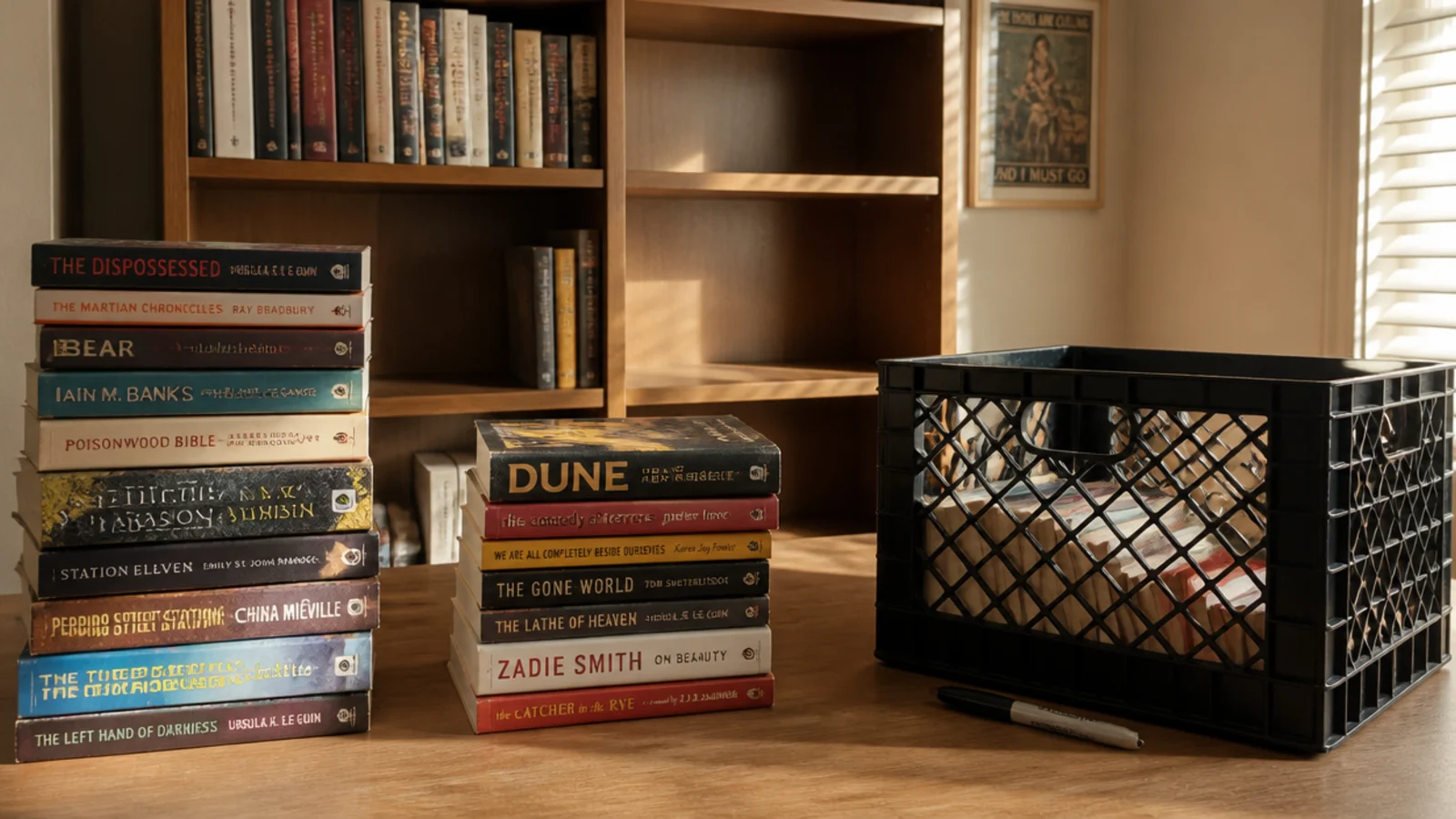
Two stacks and a crate, decided once rather than on packing day. Textbooks weigh 25 to 30 pounds a linear foot, so this is a real logistics question as well as a sentimental one. Whatever is not in the keep pile goes to a charity shop that week, or it quietly moves back onto the shelf.
19. Add one lockable drawer or box
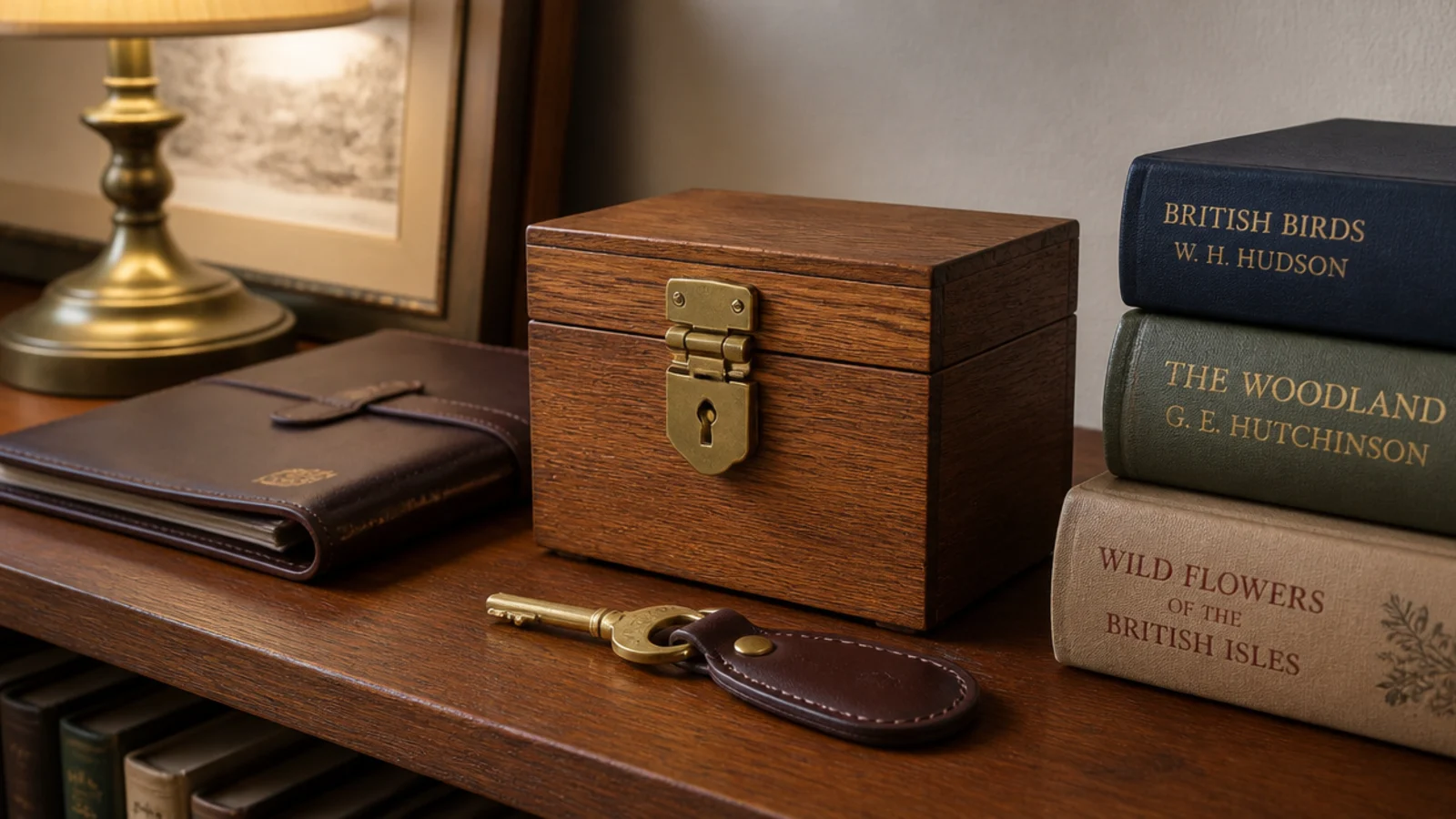
Passport, spare cash, anything he does not want a younger sibling in. A small lockable box at $20 to $45 is not about secrecy so much as about him having somewhere he controls, which matters at seventeen. Keep the spare key somewhere you have both agreed on in advance.
20. Treat the room for calls and interviews
Six 24 by 24 inch fabric panels two inches thick, covering 15 to 20 percent of the wall area at the first reflection points, plus a rug and a sealed door gap, take the bathroom ring out of a bedroom on a video call. A brush door seal at $15 to $30 is worth 3 to 5 decibels on its own.

21. Spend on the chair, because it goes too
The single most expensive item worth buying at this stage, because it is used four hours a day and it will still be used in a rented flat in five years. Adjustable seat height across 16 to 21 inches, a tilt lock, and arms that drop below the desk. Budget $200 to $400.
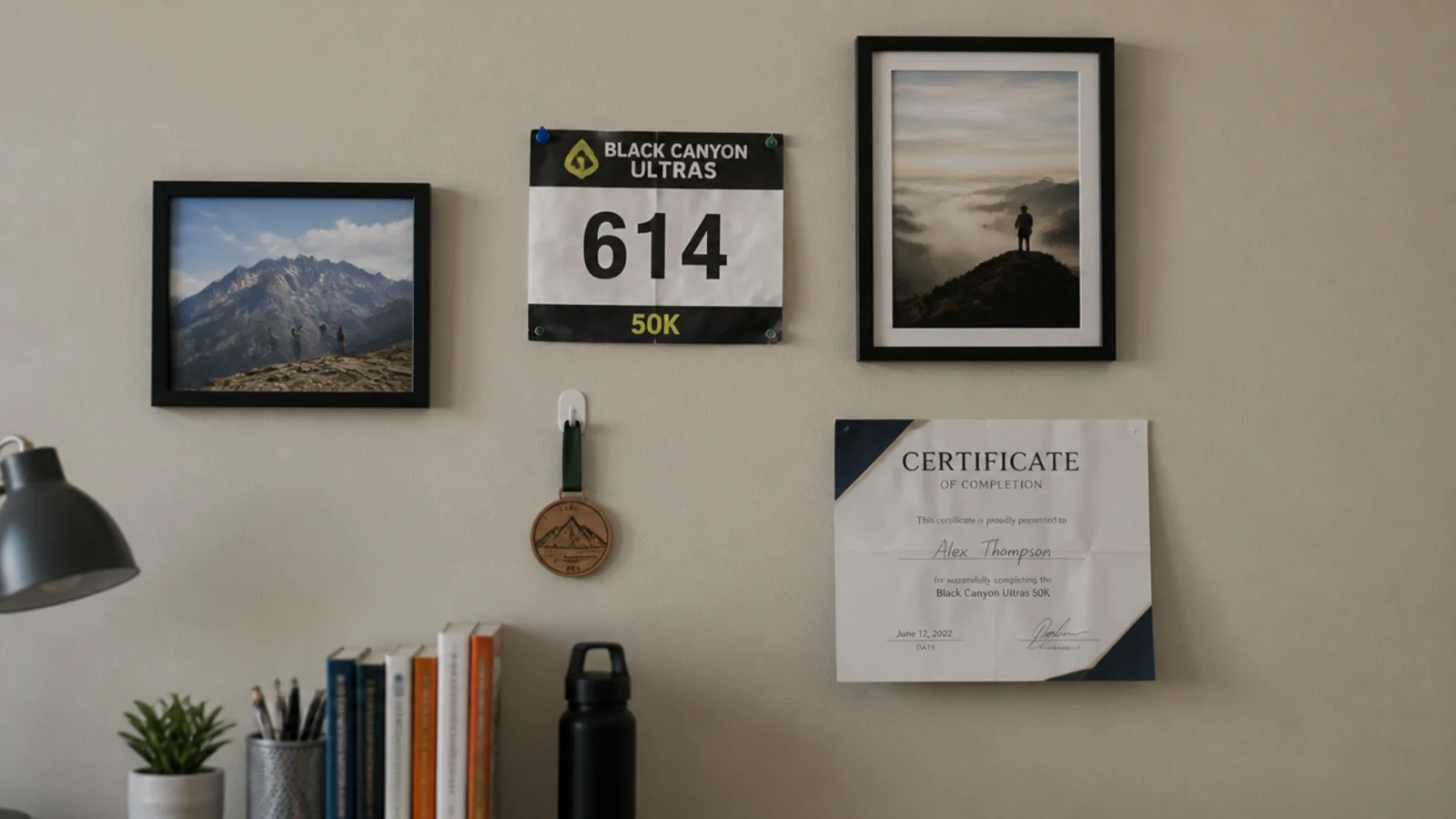
22. Show what he did, not what he likes
Framed photographs he took, a race number, a certificate, a ticket from something that mattered. It ages far better than a poster of something bought, and it is what he will actually want to take. Hang the group as a block with even 2 to 3 inch gaps rather than scattering it.
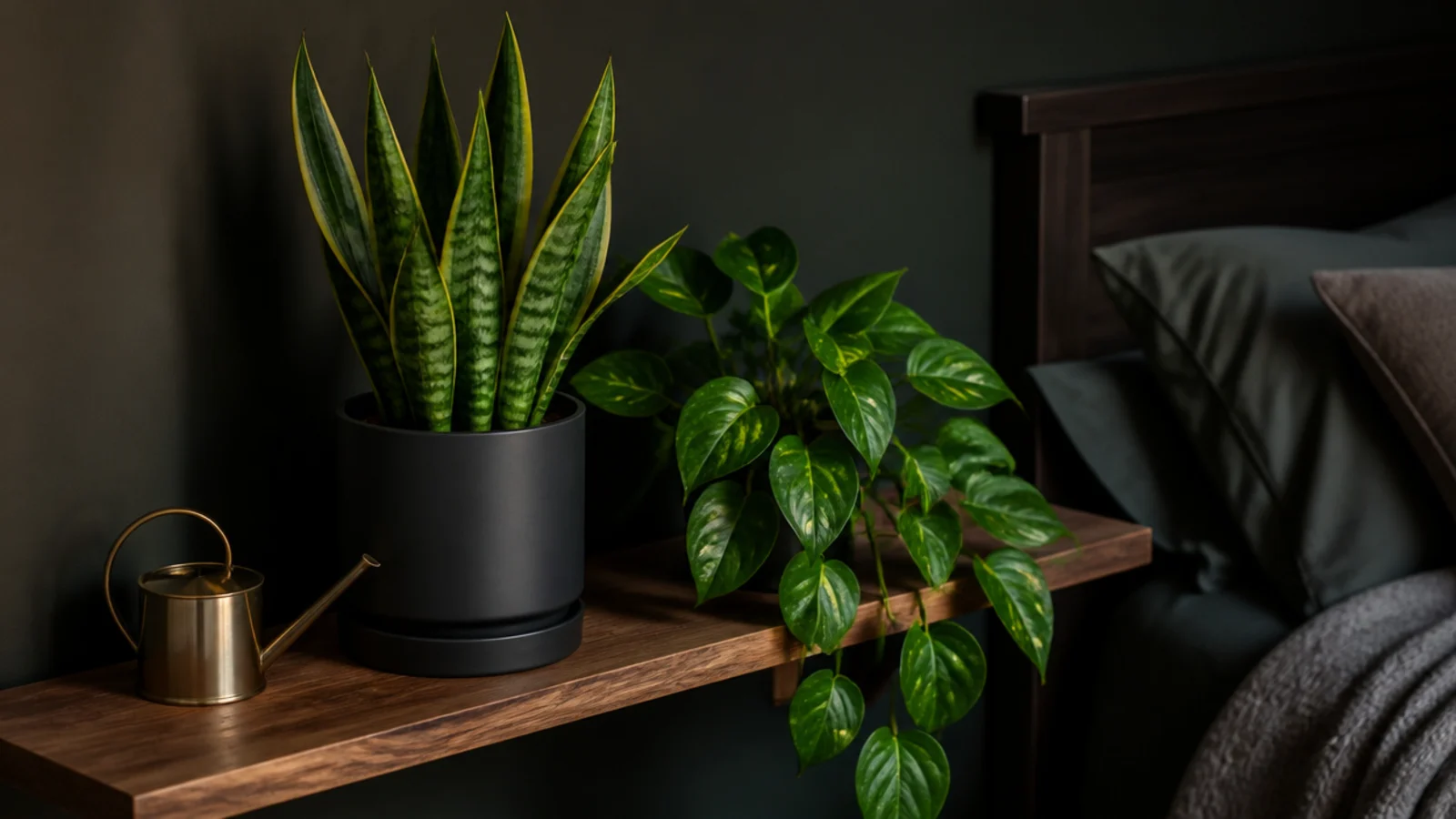
23. Choose plants he can actually keep alive
A snake plant and a pothos both survive low light and a fortnight of neglect, which is the honest specification. Two decent plants do more for a room than six struggling ones, and they are among the very few living things that make a dorm room feel less institutional.
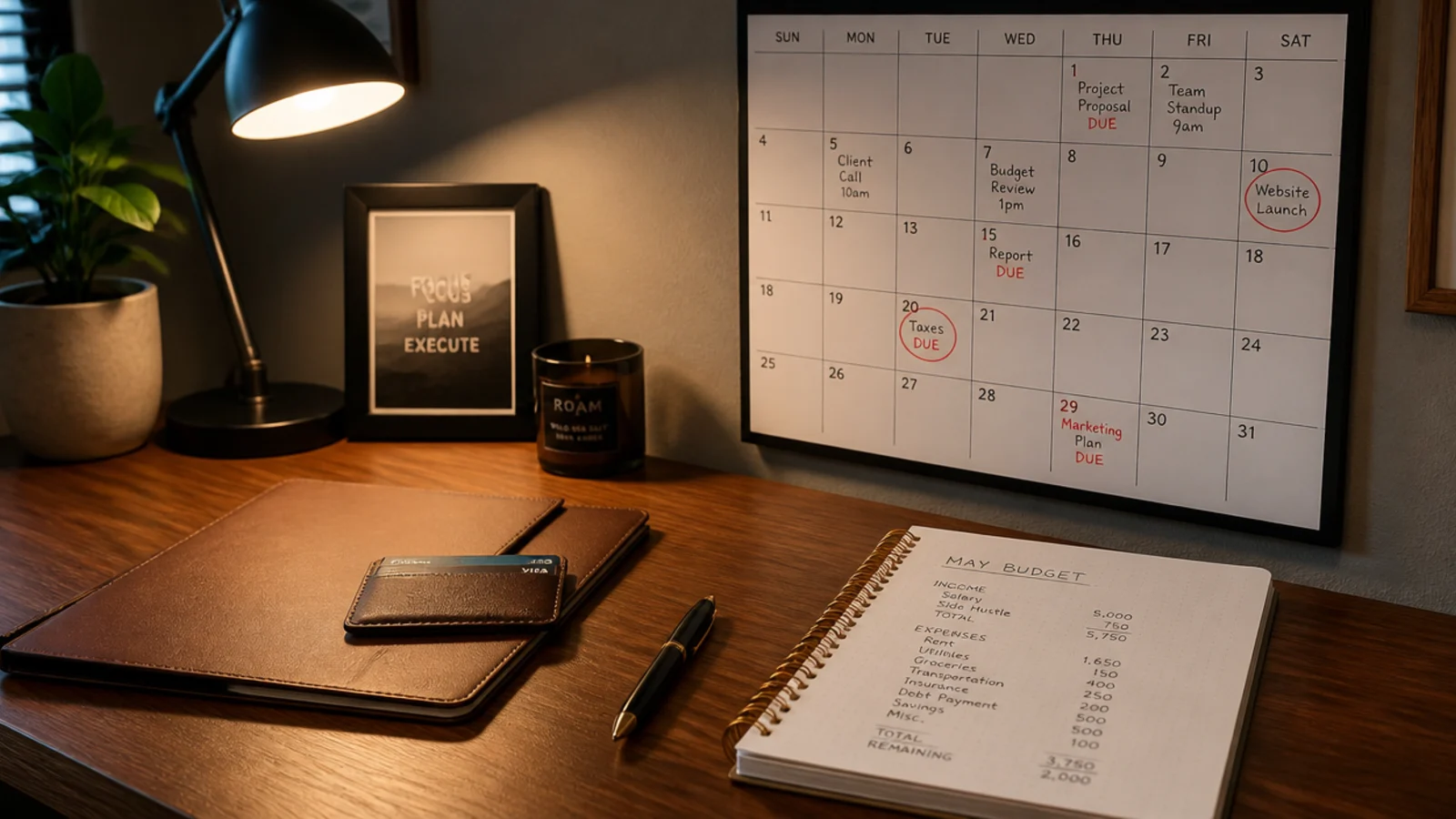
24. Make a corner for money and admin
A slim folder, a card wallet, a calendar with real deadlines on it, and a notebook with a monthly budget in the front. Twelve inches of desk. Application dates, rent deposits and student finance all arrive in the same six months, and having a physical place for them prevents most of the chaos.
25. Empty one shelf a year before he goes
Pick a shelf, clear it, and leave it empty. It becomes the staging area for everything that is definitely going, and it makes the scale of the move visible a year early rather than the week before. It is the single most useful thing on this list and it costs nothing at all.
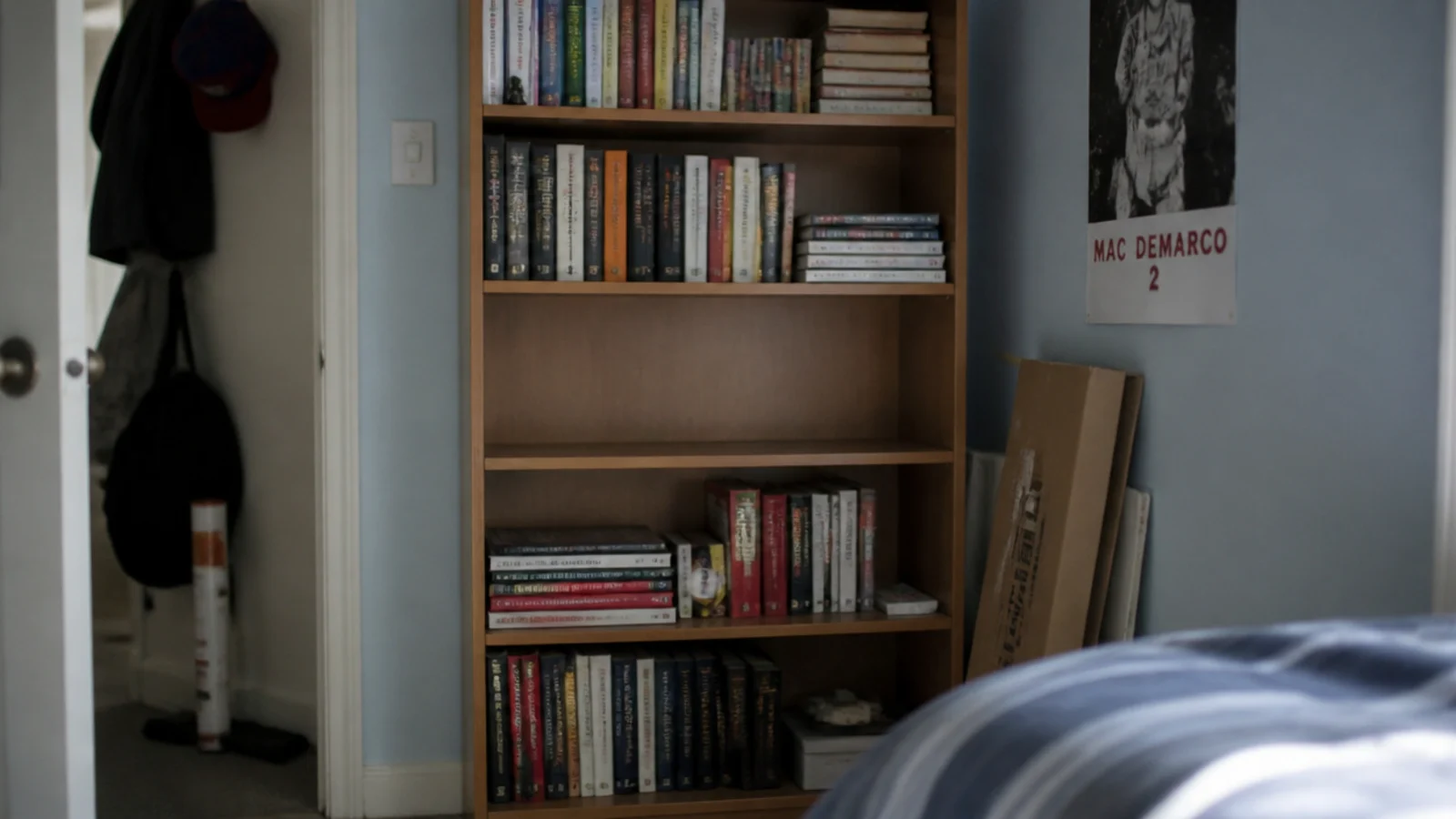
For the buys themselves, teen boy bedroom decor covers what survives four years and what does not, and teen boy bedroom designs has the layouts I got wrong the first time. If the clothes rail is replacing a wardrobe, small walk-in closet ideas has the rail heights and depths worked out.
Mistakes to Skip
- Buying a standard twin mattress at sixteen. Four inches short of the dorm size means a second mattress, a second protector and a second set of sheets.
- Filling every cubic foot of new storage. Storage expands to hold whatever exists, and the clear-out that should happen at seventeen never does.
- Building anything fixed — a loft frame, a fitted desk, a mural. It has to come out again within two years and the wall repair costs more than the build.
- Leaving the document box until the week of the move. Certificates and passports surface at the worst possible moment, usually the day of a deadline.
Frequently asked questions
What bed size should an older teenager have before college?
Twin XL at thirty-eight by eighty inches, because that is the size most college dorms use. Buying it at sixteen means the sheets, the mattress protector and the duvet all move with him instead of being replaced, and he gets four extra inches of length in the meantime.
What furniture is worth buying if he leaves in two years?
Anything that fits in a car and earns its space in a small room: a task chair, a desk lamp, a compact bookcase, storage cubes and a rug. Skip large wardrobes and bed frames, which never travel. Measure the boot of the family car before buying anything described as compact.
How do I make a bedroom work as a guest room afterwards?
Keep the walls neutral, keep the bed a proper mattress rather than a novelty frame, and put the personal display on removable panels and pinboards rather than on the plaster. Clear one shelf and half a wardrobe rail a year before he leaves and the switch takes an afternoon.
How much storage does a teenager actually need?
Count it in cubic feet rather than in boxes. A standard thirteen inch storage cube is about one and a quarter cubic feet, and most older teenagers need eight to twelve of those plus hanging space of around forty inches of rail. Anything beyond that tends to store things nobody ever looks at again.
How do I make a bedroom quiet enough for interviews and calls?
Soft surfaces at the first reflection points plus a sealed door gap. Six two-inch fabric panels covering fifteen to twenty percent of the wall area, a rug over hard flooring, and a brush seal along the bottom of the door together cut the slap echo that makes a bedroom sound like a bathroom on a call.
Want more like this? Browse all 15 teen boy bedroom guides — they all use the same measurements and budget tiers.
Pin it for later
Save this to your Teen Boy Bedroom board
Pin it now so it is waiting for you when the tape measure comes out — and so the next person hunting for this idea can find it too.
Save this pinKeep going
More ideas worth saving while you have the tape measure out.