Teen Boy Bedroom · Listicle
20 Teen Boy Bedroom Paint Colors That Age Well

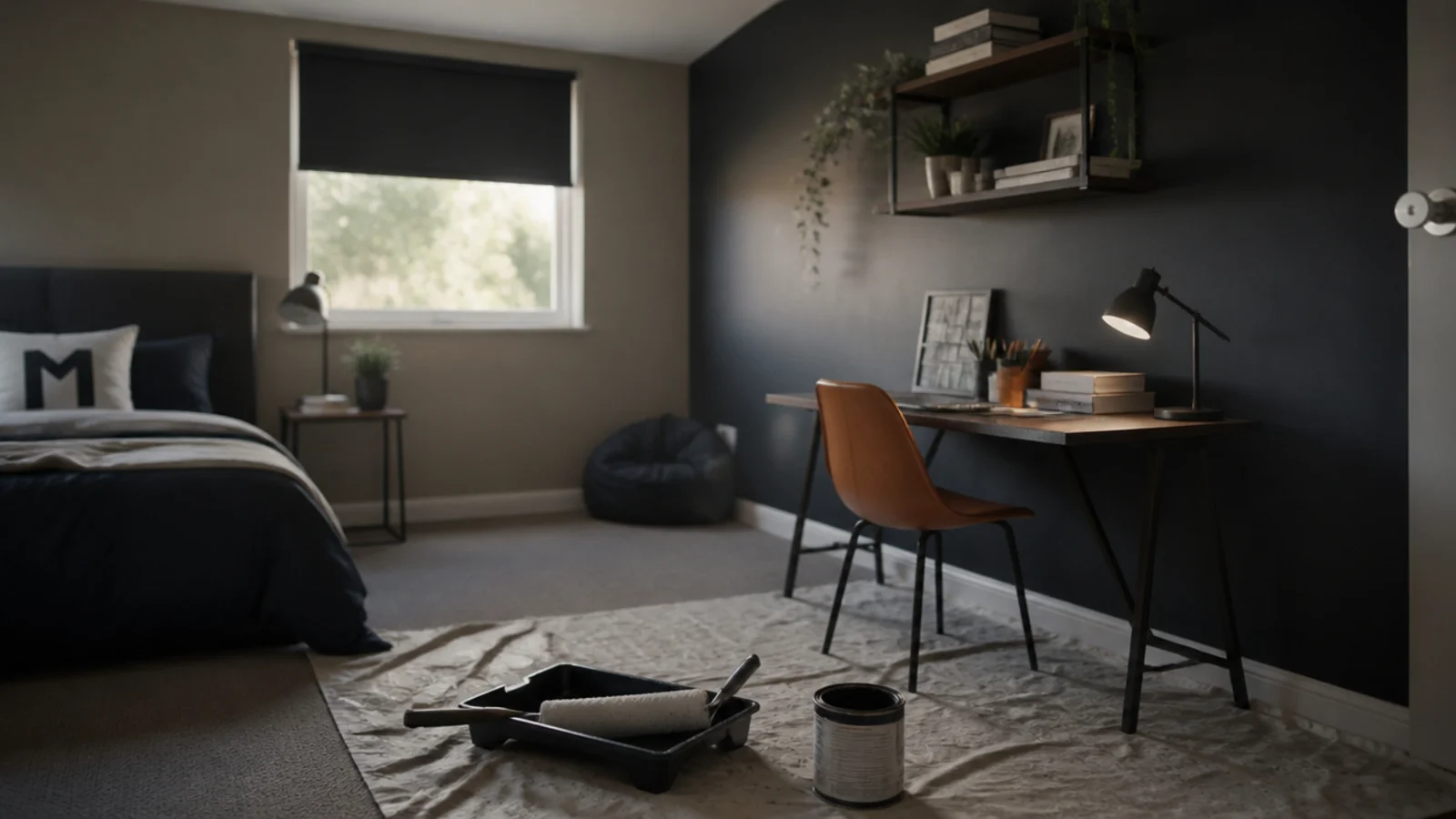
Almost every repaint I have been asked to fix started as a colour chosen from a two-inch chip under a shop light. The colour was not wrong so much as untested, and the room it landed in was north-facing, or smaller than the showroom, or lit by a single warm bulb at nine at night. Teen boy bedroom paint has one extra problem on top of that: it needs to survive a taste change at sixteen without a second repaint. The colours below all do, and each one comes with its light reflectance value, the sheen to buy it in, and how much of it a normal room swallows.
In this guide22 sections — tap to openHide
- 1.How teen boy bedroom paint choices go wrong
- 2.Deep charcoal behind the desk
- 3.Warm greige on all four walls
- 4.Slate blue that is not navy
- 5.Muted olive with the colour taken out
- 6.Off-black on the ceiling only
- 7.A two-tone split at forty-eight inches
- 8.Warm white with black trim
- 9.Deep forest green on one wall
- 10.Clay and terracotta as a warm neutral
- 11.Blue-grey for a bright south-facing room
- 12.Mushroom taupe as the reset colour
- 13.Paint the door, not the wall
- 14.Colour-drench a very small room
- 15.A navy that reads almost black at night
- 16.Painted plywood panelling
- 17.One geometric block, not a mural
- 18.Chalkboard paint on a panel, not the plaster
- 19.Paint the radiator the wall colour
- 20.Choose scrubbable matte over flat
- 21.Test two patches and look after dark
- 22.Mistakes to Skip
How teen boy bedroom paint choices go wrong
Light reflectance value is the number to learn. It runs 0 for black to 100 for white, and it tells you how much light a colour throws back into the room. Above 55 a colour keeps a room workable; below 25 it absorbs enough that you need to plan two separate light sources rather than one.
Orientation decides which end you can use. A north-facing room gets cool, flat light all day and wants colours above an LRV of 55 with a warm undertone, or it goes grey and sad by four. A south-facing room takes deep tones easily because it is getting hours of direct sun to counteract them.
Then the practical arithmetic. A 10 by 12 room with an 8-foot ceiling has about 316 square feet of wall after a door and a window come off. A gallon covers 350 to 400 square feet per coat, so two gallons does two coats with a little left for touch-ups. Latex recoats at four hours and cures fully in 14 to 30 days, which is why furniture pushed back too soon leaves marks. Choose a paint under 50 grams per litre of VOCs and air the room for at least 48 hours. For the wall above the desk specifically, study table wall decor desk ideas covers what goes on it afterwards.
1. Deep charcoal behind the desk
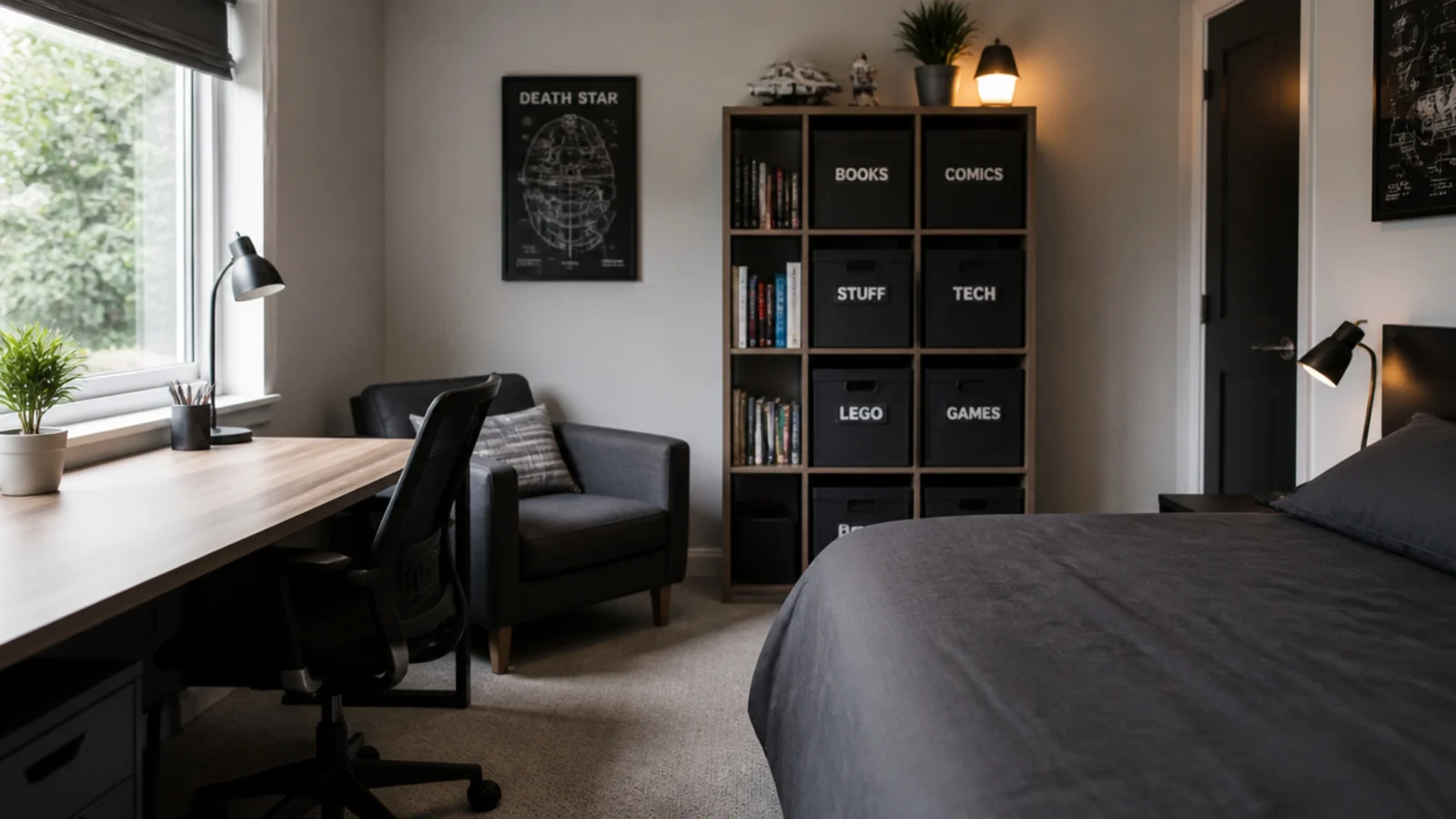
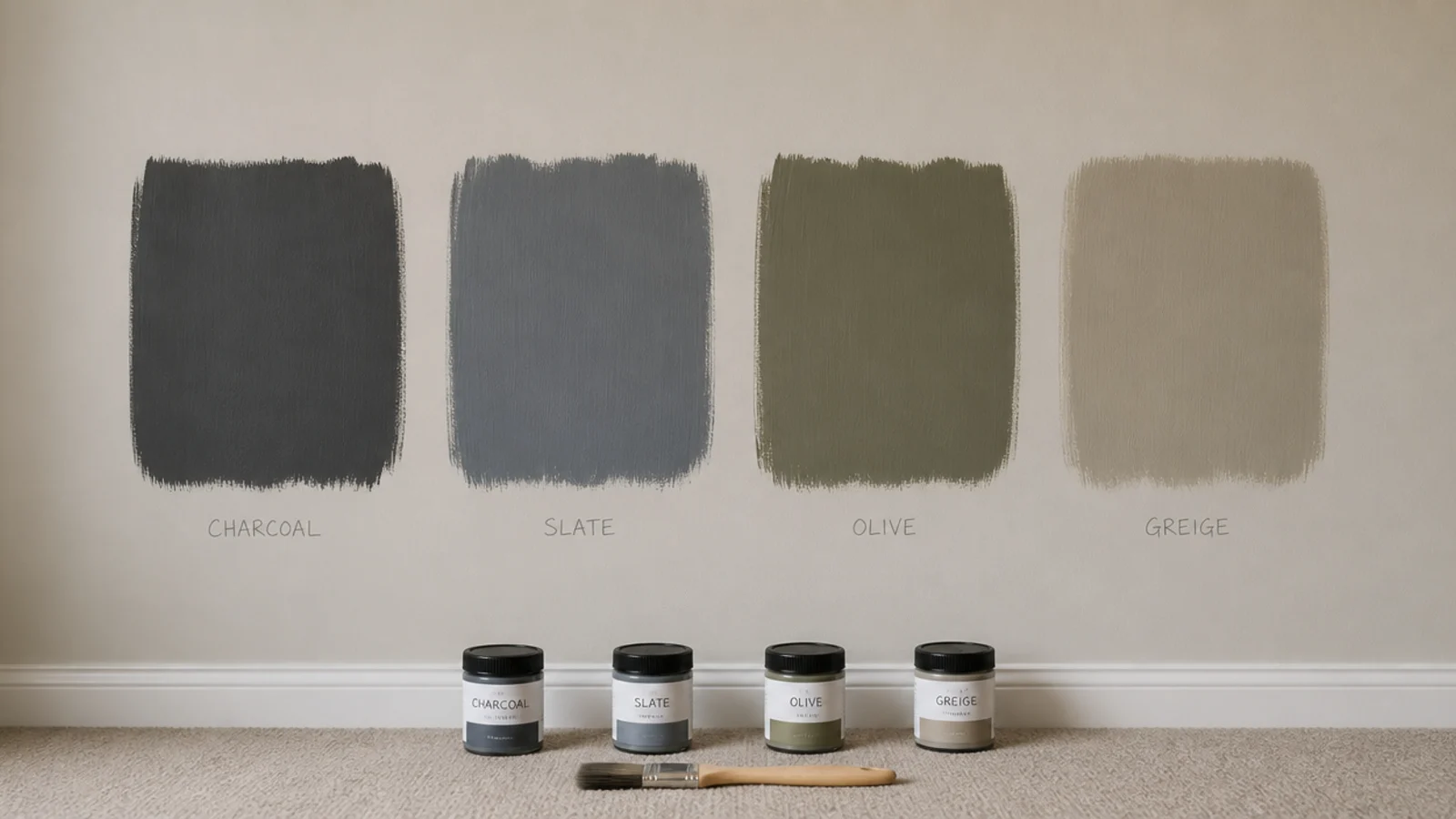
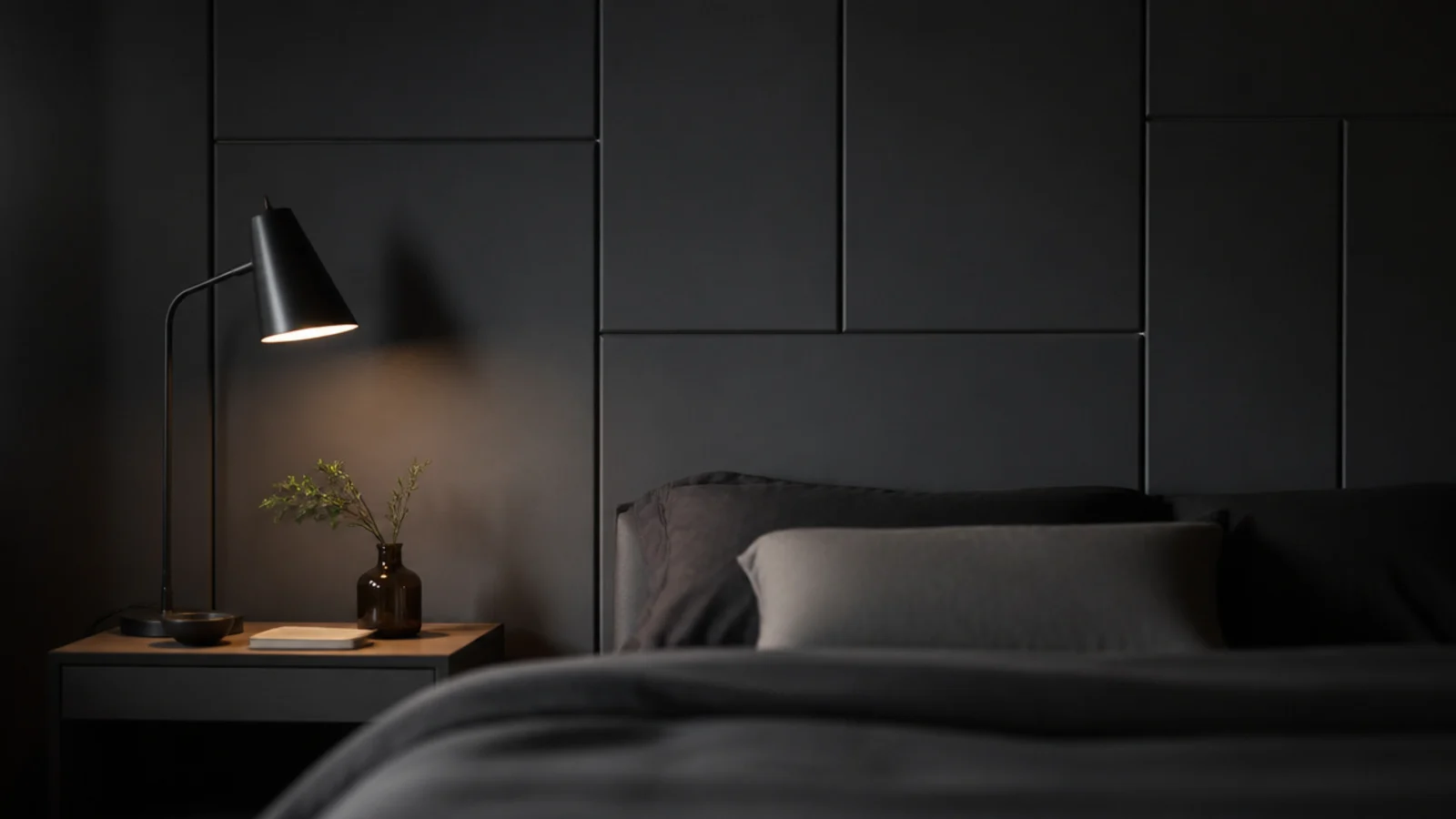
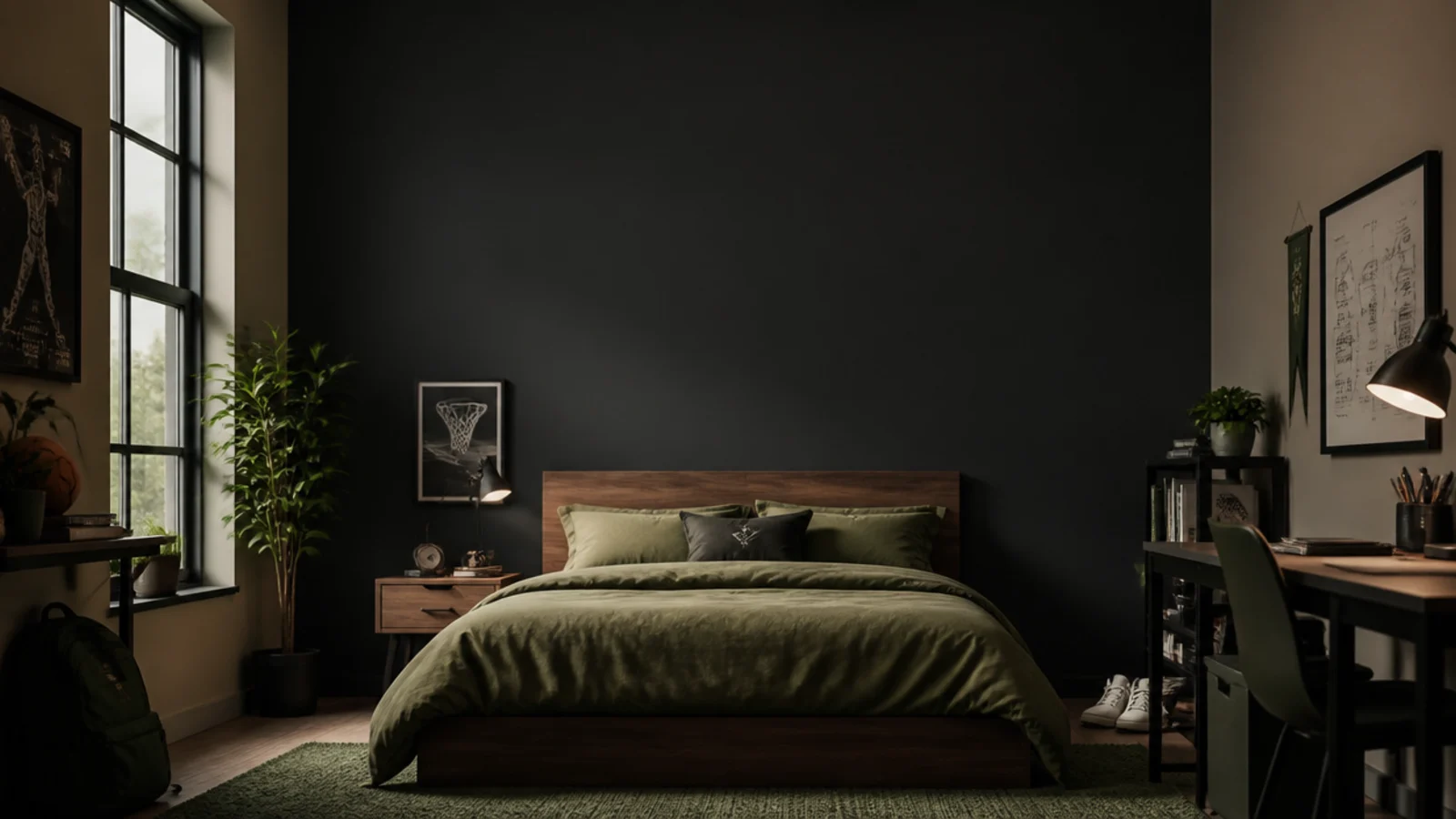
An LRV around 8 to 12, on one wall only, directly behind the monitor. Dark paint behind a screen reduces the contrast between a bright panel and its surround, which is the thing that actually tires eyes at midnight. It also hides the cable clutter that gathers at the back of every desk. Buy it in scrubbable matte, because charcoal in anything glossier shows every roller lap under a desk lamp.
2. Warm greige on all four walls
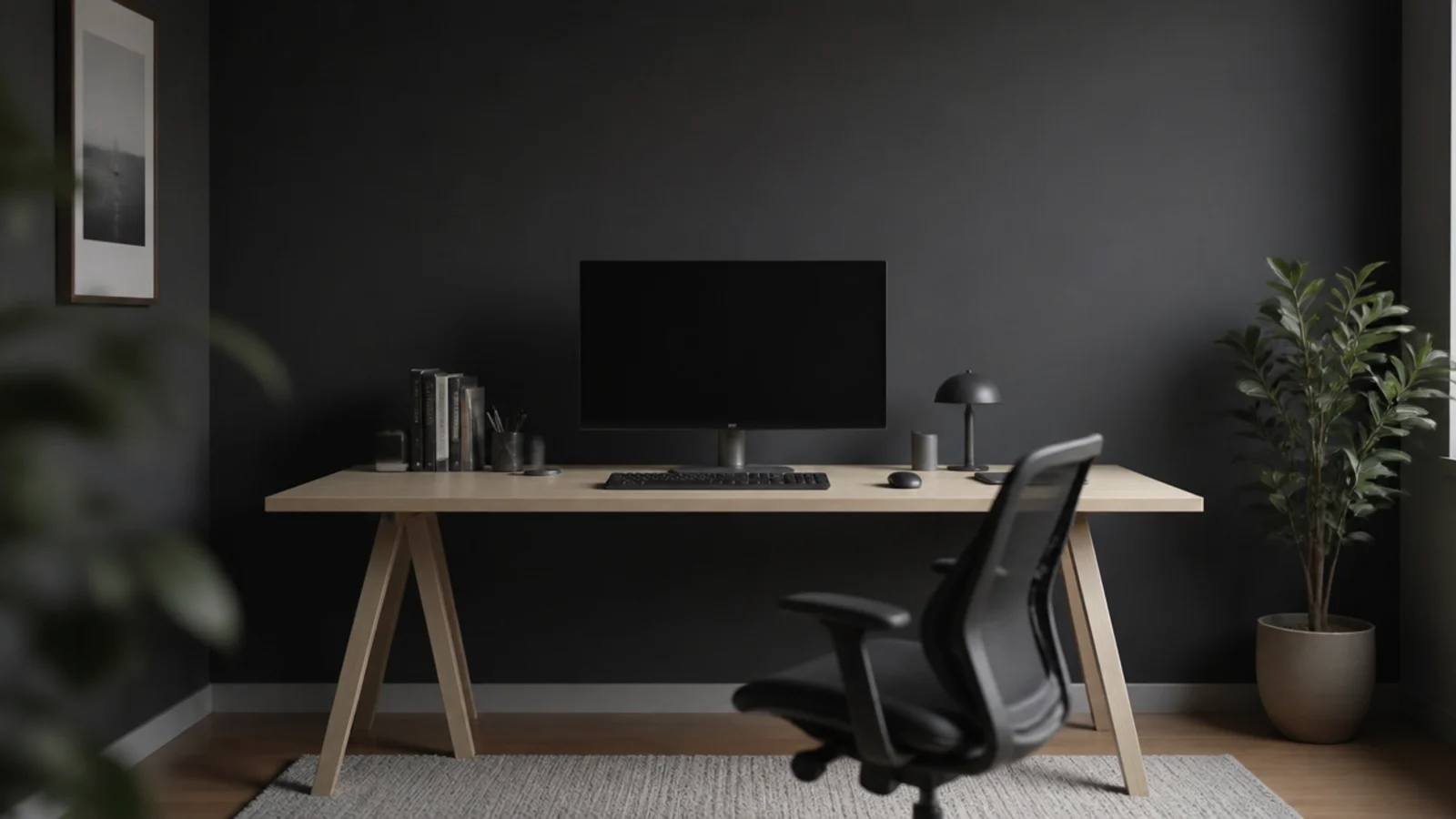
If you only get one decision right, make it this one. Greige between an LRV of 55 and 62 takes every bedding colour, works in either orientation, and never has to be repainted when his taste swings. It is the colour that lets the room change through posters, bedding and furniture rather than through a weekend of taping and rolling. Two coats over a standard box room is about two gallons.
3. Slate blue that is not navy
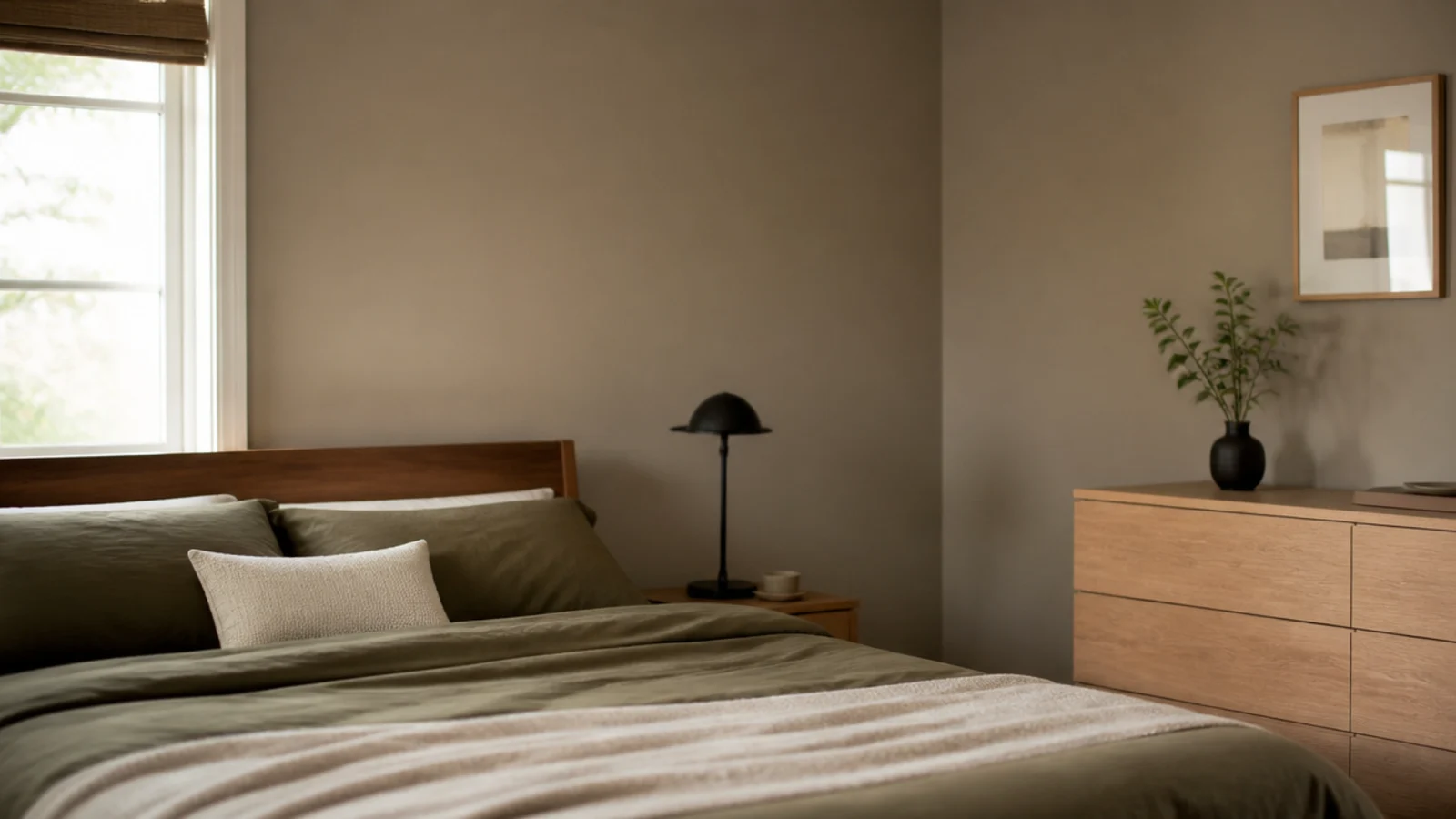
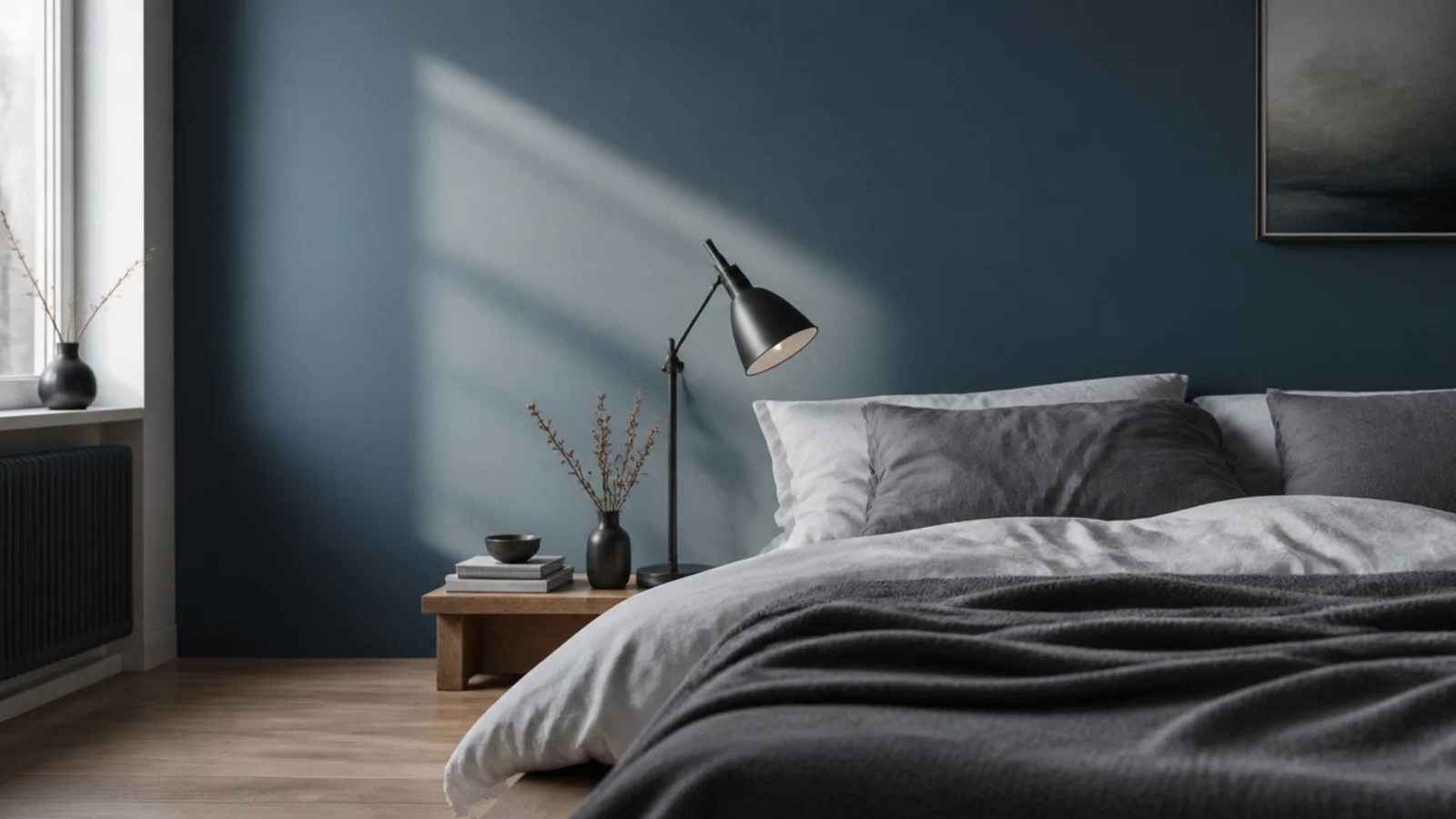
Blue is the default request and navy is the default answer, which is why so many of these rooms look like a hotel. A slate blue with grey in it, LRV in the low twenties, keeps the depth without the nautical association. It also sits well against timber and black hardware. Test it against the bedding you already own before committing, because blues fight some greens.
4. Muted olive with the colour taken out
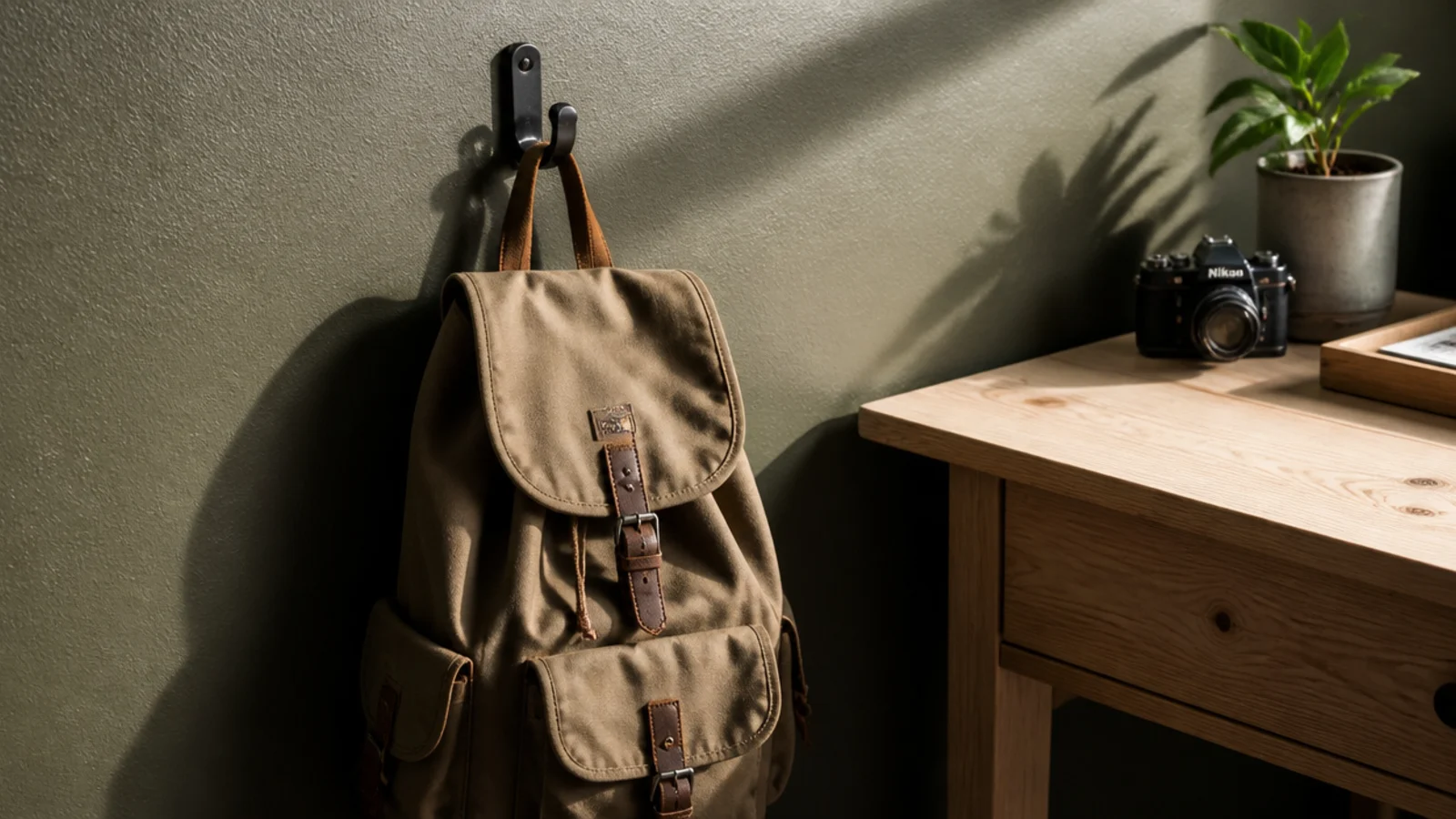
Olive and drab green in the LRV 25 to 32 range read outdoor rather than institutional, and they age extremely well — a fifteen-year-old and a twenty-two-year-old will both accept them. Green also flatters skin under warm light, which matters more than you would think in a room used for video calls. Use it on one wall or all four.
5. Off-black on the ceiling only
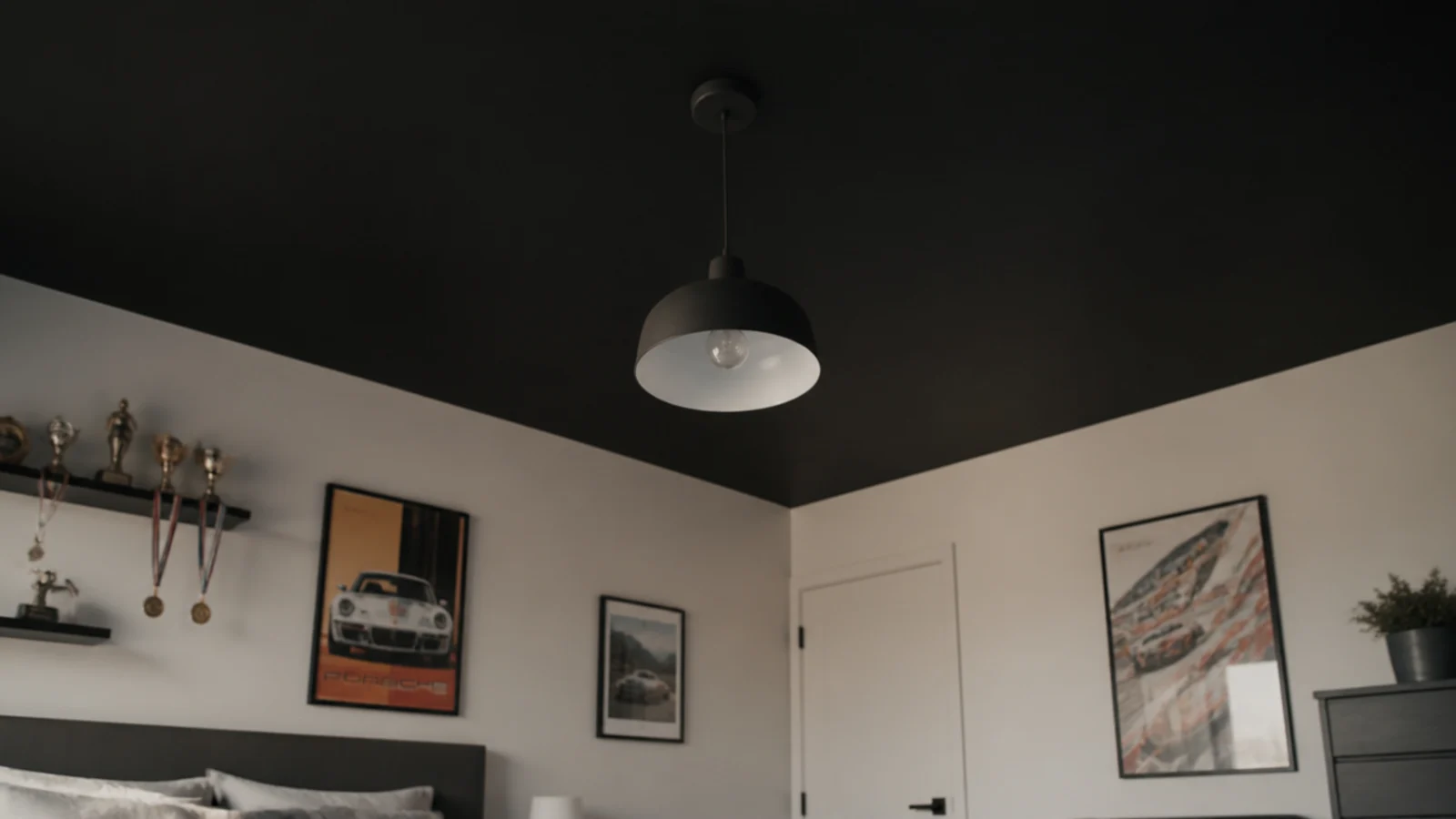
Counterintuitive, and it works in a room with a decent ceiling height. Painting the ceiling off-black while the walls stay pale draws the eye down and makes the room feel enclosed in a deliberate way rather than a cheap one. It also hides an uneven ceiling completely. Skip it under about 8 feet, where it starts to feel low rather than intentional.
6. A two-tone split at forty-eight inches
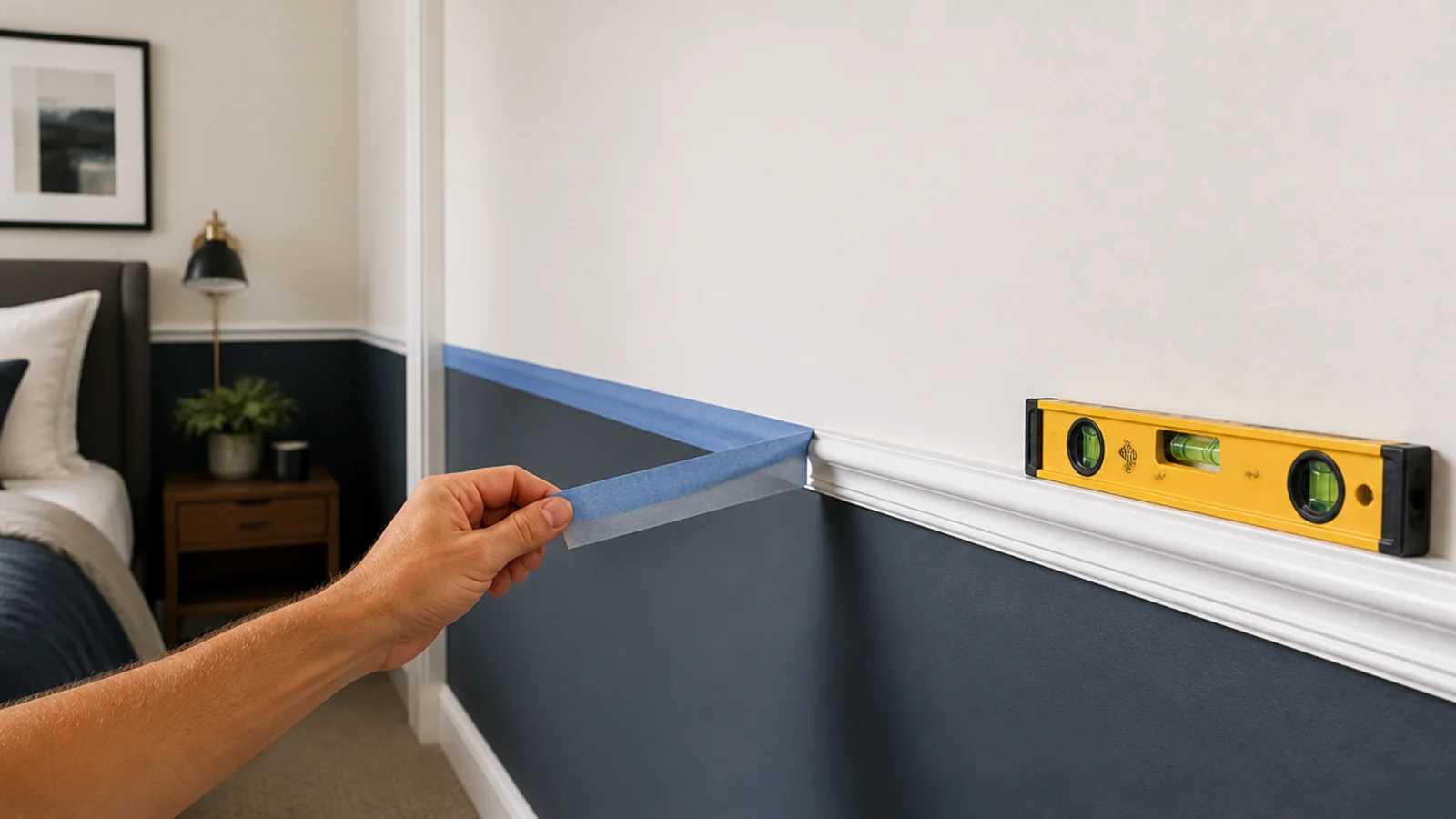
Deep below, pale above, with a crisp line at chair-rail height. Mark the line with a laser or a long spirit level rather than measuring up from the floor, because floors are not level. Run low-tack tape, seal the edge with a thin coat of the upper colour so nothing bleeds under, then paint the darker tone. Peel the tape while the paint is still tacky.
7. Warm white with black trim
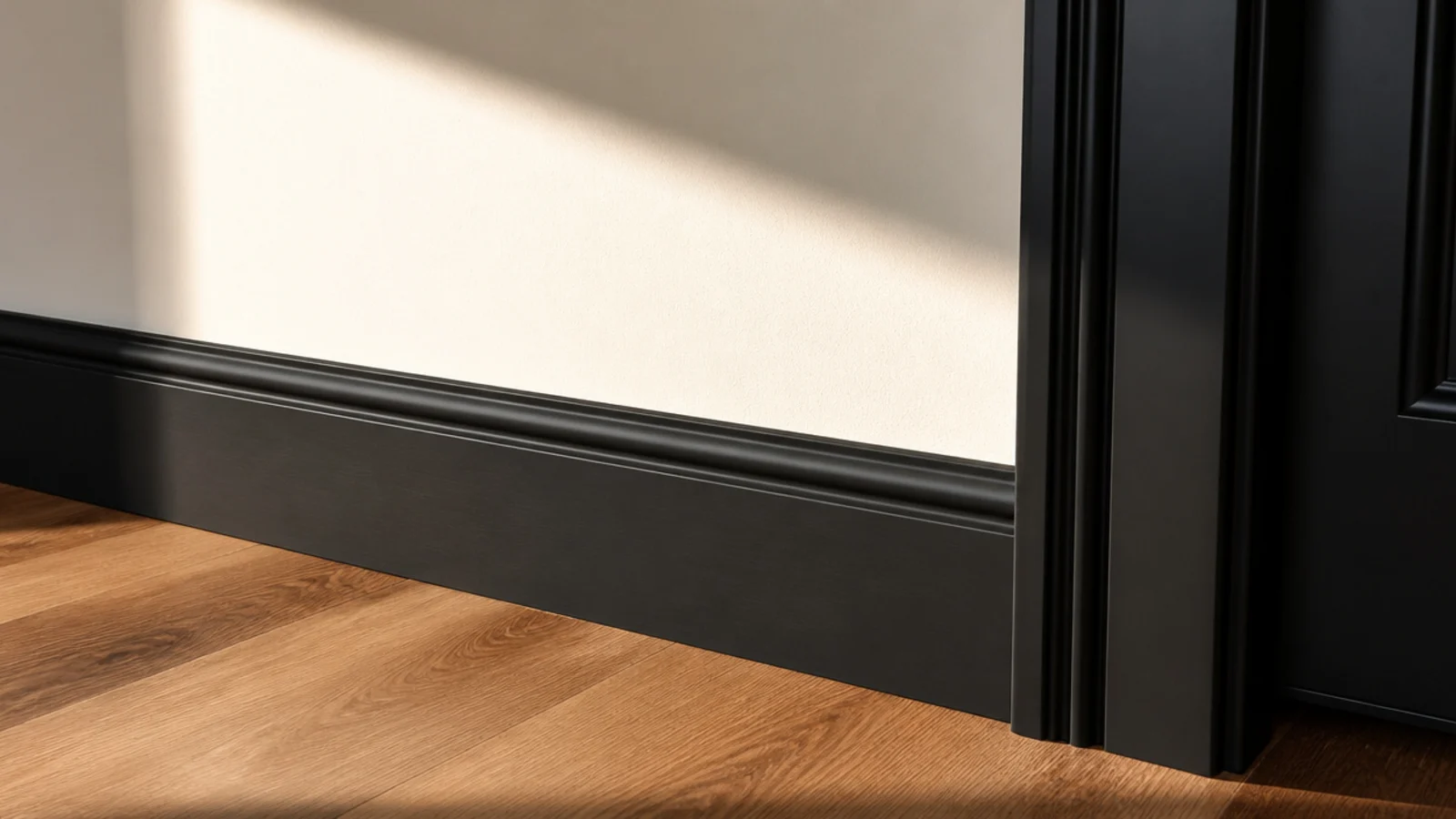
Walls at an LRV above 80, skirting and architrave in matte or satin black. It is the cheapest way to make a plain box room look designed, because the contrast does all the work and the trim needs only a quart. Use satin on trim so it wipes clean, and expect two coats over previously white woodwork.
8. Deep forest green on one wall
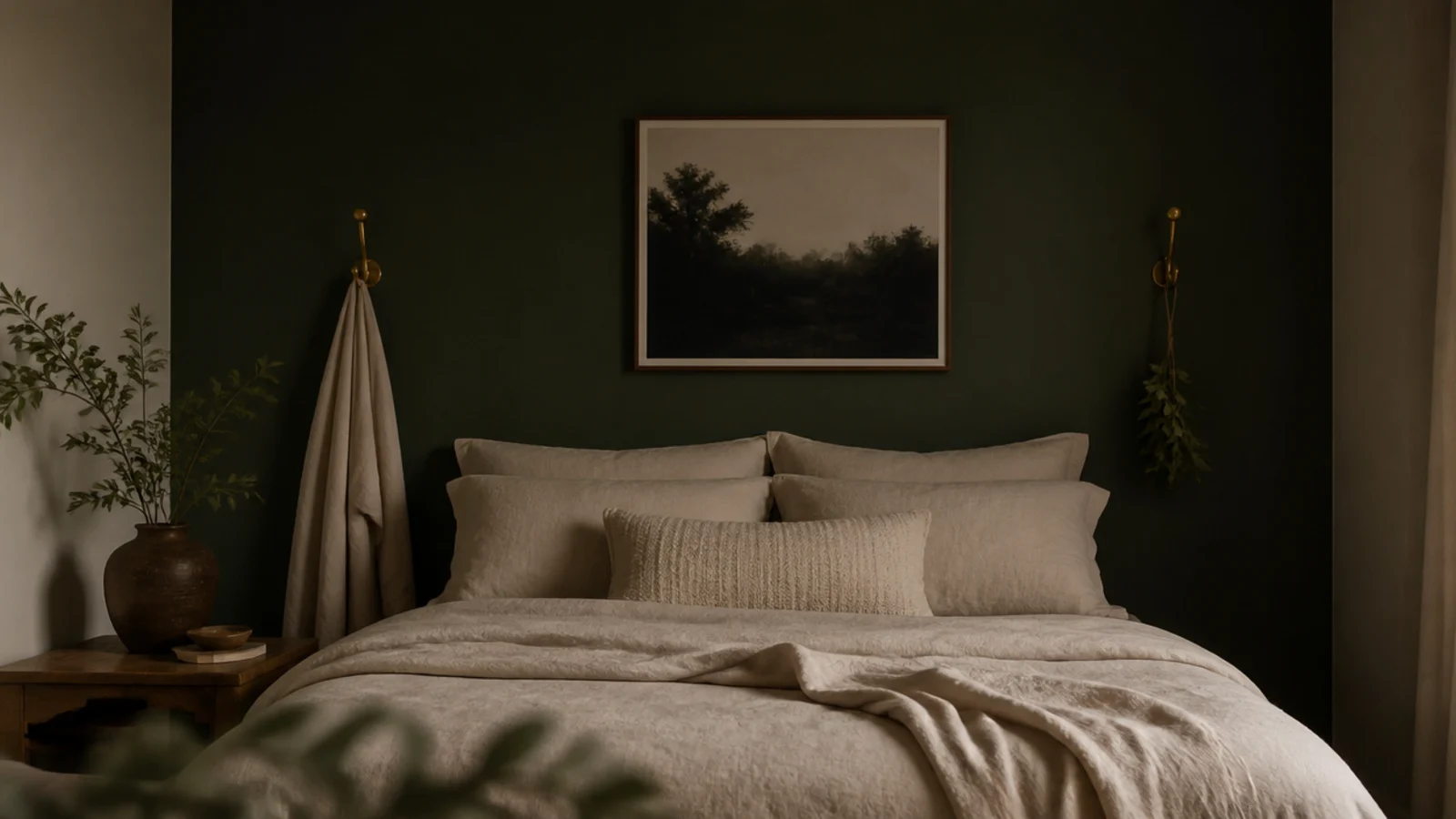
Green in the LRV 12 to 20 band is the colour I keep coming back to for teenage rooms. It reads calm rather than corporate, it takes brass and timber beautifully, and it does not carry the childish associations that a strong blue or red does. Behind a bed it works as a headboard replacement in itself.
9. Clay and terracotta as a warm neutral
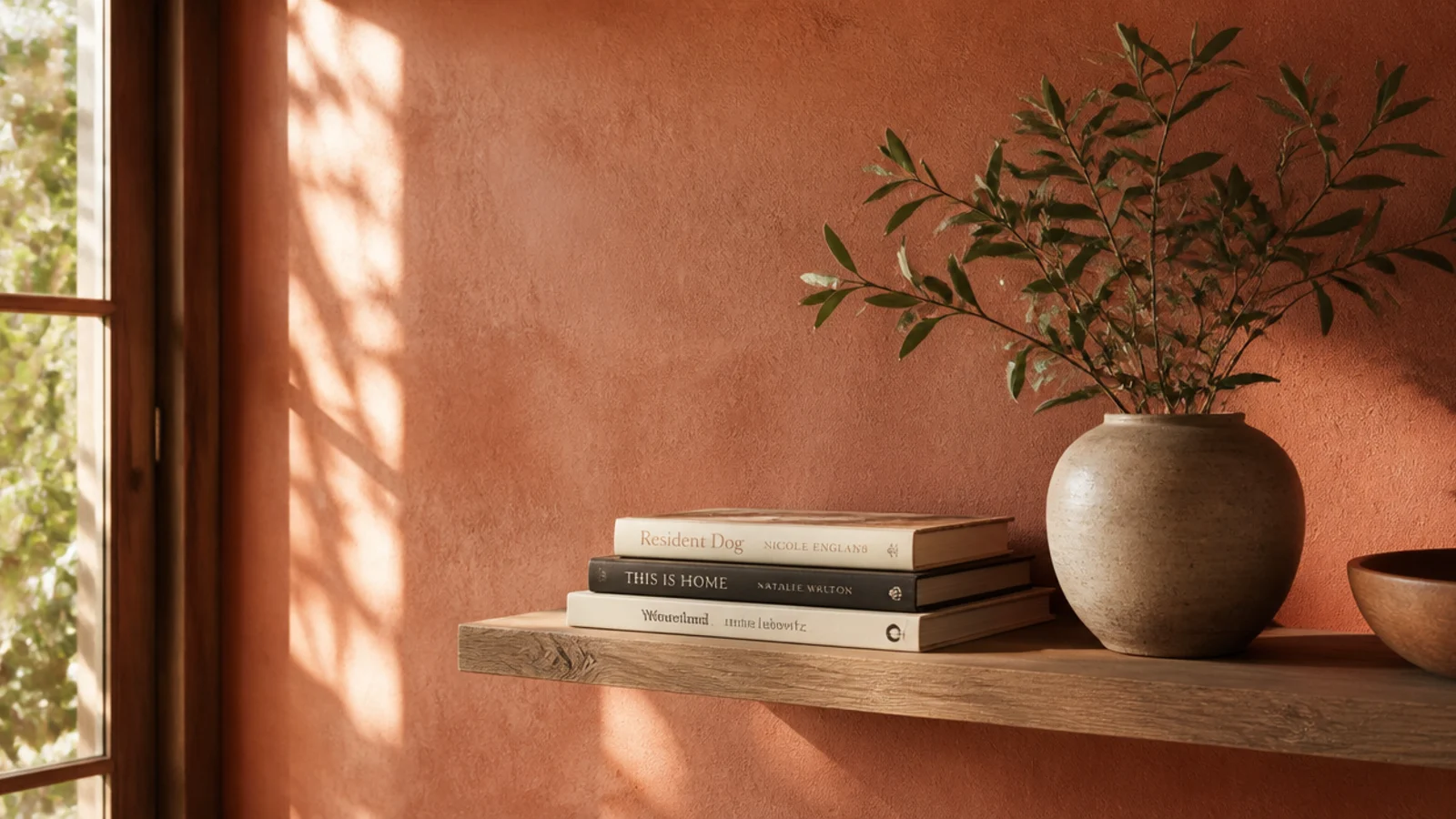
A muted clay around an LRV of 35 to 45 warms a room without turning orange, and it is genuinely rare in teenage bedrooms, which is part of the appeal. It suits a north-facing room particularly well because the warmth compensates for the cool light. Pair it with black metal rather than brass to keep it from going rustic.
10. Blue-grey for a bright south-facing room
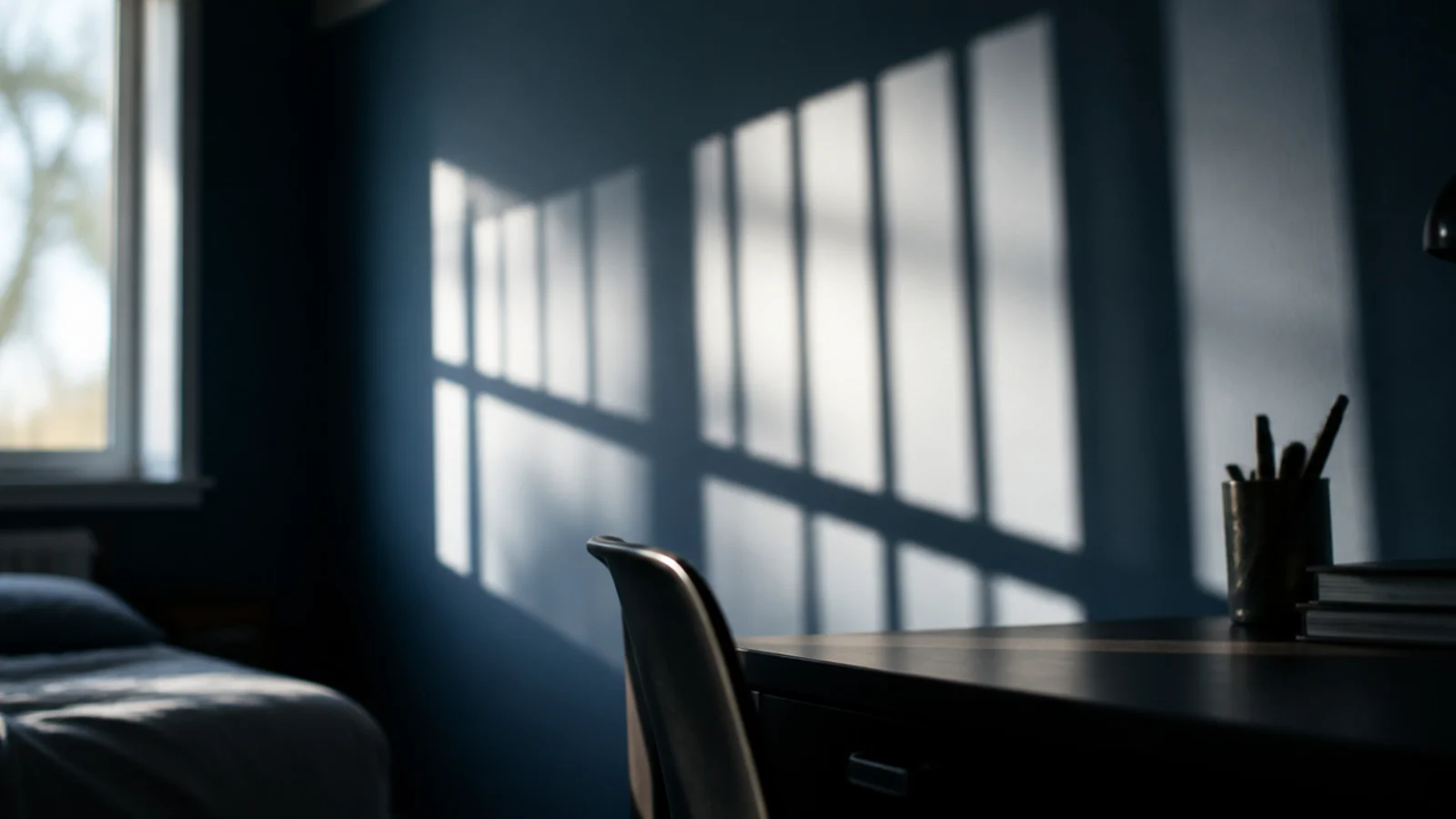
Strong direct sun bleaches warm colours toward yellow through the middle of the day. A cool blue-grey holds its character under that, and it takes the edge off a room that gets genuinely hot in summer. Check it after dark under the bulbs you actually use, because cool colours can go flat and lifeless under a 2700K lamp.
11. Mushroom taupe as the reset colour
This is what I paint a room when a previous colour has to go and nobody can agree on the next one. Taupe around an LRV of 50 to 58 is warm, quiet and takes any accent. It is also the easiest base to cover later, unlike a saturated colour that needs a stain-blocking primer plus two coats to bury.
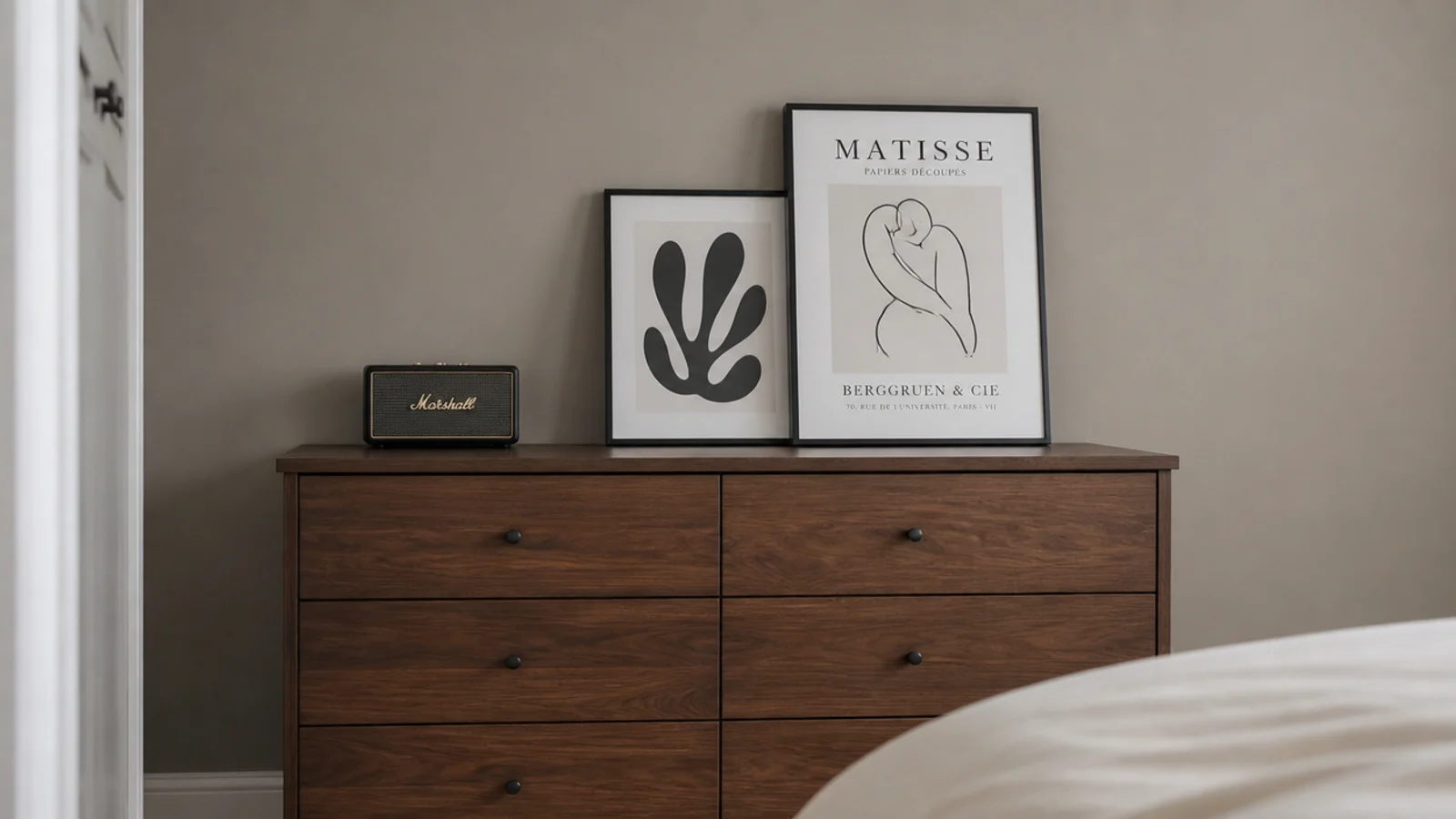
12. Paint the door, not the wall
A single door in a deep green, oxblood or black changes the character of a room for the price of a quart, roughly $20, and takes an afternoon. Use satin so fingerprints wipe off, take the hinges' edge into account, and leave the door open until it is fully touch dry or it will stick to the frame.
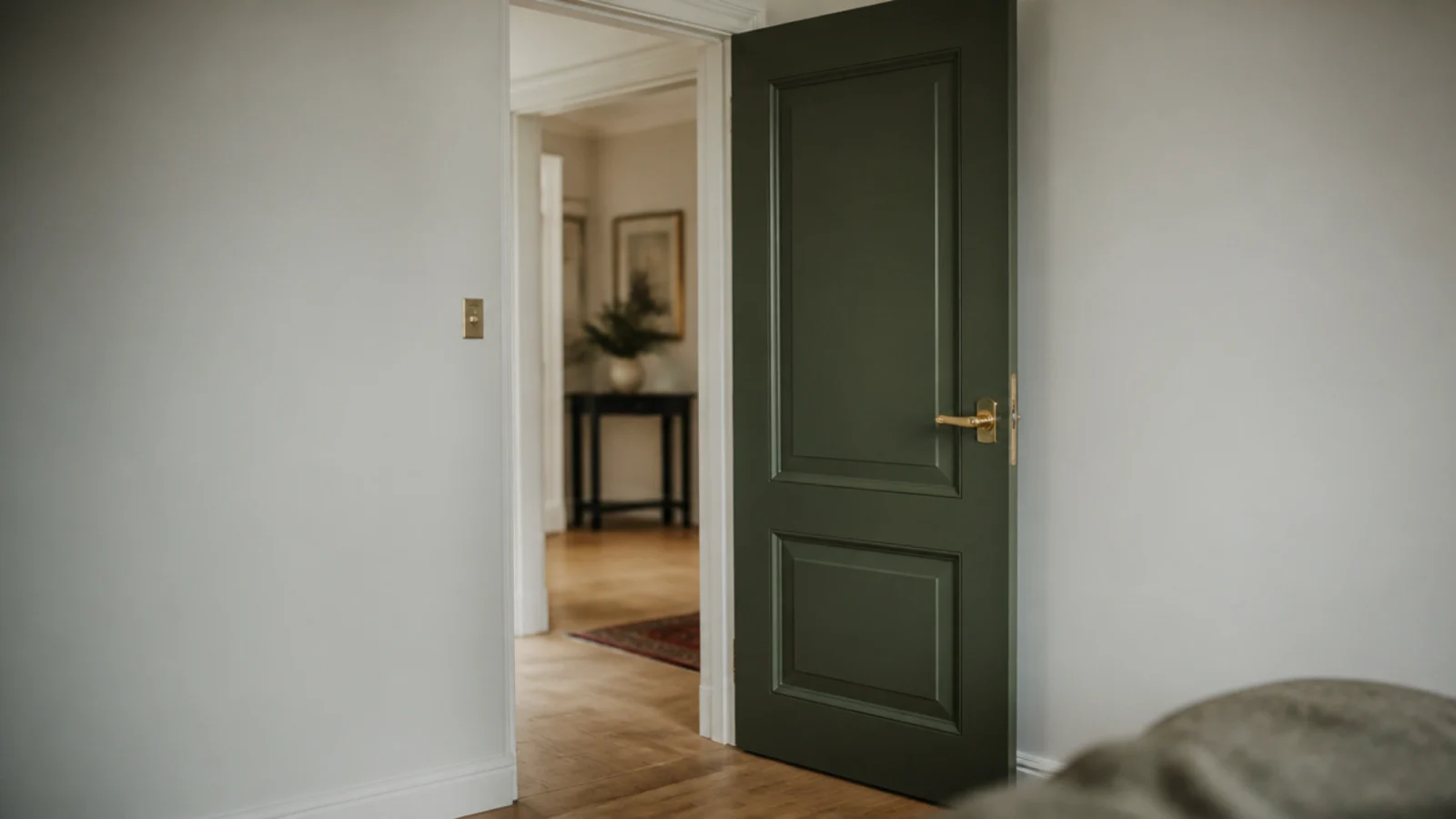
13. Colour-drench a very small room
In a room under about 90 square feet, a single dark accent wall makes the space read shorter. Painting everything the same deep tone — walls, trim, door, ceiling — removes the corners visually and the room reads larger, not smaller. It needs two decent light sources to work, and it takes about half a gallon more paint than a standard scheme.
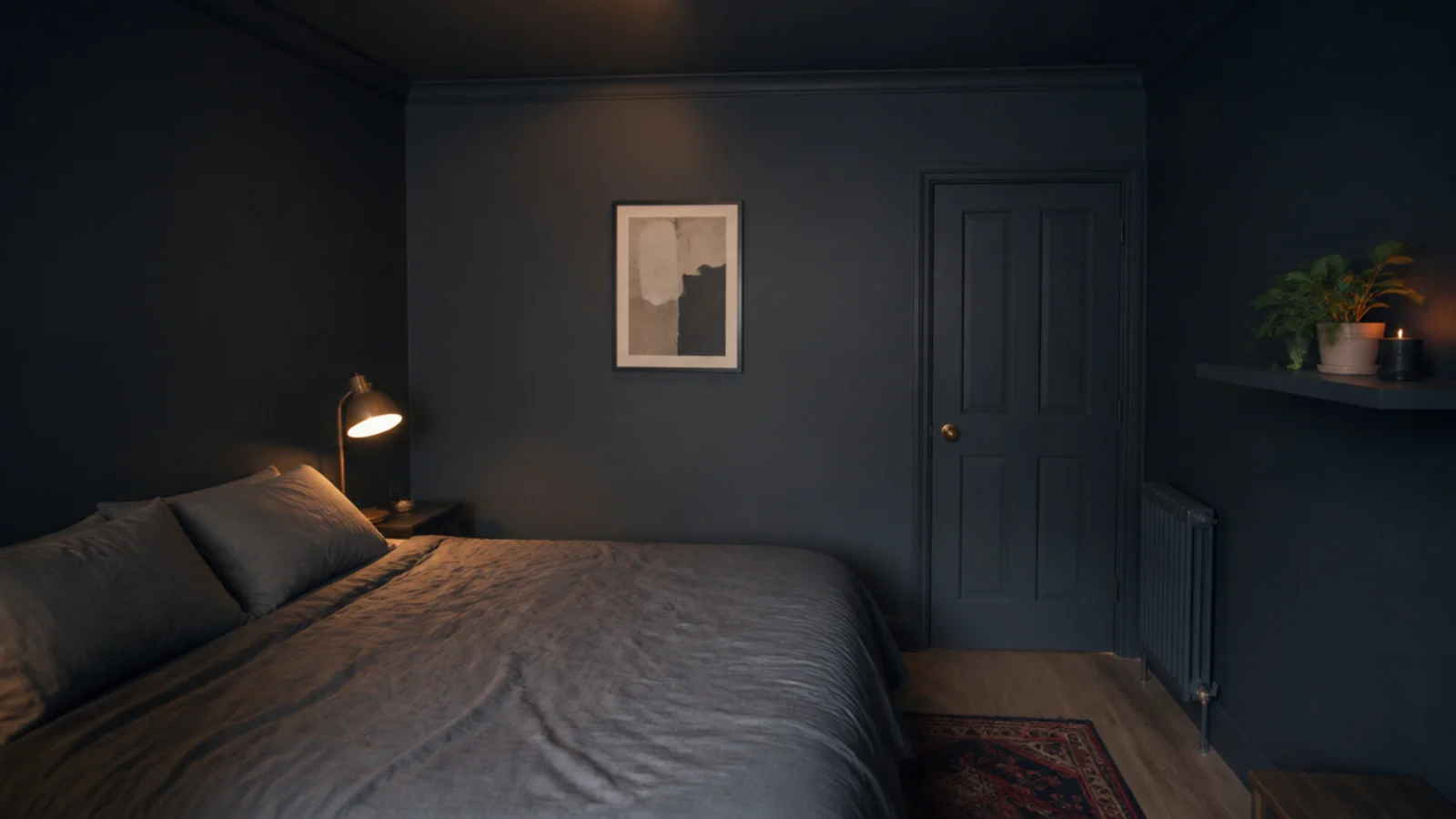
14. A navy that reads almost black at night
Deep navy at an LRV under 10 turns nearly black under a warm bulb, which is either exactly what he wants or a nasty surprise. Decide which by brushing a large patch and looking at it at nine at night. If you want the blue to survive after dark, choose something in the high teens instead.
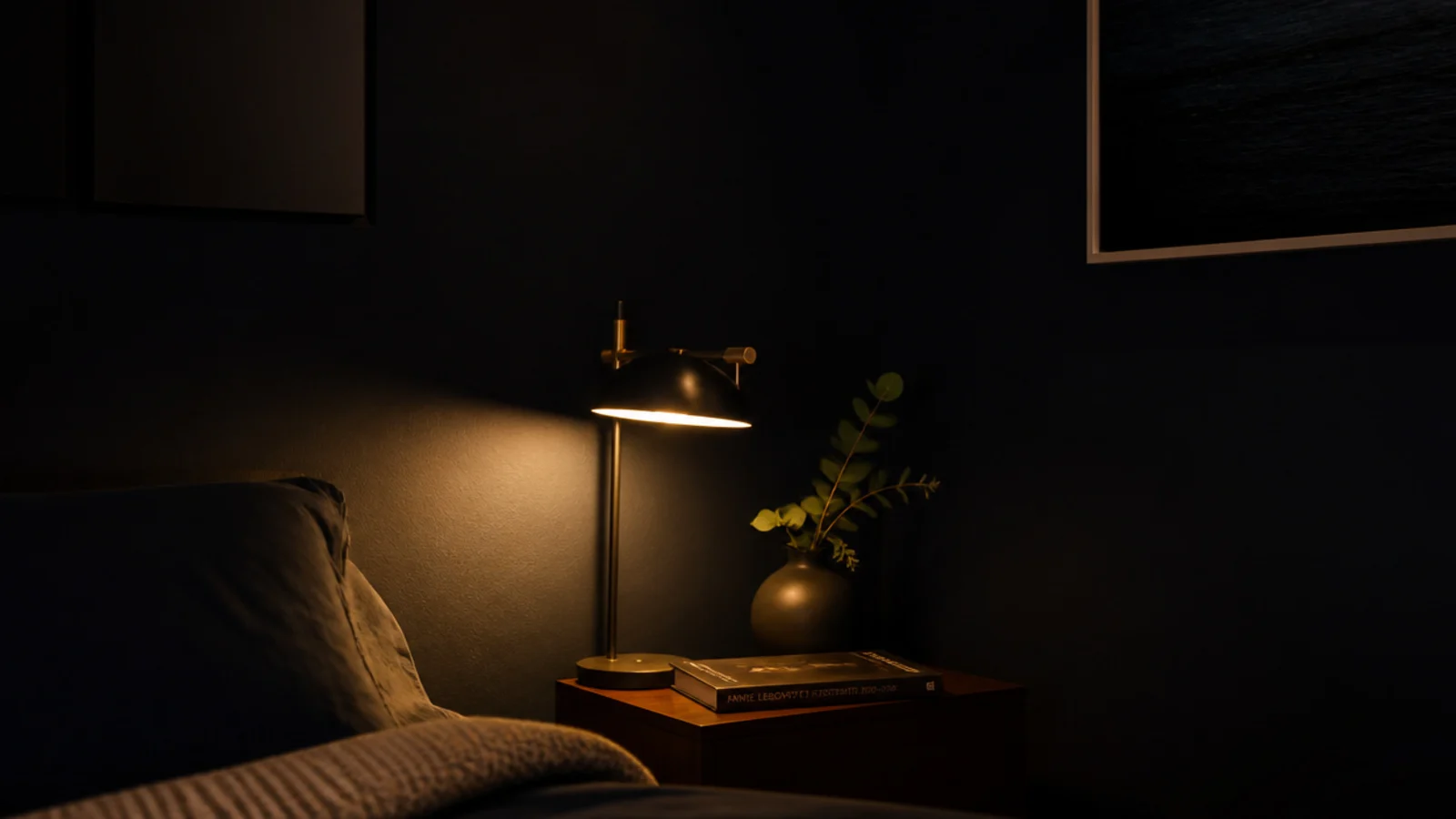
15. Painted plywood panelling
Ply sheets fixed with a deliberate quarter-inch shadow gap and then painted one flat colour give a wall real texture for about $150 to $250 in materials. Seal the raw edges and the face with a stain-blocking primer first, because the resin in birch ply bleeds through emulsion and shows as yellow patches within weeks.
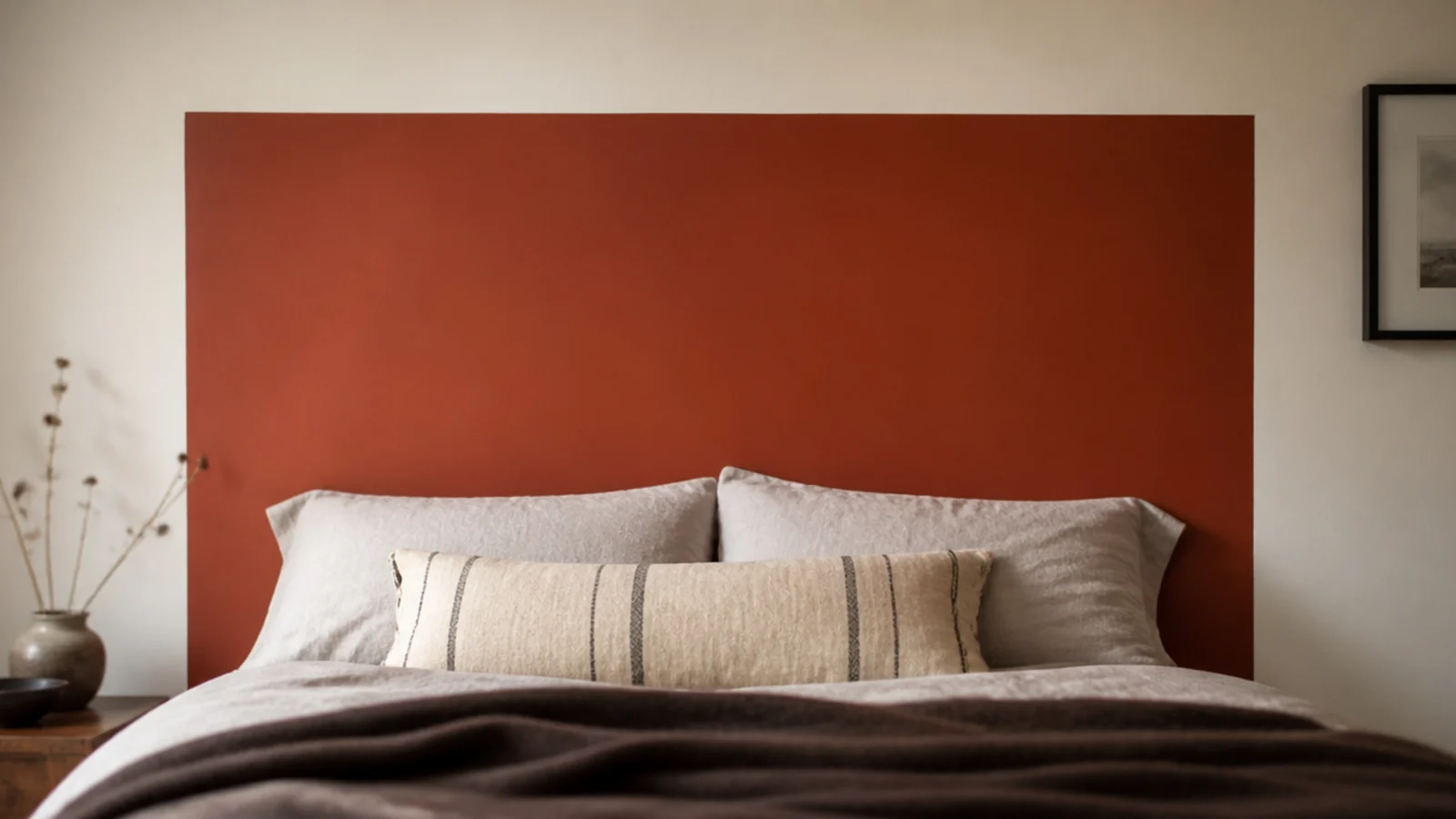
16. One geometric block, not a mural
A large taped rectangle or arch of colour behind the bed does what a mural tries to do without the freehand skill or the regret. Keep it simple enough to repaint in an hour. Size it wider than the mattress by 6 inches each side and take it 24 to 30 inches above the mattress top.
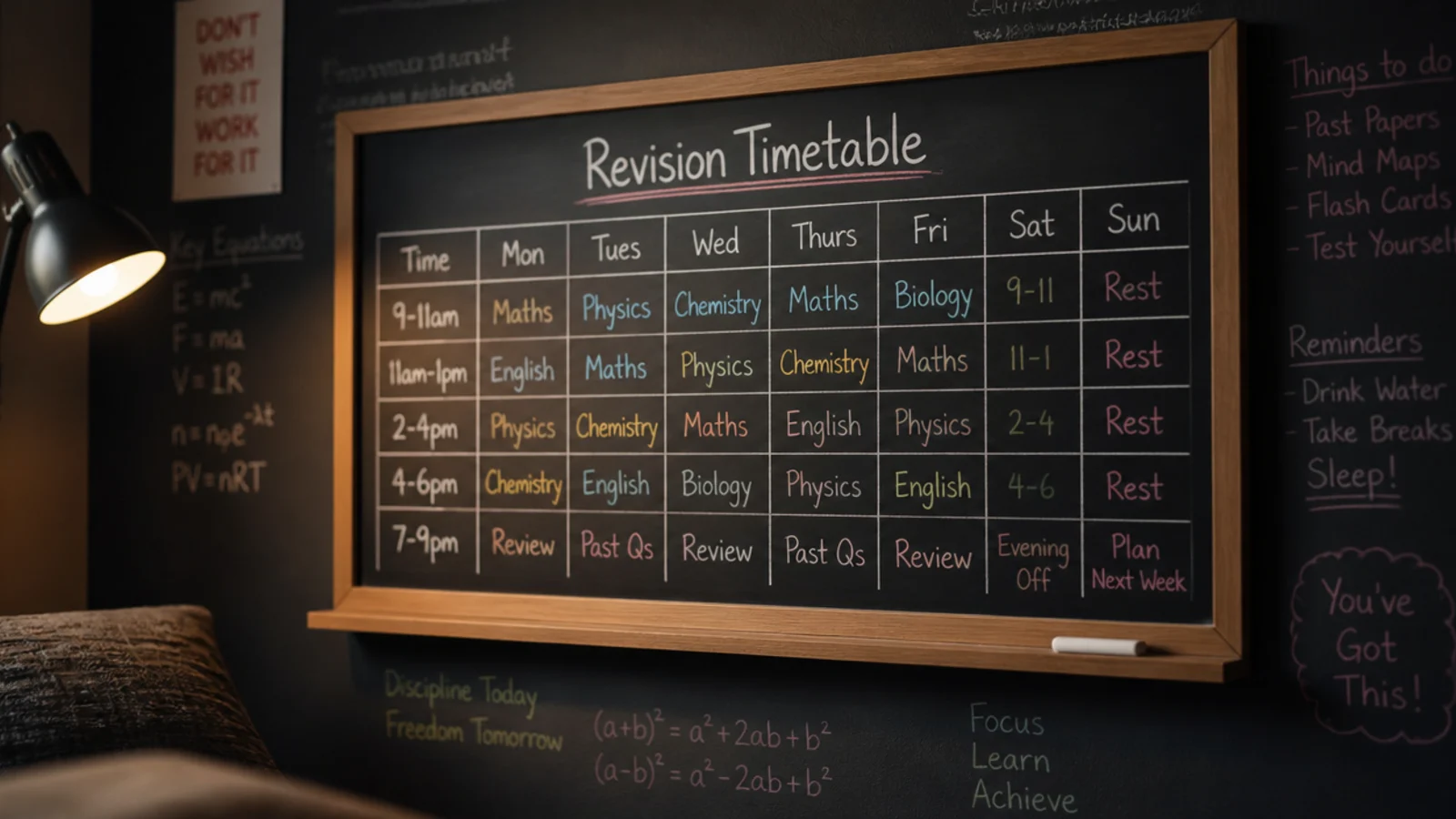
17. Chalkboard paint on a panel, not the plaster
Chalkboard paint works, but on the wall it is impossible to remove cleanly and the chalk dust travels. Paint a piece of MDF instead, frame it, and hang it. Two coats plus the recommended conditioning pass before first use, and it costs under $30 for a panel the size of a small window.
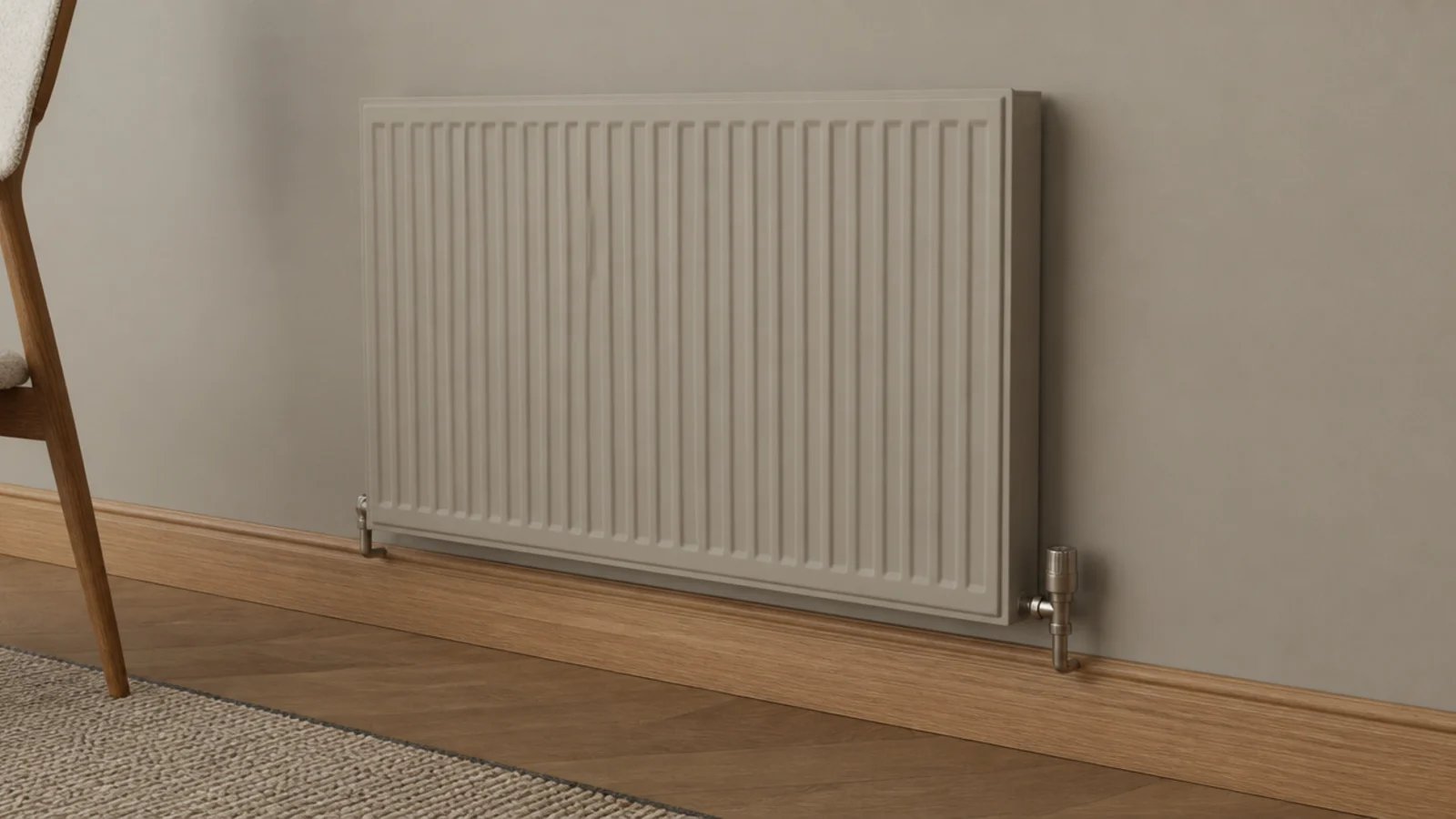
18. Paint the radiator the wall colour
A white radiator on a coloured wall reads as an appliance. Painted the same tone in a proper radiator enamel, it disappears. Wait for the system to be cold, degrease the surface, and use paint rated for the temperature. Ordinary emulsion over a hot radiator yellows and cracks within a heating season.
19. Choose scrubbable matte over flat
Flat paint has the best colour depth and the worst durability — a chair back touching it leaves a permanent shine mark. A scrubbable matte keeps the flat look and survives a damp cloth, which in a room where the walls get leaned on, kicked and taped is worth the extra $10 a gallon several times over.
20. Test two patches and look after dark
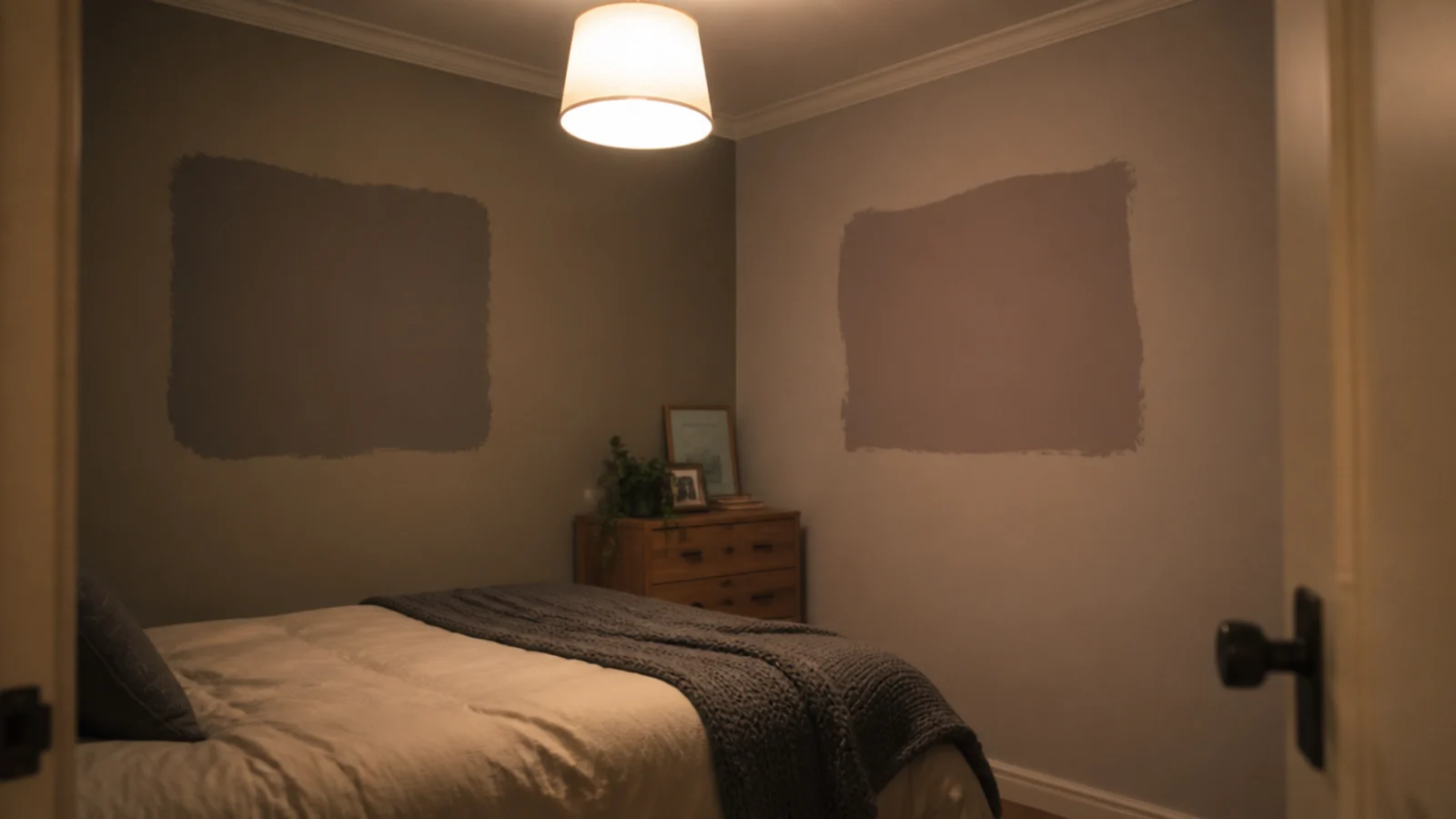
Buy two sample pots, paint patches at least 12 by 12 inches, two coats, on two different walls — one facing the window and one opposite it. Then look at both in the morning, at four in the afternoon, and at nine at night under the actual bulbs. Colour choices go wrong because they are made once, in daylight, on the brightest wall.
Once the colour is on, teen boy bedroom wall ideas covers hanging and arranging everything that goes over it, and the wider room plan lives in teen boy bedroom. If a large mirror is going on one of these walls, mirror wall decor ideas has the placement and fixing detail.
Mistakes to Skip
- Choosing from a two-inch chip under shop lighting. Colour reads differently at scale, and the room it is going into is a fraction as bright as a paint aisle.
- One dark accent wall in a room under ninety square feet. It shortens the room visually. Either drench the whole space or keep every wall light.
- Pushing furniture back the same evening. Latex cures over fourteen to thirty days and a headboard against soft paint leaves a permanent impression.
- Painting straight over raw plywood with emulsion. The resin bleeds through as yellow patches, and only a stain-blocking primer stops it.
Frequently asked questions
What is the safest paint colour for a teenage boy bedroom?
A warm greige with a light reflectance value between fifty-five and sixty-two on all four walls, with the personality added through one deep accent wall or the furniture. It takes any bedding colour, it works in north and south facing rooms, and it never needs repainting when his taste changes at sixteen.
How much paint does a teenage bedroom need?
A ten by twelve room with an eight foot ceiling has about three hundred and sixteen square feet of wall once you deduct a door and a window. A gallon covers three hundred and fifty to four hundred square feet per coat, so two gallons covers two coats with a little spare for touch ups.
Can I paint a small bedroom a dark colour?
Yes, but commit to it rather than doing one dark wall in a small room, which just makes the space read shorter. Colour drenching every wall, the trim and the ceiling in the same deep tone removes the corners visually and the room reads bigger, not smaller. Add two separate light sources.
What paint sheen should I use in a teenage bedroom?
A scrubbable matte on walls and satin on trim and doors. Flat paint marks the moment a chair back touches it and cannot be wiped. Anything glossier than eggshell on a wall shows every roller lap and every bump in the plaster, which older bedroom walls have plenty of.
How long before the room can be used again after painting?
Latex is touch dry in an hour and recoatable in four, but full cure takes fourteen to thirty days, and furniture pushed against a wall inside that window can leave permanent marks. Choose a paint under fifty grams per litre of volatile organic compounds and ventilate for at least forty-eight hours.
Want more like this? Browse all 15 teen boy bedroom guides — they all use the same measurements and budget tiers.
Pin it for later
Save this to your Teen Boy Bedroom board
Pin it now so it is waiting for you when the tape measure comes out — and so the next person hunting for this idea can find it too.
Save this pinKeep going
More ideas worth saving while you have the tape measure out.