Toddler Girl Bedroom · Listicle
25 Girl Toddler Bedroom Looks Parents Swear By

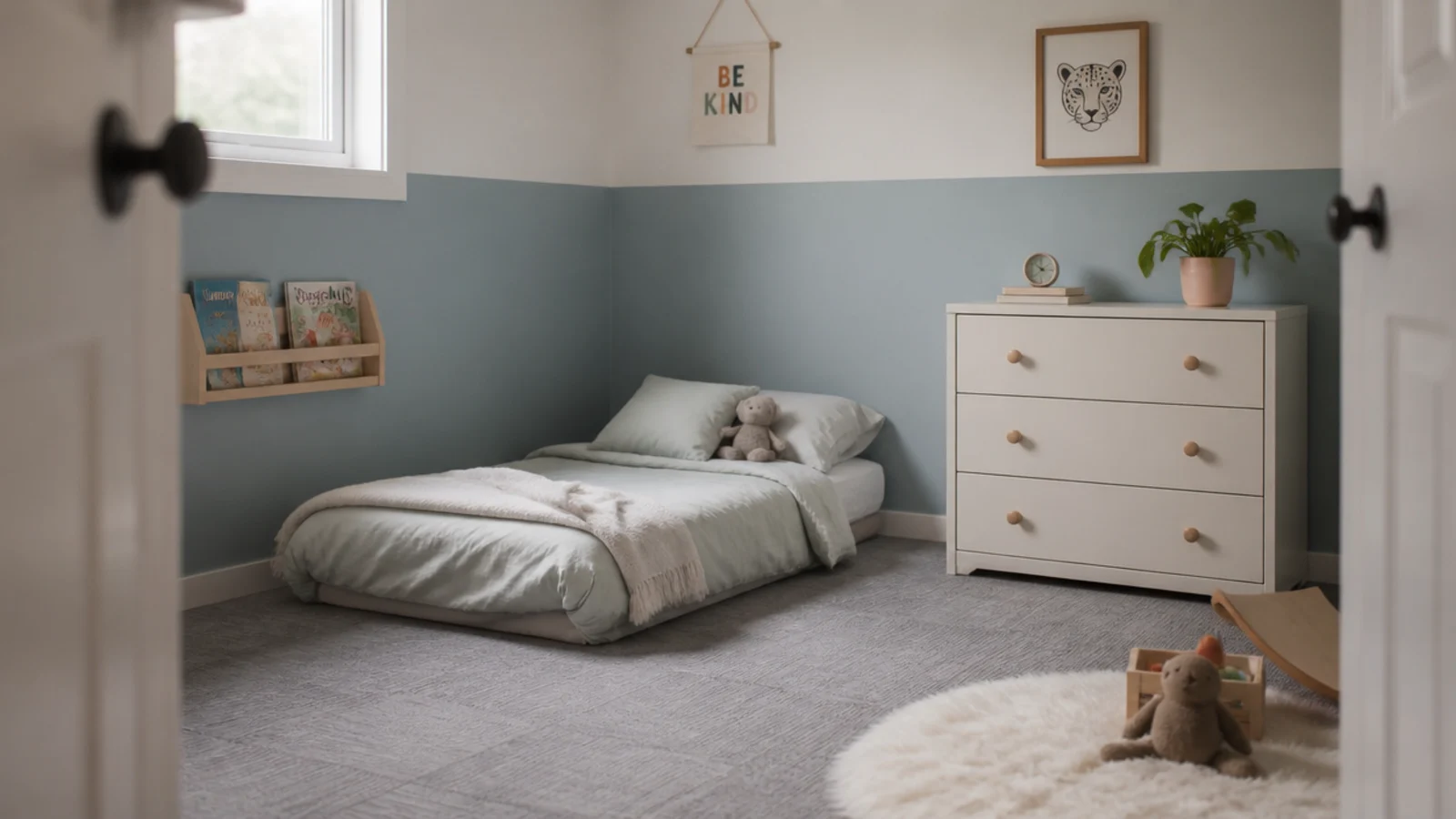
I have styled a lot of rooms that photographed beautifully and lasted about six weeks. The ones parents actually keep are quieter and less clever, and they repeat: a bed low enough that falling out is not an event, one wide anchored dresser instead of three tall ones, a floor you can wipe, and clothes hung where she can reach them. Everything in a girl toddler bedroom either survives daily use or gets moved out by March. These twenty-five have survived — with the measurements that make each one work, because the difference between a rail that helps and one that traps is about an inch.
In this guide27 sections — tap to openHide
- 1.What makes a girl toddler bedroom survive daily use
- 2.A floor bed tucked into the corner
- 3.A low twin bed bought at two, not four
- 4.One strapped dresser doing all the storage
- 5.Colour-drench the whole room in one soft shade
- 6.Wipeable paint up to hip height
- 7.Carpet tiles instead of a rug
- 8.A cube unit turned on its side at thirty inches
- 9.Two laundry baskets by the door
- 10.A toy rotation shelf inside the closet
- 11.Zip-up bedding for a kicker
- 12.A waterproof protector under the sheet
- 13.Cordless blinds with a blackout liner
- 14.A sunrise clock instead of a bedtime argument
- 15.A reading lamp she can switch herself
- 16.A finger guard on the bedroom door
- 17.Cord shorteners and flat outlet covers
- 18.A calm corner with one cushion and a basket
- 19.A picture ledge for the current obsession
- 20.A closet rail dropped to thirty inches
- 21.A curtain instead of a closet door
- 22.A tall bookcase laid on its back
- 23.One oversized floor cushion for story time
- 24.A height chart on the doorway
- 25.A shatterproof mirror behind the door
- 26.A spare set of everything under the bed
- 27.Mistakes to Skip
What makes a girl toddler bedroom survive daily use
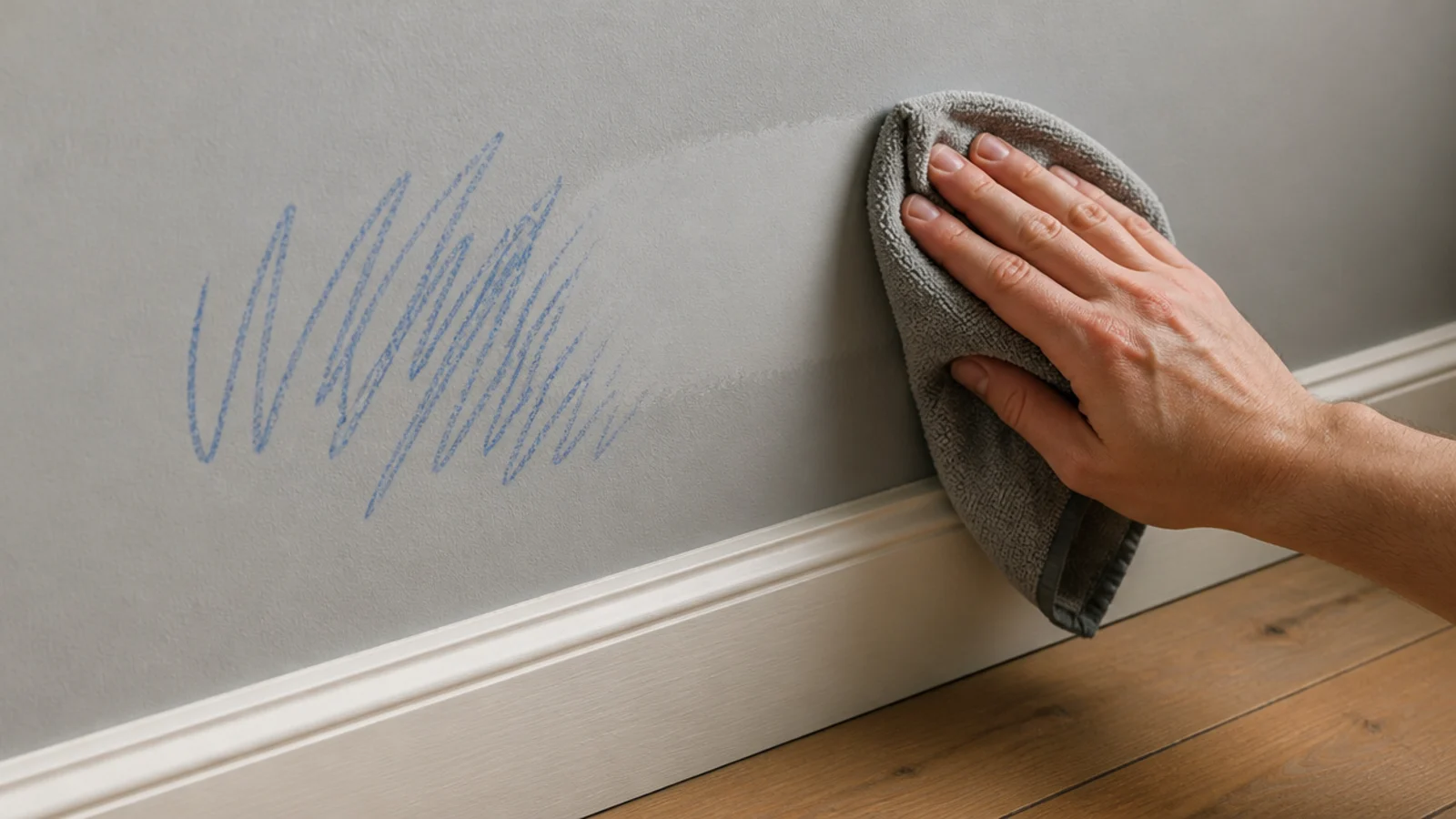
Three things decide whether a room lasts: the finish on the walls, the height of the storage, and how much floor is left over. Walls take crayon, food and handprints between the skirting and about 40 inches, so run a water-based eggshell or satin through that band. Matte looks softer for six weeks and then burnishes into shiny patches wherever anyone wipes it.
Storage splits at 36 inches. Below that is hers — open bins, a lowered closet rail at 30 to 36 inches, a horizontal shelf unit at knee height. Above 48 inches is yours, and that is where the toy rotation boxes, the medicine and anything breakable live. The middle band is the one that causes arguments, so leave it empty.
Safety here is boring and cheap. Two anchor straps per unit over about 24 inches, driven into studs. Cordless blinds only, with the bed and any climbable furniture 36 inches back from the sill. Flush socket covers, a cord shortener on every lamp flex, and a foam guard on the door hinge at about $4. None of it shows in a photograph and all of it is why the room still works a year later.
For the money side of those decisions, the budget setups guide has real cost ranges for each item.
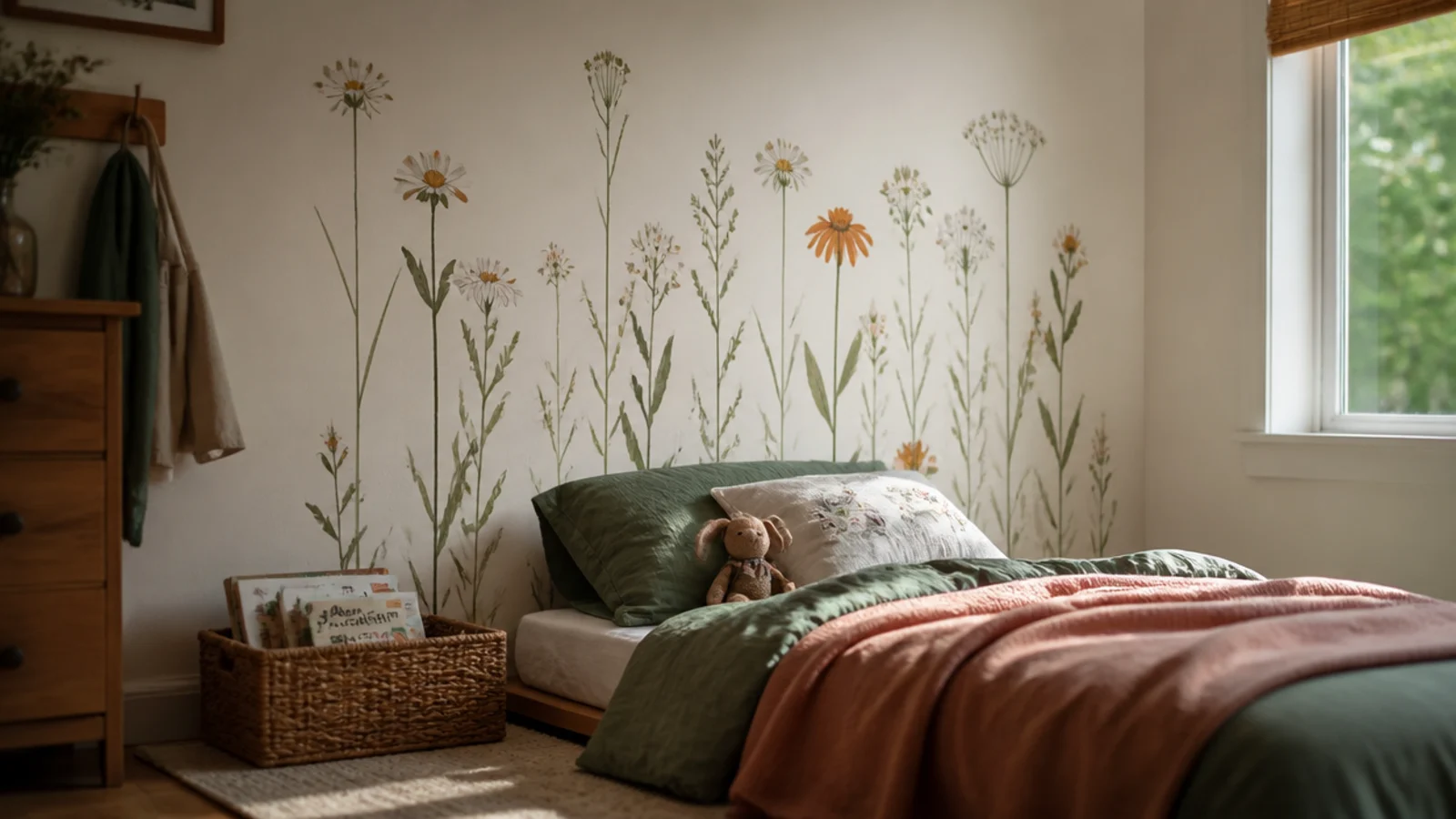
1. A floor bed tucked into the corner
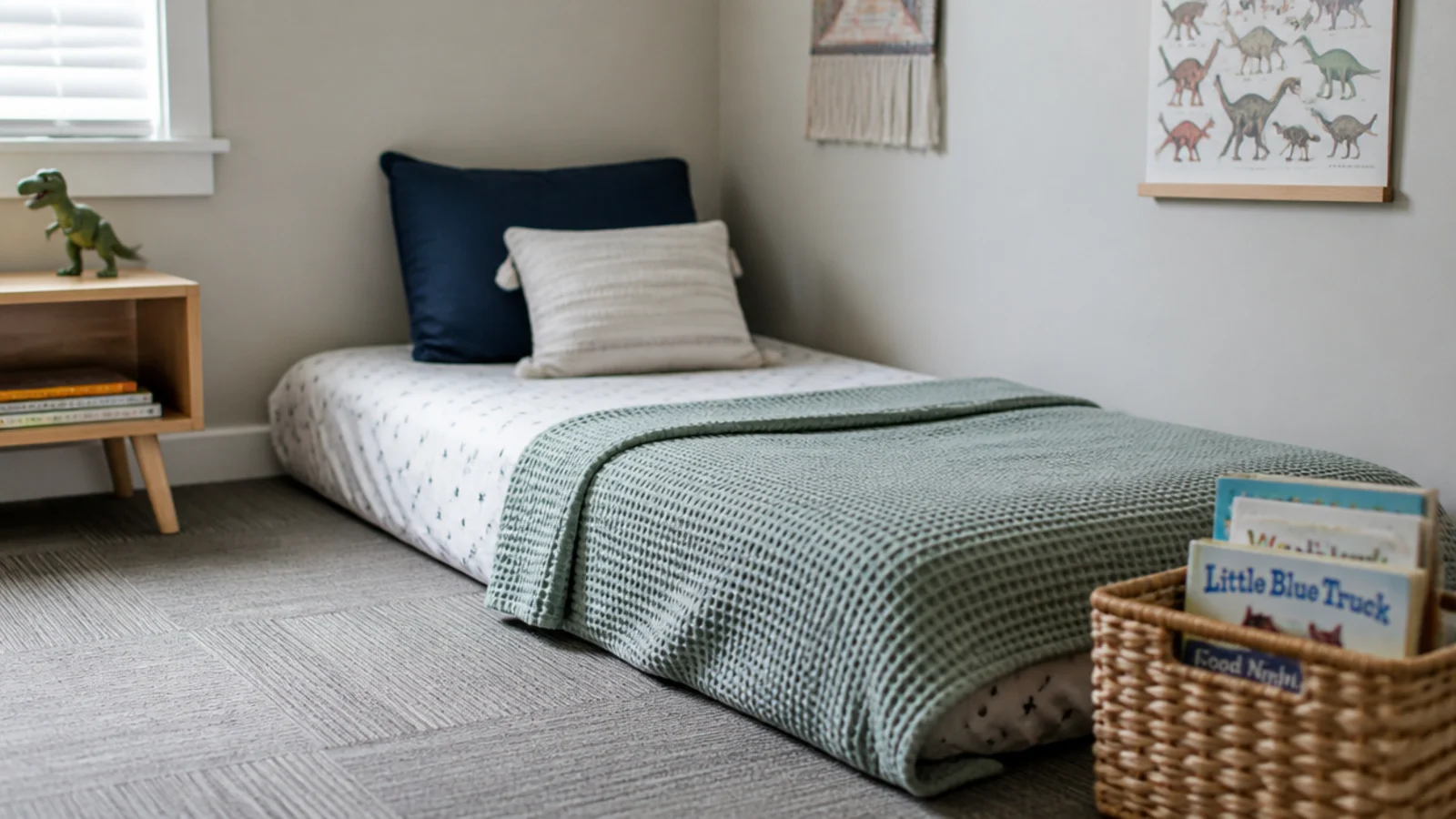
Two walls guard two sides, which means no rail hardware, no 3.5 inch gap to measure and no fall. Leave 24 to 30 inches of clear floor on the open sides and use a slatted base or breathable pad so the mattress underside can dry.
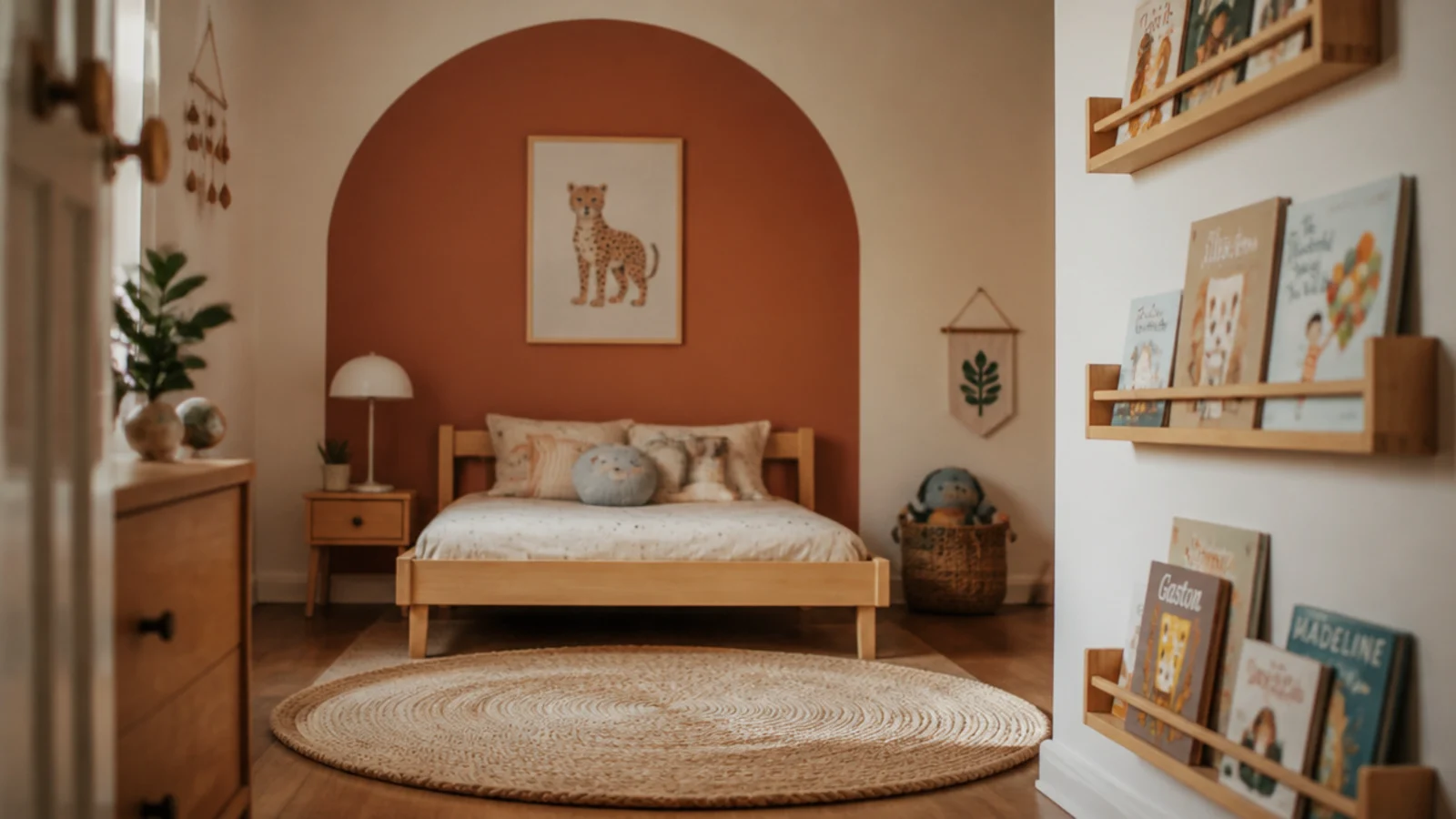
2. A low twin bed bought at two, not four
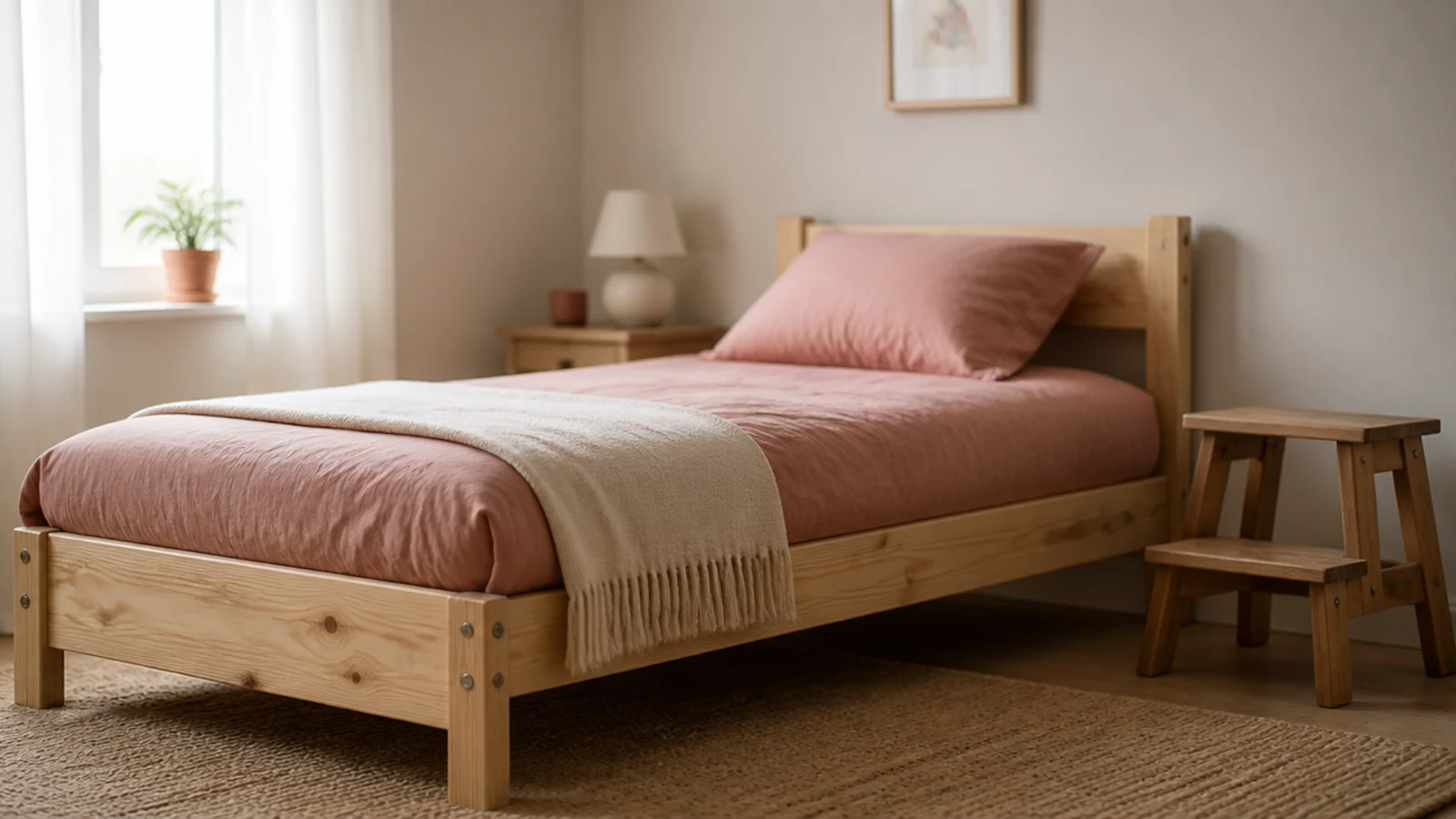
A toddler bed takes a 28 by 52 inch cot mattress and gets outgrown around four. A twin at 38 by 75 inches lasts to secondary school. Choose a frame with the mattress top at 16 to 20 inches and buy it once.
3. One strapped dresser doing all the storage
A wide, low dresser holds as much as a tall one and cannot be climbed the same way. Look for a footprint over 40 inches wide and under 34 inches tall, and strap it regardless — width helps, but nothing replaces two anchors into studs.
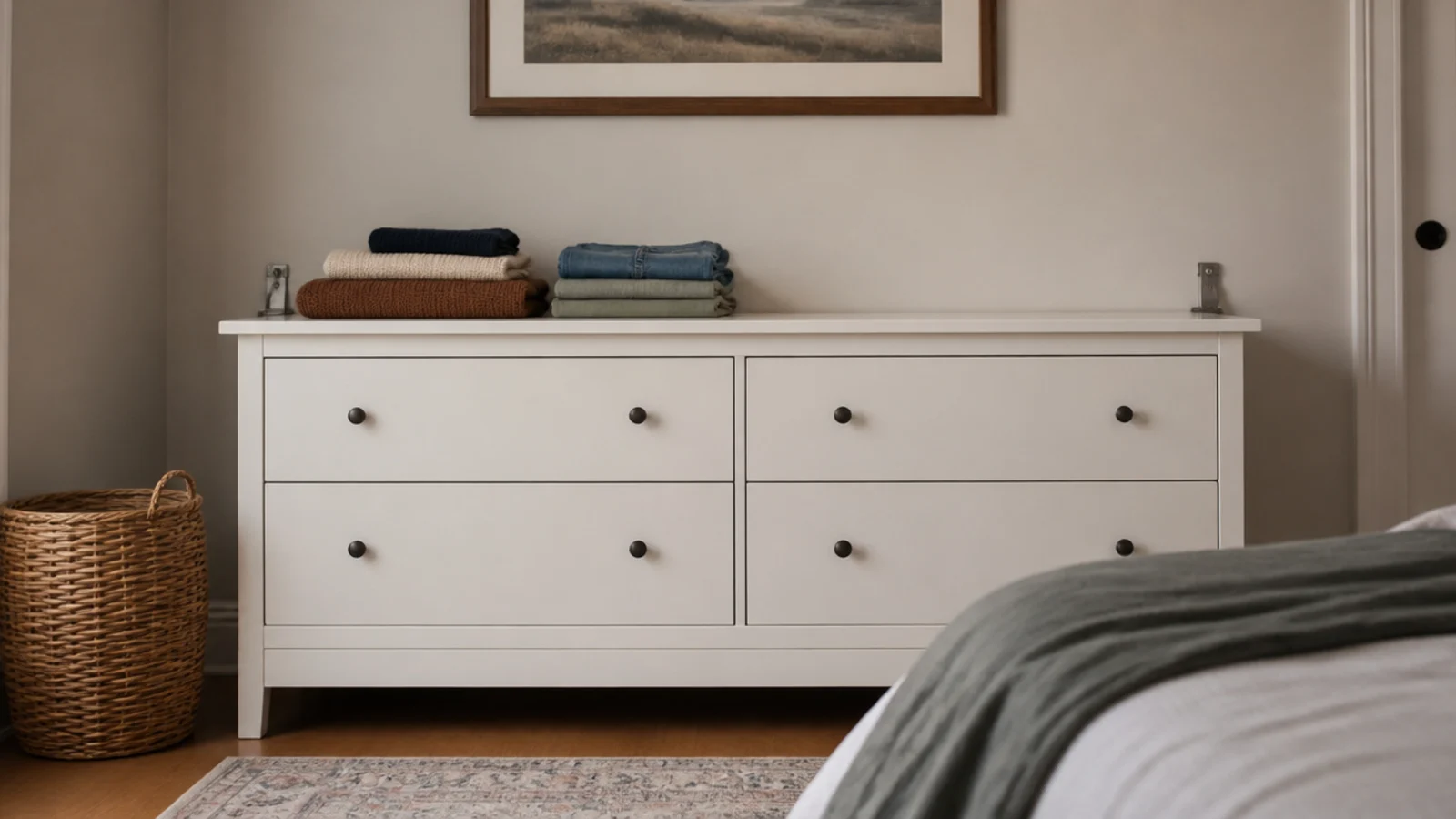
4. Colour-drench the whole room in one soft shade
Painting walls, skirting, architrave and the back of the door in one chalky tone makes a small room read larger because the eye finds no edges. Use eggshell throughout, and expect about one and a half gallons for a 10 by 10 foot room.
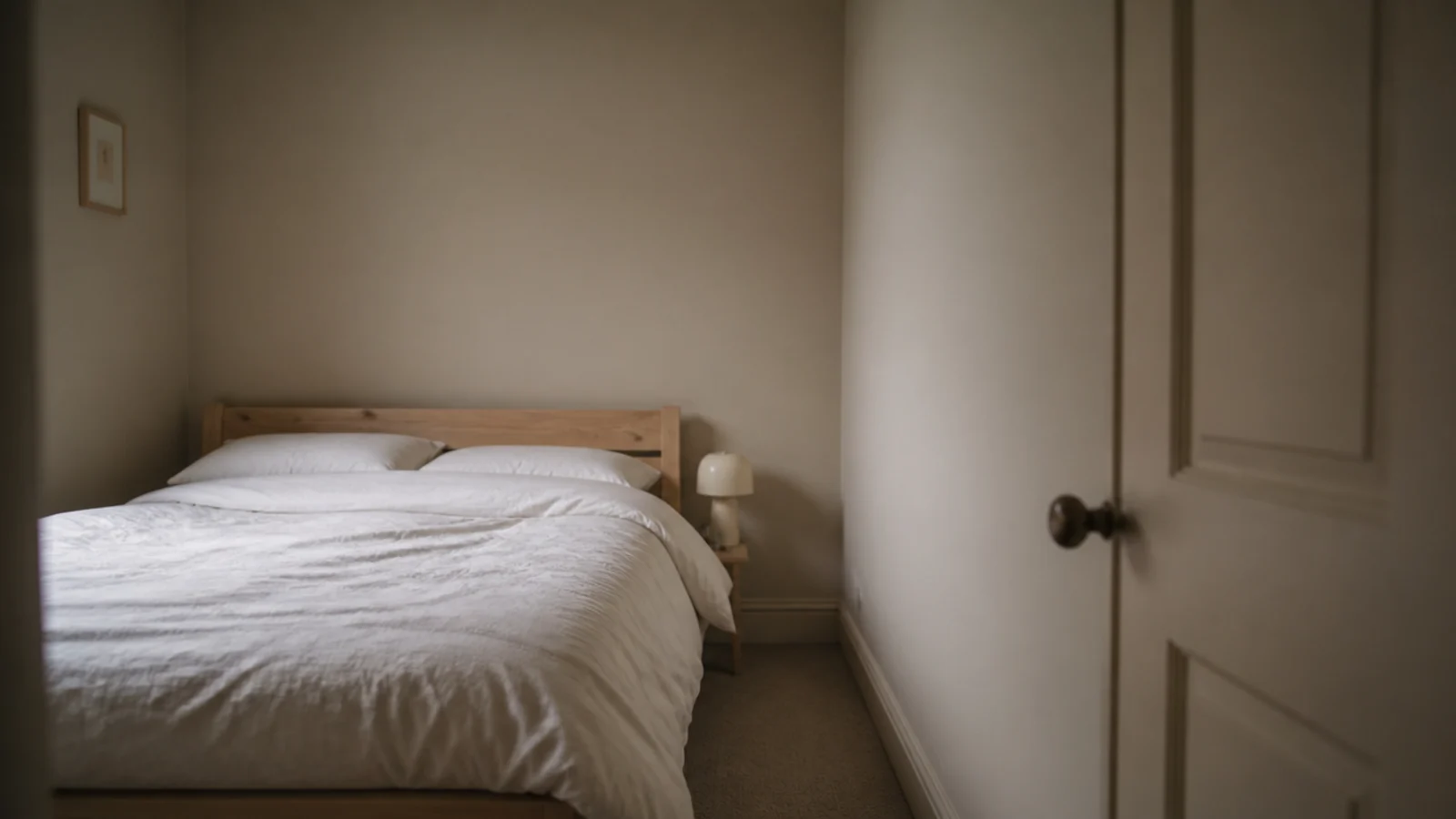
5. Wipeable paint up to hip height
Run satin from the skirting to about 40 inches and matte above if you want the softer look higher up. The sheen change is barely visible in daylight and it means crayon comes off with a damp cloth instead of a repaint.
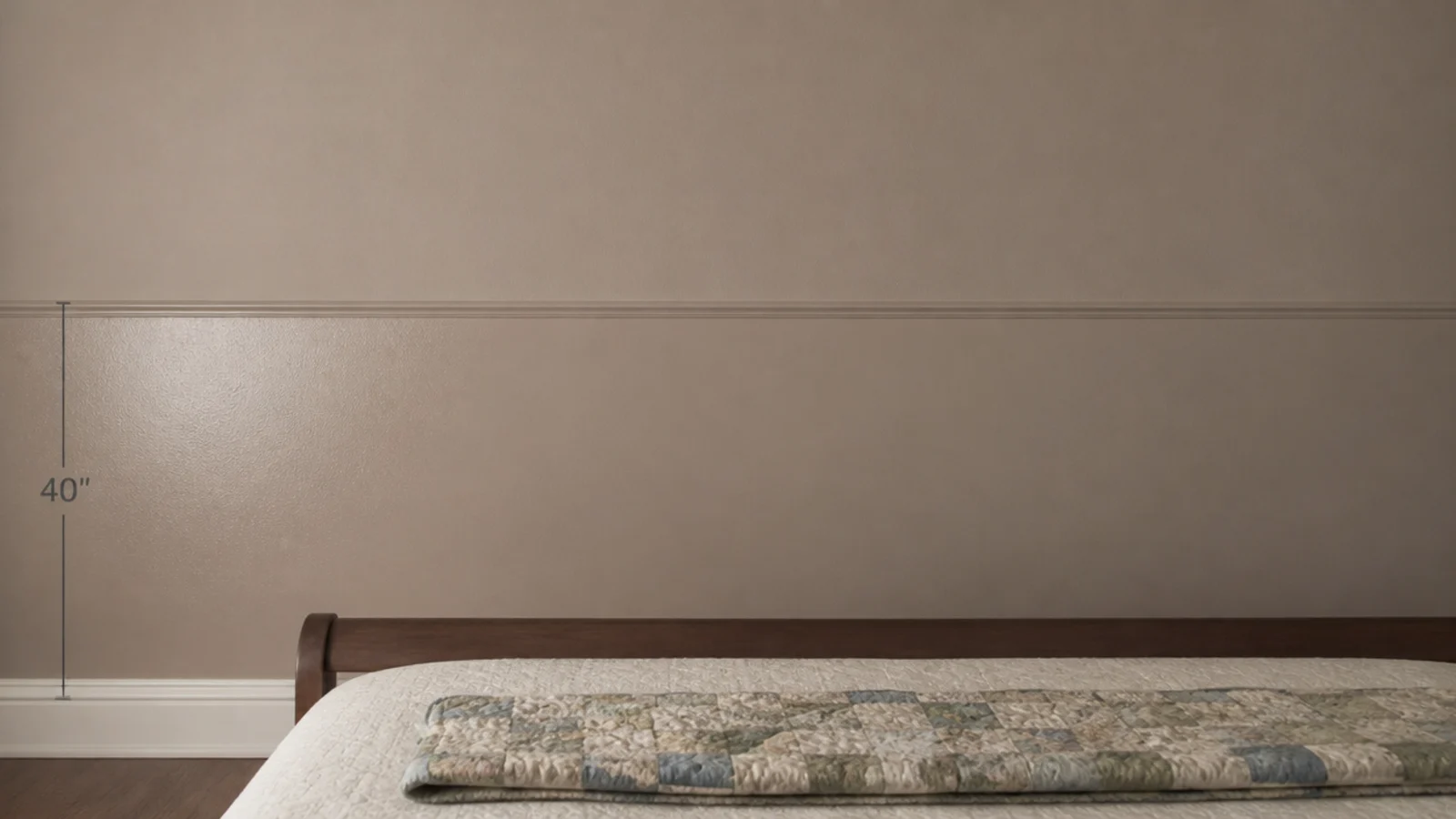
6. Carpet tiles instead of a rug
Tiles at $3 to $6 a square foot lift out one at a time when something soaks in, and there is no curled corner to trip over. Soft underfoot for floor play, no gripping pad needed, and you can buy four spares and keep them in the closet.
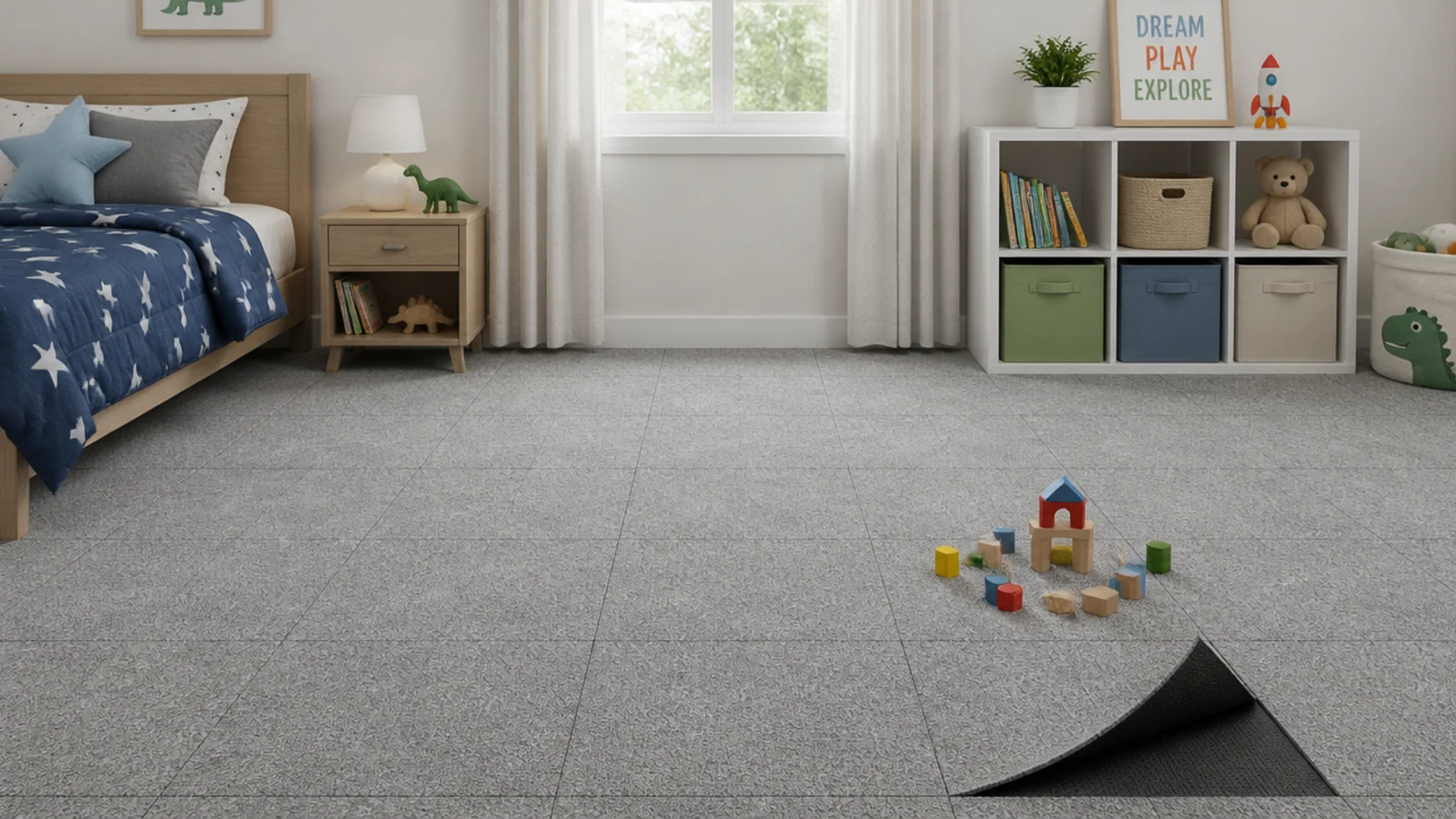
7. A cube unit turned on its side at thirty inches
The same four-cube unit that is a tipping risk standing up becomes a stable 30 inch shelf lying down, with a usable top surface. Anchor it anyway, fill three openings with lidless bins and leave one for books.
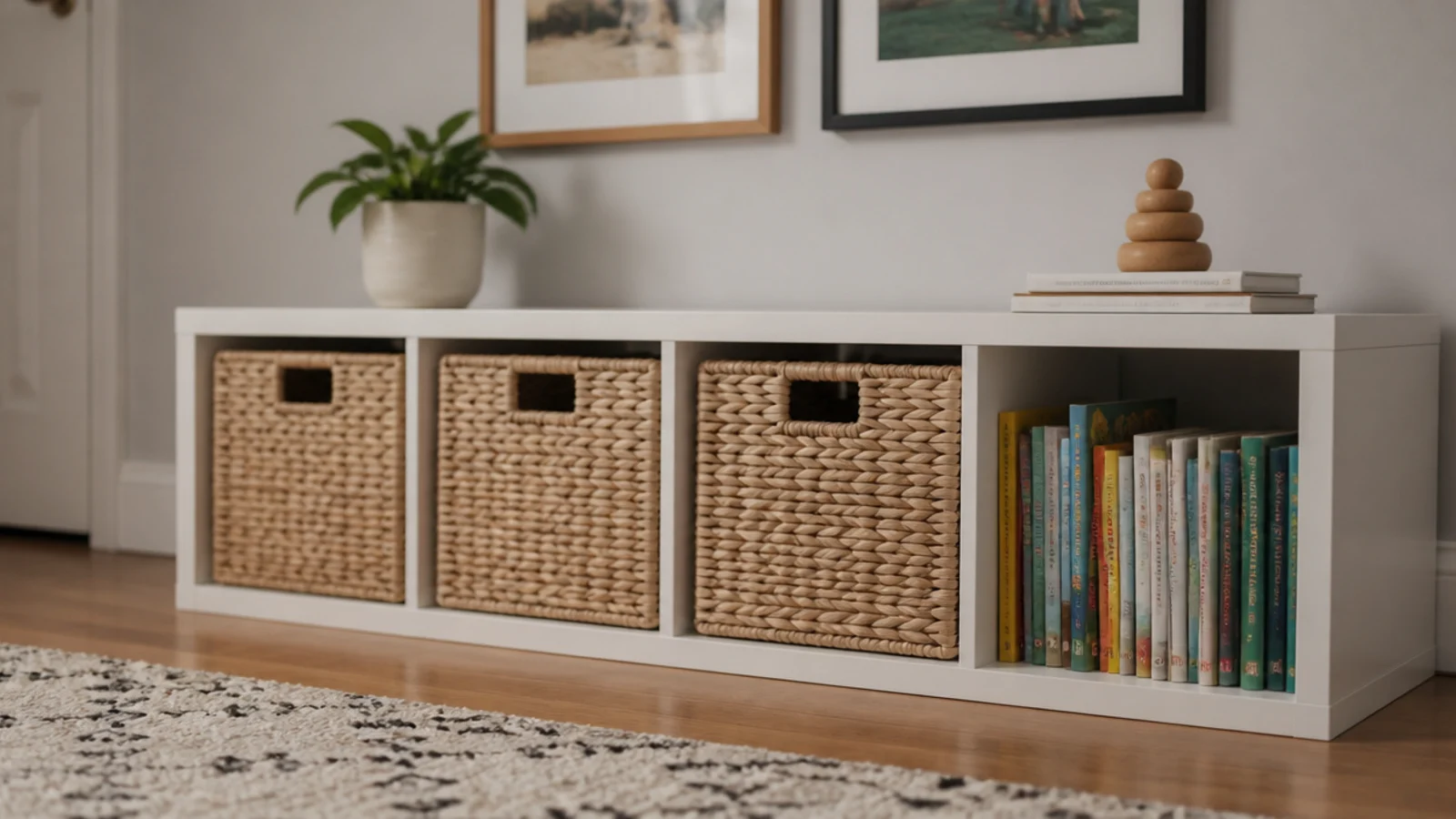
8. Two laundry baskets by the door
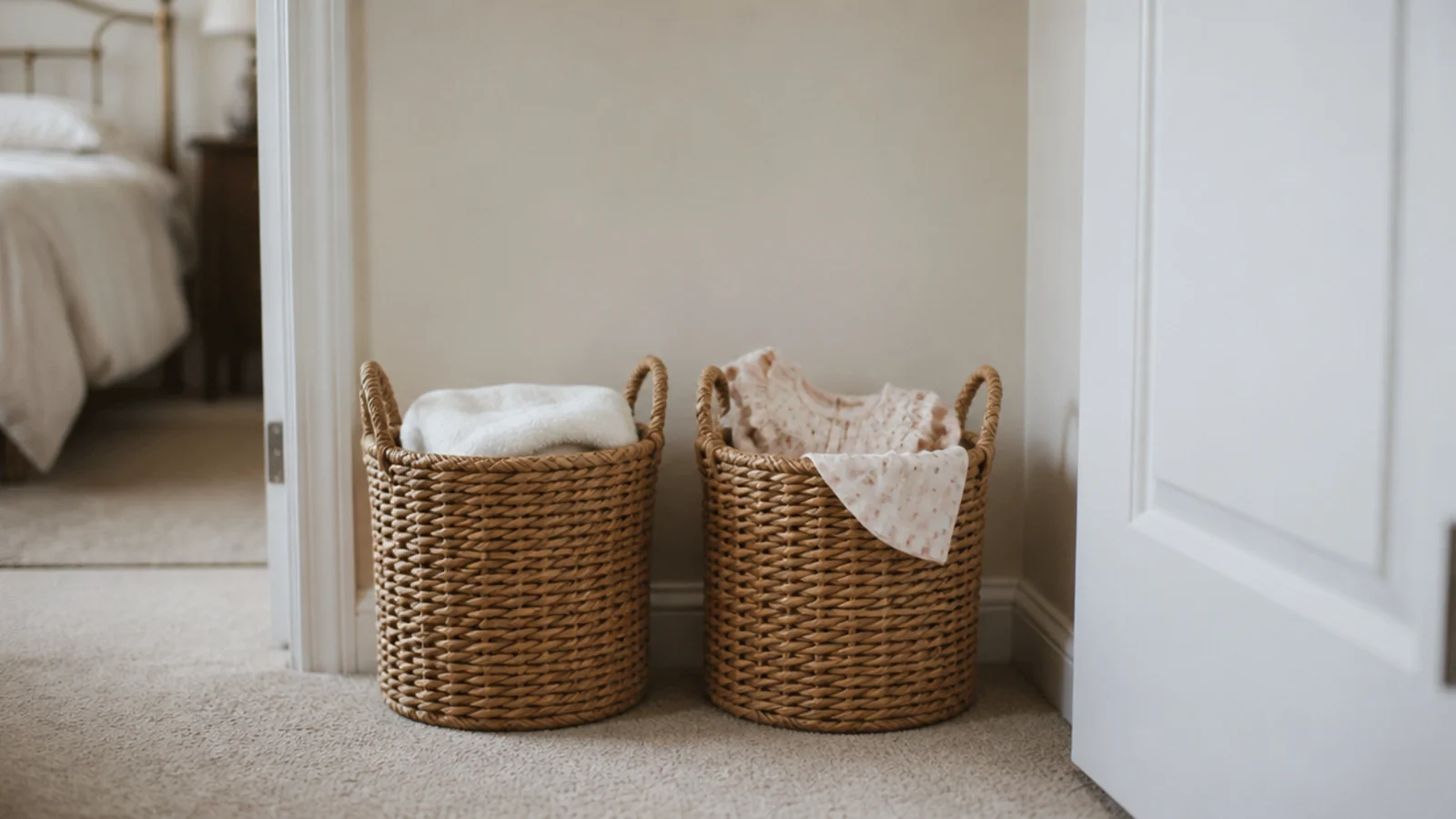
One for washing, one for the clothes that are clean but were taken off anyway. Two small baskets at 12 to 14 inches tall are carryable by a three-year-old, and putting them at the door is what turns tidying into a habit rather than an instruction.
9. A toy rotation shelf inside the closet
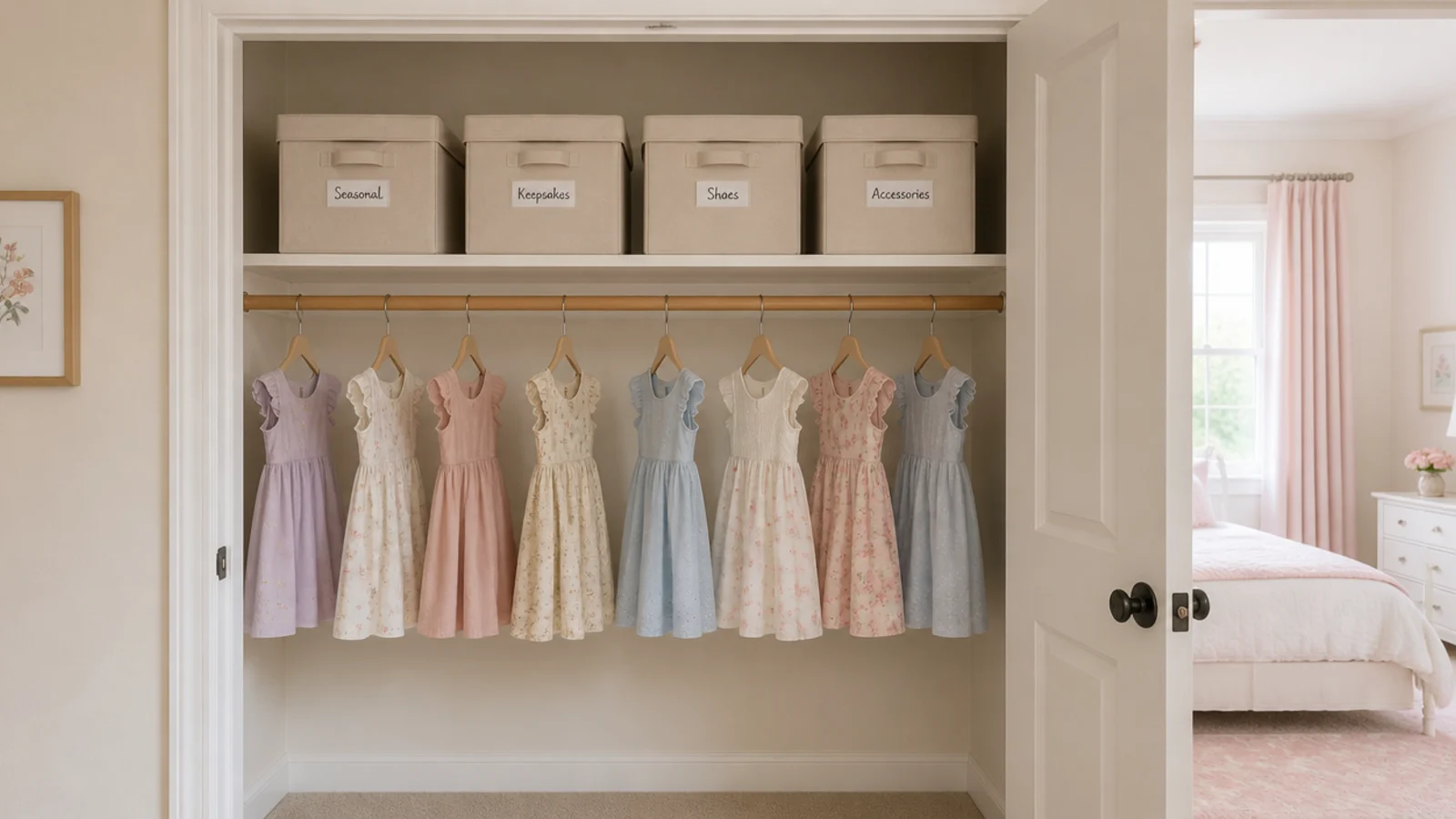
Four lidded boxes on a shelf above 48 inches, swapped every few weeks. Half the toys out of sight means the ones on the floor actually get played with, and the room stays under control without anything being thrown away.
10. Zip-up bedding for a kicker
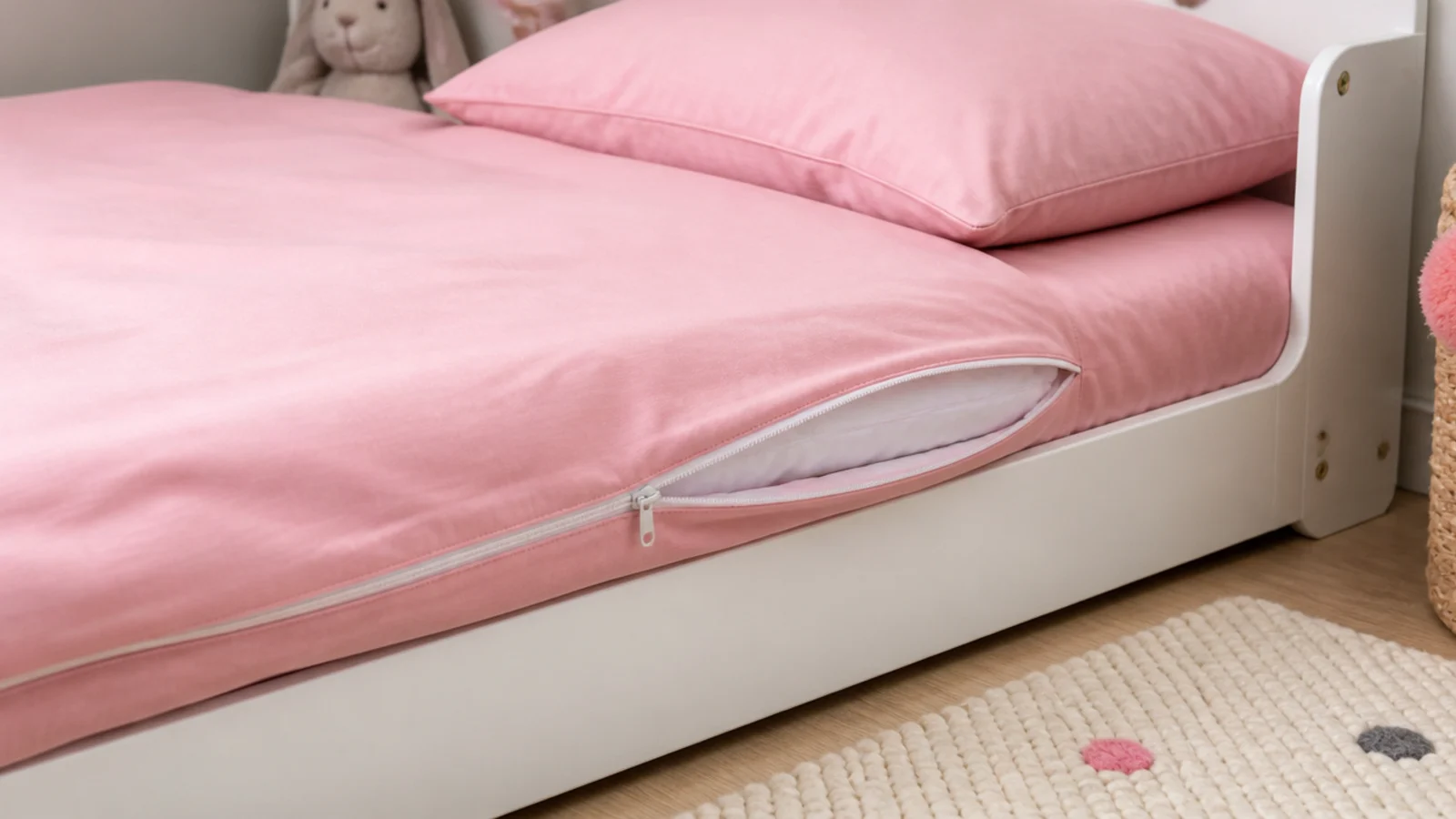
A zip-fastened duvet cover stays on the child instead of on the floor at 2am, which solves more night waking than any amount of styling. Cotton only, and check the zip has a fabric guard along its length so it cannot catch skin.
11. A waterproof protector under the sheet
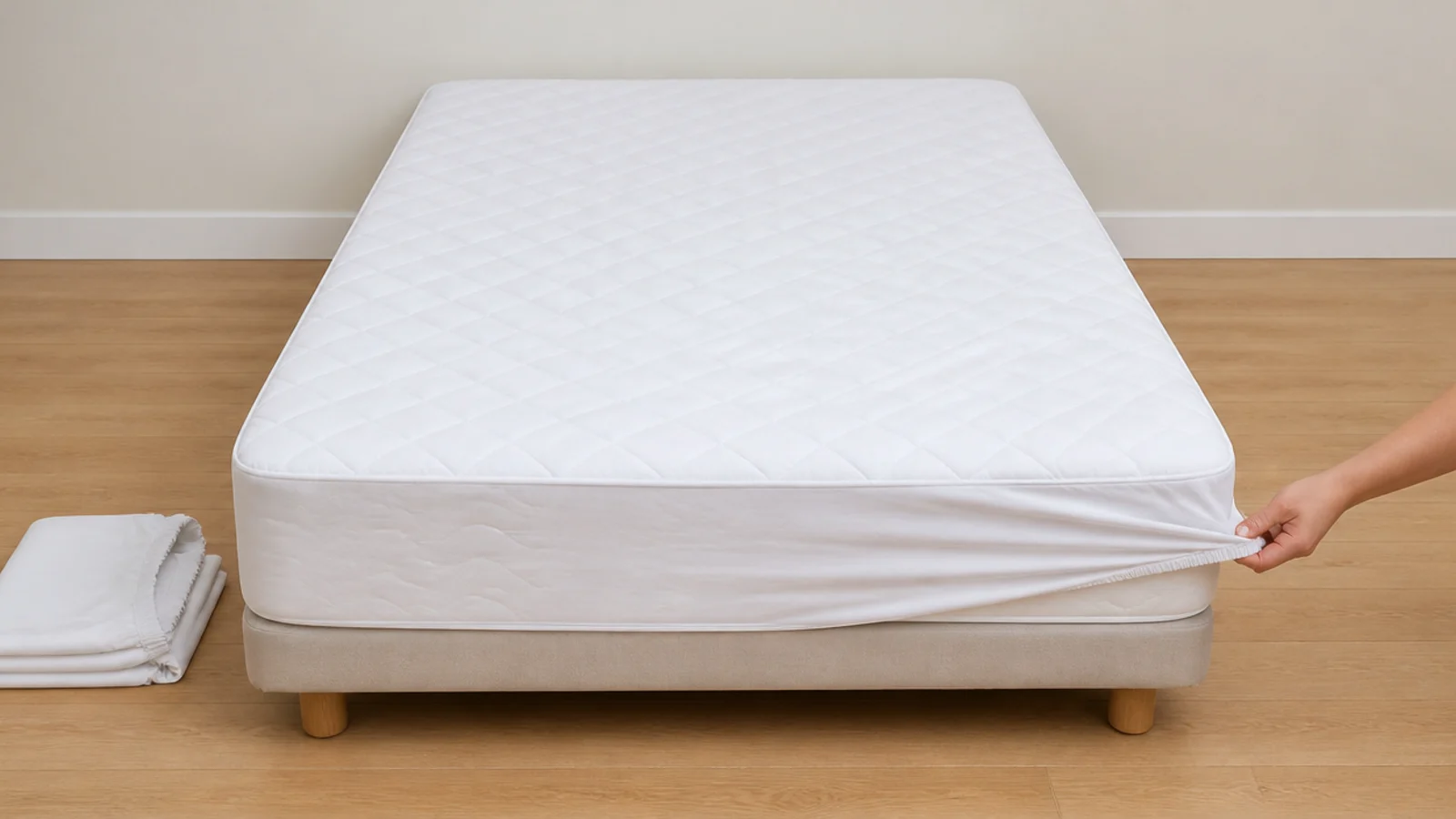
A quilted waterproof protector at $20 to $40 is what keeps a $200 mattress usable through toilet training. Buy two so one is always clean and dry, and choose a fitted design deep enough for the mattress rather than a flat pad that slides.
12. Cordless blinds with a blackout liner
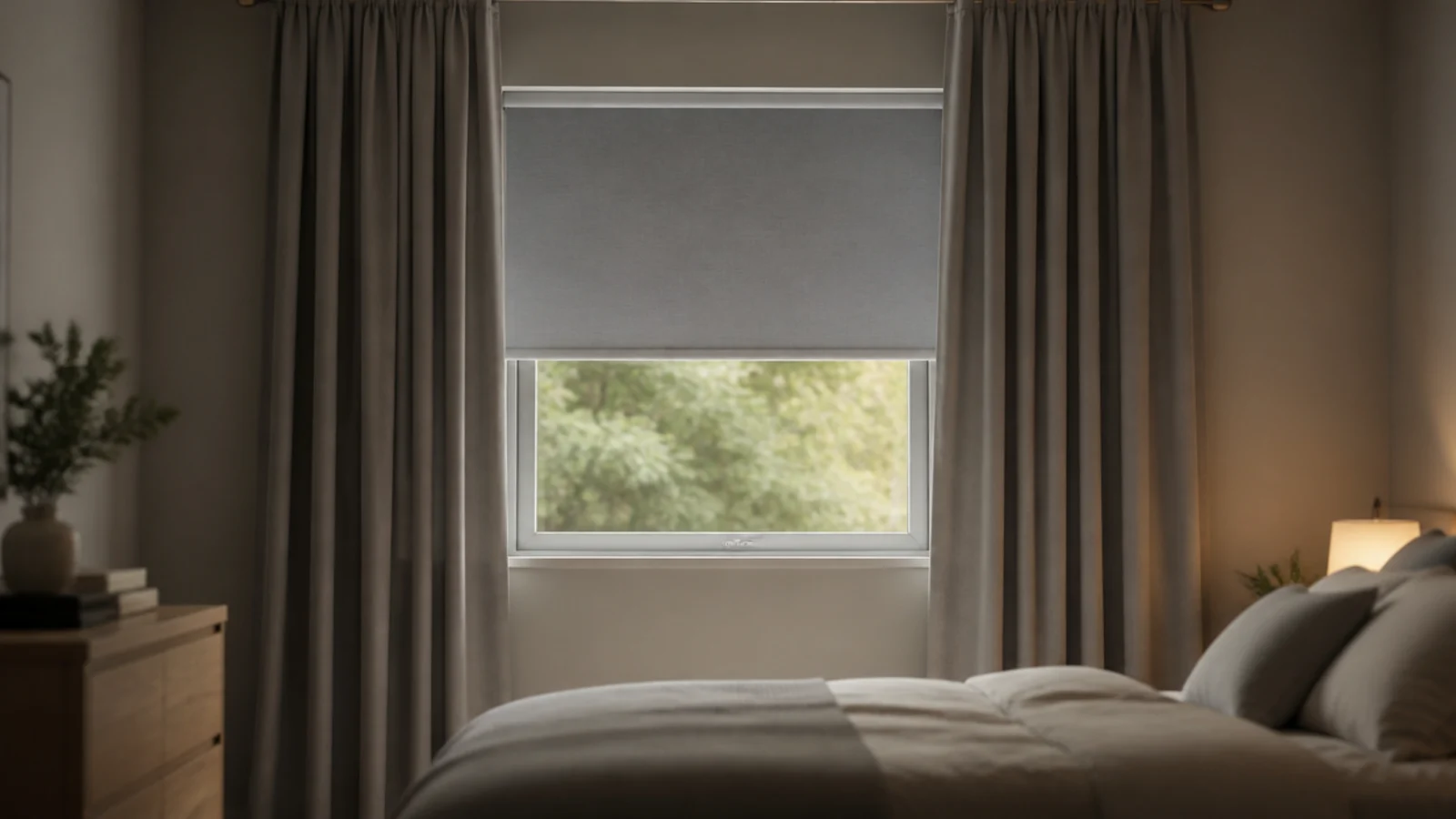
A cordless blind plus blackout-lined curtains gets a room dark enough for a proper afternoon nap. Corded blinds have no place in a child's room at any price, and the replacements start at about $30 a window.
13. A sunrise clock instead of a bedtime argument
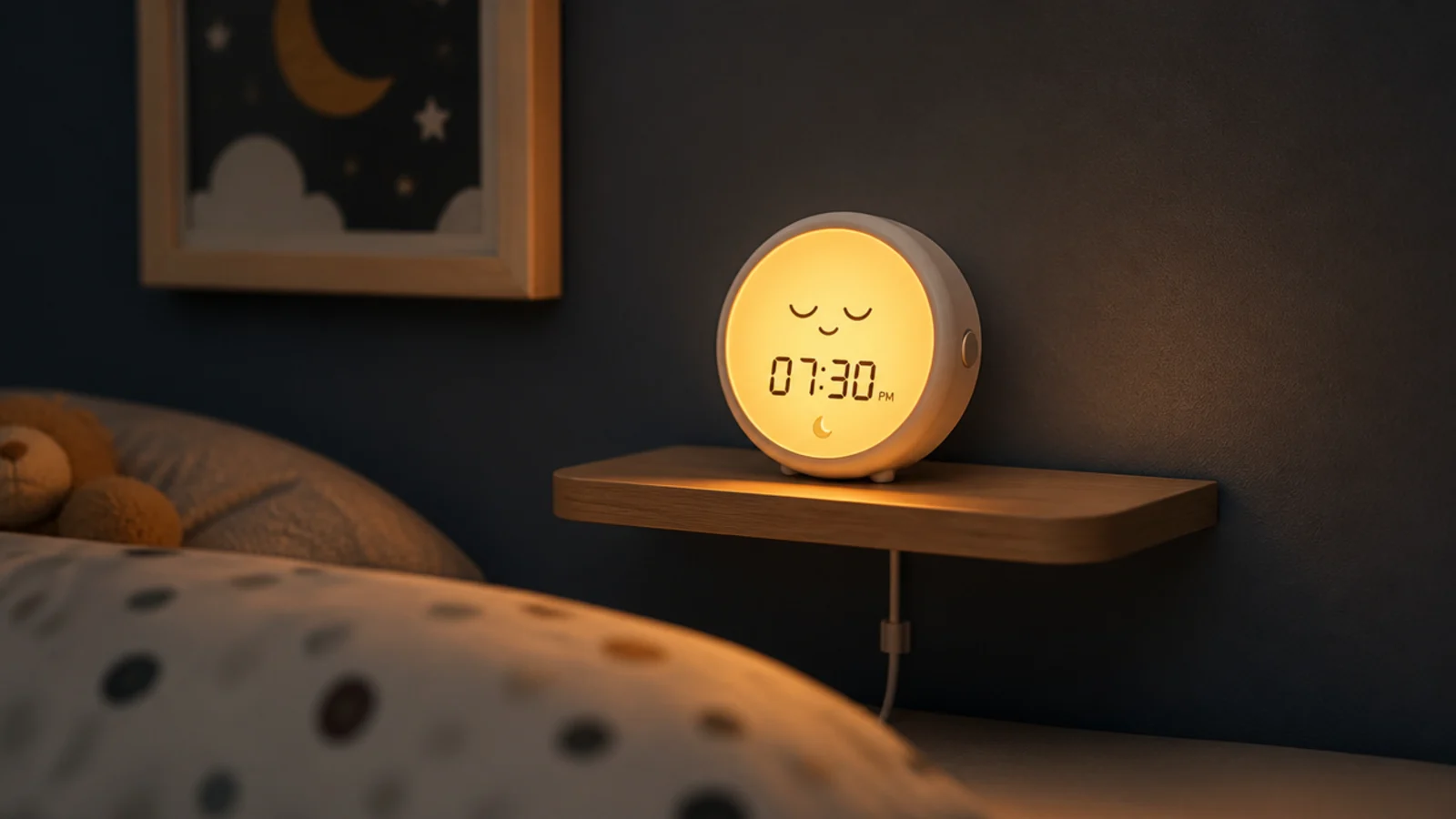
A clock that turns from amber to a bright colour at a set time gives a two-year-old a rule she can read without numbers. Mount it on a strapped shelf out of reach, clip the cable flat down the wall, and put the wake time thirty minutes later than you think.
14. A reading lamp she can switch herself
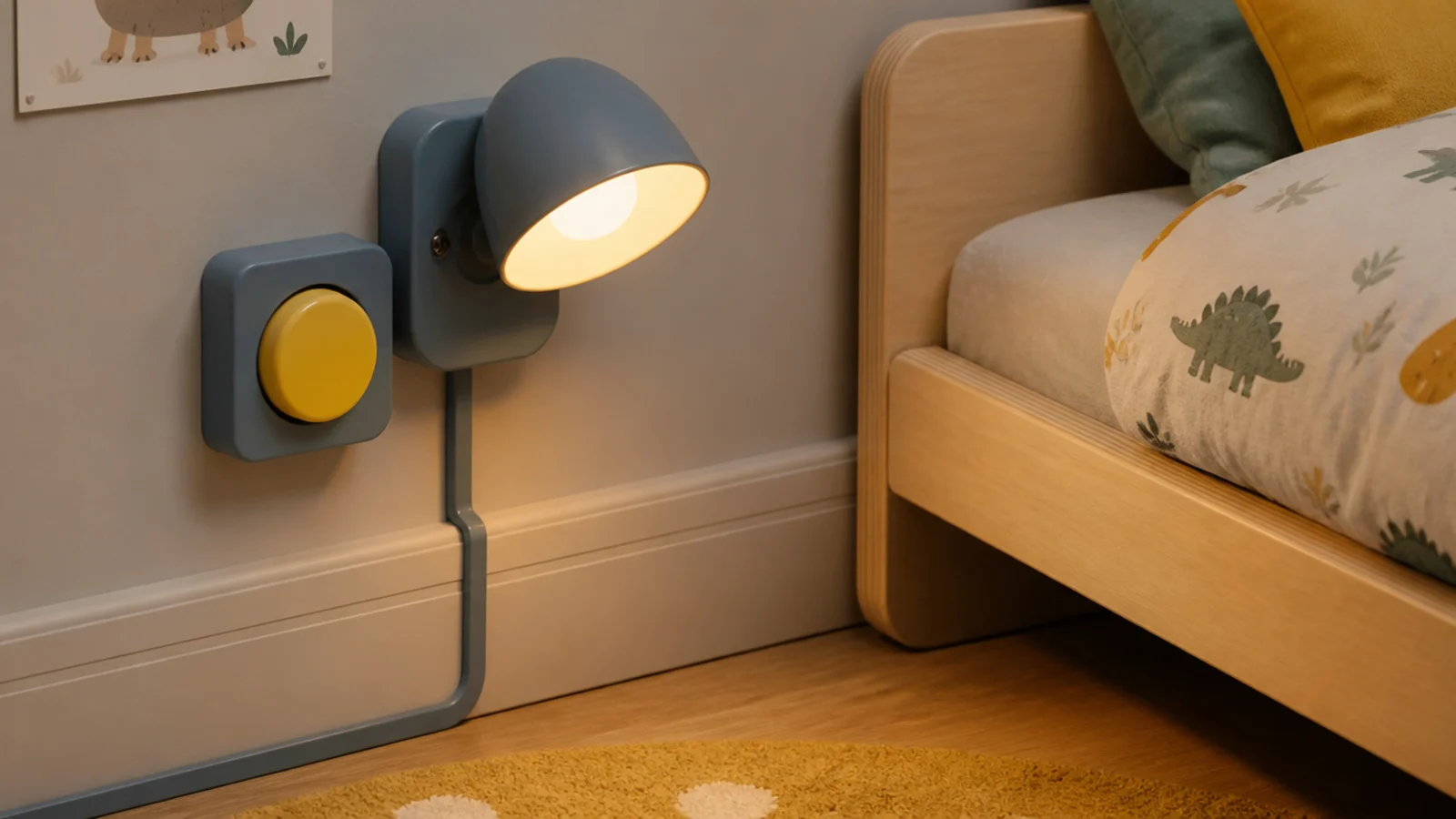
A wall lamp with a big push switch at child height means she is not calling you to turn the light off. Route the flex through a cable channel to the skirting so there is no loose cord anywhere near the mattress.
15. A finger guard on the bedroom door
A foam guard over the hinge side costs about $4 and prevents the injury that sends more toddlers to A and E than any piece of furniture. It takes ten seconds to fit and stays on until she is tall enough not to need it.
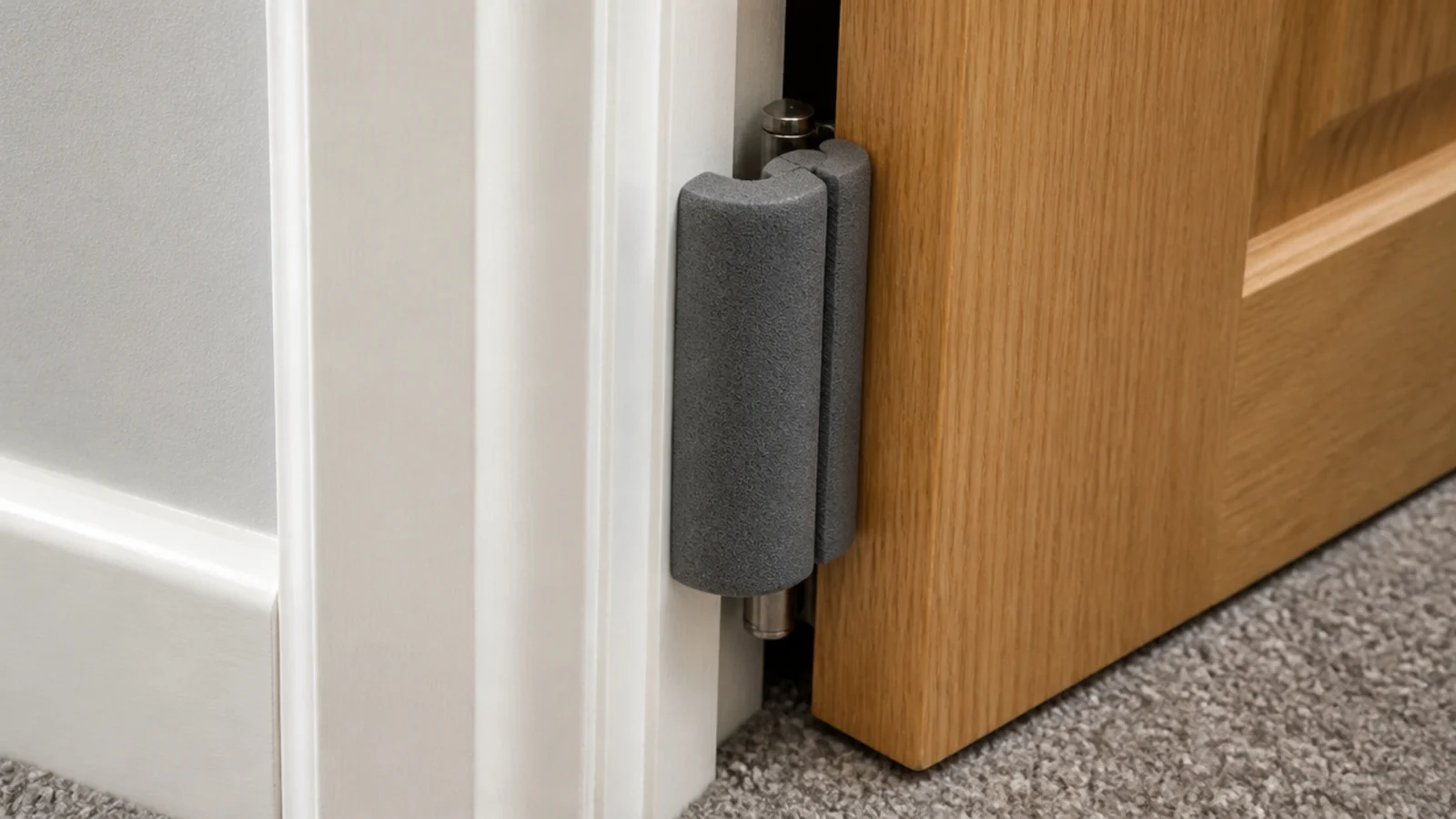
16. Cord shorteners and flat outlet covers
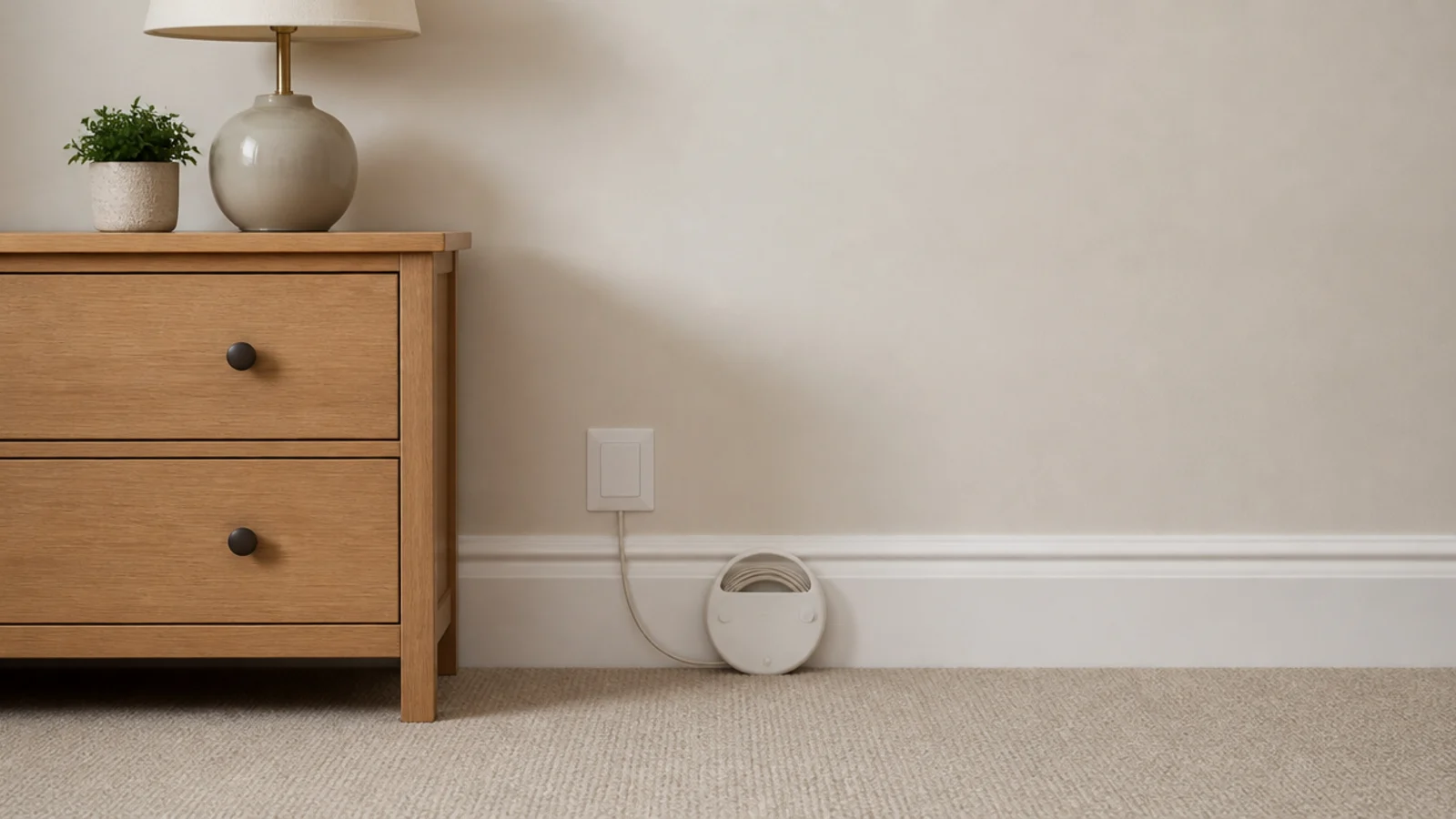
Flush socket covers and a plastic cord shortener on every lamp flex remove two hazards for under $15 total. Wind the slack up, push the lamp back against the wall, and there is nothing loose to pull, chew or wrap.
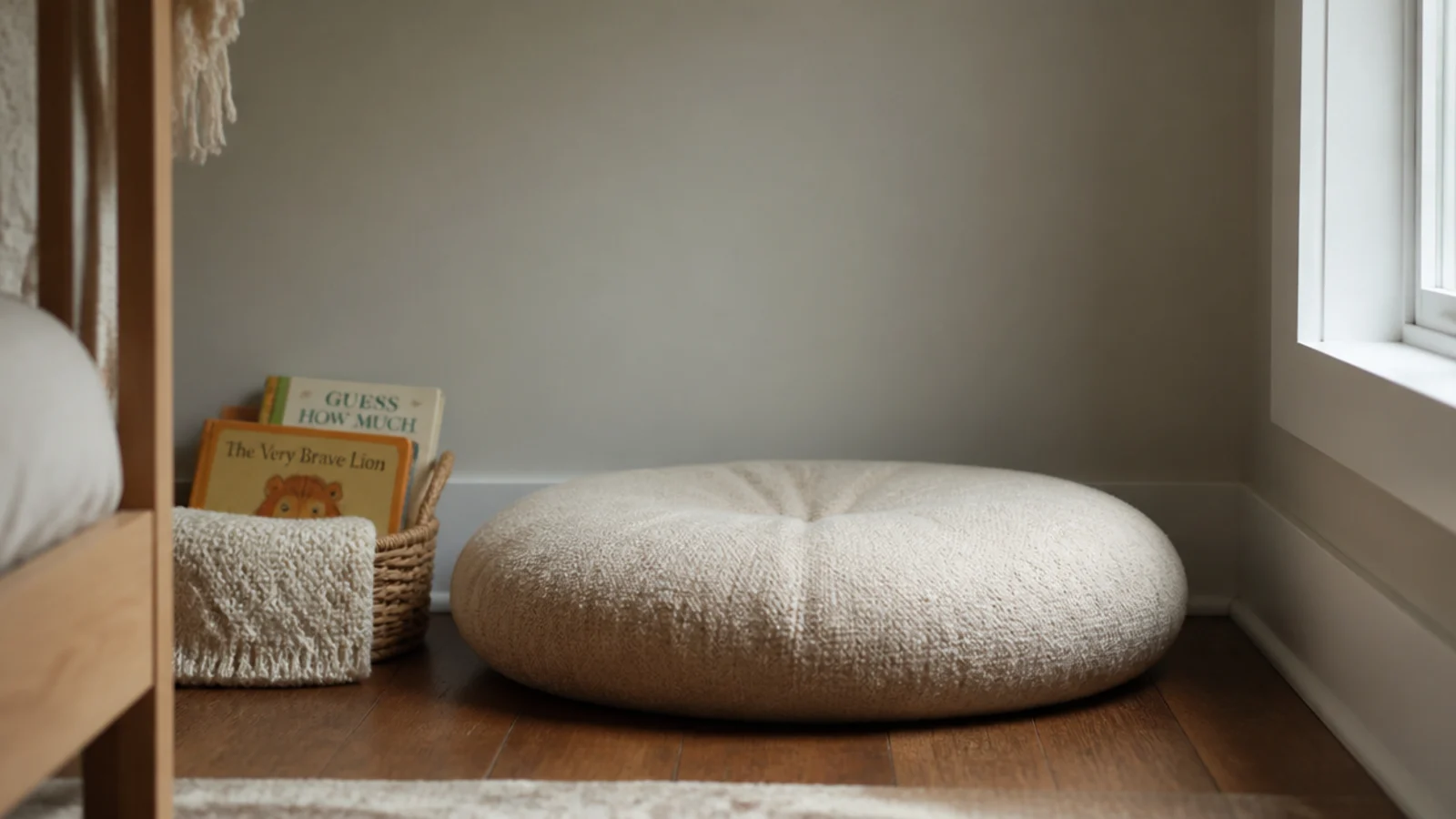
17. A calm corner with one cushion and a basket
One floor cushion, a small basket of board books and a folded blanket in a corner away from the door. It works because it is dull — nothing to wind her up, nothing to tidy, and somewhere obvious to go when the rest of the house is loud.
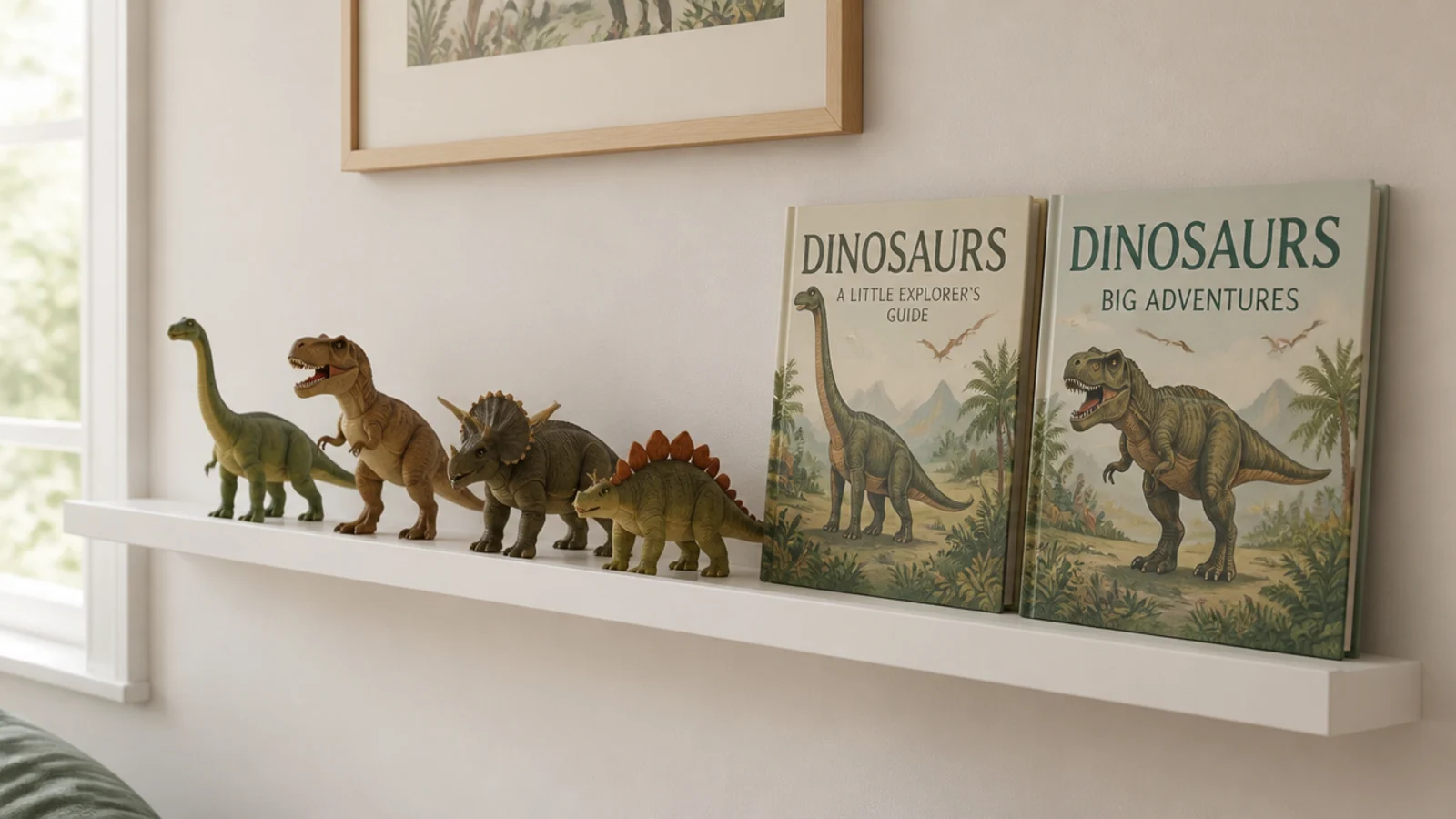
18. A picture ledge for the current obsession
A single 24 inch ledge holding this month's fixation — dinosaurs, horses, buses — gives the room a personality that costs nothing to change. Fix it at 30 inches into studs so she can reach and rearrange it herself.
19. A closet rail dropped to thirty inches
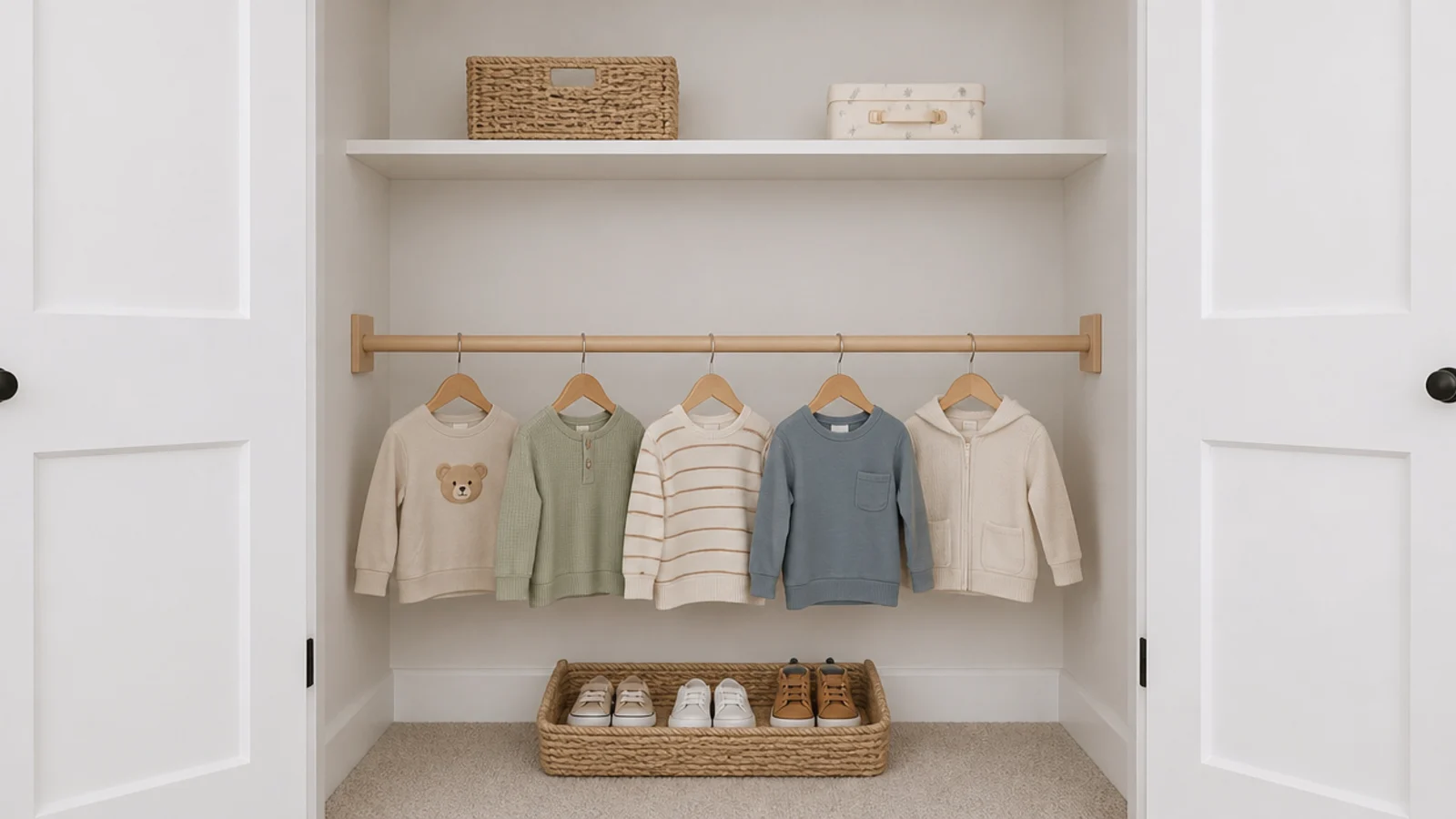
Refitting the rail at 30 to 36 inches is a twenty minute job and it is the single change parents mention most. Keep five or six garments on it so it does not become something to swing from, and keep the shelf above 48 inches for everything else.
20. A curtain instead of a closet door
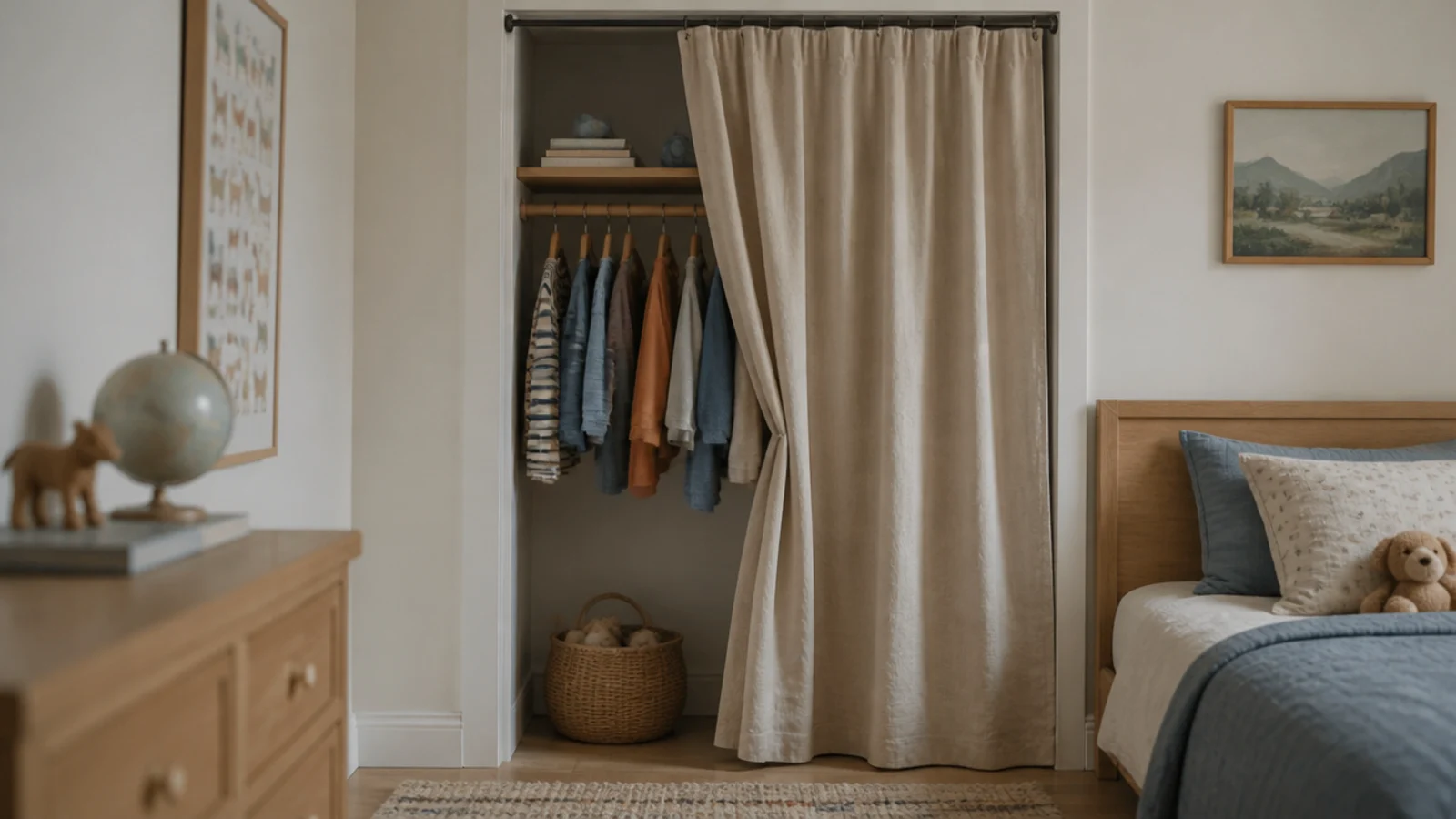
A linen curtain on a slim rod removes a slamming door, a pinch hinge and about six inches of swing clearance. It also lets her see her clothes, which is half of why the lowered rail works. Around $25 in fabric and fittings.
21. A tall bookcase laid on its back
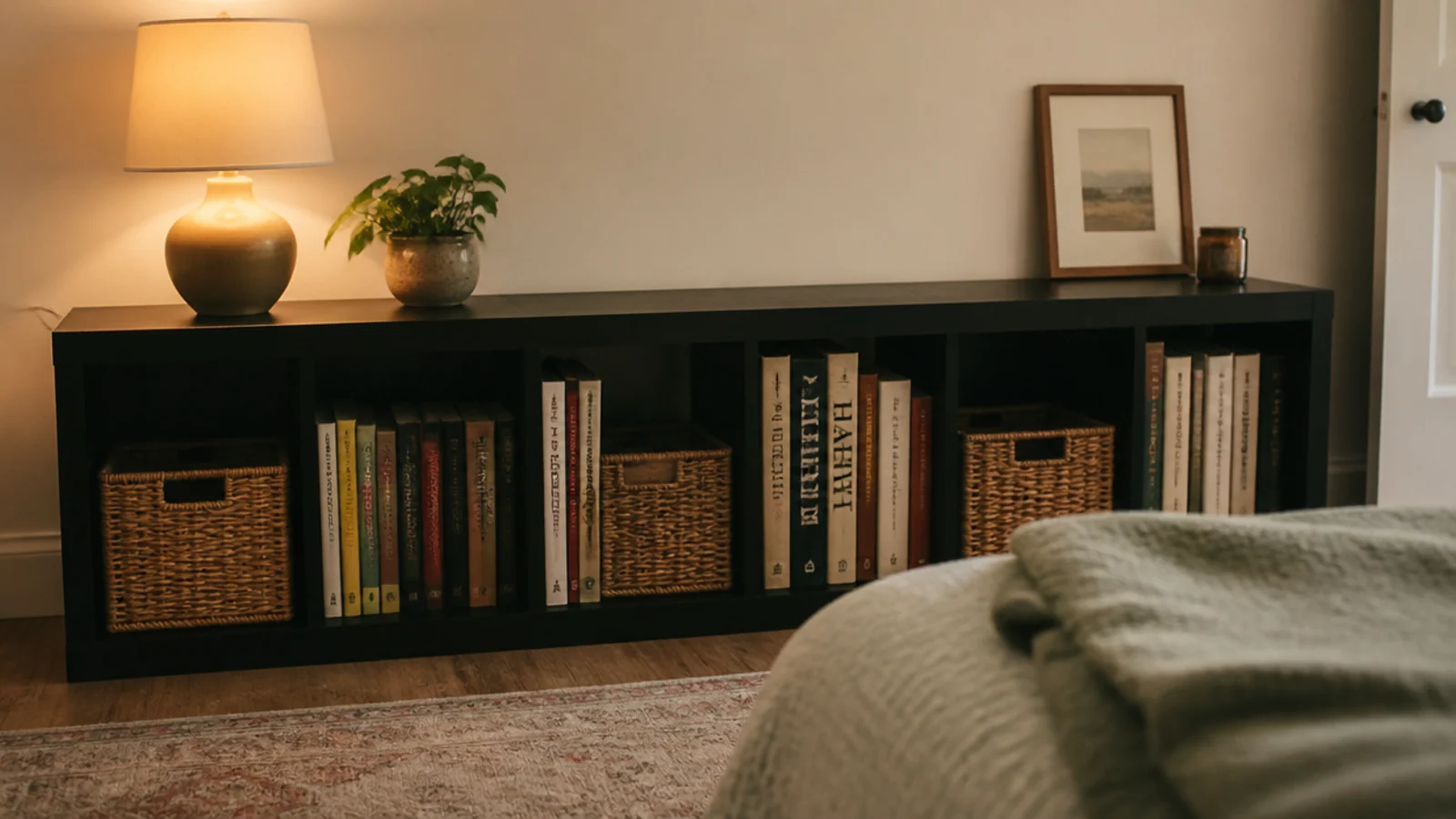
The tallest, tippiest piece in most houses becomes a long low shelf when it is laid horizontally, with a usable surface on top at knee height. Anchor it through the back into studs anyway and fill the openings with lidless baskets.
22. One oversized floor cushion for story time
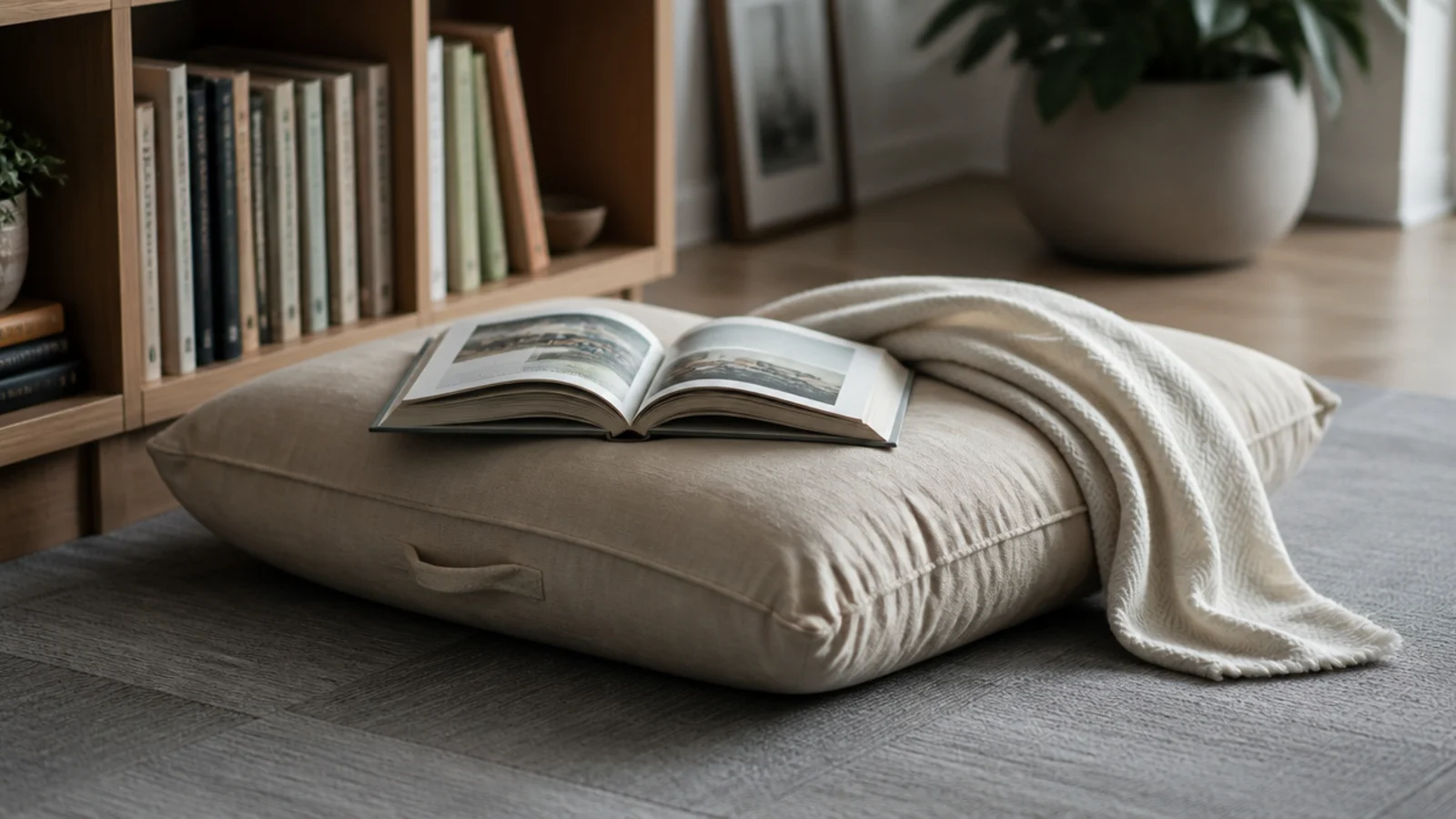
A 30 inch square cushion holds an adult and a child, which a small one does not. Removable washable cover, firm enough not to collapse, and it doubles as the landing pad in the play zone. Expect $40 to $80.
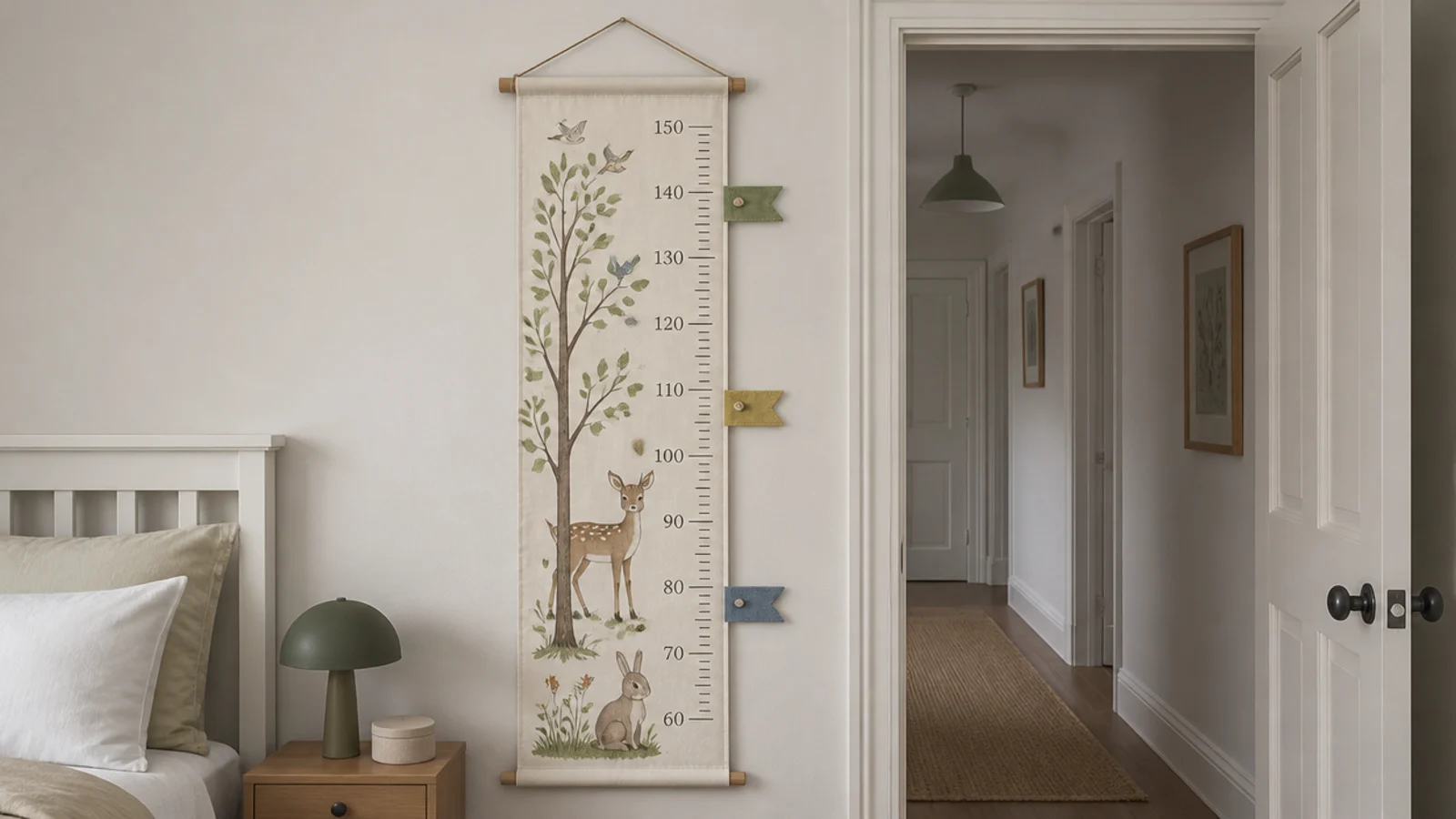
23. A height chart on the doorway
Hung beside the door rather than on a wall, a fabric chart survives repainting and moving house. It also gives you the number that decides the cot: at about 35 inches, or once the rail sits below her chest, the cot is finished.
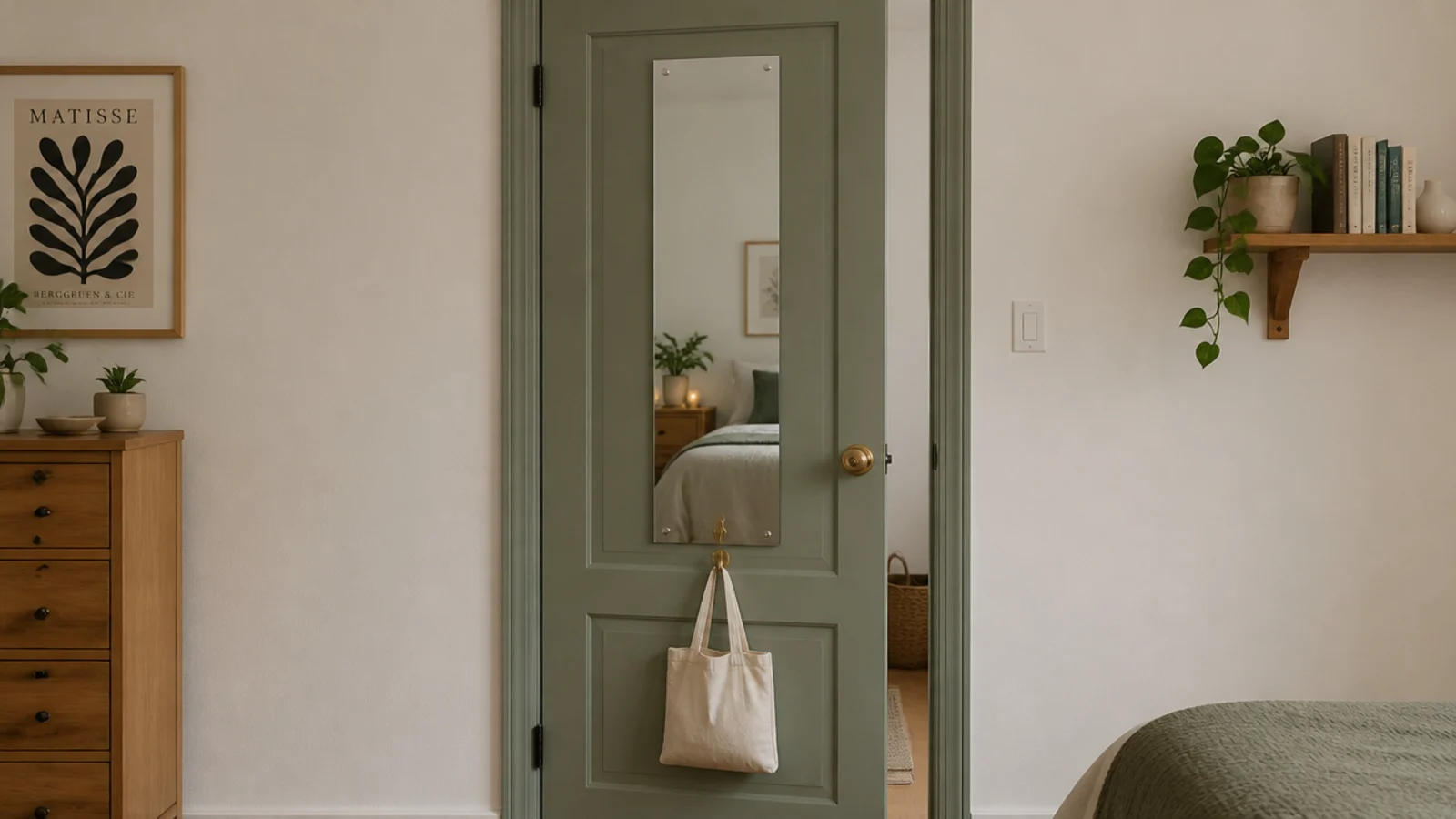
24. A shatterproof mirror behind the door
Acrylic, screwed flat to the door back, using no wall space at all. Never leaned against a wall — a full-length mirror at toddler height is a tipping hazard, and the back of a door is the one place it is out of the way and still useful.
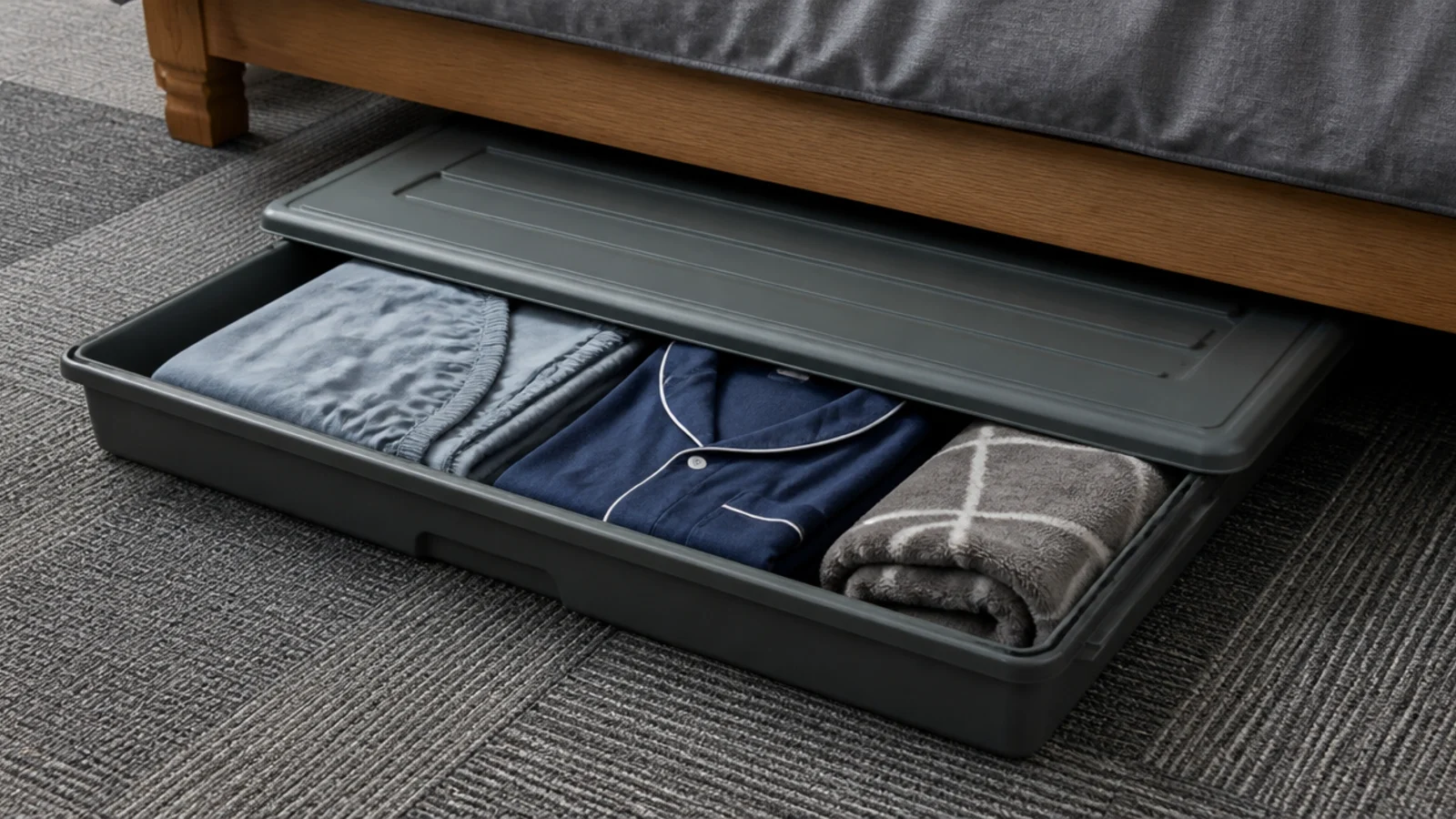
25. A spare set of everything under the bed
A shallow box under the bed holding a spare fitted sheet, pyjamas and a blanket turns a 2am accident into a five minute job. It is the least decorative idea here and the one parents thank me for most. The walk-in closet guide has the same logic for adult storage.
Mistakes to Skip
- Choosing matte paint for the lower half of the wall. It marks on contact and burnishes when wiped, so the first year of handprints becomes a full repaint rather than a cloth.
- Standing a four-cube unit upright because it fits the corner. Upright, the openings are a ladder. Lay it down, anchor it, and it becomes the most used shelf in the room.
- Keeping a lidded toy box without a slow-close hinge. The lid is a finger trap and the box is a place things go to be forgotten. Lidless bins cost less and get used.
- Leaving the closet rail at adult height and then complaining she cannot dress herself. Thirty inches is the change that makes independence possible, and it takes twenty minutes.
None of this is glamorous, which is exactly why it survives. Once the hard-wearing layer is in place, the creative room ideas add the character on top, and if you are still choosing between a floor bed, a toddler bed and a twin, the bed comparison puts the numbers side by side. For the same durability thinking in an older child's room, teen boy bedroom setups is the next stage on.
Frequently asked questions
Is a floor bed better than a toddler bed with rails?
For most families under three, yes. A mattress on the floor removes the fall completely, needs no rail hardware and lets her get in and out without help. The trade is airflow, so use a slatted base or breathable pad underneath and check the underside for damp once a month.
How low should a closet rail be for a toddler?
Drop it to 30 to 36 inches from the floor, which puts hangers within reach of an average three-year-old standing flat. Keep hanging to five or six garments so the rail does not become a pull-down bar, and store off-season clothes on a shelf above 48 inches.
What flooring works best in a small child bedroom?
Carpet tiles or a washable flatweave over a gripping pad. Carpet tiles cost about 3 to 6 dollars a square foot, lift out individually when something soaks in, and leave no curling corner to trip over. Avoid anything with a pile deeper than half an inch.
What paint finish survives a toddler bedroom?
Eggshell or satin in a water-based low-VOC formula. Both wipe clean without burnishing into shiny patches the way matte does. Run the tougher finish from skirting to about 40 inches, which is where every scuff, crayon mark and handprint actually lands.
Do I need a nightlight and a blackout blind at once?
Usually yes, and they solve different problems. A cordless blackout blind blocks 95 per cent of daylight so naps last past twenty minutes, while a 5 to 10 lumen amber nightlight near the skirting stops night waking without pushing back sleep onset the way white light does.
Want more like this? Browse all 15 toddler girl bedroom guides — they all use the same measurements and budget tiers.
Pin it for later
Save this to your Toddler Girl Bedroom board
Pin it now so it is waiting for you when the tape measure comes out — and so the next person hunting for this idea can find it too.
Save this pinKeep going
More ideas worth saving while you have the tape measure out.