Headboard Ideas · Review
25 Best Headboard Picks Worth Buying

Some links on this page may become affiliate links in future. I only recommend pieces I would put in my own home — see the affiliate disclosure.
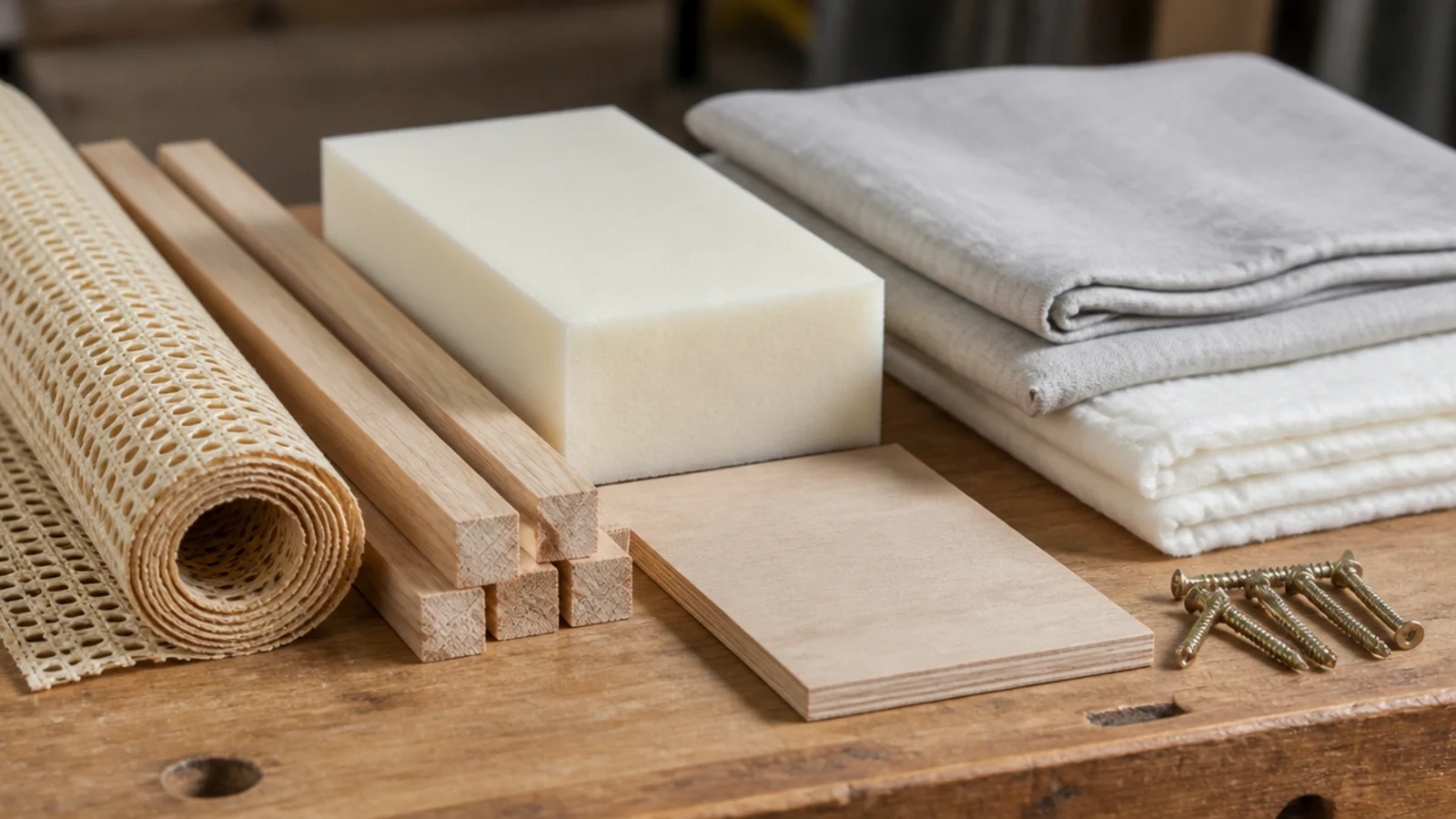
The best DIY headboard materials are rarely the ones in the styled photograph. They are the foam density, the backer thickness and the screws nobody thinks about. I have built eight headboards and taken four of them apart again, which is a slower way to learn than reading this. Below is every material worth considering, compared on cost, weight and how it holds up behind a bed.
In this guide10 sections — tap to openHide
- 1.How I Chose the Best DIY Headboard Materials
- 2.The Full Comparison: 25 Headboard Materials
- 3.Two-inch high-density foam
- 4.Three-quarter-inch birch plywood
- 5.Washable linen or a performance weave
- 6.Pre-woven cane webbing
- 7.Oak slats over a dark backer
- 8.Plywood cleat stock and structural screws
- 9.A vintage kilim flatweave
- 10.What to Check Before You Buy
How I Chose the Best DIY Headboard Materials
I judged everything on five things, in this order.
- Load path. Where does the weight actually go? A headboard takes lateral load every single night as people sit back against it, which is a completely different problem to a picture hanging quietly on a wall. Anything that ends in a plastic wall plug scored badly no matter how good it looked.
- How it behaves after a year. Almost every material photographs well on day one. What separates them is what happens after twelve months of leaning, laundry and dust — compressed foam, a chipped veneer edge, an oily band along the top third of the fabric.
- Weight per square foot. A queen panel is 60 inches wide, and the difference between 9 pounds of cane and 40 pounds of padded plywood decides how many people you need to hang it and how many studs you have to hit.
- Cost against usable life. I weighted anything under $50 that lasts a decade very highly. Cheap materials that need replacing in two years are not cheap; they are an installment plan.
- Renter reversibility. How many holes, how big, how easily patched. A cleat with four screws is a very different proposition to a mounting rail with fourteen.
- How forgiving it is on a first attempt. Some materials punish a wobbly cut and some hide it. Painted pine, washed linen and slats all tolerate a beginner. A walnut slab and a smooth boucle show every error, which matters far more on a first build than any price difference does.
I did not weight trends, finish fashions, or how anything looks in an empty room. Everything is described by type and construction rather than by product name, because the same board, foam and webbing show up under a dozen labels at hardware stores, fabric shops, Amazon, IKEA and thrift, and construction is what you are actually buying.
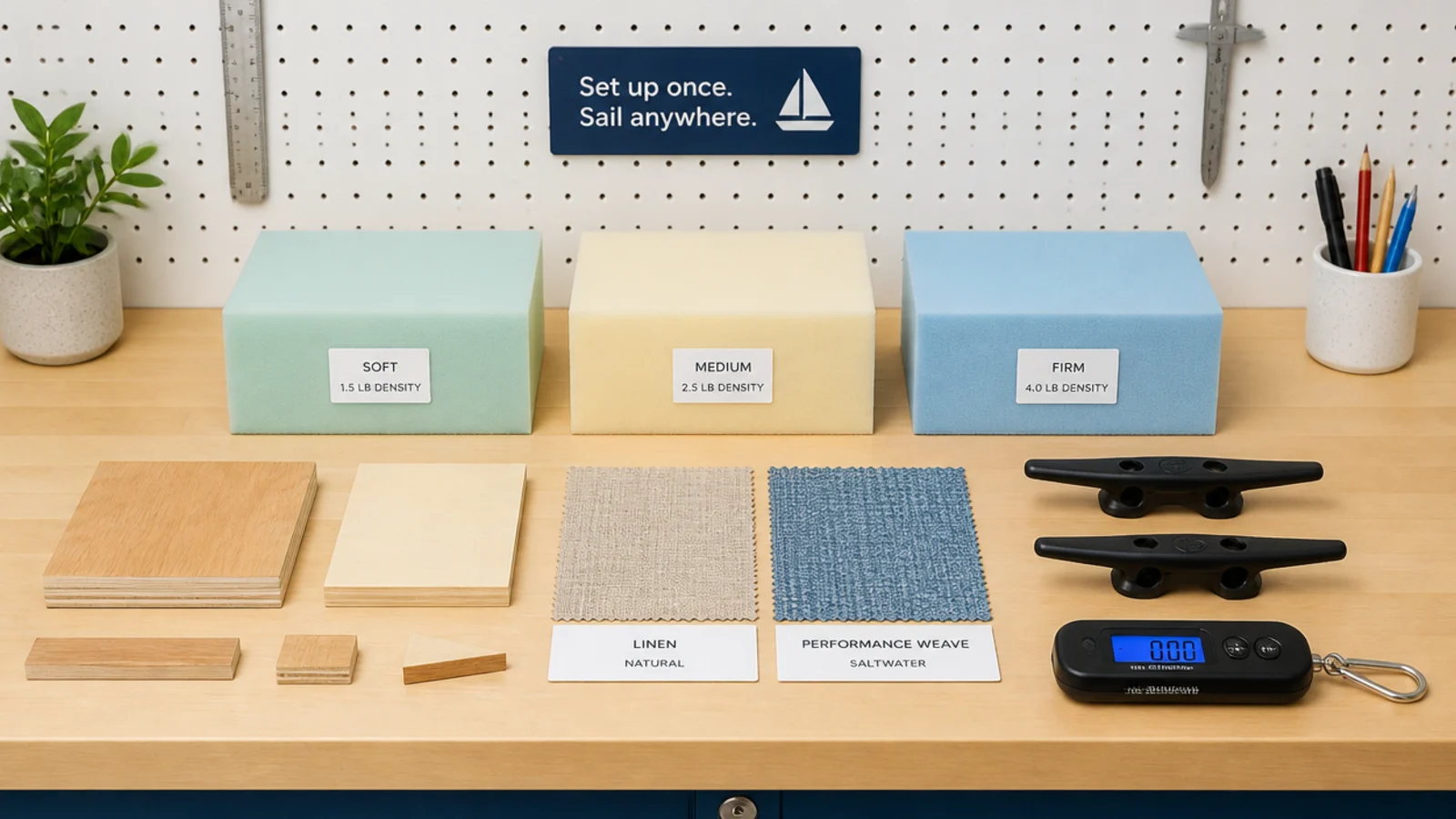
The Full Comparison: 25 Headboard Materials
Price tiers: $ under $50 · $$ $50–$150 · $$$ $150+, costed for a queen-width panel at 60 inches.
| Material | Best for | Price | Why it works |
|---|---|---|---|
| Two-inch high-density foam | Any padded panel | $$ | Keeps its shape for years where soft foam flattens |
| Polyester batting | Softening foam edges | $ | Stops the foam outline telegraphing through fabric |
| Three-quarter-inch birch plywood | Padded panel backers | $$ | Takes a cleat screw without splitting or flexing |
| Half-inch plywood | Light cane and slat panels | $ | Half the weight where nothing gets leaned on |
| Paint-grade MDF | Painted arches and curves | $ | Cuts clean curves, but seal every single edge |
| Washed linen | Panels you sleep against | $$ | Washable, forgiving of an uneven staple line |
| Performance weave | Kids rooms and rentals | $$ | Wipes clean and resists the oily top band |
| Cotton duck canvas | Budget upholstery | $ | The cheapest honest fabric that takes a staple |
| Boucle | Curved and crescent panels | $$$ | Texture hides ripples a smooth weave reveals |
| Faux leather | Wipe-clean bed walls | $$ | Cleans instantly, though it punishes fast stapling |
| Pre-woven cane webbing | Light airy panels | $$ | Under 10 pounds at queen width, one cleat carries it |
| Rattan folding divider | King-width texture fast | $$ | Three panels laid flat cover 76 inches at once |
| Bamboo blind | The cheapest textured panel | $ | Cuts to mattress width with shears in minutes |
| Oak slats | Slatted feature panels | $$ | Straight grain that takes glue and pins reliably |
| Solid oak board | Floating slabs and ledges | $$$ | Spans a full mattress width with no visible sag |
| Walnut slab | Statement floating panels | $$$ | Grain does work no finish can fake |
| Paintable pine boards | Budget wood panels | $ | Costs little and ages honestly under paint |
| Reclaimed barnwood | Rustic plank panels | $$ | Patina no new board imitates; check for old nails |
| Half-round dowels | Fluted and reeded panels | $$ | Catches light in soft vertical stripes |
| Pine picture-frame moulding | Trim-only headboards | $ | Reads as period architecture for very little |
| Plywood cleat stock | Wall mounting anything | $ | The entire load path for under five dollars |
| Structural wood screws | Cleats into studs | $ | Handles nightly lateral load that anchors cannot |
| Heavy-duty staples | Stretching fabric tight | $ | Grips plywood where craft staples pull straight out |
| Vintage kilim flatweave | No-build hanging panels | $$ | Color and age that cannot be bought new |
| Cotton macrame cord | Knotted boho panels | $ | Washes in a pillowcase and costs almost nothing |
Seven of those are the ones I buy on every single build.
1. Two-inch high-density foam
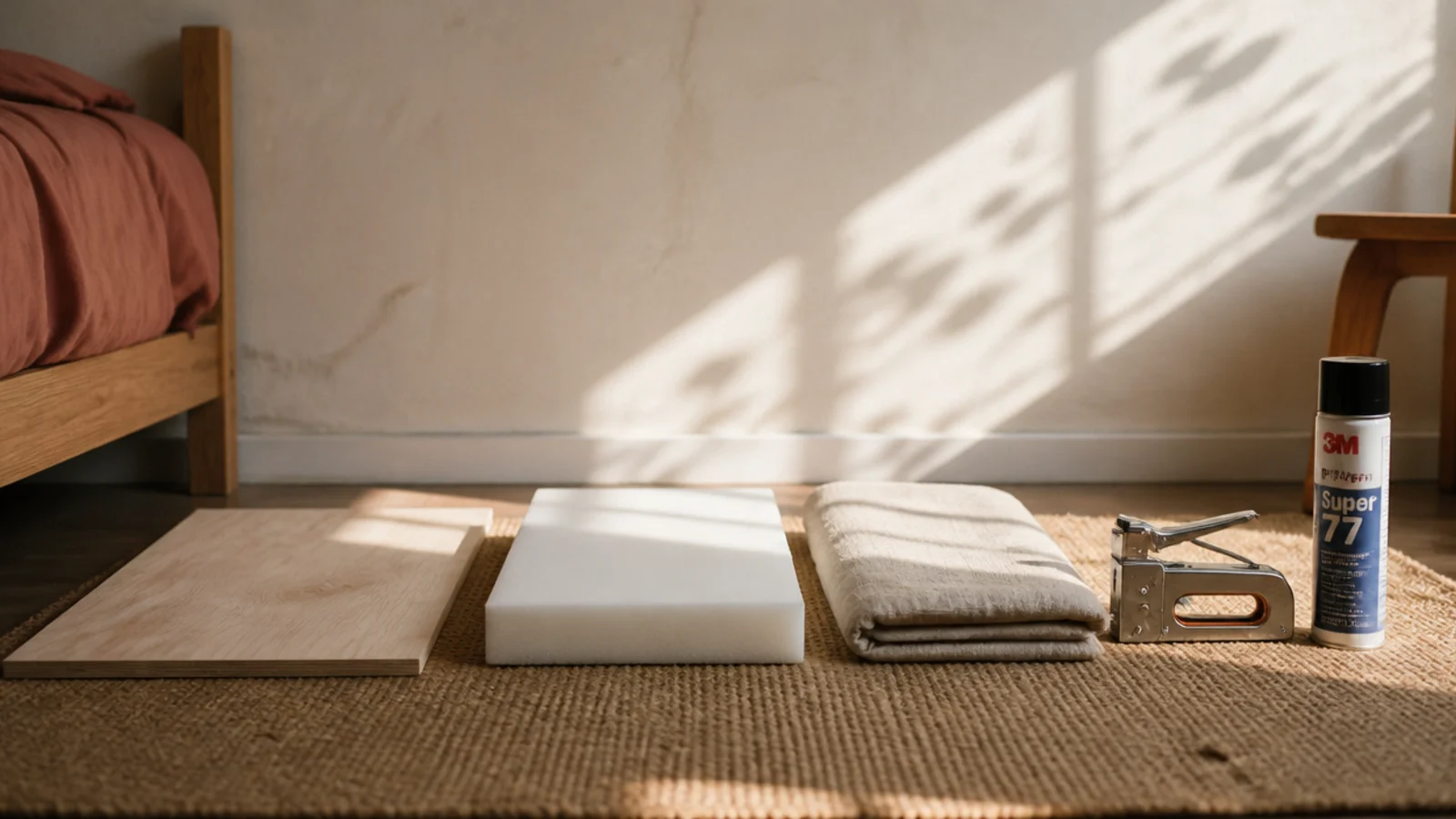
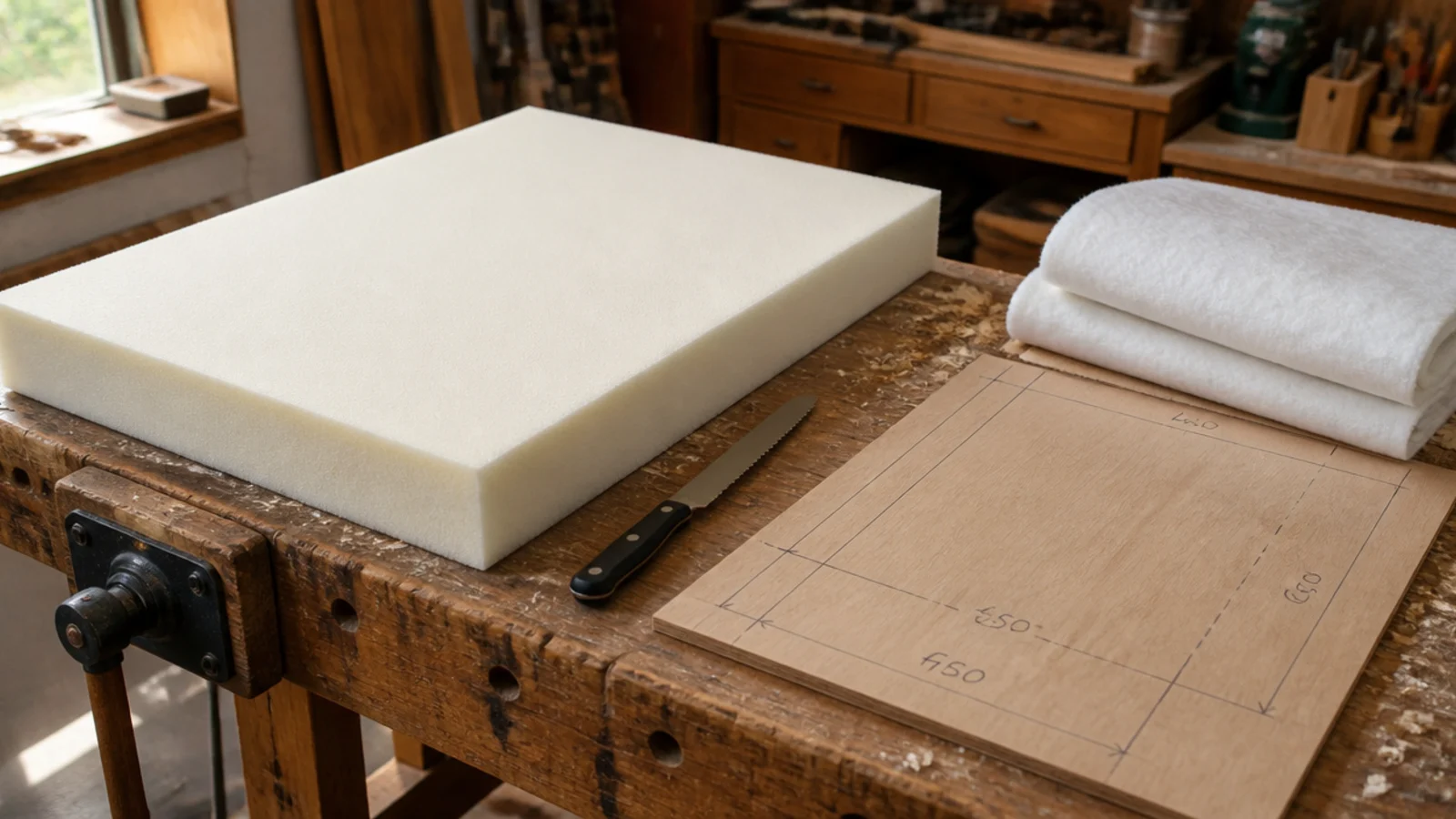
The one material worth arguing about. Two inches of high-density upholstery foam is the difference between a panel you lean on happily for five years and a board with a sheet over it.
Density matters more than thickness. Soft craft foam at the same two inches compresses to almost nothing by spring. Ask for upholstery-grade and press a corner — good foam springs back immediately. Expect $40 to $90 for a queen-width sheet ($$). Cut it with a long bread knife in one continuous stroke rather than sawing.
2. Three-quarter-inch birch plywood
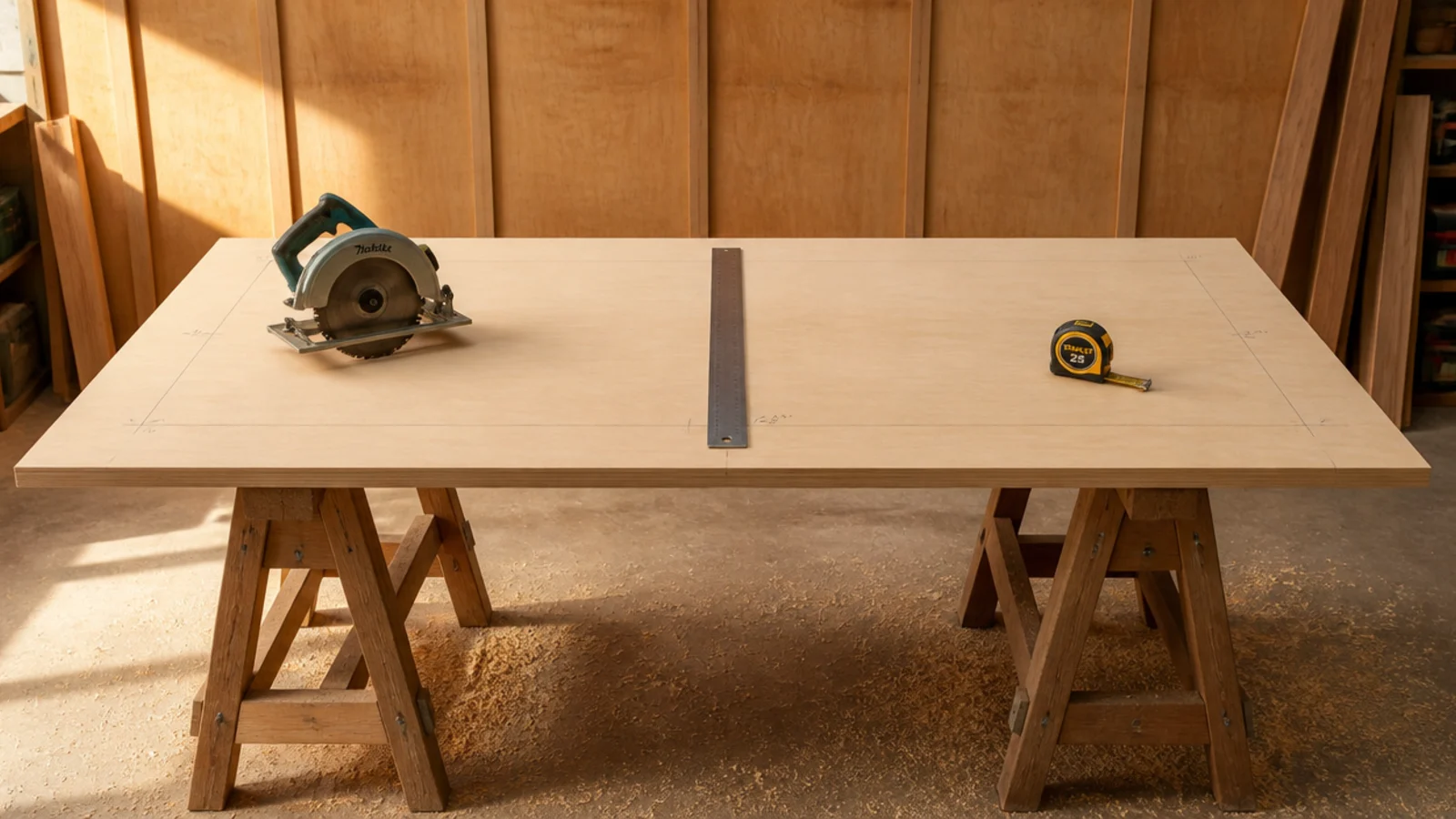
The backer decides whether the cleat holds. Three-quarter-inch birch ply takes a structural screw without splitting, stays flat across a 60-inch span, and gives the staples something to bite that MDF never quite does.
Half-inch is acceptable for cane or slat panels nobody leans on, and it saves real weight. Skip anything thinner. A full sheet runs $55 to $95 ($$) and yields a queen panel plus offcuts for cleats and a small ledge.
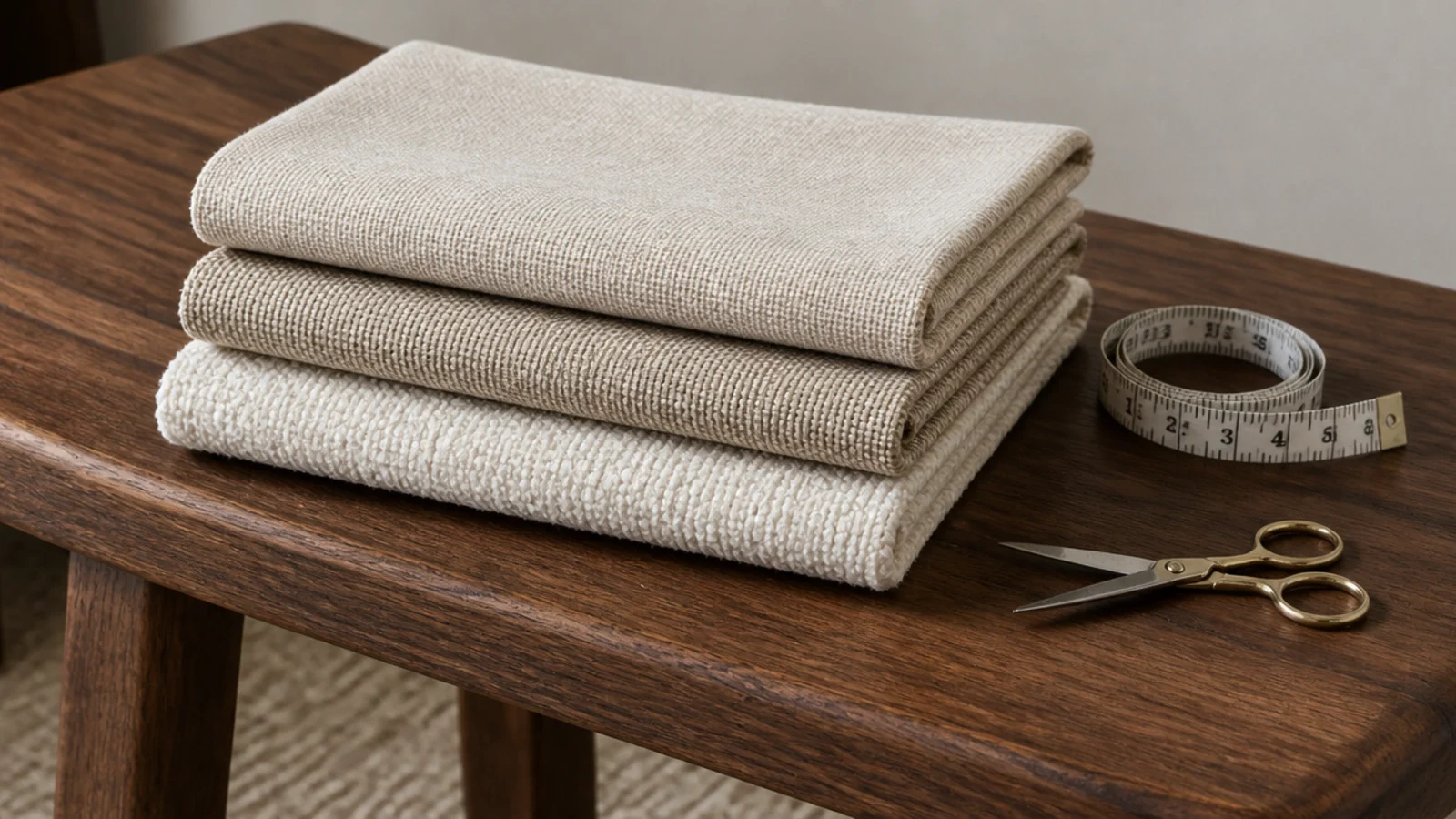
3. Washable linen or a performance weave
Whatever sits behind your head picks up hair oil along the top third within months. That is not a hygiene failure, it is physics, and it means the fabric decision is really a laundry decision.
Washed linen forgives an uneven staple line and softens with age. A performance weave wipes clean and belongs in any kids room. Both run $18 to $45 a yard ($$), and a queen panel takes about two yards. Buy the extra half yard; you will need it at the corners.
4. Pre-woven cane webbing
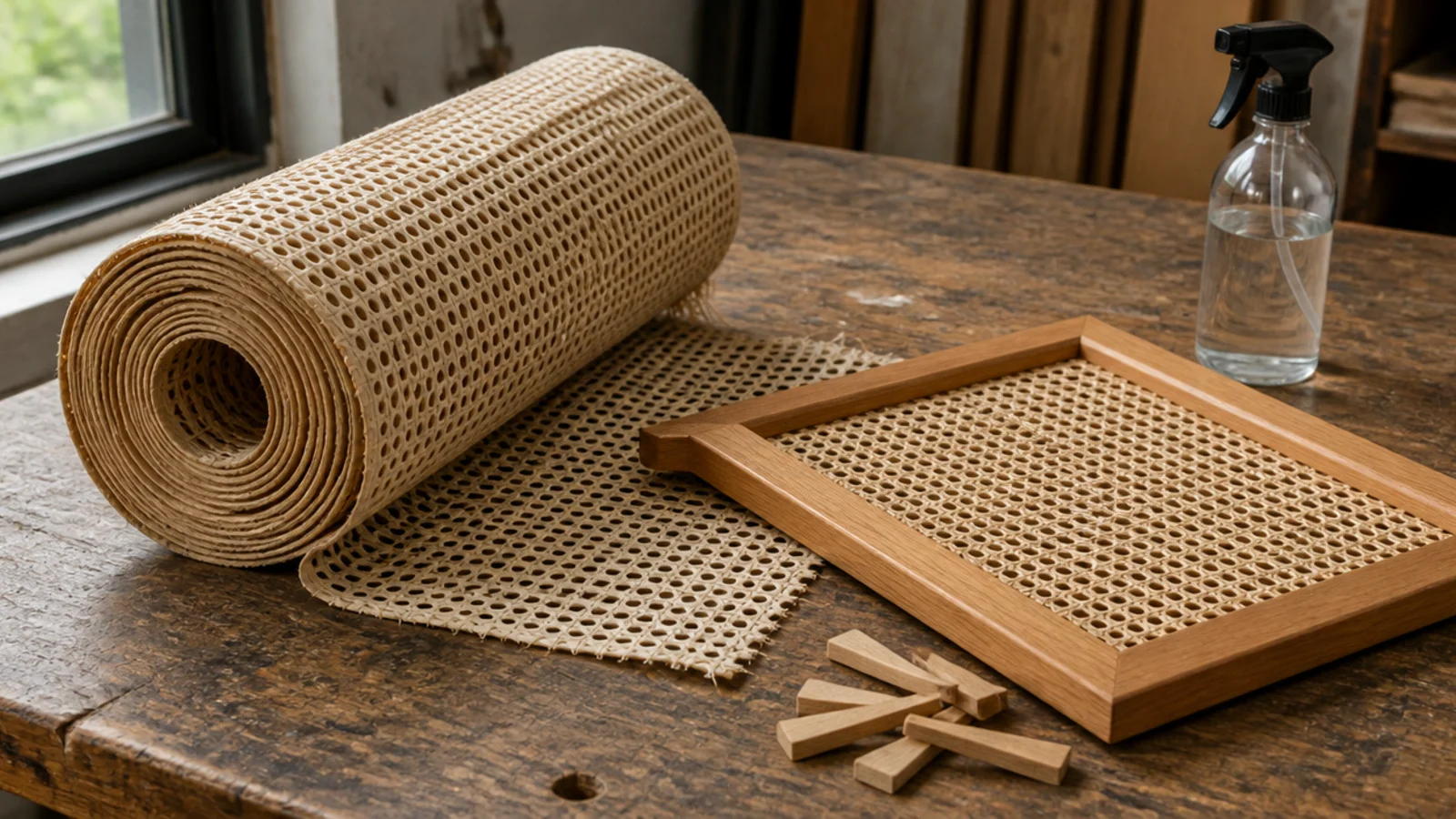
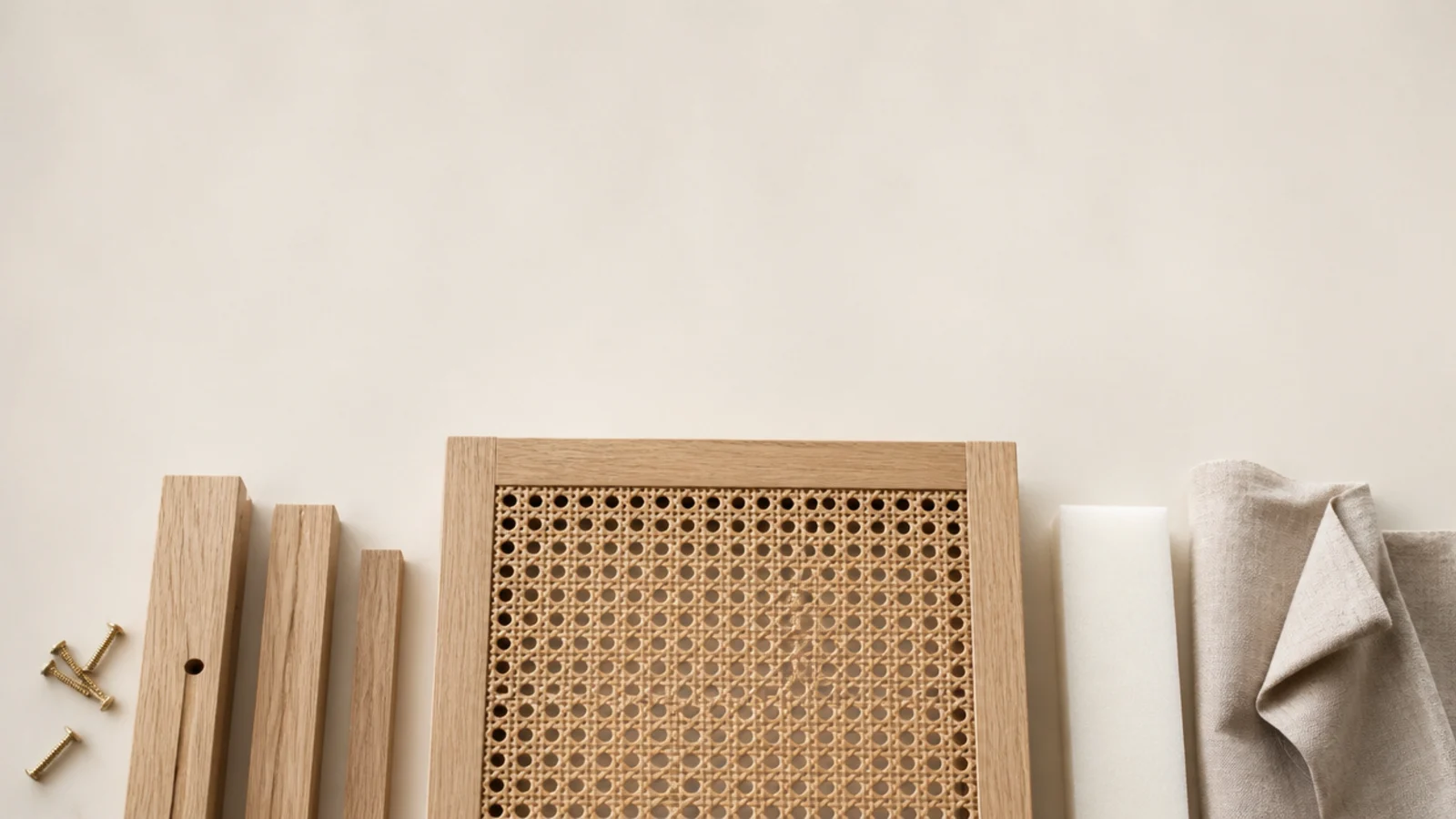
Cane is the best value texture in this whole list. A queen-width panel of webbing in a slim oak frame weighs under 10 pounds, which means one cleat into a single stud carries it comfortably.
Soak the webbing for an hour, staple it damp into a routed groove, and it dries drum tight. Pre-woven cane runs $30 to $70 for a queen width ($$). Keep the frame stock narrow at about 1.5 inches, or it stops reading as cane. More builds like it live in wood headboard ideas.
5. Oak slats over a dark backer
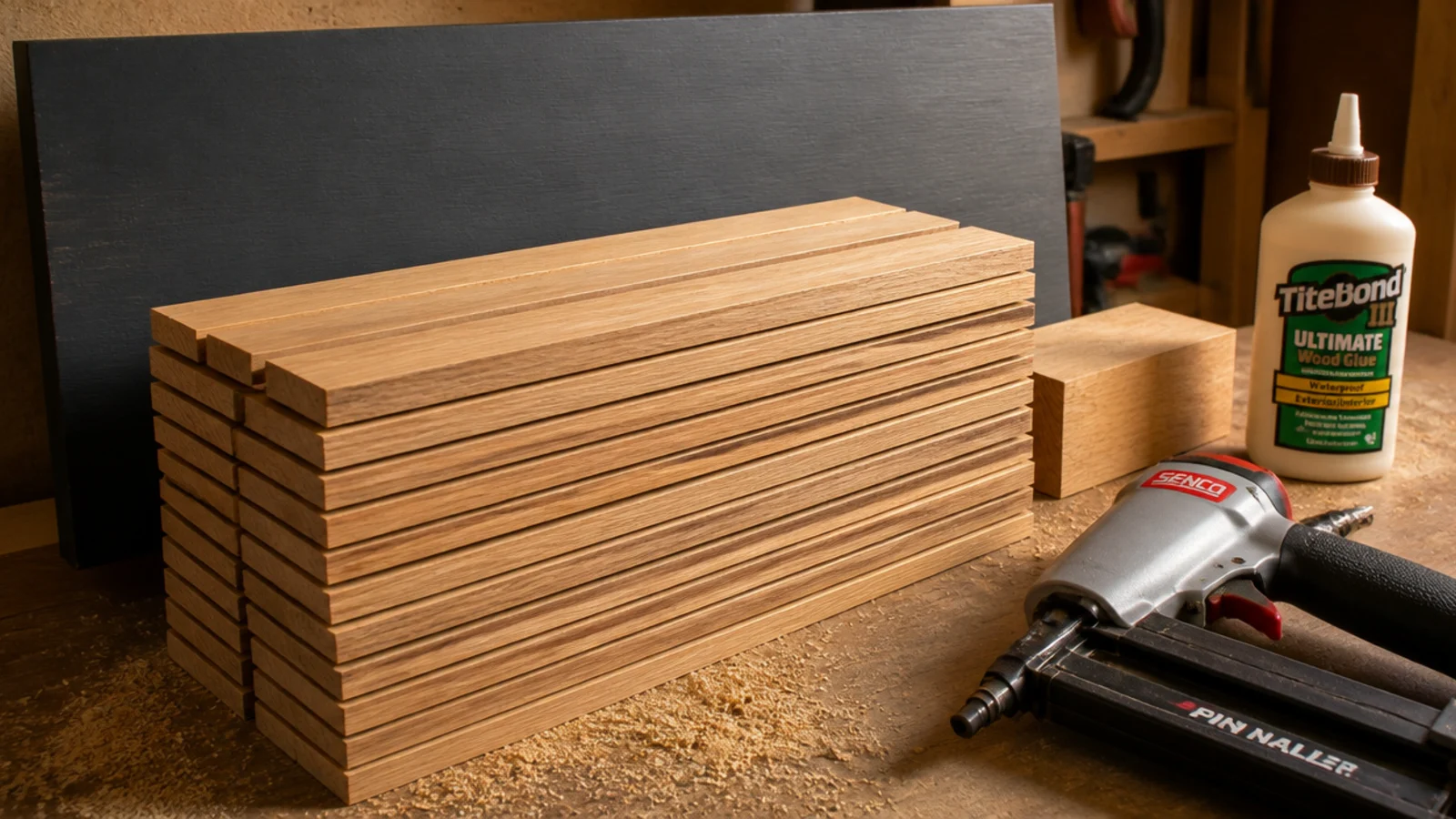
Slats are simple, forgiving and hard to get wrong, provided you paint the backer board dark before you glue anything to it. That is the whole trick — the gaps become shadow instead of drywall.
Use planed 1 by 2 oak with a 1-inch space, glue and pin each slat, then hang the assembly on one cleat. Materials run $70 to $140 ($$). Cut every slat on a stop block so the top ends line up perfectly, because unevenness there is very visible.
6. Plywood cleat stock and structural screws
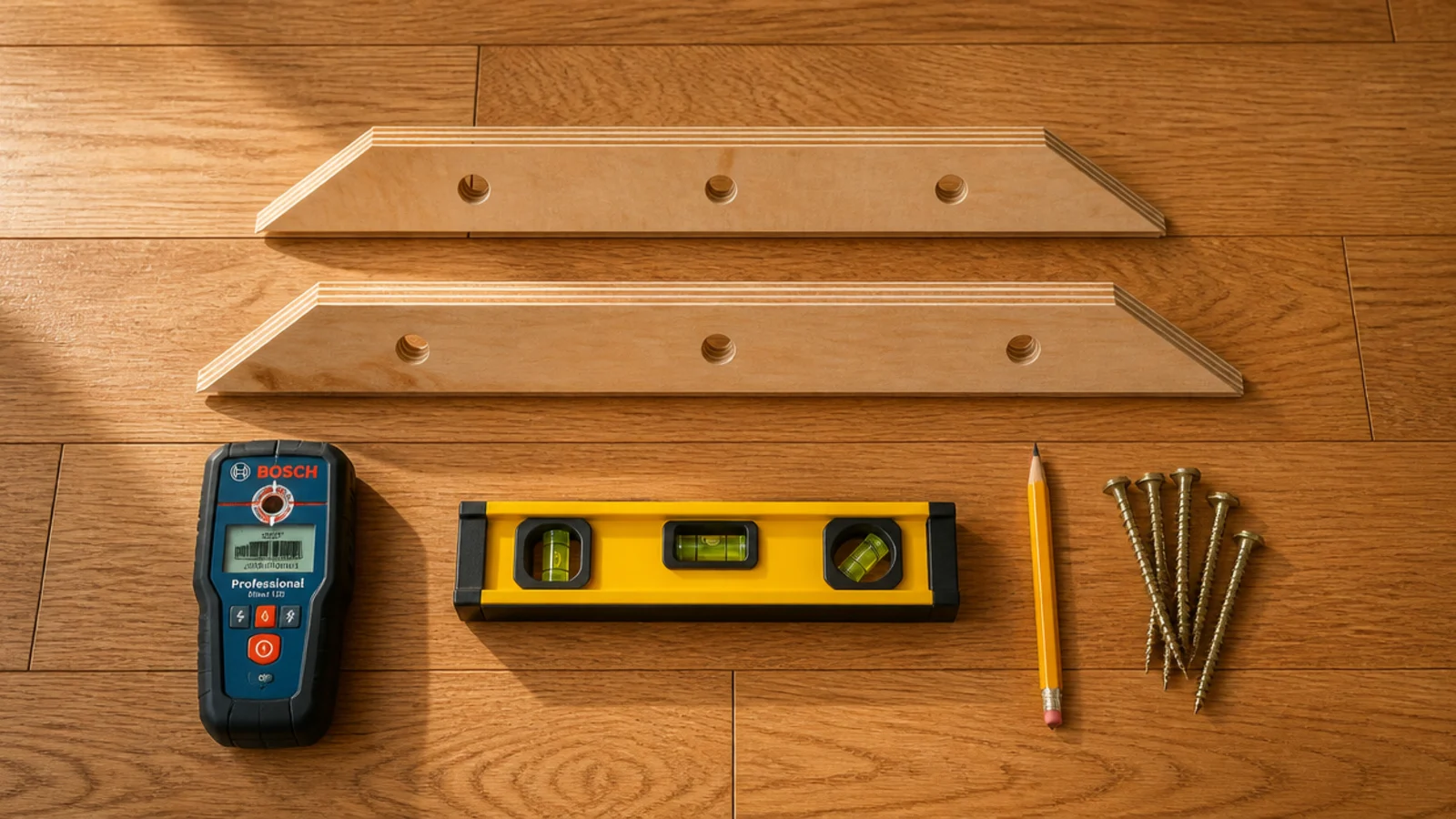
The cheapest items in this article carry everything else. Two strips of plywood ripped at 45 degrees, one on the wall and one on the panel, spread the load along the full width instead of two bracket points.
Then use real structural screws into studs, not the plastic plugs in the hardware pack. Cleat stock is an offcut and screws cost $8 for a box ($). If you take one thing from this whole guide, take this one. The sequence is covered properly in diy headboard ideas.
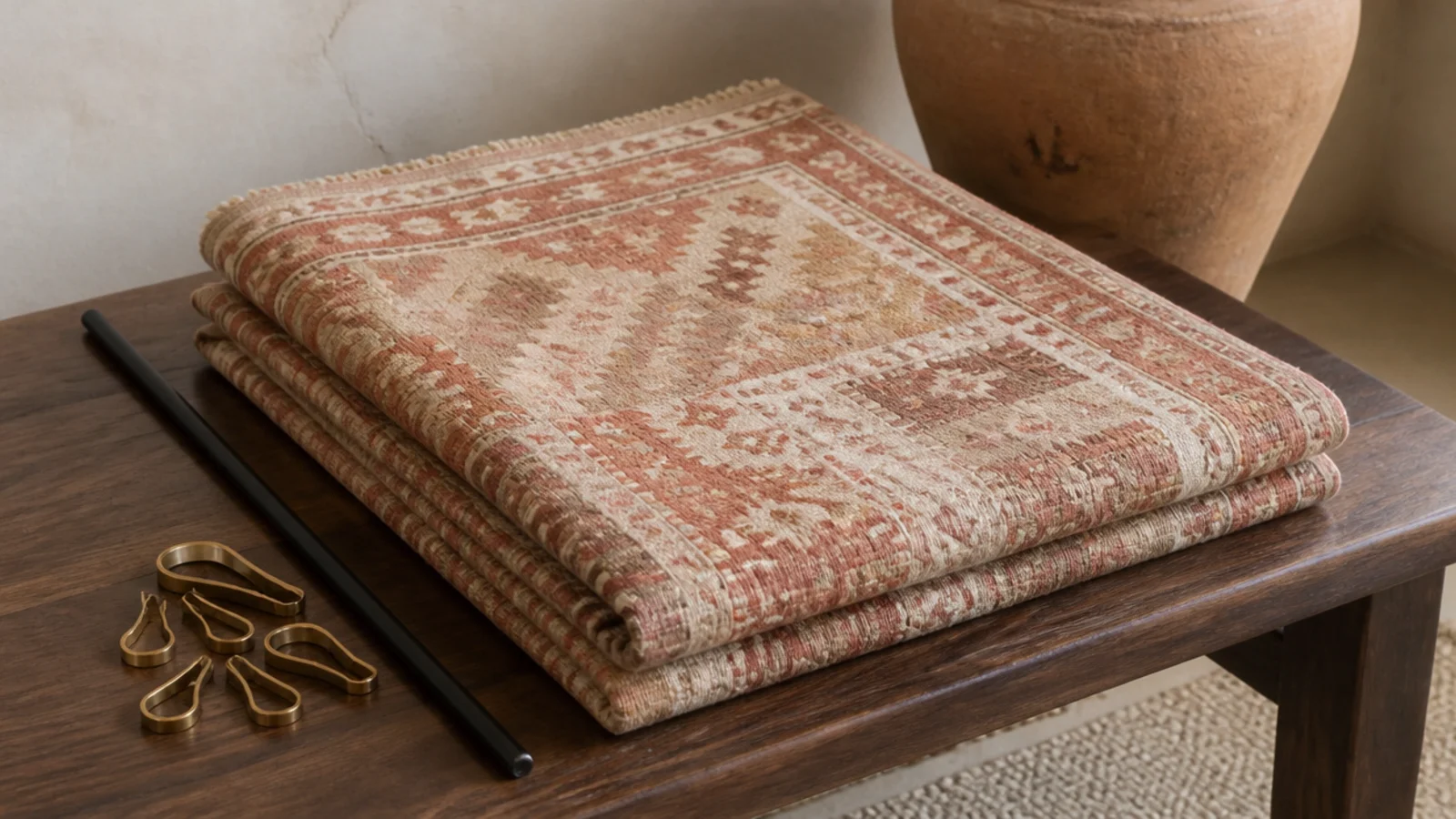
7. A vintage kilim flatweave
For a no-build headboard, nothing beats a worn kilim. A 3 by 5 foot flatweave sits close to queen width at 60 inches and brings color that no new textile fakes.
Flatweave only. Pile rugs sag under their own weight and hold dust against your pillows. Hang it from rug clips on a slim rod, with the bottom edge 6 inches above the mattress. Thrifted pieces run $30 to $90 ($$), and a wash plus a sunny afternoon softens loud colors by a shade.
What to Check Before You Buy
Measure the mattress, never the frame. Twin is 38 inches, full 54, queen 60, king 76. Cut to that number, or up to 4 inches wider on each side. Frames vary by six inches between a platform and a divan, and cutting to the frame is the most common reason a finished panel looks wrong.
Find the studs before you buy the board. If the studs land awkwardly, the panel width or the cleat length has to change, and it is much easier to know that before anything is cut. A headboard takes nightly lateral load, so at least two structural screws must reach framing.
Press the foam in the shop. Good high-density foam springs back the moment you release it. Anything that stays dented is craft foam, whatever the label says, and it will not survive a year behind a bed.
Check whether the fabric can be washed. Ask directly, and if the answer is dry clean only, plan a slipcover from the start rather than discovering the problem in month four.
Look at the front edge on any wood you are not painting. A visible seam where edge banding meets the face means veneer over particle board, and that edge will chip where bedding brushes it.
Add the mounting hardware to the same basket. Structural screws, a stud finder if you do not own one, and a decent level. The trip back to the store for a $6 box of screws is the one everybody makes.
Weigh the finished panel in your head before you build it. A padded queen panel on three-quarter-inch plywood lands near 40 pounds, while a cane panel the same size is under 10. Anything over 30 pounds wants two people to hang it and two studs to hold it, and that changes where the cleat can sit.
Budget for two extra yards and one extra board. Every build I have done has needed slightly more of something, usually fabric at the corners, and offcuts become cleats, ledges and test pieces.
Frequently asked questions
What foam should I use for a DIY headboard?
Two inches of high-density upholstery foam, not the soft craft foam sold in fabric aisles. Density decides how long a panel keeps its shape; thickness alone does not. A dense two-inch sheet still feels supportive after five years of nightly leaning, while a soft sheet of the same thickness compresses to almost nothing within a season.
What is the best backer board for a headboard panel?
Three-quarter-inch birch plywood for anything padded or wall-hung, because it takes a cleat screw without splitting and does not flex across a queen span. Half-inch plywood is fine for light cane or slat panels that nobody leans on. Paint-grade MDF cuts beautiful curves but must be sealed on every edge, especially on an exterior wall.
How much does a DIY headboard cost to build?
A painted plywood or trim headboard lands under $50. A padded queen panel in linen with proper foam and batting runs $90 to $180. A solid oak or walnut slab runs $200 to $500 depending on species and width. The mounting hardware is the cheapest line on every one of those, and the most important.
What fabric holds up best behind a bed?
A washable linen or a performance weave. Whatever goes behind your head collects hair oil along the top third within months, and a fabric you cannot launder becomes a panel you replace. Performance weaves wipe clean and suit kids rooms; washed linen is more forgiving of an uneven staple line and ages better.
Do I really need a french cleat, or will brackets do?
A cleat is better and cheaper. Two plywood strips ripped at 45 degrees spread the load along the whole panel width instead of two points, and gravity pulls the panel tighter to the wall as weight increases. It also lets you lift the panel off in one motion to paint behind it. Total cost is a few dollars.
Which materials should I avoid for a headboard?
Soft craft foam, unsealed board on an exterior wall, laminate anywhere near a radiator and dry-clean-only fabric behind pillows. Also skip the plastic wall plugs supplied in most hardware packs. A headboard takes lateral load every night as people sit back against it, and plugs rated for static loads creep out of drywall over months.
Spend on the foam and the fixings, save on the fabric, and cut to the mattress rather than the frame — those three decisions cover most of what separates a headboard that lasts from one you rebuild. For the padded builds in detail, upholstered headboard ideas covers layering and stapling, and for the wall around it, candle decor for the bedroom handles the nightstand. Save the pin for the next hardware store trip.
Want more like this? Browse all 15 headboard ideas guides — they all use the same measurements and budget tiers.
Pin it for later
Save this to your Headboard Ideas board
Pin it now so it is waiting for you when the tape measure comes out — and so the next person hunting for this idea can find it too.
Save this pinKeep going
More ideas worth saving while you have the tape measure out.